Go through census pages for American farm country before the middle of the twentieth century and you keep meeting her. A young woman, late teens or early twenties, living in a household she is not related to, with an occupation entered as servant or housework or simply nothing at all.
She was the hired girl, and almost every farm of any size had one at some point.
The term has gone completely, and so has the thing it described – which is worth some attention, because the arrangement does not map onto anything that exists now. She was not a maid in the way a town house had a maid. She was not family. And she was not an employee in any sense that a modern employment relationship would recognise.
The Work Was Not Optional and It Was Enormous
Start with the quantity, because the position existed for a straightforward reason: a farm household could not run on the labour of the women already in it.
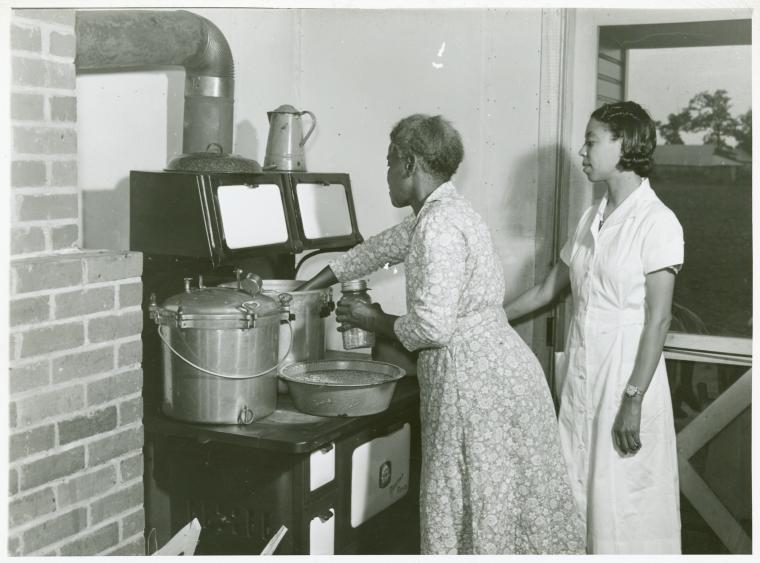
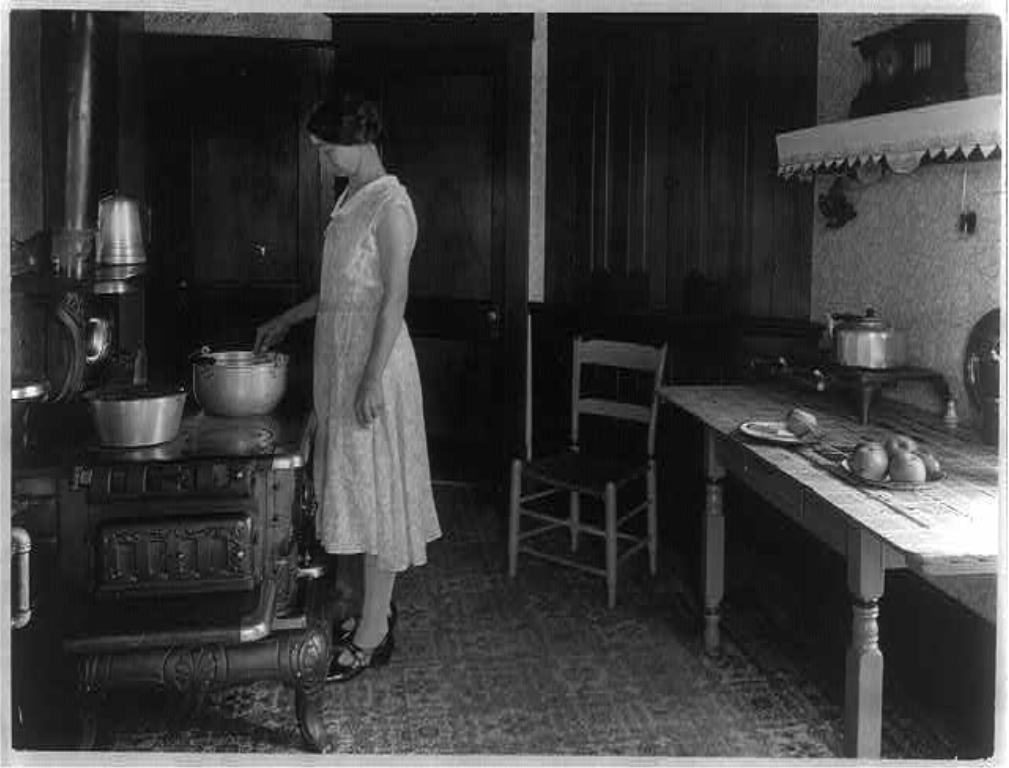
A farmhouse without plumbing, without power and without purchased food produced almost everything it consumed and processed almost everything it produced. Water carried in and carried out. Laundry as a full day’s work with water heated on a stove. Baking several times a week. Three cooked meals a day for the household, plus more for hired hands at harvest and threshing, which could mean feeding a dozen men at noon. Milk handled twice daily. Garden produce preserved by the hundredweight in late summer. Sewing and mending as continuous background work. Floors, lamps, stoves and all the rest of it.
Add small children, which most of these households had, and the arithmetic stops working. One woman cannot do it. Two frequently cannot. And the periods of heaviest demand – harvest, threshing, canning season, a new baby, an illness – all arrive as spikes on top of a workload that is already at capacity.
So the household bought labour. And because the work was indoor household work, the labour it bought was a young woman.
Like our content? Follow us for more.
Who She Was
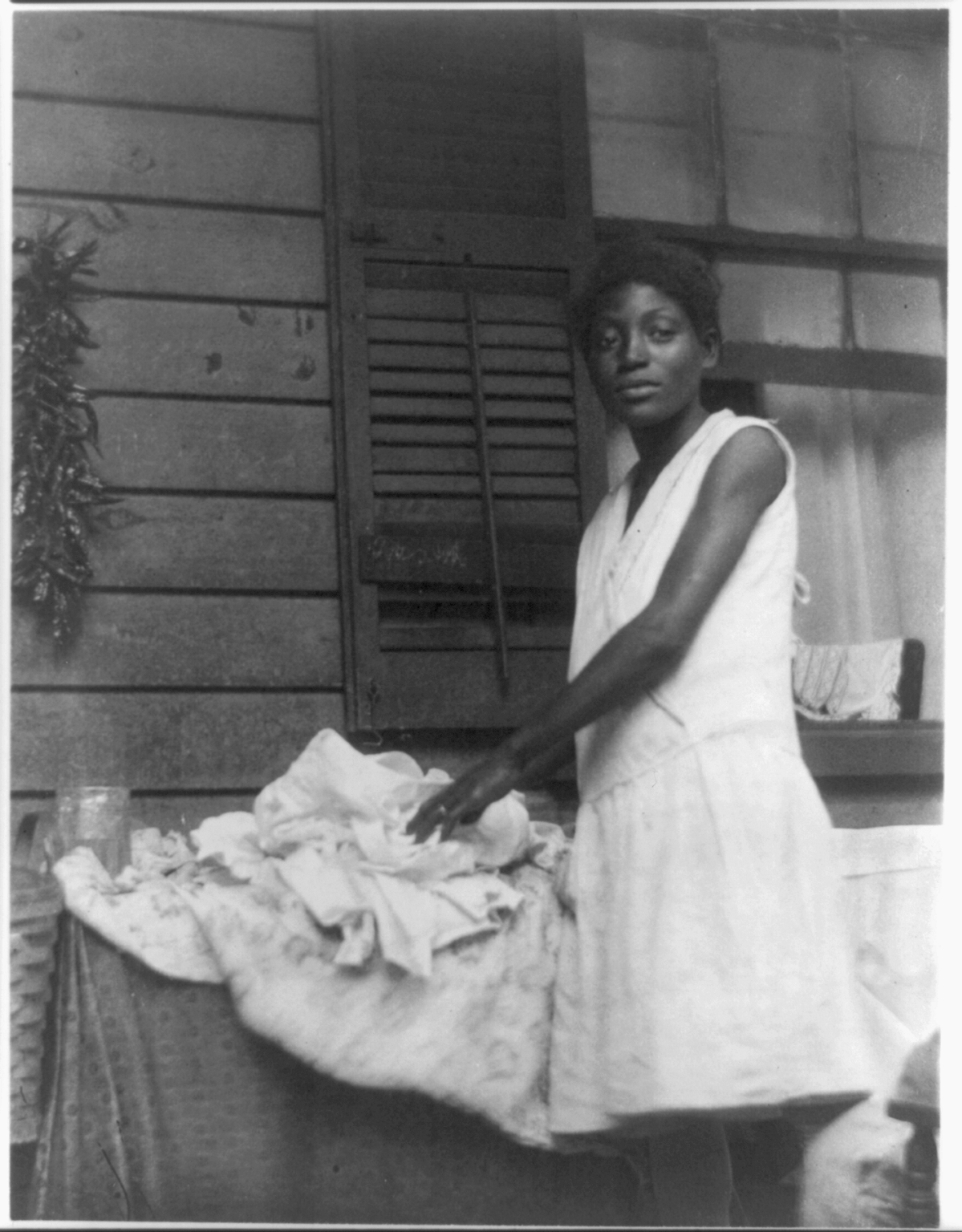
Usually a neighbour’s daughter, or a girl from a family a few miles off, or a relative at one remove – a cousin, a niece, somebody’s sister-in-law’s sister. The hiring was local and it ran on reputation in both directions.
She was frequently working to earn something specific. Money for clothes, for schooling, for a start of her own, or wages sent home to a family that needed them. For a great many young women in farm country this was the only paid work available, because there was essentially nothing else a rural girl could do for money without leaving the district entirely.
Some were very young by any modern standard, which has to be said plainly rather than skated over. Some were the daughters of families in difficulty, placed in a household because there was not enough at home. And the arrangement sat alongside a whole set of informal fostering and placing-out practices that ranged from genuinely kind to frankly exploitative, with no supervision of any kind and no distinction in the records between them.
The historical reality covers the whole range, and it is not honest to present only the warm end of it.
Why She Ate at the Table
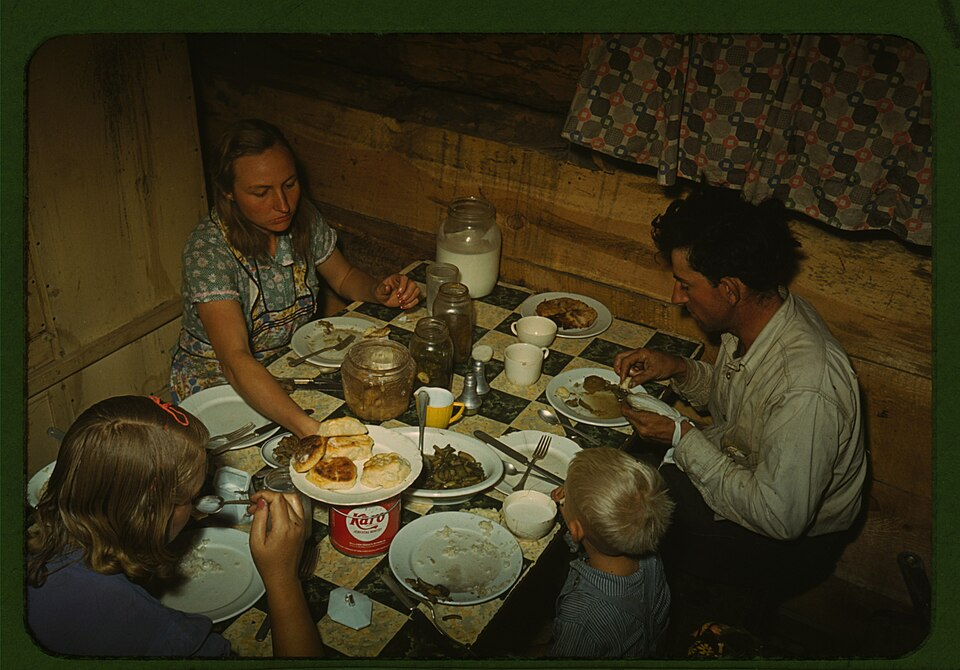
Here is the distinguishing feature, and it is the reason the position does not translate.
In a town household with servants, the social separation was the whole point. Different rooms, different meals, different entrances, a uniform, a form of address. The arrangement was designed to make the hierarchy continuously visible.
On a farm, none of that was possible or wanted. There was one kitchen and one table. The hired girl ate with the family, at the same meal, because there was nowhere else and nothing else to eat. She slept in the house, usually in an attic room or a room shared with the daughters. She did the same work the daughters did, alongside them, directed by the same woman.
So the daily experience was not that of a servant. It was that of an extra daughter who was being paid – and a great many of these relationships were genuinely affectionate, with hired girls remembered by name for sixty years, invited to weddings, written to, and in some cases married into the family they had worked for.
But the affection did not change what it was. She could be let go. The daughters could not. That asymmetry sat underneath the shared table the entire time, and it is the thing that distinguishes her from family however warm the household was.
What She Was Paid
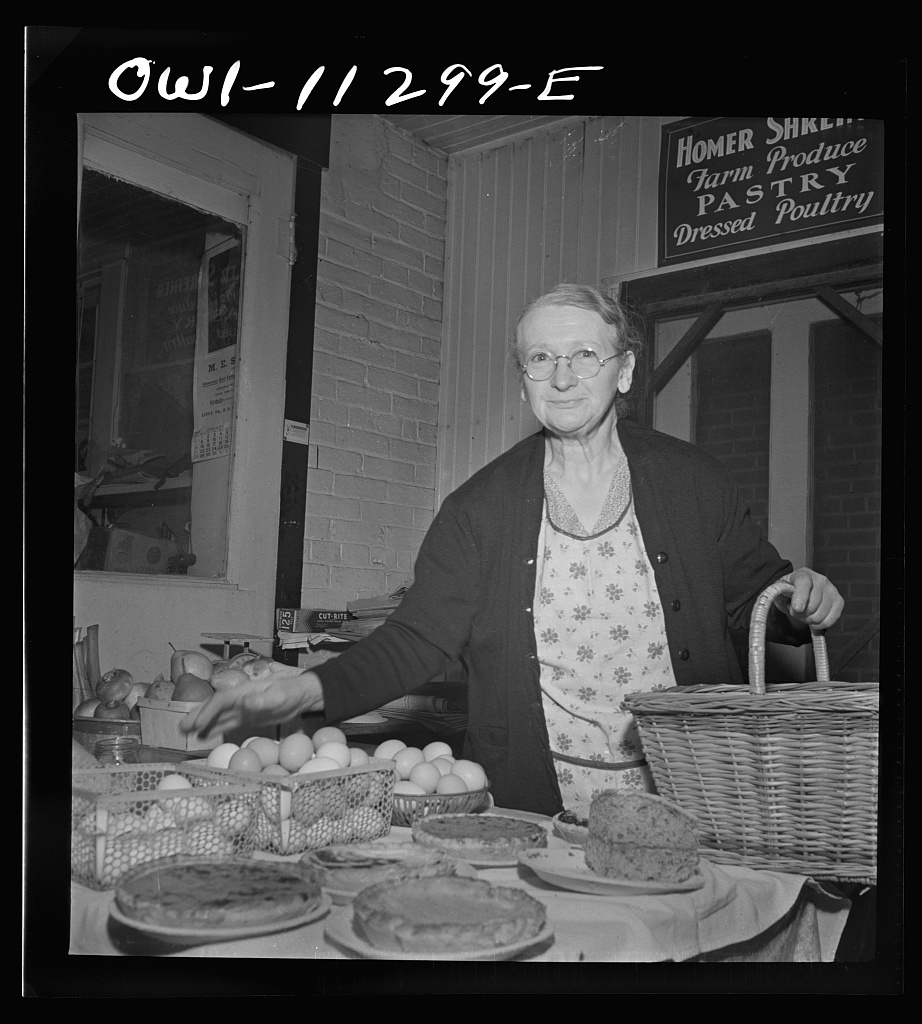
Very little, in cash. The position was paid partly in board and lodging, which was counted as a substantial part of the compensation and was genuinely worth something to somebody with nowhere else to be.
Cash wages for indoor household work ran well below what a man was paid for outdoor farm work, which is a gap that nobody at the time regarded as requiring explanation. The hours had no limit and no definition. There was no day off as a formal entitlement, though in practice Sunday was lighter and she usually went home to her own family periodically. And there was no written agreement about anything.
It is worth saying that this was not generally experienced as an outrage, because the alternative for most of these young women was unpaid work of exactly the same kind in their own parents’ house. Being paid something, fed, and housed, in a position with a recognised name, was an improvement on the available alternative – which tells you more about the available alternative than about the position.
She Was Also Learning the Job
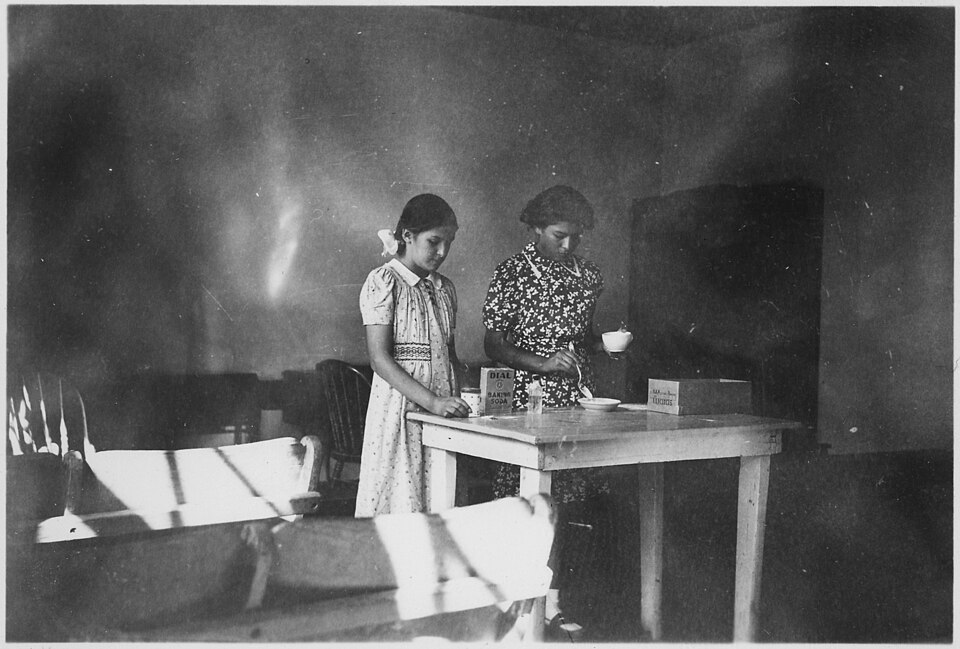
An aspect that modern framing misses entirely. A hired girl was acquiring the complete skill set of running a farm household, in a working household, from a woman who was good at it.
Bread, preserving, butter, poultry, sewing, laundry, the management of a stove, the feeding of a threshing crew, the ordering of a week. That was a curriculum, and it was understood as one. A young woman who had worked two or three years in somebody else’s kitchen came out of it competent, and competence was the principal qualification for the life she was almost certainly going to lead.
Parents said so explicitly when they placed a daughter. It was training as much as employment, in a culture with no other institution that offered it – and the household that took her on understood that it was teaching as well as directing, which is part of why the relationship had the shape it did.
The Threshing Dinner Is the Clearest Illustration
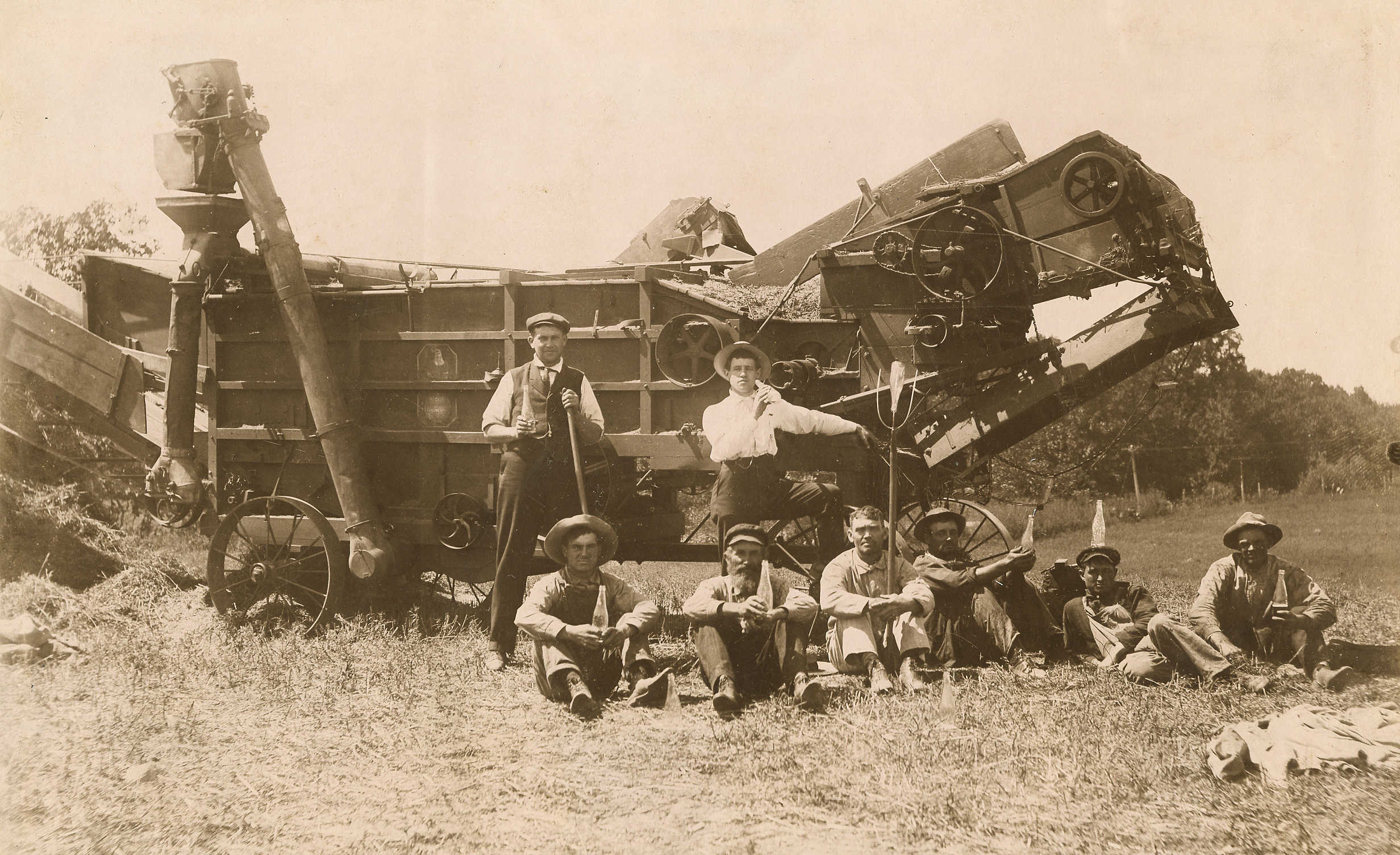
If you want one picture of why the position existed, it is dinner on a threshing day.
A threshing ring brought a crew to each farm in turn, and the farm being threshed fed them. Not a snack – a full cooked midday meal for anywhere up to fifteen or twenty men who had been pitching bundles since dawn and would eat accordingly. Potatoes, vegetables from the garden, bread, pie, coffee and several hot dishes, all of it produced in a kitchen with a wood range, in August, with no refrigeration and no help arriving in a van.
It happened on a date nobody controlled, because the ring moved according to weather and machinery, and it had to be ready when the crew walked in.
No household could absorb that with the women it already had, which is why neighbours’ wives and daughters came to help and why a hired girl in the kitchen through the summer was not a luxury. The reputation of a farm rested on that table, and the people who built it got no mention in any account of the harvest.
Four Things Removed the Position
It disappeared quickly and from several directions at once.
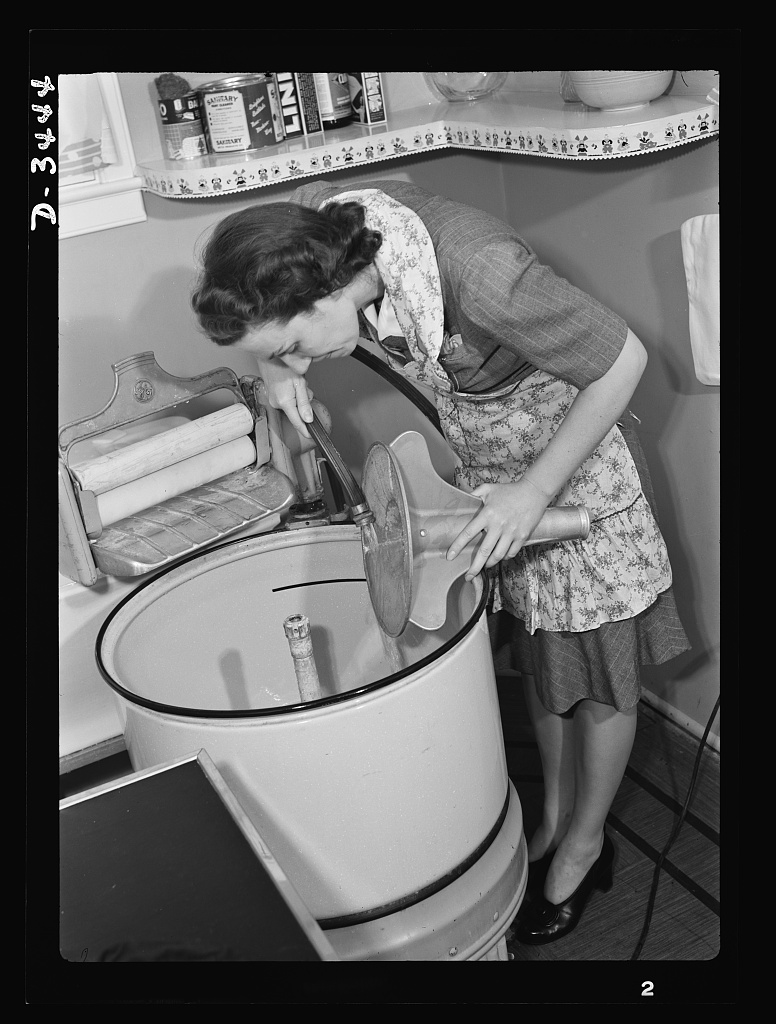
The household workload collapsed. Electricity, running water, a powered washing machine, a refrigerator and purchased food between them removed the great majority of the labour the position existed to supply. A farm kitchen in 1964 was not doing a tenth of what a farm kitchen in 1910 had done, and what remained was within the capacity of the women already there.
The threshing crews went. Mechanisation that replaced crews of men with a combine and two operators removed the single heaviest periodic demand – cooking enormous meals for other people’s hired labour – at a stroke.
Other work opened up for young women. Offices, shops, factories, nursing, teaching, and the towns and cities they were in. Once a rural girl had alternatives that paid in cash, had defined hours and did not involve living in somebody else’s attic, the hired girl position could not compete for anybody.
And the farms consolidated. Fewer households, larger operations, and a general shift away from the farm as a place that produced its own food and clothing toward the farm as a business that bought them.
Why She Has No Name Now
The position left almost no trace, and that is partly a records problem.
Her work was unpaid-looking, informal, undocumented and inside a house. There is no trade, no union, no apprenticeship record, no payroll. In the census she is a word in a column, and the word is usually wrong or useless. In family memory she is a first name and a story. In the agricultural history of the period, which is extensively documented, she is largely absent, because that history was written about fields.
Which means the labour that made the farm household possible – and it was not a supplement, it was load-bearing – is the part of the operation with the least surviving evidence.
If there is a young woman in your family’s old photographs that nobody can identify, standing with the family but slightly apart, that is very likely who she is. Somebody fed everybody in that picture three times a day, and it was frequently her.
Like our content? Follow us for more.