They turn up in the same drawer as the darning egg and the shoe horn, and neither of them makes any sense to anybody under seventy.
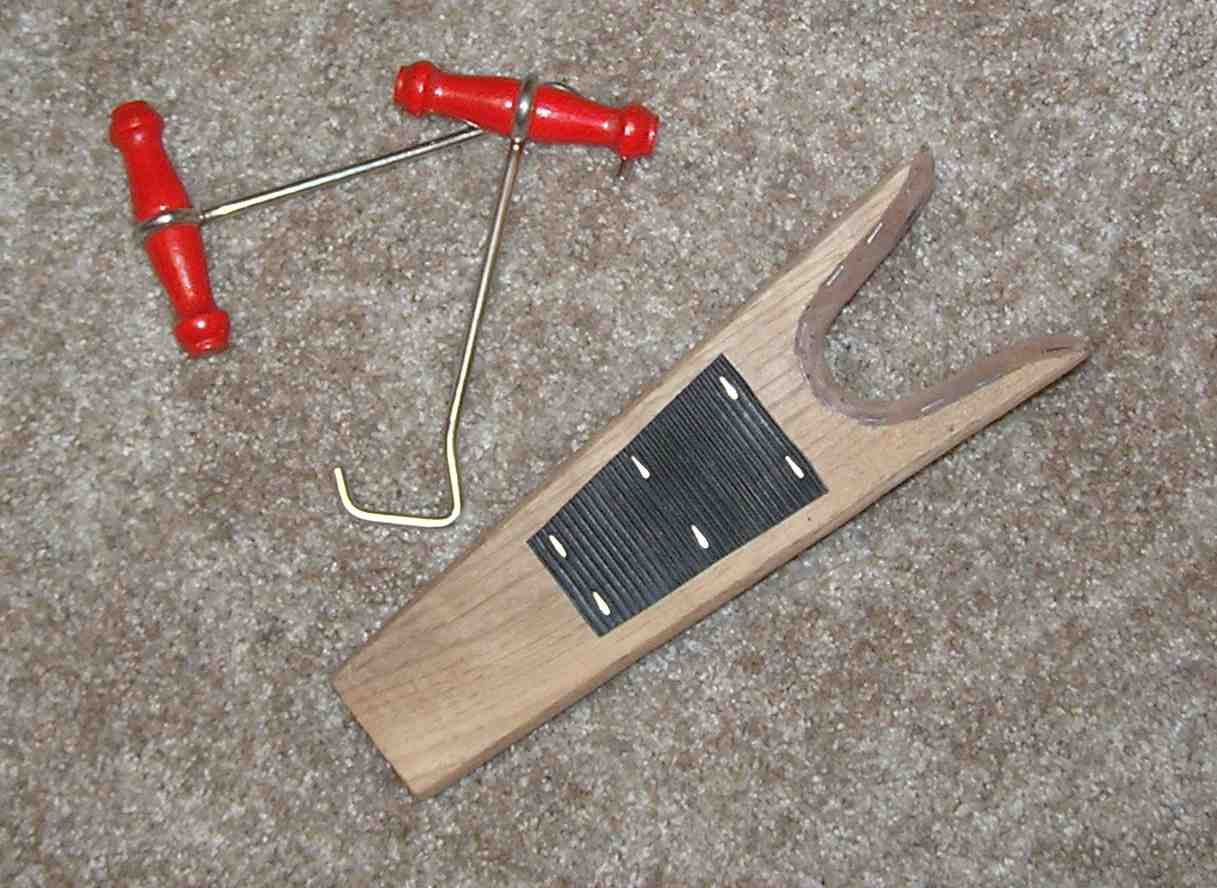
One is a short metal hook on a handle – sometimes a plain steel wire, sometimes a nicely turned bone or silver-handled thing that was clearly a gift. The other is a flat piece of wood with a V-shaped notch cut in one end, usually with a raised block underneath.
A button hook and a boot jack. One got you dressed and the other got you undressed, and they existed for the same underlying reason, which is that for most of the history of American clothing nothing anybody wore had any give in it at all.
The Problem Was a Total Absence of Stretch
This is the fact that explains the whole drawer.
Modern clothing is full of elastic. Waistbands stretch. Sock tops stretch. Shoe uppers have give, cuffs have give, and almost everything is designed to be pulled on and pulled off against its own tension.
None of that existed. Leather does not stretch usefully. Woven cotton and wool do not stretch at all across the grain. There was no elastic in general clothing use for a long time, and the zipper did not arrive in ordinary American garments until well into the twentieth century.
Which means a garment that had to fit closely – and close fit was the aesthetic standard for a long period – could not be made to be stretched into. It had to be made to open, and then be closed up around the wearer afterwards.
So things closed with buttons. Rows of them. And footwear closed with laces or with buttons, and nothing on a person’s body was designed to be simply pulled on.
Like our content? Follow us for more.
Why Shoes Had Buttons at All
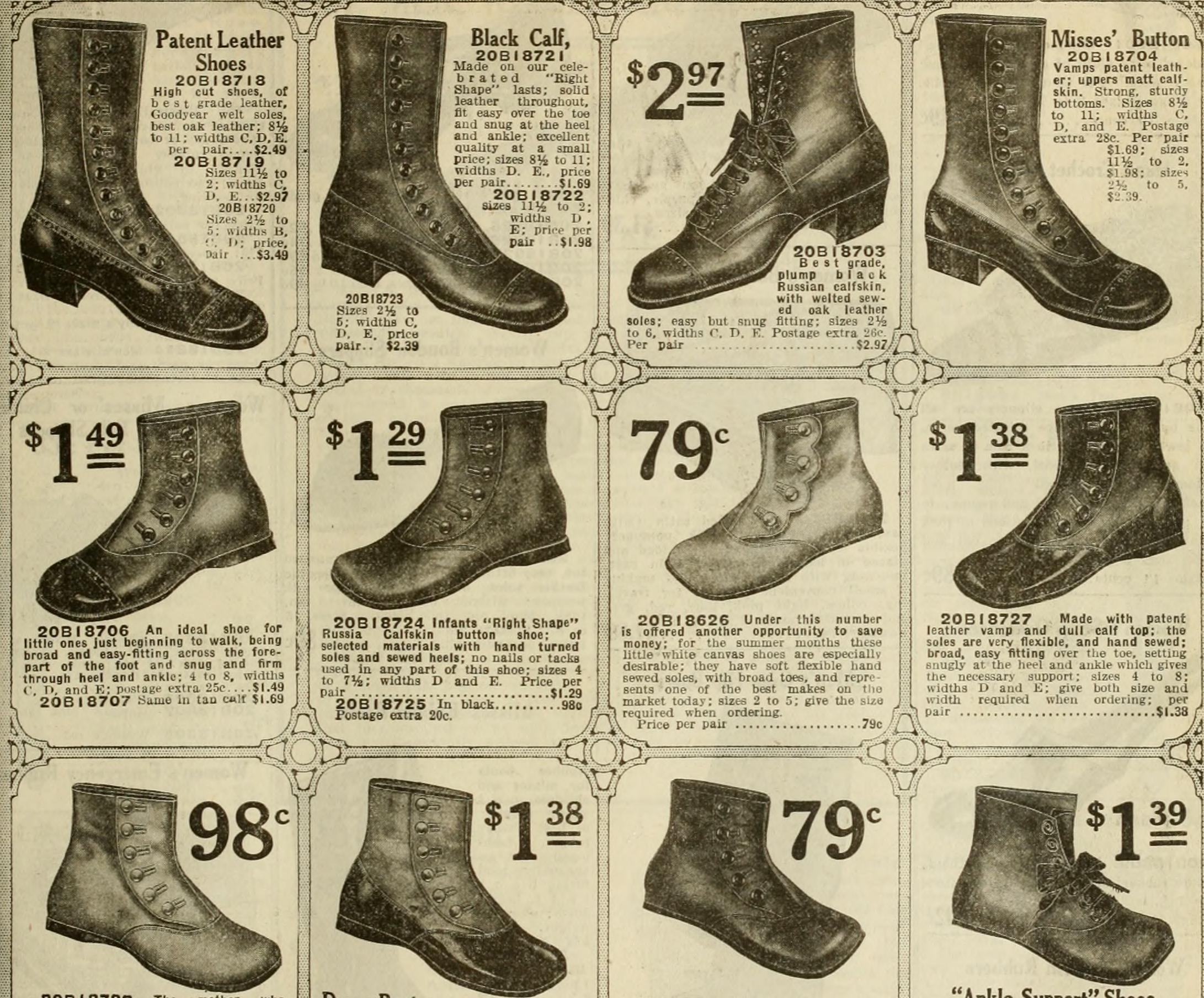
People find this genuinely baffling now, so it is worth laying out.
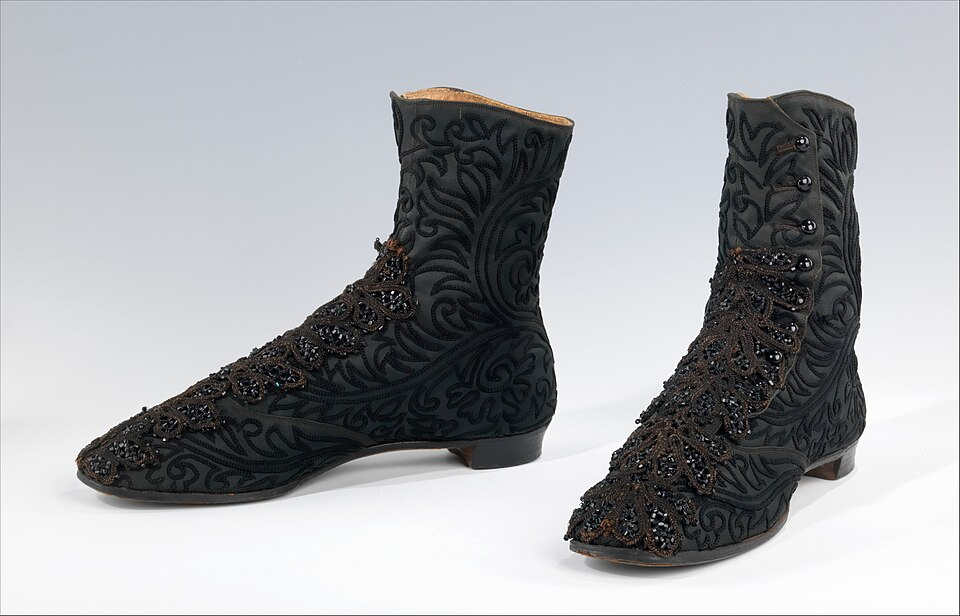
A high shoe or boot that comes up over the ankle has to close along its length. Laces do that, but laces have to be threaded, drawn and tied, and on a tall boot that is a long operation. Buttons do it faster once you have the tool, they hold a precise fit without needing to be retightened, they do not come undone, and they present a smooth unbroken outside line, which is the look that was wanted.
The buttons on these shoes were small, there were a lot of them – ten or twelve on a side was ordinary and more was not unusual – and they went through tight leather or fabric loops rather than cut buttonholes. The whole point of the fit was that the material had to be drawn snug, which means the button could not simply be pushed through. Something had to reach through the loop, catch the button and pull it back.
That is the button hook, and it is the only way the shoe works. No hook, no shoe – and a household with a mislaid hook had a genuine problem on a morning when somebody had to be somewhere.
How You Actually Used It
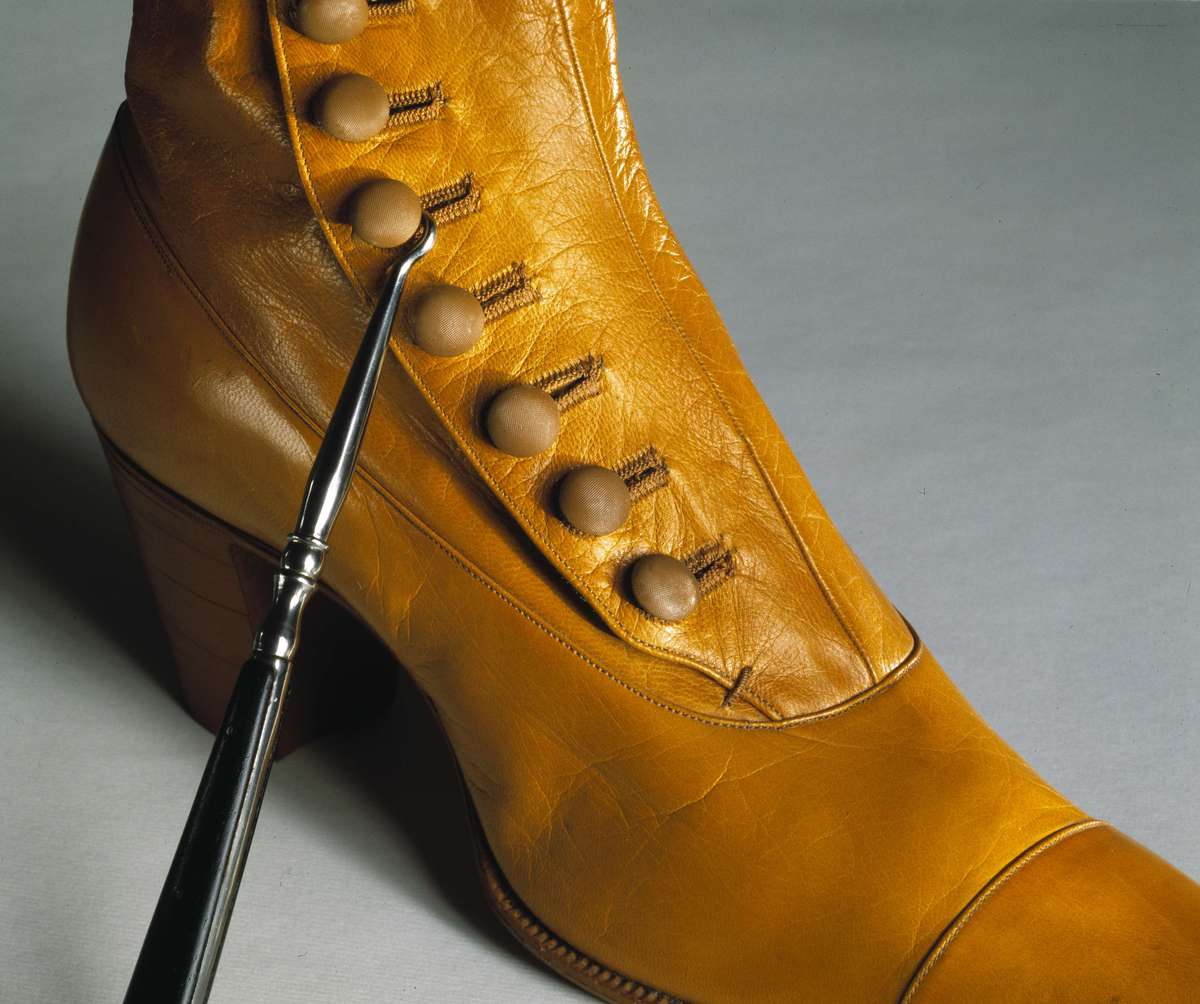
The hook went through the loop from the outside, caught the shank of the button, and the handle was twisted and drawn so that the button came back through and seated.
Then the next one. And the next. Both shoes, every morning, by somebody who could reach them – which is a point worth making, because a person doing up their own tall button shoes is bent double over their own feet for several minutes. Children had it done for them. People who could afford to have things done for them had it done for them. And a woman in a corset could not readily bend at all, which is one of the reasons the button hook with the long handle existed.
The same tool did gloves, which is the other half of its life. Close-fitting gloves buttoned at the wrist with small buttons and tight loops, and a person cannot fasten a glove button on a hand that is already inside the glove. A smaller, finer hook did that job, which is why button hooks turn up in two distinct sizes.
The Boot Jack Solved the Opposite Problem
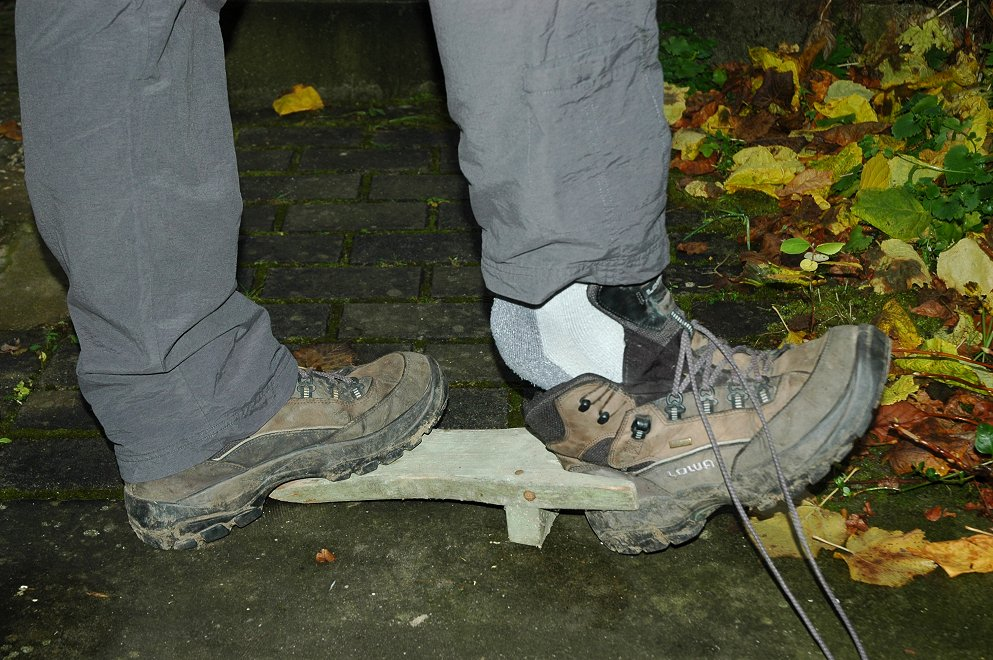
Getting out of a tall boot is harder than getting into it, and it is harder for a reason that is purely mechanical.
A close-fitting leather boot grips the heel and the instep. To get it off, something has to hold the heel while the leg pulls up and out. With a low shoe you step on the back of it with the other foot. With a tall riding or work boot that does not work, because there is nothing accessible to step on and the grip is much tighter.
So the boot jack: a notched board laid on the floor. You put the heel of the boot into the V, stand on the other end of the board with your free foot to hold it down, and pull your leg straight up. The notch holds the heel, your weight holds the jack, and the boot comes off.
It sounds trivial. It is not. Without one, a man in wet work boots either sat on the floor and fought with them or needed another person to pull, and the expression about pulling somebody’s boots off is a description of an actual two-person job.
They were made in enormous variety – plain boards, cast iron ones in the shape of beetles and other figures, folding ones for travelling, built-in ones fitted to the bottom step of a porch – and they lived by the door, because boots came off before anybody went in.
These Were Not Luxury Items
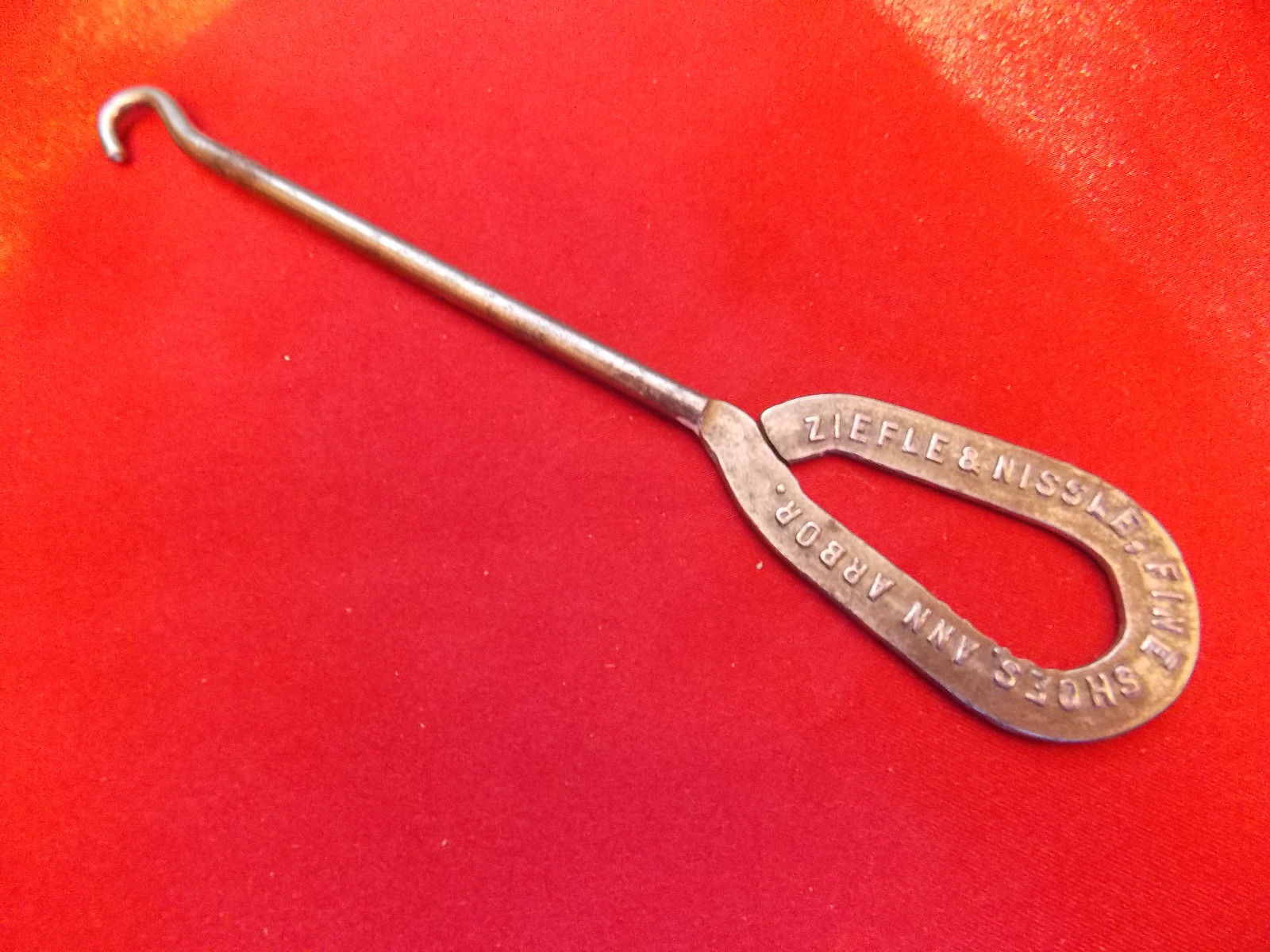
One misconception worth clearing up, because the fancy surviving examples distort the picture.
A great many button hooks were free. They were given away by shoe shops and department stores with a purchase, stamped with the shop’s name, which is why so many survive with advertising on them – the same way a hardware store later gave away yardsticks. A plain one was a bent wire with a loop for a handle and cost essentially nothing.
The decorated ones – silver, bone, mother of pearl, part of a matched dressing-table set with a brush and a shoe horn – were gifts and were genuinely valued, and they are what dealers sell now. But the ordinary version was a utility object on a nail by the door.
Same with the boot jack. The cast iron novelty ones are collected. The real ones were a piece of plank with a notch sawn in it, made at home in ten minutes.
The Rest of the Family
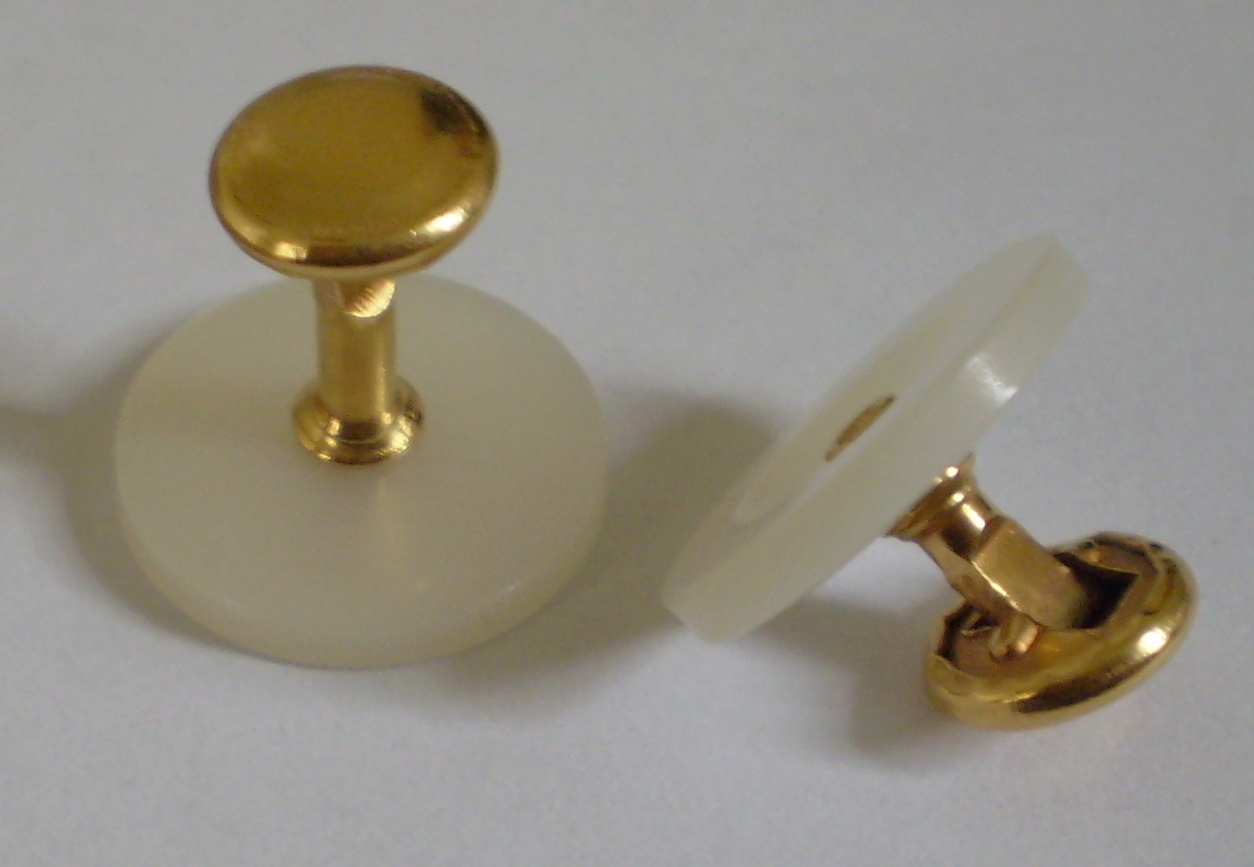
Once you see the pattern, the whole drawer makes sense, because these two were not alone. There was a small set of tools that existed purely to manage clothing with no give in it.
The garter, which is not a tool but a solution to the same problem: a sock knitted from wool with no elastic will not stay up, so it had to be held up by something tied or buckled around the leg. Men wore them as a matter of course and nobody thought it remarkable.
The collar button and the collar stud, because a dress shirt collar was a separate piece attached to the shirt with studs – which is itself an answer to a materials problem, since the collar was the part that soiled and wore fastest and making it detachable meant it could be washed, starched and replaced without the shirt.
The shoe horn, which is the surviving member, and which works by giving a heel a smooth ramp to slide past a stiff upper rather than crushing the back of the shoe.
And the glove stretcher, a scissor-like wooden tool spread inside the fingers of a glove to open it slightly before the hand went in, which tells you precisely how little tolerance those gloves had.
Five objects, one problem.
Two Inventions Made Them Obsolete
Elastic first. Once woven elastic became cheap and durable enough for general garment use, the entire problem changed. A sock with an elastic top does not need a garter. A waistband that stretches does not need buttoning. Shoe uppers with elastic gussets can be pulled on, and that single change killed the button shoe outright – the elastic-sided boot does the same job with no fastening at all and no tool.
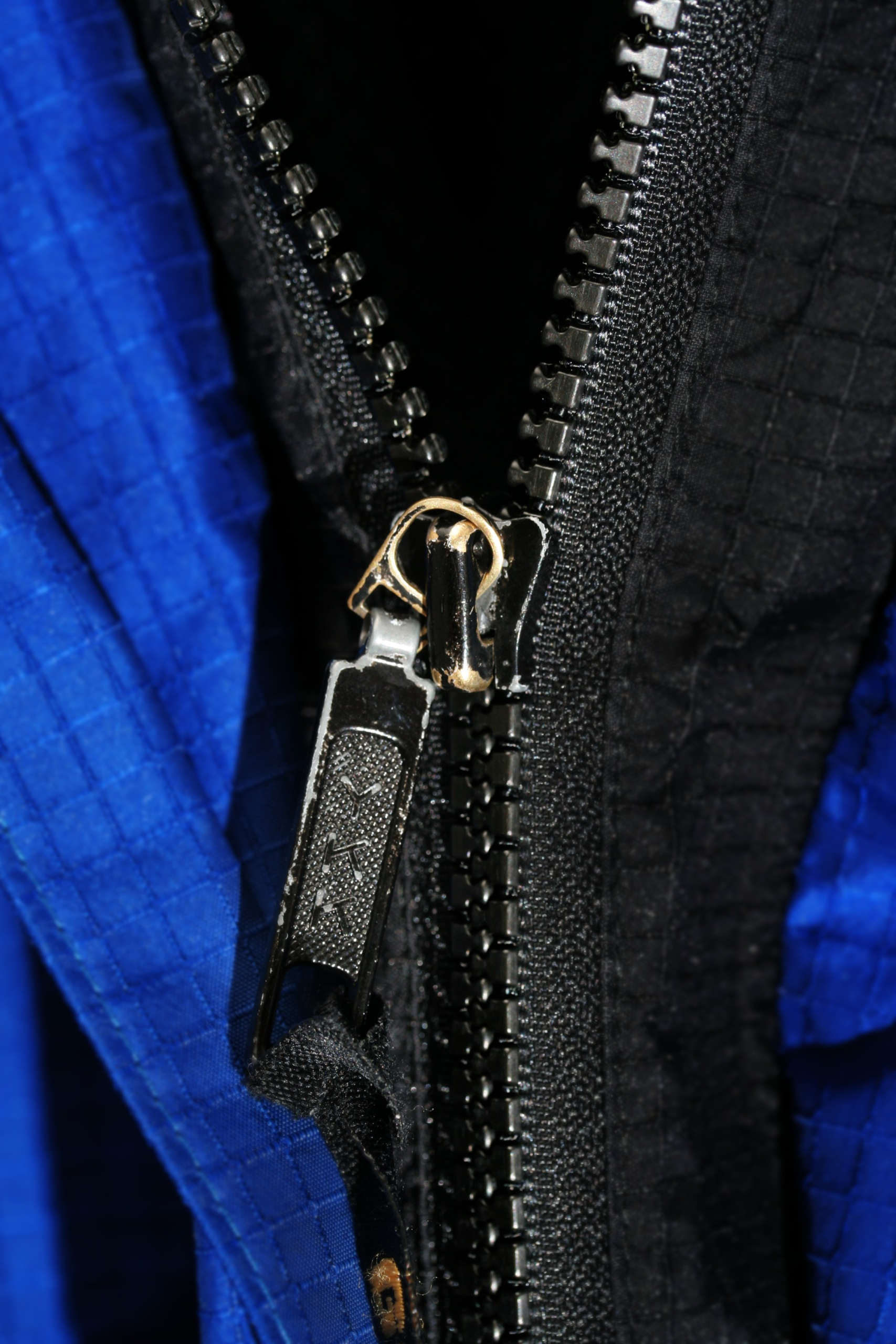
Then the zipper, which took decades to become reliable and cheap but which eventually replaced long rows of buttons everywhere they occurred. A zipper closes a whole seam in one motion, holds a close fit, and can be operated with one hand by the person wearing the garment.
Both inventions do the same thing from the user’s point of view. They allow a garment to be close-fitting and to be got into without assistance or equipment – which is a combination that genuinely did not exist before, and which abolished an entire small category of domestic tools at a stroke.
Add the shift in footwear itself. Shoes got lower, which removed the length that made lacing and buttoning tedious. Work boots got easier to remove. And the general direction of twentieth-century American clothing was toward garments a person could put on alone, quickly, standing up.
The Drawer They Are In
So they sit in a drawer with the shoe horn, which is the one survivor of the family – because a shoe horn solves a problem that elastic did not entirely solve, and people still use them.
What the hook and the jack really record is that getting dressed used to take time and sometimes took two people. Not for reasons of formality or fuss, but because the materials available had no give in them and the fit people wanted was tight.
Every morning, somebody in the house worked through twenty-odd small buttons with a steel hook before they could leave. Every evening, somebody stood on a notched plank and pulled.
And then two pieces of industrial chemistry and one piece of mechanical ingenuity arrived, and nobody ever needed either tool again.
Like our content? Follow us for more.