A store used to come to the farm, and the important thing about it is that it bought as much as it sold.
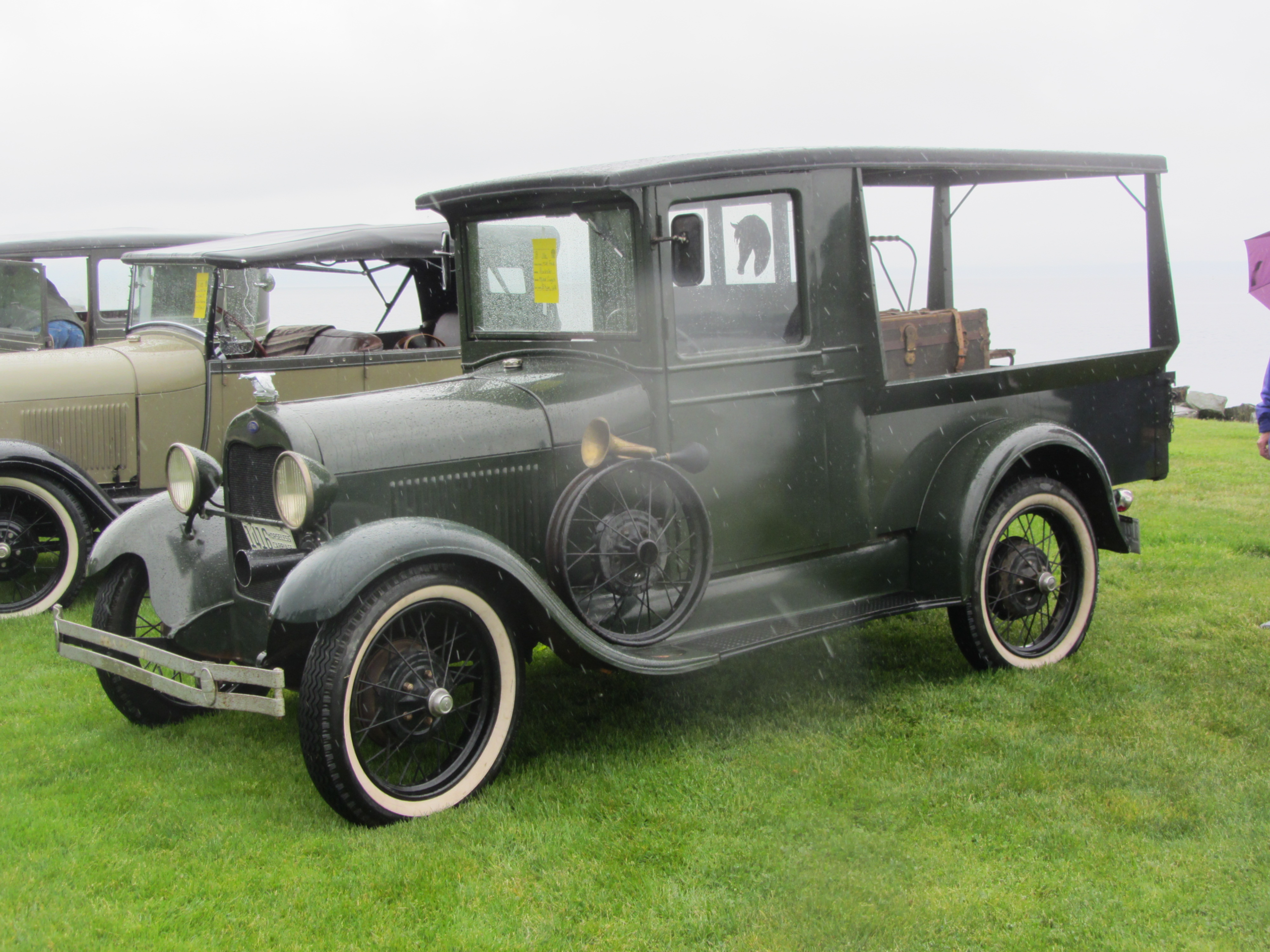
The huckster ran a fixed weekly route with a covered wagon and later an enclosed truck, carrying coffee, sugar, flour, soap, matches, kerosene, thread, cloth, candy and small hardware. He blew a horn at the gate. And then he traded – the household brought out its accumulated eggs, cream and butter, he counted them and credited them at the going rate, and the family spent that credit on whatever it needed off the wagon.
Very little cash changed hands in either direction. A household with no money at all could still buy groceries, as long as the hens were laying. Here are sixteen things every American farm knew.
1. It Was a Store That Came to You
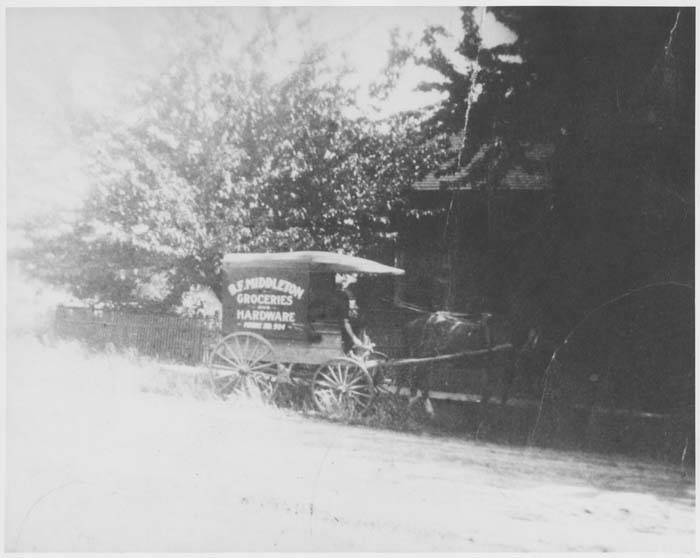
A covered wagon and later an enclosed truck ran a fixed weekly route through farm country, carrying groceries, dry goods and household supplies, and stopping at each place on the route.
Supermarkets reached by car, plus delivery services ordered from a screen.
The thing to grasp first is that this was not a novelty or a convenience service. For a household four or five miles out with one wagon and a day’s round trip to town, the huckster was the ordinary way of getting supplies – and town was the exception.
Like our content? Follow us for more.
2. It Bought as Much as It Sold
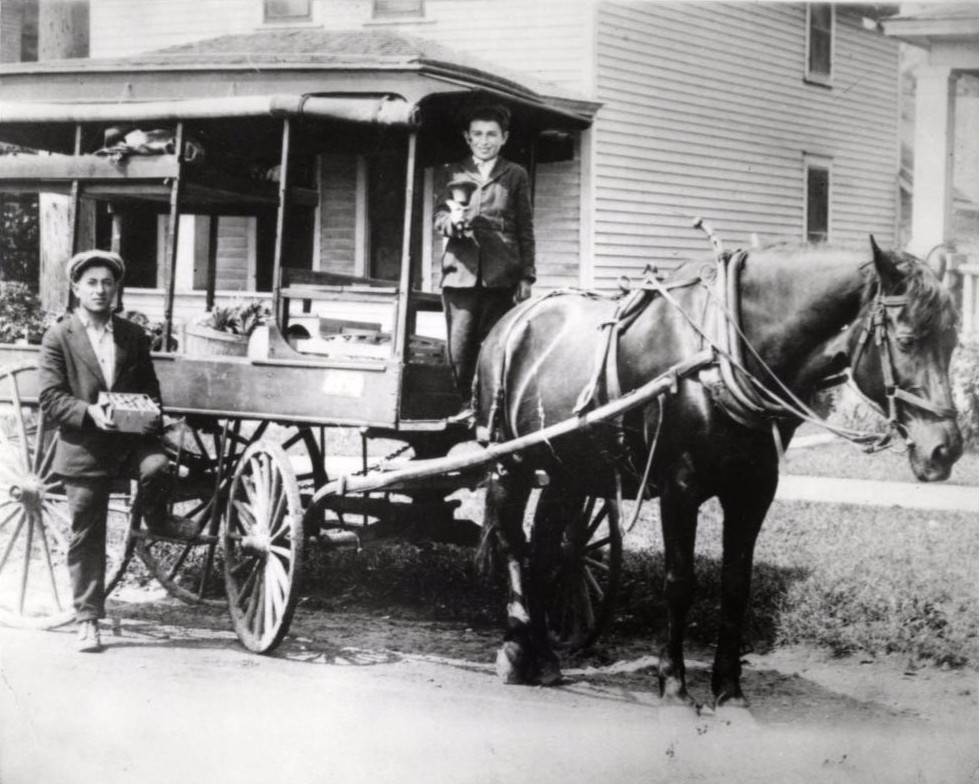
The wagon arrived empty of produce and left loaded with it. Eggs, cream, butter, poultry products, garden surplus and sometimes rags and scrap went onto the wagon, and groceries came off it.
Not applicable. Retail moves one way and a store does not buy anything from its customers.
The two-way trade is the entire reason the business worked, and it is the part that has no modern equivalent at all. The huckster was simultaneously a retailer and a buyer, which means the farm household was both his customer and his supplier – and most transactions settled against each other with very little cash changing hands.
3. The Eggs Were the Currency
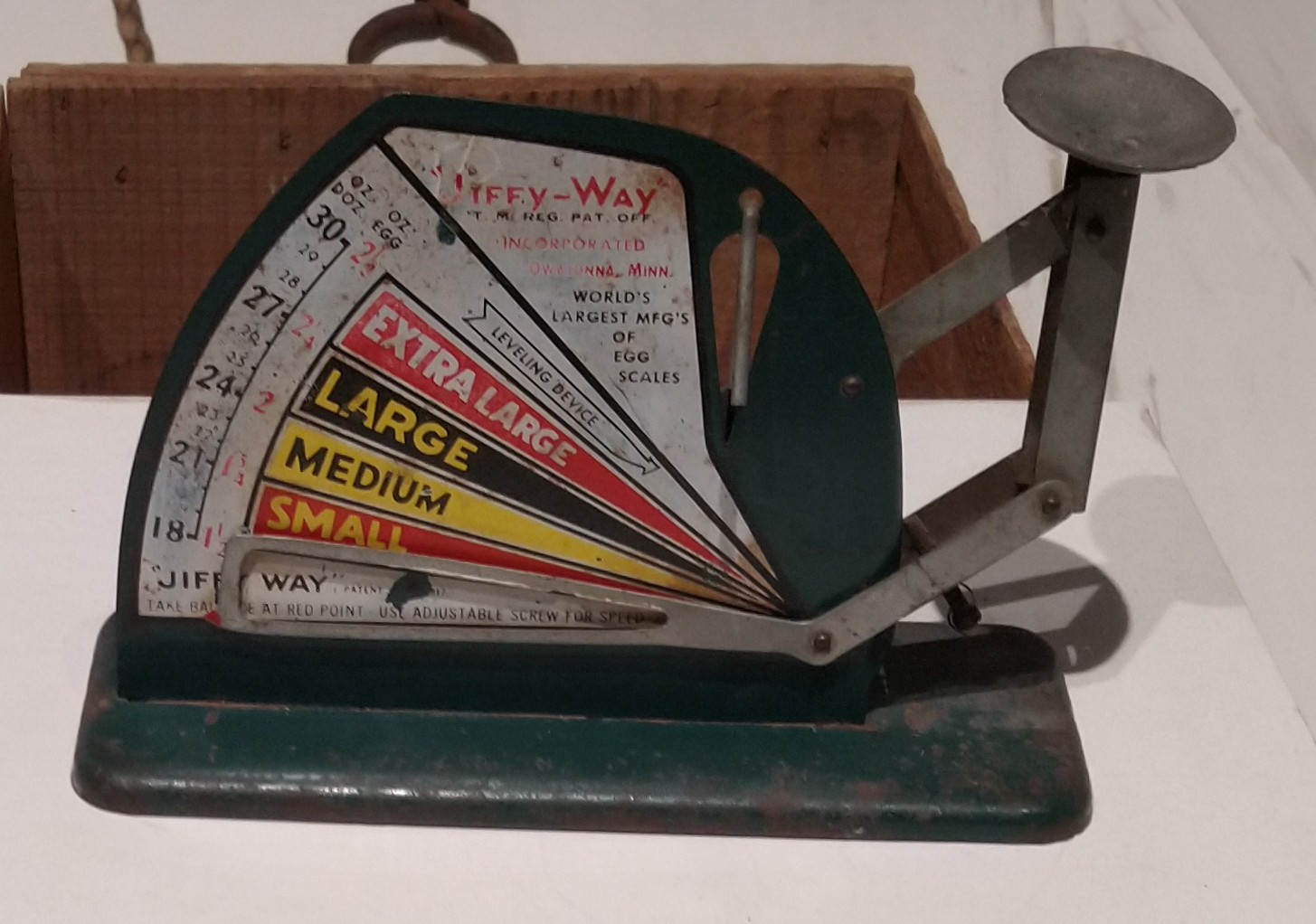
A household brought out its accumulated eggs, the huckster counted or weighed them, credited them at the going rate, and the family spent that credit on what it needed from the wagon.
Not applicable.
Paying for coffee with eggs is barter, but it was precise rather than approximate. There was a rate, the rate moved, both sides knew it, and the arithmetic was done on the spot – which makes it a functioning monetary system running on a commodity rather than a casual swap between neighbours.
4. He Carried Almost Everything
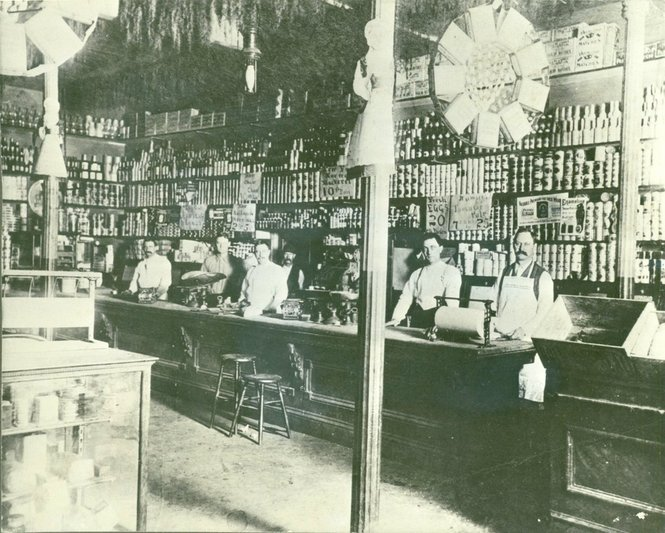
The load ran to coffee, sugar, flour, salt, spices, canned goods, soap, matches, kerosene, thread, needles, buttons, cloth, patent remedies, tobacco, candy and small hardware.
A supermarket with tens of thousands of lines, plus everything orderable to the door.
The selection was small but it was chosen with considerable care, because every item on the wagon occupied space that had to earn its keep on a route where the customers were known individually. A huckster carried what his particular customers bought, and he knew which house wanted what.
5. The Route Was Fixed and the Day Was Known
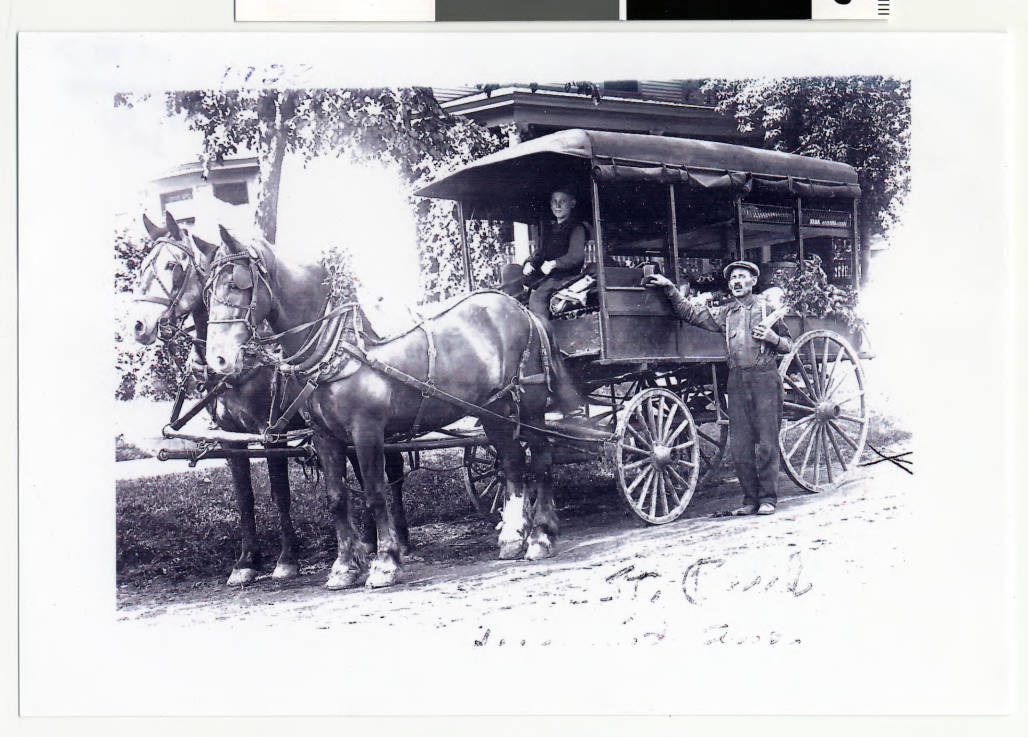
Each route ran on a schedule, so a household knew which day the wagon came and planned around it – saving eggs for that morning and making a list through the week.
Not applicable in the same way, though delivery windows are a distant descendant.
The predictability is what made the system usable. A weekly supply cycle organised a household’s whole rhythm: what to accumulate, when to be finished with it, and how long anything had to last – and running out of something on the wrong day meant doing without for six days.
6. The Horn Announced Him
Hucksters signalled their arrival with a horn, a bell or simply by being recognisable at a distance, and households came out when they heard it.
Not applicable.
A signal was necessary because farm buildings are spread out and people were working away from the house. It is the same problem the dinner bell solved, approached from the opposite direction – somebody arriving who needed to announce himself rather than somebody at home needing to call out.
7. Credit Was Personal and Unwritten
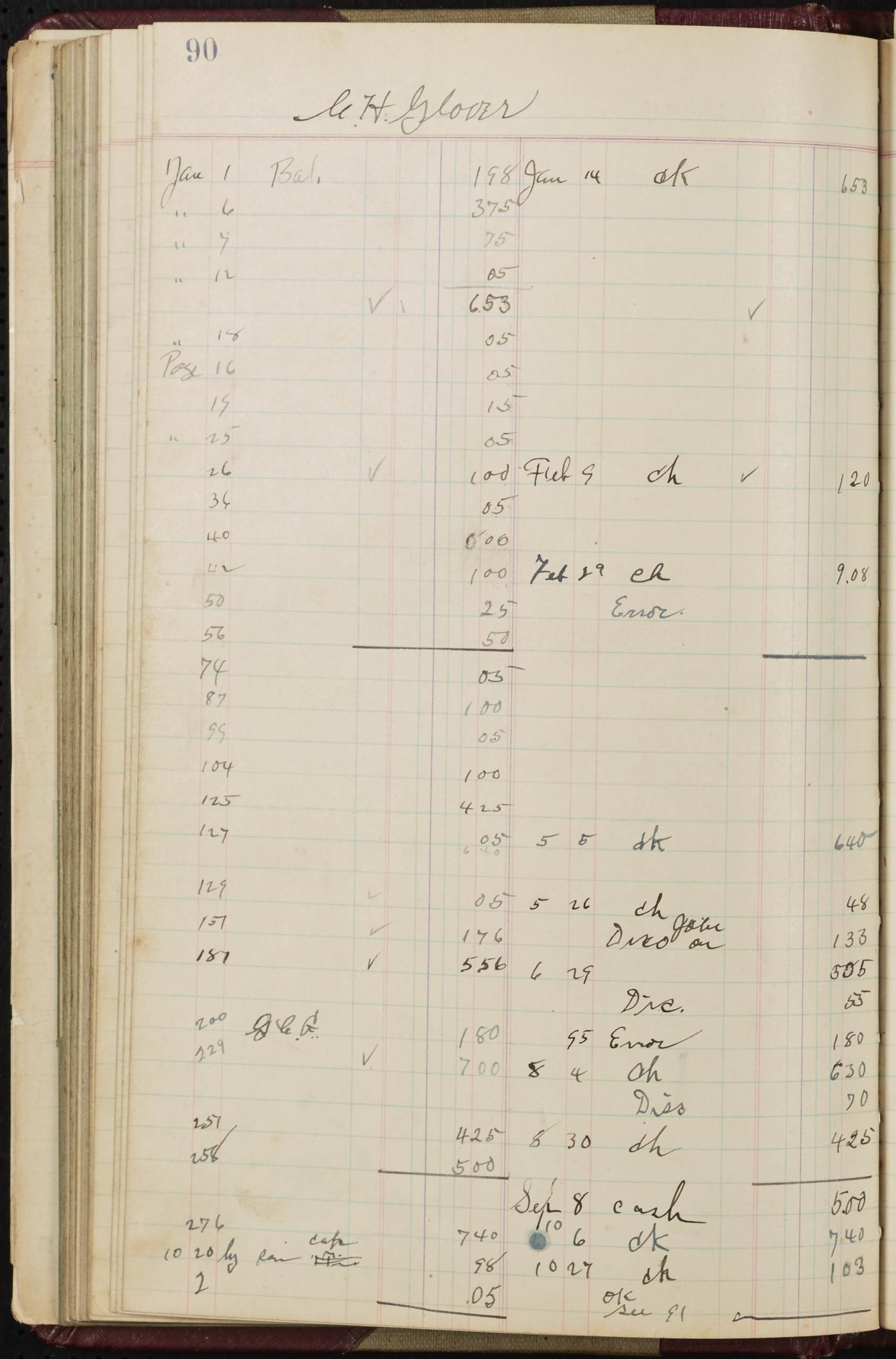
Accounts were carried, settled irregularly, and extended on the huckster’s judgement of the household rather than on any formal basis.
Not applicable. Consumer credit is institutional, scored and documented.
The arrangement rested entirely on knowing people, which cut both ways. A household that was struggling got carried, which is a real kindness that the system made possible – and a household the huckster had decided against had very limited alternatives.
8. He Was the News as Well
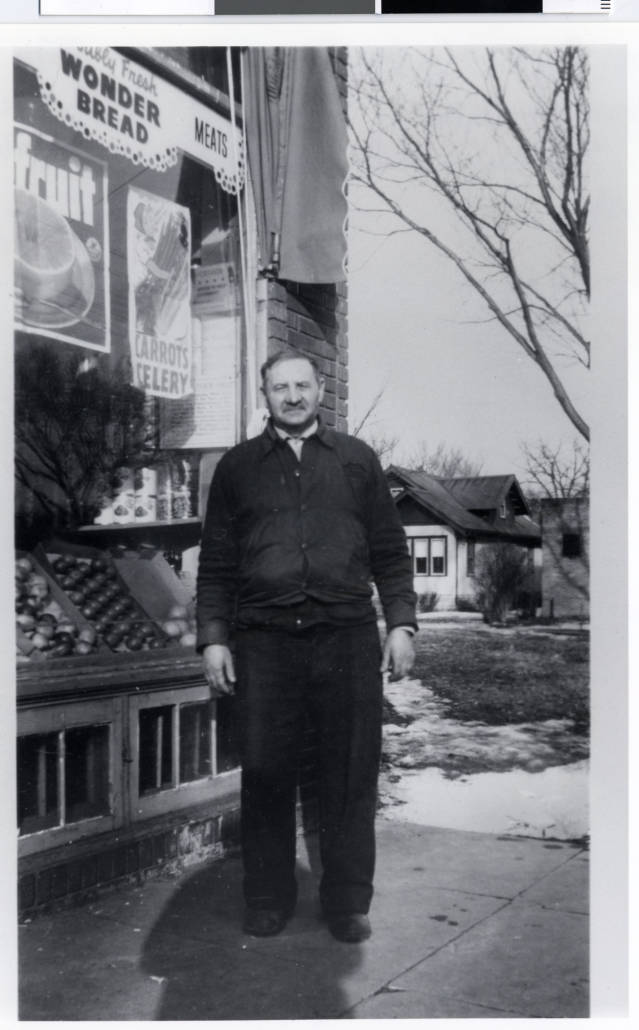
A man who visited forty households a week carried information between them – who was ill, who had a new baby, what things were selling for, what had happened in town.
Not applicable. Information moves instantly and impersonally.
The news function should not be underrated and it was not incidental. In a district with no telephone, somebody moving through every farmyard once a week was the fastest general circulation of information available, and people waited for him partly for that.
9. Women Dealt With Him Directly
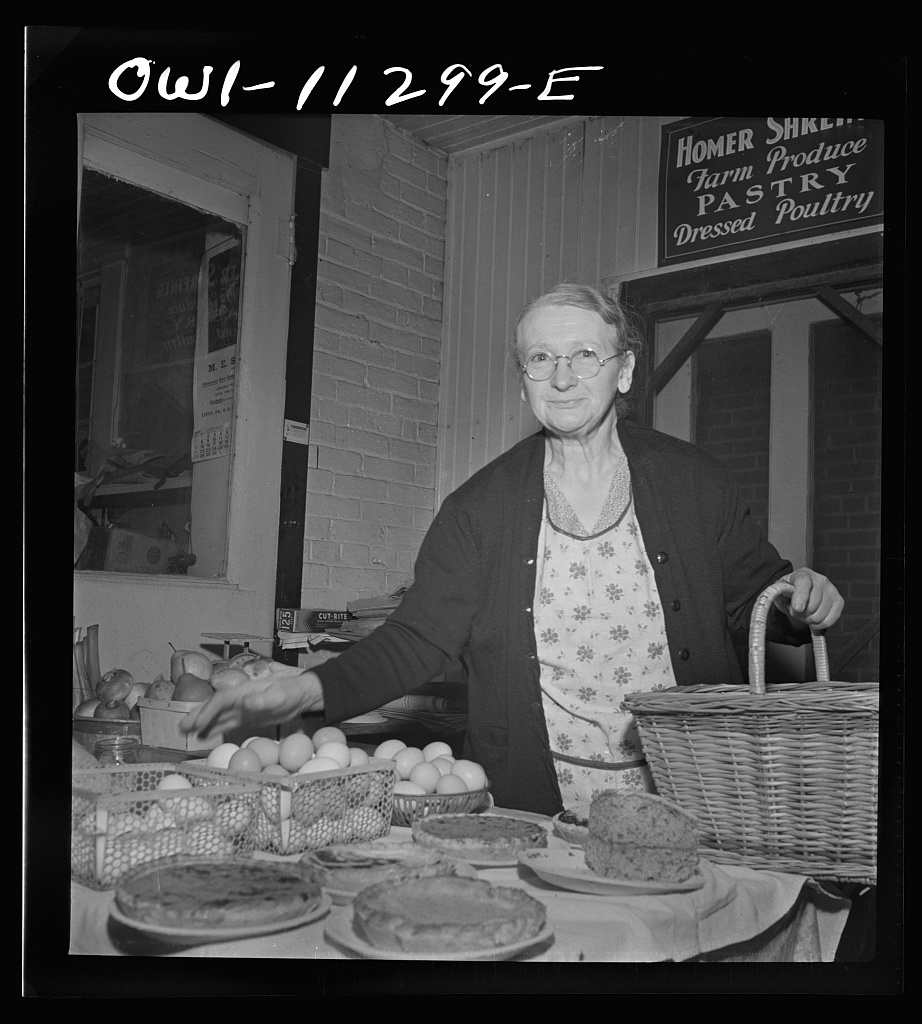
The huckster’s transaction was overwhelmingly with the woman of the house: she produced the eggs and butter, she knew what was needed, and she did the trading.
Not applicable in that specific form.
This matters because it was one of the few commercial relationships a farm woman conducted on her own authority. The crop went through the man and the bank, and the eggs went onto the wagon – and the goods that came back were chosen by whoever had done the dealing.
10. The Produce Went to Town and Beyond
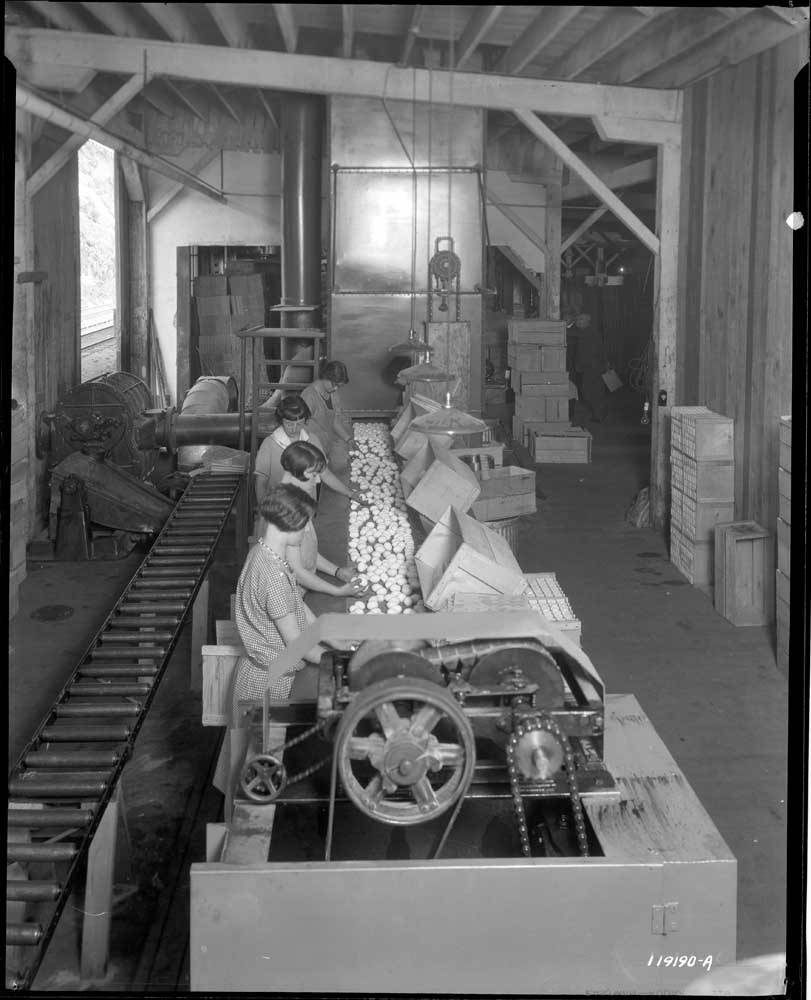
What came off the farms was graded, packed and resold – to town stores, to wholesalers, and onward by rail to cities a long way off.
Not applicable in that form. Modern supply chains are vertically organised and the collection step is industrial.
The huckster was the first link in a real supply chain, which is the part that gets forgotten. Eggs from a hundred farms, gathered a dozen at a time by a man with a wagon, ended up in a city – and that aggregation of tiny lots into a shipment was a genuine commercial service.
11. The Wagon Was Built for the Job
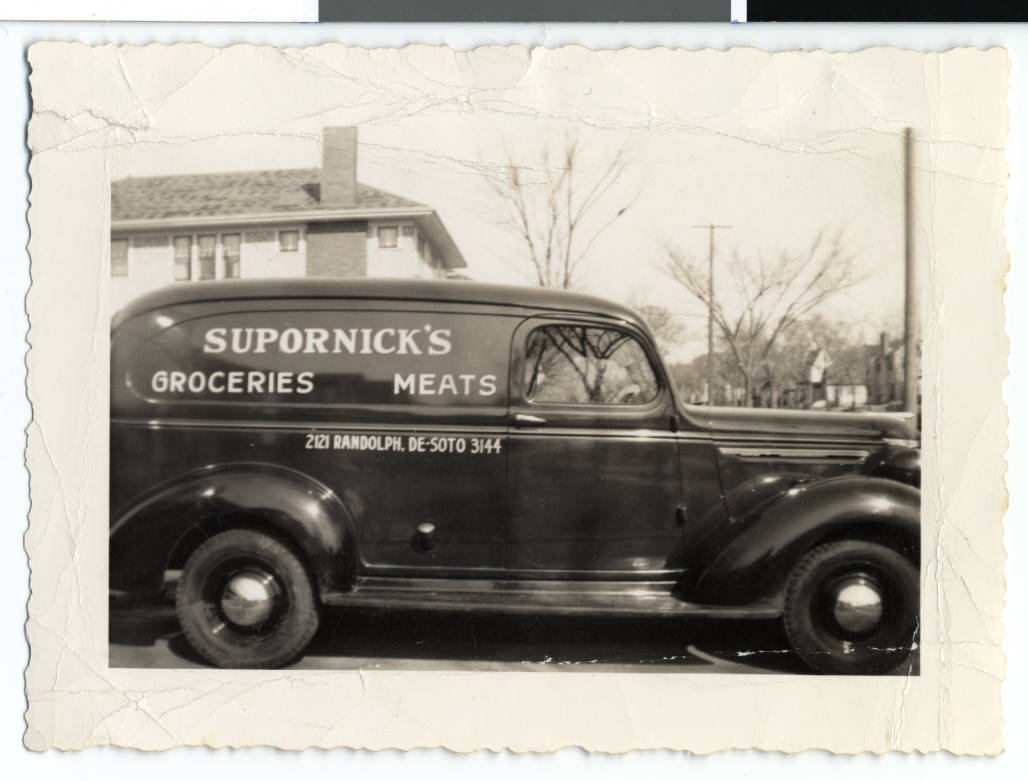
Purpose-built huckster wagons had shelving, drawers, counters, hinged side panels that opened into display, a weighing scale, and a secure place for eggs and cash.
Not applicable, though the logic survives in food trucks and mobile libraries.
The design is worth noticing because it shows this was a trade with standards and not a man selling off a cart. An eggs-and-groceries wagon has to be a shop, a warehouse and a safe transport for fragile cargo at the same time, and the good ones were impressive pieces of work.
12. Then the Automobile Changed Everything
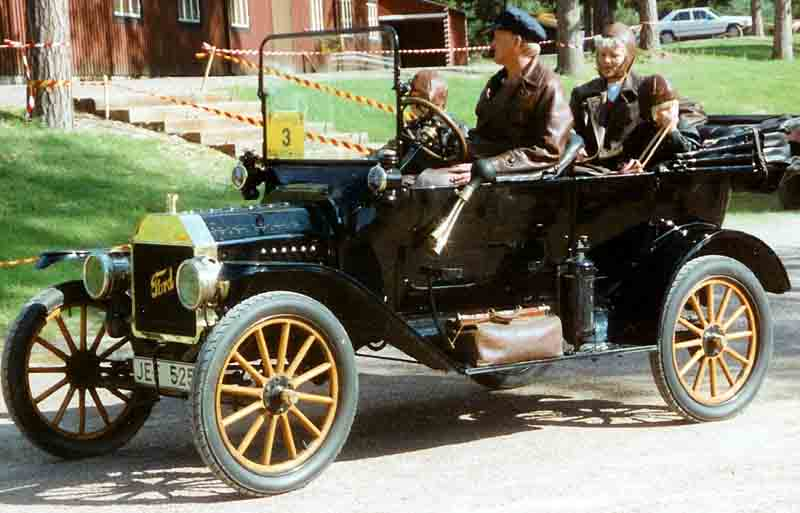
As farm households acquired cars and the roads improved, a trip to town stopped being a day’s expedition and became an hour – which meant the family could go and choose for themselves.
Universal.
This is the first and largest cause, and the mechanism is simple. The huckster’s whole value was that he removed a difficult journey, and once the journey became easy his service was no longer worth the premium he necessarily charged for bringing it to the door.
13. Then the Egg Market Industrialised
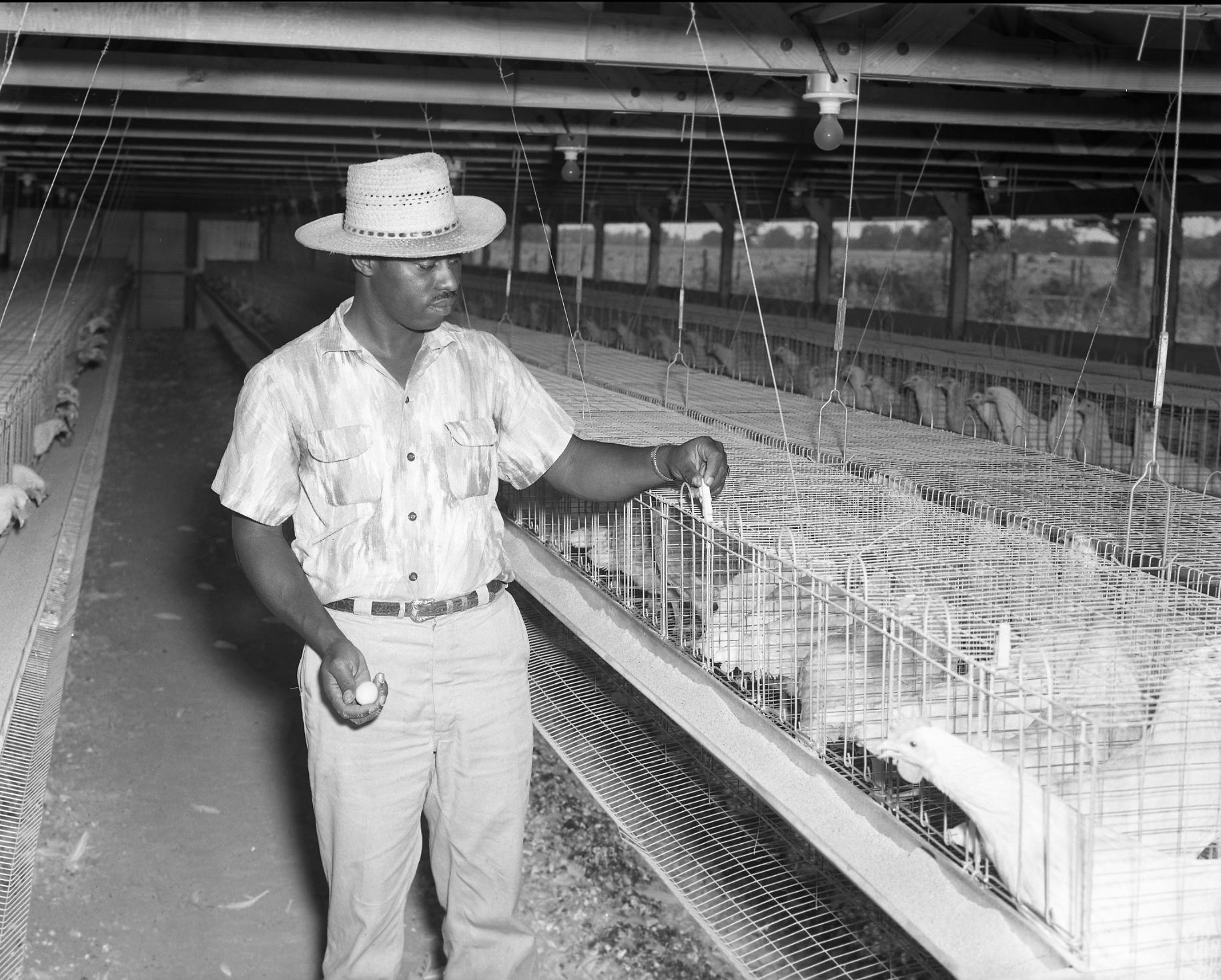
Egg and poultry production consolidated into large specialised operations, and buyers dealt in volumes a farm flock could not supply.
Dominant.
Losing the buying side is what actually broke the business model, and it is worth being clear about why. A huckster who can only sell is just an expensive grocery store on wheels. The two-way trade was the thing that made his margins work and made the farm household need him, and when nobody wanted a dozen eggs from a dozen farms the whole structure collapsed.
14. Then the Supermarket Arrived
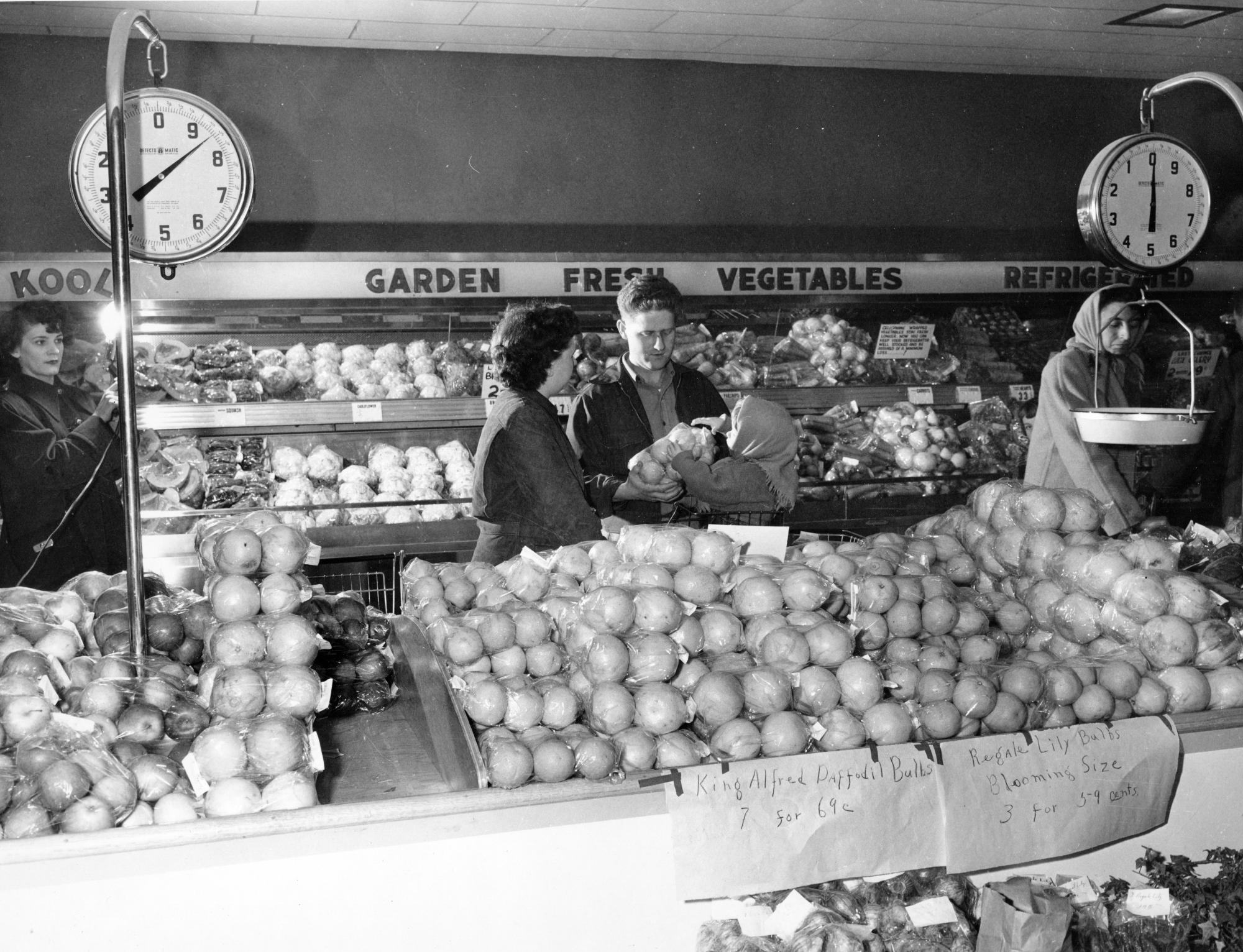
Self-service stores with very large selections and low prices made a small hand-picked stock on a wagon uncompetitive on both choice and cost.
Standard.
A wagon cannot win against a building. The huckster carried what his customers bought because he had no space for anything else, and a store that carries everything removes the one thing he was good at – knowing exactly what forty particular households wanted.
15. The Refrigerator Removed the Urgency
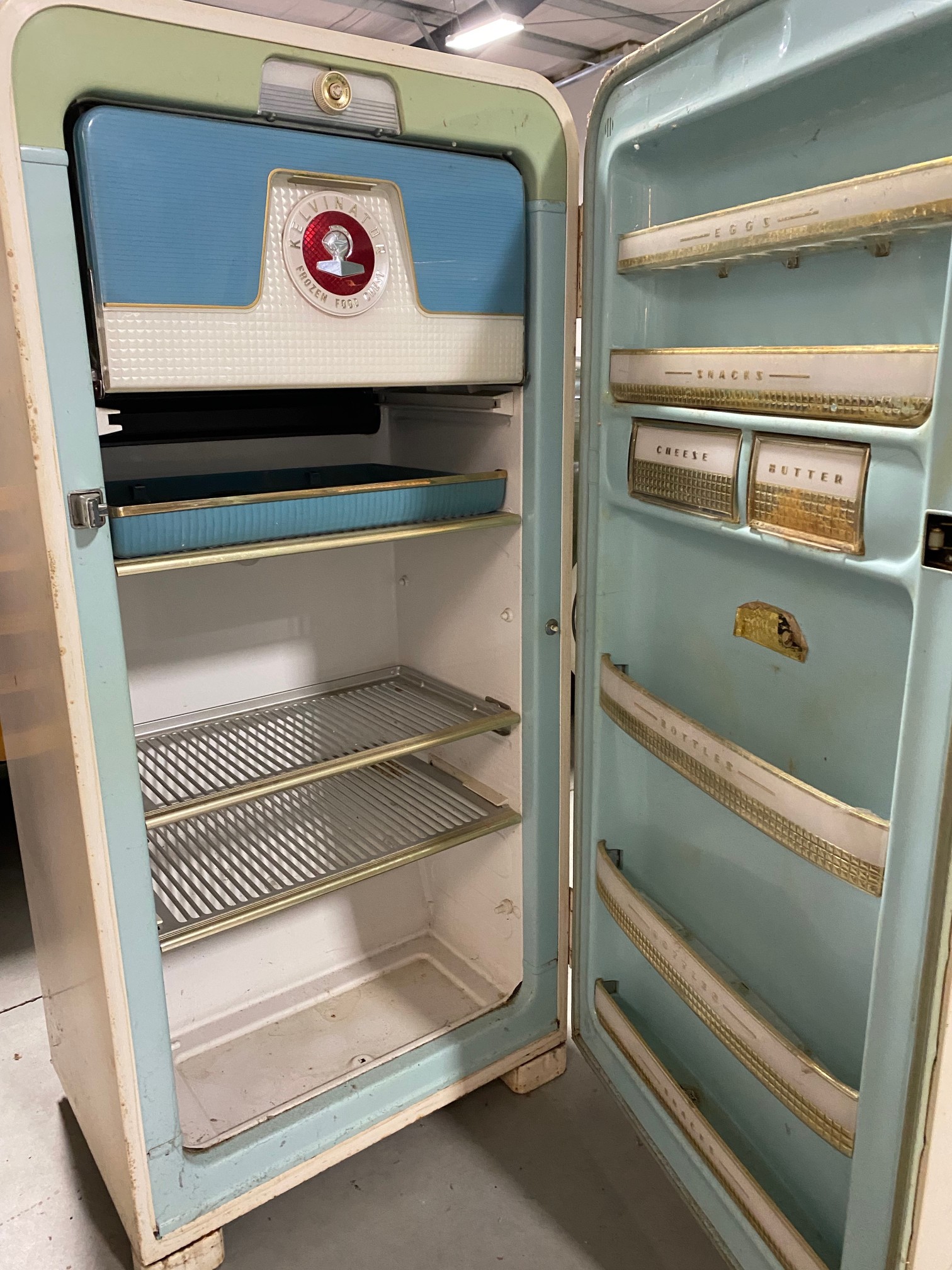
Once households could keep perishables for a week or two, the need for frequent small deliveries and frequent small sales of eggs and cream largely disappeared.
Universal.
Weekly supply is a response to things not keeping. A household that can store food buys less often and in larger quantities, which suits a car trip to a supermarket and does not suit a man with a wagon and a fixed route.
16. Then the Road Ran the Other Way
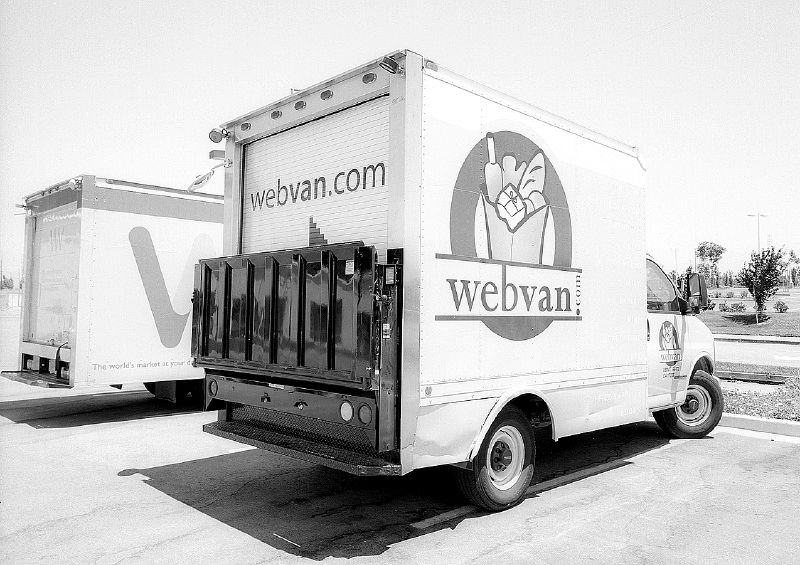
In 1964 the huckster route was largely a memory in most of the country – a wagon or truck that came on a known day, blew a horn, bought the week’s eggs and sold back the week’s groceries, carried the accounts in his head and the news in his pockets.
Households drive to stores, retail runs one way only, and nothing that arrives at a rural door buys anything.
And the detail that deserves the last word is that the trade went both directions, because almost nothing in modern commerce does. The huckster was not delivering to the countryside – he was trading with it. He turned up with manufactured goods from town and left with agricultural goods from the farm, and the two settled against each other with hardly any money involved, which meant a household with no cash at all could still participate fully in the market economy as long as the hens were laying. That is a genuinely different arrangement from being a customer. It also put a woman at the centre of it, since she produced what the wagon wanted and therefore did the dealing, which made it one of very few commercial relationships on a farm that she ran herself. All of it depended on two conditions holding at once: that getting to town was hard, and that somebody wanted small lots of farm produce. The car removed the first. The industrialisation of egg and poultry production removed the second. And a man who could only sell was simply an expensive shop with wheels, which is no business at all.
The Trade Went Both Ways, and Nothing Now Does
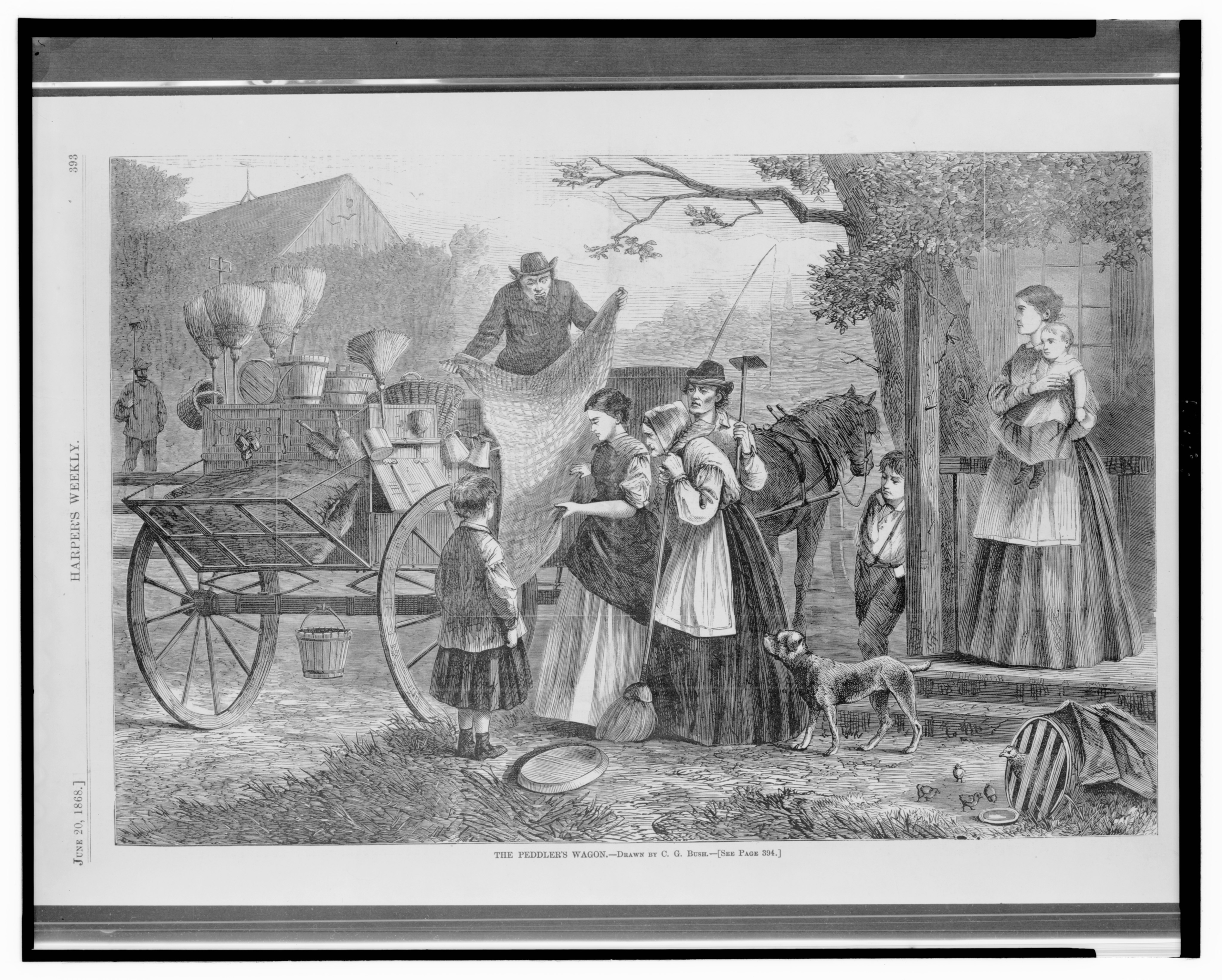
Almost everything written about the huckster treats him as a delivery service – a shop that came to you because you could not get to a shop. That is half of it, and it is the less interesting half.
He was a buyer.
The wagon pulled into a farmyard carrying manufactured goods from town and pulled out carrying agricultural goods from the farm. Eggs above all, plus cream, butter, garden surplus and sometimes rags and scrap. The household was simultaneously his customer and his supplier, and the two sides of that settled against each other on the spot with very little money involved.
Which means a farm with no cash whatsoever could participate fully in the market economy. Not on credit, not on charity – on eggs. There was a rate, the rate moved, both sides knew it, and the arithmetic was done at the tailgate. That is a functioning monetary system running on a commodity, and it is a genuinely different relationship from being a customer.
It also put a woman at the centre of it. She produced what the wagon wanted, she knew what the house needed, and so she did the dealing – which made this one of very few commercial relationships on a farm that she conducted on her own authority, as against the crop money that went through the man and the bank.
The rest of the operation was well designed around that core.
The route was fixed and the day was known, so a household could plan – save eggs for that morning, build a list through the week, and make everything last until he came again. Running out of something on the wrong day meant six days of doing without, which is its own kind of discipline.
He arrived with a horn or a bell, because farm buildings are spread out and people were working away from the house. It is the dinner bell problem approached from the other side: somebody arriving who had to announce himself.
The wagons themselves were serious pieces of work – shelving, drawers, counters, hinged side panels opening into display, a scale, and a secure place for eggs and cash. A vehicle like that has to be a shop, a warehouse and safe transport for fragile cargo all at once.
The stock was small but chosen with care, because every item occupied space that had to earn its keep on a route where the customers were known individually. A good huckster carried what his particular forty households bought and knew which house wanted what.
Credit was personal, unwritten and extended on his judgement. That cut both ways – a struggling household got carried, which the system made possible and which was a real kindness, and a household he had decided against had very few alternatives.
And he was the fastest general circulation of news in the district, because he went through every farmyard once a week in a place with no telephone.
Then it ended, and it took four things rather than one.
The car and better roads turned a day’s expedition into an hour, which removed the difficulty the huckster existed to solve. Once a family could go and choose for themselves, his door-to-door premium stopped being worth paying.
The supermarket beat him on choice and price, which a wagon cannot help losing – a store that carries everything removes the value of a man who carried exactly the right small selection.
The refrigerator removed the urgency, because weekly supply is a response to things not keeping, and a household that can store food buys less often in larger amounts.
But the one that actually broke the business was the industrialisation of egg and poultry production. Once buyers dealt in volumes a farm flock could not supply, nobody wanted a dozen eggs from a dozen farms – and that killed the buying side.
A huckster who could only sell was an expensive grocery store on wheels, which is no business at all.
If your grandmother traded with one, she remembered the rate for eggs and what she got for them.
And she did the dealing herself.
Like our content? Follow us for more.