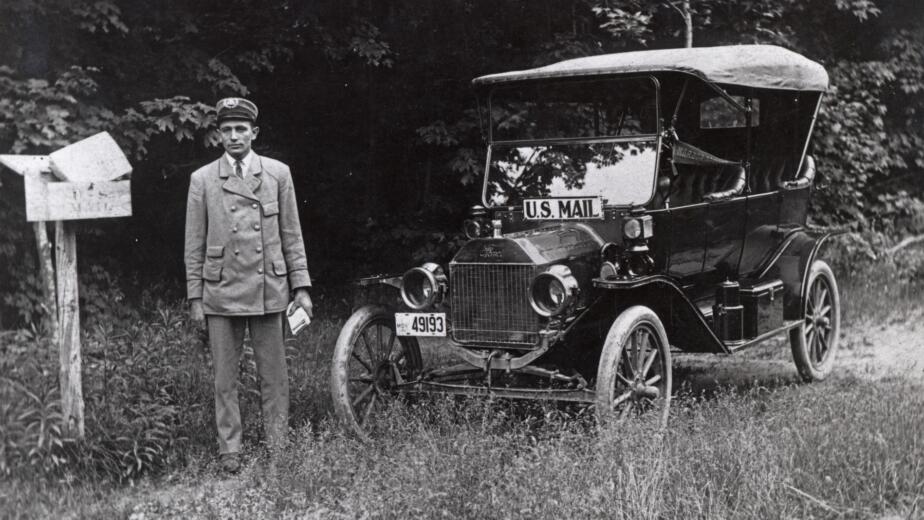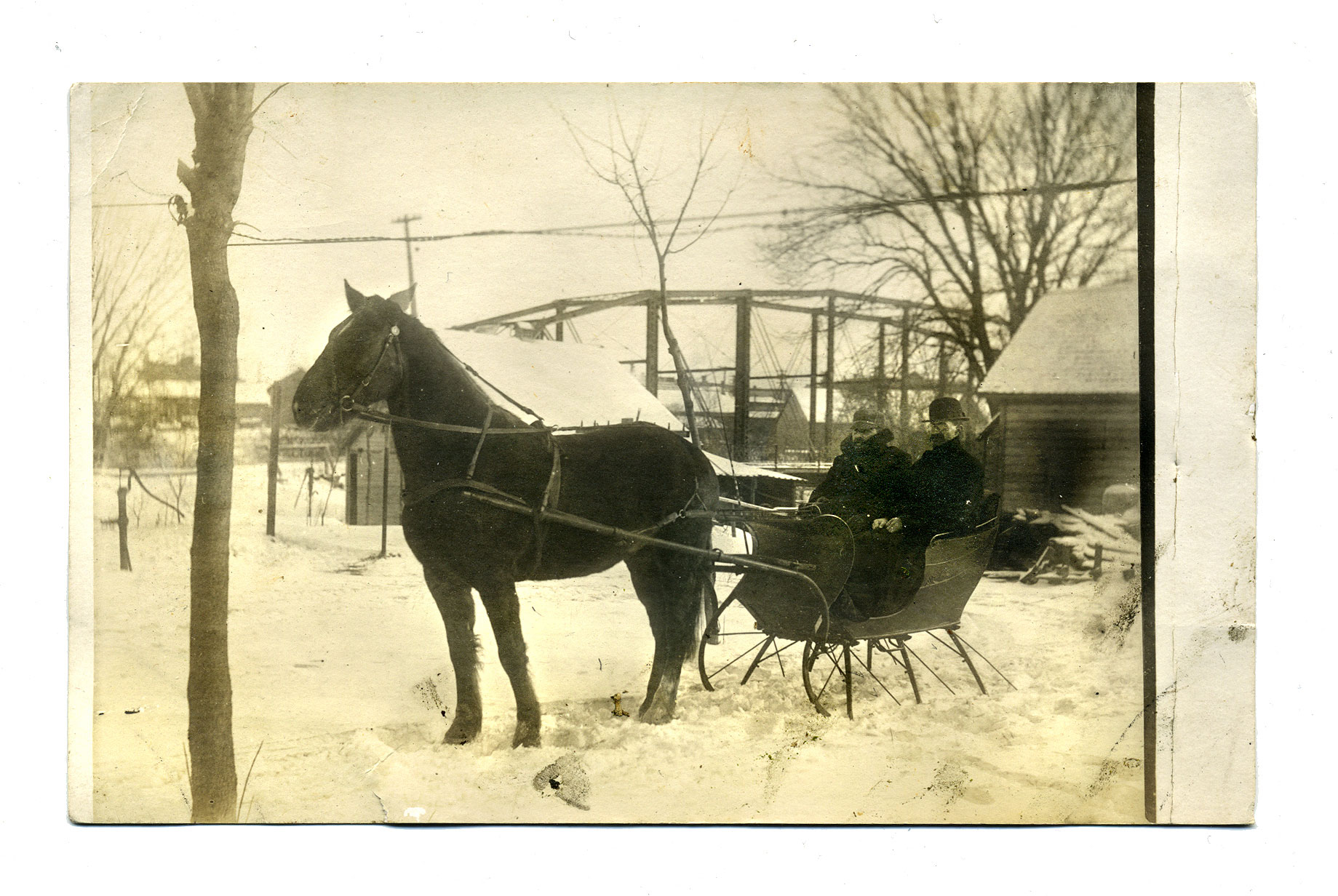
Winter used to make the roads better. That single fact is almost impossible to believe now, and nothing else about sleighs makes sense without it.
An unpaved road in spring was bottomless mud. The same road frozen hard and packed with snow was a smooth surface that one horse could pull a very large load over – because a runner rides on compacted snow while a narrow wheel has to compact the snow in front of it continuously. So farms planned their heaviest hauling for January, kept one wagon box and two sets of running gear, and swapped them when the snow came.
Communities rolled the snow rather than removing it, to build the surface up. And the bells on the harness were not decoration. Here are sixteen things every family knew.
1. Winter Made the Roads Better, Not Worse
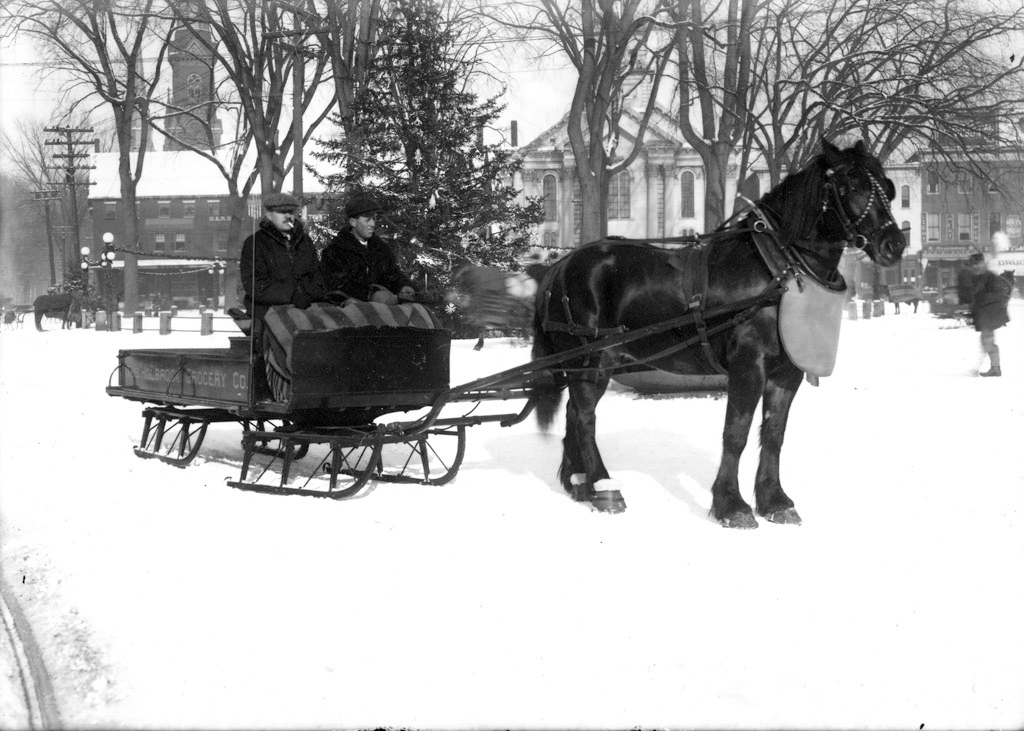
Before paving, a dirt road in spring and autumn was deep mud and nearly impassable, while the same road frozen hard and covered in packed snow carried a loaded sleigh easily.
Paved roads are good year round and snow is a hazard to be removed as fast as possible.
This inverts everything a modern reader assumes and it is the key to the whole subject. Winter was the good hauling season. Mud was the enemy, frost was the ally, and a farm planned its heaviest movements for the months when the ground would hold up a load.
Like our content? Follow us for more.
2. Runners Beat Wheels on Snow by a Wide Margin
A sleigh or sled slides on two broad runners, and on packed snow or ice the resistance is a fraction of what a narrow wheel meets as it cuts in and compacts its way forward.
Rubber tyres on cleared pavement, with wheels now better in every condition people actually drive in.
The physics is straightforward. A wheel on snow has to compress the snow ahead of it continuously, which is work, while a runner rides on top of a surface already compressed. That is why a horse could pull substantially more on a sleigh than on a wagon, and why the heaviest loads of the year moved in January.
3. Every Farm Had Both and Swapped Seasonally
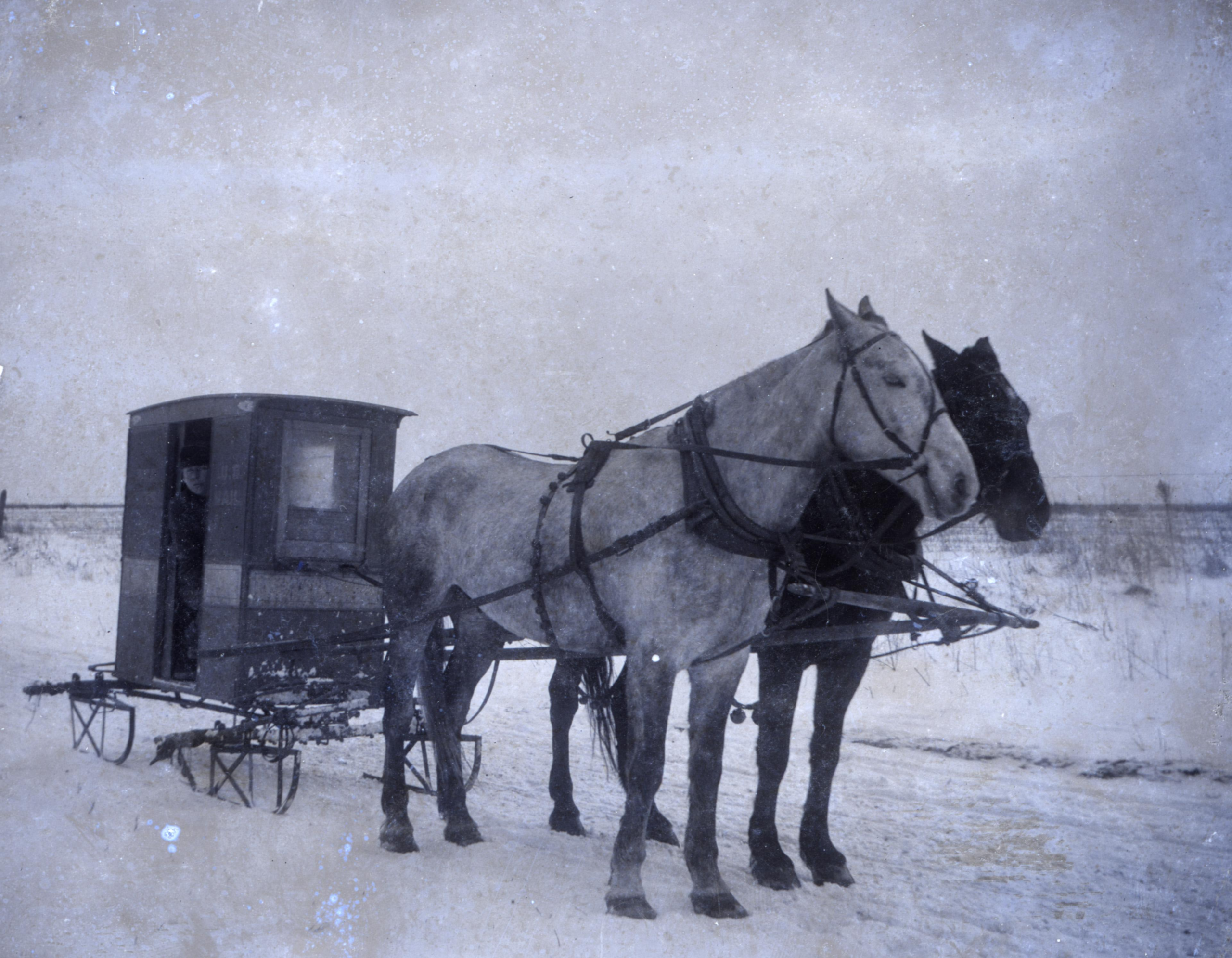
Households kept wheeled vehicles and runner vehicles, and changed over when the snow came – sometimes by lifting a wagon box onto a set of bobsleds.
One vehicle, used all year.
The interchangeable box is the practical detail that shows how routine this was. A wagon body designed to sit on either running gear means the household owned one body and two chassis, which is a sensible answer to a climate with two completely different surfaces.
4. The Bobsled Was the Workhorse
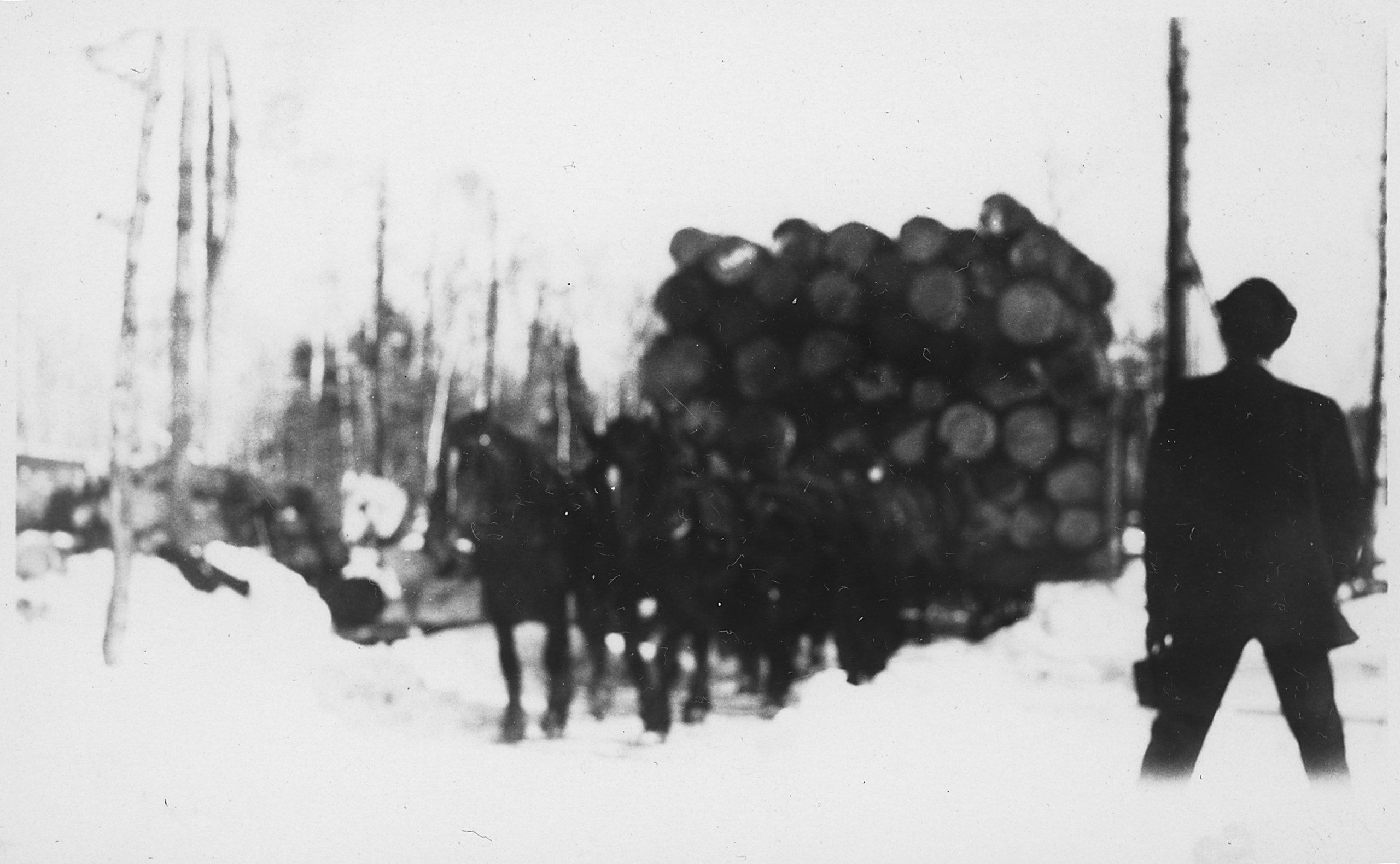
Heavy hauling used bobsleds – two short sled units coupled in tandem under a long bunk or box, which lets the pair follow uneven ground independently.
Trucks on plowed roads.
Articulating the sled in two parts is the engineering that made heavy winter hauling possible. A single long rigid runner bridges hollows and lifts its load off the snow, while two short units in tandem keep both sets of runners in contact – which is the same reason long vehicles are articulated now.
5. The Cutter Was the Fast One
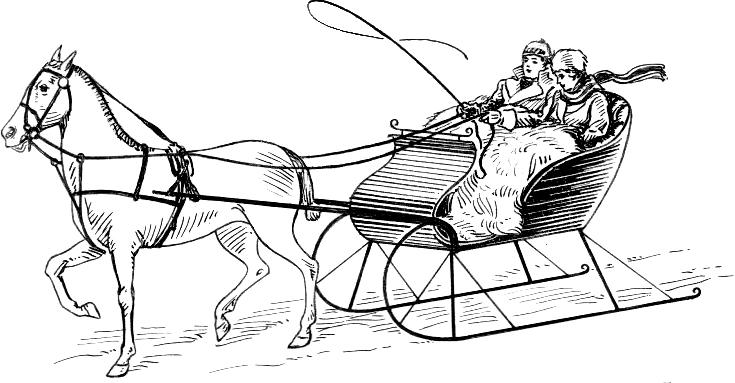
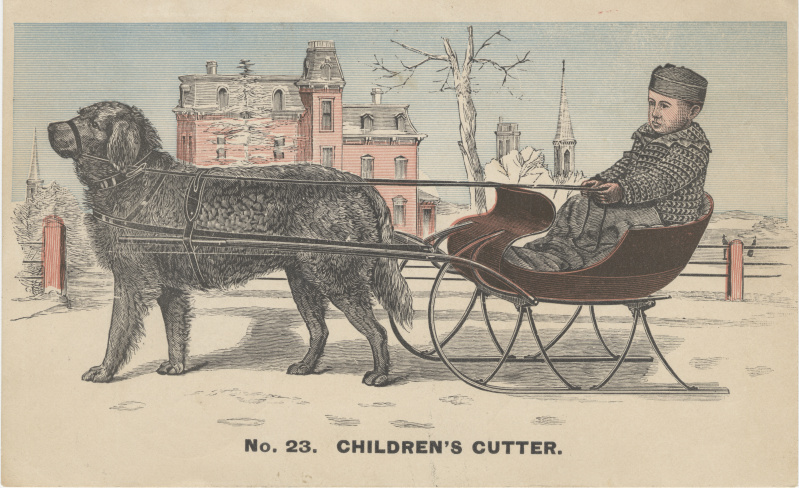
A cutter was a light one-horse sleigh for two people, built for speed and appearance rather than load, and it was what a household drove for pleasure and for visiting.
An automobile.
The cutter is the one everybody pictures, and it was effectively the sports car of the arrangement – light, quick, uncomfortable, impractical for work, and bought partly to be seen in. Households that could afford one had strong opinions about them.
6. Bells Were a Safety Requirement

Sleighs carried bells on the harness, and in many places this was expected or required rather than decorative.
Not applicable. Vehicles are loud by default.
This is the detail that surprises people most. A sleigh on snow is almost completely silent – no hoofbeats on hard ground, no rattle of iron tyres, nothing – which makes it genuinely dangerous to pedestrians and to other drivers at a corner. The bells were there so that something nearly noiseless could be heard coming.
7. The Roads Were Rolled, Not Plowed
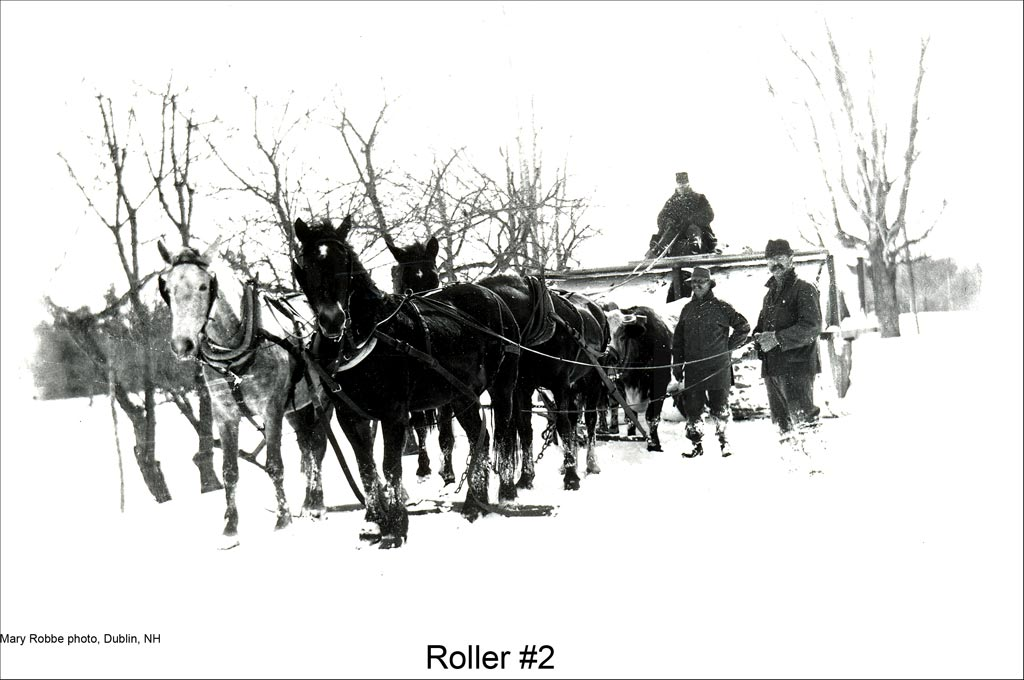
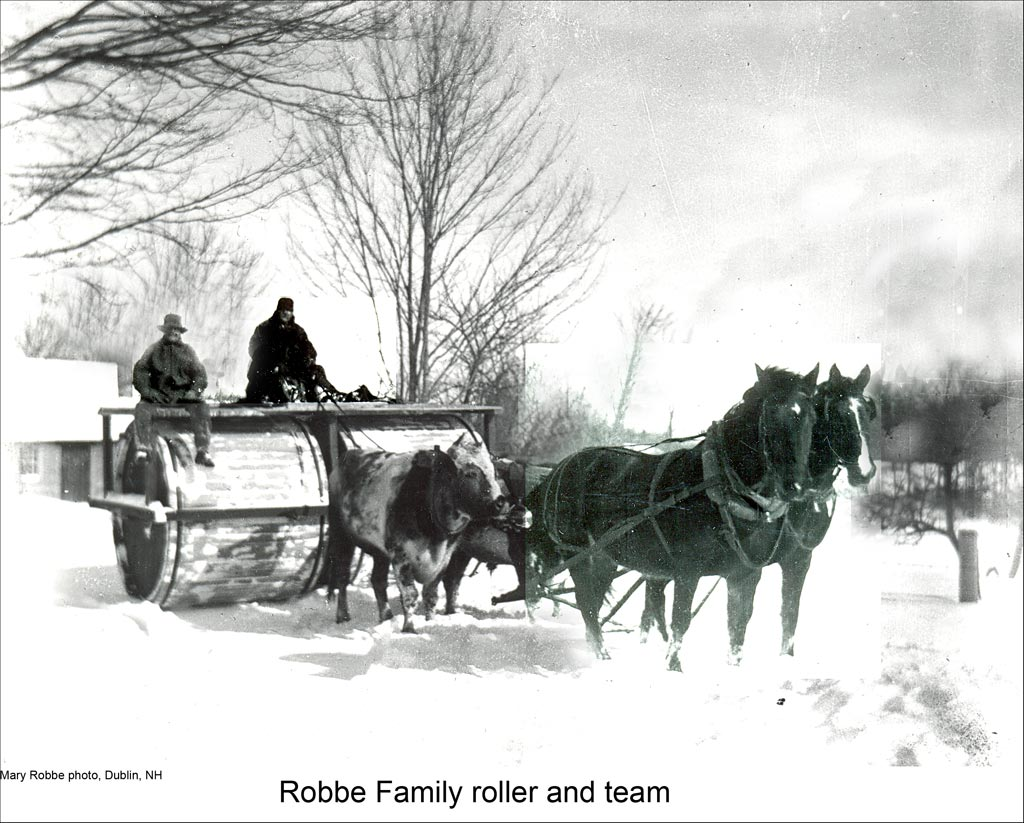
Communities packed snow down rather than removing it, using heavy horse-drawn rollers to compress it into a hard smooth surface that sleighs could run on.
Plowing and removal, because wheeled traffic needs bare pavement.
Rolling instead of clearing is the clearest illustration of how completely the priorities have flipped. The object was to build a good snow surface and protect it, and removing snow would have destroyed the road rather than repaired it.
8. Drifting Rerouted Traffic Through Fields
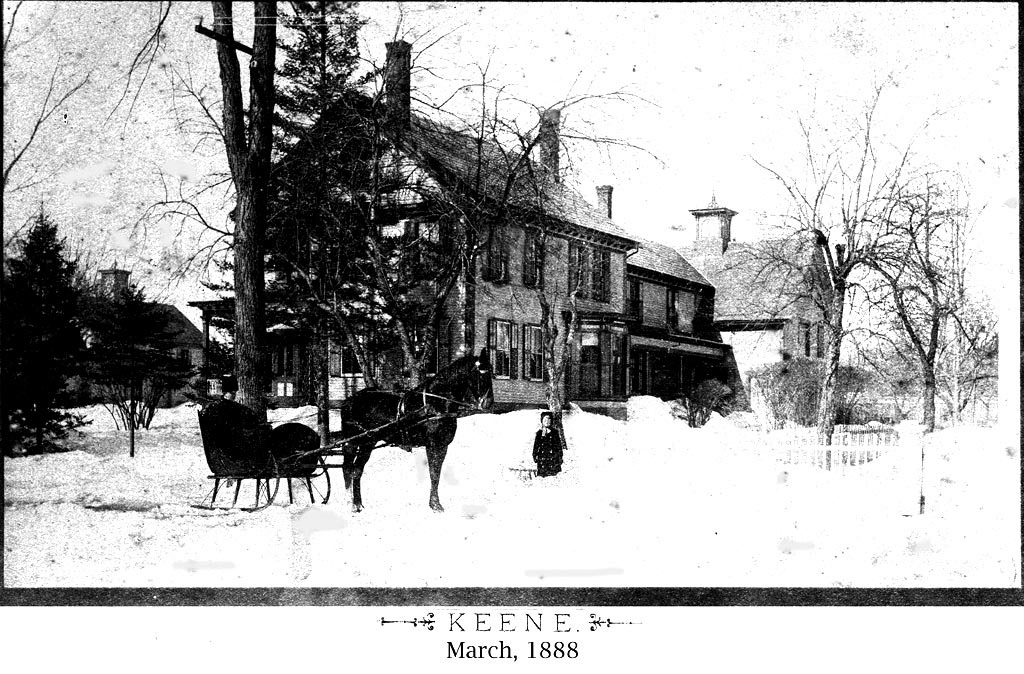
Where a road drifted full, traffic simply went around it – through an adjacent field, over a fence laid down for the purpose, and back onto the road beyond.
Not applicable. Traffic stays on the roadway and waits for it to be cleared.
Driving across your neighbour’s field was understood and tolerated, which tells you something about how property worked in practice. Frozen ground takes no damage from a sleigh, the detour harmed nothing, and the alternative was nobody getting anywhere.
9. Robes and Hot Bricks Were the Heating
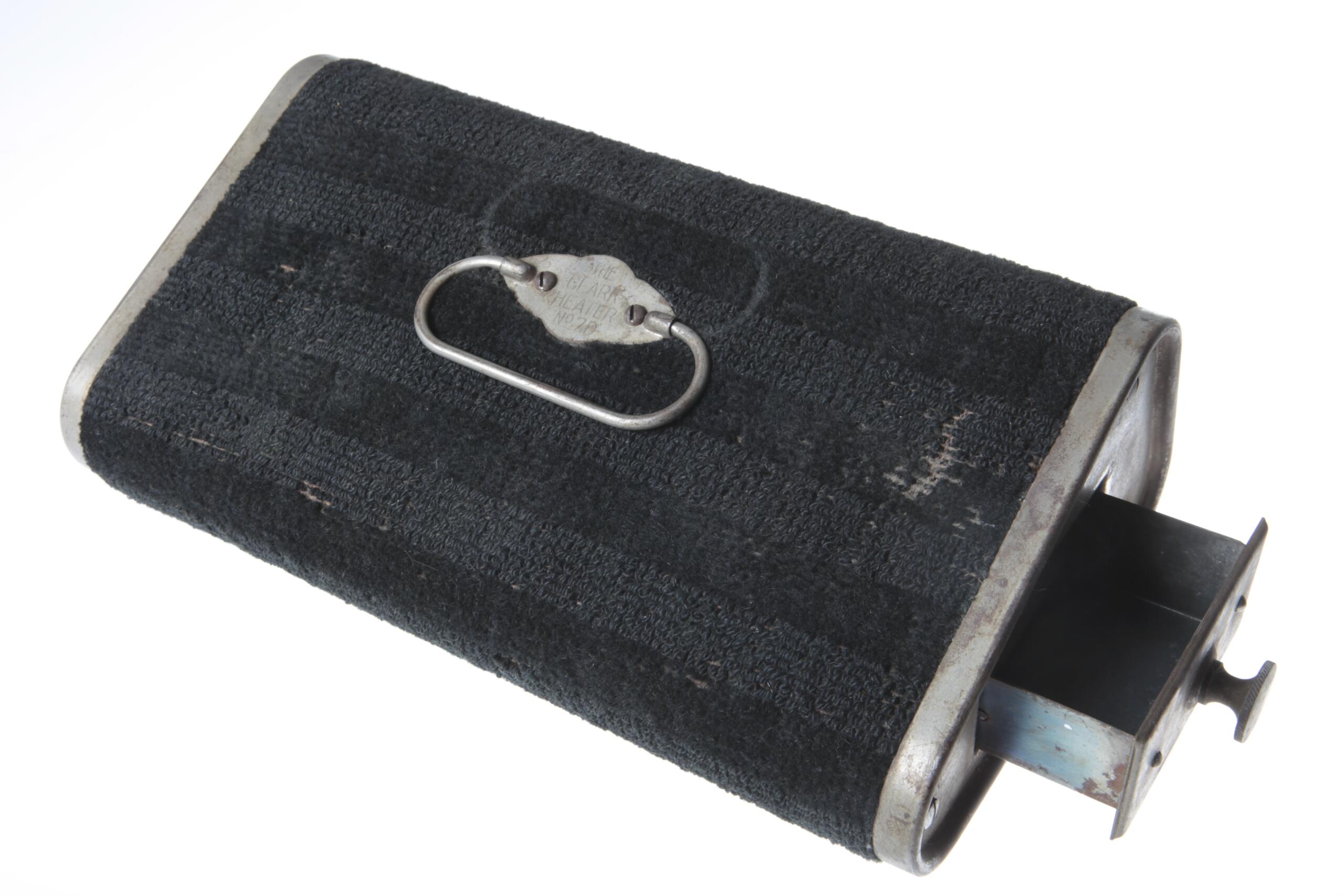
Passengers travelled under heavy robes, with heated soapstones, bricks or stove lids wrapped in cloth placed at their feet.
Heaters, heated seats and enclosed cabs.
An open sleigh in January is extremely cold and the arrangements for dealing with that were elaborate. It also means a journey had a time limit set by how long the bricks stayed warm, which is a constraint on travel that no longer exists in any form.
10. Visiting Was a Winter Activity
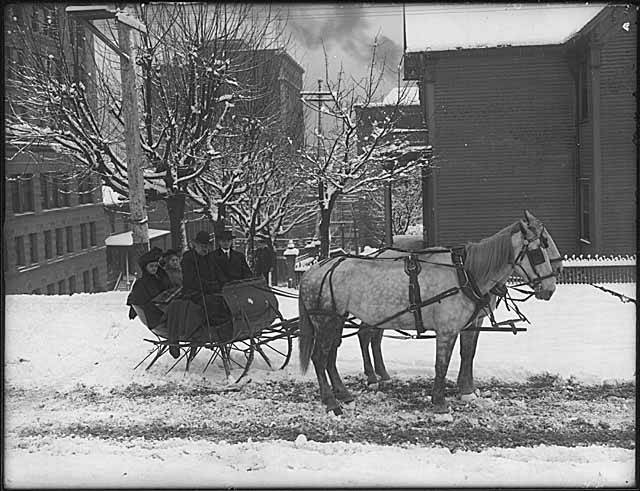
With the crops in and the roads good, winter was when rural households actually went to see each other – for whole days and overnight stays.
Not applicable in that pattern. Visiting is not seasonal.
The social calendar ran on the agricultural one, and this is the part people remember most warmly. Summer was work and winter was company, which is the reverse of the modern assumption, and the sleigh is what made the company possible.
11. Sleighing Parties Were an Institution
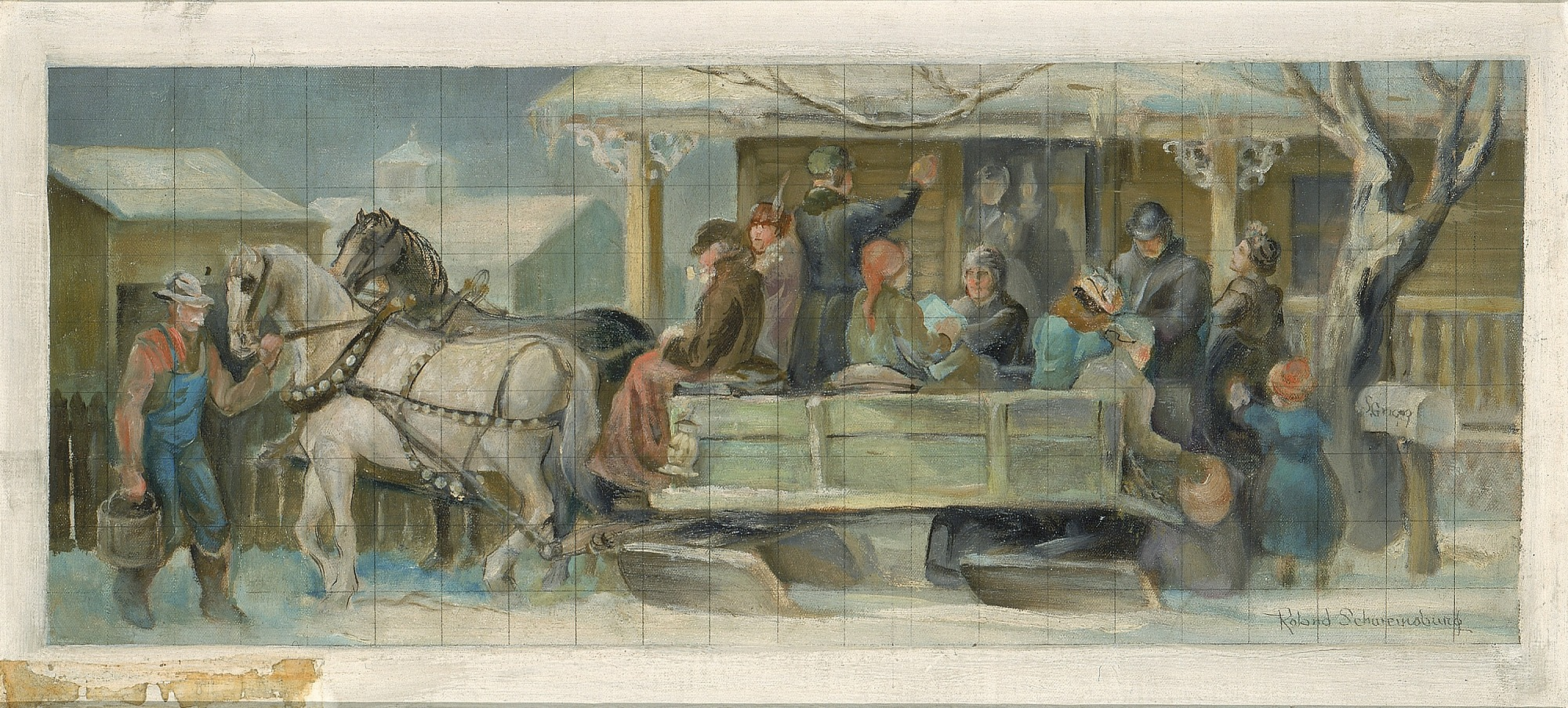
Groups filled a bobsled with straw and robes and drove to a neighbour’s place, a school, a church or a hall for an evening, and came back by moonlight.
Not applicable, though hayrides survive as a commercial echo.
The straw in the box is the whole technology of the thing – insulation, padding and a surface to sit on, free and already on the farm. A sleighing party is the cheapest possible organised entertainment, which is exactly why it was universal.
12. Horses Needed Shoeing for Ice
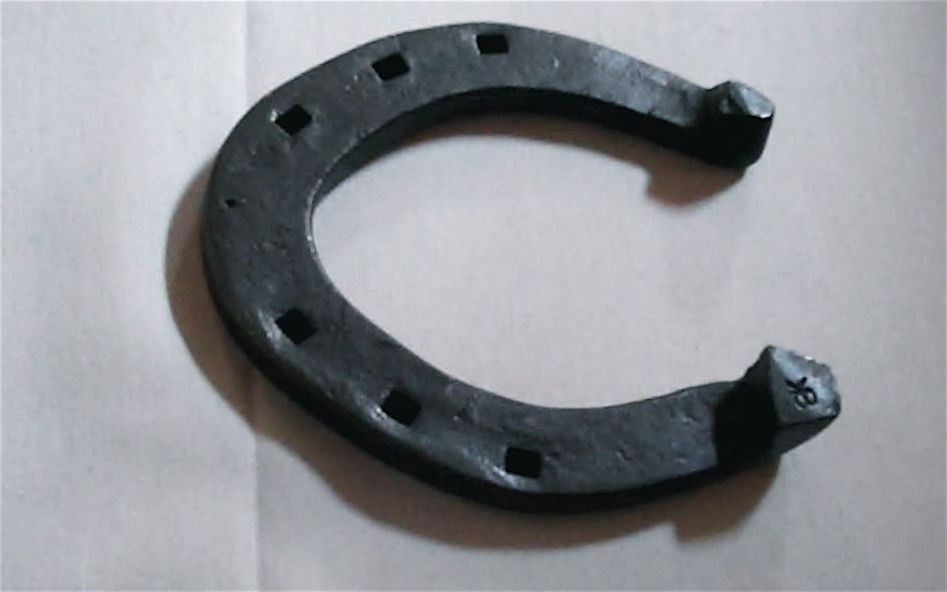
Animals working on ice were shod with calks or sharpened shoes to give them grip, which was a seasonal job done before the weather turned.
Not applicable.
The grip problem is the limiting factor people forget. A sleigh slides beautifully and so does the horse pulling it, which means the whole arrangement depended on a specific piece of seasonal preparation – and an unshod animal on glazed ice was a genuine hazard to itself and everybody aboard.
13. Then the Automobile Changed What a Road Was For
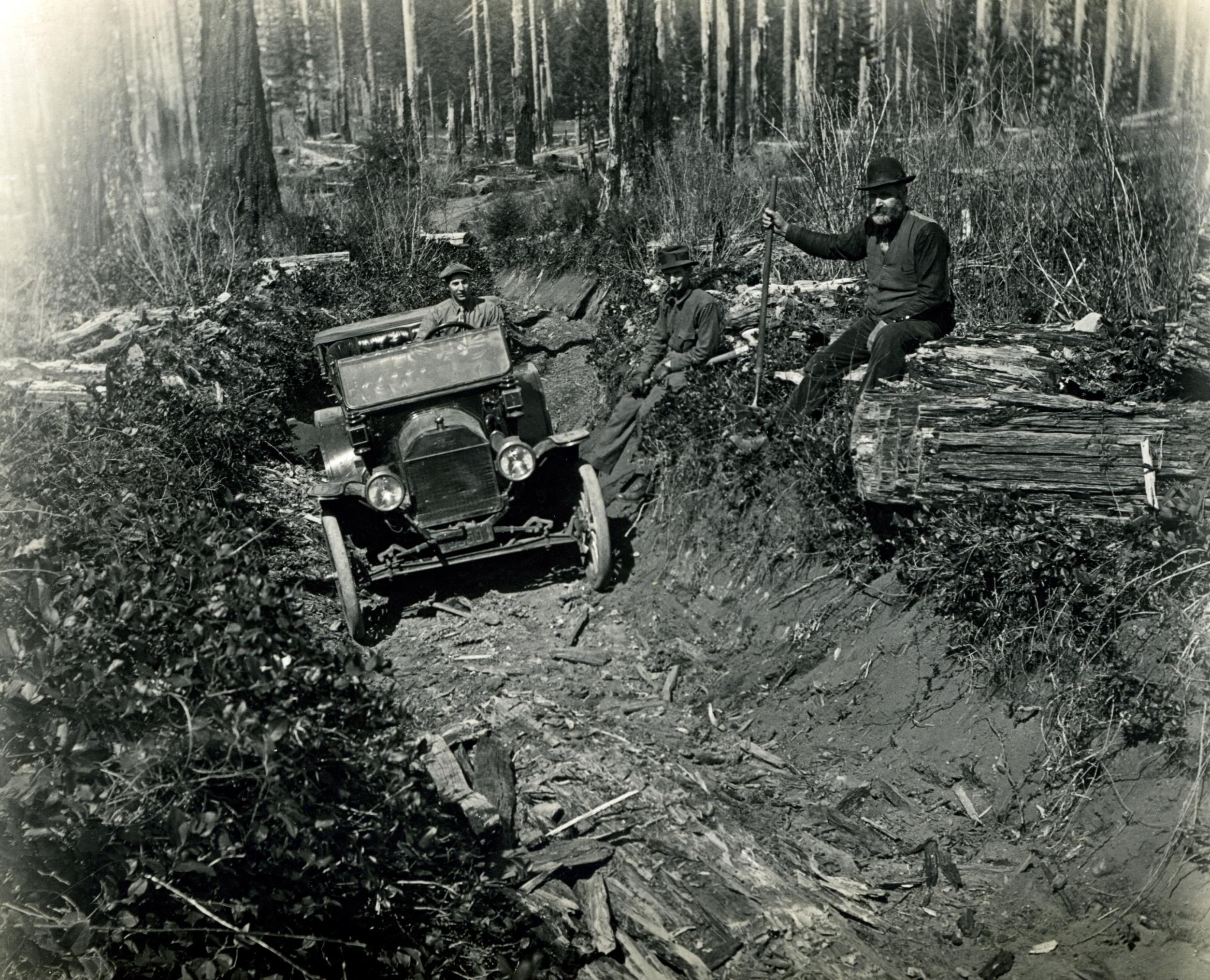
As cars became the normal vehicle, roads were built and maintained for wheels – graded, surfaced and eventually paved – and a surface good for wheels is one that snow has to be taken off.
Universal.
This is the decisive change and it is not really about sleighs at all. Once the vehicle fleet runs on wheels, the entire winter road policy inverts: snow stops being the road surface and becomes an obstruction, and every dollar goes into removing the thing that sleighs required.
14. Then Plowing Made Snow Roads Impossible
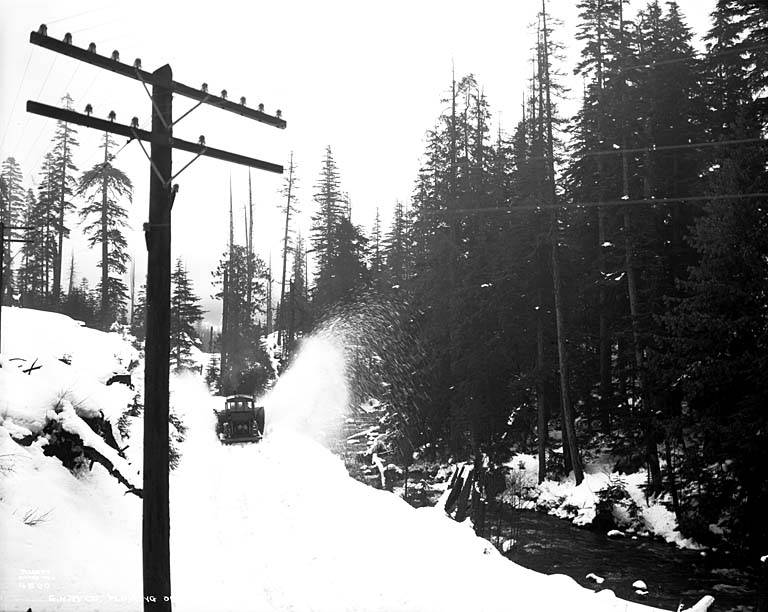
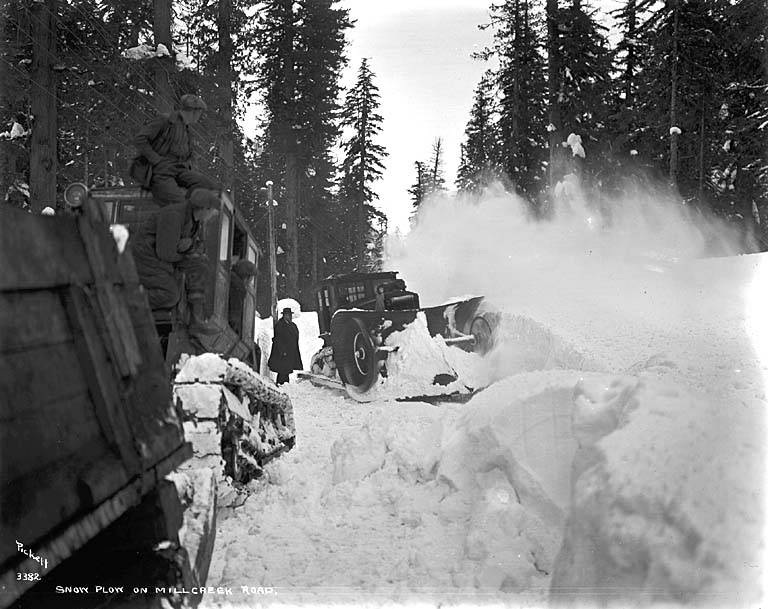
Mechanical snow removal became standard, which cleared pavement for cars and simultaneously destroyed the packed surface a sleigh needs.
Standard everywhere.
The two cannot coexist, and that is worth stating plainly. A plowed road is a bad sleigh road – bare pavement wrecks runners and there is nothing to slide on – so the arrival of the plow did not merely make sleighs unnecessary. It made them unusable.
15. Then the Tractor Took the Hauling
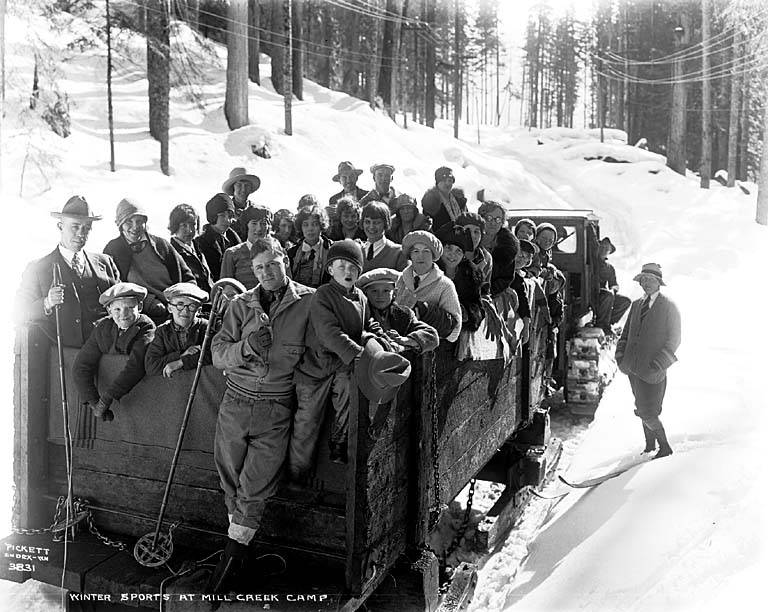
Farm hauling moved to tractors and trucks, which work on frozen ground and cleared roads and need no seasonal change of running gear.
Standard.
The work side disappeared quietly. A tractor does not care very much what season it is, which removed the reason a farm kept two sets of running gear for one wagon box – and once the working sleds went, the pleasure sleighs had no reason to be maintained either.
16. Then Snow Became Something to Get Rid Of
In 1964 sleighs were effectively gone from American roads as transport, surviving as parade pieces, as children’s toys and in a few places where winter recreation kept them alive.
Snow is plowed, salted and removed at public expense, and the only runners on a road are on a child’s sled.
And the thing worth taking from all of it is that winter used to be the easy season for getting about, which is almost impossible to believe now. An unpaved road in spring is bottomless mud and in autumn not much better; the same road frozen and rolled hard is a smooth surface that a single horse can pull a very large load across, because a runner rides on compacted snow instead of having to compact it. So communities built snow roads deliberately – rolling the snow rather than removing it, laying fences down so traffic could detour through fields when a cut drifted full, and shoeing the horses with calks before the weather turned. Farms kept one wagon box and two sets of running gear and swapped them over. Households that had been working flat out all summer did their visiting in January, because that was when the roads were good and the work was done. Then the automobile arrived and reversed the entire logic, because a vehicle on wheels needs bare pavement, and bare pavement is produced by destroying the exact surface a sleigh requires. The plow did not make sleighs obsolete. It made them impossible. And the bells went with them, which is a small loss worth noticing – they were not ornament. A sleigh on snow makes almost no sound at all, and somebody had to be able to hear it coming.
The Snowplow Did Not Make Sleighs Obsolete. It Made Them Impossible.
Start with the inversion, because everything else follows from it: winter was the easy season for moving things.
A dirt road in spring is deep mud and close to impassable with a load. In autumn it is not much better. Frozen hard and covered with packed snow, the same road is a good surface – and the reason is a piece of physics worth stating plainly.
A wheel on snow has to compress the snow in front of it, continuously, for every foot it travels. That is work, and it is work the horse is doing. A runner rides on top of snow that has already been compressed. So a team could pull substantially more on a sleigh than on a wagon, which is why the heaviest movements of the farm year happened in the middle of winter.
Communities organised around that. They did not clear the snow – they rolled it, with heavy horse-drawn rollers, compressing it into a hard smooth surface and then protecting it. Removing it would have destroyed the road rather than repaired it. Where a cut drifted full, traffic went around through the adjacent field over a fence laid down for the purpose, which everybody tolerated because frozen ground takes no harm from a sleigh and the alternative was nobody getting anywhere.
The vehicles came in two kinds and the difference is instructive.
For work, the bobsled: two short sled units coupled in tandem under a long bunk, so the pair could follow uneven ground independently. That articulation is the real engineering, because a single long rigid runner bridges hollows and lifts its load clear of the snow, while two short units in tandem keep everything in contact – the same reason long vehicles are articulated today.
For everything else, the cutter: light, fast, built for two, impractical for load, and bought partly to be seen in.
Both carried bells, and this is the detail people find most surprising. A sleigh on snow is nearly silent. No hoofbeats on hard ground, no rattle of iron tyres, nothing at all – which makes it genuinely dangerous at a corner or to anybody walking. The bells existed so that something noiseless could be heard approaching.
Living with it required preparation on both ends. Passengers travelled under heavy robes with heated soapstones or wrapped bricks at their feet, which means a journey had a time limit set by how long the bricks stayed warm. And the horses were shod with calks before the weather turned, because a sleigh slides beautifully and so does an unshod animal on glazed ice.
What all of this bought was a social season. Crops in, roads good, work done – so rural households did their visiting in winter, for whole days and overnight stays, and filled a bobsled with straw and robes to drive to a school, a hall or a neighbour’s place and come back by moonlight. Straw in the box is the entire technology: insulation, padding and seating, free and already on the farm.
Then the automobile reversed the logic completely.
A vehicle on wheels needs bare pavement. So roads were graded, surfaced and paved for wheels, and winter road policy inverted – snow stopped being the road surface and became an obstruction to be removed at public expense.
And that is the point that deserves emphasis, because it is not the usual story of a technology being outcompeted. A plowed road is a bad sleigh road: bare pavement wrecks runners and there is nothing left to slide on. The two surfaces cannot coexist.
The plow did not make the sleigh unnecessary. It made it unusable.
The tractor finished the working half quietly, since a tractor does not much care what season it is, and once the work sleds went there was no reason to maintain the pleasure ones either.
If your family had runners in the barn, somebody remembers the sound of the bells and the bricks at their feet.
And they remember that winter was when you went places.
Like our content? Follow us for more.