Drying is the only preservation method that needs nothing you have to buy.
Canning needs jars, lids, sugar and fuel. Salting needs salt. Cooling needs ice or a machine. Drying needs a knife, somewhere flat and the sun – which is why it is the oldest way of keeping food in the world and why every household could do it regardless of money.
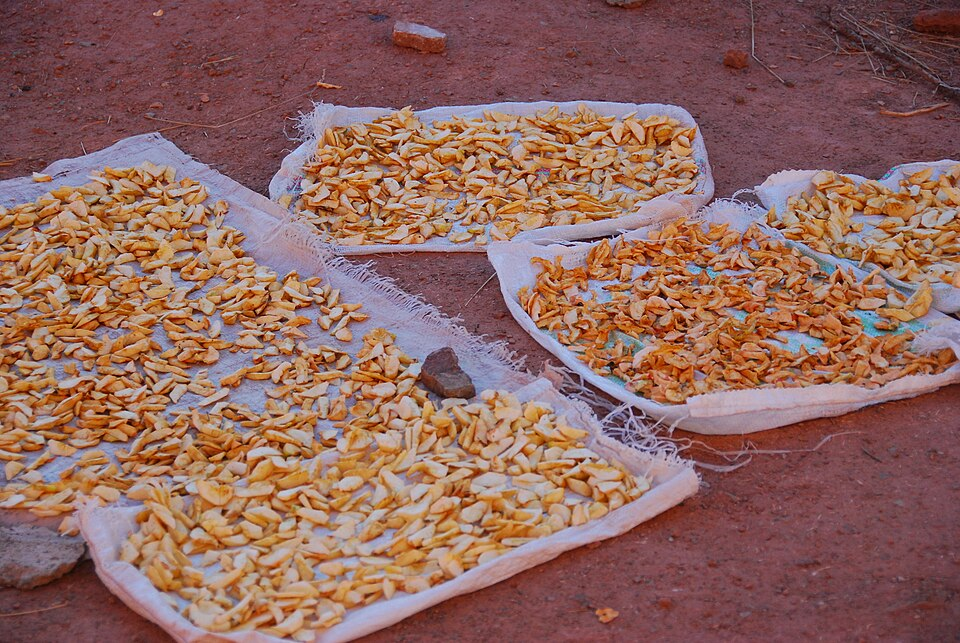
Apples were peeled, cored, sliced and spread on boards, sheets, screens or the roof, then carried in every night so the dew would not put the moisture straight back. It works because spoilage organisms need water: take enough of it out and nothing grows, which means the food is protected by its own composition rather than by any seal.
The trade-off was days of hand peeling and a constant fight with insects. Here are sixteen things every farm kitchen knew.
1. Removing the Water Was the Oldest Way to Keep Food
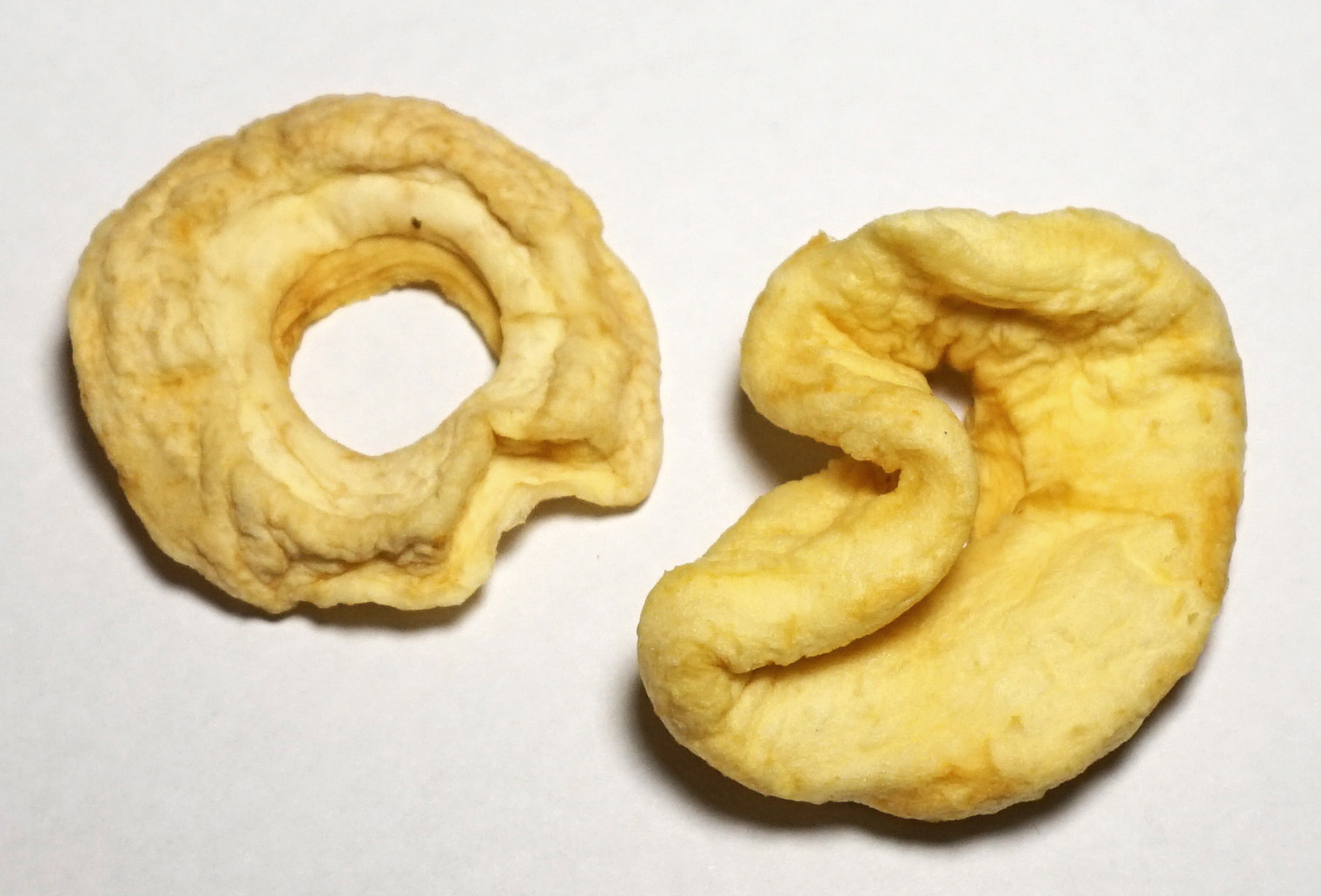
Apples were sliced and dried until they were leathery and hard, which left them light, stable and able to keep for a year with no container, no seal and no cold.
Refrigeration, freezing, canning and year-round shipped fresh fruit.
Drying is the method that needs nothing, and that is why it was everywhere before anything else. No jars, no lids, no sugar, no fuel to speak of and no equipment – just a way to get the moisture out and somewhere dry to keep the result.
Like our content? Follow us for more.
2. Microbes Need Water and Dried Fruit Has None
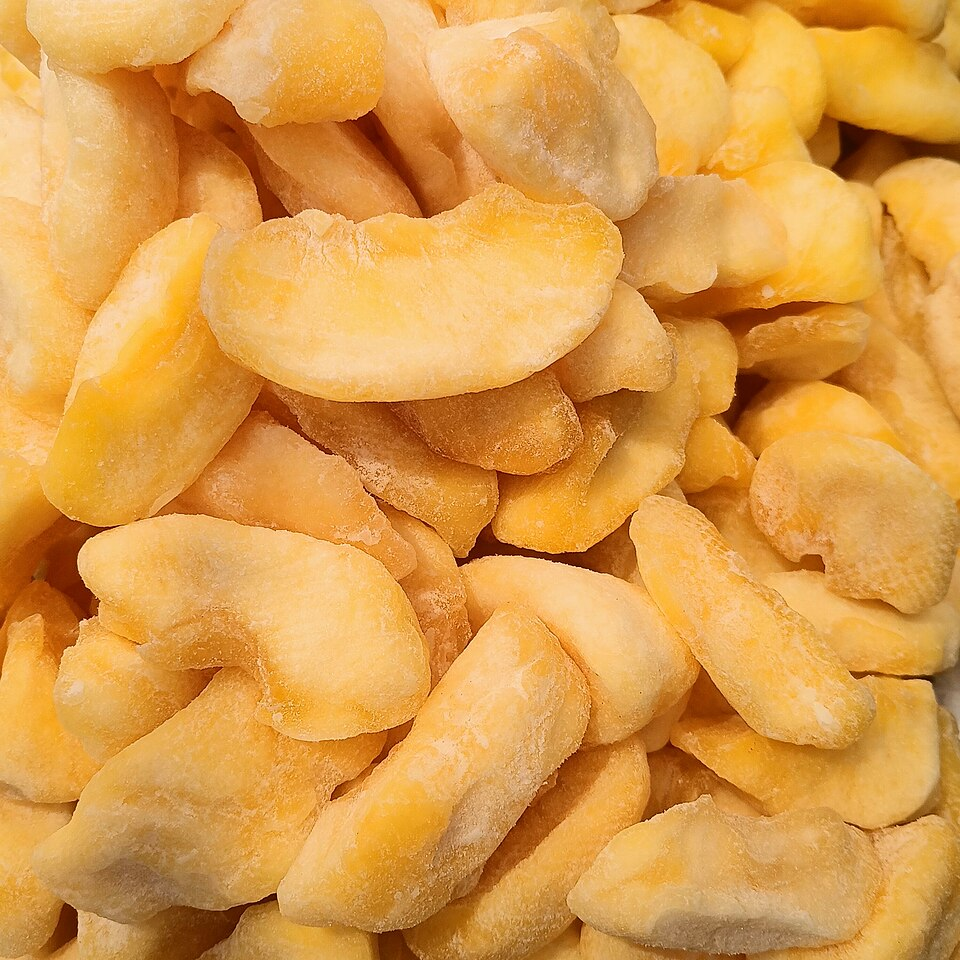
Spoilage organisms require moisture to grow, so taking enough water out of a food stops them without killing anything and without sealing anything in.
The same principle, applied industrially with controlled humidity and airflow.
The mechanism is worth stating because it explains the whole discipline. Drying does not sterilise and does not have to. It removes the condition that spoilage requires, which means the food is not protected by a barrier but by its own composition – and anything that lets moisture back in undoes it.
3. The Peeling Was an Enormous Job
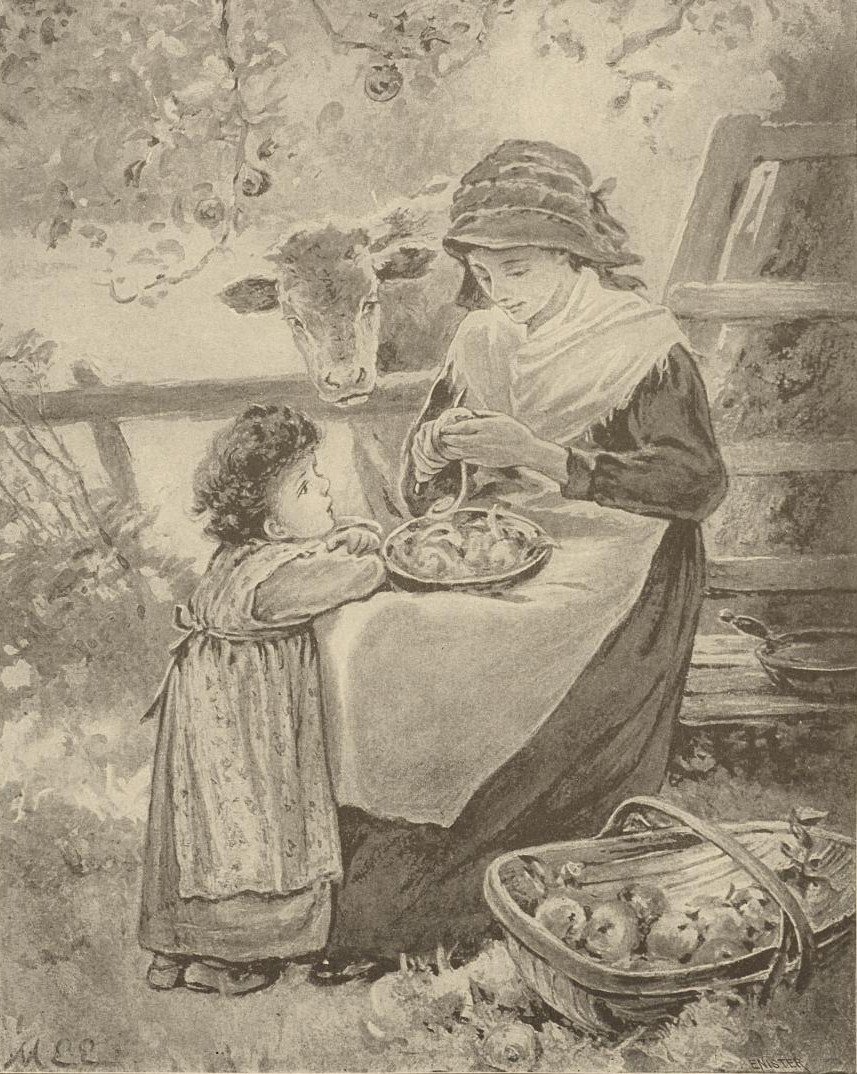
Bushels of apples had to be peeled, cored and sliced by hand, which occupied whole days and frequently several people at once.
Not applicable at household scale.
The front end of this process is where all the labour sits. Drying itself is passive and takes no work at all, but somebody has to prepare a very large quantity of fruit first, and that is why apple drying was done in company with neighbours and children pressed into service.
4. Mechanical Parers Were a Real Advance
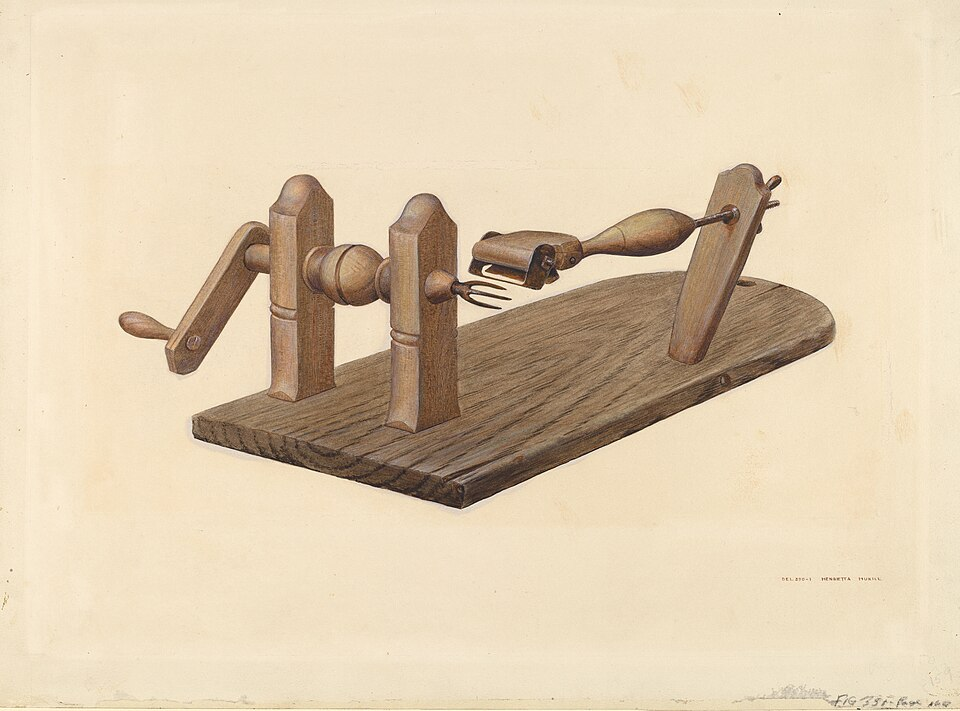
Hand-cranked cast iron parers clamped to a table held an apple on a fork and peeled it with a blade on a moving arm, with better models also coring and slicing.
Not applicable, though the machines survive and still work.
The apple parer is one of the genuinely satisfying inventions of the period and it is easy to see why households bought them. It takes the slowest, most tedious step of a huge job and makes it fast – and the mechanism, a geared arm tracing the curve of an irregular object, is cleverer than it needs to be.
5. Slices Went Out in the Sun on Anything Flat
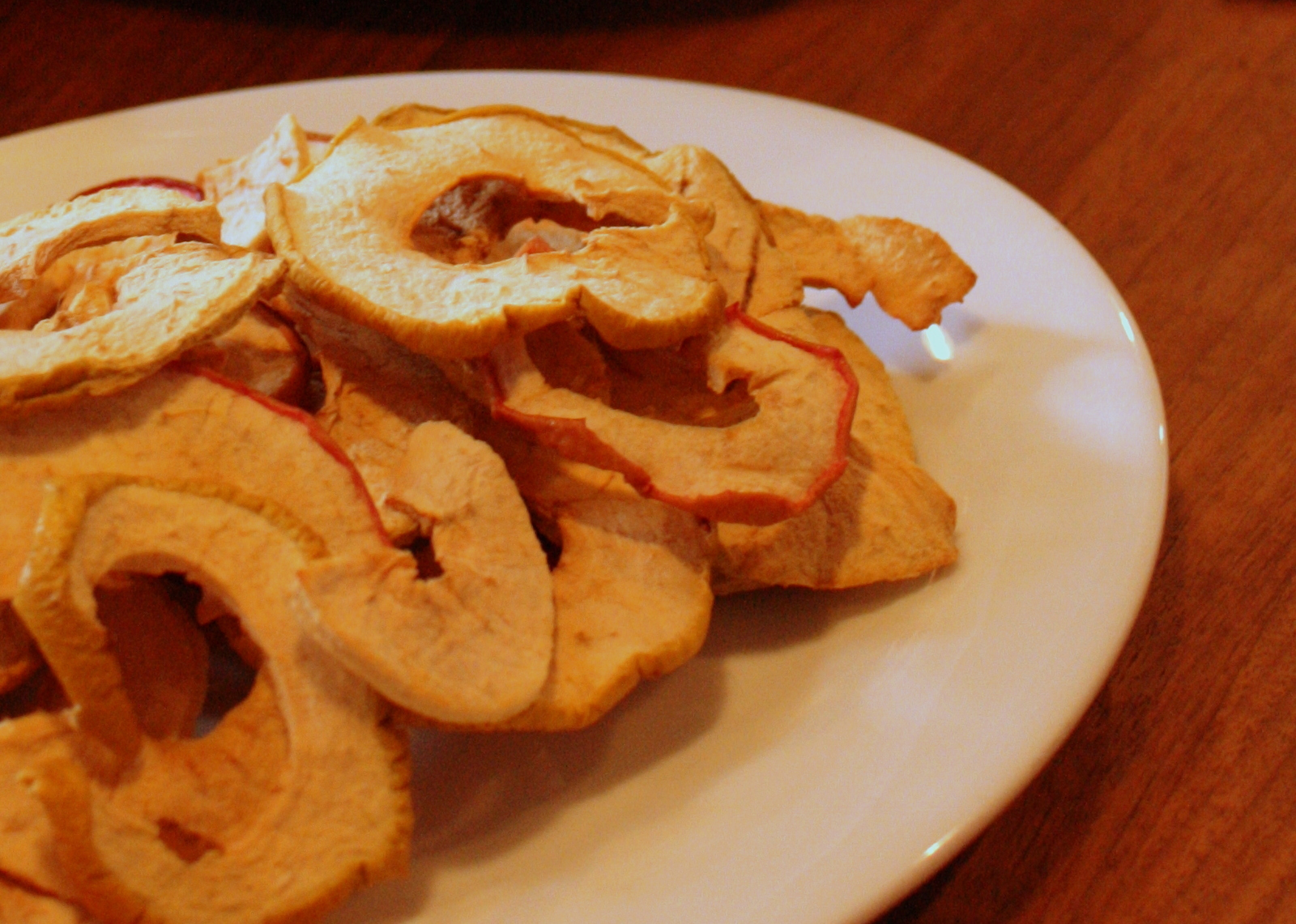
Fruit was spread on boards, sheets, screens, roofs, clean cloth or trays and set out in full sun, then brought in each night.
Not applicable.
Using the roof is the detail everybody remembers, and it was practical rather than quaint. A shingled roof in August is the hottest driest flattest surface on a property, it is above the reach of animals, and it gets sun from first light to last.
6. It Had to Come In at Night
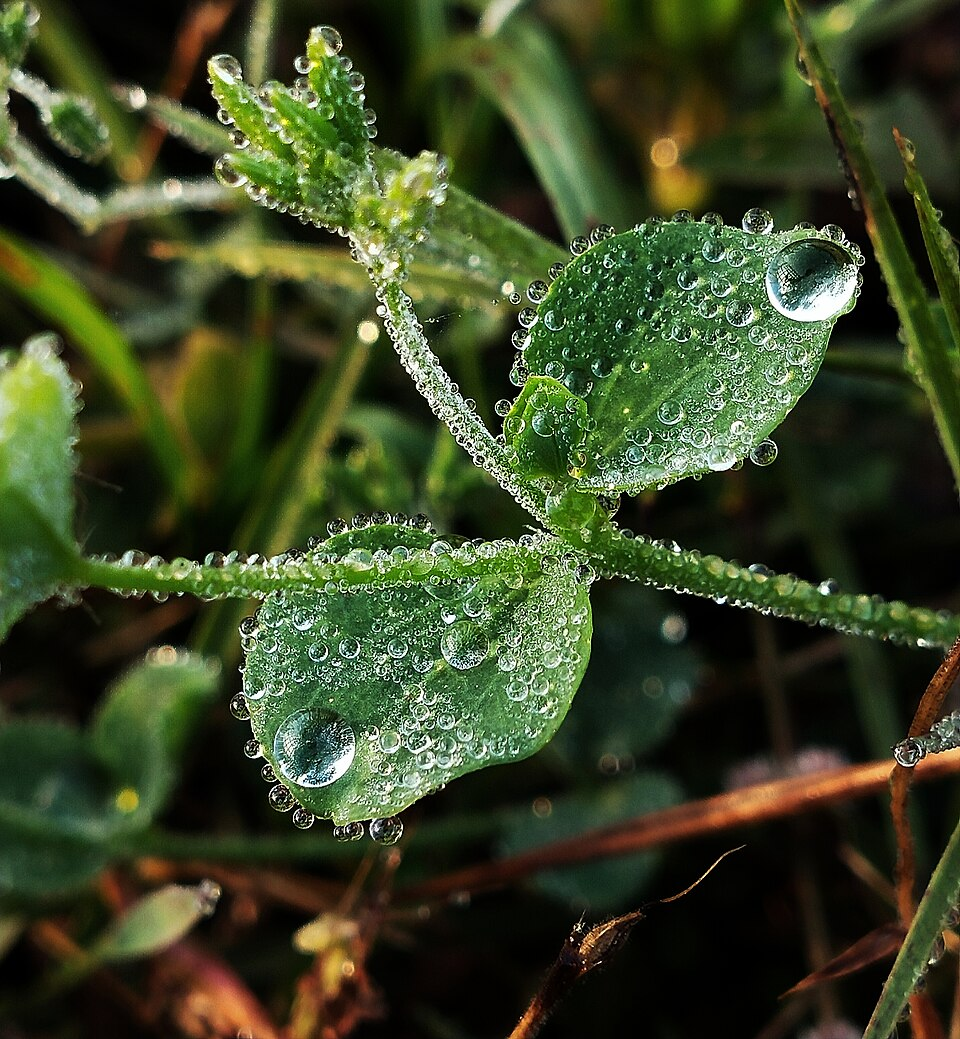
Trays were carried inside each evening, because dew would put moisture straight back into fruit that had spent all day losing it.
Not applicable.
Carrying everything in and out daily for several days is the hidden labour of sun drying, and it is why anybody with an alternative took it. One careless night undoes several days of work, and a rainstorm can ruin a whole batch outright.
7. Insects Were a Constant Battle
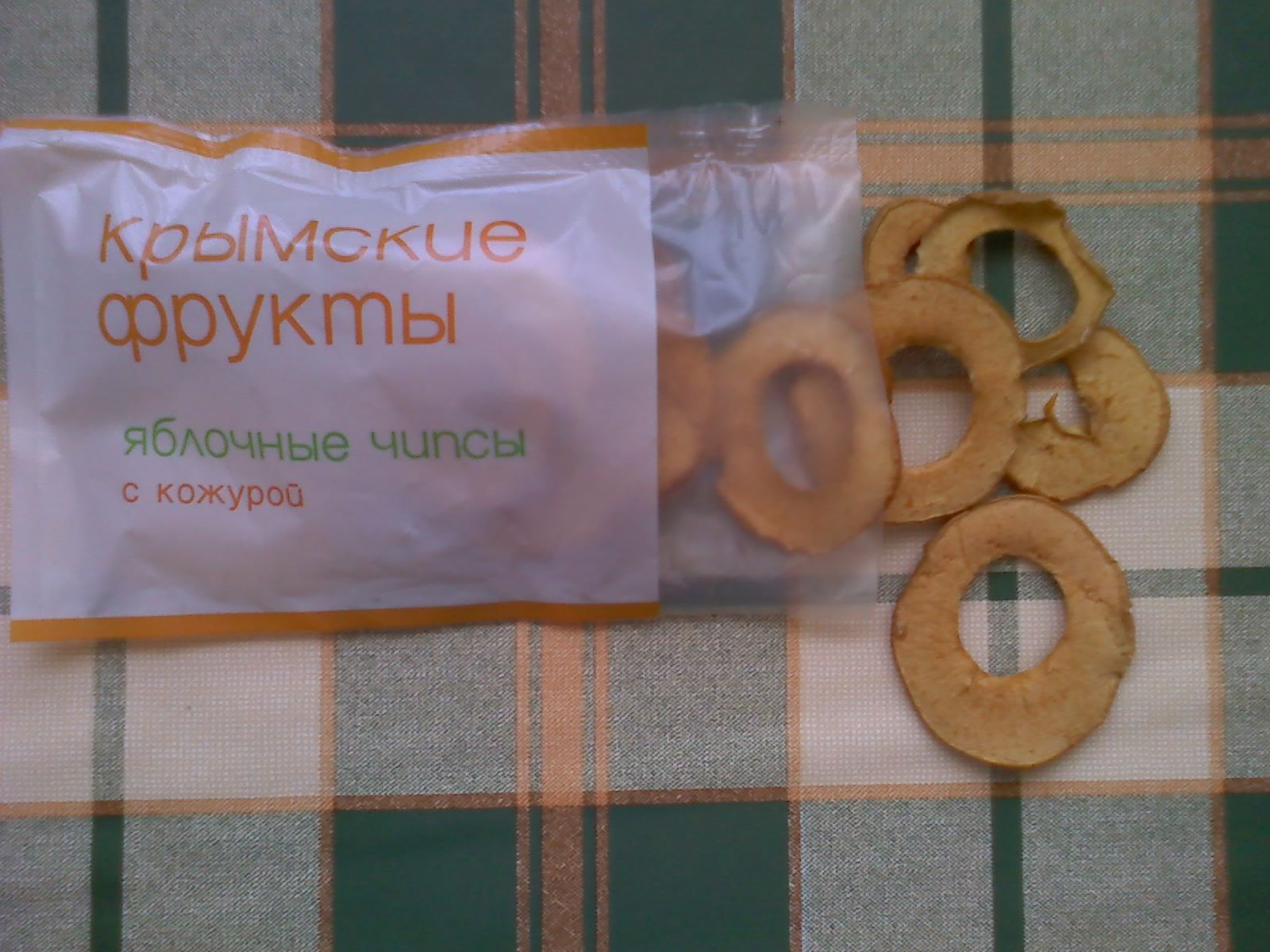
Drying fruit attracts flies, wasps and bees, so trays were covered with cheesecloth or screens, and losses to insects were ordinary.
Not applicable.
This is the part that the romantic version omits. Open fruit in the sun is extremely attractive to insects, keeping them off was a continuous effort, and the honest answer is that a certain amount of what went into the sack had been visited.
8. A Drying House Was the Serious Solution
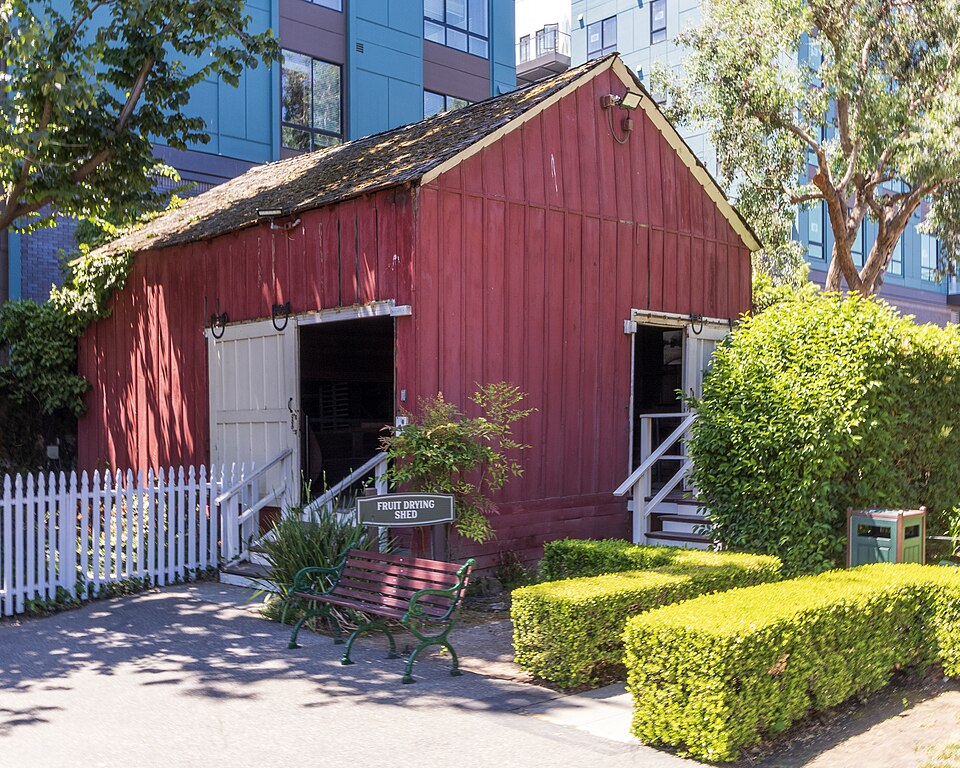
Households and small producers built dedicated dry houses or kilns – a small building with racks and a controlled low fire, which dried fruit regardless of weather.
Industrial dehydration with controlled temperature and airflow.
The dry house is the engineering answer and it solves every weakness of the sun method at once. No night carrying, no rain risk, no insects, no dependence on a run of clear days – which matters enormously in a climate where the apple harvest and the autumn rains arrive together.
9. Heat Had to Be Low and Air Had to Move
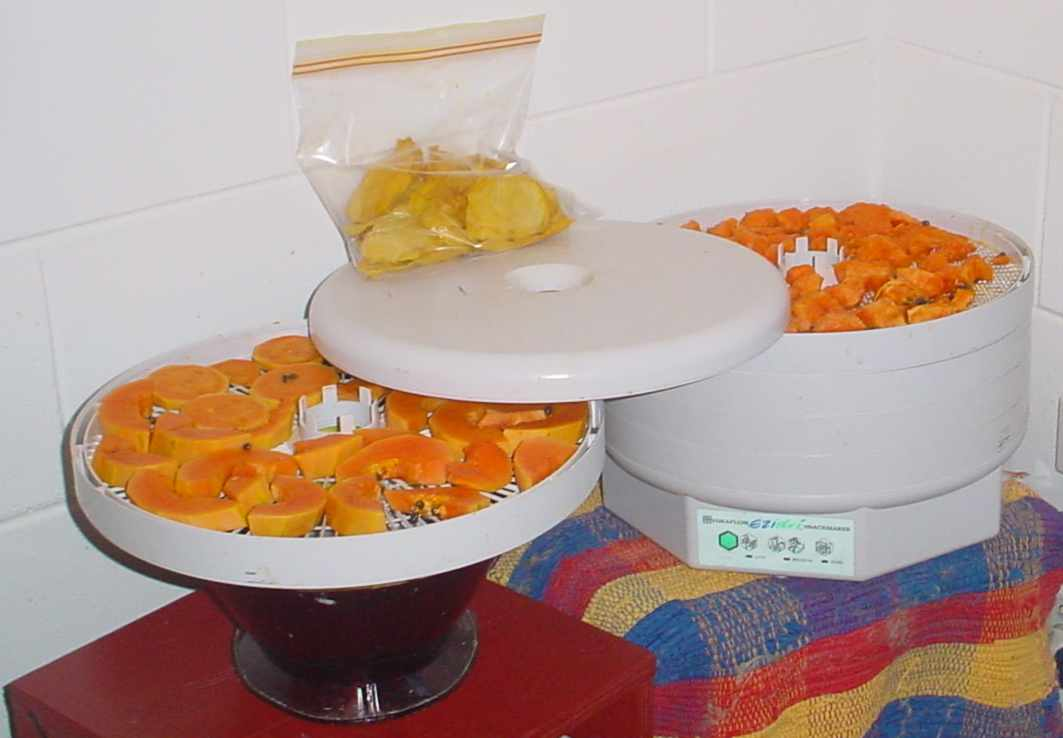
Too much heat cooks or scorches fruit and seals its surface so the inside cannot dry, so the trick was gentle warmth with constant airflow.
The same principle, with thermostats and fans.
Getting this wrong is the classic failure and it is counterintuitive. A hot fire seems like it should dry things faster and instead produces fruit that is burnt outside and wet inside, which then spoils in storage – so the skill was restraint rather than intensity.
10. The Result Was Stored Loose in Sacks
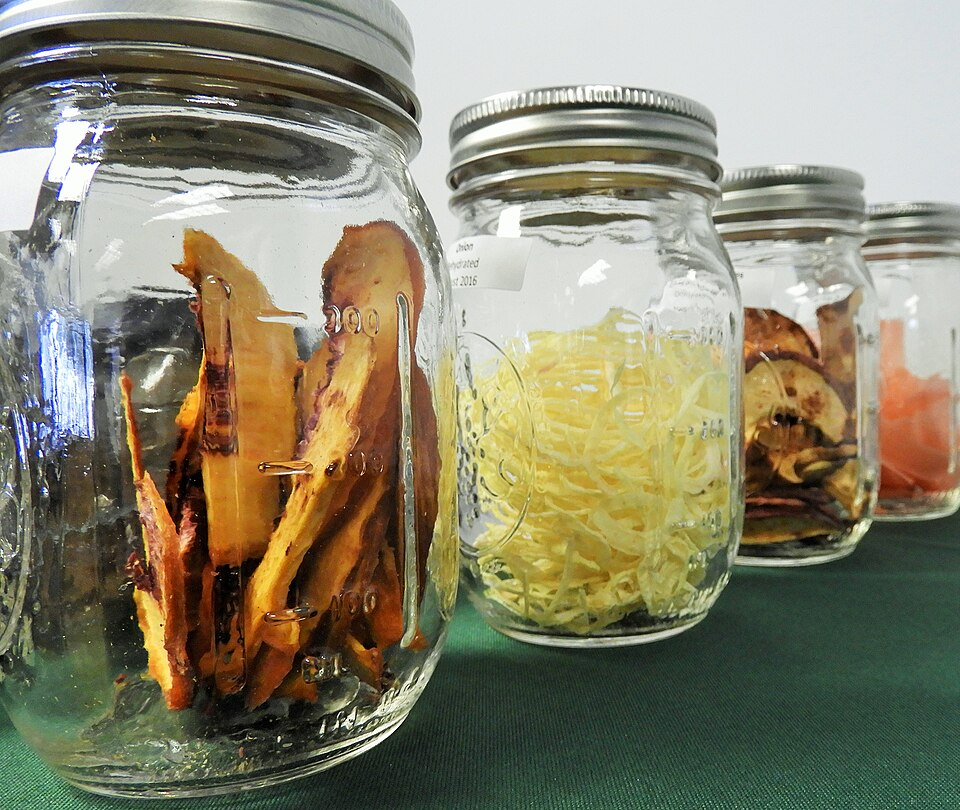
Finished dried apples went into cloth bags, pillowcases, barrels or tins and hung in a dry place, with no sealing required.
Sealed packaging with controlled moisture.
Storing in cloth is only possible because the food is not relying on a barrier. A sack breathes, which is exactly right for something that must stay dry – whereas sealing dried fruit that is not quite dry enough is a reliable way to ruin it.
11. They Were Soaked Before Use
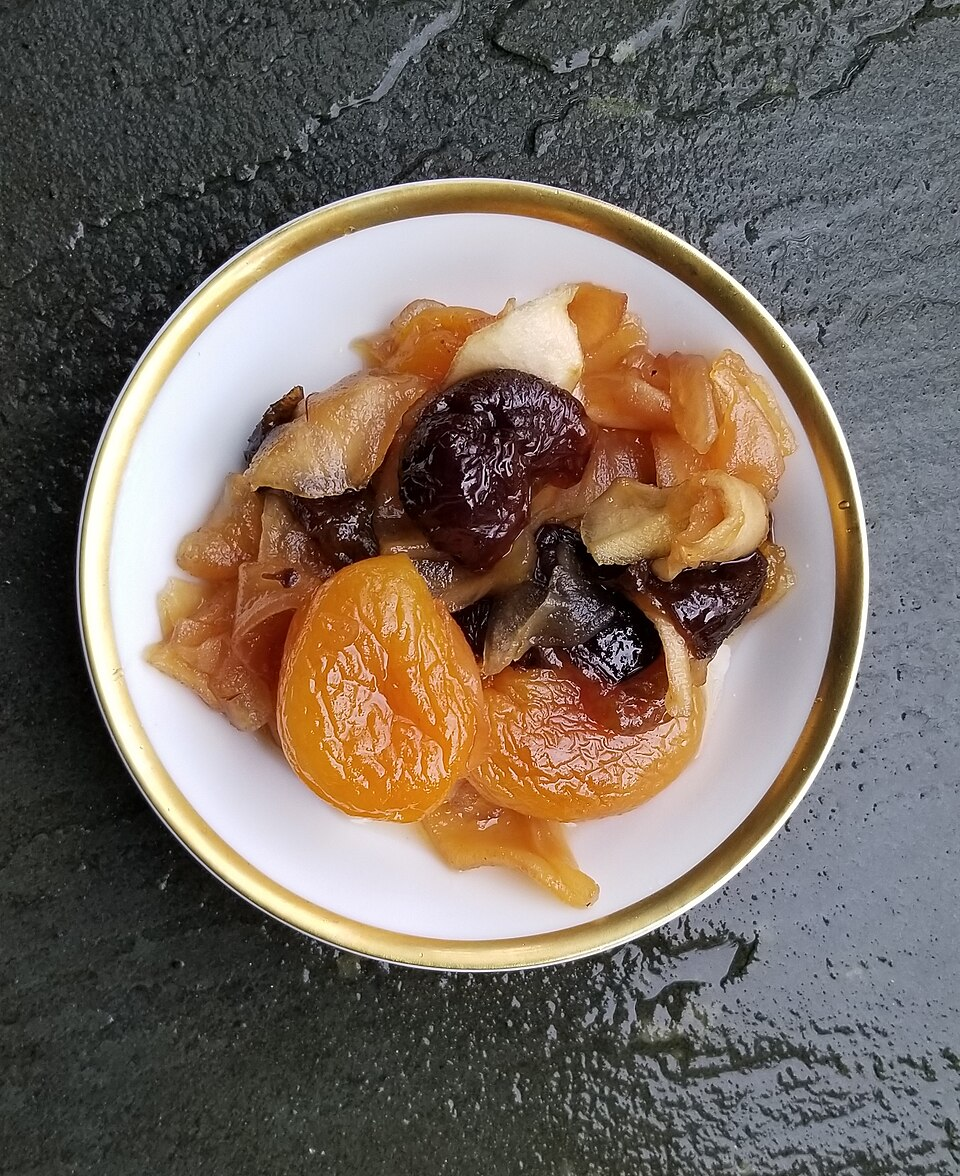
Dried apples were reconstituted in water before being cooked into pies, sauce, fried pies, puddings and dumplings.
Fresh or canned fruit used directly.
The rehydration step tells you this was an ingredient rather than a snack. A household did not open a bag of dried apples and eat them – it put them in water the night before and then made something, which means dried fruit was built into the week’s cooking as a planned staple.
12. The Flavour Was Different and Some People Preferred It
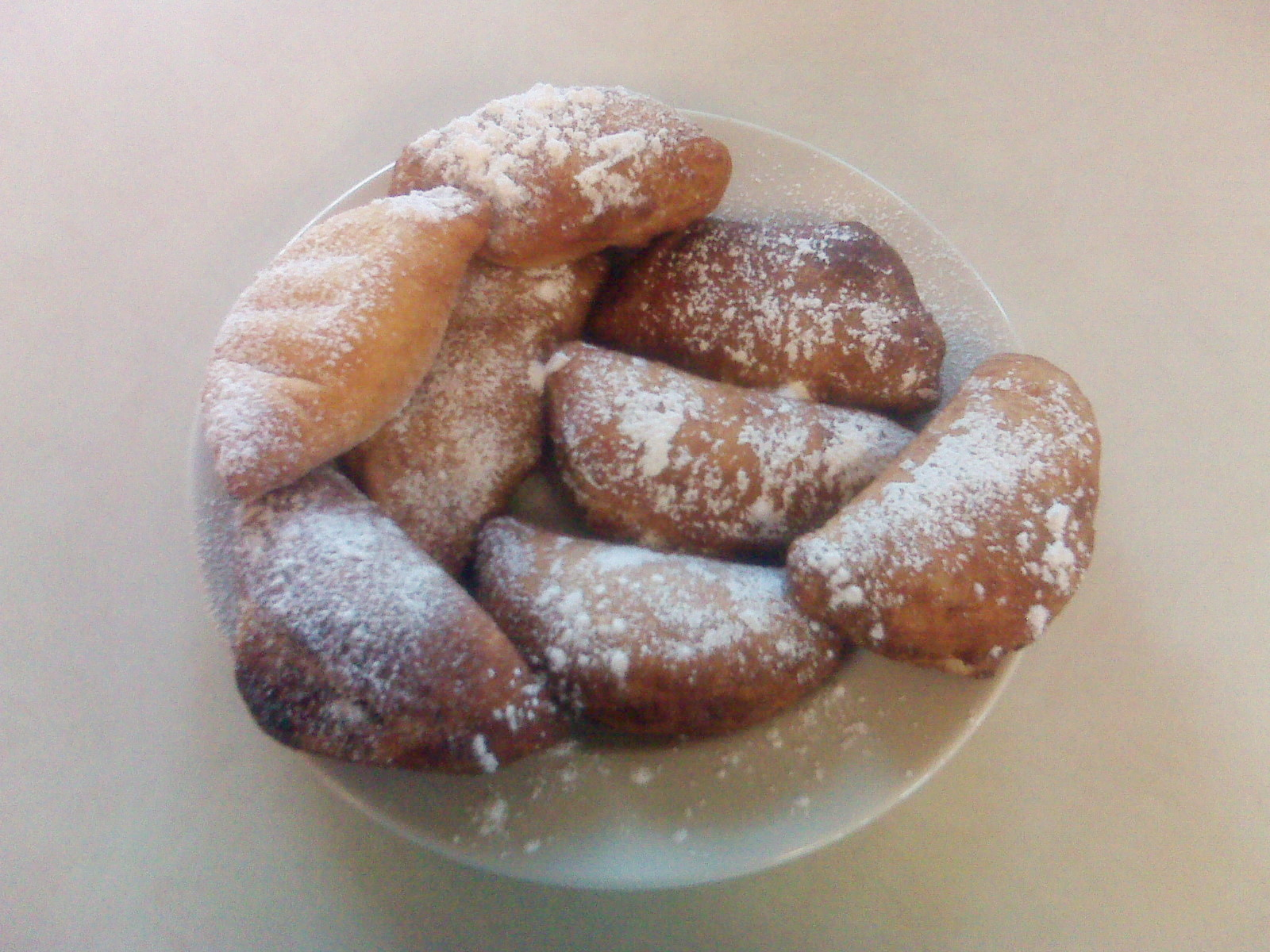
Drying concentrates sugars and produces a distinctly deeper, slightly caramelised apple flavour that is not the same as fresh.
Available as a product, with a modest following.
The dried apple pie is a specific thing rather than a substitute for a fresh one, and people who grew up with it tend to say so firmly. It is one of the few cases where the preservation method improves the flavour instead of compromising it.
13. It Was a Cash Crop as Well
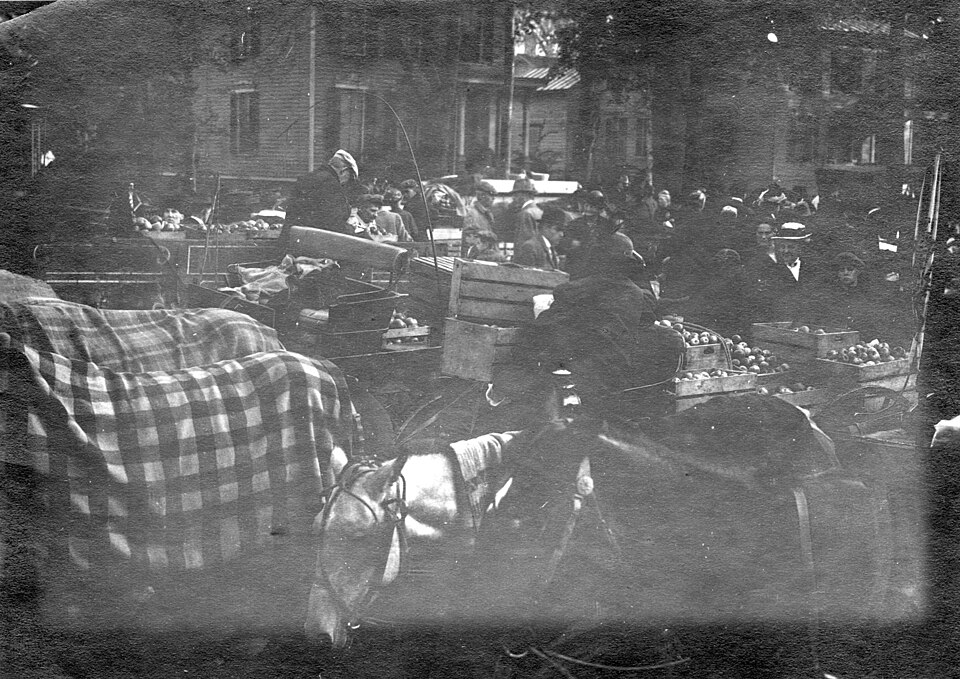
Dried apples were sold and shipped in quantity, with buyers purchasing household and small-producer output for resale.
Not applicable at that scale.
The commercial dimension is the forgotten half. Because dried fruit is light, compact and stable, it ships economically in a way fresh fruit does not – which made drying a way for a farm with a surplus of a perishable crop to turn it into something sellable at a distance.
14. Then Canning Offered a Better Pie
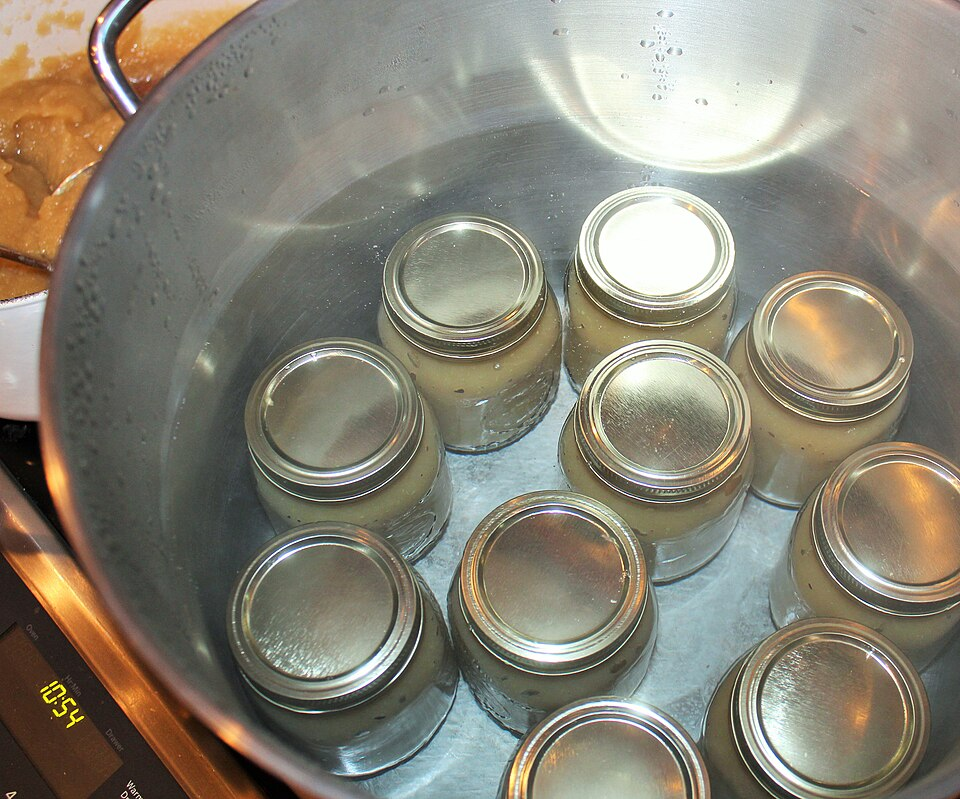
Home and commercial canning preserved fruit closer to its fresh state, in syrup, ready to use with no soaking.
Dominant for most of the twentieth century.
Canning beat drying on convenience and on resemblance to fresh fruit, which is what most households wanted. It cost jars, lids, sugar and fuel, and by the time those were affordable the trade-off had tipped decisively.
15. Then Freezing and Shipping Removed the Season Entirely
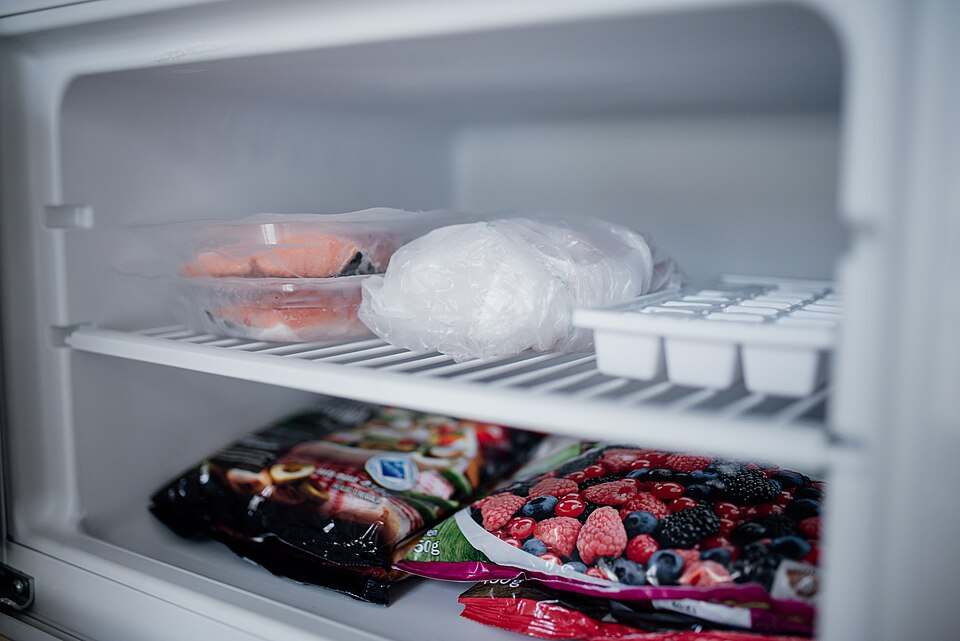
Home freezers held fruit for a year in something close to its fresh state, and year-round shipped fresh apples removed the problem of a seasonal glut altogether.
Universal.
Once a household can buy a fresh apple in March, the entire reason for preserving autumn apples disappears. The harvest glut that drove the whole practice – far more fruit than anybody could eat before it rotted – stopped being a problem to solve.
16. Then It Became a Specialty Item on a Shelf
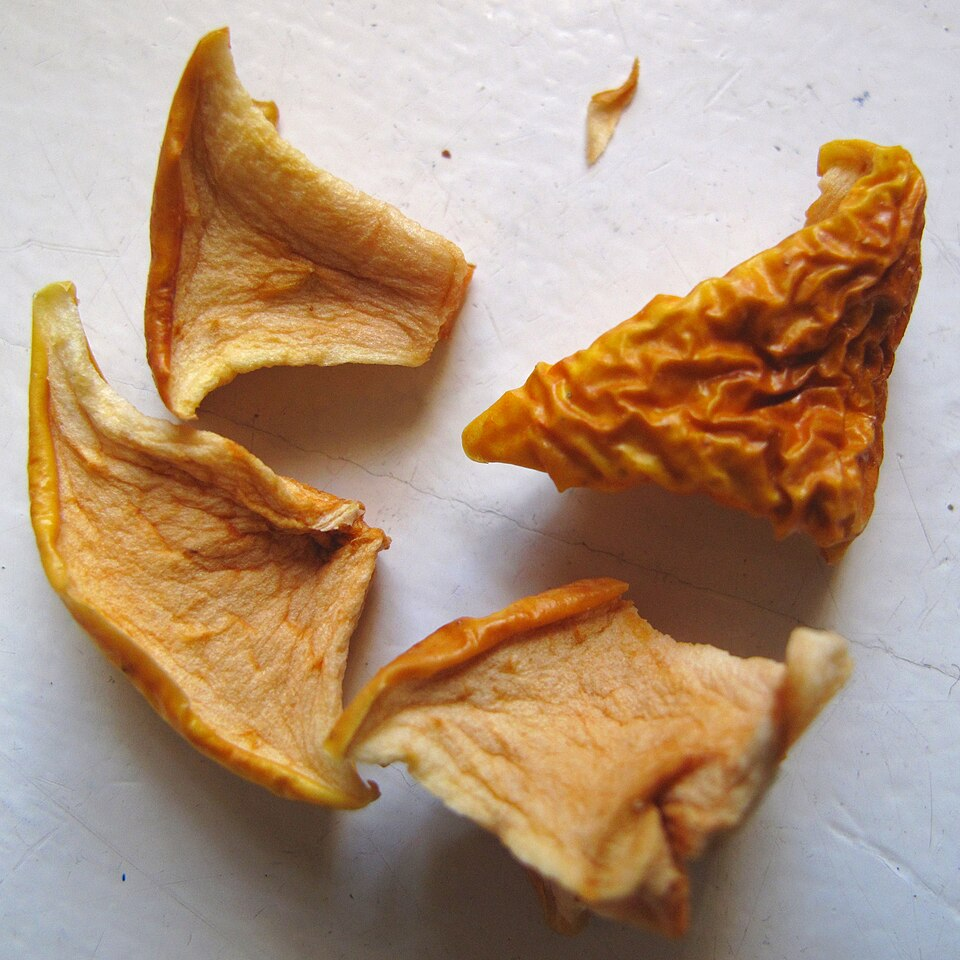
In 1964 household apple drying was mostly gone except in the hill country and among older families, surviving as a remembered flavour rather than a winter necessity.
A bagged product bought as a snack, with home dehydrators sold as an interest rather than a necessity.
And what deserves the last word is how little the method needed. Every other way of keeping food requires something bought – jars, lids, sugar, salt, a crock, ice, a freezer, electricity. Drying requires a knife, somewhere flat, and the sun. That is the entire capital cost, which is why it is the oldest preservation method in the world and why it was within reach of absolutely every household regardless of money. The trade-offs were real and nobody pretended otherwise: an enormous amount of hand peeling, trays carried in and out every night for days, a continuous fight with insects, the whole batch at the mercy of one wet week, and a product that had to be soaked overnight before anybody could cook with it. The dry house solved most of that for the households that could build one. But the thing that finally ended it was not canning or freezing or even the dehydrator sitting in kitchen cupboards now. It was the fresh apple in March. The practice existed because autumn produced far more fruit than anybody could eat before it spoiled, and a supply chain that delivers apples all year does not merely replace dried fruit. It abolishes the surplus that made drying necessary in the first place.
The Fresh Apple in March Is What Actually Ended It
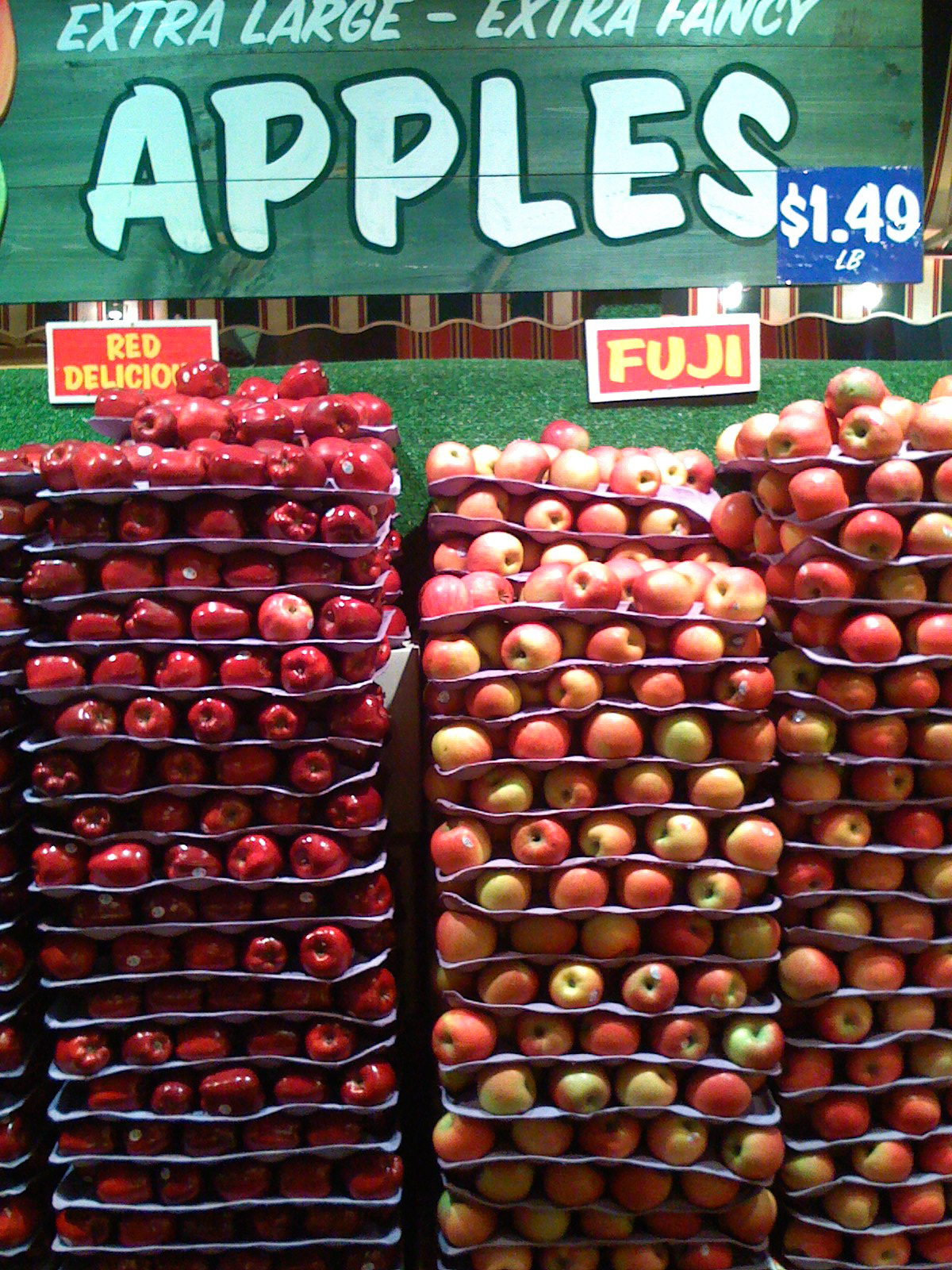
The usual story about drying is that better methods replaced it, and that is true but it misses the more interesting point.
Start with what made it universal. Every other way of keeping food costs money. Canning needs jars, lids, sugar and fuel. Salting needs salt in quantity. Fermenting needs a crock. Cooling needs ice, or a building, or a machine, or electricity. Drying needs a knife, somewhere flat and some sun.
That is the whole capital requirement, which is why drying is the oldest preservation method there is and why it was within reach of every household in the country no matter how little cash it had.
The science is equally economical. Spoilage organisms require moisture, so removing enough water stops them without killing anything and without sealing anything in. The food is not protected by a barrier – it is protected by its own composition, which is why it could be stored loose in a cloth sack that breathes, and why letting moisture back in undoes everything.
The labour, though, was front-loaded and heavy. Drying itself is passive and costs nothing; peeling, coring and slicing bushels of apples by hand is days of work, which is why it was done in company and why children were pressed into service. The hand-cranked cast iron parer was a genuine advance for exactly that reason – it attacks the slowest step of an enormous job, and the geared arm tracing the curve of an irregular object is cleverer engineering than it needed to be.
Then the drying, which had its own discipline.
Slices went out on boards, sheets, screens, trays, clean cloth or the roof – and the roof was practical rather than quaint, being the hottest, driest, flattest surface on the property, out of reach of animals, in sun from first light to last.
Everything came in at night, because dew puts back in a few hours what a day has taken out. That carrying in and out for several days is the hidden labour of sun drying, and one careless night or one wet week could undo or ruin the lot.
Insects were a continuous battle, and the honest version of this is that a certain proportion of what went into the sack had been visited by something.
Which is why the serious answer was a dry house – a small building with racks and a controlled low fire that dried fruit regardless of weather. It solves every weakness at once: no night carrying, no rain risk, no insects, no waiting for a run of clear days, which matters a great deal in a climate where the apple harvest and the autumn rains arrive together.
The skill in a dry house was restraint. Too much heat cooks the fruit and seals its surface so the inside cannot dry, producing something scorched outside and wet within that then spoils in storage. A hot fire feels faster and is worse.
What came out was an ingredient rather than a snack. Dried apples were soaked overnight and then cooked into pies, sauce, fried pies, puddings and dumplings – built into the week’s cooking as a planned staple. And the flavour is genuinely different, with the sugars concentrated into something deeper and slightly caramelised, which is one of the rare cases where preserving improves a food rather than compromising it. People raised on dried apple pie say so firmly.
It was also a cash crop, because dried fruit is light, compact and stable and therefore ships economically in a way fresh fruit does not – so a farm with a perishable surplus could turn it into something sellable a long way off.
Canning displaced it first, offering fruit closer to fresh, in syrup, ready to use with no soaking, once jars and sugar were affordable. Freezing improved on that again.
But the thing that actually finished it is simpler than either. It was the fresh apple in March.
The whole practice existed because autumn produced vastly more fruit than anybody could eat before it rotted. A supply chain that delivers apples all year round does not merely replace dried fruit – it abolishes the surplus that made drying necessary at all.
If your family dried apples, somebody remembers peeling for two days and somebody remembers the pie.
And the pie was not the same as a fresh one. It was better.
Like our content? Follow us for more.