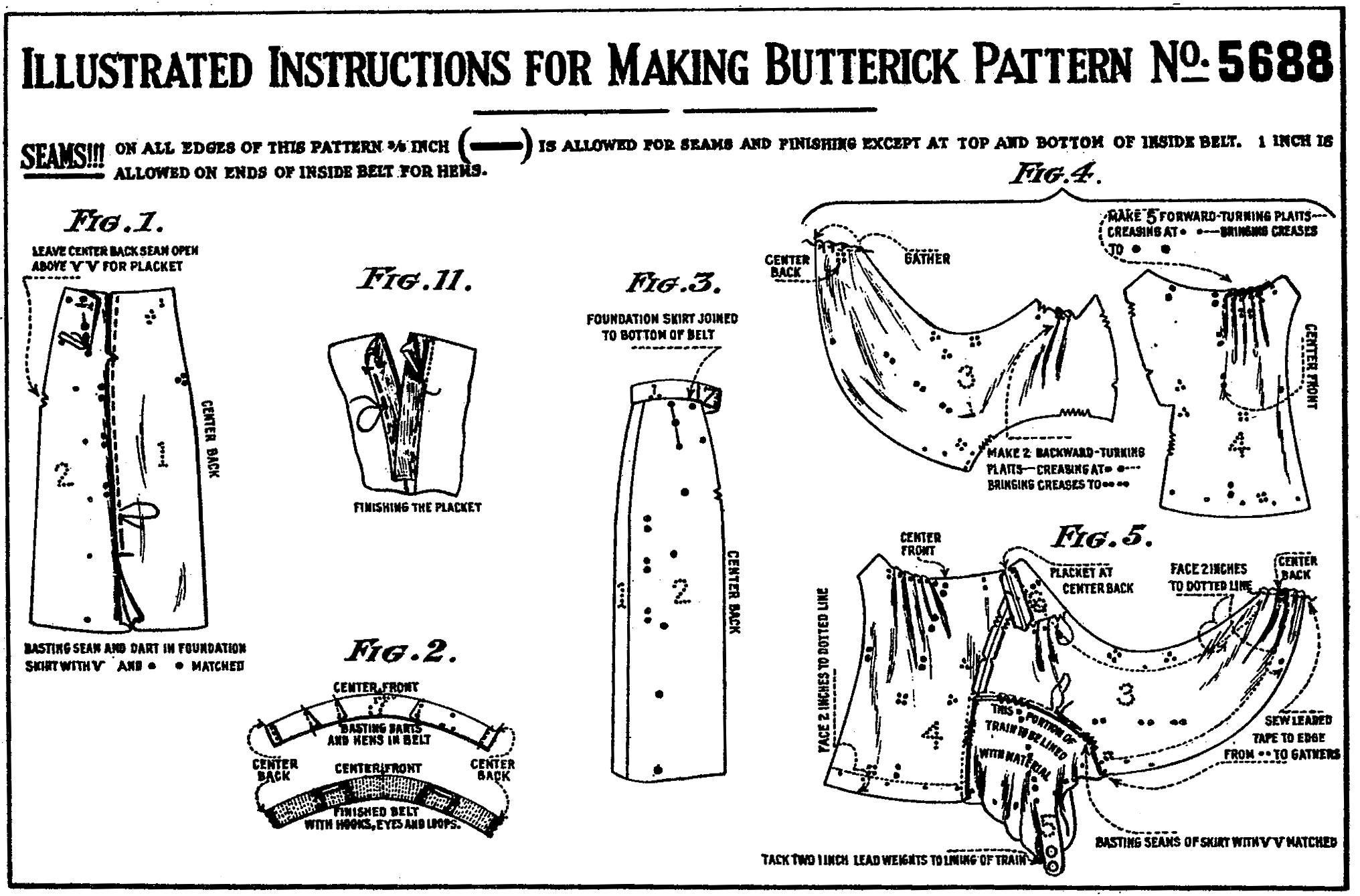
They come out of attics in paper envelopes with a drawing on the front, and inside is a folded mass of crackling tissue covered in printed lines, holes, notches and arrows. Half the pieces are missing. Somebody has written a name and a measurement on the flap in pencil.
It looks like the most disposable thing imaginable, and in a sense it was – it was meant to be used, worn out and thrown away.
But the idea inside the envelope is one of the genuinely consequential inventions in the history of how ordinary people dressed, and it is worth understanding properly, because it took fashionable clothing from being something only the wealthy could have and put it within reach of a woman on a farm with a sewing machine and fifteen cents.
Before It, a Garment’s Shape Was Private Knowledge
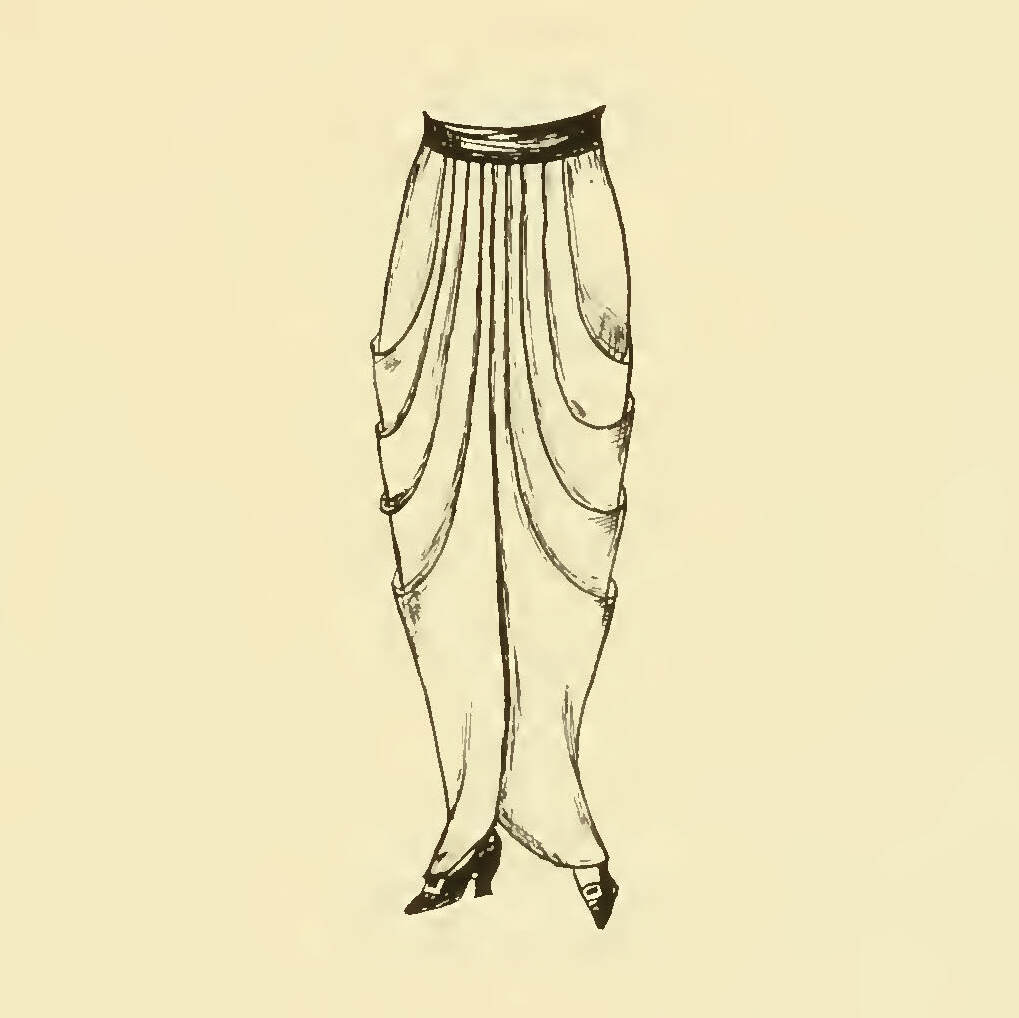
Start with the problem. A dress is a three-dimensional object made from flat cloth, and the whole difficulty of making one is working out what shapes to cut so that they assemble into something that fits a human body.
That knowledge is the dressmaker’s entire profession. Drafting a bodice that fits and hangs properly is genuinely hard, it takes training, and it is the thing a customer was paying for when she paid a dressmaker – far more than the sewing itself.
So before patterns, a woman had three options. Pay a dressmaker, who had the knowledge. Copy an existing garment by unpicking it or by tracing round it, which is how a great deal of home sewing actually worked. Or work it out herself from a drafting system, which required study and tools.
What she could not do was see a fashionable dress and make one. The construction was invisible, and inferring it from the outside is a skilled act.
Like our content? Follow us for more.
The Invention Was to Sell the Shape Itself
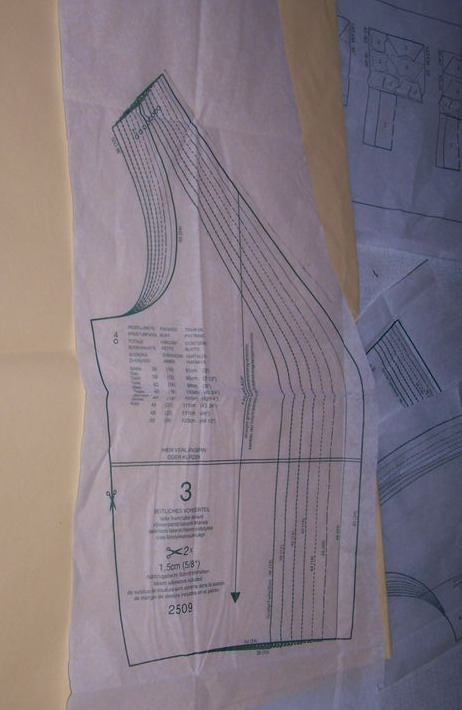
The breakthrough is so simple that it is easy to miss how clever it is: print the shapes on paper and sell them.
A pattern is a set of flat pieces that, when laid on cloth, cut out and sewn together in order, produce a specific garment. All the difficult knowledge – how the curves run, where the ease goes, how the pieces relate – is embodied in the paper. The buyer does not need to understand it. She needs to be able to cut and sew.
That separates the two halves of dressmaking completely. Design and drafting go to a company; cutting and sewing stay in the house. And the half that stayed in the house was the half an ordinary woman already knew how to do.
The commercial insight on top of it was graded sizing – producing the same pattern in a range of body measurements rather than one. That is what made it a product rather than a service, because a woman could buy the size nearest to her and alter from there.
Fifteen Cents Against a Dressmaker’s Fee
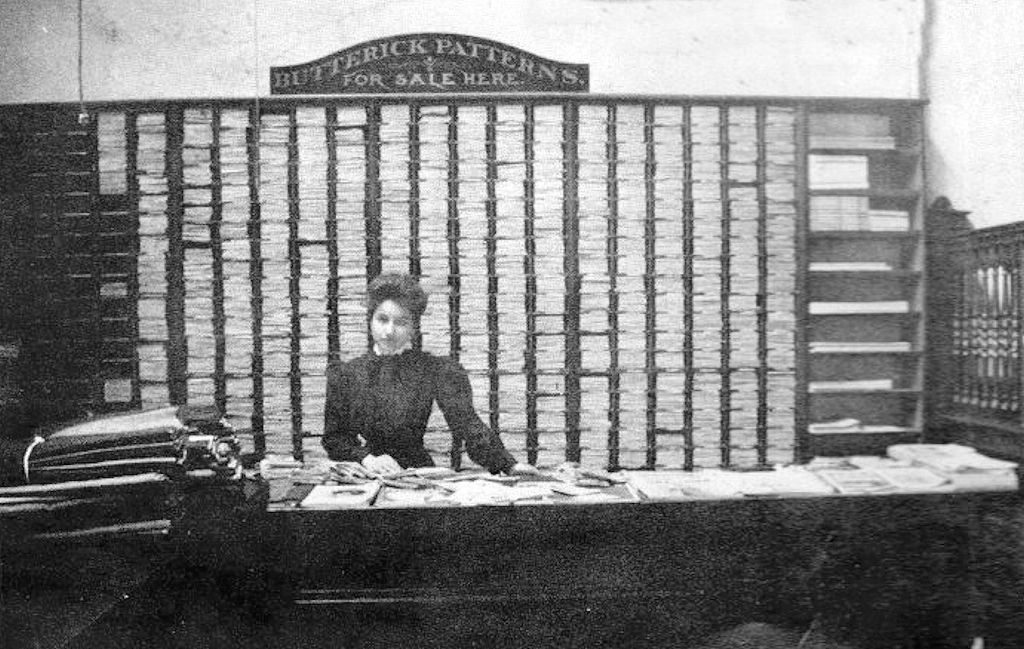
The economics are the whole story of why this spread as fast as it did.
A paper pattern cost a trivial sum. A dressmaker cost a substantial one, and a ready-made garment of any quality cost more again. So the pattern collapsed the price of a fashionable dress down to the cost of the cloth plus a few cents plus the household’s own labour.
For a farm household with no spare cash and a woman who could sew, that is transformative in a specific way: it does not make clothes cheaper so much as it converts a cash expense into a labour expense, which is exactly the trade such a household was always willing to make.
And it meant a woman four miles from town, who had never seen a fashion house and never would, could make a dress in the shape that was current this season.
The Fashion Magazine Was Part of the Machine
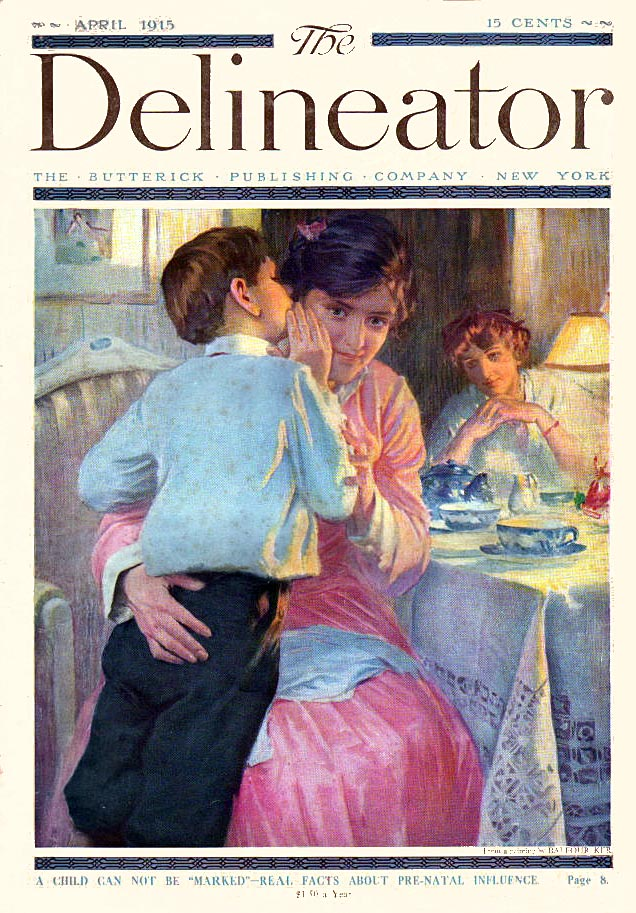
The pattern companies did not just sell paper. They published, and the publishing is inseparable from the product.
Magazines carried fashion plates, described what was being worn, and listed the pattern numbers to order. Which means the same business told a woman what was fashionable and then sold her the means to have it – a complete loop from desire to garment, operated by mail, reaching anywhere the post went.
That loop is the thing that actually synchronised American dress. Before it, fashion moved slowly outward from cities and arrived in the country years late and much diluted. After it, a woman in a small town could be wearing a current silhouette in the same season, because the information and the means arrived together in the mail.
It is one of the clearer cases of a publishing operation and a manufacturing operation being the same thing, and neither half works without the other.
The Paper Itself Carried Instructions
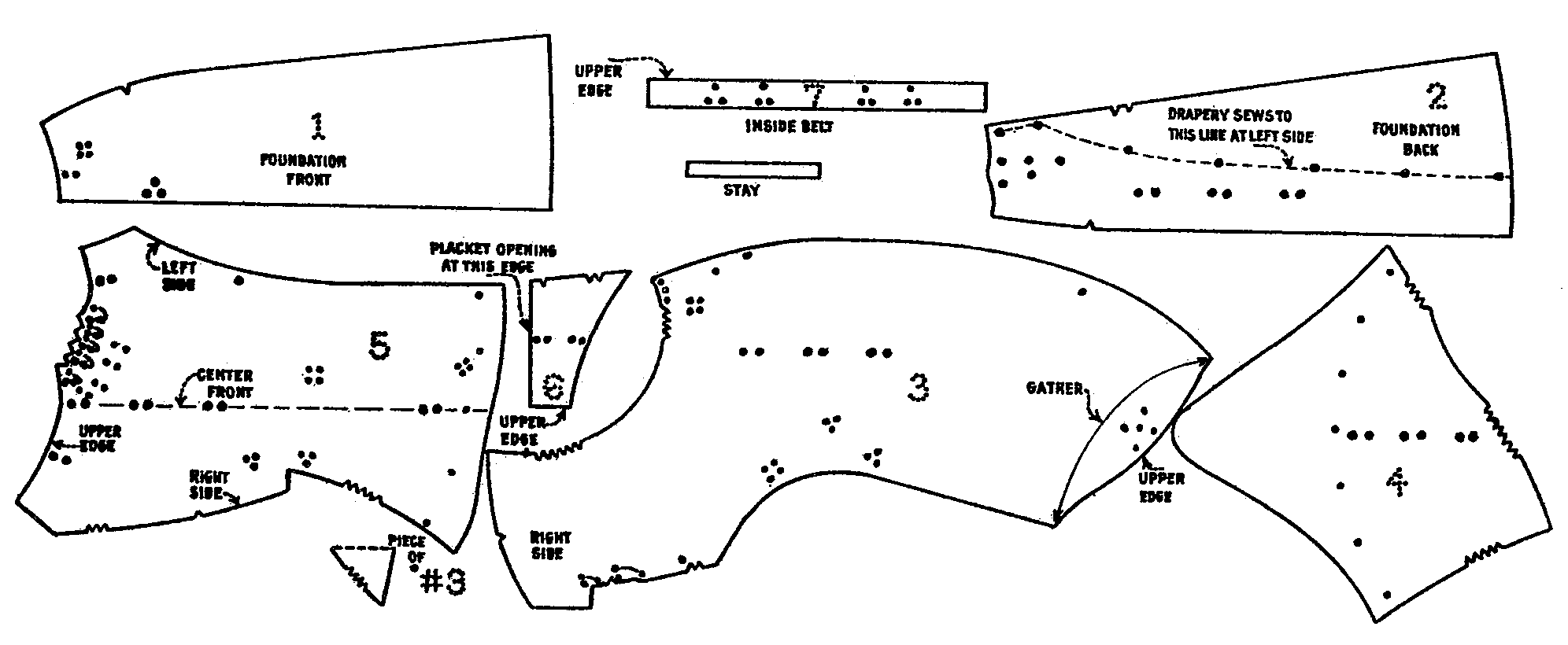
Early patterns were austere – unprinted tissue with holes and notches punched in it, requiring the user to already understand what the marks meant, with separate printed sheets of directions sold or supplied alongside.
Then the marks moved onto the paper. Printed patterns carried the lines, the grain direction, the notches to match, the darts, the seam allowances and the piece names directly on each piece, and the envelope carried a layout diagram showing how to arrange everything on the cloth economically.
That layout diagram deserves a mention of its own because it solves a real problem. Cloth comes in fixed widths and costs money, and fitting the pieces on with minimum waste while keeping every piece on the correct grain is a puzzle. Printing the solution on the envelope saved both fabric and argument.
By the middle of the century the whole thing was effectively self-teaching. A woman who had never been shown how could buy a pattern and follow it.
Fitting Was Still the Hard Part
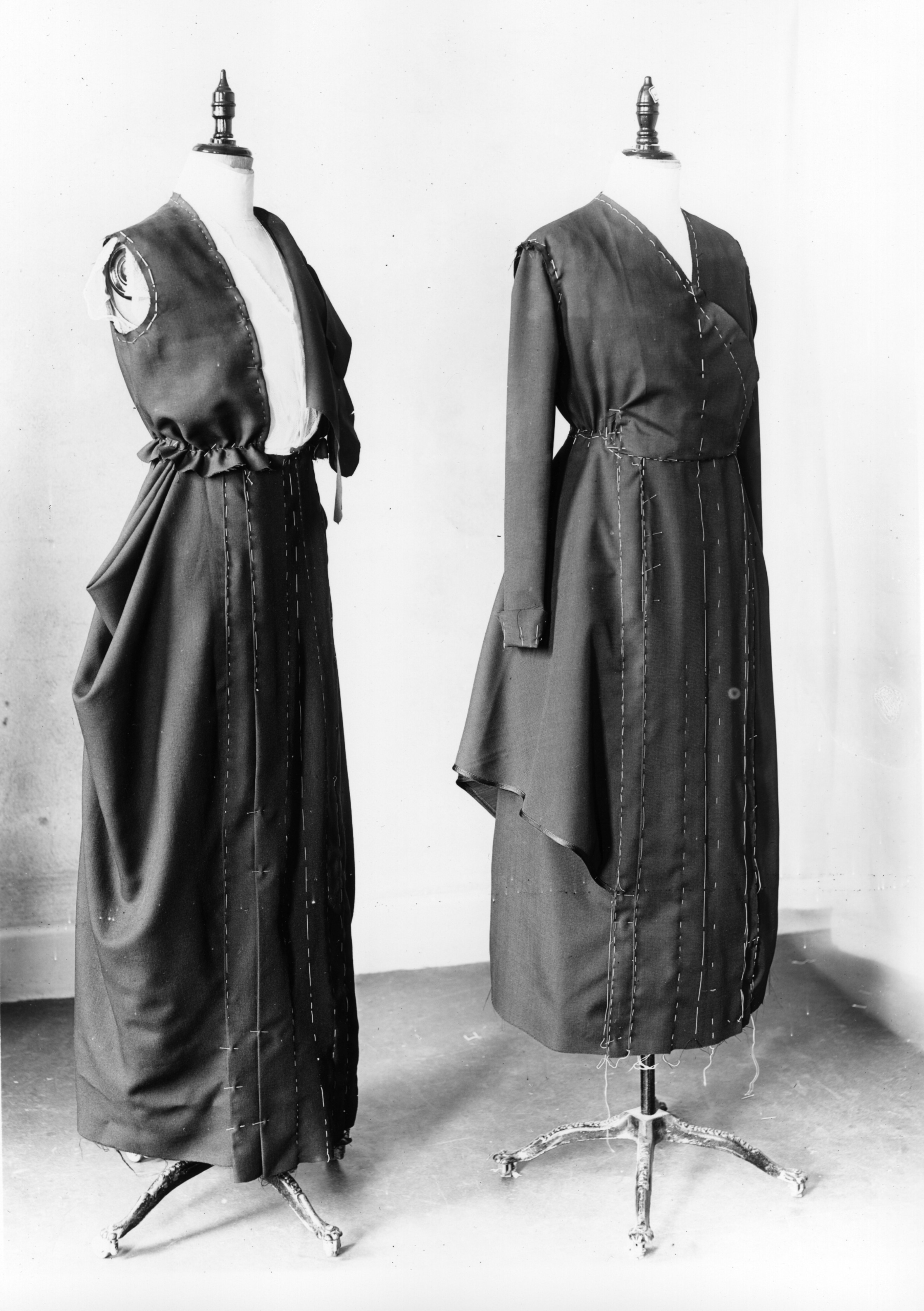
Honesty requires this, because the pattern did not abolish skill.
A graded size is an average. Real bodies are not average, and the gap between a pattern size and an actual person is where home dressmaking succeeds or fails. Shortening, lengthening, taking in, letting out, adjusting for a long back or a high waist or a full bust – all of that was the user’s problem, and it is exactly the knowledge the pattern was supposed to have replaced.
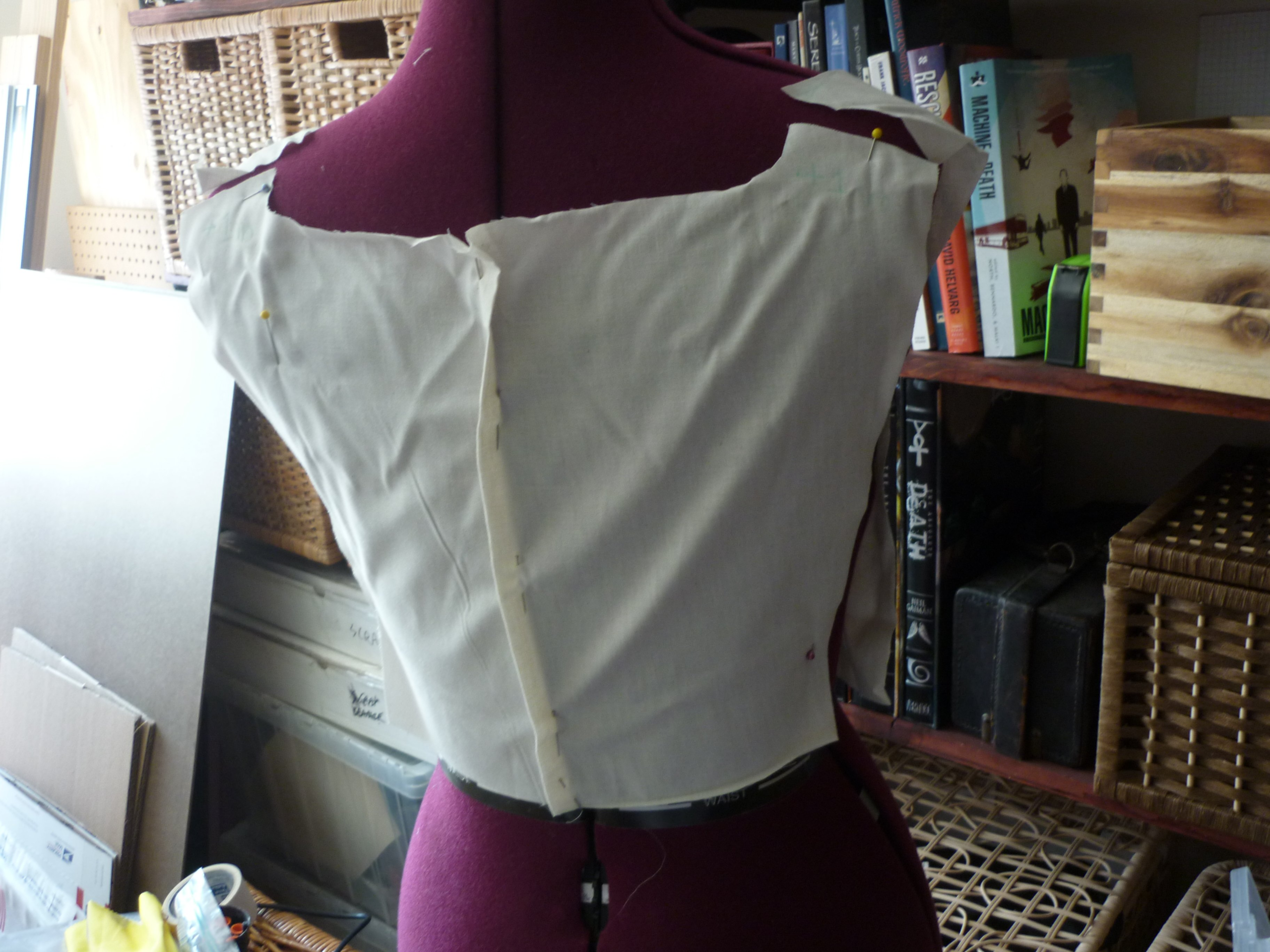
So experienced sewers kept a pattern they knew fitted and adapted it, made a trial garment in cheap cloth first, or had somebody pin the fitting on them. And the household that had nobody who could fit well produced clothes that looked homemade in the way nobody wanted.
That is the honest limit of the invention. It sold the shape of a garment and it could not sell the shape of a person.
Then Ready-Made Clothing Got Good and Cheap
The decline has one principal cause and it is not a decline in skill.
Mass-produced clothing improved enormously and fell in price, which changed the arithmetic completely. Home sewing a dress costs the fabric, the pattern, the notions and many hours. Once a finished garment of acceptable quality cost less than the fabric alone, there was no economic case left – and for most households there had never been any other case.
Then women’s time became worth money in a way it had not been. As paid employment outside the home became normal, the hours a dress takes stopped being free, and a trade that had always been labour against cash stopped working in the same direction.
Synthetic fabrics and knits also helped, because they made comfortable clothing that is forgiving about fit, which removes a great deal of the advantage a made-to-measure garment had in the first place.
Then It Became a Craft Instead of an Economy
Pattern companies still exist and home sewing is thriving, but the reason has inverted completely.
Almost nobody now sews to save money, because it does not. People sew for fit, for fabric they cannot buy in a finished garment, for the satisfaction of it, or to make something that does not exist on a rack. Which means the modern buyer is paying for design and instruction as a hobby input rather than as a substitute for a dressmaker’s fee.
The paper is the same object doing a different job. Those printed lines still embody the difficult knowledge, still relieve the user of having to draft, and still arrive with a layout diagram on the envelope.
It is simply that in 1900 the envelope was the cheapest route to a fashionable dress, and now it is the expensive one.
The Pencil on the Flap
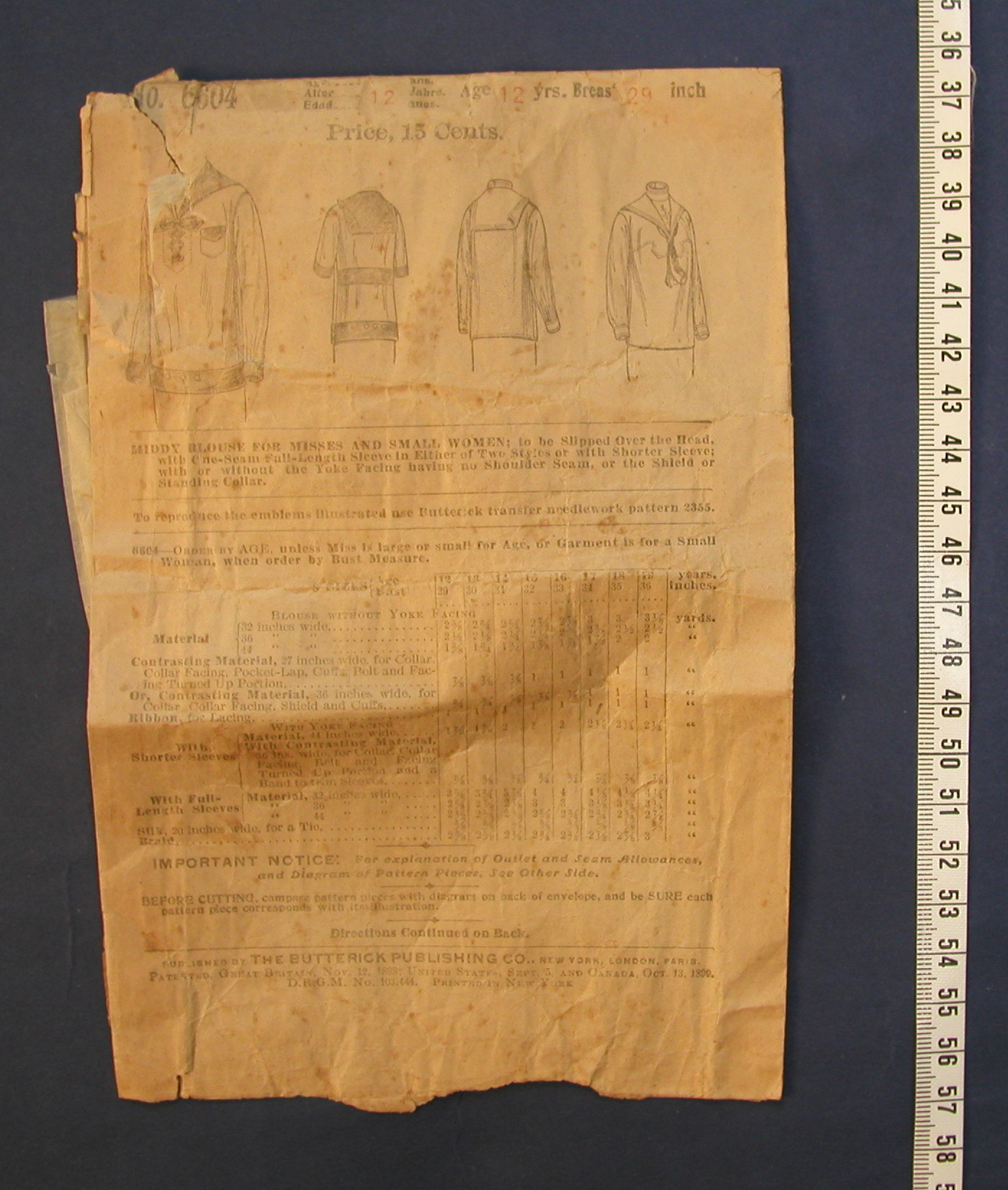
The detail that makes these worth looking at is the handwriting.
A used pattern envelope frequently carries a name, a date, a measurement, a note about an alteration, a tick beside a size, or the word made. Somebody wrote that because she intended to use the pattern again, and a pattern that fitted was worth keeping and lending.
So the envelopes circulated. They were borrowed, traded, cut down, pieced out with newspaper where a piece was lost, and passed between women who knew each other’s measurements.
Which means the surviving ones are not really sewing supplies. They are records of a particular garment somebody made, for a particular body, from a shape that arrived in the mail from a company that had told her it was in fashion.
Like our content? Follow us for more.