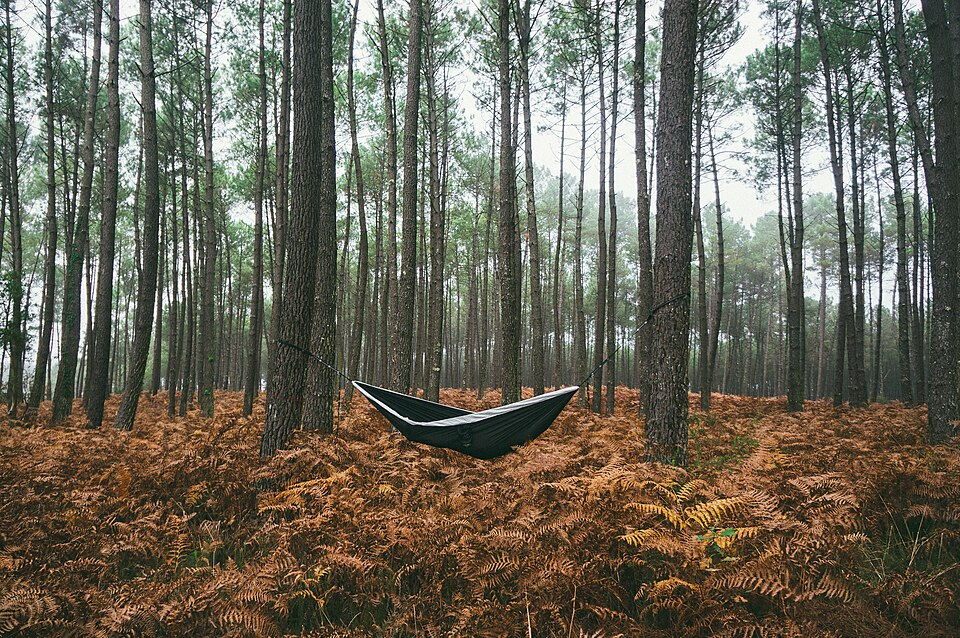
It went up in May and came down in September, and it was not furniture.
A hammock needed two trees of the right size at the right distance in shade on level ground – which made it a real feature of a property, fixed in place and inherited with the house. It came in knotted cord, which breathes and prints its pattern into your skin, or solid canvas, which is smooth and holds heat against your back.
The spreader bar is the one consequential design decision: with it the hammock lies flat and is easy to get into and easy to tip out of; without it, it hangs as a deep pocket that is awkward to enter and then holds you securely. Getting in was a taught skill. Falling out was routine, and from a foot above grass it was funny. Here are fifteen things every American kid knew.
1. It Went Up in May and Came Down in September
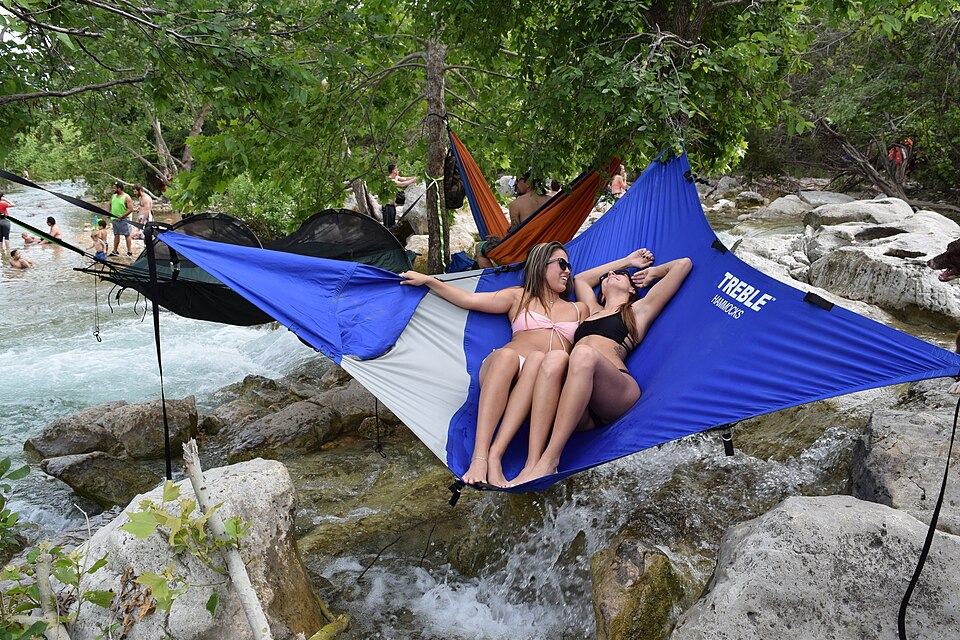
The hammock was seasonal equipment. It was hung between two trees or on porch hooks in late spring, used all summer, and taken down and stored before the weather turned.
Mostly left out, or replaced by permanent furniture that stays where it is.
Starting with the seasonality establishes what kind of object this was. A thing that goes up and comes down marks the year in a way permanent furniture cannot, and the hanging of it was a recognised event – which is why people remember the date rather than the object.
Like our content? Follow us for more.
2. Two Trees the Right Distance Apart Were an Asset
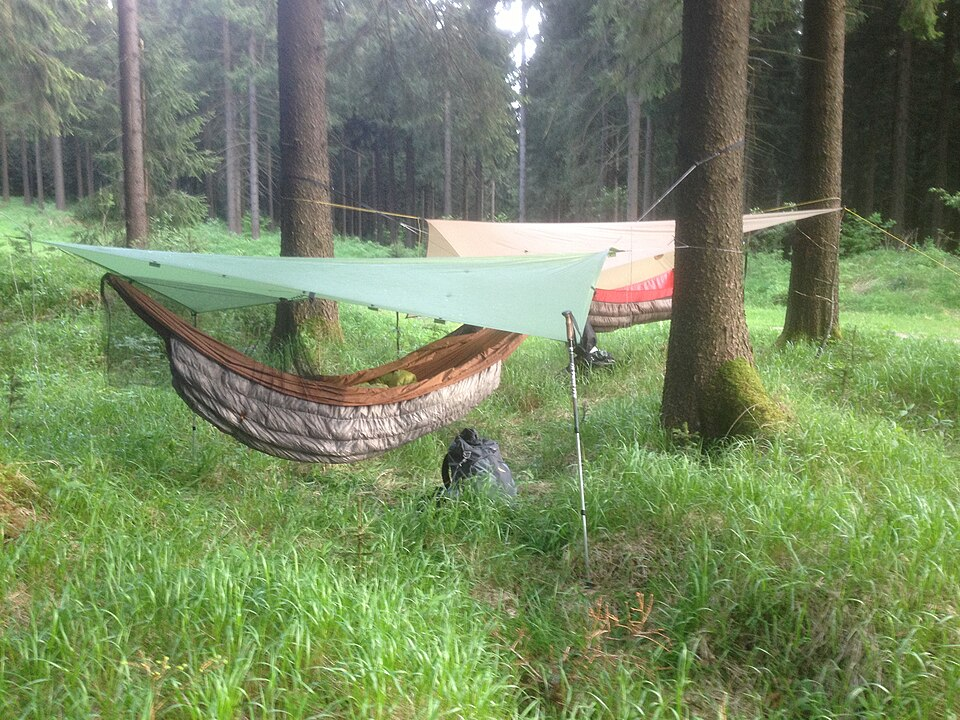
A pair of trees at a usable spacing, in shade, on level ground, was a genuine feature of a property, and families knew exactly which trees they were.
Stands and frames remove the requirement.
The dependence on trees is the detail that explains a great deal. A household could not simply decide to have a hammock – it needed two trunks of sufficient size at the right distance in the right place, which made the location fixed, obvious to everyone, and inherited along with the house.
3. It Was Made of Rope or Canvas, and They Behaved Differently
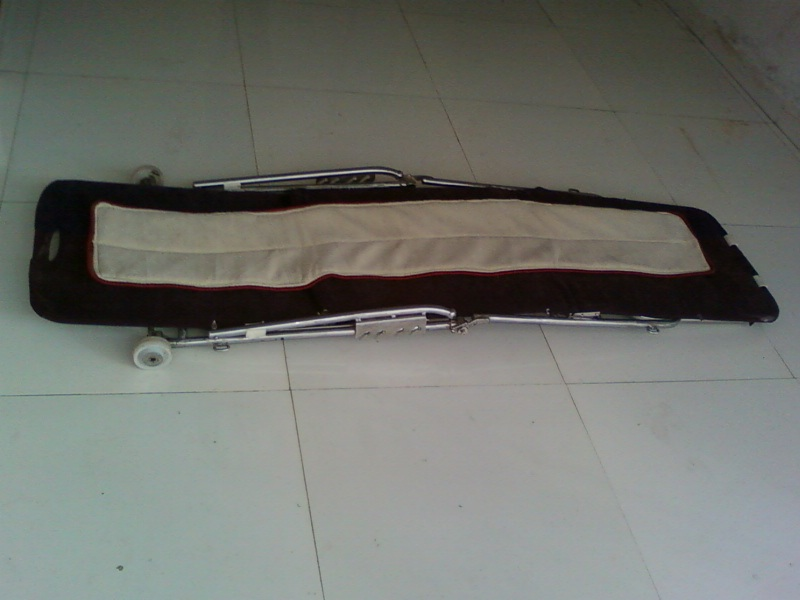
The two common kinds were an open net of knotted cord and a solid panel of heavy canvas, often with a spreader bar at each end.
Both still made, with synthetic cord and fabric.
The material difference is worth separating because it determines the experience entirely. Open cord conforms to the body and breathes but prints its pattern into skin; solid canvas is smooth and cooler to lie on but holds heat against the back – which is a real trade-off people had opinions about.
4. The Spreader Bar Made It Easier to Get Into and Easier to Fall Out Of
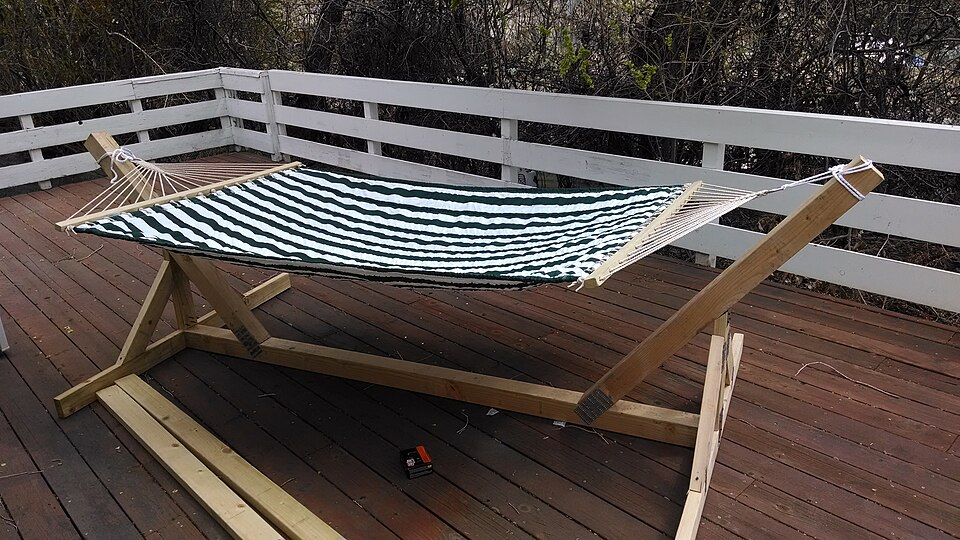
A wooden bar at each end held the hammock open flat. Without one it hung as a deep pocket; with one it lay nearly flat and was correspondingly less stable.
Both types still sold, and the trade-off is unchanged.
This is a straightforward piece of mechanics and it is the single most consequential design decision. A spread hammock is easy to climb into and tips easily; a gathered one is awkward to enter and then holds you securely – and every argument anybody ever had about hammocks comes down to which of those they prefer.
5. Getting In Was a Skill

There was a correct way to sit, shift weight and swing the legs up, and people who did it wrong went over.
Unchanged.
The technique is real and it was taught rather than discovered. Sit square in the middle, keep the weight low, bring the legs up together – and a child who ran at it and threw a leg over learned the lesson immediately, which is why everyone has the story.
6. Falling Out Was Common and Mostly Funny
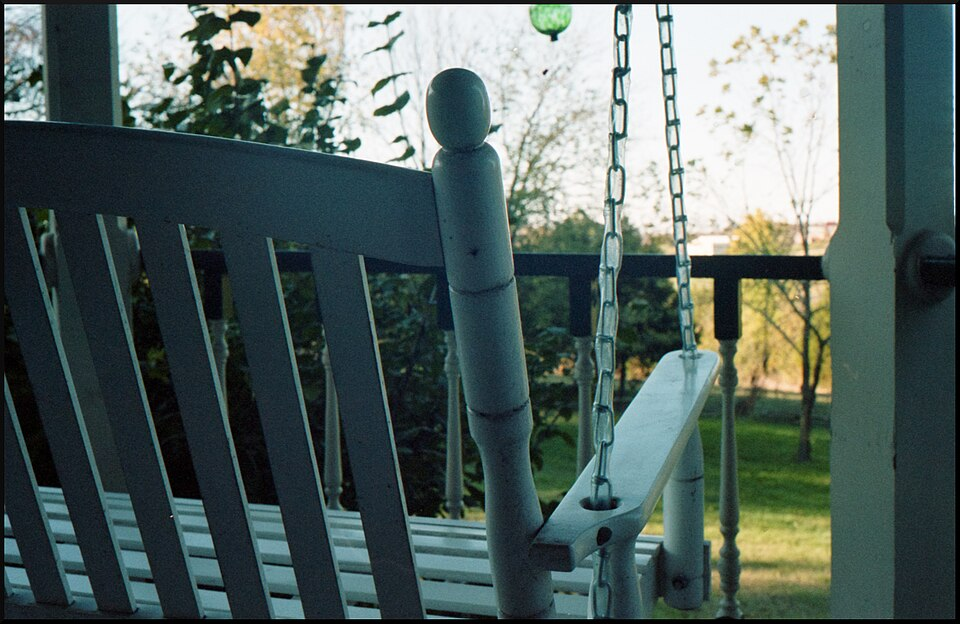
Tipping, rolling and being dumped were routine, and the spectacle was part of the object’s place in family life.
Unchanged.
The comedy is genuinely part of why this is remembered so warmly, and it is worth saying that the usual fall was from very low down onto grass. That is the whole reason it functioned as entertainment rather than as a hazard – though the serious qualification about hard surfaces and height belongs further down this list.
7. It Was the Only Place You Were Allowed to Do Nothing

On a working farm or in a busy household, lying in the hammock was socially permitted idleness in a way that lying anywhere else was not.
Not applicable in the same way.
This is the part that matters most and it is easy to miss. A household where everyone works does not generally approve of a person lying down in the middle of the day – but a hammock is a designated place for exactly that, and occupying it was a licence rather than a lapse.
8. Summer Afternoons Were Genuinely Unbearable Indoors
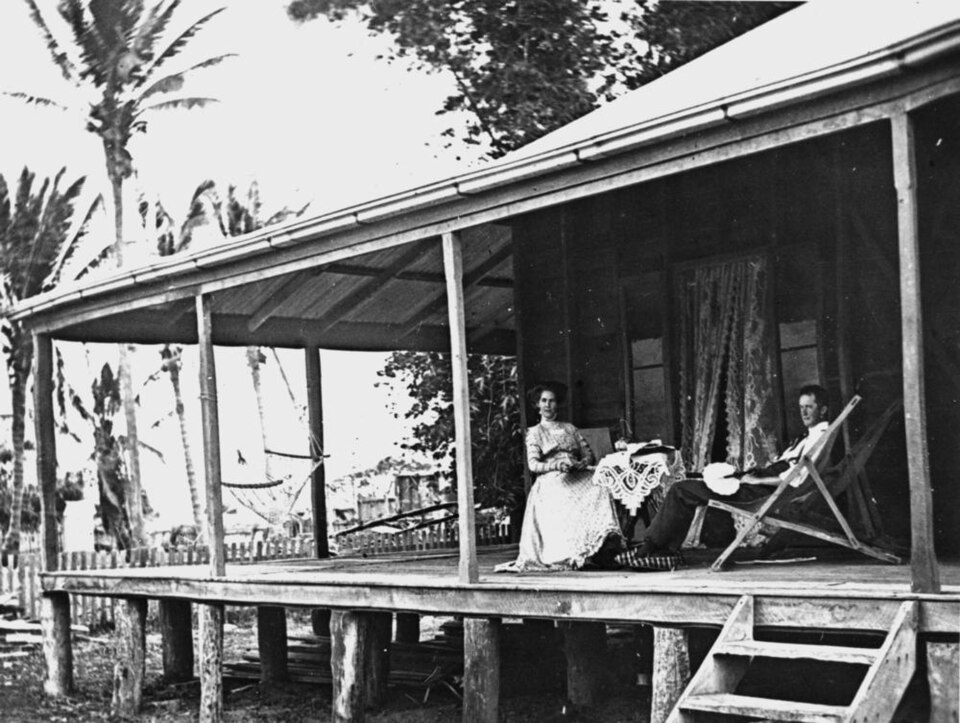
Before cooling, an upstairs room in July was intolerable in the afternoon, and shade with moving air outdoors was the best available relief.
Air conditioning removed the problem.
The indoor conditions explain the whole appeal and they are easy to underestimate now. A house with no cooling, sun on the roof and still air upstairs is worse than outside in the shade by a very large margin – so going out to the trees was not a leisure choice but the sensible response to the building.
9. It Rocked Itself
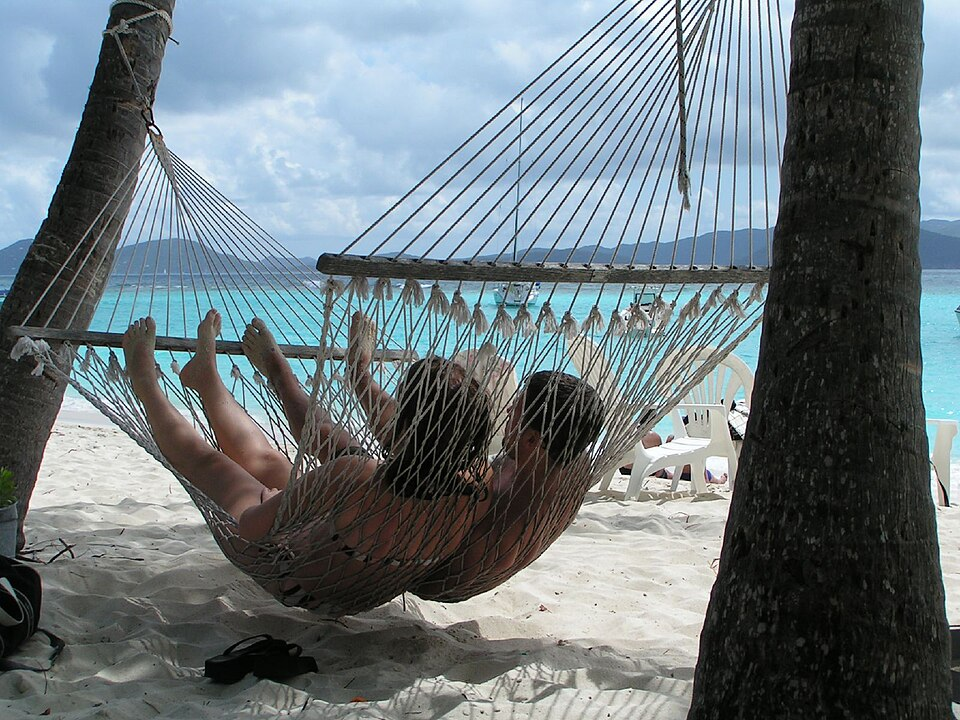
A slight shift of weight set a hammock swinging, and it kept going with almost no further input, which is why people fell asleep in them.
Unchanged.
The physics here is the same as any pendulum and it has a real effect. A long suspension swings slowly, loses energy slowly, and needs only the smallest periodic nudge to continue – so the motion is nearly free, and slow regular motion is strongly conducive to sleep.
10. Books Were Read in It
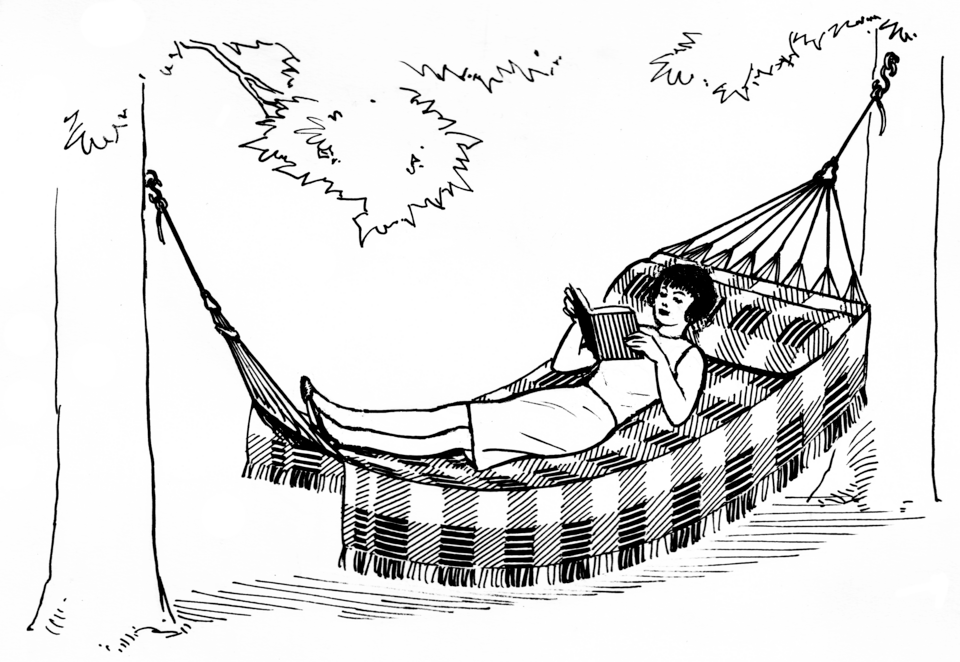
A substantial share of childhood summer reading happened lying in a hammock, which is why the object appears so often in people’s accounts of the books that mattered to them.
Not applicable at that scale.
The association between the object and reading is not coincidental. Shade, no interruptions, nothing expected of you and a position that supports a book at a comfortable angle is close to an ideal reading arrangement – and a child with a library book and no chores for an hour is the whole memory.
11. Two Children in One Was the Standard Argument
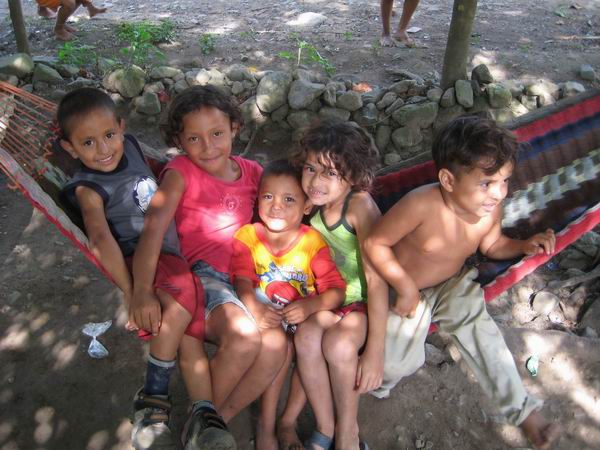
Capacity disputes were constant, sharing was unstable, and the question of whose turn it was organised a good deal of summer conflict.
Not applicable.
The scarcity is worth noting because it is the mechanism of the memory. One hammock and three children produces negotiation, queuing, grievance and timekeeping – and a thing that has to be taken in turns gets remembered far more vividly than a thing everybody can have at once.
12. The Rope Rotted Where You Could Not See

Cord weakened at the ends, inside knots, and where it had stayed damp – and the failure came without warning under load.
Synthetic materials fail differently and more slowly, but inspection is still necessary.
The failure mode is the one real danger in the object and it should be understood properly. Natural fibre loses strength from the inside and where it stays wet, the weakest point is inside a knot or at the suspension where it cannot be inspected by looking, and the break happens when somebody’s weight is on it. Anything hung now needs sound modern hardware and a proper look at the suspension, not a glance at the middle.
13. Hanging It Too High Was How People Got Hurt
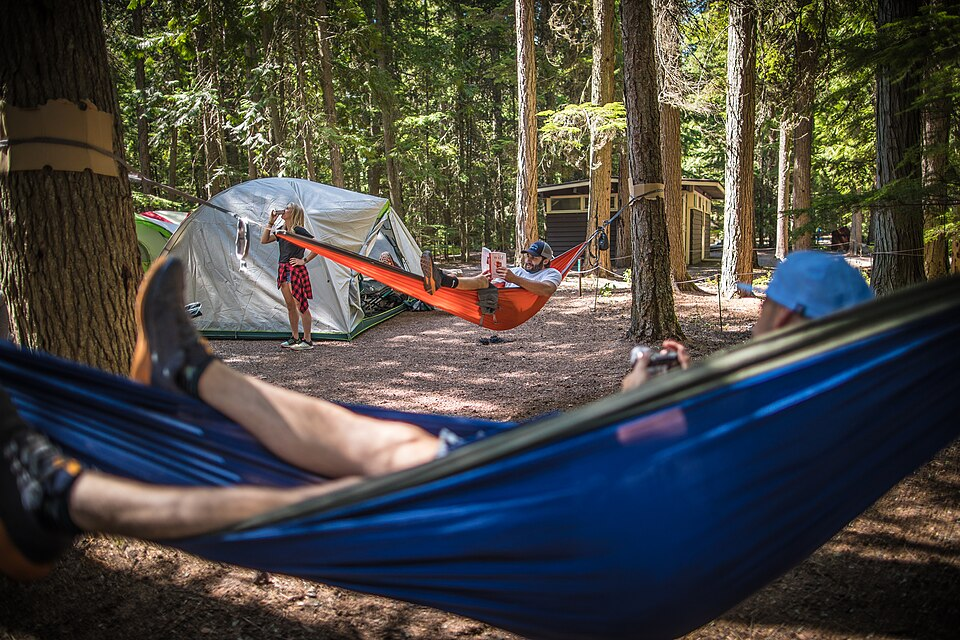
Height above the ground and the surface underneath determined whether a fall was funny or serious, and the hammocks people remember fondly were hung low over grass.
Unchanged, and the reason stands.
This deserves to be stated flatly rather than left implied. A fall of a foot onto turf is a joke; a fall of three feet onto a porch floor, a paving slab or a tree root is an injury, and the same object produces both outcomes depending entirely on how it was hung. Anybody hanging one should hang it low, over something soft, and away from hard edges.
14. Then the Porch Swing and the Lawn Chair Took Over
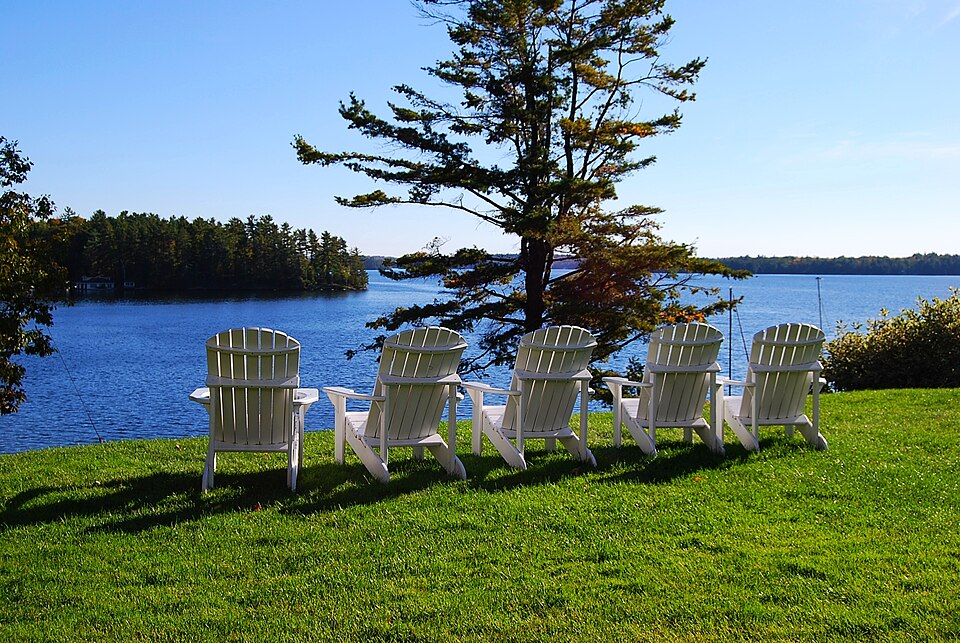
Permanent outdoor furniture, folding chairs and loungers that stayed out all season replaced the thing that had to be hung and taken down.
Universal.
Convenience is the real cause of the decline and nothing more interesting. A chair you leave out needs no trees, no hanging, no technique and no taking down – which beats a hammock on every count except the one that mattered, namely that a chair is a place to sit and a hammock is a place to stop.
15. And Then the House Got Cool Enough to Stay In
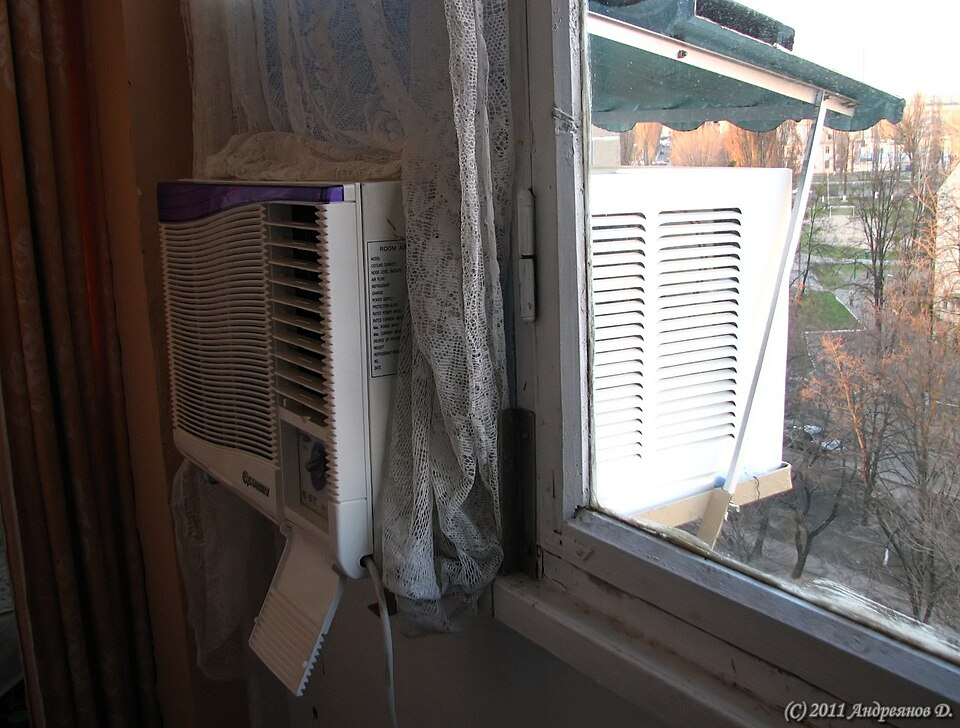
Air conditioning removed the reason for going outside on a summer afternoon, and the hammock lost the function that had put it under the trees.
Universal.
And the thing worth sitting with is that the hammock did not go out of fashion – its purpose was taken away. It existed because the inside of an American house in July was worse than the shade outside, and once the inside was cool the trees had nothing to offer that a sofa did not. Which is a straightforward improvement that nobody should regret. But something specific went with it, and it is not the swinging or the rope pattern on your legs. It was a place whose entire function was that nothing was expected of you while you were in it – the one spot on a working property where lying down in the middle of the afternoon was not laziness but the proper use of the equipment. A sofa in a cool room is more comfortable in every measurable way and it carries none of that permission. The hammock was not furniture. It was a licence to stop, hung between two particular trees, and it came down every September.
It Was Not Furniture. It Was a Licence to Stop.

The hammock gets remembered as summer comfort, which is true and misses the thing that actually mattered about it.
Start with the practical facts, because they shape everything.
It was seasonal equipment: up in May on tree hooks or porch hooks, used all summer, down and stored before the weather turned. Which makes the hanging of it a recognised event and explains why people remember the date rather than the object.
It needed two trees. A pair of trunks of sufficient size, at a usable spacing, in shade, on level ground – which a household cannot simply decide to have. The location was therefore fixed, obvious to everybody, and inherited along with the property.
It came in two kinds that behaved completely differently. Open knotted cord conforms to the body and breathes, and prints its pattern into skin. Solid canvas is smooth and cooler to lie on, and holds heat against the back. People had firm opinions.
And the single most consequential design decision was the spreader bar. A bar at each end holds the hammock open flat, which makes it easy to climb into and correspondingly easy to tip out of. Without one it hangs as a deep pocket, awkward to enter and then thoroughly secure. Every argument anybody ever had about hammocks reduces to which of those they prefer.
Getting in was a real skill, taught rather than discovered: sit square in the middle, keep the weight low, bring both legs up together. A child who ran at it and threw a leg over learned immediately, which is why everybody has the story. And falling out was routine and funny – because the usual fall was a foot onto grass.
Now the reason it existed, which is the part people underestimate.
A house with no cooling, sun on the roof and still air upstairs was genuinely unbearable on a July afternoon. Not uncomfortable – worse than outdoors in the shade by a very large margin. So going out to the trees was not a leisure preference; it was the sensible response to the building.
And once you were out there, the thing rocked itself. A long suspension swings slowly and loses energy slowly, so the smallest periodic shift keeps it going – and slow regular motion is strongly conducive to sleep. Which is why people fell asleep in them, and why an enormous share of childhood summer reading happened in one. Shade, no interruptions, nothing expected of you, and a position that holds a book at a comfortable angle is close to an ideal reading arrangement.
There was only ever one, which is the mechanism of the memory. One hammock and three children produces negotiation, queuing, grievance and timekeeping, and a thing taken in turns is remembered far more vividly than a thing everybody can have at once.
Two safety points deserve stating flatly rather than being left implied.
Natural cord rotted where it could not be seen – at the ends, inside knots, and wherever it stayed damp – and it failed under load without warning. The weakest point is inside a knot or at the suspension, which cannot be assessed by looking at the middle. Anything hung today needs sound modern hardware and a proper inspection of the suspension.
And height and surface decided whether a fall was comedy or injury. A foot onto turf is a joke. Three feet onto a porch floor, a paving slab or a tree root is not, and it is the same object either way. Hang it low, over something soft, away from hard edges.
The decline had two causes, and only one is interesting.
The dull one is convenience: permanent outdoor furniture and folding loungers that stay out all season need no trees, no hanging, no technique and no taking down. They beat a hammock on every count except that a chair is a place to sit and a hammock is a place to stop.
The real one is air conditioning. The hammock existed because the inside of an American house in July was worse than the shade outside. Once the inside was cool, the trees had nothing to offer that a sofa did not.
That is a straightforward improvement and nobody should regret it. But something specific went with it, and it was not the swinging or the rope marks on your legs.
It was a place whose entire function was that nothing was expected of you while you were in it. On a working property, where a person lying down in the middle of the afternoon is generally not approved of, the hammock was the designated exception – occupying it was a licence rather than a lapse.
A sofa in a cool room is more comfortable by every measure and carries none of that.
If you can still picture which two trees it hung between, that location was a family asset.
And somebody taught you how to get into it.
Like our content? Follow us for more.