Formal visiting ran on printed cards, and the surprising part is that you did not need to see anybody.
A caller handed in a small card bearing her name, which was taken to the lady of the house on a tray. If the lady was out or not receiving, the card was left – and that left card discharged the social obligation almost as fully as a conversation would have. The purpose was not primarily to see somebody. It was to be recorded as having called.
Received cards accumulated visibly in a receiver in the hall, where anybody entering could read the household’s standing off a dish. Households announced days and hours for receiving. And a folded corner on a card carried a message, in a code that varied, was never agreed, and that an etiquette book could sell by explaining. Here are sixteen things every American household knew.
1. Visiting Ran on Printed Cards
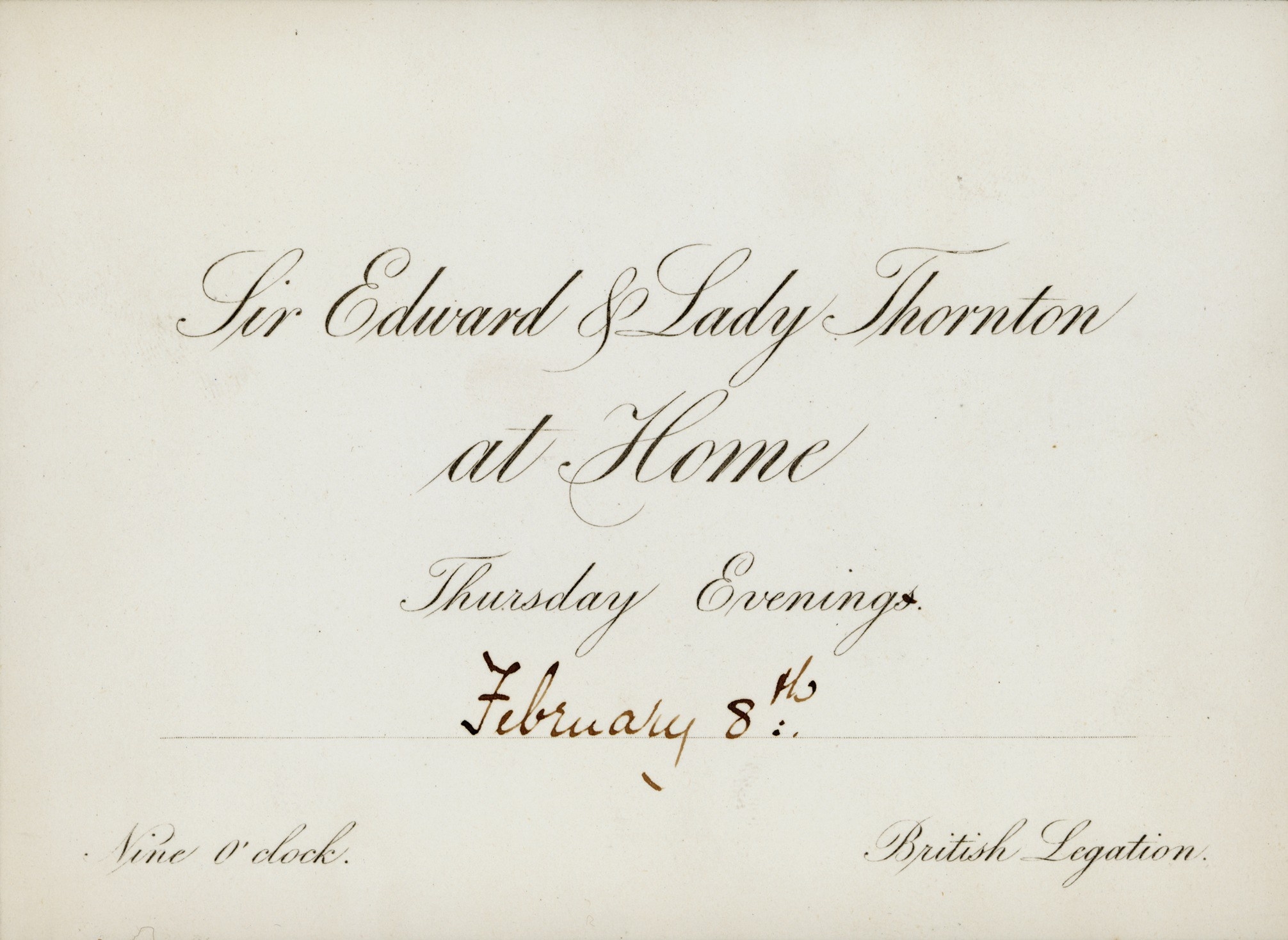
A caller arriving at a house handed in a small printed card bearing her name, which was taken to the lady of the house on a tray, and the visit proceeded or did not on that basis.
A text message.
The card is the protocol and that is the right way to think about it. It is a physical token that announces an arrival, records it if the arrival is not received, and carries information about the caller’s intentions – which is a surprising amount of function in a piece of pasteboard.
Like our content? Follow us for more.
2. Leaving a Card Counted as a Visit
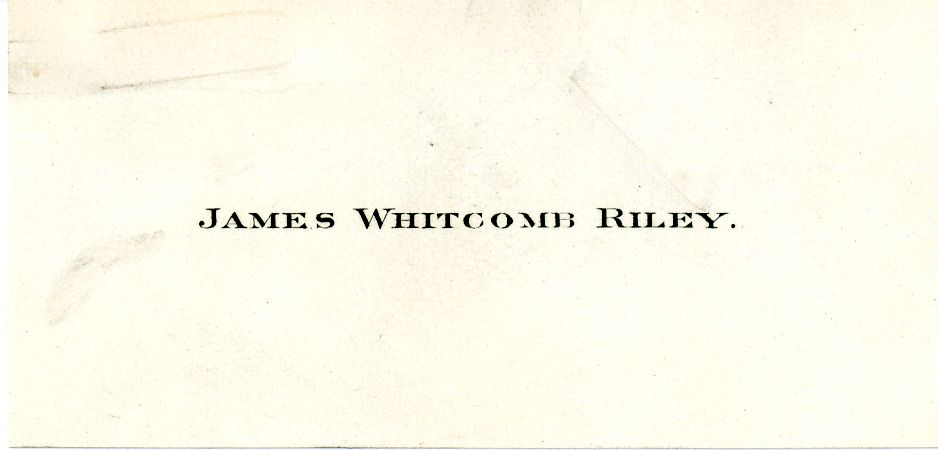
If the lady of the house was out or not receiving, the card was left – and that left card discharged the social obligation almost as fully as a conversation would have.
Not applicable.
This is the fact that unlocks the whole system. The purpose was not primarily to see somebody; it was to be recorded as having called – which means the visit was a transaction in a ledger of mutual obligation rather than an occasion for talking to a friend.
3. The Cards Were Kept and Displayed
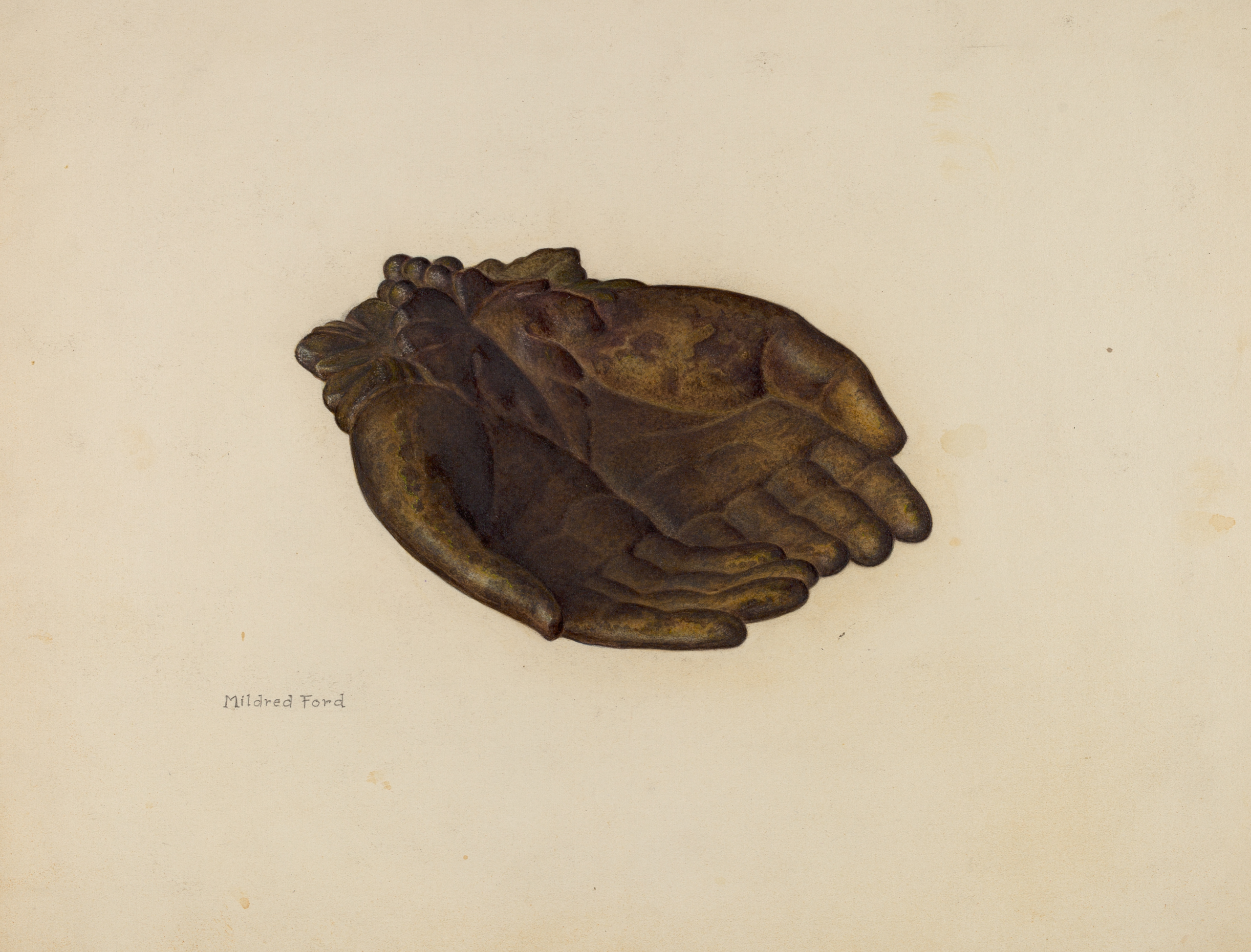
Received cards went into a card receiver in the hall – a tray, bowl or stand – where they accumulated visibly for anybody entering to see.
Not applicable.
Display is the part people find startling. A household’s card receiver was a publicly visible record of who had called, which means it was simultaneously a filing system and a status display – and the visitor glancing into it was reading the household’s social position off a dish.
4. There Were Days When You Were At Home
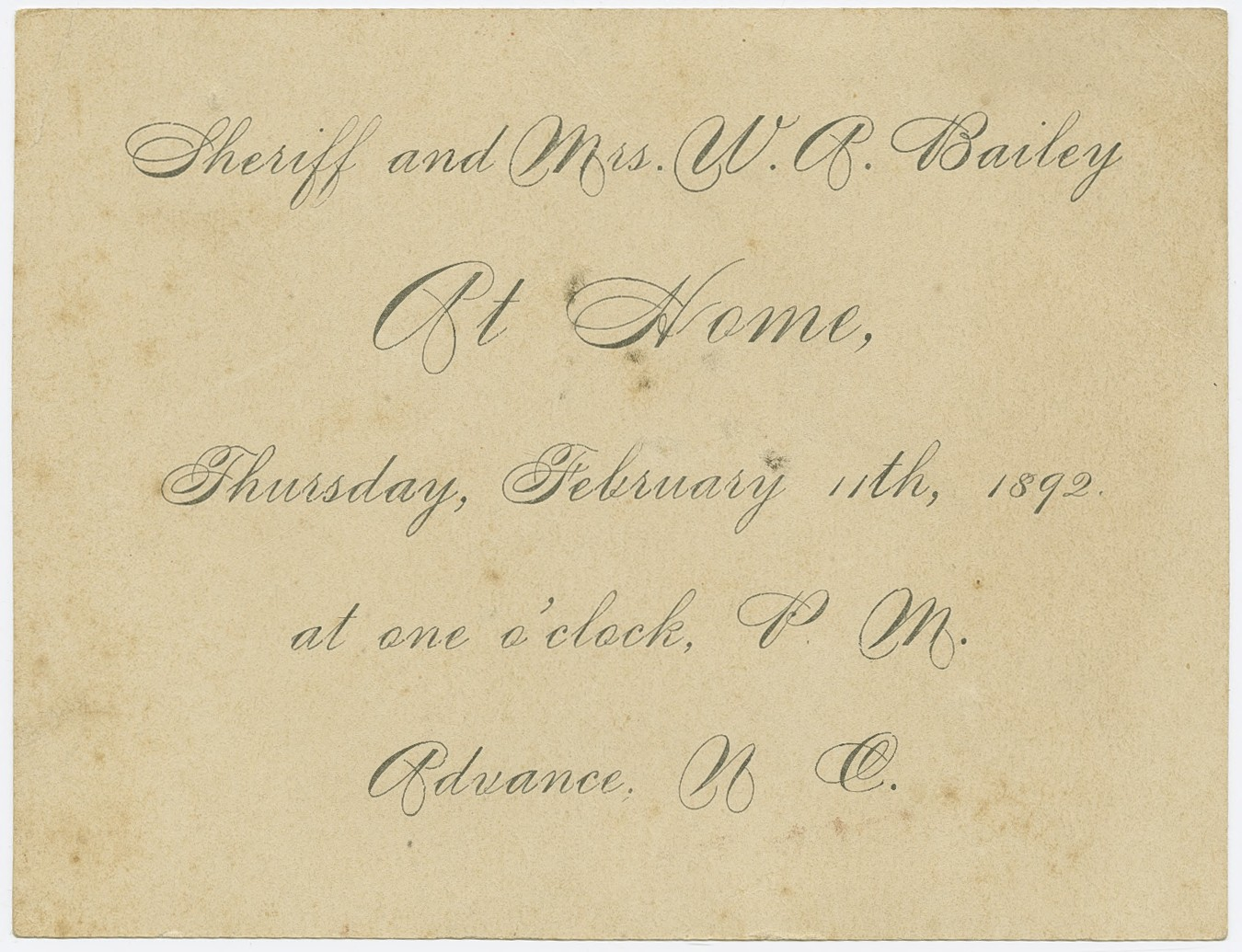
A household announced a regular day and hours for receiving callers, and visitors came then rather than at random.
Not applicable. Arrangements are made individually.
At-home days are an efficient solution to a real problem. If every household receives on a known day, callers can plan a route and a hostess can prepare once rather than being interrupted continuously – which turns an unmanageable flow of social obligation into a scheduled operation.
5. Folded Corners Carried Messages
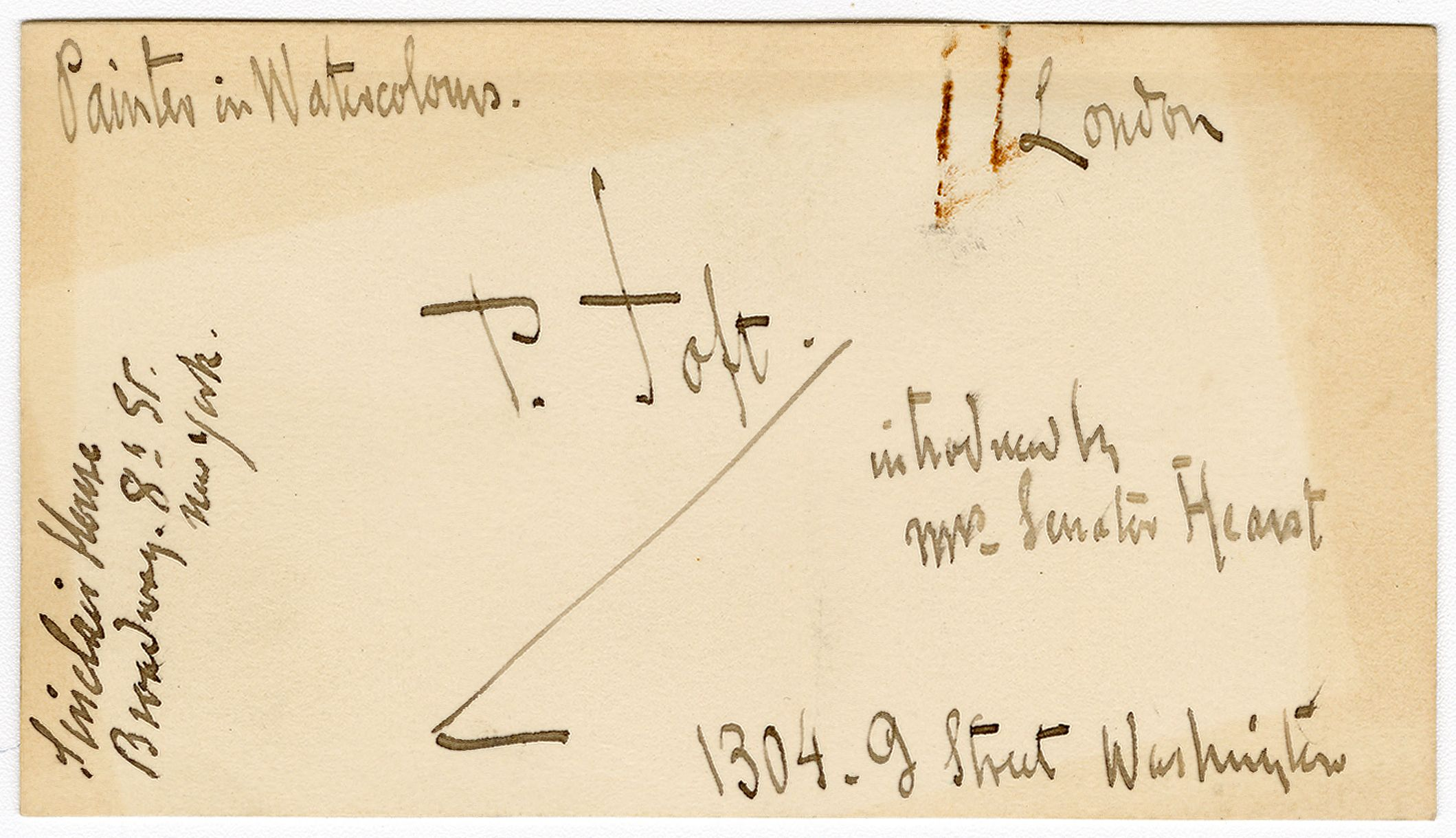
Turning down a corner or an edge of a card conveyed meaning – that the caller had come in person rather than sending the card, that the call was for the whole household, or that she was leaving town.
Not applicable.
A code on the object itself is a genuinely clever piece of design, and also the point at which the system starts to look absurd. The conventions varied, were not universally agreed, and were exactly the kind of thing an etiquette book could sell by explaining – which means a caller could get it wrong without knowing.
6. The Etiquette Books Made a Business of It
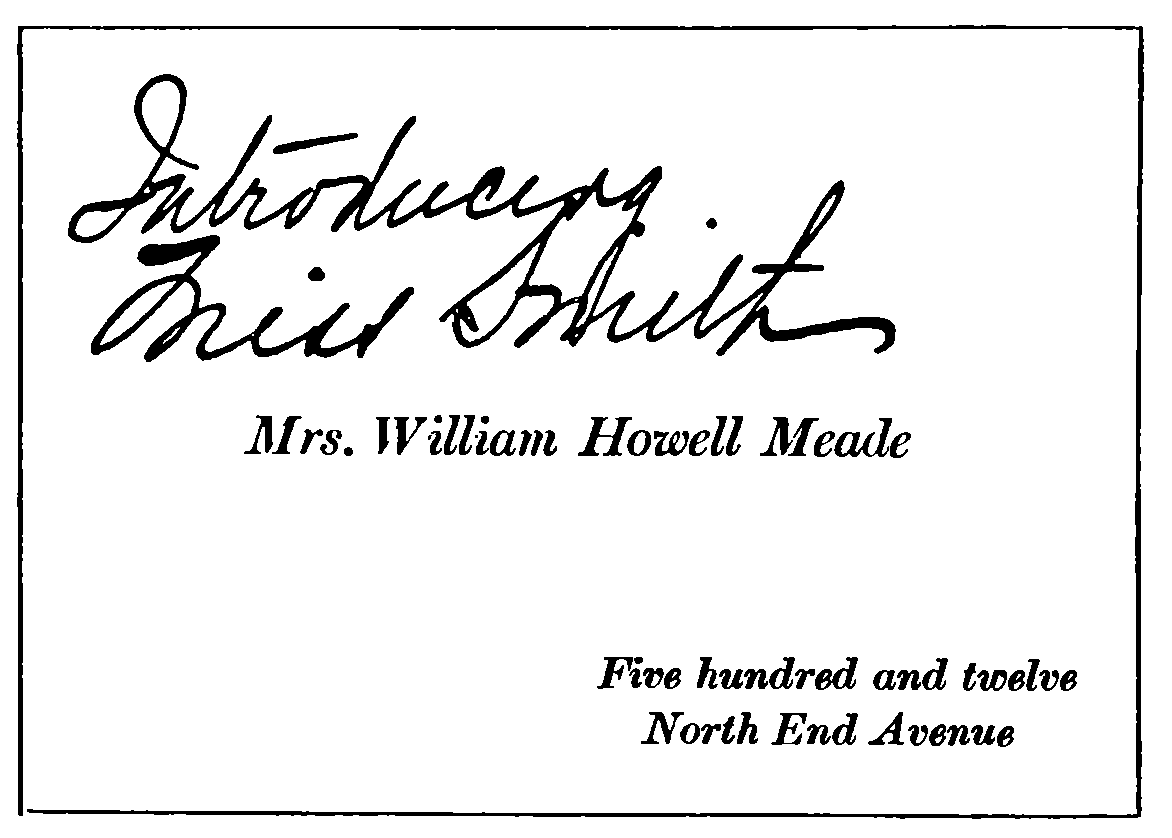
Published guides set out in detail how cards should be printed, sized, worded, presented, returned and timed, with different rules for men, women, mourning, marriage and arrival in a new town.
Not applicable in that form.
The existence of a publishing industry around this tells you what it was for. Nobody needs a book to visit a friend – they need one to navigate a system whose rules are elaborate, unwritten elsewhere, and used to distinguish between people who know them and people who do not.
7. It Was a Test, and It Was Meant to Be
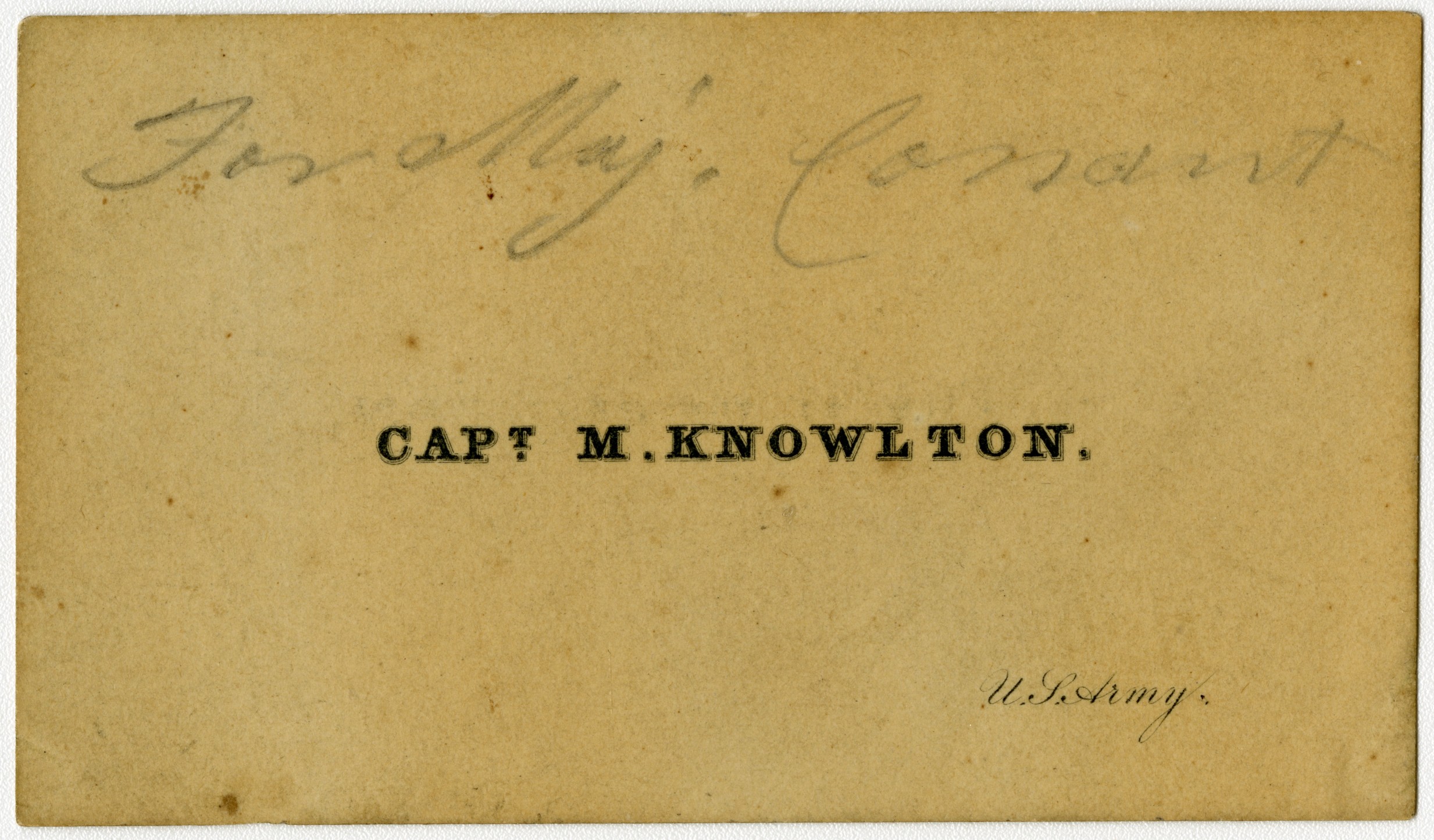
Knowing the conventions marked a person as belonging to a particular social world, and not knowing them marked them as outside it.
Not applicable in that form.
The gatekeeping function should be stated plainly rather than treated as a charming formality. An elaborate code learned at home, with rules nobody writes on the card, is a reliable way of identifying who was raised inside a particular class and who was not – and that was understood by everybody involved.
8. A New Arrival Had to Be Called On First
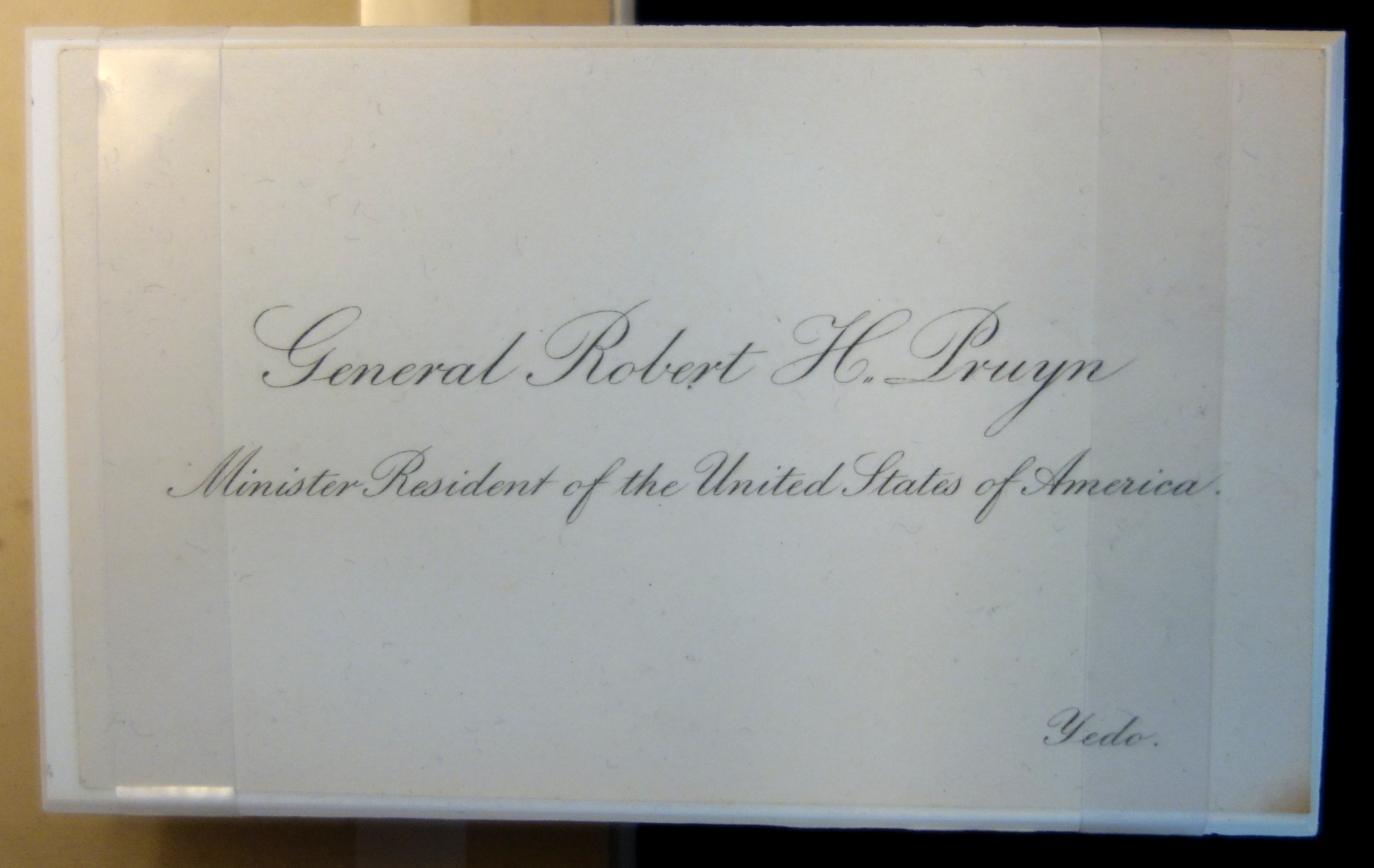
Convention held that established residents called on a newcomer rather than the reverse, and until somebody called, a new family had no entry into local society.
Not applicable.
This is where the system had real consequences. A household nobody called on was simply excluded, with no mechanism available to it for introducing itself – which means the convention gave existing residents complete control over who joined local society.
9. Men’s Cards Worked Differently
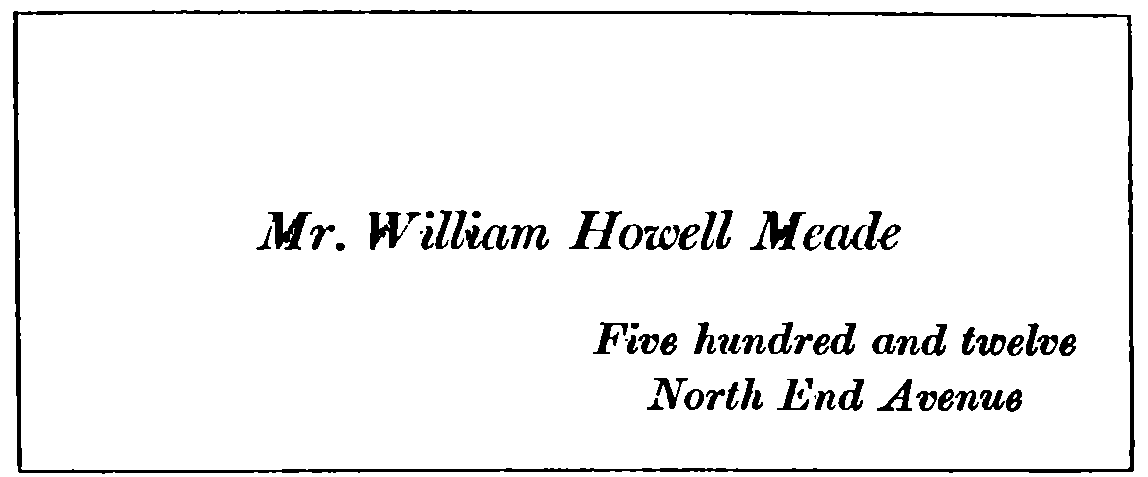
A man’s card was plainer, used for business as well as social purposes, and frequently left by his wife on his behalf as part of a household’s calling.
Business cards, which are the direct descendant.
The split is the origin of the modern object. The social card went one way and became nothing, while the man’s plain card carrying a name and an occupation went the other and is still in every wallet – which makes the business card the surviving branch of a vanished system.
10. Mourning Had Its Own Cards
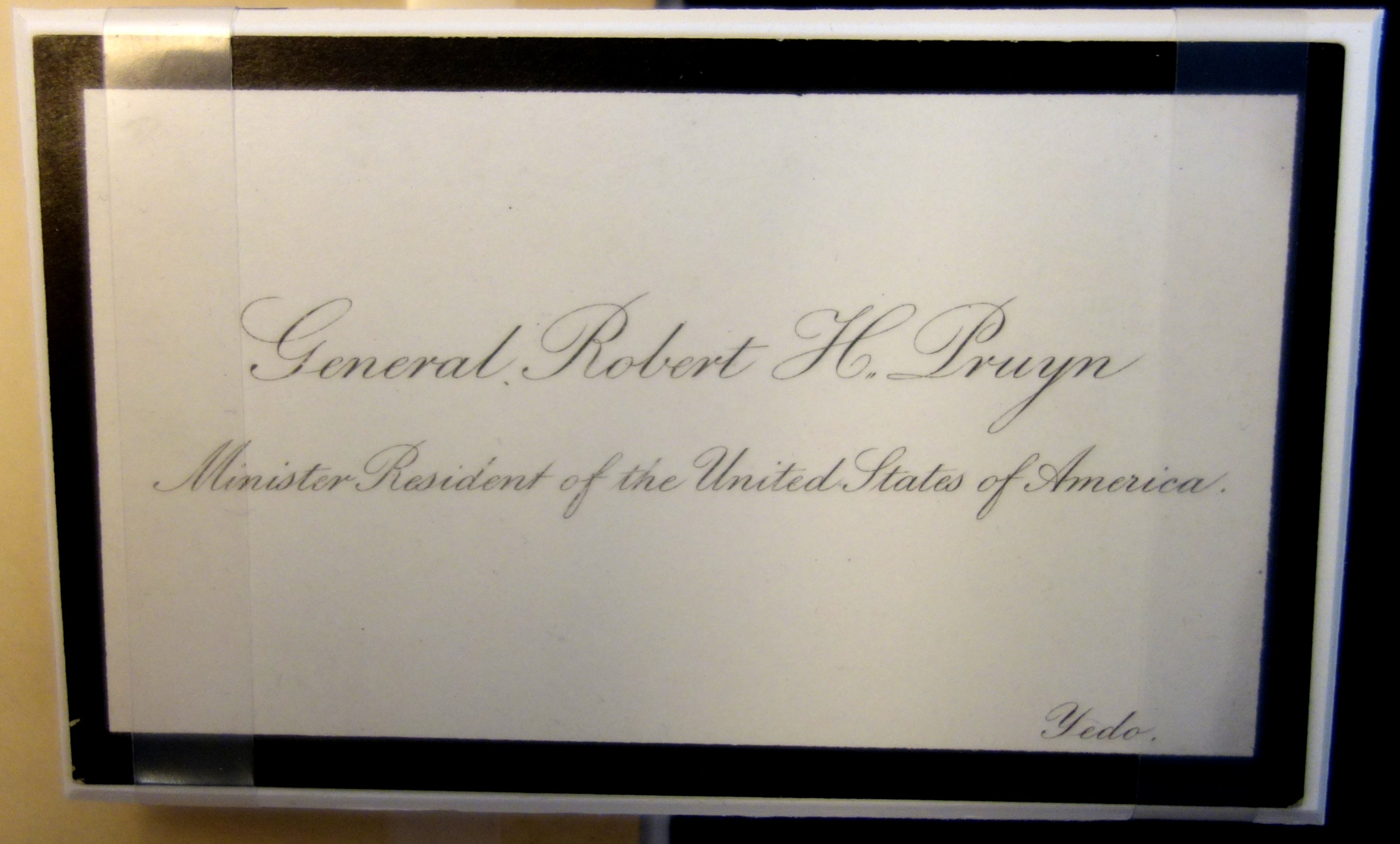
During bereavement, cards were printed with a black border, with the width of the border indicating how recent the loss was, and calling conventions altered accordingly.
Not applicable.
Encoding grief in the width of a printed line is the most striking convention in the whole system. It told anybody receiving the card how to behave without a word being exchanged, which is efficient – and it also meant a household’s private loss was announced in print to everybody it dealt with.
11. The Whole Thing Rested on Servants
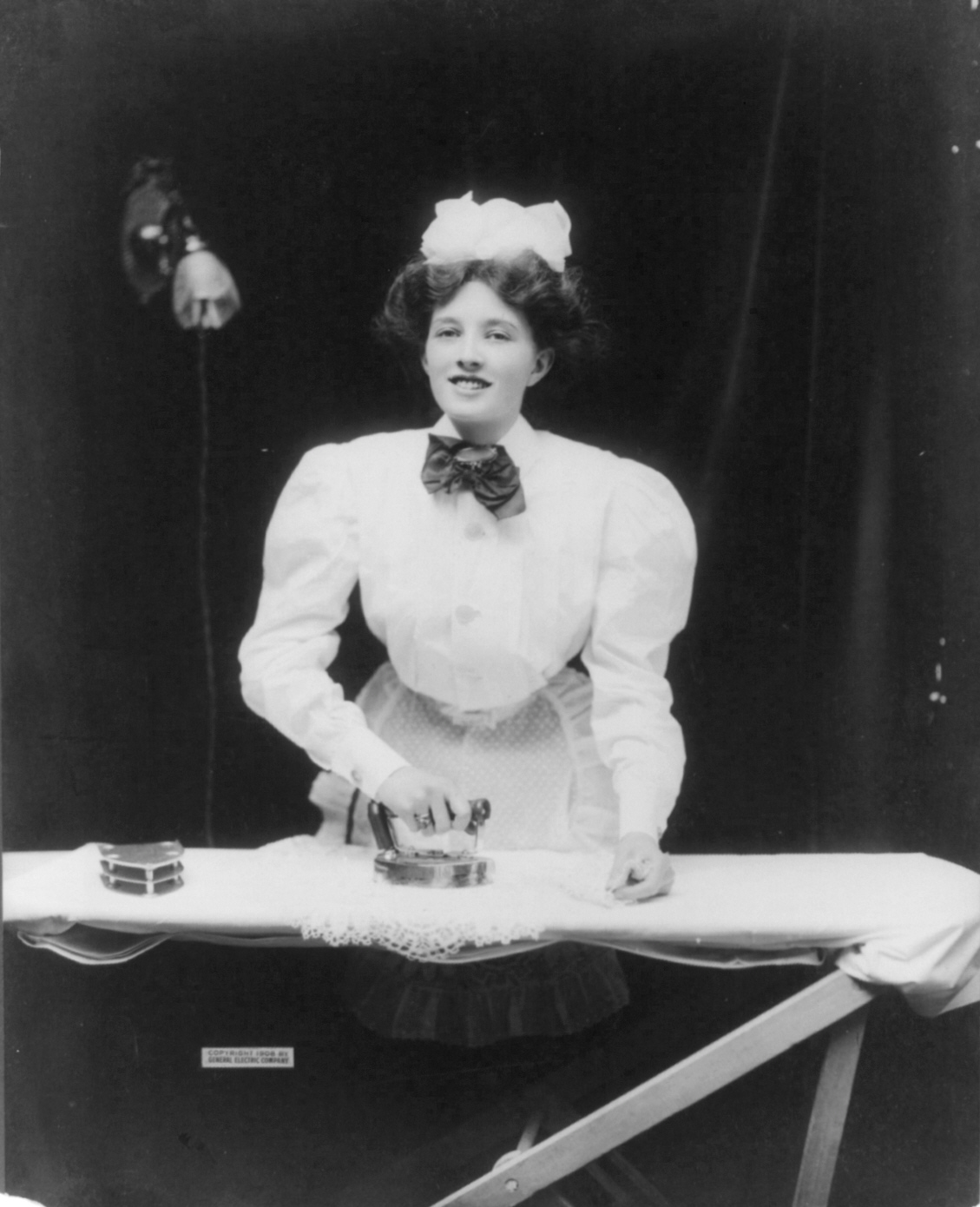
The system assumes somebody answers the door, carries the card to the lady of the house, returns with a reply and manages the receiver – which means it assumes domestic staff.
Not applicable.
This is the structural fact that determined who could participate. A household with nobody to answer the door cannot run a protocol built around an intermediary, which means the entire apparatus was available only to households employing somebody – and that is most of the explanation for its disappearance.
12. Then the Telephone Made Calling Unnecessary

A telephone call establishes whether somebody is at home, available and willing to receive, before anybody travels anywhere.
Universal, and now continuous.
The telephone attacks the system at its foundation. The card’s main function was managing uncertainty about whether a visit would be received, and a device that answers that question in advance removes the need for the token, the tray, the left card and the whole apparatus of recorded attempts.
13. Then Domestic Service Collapsed
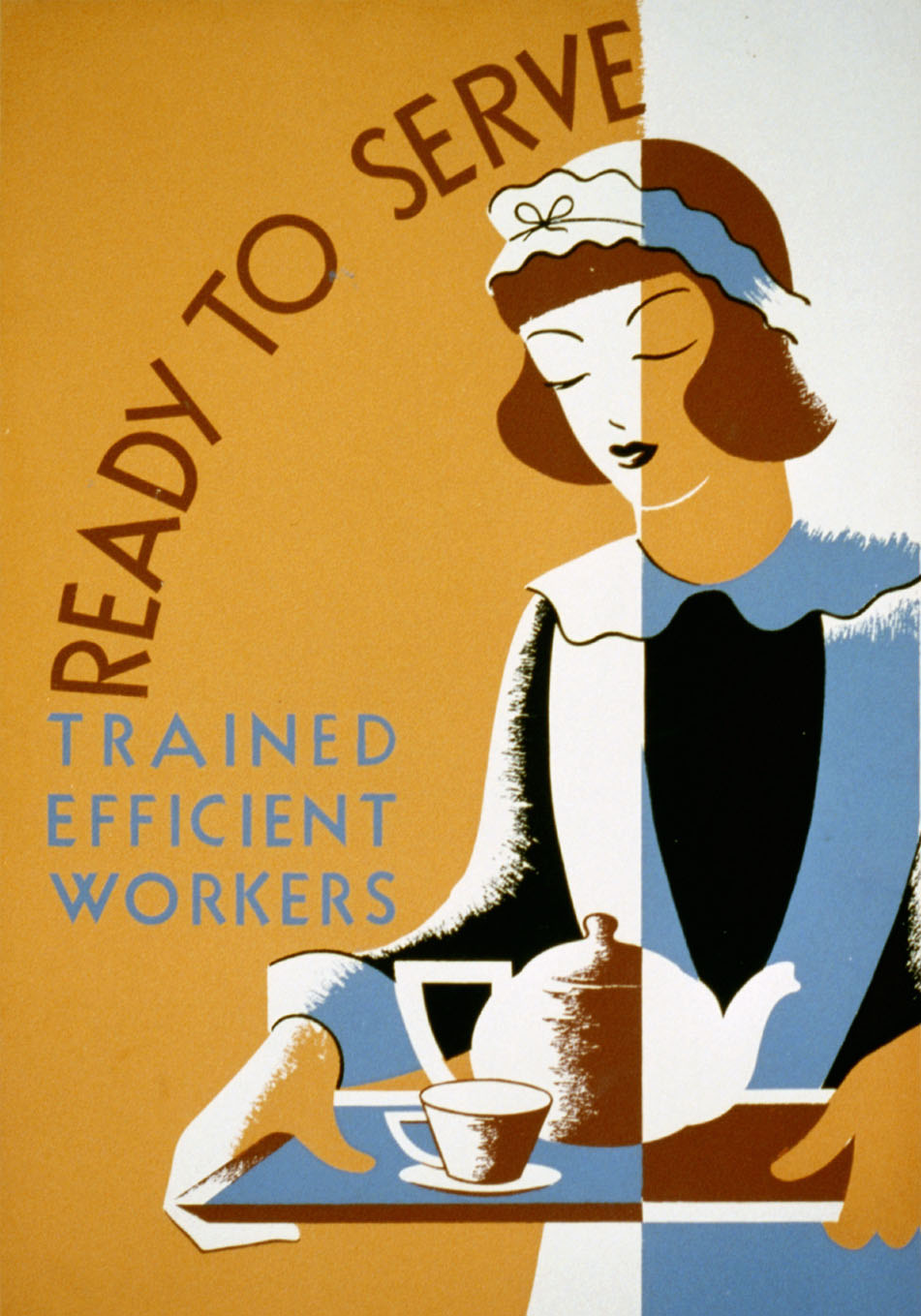
As households stopped employing staff, there was nobody to answer the door, carry the card or manage the receiver – and a protocol requiring an intermediary cannot run without one.
Not applicable.
This is the decisive change and it is mechanical rather than cultural. The system did not go out of fashion so much as become unperformable, because the person it depended on was no longer in the house.
14. Then Formality Collapsed Generally
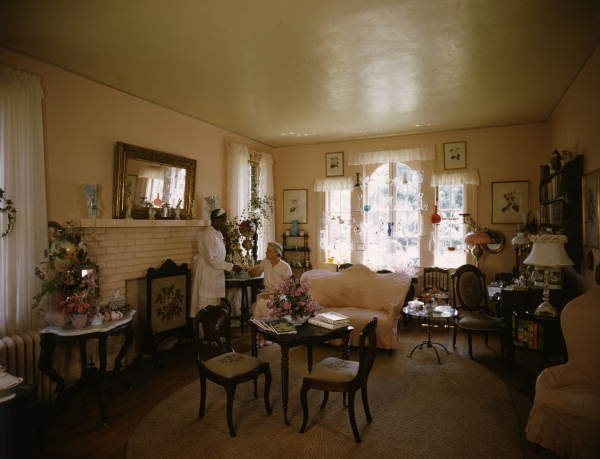
Dress, address, visiting and social obligation all became markedly less formal, and an elaborate code governing who called on whom stopped being something anybody wanted to maintain.
Standard.
Once the structure was gone, the willingness went too. A system whose main purpose was marking who belonged looks considerably less attractive when stated out loud, and the generation that inherited it declined to keep it.
15. Then the Card Survived as a Business Object
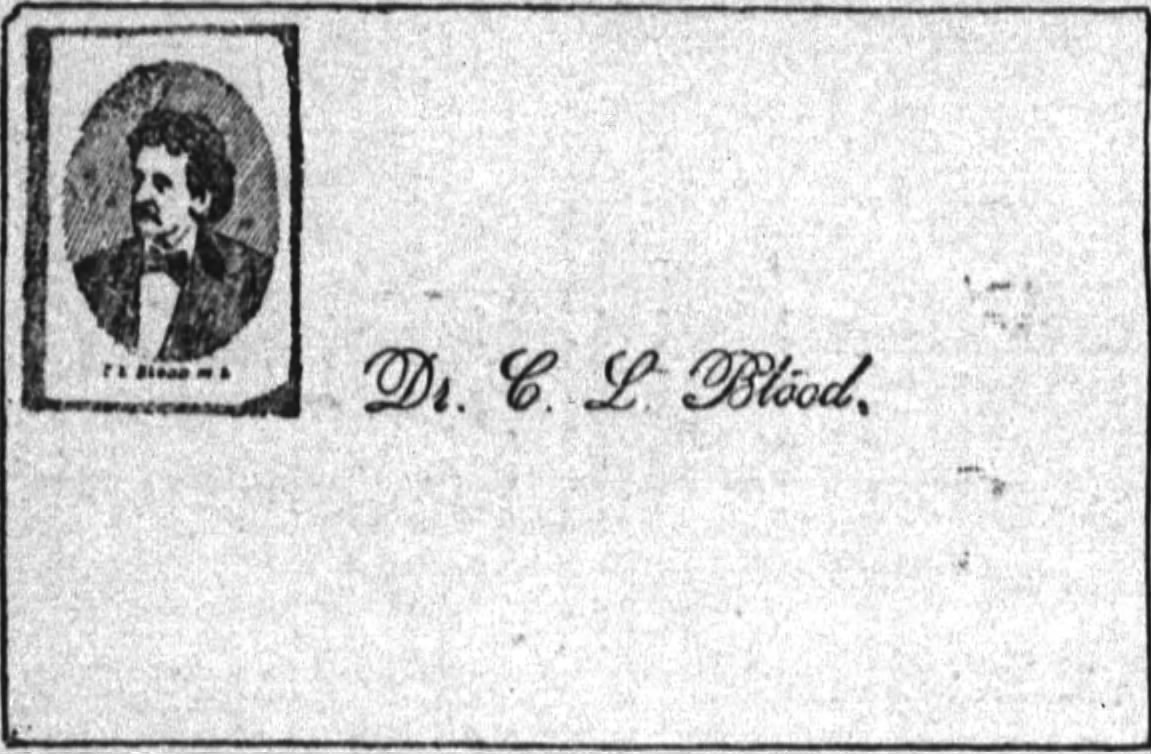
The plain card bearing a name, an occupation and a means of contact continued and is still exchanged, while the social card disappeared entirely.
Standard, in print and now digitally.
The survival of the useful half is the tidy ending. What was left when the protocol collapsed was the genuinely practical core – here is my name and how to reach me – which is what the object had always been underneath the code.
16. Then Nobody Knew What the Little Dish Was For
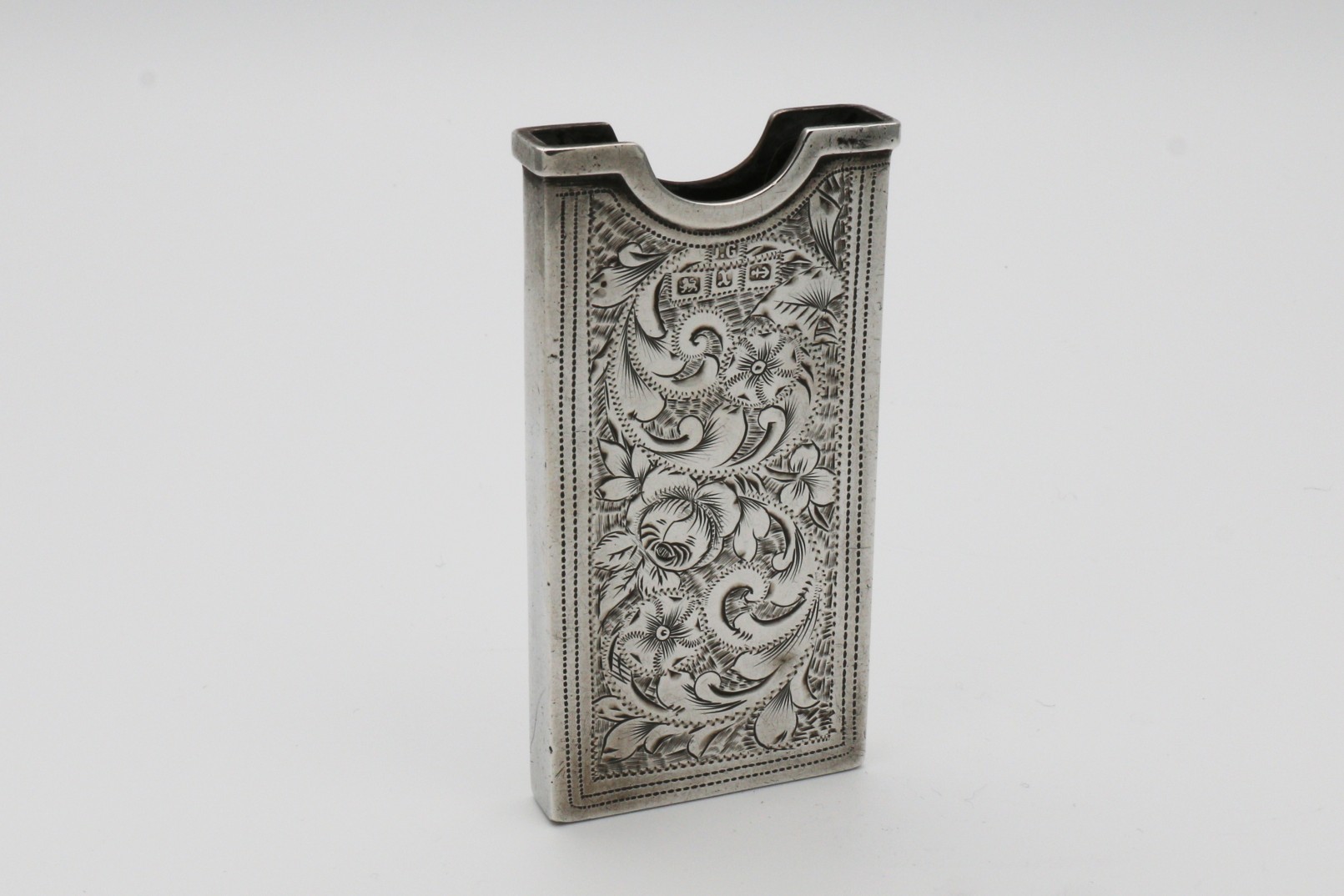
By 1964 calling cards were a Victorian curiosity, with surviving card receivers sold as trinket dishes and the cards themselves turning up loose in boxes of family papers.
A business card and a text message, with no protocol attached to either.
And the honest summary is that this was an elaborate, expensive, labour-dependent system for managing social obligation, and that most of what it did is now done better by a message that takes four seconds to send. It handled uncertainty, which the telephone solved outright. It recorded attempts, which nobody needs recorded. It scheduled visiting, which individual arrangement handles. And it marked who belonged and who did not, which was its real purpose and is the function nobody should miss. What is worth keeping is the small group of cards in a box of family papers, because each one is a record of somebody who came to a door and was either received or not – and the folded corner on one of them is somebody telling a household something without writing it down, in a code that both of them had been taught and neither of them ever explained.
It Was a Protocol for Managing Obligation, and a Test
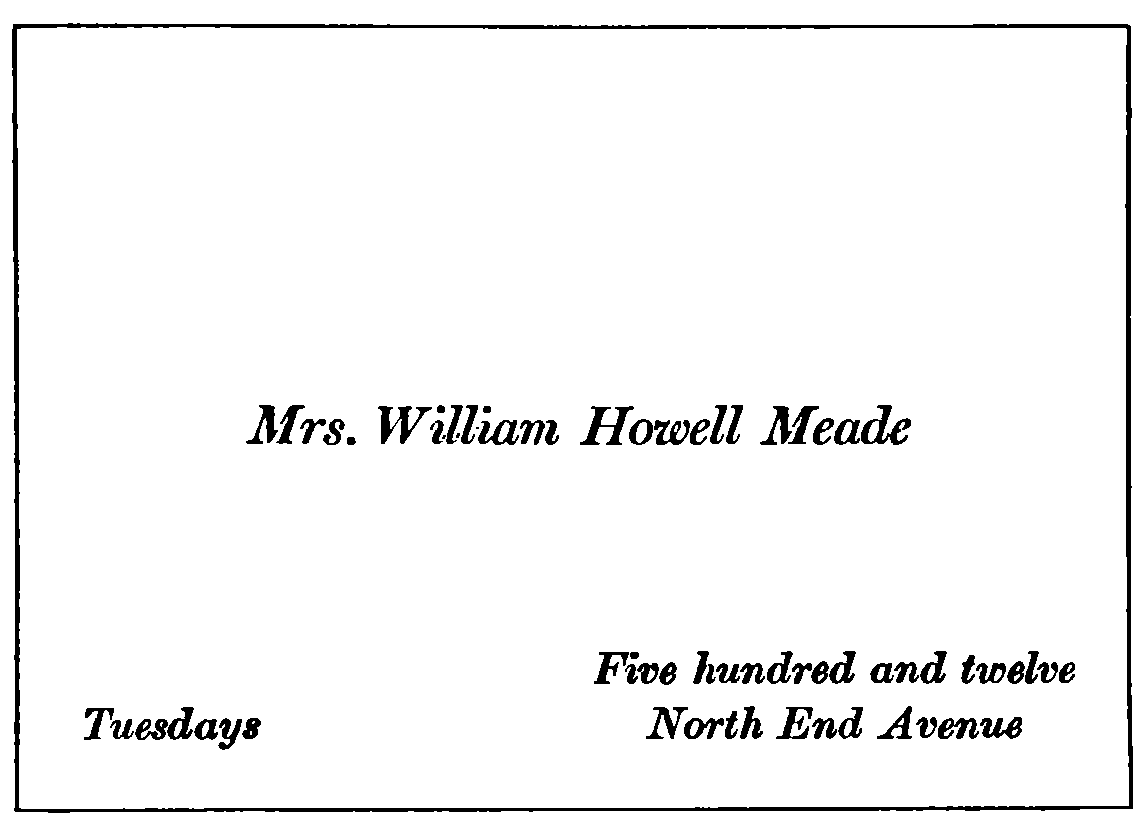
The calling card system looks like fussiness and it was a functioning piece of social machinery. It is worth taking it apart.
It solved a real problem. Social obligation in a town with no telephone means visits that may or may not be received, by people who may or may not be at home, with no way of knowing in advance – and a household owing calls to twenty others cannot manage that by guesswork.
So the card did several jobs at once. It announced an arrival. It recorded the attempt if the arrival was not received, which is why leaving a card discharged the obligation. It carried information through a code of folded corners – that the caller had come in person, that the call was for the household, that she was leaving town. And it accumulated in a hall receiver as a visible record of who had called, which is a filing system and a status display in the same dish.
The at-home day completed it. If every household receives on a known day and hours, callers can plan a route and a hostess can prepare once instead of being interrupted continuously – which turns an unmanageable flow into a scheduled operation.
That is genuinely well designed. And then there is the other half of it.
The system was a test, and it was meant to be. An elaborate code with rules written nowhere on the object, learned at home, varying between places and never fully agreed, is a reliable way of identifying who was raised inside a particular social world and who was not. Everybody involved understood that, which is precisely why there was a publishing industry explaining it – nobody needs a book to visit a friend.
It also controlled admission. Convention held that established residents called on a newcomer rather than the reverse, so until somebody called, a new family had no entry into local society and no mechanism for introducing itself. That gave existing residents complete control over who joined.
And it rested on servants. The whole protocol assumes somebody answers the door, carries the card to the lady of the house, returns with a reply and manages the receiver. A household with nobody to answer the door cannot run a system built around an intermediary – which means the apparatus was available only to households employing staff.
That last fact is most of the explanation for its disappearance.
The telephone attacked it at the foundation, because the card’s main function was managing uncertainty about whether a visit would be received, and a device that answers that in advance removes the token, the tray, the left card and the recorded attempt all at once.
Then domestic service collapsed, and the system became unperformable rather than merely unfashionable. There was no longer anybody in the house to carry a card to anybody.
Then formality collapsed generally, and the willingness went with the structure – a system whose real purpose was marking who belonged looks considerably less appealing stated out loud, and the generation that inherited it declined to keep it.
What survived is the useful half. The plain card bearing a name, an occupation and a means of contact – the man’s business card, which went one way while the social card went the other – is still in every wallet, and it is what the object had always been underneath the code.
Everything else is now done better by a message that takes four seconds to send. Except the marking of who belonged, which nobody should miss.
If there are small printed cards in a box of family papers, those are what they are.
And a folded corner on one of them is a message nobody alive can read.
Like our content? Follow us for more.