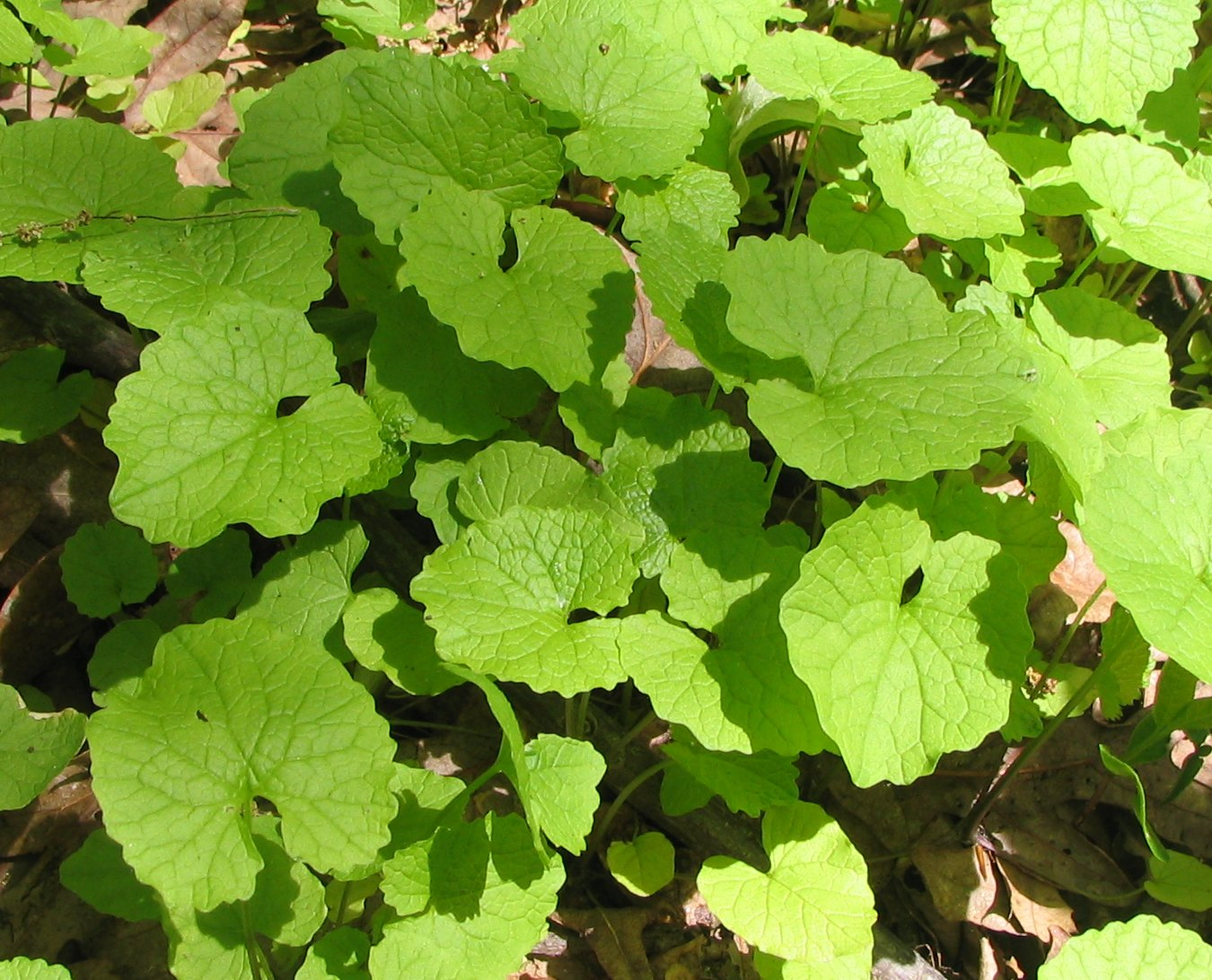
Spring was the hungry season, and the first food out of it grew by itself.
The cellar was spent, the garden was bare ground, and nothing planted that year was close to ready – and in that gap the fencerows and creek banks came up green weeks before anything cultivated did. Which is why gathering wild greens was not a quaint custom but the first fresh food a household had seen in five months.
Somebody in the family knew which plants, where they grew and which weeks to take them, and that knowledge was taught by being shown rather than written anywhere. Children were sent out with a pail. Several kinds went into one pot, cooked long, often in more than one water. And the liquid was saved. Here are sixteen things every American family knew.
1. It Came at the Hungriest Point of the Year
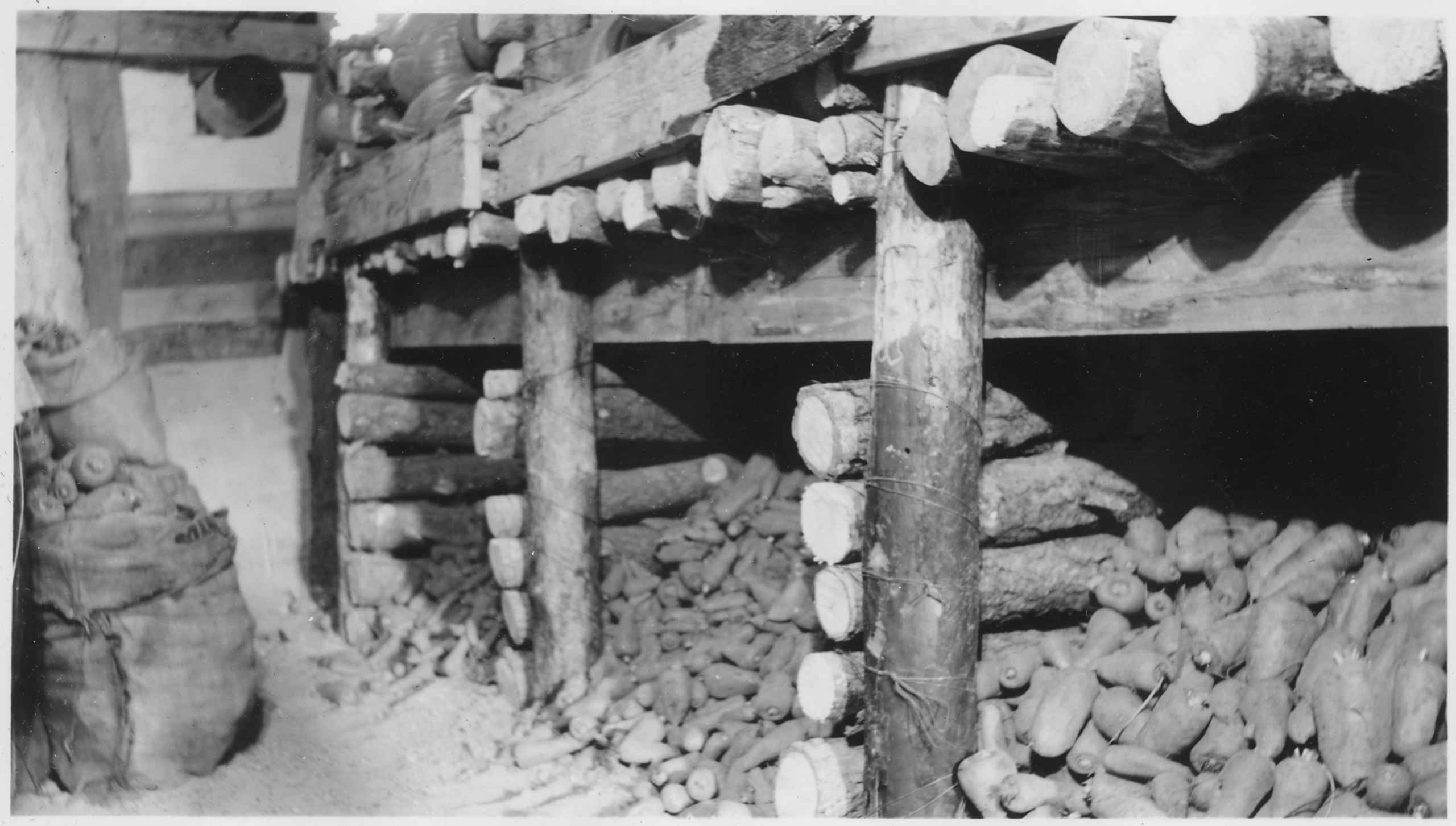
Spring arrived when the cellar stores were spent, the hens were only beginning to lay well again and nothing planted that year was ready – and the first wild greens came up before any of it.
Food supply is disconnected from season, and the gap no longer exists.
The timing is the whole explanation and nothing else is needed. A household eating from a cellar runs that cellar down over the winter, and the bottom of it arrives in March and April when the garden is bare ground – so a plant that comes up by itself in that window is not a novelty, it is the first fresh food in five months.
Like our content? Follow us for more.
2. Somebody in the Family Knew Which Plants

The knowledge of what was edible, where it grew and when to take it was held by particular people – usually older women – and passed down by being shown rather than written anywhere.
Mostly lost, with a revived interest that depends on books and photographs rather than on being shown.
The transmission method is the important detail and it explains the loss. Knowledge carried in a person’s head and taught by walking a child along a fencerow dies with the household that stops walking – and once a generation buys its greens, there is nobody to do the showing and no reason for the child to look.
3. It Was Gathering, Not Farming
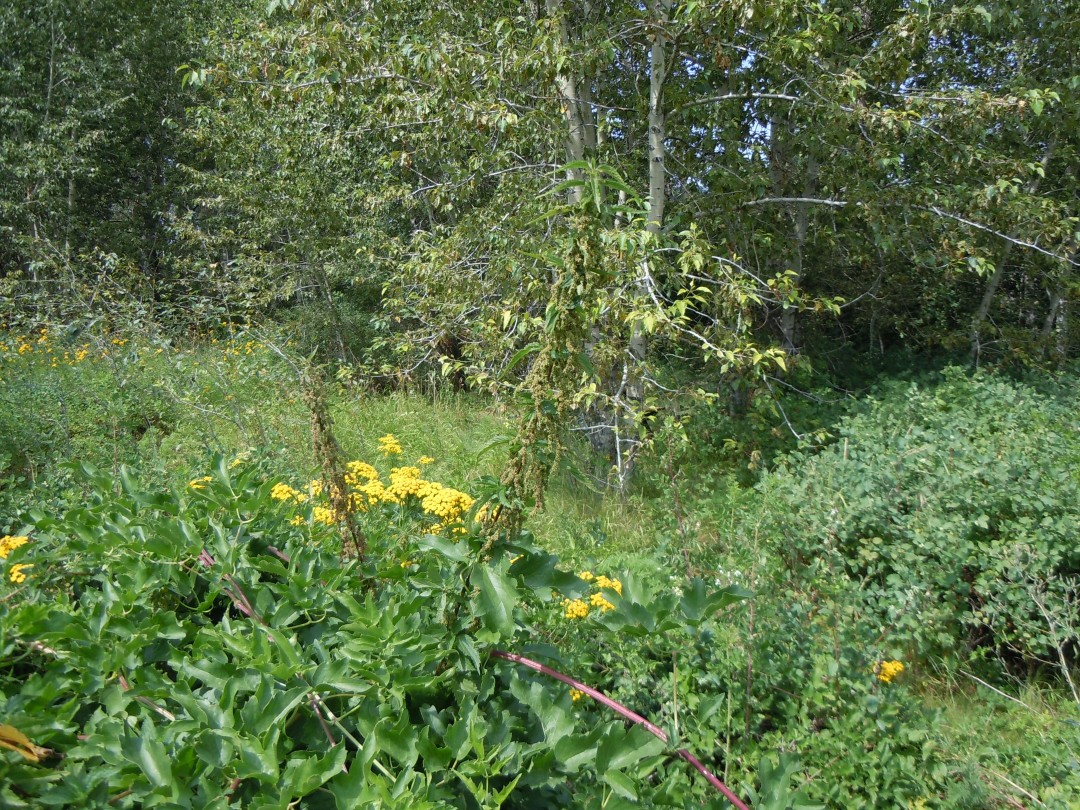
Nobody planted or tended these plants. They came up on their own in fencerows, along creeks, in pasture corners and at the edges of fields, and the work was finding them and picking them.
Not applicable.
The distinction between gathering and growing matters more than it sounds. A garden represents labour, seed money and a plan; a fencerow represents only the walk – which makes gathered food free in a way that nothing else on a farm was, and free mattered enormously in a bad spring.
4. The Ground Told You Where to Look
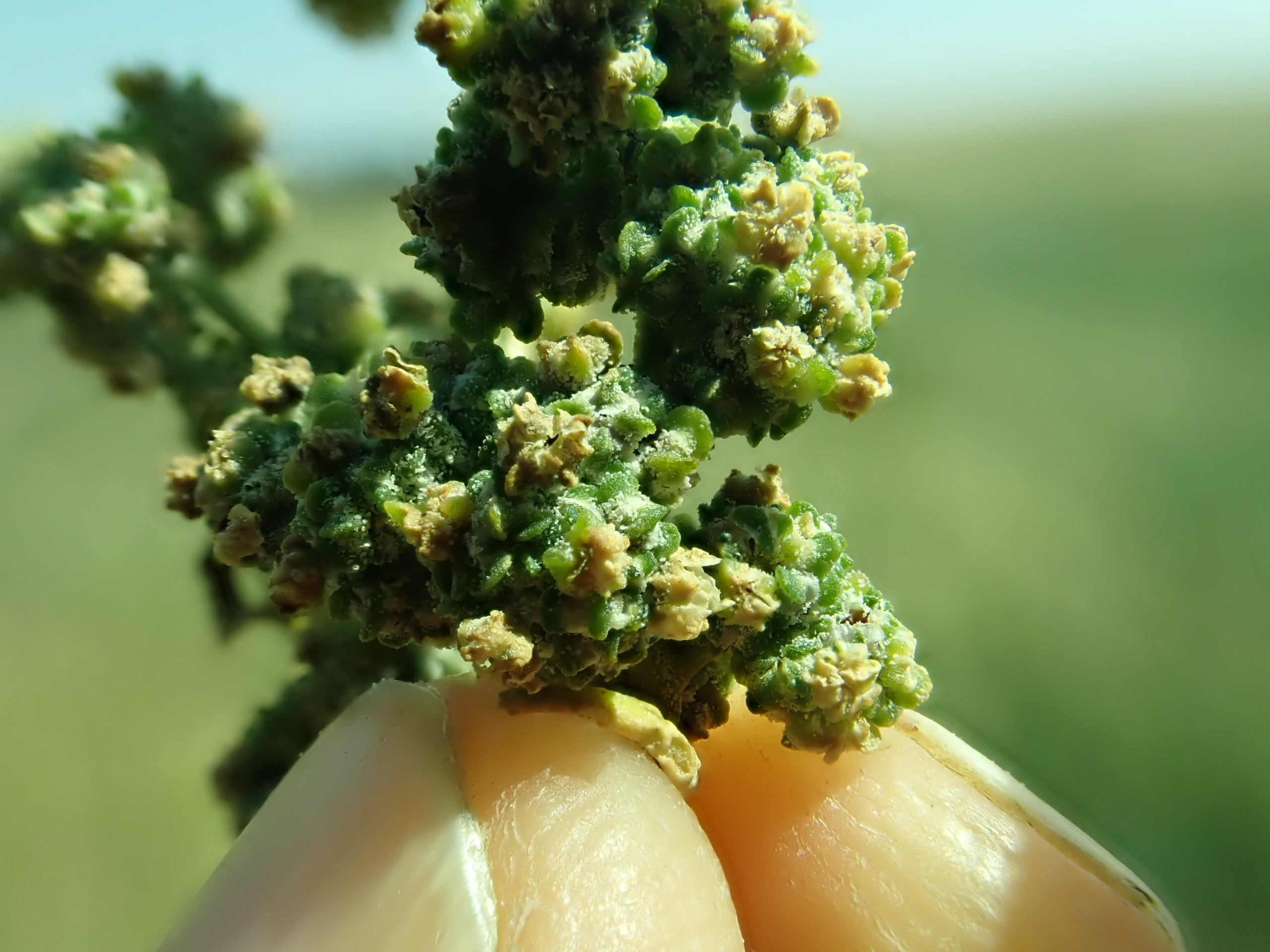
Experienced gatherers went to particular places – a south slope that warmed first, the lee of a building, a creek bank, a spot where the ground had been disturbed – because those produced earliest and best.
Not applicable.
This is the part that reads as mysterious and is purely practical. Warm ground comes up first, disturbed ground favours certain plants, and shade and moisture change what grows – so a gatherer is not wandering, she is reading aspect and drainage and going straight to the places those produce.
5. You Took the Young Growth and Nothing Else
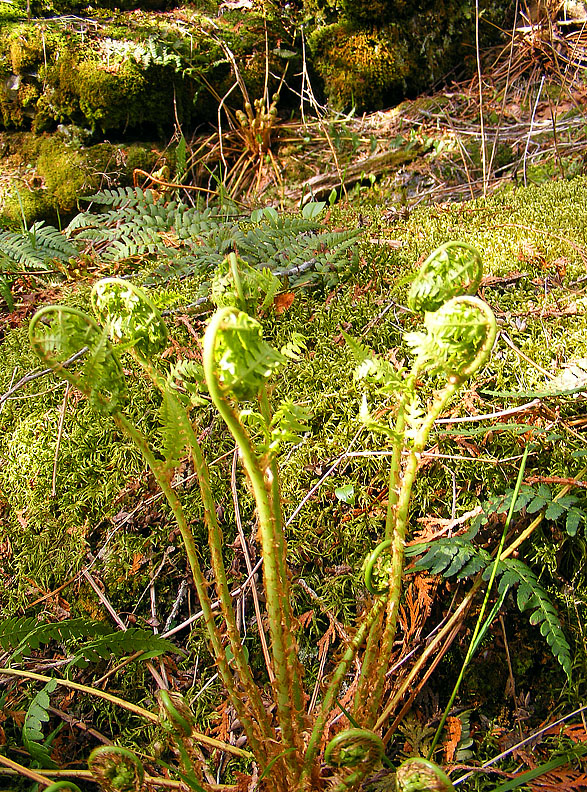
Gathering stopped when the plants got older, because the same leaves that were tender in April turned tough and bitter as the season went on.
Not applicable.
The reason is in the plant’s own development. Young leaves are thin-walled and soft; as a plant matures it lays down fibre for support and concentrates compounds that taste bitter, and once it moves toward flowering the leaves change substantially – which is why the season was short and why nobody bothered after it closed.
6. Several Kinds Went Into the Same Pot
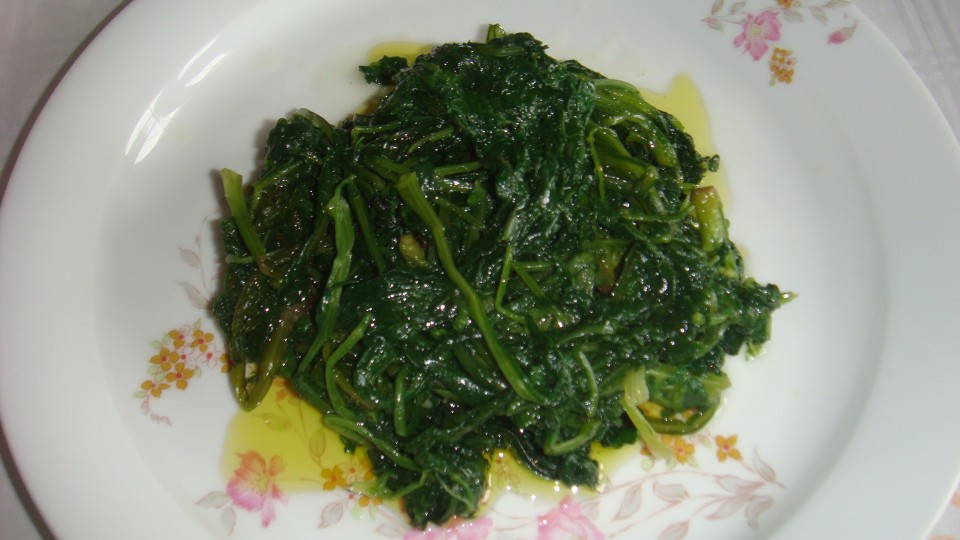
Gatherers rarely picked one plant. A basket held a mixture, and the mix was the point – some kinds for bulk, some for flavour, some for bite.
Mixed salad greens are sold on the same principle, deliberately.
Mixing is both practical and good cooking. No one plant grew in sufficient quantity, the flavours were strong enough individually to want tempering, and a mixture is more forgiving – which is exactly the logic the bagged mixed greens in a modern cooler are built on.
7. They Were Cooked a Long Time
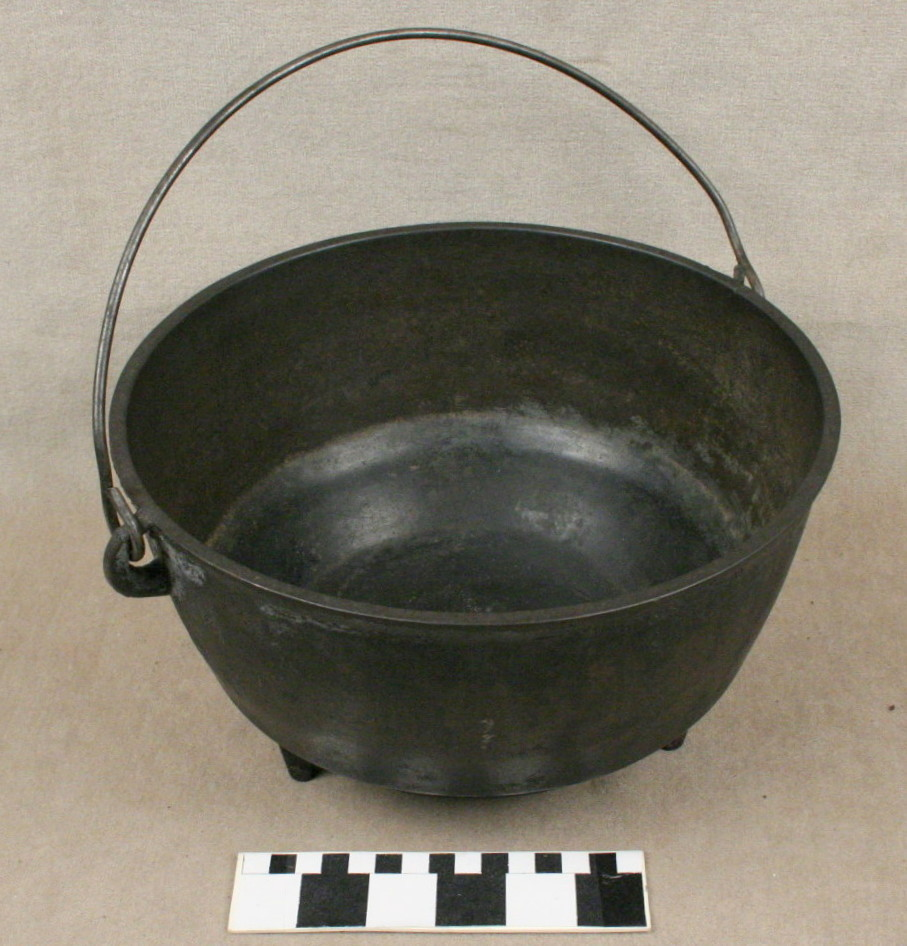
The greens were boiled, often in more than one water, and the cooking was not brief.
Most greens are cooked quickly or eaten raw.
Long cooking had three separate purposes and it is worth separating them. It softened tough leaves, it drew out bitterness into water that was then poured off, and it dealt with the simple fact that these were wild plants of varying age and condition going into one pot – so a long simmer evened out everything in it.
8. The Cooking Water Was Saved
The liquid left in the pot was kept and used – drunk, poured over bread, or added to other cooking – rather than thrown out.
Not generally practised.
Saving the liquid reflects a correct intuition about where things end up. Water-soluble material leaves the leaf and enters the water during a long boil, so the pot liquor carries a real part of what was in the greens – which is why a household with very little did not pour it down the drain.
9. Something Sharp Went With Them

Vinegar at the table was close to universal, and the greens were almost never served without something acid.
Standard practice with cooked greens.
The acid is doing real work rather than being a habit. Sharpness cuts the flat heaviness of long-boiled leaves, it brightens a dish that has lost definition, and it sets off bitterness in a way that makes it pleasant rather than dominant – which is why the vinegar bottle sat on the table in the first place.
10. Children Were Sent Out to Pick

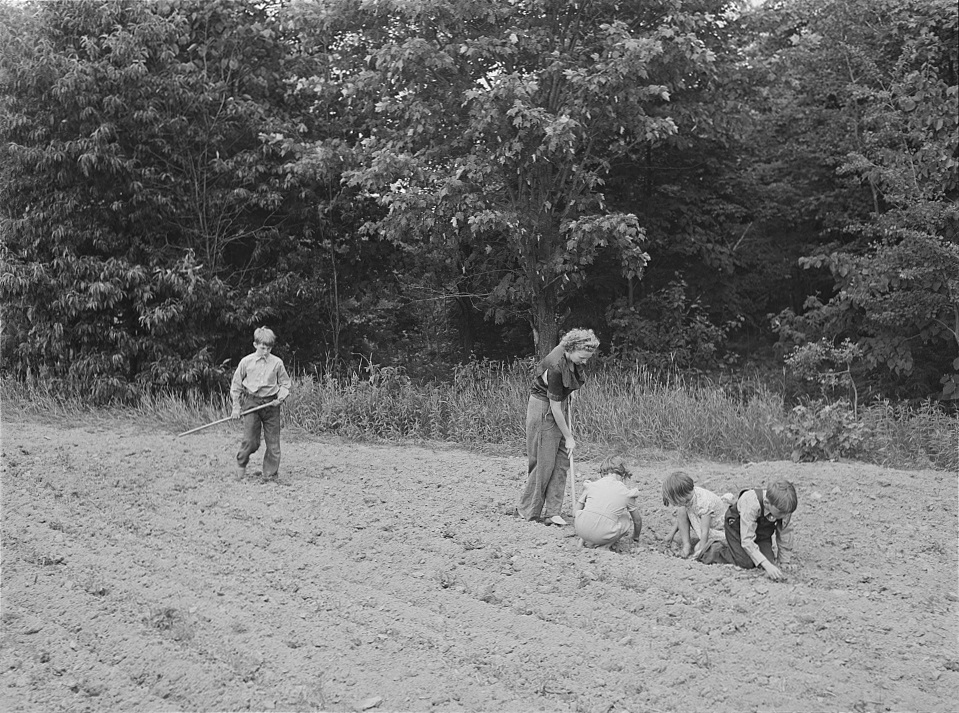
Gathering was largely given to children, who were shown the places and sent with a basket or a pail while adults worked.
Not applicable.
Giving the job to children makes sense from every direction. The work needs patience and small hands rather than strength, it gets a child out of the house, and it is how the knowledge transferred – which means the gathering was a teaching arrangement that happened to produce dinner.
11. It Was Also Spring Tonic
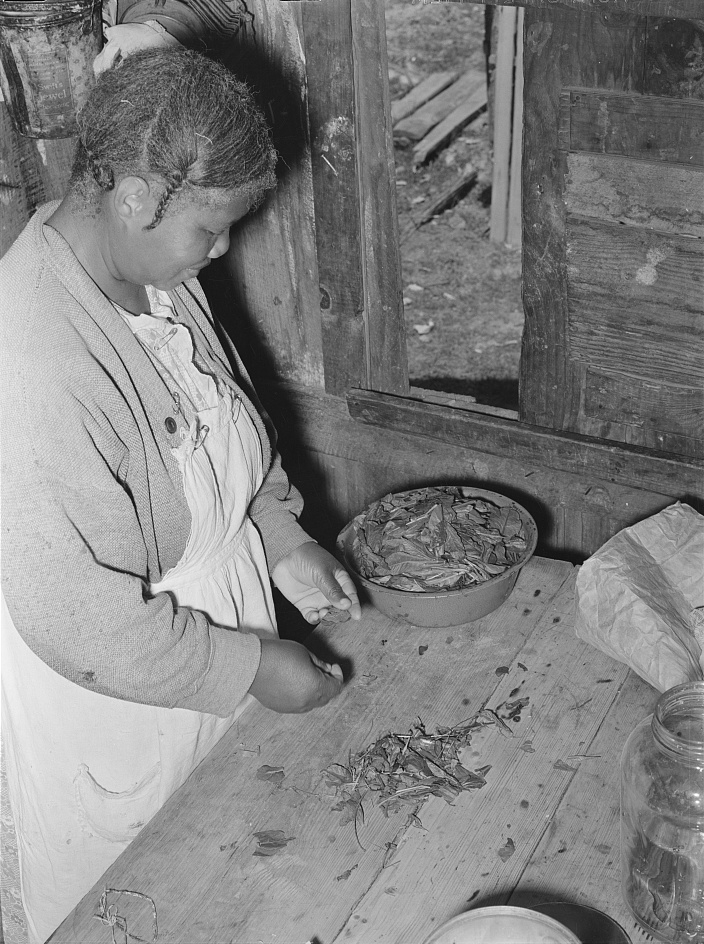
Households believed the first greens were good for you after a winter of stored food, and ate them partly for that reason.
The reasoning is understood differently now.
The belief was substantially right while the explanation was wrong. A diet of cellar roots and preserved food through five months genuinely lacks what fresh leaves supply, and people noticed they felt better in spring and attributed it to the greens – so the practice was sound even though the account of why was not. This file explains none of the nutritional specifics and makes no health claim.
12. Some Plants Came From Somewhere Else
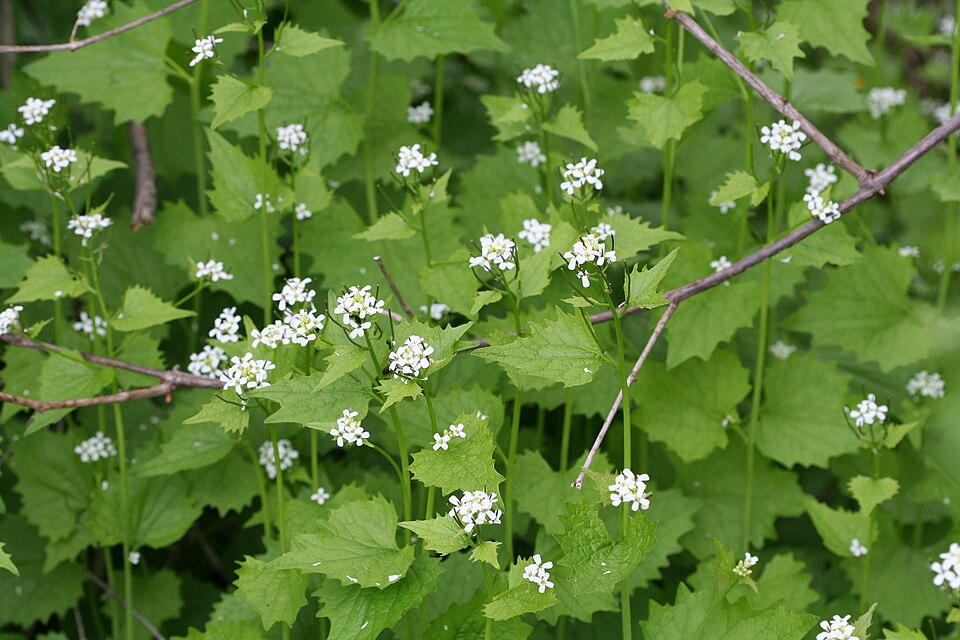
A number of the most-gathered plants were not native. They arrived with settlement, spread along roads and disturbed ground, and became the commonest things in the fencerow.
Those plants are now treated as weeds and controlled.
The origin is a genuinely interesting reversal and it should be stated plainly. Several of the plants a household depended on in April had come across an ocean, escaped gardens, and colonised exactly the disturbed edges that farming created – which means the gathering tradition was built partly on arrivals rather than on an ancient local practice.
13. The Same Plants Became the Enemy
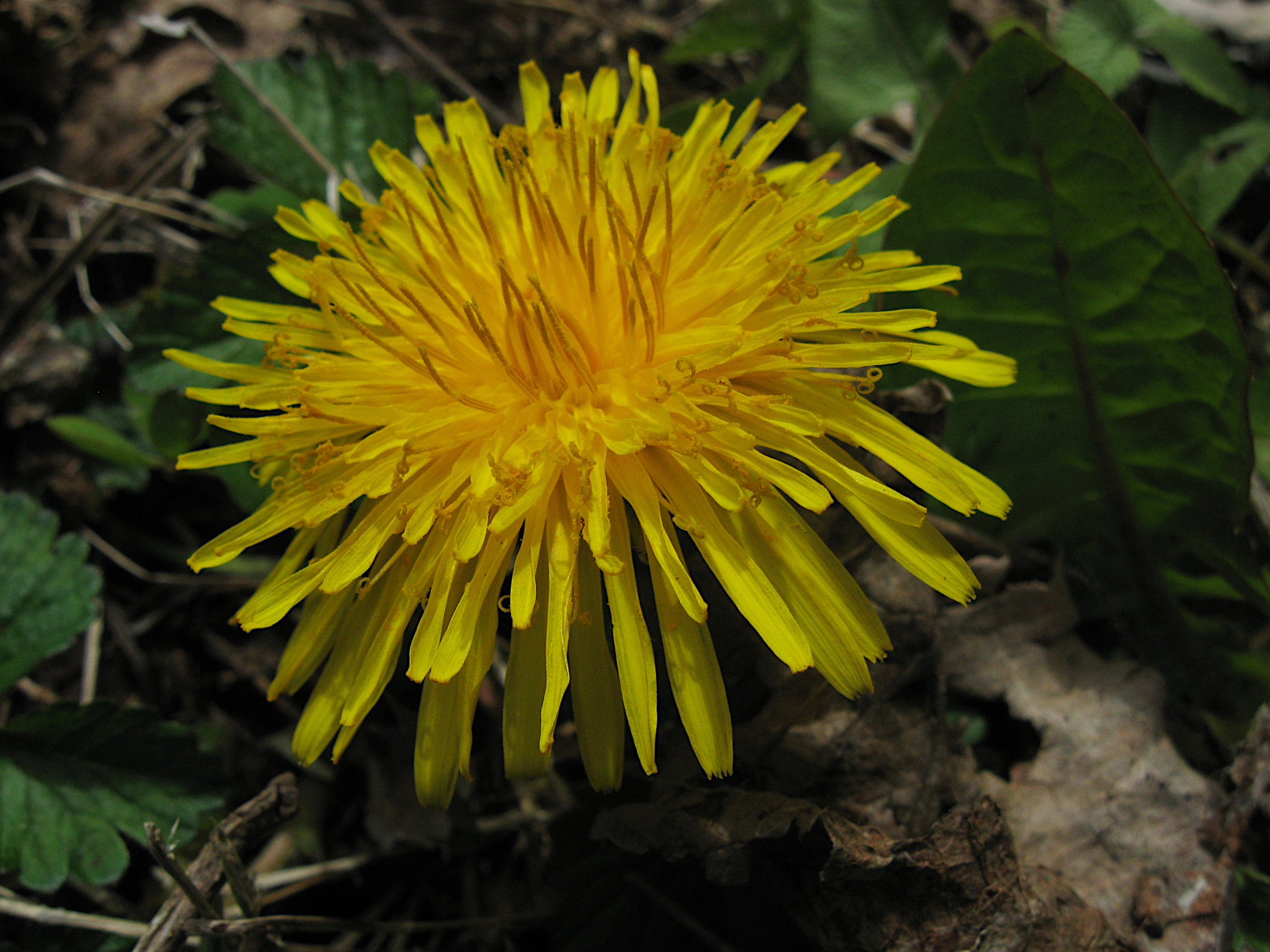
Once the gathering stopped, the plants that had been food were reclassified as weeds and attacked – in lawns, in crops and along roads.
Universal.
The reclassification is the single sharpest thing in this story. Nothing about the plant changed at all; what changed was that a household could buy greens, and the moment it could, the same leaf growing in the same place stopped being a resource and became a problem to be sprayed.
14. Then the Roadsides and Fields Were Sprayed
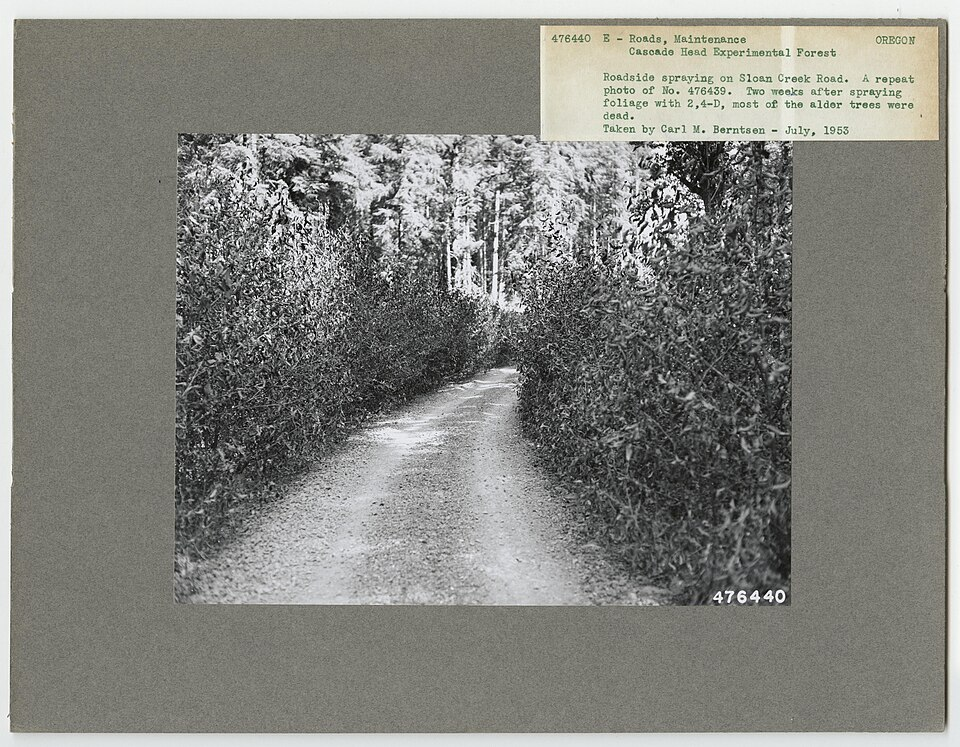
Chemical control of unwanted plants along roads, in pastures and in crops became routine, which changed what grew in the places gatherers had gone.
Standard practice.
Spraying ended the practice in the most direct way possible, by making the gathering places unusable. Anybody who still knew the plants now had to know what had been applied and where, which is a question a child with a pail cannot answer – and that alone was enough to stop it. This file names no chemical, gives no safety guidance and takes no position on the practice.
15. Then Greens Came in a Store and in a Can

Cultivated greens, fresh and canned, became cheap and available year round – at which point the walk along the fencerow was no longer worth making.
Universal.
Availability is the real cause and everything else is secondary. Nobody abandoned wild greens because they disliked them; they abandoned them because a store carried greens in March, which removed the entire reason the practice existed – and a free thing that costs an hour’s walk loses to a cheap thing that costs five minutes.
16. And by 1964 It Was Nostalgia, Not Supper
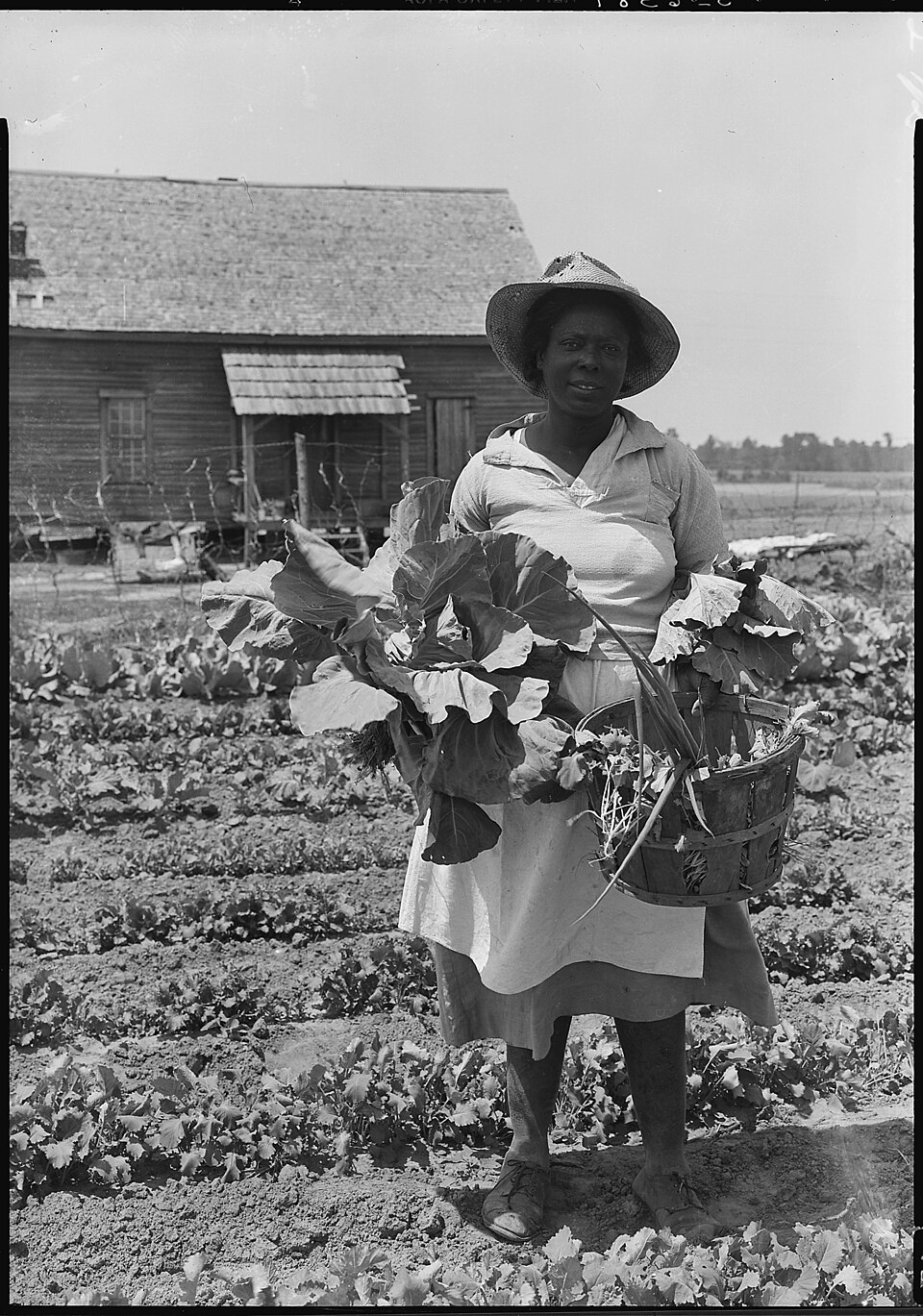
People who still gathered in 1964 mostly did it because they had always done it and liked the taste, rather than because the family needed the food.
A minority interest, pursued for flavour, for connection to a tradition, or as a hobby.
And the thing worth sitting with is what the change actually means, because it is not a loss of flavour or of a quaint custom. For a very long time, a household’s food supply had a hole in it every spring, and the plants that filled that hole were free, uncultivated, and known to whichever member of the family had been shown. That is a household standing between itself and a hungry month using nothing but knowledge. When the store carried greens in March the hole closed, which is unambiguously a good thing and nobody should want it back. But the knowledge went with it – not because it was disproved or replaced, but because it stopped being needed – and a body of specific, local, hard-won information about which plants, which ground, which weeks and which end of the season simply left, one household at a time, in a single generation. It was never written down because it never had to be. And the plants are all still out there, in the same fencerows, being sprayed.
The Knowledge Left in One Generation
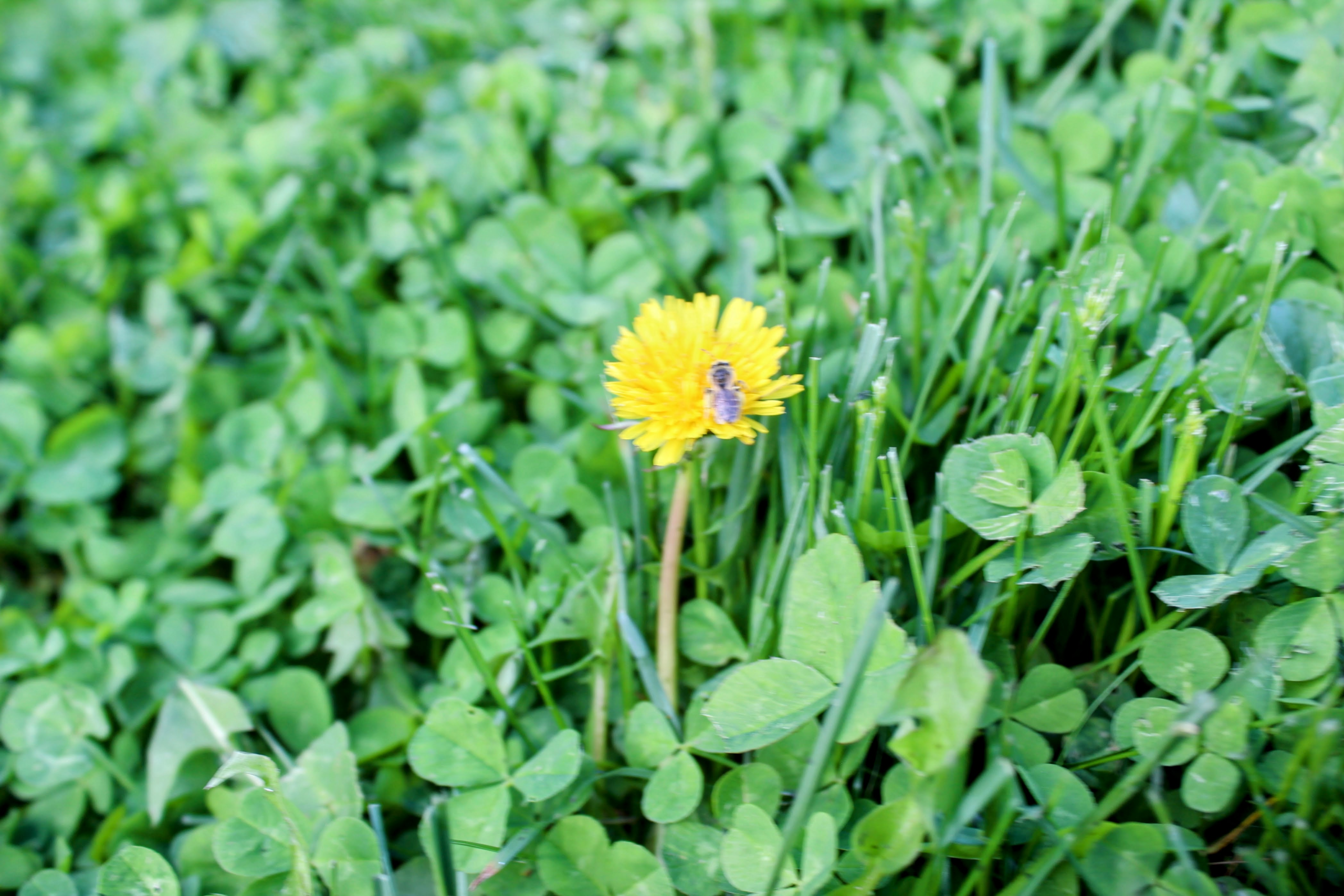
Wild greens get remembered as country eating, which gets the flavour right and the reason entirely wrong.
Here is the reason. A household that ate from a cellar ran that cellar down over the winter, and the bottom of it came in March and April – when the hens were only starting to lay properly again and the garden was bare dirt. Nothing planted that year was anywhere near ready. The gap was real, it came every single year, and it was the hungriest point on the calendar.
And in exactly that window, plants nobody had planted came up in the fencerows.
That is the whole explanation. Not tradition, not taste – timing. A plant that produces tender leaves in April, by itself, with no seed money and no labour but the walk, is the first fresh food in five months for a family that has none.
The practice had a real structure to it.
Somebody specific held the knowledge, usually an older woman, and she taught it by walking a child along a fencerow and pointing. Which is why it vanished so completely later: knowledge carried in a head and transmitted by being shown dies with the household that stops walking.
Experienced gatherers went to particular places rather than wandering – a south slope that warmed early, the lee of a building, a creek bank, ground that had been disturbed. That reads as mysterious and is purely practical: warm ground comes up first, and aspect, drainage and shade determine what grows where.
And they took only young growth. A thin-walled spring leaf is tender; as the plant matures it lays down fibre for support and concentrates bitter compounds, and once it heads toward flowering it changes substantially. So the season was short by the plant’s own biology, not by custom.
Several kinds went into one pot, because no single plant grew in enough quantity and because the flavours were strong enough individually to want tempering. That is exactly the logic behind the bagged mixed greens in a modern cooler.
The cooking was long, often in more than one water, and it did three separate things: softened tough leaves, drew bitterness out into water that was poured off, and evened out a potful of wild plants of varying age and condition. The liquid left behind was saved and used, which reflects a correct intuition – a long boil moves water-soluble material out of the leaf and into the pot, and a household with very little did not pour that away.
Vinegar was on the table almost without exception, and it was doing real work: sharpness cuts the flat heaviness of long-boiled leaves and makes bitterness pleasant instead of dominant.
Two things about the plants themselves are worth knowing.
A number of the most-gathered ones were not native. They came with settlement, spread along roads and disturbed ground, and colonised precisely the edges that farming itself created – so the tradition was built partly on arrivals rather than on ancient local practice.
And then those same plants were reclassified as enemies. Nothing about them changed. What changed was that a household could buy greens, and the moment it could, the identical leaf in the identical fencerow stopped being a resource and became a weed to be sprayed.
Which is how it ended. Spraying made the gathering places unusable, because anybody still gathering now had to know what had been applied and where – a question a child with a pail cannot answer. And cultivated greens arrived in stores and in cans, cheap and available year round, which removed the reason the practice existed at all.
The hole in the spring food supply closed. That is unambiguously good and nobody should want it back.
But the knowledge went with it. Not disproved, not replaced – just no longer needed. A body of specific, local, hard-won information about which plants, which ground and which weeks left one household at a time, inside a single generation, having never been written down because it never had to be.
And the plants are all still out there.
If somebody in your family still knows which plants, ask them this spring.
That knowledge was never written down anywhere.
Like our content? Follow us for more.