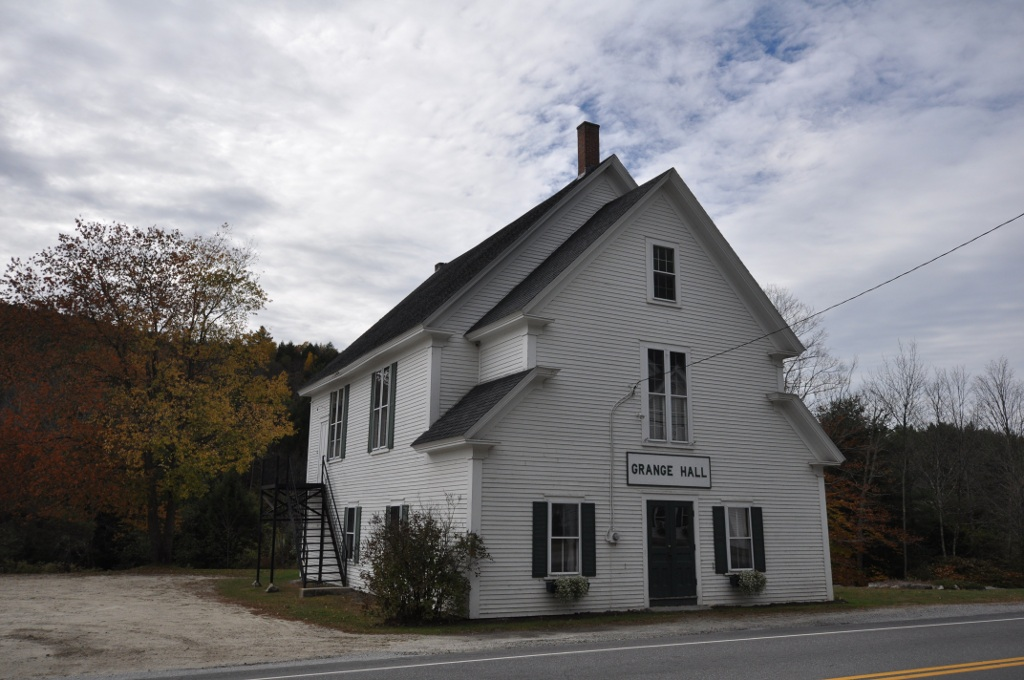
Farmers built their own halls, with their own money, and held the deed.
A plain frame building with a meeting room, a kitchen and a stage, put up by the local chapter and owned by it – which is a different thing from a rented room. And the organisation inside it was not primarily a social club: it was a membership body with objects, officers, dues and a programme, aimed at improving the position of farm households through cooperation, education and organised advocacy.
The practical core was buying together. One farm placing an order has no bargaining power; fifty farms placing one are a customer worth quoting a price to. Women were members in their own right, with votes and defined offices, which was unusual for the period. And there was ritual, degrees, passwords and a closed portion of the meeting. Here are sixteen things every farm family knew.
1. It Was a Hall Farmers Built and Owned Themselves
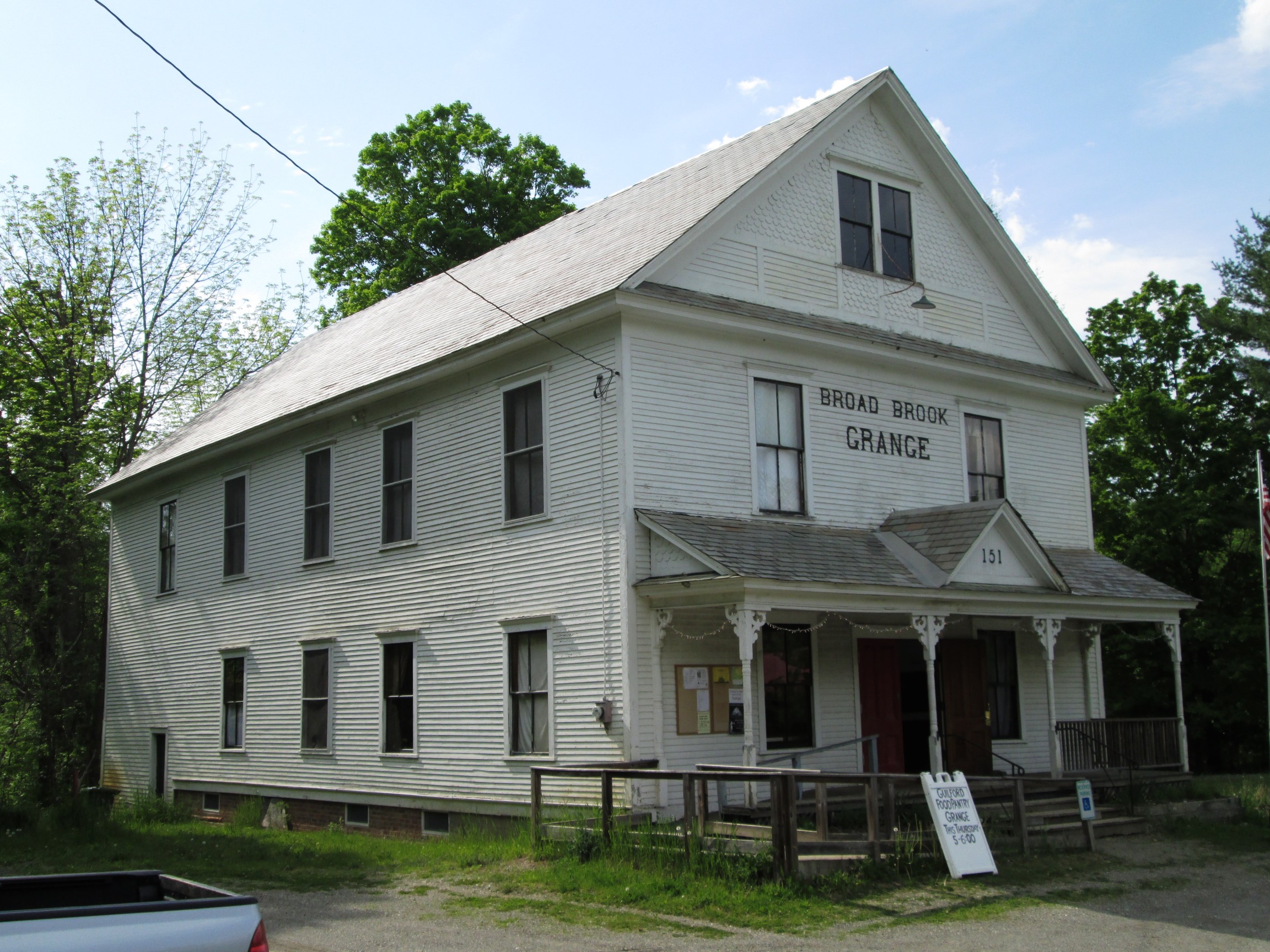
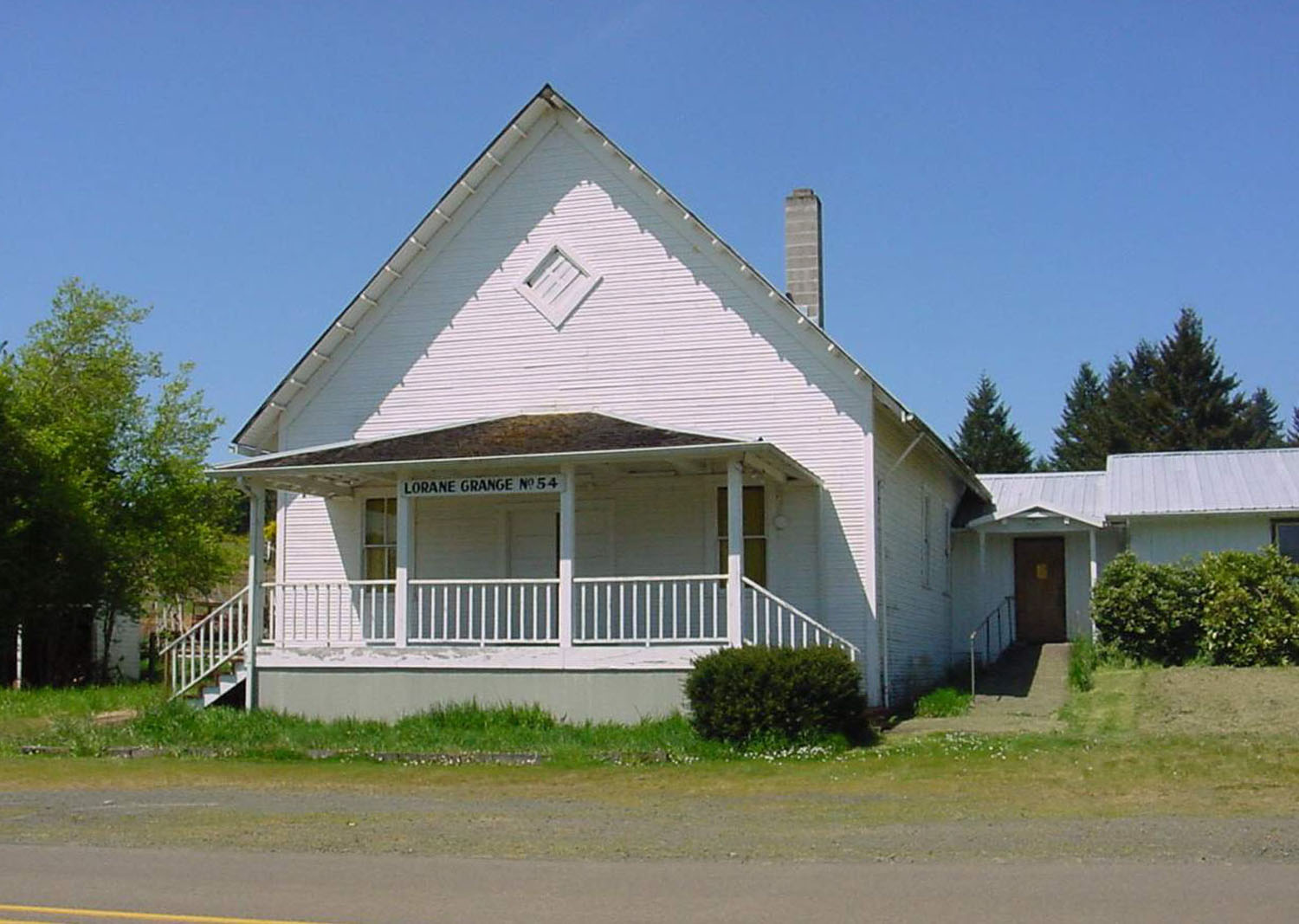
Local chapters put up their own buildings – a plain frame hall with a meeting room, a kitchen and a stage – paid for by members and held by the chapter rather than rented.
Mostly sold, repurposed or demolished, with a minority still in use by surviving chapters and by communities as rental halls.
Ownership is the first thing to establish because it changes what the building was. A rented room is somewhere you meet; a hall you built and hold the deed to is an asset, a statement and a place that belongs to you – which is why these were built plainly, solidly and at considerable collective expense.
Like our content? Follow us for more.
2. It Was a Farmers’ Organisation With a Programme
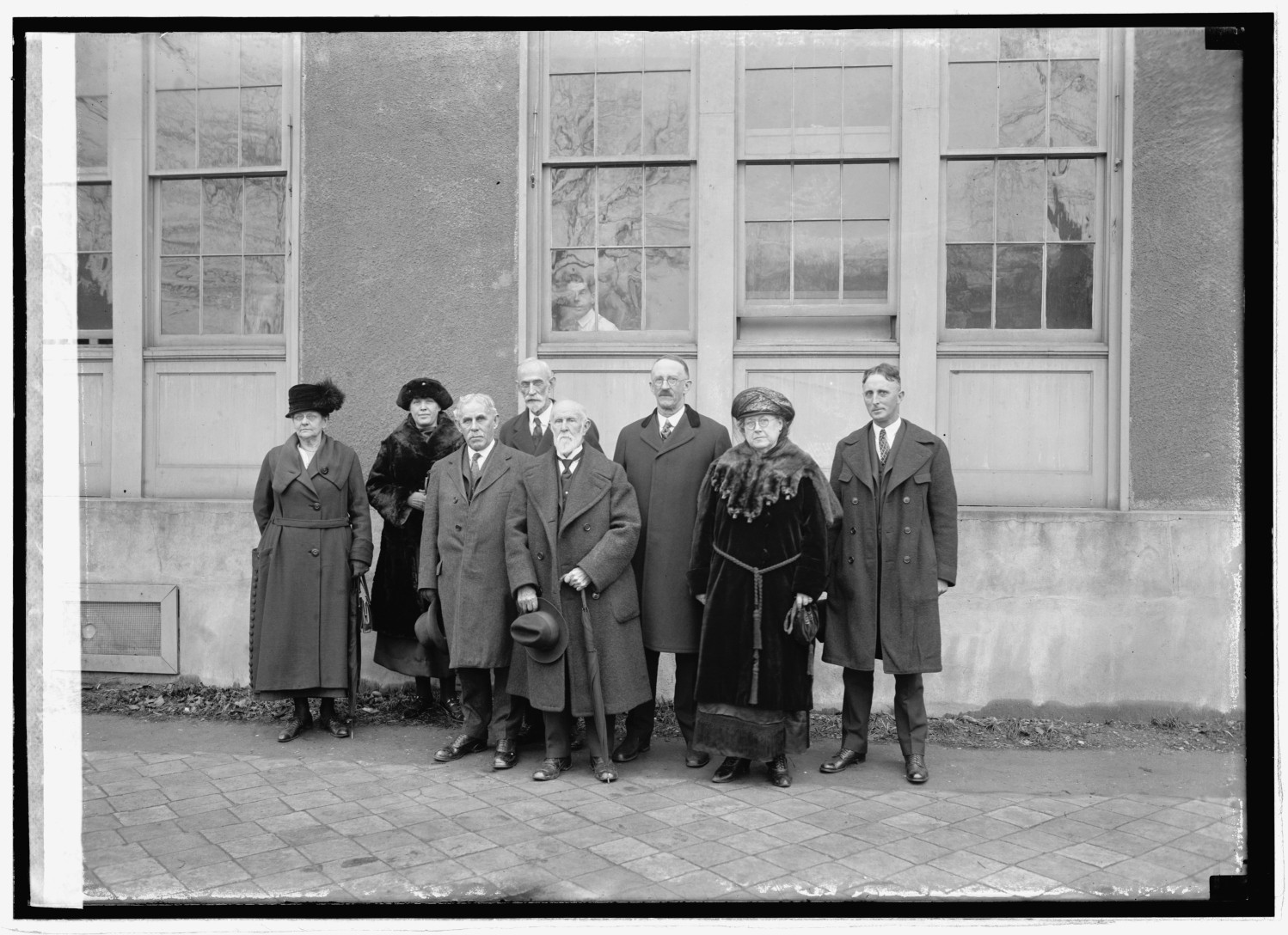
The order existed to improve the position of farm households through cooperation, education and organised advocacy, with a structure of local, state and national bodies.
Farm organisations continue in various forms, with the cooperative and advocacy functions institutionalised separately.
Taking the organisational purpose seriously is necessary, because a hall with a stage in it looks like a social club and this was not primarily one. It was a membership body with objects, officers, dues and a programme, and the socialising was built on top of that rather than being the point.
3. Cooperative Buying Was the Practical Core
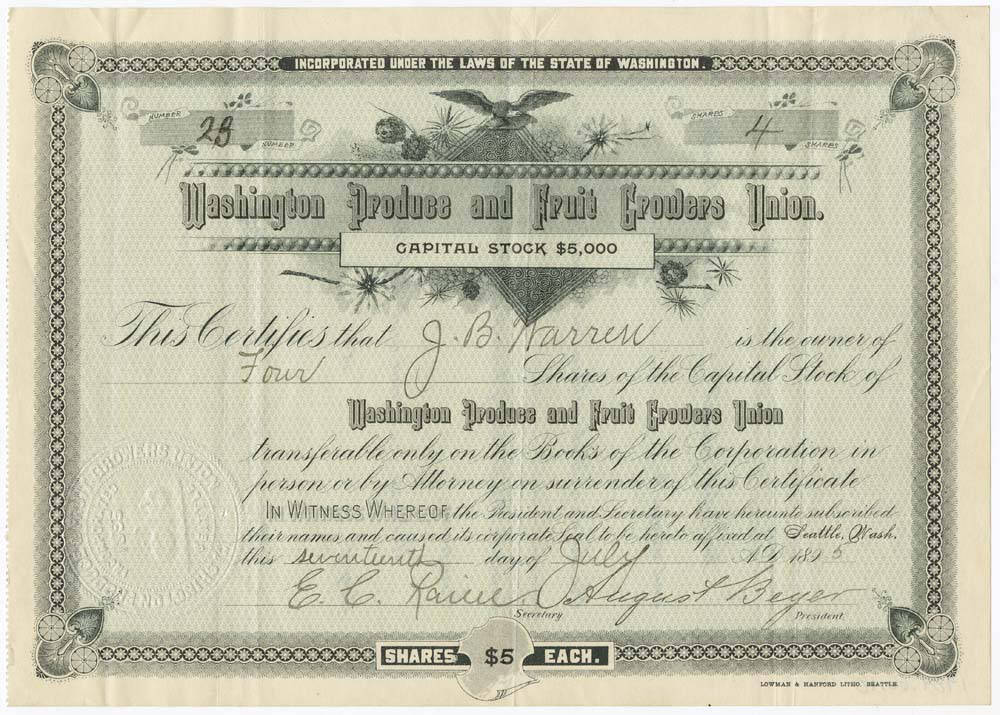
Chapters pooled orders so that members could buy supplies, equipment, seed and household goods in quantity, at prices a single farm could not obtain alone.
Agricultural cooperatives, farm supply chains and bulk purchasing on a far larger scale.
This is where the money was and it is the most concrete thing the organisation did. A single farm buying one order has no bargaining power at all; fifty farms buying together are a customer worth quoting a price to – which is a straightforward piece of economics that produced real savings and real hostility from the dealers it bypassed.
4. Women Were Members With Votes and Offices
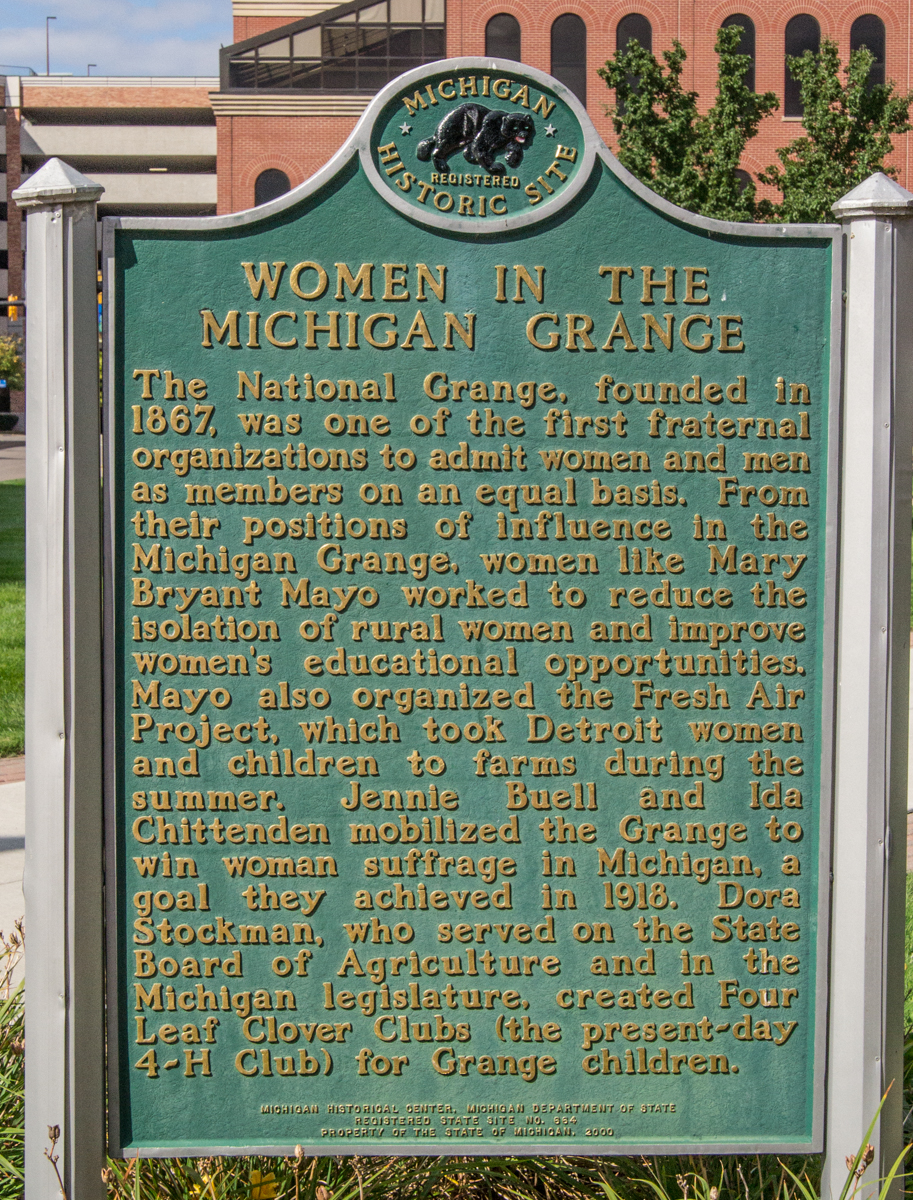
Women joined in their own right, held defined offices, voted and participated in debate – which was unusual among organisations of the period.
Standard, and unremarkable.
This deserves emphasis because it was deliberate rather than accidental. The organisation was constituted to include women as members rather than as auxiliaries, with named offices reserved for them, and in a period when very few bodies offered rural women any formal standing that was a genuinely substantial thing.
5. It Had Ritual, Degrees and Secrecy
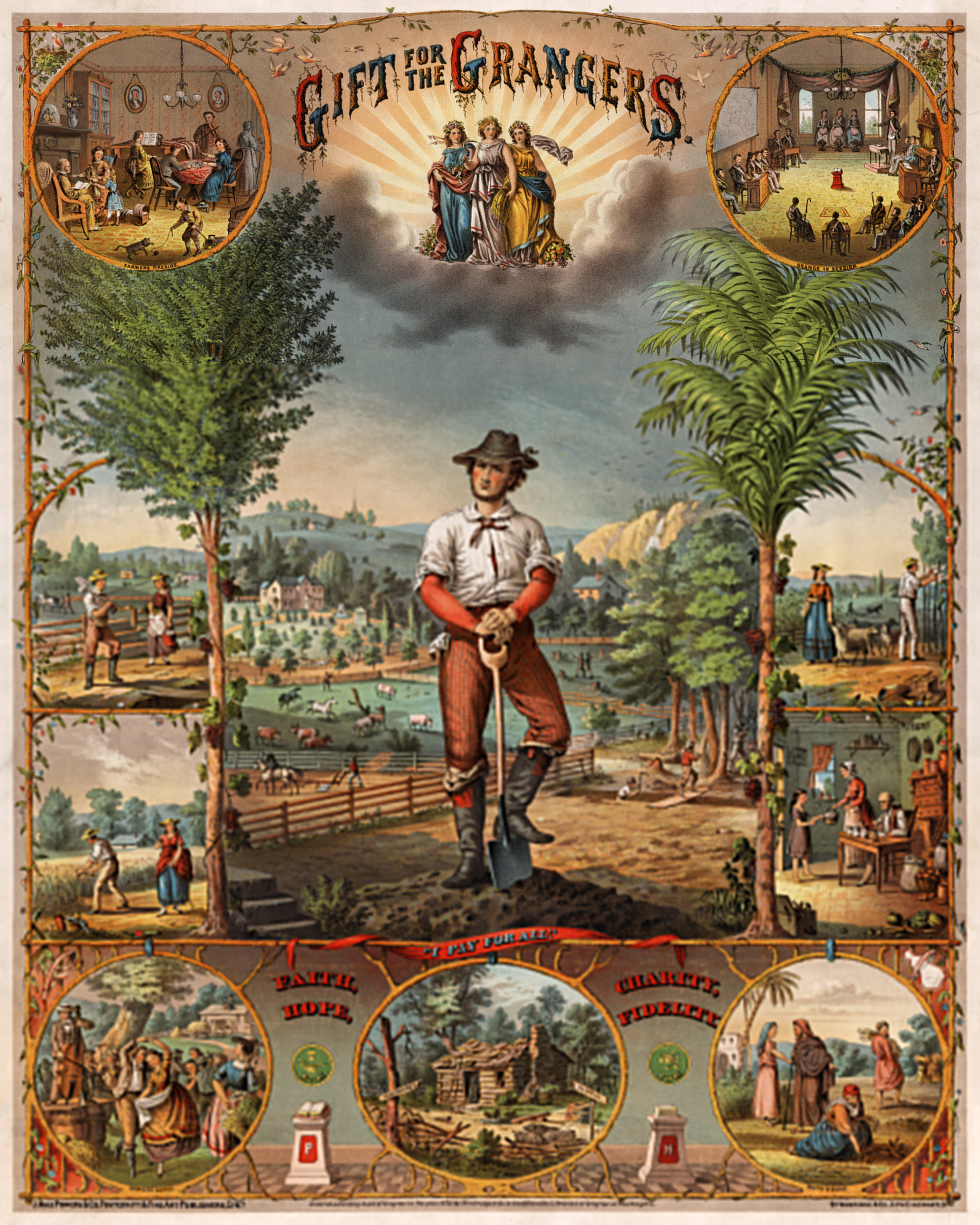
Meetings opened and closed with set forms, members progressed through degrees, there were passwords and a closed portion of the meeting, and the whole thing had a ceremonial apparatus.
Not applicable in most surviving organisations, and reduced where it persists.
The ritual is the part that looks strangest now and it had functions. Shared ceremony binds a membership, a closed meeting lets people speak frankly about prices and neighbours, and degrees give a structure of participation – and the fraternal model was simply the available template for organising anybody in that period.
6. The Agricultural Imagery Was the Whole Design
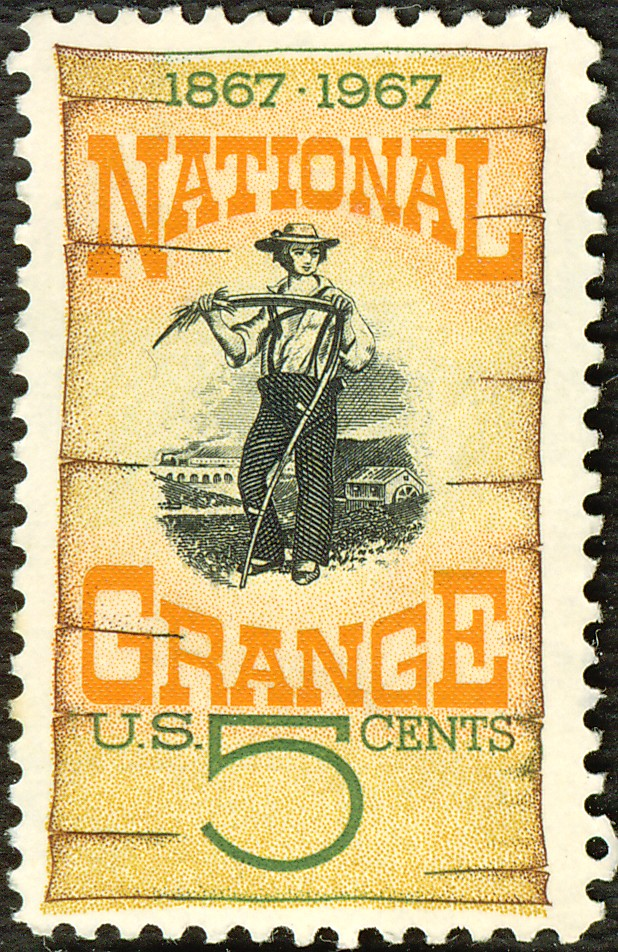
Offices, degrees and ceremonies were built around farming – the seasons, the crops, the tools and the year’s work – rather than being borrowed from somewhere else.
Not applicable.
Building the ritual out of agriculture is a nice piece of design and it signals the point. The organisation was asserting that farming was a dignified calling with its own traditions worth ceremonialising, which is a statement about status rather than a decorative choice.
7. The Hall Was the District’s Only Public Room
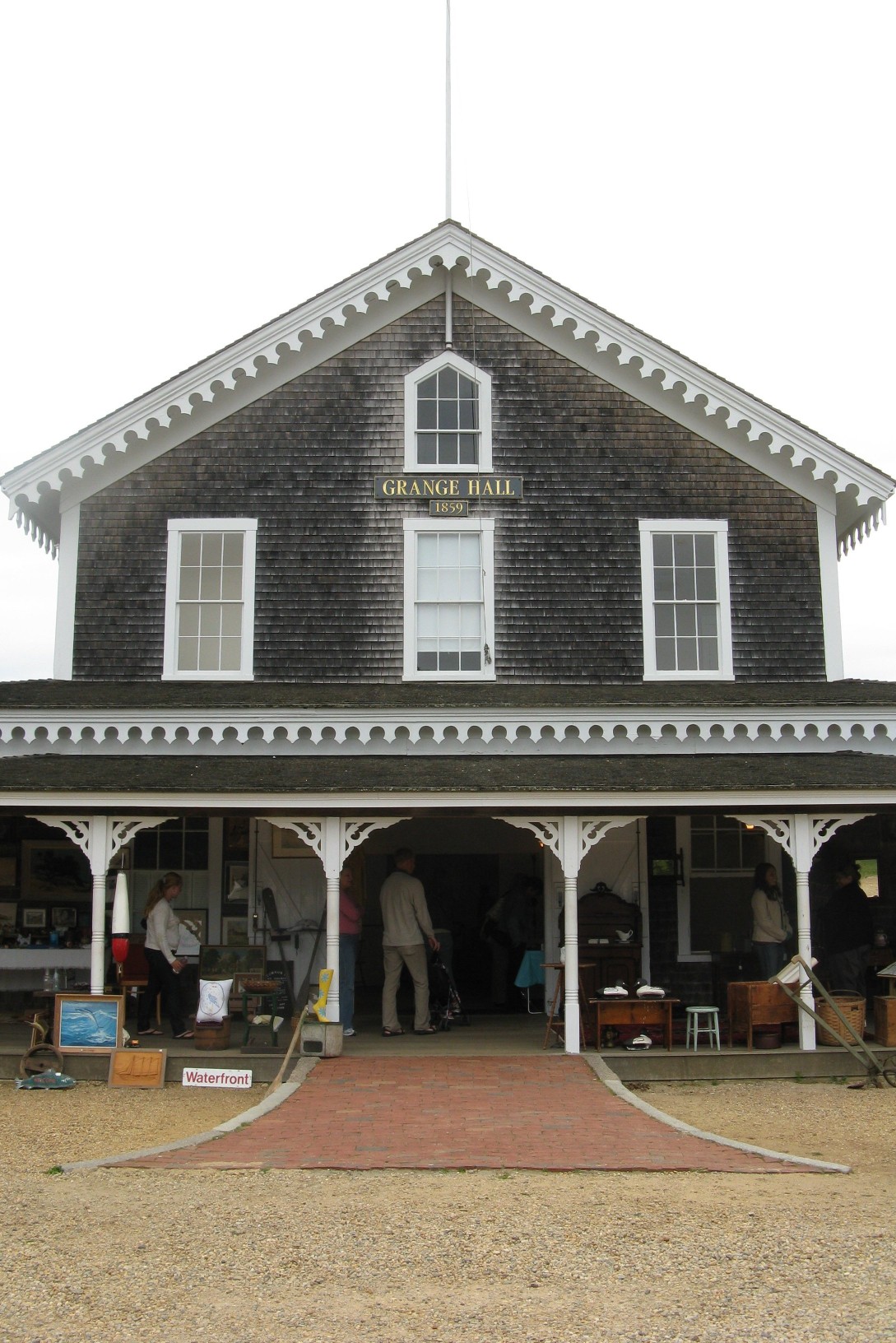
Because the chapter owned a building with a kitchen and a stage, it became the venue for suppers, plays, dances, meetings, elections, funerals and anything else a rural district needed a room for.
Not applicable in most places.
The spillover function is enormous and it is why these halls are remembered fondly by people who were never members. A district with no school large enough and no other hall will use the one building available for everything – which makes the organisation the landlord of its community’s social life.
8. The Suppers Were Famous
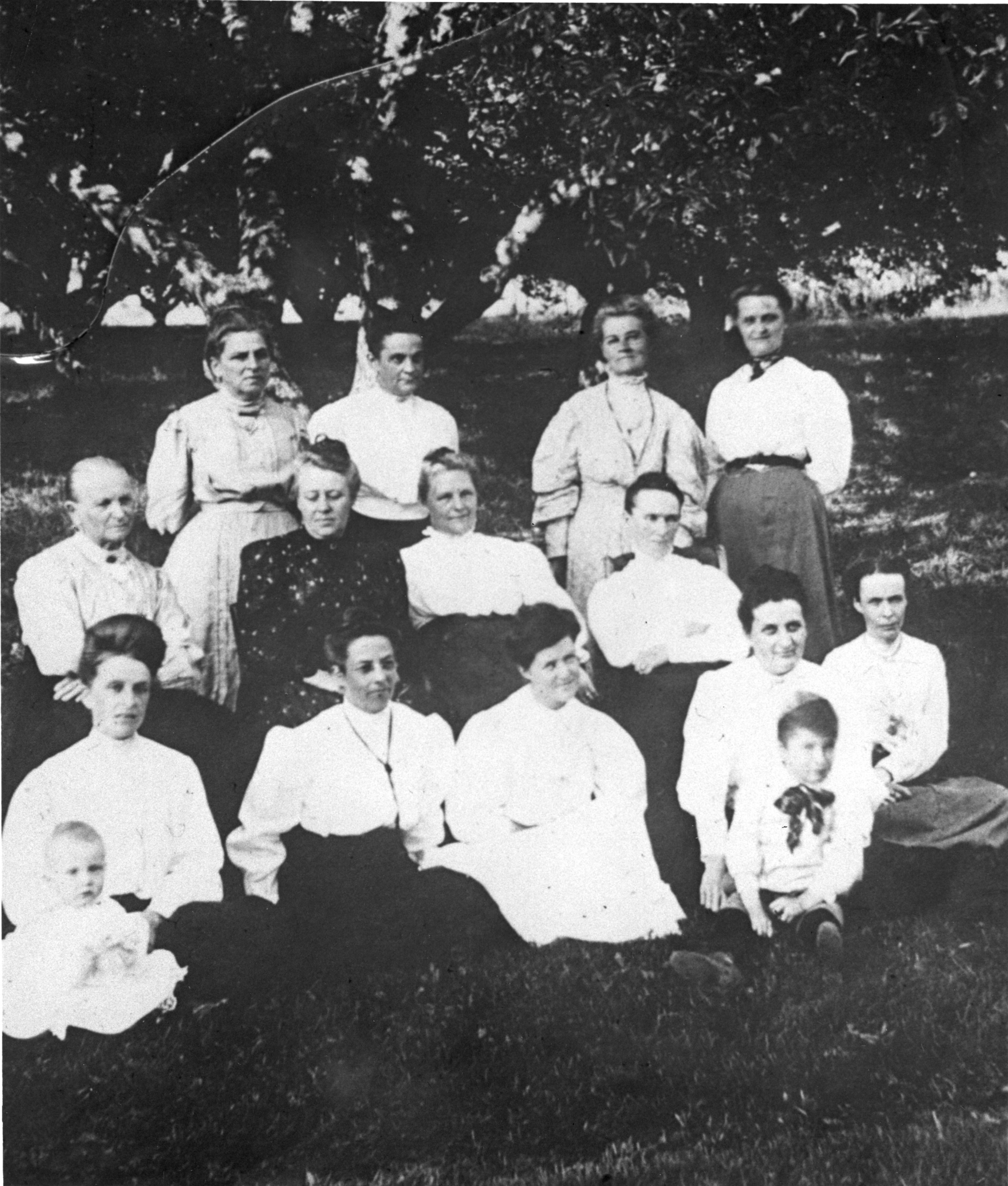
Chapter suppers, served in the hall kitchen by the membership, were substantial public events that raised money and fed a district.
Not applicable at that scale, though community suppers persist.
The kitchen is why the building was built the way it was. A hall intended to feed a hundred people needs a real kitchen rather than a corner, and the suppers were both the organisation’s public face and a considerable amount of unpaid work by its women members.
9. Lecture and Debate Were on the Programme
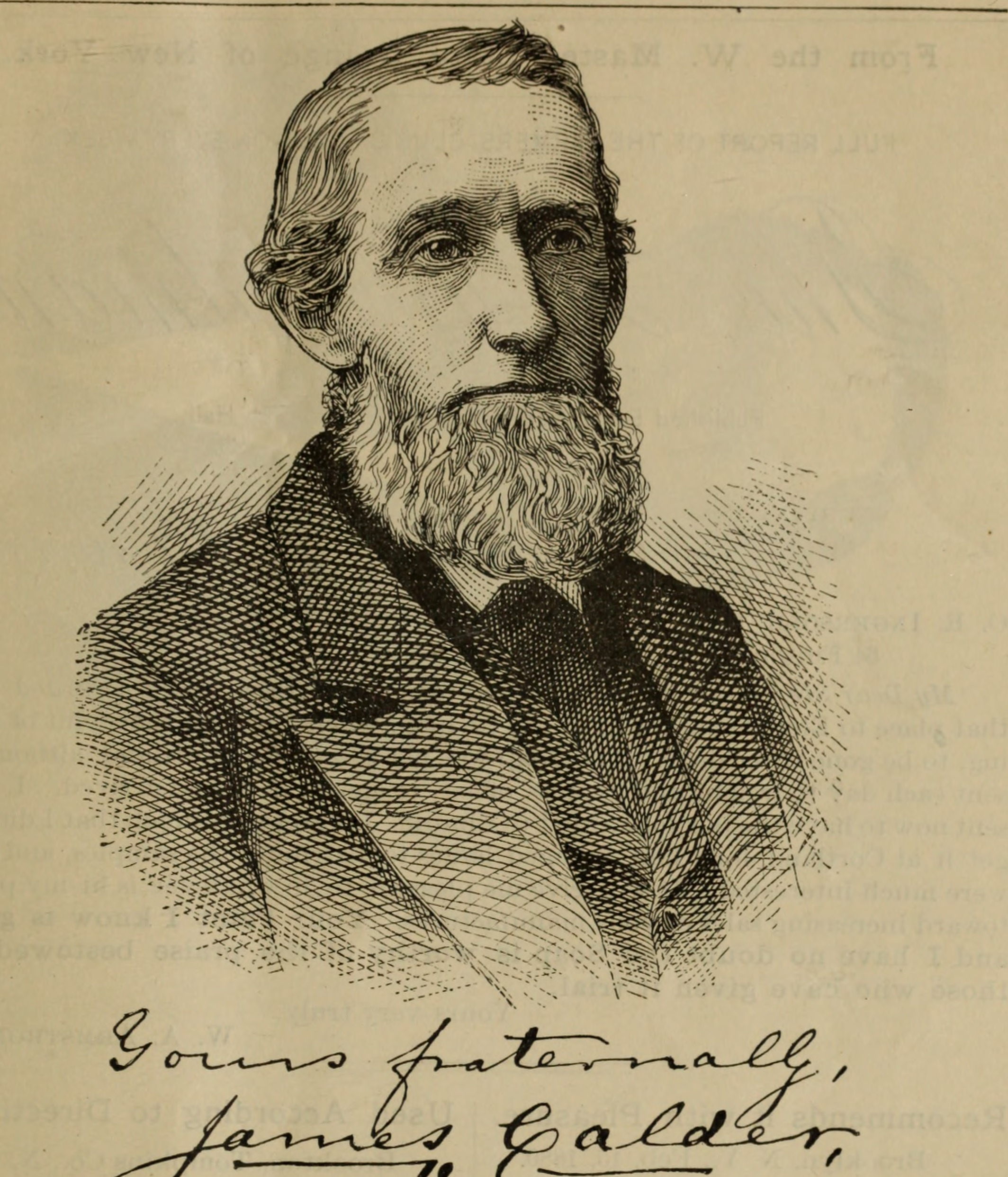
Meetings included a formal lecture or discussion on an agricultural, economic or public question, prepared by a member and followed by debate.
Not applicable in that form.
The educational element was written into the order’s structure rather than being optional. A meeting that includes a prepared paper and a discussion is a self-education institution with a social side, which is the same model as the literary society and was frequently running in the same buildings.
10. It Campaigned on Railroads and Middlemen
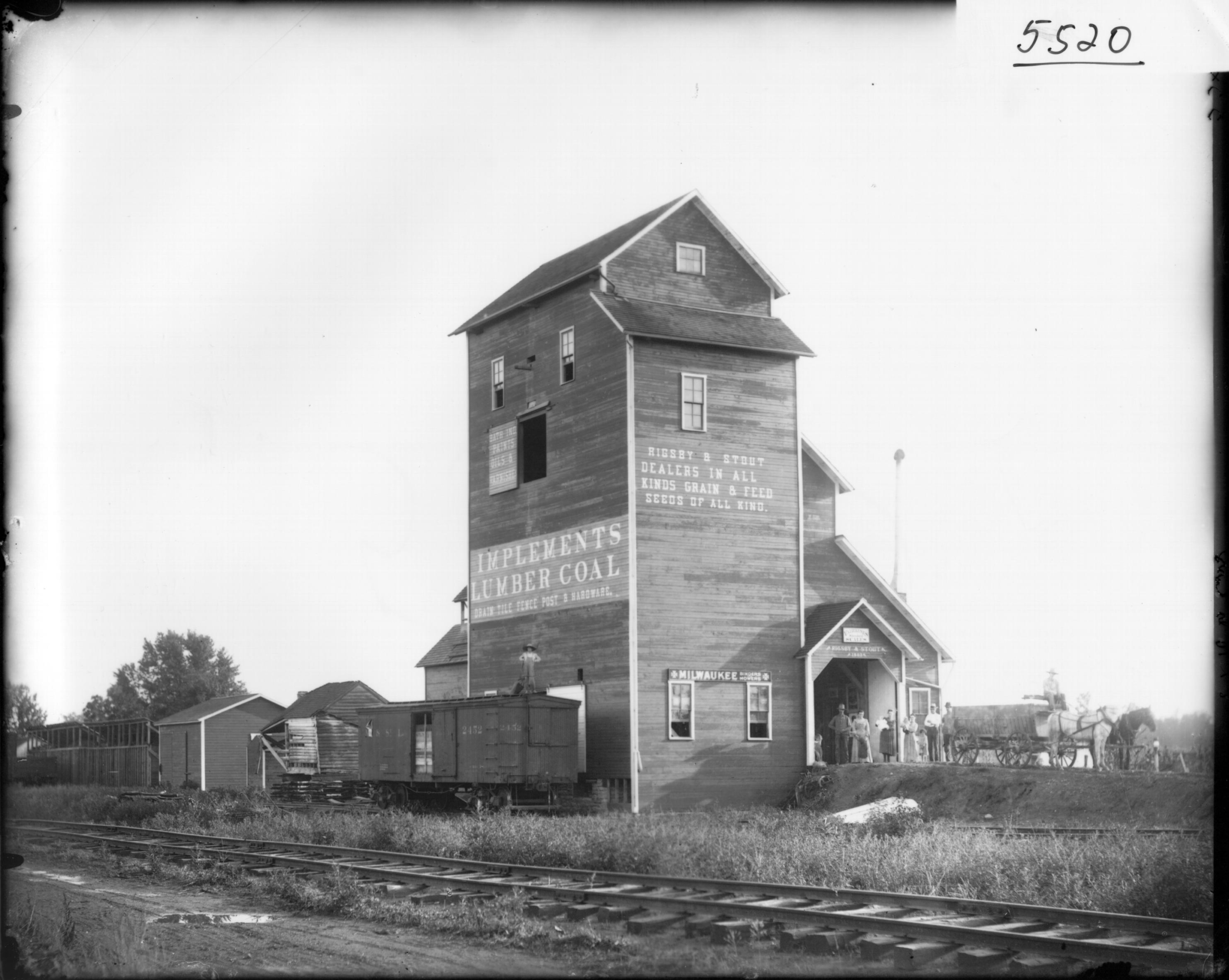
The organisation pressed politically on freight rates, grain handling, storage charges and the margins taken between the farm and the consumer.
Those functions are handled by regulation, by commodity organisations and by lobbying bodies.
The advocacy is the historically consequential half and it was effective. Farmers organising collectively about what they were charged to ship and store their crops produced real legislative results, and that is a large part of why the order mattered beyond its own membership.
11. It Was Non-Partisan on Paper
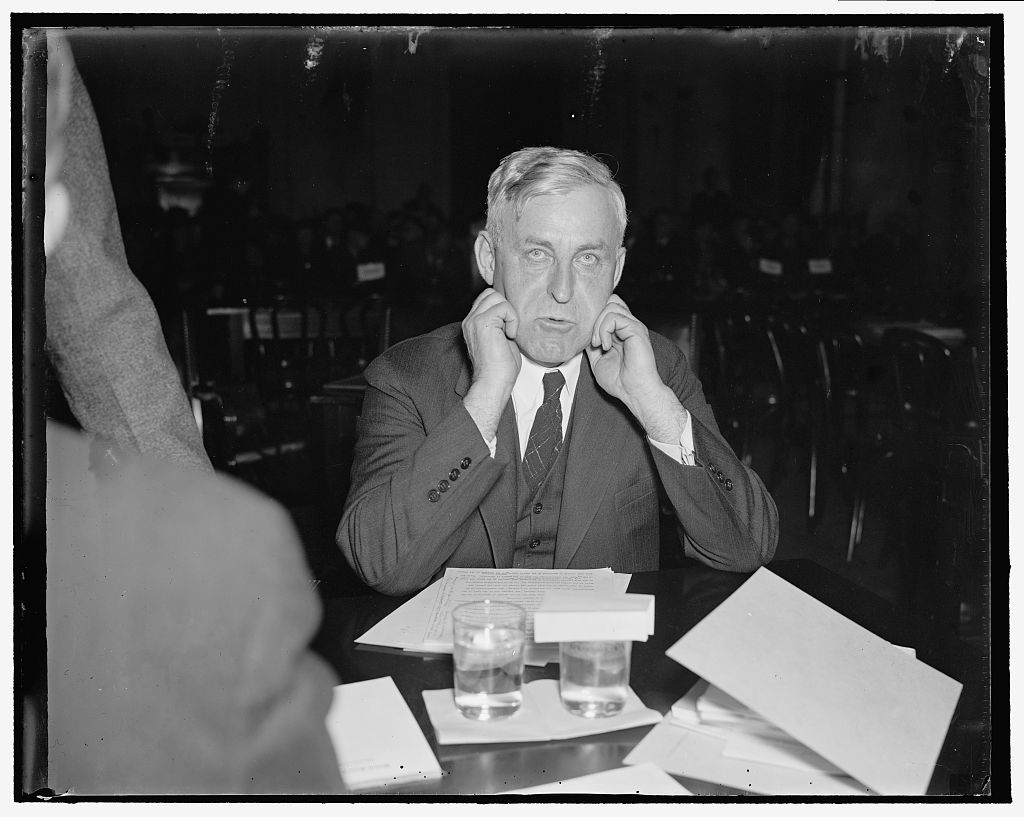
The order’s constitution barred it from endorsing parties or candidates, while permitting it to take positions on questions.
Standard practice for membership organisations.
The distinction is worth understanding rather than dismissing. An organisation that takes positions but endorses nobody can hold members of every party, which is the only way a farm body in a divided countryside stays large – and it also meant its influence was exercised through members rather than through the organisation’s own name.
12. Membership Rose and Fell Dramatically
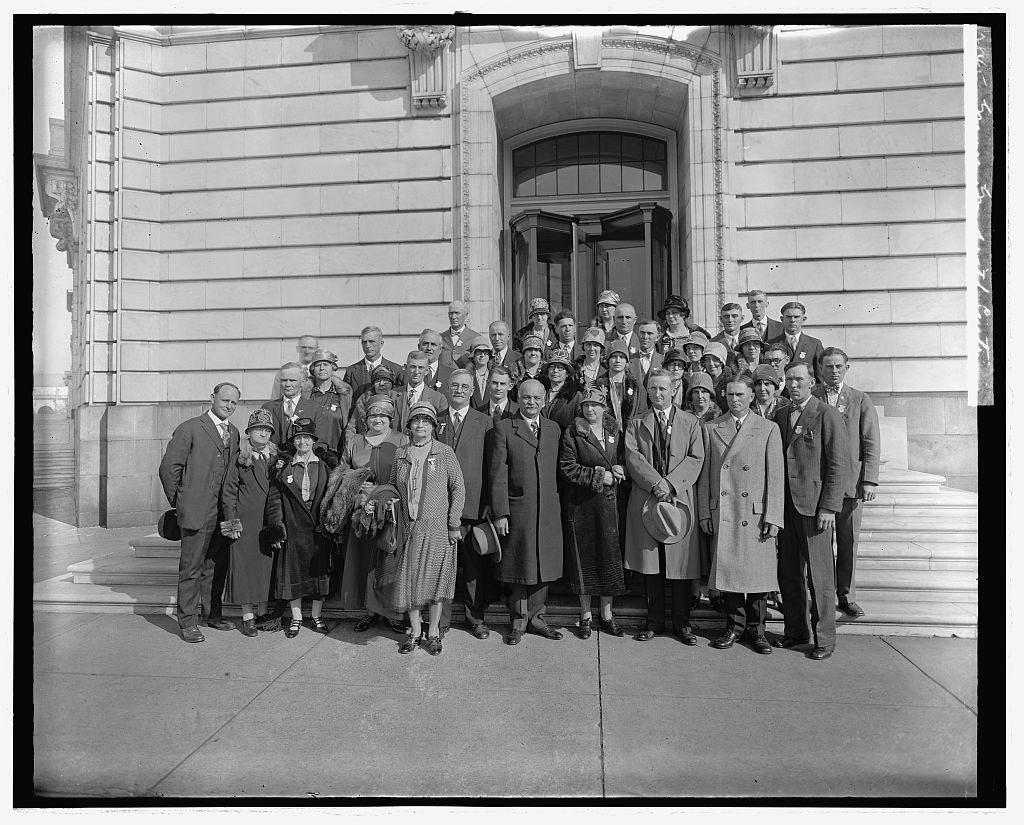
The order grew explosively, declined sharply, and then recovered and declined again over its history, with chapters opening and closing in waves.
Not applicable at that scale.
The volatility is instructive about what the organisation was for. Membership surged when farm prices were bad and fell when they were good, which tells you that a great many people joined for the cooperative buying and the advocacy rather than for the ritual – and left when those mattered less.
13. Then the Car Took the Social Function
Once families could reach a town, a cinema or a larger centre on an evening, a hall at a crossroads stopped being the only available place to go.
Universal.
Mobility is the first cause and it is the same one that ended every other local institution in these files. A building whose advantage was being within reach loses that advantage when everything else comes within reach too.
14. Then the Cooperative Function Was Institutionalised
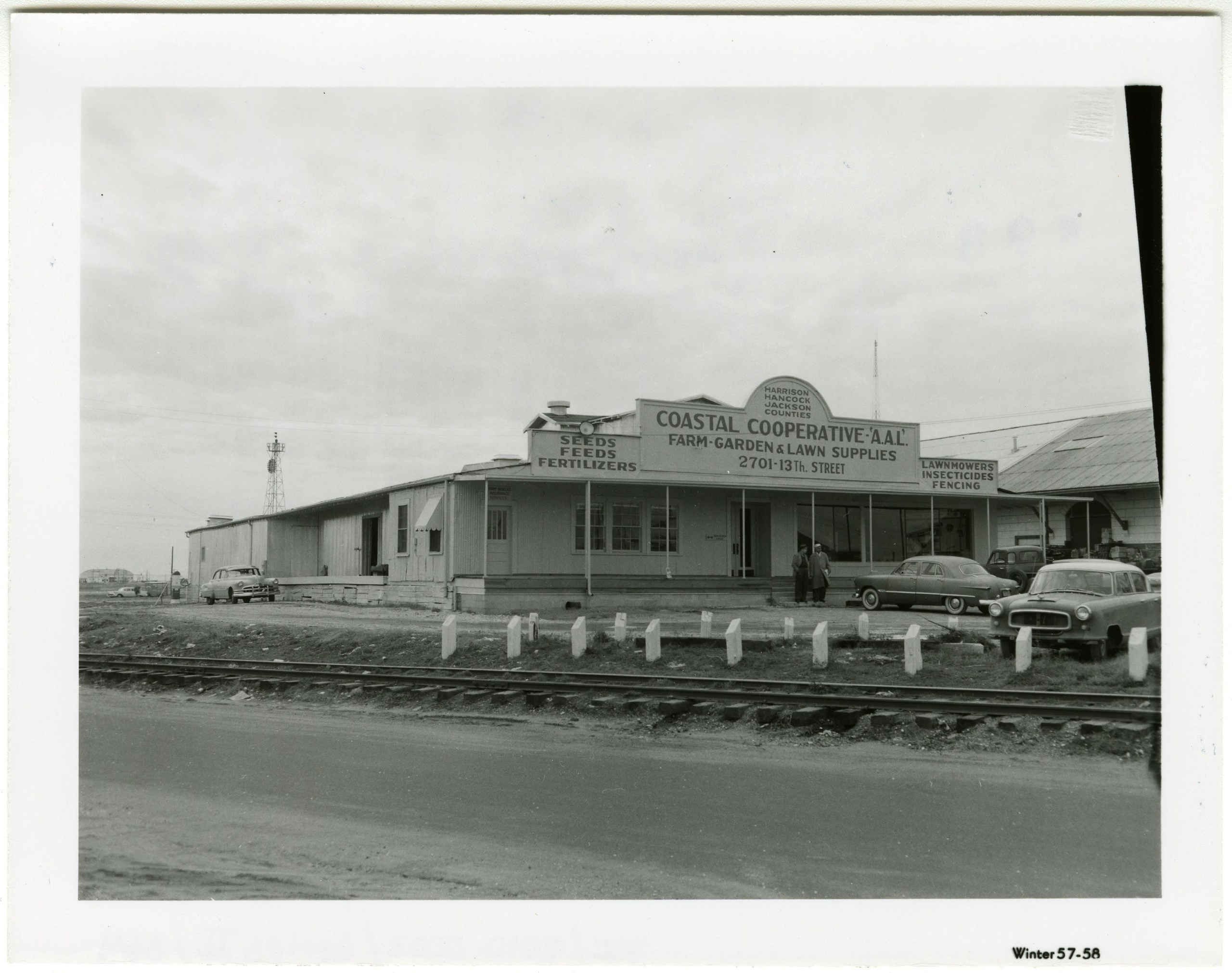
Purpose-built agricultural cooperatives, farm supply companies and commodity organisations took over bulk buying and marketing at a scale a local chapter could not approach.
Standard.
This is the decisive change and it is a success rather than a defeat. The organisation’s central practical purpose was pooling purchasing power, and that function grew into professional institutions – which means the chapter did not fail at it so much as outgrow the level a volunteer body could operate at.
15. Then the Farms Themselves Disappeared
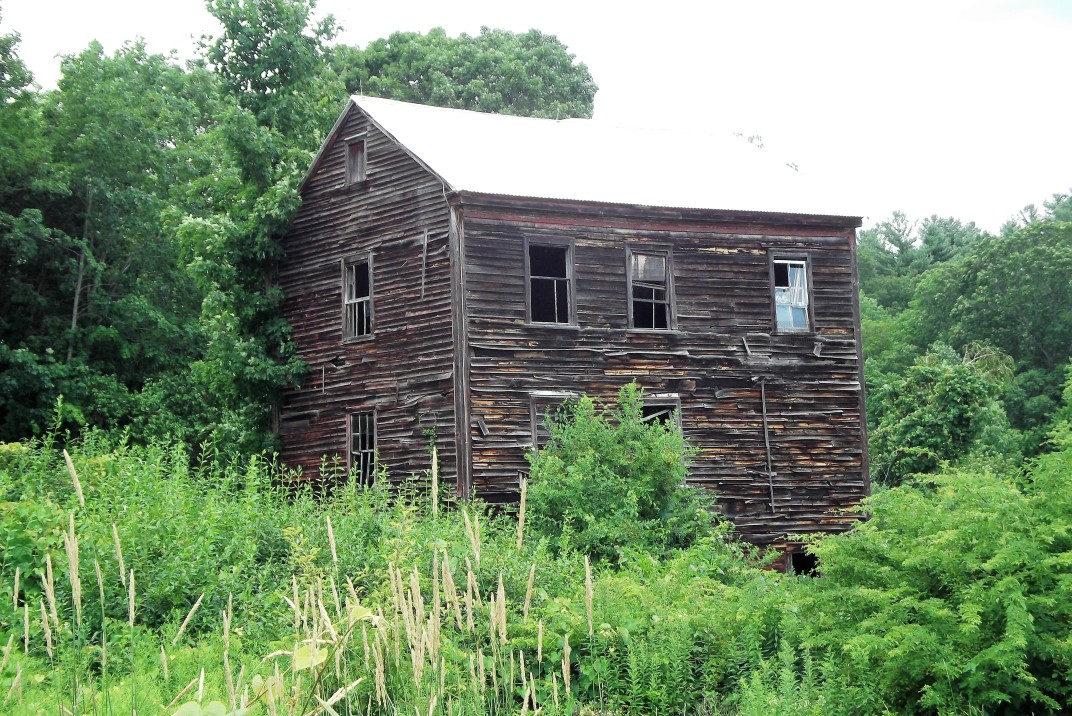
Consolidation reduced the number of farm households enormously, which removed the population a local chapter needed to function.
Standard across rural America.
Demography finished it and there is no answer to that. An organisation of farm families in a township cannot continue when the township has a quarter as many farm families, and the halls closed at the same time as the schools and for the same reason.
16. Then the Hall Was Sold or Stood Empty
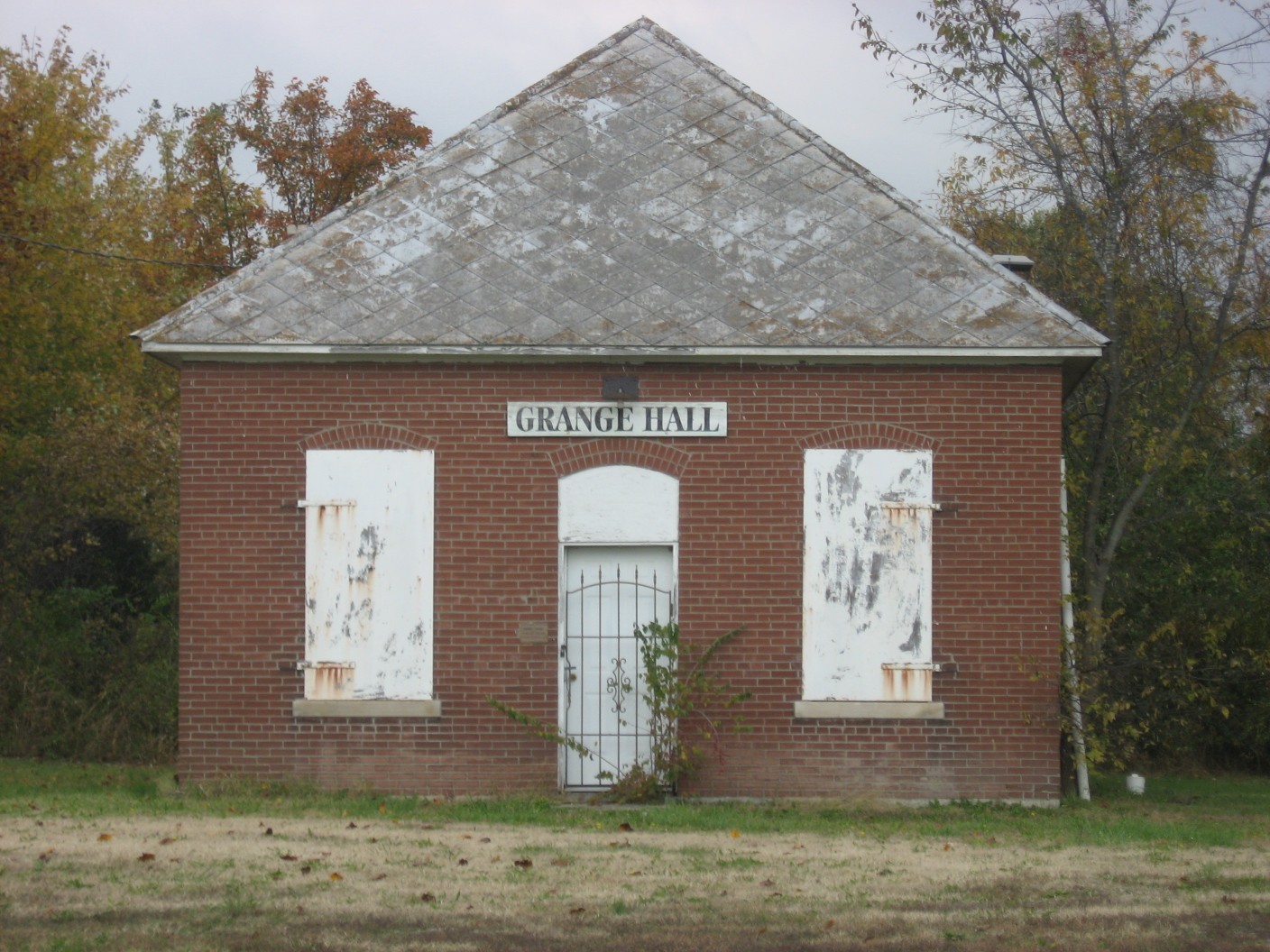
By 1964 a great many chapters had folded and their halls had been sold, converted or left to deteriorate, while the surviving ones continued on reduced membership.
A minority still active, with many halls now community buildings, houses, workshops or ruins.
And what deserves the final word is that this was farmers building an institution for themselves from nothing. No government established it, no company funded it and no outside body ran it – farm households paid dues, elected their own officers, built their own halls out of their own money, wrote a ritual out of their own work, admitted their wives and daughters as full members with votes, pooled their orders to get a price, prepared papers and debated them, and organised politically about freight rates until the law changed. That is a remarkable amount of self-organisation from people who were individually powerless and widely scattered. And the most successful parts of it are the reason it declined, because collective buying grew into professional cooperatives and the political work became permanent institutions – which left the ritual, the stage and the kitchen, and those were the parts a car could take away.
Farmers Built an Entire Institution From Nothing
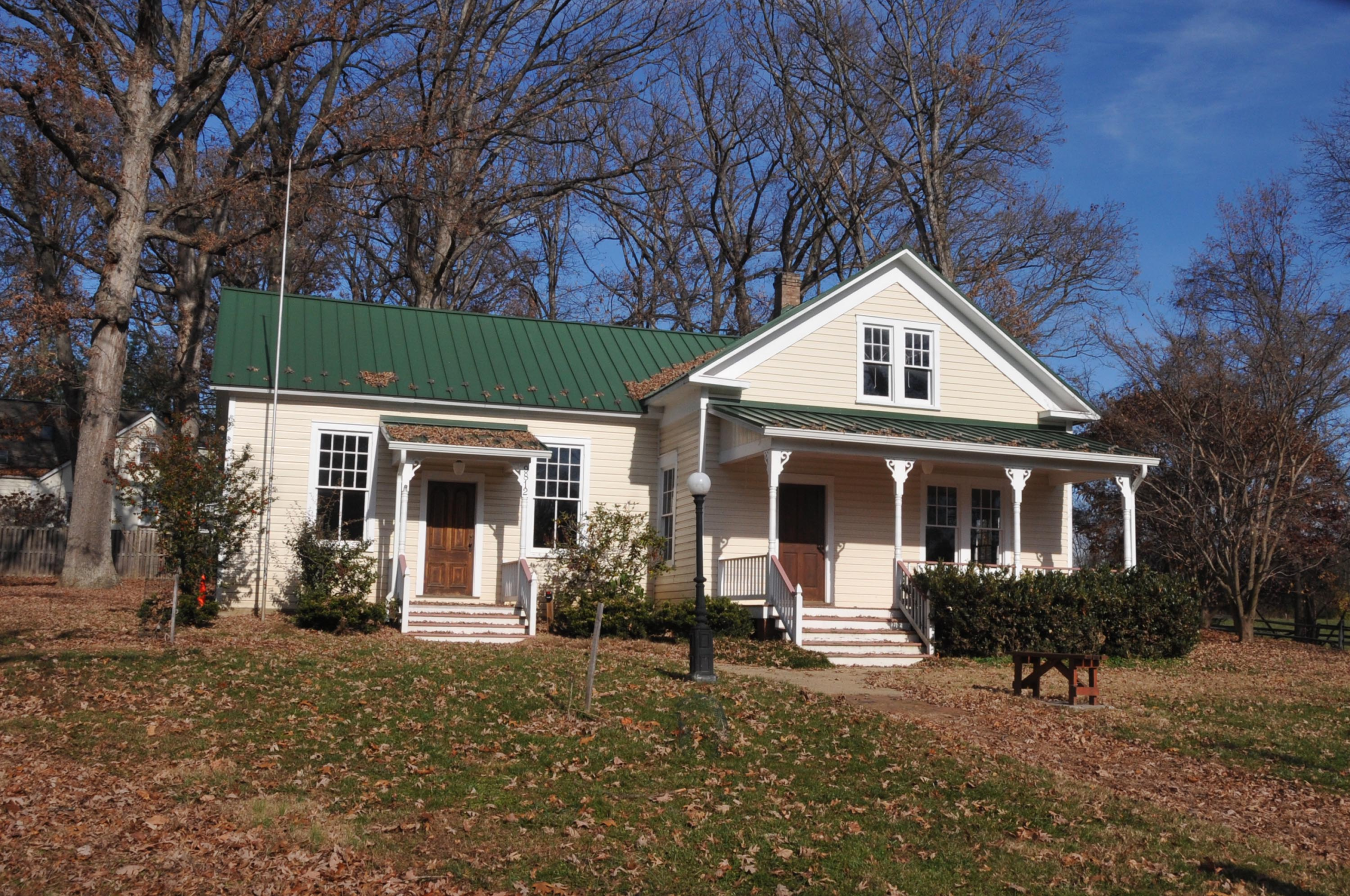
The Grange hall gets remembered as a place where there were suppers and dances, which is true and is the smallest part of it.
Start with what it actually was. A membership organisation of farm households with a constitution, officers, dues, a programme and a structure running from local chapters up through state bodies to a national one – existing to improve the position of farm families through three specific things: cooperation, education and organised advocacy.
And every bit of it was built by the members.
No government established it. No company funded it. No outside body ran it. Farm households paid dues, elected their own officers, and put up their own buildings out of their own money – which is why ownership matters, because a hall you hold the deed to is an asset and a statement rather than somewhere you happen to meet.
The practical core was cooperative buying, and this is where the money was. A single farm placing an order has no bargaining power whatever; fifty farms pooling theirs are a customer worth quoting a price to. That is straightforward economics, it produced real savings, and it produced real hostility from the dealers it bypassed.
The advocacy was the historically consequential half. The order pressed politically on freight rates, grain handling, storage charges and the margins taken between the farm and the consumer – and farmers organising collectively about what they were charged to ship and store their crops produced genuine legislative results. That is a large part of why the organisation mattered to people who were never members.
Two features of its design deserve attention.
Women were admitted as members in their own right, with votes and named offices reserved for them, which was deliberate rather than accidental and was unusual among organisations of the period. In a time when very few bodies offered rural women any formal standing, that was substantial.
And the ritual was built out of farming. Offices, degrees and ceremonies drew on the seasons, the crops, the tools and the year’s work rather than being borrowed from elsewhere – which is a statement that farming was a dignified calling with traditions worth ceremonialising, not a decorative choice. The fraternal model with its degrees, passwords and closed meetings was simply the available template for organising anybody in that period, and the closed portion had a function: it let people speak frankly about prices and about neighbours.
Then the hall spilled over into everything else.
Because the chapter owned a building with a kitchen and a stage, it became the district’s only public room – used for suppers, plays, dances, meetings, elections, funerals and anything requiring a space. Which makes the organisation the landlord of its community’s social life, and explains why these halls are remembered warmly by people who never joined.
The decline had three causes, and the interesting thing is that two of them are successes.
The car took the social function, as it took every other local institution’s, because a building whose advantage is being within reach loses it when everything else comes within reach.
The cooperative work was institutionalised. Purpose-built agricultural cooperatives, supply companies and commodity organisations took over bulk buying and marketing at a scale no volunteer chapter could approach – which means the chapter outgrew the level it could operate at rather than failing.
And the farms disappeared. Consolidation removed the population a local chapter needed, and the halls closed alongside the schools, for the same reason.
So what was left at the end was the ritual, the stage and the kitchen. And those were the parts a car could take away.
If there is a plain white hall at a crossroads near you, somebody’s grandparents paid for it.
And it was probably the only public room in the district.
Like our content? Follow us for more.