The eye focuses close objects by changing the shape of a lens inside it, and that stops working.
The flexibility declines with age until near work becomes difficult, and a simple convex lens held in front of the eye supplies the extra bending the eye can no longer manage. Which means one standard product helps a very large number of people – and because the decline is near-universal and follows a broadly similar course, a modest range of standard strengths covered most of the people who needed help reading.
That is the commercial fact the whole trade rested on. A condition affecting almost everybody in a predictable way can be served from stock rather than made to order, so spectacles were sold off a tray by people who were not eye specialists at all – and the buyer worked through the tray with a printed card until something made the print clear. Here are fourteen things every American household knew.
1. Reading Glasses Work by Doing What the Eye Stops Doing
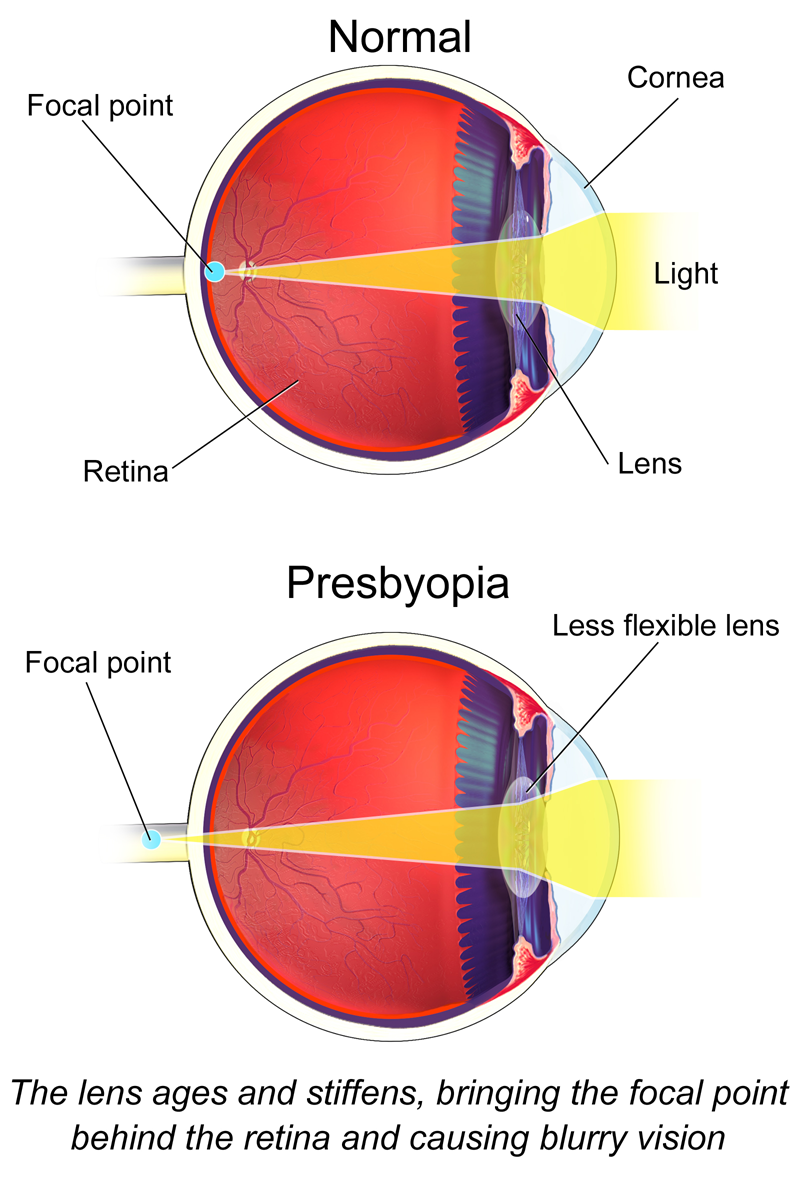
The eye focuses close objects by changing the shape of a flexible lens inside it, and that flexibility declines with age until near work becomes difficult.
Unchanged; the condition is universal and well understood.
Start with the mechanism because it explains why the trade worked the way it did. A lens inside the eye bulges to focus on something near, that ability fades for everybody with age, and a simple convex lens held in front of the eye supplies the extra bending that the eye can no longer provide – which means one standard product helps a very large number of people.
Like our content? Follow us for more.
2. Everybody Needed the Same Thing at Roughly the Same Age
Because the decline is near-universal and follows a broadly similar course, a modest range of standard lens strengths covered most of the people who needed help reading.
Prescriptions are individual and far more precise.
This is the commercial fact the whole trade rested on. A condition that affects almost everybody in a predictable way can be served from stock rather than made to order – which is why spectacles could be sold off a tray by somebody who was not an eye specialist at all.
3. You Tried Them On Until Something Worked
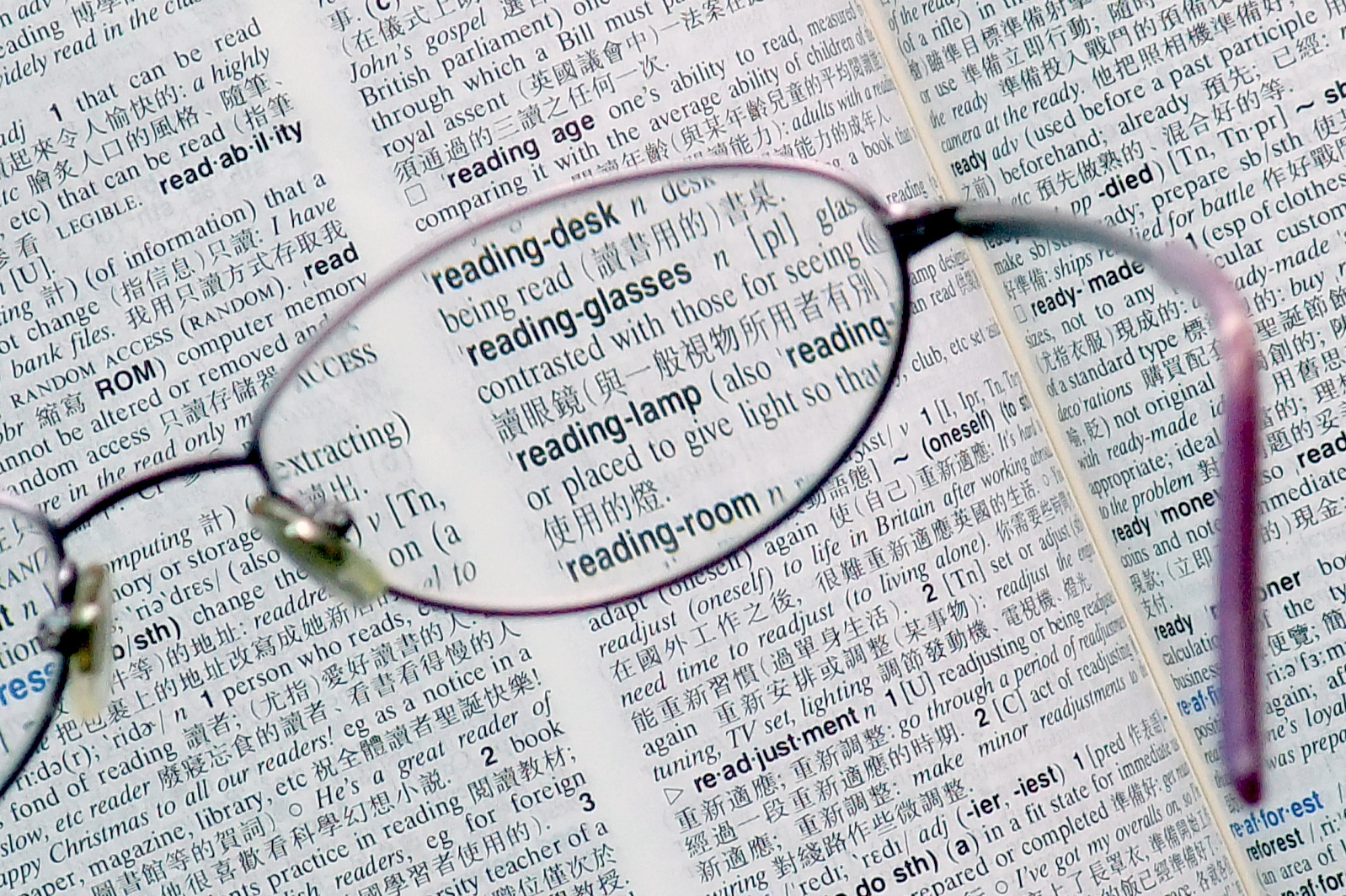
A buyer worked through a tray of ready-made spectacles with a printed card or a newspaper, keeping the pair that made the print clear.
Examination by a qualified practitioner.
The selection method is trial and error and it is better than it sounds for the one job it did. A person reading a line of print can tell immediately which lens helps, so the customer was performing a crude self-test – which identifies a reading lens adequately and identifies absolutely nothing else.
4. The Peddler Carried Them in a Case
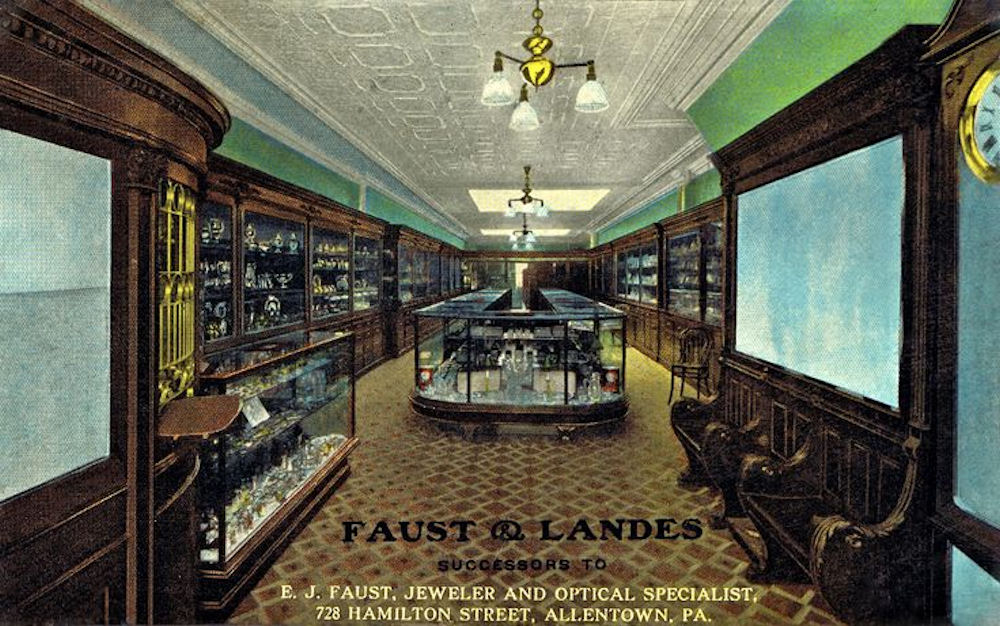
Travelling sellers went from house to house and town to town with trays of spectacles, fitting customers on the doorstep.
Not applicable.
The itinerant trade is how most rural people got their first pair. A product that is light, non-perishable, needs no fitting beyond trying it on and serves a predictable need is close to ideal for a travelling seller – and a farm thirty miles from a town was never going to be visited by anybody better qualified.
5. The General Store Sold Them Off a Card
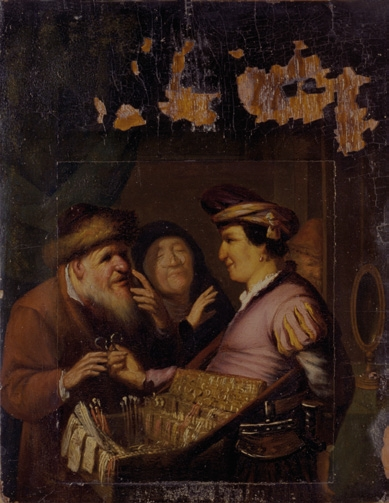
Fixed shops kept spectacles alongside everything else, displayed on cards or in a drawer, and sold them in exactly the same way.
Not applicable.
The retail setting tells you how the product was categorised. Spectacles sold next to thread and hardware were a commodity rather than a medical device, bought on the same basis as anything else – which is a completely different relationship from the one people now have with eyewear.
6. The Catalogue Sold Them by Mail
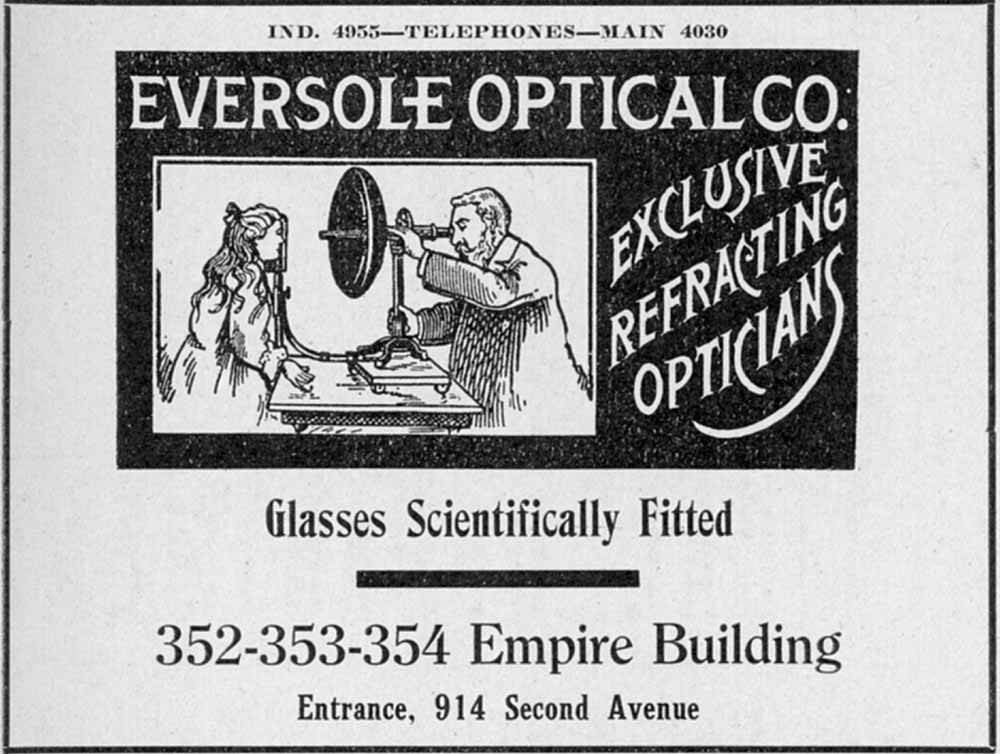
Mail-order houses sold spectacles by post, sometimes with a printed test card the customer used to identify which strength to order.
Not applicable; selling corrective lenses this way is regulated.
Buying by post is the logical conclusion of a stock product and it worked for simple reading needs. A printed card, a self-administered test and an order form will get somebody a usable reading lens most of the time – and it will also miss everything a reading test cannot detect, which is almost everything that matters.
7. The Frames Were the Real Variety
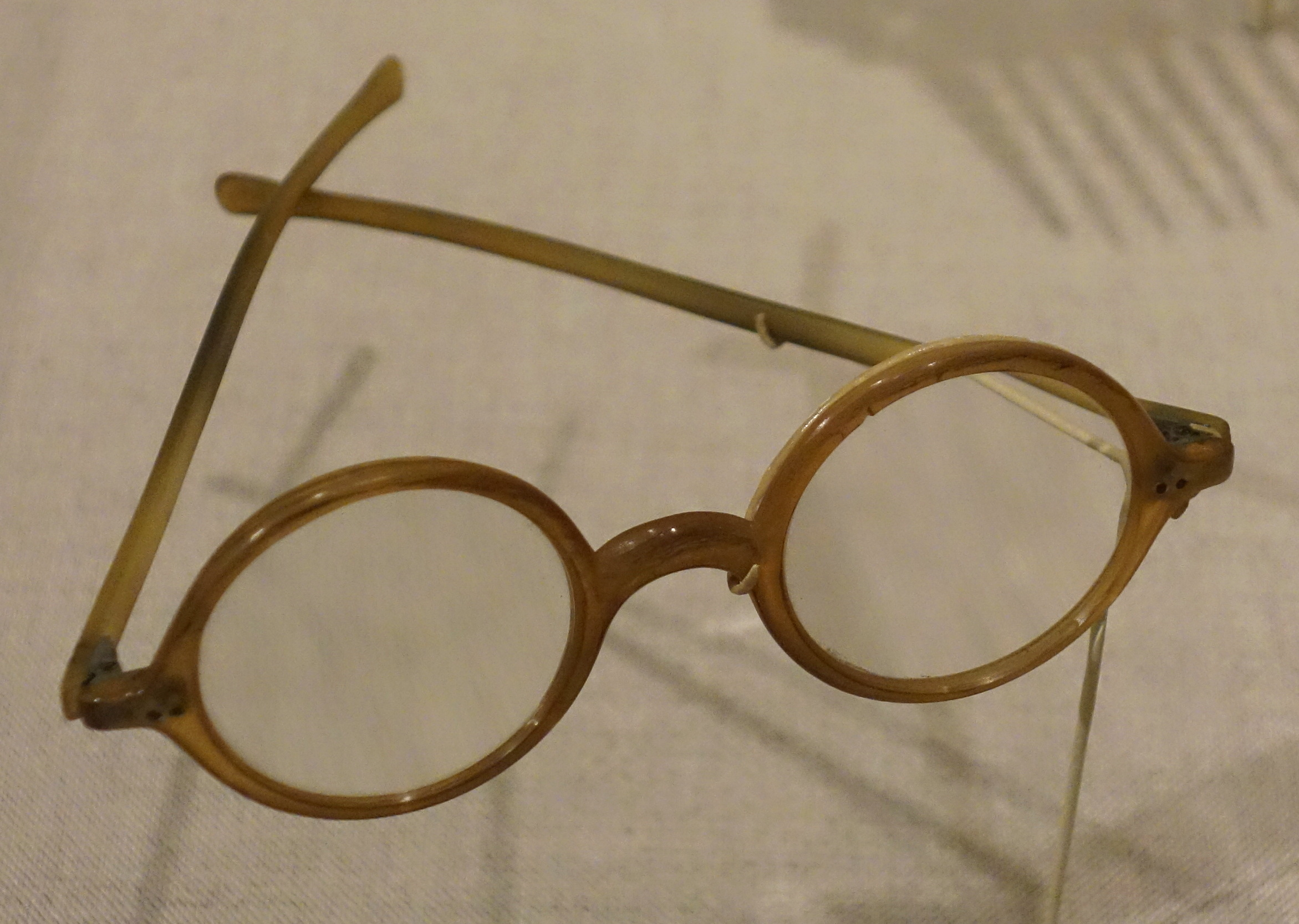
Steel, silver, gold-filled, horn and later celluloid frames in many styles cost far more than the lenses and were what buyers actually chose between.
Still substantially true.
The economics have not changed and it is worth noticing. The optically functional part was cheap and standard while the visible part was expensive and varied, which means then as now a great deal of what a customer was buying was appearance – and the frame was the status object.
8. Holding Them On Was a Separate Problem
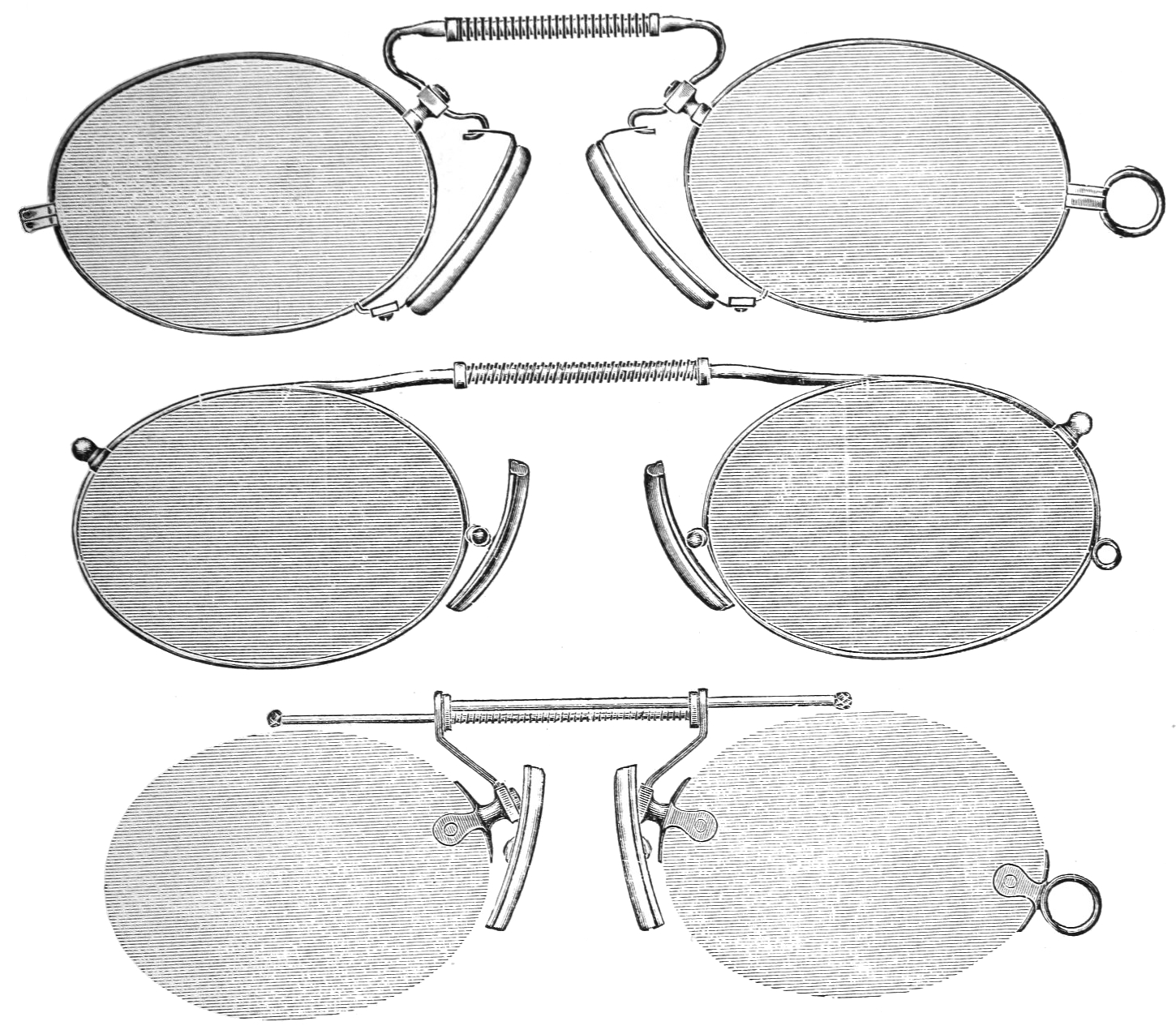
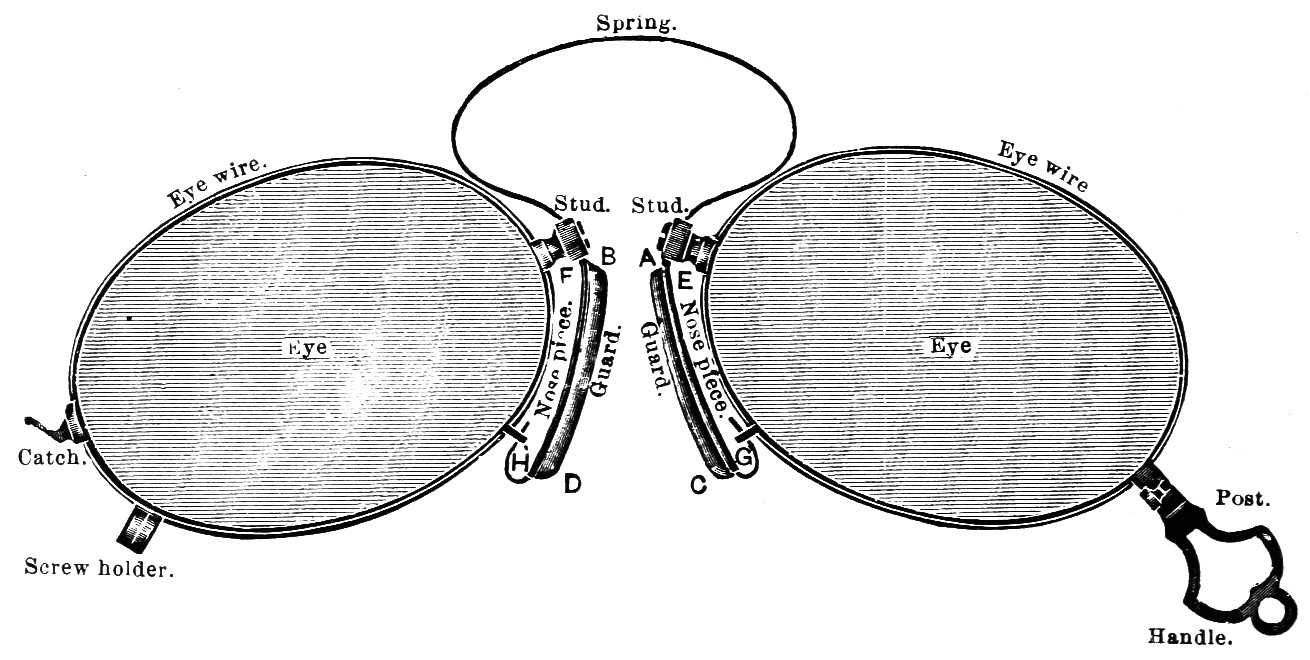
Spectacles were made with loops over the ears, with sprung arms gripping the temples, as folding pince-nez clipped to the nose, or on a handle to be held up.
Standardised temple arms.
The variety of fastenings is evidence that nobody had solved the problem. A frame has to stay put on a face without hurting, which is harder than it sounds, and the number of competing solutions in circulation is the clearest sign that none of them worked particularly well.
9. Lenses Were Ground Glass and They Were Heavy
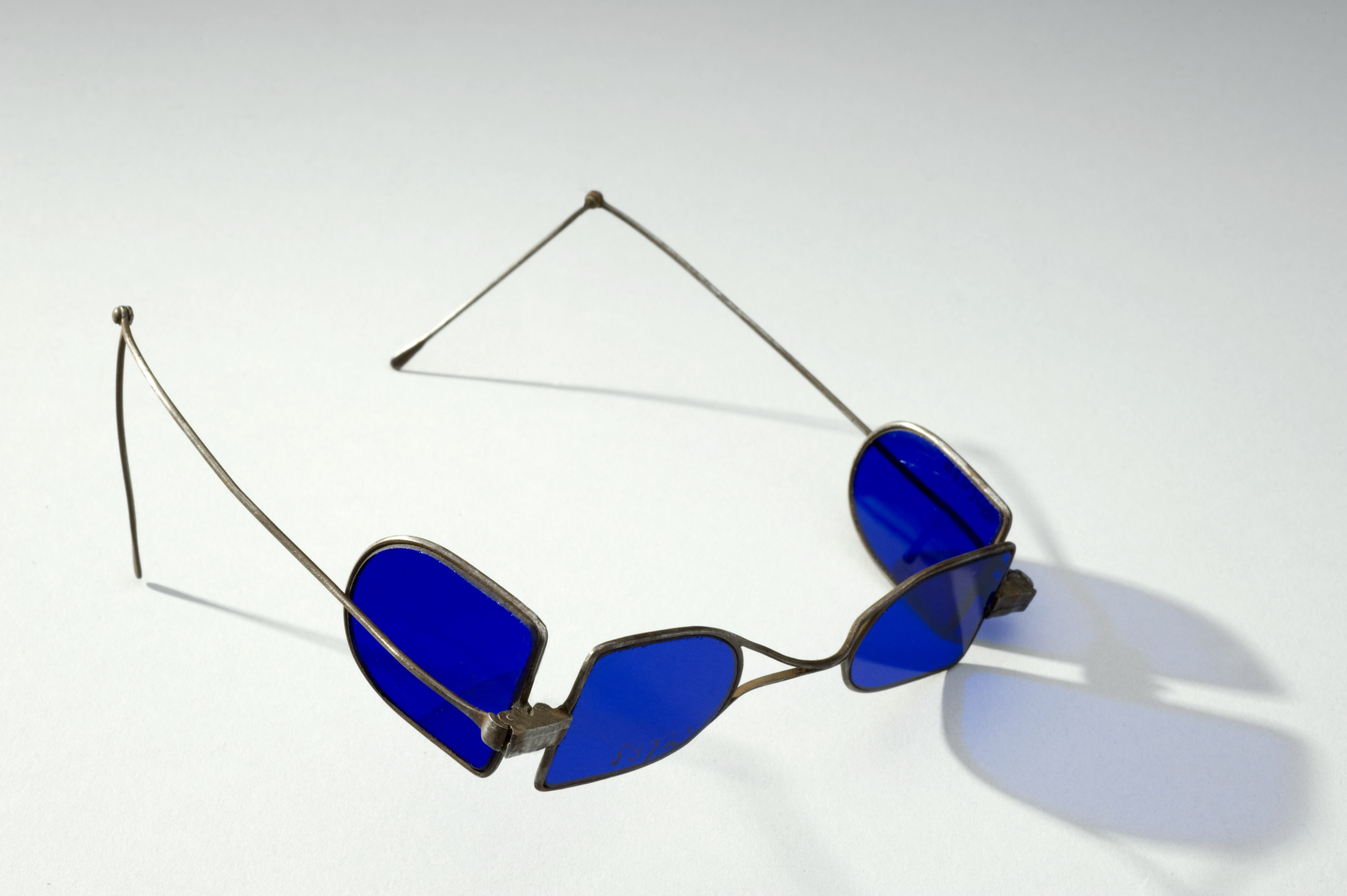
Spectacle lenses were glass, which is dense, so a pair with strong lenses in a substantial frame was a noticeable weight on the nose and ears.
Plastic lenses weigh a fraction as much.
The weight is the detail people forget when handling old spectacles, and it explains the fastenings. A glass lens cannot be made much thinner without weakening it, so the stronger the correction the heavier the pair – which is precisely why so many designs tried to hold the weight somewhere other than the bridge of the nose.
10. A Lot of People Wore the Wrong Strength for Years
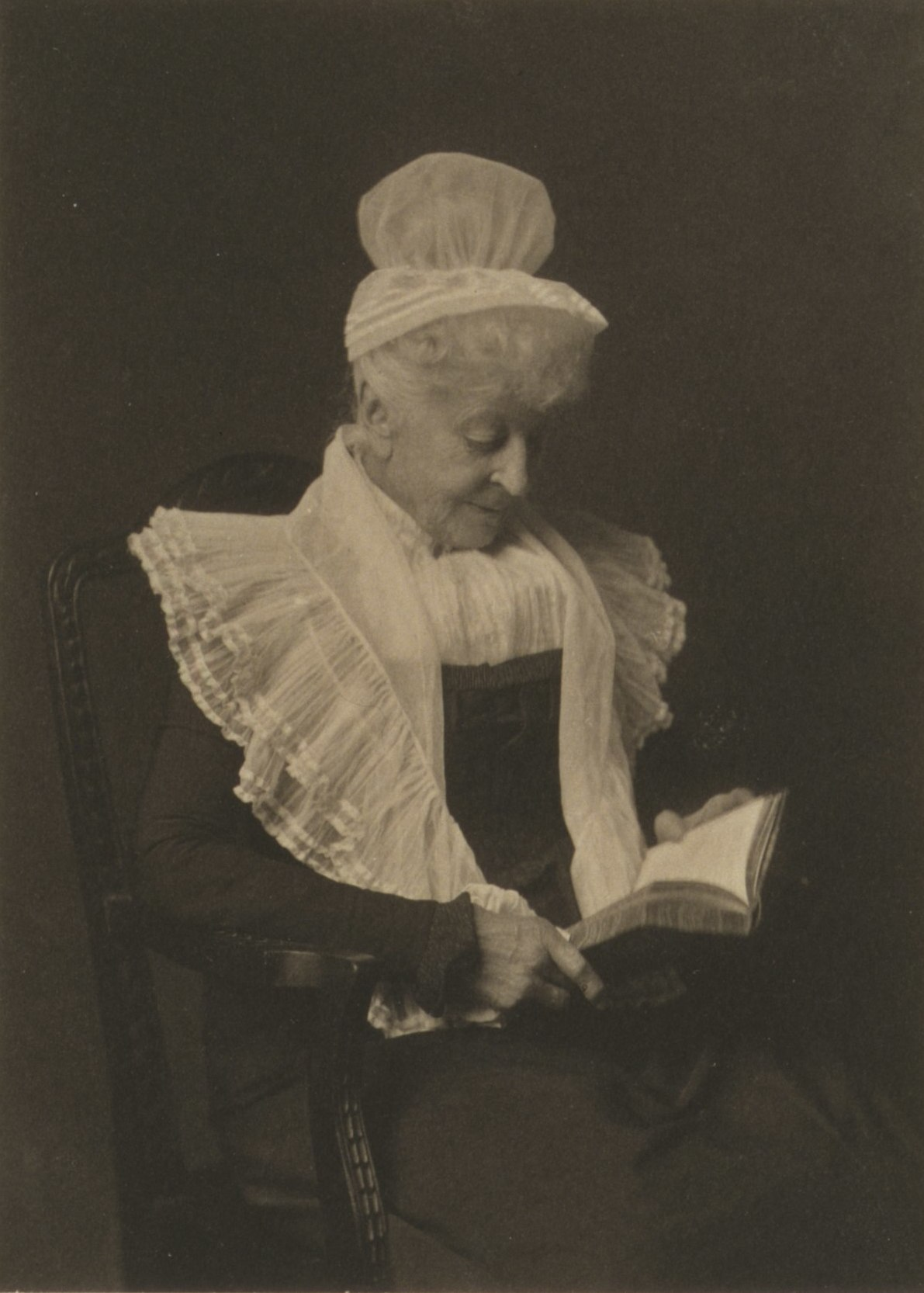
A pair that helped a little was kept, and the decline continued, so people frequently went on using lenses that had stopped being adequate.
Regular examination is normal.
The consequence of a one-off purchase is predictable and it was universal. A condition that keeps progressing needs a lens that keeps changing, but a pair bought once from a tray does not update itself – so a great many people simply held the book further away and carried on.
11. Spectacles Were a Visible Mark of Age and of Literacy
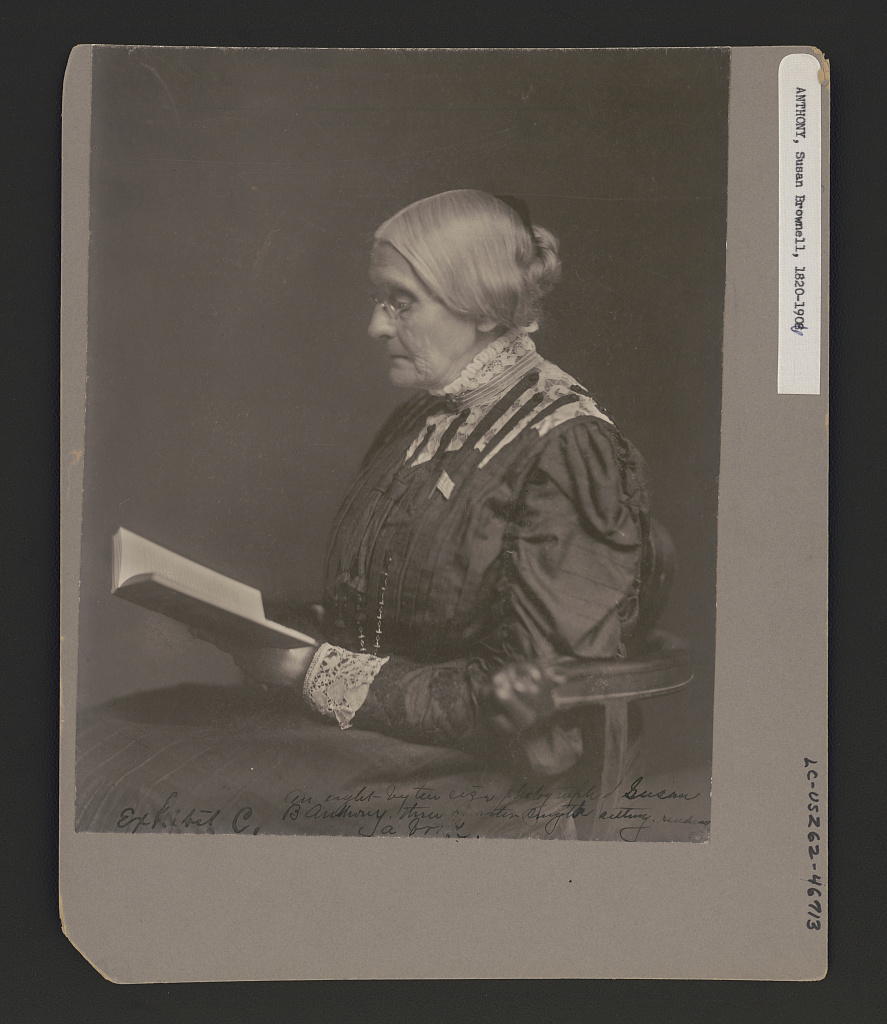
Wearing them signalled both that a person was no longer young and that they did enough close reading to need help with it.
Not applicable in the same way.
The social reading of the object is worth stating. In a population where many people did little sustained reading, needing glasses implied that you did – so the spectacles carried information about a person’s work and education as well as about their age.
12. Then Examination Became a Profession
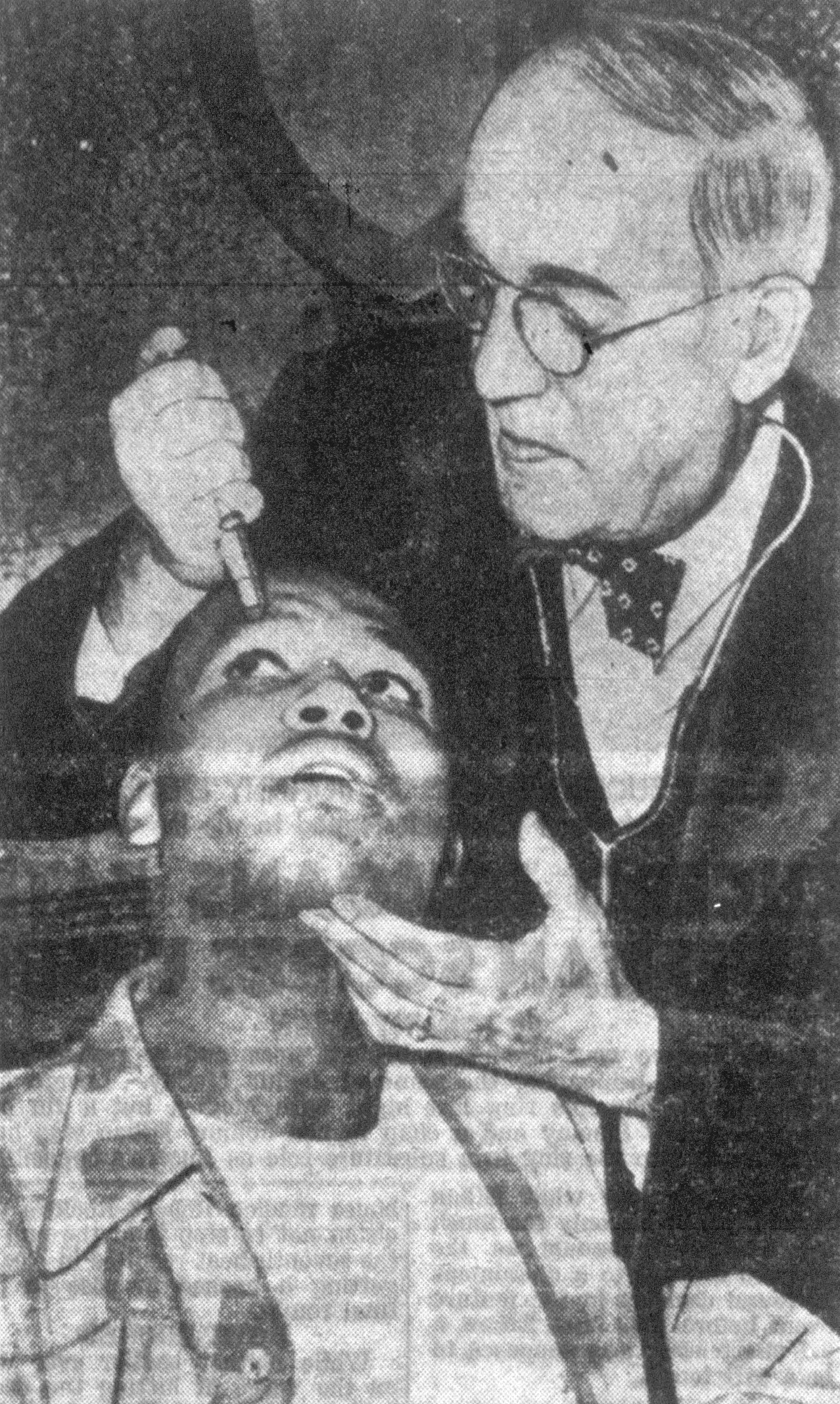
Trained practitioners measured refraction with instruments, tested each eye separately and prescribed lenses made to the result rather than chosen from stock.
Standard.
Professional examination is the decisive change and the reason is not simply accuracy. Measuring an eye reveals things no reading test can – differences between the two eyes, astigmatism, and signs of disease – so the shift was from fitting a lens to examining a patient, which is an entirely different activity.
13. Then Selling Them Off a Tray Was Restricted
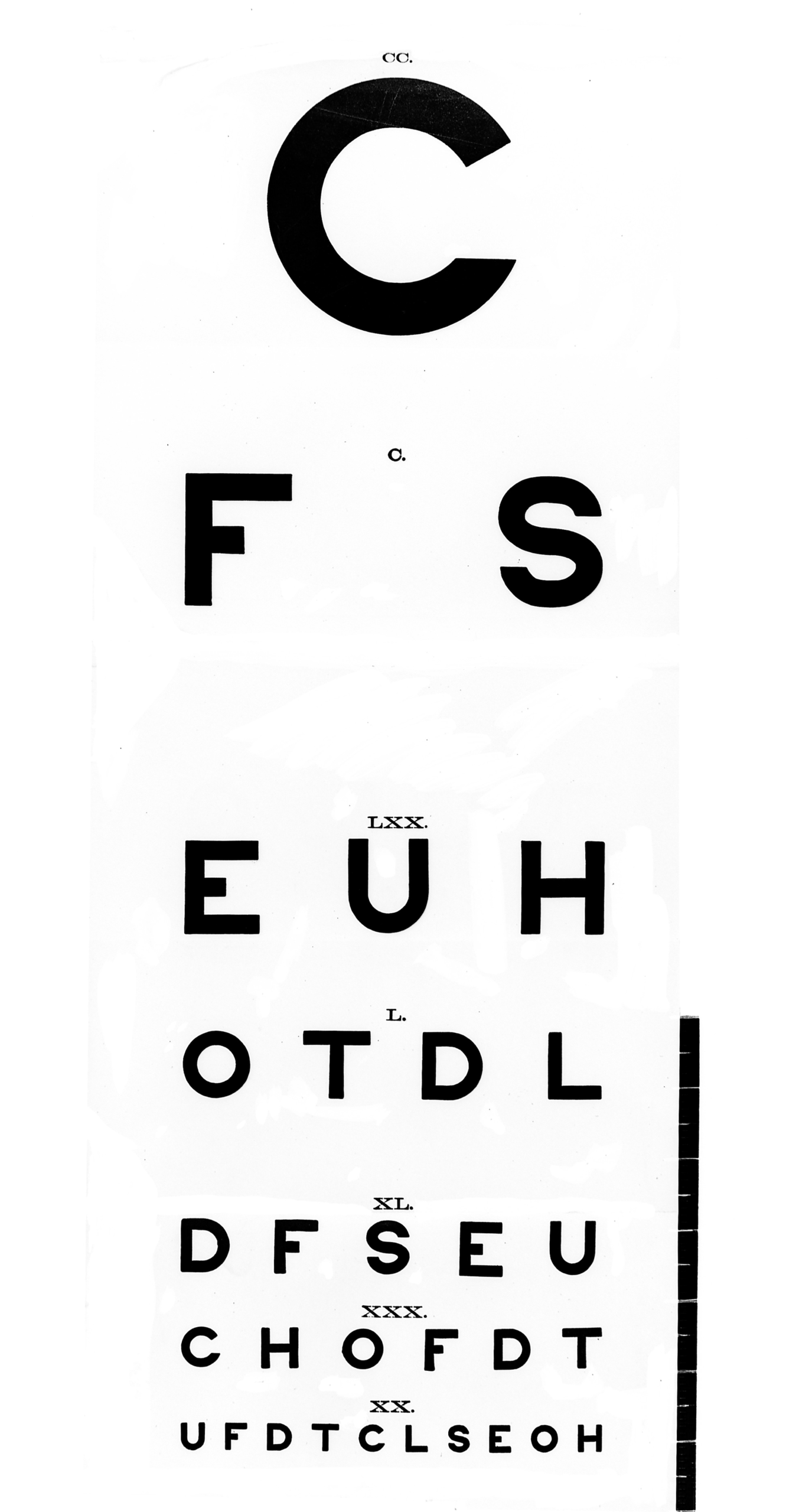
Regulation of who could examine eyes and dispense corrective lenses closed the peddler’s trade and the general store’s drawer.
A regulated profession in every state.
Regulation ended the old trade and it ended it for a sound reason. A self-administered reading test cannot distinguish between an eye that needs a lens and an eye that needs a doctor, and the whole point of requiring an examination is to make sure somebody looks at the second possibility.
14. And by 1964 the Old Spectacles Were in Drawers
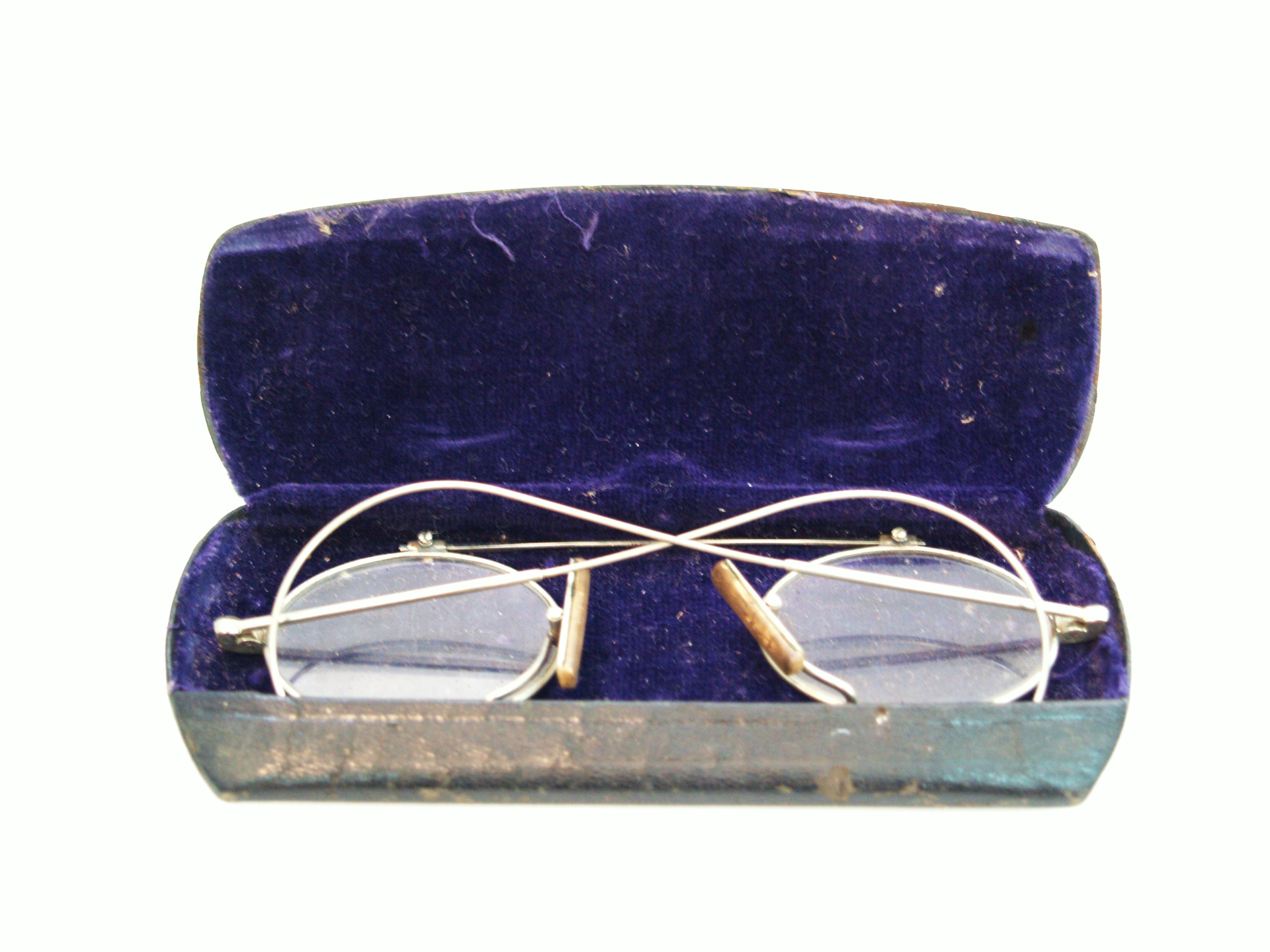
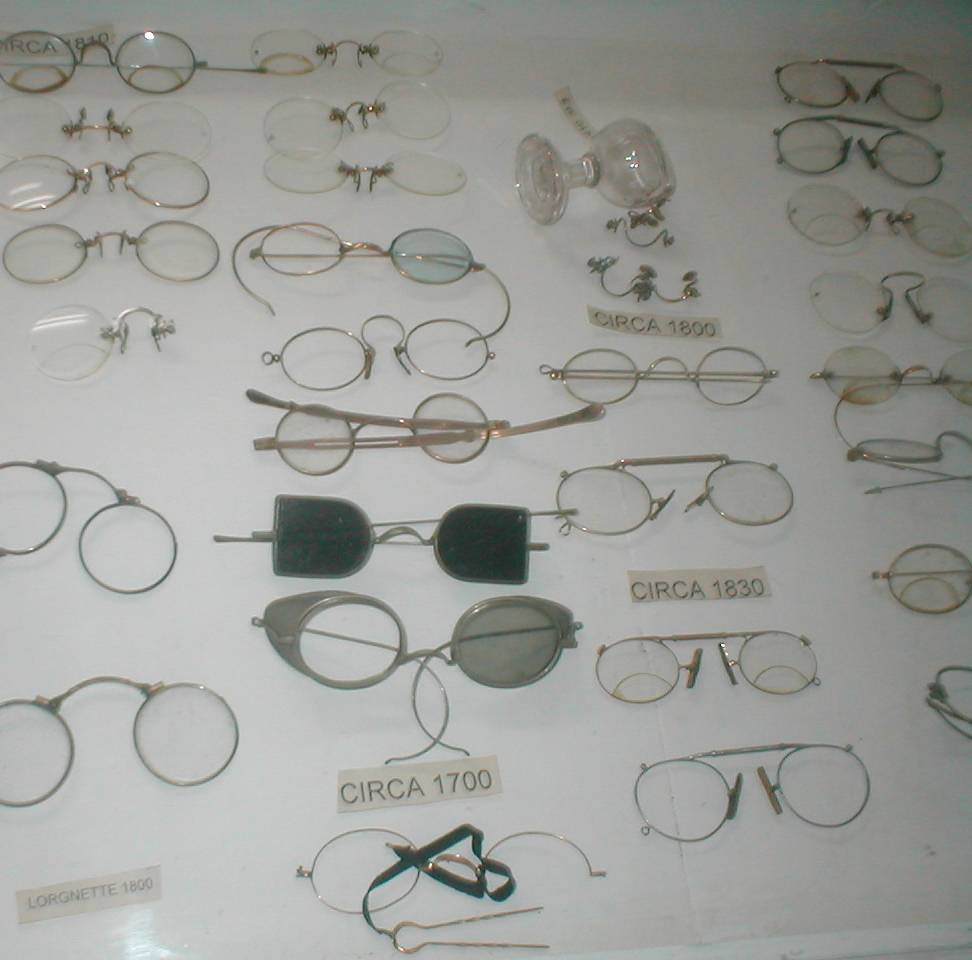
Steel-framed and pince-nez spectacles survived in enormous numbers in American households, unwearable by anybody they had not been chosen for, kept because nobody throws away spectacles.
Collected, and occasionally reframed with modern lenses.
And what deserves the last word is how reasonable the old system was and how incomplete. Almost everybody loses the ability to focus close up at a broadly predictable age, the correction is a simple convex lens, and a person reading a printed card can identify a lens that helps them within a minute – so a tray of ready-made spectacles sold off a wagon genuinely solved the problem it addressed, cheaply, for people with no access to anything else. What it could not do was notice anything. It could not tell that one eye differed from the other, that a lens would not fix the blur, or that something in the eye needed attention – because nobody was looking at the eye at all, only at whether the print got clearer. The modern requirement that somebody qualified examines you is not a restriction on buying glasses. It is the recognition that choosing a lens and checking an eye are two separate jobs, and that the old system only ever did the first one.
Choosing a Lens and Checking an Eye Are Two Different Jobs
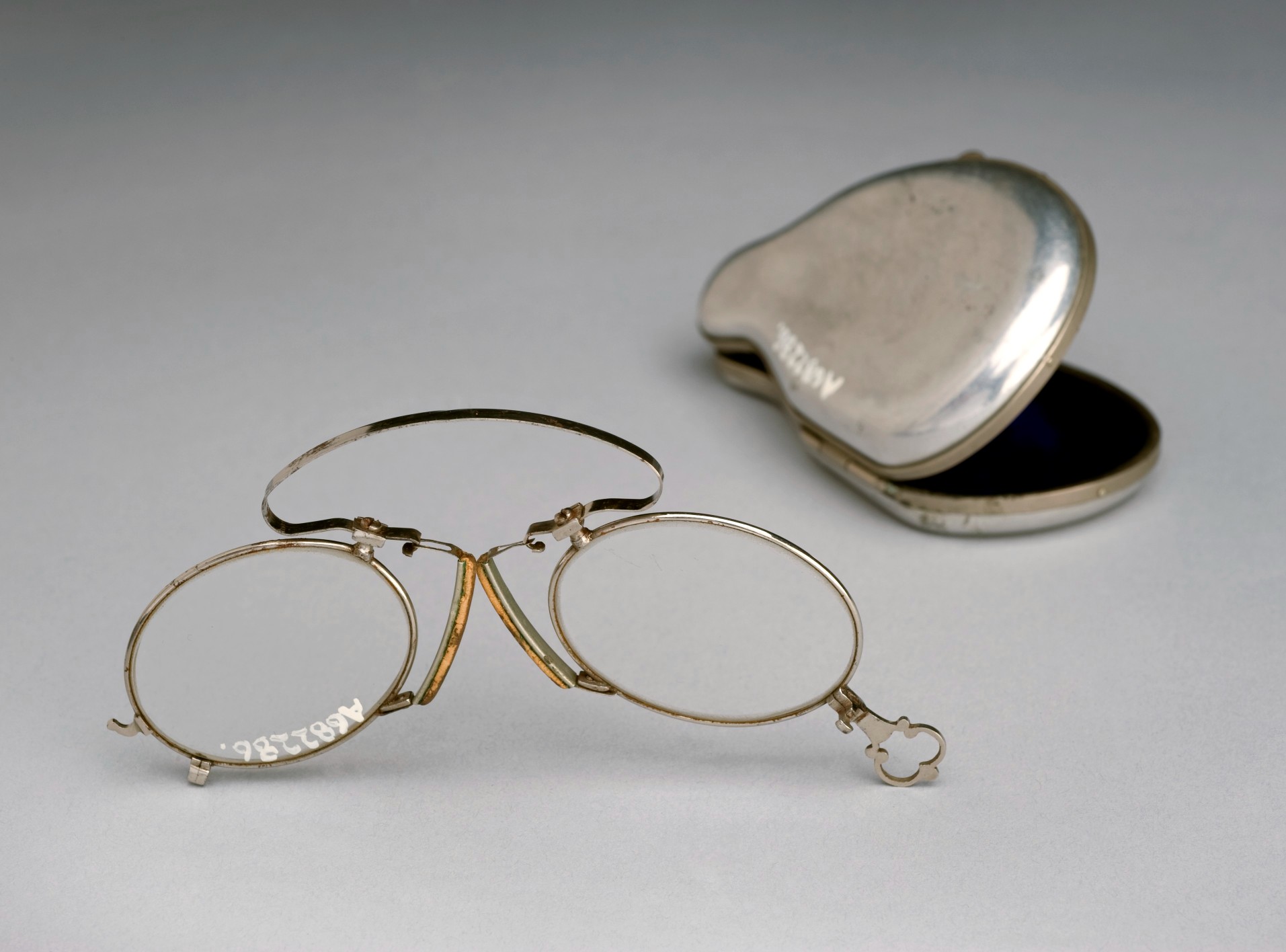
Spectacles used to be bought the way socks are bought, and the reason that worked as well as it did is worth understanding before noticing what it missed entirely.
Start with the mechanism. The eye focuses on something close by changing the shape of a flexible lens inside it. That flexibility declines with age, for everybody, until near work becomes difficult – and a simple convex lens in front of the eye supplies the extra bending the eye can no longer provide.
Two features of that make a commodity trade possible. The condition is near-universal, and it follows a broadly similar course. So a modest range of standard lens strengths covers most of the people who need help reading, which means the product can be sold from stock rather than made to order.
And the customer could test it himself. A person reading a line of print can tell within seconds which lens helps, so the buyer worked through a tray with a printed card or a newspaper and kept the pair that made the type clear. That is a crude self-test which identifies a reading lens perfectly adequately.
Hence the distribution. Travelling peddlers carried trays of spectacles house to house and fitted customers on the doorstep – a product that is light, non-perishable, needs no fitting beyond trying it on and serves a predictable need is close to ideal for an itinerant seller, and a farm thirty miles from town was never going to be visited by anybody better qualified. General stores kept them on cards or in a drawer alongside thread and hardware, which tells you exactly how the product was categorised. And mail-order houses sold them by post, sometimes with a printed test card the customer used to decide which strength to order.
Two observations about the object itself.
The frames were the real variety – steel, silver, gold-filled, horn and later celluloid, in many styles, costing far more than the lenses and constituting what buyers actually chose between. The optically functional part was cheap and standard while the visible part was expensive and varied, which has not changed at all.
And holding them on was an unsolved problem. Loops over the ears, sprung arms gripping the temples, folding pince-nez clipped to the nose, lenses on a handle to be held up. The number of competing solutions in circulation is the clearest possible sign that none of them worked well.
The social reading is worth noting too. In a population where many people did little sustained reading, needing spectacles implied that you did – so they signalled both age and a certain kind of work or education.
Now the limitations, which are the real subject.
A pair bought once from a tray does not update itself, while the underlying decline continues – so a great many people wore lenses that had stopped being adequate for years, and simply held the book further away.
And far more seriously, nobody was looking at the eye. A self-administered reading test cannot tell that one eye differs from the other, that the blur is not the kind a lens fixes, or that something in the eye needs attention – because the test only measures whether print gets clearer.
Which is exactly what changed. Trained practitioners measured refraction with instruments, tested each eye separately, and prescribed lenses made to the result. That is not simply a more accurate version of the tray: measuring an eye reveals differences between the two eyes, astigmatism, and signs of disease, so the shift was from fitting a lens to examining a patient. A different activity altogether.
Then regulation of who could examine eyes and dispense corrective lenses closed the peddler’s case and the store’s drawer – for a sound reason, which is that somebody needs to look at the second possibility.
So the old system was genuinely reasonable and genuinely incomplete. It solved the problem it addressed, cheaply, for people with no access to anything else. What it could not do was notice anything.
The modern requirement that a qualified person examines you is not a restriction on buying glasses.
It is the recognition that choosing a lens and checking an eye are two separate jobs, and that the old way only ever did the first.
If there are old spectacles in a drawer in your family, they were chosen off a tray in a minute.
Nobody looked at the eyes at all.
Like our content? Follow us for more.