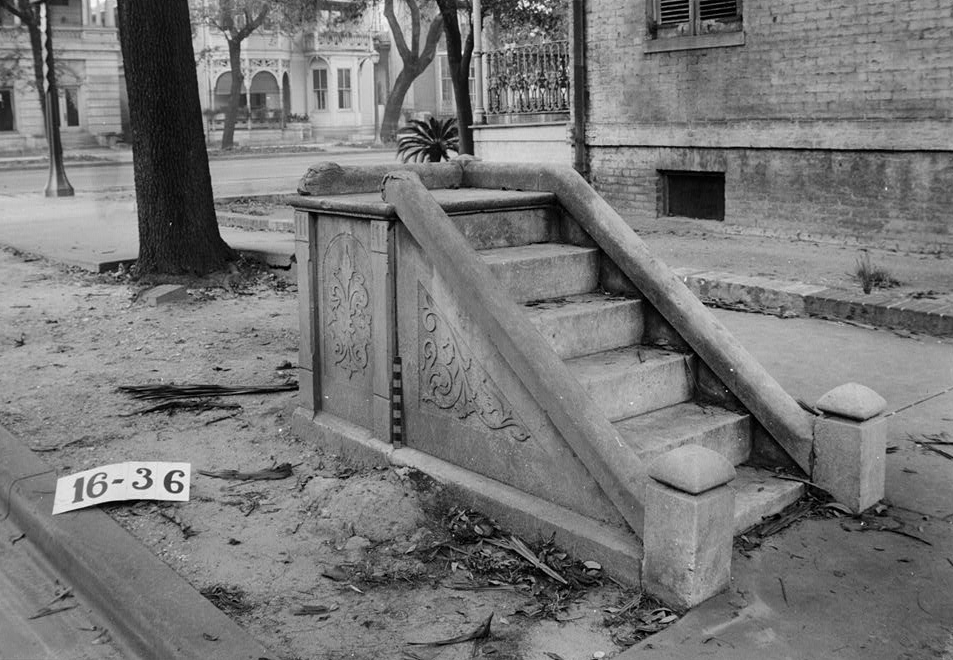
There is a block of cut stone with two steps in it outside a house on a street I walk down, standing at the edge of the sidewalk about four feet from the curb, and for years I assumed it was a bit of salvaged masonry somebody had put there as an ornament. It is a carriage block, it has been there longer than the sidewalk has, and once you know what it is you start seeing them everywhere – usually broken, usually buried to half their height, and almost always unexplained.
The Problem Was Height
Start with the dimension, because everything follows from it.
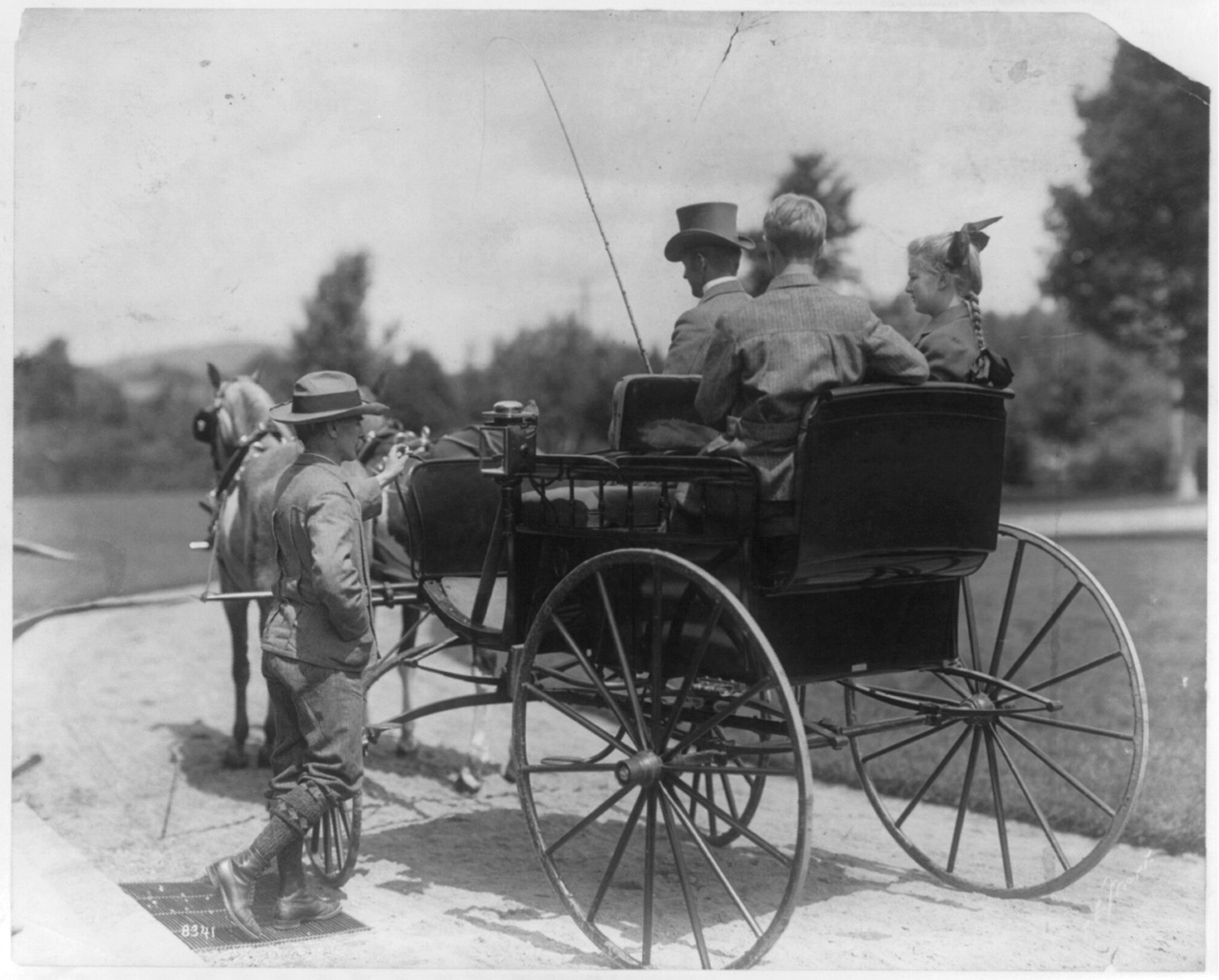
A carriage or a buggy sits on top of its wheels, with its body above the axles, and its floor is therefore a long way off the ground. On a full-sized vehicle the step is roughly at the height of an adult’s knee or higher, and the floor well above that. On a tall carriage it is considerably worse.
Now consider who had to get in. Women in long heavy skirts that could not be lifted far in public and that caught on everything. Elderly people. Children. Anybody carrying a parcel or an infant. For all of those, the gap between the street and the carriage floor was not a step but a climb.
That is the problem. The block is the answer, and it is the whole of the answer.
Like our content? Follow us for more.
It Was Not a Mounting Block for Riding
This is the confusion I want to clear up, because the two objects get run together constantly.
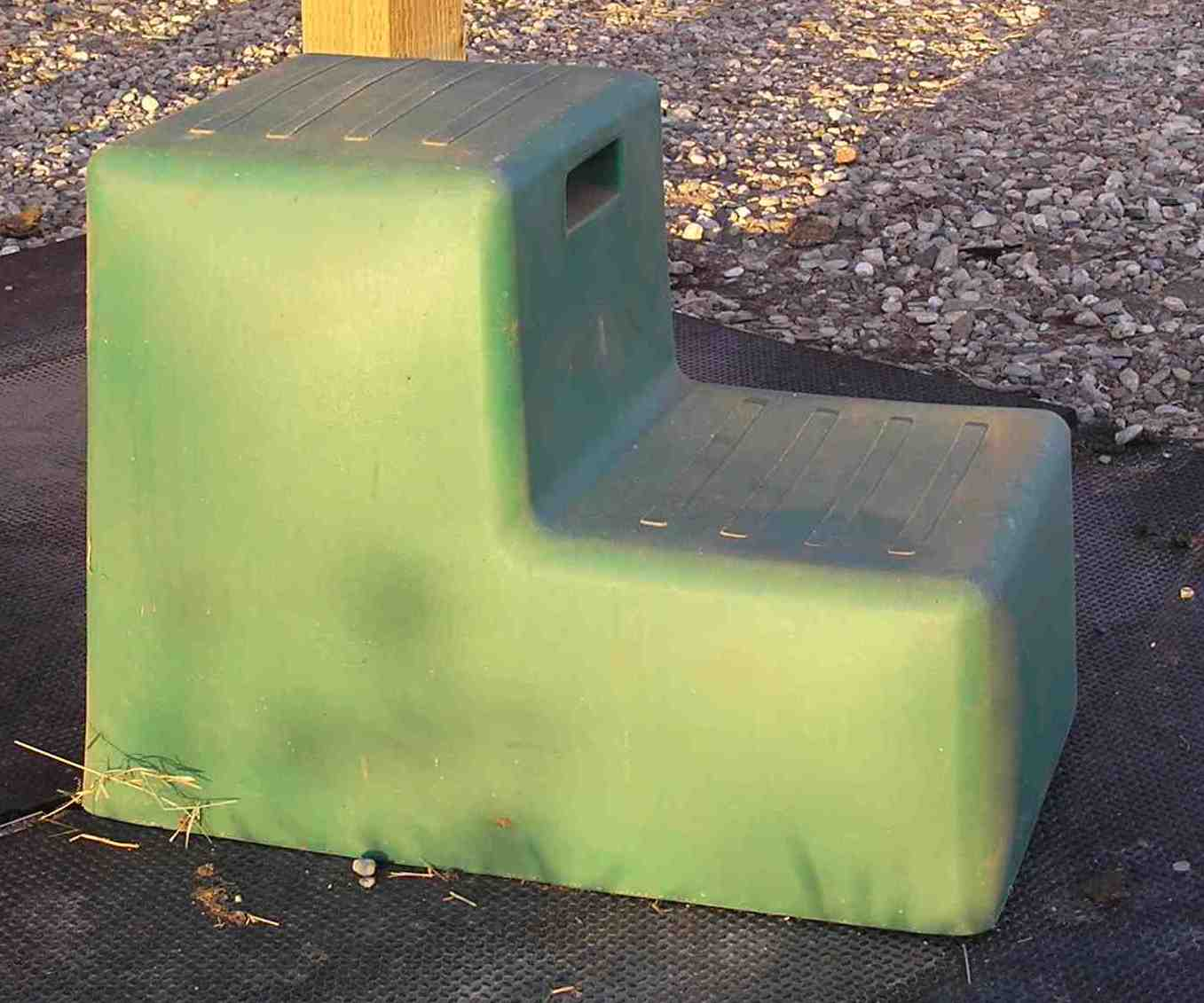
A mounting block for riding is a single step or a stone set beside a path, used to get a foot into a stirrup. It is lower, it is often out in a yard or by a stable, and it exists because a stirrup on a tall horse is awkward to reach.
A carriage block is at the street, in front of a house, and it is taller – usually two or three steps – because it has to raise a person to the level of a vehicle’s floor rather than to a stirrup. Plenty of blocks did both jobs, and the vocabulary was never tidy. But the tall stepped ones at the curb in front of town houses are there for wheels, not for saddles.
It Had to Stand Where the Wheels Could Not Reach
The placement is a piece of practical geometry that took me a while to see.
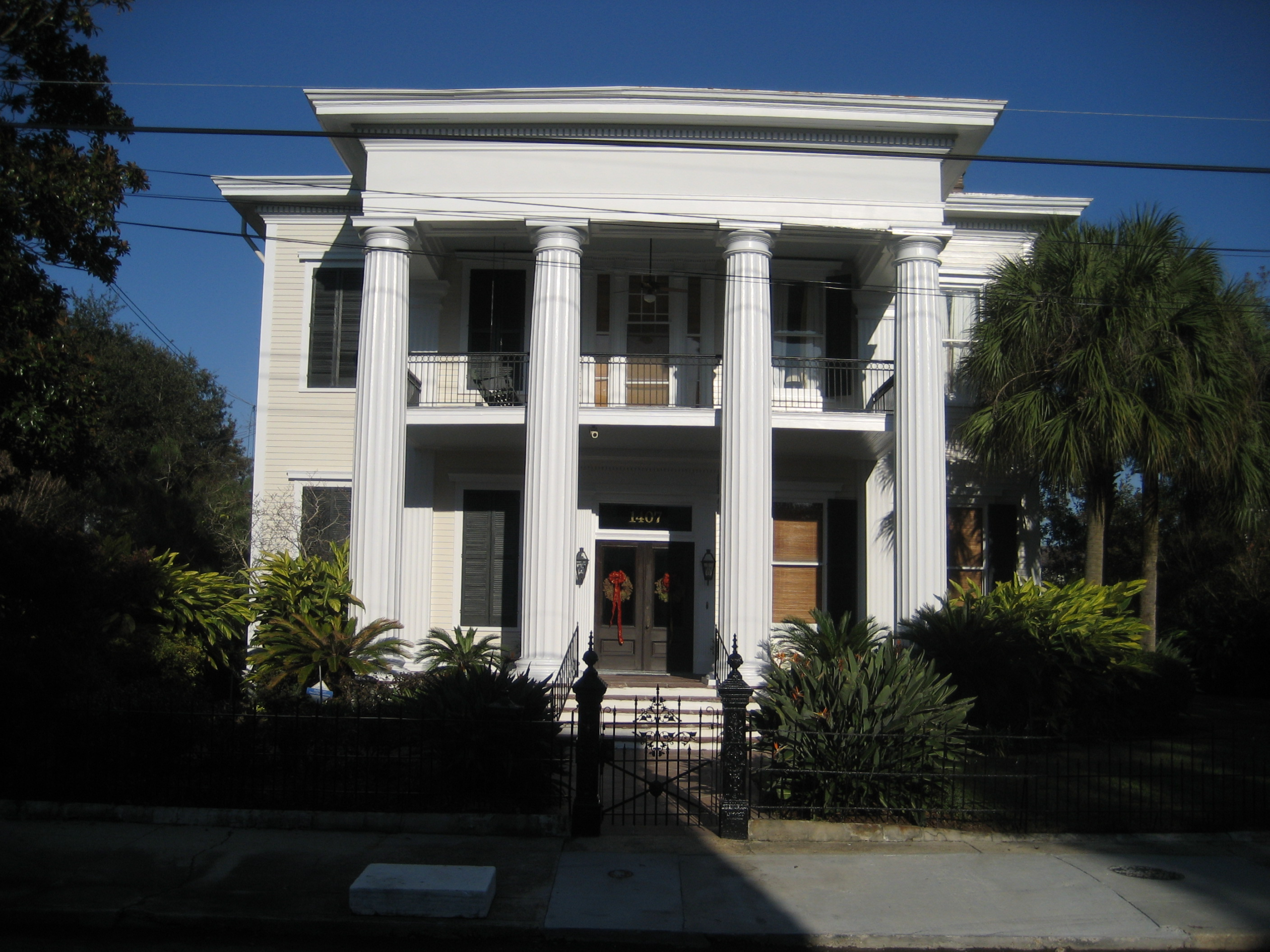
A carriage stops with its wheels against or near the curb. Its body overhangs the wheels, and its step folds down outside them. So the person boarding is standing not at the curb but a short distance out from it, and the block has to be positioned so that the top step is beside the vehicle’s step rather than under the vehicle.
Which is why these blocks sit at the outer edge of the sidewalk, or beyond it, in what is now the gutter or the parking lane. They look badly placed because the street has been rebuilt around them, and the thing they were aligned with no longer exists.
Stone, Because Everything Else Failed
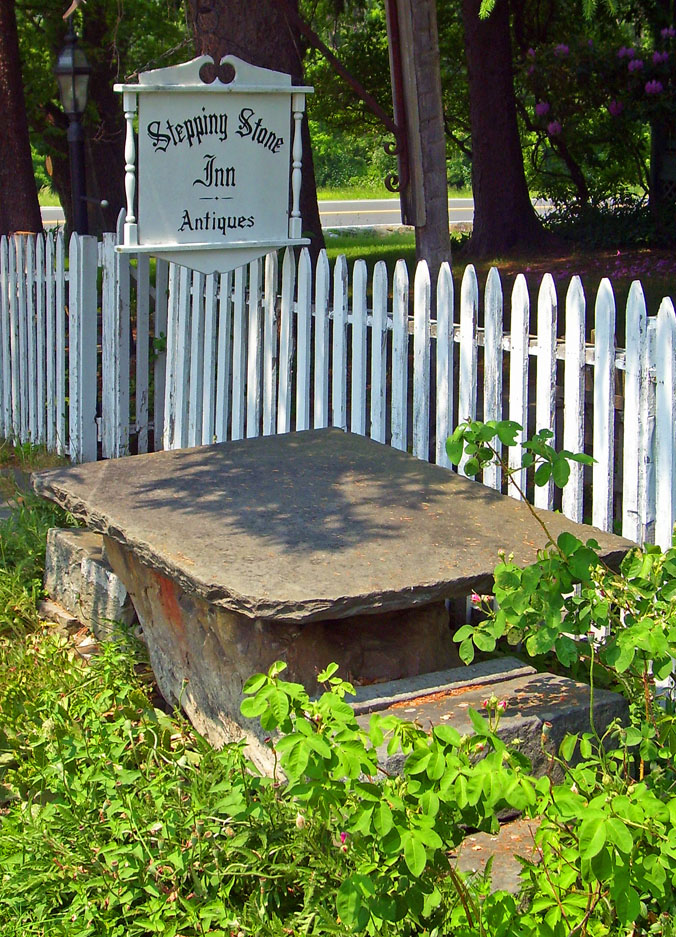
The material choice is not aesthetic.
A block in a street is rained on, frozen, scraped by wheel hubs, stood on by hundreds of people, and struck by vehicles. Wood rots and splinters; brick spalls; iron rusts and is worth stealing. A single piece of cut stone with the steps worked into it has no joints to fail, nothing to corrode and nothing worth taking.
Which is why they survive. A great many of the blocks still standing in American towns are the oldest manufactured objects on their streets, outlasting the houses they served, the sidewalks they stood in and the vehicles they were cut to match.
The Top Was Worked Rough on Purpose
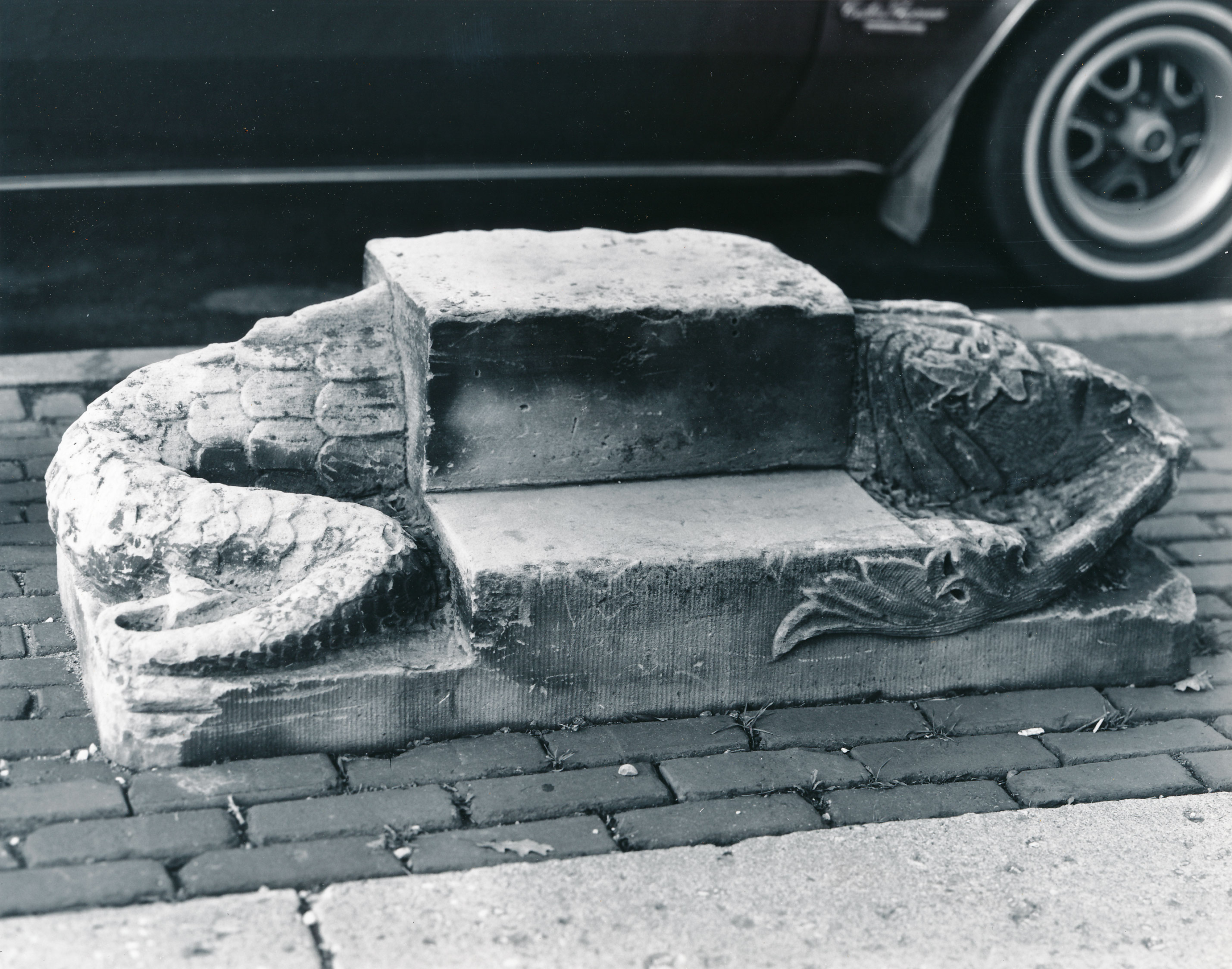
A detail that reads as crude workmanship and is deliberate.
The tread surfaces were left with a tooled or picked finish rather than polished, because a smooth stone step in rain, frost or snow is lethal, and the people using it were in thin-soled shoes and long skirts and could not see their feet. A rough surface holds a shoe.
Some blocks have a dished or hollowed top step, worn there by a century of feet landing in the same place. That hollow is the single best piece of evidence for how these were used: everybody put a foot in exactly the same spot, which is what happens when people are boarding a vehicle that always stops in the same place.
Having One Was a Statement
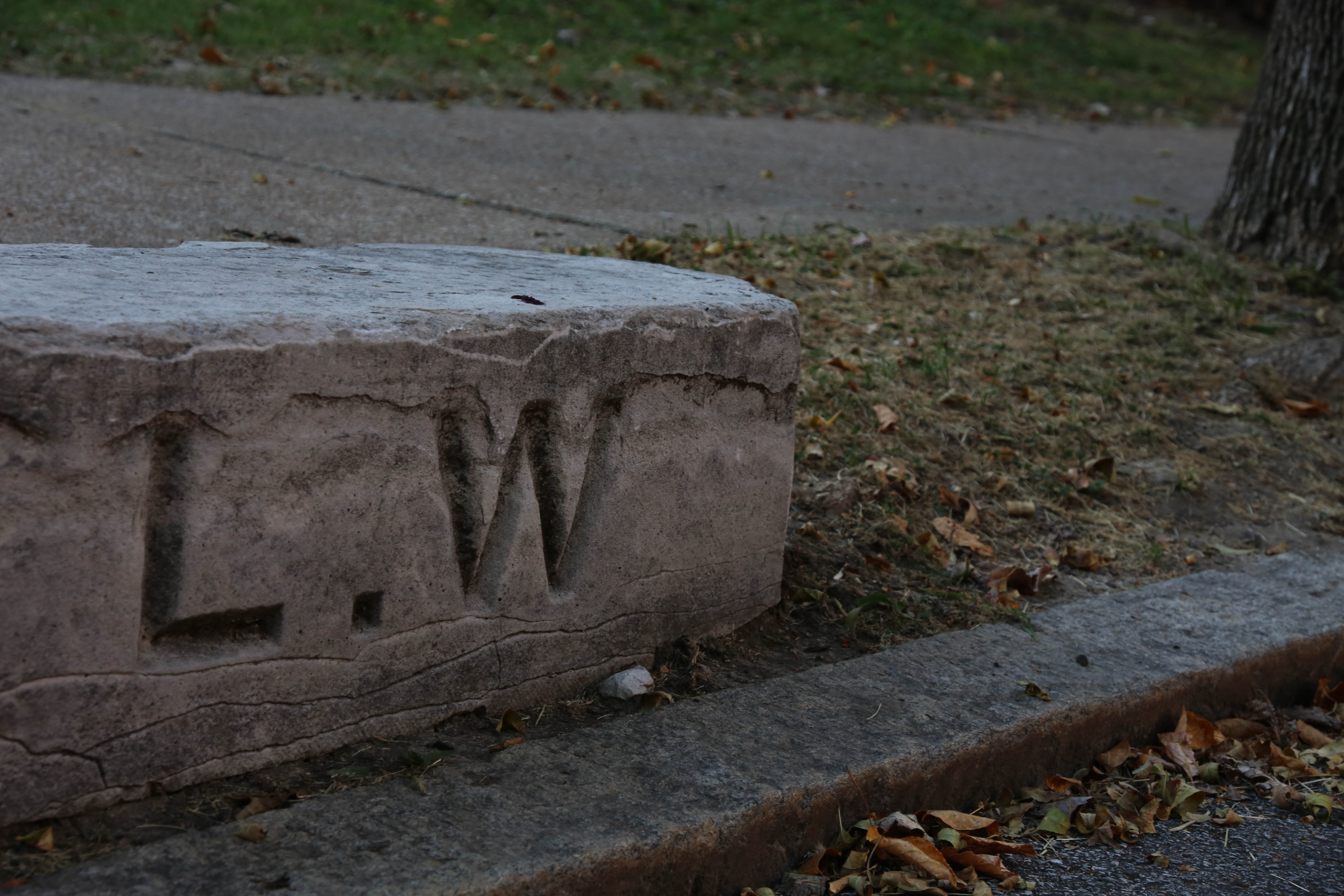
Now the social half, because these were not purely utilitarian.
A carriage block in front of a house announced that carriages came to that house, and that the household expected visitors who arrived in them. It was cut stone, it was permanent, it was in public view, and it was frequently larger and better finished than the job required.
Some carried a name or initials, which makes the function explicit: this is where the carriage stops for this household. A block was a piece of street furniture bought by a private family and placed in a public space, and nobody found that odd – which says a good deal about how the frontage of a house was understood at the time.
The Hitching Post Was Its Partner
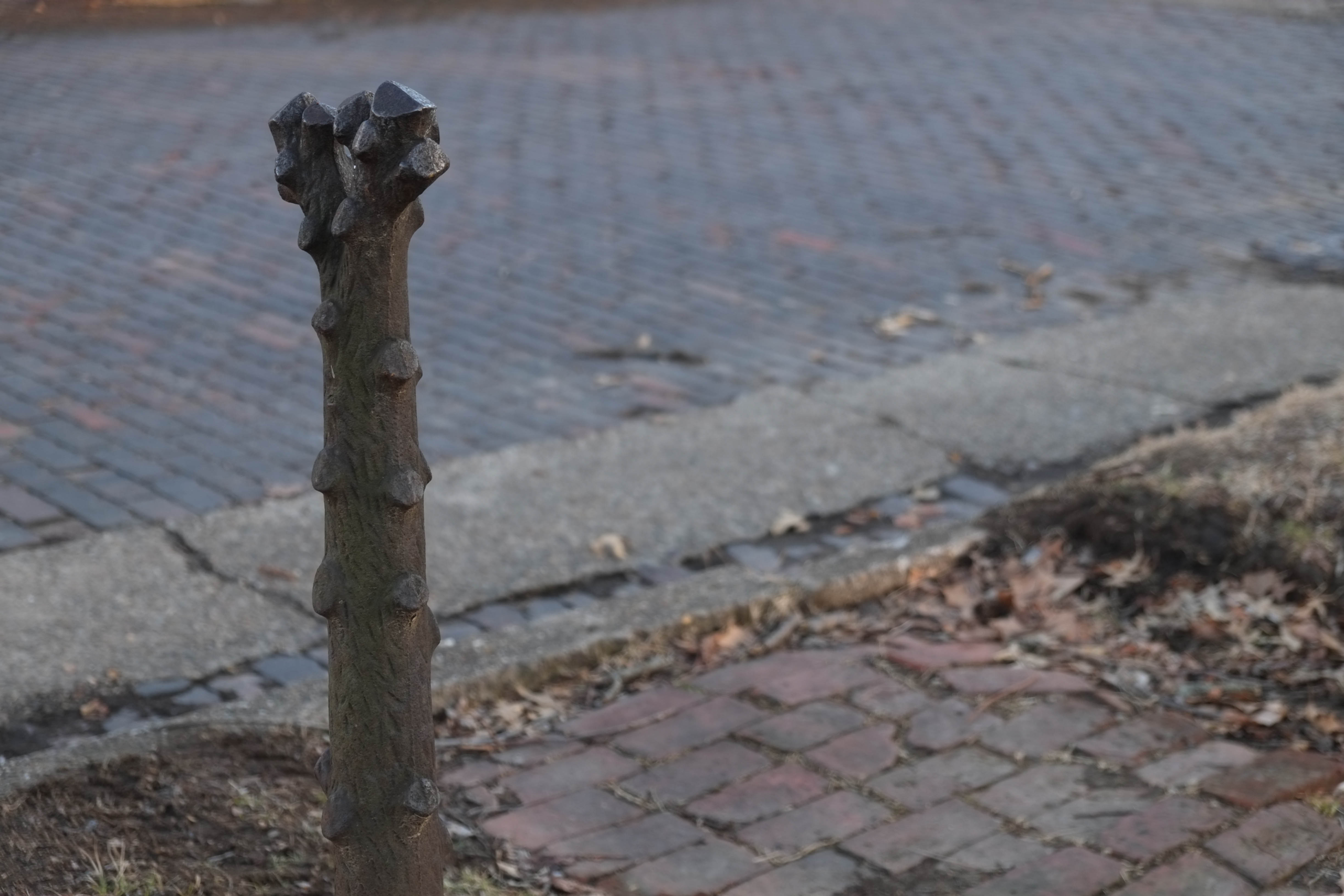
The block almost never stood alone.
A horse left standing has to be secured, so a post, a ring in a wall, or a weight came with the arrangement. Block and post together are the complete installation – somewhere to get down, and somewhere to leave the animal while you were inside.
The two objects had quite different fates, which I find telling. Posts were obstacles to traffic, they were in the way of everything, and they were pulled out early and in enormous numbers. Blocks were low, out of the roadway, and troublesome to remove, so they were simply left – which is why you can still find the block and almost never find the post.
The Streetcar and the Train Had the Same Problem
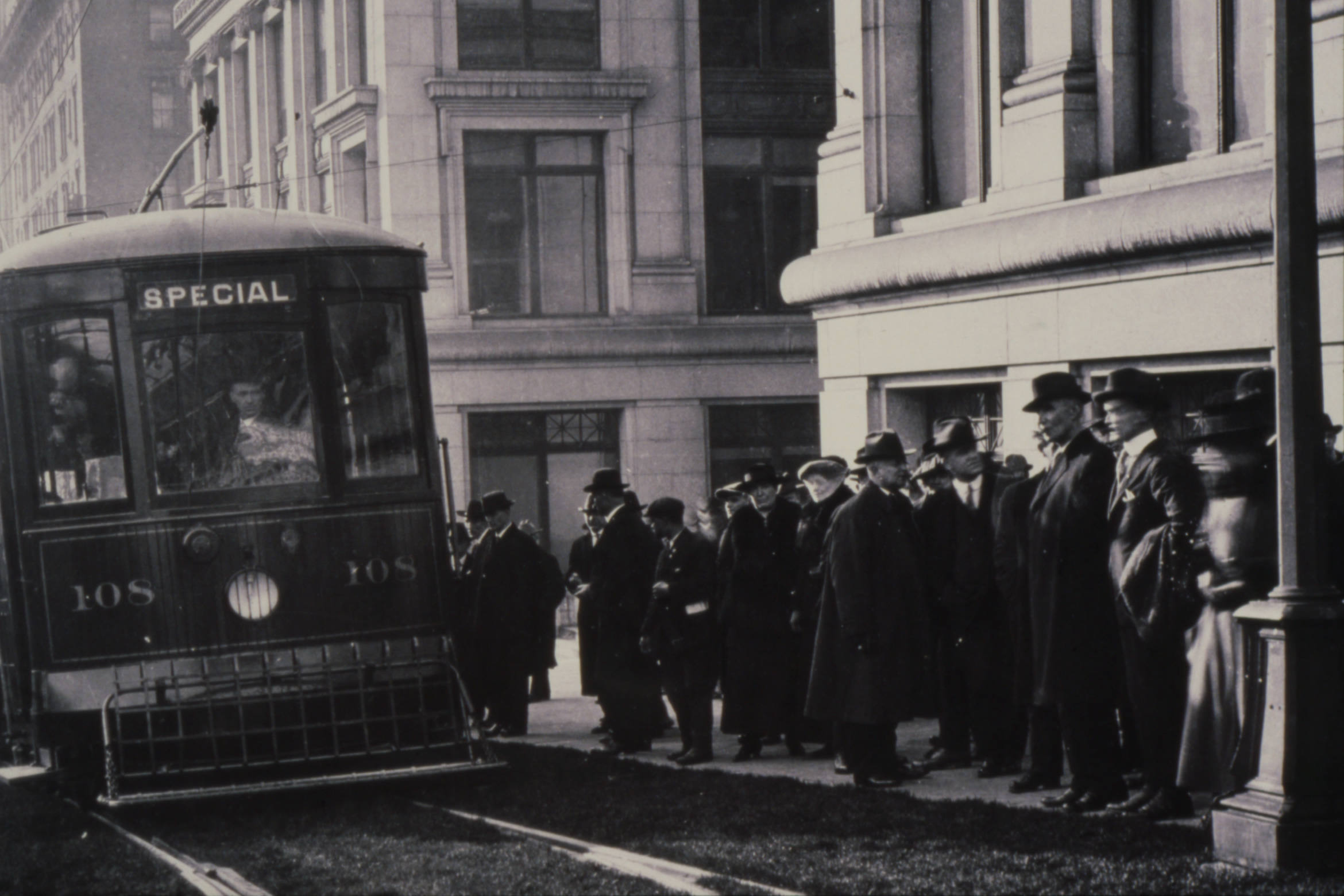
The height issue was general, and other solutions appeared alongside.
A streetcar or a railroad car has a floor well above the ground, and the answer there was a built step arrangement, a raised platform, or a portable stool that a conductor set down – which is the same idea as the block, made movable and provided by the operator rather than the householder.
That difference is worth noticing. A private carriage required the destination to supply the step; a public conveyance supplied its own. Which means the carriage block is evidence of a transport system in which the burden of access sat with whoever you were visiting.
Then the Automobile Lowered the Floor
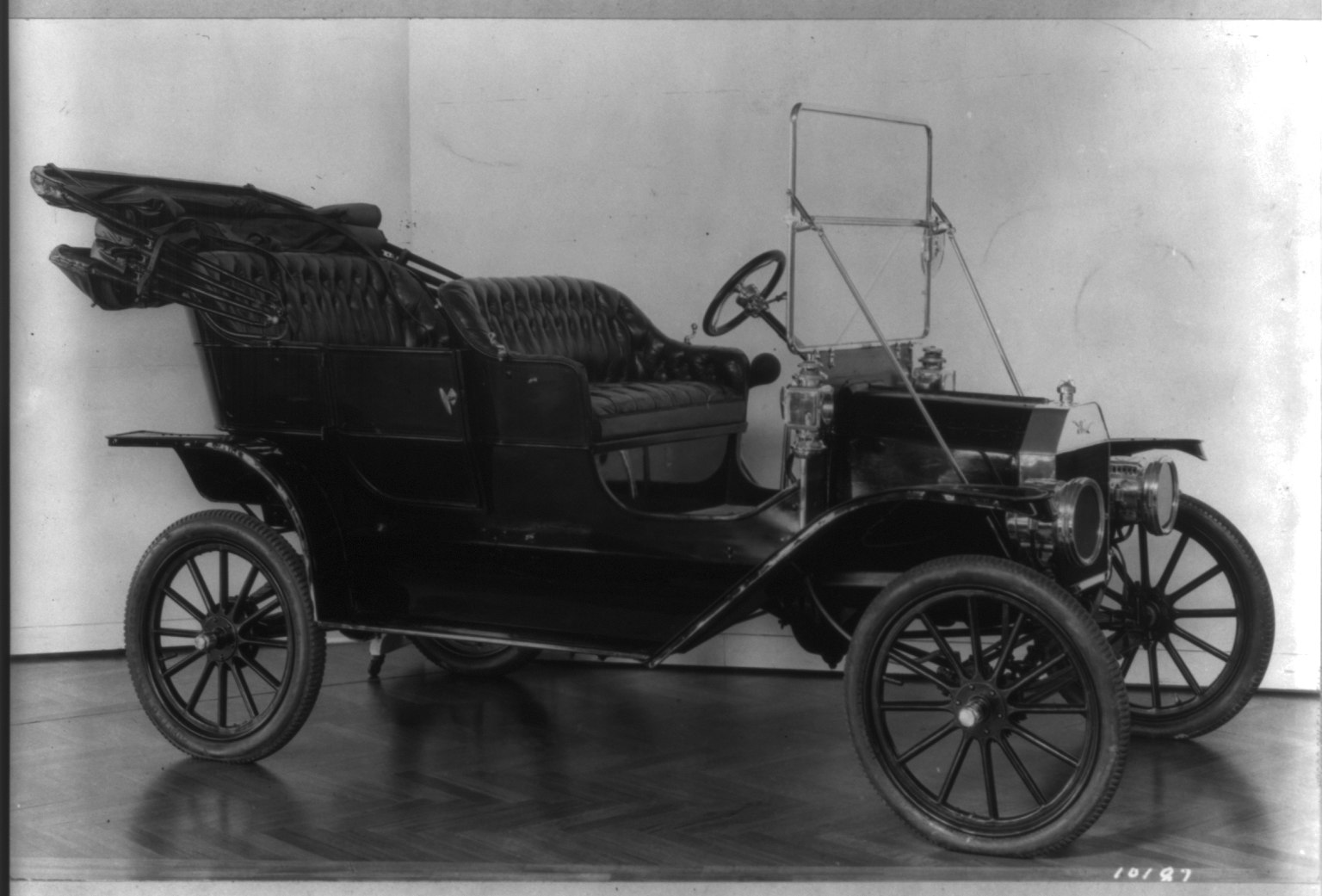
And this is how the whole object became meaningless, quickly and completely.
A car’s floor is below the top of its wheels rather than above them. You step down into a car, or across into it, not up. The entire height problem that the block existed to solve was eliminated by a change in where the passenger sat relative to the axles – which was not done for access at all, but for stability and for the mechanical layout.
Once that happened, a two-step stone block at the edge of the sidewalk had no function whatever. It was not replaced by a smaller block or a different arrangement. It simply stopped being needed, which is the cleanest form of obsolescence there is.
Then the Street Was Rebuilt Around Them
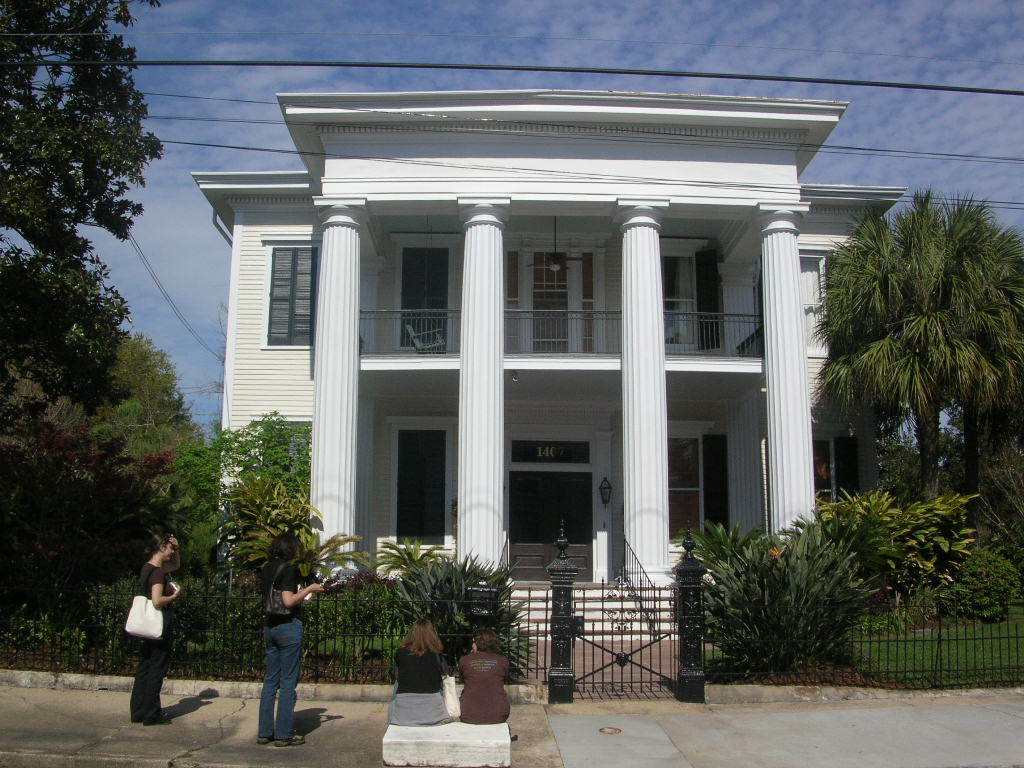
What happened next is why they look so strange now.
Streets were widened, graded, paved and repaved. Sidewalks were poured at new levels. Curbs were reset. Every one of those operations raised or moved the ground around a block that was not going anywhere, and the result is the thing you see today: a stone step set too low, in the wrong place, half-swallowed by concrete, often cracked by a vehicle, facing a street that is now four feet lower or two feet higher than the one it was cut for.
A great many were removed as obstructions or taken for garden stone. The survivors are almost all in front of houses on streets that were never widened.
What the Stone Is
I want to end on the thing that changed how I look at an old street.
That block is a measurement. It records the height of a vehicle floor that no longer exists, the width of a skirt that nobody wears, the position of a curb that has been moved, and the expectations of a household that is gone. It was cut by a mason to fit a specific set of conditions, all of which have changed, and it is still sitting exactly where he put it.
Nobody will ever use it again for its purpose. But it is the most durable thing on the street, it is older than the pavement, and the hollow worn in its top step was made by people stepping up into carriages, one foot at a time, in the same spot, for about a hundred years.
Like our content? Follow us for more.