A door had two separate problems, and they get confused constantly.
Somebody arriving had to announce themselves. Then somebody had to let them in. Those are different problems and they were solved by different hardware – a knocker makes a noise that carries into a building, and a latch string operates a fastening from the wrong side of a closed door. Neither does the other’s job, and a house commonly had both.
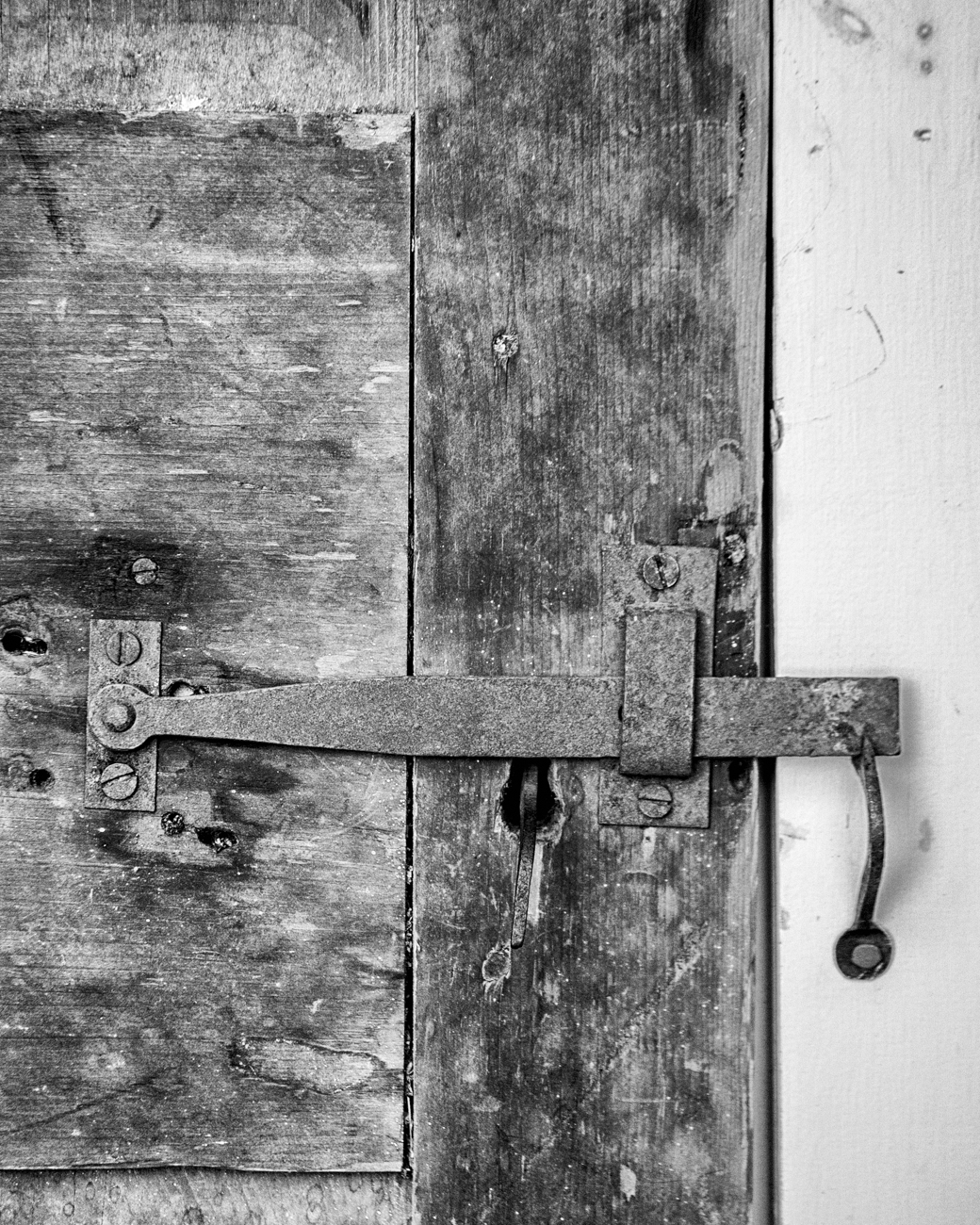
The latch string is the one worth admiring. A wooden bar inside dropped into a catch, and a leather thong tied to that bar passed out through a small hole, so a person outside could lift a mechanism they could not see or reach. No metal, no machining, nothing that can seize – a bar, a hole and a piece of leather. Here are fourteen things everybody once knew.
1. A Door Had Two Separate Problems and Two Separate Devices
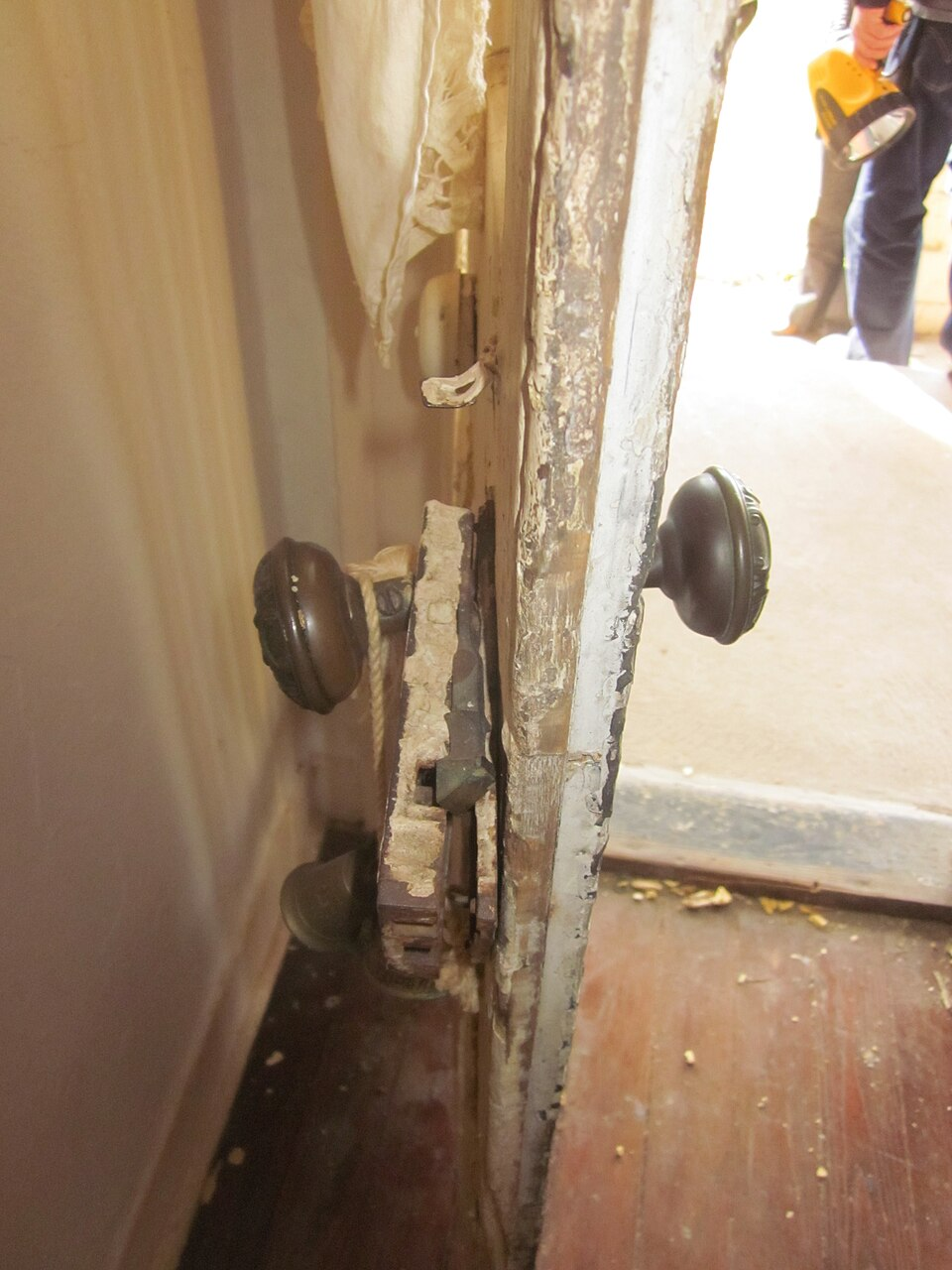
Somebody arriving had to announce themselves, and then somebody had to let them in – and those are different problems solved by different hardware.
A bell and a deadbolt, still separate.
Start by splitting the two functions, because they get confused constantly. A knocker makes a noise that carries into a building; a latch string operates a mechanism from the wrong side of a closed door. Neither does the other’s job, and a house commonly had both.
Like our content? Follow us for more.
2. The Latch String Was the Simplest Remote Control Ever Built
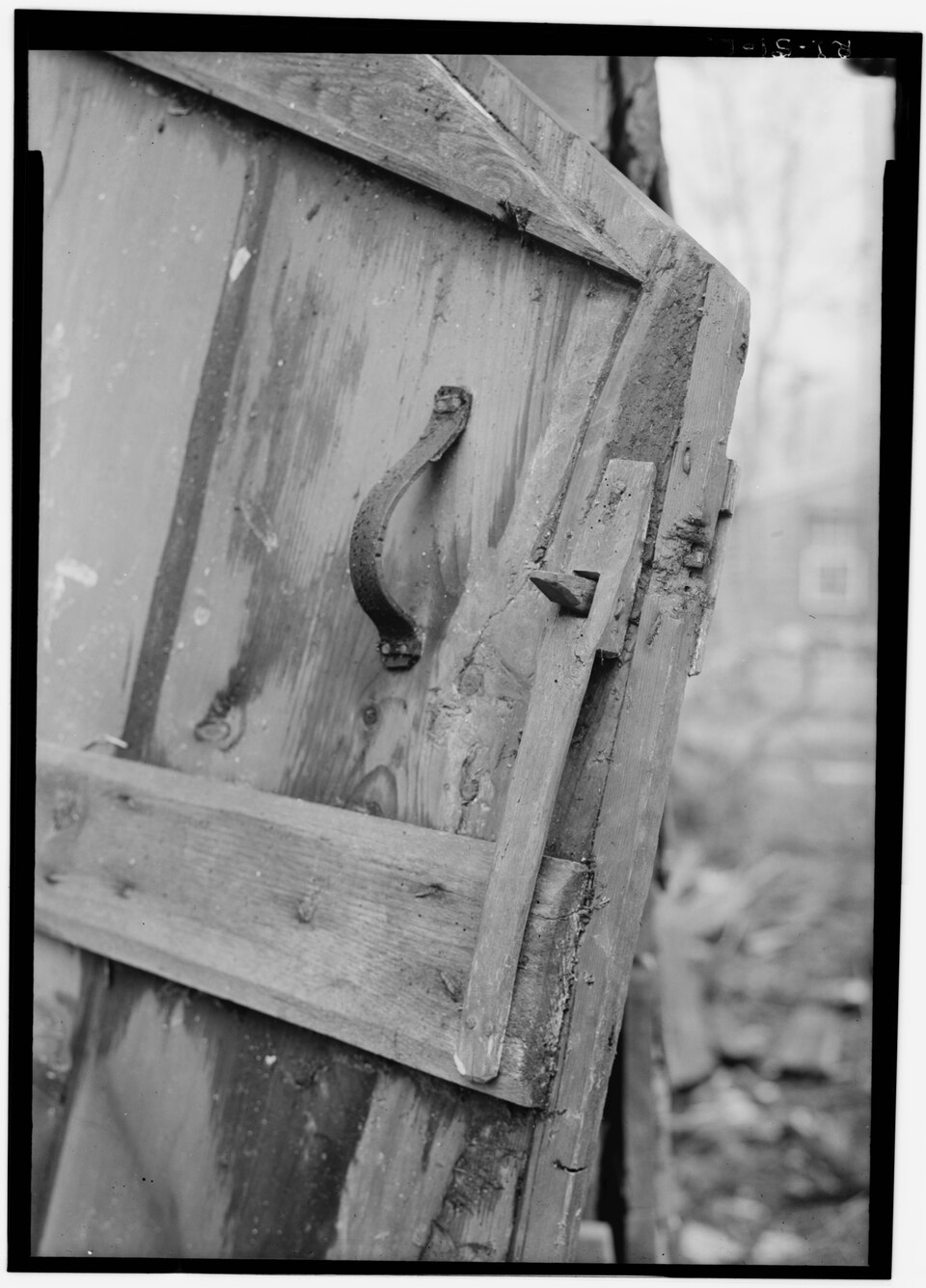
A wooden bar inside dropped into a catch, and a leather thong tied to it passed through a small hole so the bar could be lifted from outside.
Not applicable.
The mechanism deserves admiring properly, because it is about as economical as a solution can be. A bar, a hole and a piece of leather let somebody outside operate a fastening they cannot see or reach, with no metal, no machining and no moving part that can seize.
3. Pulling the String Inside Locked the Door Completely
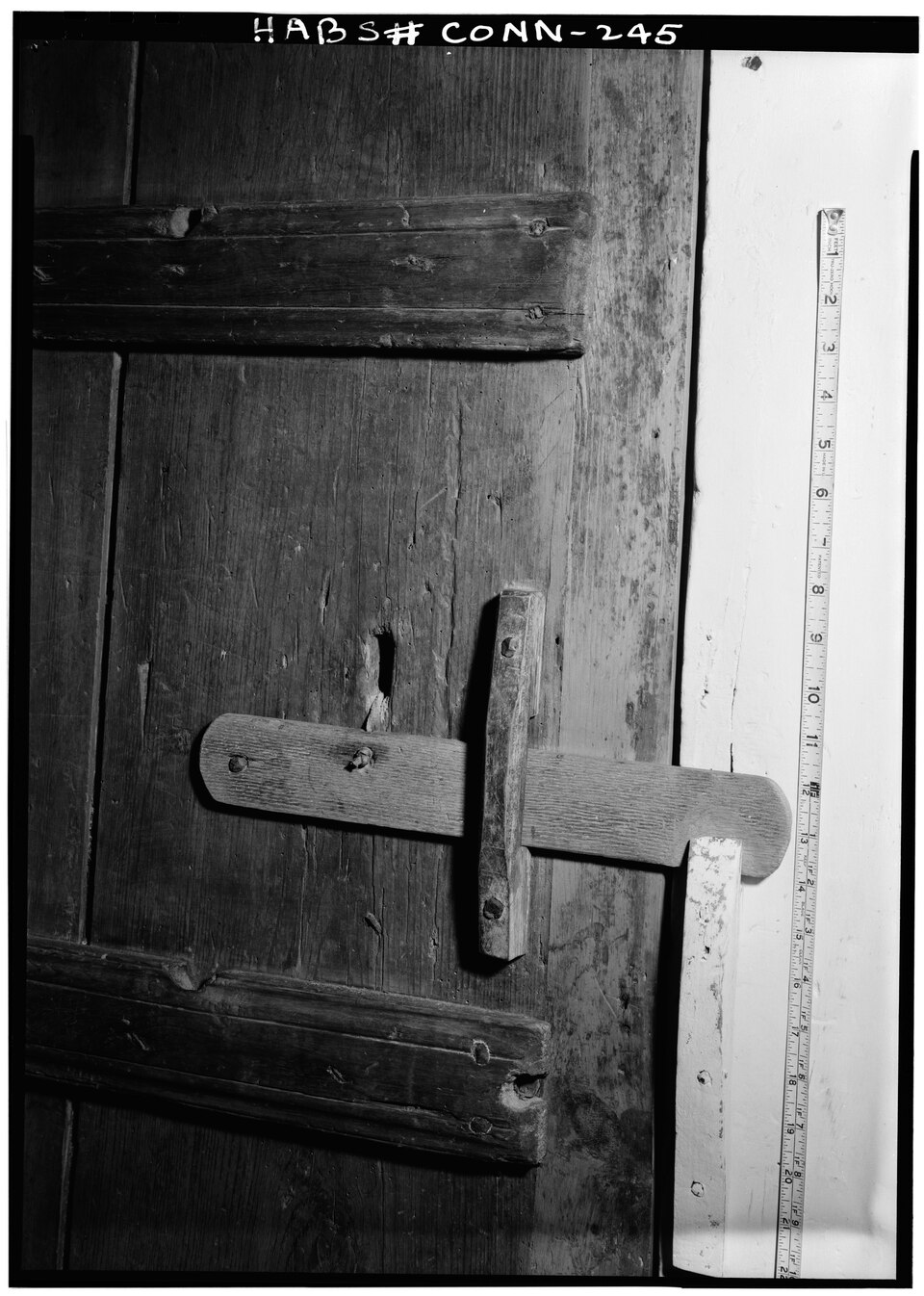
With the thong drawn through to the inside, the bar could not be lifted from outside at all, which made the door genuinely fastened.
Not applicable.
This is the elegant half of the design and it is a complete security state change achieved by moving a string. Nothing is bolted, nothing is keyed – the operating handle is simply removed from the outside world, which is as effective as any lock on a door of that construction.
4. The Latch String Is Out Meant Exactly What It Said
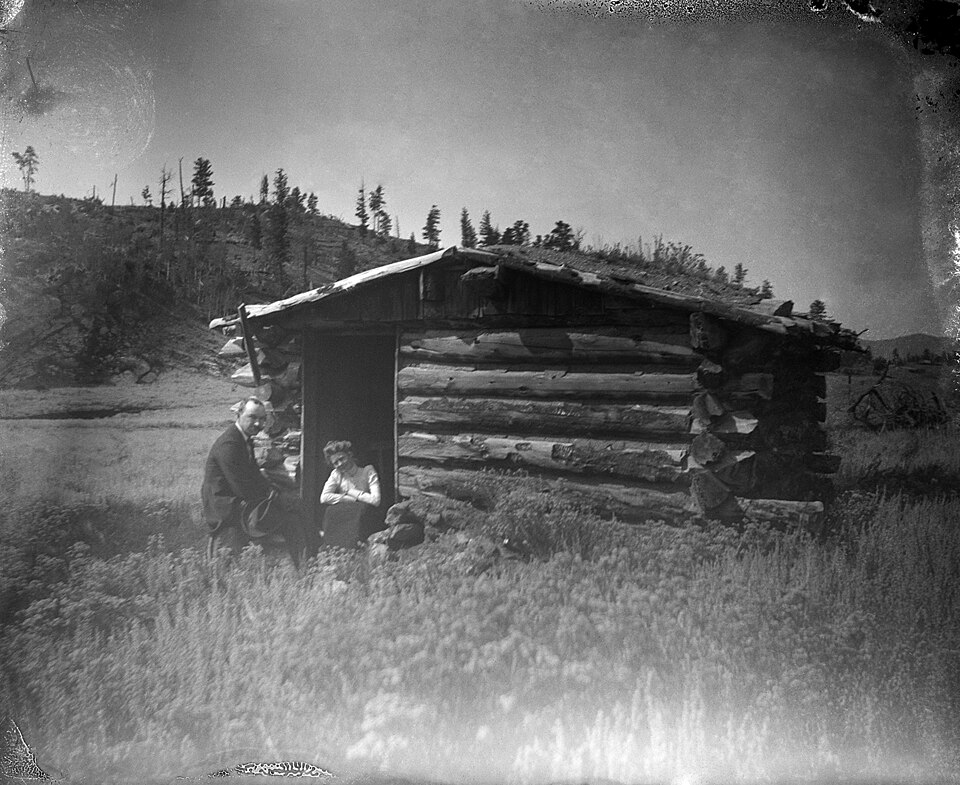
A visible thong hanging outside the door meant anybody was welcome to let themselves in, and the phrase survived long after the hardware did.
A figure of speech.
The idiom is the best evidence of how common this was and it is worth knowing it was literal. An expression of hospitality that began as a physical state – a string left hanging – tells you the arrangement was universal enough for everybody to recognise the reference.
5. Knocking Had to Be Heard Through a Solid Door in a Noisy House
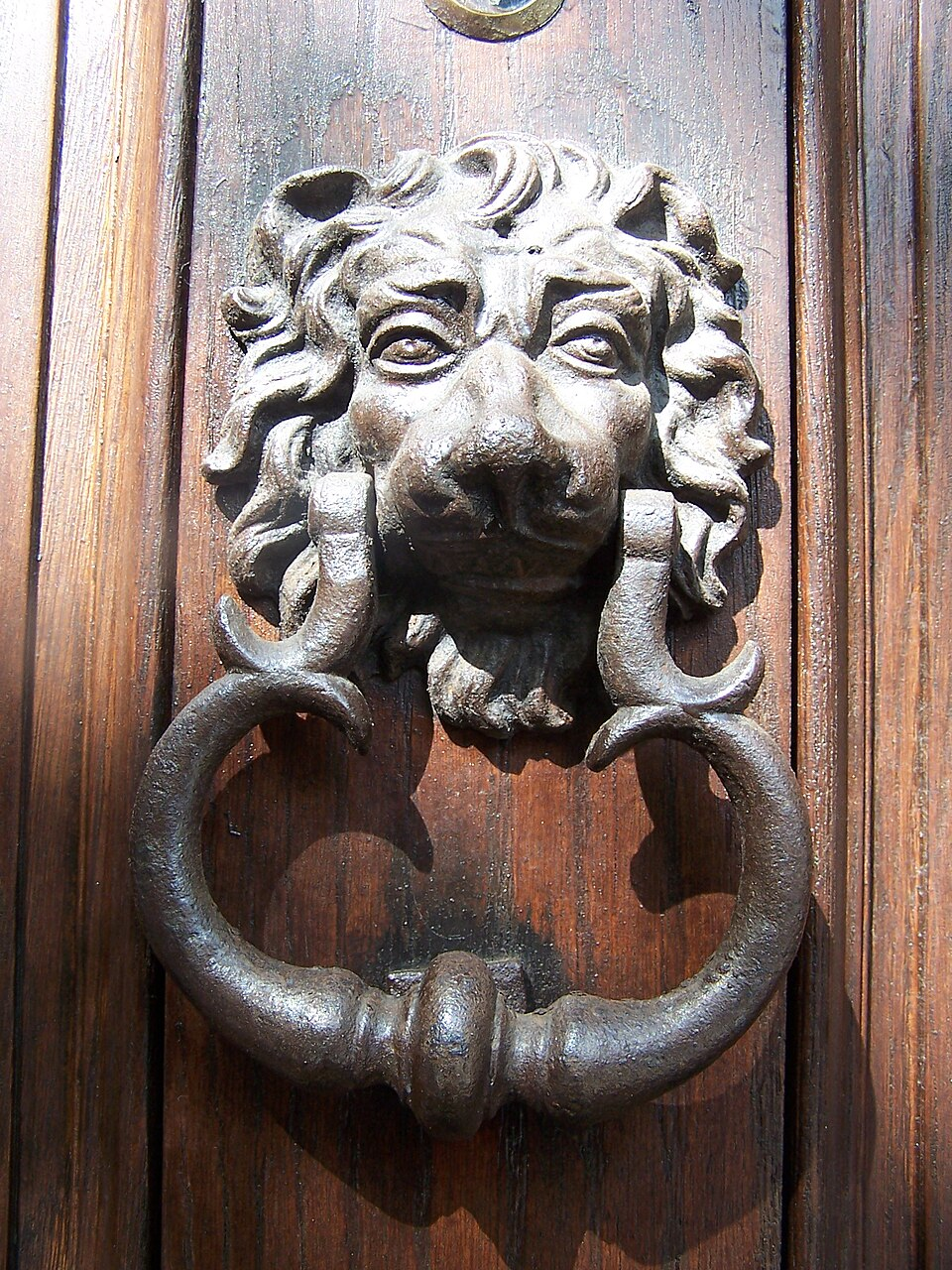
A fist on a thick plank is quiet from the inside, especially in a house with a fire, children and no quiet rooms.
Electric bells and intercoms.
The acoustic problem is the reason the knocker exists at all and it is a real one. A door is built to be solid, which means it transmits very little sound, so something harder than a hand striking a surface designed to resonate is needed to get a signal through.
6. The Striker Plate Mattered More Than the Knocker
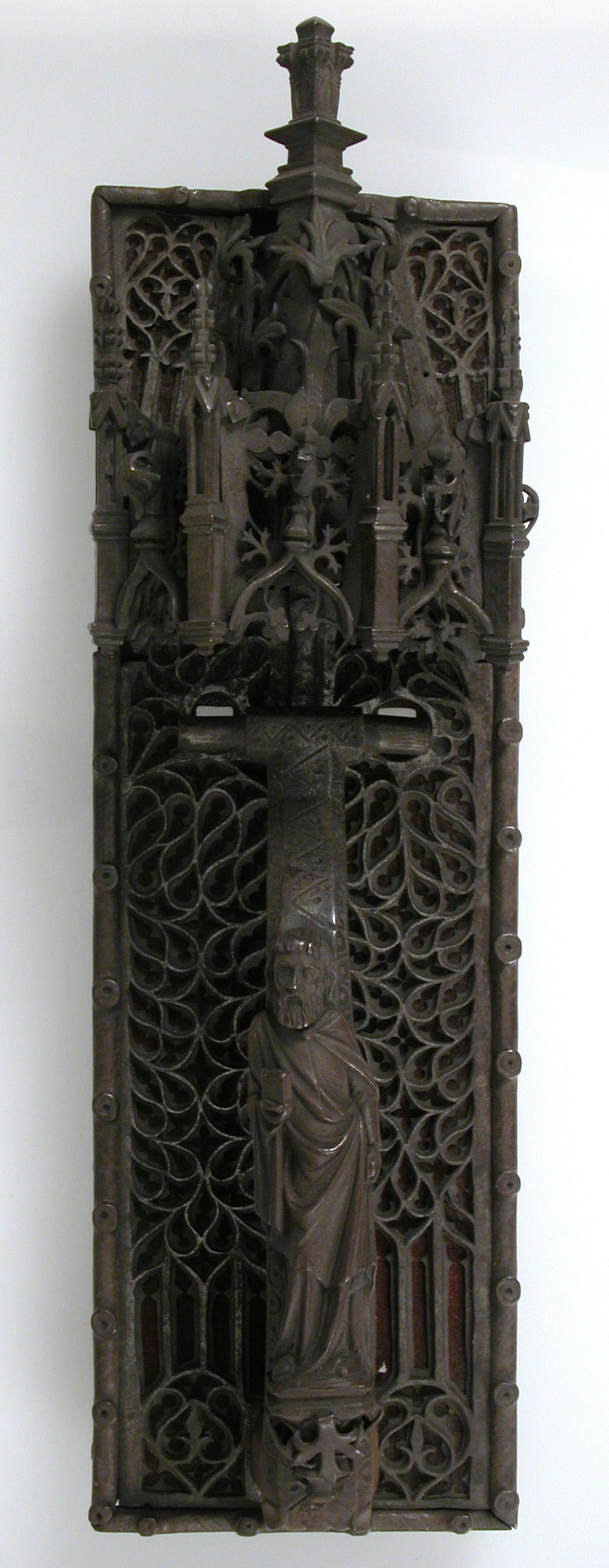
The sound came from a hard knocker hitting a hard plate fixed to the door, which is why a knocker without its plate makes a disappointing noise.
Not applicable.
The plate is the acoustic half of the device and it is routinely lost. Metal striking wood is dull and metal striking metal mounted on wood is sharp and carries – so the small escutcheon under the knocker is doing as much work as the knocker itself.
7. Knockers Were Where a House Put Its Personality
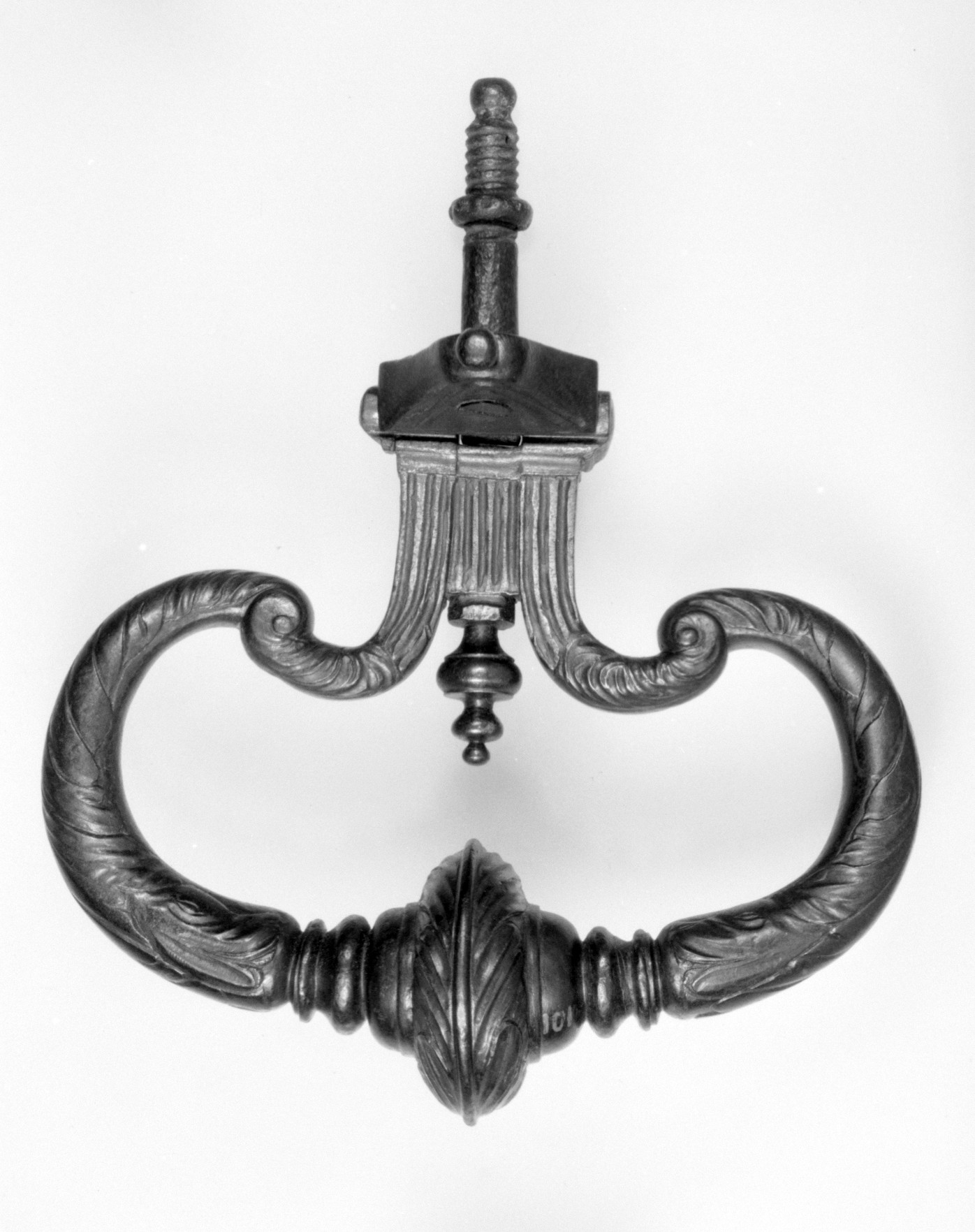
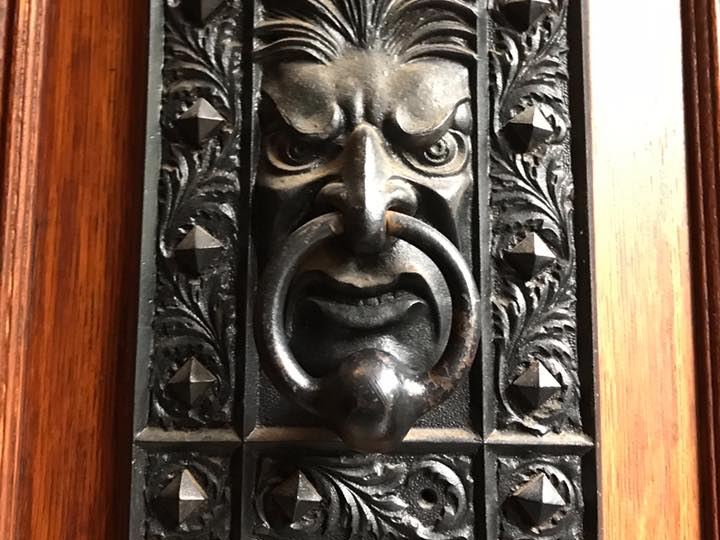
Cast as hands, animals, faces, wreaths and rings, the knocker was the one piece of hardware chosen for appearance as much as function.
Still true, decoratively.
The ornament is the result of position and it is the same logic as the scuttle in the parlour. An object at eye level on the front of the house is seen by everybody who arrives, which justifies spending on its appearance in a way a hinge never would.
8. The Sound Itself Carried Information
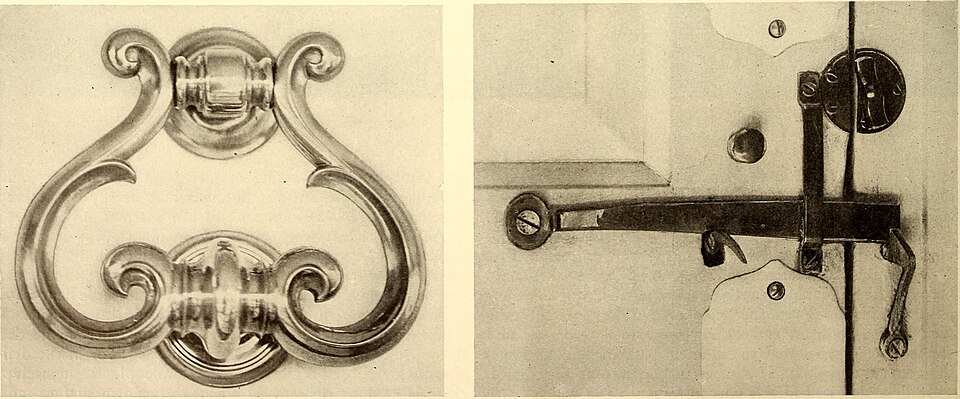
Household members knew the difference between a neighbour’s casual rap, a child’s knock and the deliberate heavy knock of a stranger or an official.
Not applicable in the same way.
Reading the knock is the part people forget and it was genuine. The rhythm, force and number of strikes vary by who is doing it and why, so the signal told the household something about the caller before anybody reached the door.
9. Back Doors Had Neither Device Because They Were Not Used Formally
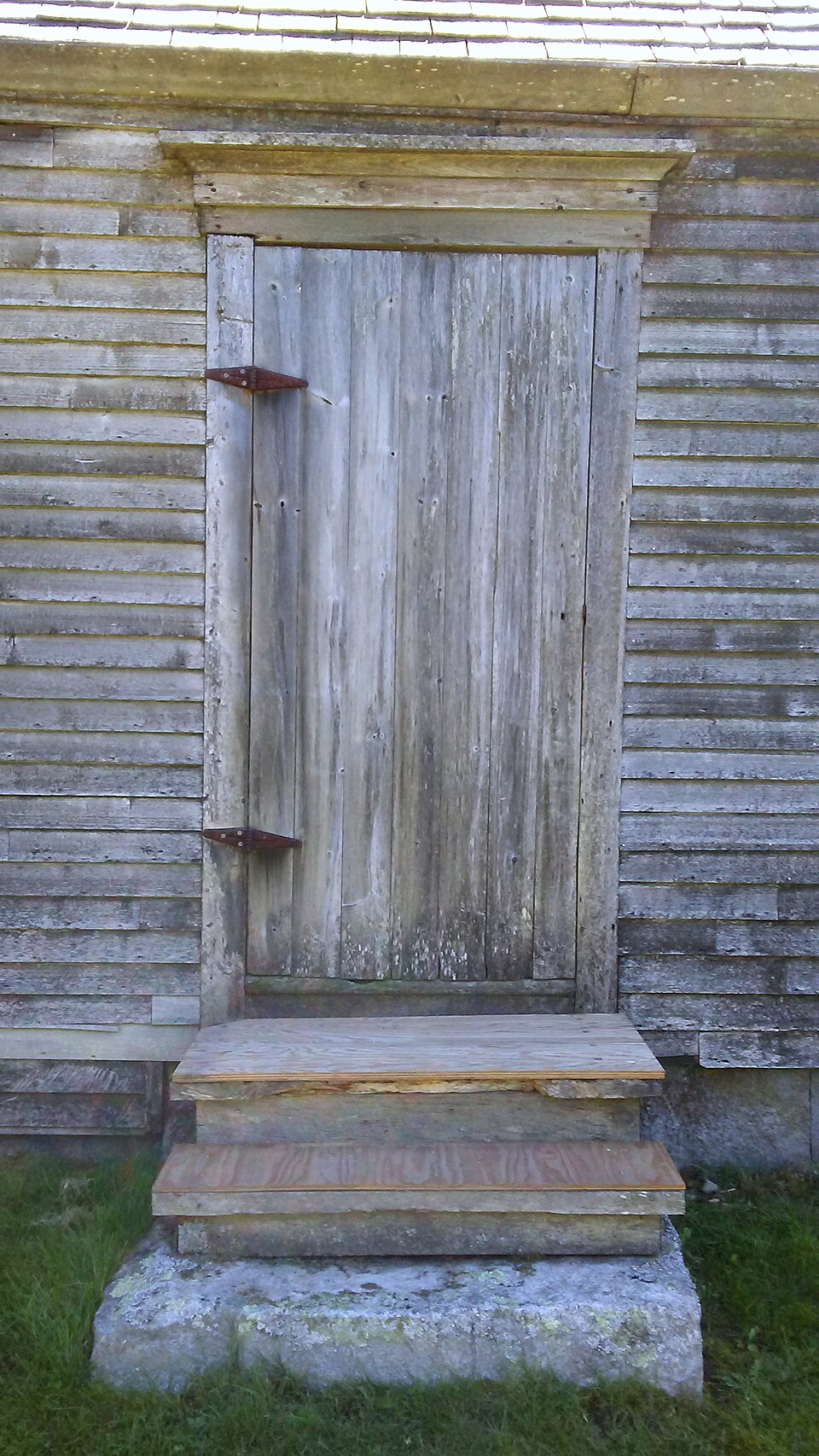
Family, workers and deliveries came to the back and simply walked in, so the knocker and the latch string belonged to the formal entrance.
Not applicable.
The two-door arrangement is the social structure behind the hardware and it explains the asymmetry. A front door is for people who must be admitted and a back door is for people who do not need admitting, which means only one of them needs a signalling device.
10. The Thumb Latch Replaced the String With Metal
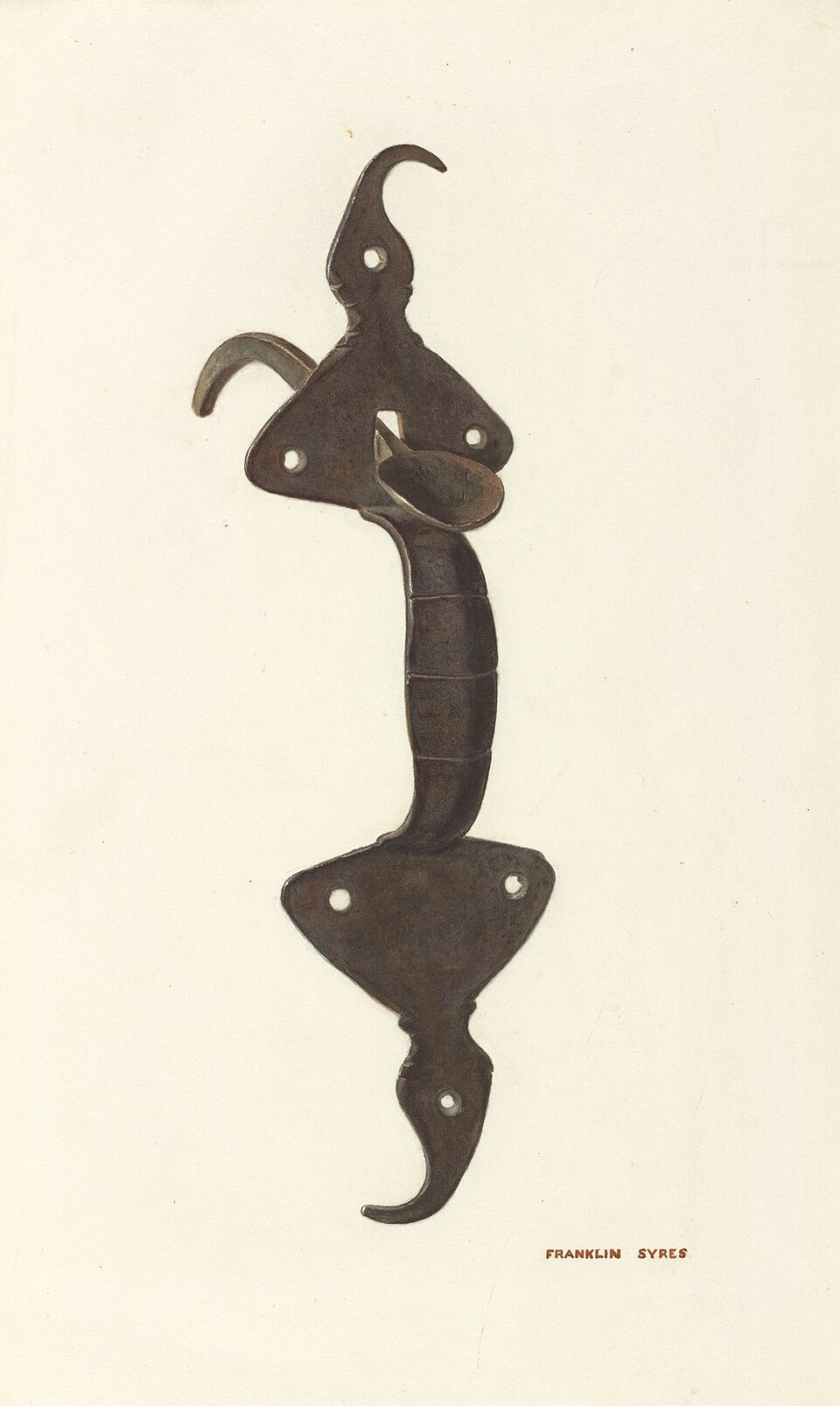
A cast lever on the outside, passing through the door to lift the bar inside, did the same job as the thong with a handle instead.
Not applicable.
The metal version is a straightforward improvement on exactly one point. A thong wears, freezes, rots and can be cut, while a cast lever does none of those – but it also means the door can no longer be secured by simply pulling the handle inside.
11. Then a Lock Separated Fastening From Operating
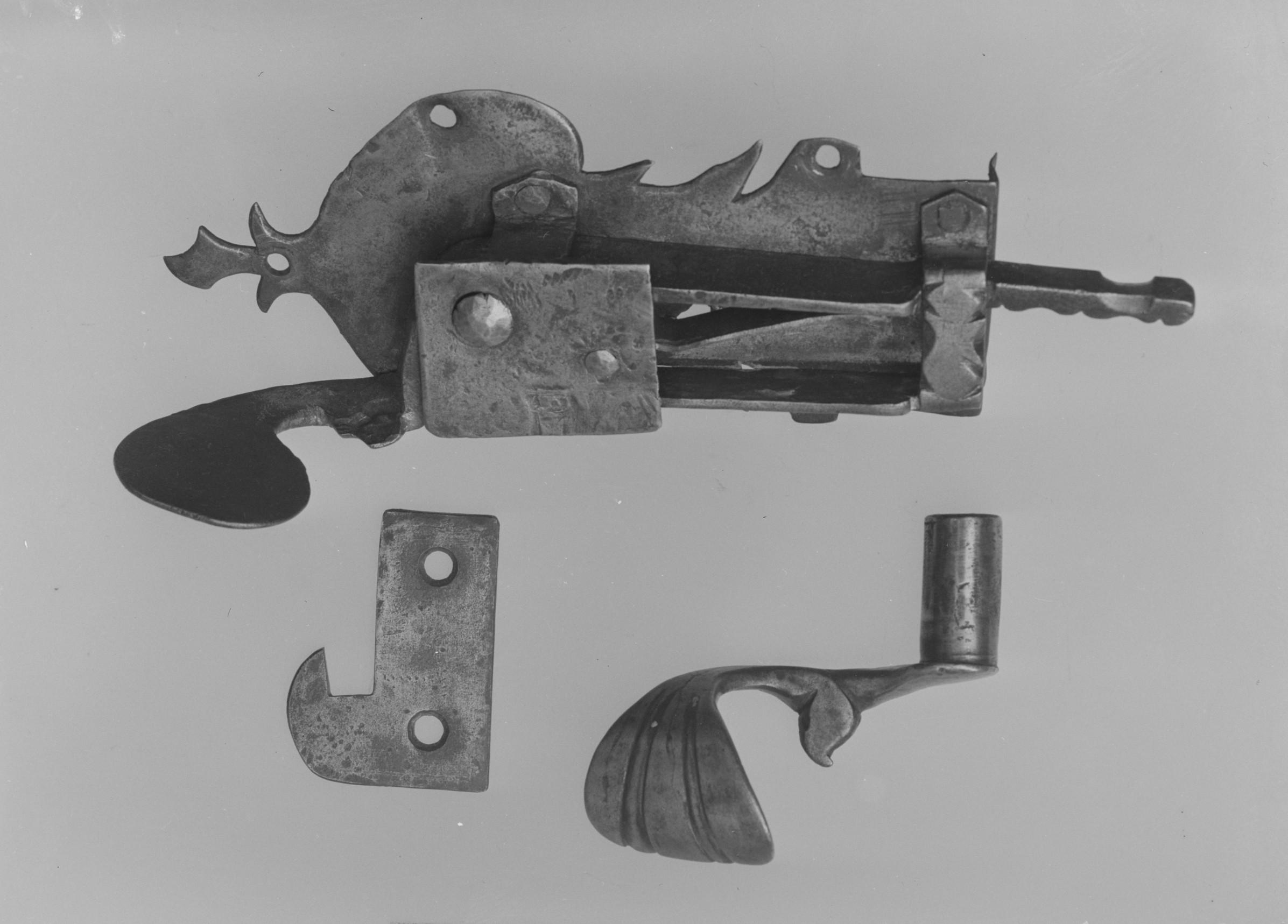
Once a door had a key-operated lock, the latch and the security became two different mechanisms rather than one.
Universal.
The separation is the real change and it is worth stating clearly. A latch string is both the handle and the lock, which is economical and crude; a lock plus a latch means the door can be shut without being secured, which is a distinction the earlier arrangement could not make.
12. The Doorbell Ended the Knocker Rather Than Improving It
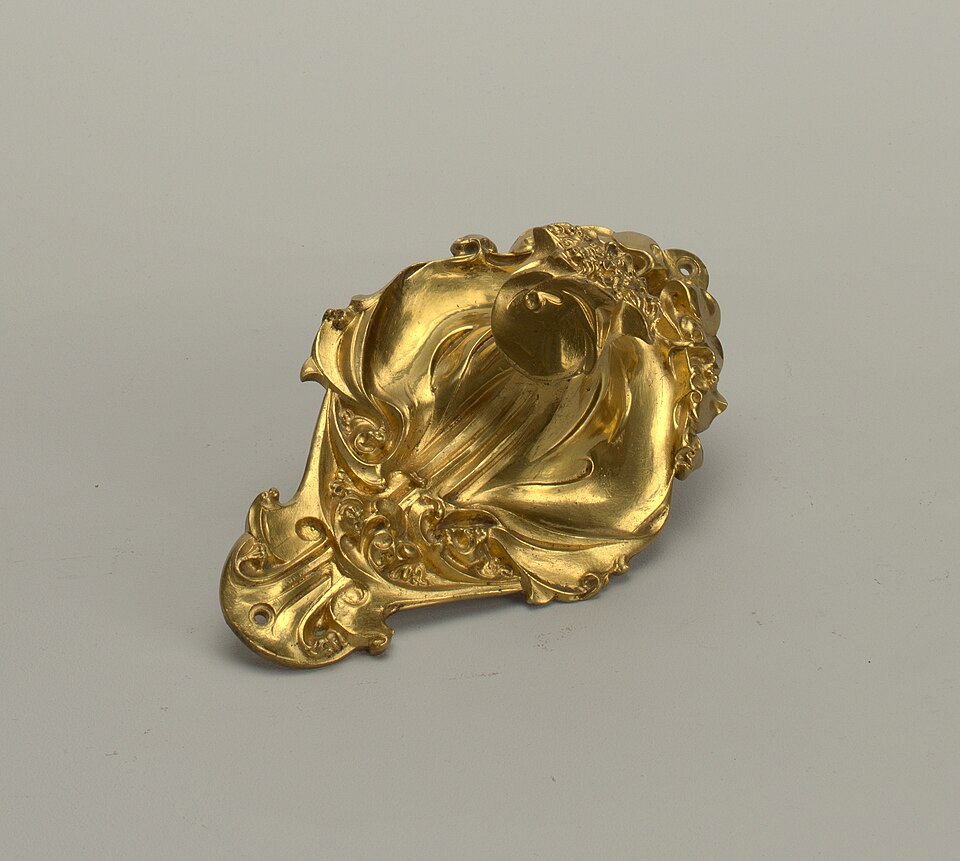
A bell operated by a pull, and later by a wire, put the noise inside the house instead of relying on sound passing through the door.
Universal.
The bell solves the acoustic problem at its root and that is why it won so completely. Making the noise where the listener is, rather than trying to transmit it through a solid barrier, is a better approach entirely – and it works regardless of how thick the door is.
13. Both Objects Survived as Ornament on Doors That Did Not Need Them
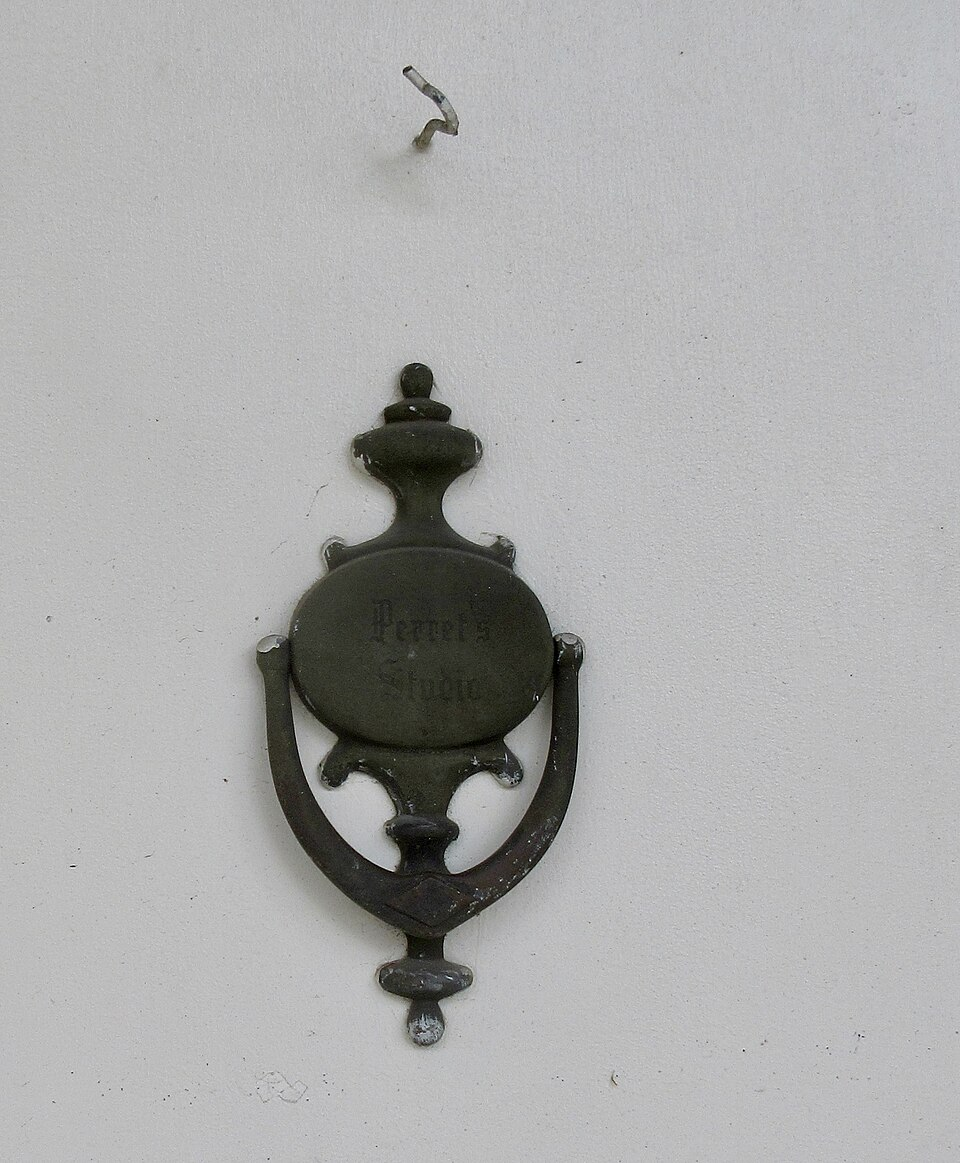
Knockers were fitted to doors with electric bells beside them, and latch strings were reproduced where nothing operated anything.
Decorative.
Keeping the obsolete object beside the working one is the clearest sign of what these had become. A knocker on a door with a bell is a statement about the house rather than a way of getting somebody’s attention.
14. And by 1964 Nobody Knocked Twice
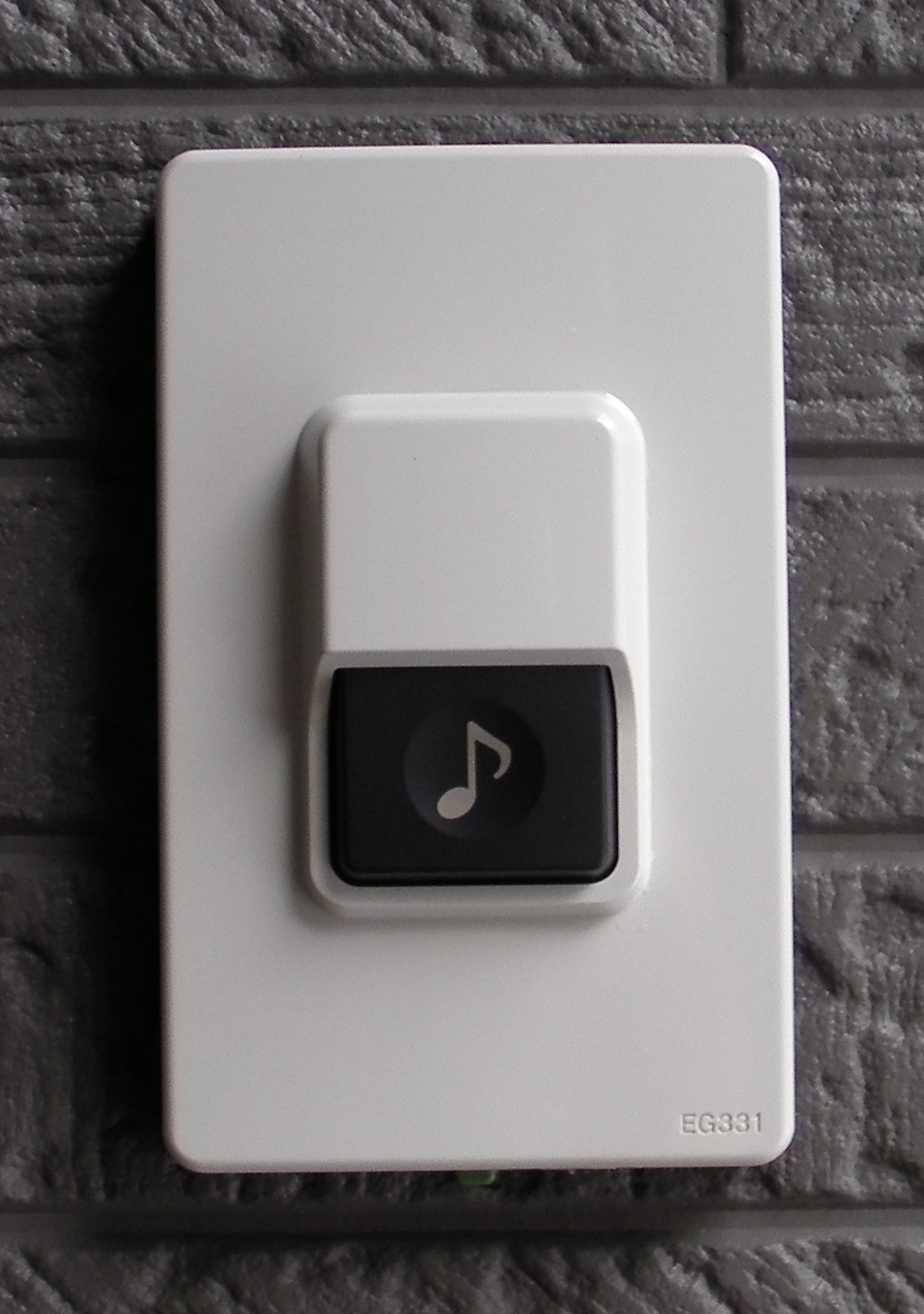
The bell was pressed, the knocker was admired, and the phrase about the latch string was used by people who had never seen one.
Gone.
And what deserves the last word is the latch string, because it is one of the most economical mechanisms anybody ever built. A wooden bar, a hole and a strip of leather let a person outside operate a fastening they cannot see – and drawing the leather through to the inside removed the handle from the outside world entirely, which fastened the door as effectively as any lock on a door of that construction. One string, two complete states, no metal and nothing to seize. The knocker solved the opposite problem, because a solid door transmits almost no sound, which is why the hard plate beneath it was doing as much work as the knocker itself. Then a bell made the noise inside the house instead of through the door, a lock separated being shut from being secure, and both old devices stayed on doors that no longer needed them – with the phrase outliving the string by a century.
One String Gave a Door Two Complete States
Door hardware is the kind of thing nobody looks at, and two pieces of it are worth taking seriously because each solves a problem precisely.
Split the functions first, because they are routinely confused. Announcing an arrival and admitting the arrival are different jobs. A knocker does the first, a latch does the second, and a house usually had both.
Now the latch string, which is about as economical as any mechanism has ever been. A wooden bar inside drops into a catch. A leather thong tied to the bar passes out through a small hole. Somebody outside pulls the thong, the bar lifts, the door opens – and there is no metal in it, nothing machined and no part that can seize.
The elegant half is what happens when the thong is pulled through to the inside. The bar can no longer be lifted from outside at all. Nothing is bolted and nothing is keyed; the operating handle has simply been removed from the outside world – which on a door of that construction is as effective as any lock. One string, two complete states.
And the arrangement was common enough to produce an idiom that is still in use. The latch string is out meant exactly what it said: a thong visible outside the door meant anybody was welcome to let themselves in. An expression of hospitality that began as a literal physical state tells you how universal the hardware was.
The knocker solves the opposite problem, and the problem is acoustic. A door is built to be solid, so it transmits very little sound – and a fist on a thick plank is quiet from inside a house with a fire, children and no quiet rooms.
Which is why the striker plate matters more than the knocker. Metal on wood is dull; metal striking metal mounted on wood is sharp and carries. So the small plate under the knocker is doing as much work as the knocker, and it is routinely missing from survivors, which is why so many old knockers sound disappointing.
Two human details belong here.
Knockers were where a house put its personality – cast as hands, animals, faces, wreaths and rings, the one piece of hardware chosen for looks as much as function. Same logic as a decorated scuttle in a parlour: an object at eye level, seen by everybody who arrives, justifies the expense.
And the sound carried information. Household members could tell a neighbour’s casual rap from a child’s knock from the deliberate heavy knock of a stranger or an official. Rhythm, force and number vary with who is knocking and why, so the signal said something about the caller before anybody reached the door.
The social structure behind all of it shows in the back door, which had neither device. Family, workers and deliveries came round the back and walked in. A front door is for people who must be admitted; a back door is for people who do not need admitting – so only one of them needs a signal at all.
Then three changes took the whole arrangement apart.
The thumb latch replaced the thong with a cast lever passing through the door, which is better on exactly one point and worse on another: a lever does not wear, freeze, rot or get cut, and it also means the door can no longer be secured by pulling the handle inside.
A key-operated lock separated fastening from operating, and that is the real change. A latch string is both the handle and the lock, which is economical and crude. A lock plus a latch lets a door be shut without being secured – a distinction the earlier arrangement simply could not make.
And the doorbell did not improve the knocker, it ended it. A bell makes the noise where the listener is, instead of trying to push a noise through a solid barrier, which solves the problem at its root and works however thick the door is.
Both old devices then stayed on, as ornament. Knockers were fitted to doors with electric bells beside them, and latch strings were reproduced on doors where nothing operated anything – which is the clearest sign of what they had become. A knocker on a door with a bell is a statement about the house, not a way of getting attention.
The phrase outlived the string by about a century, which is a reasonable achievement for a strip of leather.
If you ever say the latch string is out, remember that it was literal.
Somebody left a piece of leather hanging so you could let yourself in.
Like our content? Follow us for more.