

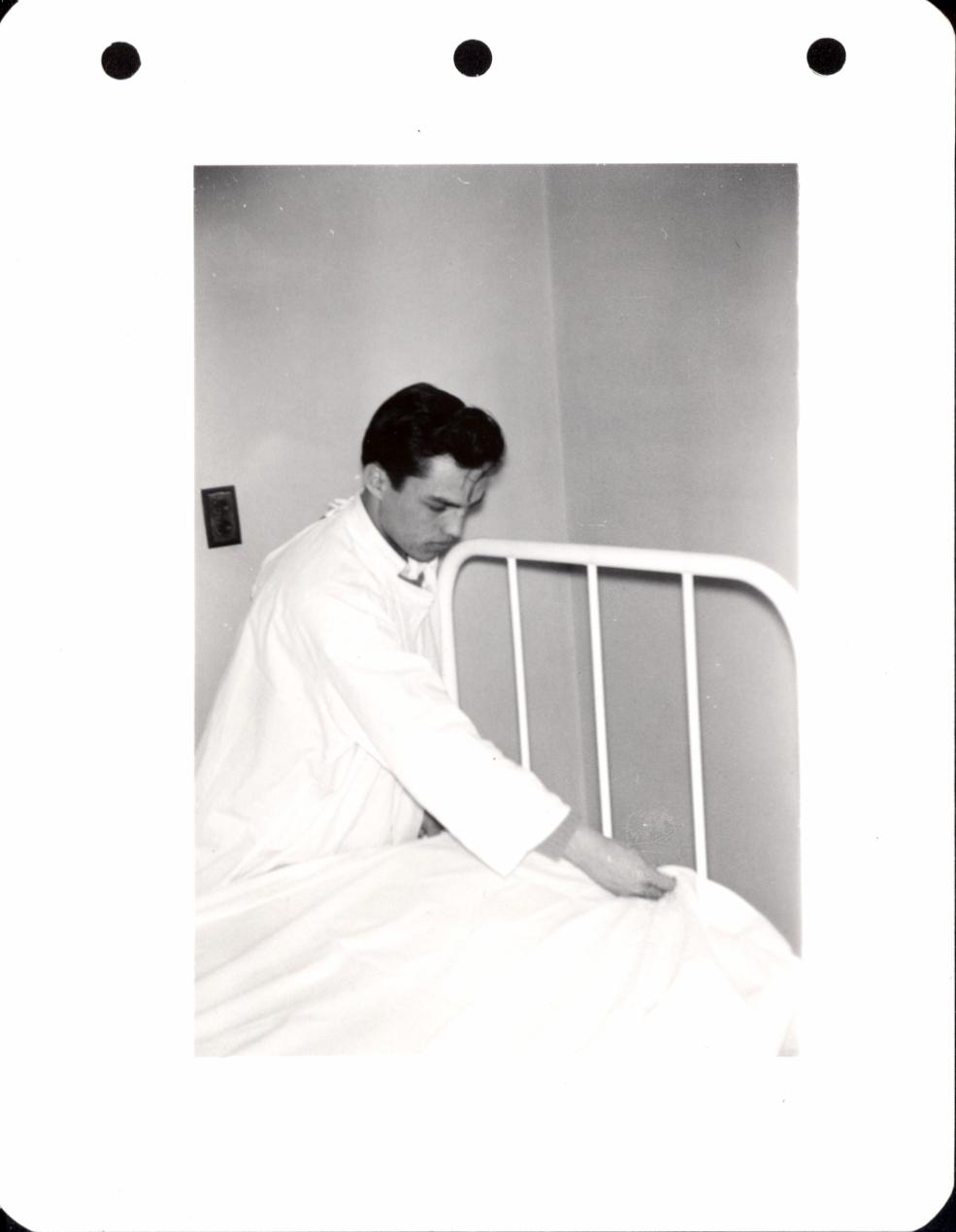
In 1962 making a bed had a right answer, and the right answer did not come from the household. It came from institutions – hospitals, services, boarding establishments – where a single standard applied across hundreds of beds, and it arrived in ordinary houses carrying that authority with it. So children were not asked to make the bed tidy, which they could have interpreted. They were required to perform a specific sequence in a specific order, with the corners as the examination, before anything else happened in the morning, for a result nobody would see in a room nobody would enter. Here are twelve things every kid remembers about making the bed in 1962, and why no household expects any of it anymore.
1. There Was a Correct Way and It Was Not Negotiable
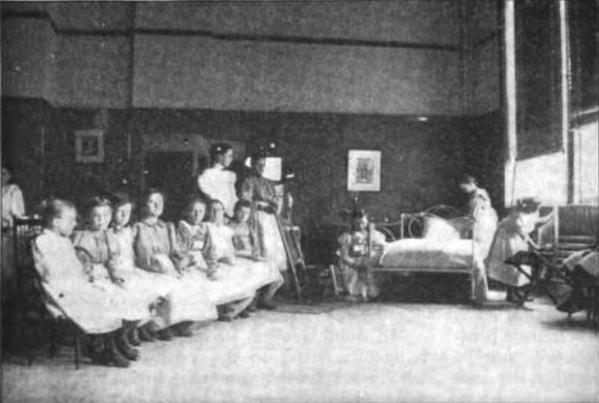
Making a bed had a right answer, the right answer was demonstrated, and anything else was wrong regardless of the result.
The rigidity had a source outside the household. The method came from institutions – hospitals, services, boarding establishments – where a single standard applied across hundreds of beds, and it arrived in ordinary houses carrying that authority with it.
Children therefore learned a procedure rather than a task. The instruction was not to make the bed tidy, which a child could have interpreted, but to perform a specific sequence in a specific order, which left no room for anybody’s judgement at all.
Like our content? Follow us for more.
2. The Corners Were the Whole Examination
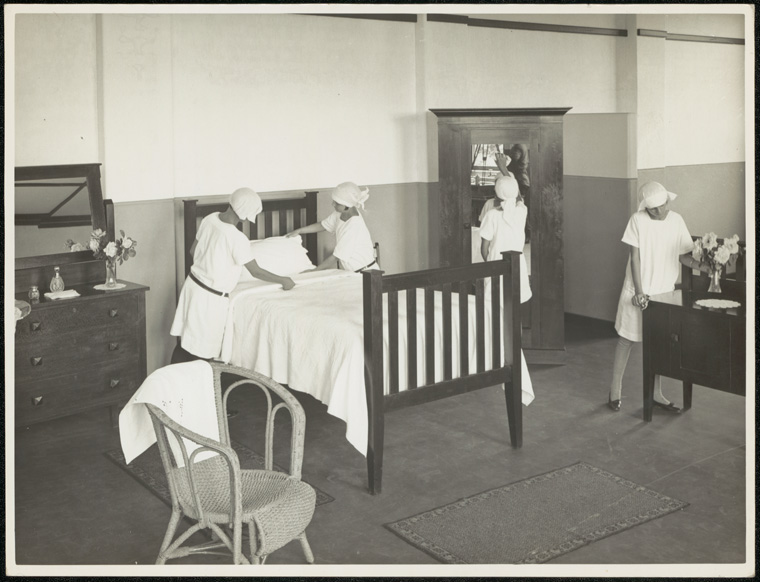
Everything else about the job could be adequate, and the corners were where it was passed or failed.
The focus was not arbitrary. A folded corner is the one part of a made bed that requires an actual technique rather than mere effort, which makes it the only part where an inspector can tell whether somebody has learned anything.
Children knew exactly what would be checked. A child who had been shown this twice understood that an adult coming into the room would look at one specific place, which concentrated the available effort precisely.
There was also no way to fake it. A bed that had been pulled roughly flat looks almost identical to one that has been made properly from a distance of six feet, and looks nothing like it at the corner, which is why that was the place adults checked and why the shortcut never worked on anybody who knew what they were looking for.
3. It Was Taught by Somebody Standing Over You
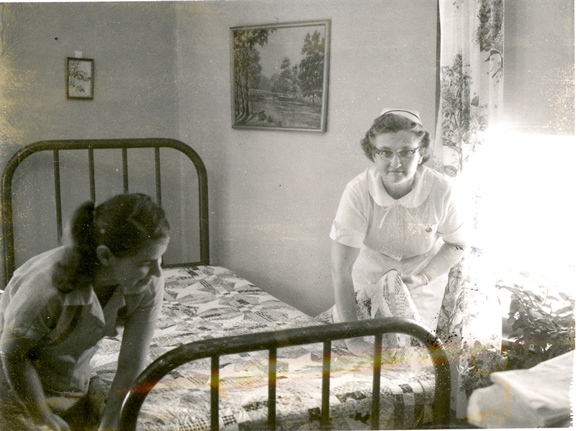
The method could not be explained from a doorway, which meant an adult was physically present for the first several attempts.
The proximity was unavoidable. A folded corner involves lifting, tucking and holding simultaneously, and the only way to convey that is for somebody to do it alongside the learner and then watch them repeat it.
That made it one of very few shared tasks. A great many household instructions were issued at a distance, and this one required an adult to stand in a bedroom for ten minutes, which is remembered by a surprising number of people as unusually companionable.
4. The Bedding Itself Made It Difficult
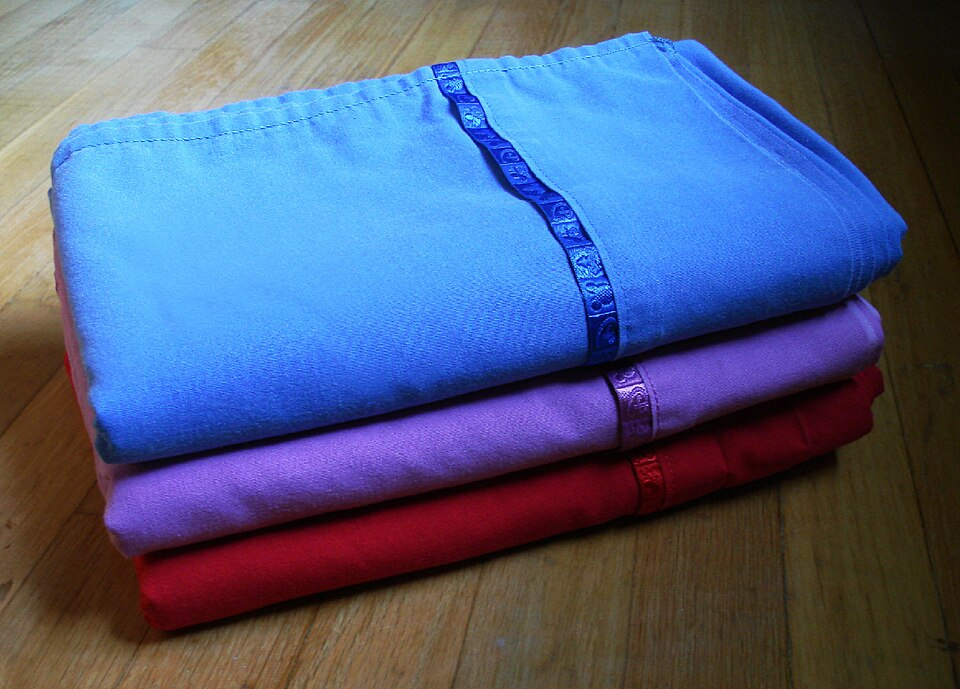
Flat sheets, heavy blankets and no fitted anything meant every layer had to be positioned individually.
The materials were the real workload. A bed built from separate flat pieces requires each one to be squared, tensioned and secured, and there was nothing elasticated anywhere in the arrangement to hold any of it in place.
That is what has changed most. The job was genuinely harder then because the components were harder, and anybody who finds the old standard excessive has never had to square three loose layers before breakfast.
The instruction also had to be repeated at intervals for years. A technique learned at seven degrades steadily once nobody is standing there, and most households found themselves demonstrating the same corner again at nine and again at eleven, each time slightly more exasperated than the last and each time with a child who was certain they already knew.
5. A Bed That Passed Was Uncomfortable to Get Into
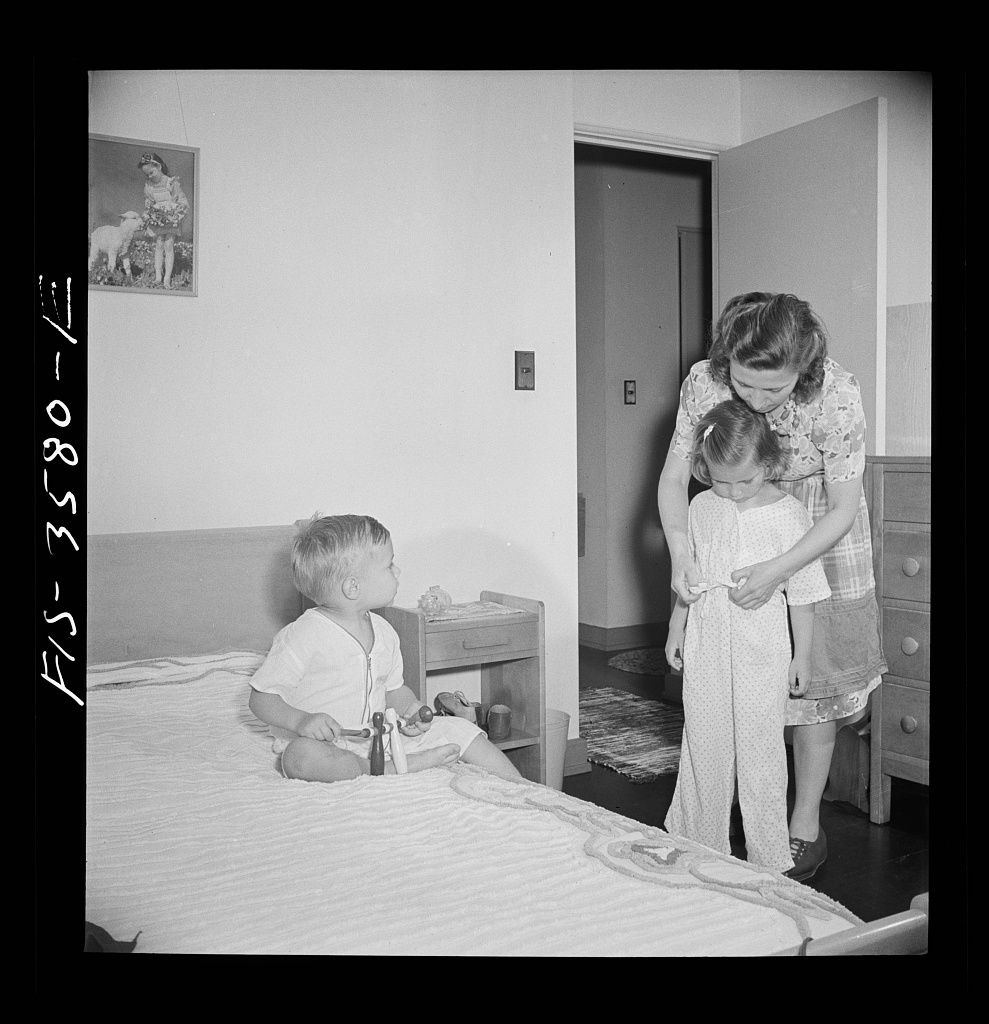
The tightness that satisfied an inspection also meant the occupant had to force their way in that night.
The conflict was structural and nobody resolved it. A sheet tensioned enough to hold its shape all day is tensioned enough to resist a person entering, which means a correctly made bed was working against its own purpose.
Children undid it immediately and silently. The universal solution was to loosen everything the moment the lights went off and remake it in the morning, which every child discovered independently and none of them ever mentioned.
6. Inspection Happened and Was Unannounced
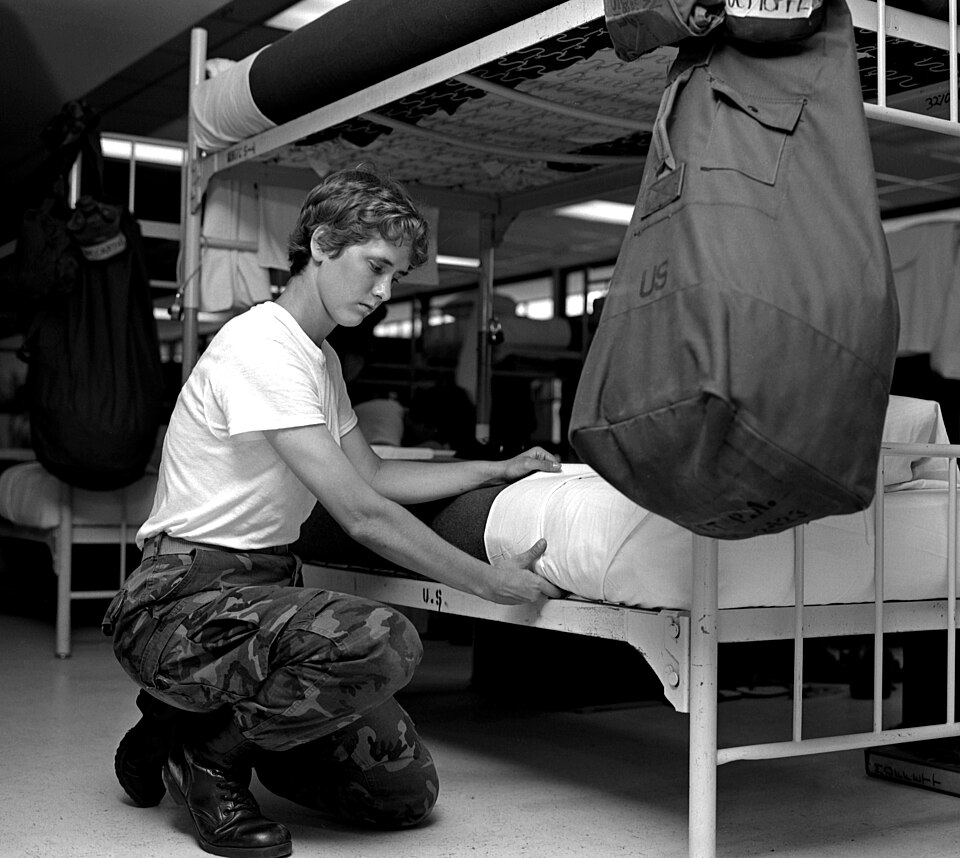
An adult checked, at no fixed time, and the result had consequences that were small but reliable.
The unpredictability was the mechanism. A check that happens on a known schedule produces a bed made at a known time, and a check that could happen at any point produces a bed made before leaving the room.
The consequences were social rather than severe. Being sent back upstairs was the standard outcome, which cost a child time they wanted and nothing else, and was sufficient to maintain the standard for years.
The remaking in the morning was also faster than the original making. A child who had loosened a bed the night before was restoring a shape that was mostly still there, which took a fraction of the time and produced a result good enough to pass, and the whole cycle was so well established that nobody in any household ever discussed it.
7. You Could Not Do It Properly Alone
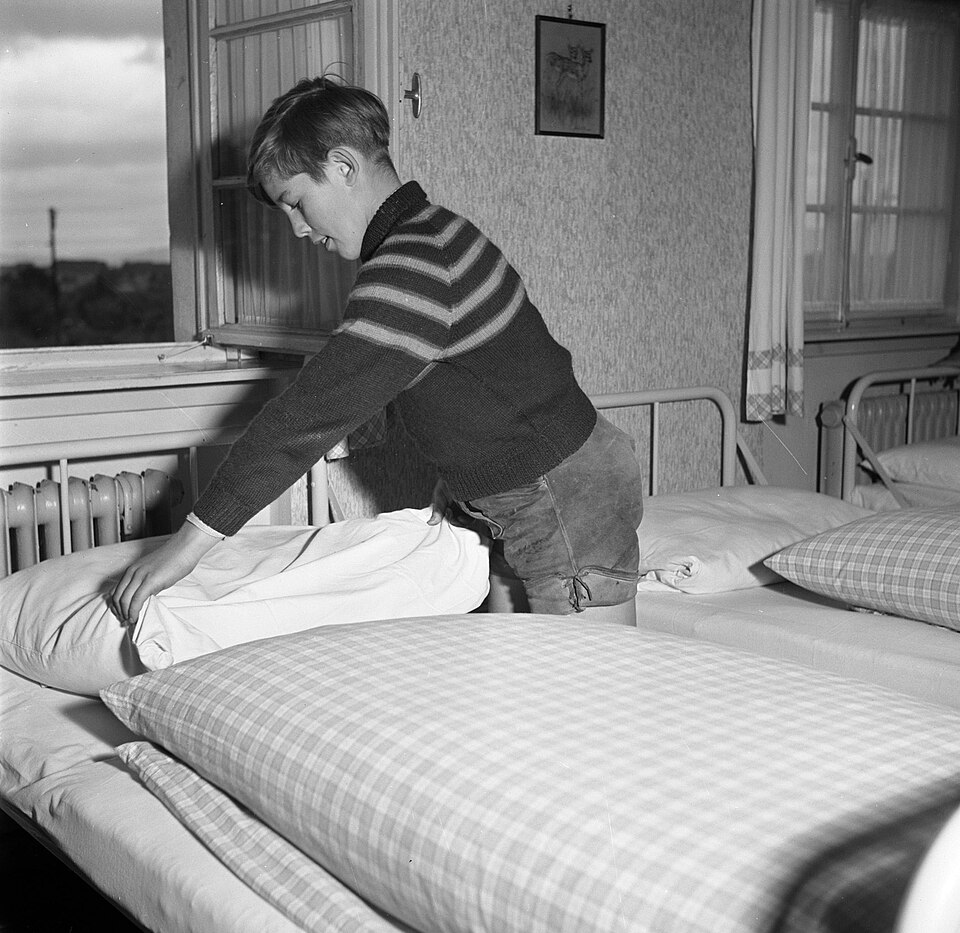
A bed against a wall, in a small room, with heavy bedding is a genuinely awkward thing for one child to manage.
The geometry was against them. Squaring a layer requires access to all four sides, and most children’s beds of the period had at least one side against something, which meant the method had to be adapted and the adaptation was marked down.
Children in shared rooms had the advantage. Two people make a bed in a quarter of the time with a better result, which is why anybody who shared a room remembers this as a two-minute job and anybody who did not remembers it as a grievance.
8. The Standard Varied Enormously Between Households
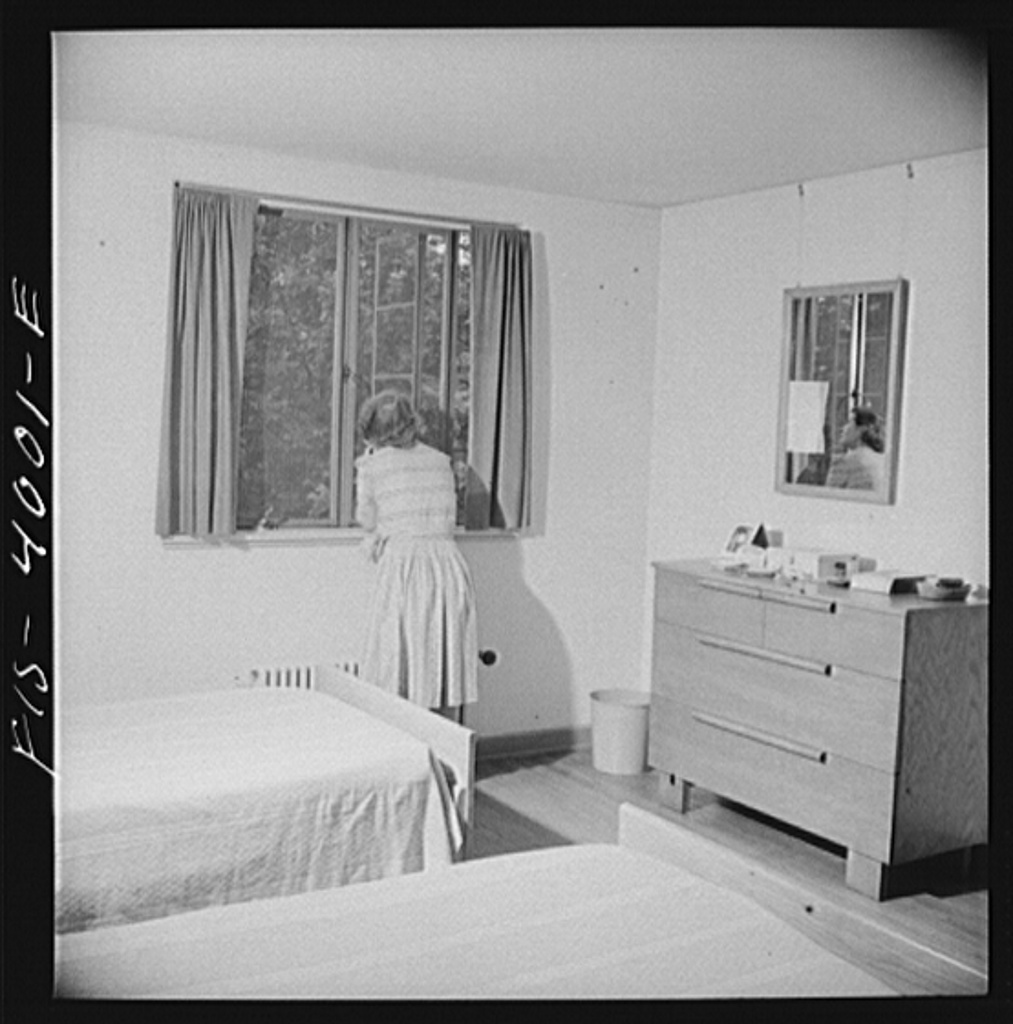
Some families required the full institutional version and some were satisfied with the bedding being roughly flat.
The variation was never visible from inside. A child knew only their own household’s standard and assumed it was universal, which meant staying at somebody else’s house produced a genuine surprise in one direction or the other.
Comparisons were made and were unhelpful. A child who discovered that a friend was not required to do this at all had acquired an argument that had never once succeeded in any household in the country.
The adaptation also became permanent. A child who had learned to make a bed with one side inaccessible carried that version of the method into adulthood and was mildly surprised, years later, to find that a bed standing clear of every wall could be done the way they had originally been shown and had never once been able to do.
9. It Was the First Thing You Had to Do and the Reason Was Never Given
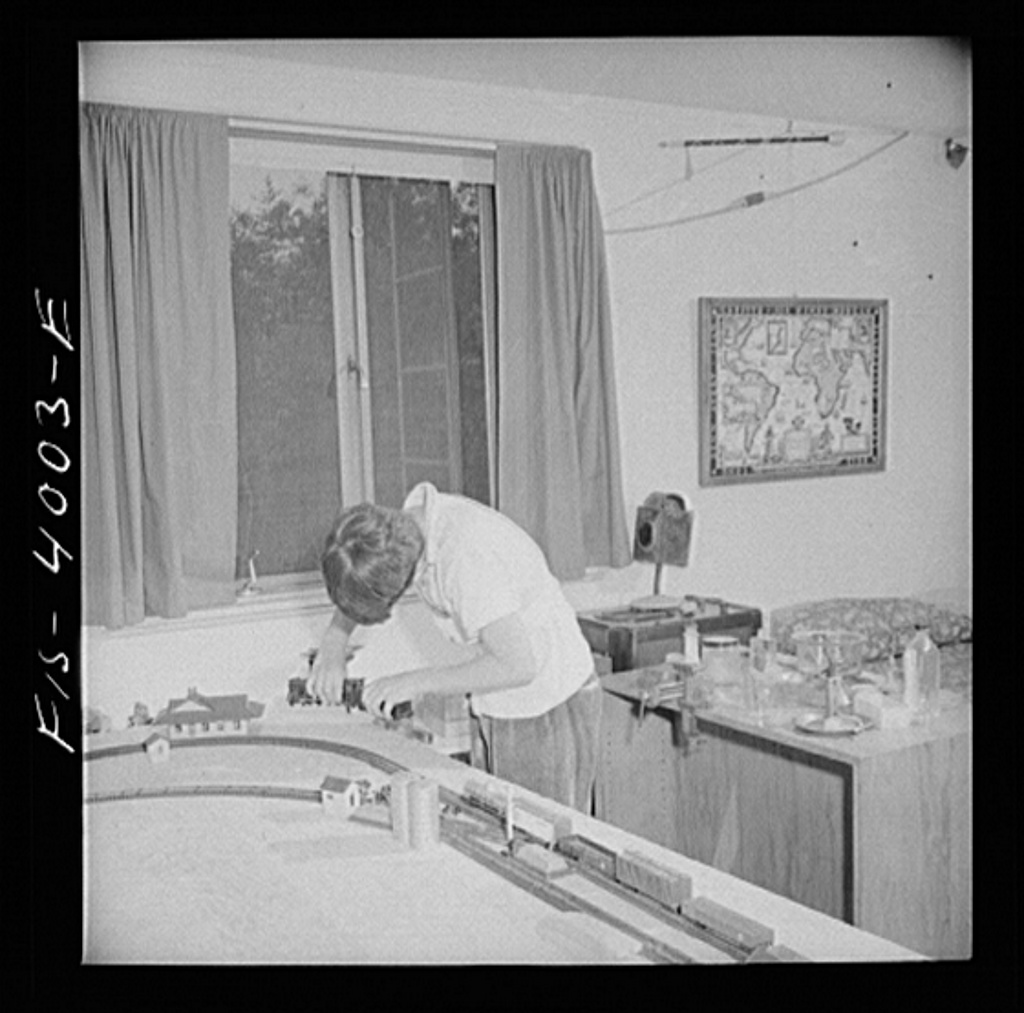
The requirement came before anything else in the morning, and no household ever explained why it mattered.
The absence of a reason is what made it memorable. Every other household task had a visible purpose, and this one produced a result nobody would see, in a room nobody would enter, for the benefit of nobody in particular.
Adults were asked and had no answer. The usual response was that it was simply what you did, which is the least satisfying explanation available and was accepted by generations of children for want of anything better.
The explanation offered when children pressed also varied by household. Some adults said it made the room look better, some said it was a matter of discipline and some simply declined to engage with the question at all, and none of those answers satisfied a single child who had asked it.
10. Learning It Had One Genuine Payoff Later
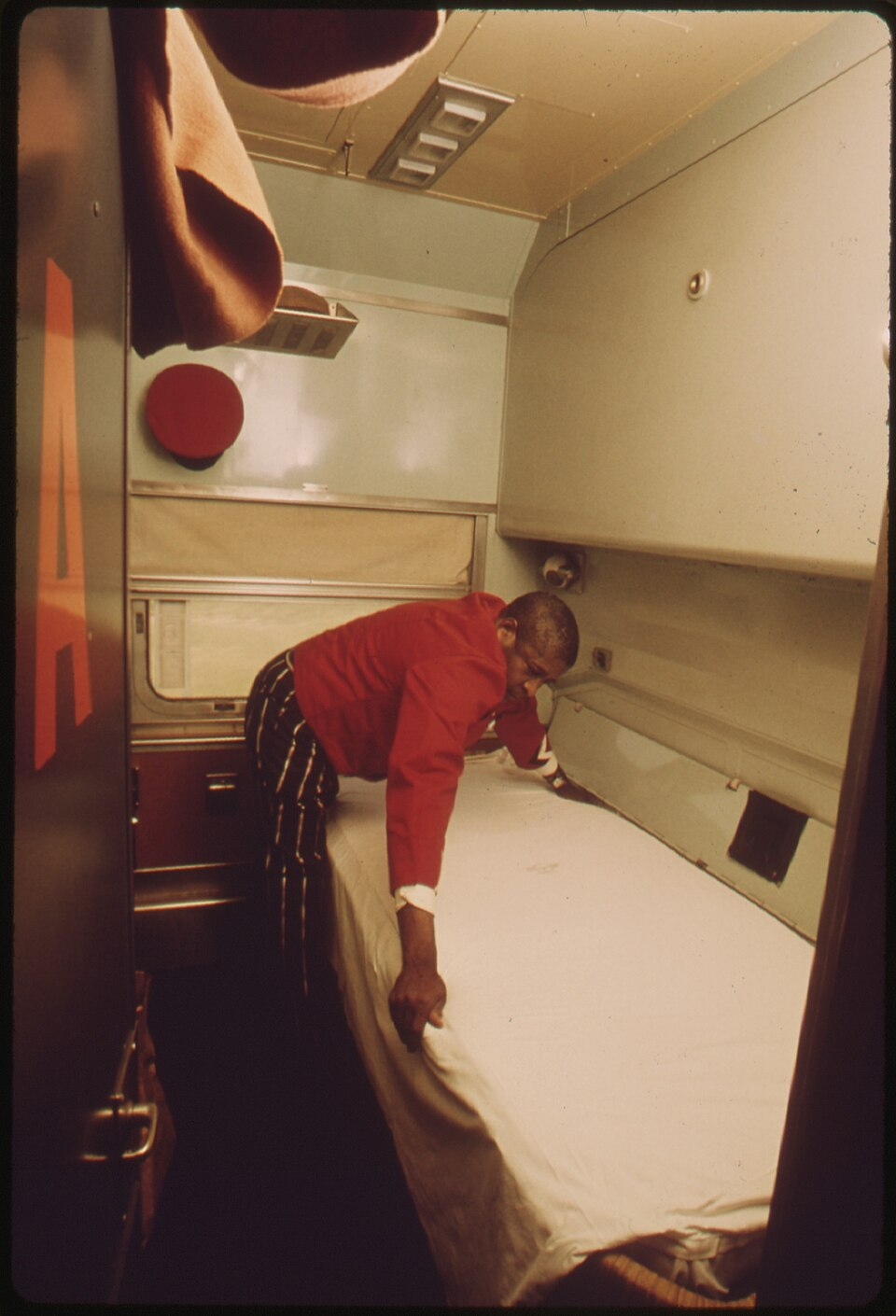
The children who learned the method properly found it useful in institutional settings decades afterwards.
The transfer was real. The standard came from institutions, so a person who had learned it at eight arrived at any place that used the same standard already competent, which was a small and occasionally significant advantage.
Nobody could have predicted which children would need it. The skill was taught universally and turned out to matter for a minority, which is a reasonable description of a great deal of what households taught their children.
11. Stripping and Remaking It Was a Separate and Worse Job
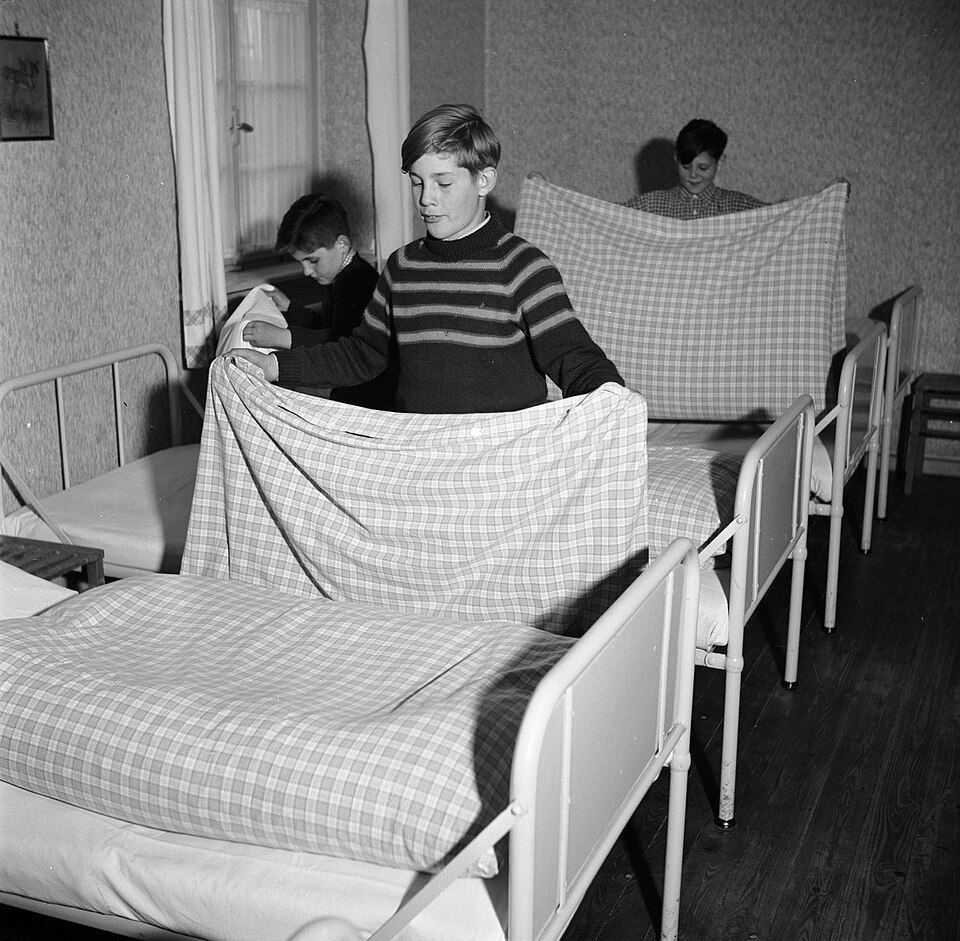
Changing the bedding entirely was a weekly task of a completely different order, and children were conscripted into it.
The difficulty was physical. Removing and replacing every layer on a bed involves weight, bulk and a quantity of material that is simply more than a small person can easily control, which made it a two-person job by necessity.
It was where the real resistance happened. Daily making was a two-minute irritation, and the weekly change was a genuine effort, which is why the arguments in most households were about one and not the other.
The weekly job also tended to be the one occasion an adult did it with the child rather than inspecting afterwards. Two people were required, which meant the only time these two found themselves working on the same bed at the same time was the task they both least wanted to do.
12. Then the Bedding Changed and the Whole Skill Went
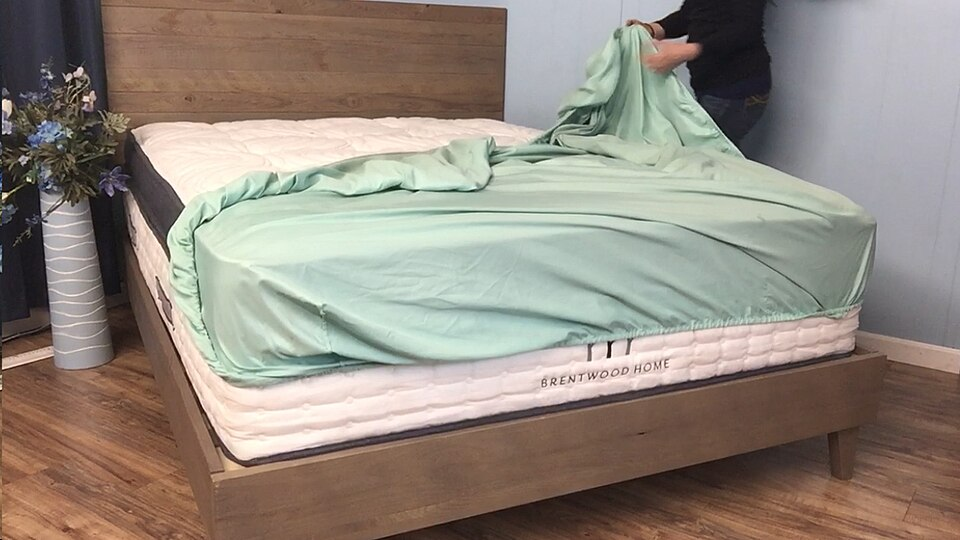
Fitted sheets, duvets and a complete change in what a bed is made of removed the procedure and the standard along with it.
Nobody should mourn the method. A bed that can be made correctly in fifteen seconds by one person is plainly better than one requiring three squared layers and a technique learned under supervision, and the components are better in every respect.
What went with it is a small piece of inherited practice. An institutional standard arriving in an ordinary bedroom, demonstrated by somebody standing over a child for ten minutes, inspected at no fixed time, undone in the dark the same night, and performed every single morning for a reason that nobody in the household was ever able to give.
Why It Was Harder Than It Sounds
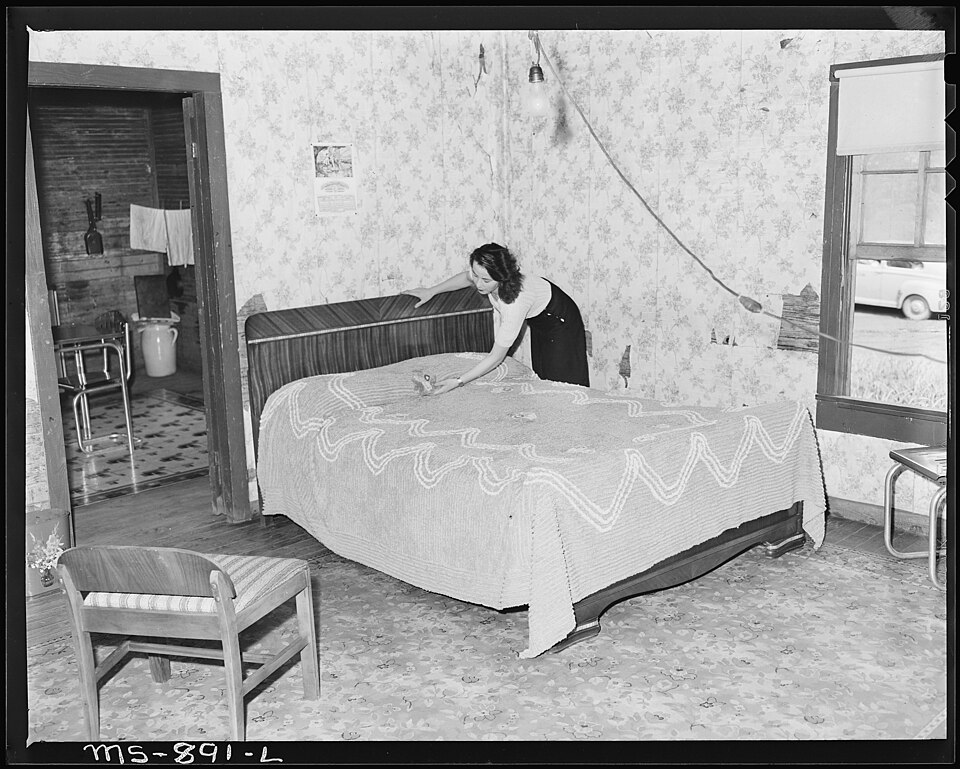
Read in order, the twelve describe a task whose difficulty came almost entirely from its materials. A bed built from flat sheets and heavy blankets, with nothing elasticated anywhere in the arrangement, requires every layer to be squared, tensioned and secured individually – which is why the standard looks excessive to anybody who has never had to do it and perfectly reasonable to anybody who has. The corners got all the attention because a folded corner is the one part requiring an actual technique rather than mere effort, which makes it the only part where an inspection reveals whether anybody has learned anything.
Two things about it were quietly absurd and every child noticed both. The tightness that satisfied an inspection also meant the occupant had to force their way in that night, so the universal solution was to loosen everything the moment the lights went off and remake it in the morning – discovered independently by every child and mentioned by none of them. And nobody could say why it mattered. Every other household task had a visible purpose; this one produced a result nobody would see, for the benefit of nobody in particular, and the standard answer when adults were asked was that it was simply what you did.
It also had an unequal cost. Squaring a layer requires access to all four sides, and most children’s beds had one side against a wall, so the method had to be adapted and the adaptation was marked down. Anybody who shared a room remembers this as a two-minute job done by two people; anybody who did not remembers it as a grievance.
Nobody should mourn the method. A bed that one person can make correctly in fifteen seconds is plainly better than one requiring three squared layers and a technique learned under supervision, and every component involved is an improvement on what it replaced.
What went with it is a small piece of inherited practice: an institutional standard arriving in an ordinary bedroom, demonstrated by somebody standing over a child for ten minutes, inspected at no fixed time, undone in the dark the same night, and performed every morning for a reason nobody in the household was ever able to give.
Like our content? Follow us for more.

