

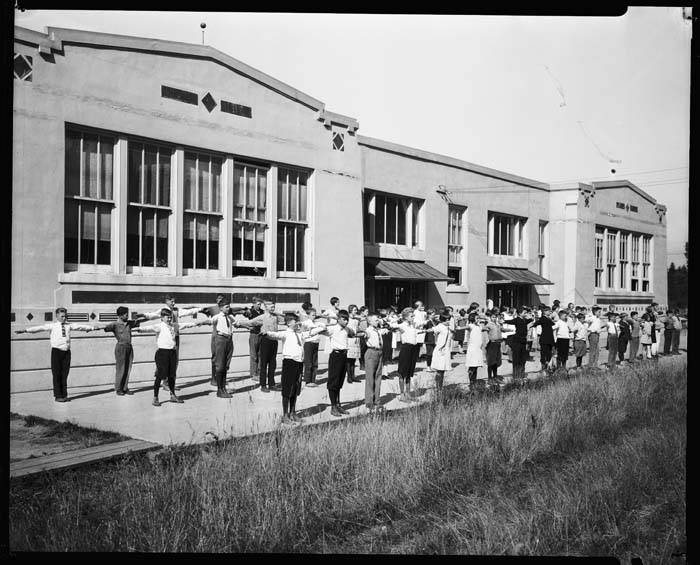
In 1966 the school day began outdoors, with several hundred children arranging themselves into rows before a single word of teaching happened. The reason was plumbing rather than discipline: moving that many people through two doors without a system produces a crush, and lining them up first converted a crowd into something that could be fed in at a controlled rate. What the adults had designed as a method of getting everybody through a door turned out, from the children’s side, to be the school’s main communication channel. Here are sixteen things every American kid remembers about lining up in the schoolyard in 1966, and why schools dropped it.
1. The Day Began With Everybody Standing Outside in Rows
Before anybody went indoors, the whole school assembled in the yard and arranged itself into lines.
The practice solved a real problem. Moving several hundred children into a building through two doors without a system produces a crush, and lining them up first converted a crowd into a queue that could be fed in at a controlled rate.
Children experienced it as the start of the day rather than as logistics. The bell, the stopping of whatever was happening, and the formation of lines was the boundary between outside and school, and it happened before a single word of teaching.
Like our content? Follow us for more.
2. Your Place in the Line Was Fixed and You Did Not Choose It
Lines were ordered by class, and within the class by whatever rule that teacher used, and the arrangement held all year.
The fixity was administrative. A line in the same order every morning can be checked at a glance for anybody missing, which is the entire reason the order mattered to the adults running it.
It mattered to children for completely different reasons. Who you stood next to for a hundred and eighty mornings was determined by an arrangement nobody had consulted you about, and it decided a considerable amount about your year.
3. Height Order Was Common and Nobody Questioned It
A great many schools arranged lines by height, which meant children were sorted by a characteristic they had no control over and compared on it daily.
The reasoning was about sightlines rather than about the children. A line that goes short to tall can be seen over by whoever is at the front and surveyed from behind, which is convenient for one adult supervising a hundred people.
Modern practice is better and the reasons are not in dispute. Sorting children visibly by a physical characteristic is not something schools do now, and nothing in this piece should be read as describing how anybody ought to organise anything.
4. The Front and the Back Were Completely Different Places
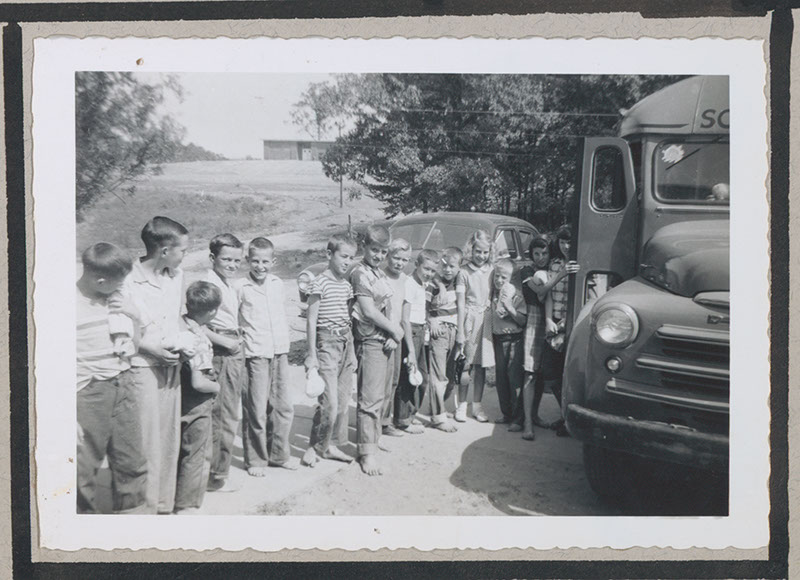
The head of a line was visible, supervised and had to behave, and the end of it was effectively unobserved.
The gradient was a consequence of where the adult stood. Supervision happens from one position, which means the far end of any line is further from it, and every child in the country worked that out within a fortnight.
That made position a currency. Children at the back could talk, fidget and conduct business; children at the front could not, and the difference between those two experiences of the same six minutes was substantial.
5. You Had to Stand Still and That Was the Hard Part
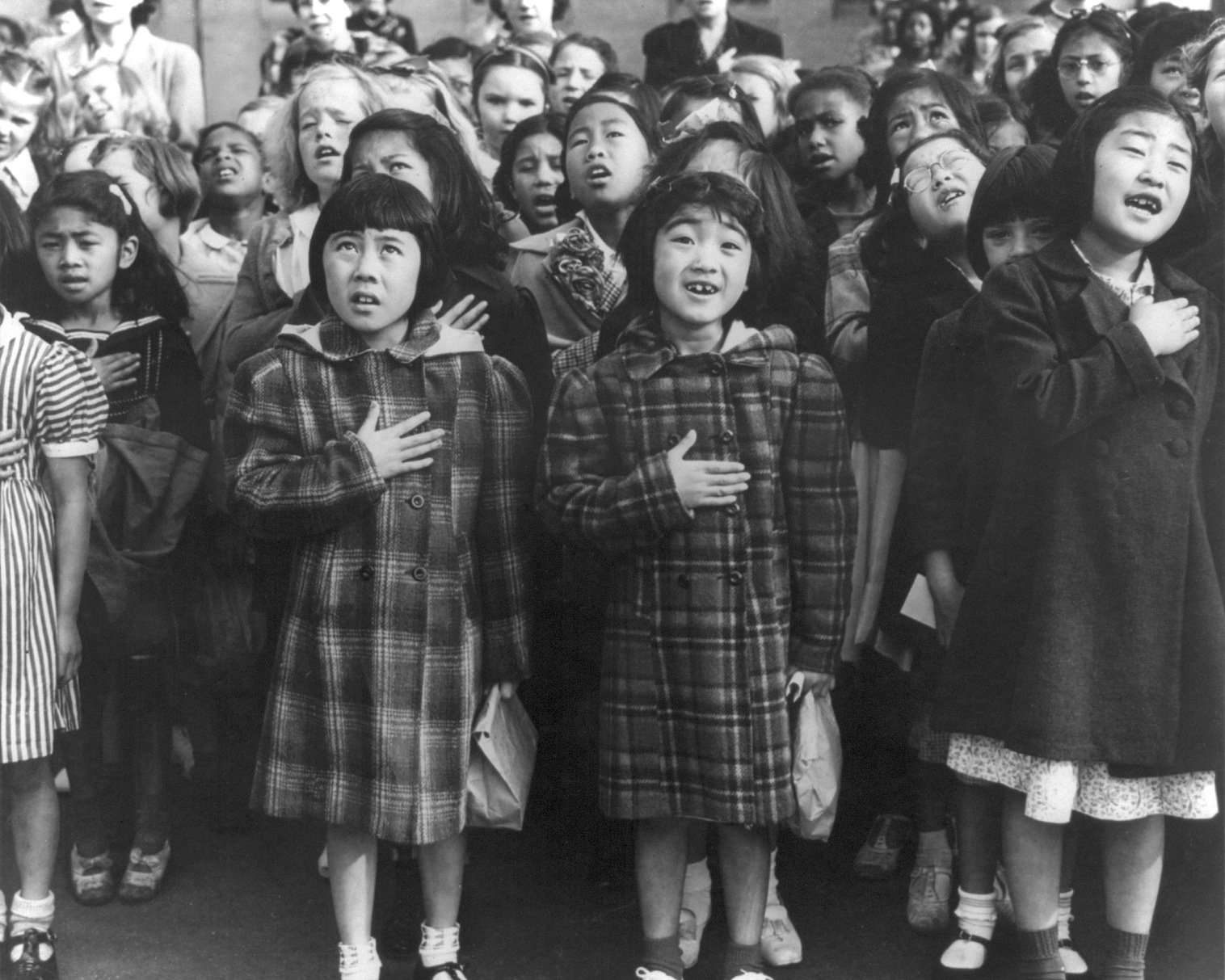
The requirement was not to queue but to be motionless, in silence, for several minutes, outdoors, before anything had happened.
The difficulty was physical and nobody acknowledged it. Standing still is harder than walking, considerably harder in cold weather, and hardest of all for the youngest children, who were the ones least able to be excused from it.
The consequences fell on whoever moved. A child who shifted, turned round or spoke was corrected in front of the whole school, which is a disproportionate audience for a very small infraction.
6. The Weather Made No Difference Until It Was Extreme
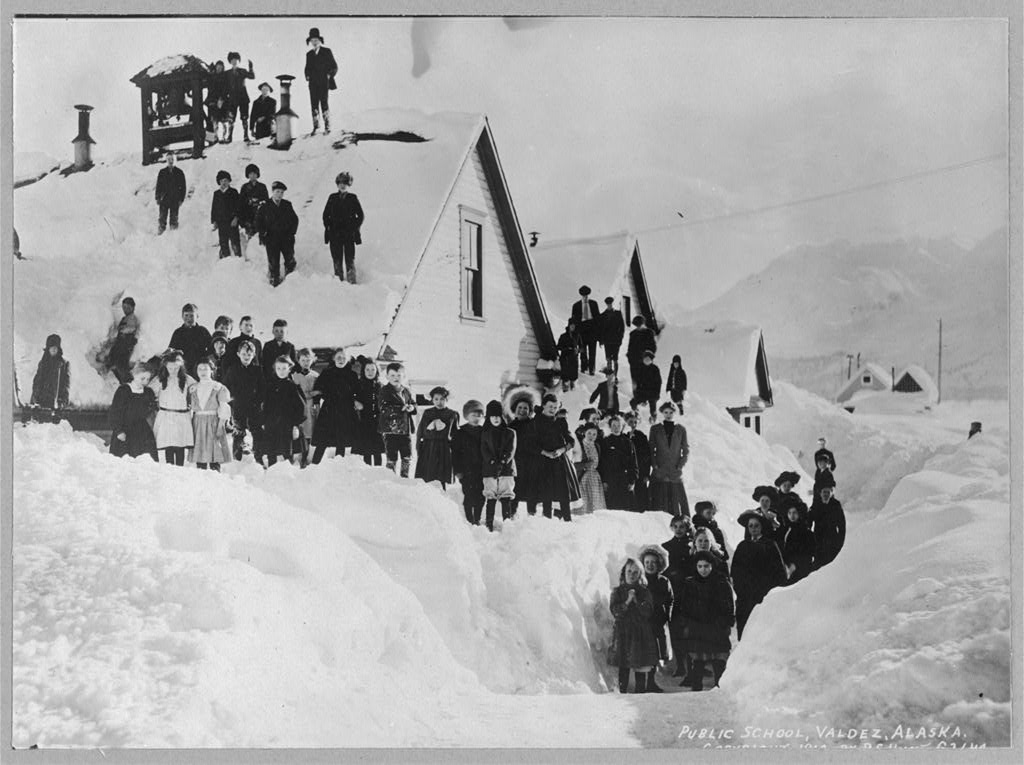
Lines formed in cold, in wind and in light rain, and only genuinely bad weather produced an alternative arrangement.
The threshold was higher than it would be now. A school of that period regarded most weather as simply the conditions, and the decision to bring children in early was made reluctantly and late.
Children had no say and no clothing choice. Standing in a yard in whatever had been laid out for them the night before, for six minutes, in February, is a specific memory and almost nobody who has it describes it fondly.
7. The Bell Was the Only Instruction and It Was Absolute
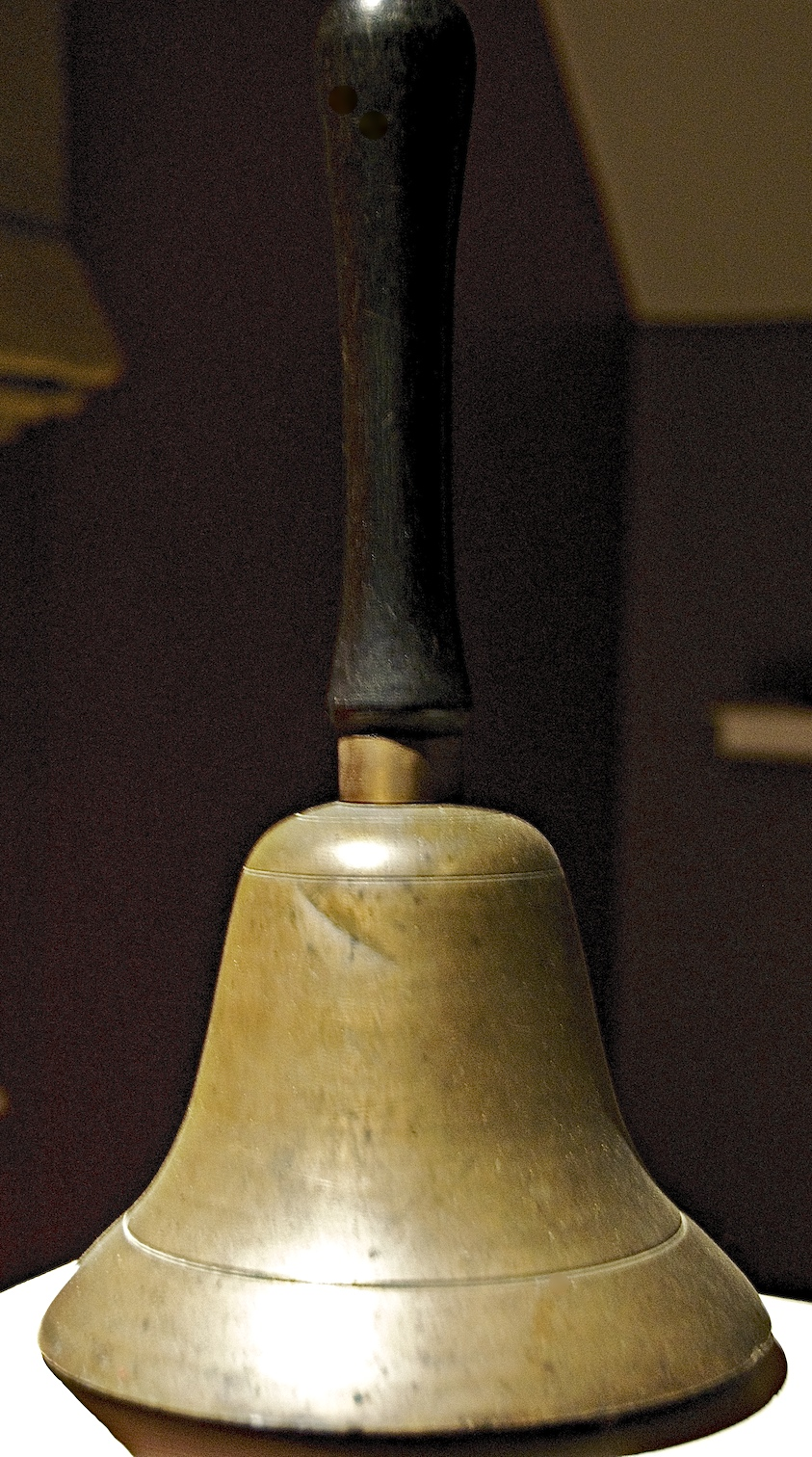
One sound stopped every game in the yard instantly, and the response was automatic rather than considered.
The conditioning was remarkably effective. After a few weeks children responded to the bell before registering that they had heard it, which is the whole purpose of using a sound rather than a spoken instruction.
It also ended things mid-action. A game interrupted at the bell was simply abandoned, which meant a considerable number of disputes and contests of the period were never resolved at all.
8. Being Late Meant Walking Past Everybody
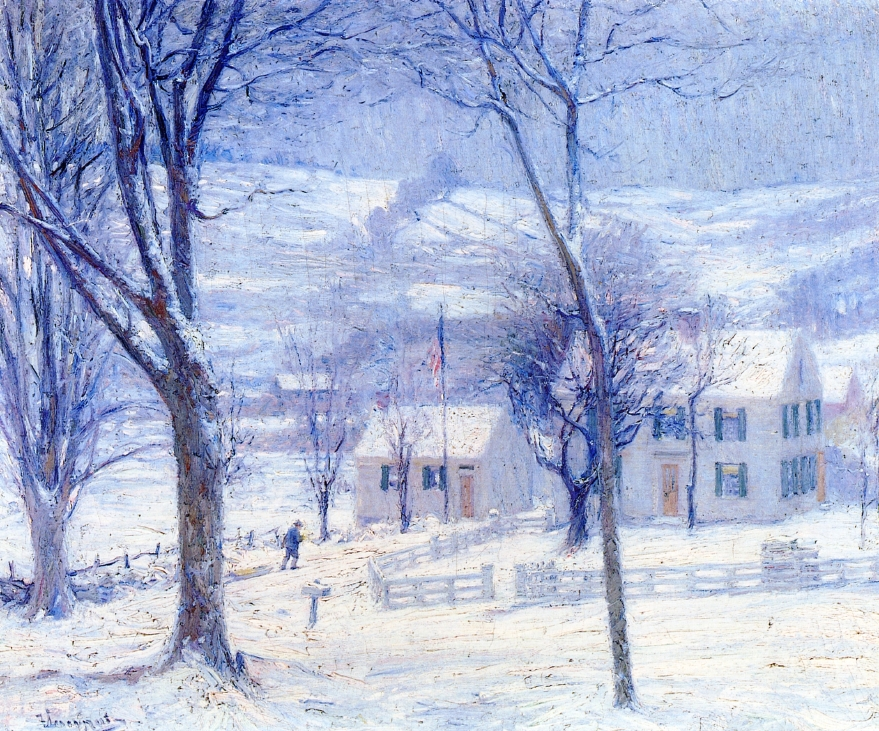
A child arriving after the lines had formed had to cross the yard in full view and join at the end.
The exposure was the sanction and it was effective without anybody saying anything. There is no way to join a formed line discreetly, and the walk was observed by several hundred people with nothing else to look at.
Most children remember doing it once. The experience was sufficiently unpleasant that a single occurrence adjusted a child’s morning timekeeping for years.
9. The Lines Went in by Age and the Order Was a Hierarchy
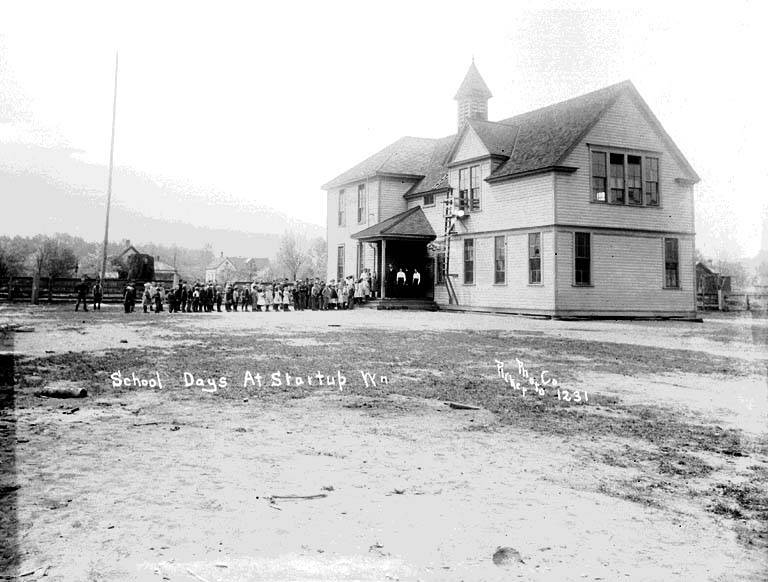
Classes entered in sequence, and the sequence was understood by everybody as a ranking.
The order was practical and read as status. Whoever went first was simply the class nearest the door in the arrangement, but to the children involved it was a statement about standing, and going in last was a known indignity.
Children tracked changes in it closely. A class that had been moved up or down the order noticed immediately and discussed it at length, and no adult ever explained a change to anybody.
10. Somebody Checked That Everybody Was There
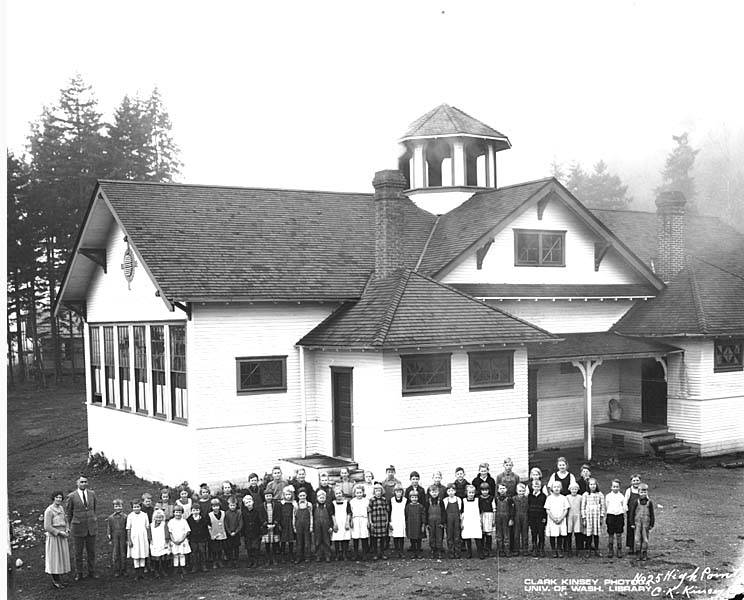
A head count or a visual scan was performed before anybody moved, and the whole school waited while it happened.
The pause was the cost of the system. Checking several hundred children takes time, which means the lines stood still for longer than strictly necessary while somebody at the front resolved a discrepancy.
The discrepancy was usually one child in the wrong line. Most delays were caused by somebody standing in the wrong place rather than by anybody being absent, and the resolution happened in front of everybody.
11. Talking Was Forbidden and Universal
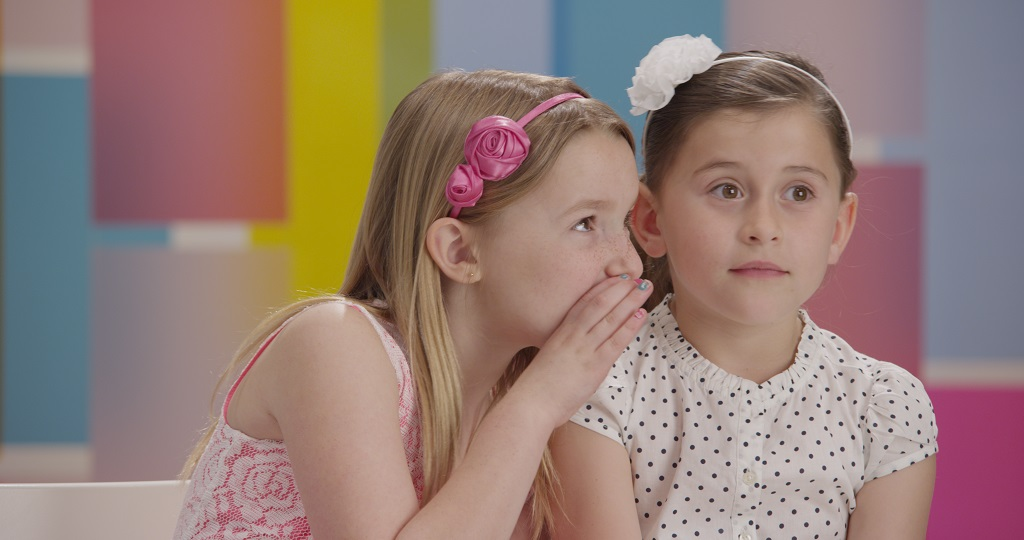
The silence rule was stated every morning and broken continuously by everybody who thought they could get away with it.
The gap between the rule and the practice was the interesting part. A rule that is enforced only where an adult is looking produces a line that is silent at the front and conversational at the back, which is exactly what every schoolyard in the country produced.
Getting caught was about position rather than about volume. A child speaking quietly in the wrong place was corrected and a child speaking loudly in the right one was not, which is a lesson in enforcement rather than in behaviour.
12. The Hands Were Supposed to Be at Your Sides
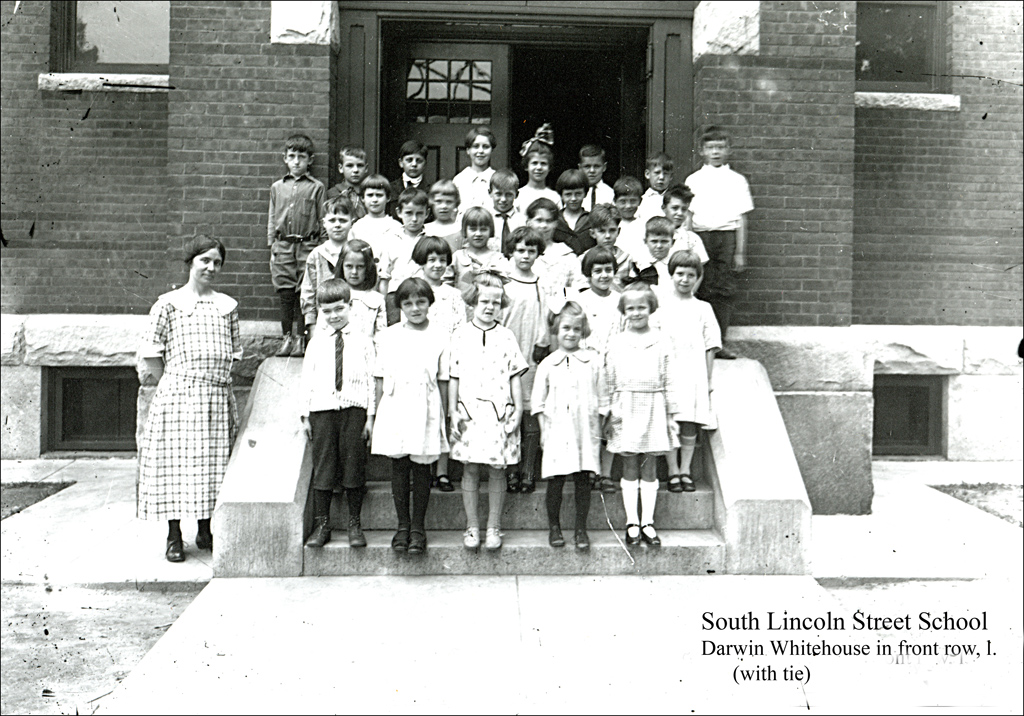
Various schools specified what children should do with their arms, and the specification was arbitrary and enforced.
The instruction existed because of what hands do otherwise. A child with unoccupied hands in a line will touch the person in front of them, and the rule was an attempt to prevent a predictable chain of small provocations.
It was the most frequently broken rule of the whole exercise. Nobody can hold a position for six minutes, and the entire line was in a state of slow collapse by the time it moved.
13. The Line Was Where Information Moved
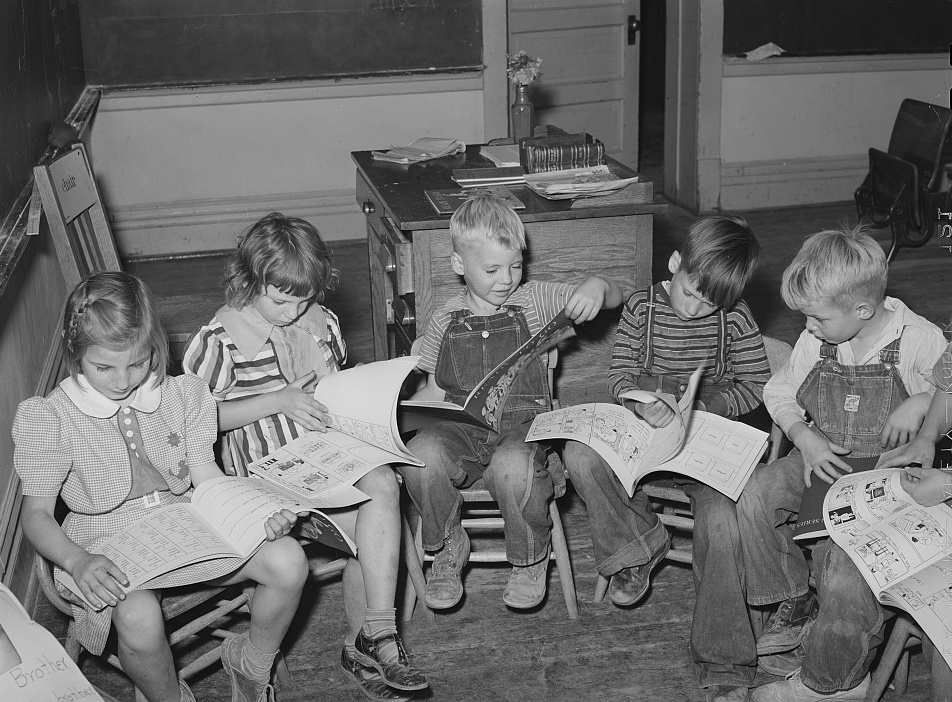
Several minutes of enforced proximity with the same people every morning made it the school’s main communication channel.
The structure explains it. Children standing in fixed positions next to fixed neighbours, daily, with nothing else to do, will exchange whatever they know, and the whole school’s news travelled along the lines before anybody went indoors.
Teachers had no visibility of it. The actual function of the morning line, from the children’s side, was entirely invisible to the adults who had designed it as a method of getting people through a door.
14. What Happened in the Yard Beforehand Carried Into the Line
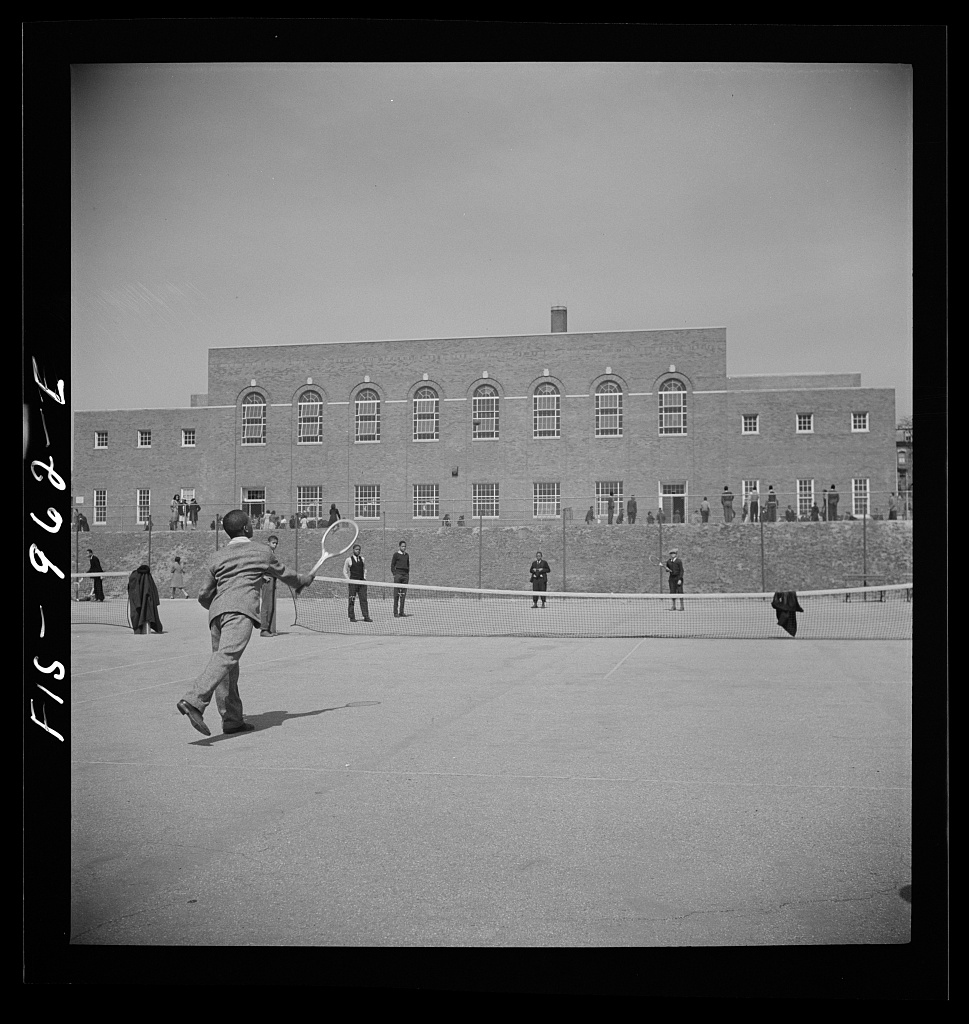
Any dispute from the ten minutes before the bell was still live when the lines formed, and both parties were now standing near each other in silence.
The enforced stillness made it worse. An argument that could have been settled in the open had to be suspended and continued by other means, which produced a quantity of silent provocation nobody supervising could see.
It resumed the moment the lines broke. A great many disputes of the period ran in episodes separated by the formal parts of the school day, which is why they lasted considerably longer than they needed to.
15. Going in Was Faster Than Anybody Expected
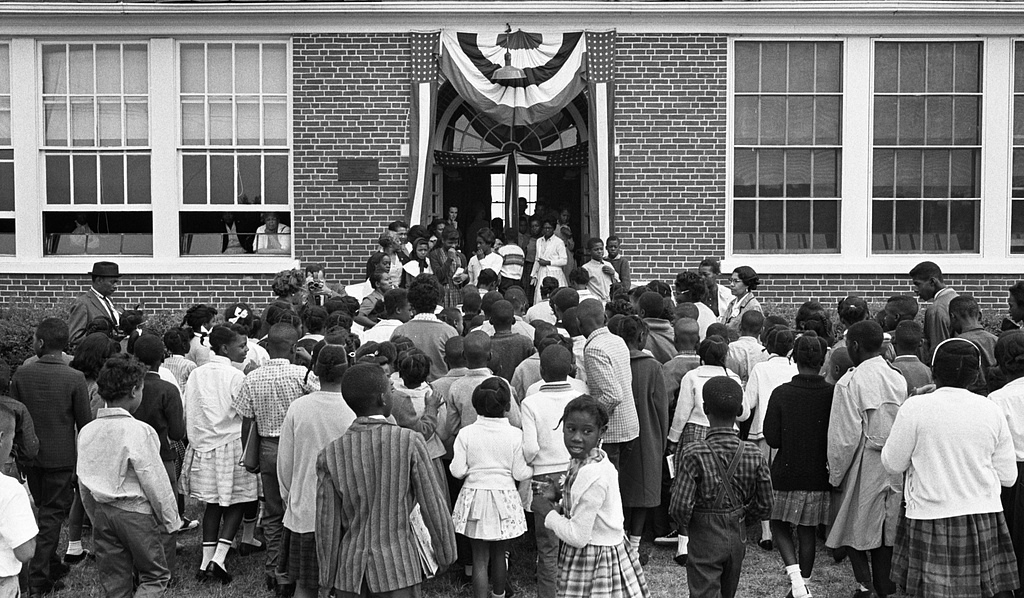
After all the standing, the actual entry took about ninety seconds and the whole formation dissolved.
The disproportion was the thing children noticed. Six minutes of enforced stillness to accomplish ninety seconds of walking is a poor exchange, and it was obvious to everybody in the line that this was the case.
Nobody ever explained the ratio. A system designed around the worst case was applied every morning regardless, and the children subject to it drew their own conclusions about institutional reasoning.
16. Then Schools Stopped Assembling Everybody Outside
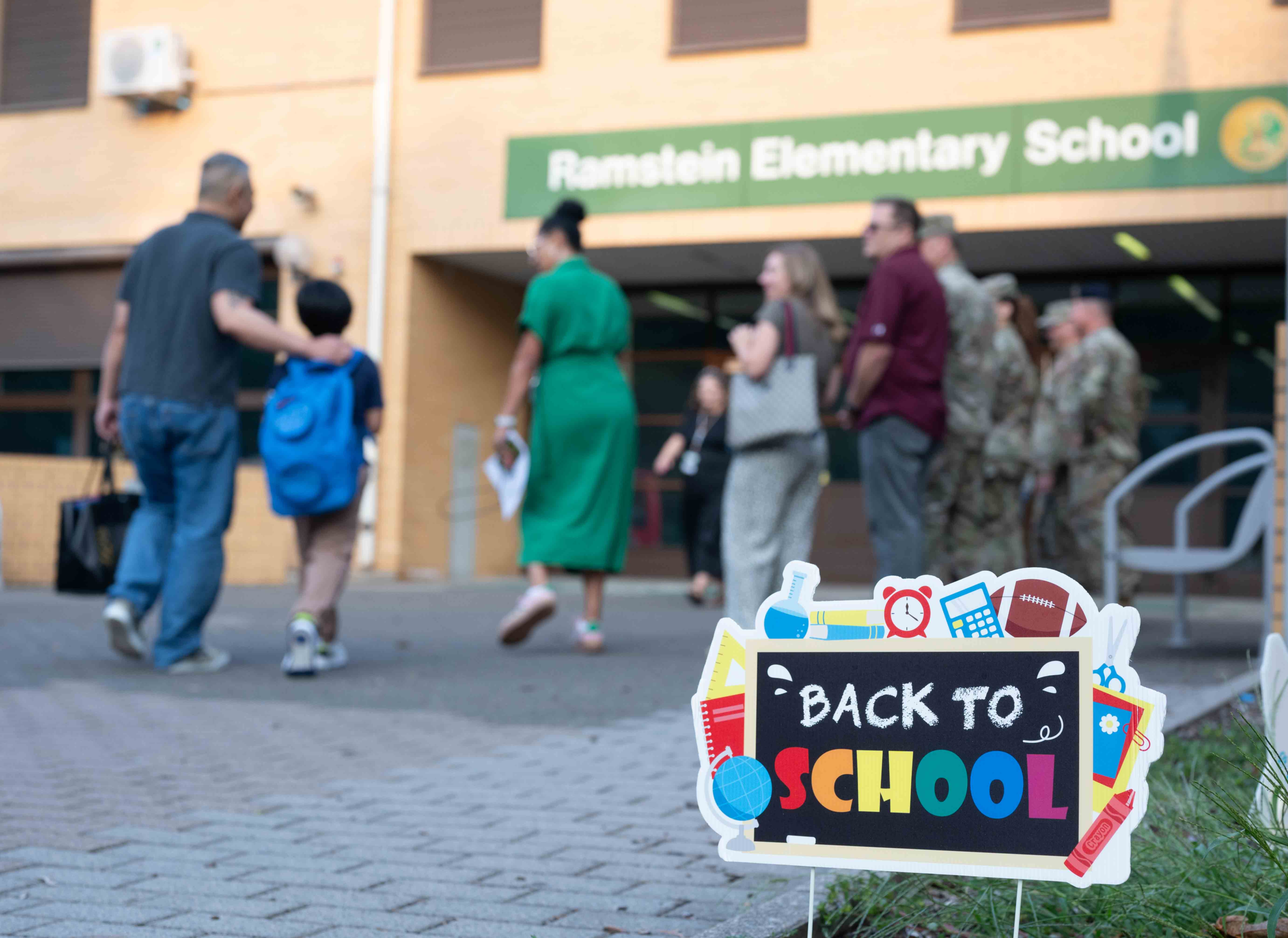
Staggered entry, more doors, covered areas, classroom-based arrivals and a complete rethinking of what children should be made to do in a yard removed the practice.
Every part of that is an improvement. Children are not sorted visibly by height, not made to stand motionless outdoors in February and not corrected in front of several hundred people for turning round, all of which is plainly better.
What went with it is the school’s main information channel. Six minutes of fixed positions and fixed neighbours, with nothing to do, in which the whole day’s news travelled from the back of one line to the front of another, entirely out of sight of the adults who thought they were just getting everybody through a door.
What Six Minutes of Standing Still Actually Produced
Read in order, the sixteen split into the system the adults built and the one the children ran inside it. The adults’ version was about throughput and accounting: a fixed order that could be checked at a glance for anybody missing, a sequence of classes entering in turn, and a head count that held the whole school stationary while somebody resolved a discrepancy that was usually one child standing in the wrong place.
The children’s version ran on the supervision gradient. An adult stands in one position, which makes the far end of any line further from it, and every child in the country worked that out within a fortnight. So the front of a line and the back of the same line were two completely different experiences of the same six minutes, position became a currency, and getting caught talking was about where you were rather than how loud you were – which is a lesson in enforcement rather than in behaviour.
What the arrangement actually accomplished was information. Fixed positions, fixed neighbours, daily, with nothing else to do, is an efficient channel whether anybody intends it or not, and the whole school’s news travelled along those lines before anybody went indoors – entirely invisible to the people who had set the lines up.
Three things in this piece are stated plainly as endorsements of present practice. Children are no longer sorted visibly by height, which was done for one adult’s sightlines and is not something schools do now. They are not made to stand motionless outdoors in February in whatever was laid out for them the night before. And they are not corrected in front of several hundred people for turning round, which was always a disproportionate audience for a very small infraction. Nothing above should be read as describing how anybody ought to organise anything.
What went with it is that channel: six minutes a day in which the whole school’s news moved from the back of one line to the front of another, out of sight of everybody who thought the exercise was about doors.
Like our content? Follow us for more.

