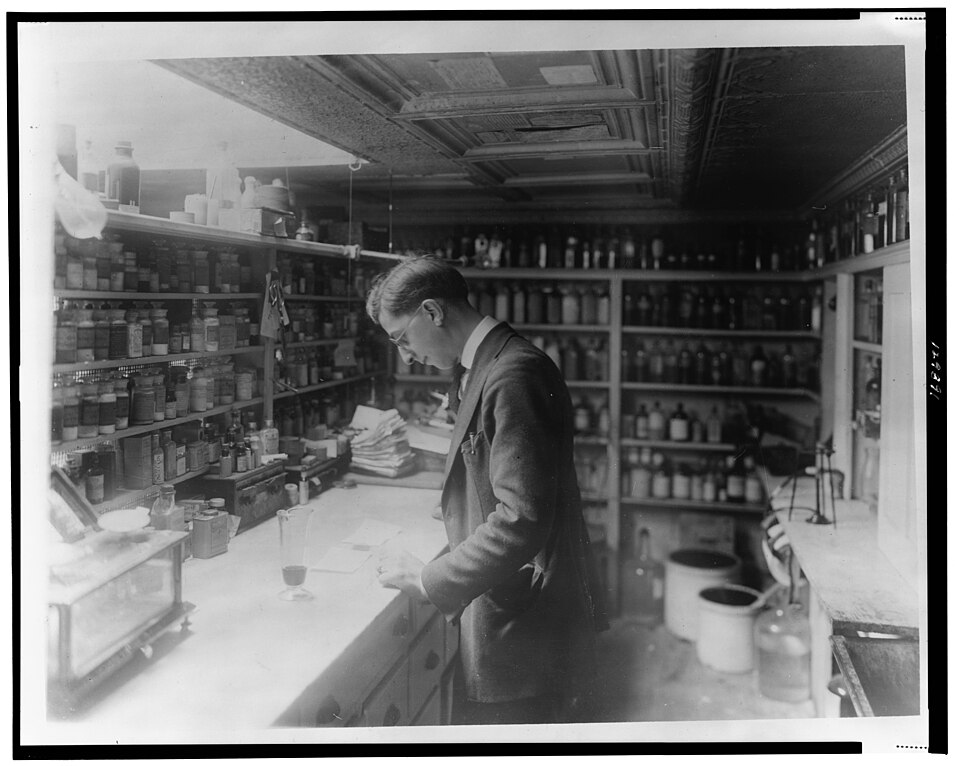
The family druggist is one of the most warmly remembered figures in American civic life, and the affection is earned. He was a trained professional in a white coat who knew everybody by name, made the medicine himself, and would open up at night.
He was also operating almost entirely outside the structures that now define the profession. There were no federal drug schedules, no child-resistant caps, no tamper-evident packaging, no patient profiles, no interaction screening, no counselling duty, no privacy rules, no continuing education and no generic substitution. Every one of those arrived between 1962 and 2003. Nothing below describes any drug formulation, preparation or current means of obtaining anything, and the products discussed as having been freely available are not available now. Here are sixteen things the 1960 druggist did, and what replaced each of them.
1. Made most prescriptions by hand, from raw ingredients
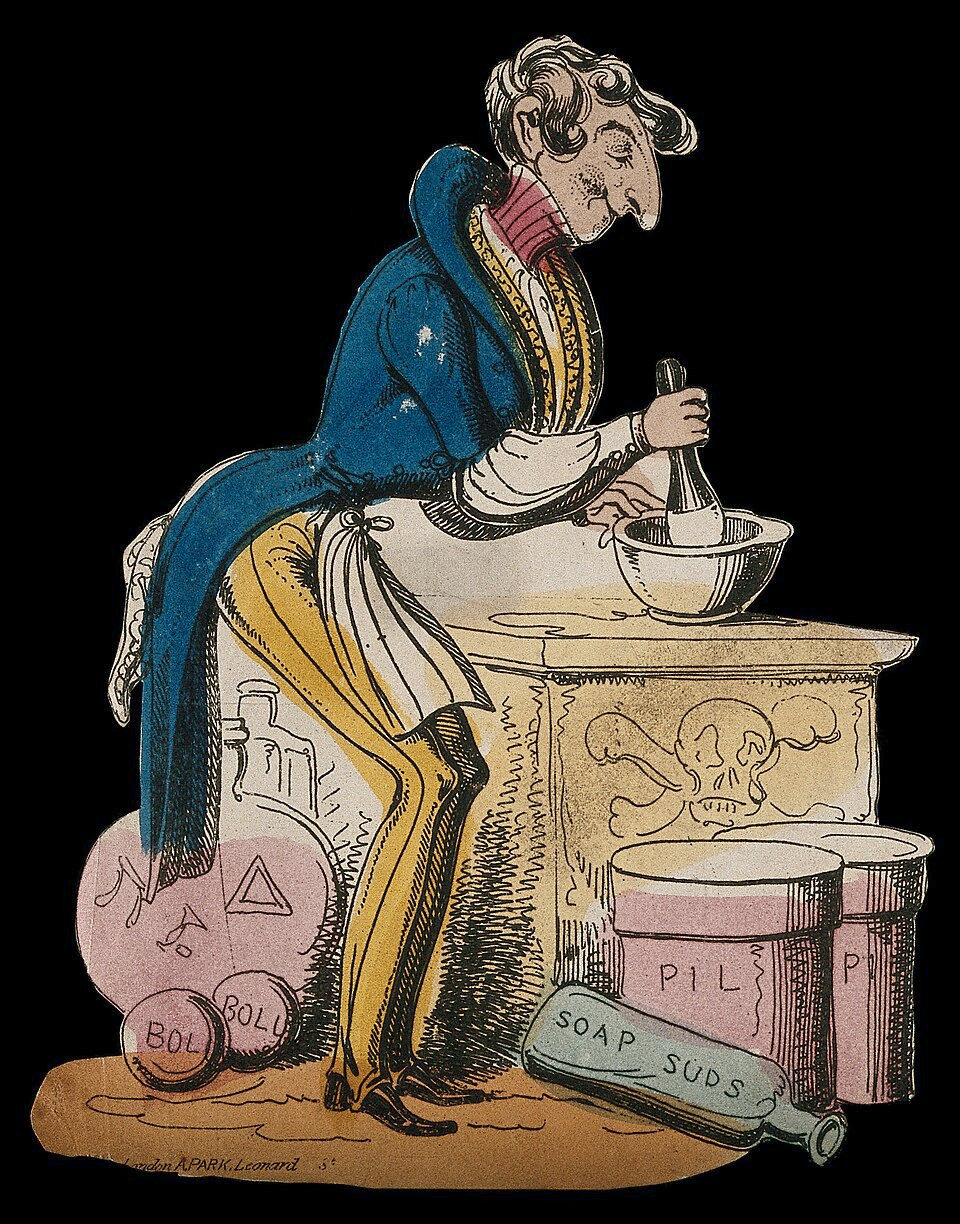
The 1960 pharmacist was a manufacturer. Powders were weighed on a balance, mixed with a mortar and pestle, divided into papers or capsules by hand; ointments were worked on a slab with a spatula; solutions and suspensions were made up from bulk stock in the back room.
Compounding still exists in American pharmacy and is a recognised speciality, but it is now a regulated activity with standards covering facilities, equipment, documentation, testing and training, substantially tightened after serious failures at compounding operations in the past fifteen years.
The craft was real and the people who had it were proud of it. What it lacked was any way to demonstrate that a particular batch had been made correctly, which is the entire substance of the modern requirement.
Like our content? Follow us for more.
2. Sold opium and codeine preparations across the counter
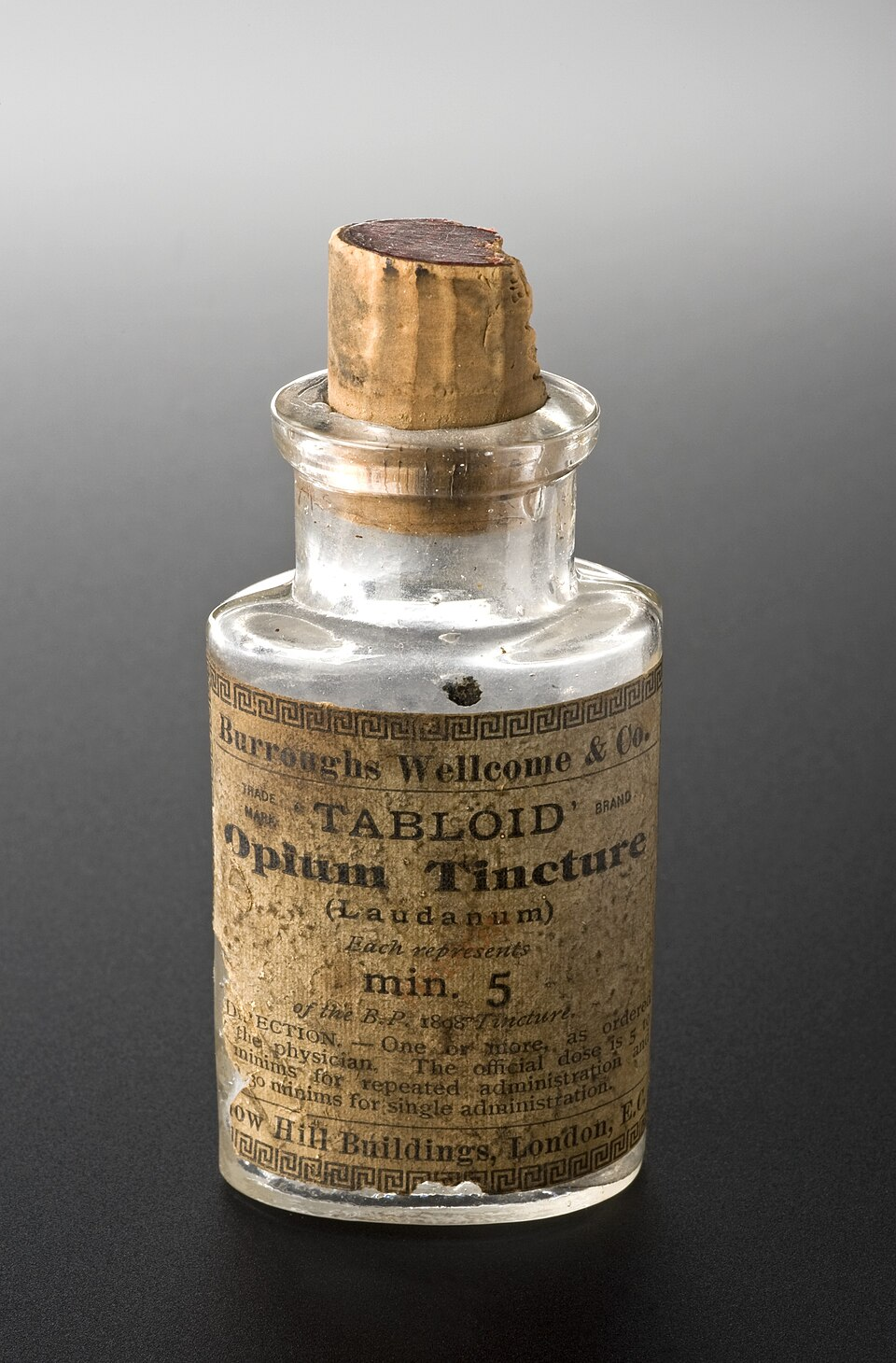
A category known as exempt narcotic preparations could be sold without a prescription, signed for in a register kept under the counter. The best known was a tincture used for stomach complaints, and codeine cough preparations were sold the same way.
The Controlled Substances Act of 1970 replaced that whole structure with the federal schedules, and these preparations moved into controlled categories requiring prescriptions and full record-keeping. The over-the-counter exempt narcotic no longer exists in American practice.
No formulation, product or current equivalent is described here, and none is available. The register in the drawer is the point: control in 1960 meant a signature in a book kept by the person doing the selling.
3. Dispensed amphetamines and barbiturates on a scale now unthinkable
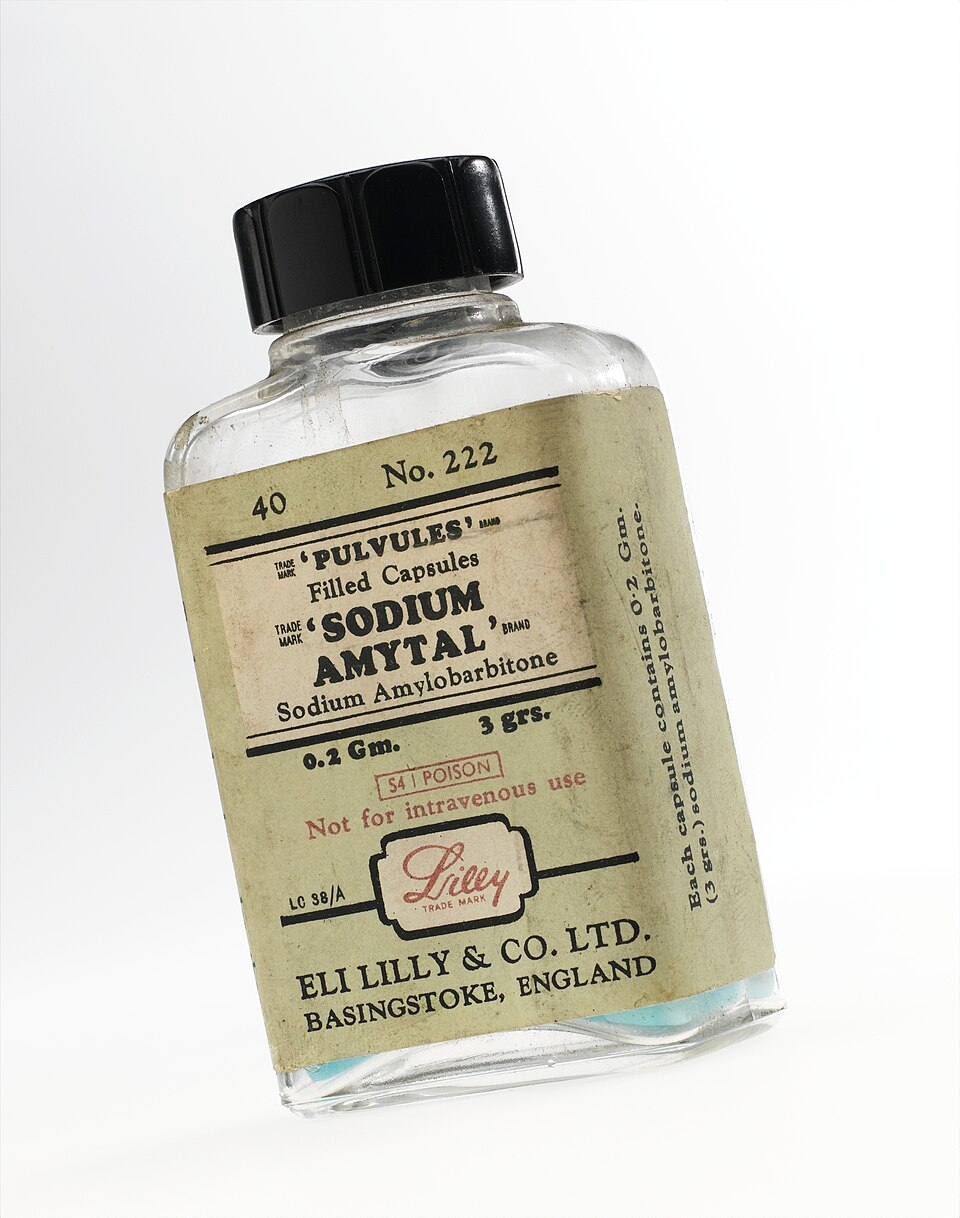
Both classes were prescribed freely through the 1950s and 1960s — stimulants for weight and for energy, barbiturates for sleep and for nerves — and the pharmacist filled and refilled them in enormous volume without anything resembling a review.
Both are now controlled substances under the 1970 act with schedule-specific limits on prescribing and refilling, prescription monitoring programmes operating in every state, and professional obligations on the pharmacist to identify and decline questionable prescriptions.
The corresponding duty in 1960 was essentially nil. The prescription was the physician’s judgement and filling it was the pharmacist’s job, and the idea that the person behind the counter had an independent responsibility to intervene arrived much later.
4. Worked with no federal registration and no drug schedules at all
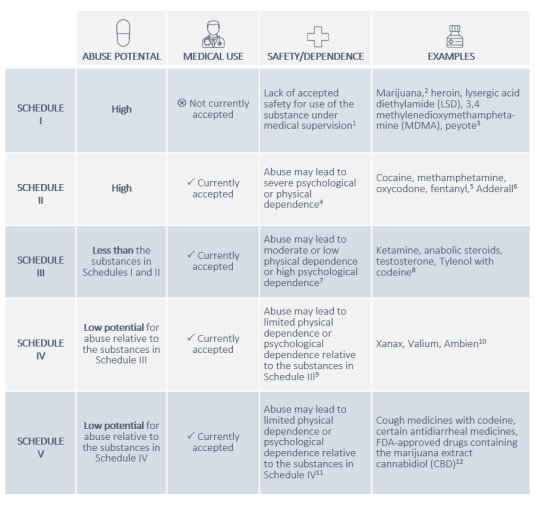
Before 1970 the American system ran on a patchwork: the Harrison Act of 1914 and its successors, state pharmacy law, and the 1951 amendment that had created the prescription-only category in the first place. There was no single federal schedule.
The Controlled Substances Act created the five schedules, the registration requirement for everyone handling controlled drugs, and the record-keeping, storage and reporting obligations that structure the modern pharmacy’s back room.
A pharmacist in 1960 was an independent professional operating under state licensure. A pharmacist now is additionally a federally registered handler of controlled substances, audited as such, and that is the single largest structural change in the trade.
5. Handed over medicine in a bottle with no child-resistant cap
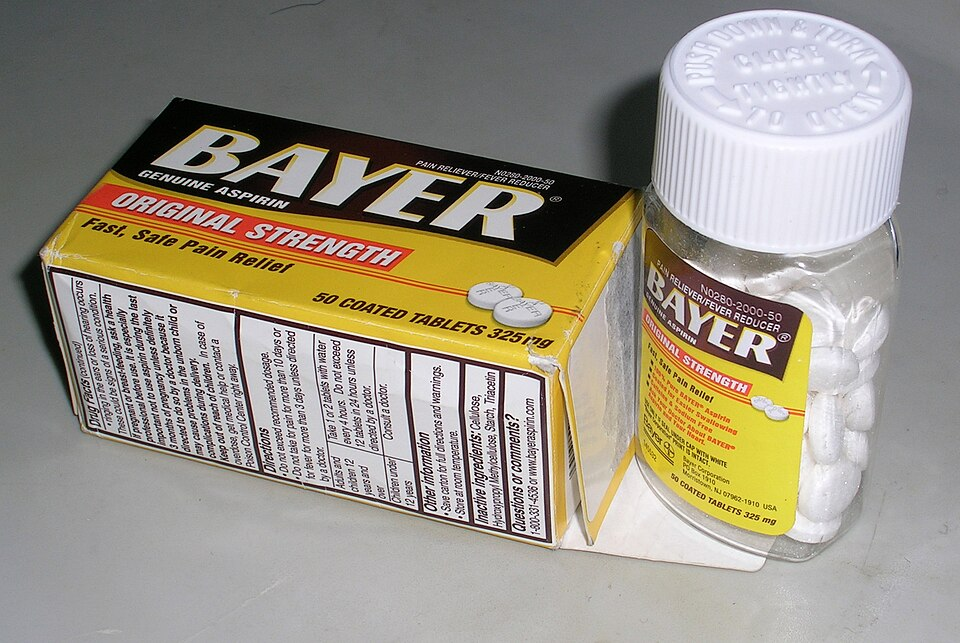
Prescriptions went out in plain glass or plastic vials with a screw cap, or in paper envelopes and folded powder papers. Nothing on the container resisted a child, and bottles stood on kitchen windowsills and bathroom shelves within easy reach.
The Poison Prevention Packaging Act of 1970 required child-resistant packaging for prescription drugs and for a list of hazardous household substances, and the reduction in American childhood poisoning that followed is one of the clearest results in the field.
The push-and-turn cap is probably the most grumbled-about object in American healthcare and it is also among the most effective single interventions on this list. Patients may request non-child-resistant closures, which is where the balance now sits.
6. Dispensed everything in packaging anybody could open and reclose
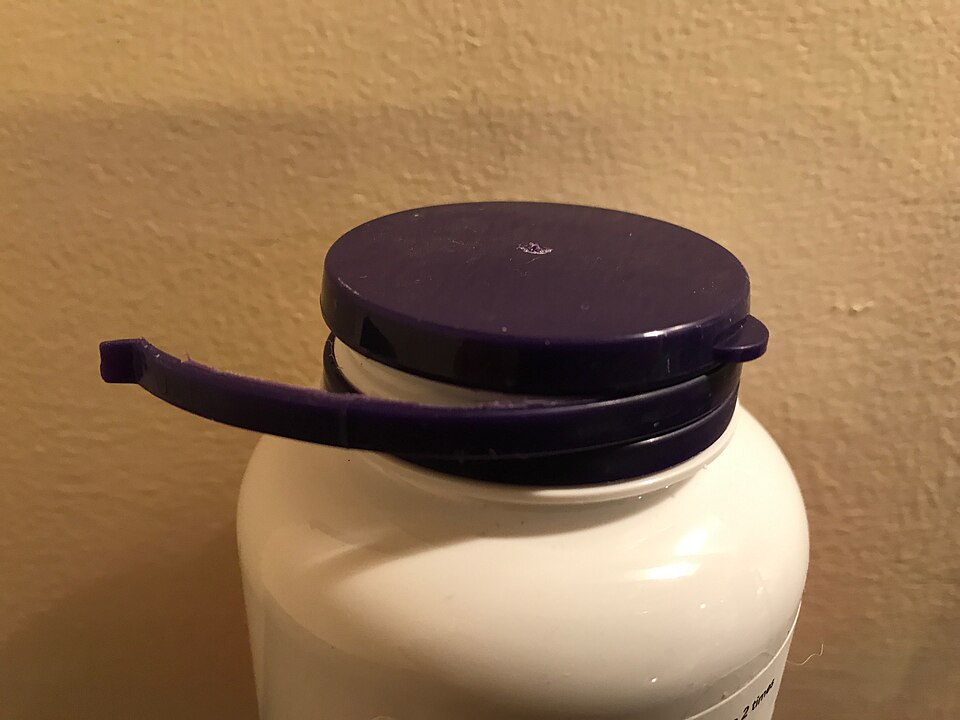
Over-the-counter products sat on open shelves in cartons and bottles that could be opened, handled and put back without any visible trace. The idea that packaging should show evidence of interference did not exist as a concept.
Tamper-evident packaging requirements for American over-the-counter products were introduced in 1982, following a product tampering case that is not described here, and the sealed inner liner, shrink band and blister pack all date from that response.
This is the one item on the list that was created by a single criminal act rather than by accumulated evidence. Within weeks the industry and the regulator had restructured American drug packaging permanently, and it has stayed restructured.
7. Typed a label with the drug name and nothing much else
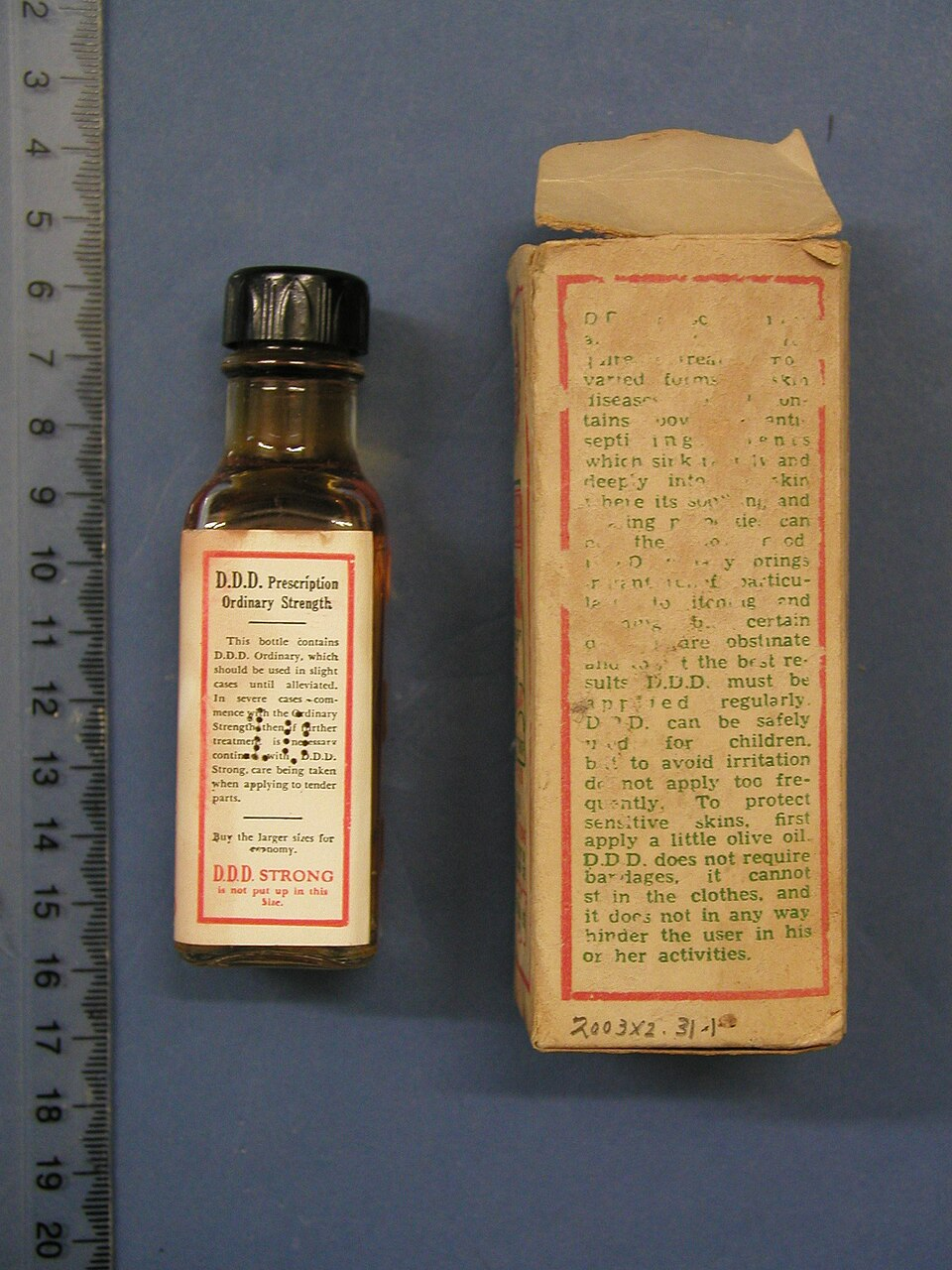
A 1960 prescription label carried the patient’s name, the physician’s name, a number and brief directions, frequently abbreviated in Latin. There were no auxiliary warning stickers, no plain-language instructions, no indication of what the drug was for and no patient leaflet.
American labelling practice now requires plain-language directions, and patient medication information, auxiliary warnings and counselling materials are standard. Several states additionally mandate standardised label formats designed for readability.
In many cases in 1960 the label deliberately did not say what the medicine was, because the prevailing view was that this was the physician’s information rather than the patient’s. That assumption, not the typeface, is what changed.
8. Kept no record of what else the patient was taking
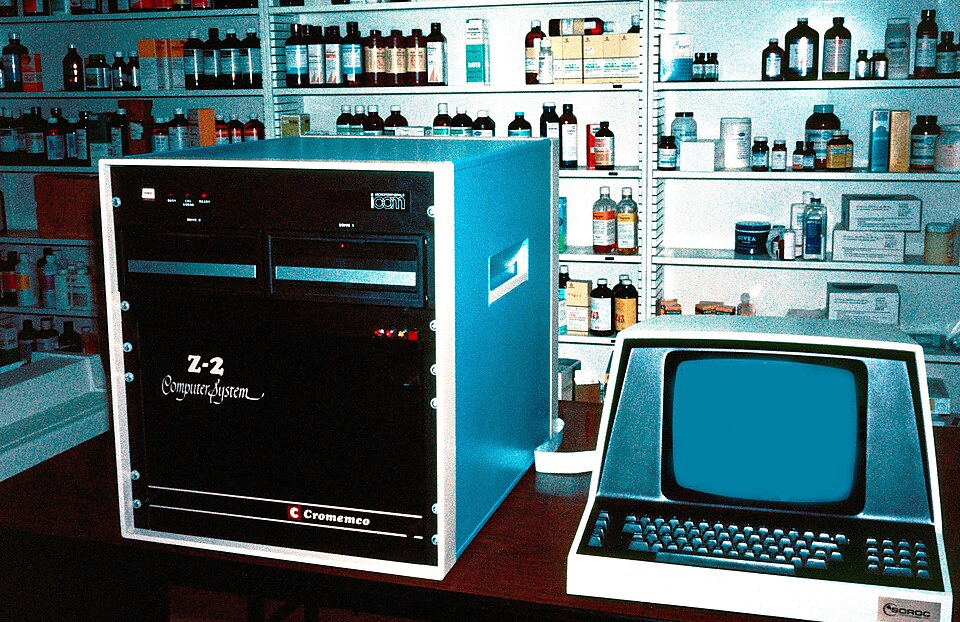
Prescriptions were filed by number as a legal record. There was no patient profile, no list of concurrent medicines, no allergy record and no mechanism by which filling a second prescription would surface a conflict with the first.
Patient medication profiles, automated interaction and allergy screening and duplicate-therapy alerts are now built into American dispensing systems and into the professional standard, with state prescription monitoring databases layered on top for controlled substances.
A conscientious pharmacist in 1960 held this in his head for regular customers, and in a small-town drugstore that worked remarkably well. It did not work for anybody who used two pharmacies, moved, or was new in town.
9. Was under no obligation to tell the patient anything

Counselling was a courtesy. A pharmacist who explained a medicine did so because he chose to, and a good many deliberately did not, deferring to the physician on the view that explanation was not the pharmacy’s role.
Federal legislation in 1990 required counselling for a defined group of patients, and states extended the obligation much more widely. Offering counselling on a new prescription is now a professional duty rather than a service, and declining it is the patient’s choice to record.
This is the reform that most changed what the job is. It moved the pharmacist from a dispenser who happened to be qualified to a clinician with an affirmative duty to the person at the counter.
10. Could not substitute a generic even when one existed

State anti-substitution laws prohibited the pharmacist from dispensing anything other than the exact brand written. The pharmacist could know that an identical product was available at a fraction of the price and was legally barred from supplying it.
Those laws were repealed across the United States through the 1970s, and federal legislation in 1984 established the modern pathway for generic approval. Substitution with an approved equivalent, subject to the prescriber’s instruction, is now the default.
This is the item on the list that saved the most money and that nobody remembers. The 1960 pharmacist’s professional judgement was formally excluded from the single decision where it would have had the largest effect.
11. Discussed prescriptions across an open counter at normal volume
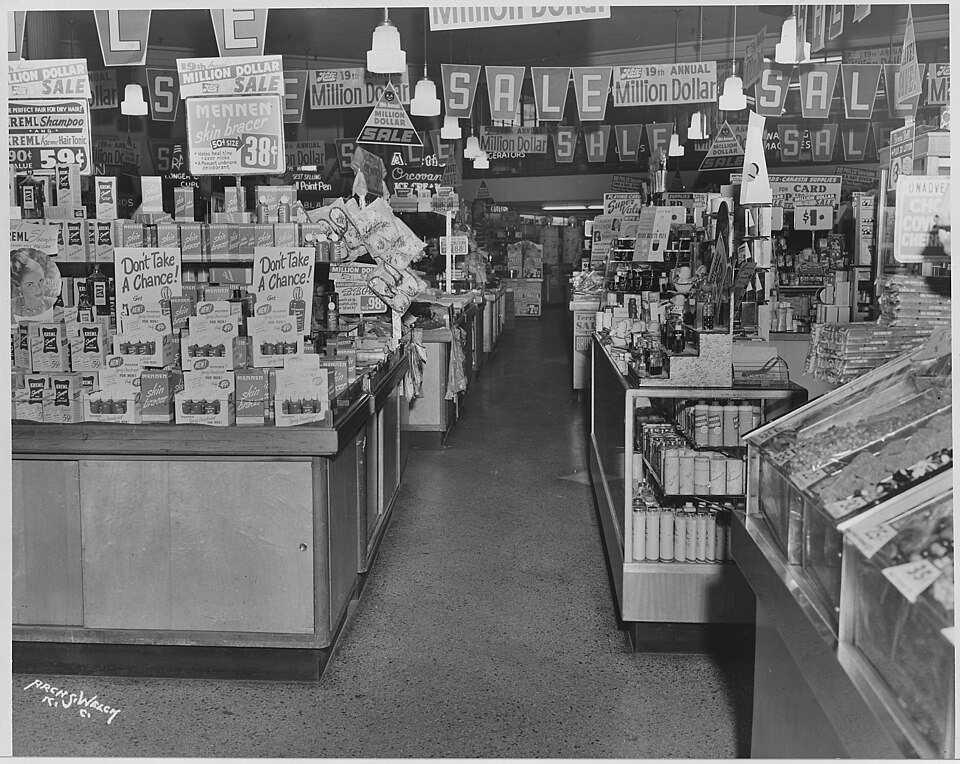
The pharmacy counter was a counter. Prescriptions were handed over, questions were asked and answered, and conditions were discussed within easy hearing of everybody else waiting, which in a small town meant people who knew you.
Federal health privacy rules effective from 2003 require reasonable safeguards for protected information, which is why American pharmacies now have consultation areas, lowered voices, screens turned away and counters set back from the queue.
The sociable openness of the old drugstore counter is genuinely part of what people miss about it. It is also exactly what the privacy rules were written to end, and both of those statements describe the same counter.
12. Refilled prescriptions at his own discretion, indefinitely

Refills were a matter between the pharmacist and the customer. A prescription could be refilled on request for years, authorisation was often assumed rather than obtained, and a long-standing customer could effectively keep a medicine running without seeing a physician again.
Refill authority is now defined by the prescription itself and constrained by law, with schedule-specific limits for controlled substances, expiry of the authorisation and documented prescriber contact for anything beyond it.
The old arrangement was convenient and it is the practice most often described warmly by people remembering their family druggist. It also meant nobody was reviewing a medicine that had been running for a decade.
13. Sold cigarettes from the same register
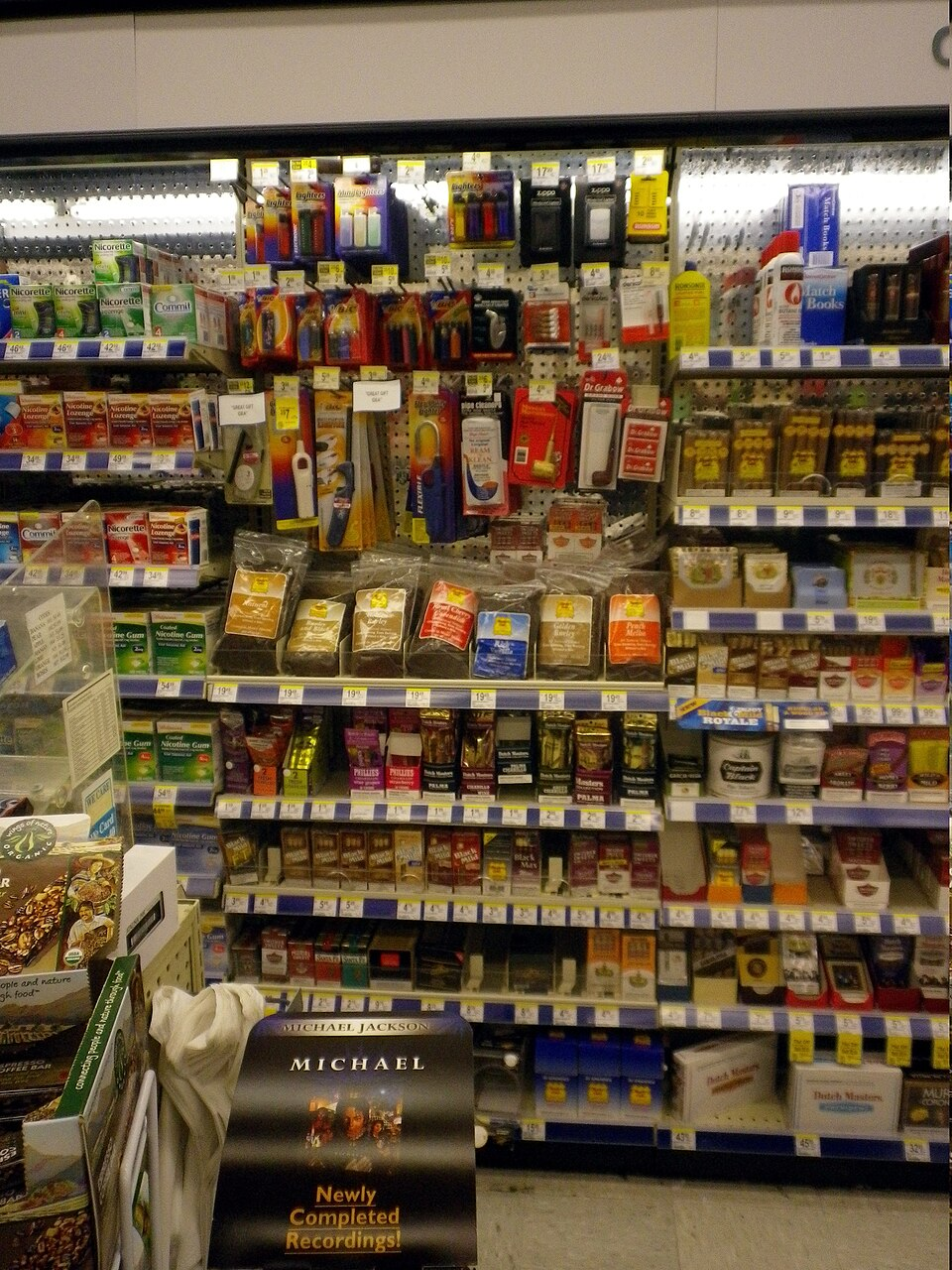
The tobacco counter and the dispensary were the same business, frequently the same transaction, and the pharmacist sold both without any sense of contradiction. The soda fountain was usually in the building too.
The federal minimum tobacco purchase age is now 21 with identification requirements and retailer compliance checks, and a number of American states and cities prohibit tobacco sales in pharmacies outright, as have the largest chains voluntarily.
That last prohibition would have been incomprehensible in 1960, and the argument for it is now so widely accepted that the combination reads as absurd. The food side of the same building is covered separately in this batch.
14. Stocked products that had never been shown to work
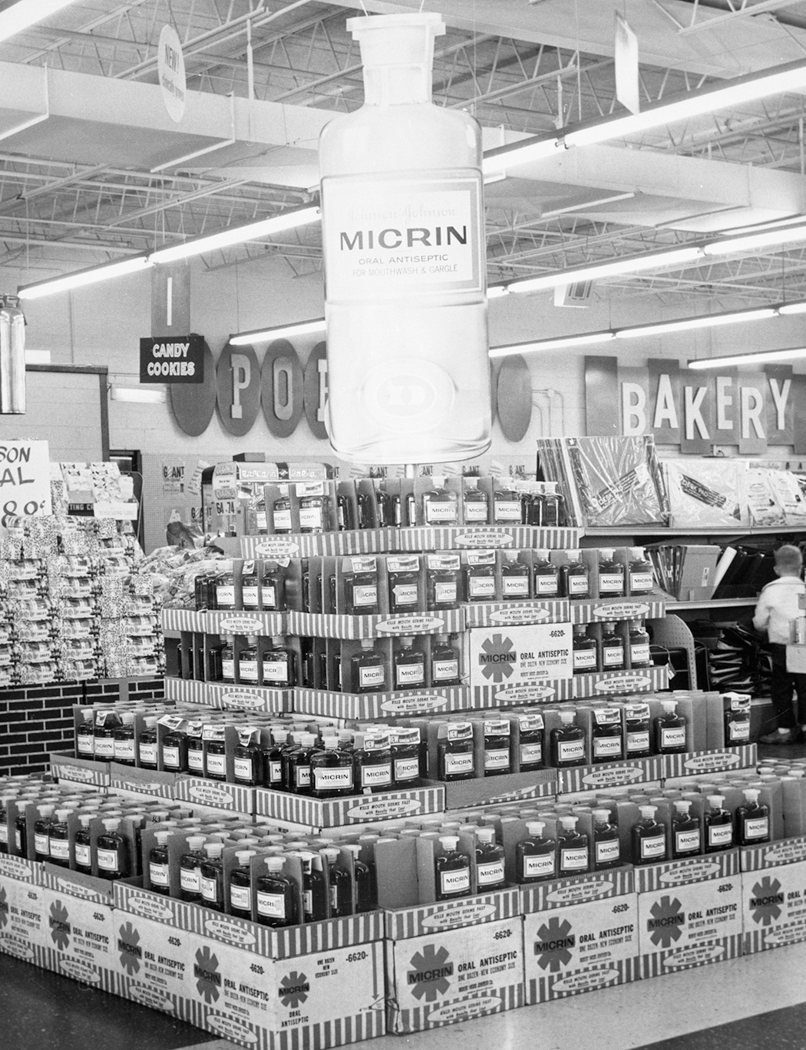
A great deal of the 1960 shelf consisted of products marketed before any requirement to demonstrate effectiveness existed. Safety had been required since 1938. Whether a product did what it claimed was, for most of the stock, an open question.
The Kefauver-Harris amendments of 1962 required proof of effectiveness as well as safety, and the federal review that followed assessed the existing marketed products and removed a substantial number of them from the American market over the following years.
The pharmacist in 1960 was therefore selling, in good faith, a shelf of which a known fraction would shortly be withdrawn as ineffective. Mercurochrome, which left the market by a related route much later, is covered elsewhere in this batch.
15. Needed no continuing education after qualifying
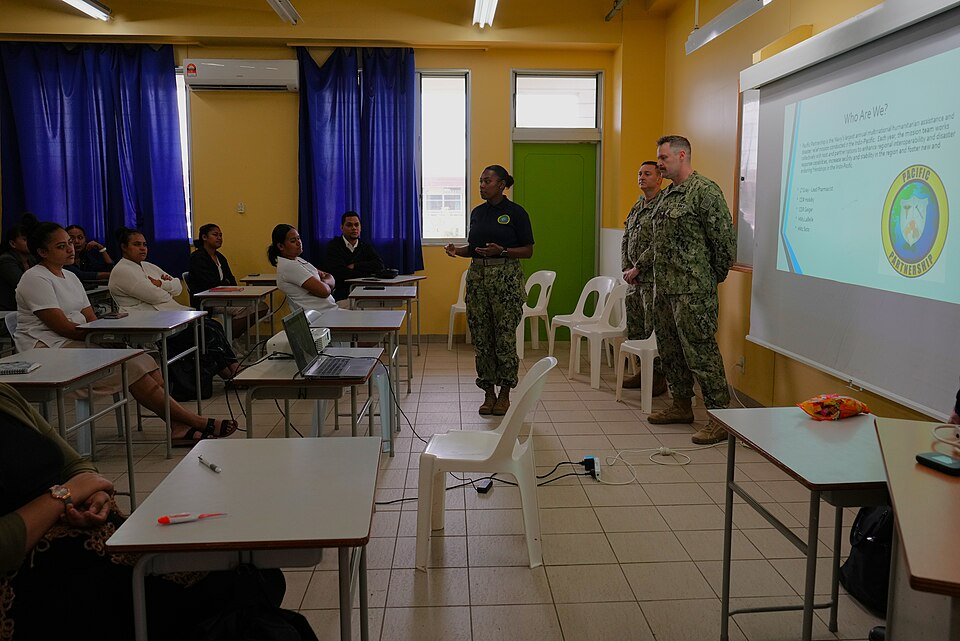
A pharmacist licensed in 1935 could still be practising in 1960 on the pharmacology he had learned as a student, in a period when the therapeutic armoury had been transformed twice over. Nothing required him to have kept up.
Continuing education is now a condition of licence renewal in every American state, with specified hours, accredited providers and subject requirements including controlled substances and patient safety.
Of all the items here this is the one that most clearly protects patients and attracts least nostalgia. It is also the one that reveals how much the job has changed: the knowledge now has a half-life short enough to require maintenance.
16. Recommended and effectively prescribed across the counter
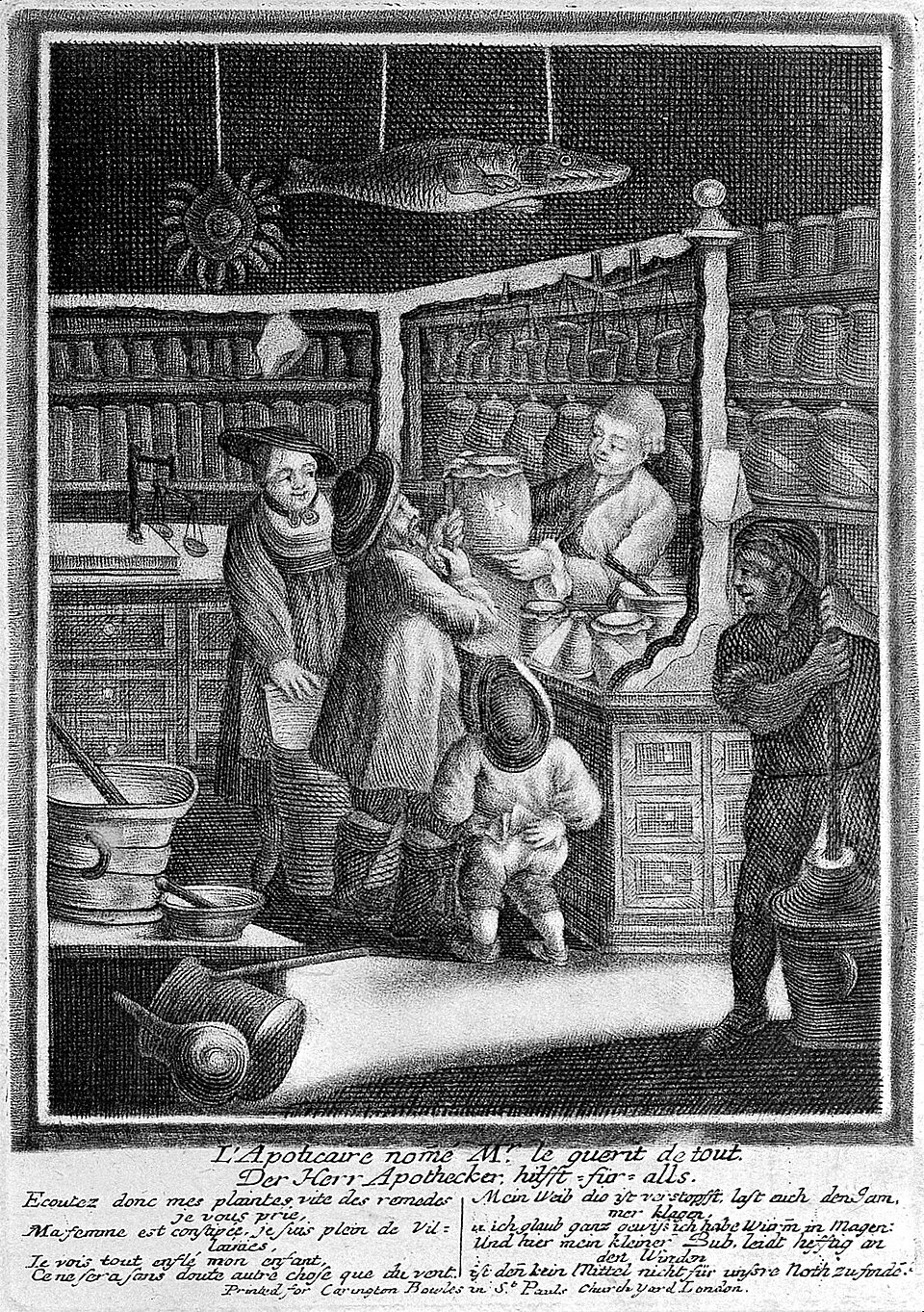
People went to the druggist first. He looked at the rash, listened to the cough, asked about the child, and recommended something off his own shelf, and he was frequently right because he had seen thousands of the same complaints.
Modern American pharmacists do more clinical work than their 1960 predecessors, not less — immunisation, test-and-treat for defined conditions, medication therapy management — but within a defined scope of practice, with protocols, training and documentation behind each authority.
The difference is not whether the pharmacist may advise. It is that the authority is now written down, bounded and auditable, rather than resting on the standing of one man behind one counter in one town.
The counter that turned into a clinic
Lined up by date, the list is a single profession being rebuilt in forty years. Effectiveness proof in 1962. The Controlled Substances Act and child-resistant packaging in 1970, in the same year. Anti-substitution repeal through the 1970s. Generic approval in 1984. Tamper-evident packaging in 1982, written in weeks. Counselling in 1990. Privacy in 2003. Compounding standards tightened after that.
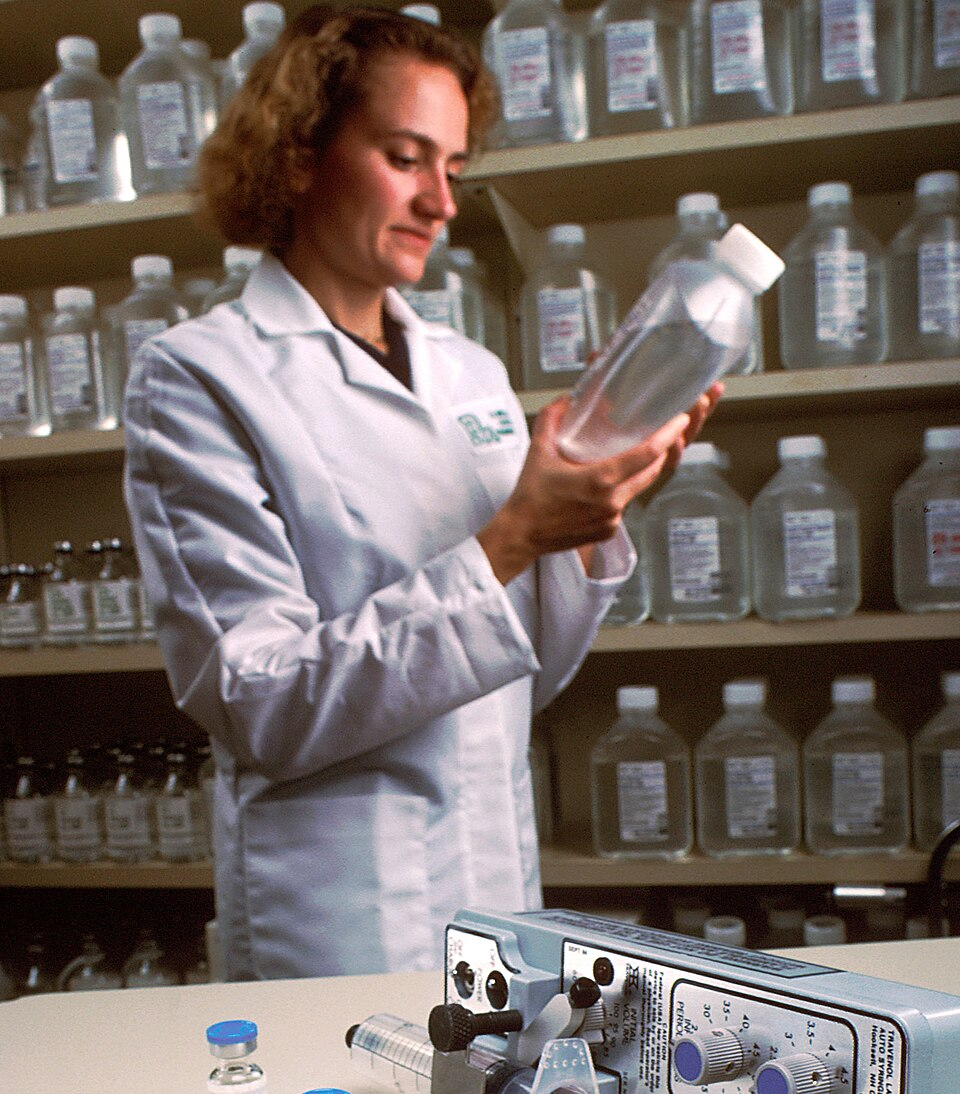
What the sequence did was move the pharmacist from the manufacturing end of the job to the clinical end. In 1960 the skill was in the mortar and the balance, and the duty to the patient was essentially one of accuracy. Now the compounding is done elsewhere, and the skill is in the screening, the counselling, the refusal of a prescription that should not be filled, and an expanding set of clinical authorities. It is a larger job than it was, and the white coat is the only part of the picture that has not changed.
If you want the single most telling difference, it is not the drugs. It is the consultation window. In 1960 the entire transaction happened across an open counter in front of whoever was waiting, and that openness was part of what made the drugstore a social institution.
The window exists because somebody decided that what is wrong with you is your own business. That is a real loss of something and an obvious gain of something else, and the trade is not close.
Like our content? Follow us for more.