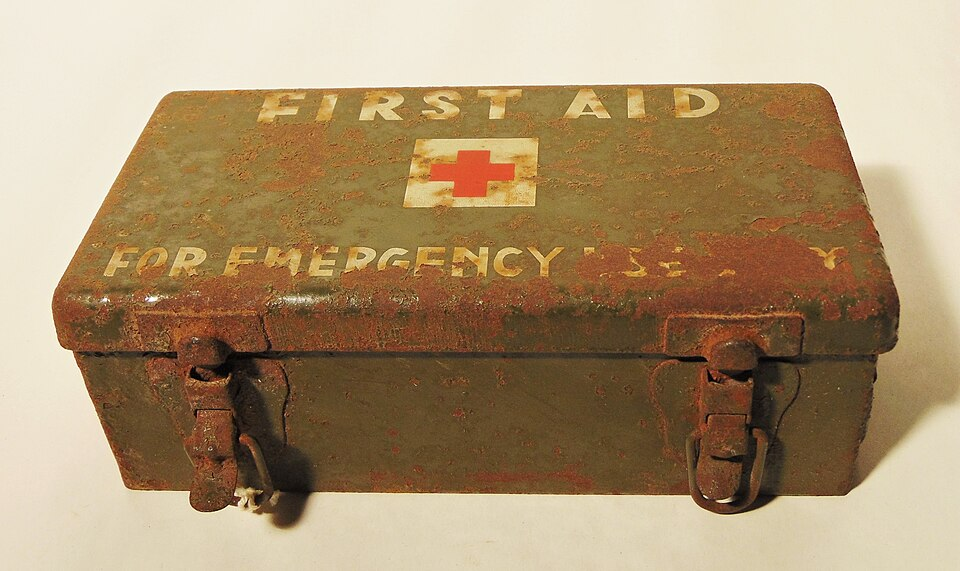
First aid is an unusually good place to watch guidance change, because it is taught to ordinary people as a fixed set of instructions and then revised behind their backs. An American who took a first aid course in 1965 — through the Scouts, the Red Cross, a school, an employer or the armed forces — learned a specific list of things to do, memorised it, and in a great many cases has never been told that most of the list has been withdrawn.
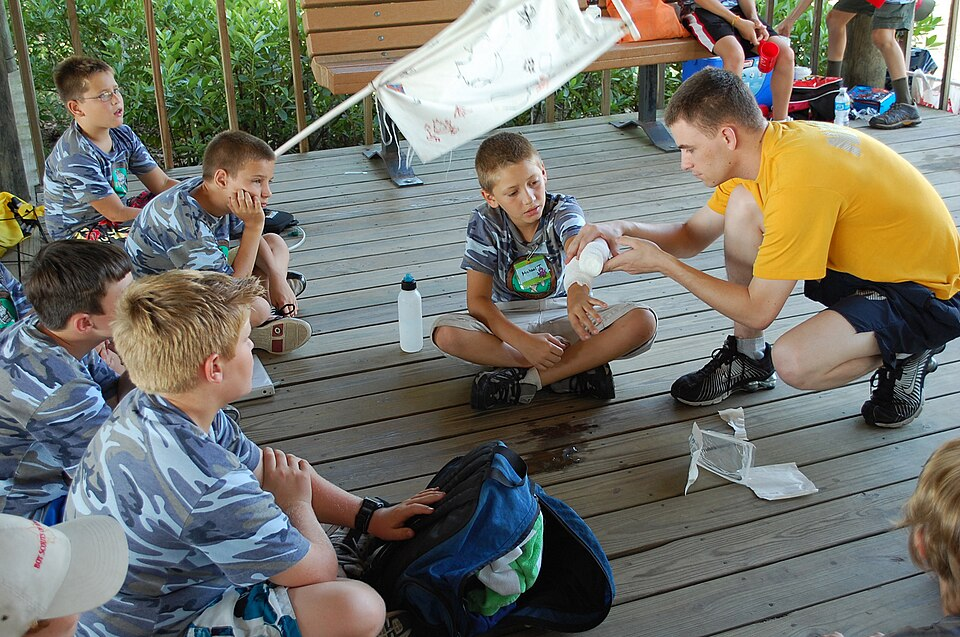
This piece sets out what changed and why. It is not first aid training and must not be used as any. Current procedures are taught properly in a certified course, they are revised on a cycle, and there is no substitute for being shown. Anybody who learned this material decades ago and has not refreshed it since should take that as the practical conclusion of the whole article.
Butter on a burn
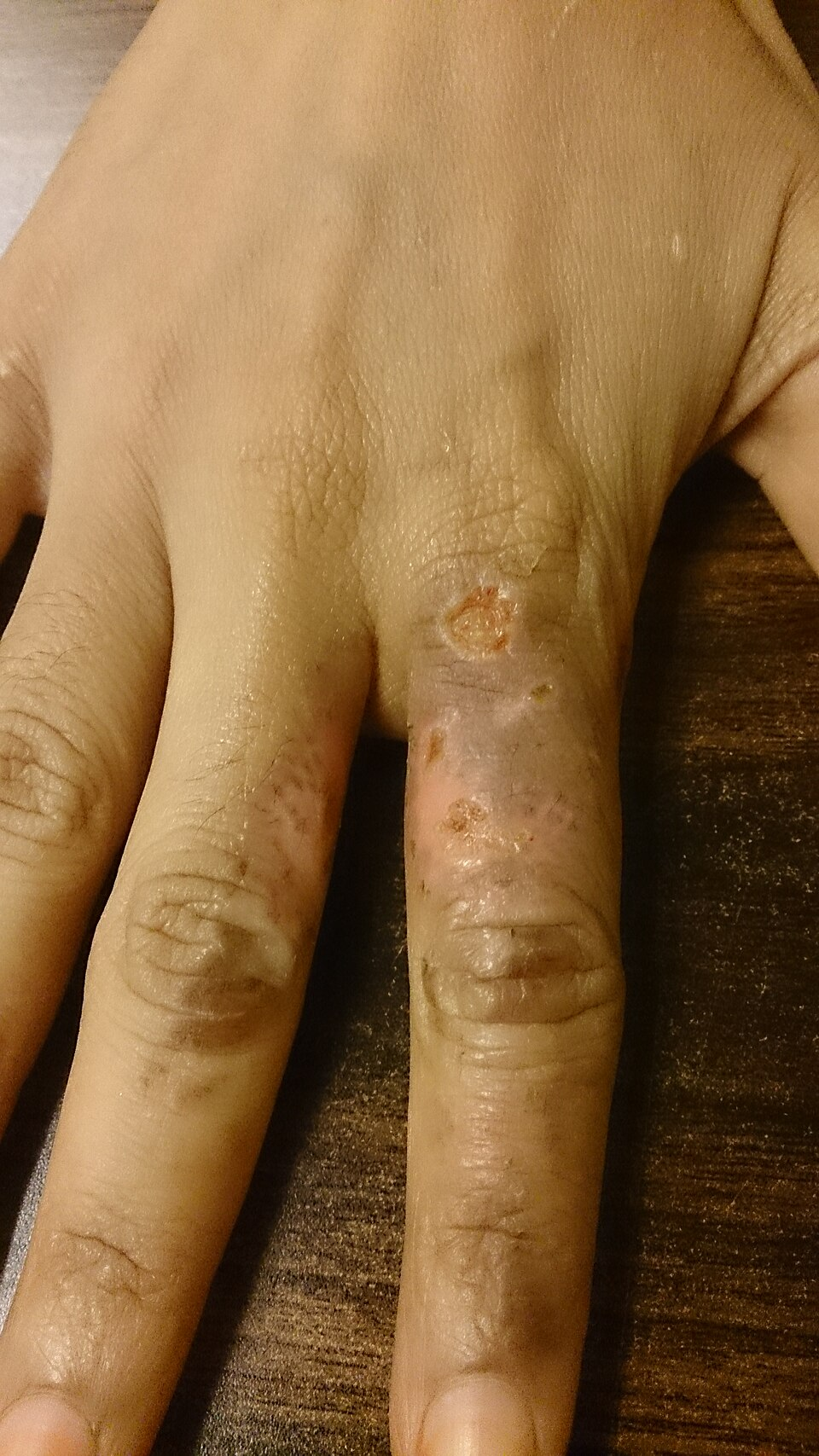
The instruction was to apply a greasy dressing — butter, lard, petroleum jelly, or a proprietary burn ointment — to a burn, and it was close to universal in American households as well as in formal courses.
It is the reverse of what helps. A burn continues to damage tissue for as long as the heat remains in it, so the first priority is removing that heat, and a layer of grease insulates the injury and holds the heat in. It also complicates assessment and cleaning afterwards. Current guidance everywhere is cool running water for a sustained period and then a clean non-adherent covering, with nothing greasy, no ice and nothing from a kitchen cupboard. This is the clearest single reversal in first aid and the one that persists most stubbornly in family practice, because it was taught so thoroughly and because doing something feels better than doing the simple thing.
Like our content? Follow us for more.
The tourniquet, which is the most interesting case in first aid
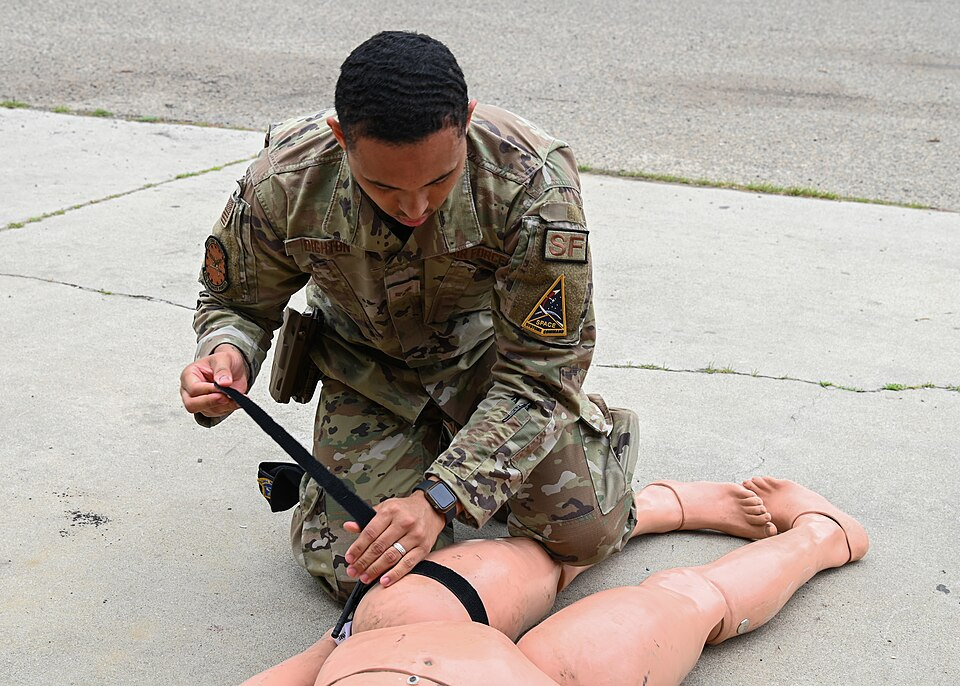
A 1965 course taught the tourniquet as a general measure for serious bleeding in a limb, with the dramatic caveat that applying one meant accepting the possible loss of the limb. It was in the manual, it was in the Scout handbook, and it was understood as a last resort that competent people should know.
Then it was withdrawn. Through the following decades American first aid teaching moved firmly against tourniquets, on the grounds that they were being applied unnecessarily, applied incorrectly, applied too loosely to occlude arterial flow while still obstructing venous return, and left on far too long, and that direct pressure handles the overwhelming majority of bleeding.
And then it came back, for a narrow and specific case. Military experience in the 2000s produced strong evidence that a properly designed, correctly applied tourniquet saves lives in severe extremity haemorrhage, and that the limb-loss risk had been substantially overstated. American civilian guidance followed, and a national public campaign launched in 2015 now teaches tourniquet use to the public explicitly. That is the only item in this article that has reversed twice, and it is a useful corrective to the idea that guidance only ever moves in the direction of doing less.
Head back for a nosebleed
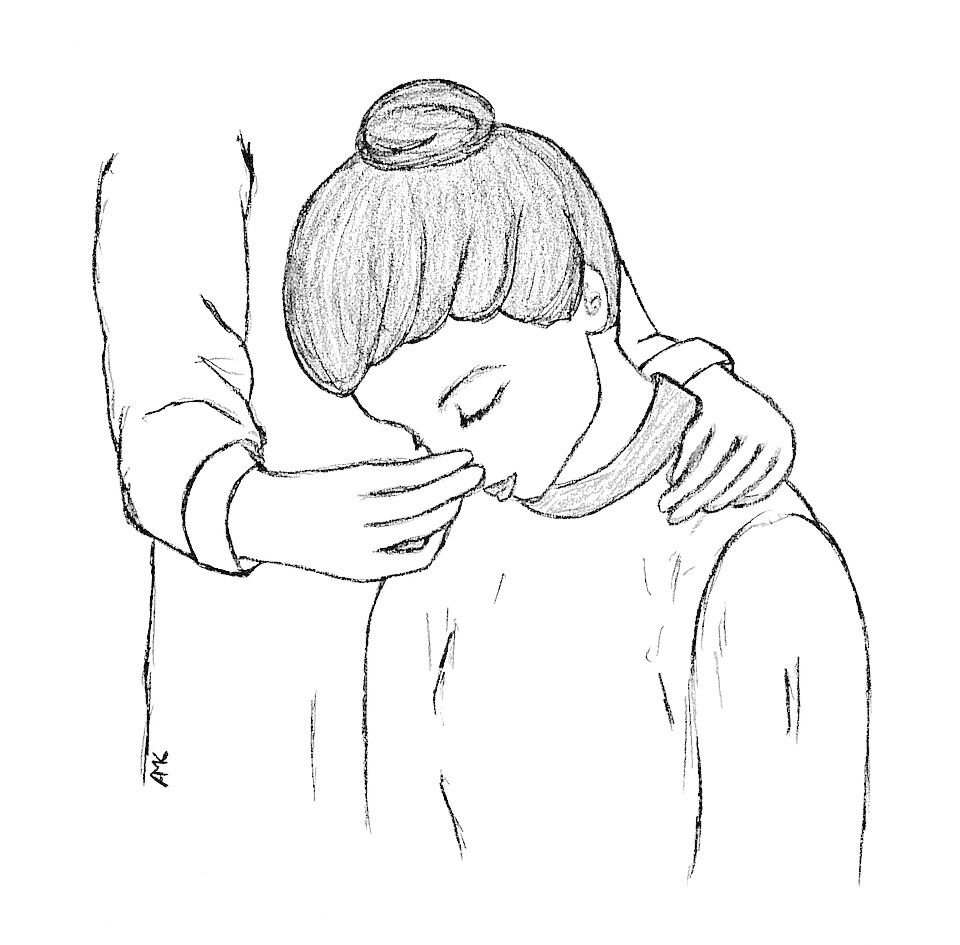
Everybody was taught to tip the head back, and many were taught to apply a cold key or a coin to the back of the neck. Both were standard.
Tipping the head back does not stop the bleeding; it redirects it down the throat, which is unpleasant, can cause vomiting, and makes it impossible to judge how much blood has actually been lost. Current guidance is to sit upright, lean slightly forward and pinch the soft part of the nose, not the bony bridge, for a sustained period without releasing to check. The key on the neck does nothing whatsoever. It is a good example of an instruction that survived for generations purely because nosebleeds stop on their own and whatever you were doing at the time gets the credit.
Cutting and sucking a snakebite
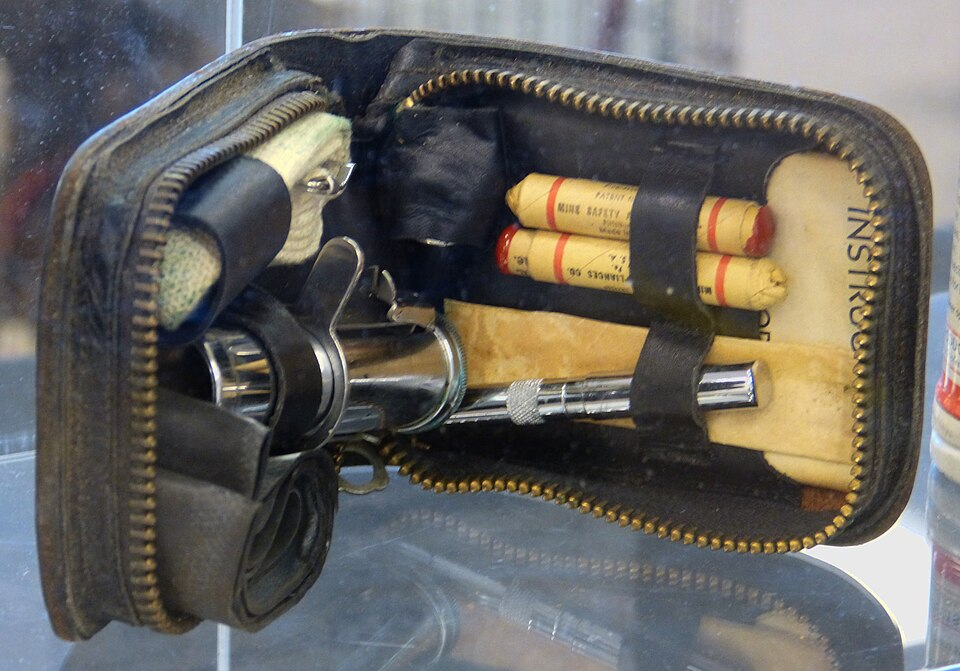
The snakebite protocol in a 1965 American manual was elaborate: a constricting band above the bite, incisions over the fang marks, and suction applied by mouth or with a rubber device from a kit sold for the purpose. Scouts were taught it and kits were carried.
Every element has been abandoned. Incision causes additional tissue damage and infection risk and removes a negligible amount of venom; suction devices have been shown not to work; constricting bands and tourniquets concentrate venom in the limb and worsen local injury; and ice and electric shock, both of which appeared in various period recommendations, are harmful. Current guidance is to move away from the snake, keep the person calm and still, remove rings and watches, immobilise the limb at roughly heart level, and get to definitive care quickly, because the treatment is antivenom administered in a hospital and nothing in the field substitutes for it.
Induced vomiting, and the bottle in every medicine cabinet
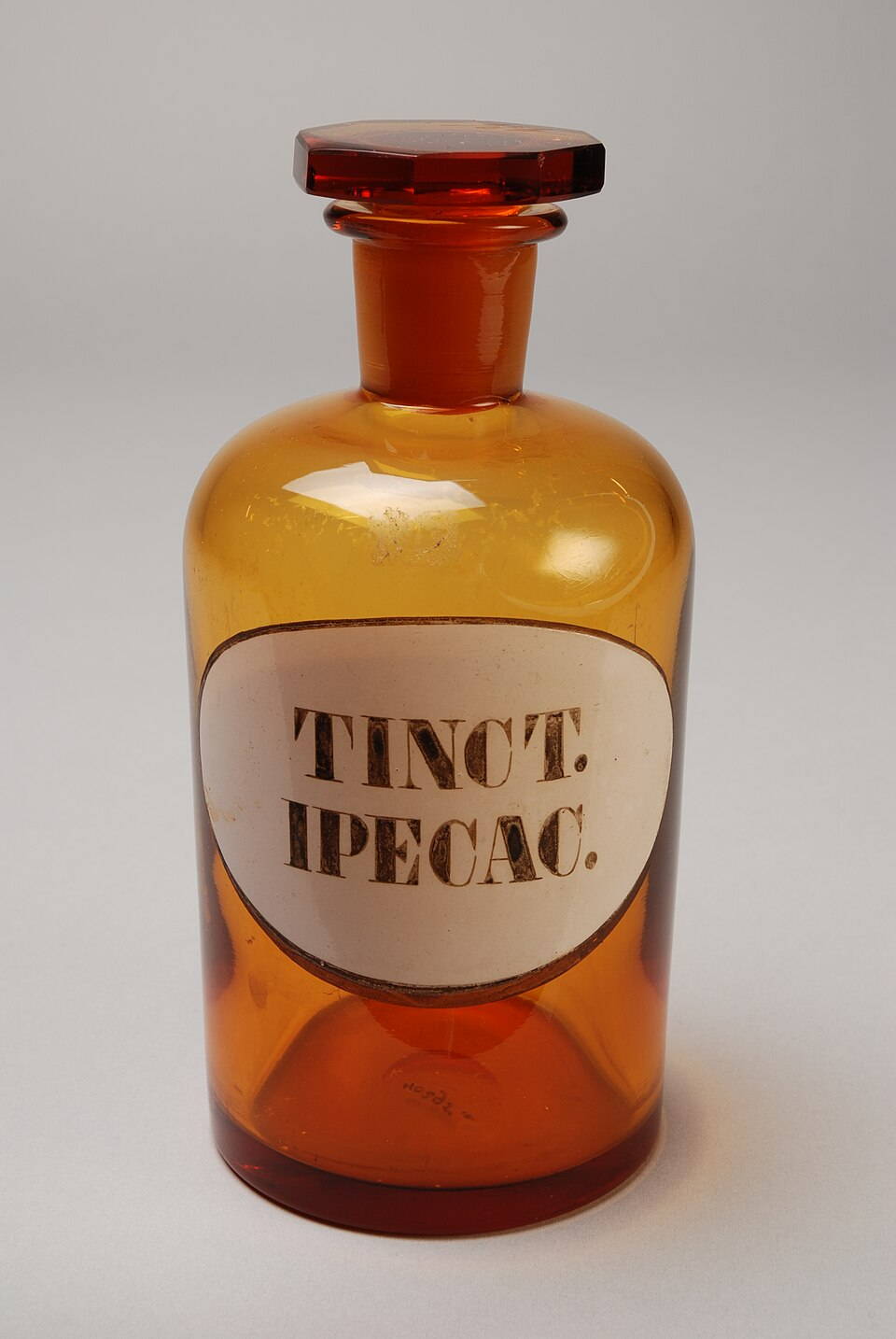
American households were advised to keep syrup of ipecac for poisoning, and to induce vomiting as a first response. It was a public health recommendation, widely followed, and the bottle was in millions of cabinets.
The recommendation was withdrawn. American paediatric guidance moved against routine home use in 2003, on the evidence that it did not improve outcomes, that it delayed more effective treatment, and that for corrosive substances and petroleum products vomiting causes additional injury on the way back up. The current instruction for a suspected poisoning is to call the poison centre immediately and follow what they say, and specifically not to induce vomiting unless told to. Households that still have a bottle of ipecac should understand that it is not merely obsolete; using it can make things worse.
Rubbing alcohol for a fever, and whiskey for shock
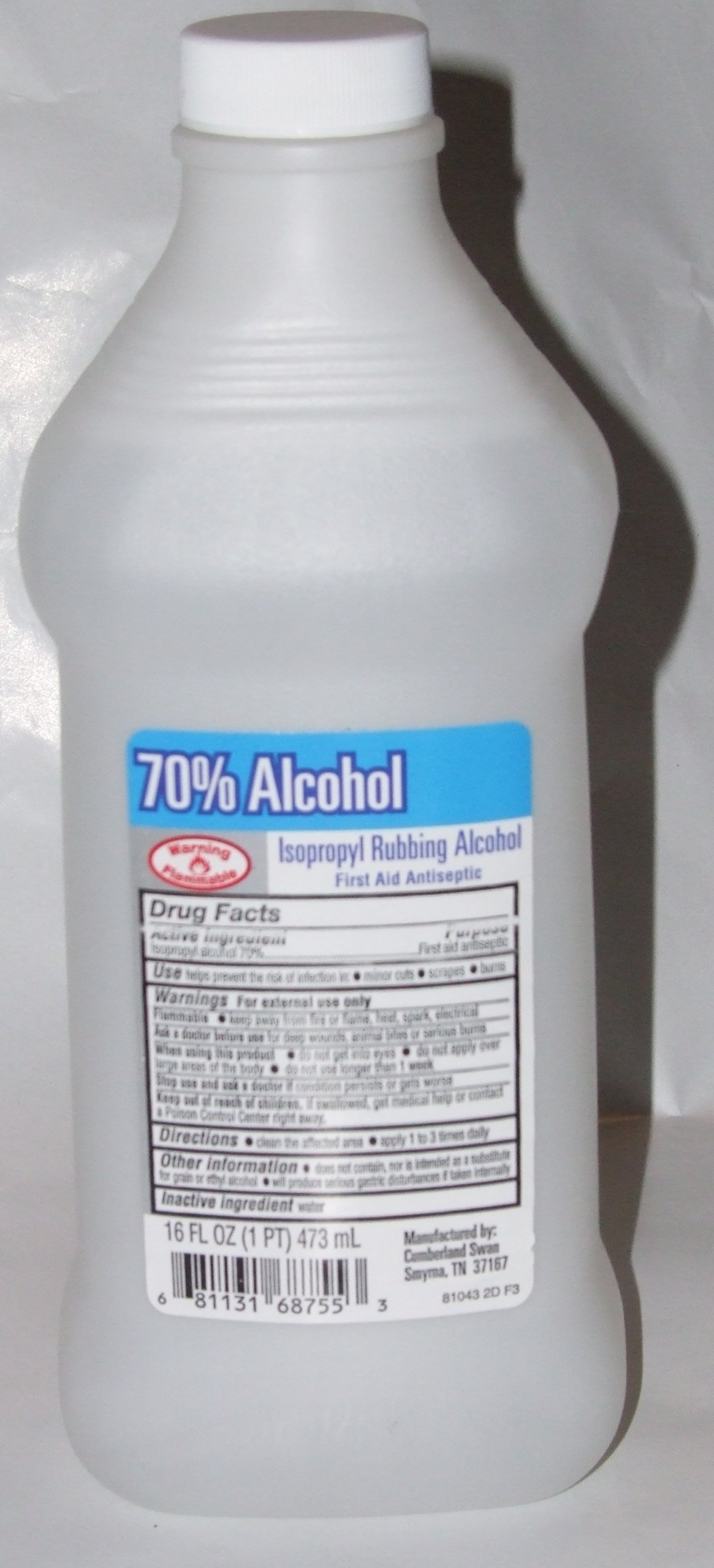
Two household measures taught alongside the formal material. A feverish child was sponged with rubbing alcohol to bring the temperature down, and a person in shock was given a drink of spirits to revive them.
Alcohol sponging is advised against: it cools the skin surface rapidly enough to cause shivering, which raises core temperature, and alcohol is absorbed through the skin and inhaled as vapour, which matters a great deal more in a small child. Giving anybody alcohol in shock is wrong on several counts, and giving anything by mouth to a person who is not fully alert carries an aspiration risk. The general rule that replaced the whole category is that nothing goes in the mouth of somebody whose level of consciousness is impaired.
Mouth-to-mouth as the thing that mattered
Resuscitation training in the period concentrated heavily on rescue breathing, and the manual emphasis was on the airway and the breaths. Chest compressions were taught, and the proportion of attention given to ventilation was much higher than it is now.
The emphasis has reversed. American guidance from 2008 recommends compression-only resuscitation for untrained or unwilling bystanders, on the evidence that compressions are what maintain circulation in the first minutes of a sudden cardiac arrest, that bystanders were frequently doing nothing at all rather than attempt mouth-to-mouth, and that something is very much better than nothing. The modern sequence for a trained responder still includes breaths; the thing that changed is the message to the public, which was simplified deliberately because the complicated version was producing inaction.
The small ones that add up
Several other instructions went quietly. Do not put anything in the mouth of somebody having a seizure, which was taught as a way to protect the tongue and causes injury to the mouth and to the helper. Do not rub a frostbitten limb, with snow or otherwise, because the tissue is fragile and rubbing destroys it; gradual rewarming is the answer. Do not use hydrogen peroxide or iodine in a wound, because they damage healing tissue along with the bacteria, and clean running water does the job. Do not keep a person with a head injury awake all night as a matter of routine, which was never the useful instruction; the useful instruction is to know which specific signs require immediate medical attention.
And the one that has not changed: direct, firm, sustained pressure on a bleeding wound. It was the right answer in 1965, it is the right answer now, and it is the single most useful thing in the whole 1965 manual.
Why this one field moves so much
First aid guidance changes more visibly than most medical advice for a structural reason. It is taught as a memorised list to people who will use it rarely, under stress, without supervision, and it therefore gets simplified hard. A simplification that turns out to produce the wrong action at scale has to be replaced wholesale rather than nuanced, which is why the changes look like reversals rather than refinements.
The tourniquet is the lesson worth keeping. It went from recommended to prohibited to recommended again in a narrow form, over fifty years, as the evidence improved and the equipment changed. That is not a field being unreliable; it is a field responding to data about outcomes rather than to what sounds prudent. The practical response for a reader is the one stated at the top: whatever you learned, take a current certified course, because the list has changed and will change again.
Like our content? Follow us for more.