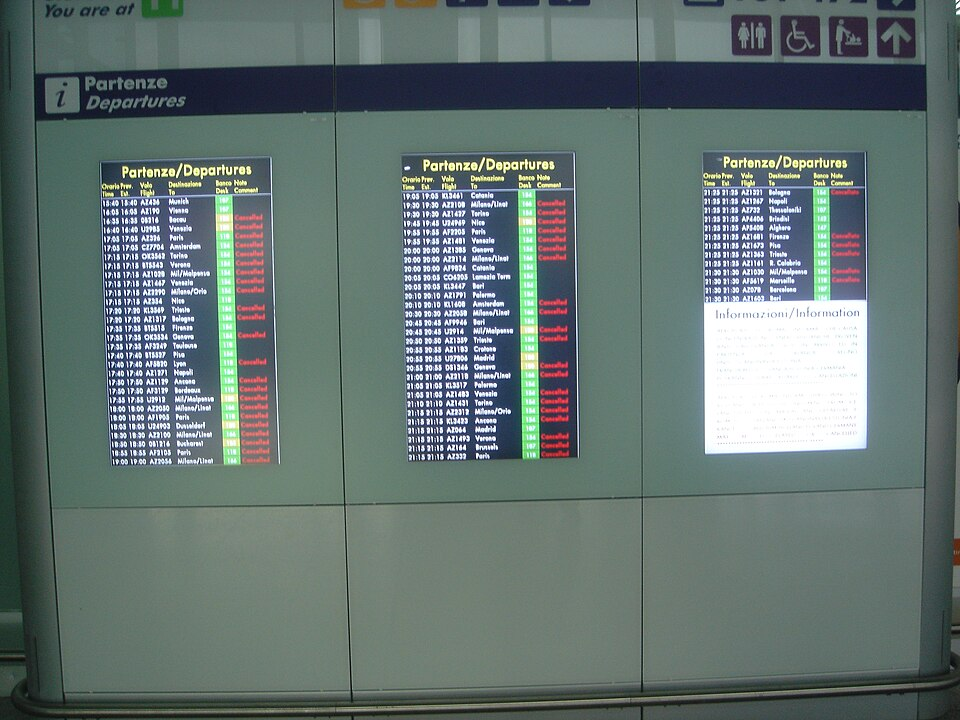
Air passenger rights are a patchwork and the patches do not line up. The same return trip can be covered by American refund rules on one leg and the European compensation regulation on the other, with a Canadian or British regime in the middle, and the entitlements do not transfer between them.
What changed most recently is the American refund position, which was rewritten in 2024 and is substantially better than it was. What has not changed is that the United States still has no compensation for delay. Rules in this area move, so each item here is a prompt to check the current position with the Department of Transportation or the relevant European body rather than a statement you should rely on at a service desk. Here are fifteen rules that decide what you are owed, and how to use each.
1. A cash refund for a cancelled flight, without having to ask
The single most useful change in American air passenger protection in decades is the rule requiring airlines to provide automatic, prompt cash refunds when a flight is cancelled or significantly changed and the passenger does not accept the alternative offered.
The Department of Transportation finalised this in 2024. The refund must be in the original form of payment, must be automatic rather than conditional on the passenger submitting a request, and a voucher may be offered but cannot be imposed. Before it, refunds depended on each airline’s own policy and on persistence.
The practical instruction is to decline the voucher and state that you want the refund, and if it does not arrive, to say that you are relying on the Department of Transportation refund rule. Rules change, so confirm the current position on the Department’s own aviation consumer pages before you argue.
Like our content? Follow us for more.
2. What counts as a significant change
The refund right attaches not only to cancellation but to a significant change, and the 2024 rule defined that term for the first time rather than leaving it to each airline.
The definition covers departure or arrival times moved by more than a stated number of hours — a shorter threshold for domestic flights and a longer one for international — a change of departure or arrival airport, the addition of connections, a downgrade in class of service, and a change to a connection or aircraft that is less accessible for a passenger with a disability.
Note the airport change in particular, because it is the one airlines previously treated as a routine adjustment. Being moved to a different airport in the same metropolitan area is now a significant change and the refund right follows.
3. Why there is no American compensation for delay, and what replaced it
The United States has no equivalent of the European rule requiring a fixed cash payment for a long delay. A delayed American passenger has a right to be transported and, where the flight is cancelled or significantly changed, to a refund — not to compensation for the lost time.
What exists instead is a published commitment framework. Airlines’ own obligations for controllable cancellations and delays — meals, hotel accommodation, rebooking — were made public on a Department of Transportation dashboard, and those published commitments became enforceable against the airlines that made them.
The practical consequence is that your entitlement depends on which airline you chose and what it published. Read the dashboard before booking rather than after a cancellation, because it is the only place the differences between carriers are set out side by side.
4. When the European rules cover an American passenger
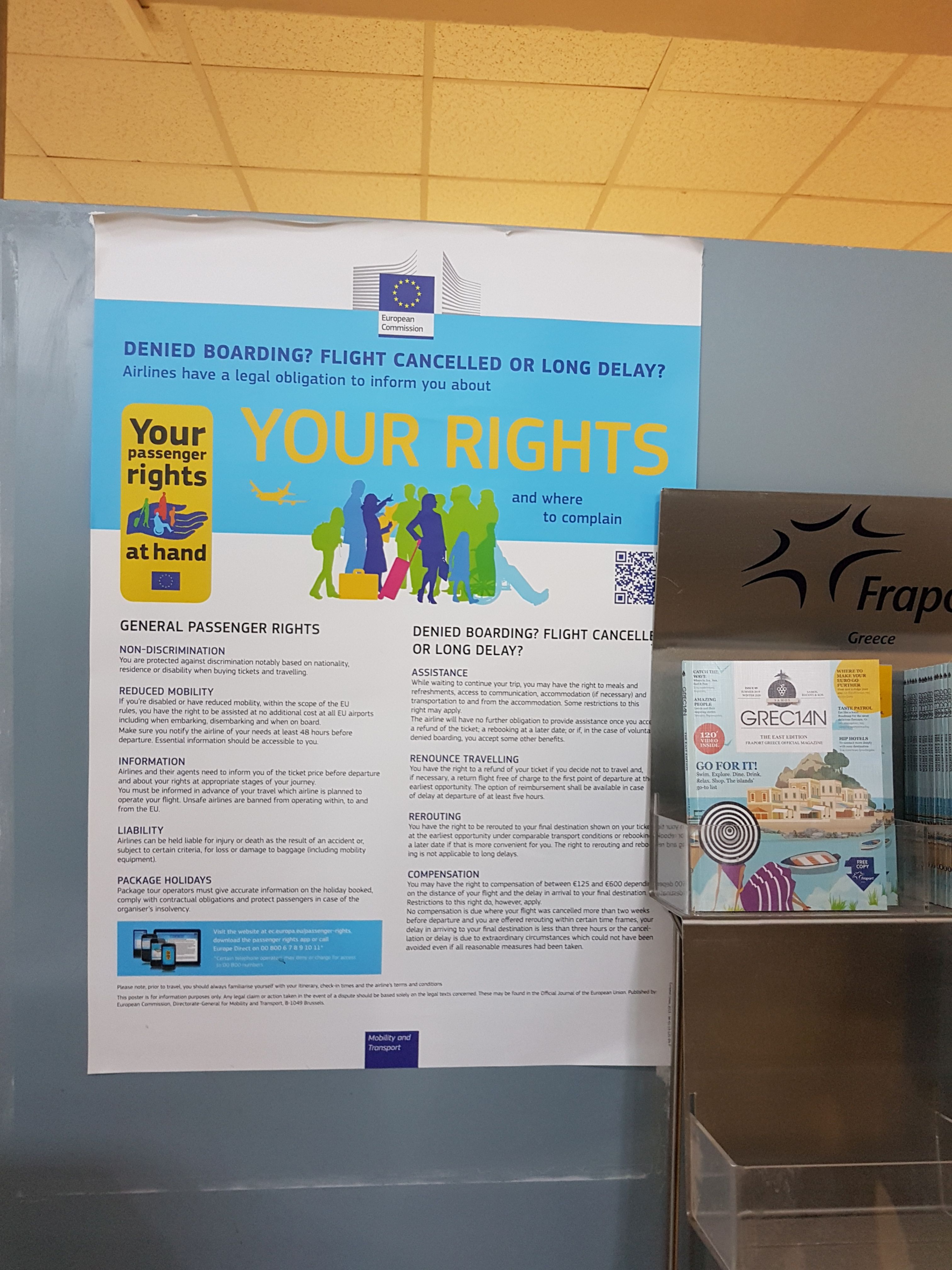
The European regulation on denied boarding, cancellation and long delay applies to any flight departing from an airport in the European Union regardless of the airline, and to flights arriving in the Union operated by a Union carrier.
Within scope it provides fixed cash compensation graded by flight distance, in addition to a refund or rerouting, and separately requires care — meals, refreshments, accommodation and transfers — while the passenger waits, regardless of whether the airline was at fault.
An American travelling from Europe is therefore frequently far better protected on the outbound leg than on the inbound one. Check which leg you are on before deciding whether to pursue a claim, because the answer differs within a single return trip.
5. The extraordinary circumstances defence
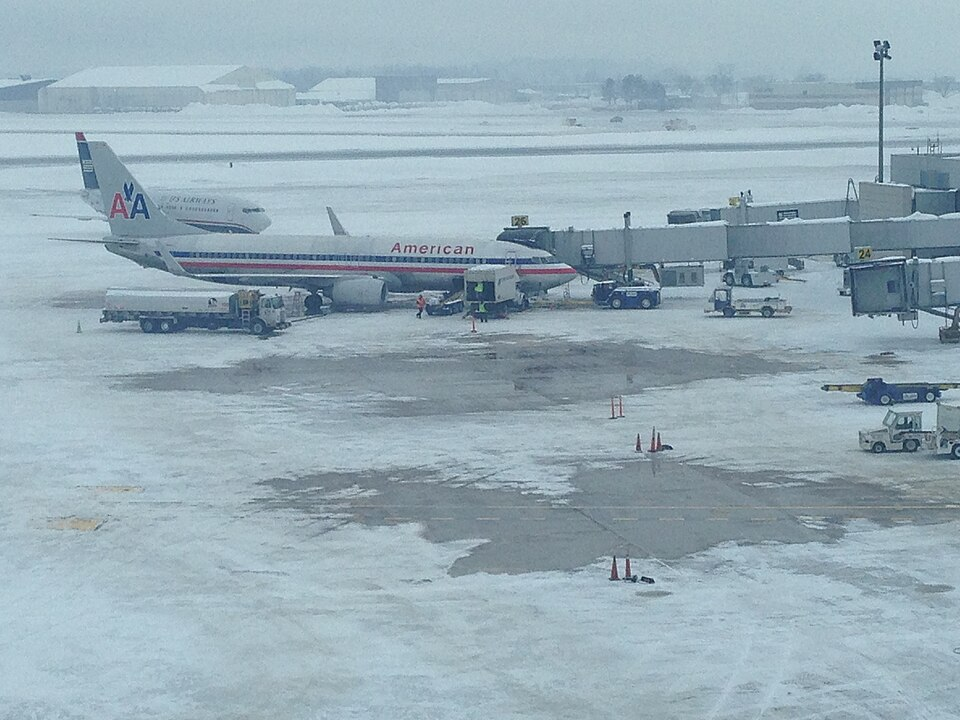
The European compensation obligation falls away where the cancellation or delay was caused by extraordinary circumstances outside the carrier’s control. The care obligations do not fall away, which is the distinction that matters most.
Weather, air traffic control restrictions, security alerts and genuine political instability have been accepted as extraordinary. Technical faults in the airline’s own aircraft have generally not been, because maintaining the fleet is inherent in running an airline, and crew shortages are usually treated the same way.
Airlines assert extraordinary circumstances routinely and the assertion is not the end of the matter. If the stated reason is a technical fault or a staffing problem, the claim is worth pursuing, and national enforcement bodies and claims services exist for exactly that argument.
6. The United Kingdom and Canadian regimes, which are not the same
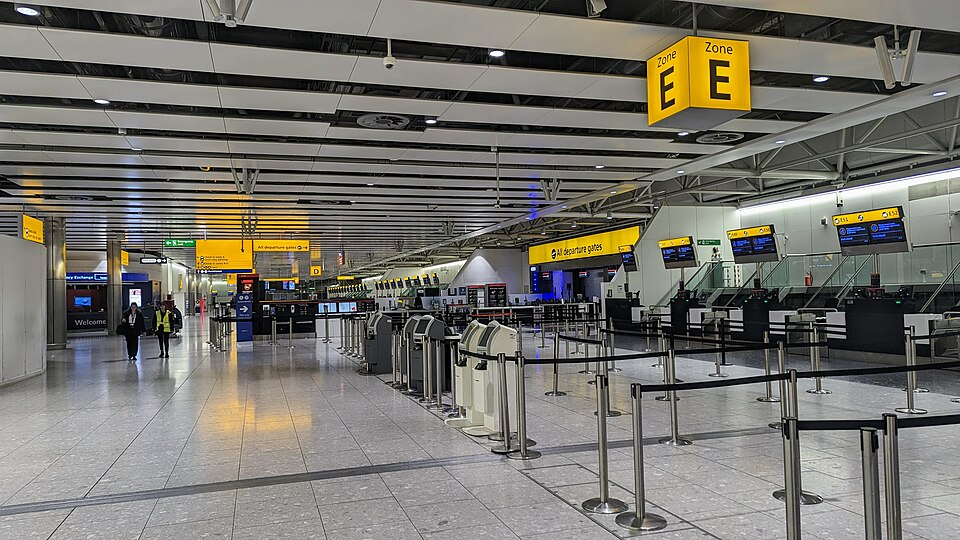
The United Kingdom retained its own version of the European rule after leaving the Union, operating in parallel with similar thresholds in sterling. Canada has a separate regime with its own compensation bands and a different approach to the controllable and uncontrollable distinction.
Each applies by route and by carrier rather than by nationality, which means an itinerary can pass through two or three regimes in a day. Entitlements under one do not transfer to another and the forms, deadlines and enforcement bodies are all separate.
Work out which regime governs the specific leg that failed before doing anything else. It is the first question any claims process will ask and getting it wrong is the commonest reason a valid claim goes nowhere.
7. Meals and a hotel while you wait, regardless of fault
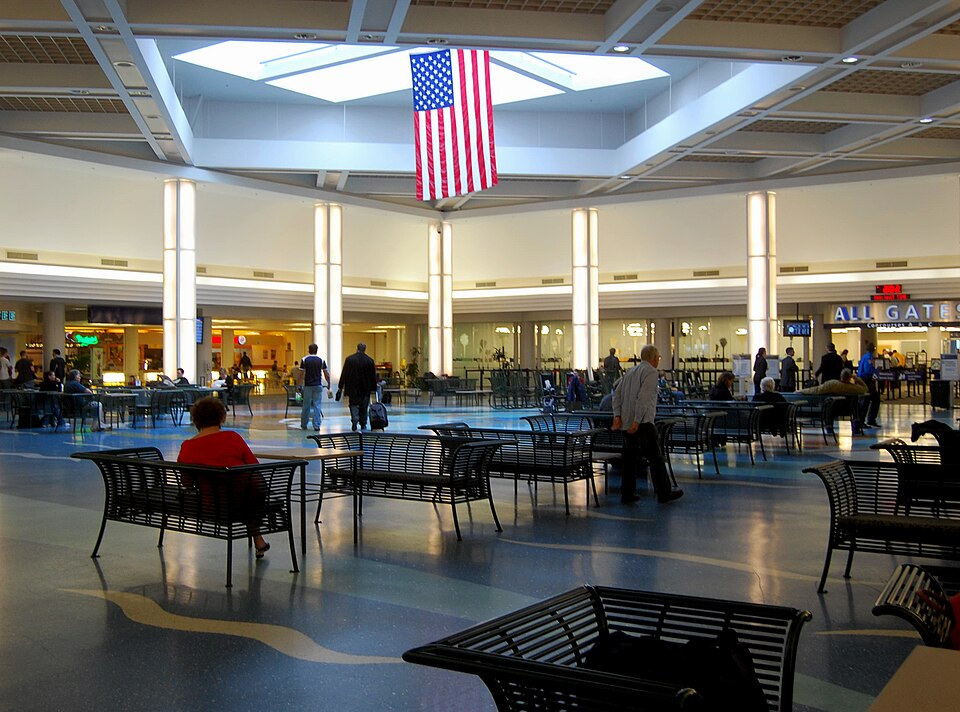
Under the European rule the duty of care is unconditional. If you are waiting, the airline must provide refreshments proportionate to the delay, two telephone calls or equivalent, and hotel accommodation with transfers where an overnight stay becomes necessary, whatever caused the disruption.
This applies even where extraordinary circumstances defeat the compensation claim, which is the point most often misunderstood by passengers and most often glossed over by airlines during a mass disruption event.
If the airline does not provide it, pay for something reasonable and keep every receipt, then claim reimbursement. Reasonable means a modest hotel and ordinary meals rather than the best available, and the airline is entitled to query an extravagant claim.
8. Rebooking on another airline, and whether anybody has to
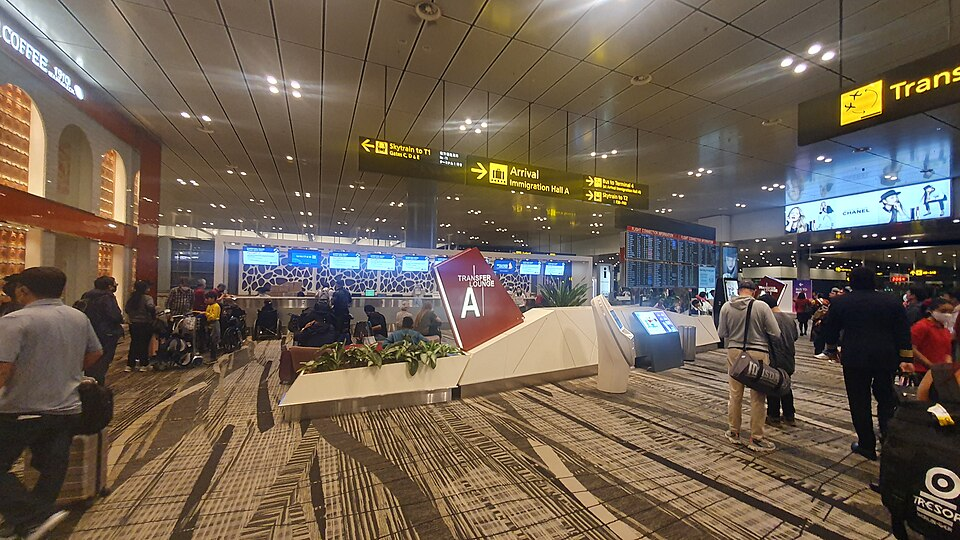
Rerouting at the earliest opportunity, including on another carrier, is part of the European entitlement. In the United States there is no general requirement to rebook you on a competitor, and whether it happens depends on the airline’s own policy and on whether it holds an interline agreement with the carrier concerned.
Low-cost carriers frequently hold no interline agreements at all, which is why a cancellation on one can mean waiting for that airline’s next available seat rather than flying out on another airline the same day.
Ask explicitly whether the airline will endorse your ticket to another carrier, know before you book whether it generally does, and understand that on separate tickets nobody has any obligation across the gap at all.
9. Involuntary denied boarding, which does pay
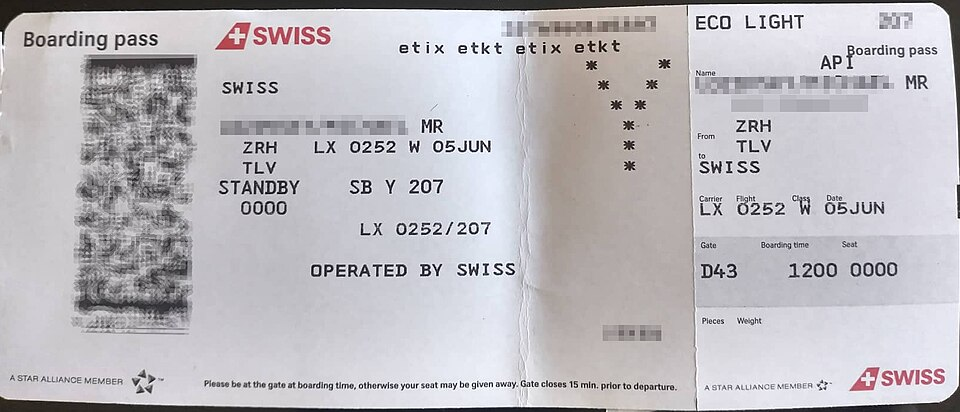
This is the one American situation that produces a mandated cash payment. Where a flight is oversold and a passenger with a confirmed reservation is denied boarding involuntarily, the Department of Transportation requires compensation calculated as a multiple of the one-way fare, graded by the length of the resulting delay, subject to a maximum.
It is payable in addition to the refund or the rerouting, it must be offered on the day, and it is not the same thing as a voluntary bump. Airlines must also have written boarding priority rules and must provide a written statement of your rights on request.
If you are denied boarding against your will, say clearly that you are not volunteering, ask for the written statement of rights, and do not accept a voucher in place of the mandated payment unless you have decided the voucher is worth more.
10. The voluntary bump, which is a negotiation
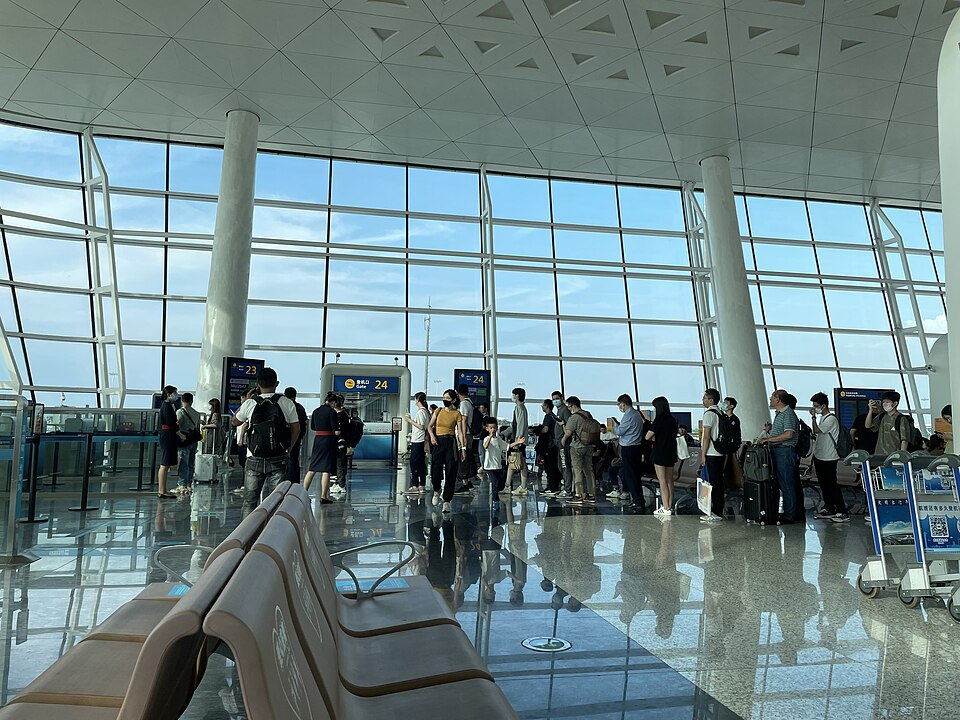
When a flight is oversold the airline first asks for volunteers, and what it offers is whatever it thinks will clear the seat. There is no floor, no cap and no formula, because nothing requires any particular figure.
Volunteers have no statutory entitlement at all, which cuts both ways: the airline can offer very little early on and a great deal once the departure time is close. What is on the table at the final call is frequently several times the opening offer.
If you are flexible, wait rather than accepting the first announcement, and negotiate the terms as well as the amount: confirmed seats on a specific later flight, a hotel, meals, lounge access and cash rather than a voucher. Ask for cash explicitly, because the voucher is the default offer and is worth less.
11. Checked baggage liability, which is capped
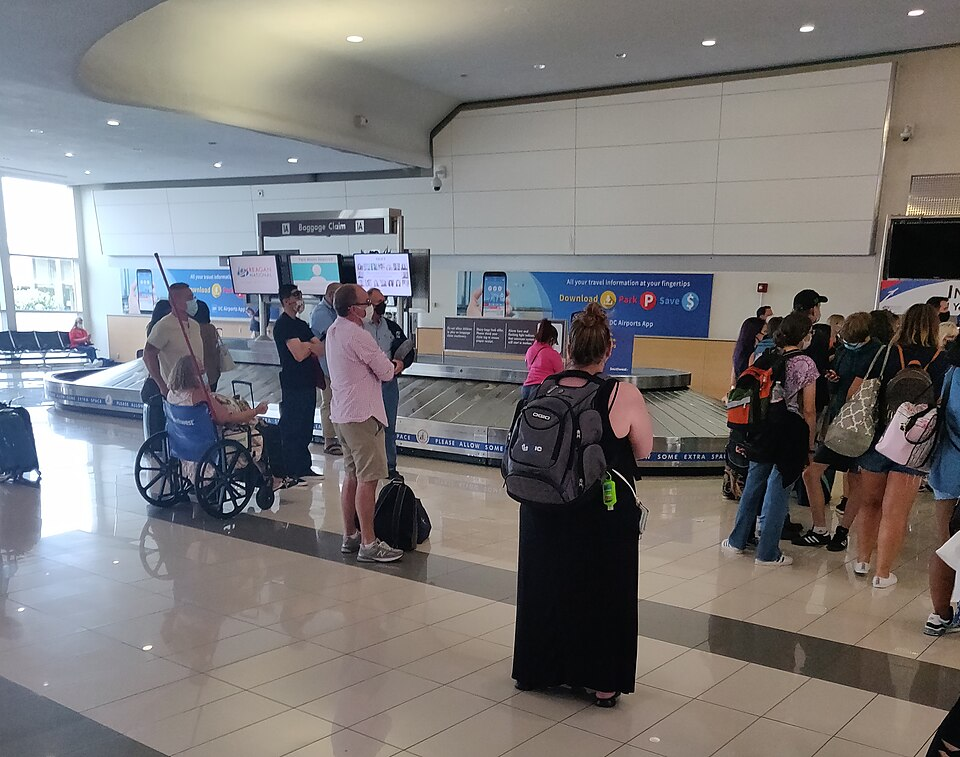
Airlines are liable for lost, damaged and delayed baggage up to a limit rather than for its value. International carriage is governed by the Montreal Convention, which sets a limit in a unit of account revised periodically, and American domestic carriage is subject to a separate Department of Transportation maximum.
The limit is per passenger rather than per bag, and it is a maximum rather than an entitlement — you still have to establish what was lost and what it was worth. Airlines may also exclude or limit liability for specified fragile and valuable categories.
Do not check anything whose loss you could not accept at the capped figure. Where the value exceeds it, either carry the item or arrange separate cover, and note that a travel policy’s single-article limit may be lower than the airline’s cap.
12. A delayed bag, and the fee refund rule
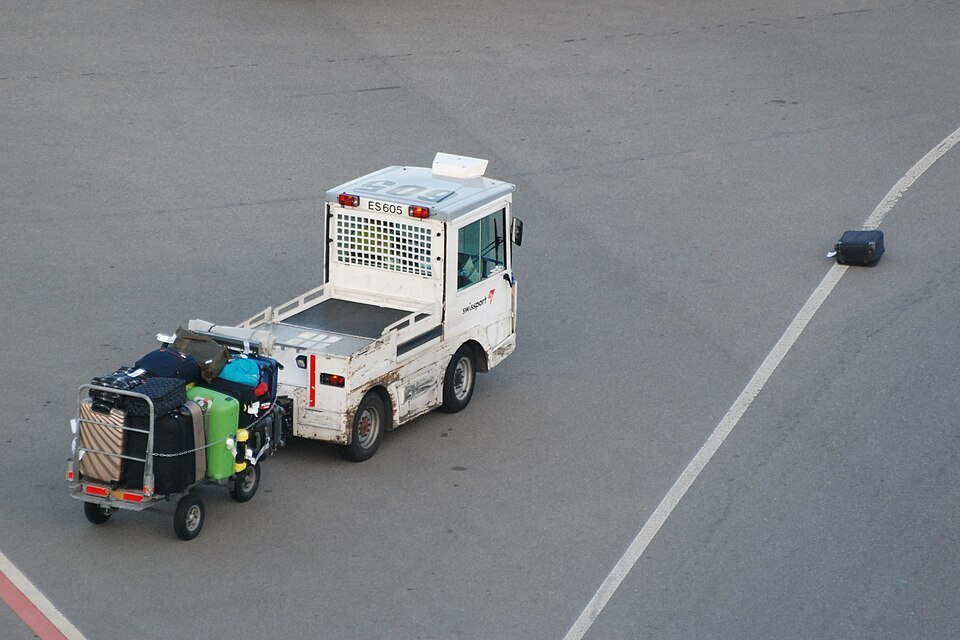
A delayed bag entitles you to reimbursement of reasonable incidental expenses while you wait, against receipts. Separately, the 2024 American rules require refunds of checked bag fees where the bag is not delivered within a stated period.
The fee refund is new, it is automatic in the same way the flight refund is, and it covers the bag fee rather than your expenses. The two claims are distinct and both are worth making.
Report the delay before leaving the airport and get the written file reference, keep every receipt from that moment, and claim the fee refund as well as the expenses. The airline will not usually prompt you about the second one.
13. Refunds of fees for services you did not get
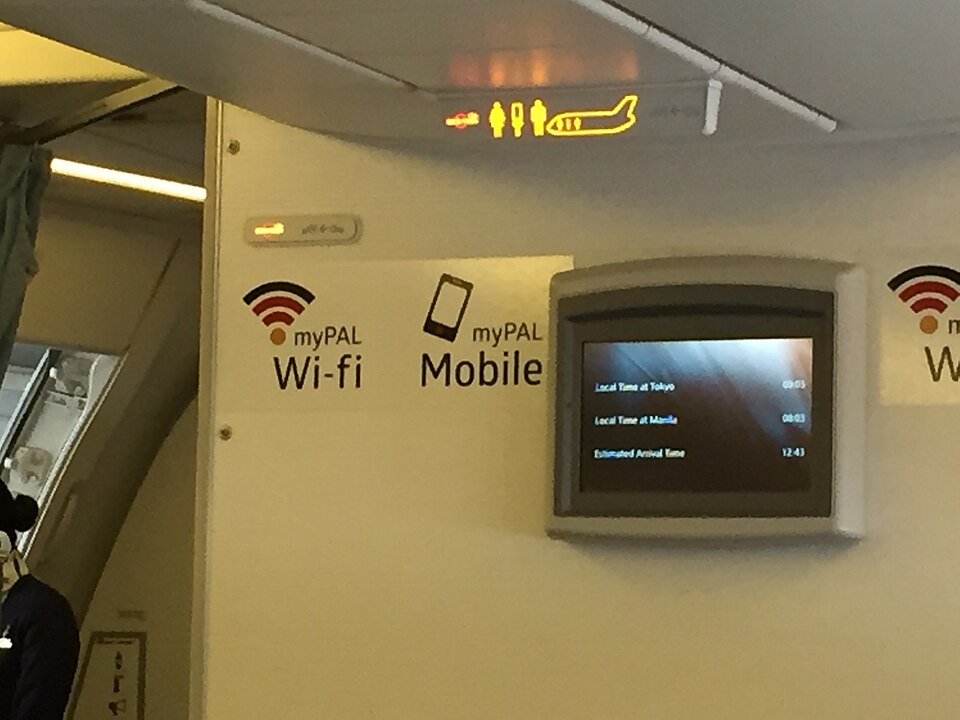
The 2024 rules also require refunds of ancillary service fees where the service was paid for and not provided: a seat selection fee for a seat you did not get, a paid upgrade that did not materialise, a fee for wifi that did not work.
This closed a long-standing gap in which passengers paid for an unbundled service, did not receive it, and had no mechanism beyond a complaint. Like the other refund provisions it is intended to be automatic rather than request-driven.
Keep the receipts for every extra you buy, note what you did not receive, and claim it. The amounts are individually small and the principle is the one that most changed airline behaviour, because an unbundled fee that has to be refunded is a fee with a cost attached to not delivering it.
14. Tarmac delay limits
American rules limit how long an aircraft may hold passengers on the ground without allowing them to get off: three hours for a domestic flight and four for an international one, with exceptions for safety and air traffic control.
Within those periods the airline must provide water and a snack after a stated interval, maintain operable lavatories, provide medical attention if needed and keep passengers informed. Penalties for breaching the limits are substantial and are assessed per passenger.
This is the one protection you do not have to claim, because the enforcement is regulatory rather than individual. If it is breached, note the times and report it to the Department of Transportation, because the complaint is what drives the enforcement.
15. The backstops: the card, the complaint and the regulator
When the airline will not pay, three routes remain. A credit card chargeback where a paid-for service was not provided; a complaint to the Department of Transportation, which the airline must respond to; and in Europe, the national enforcement body for the country of departure.
The card route is the fastest and the most underused, and it works because the card scheme’s rules on services not rendered are independent of the airline’s policy. The regulatory complaint is slower and is what produces enforcement action and policy change.
Use them in that order and in parallel rather than sequentially. Keep the booking, the cancellation notice, the correspondence and the receipts, and put the claim in writing with a stated remedy rather than asking the airline what it proposes.
Work out which regime, then put it in writing
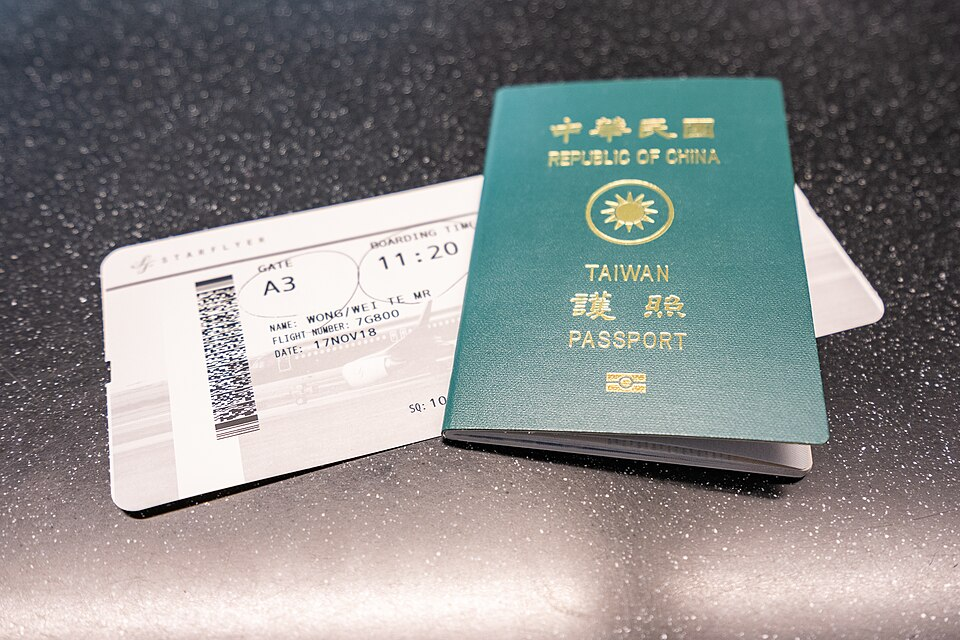
Two steps resolve most of this. First, identify which regime governs the leg that failed — American, European, British or Canadian — because every claims process asks that first and getting it wrong is the commonest reason a good claim fails. It turns on the departure airport and the operating carrier, not on your nationality or where you bought the ticket.
Second, put the claim in writing, state the remedy you want, and cite the rule you are relying on. Airlines respond very differently to a passenger asking what they propose and a passenger stating that they are relying on a specific refund rule or compensation regulation and will escalate. Keep the booking, the cancellation notice, the boarding passes, the correspondence and every receipt, and run the card chargeback and the regulatory complaint in parallel rather than one after the other.
The two things most passengers leave on the table are both refunds rather than compensation. The checked bag fee when the bag turns up late, and the fees for services not provided — the seat you paid for and did not get, the upgrade that did not happen, the wifi that did not work. Both are now meant to be automatic and neither reliably is.
The other is the voluntary bump. If you are flexible, the final call is worth several times the first announcement, and the answer to what they are offering is always a question about cash rather than vouchers.
Like our content? Follow us for more.