Travel insurance is bought on the headline number and refused on the exclusions, and almost nobody reads the second part. The sums insured are generous and largely beside the point: what determines whether a claim pays is a set of conditions and exclusions that are broadly similar across the market and genuinely surprising when read for the first time.
This is a guide to where the common refusals come from, not advice about any policy, and the wordings differ between insurers in ways that matter. The only reliable instruction in the whole subject is to read your own policy’s exclusions and conditions before you travel rather than after something happens. Here are sixteen things a standard policy will not pay for, and what to do about each.
1. A medical condition you did not declare

Travel medical cover is underwritten on what you told the insurer. Most policies require declaration of pre-existing conditions, including ones that are stable, controlled, or that you no longer think of as a condition at all.
An undeclared condition is the single commonest reason a large travel medical claim is refused, and the refusal is not limited to claims connected to that condition in some policies — non-disclosure can affect the whole contract. Insurers obtain medical records when a claim is significant.
Declare everything, including medication, recent investigations and anything your doctor is monitoring, and get the acceptance in writing. A loaded premium on a declared condition is enormously cheaper than a refused hospital bill abroad.
Like our content? Follow us for more.
2. Deciding not to go
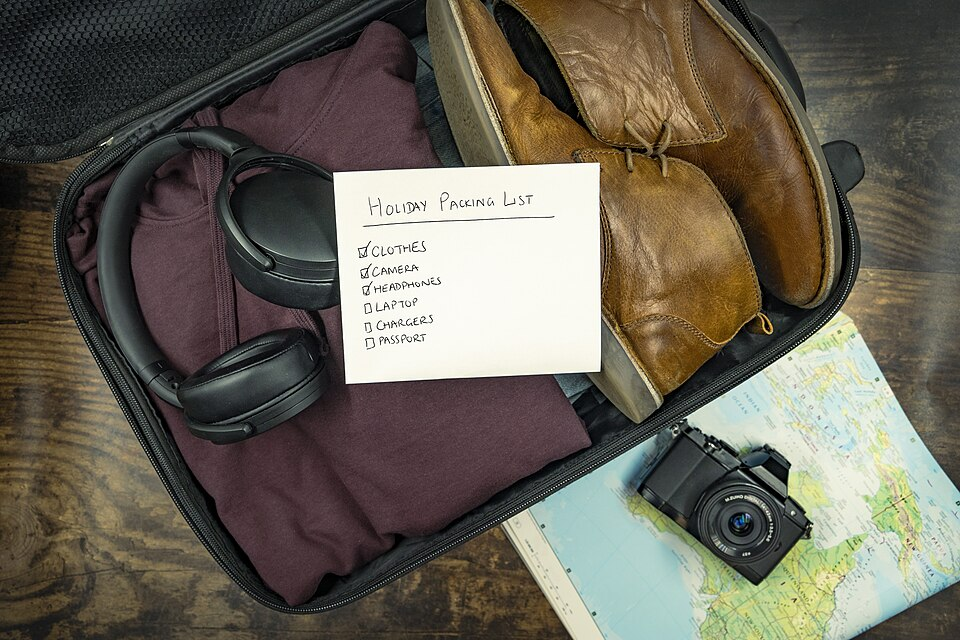
Standard cancellation cover pays for specified insured reasons — illness, injury, bereavement, jury service, redundancy and a defined list of others. It does not pay because you changed your mind, because the weather forecast turned, or because you no longer want to travel.
Cover for any reason exists as a paid upgrade on some American policies, typically reimbursing a percentage rather than the full cost and requiring purchase within a short window of the first trip payment. It is a distinct product and it is not what a standard policy provides.
Read the list of insured reasons before you buy, not after something happens, and if flexibility is what you actually want, buy the upgrade or book refundable fares. A standard policy is not a change-of-mind product.
3. Travelling somewhere your government advises against

Policies commonly exclude claims arising in a country or region subject to a government travel advisory against travel, and the exclusion operates by reference to the advisory in force rather than to your assessment of the risk.
The trap is an advisory that changes after you book. Some policies cover you if the advisory was issued after booking and before departure, others do not, and almost none cover a claim arising in a region you entered after being advised not to.
Check the advisory for every country and region on your route before departure and again shortly before you travel. If an advisory appears after booking, ask the insurer in writing what your position is rather than assuming.
4. Anything that happened after a drink

Policies exclude claims arising from the effects of alcohol, and the wording is usually broad: injury, illness, accident, loss of belongings and liability can all fall outside cover where alcohol was a contributing factor.
Insurers do not need to prove intoxication in the clinical sense; a hospital record noting alcohol, or a police report, is commonly enough to engage the exclusion. A fall from a balcony or a scooter accident after an evening out is the archetypal refused claim.
This is the exclusion that causes the most anger and it is in essentially every policy. Read the actual wording, which varies in how far it reaches, and understand that it applies to loss and theft claims as well as to medical ones.
5. Adventure activities without the rider

Standard policies cover a defined list of leisure activities and exclude everything else. The excluded list routinely includes scuba diving beyond a shallow depth, climbing, via ferrata, skiing off piste, white-water rafting, bungee jumping, skydiving, motorsport and quad biking.
Winter sports cover is usually a separate add-on even for ordinary piste skiing, and within it off-piste or out-of-bounds skiing is frequently excluded again. Mountain rescue and helicopter evacuation costs are the reason this matters.
List everything you might do and check each one against the policy’s activity schedule, then buy the rider. If you book an excursion on holiday, check it before booking rather than after, because a tour operator’s own liability cover is not your medical cover.
6. Riding a scooter without the licence you would need at home
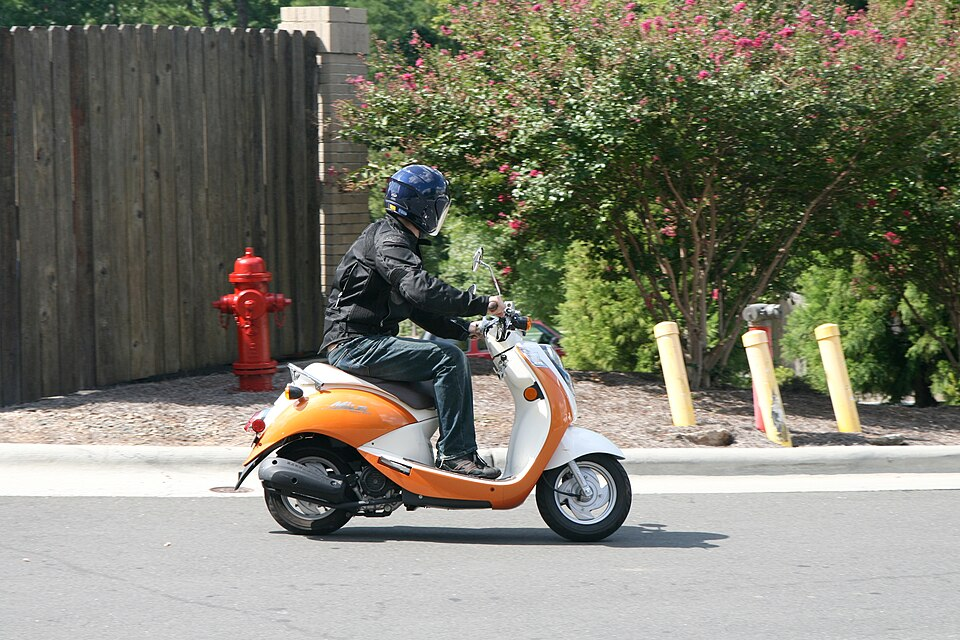
Hiring a moped or motorcycle abroad is covered only if you hold the licence category that would be required at home for that machine, and in many policies only if you were wearing a helmet, whatever local law says.
This excludes a very large number of holiday scooter rentals, because the rental shop’s licence check is commercial rather than legal and will frequently accept an ordinary car licence. The resulting accident is both uninsured and, in many jurisdictions, an offence.
Hold the correct licence category before you travel, wear a helmet regardless of local practice, and check the policy wording on motorcycles specifically. This is one of the most frequent causes of a catastrophic uninsured medical bill abroad.
7. Belongings left unattended
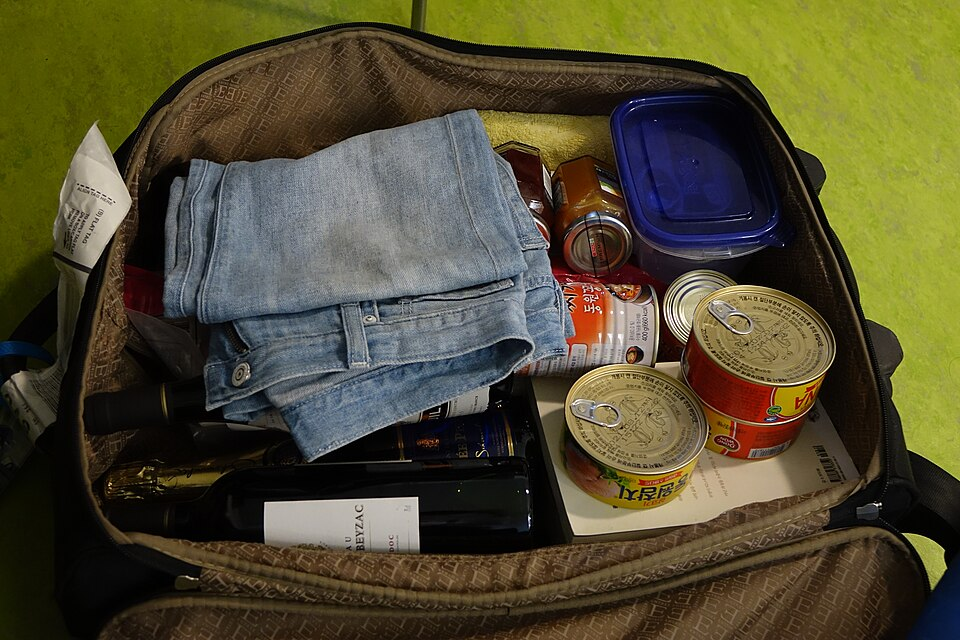
Baggage and personal effects cover excludes items left unattended in a public place, and the definition is stricter than most travellers assume: a bag beside you on a beach while you swim, on a cafe chair while you queue, or in the overhead rack of a train while you sit elsewhere can all qualify.
Policies also exclude valuables left in a vehicle, sometimes entirely and sometimes unless locked out of sight in a boot, and commonly exclude items left in checked baggage. An item has to be with you, or secured, in the policy’s sense.
Read the unattended definition and the valuables clause before you travel, keep passports, electronics and jewellery with you rather than in a case, and do not expect a hotel safe to satisfy every policy’s requirement without checking.
8. Cash
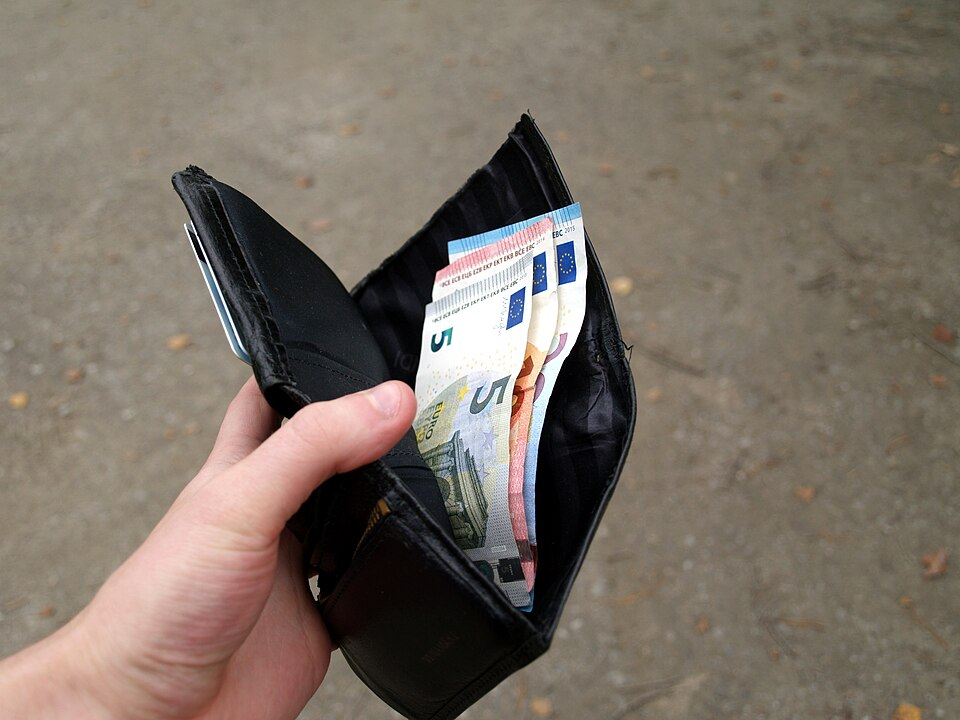
Cash cover, where it exists at all, is subject to a low sub-limit, frequently requires the loss to be from your person or a locked safe, and almost always requires a police report within a short period.
The practical effect is that losing a substantial amount of cash abroad is not an insured event in any meaningful sense. Policies are designed around the assumption that a traveller carries cards, which is also the insurer’s preference because a card loss is recoverable rather than payable.
Carry modest cash and rely on cards with a backup on a different network. Where you must carry a larger amount, understand that it is uninsured in substance regardless of what the schedule says.
9. Anything you cannot prove you owned
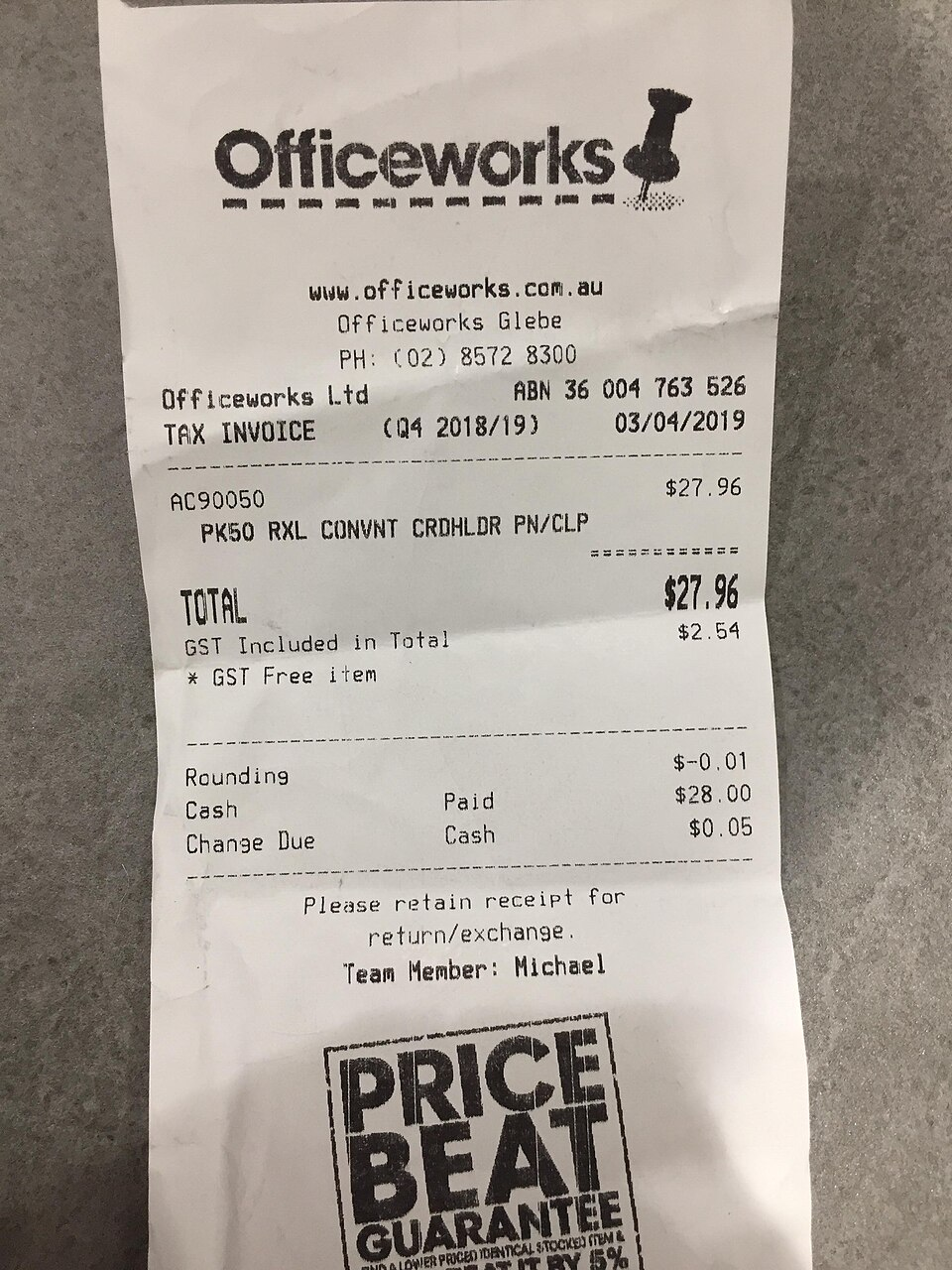
A claim for an item requires evidence of ownership and value, and the standard evidence is a receipt, a bank or card statement showing the purchase, or a valuation for jewellery and watches. A photograph of the item is not proof of what it cost.
Without evidence an insurer will commonly pay nothing or a nominal amount, and for high-value items the schedule will usually require a valuation obtained within a stated number of years. Items received as gifts are the recurring problem.
Photograph receipts and keep them in cloud storage, keep valuations current for anything significant, and list high-value items with the insurer in advance if the policy requires it. This is the easiest exclusion on the list to defeat and the one most people fall into.
10. A theft you did not report to the police in time
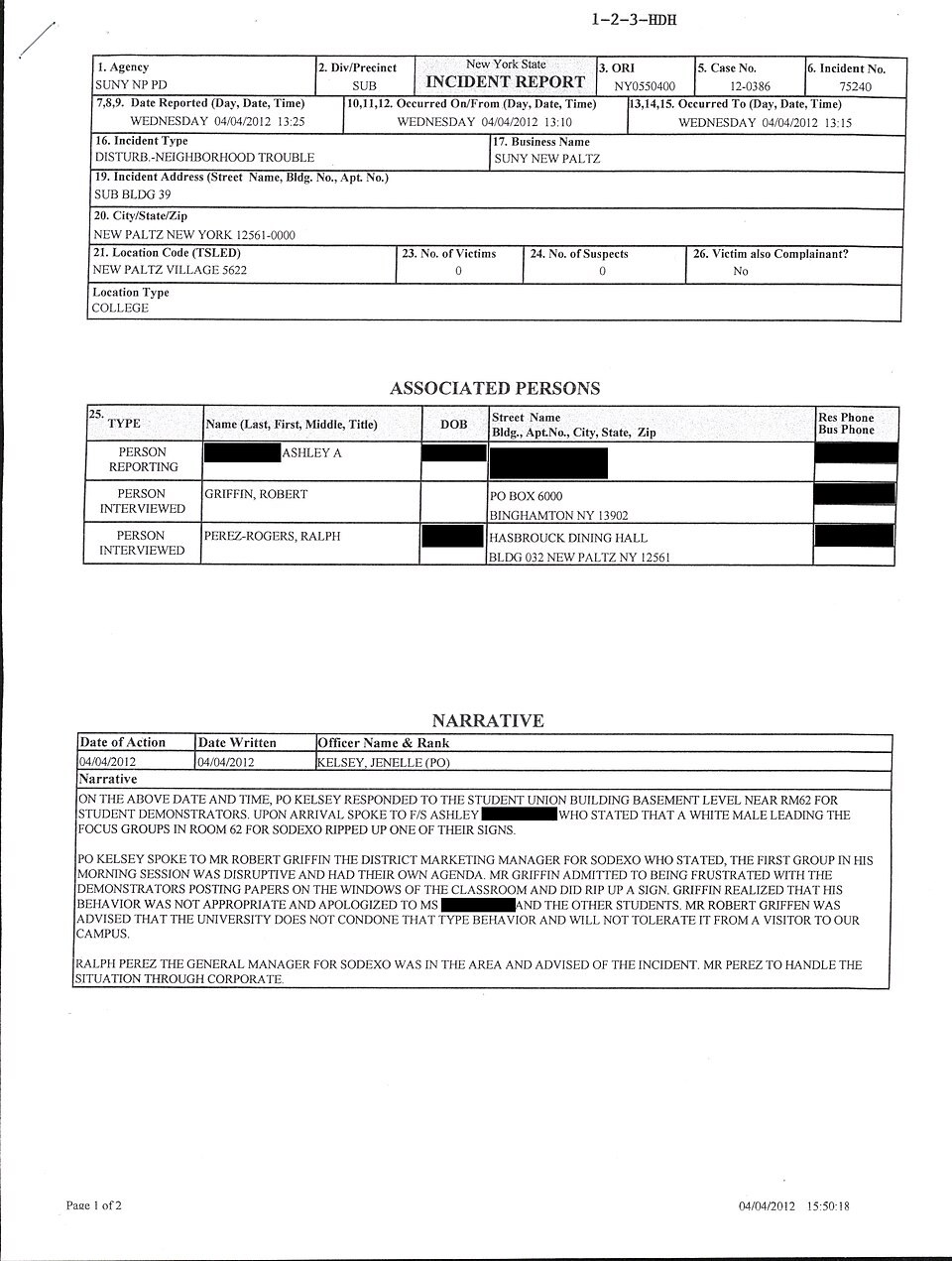
Almost every policy requires loss or theft to be reported to the local police within a stated period, commonly twenty-four hours, and requires the written report as a condition of the claim. Some also require notification to the insurer within a set time.
Travellers frequently discover a theft late, cannot find a police station, are told by officers that a report is pointless, or simply decide to deal with it at home. Any of those produces a claim with a condition unmet, and the insurer is entitled to decline on that basis alone.
Report it immediately, in person, and insist on written documentation with a reference, even where the police are reluctant. Note the time, the station and the officer. The paperwork matters more to the claim than the value of what was taken.
11. Pregnancy beyond a stated point

Policies set a limit on cover for pregnancy-related claims and for travel after a given stage, with normal pregnancy and childbirth excluded as a matter of course rather than as an unusual restriction. The thresholds differ considerably between insurers.
Separately, the newborn is not an insured person, and a birth abroad can produce medical costs for the infant that the policy does not cover at all. Airline and cruise line limits are a different set of rules again and do not align with the insurer’s.
If you are pregnant, read the pregnancy clause specifically and get written confirmation of your position, check the carrier’s limits as well, and discuss the trip with your clinician. This is not medical advice; the point is narrowly that the insurance, the airline and the clinical questions are three separate matters.
12. An airline going out of business
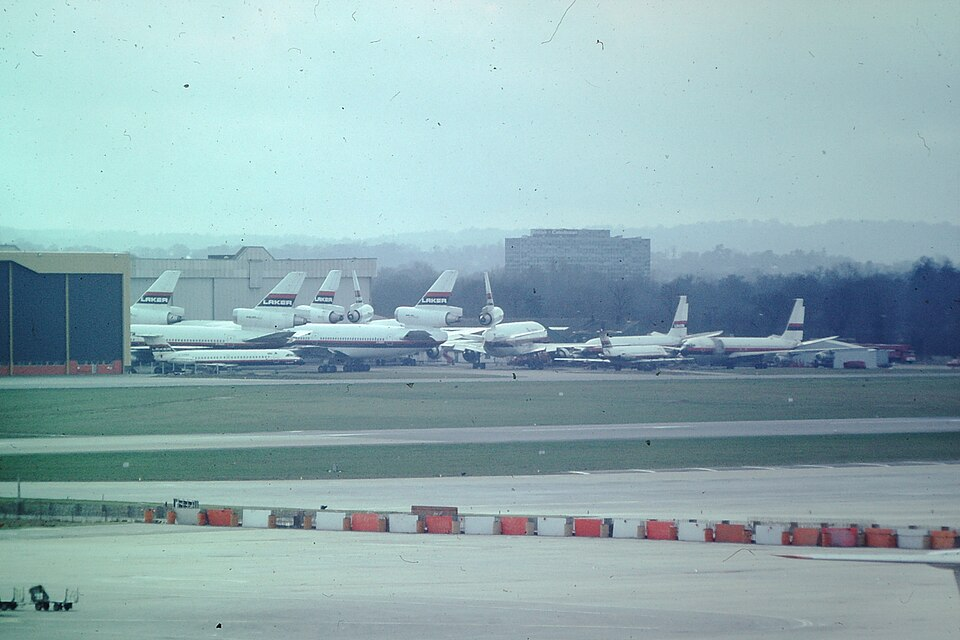
Insolvency of an airline, tour operator or accommodation provider is not covered by a standard travel policy. Scheduled airline failure cover and end-supplier failure cover exist as separate products or add-ons.
Where a trip is sold as a package there may be statutory or trade-scheme protection independent of insurance, and where flights were paid by credit card there may be a route to recovery through the card scheme. Neither of those is the travel policy.
Understand which of the three protections you actually have before relying on any of them: the policy, the package protection, and the card. Paying for flights by credit card is the cheapest of the three and the one most often overlooked.
13. A strike that was already announced when you booked
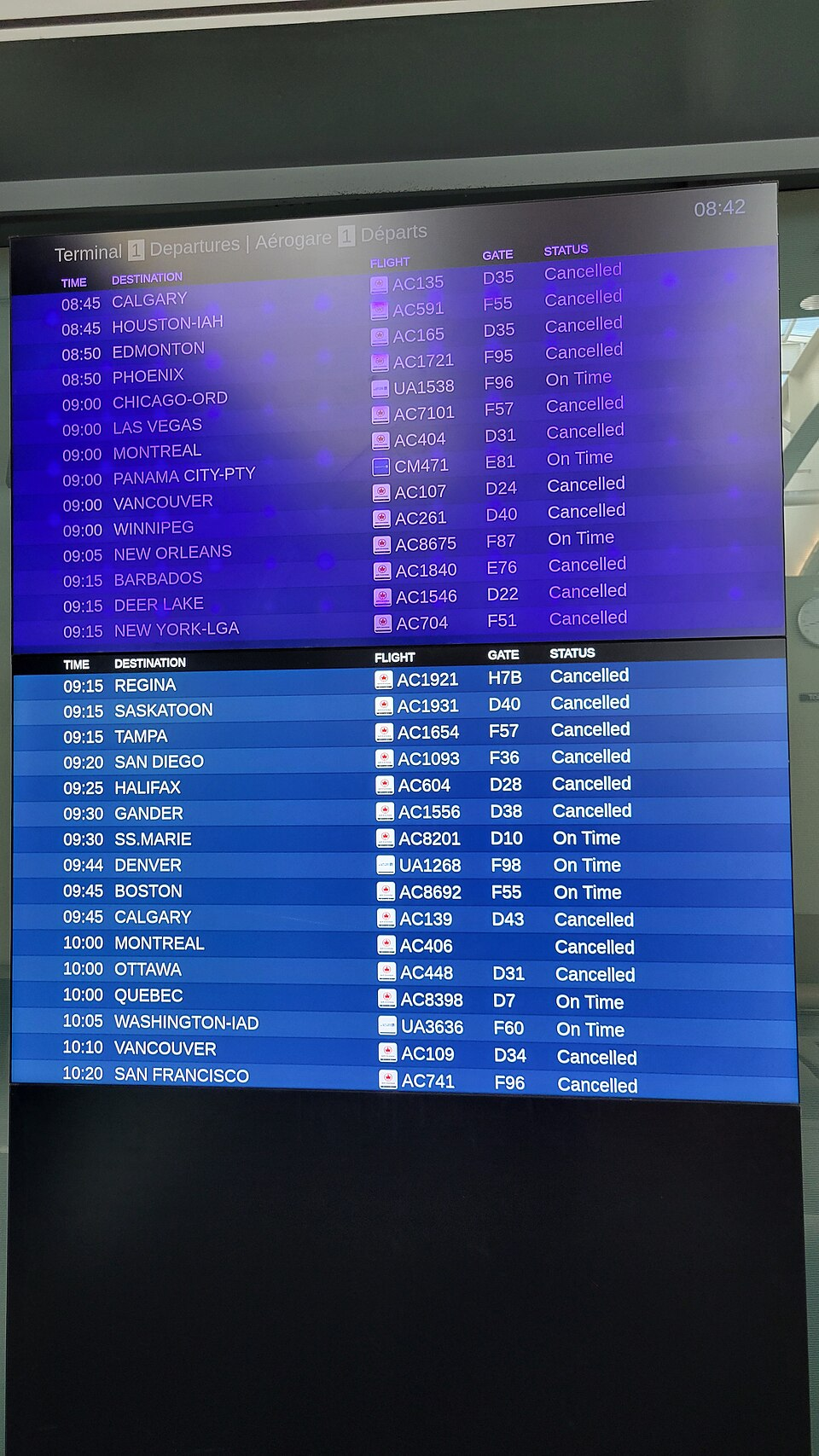
Disruption cover excludes events that were public knowledge at the time you bought the policy or booked the trip, which includes an announced strike, a published airport closure or a known industrial dispute.
This is the most reliable disruption exclusion and the one travellers most often run into, because European industrial action is frequently announced weeks ahead and a policy bought after the announcement covers nothing arising from it.
Buy the policy when you book the trip rather than before you travel, which is the single most useful piece of travel insurance advice there is. It brings forward the date at which events become foreseeable and it also starts cancellation cover immediately.
14. A laptop or camera worth more than the single-item limit
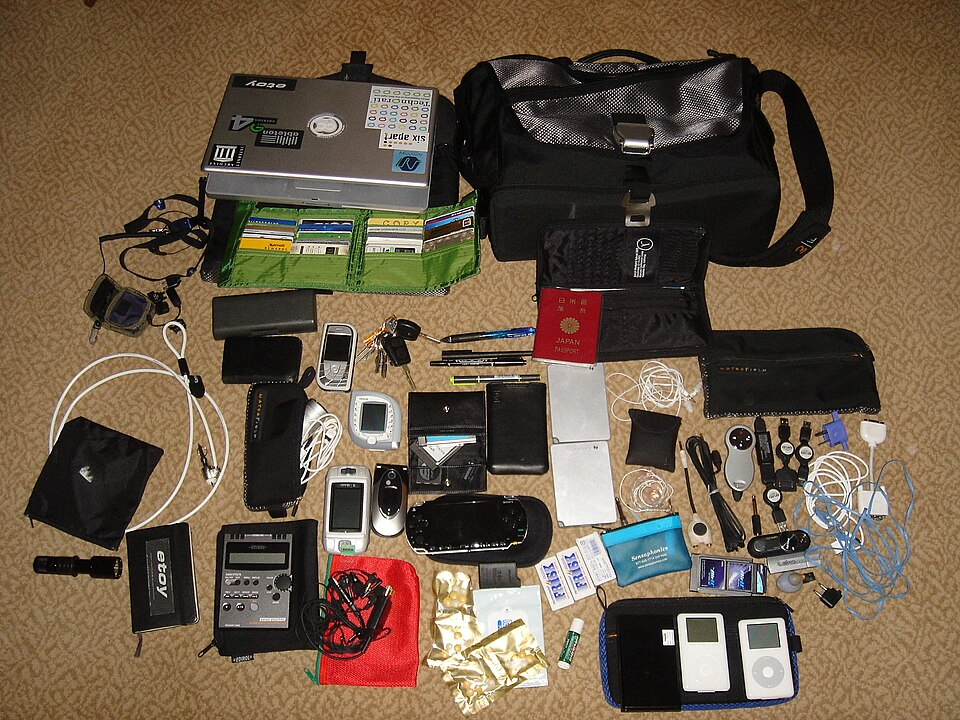
Baggage cover carries a single-article limit as well as an overall limit, and the single-article figure is commonly low enough to exclude most of what a traveller would actually mind losing: a laptop, a camera body, a lens, a watch.
Many policies additionally exclude business equipment entirely, and a laptop used for work can fall outside cover even on a holiday. Specified-item cover is available and has to be arranged in advance with values declared.
Check the single-article limit against the actual value of what you are carrying, declare and insure anything above it specifically, and consider whether a dedicated gadget or equipment policy is the better answer. For genuine business equipment it usually is.
15. Baggage delayed for less time than the policy requires
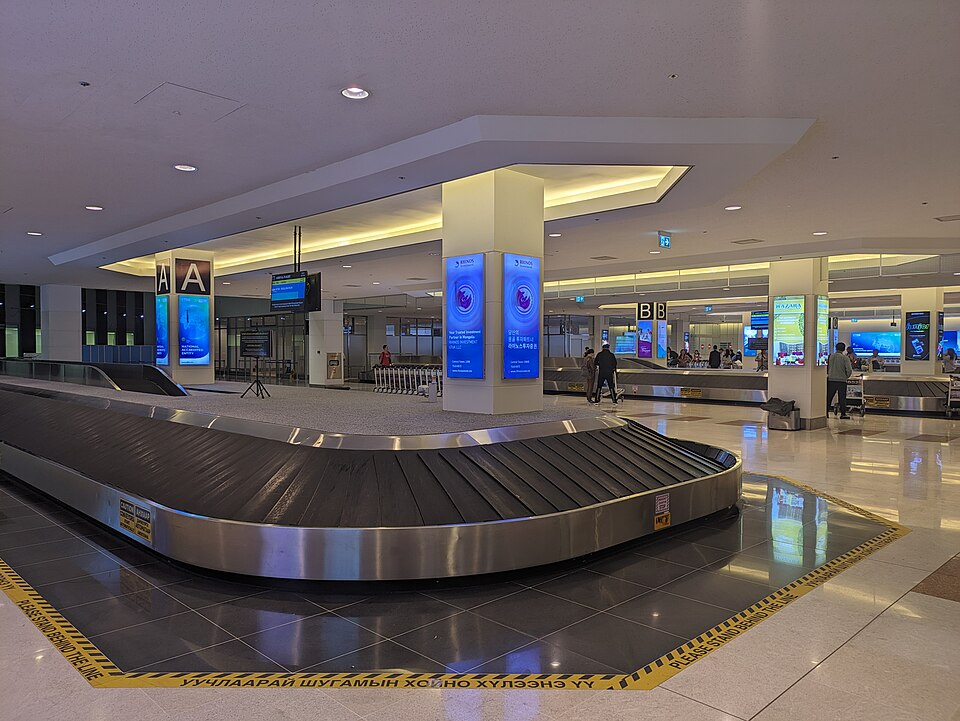
Baggage delay cover begins only after a stated number of hours, commonly twelve or twenty-four, and pays a limited amount for essential replacements against receipts. Below the threshold there is nothing.
The cover is also for delay rather than inconvenience, so the claim is for the toothbrush and the shirt rather than for the day. Receipts are required and in many policies the purchases must be made during the delay rather than afterwards.
Keep every receipt from the moment a bag fails to arrive, get the airline’s written confirmation of the delay, and check the threshold before you decide whether to buy anything. Note that the airline has its own separate liability for baggage, which is where the larger claim usually sits.
16. A medical evacuation you arranged yourself

Emergency medical cover almost always requires the insurer’s assistance line to authorise treatment, transfer and repatriation in advance. An evacuation arranged privately, however reasonable, can fall outside cover entirely.
This is the exclusion with the largest financial consequence on the list, because an air ambulance repatriation is among the most expensive things a traveller can need. Families acting in an emergency arrange it first and ask afterwards, which is exactly the sequence the policy does not permit.
Programme the assistance number into every traveller’s phone and write it on paper, and call before agreeing to anything beyond immediate stabilising treatment. The assistance line exists to authorise and to arrange, and using it is a condition of the cover rather than a courtesy.
Buy it when you book, and read the exclusions
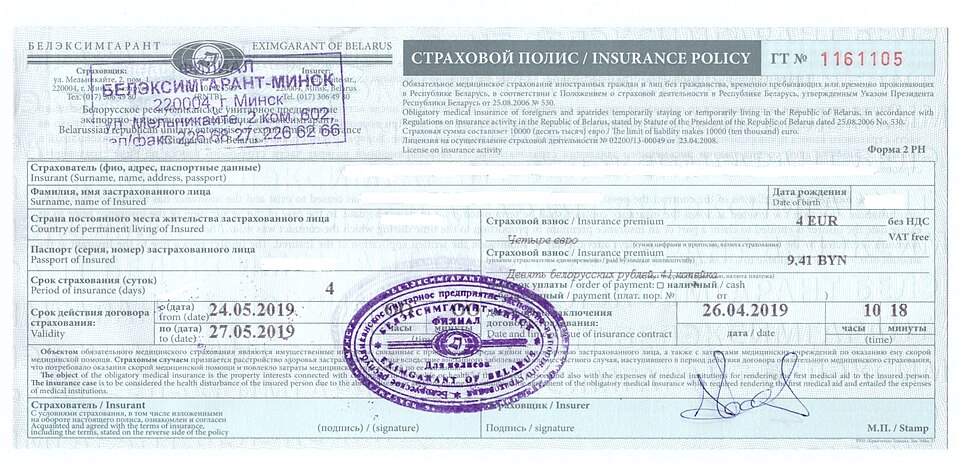
Two actions deal with a large share of this list. Buying the policy at the moment you book the trip, rather than the week before you fly, starts the cancellation cover immediately and fixes the date at which events become foreseeable — which is what decides the strike exclusion, the advisory exclusion and several others. And reading the exclusions and conditions once, with a pen, identifies the declaration you need to make, the activities you need a rider for, the single-article limit, the police report deadline and the assistance number.
The third thing, which costs nothing, is to understand that three separate protections may apply to any trip: the insurance policy, the package or trade-scheme protection where the trip was sold as a package, and the credit card used to pay. They cover different failures and travellers routinely rely on the wrong one.
The one to act on today is the assistance number. Medical evacuation is the largest bill in travel and the cover for it is conditional on calling before arranging anything, which is precisely what a family in an emergency does not do.
Put the number on every traveller’s phone and on a piece of paper in every wallet, with the policy number beside it. It is the cheapest thing on this list and the one with the most money attached.
Like our content? Follow us for more.