Home freezing was the summer project of an American childhood and almost all of it was done without instructions. Ice cream in the crank freezer, pops in whatever would hold liquid, snow cones off a block, syrup on snow, fruit from the garden stuffed into bags in October.
The guidance that now exists around all of this is specific and most of it is about three things: raw egg, repeated thawing, and the difference between ice you cool with and ice you eat. One item concerns a hazard that is still catching people with dry ice, and one is a federal statute from 1956 about the appliance rather than the food. Here are sixteen things that freezer did, and what each of them ran into.
1. Homemade ice cream built on a raw egg custard
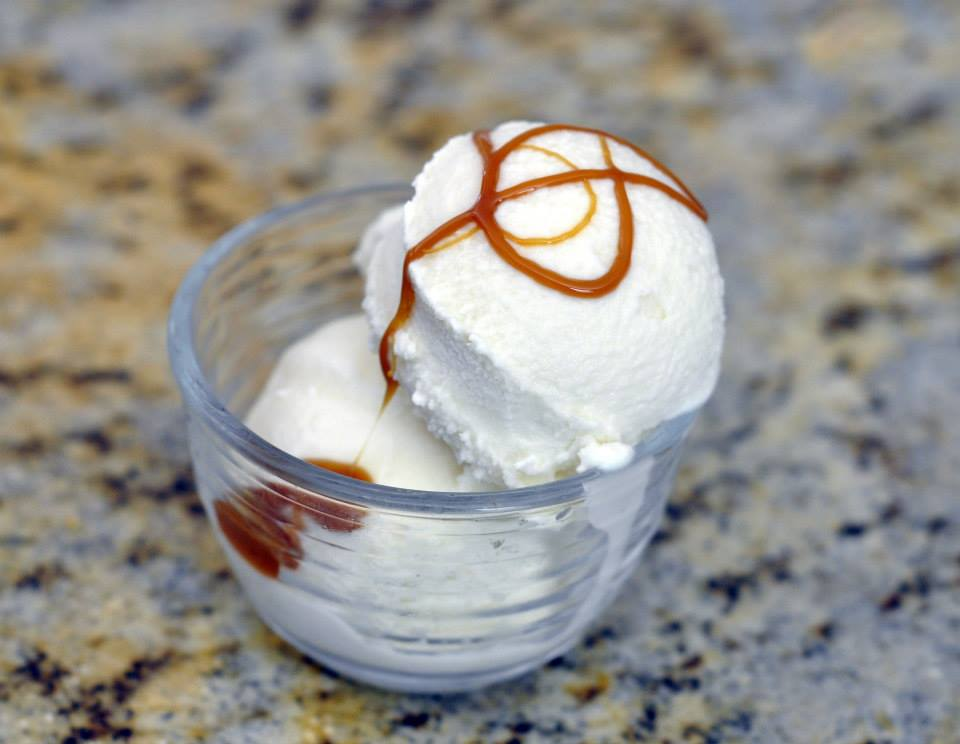
The good recipe, the one families were proud of, started with a custard: egg yolks beaten into scalded milk and cream. In a great many households the eggs went in raw and the mixture went straight into the freezer can without being cooked at all.
Current American guidance is unambiguous: a homemade ice cream base containing egg should be cooked to a safe temperature, or made with pasteurised eggs or a commercial pasteurised base. Raw shell eggs in a preparation served without cooking are not recommended for anybody and specifically not for young children.
This is the most significant item on the list and the change is a cooking step rather than a prohibition. The custard base made properly is better ice cream as well as safer, which makes it the rare case where the guidance and the result point the same way.
Like our content? Follow us for more.
2. With milk and cream straight from the farm
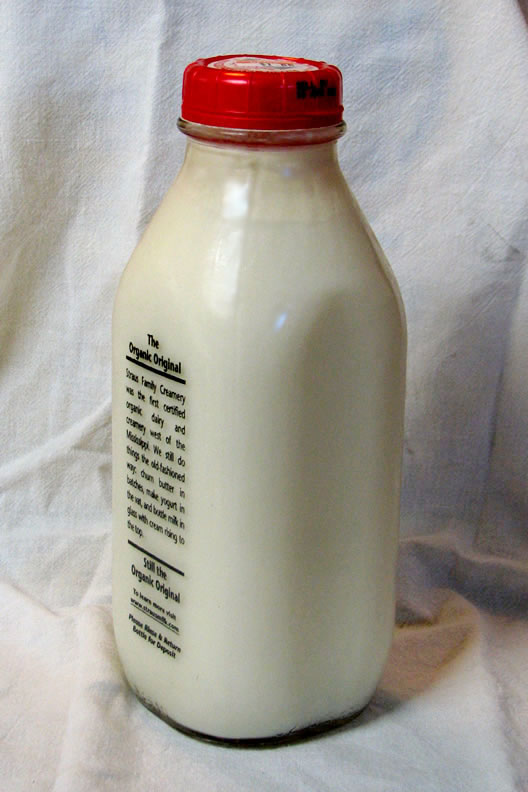
On farms and in the surrounding towns the dairy came from the barn, unpasteurised, because it was there and it was better. Home-frozen ice cream was one of the main things it was used for.
Pasteurised dairy is required throughout American food service, raw milk sale is prohibited or restricted in most states, and current guidance is that raw milk should not be given to children, with freezing specifically noted as not making it safe. Freezing preserves rather than eliminates.
The point about freezing is the one that gets missed. A great many people assume a frozen product is a safe product, and the whole of this list is really about the fact that a freezer stops things getting worse and does not make anything better.
3. The hand-crank freezer, the ice and the rock salt
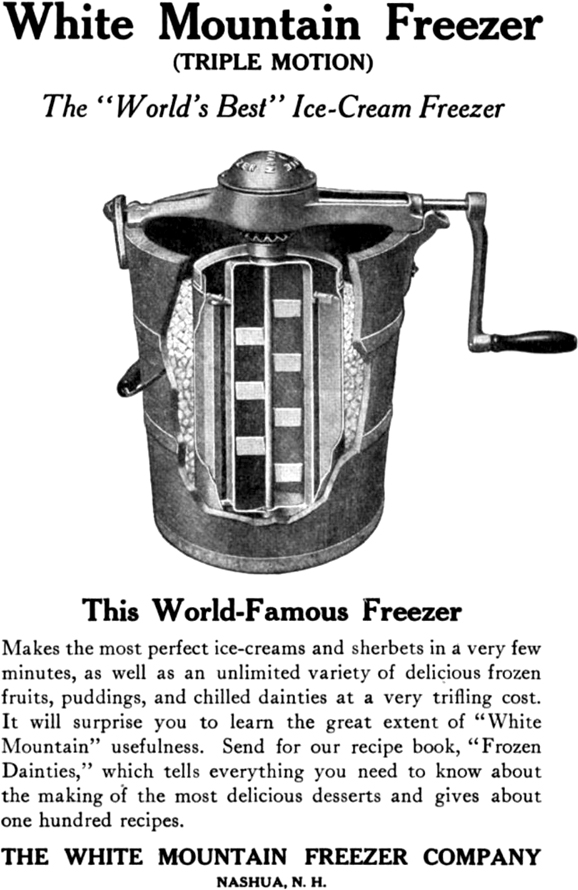
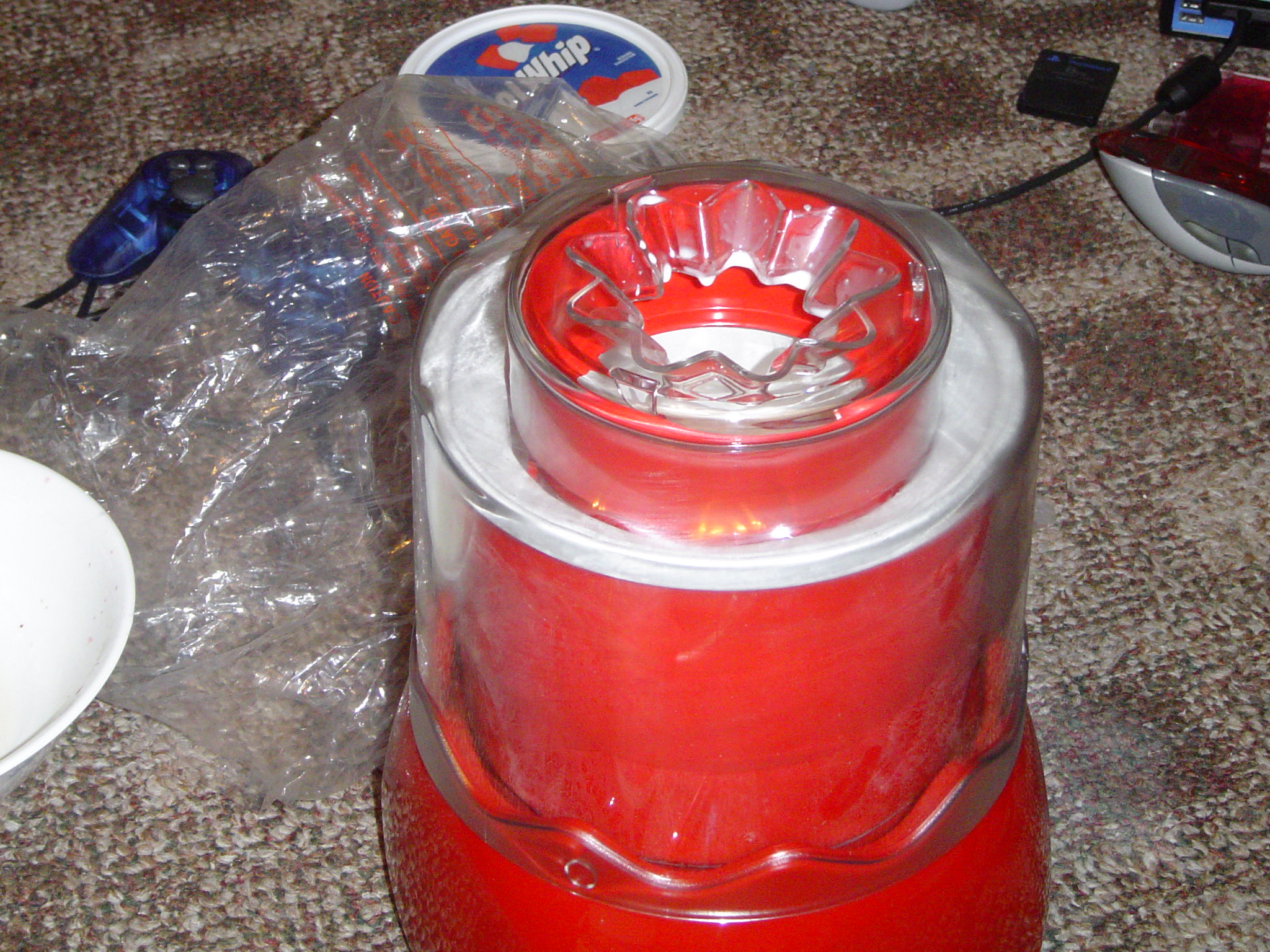
The wooden bucket, the metal can, the dasher and the crank. Crushed ice and coarse rock salt were packed in the gap, the salt lowering the temperature of the ice, and the children took turns cranking for half an hour on the back step.
Nothing about it is prohibited and modern electric versions work the same way. The two real hazards were brine and the crank: the salt water is cold enough to injure skin on prolonged contact, and it was the thing that leaked, while the gear mechanism caught fingers.
This is the most affectionately remembered item in this list and it is included for the brine, which nobody thinks about. A child sitting on the bucket to hold it steady, in shorts, for half an hour, is sitting on a leaking salt-and-ice slurry well below freezing.
4. Dry ice, for when there was no crank freezer
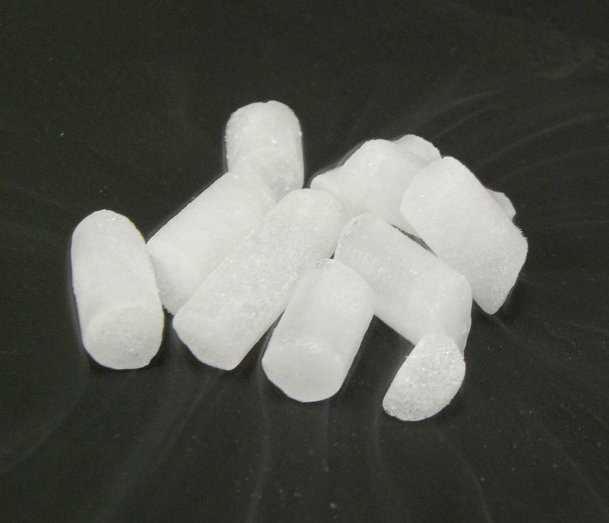
Dry ice was obtainable from ice houses and dairies and it got used for homemade frozen desserts, for keeping things cold on a trip, and because it was entertaining in a glass of water.
Dry ice is solid carbon dioxide at around minus seventy-eight Celsius. It causes contact injury almost immediately on bare skin, it must never be put in a sealed container because the gas expands enormously as it sublimes, and it displaces air in a closed space. Current guidance requires gloves, ventilation and an unsealed container.
All three of those were routinely got wrong, and the sealed container is the one that mattered most, because a stoppered bottle or a screw-top jar with dry ice in it is a pressure vessel. It is still sold and the guidance still has to be given.
5. Popsicles frozen in ice cube trays with toothpicks
The standard improvisation: fruit juice or drink mix poured into a metal ice tray, with a wooden toothpick stood in each compartment once it had begun to set, producing a dozen small frozen blocks on sticks.
A toothpick is a splinter with a point on each end, and a frozen block on one is both a choking hazard of exactly the wrong size and a puncture risk in the mouth of a small child. Purpose-made moulds use a broad flat stick for both reasons, and American small-parts and choking requirements for children’s products are built around the sizes involved.
The toothpick is the detail that dates the practice most precisely. It was not a shortcut anybody worried about, and the commercial product it imitated had always used a flat stick, which is the whole of the design difference.
6. Freezer pops in long plastic tubes
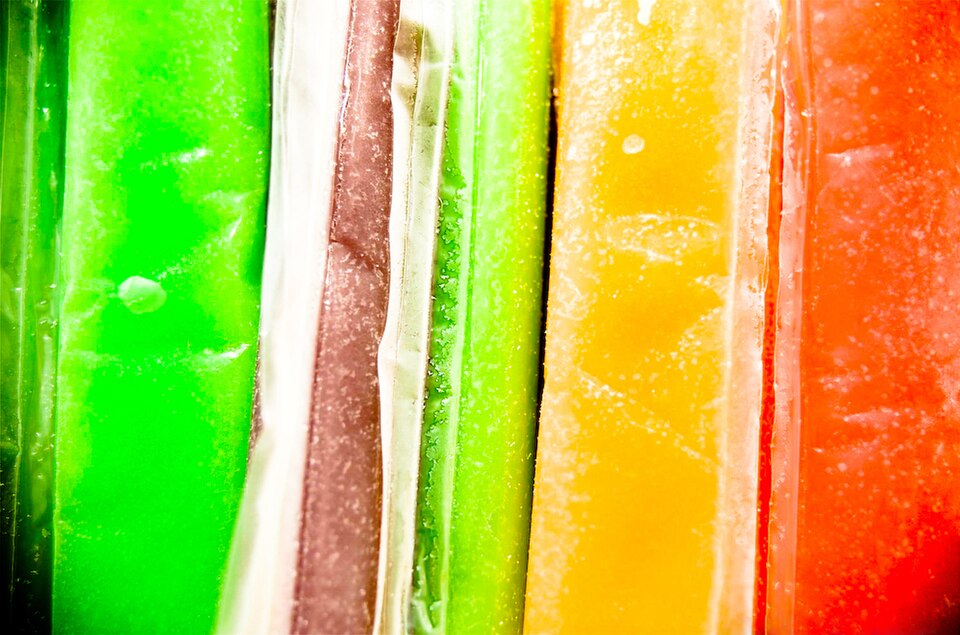
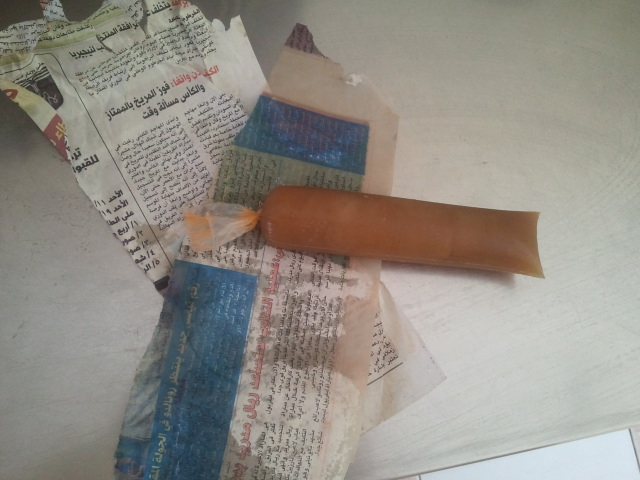
The sealed plastic sleeve of coloured liquid, frozen solid, cut or torn open at the top and pushed up as it was eaten. It was cheap, it was everywhere and it is still sold.
The product remains on the market and the hazards are well understood: the cut plastic edge is sharp enough to cut a lip or tongue, the frozen column can be bitten off in a piece large enough to choke on, and current packaging carries guidance about supervision and about cutting the tube properly.
The sharp edge is the one that is unique to this product. A child opening one with their teeth, which is how most of them have ever been opened, is pulling a cut plastic edge across their own mouth.
7. Drink mix frozen into pops, and what coloured it
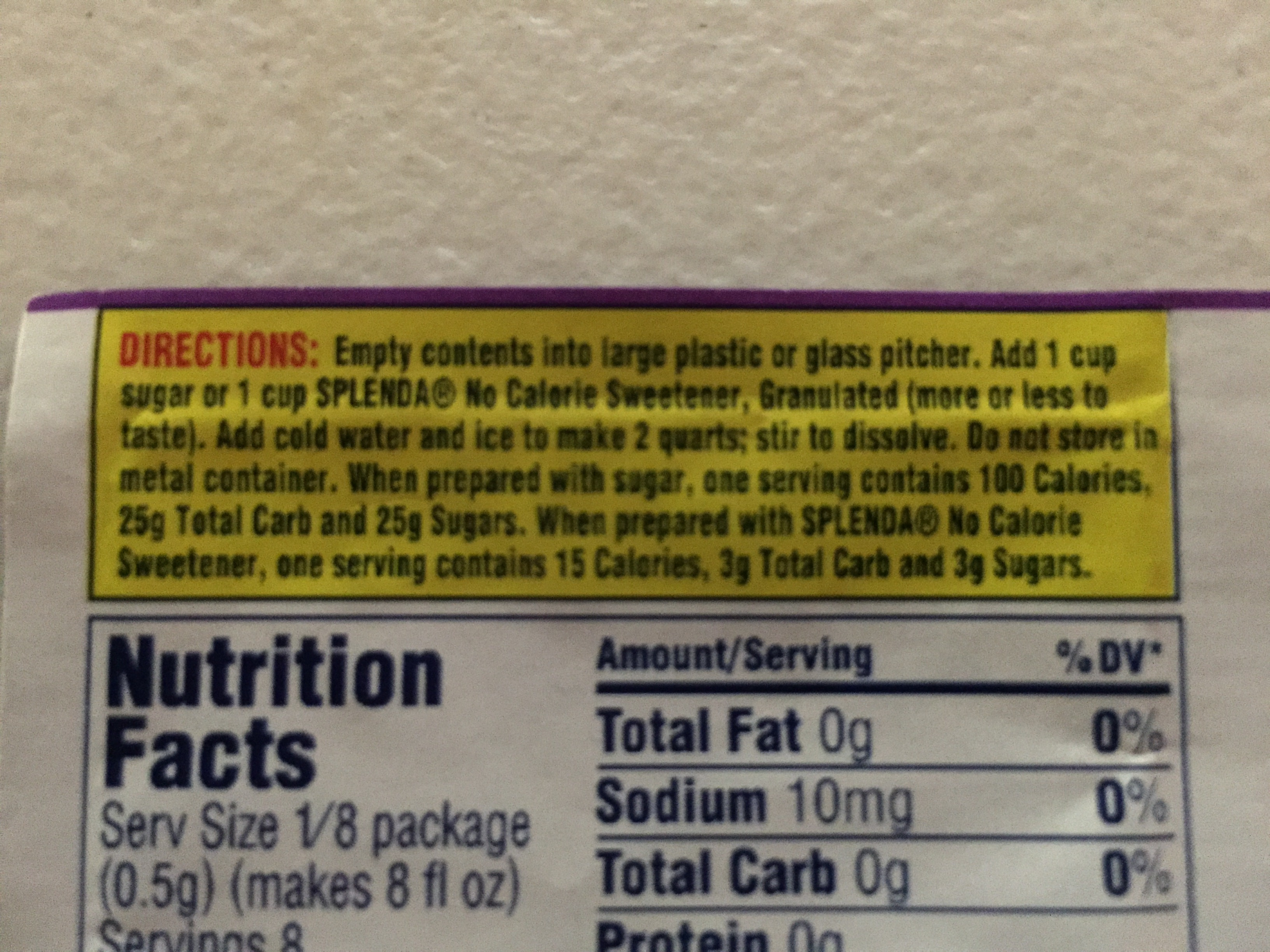
Powdered drink mixes were the standard filling, which meant the colour came from the additives permitted at the time, in concentrations suited to a bright drink rather than a pale one.
Red No. 2, in very wide use across the American food supply, was banned by the Food and Drug Administration in 1976, and other additives permitted in the 1960s have been delisted before and since. There has also been a recent voluntary wave of synthetic dye removal from products aimed at children.
A frozen pop made to a 1968 recipe would in several cases be illegal on colour grounds alone. The colours in the photographs are what the product actually looked like, and they cannot now be achieved.
8. The diet versions, sweetened with a compound about to be banned
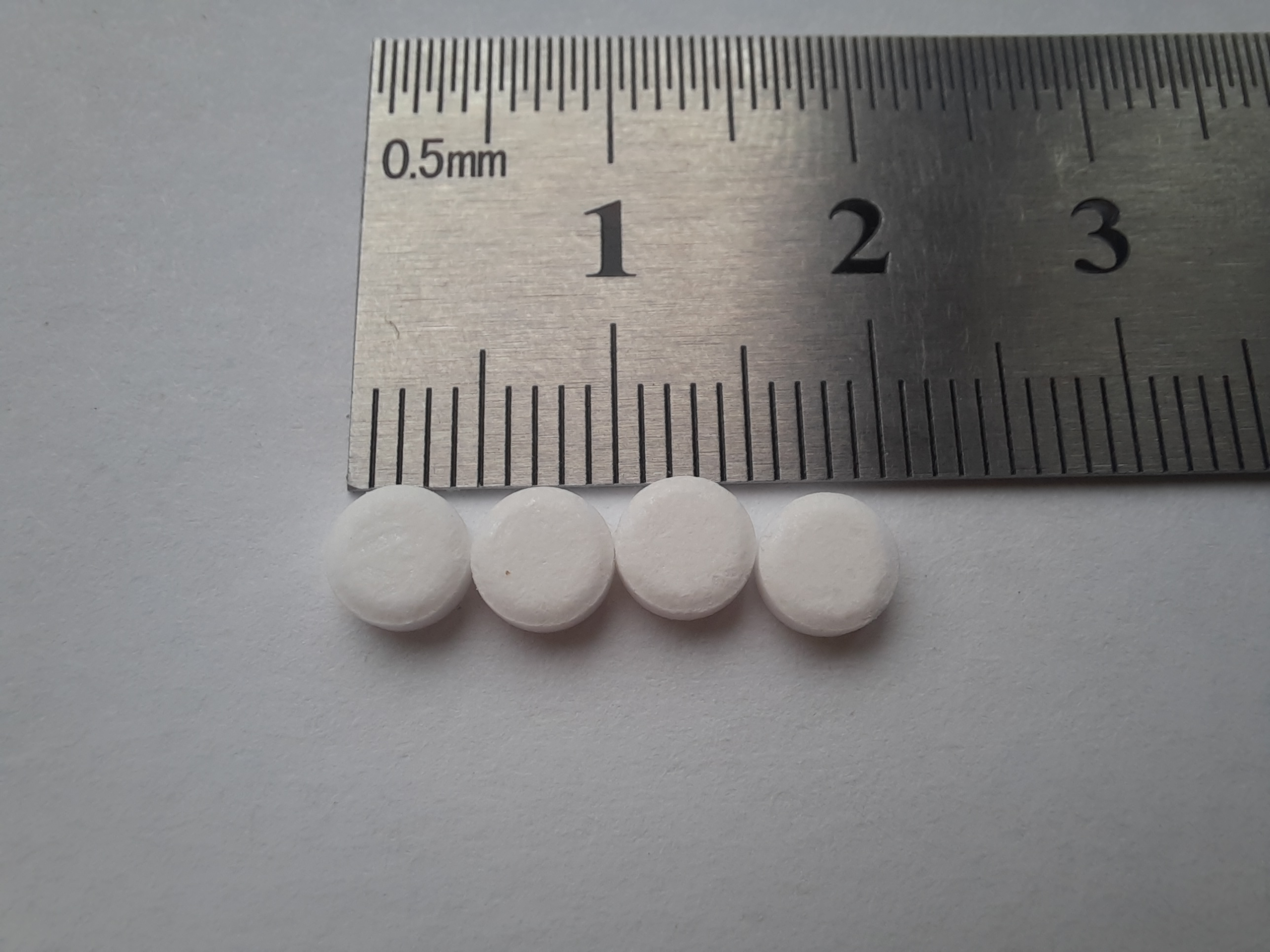
Reduced-sugar drink mixes and frozen desserts were made with cyclamate, commonly blended with saccharin, and were given to children on the same basis as anything else in the cupboard.
The Food and Drug Administration banned cyclamate at the end of the 1960s following animal study findings. The petition to reinstate it has been pending for decades and it remains unapproved in the United States while being permitted in a number of other countries.
Saccharin, which carried the category afterwards, was itself proposed for prohibition in 1977, saved by a congressional moratorium, required to carry a cancer warning for over twenty years, and had the warning removed in 2000. The sweetener aisle of this period is a regulatory argument that went both ways.
9. Fruit frozen with nothing done to it first
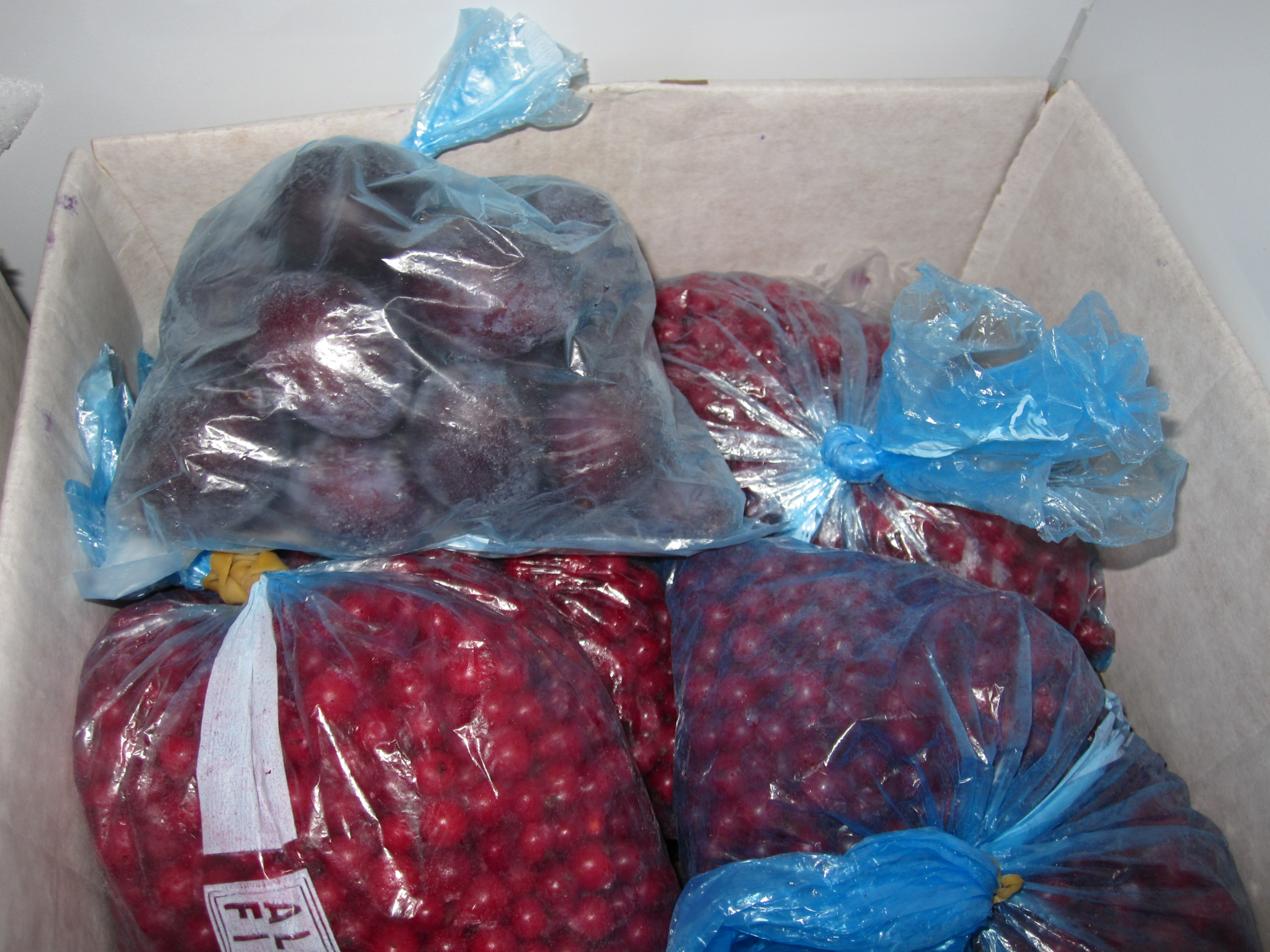
Garden and orchard fruit went into the freezer whole or sliced, in bags or cartons, with no sugar, no syrup, no blanching and no treatment, and came out brown and soft months later.
Current home freezing guidance is specific: most fruit benefits from a sugar or syrup pack or an ascorbic acid treatment to prevent enzymatic browning, and vegetables require blanching because the enzymes that degrade texture and colour continue working at freezer temperatures.
The failure here is quality rather than safety and it is the single most common disappointment in home freezing. A bag of unblanched beans and a bag of untreated peaches are both perfectly safe and neither is worth eating, and nobody had been told why.
10. Juice concentrate reconstituted and then frozen again
Frozen concentrate was mixed up by the jug, and whatever was left over that evening went back into the freezer in the jug, repeatedly, across a week.
Repeated freezing and thawing is poor practice for quality and for safety: each cycle damages the product, and the time spent at warmer temperatures between cycles accumulates. Current guidance is to refrigerate a reconstituted product and use it within a short period rather than refreezing.
This is the most mundane item on the list and the most widely practised. It is also the clearest illustration of the principle underneath everything here, which is that time and temperature accumulate across a food’s whole history rather than resetting each time it goes back in the freezer.
11. Ice shaved off a block for snow cones
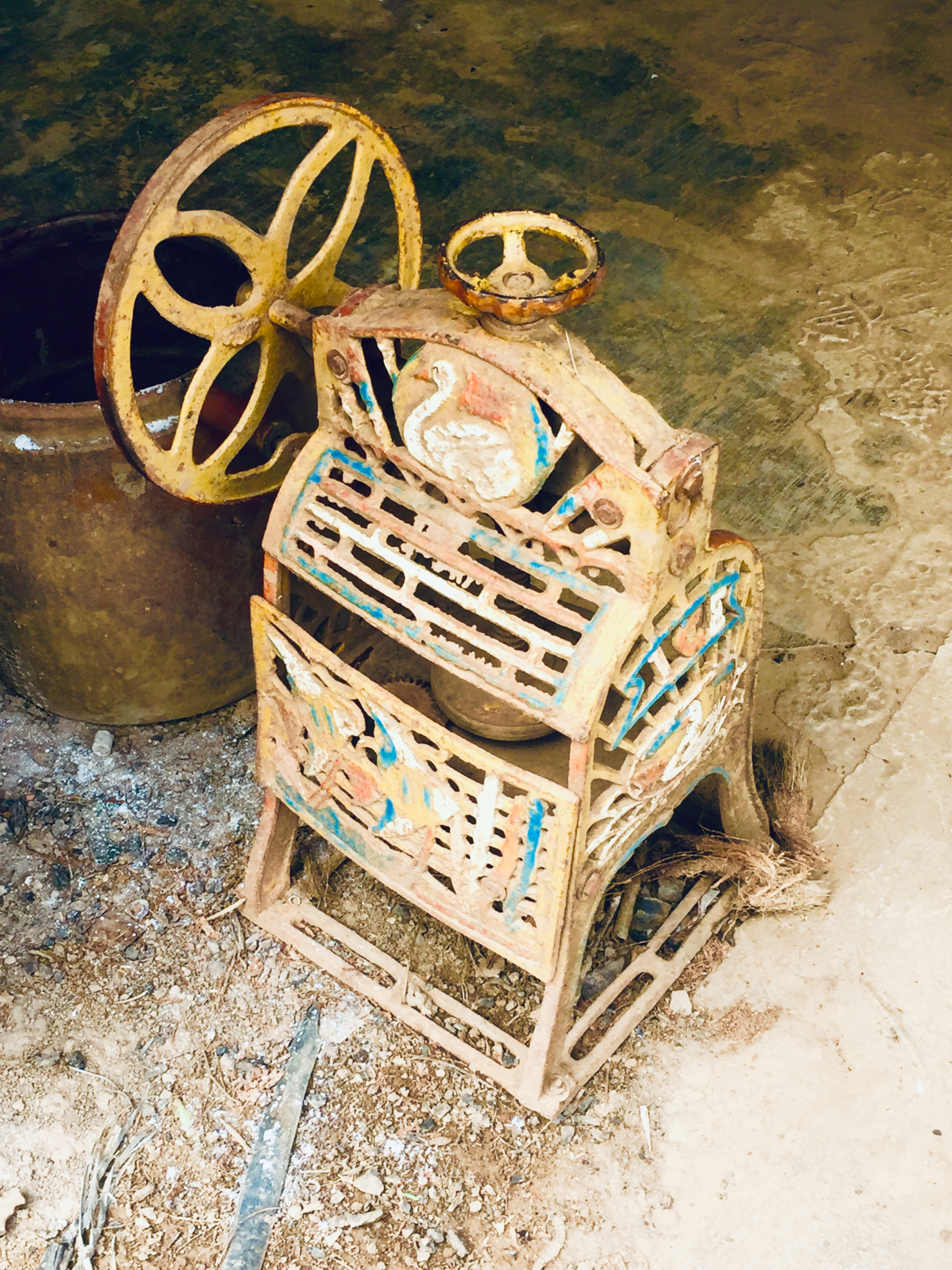
Block ice came from the ice house, was kept in the garage or on the porch, and was shaved or scraped with a plane, a knife or a hand shaver for snow cones, syrup poured over the top.
Ice is a food. American food codes treat it as one, requiring it to be made from potable water, handled with clean equipment and stored protected from contamination. A block kept on a porch, handled with whatever was to hand and shaved on an unwashed surface, meets none of that.
The ice house block was also commonly cut for refrigeration rather than for consumption, which is a different standard entirely, and the distinction between ice to cool something and ice to eat was not one anybody was drawing.
12. Maple syrup poured on fresh snow
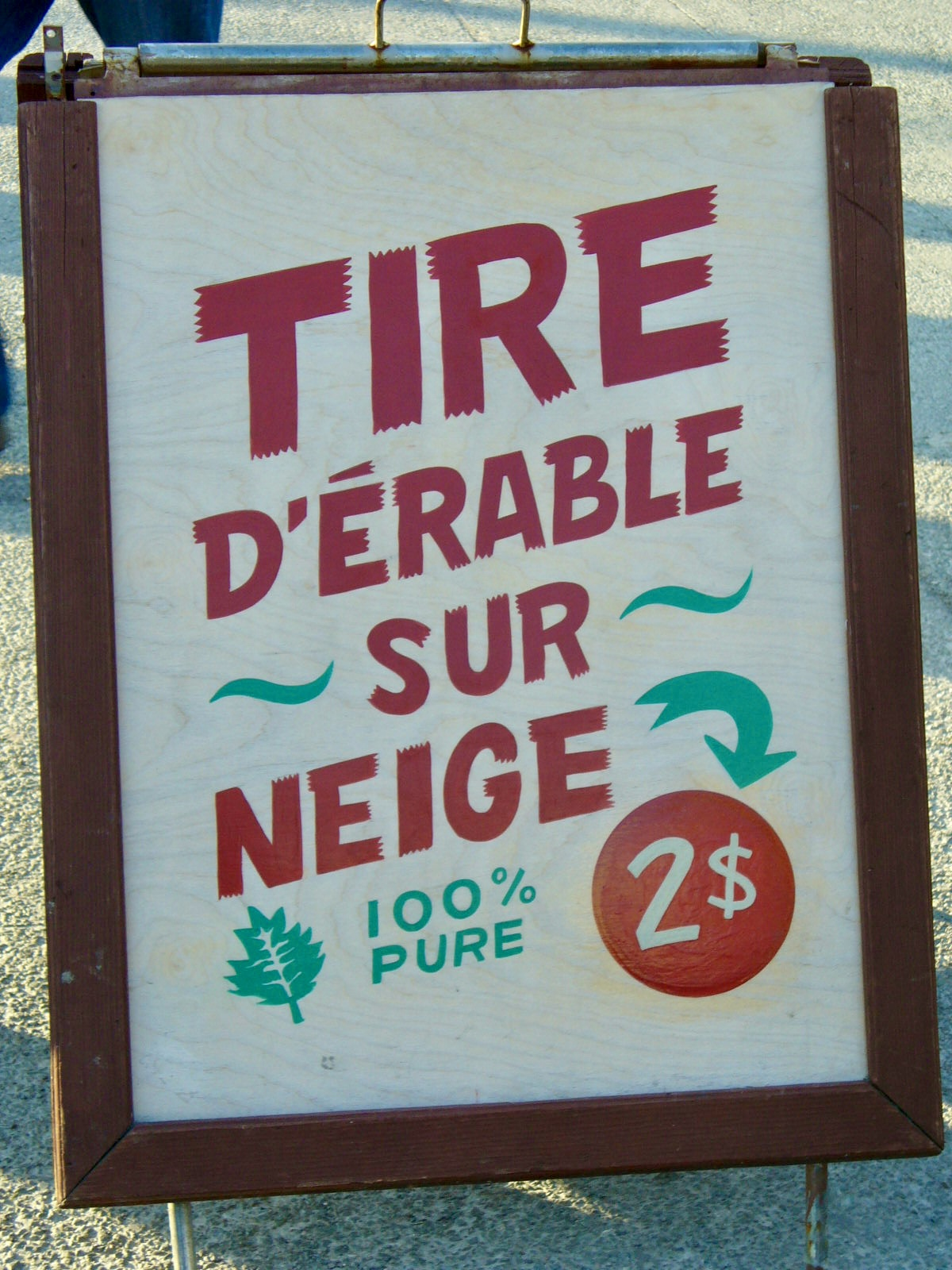
Snow candy, sugar on snow, taffy on snow: hot syrup boiled to the thread stage and poured onto a pan of clean fresh snow, where it set into chewy ribbons. It is a genuine tradition across the northern United States and Canada.
The tradition survives and is done now with crushed or shaved ice made from potable water, or with snow collected in a clean container away from the ground and from roofs, because snow scavenges particulates from the air as it falls and picks up whatever it lands on.
The hot syrup is the other half and it is the part that actually injures people. Syrup at the thread stage is well above the temperature of boiling water and it sticks to skin, which is why the modern versions of this tradition keep children away from the pan rather than from the snow.
13. Glass jars put straight into the freezer
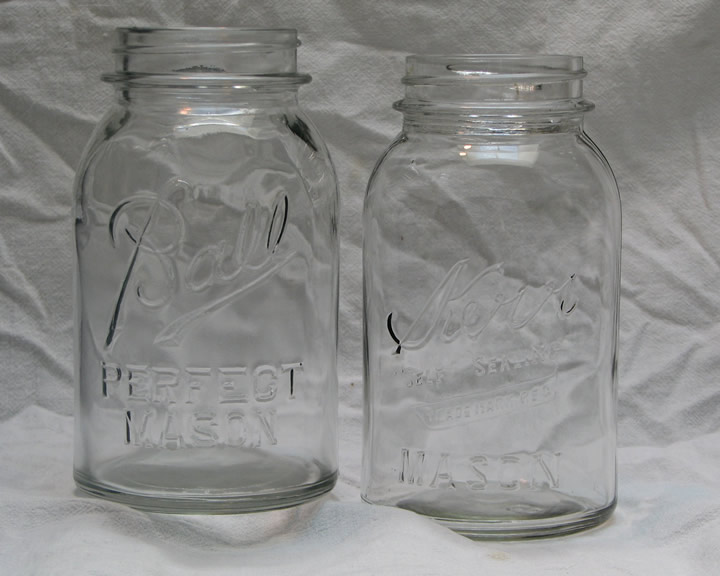
Canning jars and reused commercial jars were the free container and they went into the freezer full of juice, fruit, soup and stock, with the lid screwed down tight.
Water expands as it freezes, which stresses a rigid container from the inside. Jars designed for freezing exist and are straight-sided with no shoulder, and the guidance with any jar is to leave substantial headspace and not to tighten the lid fully. A shouldered jar filled to the neck will crack.
A cracked jar in a freezer is a safety problem rather than a mess, because the glass is in the food and some of it is in fragments too small to see. This is the item most likely to still be being got wrong in a modern kitchen.
14. Metal ice trays with the lever divider
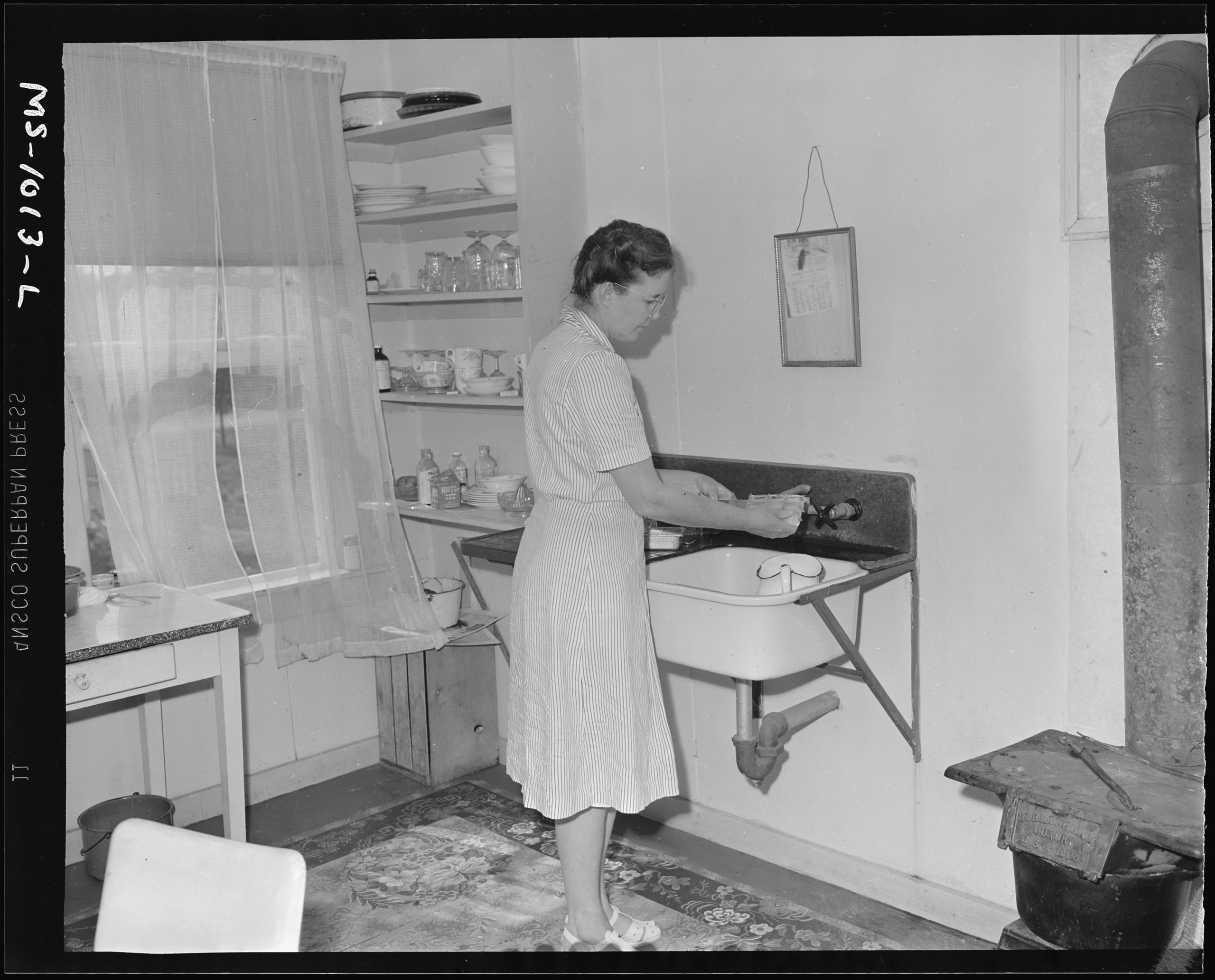
The aluminium tray with a hinged lever that pulled up to crack the cubes apart was in every American freezer, and children were sent to fetch it and to refill it.
Nothing prohibits it and the trays are collected. The practical issues were that bare aluminium in prolonged contact with acidic contents pits and discolours, that the lever mechanism caught fingers, and that the metal was cold enough for skin to stick to it in a working freezer.
The skin-sticking is the thing every American child of that era learned by experiment, usually once. Modern plastic and silicone trays removed the whole class of problem by removing the metal.
15. Refreezing whatever had melted

A pop that had softened in a hand, ice cream that had gone liquid at the edges, a tray that had been left out: all of it went back into the freezer to be stiffened up again, repeatedly.
Current guidance distinguishes food that is still partly frozen, which can be refrozen with some quality loss, from food that has fully thawed and warmed, which should not be. Ice cream specifically is on the list of products not to refreeze once melted, on both safety and quality grounds.
The quality consequence is the grainy texture everybody recognises, which is large ice crystals formed during the second freeze. The safety consequence depends entirely on how long it was warm, which is the one thing nobody was recording.
16. The chest freezer as a place to hide, and the law that fixed it
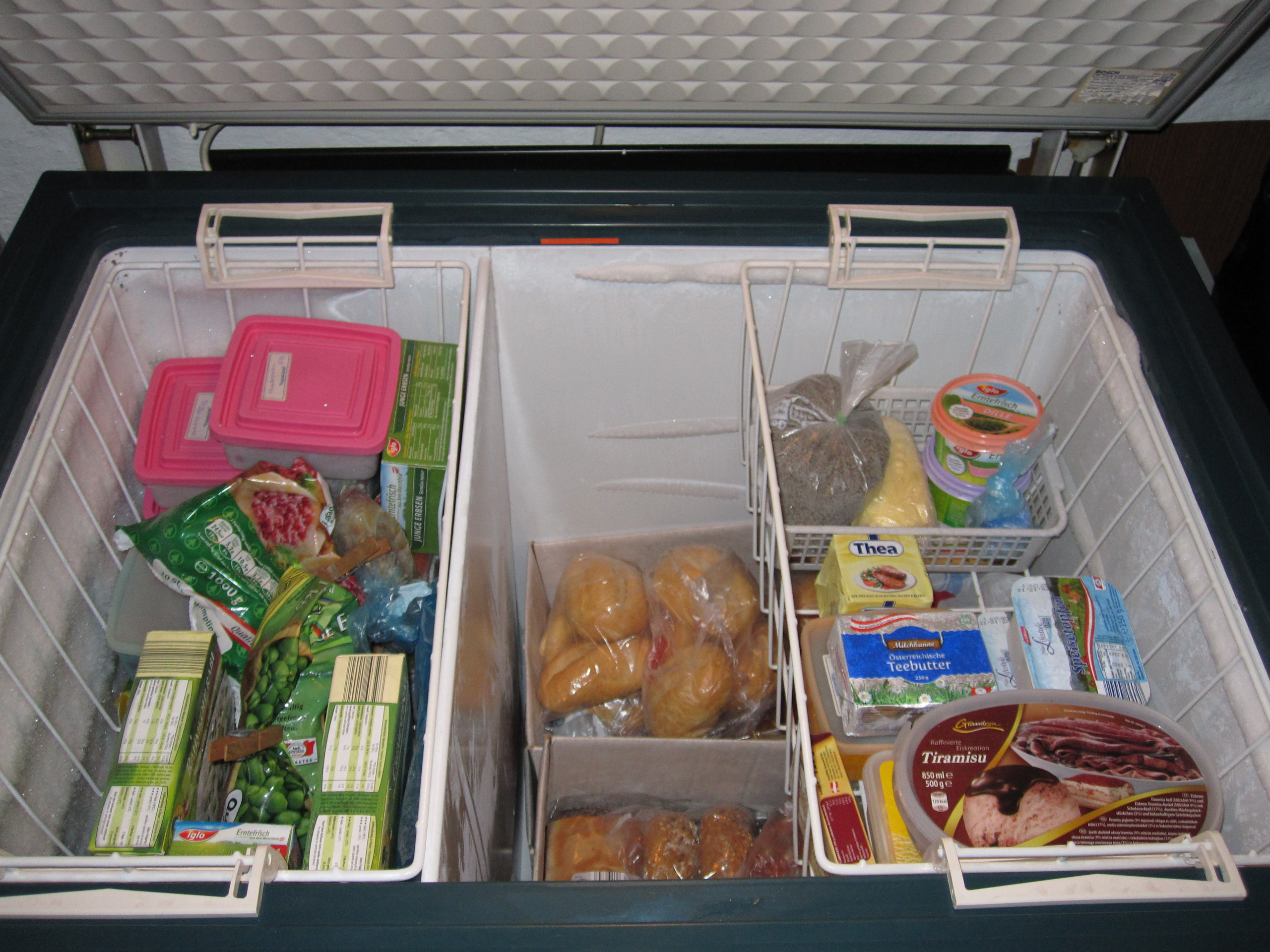
The freezer in the garage or on the porch had a heavy lid and a latch that fastened from the outside, and children played around it and sometimes in it. Older refrigerators had the same arrangement.
The Refrigerator Safety Act of 1956 required American household refrigerators to be openable from the inside, which is why the magnetic gasket door replaced the latch. Chest freezers were brought within equivalent expectations and modern units have lids that can be pushed open and interlocks or alarms on some models.
That statute is the oldest item in this list and the only one that addresses the appliance rather than the food. It is also the reason a modern chest freezer lid is heavy but not fastened, and the reason an abandoned one should have its lid removed before it is left anywhere.
Freezing preserves, it does not fix
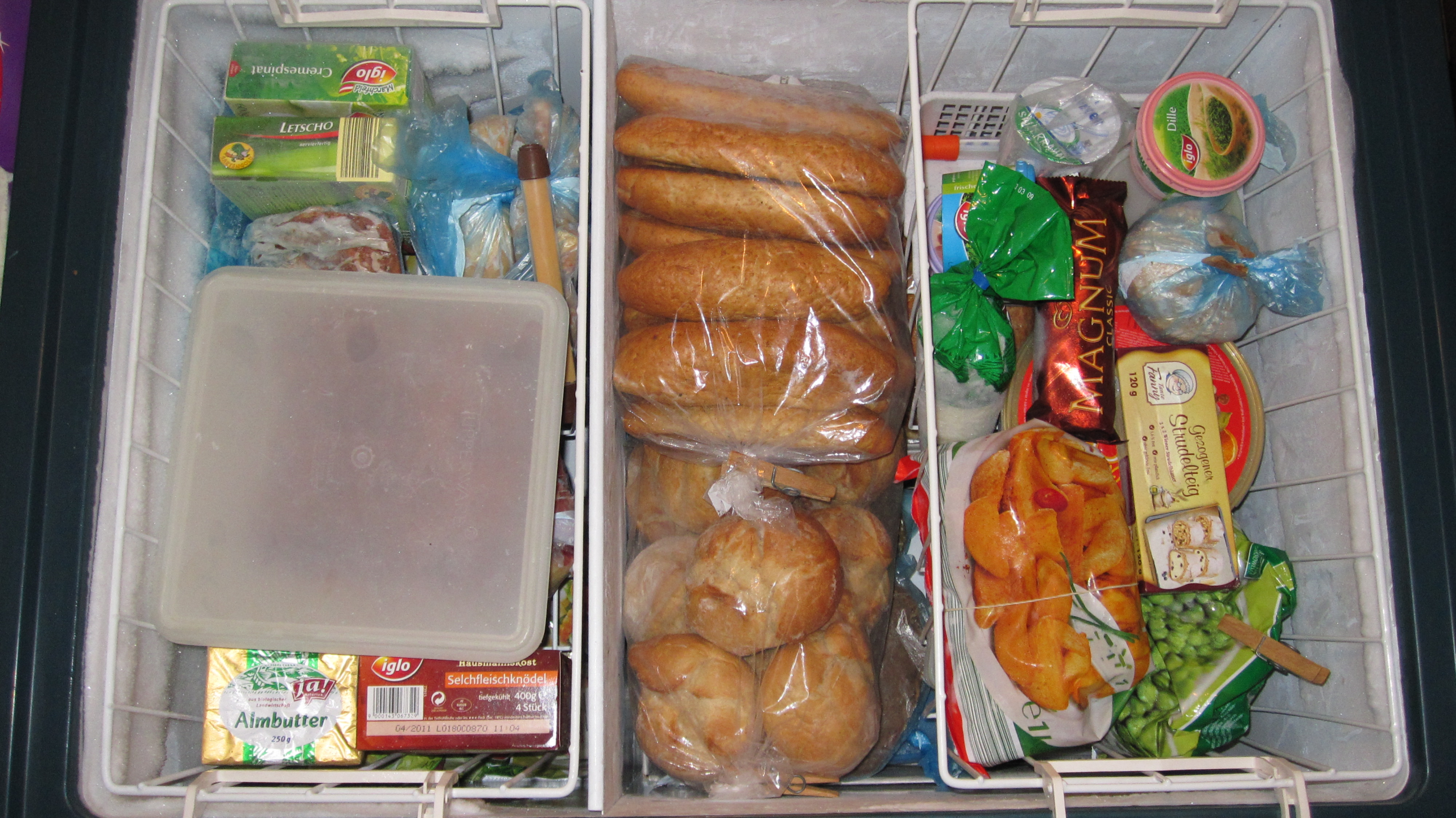
The single idea underneath this entire list is the one nobody was taught. A freezer stops a food getting worse and it does not make anything better: it does not kill what is in raw egg or unpasteurised milk, it does not reset the clock on something that has been warm, and it does not improve a vegetable that went in without blanching.
That is why the modern guidance concentrates on what happens before the food goes in and on how many times it comes out. Cook the custard. Use pasteurised dairy. Blanch the vegetables and treat the fruit. Leave headspace in the jar. Refrigerate the reconstituted juice instead of refreezing it. Decide once whether something has fully thawed. None of it is difficult and none of it was in the recipe a grandmother handed down, because the mechanism had not been explained to her either.
Two items here are genuinely still live. Dry ice, because it is still sold, still entertaining and still goes into sealed containers. And the glass jar, because freezing in a shouldered jar filled to the neck is a mistake a modern cook makes as readily as a 1968 one.
Everything else has either been reformulated, relabelled or explained. The crank freezer on the back step is the one thing on the list worth keeping exactly as it was, brine and all.
Like our content? Follow us for more.