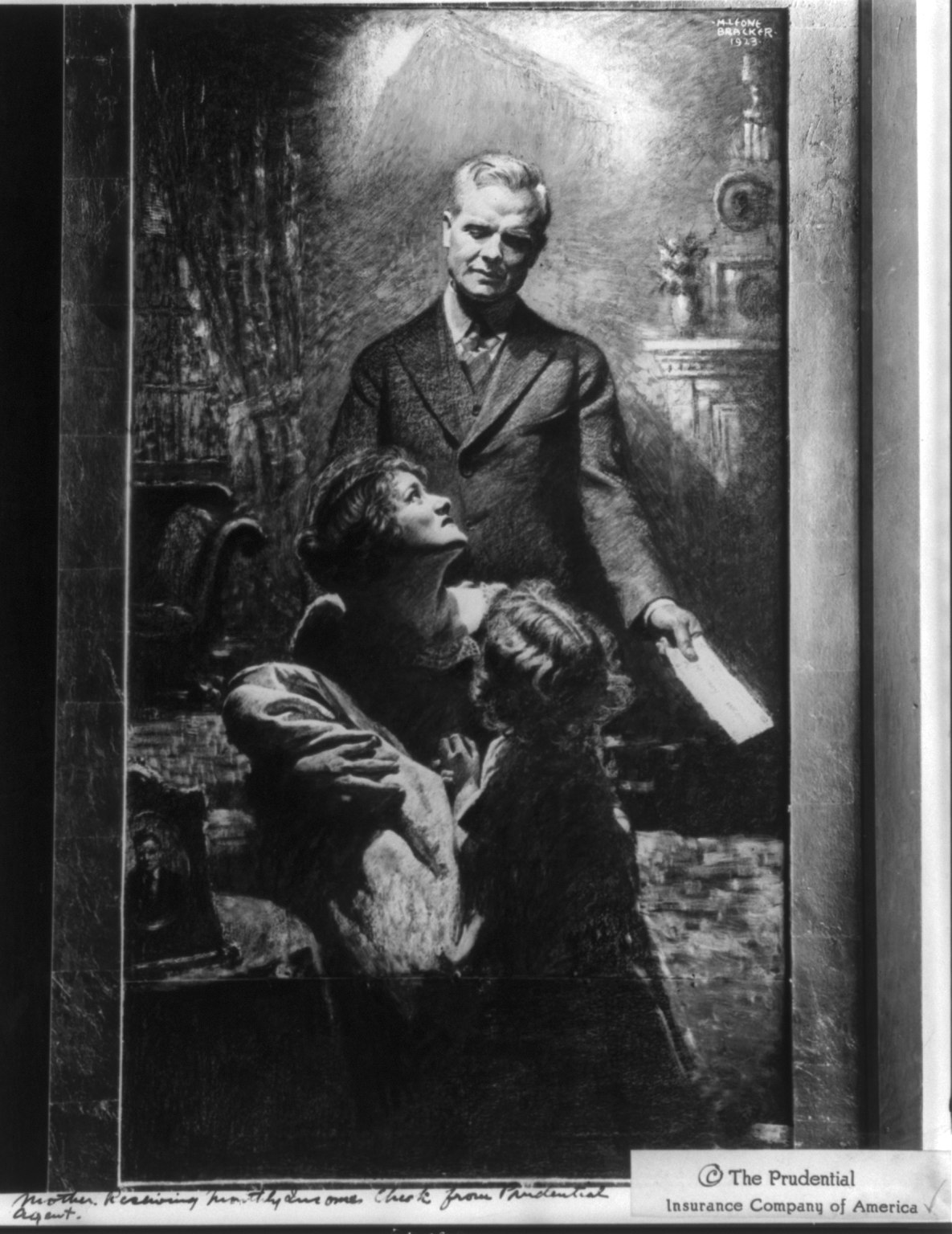
Industrial branch insurance was sold at the door for pennies a week, collected in person, and designed around what a household could part with in cash. At its height it covered a very large share of the population, and a great deal of each premium paid for the man who came to collect it.
The need it addressed was real. The structure around it had almost none of the protections that now exist, and the criticisms made of it at the time by official inquiries were the same ones modern regulation is built on. Here are sixteen things about it.
1. The policy was sold at the door with nothing written down

An agent called, explained a weekly sum and a benefit, took the first payment and left. There was no illustration of what the policy would be worth, no statement of charges and frequently no copy of anything for the customer that day.
Selling a long-term insurance contract now requires a pre-sale document setting out what the product does, what it costs, what the charges are and what it might be worth, provided before the customer commits, along with a record of the sale.
The pre-sale document is the whole of the reform. Everything else in this file follows from a transaction where one side had the figures and the other had a sales conversation.
Like our content? Follow us for more.
2. The premium was a few pennies a week, collected in person

The product was built around what a household could part with weekly in cash, which made it feel affordable and made the sums involved look too small to examine.
Weekly cash-collected insurance has essentially disappeared, replaced by monthly direct debit and by products sold with disclosure. The small-premium market now exists in different forms with the same disclosure requirements as anything else.
The frequency was doing real work. A cost that arrives in pennies and is collected by somebody you know is far harder to compare, cancel or question than one that arrives as an annual figure on a statement.
3. A very large share of the premium paid for the collection

The expense of sending a man to every door every week was substantial, and it came out of the premium. The proportion of each payment that reached the actual insurance was low by any modern standard.
Charges must now be disclosed, must be expressed in a comparable way, and in many markets are subject to caps or to value-for-money assessments that a provider has to be able to justify to a regulator.
This is the structural criticism of the whole industrial branch model and it was made at the time, repeatedly, by official inquiries. The distribution method was more expensive than the product.
4. Policies lapsed constantly, and a lapsed policy was worth nothing
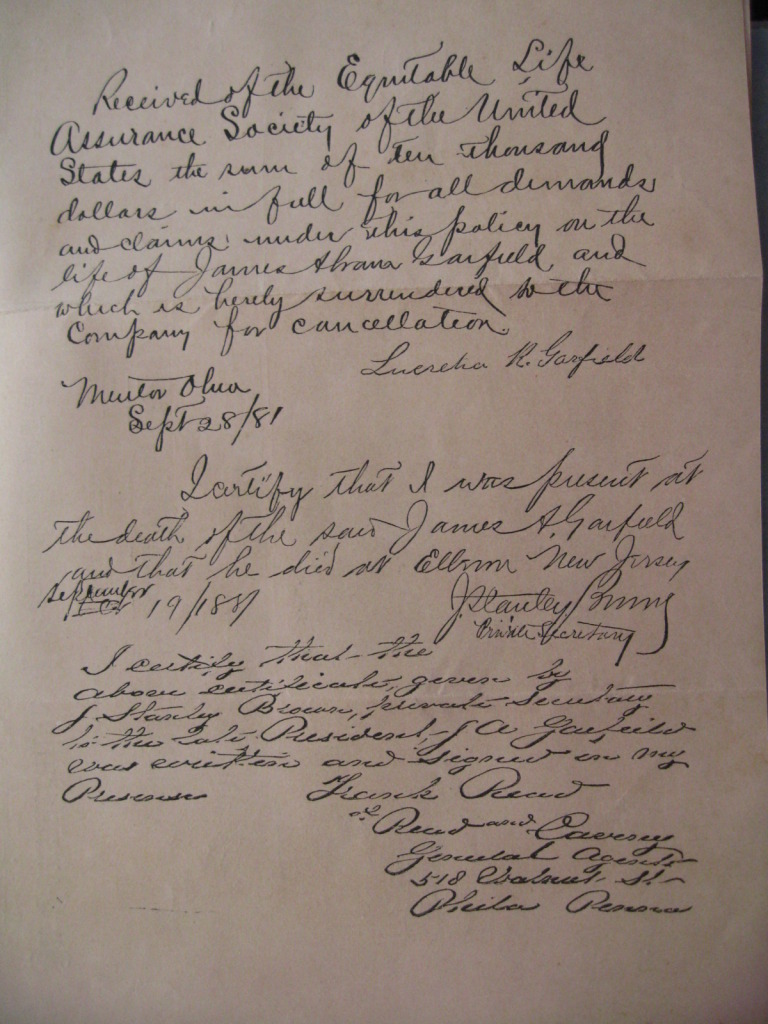
A household that missed payments for long enough lost the policy, and in the early years lost everything paid into it. Lapse rates in this market were very high and were known to be.
Surrender values, paid-up values and the treatment of missed payments are now governed, disclosed in advance and subject to rules on fairness. A modern long-term contract cannot simply absorb everything paid in and return nothing.
The early-years point is the critical one. The costs were front-loaded, so a policy abandoned in its first years returned little or nothing, and that was a predictable consequence of the charging structure rather than bad luck.
5. Lapse was not a failure of the business model

A product with high initial charges, sold in volume to households with unstable incomes, generates lapses, and the lapses are not a cost to the provider in the way they are a cost to the customer.
Persistency — whether policies stay in force — is now a regulatory metric. Providers report it, firms are expected to monitor it, and selling products that predictably lapse is treated as evidence of a failure in the sales process rather than as a feature of the market.
That reframing is the single most useful idea in modern conduct regulation. It asks what happens to the customers of a product, in aggregate, and treats a bad answer as the firm’s problem.
6. Children were insured from birth

Policies on the lives of infants and children were sold routinely and in enormous numbers, with the benefit designed to cover the costs that arise if a child does not survive.
Child whole-of-life policies of this kind have been restricted or withdrawn in most markets. Where cover relating to children exists it is generally a small benefit within a parent’s policy rather than a separate contract with its own charges.
Nothing about the circumstance is described here. The financial point is that a separate contract on a child’s life, with its own front-loaded charges and its own lapse risk, served the distribution system better than it served the household.
7. Several policies ran on one household at once
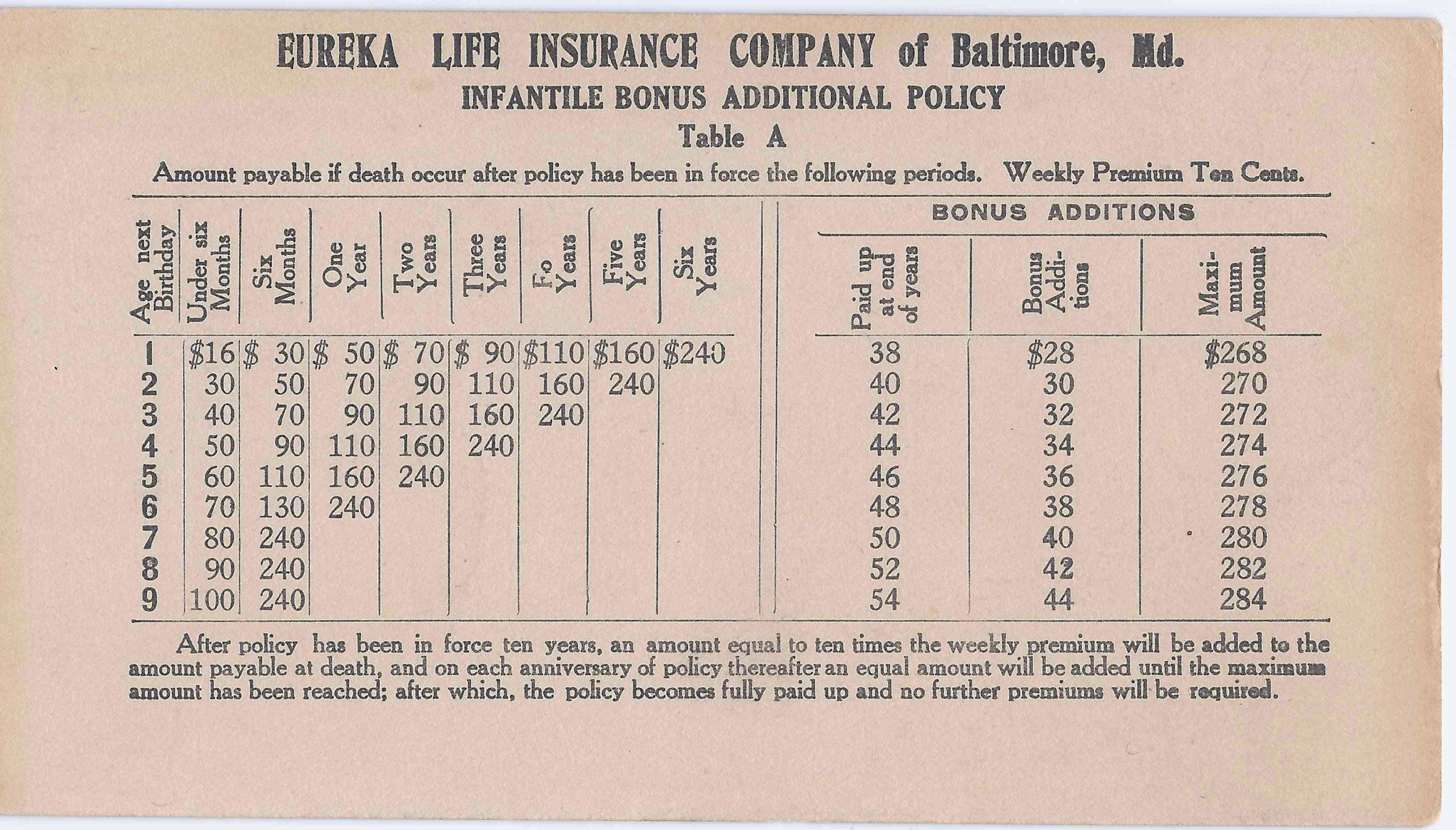
An agent on a round would have a policy on each member of a family, taken out at different times, each with its own weekly premium and its own charges, collected in one visit.
Suitability and affordability now apply across a customer’s circumstances rather than policy by policy. Selling a household multiple overlapping contracts that together take more than it can sustain is a recognised failure.
The aggregation is the harm. Each individual policy might be defensible and the total was frequently not, and nobody was looking at the total because nobody was required to.
8. The agent was paid for new business, not for policies that lasted

Commission was earned when a policy was written. What happened afterwards affected the agent very little, which pointed the incentive squarely at volume.
Remuneration structures are now a regulatory matter in their own right, with rules designed to align the seller’s interest with the customer’s outcome — deferred commission, clawback where policies lapse early, and in some markets a prohibition on commission for certain products altogether.
This is the clearest example in the file of a rule that targets a structure rather than a behaviour. Nothing the agents did was dishonest; the incentive was pointed in the wrong direction and the outcomes followed.
9. Nobody explained what the policy was worth if you stopped

Surrender value, paid-up value and the difference between them were not part of a doorstep conversation, and a customer who wanted to stop generally asked the agent, who had no reason to help them do it.
Those figures must now be disclosed before purchase, provided on request, and shown in annual statements, and the rules on what a firm must tell a customer who wants to stop are specific.
The practical modern version of this is worth stating: anybody holding an old long-term policy is entitled to ask the provider in writing what it is worth, what it would be worth if left alone, and what the charges are.
10. It was sold against a real worry
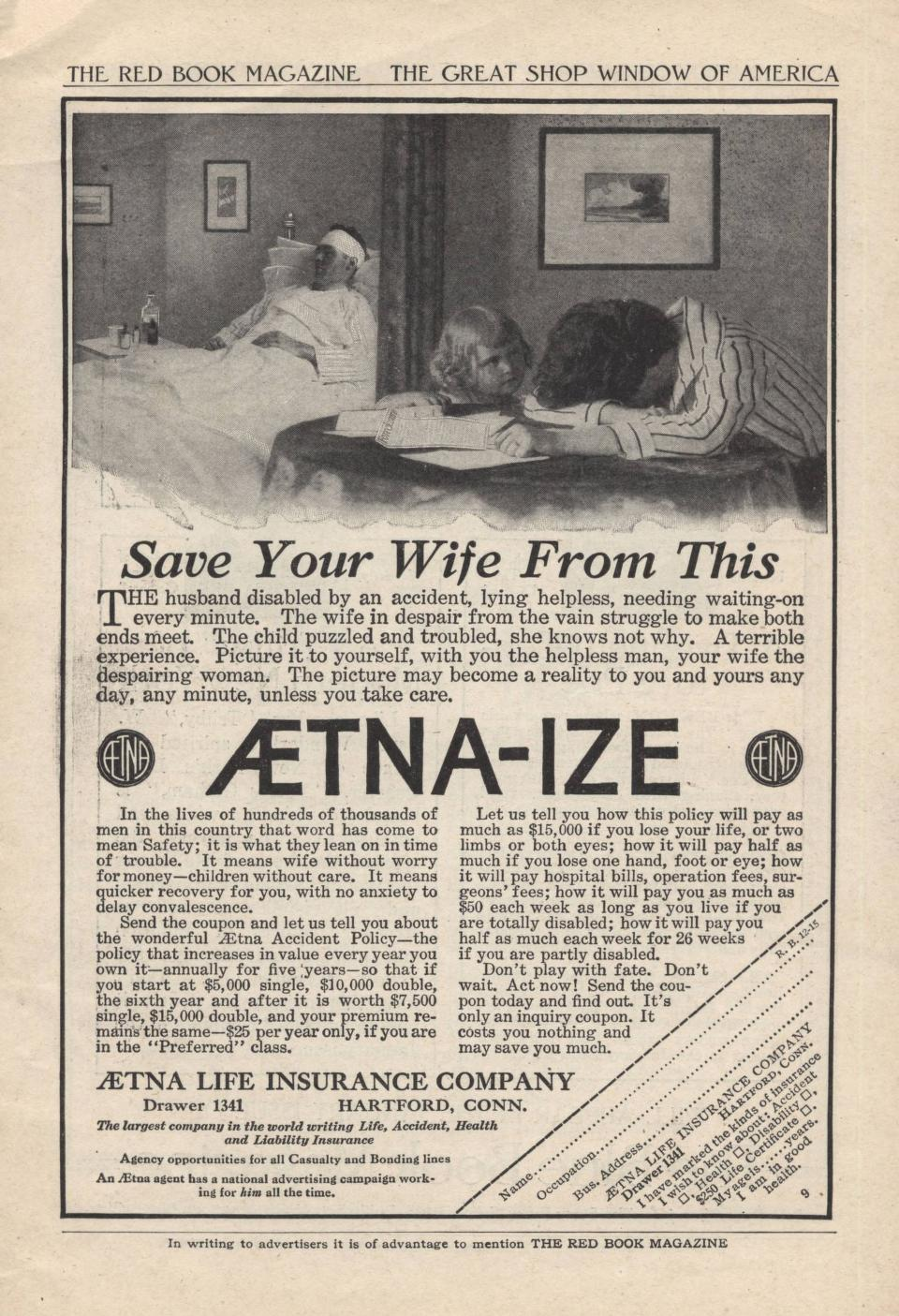
The product existed because funeral costs were a genuine and immediate threat to a household’s finances, and a family without provision faced an expense it could not meet at the worst possible time. That was not a manufactured fear.
The need has not gone away and the products addressing it are now regulated, disclosed and comparable, with consumer bodies in several countries publishing guidance on them specifically because the market has a history of poor value.
Nothing about funerals or bereavement is described here. The relevant point is that a legitimate need does not make a badly structured product good, and that this market is still one where independent guidance is worth reading before buying.
11. There was no cooling-off period
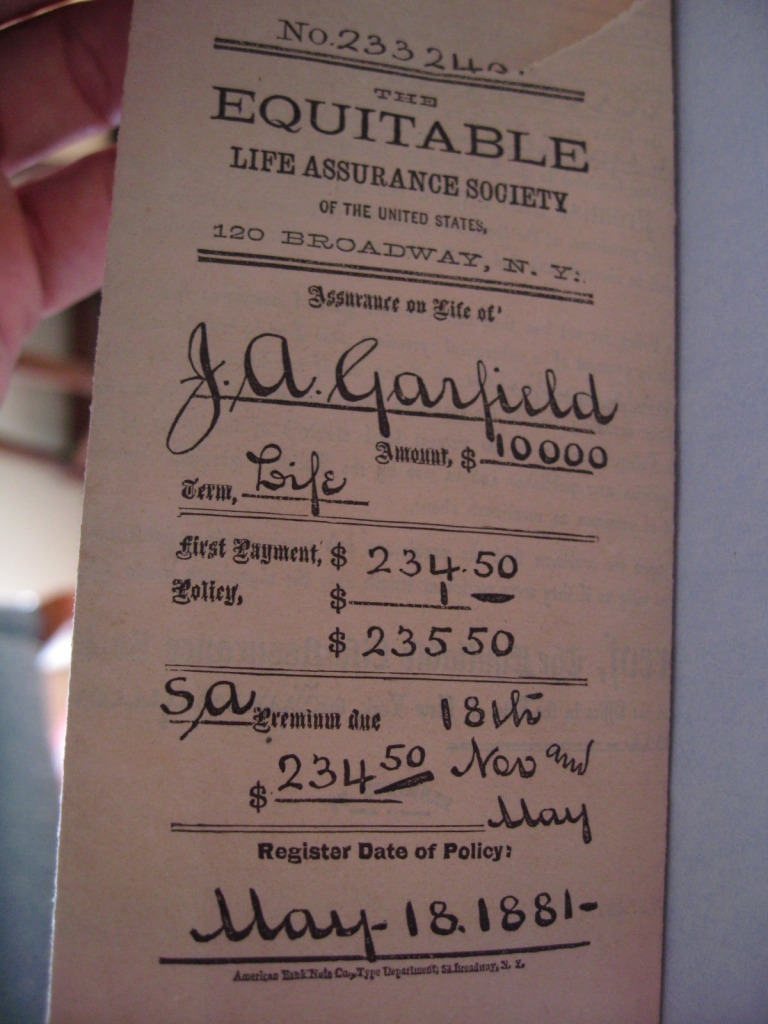
A signature at a kitchen table was final. There was no right to change your mind, no period of reflection and no mechanism for undoing a sale made under the pressure of a persuasive visitor.
Cancellation rights for long-term insurance are now standard, with a defined period after the sale during which a customer may withdraw and have their money returned. For contracts concluded away from business premises the protections are stronger still.
The away-from-premises point is the direct descendant of this trade. Doorstep selling is specifically regulated in most markets because the setting itself applies pressure.
12. The agent gave advice and was a salesman

There was no distinction between selling a product and advising on whether somebody needed it, and the person doing both was paid for one of them.
Advice is now a regulated activity with its own requirements — qualification, suitability assessment, record-keeping and liability for the advice given — and firms must be clear whether a customer is receiving advice or merely being sold something.
The distinction matters because the remedies differ. Bad advice is actionable in a way that a bad purchase is not, and a customer who does not know which they received does not know what they can complain about.
13. There was no regulator, no ombudsman and no complaints route

A customer with a grievance had the agent, the district office, and in principle the courts, which for a dispute about pennies a week meant nothing at all.
Financial services in most developed markets now sit under a conduct regulator with published rules, backed by a free ombudsman able to make binding awards, with firms required to operate a complaints process and to report on it.
The free adjudication is again the operative part, because the sums in this market were far too small to litigate and always were.
14. The round itself was an asset

An agent’s collection round — the book of policies on a district — had a value, could be transferred, and was in some arrangements effectively bought and sold between agents, which tied the agent’s own capital to the persistence of his customers’ payments.
Nothing comparable exists. Customer relationships are the firm’s and are governed by rules on transfers of business, with the customer’s position protected when a book of policies moves between providers.
The historical arrangement produced a specific pressure. An agent whose own asset depended on his round staying in force had every reason to keep households paying, which cut both ways for the customer.
15. Policies were still being paid into decades later
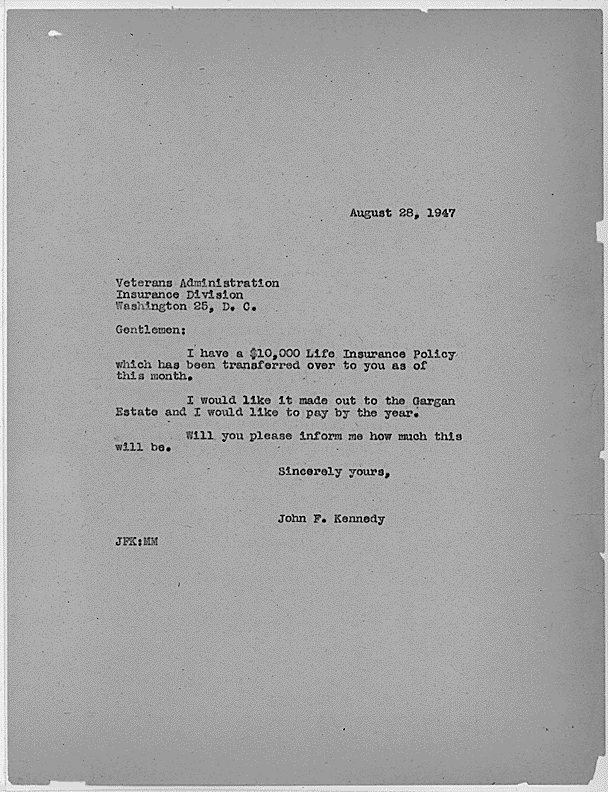
Enormous numbers of these contracts remained in force for years after the selling stopped, with small sums collected or paid by standing order long after anybody involved remembered what the benefit actually was.
There is a live consequence. Old policies of this kind sit unclaimed and part-forgotten in large numbers, providers and tracing services exist to reunite people with them, and an old document in a drawer may represent a real entitlement.
The practical action: if you find an old policy document among a relative’s papers, it is worth contacting the provider or its successor, because these contracts do not expire merely through being forgotten.
16. And what the agent actually was
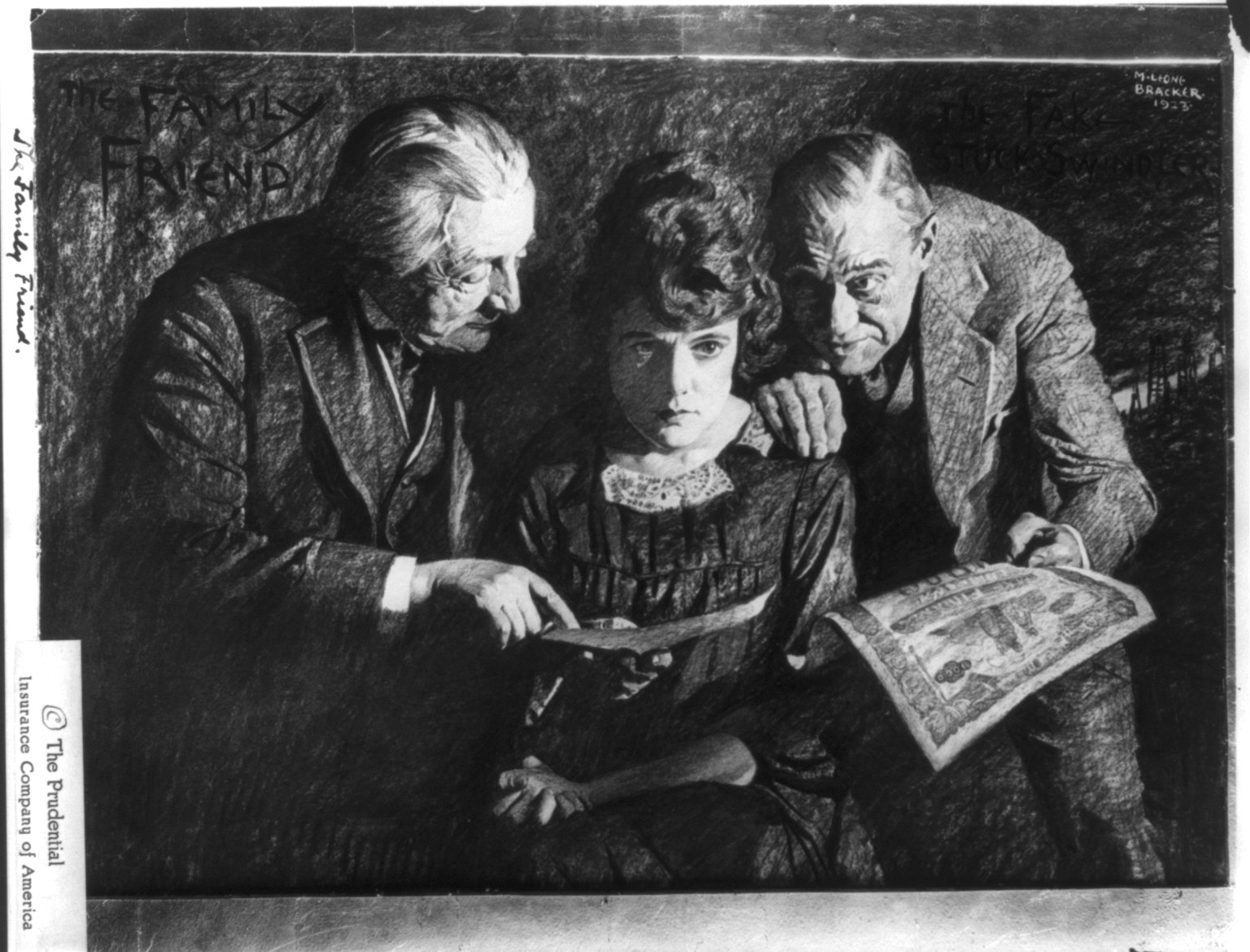
For a great many households he was the only person connected to the financial system who ever came to the door, who knew the family, who turned up in a bad week and sometimes carried the payment himself, and who was trusted completely. That trust was generally not misplaced in the individual and was systematically misplaced in the product.
What replaced him is disclosure, comparison, cancellation rights, free adjudication and a regulator — and the loss of anybody at all coming to the door, which for the households that relied on it was not a small thing.
The honest summary: the pre-sale disclosure document is the reform that addresses almost everything here, front-loaded charges meant an early lapse returned nothing, commission for writing business rather than for policies that lasted is the structure modern remuneration rules target, the aggregate burden on a household was nobody’s responsibility, and the live action for a reader is that an old policy found in a drawer may still be worth something. Anything about your own policies or cover is a conversation with the provider or with regulated advice rather than with an article.
What the reforms actually target
Three structures, not three behaviours. That distinction runs through the whole of modern conduct regulation and this trade is where a lot of it was learned.
The first is information. One side of a kitchen-table sale had the figures and the other had a conversation, so the reform is a pre-sale document stating what the product does, what it costs, what the charges are and what it might be worth, given before the customer commits. Nearly everything else in this file follows from its absence.
The second is charging shape. Front-loaded costs mean a policy abandoned early returns little or nothing, and a product with high initial charges sold in volume to households with unstable incomes will generate lapses. Modern regulation treats persistency as a metric it monitors and treats predictable lapsing as evidence of a failure in the sales process rather than a feature of the market — which is the single most useful idea in the field, because it asks what happens to a product’s customers in aggregate and makes a bad answer the firm’s problem.
The third is incentive. Commission paid for writing business, with no consequence for what happened afterwards, points the seller at volume. Deferred commission, clawback on early lapse and in some markets outright prohibition for certain products are all aimed at that geometry rather than at anybody’s conduct.
And behind all three: aggregation. Several policies on one household, each arguably defensible, together taking more than the household could sustain, with nobody required to look at the total.
One item here has a live action attached. These contracts remained in force for decades and large numbers sit part-forgotten, so if an old policy document turns up among a relative’s papers it is worth contacting the provider or its successor — a policy of this kind does not expire merely through being forgotten, and tracing services exist for exactly this.
If you hold an old long-term policy yourself, you are entitled to ask the provider in writing what it is currently worth, what it would be worth if left alone, and what charges are being taken.
Anything about your own cover, or about the funeral-cost products that occupy this market now, belongs with the provider or with regulated advice rather than with an article. Consumer bodies in several countries publish guidance on that market specifically, because its history of poor value is well documented.
Like our content? Follow us for more.