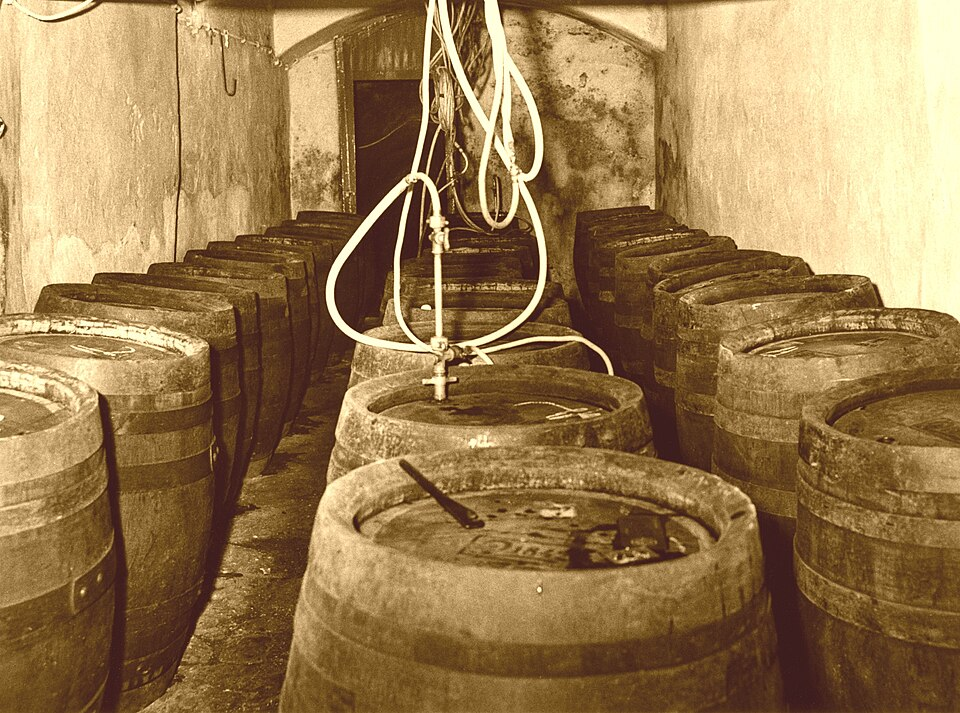
The beer cellar of a 1960 bar was looked after by whoever ran the bar, in the hours either side of a trading day, in a stone-floored basement cooled by the building and ventilated by a grating in the pavement.
Nothing was measured, nothing was recorded, the lines were cleaned when somebody remembered, and the gas cylinders stood loose in a corner. Some of what follows affected every customer and some of it was genuinely dangerous to the person doing the work. Here are sixteen things about it.
1. The cellar was cooled with ice, or with nothing at all
A 1960 beer cellar was kept cool by being underground, by a block of ice in a tray, or by an early compressor unit that worked when it felt like it. The temperature was whatever the building gave it and nobody recorded it.
Cellar cooling is now a monitored installation with a target temperature range, a thermometer that is read, and in many jurisdictions a record kept. Draught beer has a defined serving temperature range and the cellar is set to deliver it rather than to be approximately cold.
The reason is spoilage rather than preference. Beer held warm goes off faster, and most of what the trade called a bad barrel in 1960 was a barrel that had been kept too warm for too long.
Like our content? Follow us for more.
2. Nobody cleaned the beer lines
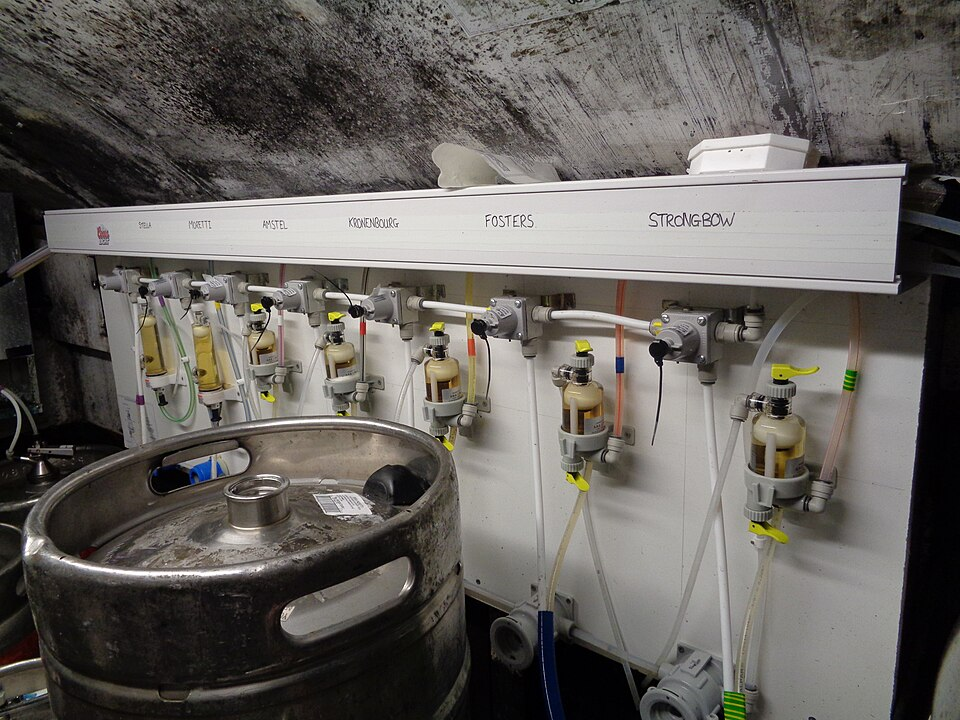
The pipework between the cellar and the tap was cleaned when somebody remembered, which in a busy bar could be months, and in some places was when the beer started tasting of the lines.
Line cleaning is now a scheduled task on a defined cycle, with a proprietary cleaning solution, a documented procedure, and in many places a record that an inspector can ask for. It is the single most important thing in a modern cellar routine.
The mechanism is biofilm: a living layer that establishes itself on the inside of the pipe, feeds on what passes through it, and changes the taste of everything after it. It is invisible, it is not removed by flushing with water, and it comes back on a predictable schedule.
3. Glasses were washed by hand in one sink
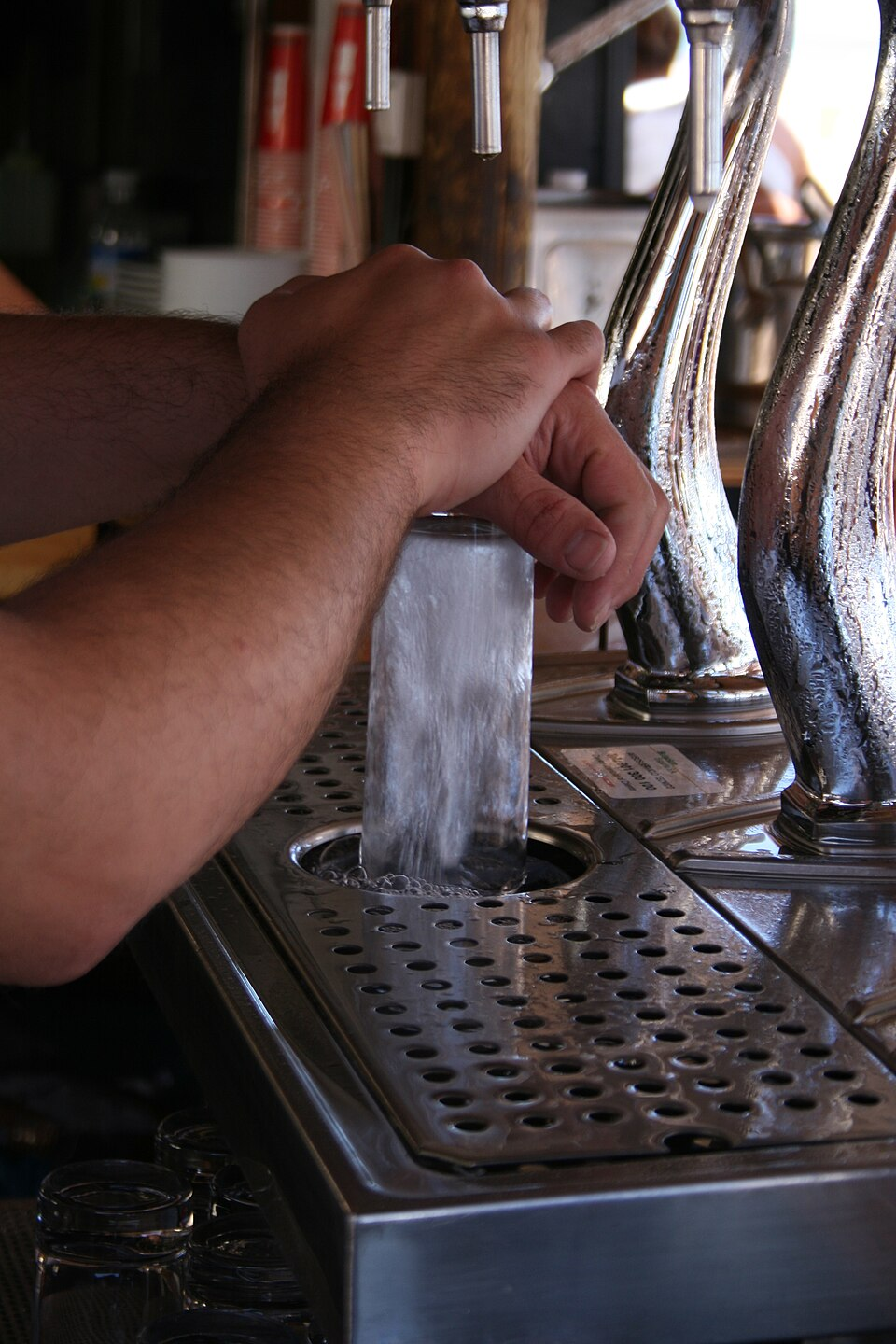
The bar sink held water that was changed when it looked bad, with a brush in it, and glasses were dunked, wiped and stood on a cloth. There was no sanitiser and no rinse.
The modern standard is a glasswasher with a defined wash and rinse temperature, or a three-stage manual process of wash, rinse and sanitise with the sanitising step as a separate operation. Cloths are out entirely, because a cloth redistributes everything it has already picked up.
The visible consequence in 1960 was in the glass: beer that would not hold a head because the glass carried a film of grease. Bartenders knew the symptom and almost nobody connected it to the sink.
4. Carbon dioxide cylinders stood loose in the corner
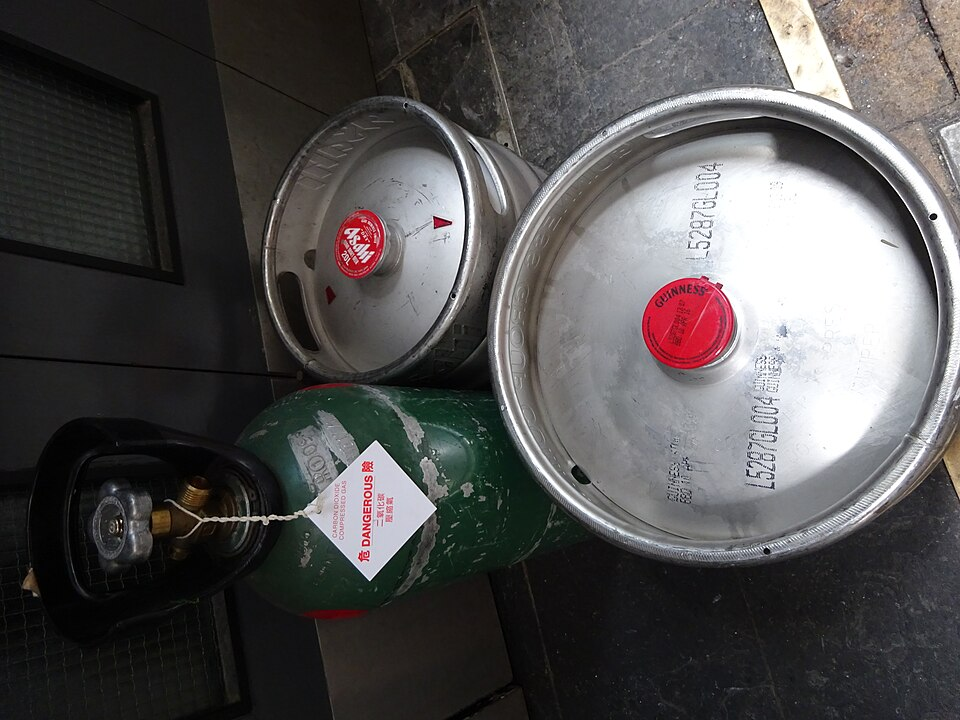
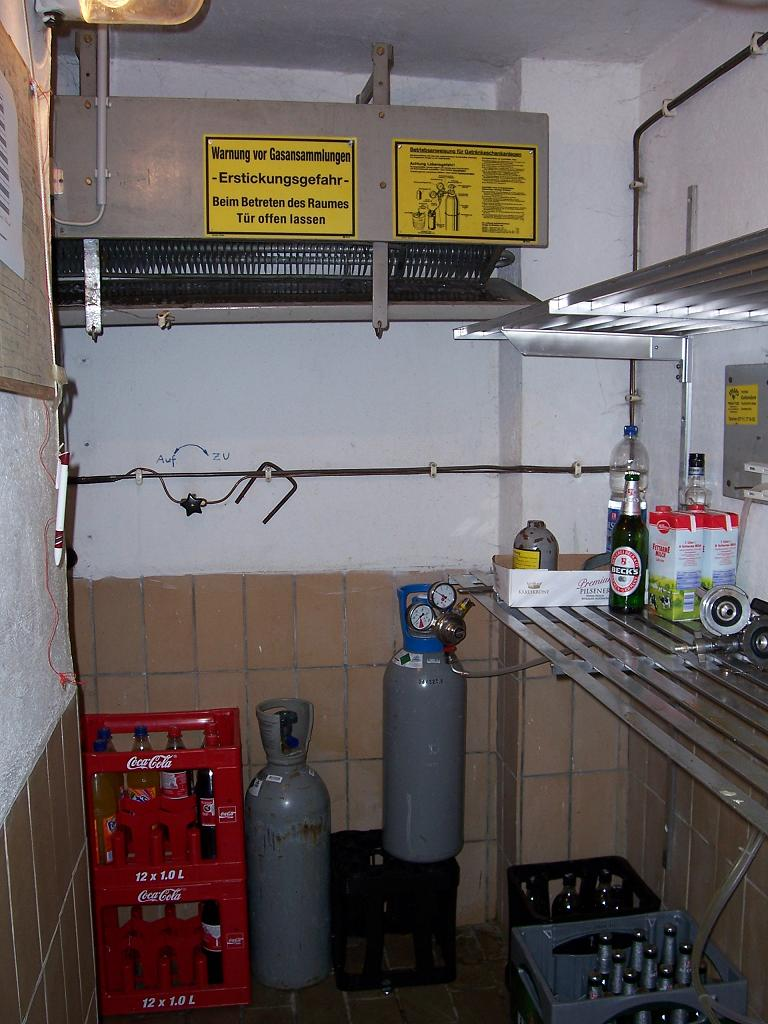
Gas for dispensing arrived in heavy steel cylinders which were stood against a wall, moved by rolling or carrying, and connected with whatever fittings were available.
Compressed gas handling is now specific: cylinders secured upright at all times, moved on a trolley, never carried by the valve, stored in ventilated areas, and connected with the correct regulator and fittings only. A falling cylinder with the valve knocked off is the hazard this addresses.
This is the item with the most serious modern safety regime attached and it is the next one that explains why.
5. Nobody knew what carbon dioxide does in a cellar

Gas escaping from a leaking line, a changed keg or a spilling cask collects in a cellar because it is heavier than air, and it displaces the air at floor level first. In 1960 a cellar with a gas leak smelled slightly of nothing and felt normal.
Modern practice treats a beer cellar as a confined space risk for exactly this reason: gas alarms are fitted in many installations, ventilation is required, staff are trained on what to do if an alarm sounds, and the standing instruction is never to enter a cellar where an alarm is active or a large leak is suspected.
This is the single most important safety fact in the file and it transfers to any basement where gas cylinders are kept. The hazard is not toxicity in the ordinary sense; it is that the air at floor level is replaced, there is no warning, and somebody who goes down to investigate becomes the second casualty.
6. The deliveries came down a hole in the pavement
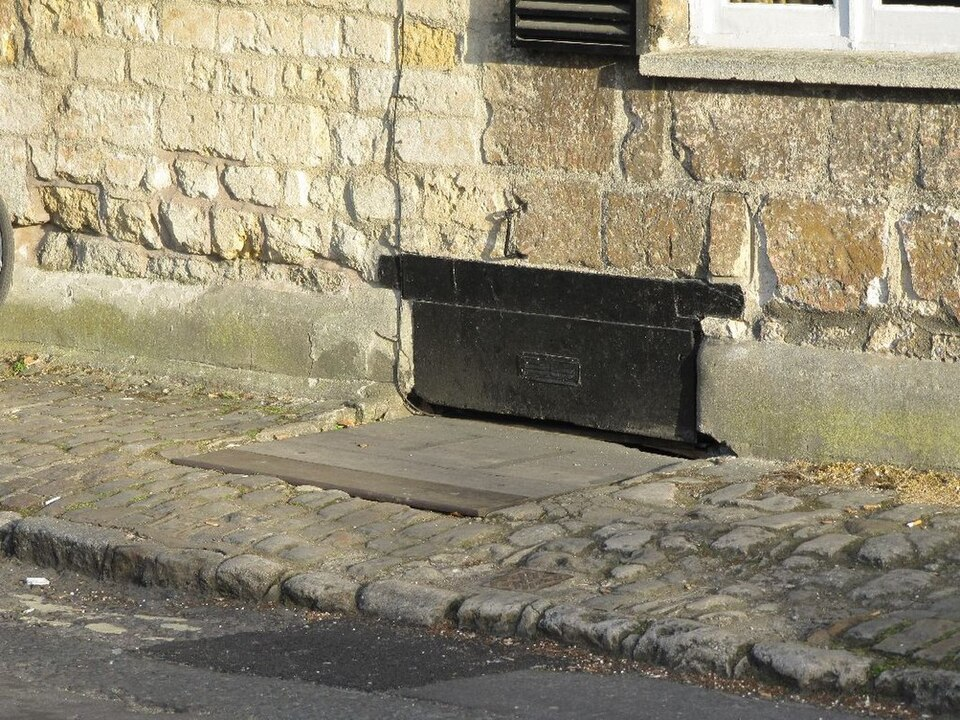
Barrels and crates were lowered through a pavement hatch on a rope, or rolled down a ramp, by a drayman working alone with a hook and a skid, into a cellar with a stone floor and a low ceiling.
Deliveries are now a planned manual handling operation with mechanical aids, trained staff, barriers around an open hatch while it is in use, and a prohibition on working under a suspended load. Hatch covers themselves have to be secured and maintained.
The pavement hatch is the part the public forgets. An open cellar hatch in a footway with a rope through it is a hazard to passers-by as well as to the drayman, which is why the barriers are now the first thing to go up.
7. Casks were tapped and vented by feel
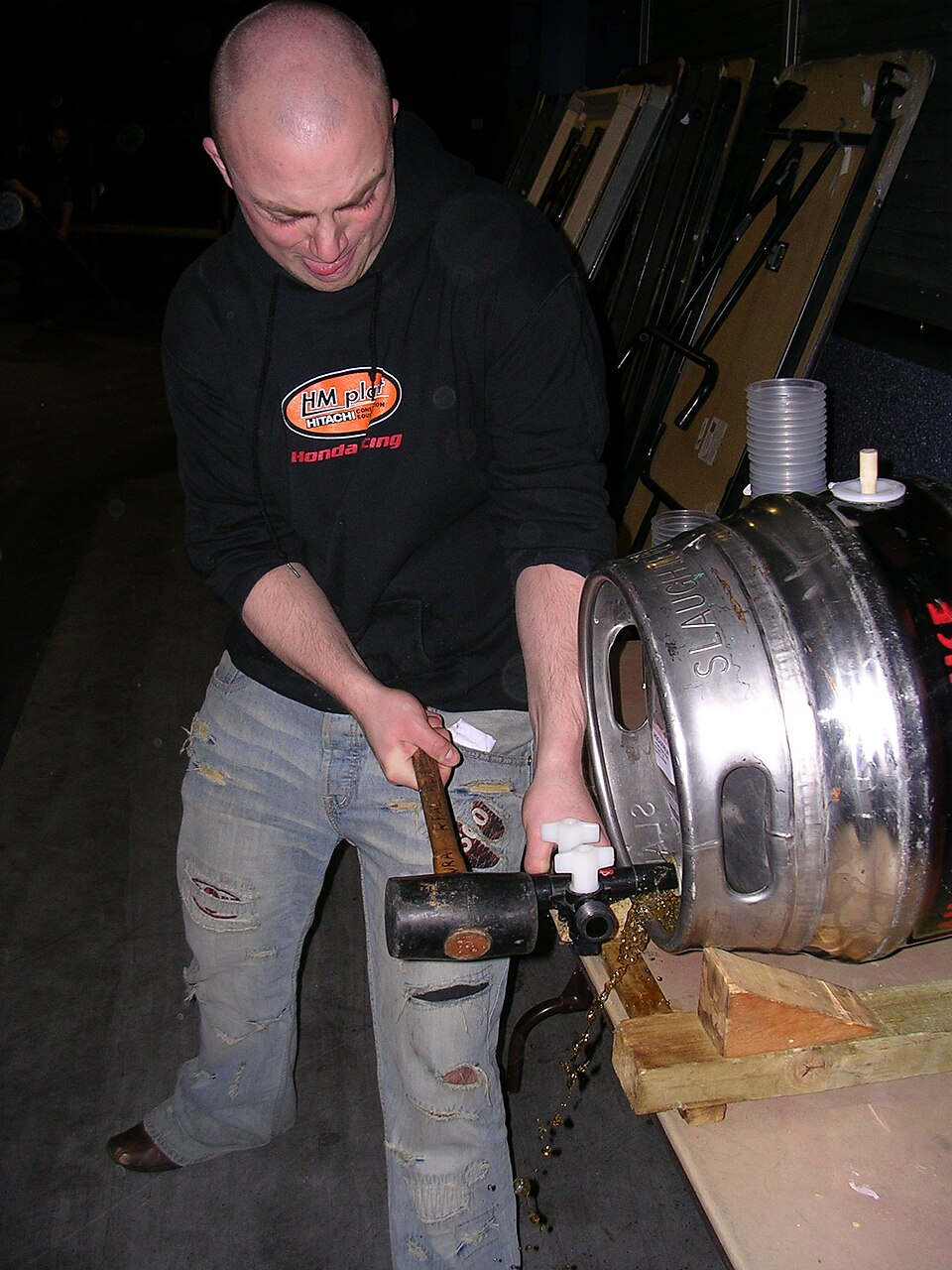
Preparing a cask meant driving a tap in with a mallet and knocking a vent peg into the top, timed by the cellarman’s judgement about when the beer had settled and how lively it was.
Where cask beer survives this is still a craft and is still done by hand, but it is now done with training, with the cellar temperature controlled so that the judgement is made under consistent conditions, and with records of what was tapped when. Most of the trade has moved to keg, where the dispensing is a closed system.
The skill was real and the losses were large. A cask misjudged was a cask poured away, and the trade’s estimates of wastage in that period are the reason the industry moved towards sealed containers.
8. Spoiled beer went back into the barrel
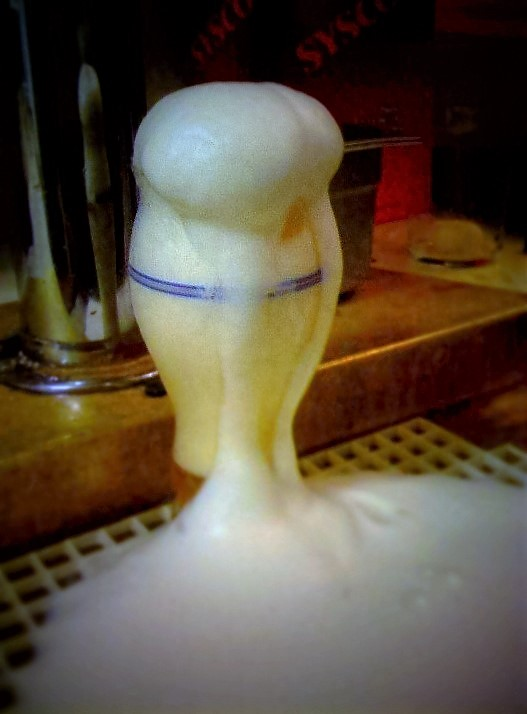
Drip trays, slops and the beer drawn off while pulling through a new line were, in a meaningful number of establishments, returned to the barrel or to the next glass.
This is prohibited outright everywhere and is one of the few items in this file that would be an offence rather than a failing. Slops are waste, drip trays are emptied to drain, and beer drawn during line work is discarded.
The practice was not universal and was condemned at the time by the better part of the trade, but it was common enough to be written about, and it is the origin of a good deal of public suspicion about draught beer that persists in some countries.
9. Returnable bottles were washed on site in some places
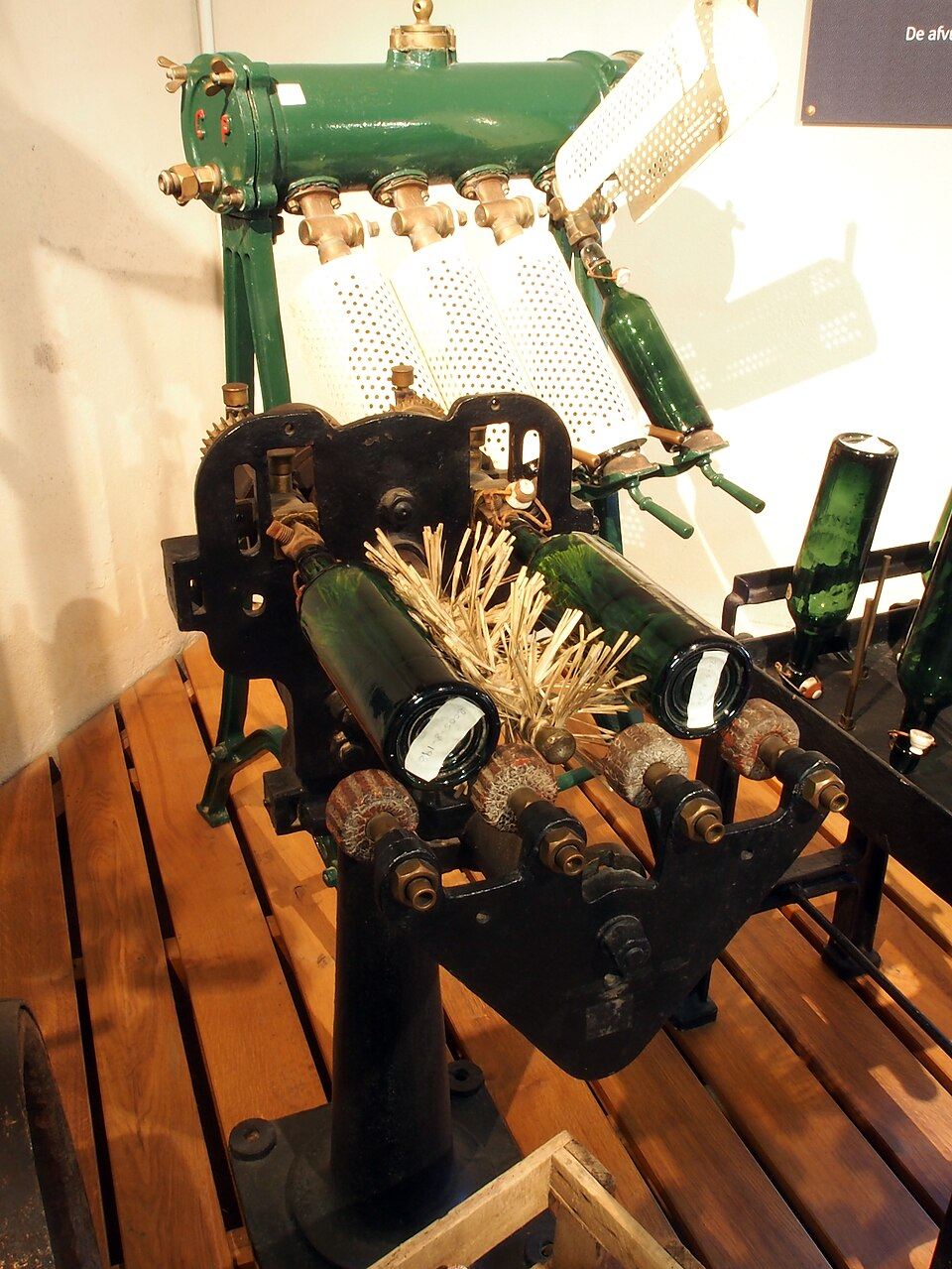
Bottles came back from customers, were rinsed in the bar sink or a tub in the yard, and in smaller establishments were refilled. Crown caps were applied by hand with a bench capper.
Returnable containers are now washed in industrial plant with caustic cleaning, inspected optically and filled under controlled conditions, and on-premises refilling of bottles for sale has been prohibited for decades in essentially every regulated market.
The inspection step is the one that mattered. A returned bottle can contain anything, and visual inspection by a tired person in a yard does not find it.
10. The cellar floor was also the store room
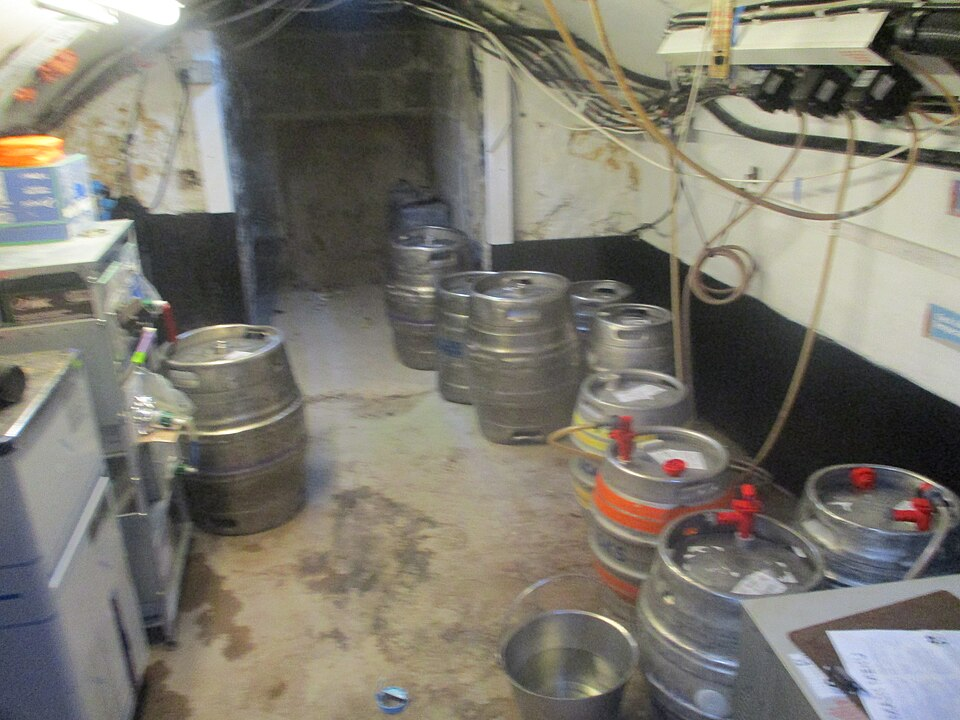
Beer, mixers, spirits, cleaning materials, coal, the mousetraps and whatever else the building needed shared the same stone-floored space, with the pest problem handled by a cat.
Separation of food and drink from chemicals and from waste is now a basic requirement, pest control is a documented contract with monitoring, and cleaning materials are stored apart from anything consumed, with the whole area subject to inspection.
The chemical adjacency is the serious part. Caustic line cleaner stored next to open containers of anything that is going to be drunk is the specific arrangement modern separation rules exist to prevent.
11. The cellarman was also the licensee, the barman and the cleaner
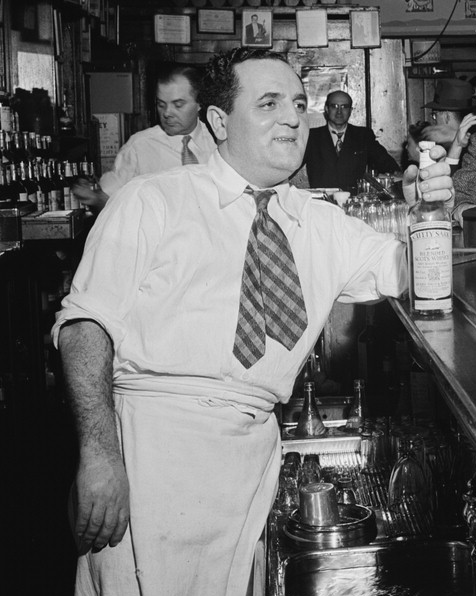
In most establishments there was no separate cellar job. The person who ran the bar looked after the cellar before opening and after closing, on top of everything else, with no training beyond what the brewery’s representative told them.
Training is now a recognised part of the trade with published qualifications, brewery and wholesaler support, documented procedures and in many jurisdictions mandatory certification for the licence holder covering hygiene and safety alongside the licensing law.
The structural change is that the knowledge is written down. In 1960 it existed in the heads of individuals and was lost whenever one of them left.
12. Ventilation was a grille to the street
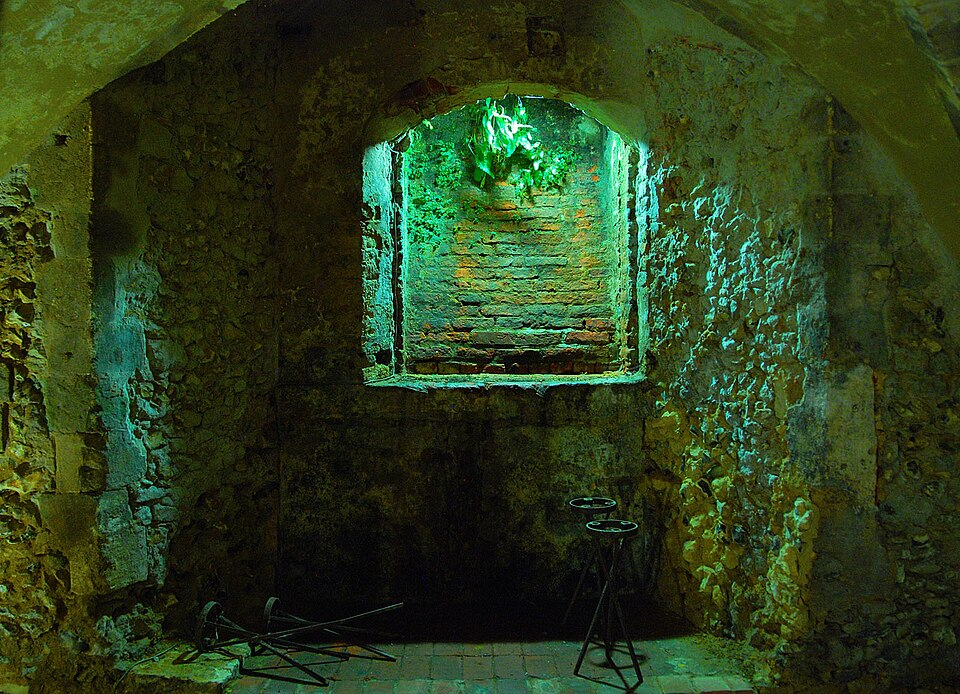
Cellars were ventilated by whatever opening the building happened to have, usually a grating in the pavement, frequently blocked by leaves, rubbish or a later alteration to the building.
Ventilation is now a specified requirement, both for the gas risk and for the cooling plant, with openings that have to be kept clear and in many installations mechanical ventilation interlocked with the gas alarm.
Blocked ventilation is the most common finding in inspections of old cellars, because a grille that worked when the building was built gets paved over, built against or filled with litter and nobody notices until something else goes wrong.
13. The ice came from the ice man and so did the risk
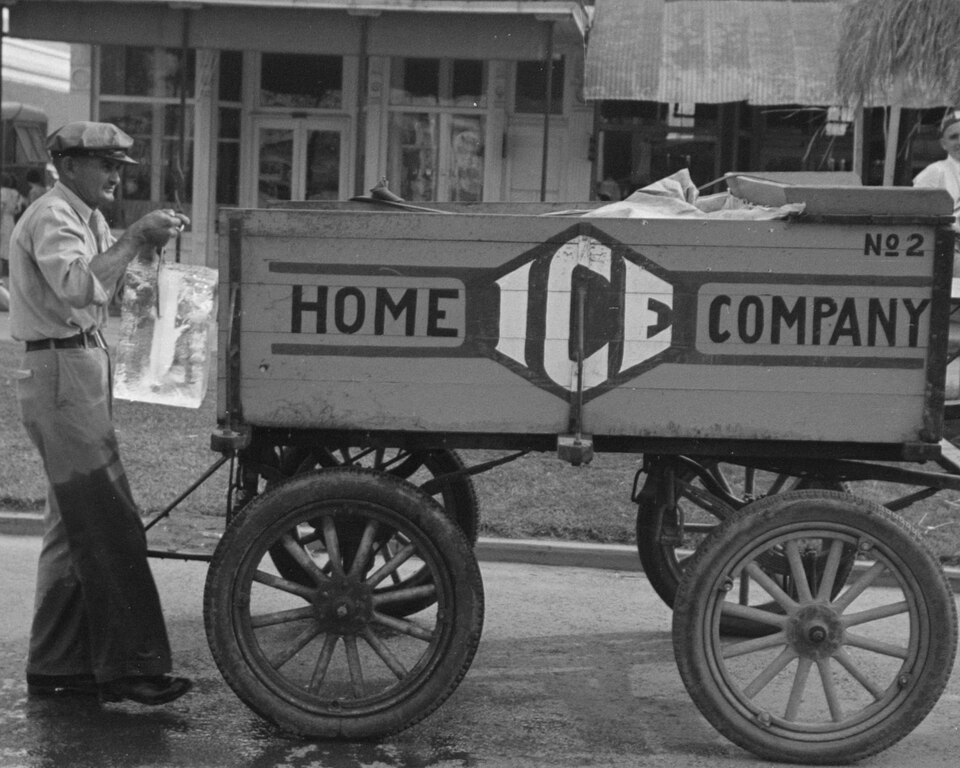
Where ice was used for cooling or for drinks it was delivered in blocks, broken up with a pick, and handled with the same hands and the same tools as everything else in the cellar.
Ice for consumption is now made on site in a machine or bought as a packaged food product, handled with a dedicated scoop, stored in a covered bin used for nothing else, and the machine itself is a cleaning item on a schedule because the inside of an ice machine is a known problem.
The distinction the trade did not make in 1960 is the one that matters: ice that goes into a drink is a food, and ice used to cool a container is not, and the two should never be handled with the same equipment.
14. Opening hours meant the cellar work happened at night
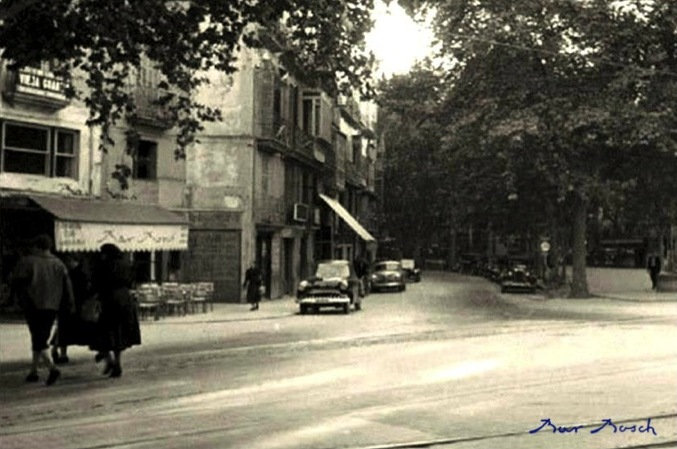
Cellar work — tapping, venting, changing, cleaning, receiving — was fitted around trading hours, which in practice meant early mornings and late nights after a long shift behind the bar.
Working time rules, rest break requirements and fatigue management now apply to licensed premises as to anywhere else, and the modern pattern in larger operations is a separate cellar shift rather than an extension of the bar one.
The fatigue point is not abstract. Most of the hazards in this file — gas, cylinders, hatches, manual handling, caustic cleaner — are ones where a tired person working alone at two in the morning is the worst case.
15. There was no temperature record for anything
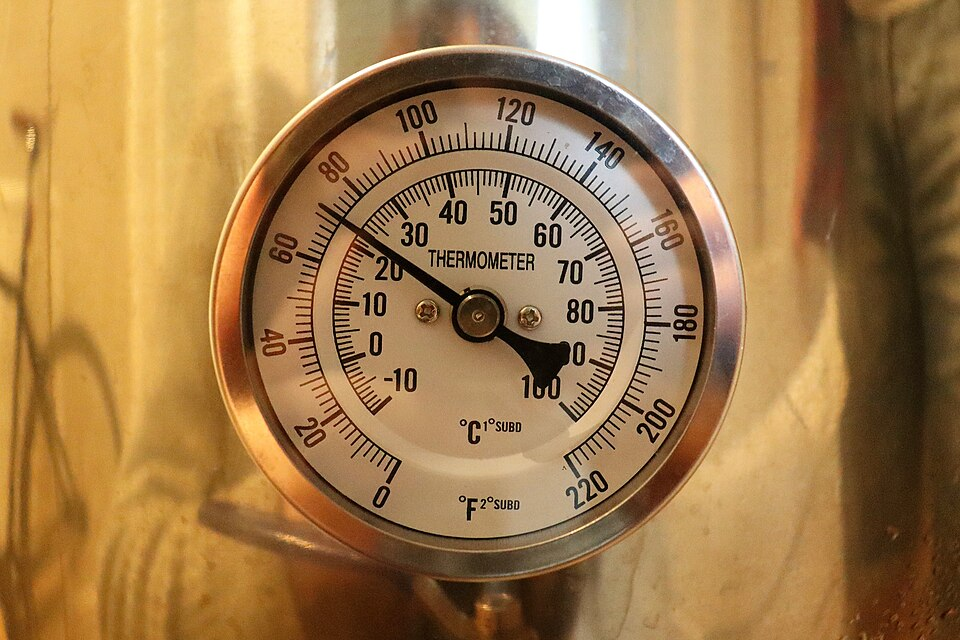
Nothing was measured and nothing was written down: not the cellar, not the glasswasher, not the delivery, not the line cleaning date. The whole operation ran on the memory and the judgement of the person doing it.
Food and drink businesses now keep records as a matter of law in most jurisdictions: temperatures, cleaning schedules, deliveries, pest control visits and training. The records exist so that a failure can be found afterwards rather than guessed at.
That is the real difference between a 1960 cellar and a modern one. Not that the people were less careful, but that nothing they did left a trace, so nothing could be checked, corrected or learned from.
16. And what the old cellar did better
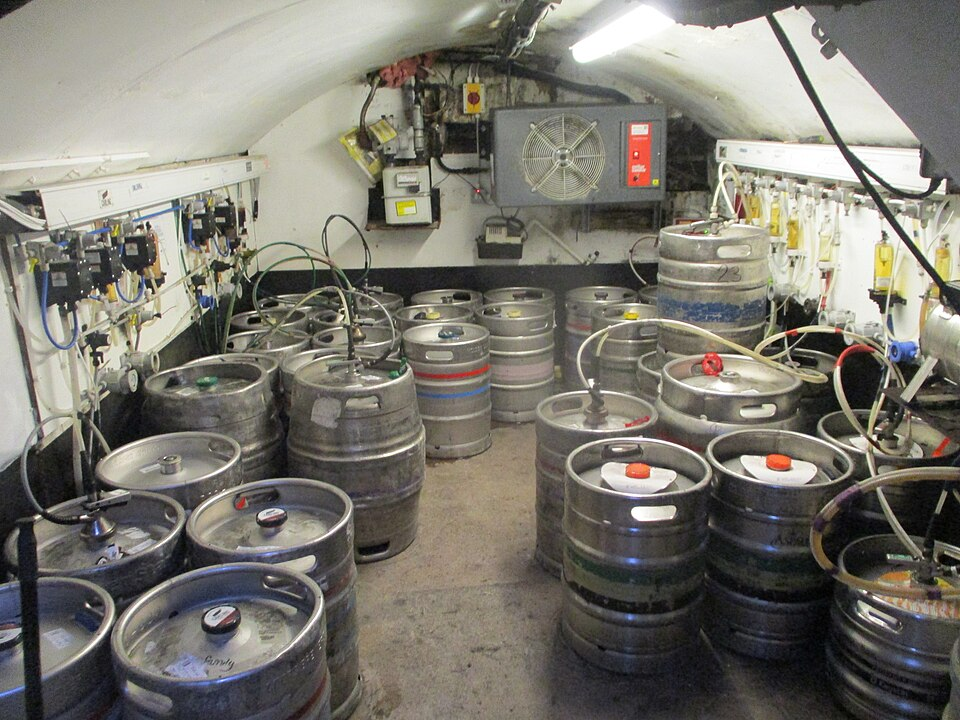
A good 1960 cellarman could taste a beer and tell you what the cellar had done to it, could judge a cask by the sound of the vent peg, and knew the building’s quirks — which corner was cold, which line ran warm, which barrel to leave another day. That was real expertise, acquired slowly and held personally.
The modern cellar is cleaner, safer, cooler and far more consistent, and the craft knowledge has largely been replaced by procedure and measurement, which is a fair trade that the people who held the knowledge do not always see that way.
The honest summary: unclean beer lines and the one-sink glass wash are the two practices that affected every customer, returning slops to the barrel is the one that would now be an offence, and the single most important thing in this file is the carbon dioxide — it is heavier than air, it collects at floor level in a cellar, there is no warning, and the person who goes down to investigate a leak becomes the second casualty.
The two things that actually mattered
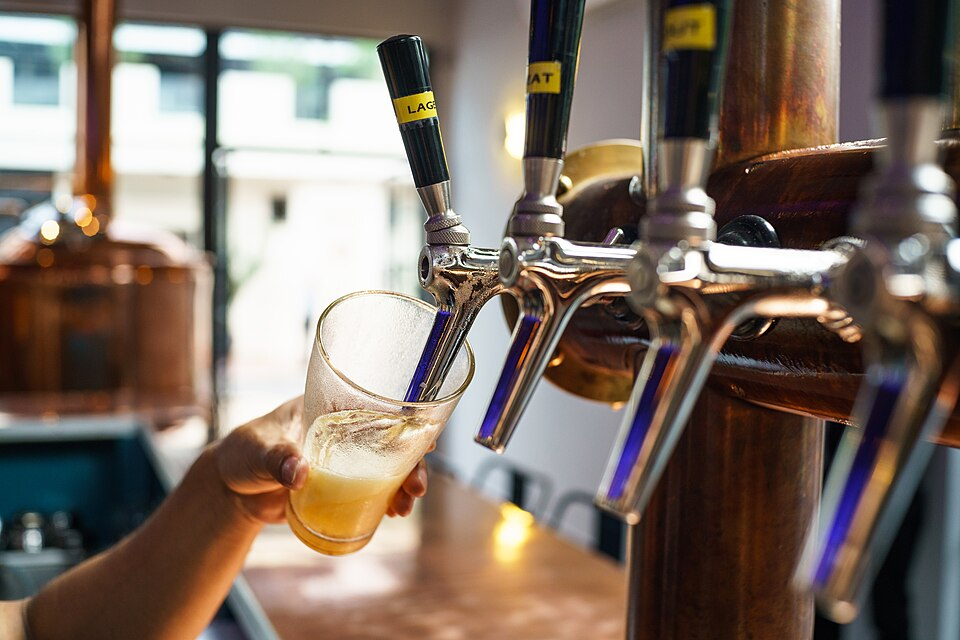
The customer-facing failures come down to two, and both were invisible. Unclean beer lines build a biofilm — a living layer inside the pipe that feeds on what passes through, changes the taste of everything after it, is not removed by flushing with water and returns on a predictable schedule. And glasses washed in one sink with a brush and dried on a cloth carry a film of grease, which is why beer in 1960 so often would not hold a head. Bartenders knew that symptom perfectly well and almost nobody connected it to the sink. Line cleaning on a defined cycle and a glasswasher or a proper wash-rinse-sanitise sequence are the two changes that fixed the actual product.
The worker-facing hazard is in a different category and it is the reason this file exists. Carbon dioxide used for dispensing is heavier than air. A leak in a cellar does not disperse; it fills the space from the floor upward, replacing the air, with no smell and no sensation of anything being wrong. Someone who notices a colleague collapsed at the bottom of the cellar steps and goes down to help becomes the second casualty, and that sequence is why modern installations have gas alarms, required ventilation, staff training and an absolute instruction never to enter a cellar where an alarm is active.
Everything else in the file — cylinder securing, hatch barriers, chemical separation, temperature records, line cleaning dates — is the ordinary apparatus of a regulated food business, and its real function is that it leaves a trace, so that a failure can be found afterwards rather than guessed at.
One thing from this file applies well beyond a bar. If carbon dioxide cylinders are kept in any basement, cellar or pit — a bar, a restaurant, a brewery, a home carbonation setup, a workshop — the gas collects at floor level, gives no warning, and the correct response to finding somebody unconscious down there is to call emergency services and not to go in. That rule is counterintuitive and it is the one worth remembering.
For anybody running licensed premises, the three items an inspector looks at first are the line cleaning record, the glasswasher temperature and the separation of cleaning chemicals from anything consumed. All three were absent in 1960.
And the craft that went with it was real. A cellarman who could judge a cask by the sound of the vent peg knew something that is now written in a procedure, which is safer and less interesting.
Like our content? Follow us for more.