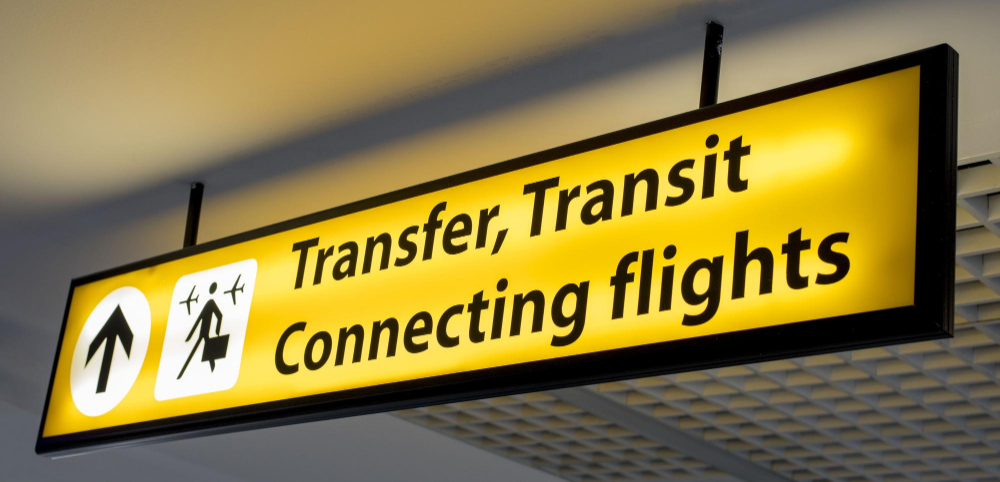
Here are fifteen transit rules that decide whether changing planes in a country counts as entering it. Two of them are operational rather than legal — whether the connection is airside and whether your bag is through-checked — and between them they settle most of the question. Everything here is general information dated 2026 rather than legal advice, and requirements differ by country and change.
1. Transit and entry are different legal events, and some countries charge for both

Changing planes in a country can require that country’s permission even though you never intend to leave the airport. A transit visa is a real document, separately applied for, and a number of countries require one from particular nationalities.
Whether you need one depends on your nationality, the airport, the terminal, whether you must clear immigration, and sometimes the time of day. It does not depend on how long you are there. A forty-minute connection and a nine-hour one can carry exactly the same requirement.
Check the transit requirement for every country your itinerary touches, not only the destination. This file is general information dated 2026 and not legal advice, and the requirements differ by country and change. The authority to check is the immigration service of each country the aircraft lands in, not the airline and not a travel forum.
Like our content? Follow us for more.
2. Some airports have a sterile transit area and some do not
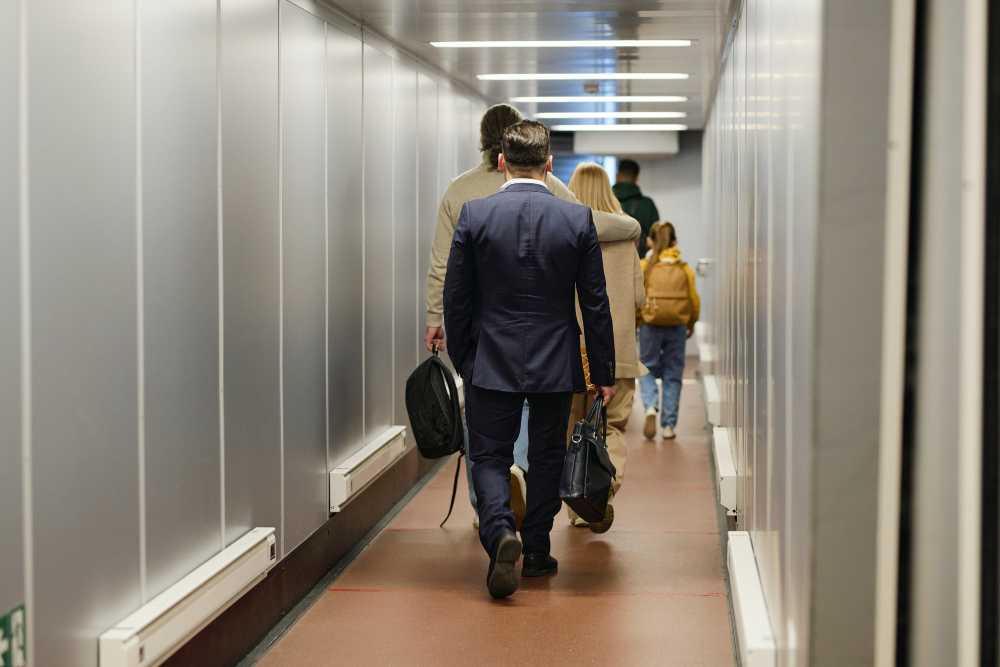
Where an airport has a genuine international transit zone, a passenger connecting between two international flights can stay airside without entering the country, and frequently needs nothing beyond a confirmed onward ticket.
Where there is no such zone — and there are major airports without one for certain movements — every arriving passenger must clear immigration to reach the departures hall, which means every passenger needs permission to enter. There is no way round it and no official who can waive it.
That single architectural fact is the reason transit rules look so inconsistent between airports. It is a building, not a policy. Which also means it will not change because you explain your situation well.
3. Changing terminals usually means leaving the airside area

If your connection requires a different terminal and the terminals are not linked airside, you will be taken through immigration, out through arrivals, across to the other terminal and back through security.
That converts a transit into an entry, with whatever documents an entry requires, and it is the commonest way travellers find themselves needing a visa they had not budgeted for. It is also the commonest way a connection that looked generous turns out not to be.
Check at booking whether the connection is airside. If the itinerary involves two terminals or two airports in the same city, assume it is not until you have confirmed otherwise. Airline websites are frequently vague on this and the airport authority is usually clearer.
4. Two separate tickets turn one journey into two

On a single ticket or a through-ticketed itinerary the airline is responsible for moving you and your bag to the final destination, and the connection is protected if the first flight is late.
Booked as two separate tickets, you are a passenger arriving, and then a different passenger departing. You must collect your bag, clear customs, check in again and go back through security — which means entering the country.
Self-connecting is frequently cheaper and it changes the legal shape of the journey. If you do it, allow far more time and confirm that you may enter the country at all. The saving is real and so is the exposure, and both should be priced in before booking.
5. Checked baggage may have to be collected and re-checked
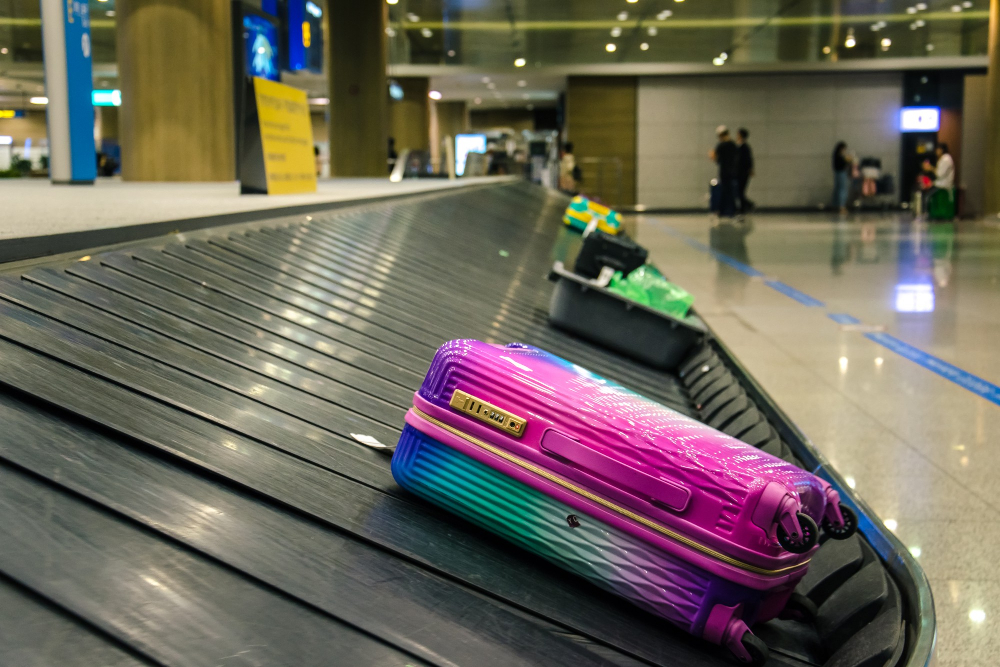
Whether a bag is through-checked depends on the ticketing, the airlines’ agreements and the country’s rules, and some countries require all arriving baggage to be collected and cleared regardless of the ticket.
If the bag must be collected, you must enter, and the transit question is answered for you by the baggage system. The carousel is the thing that decides, not the ticket.
Ask at the first check-in desk where the bag is tagged to, and get a clear answer. A bag tagged to the final destination is a strong indication that the connection is protected, and it is not a guarantee of your own entry rights. Baggage routing and passenger admission are decided by different systems.
6. A confirmed onward ticket is routinely required and sometimes checked

Airside transit arrangements normally depend on holding a confirmed onward ticket departing within a specified period, and the airline will often verify it before boarding the inbound flight.
An open ticket, a reservation without a ticket number or an onward journey on a separate booking that cannot be shown may all fail that check. So may an onward flight more than the permitted number of hours later.
Carry the onward confirmation in a form you can show at a desk, on paper or saved offline, rather than relying on retrieving it from an email account on airport wireless. Airport networks fail at exactly the moment you need them.
7. The onward destination’s requirements are checked before you board
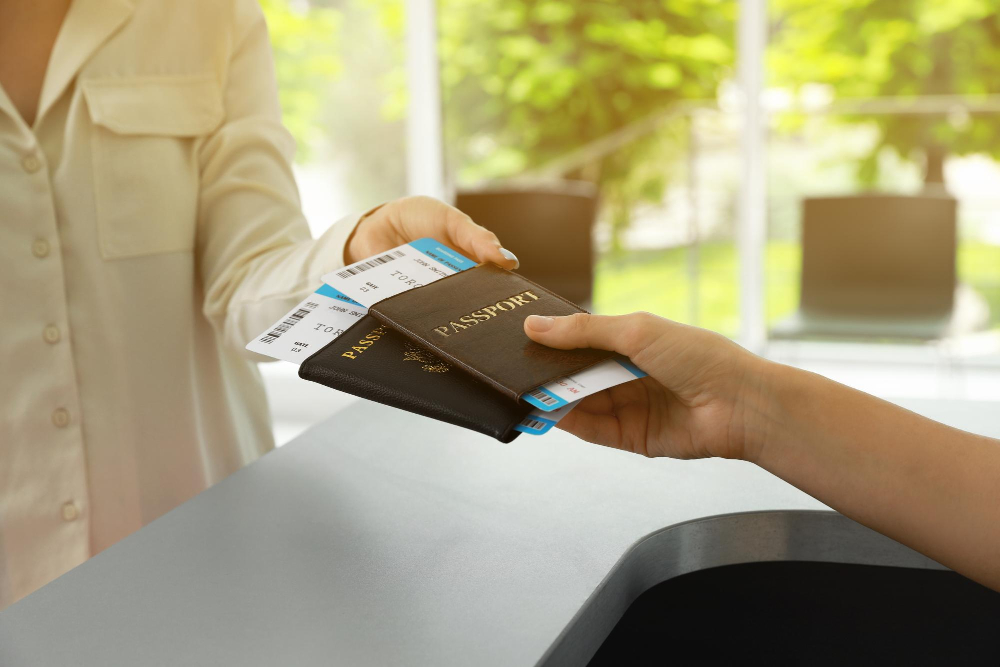
Carriers verify that you are documented for where you are going, because they are liable if you are refused there, and that check happens at the departure airport rather than on arrival.
So a traveller transiting through a third country can be stopped at the original check-in desk over a document problem relating to a country they have not reached yet. That is the system working as designed, however it feels at the time.
Have the documents for the final destination in order before the first flight. Nothing about the itinerary’s structure changes that obligation. A complicated routing does not create a grace period for documents.
8. Overnight connections often cannot be done airside
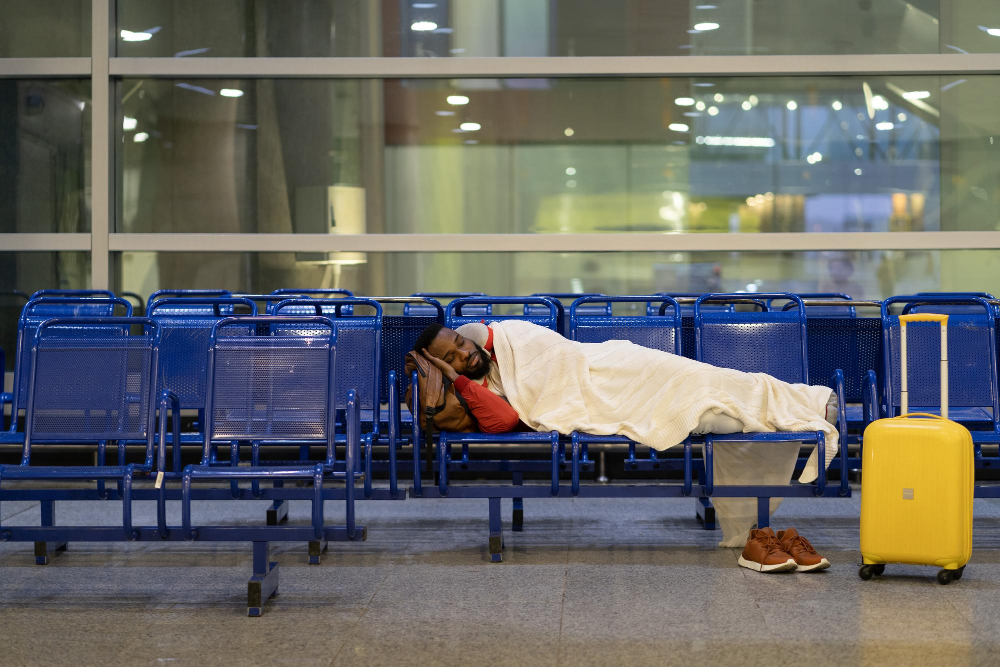
Many airports close their transit facilities overnight, or the connection falls outside the period an airside arrangement allows, and a long layover therefore forces an entry.
Transit hotels inside the airside area exist at some airports and are the exception rather than the rule. Where they do not exist, an overnight connection means clearing immigration and finding a hotel. Both of which need to be arranged before you are standing in the hall at two in the morning.
Work out before booking whether a long or overnight connection can be spent airside, because the answer determines whether you need a visa and whether you need a room. Those two costs frequently exceed what the cheaper routing saved.
9. Airside does not mean you may do what you like

An airside transit passenger is subject to the country’s law, its security requirements and its customs rules on anything they carry, and the fact of not having entered does not change that.
Items that are lawful at origin and destination can be unlawful in the country you are passing through, and goods bought in one airside shop can be a problem in the next country’s transit area.
Buy nothing in transit that you would not be comfortable declaring, and check restrictions for every country on the itinerary rather than only the two ends. Duty-free liquids bought airside are the most common version of this problem.
10. Some countries require a visa even for a technical stop you do not leave
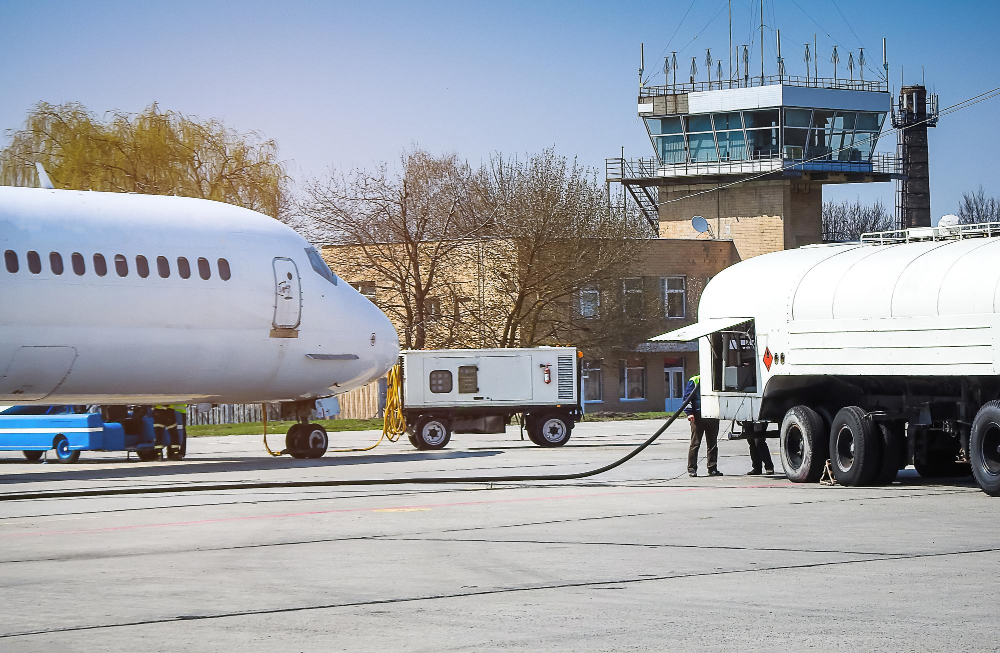
A technical stop — refuelling or a crew change where passengers stay on the aircraft, or are taken to a holding area and brought back — can still require authorisation from particular nationalities.
It is uncommon and it is real, and it catches travellers on long routings who had not considered the intermediate airport to be part of the journey at all.
Read the full routing on the ticket, including stops the booking site describes as non-stop with a technical halt, and check each one. A routing with an unfamiliar three-letter code in the middle is worth thirty seconds of attention.
11. Several countries offer a transit permission that is not a visa

A number of countries operate arrangements short of a visa for short connections — a transit without visa facility, an airport transit permission, or a visa-free transit of a defined number of hours, sometimes with conditions about onward destination.
These are usually conditional on the route, the carrier, the airport, the duration and sometimes on holding a visa for a third country, and they are frequently misunderstood as a general right. The conditions are where these arrangements are won and lost.
If you are relying on one, establish the exact conditions from the authority’s own material and keep the evidence that you meet them. Printed, in hand luggage, in the language of the authority if it offers one.
12. Transit arrangements are among the first things suspended
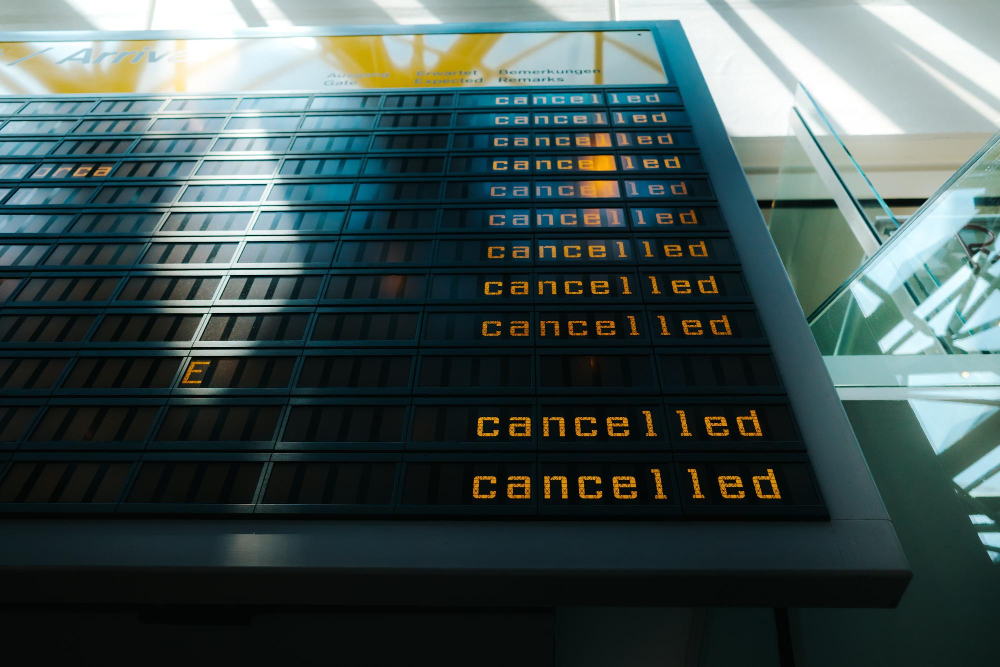
When a country changes its border posture — for health reasons, security reasons or policy reasons — transit facilities are commonly restricted early and reinstated late, because they are the easiest category to close.
A transit arrangement that worked last year is not evidence that it works now, and this is the area of travel documentation that changes with the least notice. Nothing else in travel paperwork moves as quickly or as quietly.
Check within a short period of travel rather than at booking, and check again if anything in the news suggests a border policy has moved. A reservation made six months ahead is the most exposed kind of booking in this area.
13. Your nationality, not your residence, usually decides it
Transit requirements are set by nationality as shown on the passport you travel on, not by where you live or hold residence, and dual nationals may have a materially easier or harder transit on one passport than the other.
Residence permits for a third country sometimes substitute for a transit visa under specific arrangements, which is a useful provision and a narrow one. It usually requires the permit to be valid and in the passport presented.
If you hold more than one nationality, check the transit requirement for each before deciding which passport to travel on, and then be consistent across the whole itinerary. Entering on one passport and leaving on another creates a record problem that is tedious to unpick.
14. The airline’s ground staff are the people who decide at the desk
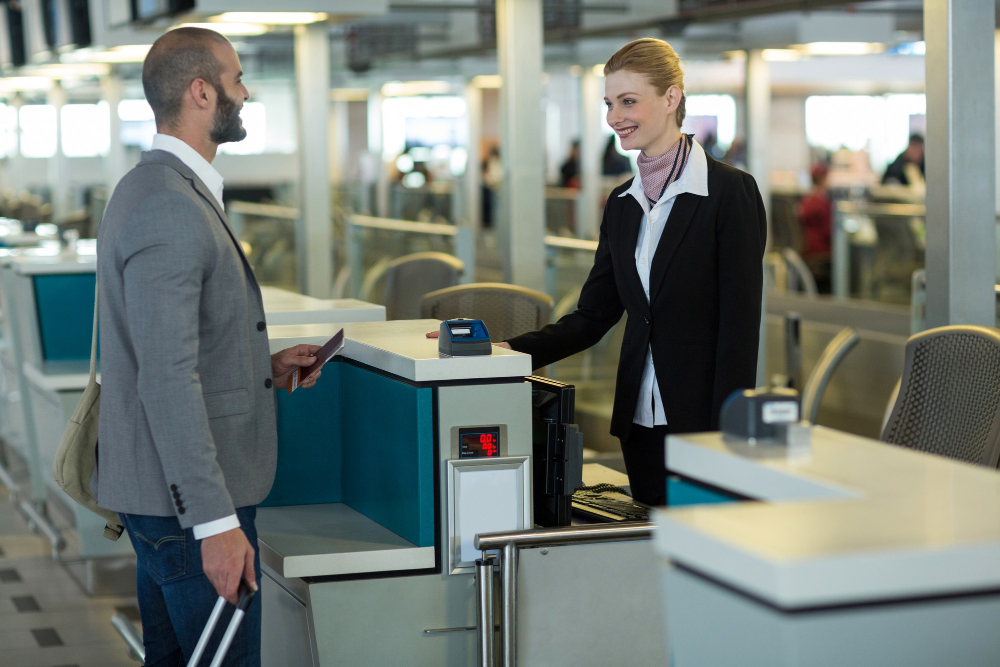
In practice the check is made by a check-in agent working from a database of entry and transit requirements, and that is where a transit problem surfaces — before you fly, which is the good outcome. A problem found at the desk costs money; the same problem found at the far end costs the trip.
Agents are generally working from a reliable system and are occasionally working from an out-of-date entry or an unusual case they have not seen. A printed copy of the relevant rule from the authority’s own website has resolved a great many of these.
Be polite, produce the documentation and ask for a supervisor if you believe the rule has been applied incorrectly. Do not argue the law at the desk. You will not win and the flight will go without you.
15. And the single check that prevents all of it
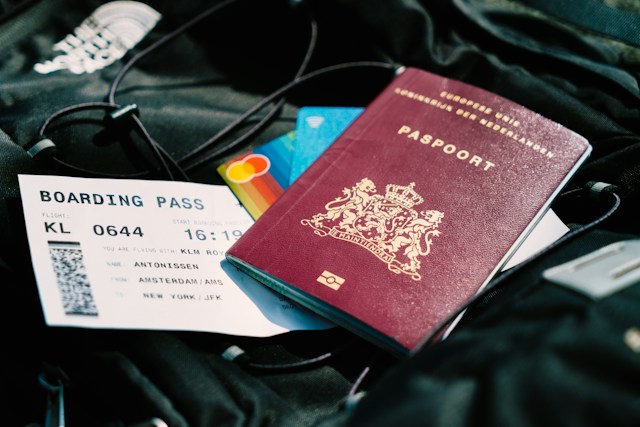
Before booking, list every country the itinerary touches, including stops you will not leave, and check the transit requirement for your nationality for each one on that country’s own immigration website.
Then confirm two operational facts: whether the connection is airside, and whether your bag is through-checked. Those two answers determine whether the journey is a transit or a series of entries. Everything else in this file follows from them.
Everything in this file is general information dated 2026 and not legal advice. Requirements differ by country, by airport and by nationality, change frequently, and the authority’s own current material is the only reliable source.
The two questions that answer the rest
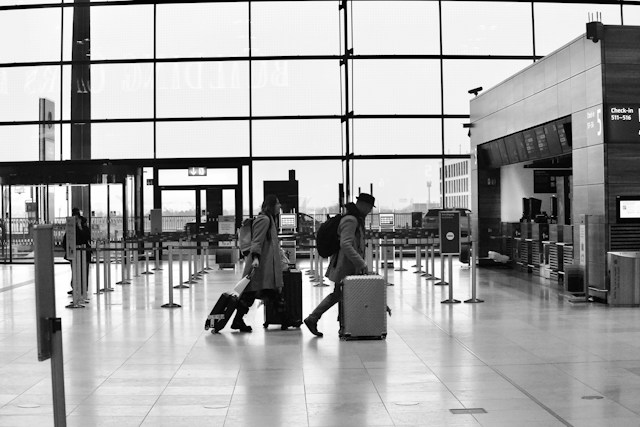
Is the connection airside, and is the bag through-checked. If both answers are yes, the journey is a transit and you are subject to the transit rules for your nationality at that airport. If either answer is no, you are entering the country, and you need whatever an entry requires — which may be a visa you had no reason to think about when you booked.
Almost every transit problem travellers run into reduces to one of those two answers being no and nobody having checked: a terminal change that is not linked airside, two separate tickets that force a baggage collection, an overnight connection that falls outside the airside window, or a country that requires all arriving baggage to be cleared regardless of ticketing. None of those is obscure and none of them is mentioned on a booking page.
The best place to discover a transit problem is a check-in desk at the start of the journey, because that is the only place it can still be fixed. The worst is an immigration hall in a country you were never planning to enter, holding a boarding pass for a flight leaving from the other side of it.
Like our content? Follow us for more.