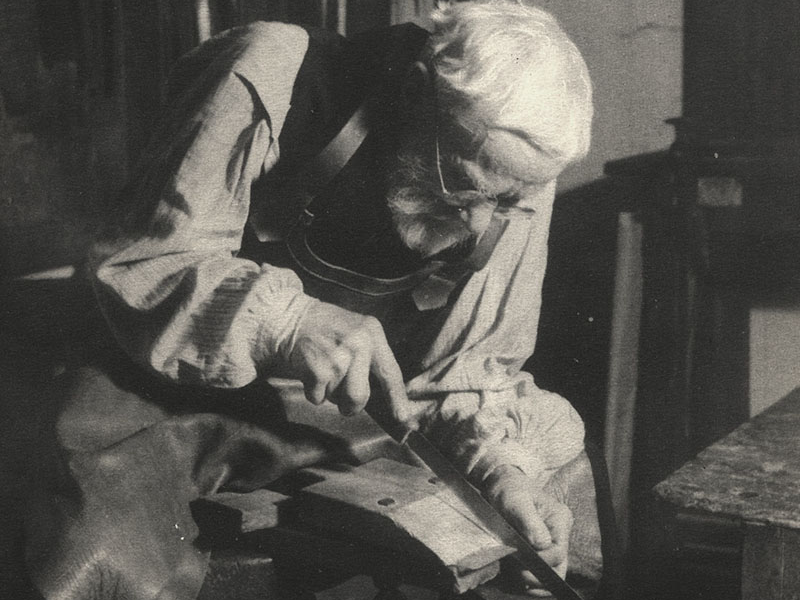
Horn working was thermoplastic moulding several centuries before synthetic plastics: softening, pressing flat, welding pieces together and polishing to a lustre. Here are sixteen things about the trade, and why plastics ended it so completely.
1. Horn is a thermoplastic and the whole trade is that one fact
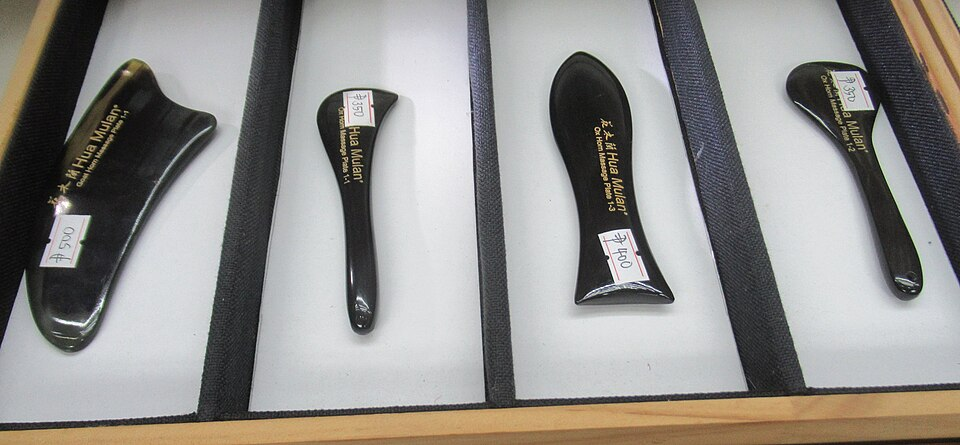
Horn softens when it is heated and holds whatever shape it is given when it cools, and it will do that repeatedly. That is the definition of a thermoplastic, and horn was the only one available for most of human history.
So everything a horn worker did — flattening, pressing, moulding, bending, welding one piece to another — is a plastics operation carried out on a natural material centuries before synthetic plastics existed.
That is also why the trade died so completely. When materials arrived that did the same thing more cheaply, more consistently and in any colour, there was nothing horn could offer that they could not. Modern injection moulding is horn working at industrial scale with a better feedstock. The operations are recognisably the same and nobody thinks of them as related.
Like our content? Follow us for more.
2. The horn arrived as a bought industrial raw material
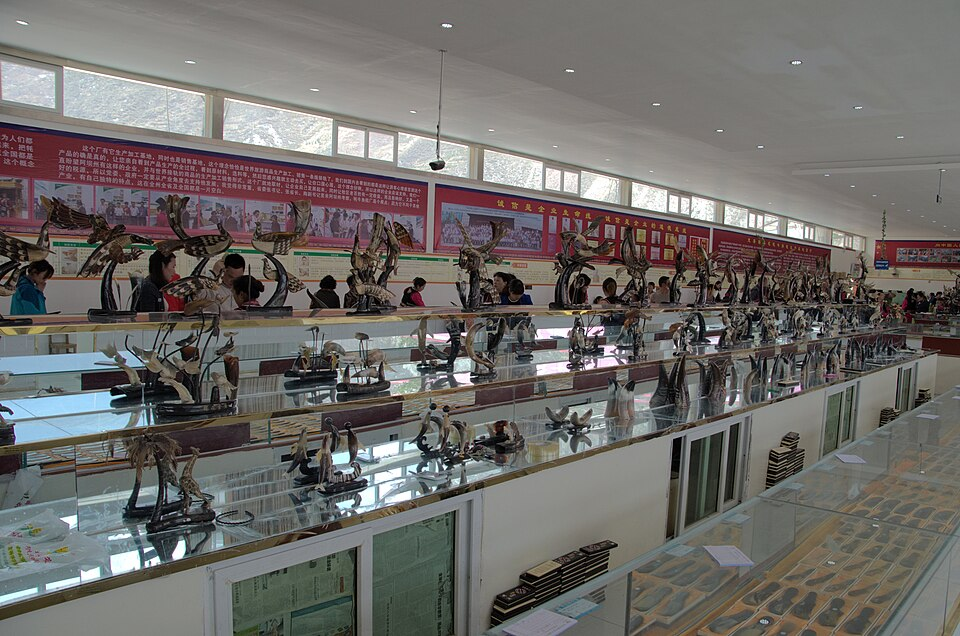
A horn works bought horn in bulk as a by-product of the meat trade, graded by size, colour and quality, in the same way a currier bought tanned hide or a mill bought fleece.
So the material arrived as a commodity with a price and a grade, and the works’ job started with sorting it: solid tips for one set of products, hollow sections for another, clear horn for the work where translucency mattered.
Colour mattered commercially. Pale and mottled horn made the attractive products and dark horn went into the cheap end, and a buyer who could grade accurately bought better. Modern plastics arrive as pellets with a specification and a datasheet, which is exactly the same commercial relationship with none of the variability. The grading skill disappeared with the material.
3. Flattening a hollow horn into a flat plate is the central operation
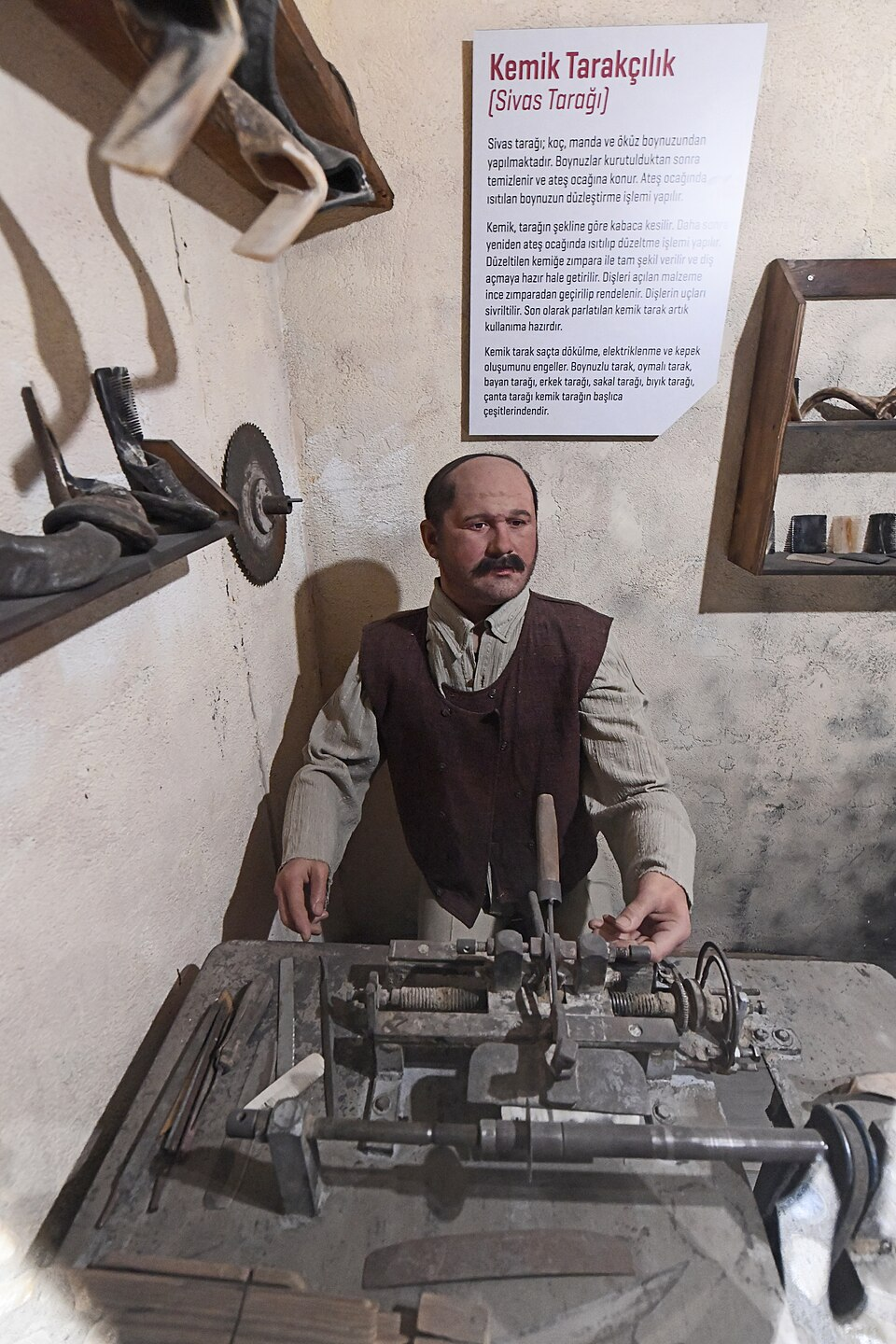
Most horn products start as a flat sheet, and horn does not come flat. A hollow horn was softened, split lengthways, opened out and then pressed between heated plates under weight until it set as a flat plate.
That is a genuinely clever process and it is the thing that made horn useful for anything other than small solid objects: once you can make plate, you can make combs, buttons, boxes and panes.
The plate could then be worked almost like wood or thin metal: sawn, filed, drilled and polished. Sheet plastic is extruded or cast flat to a specified thickness, which removed the operation entirely. The pressed horn plate is the trade’s defining product and almost nobody now knows it existed.
4. Pieces could be welded together with heat and pressure
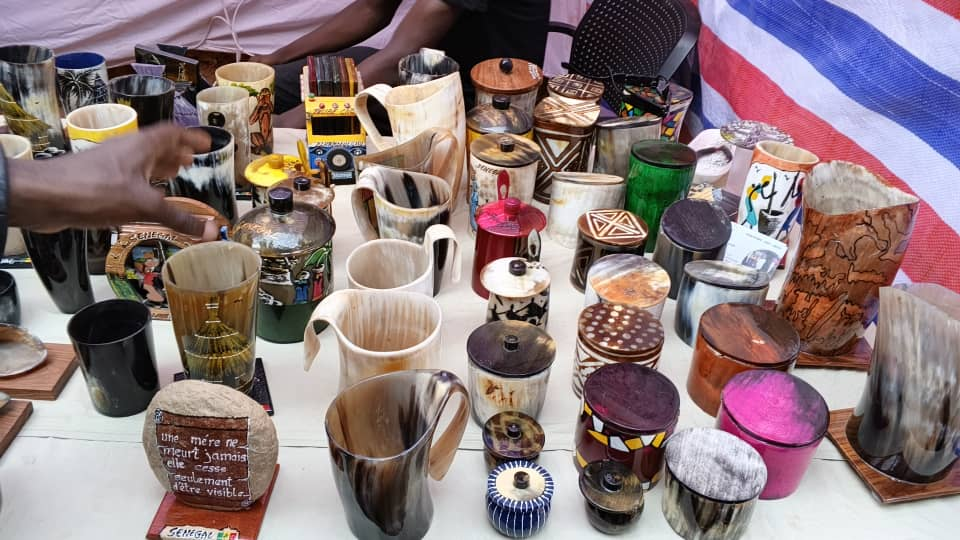
Two pieces of horn, heated and pressed together, will join — genuinely join, not merely stick — because the material fuses to itself.
That allowed larger objects to be built from pieces, which matters because the size of any horn product is otherwise limited by the size of the animal it came from.
It also allowed repairs that are effectively invisible, which is why some historic horn objects are considerably larger than their raw material should allow. Plastic welding is the same principle with better control, used routinely in manufacturing. The horn workers were doing it with a fire and a vice.
5. The smell was the trade’s defining feature and it was dreadful
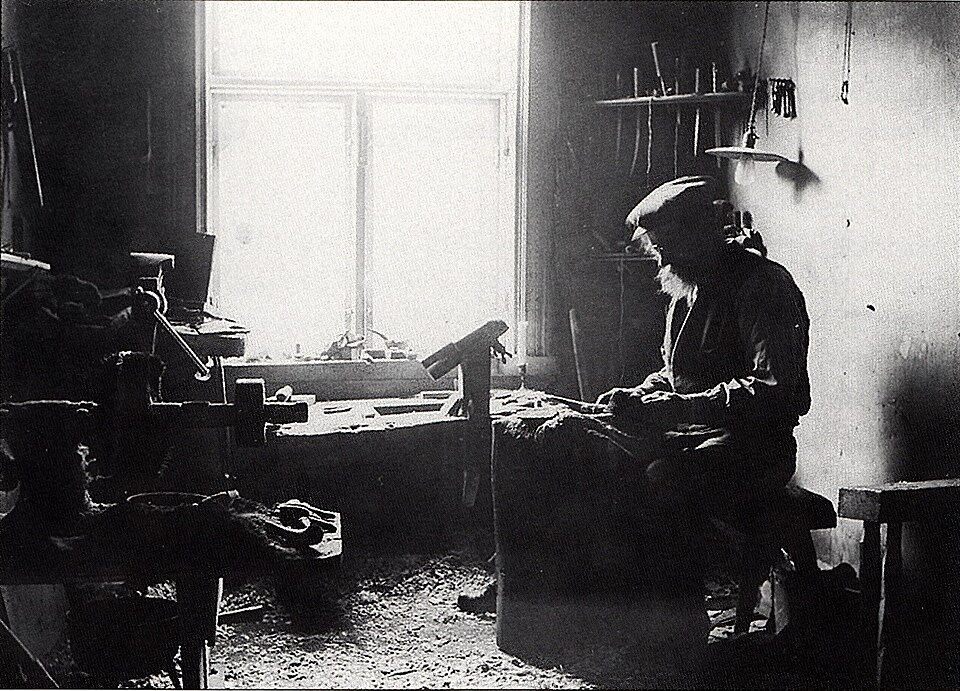
Heating horn produces an extremely strong and unpleasant smell, and a horn works was identifiable from a considerable distance by it.
That is not a minor detail. Horn working was one of the trades that got pushed to the edge of towns, grouped with tanning and bone working, for exactly this reason.
Everybody in the trade was used to it and everybody else was not, which is a pattern that recurs across the whole of the historic processing industries. Modern plastics processing has its own emission controls and extraction, and the trades that used to be sited by their smell are now sited by their logistics. It is one of the quieter improvements in how towns are organised.
6. Combs were the product that kept the trade alive
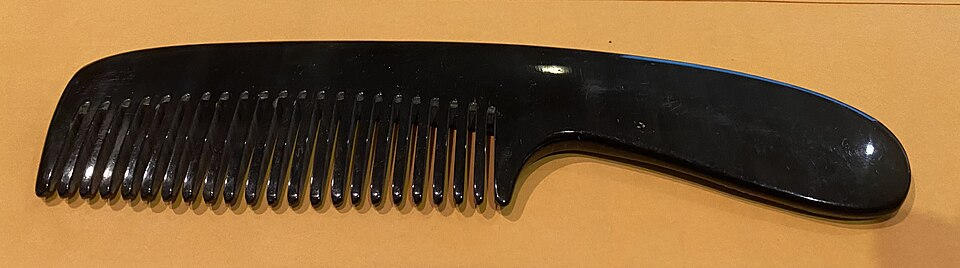
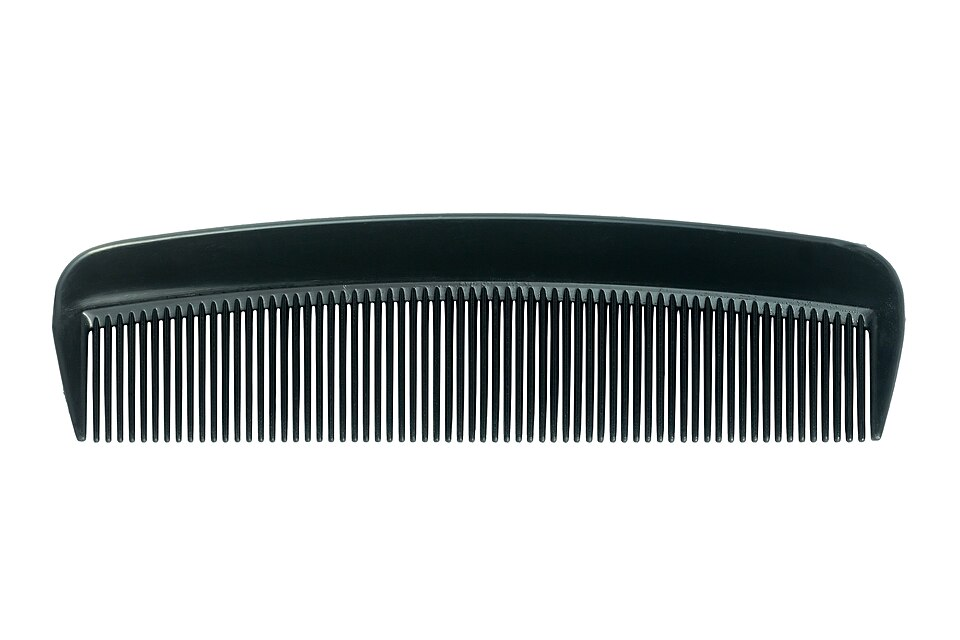
Horn combs were the staple: cut from plate, teeth sawn with a fine saw or cut on a machine, then shaped, smoothed and polished.
The reason horn makes a good comb is specific. It is smooth, it does not generate static the way early plastics did, it flexes without snapping and it does not snag hair, and comb makers made exactly that argument.
Tooth cutting was the skilled operation, done on double saws and later on machines that cut two combs’ teeth from one piece with almost no waste. Injection-moulded plastic combs took the market completely on price. Horn combs are still made in small numbers and sold on precisely the properties the old trade claimed for them, which is an unusual vindication.
7. Translucent horn was used as glazing before cheap glass
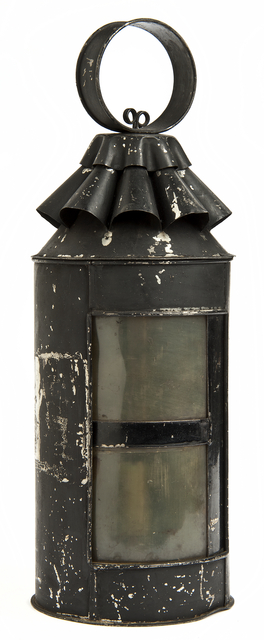
Horn pressed thin enough becomes translucent, and thin horn plates were used as windows in lanterns and as panes in situations where glass was too expensive or too fragile.
That is where the word lanthorn comes from, and horn panes in lanterns persisted long after glass had become normal in houses, because they do not shatter.
By 1960 that use was long over and survived only in reproduction and restoration work. It is worth knowing because it is the clearest example of horn being used not as a decorative material but as a functional one chosen for a specific physical property, which is how the trade thought about it throughout.
8. Spoons, shoehorns and vessels used the shape the horn already had
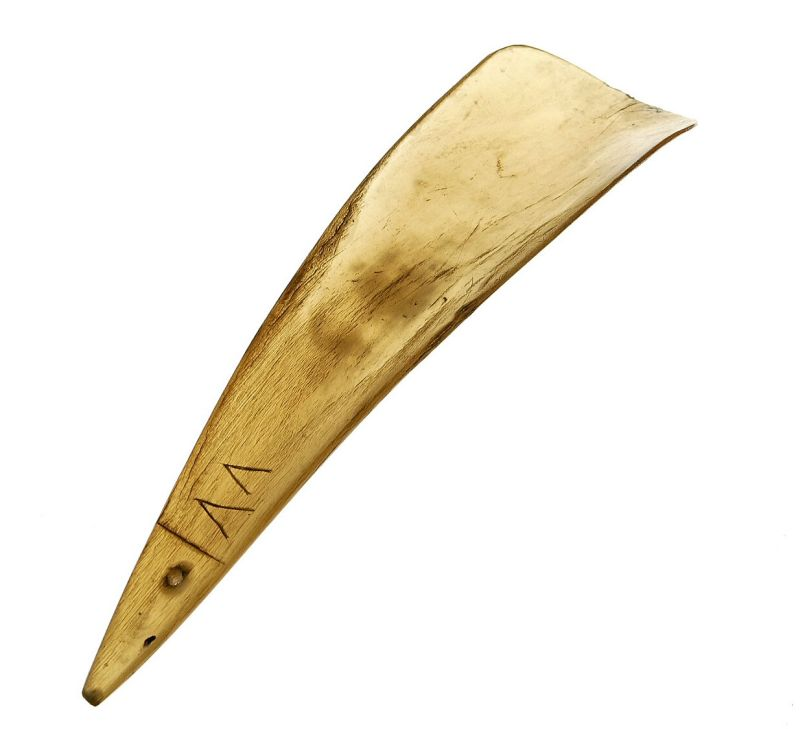
Some products exploited horn’s natural curve rather than fighting it: spoons, shoehorns, drinking vessels, powder containers and scoops were made from sections of horn worked to shape with minimal flattening.
That is the efficient use of the material, because every operation that changes horn’s shape costs heat, time and some loss.
It also produced objects whose form is a direct record of the animal they came from, which is why no two are identical and why they are so recognisable. Moulded plastics can be made in any shape at all, which removed the constraint and with it the characteristic. A moulded shoehorn is a copy of an object whose shape had a reason.
9. Horn dust was the thing they should have worried about
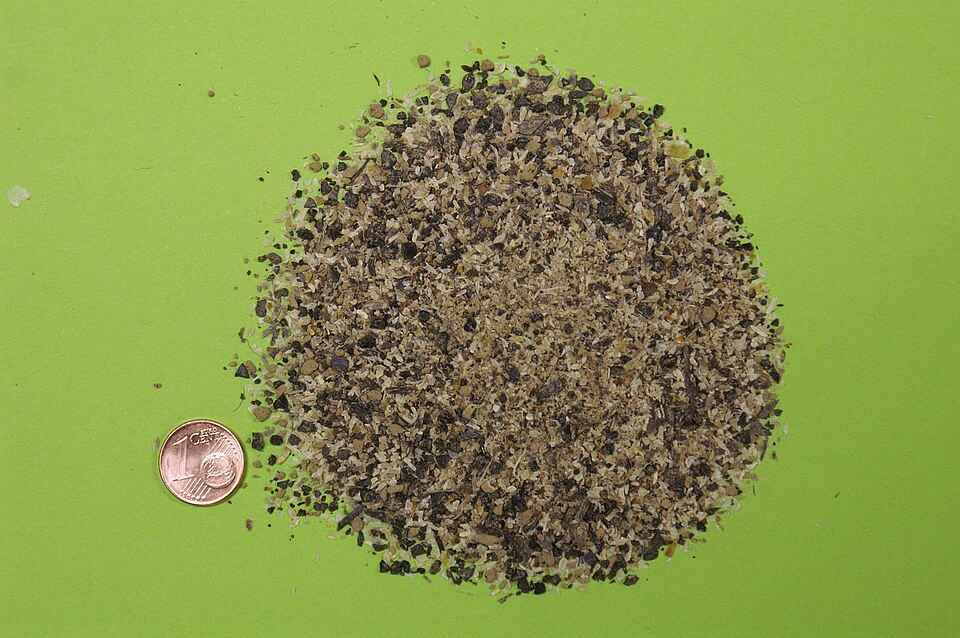
Sawing, filing and polishing horn produces a fine dust, and a horn works was dusty in exactly the way every dry-processing workshop of the period was dusty.
In 1960 there was no extraction, no respiratory protection and no measurement, and the dust was regarded as part of the work.
Dust from any organic material processing is now a controlled workplace exposure with local exhaust ventilation, respiratory protection where required, and monitoring, and modern workshops working horn for specialist products operate accordingly. This file names no condition and gives no exposure figure. Anybody machining any natural material commercially is governed by current regulation and should work from it rather than from an article.
10. Polishing was done in stages and ended with almost nothing
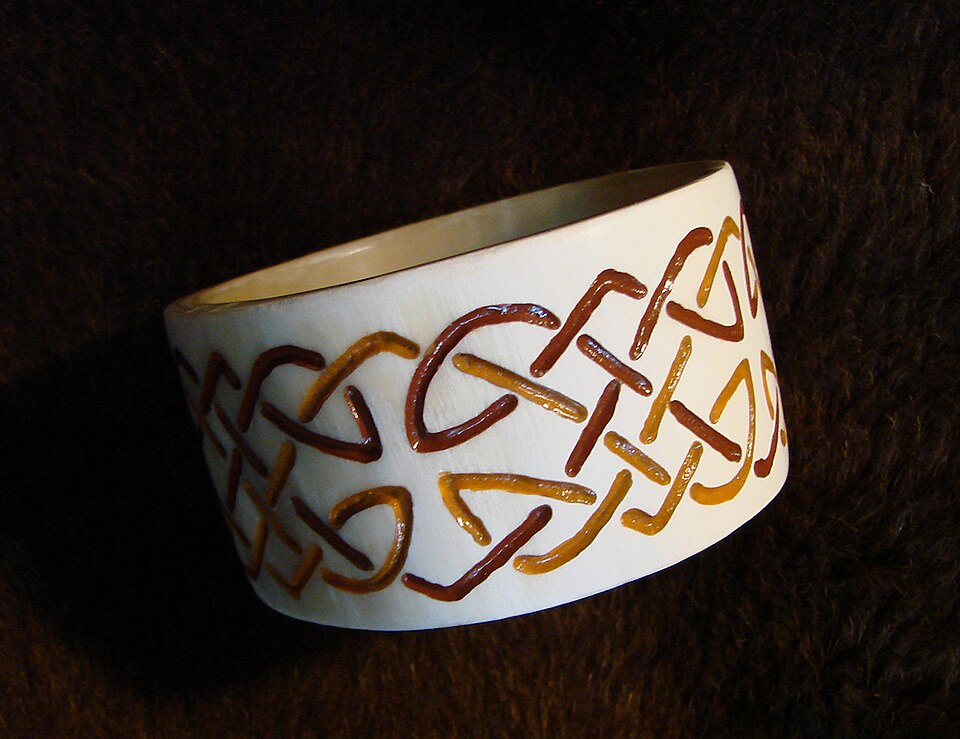
Horn polishes to a deep lustre, and the sequence was abrasives of decreasing coarseness followed by burnishing with a fine compound or simply with a cloth and friction.
The final surface is the horn’s own, compressed and smooth, in the same way a glazed leather or a burnished pewter surface is, which is why old horn objects have a quality that a sprayed finish does not.
It also means an old horn object can be repolished rather than refinished, which is very good news for conservation. Modern plastics are moulded with their final surface already formed by the tool, so polishing is a defect-correction operation rather than a stage of manufacture. Nothing needs it and nothing can be renewed by it.
11. Horn moves with humidity and that is the drawback
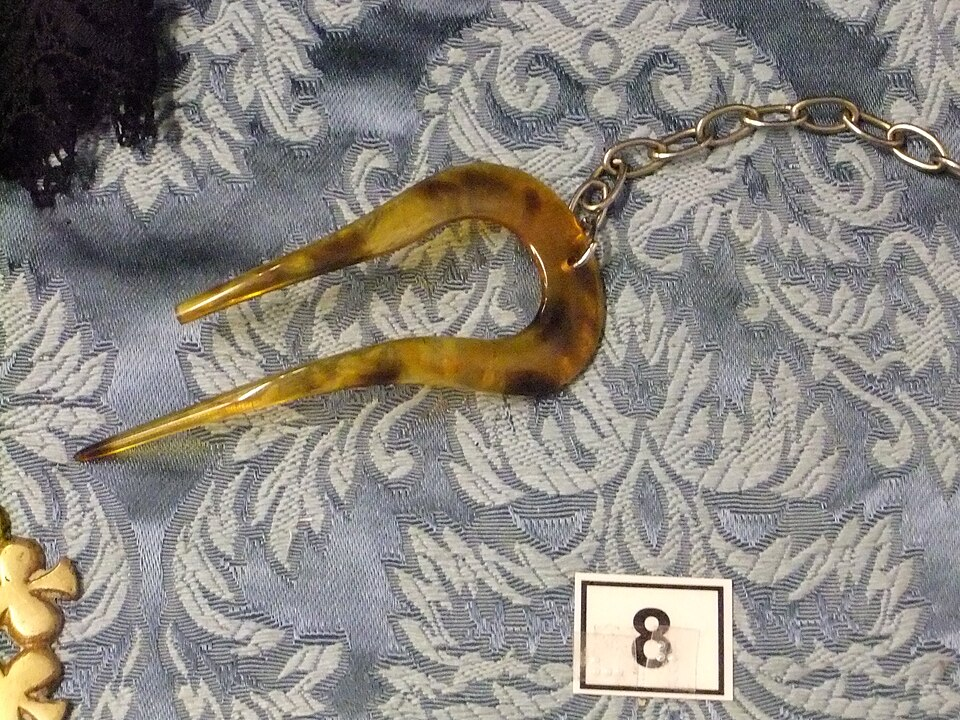
Horn is hygroscopic: it takes up and gives off moisture, and it moves, warps and can delaminate as it does, particularly if it has been pressed flat against its natural curvature.
That is the material’s real weakness and the trade knew it, which is why pressed plate was stored and worked carefully and why some products were made from the natural curve instead.
It is also why historic horn objects in museums are kept at controlled humidity and why warped combs and split boxes are common. Synthetic plastics are dimensionally stable in ordinary conditions, which is the single biggest practical advantage they had and the one customers noticed first.
12. Buttons were made by the million and then were not
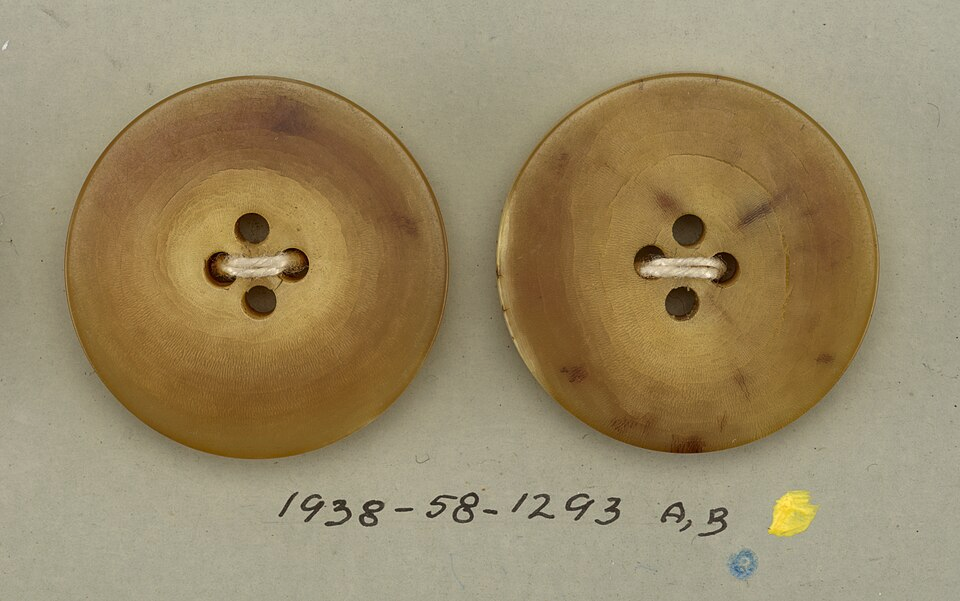
Horn buttons were a very large volume product, cut from plate or from solid sections, drilled, shaped and polished, and made in enormous quantities for the clothing trade.
That market was the trade’s industrial backbone and it was the first thing to go, because a button is exactly the kind of small, repetitive, cheap item that moulding does better than anything.
Celluloid and then injection-moulded buttons took the volume in a very short period. Horn buttons survive at the top of the tailoring market, where the material is specified and charged for, which is the same pattern as every other surviving use of the material.
13. The trade overlapped with bone, antler and tortoiseshell and that matters legally now
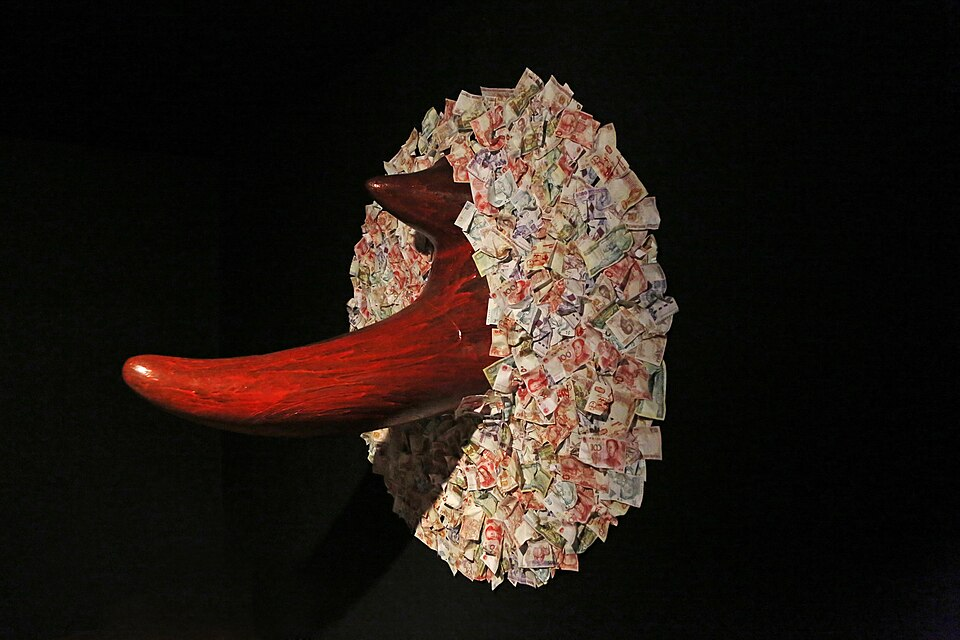
Workshops working horn generally also worked bone and antler, and historically some worked tortoiseshell, which is a different material from a protected animal.
That is why anybody handling historic objects in this family needs to be careful: trade in some materials is now restricted or prohibited under international and national wildlife law, and an object’s material affects what can lawfully be done with it.
That applies to buying, selling, moving across borders and in some cases simply possessing worked items of certain materials. This file gives no legal advice, names no species and identifies no material in any object. Anybody with an inherited or collected item in this family should take advice from a specialist or the relevant authority before selling or moving it, which is the whole of the point.
14. The works were small and family-run almost everywhere
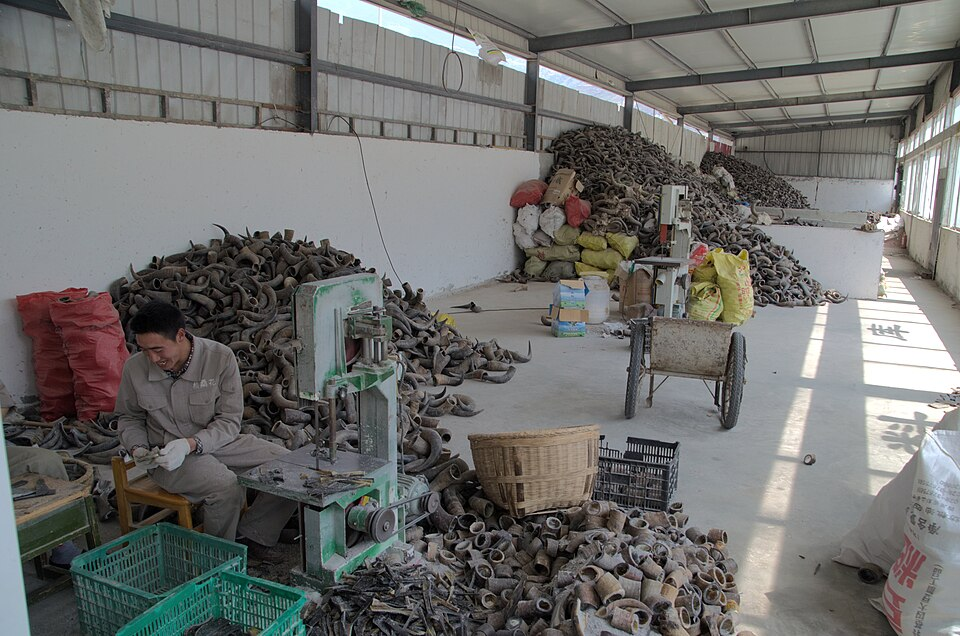
Horn working was carried out in small workshops, frequently family businesses, in a handful of towns where the trade had concentrated, with a few larger works making combs and buttons at volume.
That structure made the trade vulnerable, because a small family workshop has no capacity to re-equip for a new material and no capital to wait out a change in fashion.
So the decline was not a contraction of a large industry but the closing of a great many small ones, which leaves almost no corporate record behind. \What documentation exists came from trade directories, museum collecting and a small number of practitioners who were interviewed late. The trade is thinly documented relative to its former size.
15. Plastics did not imitate horn, they replaced its function
The usual story is that early plastics imitated horn, tortoiseshell and ivory, and that is true of the appearance. The more important point is that they replaced the function.
Horn was used because it was the available material that could be heat-formed, polished, cut and made translucent. Synthetic plastics did all of those things better, cheaper and consistently.
So the trade was not undercut by a cheap imitation. It was superseded by a better version of itself, which is a harder thing for a craft to survive. The modern horn trade exists where the material’s own qualities are wanted: combs, specialist buttons, knife and tool handles, musical instrument parts and conservation work, all of it small and all of it priced accordingly.
16. Almost nobody can identify horn now and that is the real loss
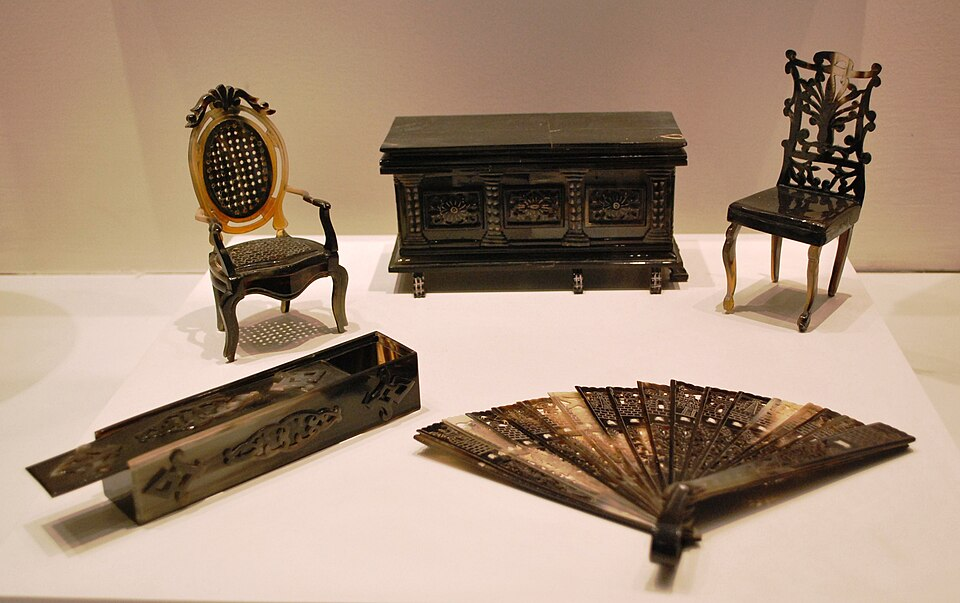
Horn objects are everywhere in collections, in antique shops and in households, and are routinely described as plastic, bone or tortoiseshell by people who have no reason to know the difference.
That matters for conservation, for valuation and for law, because the correct treatment and the legal position both depend on the material being identified correctly.
The skill of identifying it is being maintained deliberately by conservators and museum staff, and it is a recognised specialism rather than general knowledge. The honest summary: horn is a thermoplastic that softens with heat and holds its shape on cooling, repeatedly, which made it the only such material available for most of history; it arrived at a works as a graded bulk by-product of the meat trade and was sorted by size, colour and clarity; the central operation was softening, splitting and pressing a hollow horn into a flat plate, which is what made combs, buttons, boxes and panes possible; pieces could be heat-welded to each other, so objects could exceed the size of the animal; heating horn produces an extremely strong smell, which is why the trade was sited at the edge of towns with tanning and bone working; thin horn is translucent and was used as lantern glazing, which is where lanthorn comes from; and synthetic plastics did not imitate horn so much as supersede it, doing everything it did more cheaply and consistently.
It was superseded rather than undercut
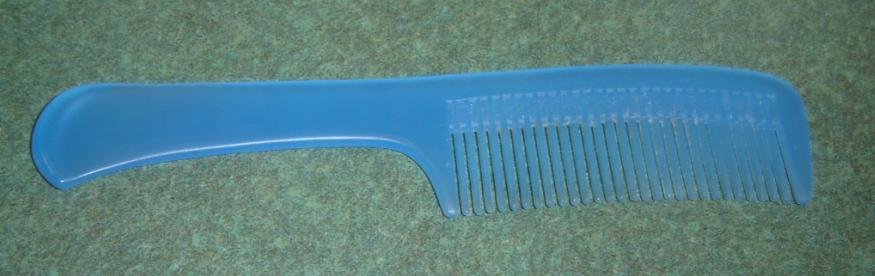
The usual story is that early plastics imitated horn, tortoiseshell and ivory, which is true of the appearance and misses the point. Horn was used because it was the available material that could be heat-formed, pressed flat, welded to itself, polished to a deep lustre and made translucent. Synthetic plastics did every one of those things better, cheaper, in any colour and without moving in damp weather. The trade was not beaten by a cheap imitation; it was superseded by a better version of itself, which is a much harder thing for a craft to survive.
Almost nobody can identify horn now. Objects made of it sit in collections and households described as plastic, bone or tortoiseshell, which matters for conservation, for valuation and, for some related materials, for the law.
Like our content? Follow us for more.