A water bailiff held police-like powers, walked a beat of several miles until he knew every pool on it, and did the serious part of the job alone at night with no way of calling anybody. Here are sixteen things about the role.
1. He had legal powers and most people had no idea what they were
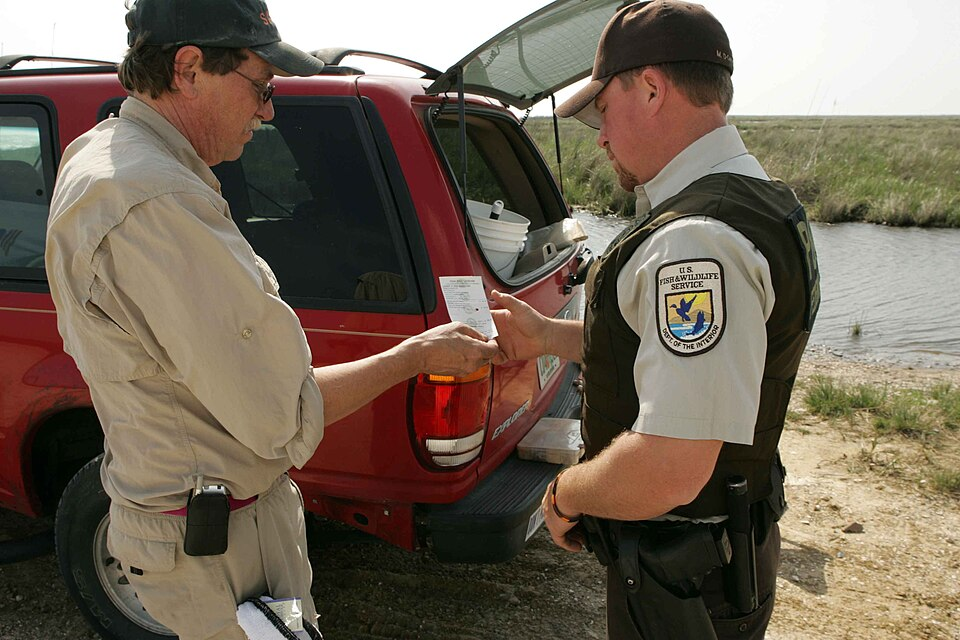
A water bailiff was not a warden in the modern sense of somebody who asks politely. The role carried statutory powers of a kind normally associated with the police: to require production of a licence, to examine tackle and catch, and in defined circumstances to seize and to enter.
Those powers were conferred by fishery legislation and by the authority that appointed him, and the appointment itself was a formal instrument rather than a job title.
That made the job unusual among countryside occupations, because a bailiff was an enforcement officer who worked alone, at night, often several miles from anybody. Modern fisheries enforcement officers hold comparable and better-defined powers, work to recorded procedures, carry identification and body-worn equipment in many services, and operate with communications and backup. The powers have been clarified and the isolation has been reduced.
Like our content? Follow us for more.
2. The beat was walked, and walking it was the job
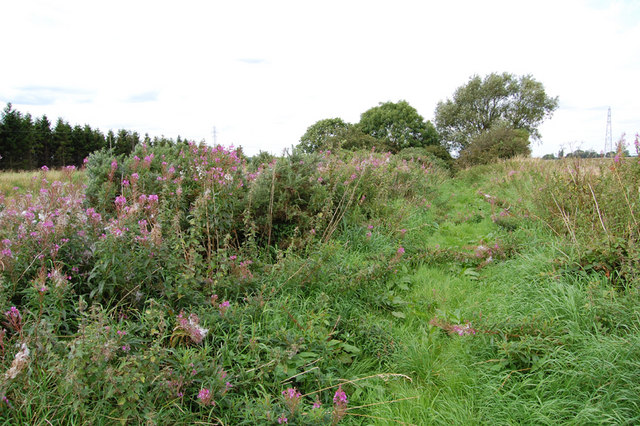
A bailiff had a beat — a length of river, sometimes many miles of it — and he knew it in detail: every pool, every bank, every access point, every place somebody might get to the water unseen.
That knowledge was the whole basis of the work, and it was acquired by walking the beat repeatedly in all conditions and at all hours, year after year.
It also meant he knew the people: who fished legitimately, who lived where, whose dog that was, and whose car did not belong. Modern enforcement uses patrol vehicles, intelligence-led deployment, surveillance where justified and coordination across a region, which covers far more water with far fewer officers. What it covers less well is the detailed, continuous local knowledge that came from one man walking one river for twenty years.
3. Licence checking was the routine part and was mostly civil
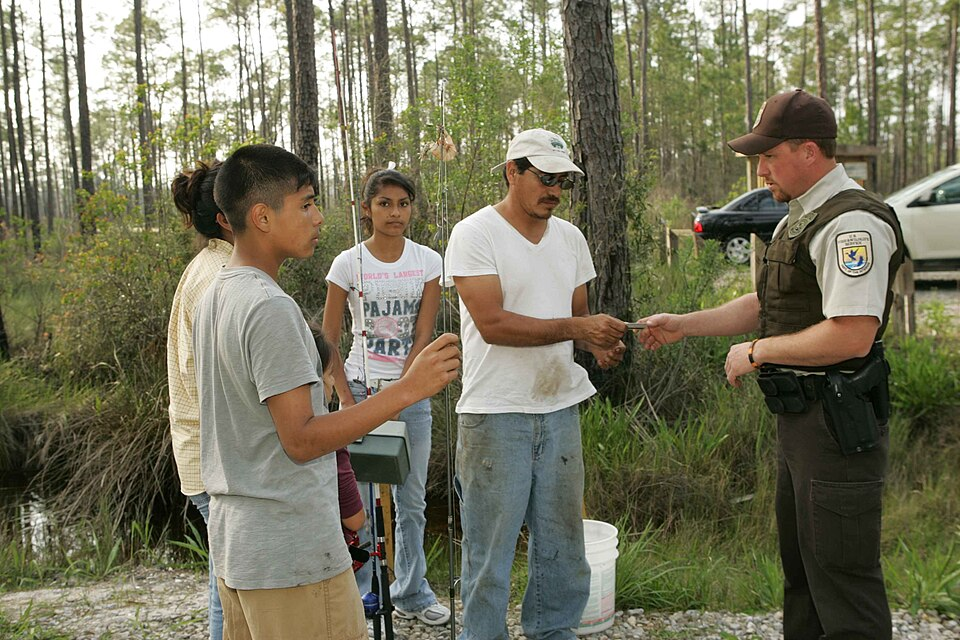
Most of a bailiff’s contact with the public was checking rod licences and permits, which in the overwhelming majority of cases was a brief, polite exchange with somebody who had one.
That is worth saying because the job is remembered through its confrontations, and the ordinary content of it was administrative.
It also built the relationship that made the rest of the work possible, because anglers who knew the bailiff told him things. Licence checking is still the routine content of fisheries enforcement, now against digital records checkable on the bank, with fixed penalties and prosecutions handled through a defined process rather than at the bailiff’s discretion.
4. Night work was the real work and he did it alone
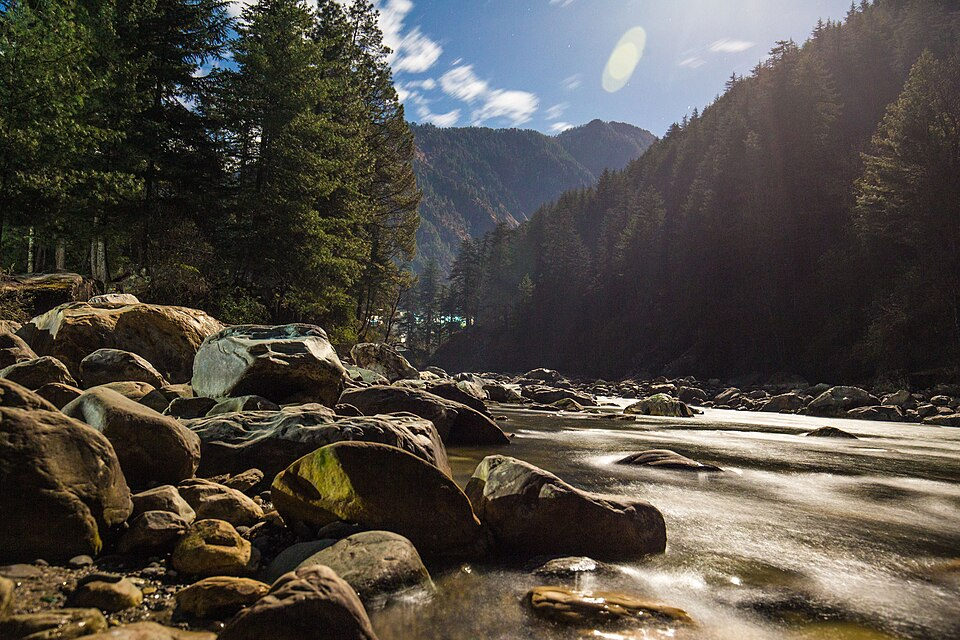
Illegal taking of fish happens at night, so a bailiff worked at night, frequently alone, in the dark, beside water, in the places where somebody who did not want to be seen would go.
He did it without radio in most districts, without a vehicle in many, and with no means of summoning help.
That is the fact that most clearly dates the job. An enforcement officer working alone at night with no communications would not be permitted now. Modern practice requires lone working arrangements, communications, risk assessment, recorded deployments and in many cases working in pairs for exactly this category of work. It is the single clearest improvement in the role.
5. Confrontation was part of it and the file will go no further
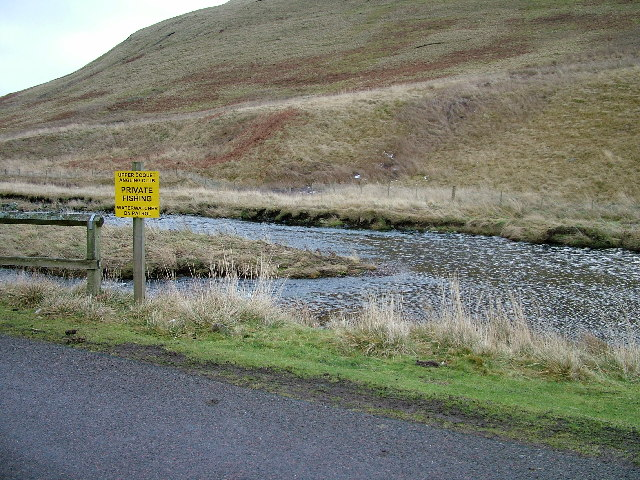
A bailiff intervening at night against people committing an offence by the water was in a situation with obvious potential for conflict, and the historical record of the role includes a good deal of it.
This file describes none of it, names no incident and gives no account of how anybody handled such a situation, because that is not material a nostalgia article should be trading in and because nothing useful comes of describing it.
What can be said is the structural point: the job put one unarmed man alone against an unknown number of people with an interest in not being identified, and no system behind him. Modern enforcement is organised around not doing that: dynamic risk assessment, withdrawal as a legitimate and expected option, police support for anything involving confrontation, and the explicit position that evidence matters more than an arrest at the waterside.
6. He was frequently the first to notice pollution
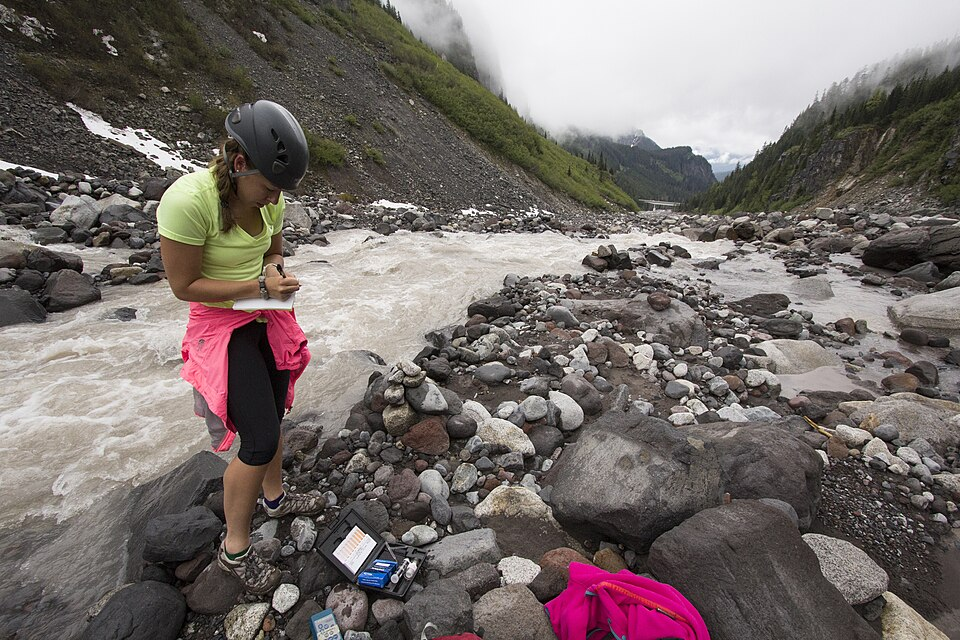
A man walking a river daily sees a change in the water before anybody else: a colour, a smell, foam, dead fish, a discharge running where it should not be.
In 1960 that made bailiffs the practical pollution detection system for a great many rivers, and reporting it was part of the job, although what happened next depended entirely on the authority and the era.
It also meant bailiffs held an informal long-term record of a river’s condition that existed nowhere else. Modern monitoring uses continuous water quality instrumentation, routine sampling, discharge permitting with telemetry and public reporting lines, and a pollution report is logged and traceable. The walking observation is still valuable and is no longer the only thing there is.
7. Counting fish was done by looking for gravel that had been disturbed
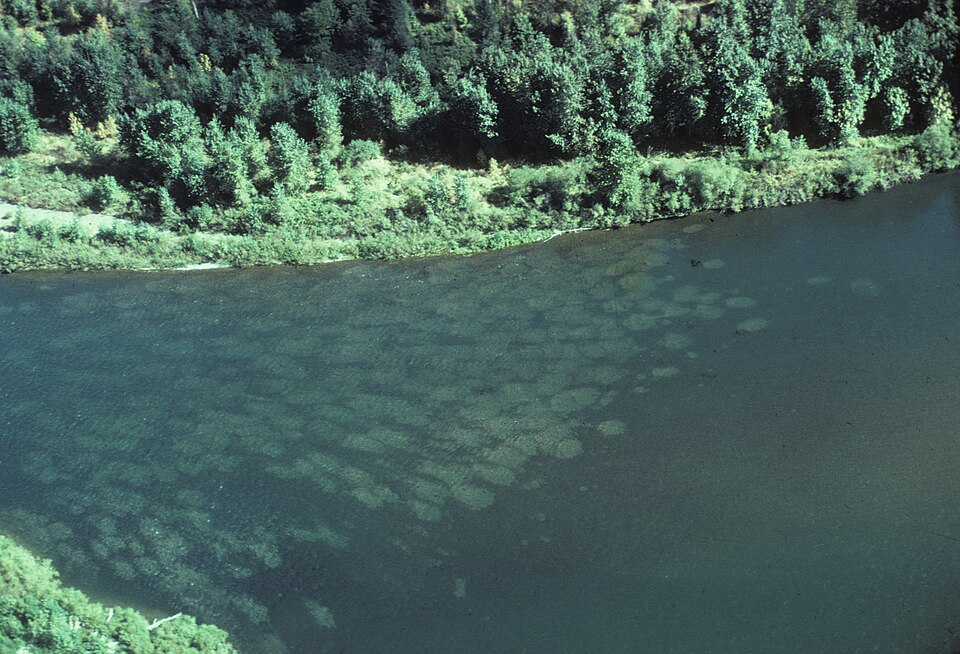
One of the more surprising parts of the job was survey work: in the spawning season a bailiff walked the shallows counting redds, the patches of cleaned gravel where fish have spawned, as an index of how the fishery was doing.
That is a genuinely skilled observation, because a redd is a subtle thing and distinguishing one from ordinary disturbed gravel takes practice.
Those counts, kept year on year, are now historically valuable precisely because they were made consistently by people who knew the water. Modern assessment uses redd counts still, alongside electrofishing surveys, fish counters at weirs and passes, environmental DNA sampling and catch returns. The old counts remain part of the baseline and in some rivers are the longest series available.
8. The fish pass was his to keep working
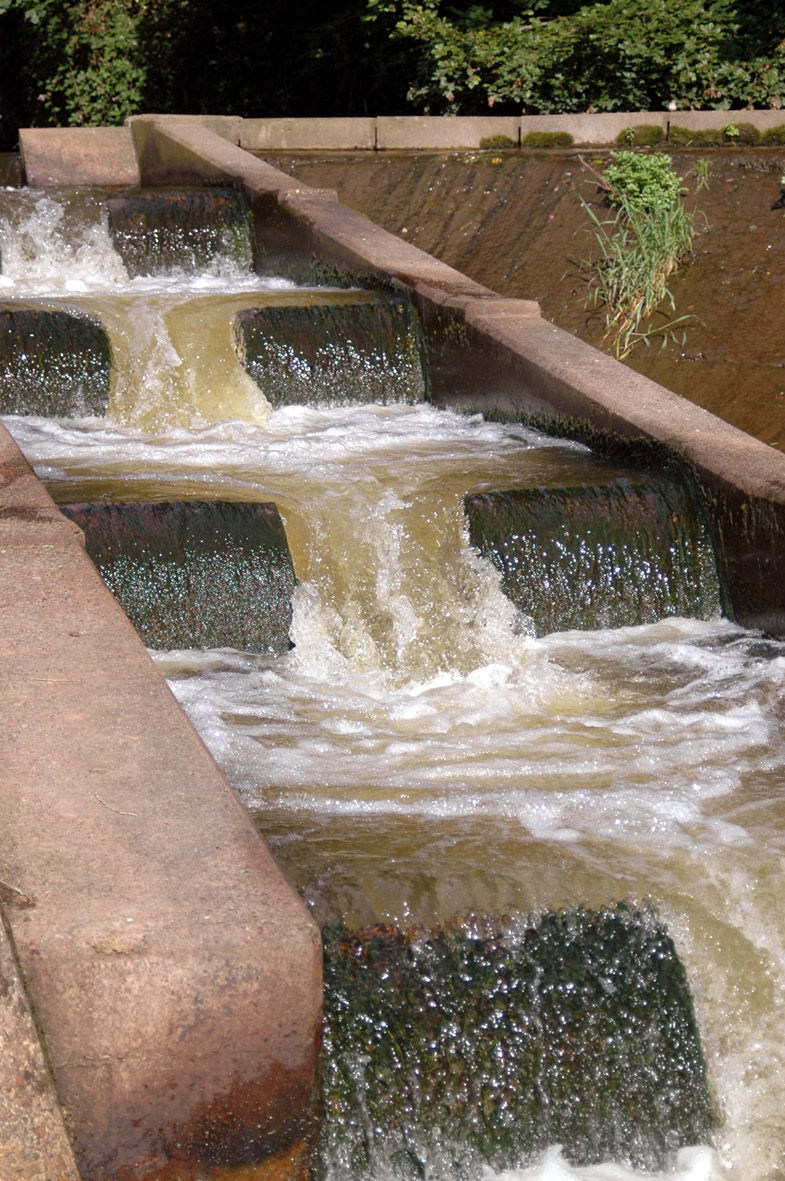
Where a weir or a mill structure blocked a river, a fish pass allowed fish to get past it, and a pass blocks with debris as readily as any other screen.
So clearing passes, checking flows through them and reporting structures that had become impassable was ordinary maintenance work on the beat.
It also made bailiffs the people who knew which obstructions actually mattered, which is information that was otherwise unavailable. Fish passage is now an engineering and regulatory discipline with designed passes, monitored flows, barrier mapping across whole catchments and programmes to remove obstructions entirely. The maintenance is scheduled rather than noticed.
9. Stocking was done by judgement and is now done by evidence
Putting fish into a river to improve the fishery was normal practice in 1960, decided locally, on the basis of what seemed to be working and what the fishery wanted.
That is now understood to be a great deal more complicated: stocked fish can compete with wild ones, can carry disease and can dilute locally adapted genetics, and the benefits are frequently smaller than assumed.
So stocking is now regulated, requires consent in many jurisdictions, is subject to health screening of the fish, and is increasingly replaced by habitat improvement on the grounds that a river which can produce its own fish does not need restocking. That is one of the genuinely large changes in fishery management, and it inverted a practice that everybody in 1960 regarded as straightforwardly beneficial.
10. Predator and pest control was part of the countryside job and is a separate subject
A bailiff or river keeper in 1960 was generally expected to control species regarded as harmful to the fishery, under the law and attitudes of the time.
A great deal has changed: many species once controlled routinely are now legally protected, licensing governs what may be done at all, and the ecological reasoning has been substantially revised.
That whole subject — what the countryside trades did to wildlife in 1960 and what the law now says about it — is covered properly elsewhere in this series and is not pursued here. This file names no species, describes no method and states no permission. What belongs here is only the structural point: the bailiff’s role in 1960 combined enforcement, husbandry and control in one person, and modern practice separates enforcement from fishery management from licensed wildlife work.
11. Weed cutting and bank work kept the river fishable
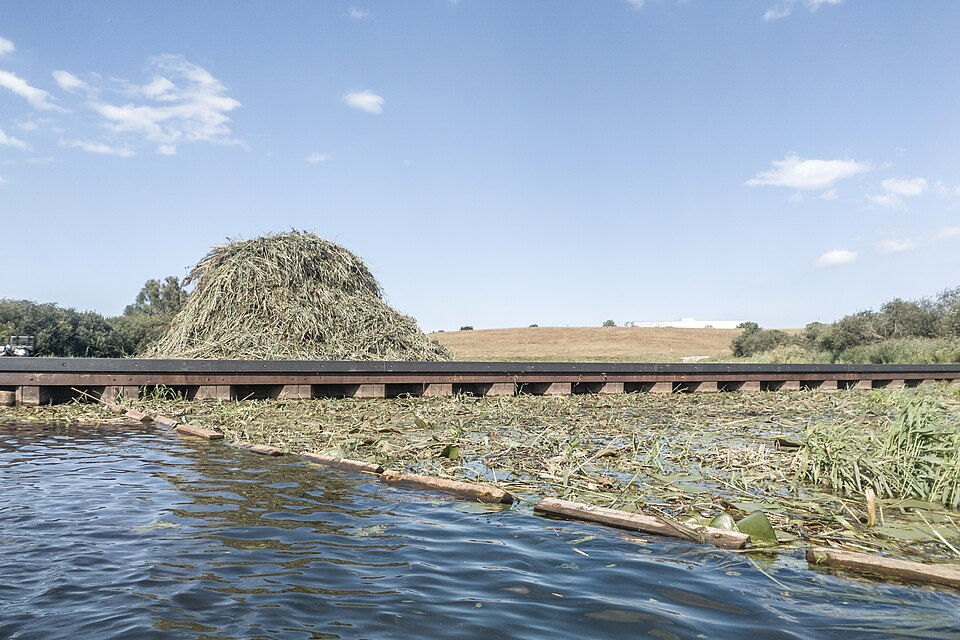
A fishery needs managing: weed growth controlled, banks maintained, access kept open, gravel kept clean and obstructions cleared, all of it seasonal and all of it physical.
In 1960 a bailiff or keeper did much of that himself with a scythe, a rake, a chainsaw where there was one, and whatever labour the fishery could afford.
That work shaped the river’s appearance and its ecology, and the conventions about how much to cut and when were local and traditional. Modern river management treats weed and bank work as habitat management with consents, timing restrictions to protect spawning and nesting, and designs intended to improve the river rather than tidy it. Tidiness is now regarded as the enemy of a good river, which is a complete reversal.
12. The bailiff knew the catch and the catch told him everything
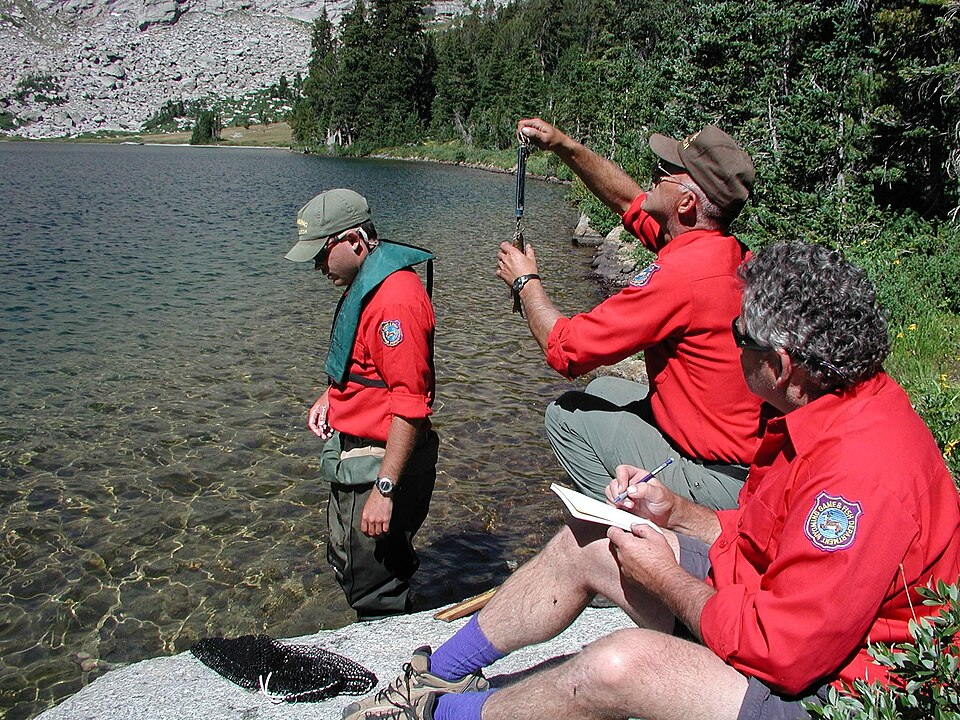
Bailiffs examined catches as part of licence checking and recorded them, and a long series of catch records is one of the most informative things a fishery can have.
Size, condition, timing and numbers over years reveal what is happening in a river in a way that no single survey does.
In 1960 much of that was in notebooks, fishery logs and the bailiff’s memory, and a great deal of it was lost when he retired. Catch returns are now a legal requirement in many fisheries, collected centrally, digitised and analysed, and historic logbooks are actively sought out and transcribed when they come to light.
13. He answered to a board, a club or an estate and the difference mattered
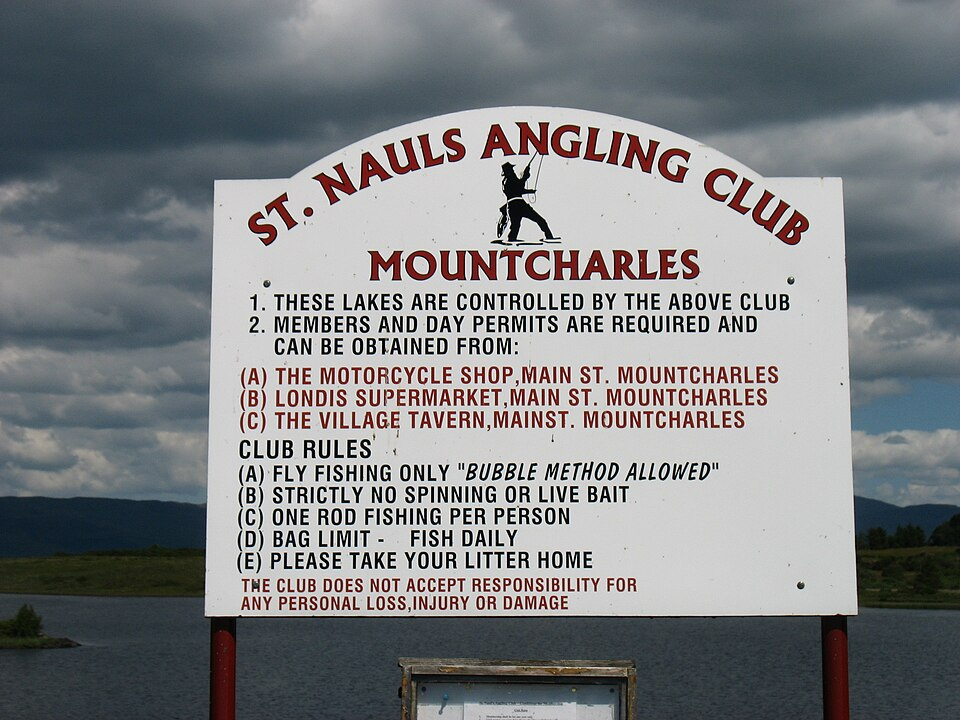
Bailiffs were appointed variously by river boards and public authorities, by angling clubs and associations, and by private estates, and whom a bailiff worked for shaped what he did.
A public bailiff enforced law across a district; a club or estate bailiff protected a private fishery and enforced its rules as well as the law.
Those roles overlapped and sometimes conflicted, and the distinction was not always obvious to the person being asked for a licence. The split persists: public fisheries enforcement is a statutory function, while river keepers and club bailiffs manage and protect specific fisheries. The legal powers now sit much more clearly on the public side.
14. The job came with a cottage and a river and very little money
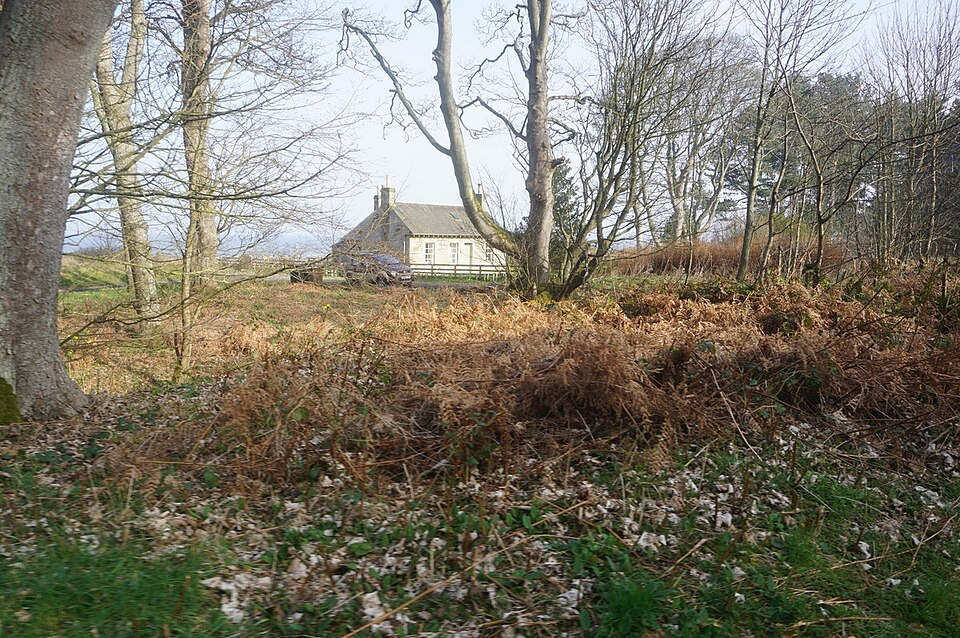
A river keeper or bailiff was frequently housed on the water, which was convenient for the job and tied the household to it, and the wage was modest even by the standards of rural employment.
What the job offered instead was independence, a beat of one’s own and a working life outdoors, which is why people stayed in it for decades.
It also made the role a vocation in the sense that people did it because they wanted to be on a river rather than because it paid. That is substantially still true. Modern river keepers and fisheries officers are not well paid relative to the qualifications now expected, and the people doing it are still doing it for the river.
15. The rivers themselves were in a worse state than almost anybody remembers
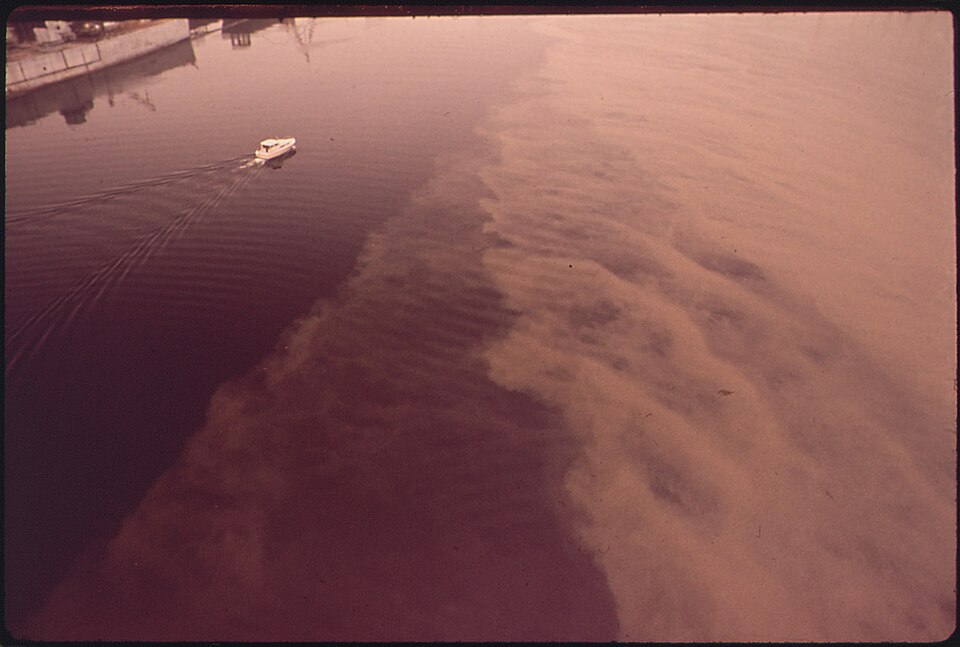
It is important to say this clearly, because nostalgia about rivers runs in exactly the wrong direction. A great many 1960 rivers in industrial countries were severely polluted, in some stretches effectively without fish, and the bailiff’s beat was frequently a river in poor condition.
That has changed enormously, through discharge regulation, treatment investment and the decline of the heaviest industry, and fish have returned to rivers that had none.
It has not changed completely, and modern rivers face different pressures: agricultural runoff, sewage overflows, abstraction, barriers and warming water. But the honest comparison is not that rivers were clean and are now dirty. It is that they were in many places far worse, improved substantially, and are now the subject of a serious argument about whether the improvement has stalled.
16. The role became a profession and kept its core
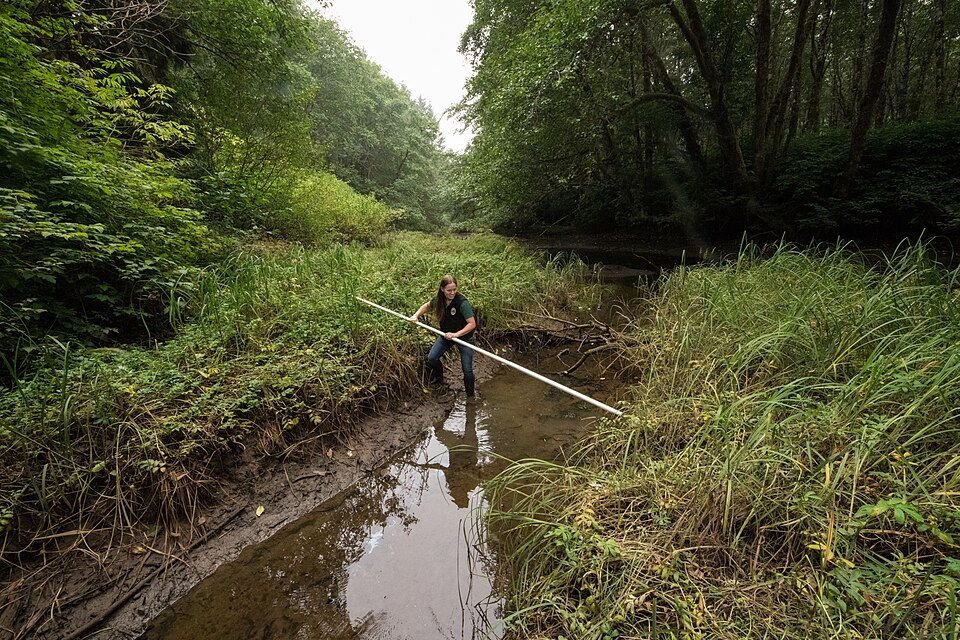
Fisheries enforcement and river keeping are now qualified occupations with training, recorded procedures, scientific support and legal clarity, which is an unambiguous improvement.
What has survived unchanged is the thing the job was always about: somebody who knows one stretch of water in detail, is on it regularly, and notices when something is wrong.
Every piece of modern monitoring equipment is a substitute for part of that and none of them replaces the whole of it, which is why keepers and officers still walk beats. The honest summary: a water bailiff held statutory powers to demand a licence, examine tackle and catch, and in defined circumstances seize and enter, conferred by a formal appointment; the beat was walked repeatedly in all conditions until he knew every pool, access point and regular face on it; the routine content of the job was polite licence checking rather than confrontation; night work was done alone, without radio or vehicle in many districts, which is the fact that most clearly dates the role; he was frequently the first to notice pollution and held an informal long-term record of a river’s condition; spawning redd counts made consistently year on year are now part of the scientific baseline; and stocking, which everybody then regarded as straightforwardly beneficial, is now regulated, screened and often replaced by habitat work.
What the job was really for
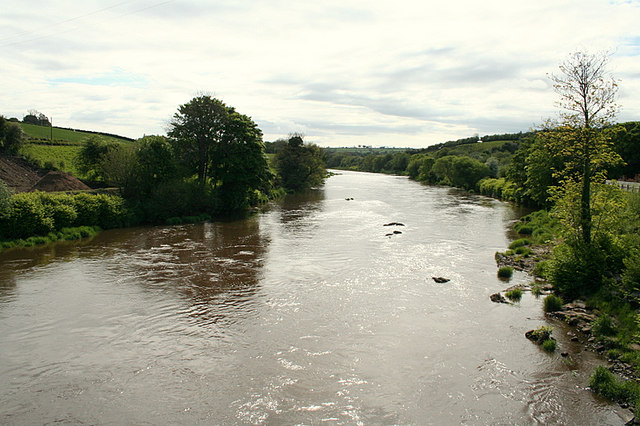
Somebody who knows one stretch of water in detail, is on it regularly and notices when something is wrong. That is what made a bailiff the practical pollution detection system for a great many rivers, what made his redd counts and catch records scientifically valuable decades later, and what no single piece of modern monitoring equipment replaces. Everything else about the role has been professionalised: the powers are clearer, the procedures recorded, the lone night working no longer permitted, and stocking and wildlife control governed by evidence and licence rather than by local judgement.
Nostalgia about rivers runs the wrong way. A great many 1960 rivers in industrial countries were severely polluted and some stretches had effectively no fish. They improved enormously, and the real argument now is whether that improvement has stalled.
Like our content? Follow us for more.