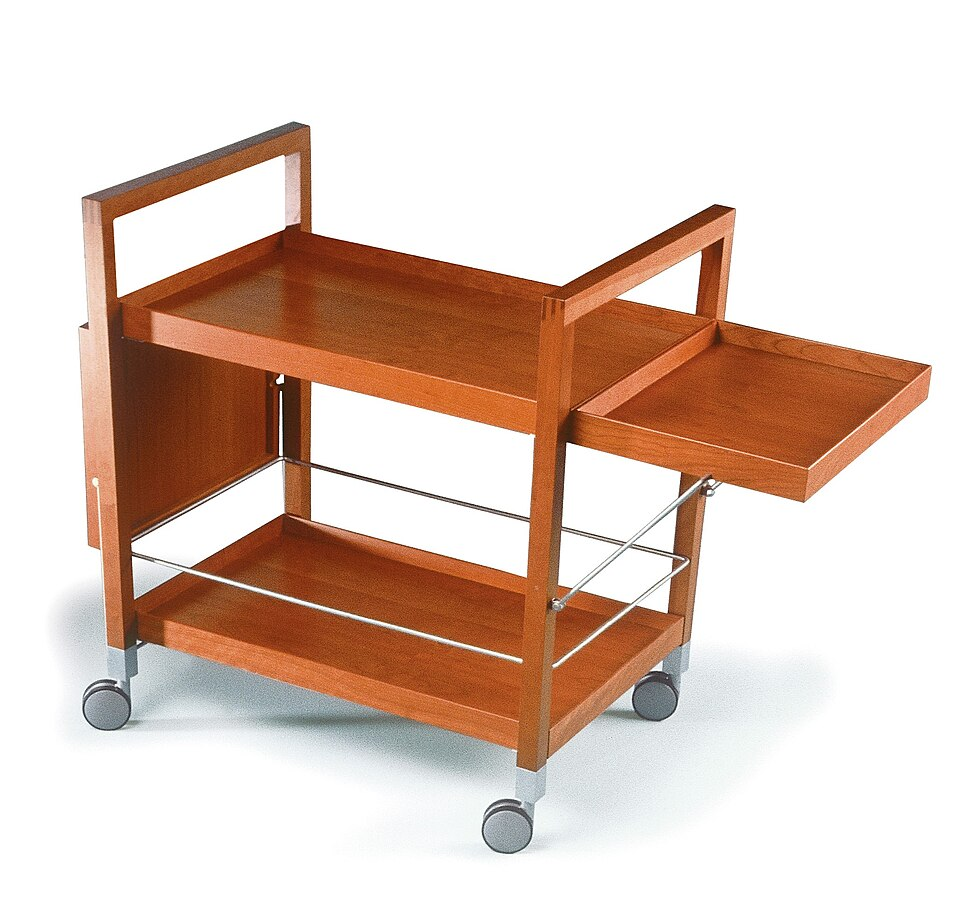
The heated trolley let a host cook everything in the afternoon and be in the room all evening, which is why it was a wedding present. Here are fourteen things it did.
1. It was a heated cupboard on castors and it solved one specific problem
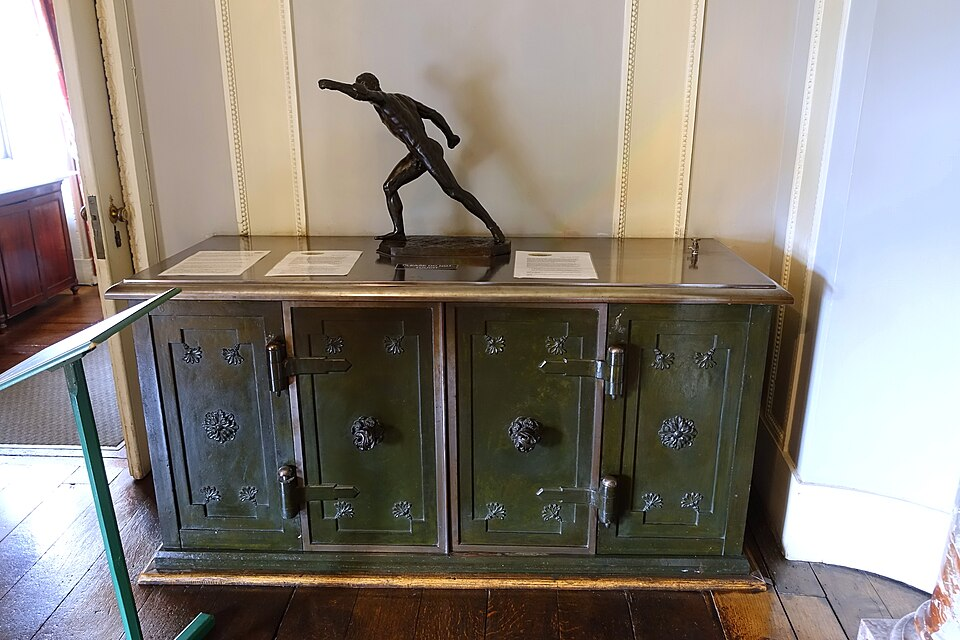
The heated serving trolley was a wheeled unit with two or three insulated compartments, a heated top surface and a flex to a wall socket, into which cooked food was loaded and kept hot until it was served.
The problem it solved is the one every host has: a meal of several dishes cannot all be ready at the moment the guests sit down, and a kitchen without one is a scene of frantic timing.
Modern kitchens solve the same problem with a warming drawer, a low oven setting, an induction hob that holds a temperature, and the general practice of serving fewer dishes at once. The problem is unchanged and the trolley is the only solution that was a piece of furniture. The problem is unchanged and the trolley is the only solution that was a piece of furniture. Everything that replaced it is built into a wall or a worktop, which works perfectly and cannot be moved into the room where the people are.
Like our content? Follow us for more.
2. The dinner party it existed for was a formal occasion
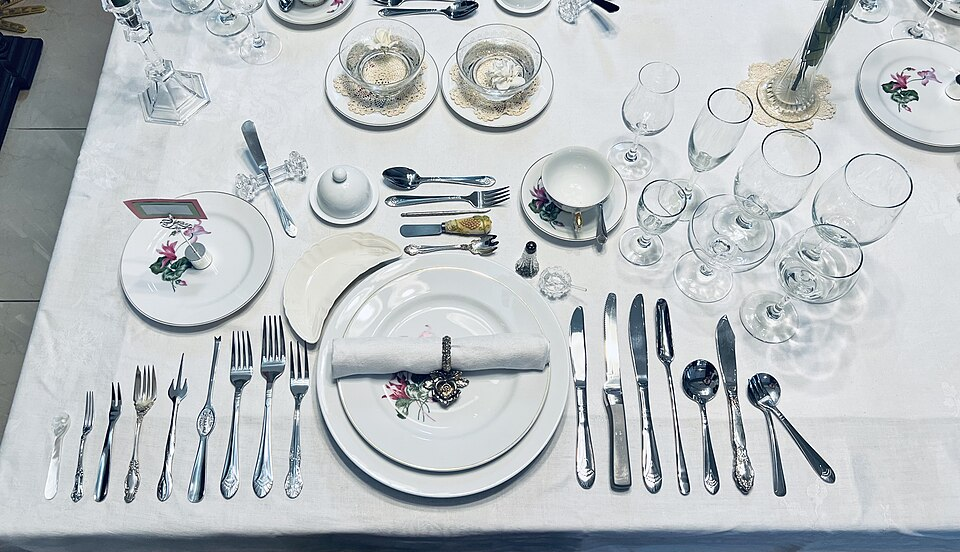
A 1968 dinner party had a structure: guests invited for a time, drinks first, a sit-down meal of several courses at a laid table, and a host who disappeared into the kitchen between them.
The trolley existed because that format requires several dishes held at serving temperature simultaneously, and because it allowed the host to be in the room rather than in the kitchen, which was the point.
Home entertaining has become substantially more informal, with fewer courses, food served from the pot, guests in the kitchen and the cooking as part of the evening. The trolley is redundant not because the technology improved but because the social form it served went away. The trolley is redundant not because the technology improved but because the social form it served went away. That is a more interesting reason for an object to disappear than being superseded, and it is the honest explanation in this case.
3. Everything was cooked in advance, which was the strategy
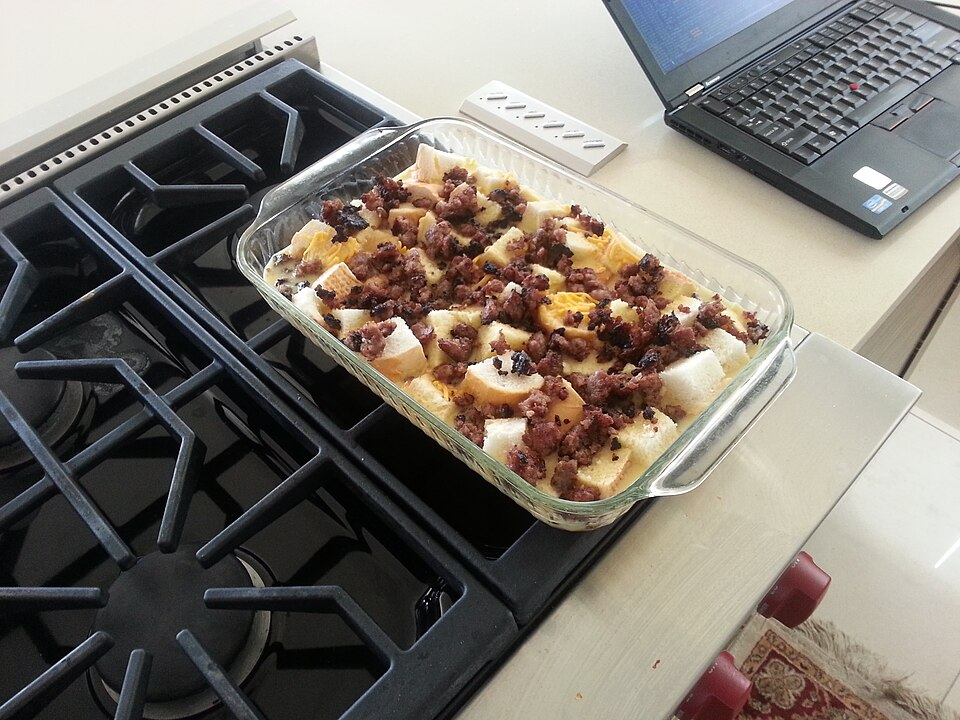
The trolley’s logic was to cook ahead and hold, which meant a host could prepare an entire meal during the afternoon and load it, then spend the evening with guests.
That is a genuinely sound approach to entertaining and is exactly what modern advice recommends, minus the trolley: dishes chosen because they hold, prepared ahead, finished at the last moment.
What has changed is the kind of food. Dishes that hold well are braises, casseroles and roasts, and dishes that do not are everything cooked quickly at high heat, which is a much larger part of how people now eat. The equipment suited the cuisine of its decade. The equipment suited the cuisine of its decade. A household that still cooks that way finds a trolley useful, which is why the people who buy them second-hand tend to be the ones who cater at home.
4. Holding food hot is a food safety matter and the rules are explicit now
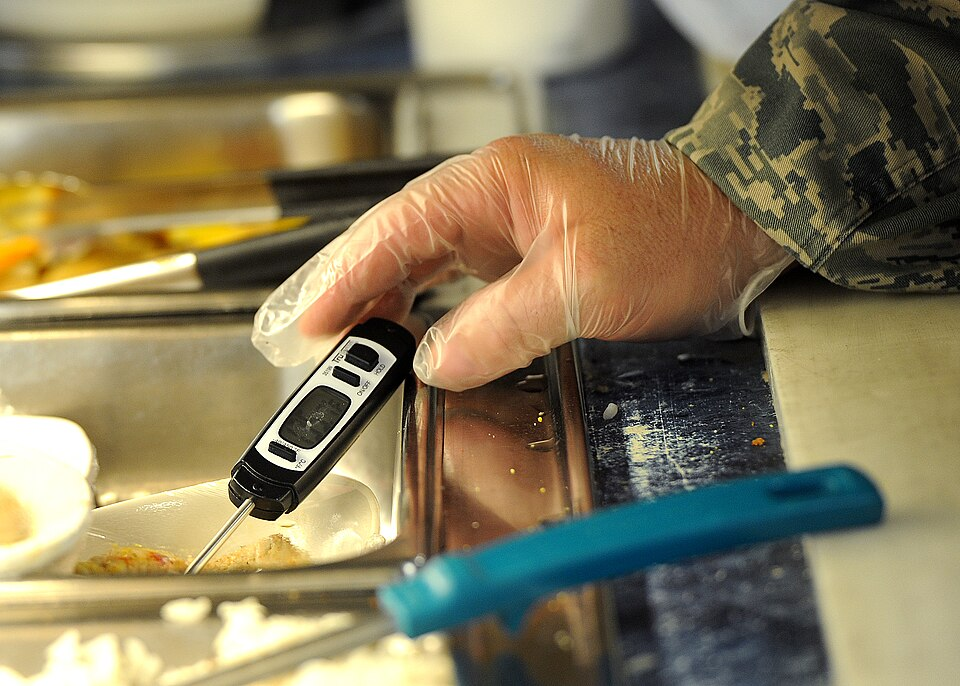
Food held at serving temperature for a period is a well-understood food safety question, and the modern position is specific: hot food should be held above a stated temperature, for a limited period, and food that has cooled should be reheated properly rather than held.
In 1968 none of that was stated to households. A trolley was switched on, food went in, and how long it had been there was a matter of the host’s sense of the evening.
This file gives no temperature, no holding period and no reheating instruction, and names no illness and no organism. Food safety in a domestic kitchen is covered clearly by the national food safety authority, which publishes it for exactly this kind of question, and that is the source.
5. The plates were warmed too, and that was half the value
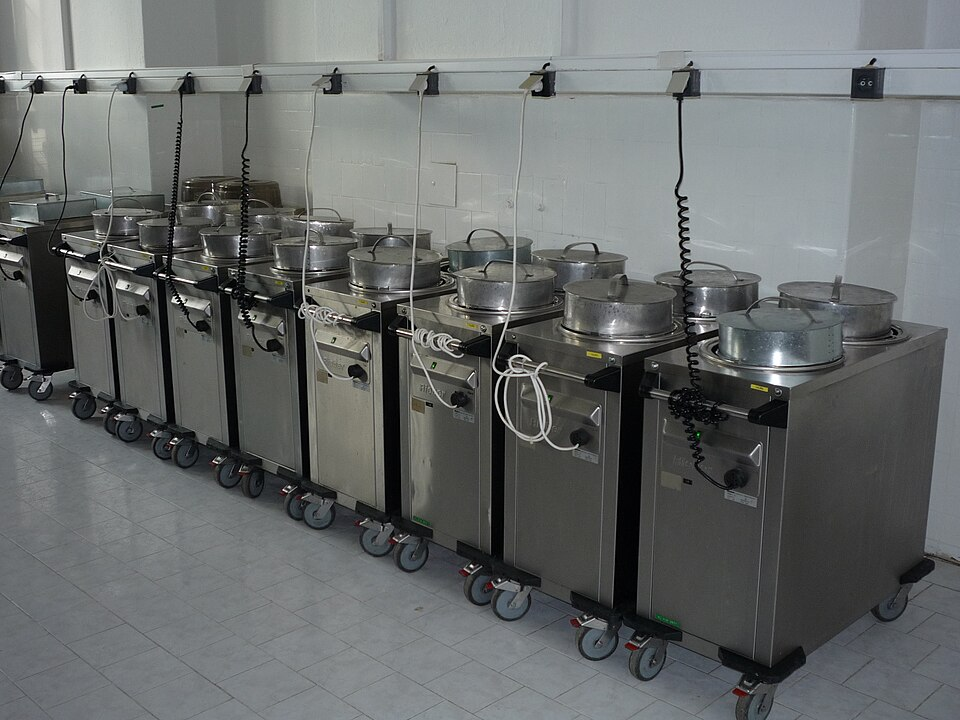
Most trolleys included a heated compartment or surface for plates, and a warm plate makes a measurable difference to a served meal because a cold plate takes the heat out of the food immediately.
That detail is the one professional cooks would single out, and it is the part of the trolley’s function that is most clearly worth having.
Plate warming survives as a warming drawer, a low oven, a dishwasher cycle used for the purpose and in restaurants as dedicated equipment. The principle is unchanged and is probably the trolley’s most useful legacy. The principle is unchanged and is probably the trolley’s most useful legacy. Anybody who has eaten a carefully cooked meal off a cold plate understands immediately why a compartment for plates was worth building into the furniture.
6. It was wheeled into the dining room and served from
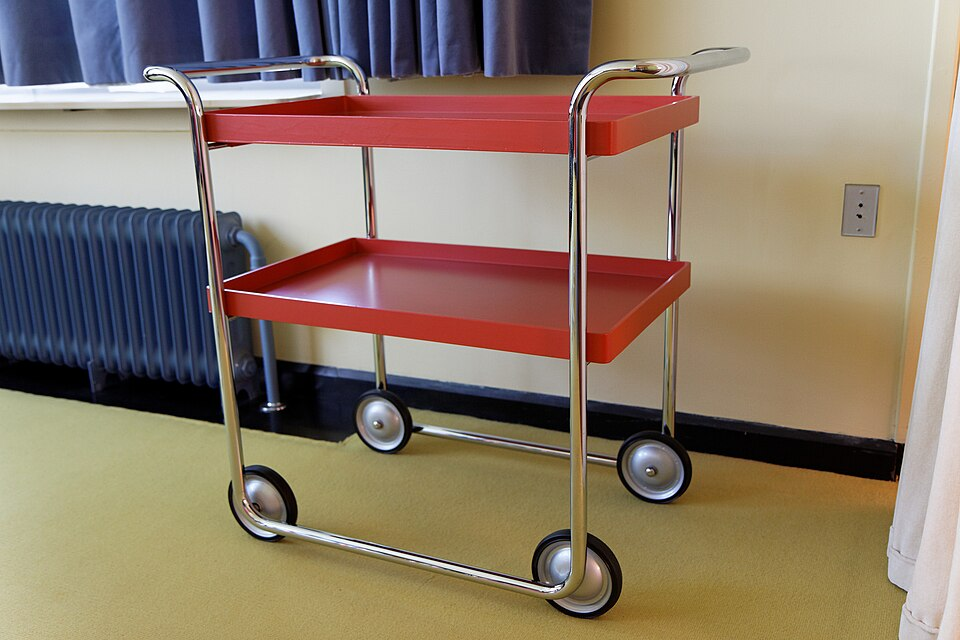
The trolley was not kitchen equipment. It was pushed into the room where people were eating and served from there, which made it part of the occasion rather than part of the preparation.
That is why they were made to look like furniture, in teak-effect finishes and with trimmed edges, and why so many were bought as a visible statement about how a household entertained.
Serving equipment has largely returned to the kitchen, and the modern equivalent — an island with a hob, a pass, a serving counter — is architectural rather than mobile. The trolley is the last generation of furniture that cooked. The trolley is the last generation of furniture that cooked. Nothing since has been both a piece of a dining room and an appliance, and it is not obvious that anything will be again.
7. It was an aspirational purchase and was given as a wedding present
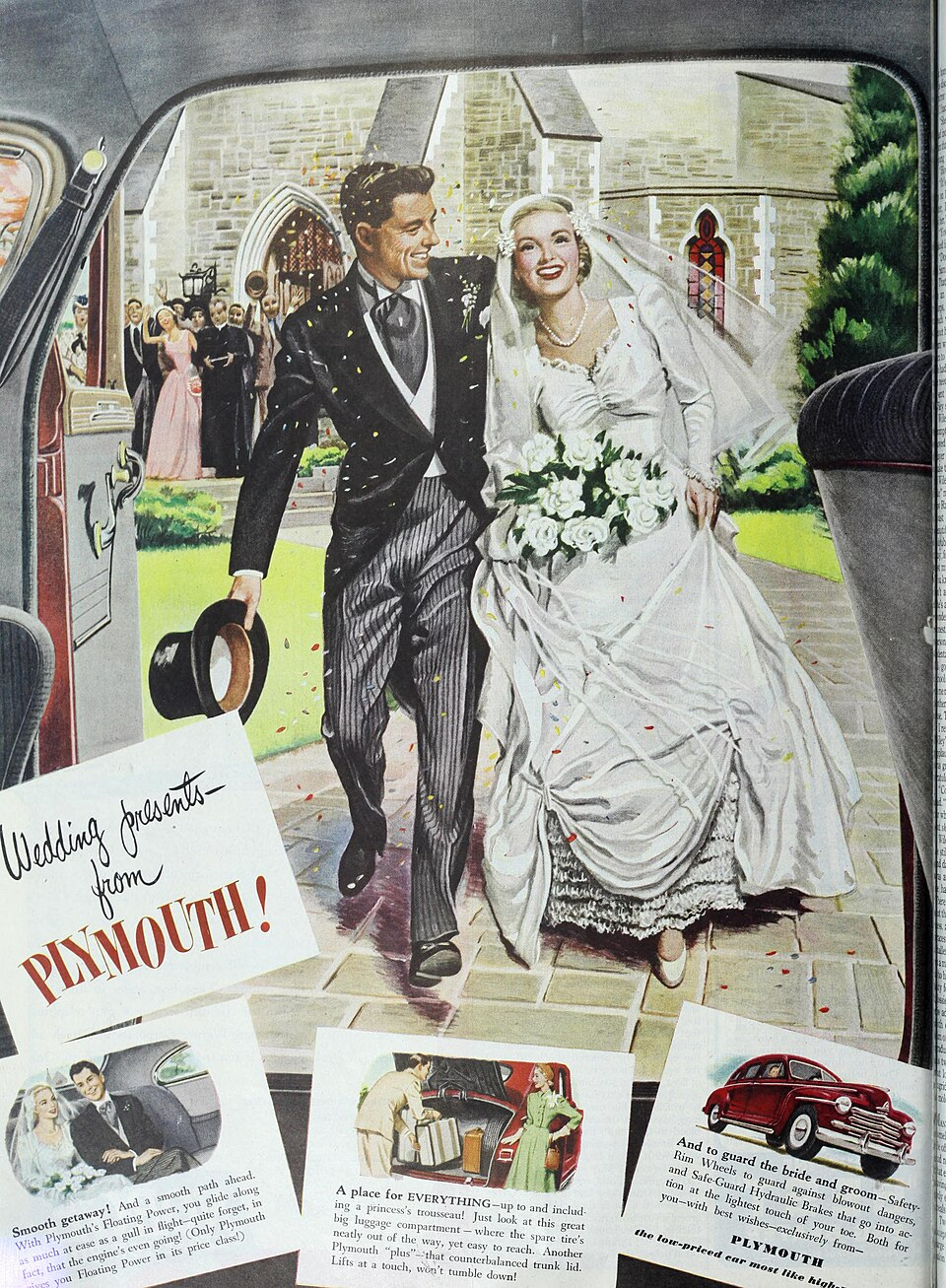
A heated trolley was a significant item, bought for a new household or given as a substantial wedding present, and it signalled an intention to entertain formally.
That places it in a specific category of mid-century domestic object: expensive, single-purpose, bought for a life a household expected to lead, and in a great many cases used a handful of times.
The category still exists and the objects have changed. The modern equivalents are the large bought-once appliances that promise a particular kind of cooking and are used less than anybody intends, which is a continuity nobody finds flattering.
8. Its decline is also a story about the microwave
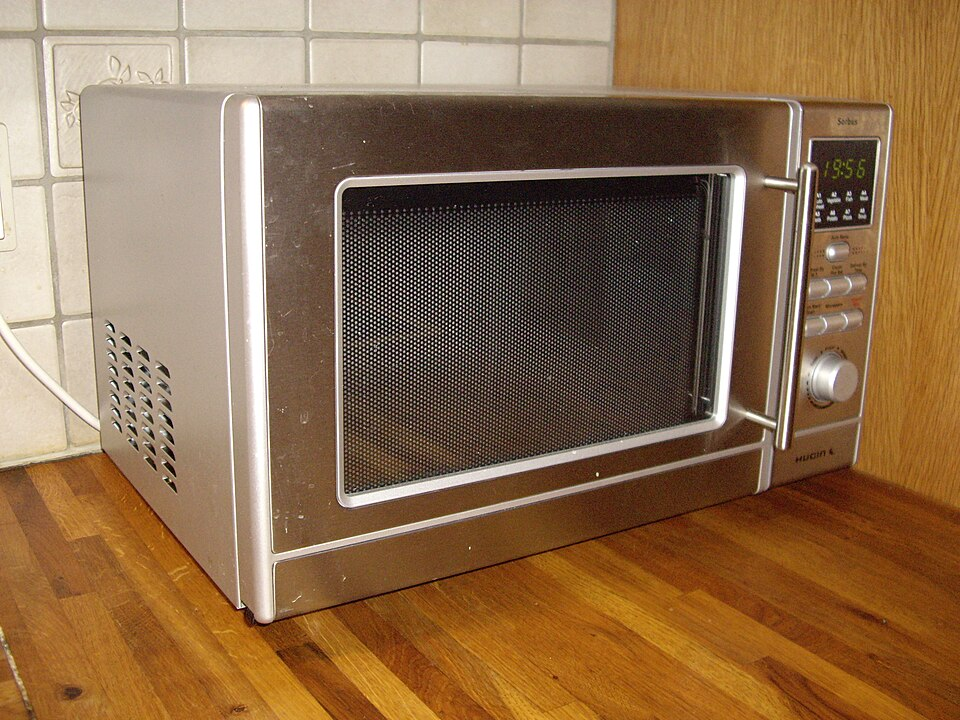
The microwave oven arrived in domestic kitchens through the 1970s and 1980s and did something the trolley could not: it reheated a portion to serving temperature in minutes, on demand.
That removed the need to hold anything hot for an hour, which is the trolley’s entire function, and it did so in a box that sat on a worktop and cost less.
So the trolley was displaced by a device with a completely different mechanism solving the same problem better. It is one of the cleanest substitutions in domestic technology and it took about a decade. It is one of the cleanest substitutions in domestic technology and it took about a decade. The trolley did not get worse and nobody argued about it; a cheaper box on the worktop simply made an hour of holding unnecessary.
9. Open-plan kitchens removed the reason to leave the room
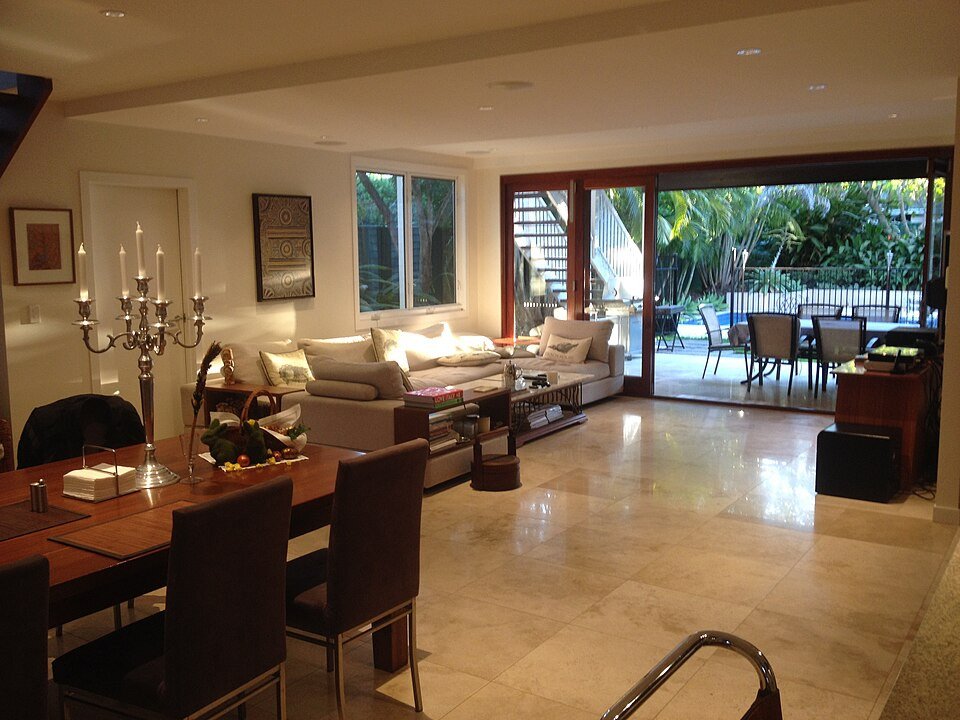
The trolley allowed a host to be with guests because the cooking was elsewhere and already finished. Once the kitchen and the dining area became one space, the separation that made the trolley necessary disappeared.
In an open-plan room a host cooks in front of the guests and the food goes from pan to plate, which is a different kind of evening and requires nothing to be held at all.
That architectural change is arguably more responsible for the trolley’s disappearance than any appliance, and it is the same change that explains a good deal else about how households now cook and eat.
10. The electrics were of their period and that matters now
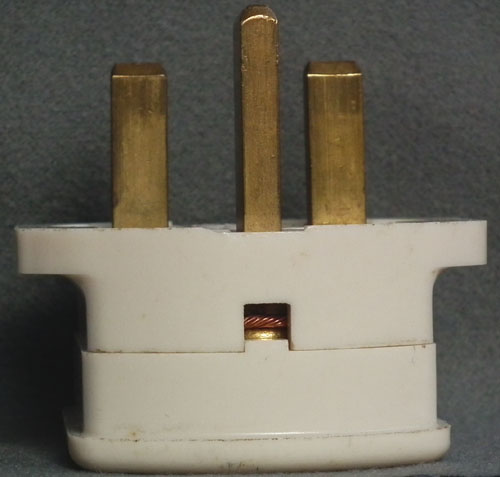
A trolley of that date was a mains appliance with a heating element, a flex, a plug and in many cases no earth arrangement that would now be acceptable, and it was designed to be wheeled about on a flex while switched on.
Any mains appliance of that age should be treated as needing inspection before use, because flexes perish, insulation degrades and fittings of the period do not meet current standards.
This file gives no electrical advice and no specification, and anybody who has inherited a vintage electrical appliance and wants to use it should have it checked by a competent electrician first and should not simply plug it in. That boundary is deliberate.
11. It appears in period drama as shorthand and that is unfair
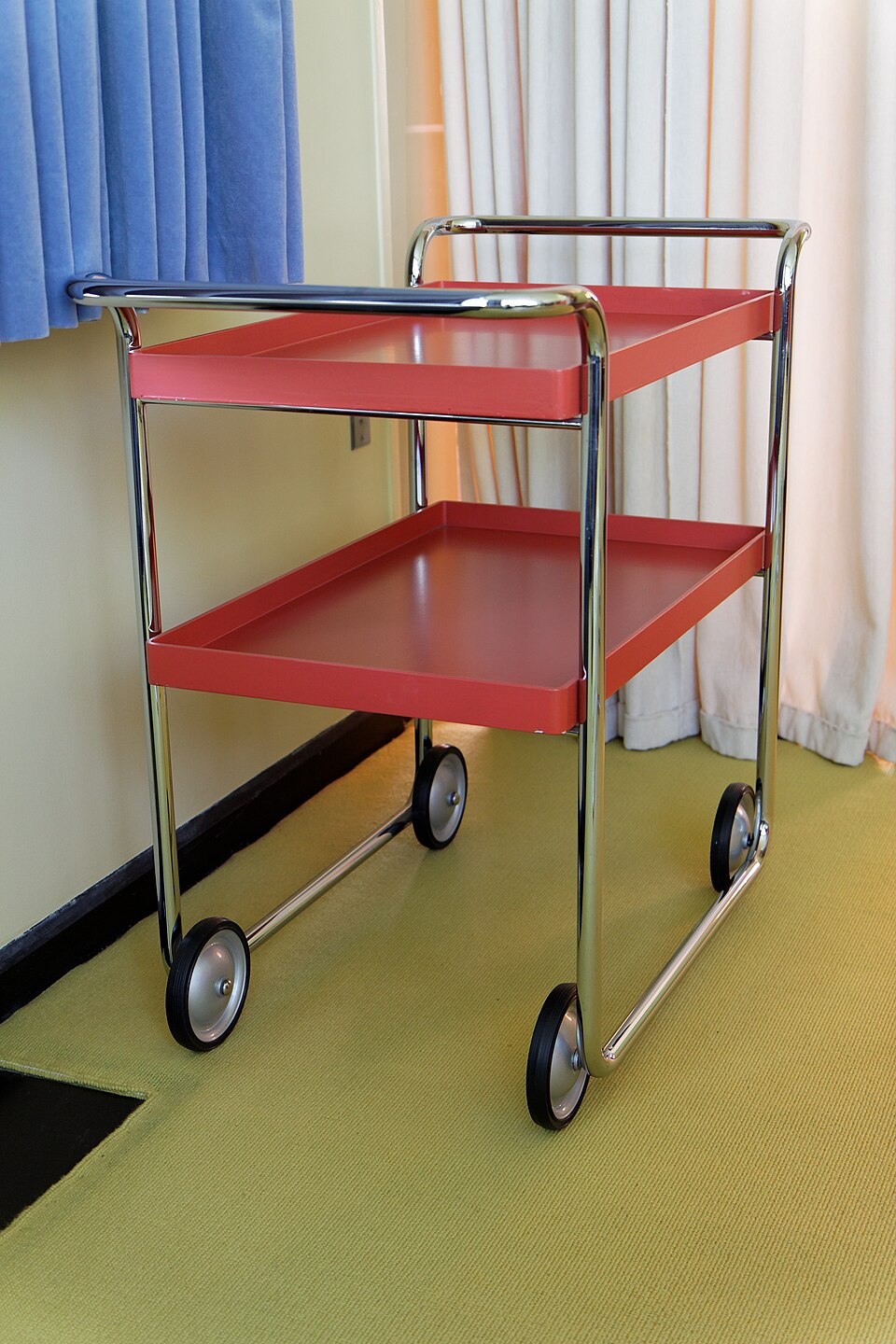
The heated trolley has become a visual joke, standing in for a particular kind of suburban formality, and that reputation has attached to the object rather than to the social arrangements it served.
The object itself is well designed. It is insulated, it has a heated plate compartment, it holds several dishes at serving temperature and it moves, which is a sensible specification that nothing has replaced in a single unit.
It is worth separating the two. The formality of a 1968 dinner party is a legitimate subject for comedy; the trolley was simply the best available answer to a real problem, and the people who bought one were solving it.
12. A great many survive and most are unused
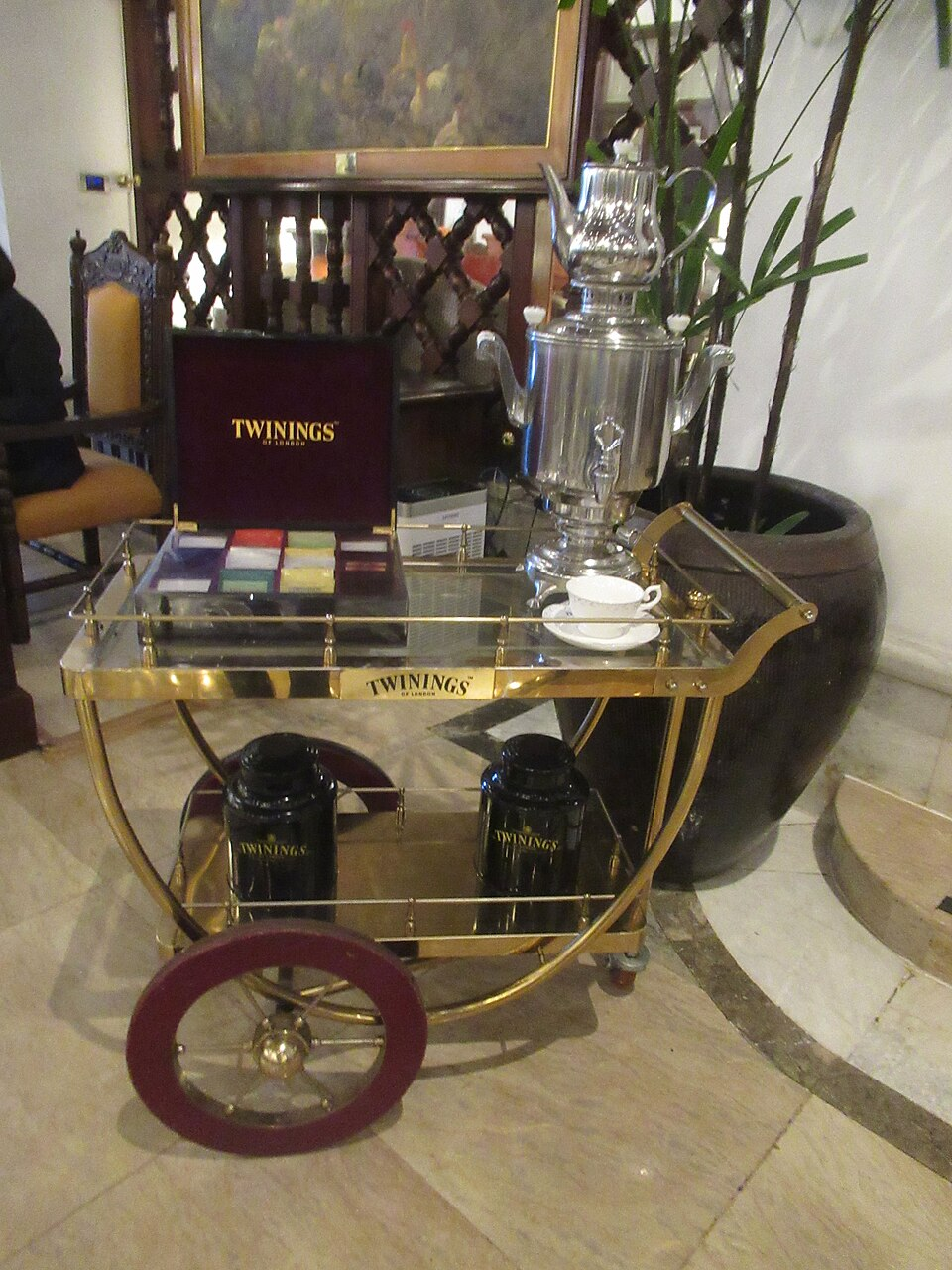
Heated trolleys were durable, expensive and difficult to throw away, so they sit in garages, spare rooms and the backs of dining rooms in large numbers, frequently with the original instructions inside.
They turn up constantly in house clearances and second-hand sales at very low prices, which is the clearest possible measure of a market that no longer exists.
Some are bought for use by people who entertain formally or who cater at home, and the sensible ones have them checked electrically first. The rest are bought as objects, which is a reasonable fate for a piece of furniture that looks like what it is.
13. It belonged to a whole family of wheeled serving furniture
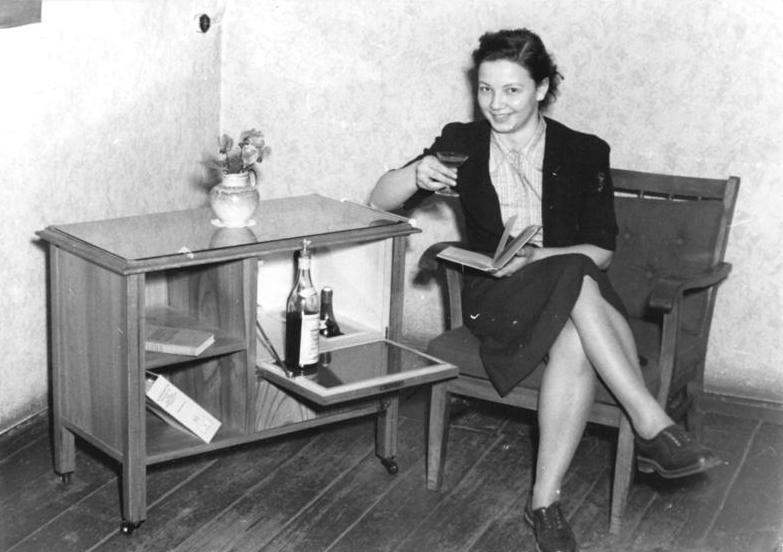
The heated trolley sat alongside the tea trolley, the drinks trolley, the cake stand and the hostess cabinet, and a household that entertained owned two or three of them.
Mobile serving furniture made sense in houses with separate rooms and no fitted storage, because anything that had to travel between a kitchen and a dining room was easier on wheels than in hands.
Fitted kitchens, open-plan rooms and built-in storage removed the entire category, and the surviving members of it are sold as occasional furniture rather than as equipment. The tea trolley outlasted the others because it needed no electricity and could hold anything.
14. What it tells you about how households expected to live
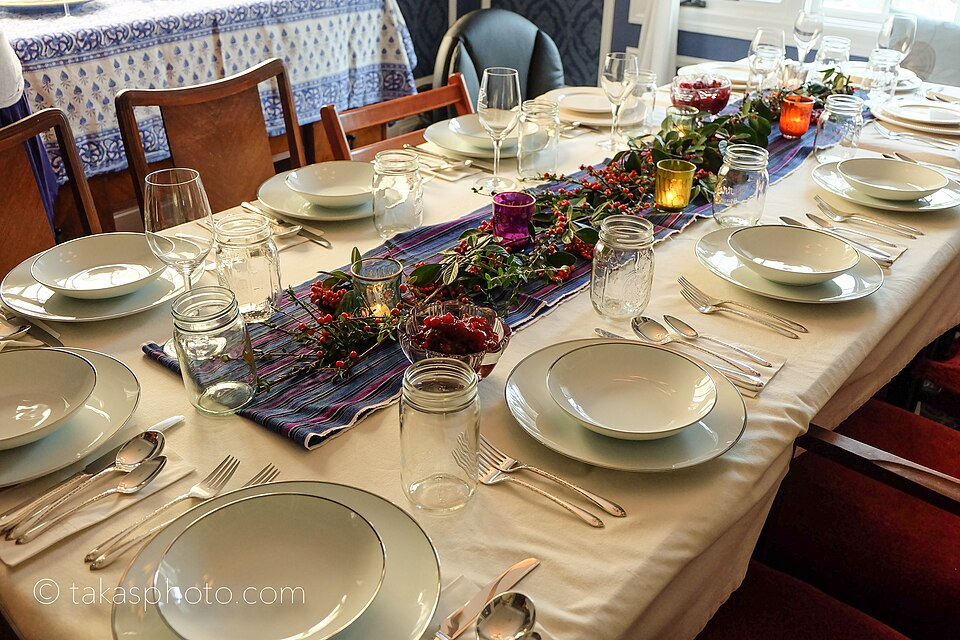
A household that bought a heated trolley expected to hold dinner parties, to serve several courses at a laid table, to have a dining room separate from the kitchen, and to need to keep food hot for an hour.
Every one of those four expectations has weakened, and the object is useful evidence of all of them at once, which is more than most domestic appliances can be said to carry.
The summary: the heated serving trolley was an insulated wheeled cabinet with a heated plate compartment and a flex to the wall, into which a complete meal was loaded so that a host could cook in the afternoon and spend the evening in the room with the guests; the microwave removed the need to hold anything hot, open-plan kitchens removed the reason to leave the room, and formal home entertaining became informal, so a well-designed object was made redundant by a social change rather than by a better appliance; holding food hot is now covered by specific food safety guidance from the national authority; and a vintage mains appliance should be checked by a competent electrician before anybody plugs it in.
Made redundant by a social change, not a better appliance
The trolley is unusual among the objects in this series because almost nothing about it was wrong. It is insulated, it holds several dishes at serving temperature, it warms the plates and it moves, which is a sensible specification nothing has replaced in one unit. What ended it was everything around it: the microwave removed the need to hold food hot for an hour, open-plan kitchens removed the separation that made leaving the room necessary, and formal home entertaining with several courses at a laid table became informal cooking in front of the guests. A good answer to a real problem stopped being needed because the problem went away.
If you have inherited one, do not simply plug it in. A mains appliance of that age needs checking by a competent electrician first, because flexes perish, insulation degrades and fittings of the period do not meet current standards.
Like our content? Follow us for more.