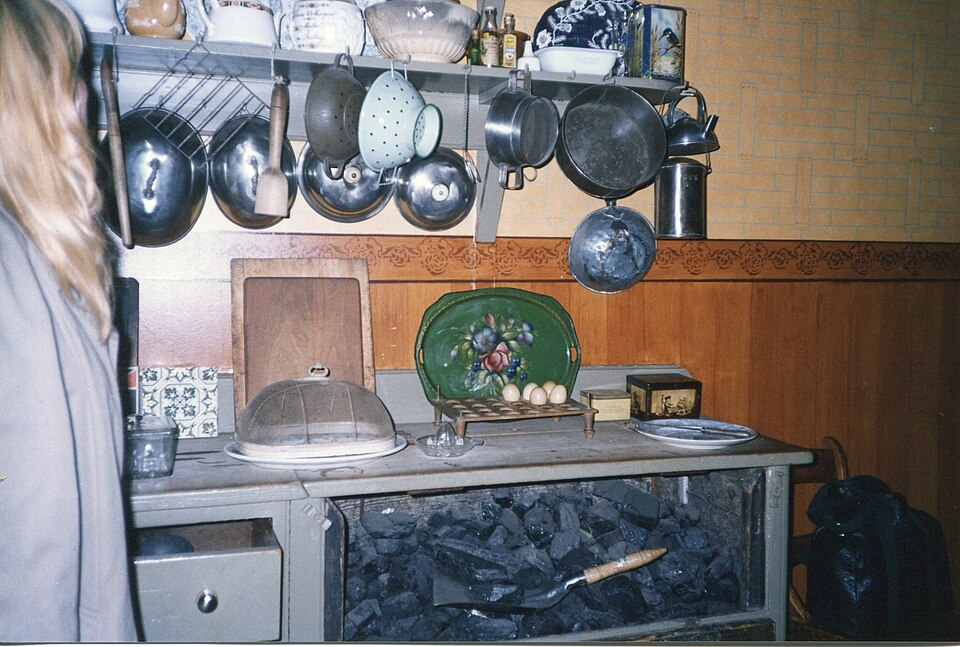
The ceiling pulley put a whole wash into the warmest air in the house and used no floor space doing it, which is why it is being installed again. Here are fourteen things it did.
1. It was a wooden rack on a rope and it hung from the kitchen ceiling
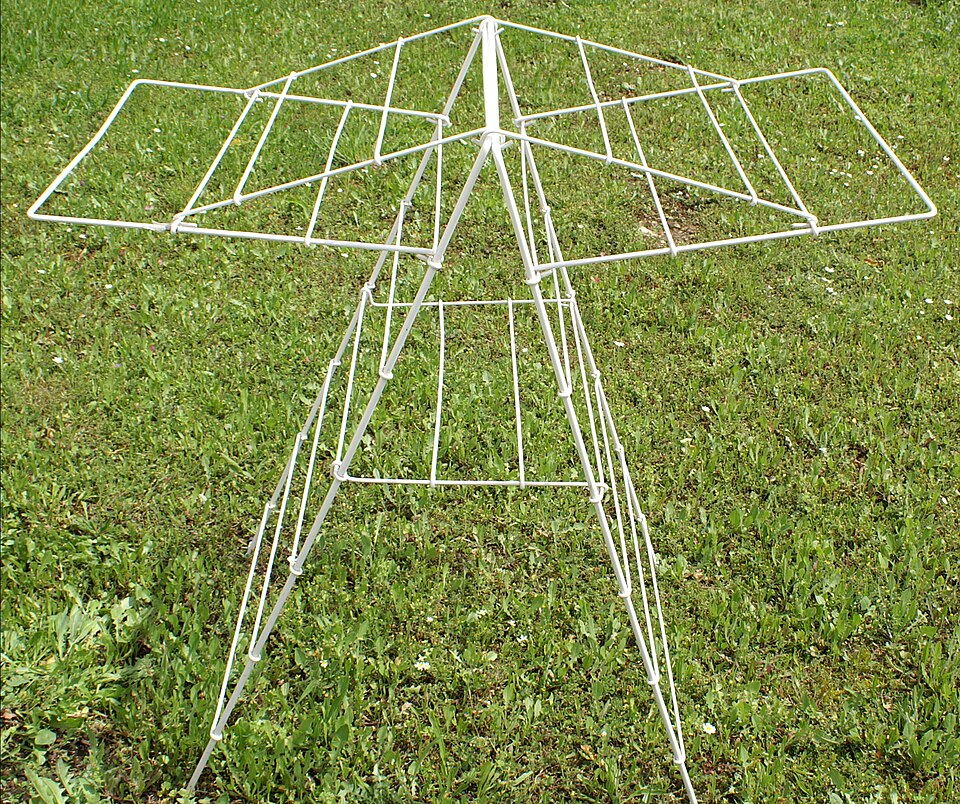
The ceiling pulley was a set of parallel wooden slats in a frame, suspended on cords running over pulleys screwed into the ceiling joists, with the free end tied off at a cleat on the wall.
It lowered to shoulder height for loading and was hauled up to the ceiling to dry, which put the washing in the warmest air in the room and out of everybody’s way, and the whole mechanism was rope, timber and cast iron.
The same object is still made and sold, in timber and in metal, and is bought now for the same reason it was bought then: it uses the volume of a room that nothing else uses. It never stopped being the correct answer to the problem. It never stopped being the correct answer to the problem. Very few domestic devices of the period can be said that about, and the ones that can tend to be the simple ones with no moving parts worth failing.
Like our content? Follow us for more.
2. Everything about it depends on the kitchen being the warm room
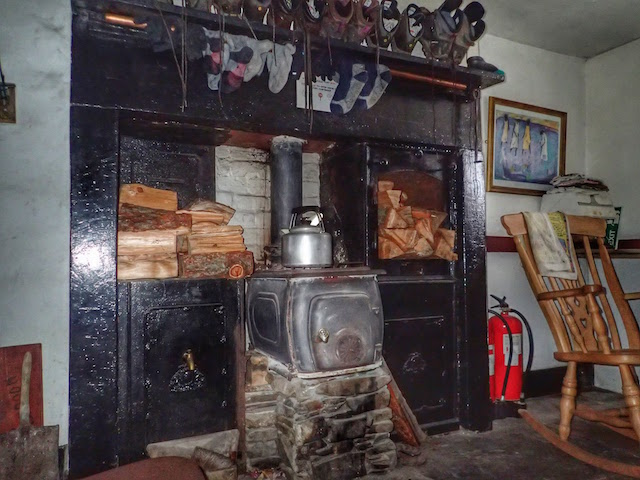
In a house without central heating, one room was heated: the kitchen, by the range or the cooker, and that was where washing could be dried at all.
So the pulley was not an accessory to a laundry arrangement; it was the laundry arrangement, positioned in the only part of the house with heat to spare, and in a great many houses directly over the range.
Central heating removed the concentration of warmth and with it the reason for one fixed drying point, which is why racks became portable and why the ceiling pulley declined before the tumble dryer was common. Heating changed the house before the appliance changed the habit. Heating changed the house before the appliance changed the habit. That ordering is worth noticing, because the tumble dryer gets the credit for ending indoor drying and arrived after the decisive change had already happened.
3. It held a very large amount of washing for the space it used
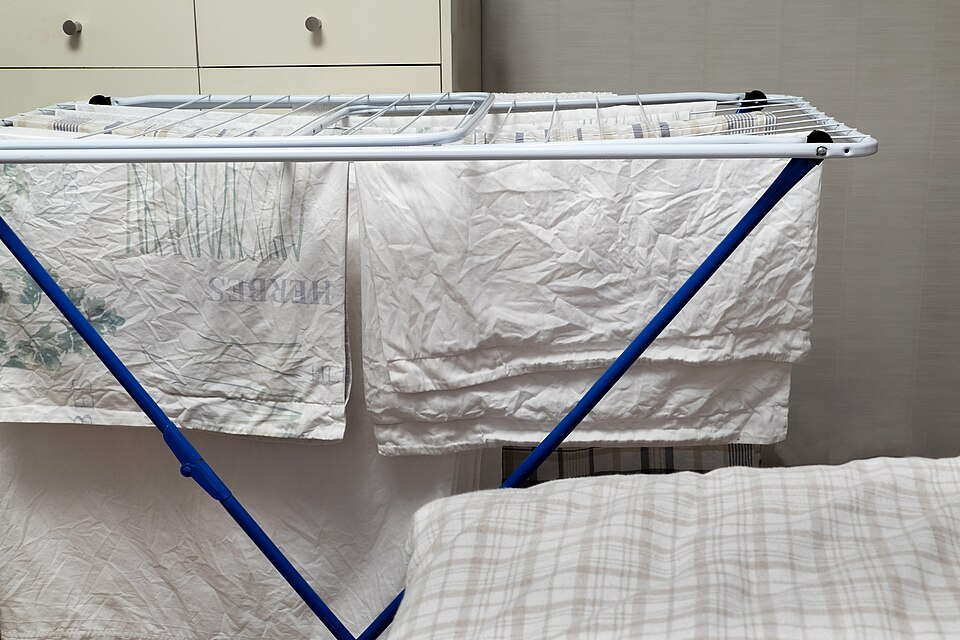
A full-width pulley carried a complete wash: sheets folded over the slats, shirts on hangers hooked to the frame, and smaller items draped, all in a footprint of zero because it occupied ceiling space.
That capacity is why it persisted in small houses and tenement flats long after larger properties had other arrangements. In a room where floor area is the binding constraint, a drying rack that uses none of it is unbeatable. In a room where floor area is the binding constraint, a drying rack that uses none of it is unbeatable. A floor-standing airer in a small kitchen blocks the room it stands in for two days, which is the comparison that matters and the one the ceiling version wins outright.
It is also exactly why they are being installed again. Where floor space is scarce and energy is expensive, a ceiling rack is the highest-capacity, lowest-cost drying method available, and the modern versions are sold on precisely that argument.
4. Washing dried indoors puts the water into the room

A wash contains a substantial quantity of water, and drying it indoors moves that water into the air of the house rather than outside it.
In 1962 that was dealt with by the room being warm, draughty and ventilated by a chimney, all of which carried moisture away without anybody thinking about it. A room with a working flue and ill-fitting windows is a ventilation system.
Modern houses are sealed, insulated and frequently have no flue, which changes the calculation completely. Guidance on drying washing indoors now emphasises ventilation while drying, extraction where it exists, and not sealing a room with wet laundry in it. This file gives no advice, names no condition and states only that the ventilation question is the one that changed, and that housing and public health authorities publish guidance on damp and condensation.
5. The washing was over the cooking and nobody minded
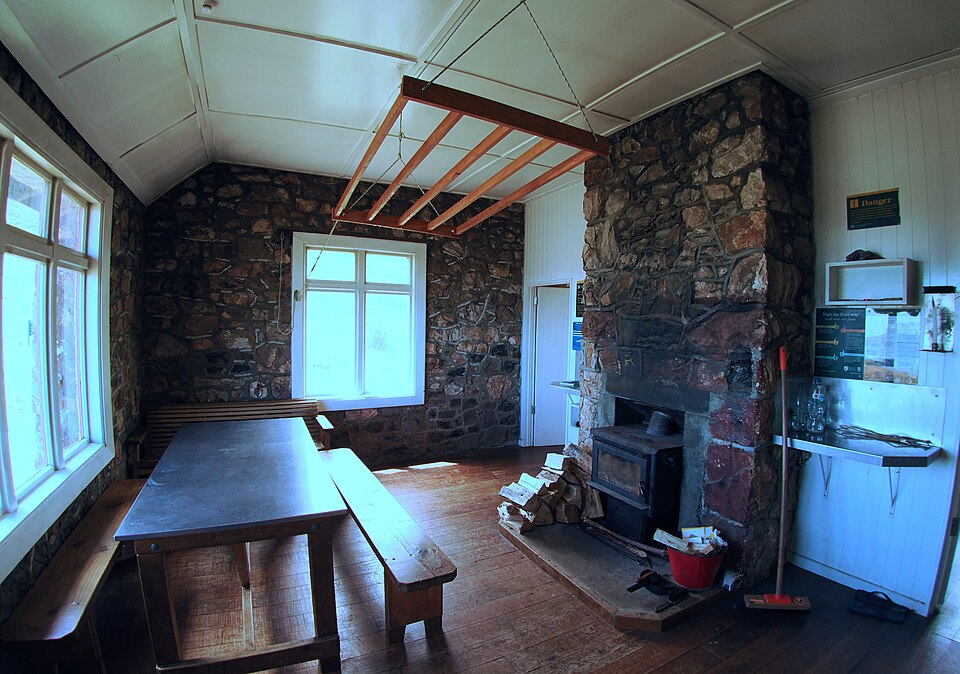
A pulley over a range meant a wash hanging above food being cooked, and the two activities happened in the same cubic metres of air for hours.
That produced the characteristic smell of a mid-century kitchen, which is reported consistently as a combination of cooking, soap and damp cotton, and which people remember as the smell of a particular house rather than as a problem.
Kitchen design now separates these functions and extraction above a cooker is standard, so the combination has disappeared. Where a modern pulley is installed it is generally not above the hob, which is both a safety consideration and a reason the smell has gone.
6. It took two days in winter and nobody expected otherwise
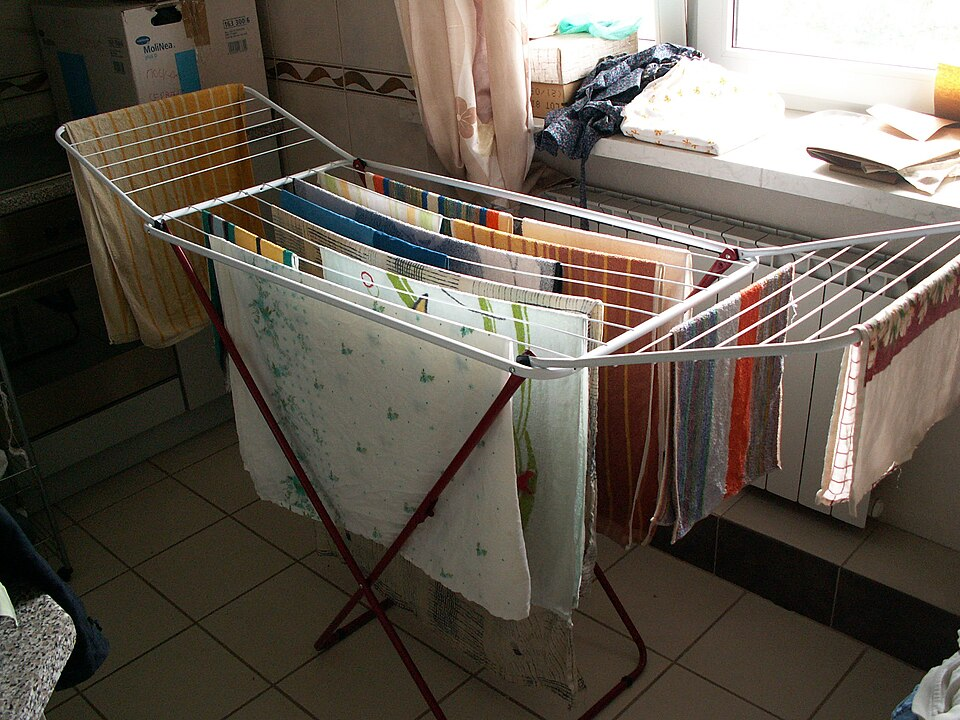
A wash on a pulley in a cool month dried slowly, and the rack was occupied for a day or two, which set the rhythm of a household’s week.
That is why washday was a fixed day rather than a continuous activity, and why a household with one pulley could not do a second wash until the first came down. The equipment set the schedule.
Continuous laundering, which is what a washing machine and a dryer permit, removed the fixed washday entirely and is one of the largest changes in the organisation of domestic work there has been. The rack is unchanged and what it competes with is not. The rack is unchanged and what it competes with is not. A household with a machine and a dryer can run a wash on a Tuesday evening and think nothing of it, and the idea of a day of the week belonging to the laundry has gone entirely.
7. The outdoor line was preferred and the pulley was the fallback
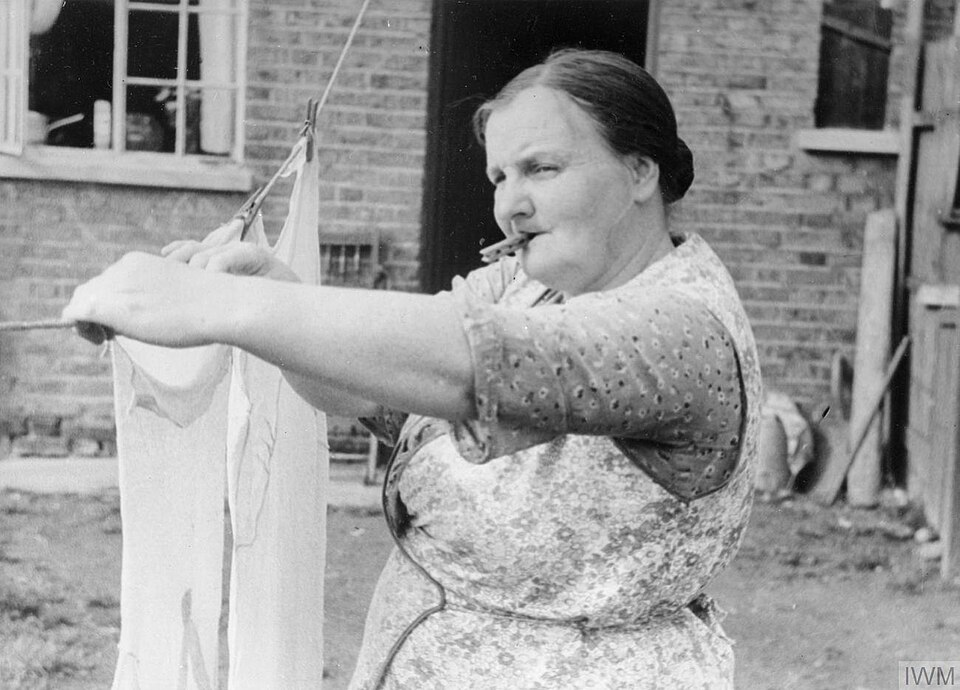
Nobody dried indoors by choice. The washing went outside whenever the weather allowed, because outdoor drying is faster, free and produces a better result, and the pulley existed for the days when it could not.
That means a 1962 household ran two systems and chose between them every washday, reading the weather in the morning and committing.
The choice is identical now and the stakes are lower, because a dryer removes the consequence of choosing wrong. The specific skill of judging whether a wash would dry outside has quietly disappeared with the need for it. The specific skill of judging whether a wash would dry outside has quietly disappeared with the need for it. People who still hang washing out retain it, and they will tell you it is about wind far more than about sunshine.
8. Hauling it up was the job children were given
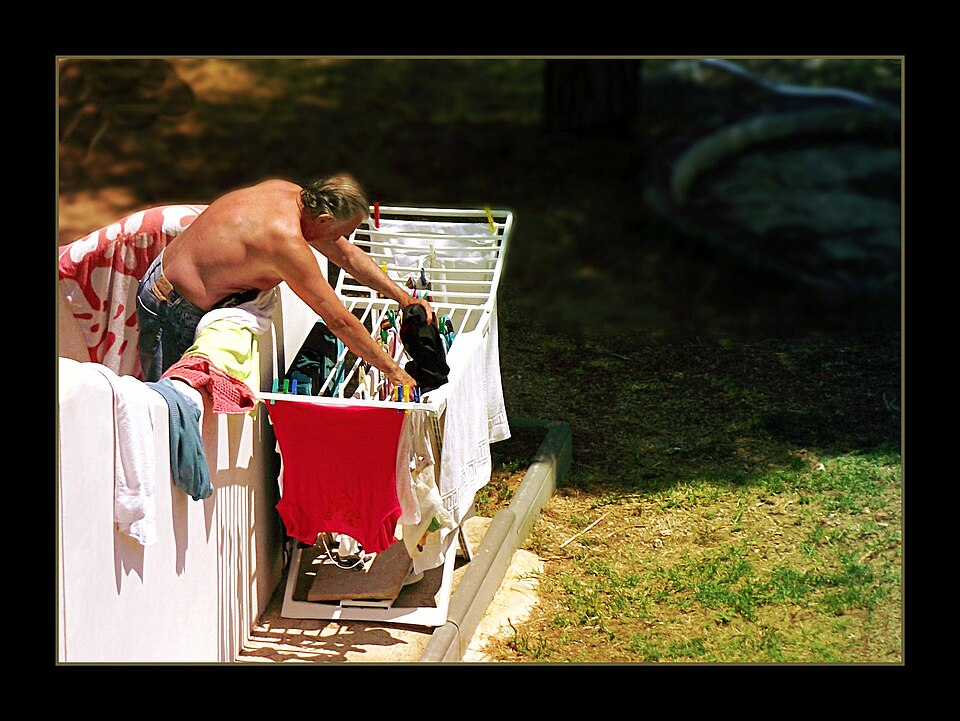
Loading the rack was adult work and raising it was frequently a child’s job, because it is simple, visible and satisfying, and the cleat was usually at a height a child could reach.
That is a small example of a much larger pattern: domestic machinery of the period had jobs attached to it that children did, which gave a child a function in the running of the house.
Modern appliances have almost no such jobs. A tumble dryer requires nothing from anybody, which is the point of it, and the loss of the small useful task is a recurring theme in accounts of what changed in family life.
9. The rope, the cleat and the ceiling fixing were the weak points
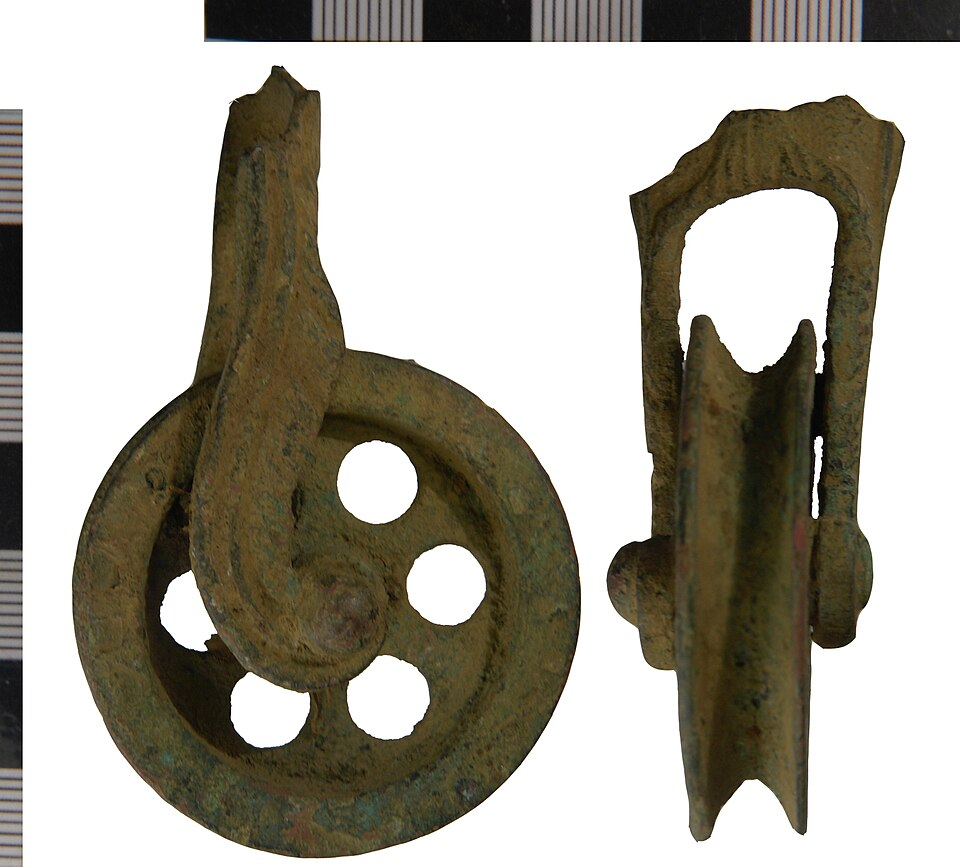
The mechanism is simple and the loads are not trivial: a full rack of wet washing is heavy, and the whole load bears on screws into timber, a cord, and a cleat.
Ropes frayed, pulleys seized, cleats worked loose and ceiling fixings pulled, usually gradually, and the failure mode of a loaded rack is a wash on the floor.
Modern racks are sold with rated cord, proper pulleys and fixing instructions, and the fixing is the part that matters: a rack must be fixed into structural timber rather than into plasterboard. This file gives no fixing specification and no load figure, and anybody installing one should follow the manufacturer’s instructions and, where the ceiling structure is uncertain, ask somebody competent.
10. It was made by a joiner or bought from an ironmonger
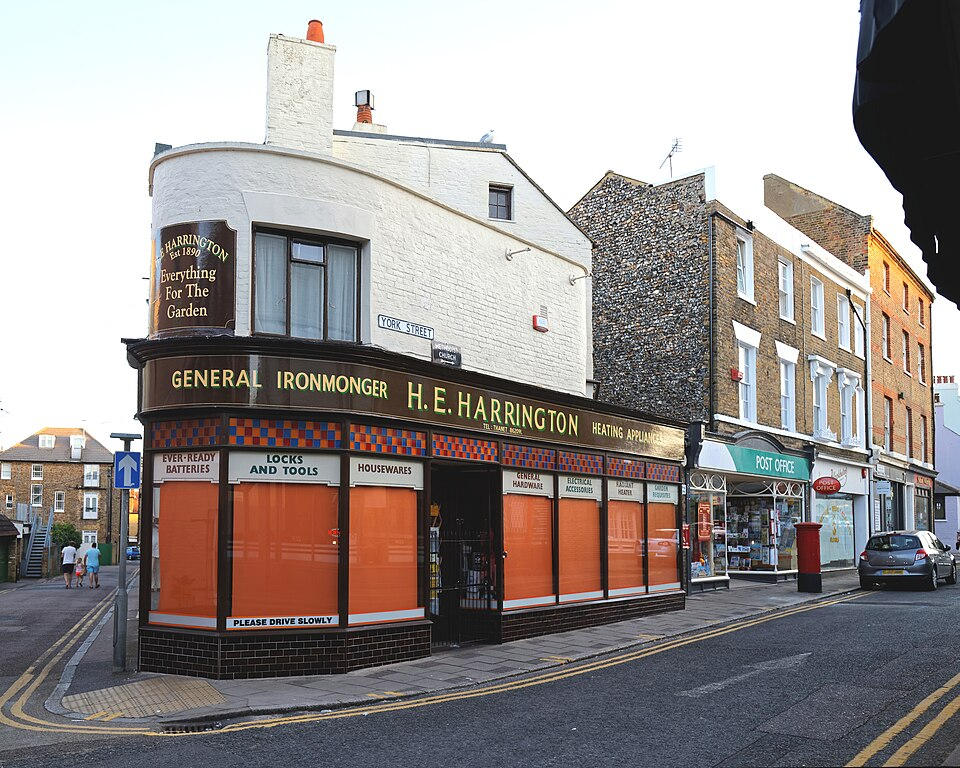
Pulleys were a standard item: a local joiner made the rack, an ironmonger sold the pulleys, cord and cleat, and the whole thing was assembled on site to fit the room.
That is why no two are the same length, and why surviving examples are frequently a better fit for their kitchen than anything bought could be.
They are now sold as a kit in standard widths, which is cheaper and less well fitted, and a custom rack is a joinery job again for anybody who wants one. The supply chain changed and the object did not.
11. The pulley is strongly associated with particular regions and housing types

Ceiling racks were far more common in some countries and regions than others, and are especially associated with tenement and terraced housing where ceilings were high and floor space was not available.
That is a straightforward consequence of building form rather than of culture: a high ceiling makes a pulley work and a low one does not.
Modern installation follows the same logic, which is why the revival is strongest in flats and in older housing with the height for it. This file names no country and no region, because the association is with a building type rather than a place.
12. It disappeared from new houses and never came back as standard
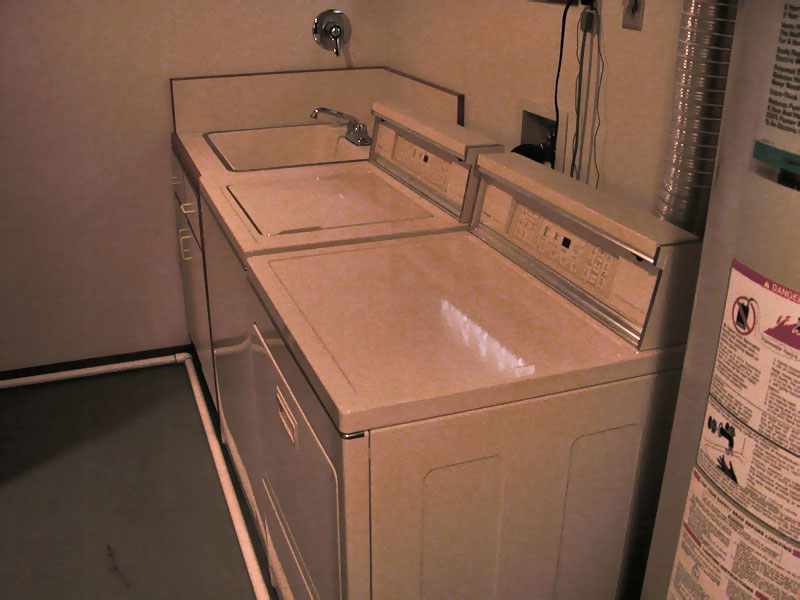
Houses built from the 1960s onward were not designed with a drying point, because the assumption was a garden line, then a dryer, and the kitchen ceiling was no longer the warmest place in the house.
So the pulley left new building entirely and survived only where the existing fixture remained, which means its distribution now maps onto housing age rather than onto anything about the households.
Utility rooms, where a house has one, are the modern equivalent and are fitted in a minority of homes. A great many houses have no designated place to dry anything at all, which is a design omission people notice every winter.
13. Energy cost brought it back
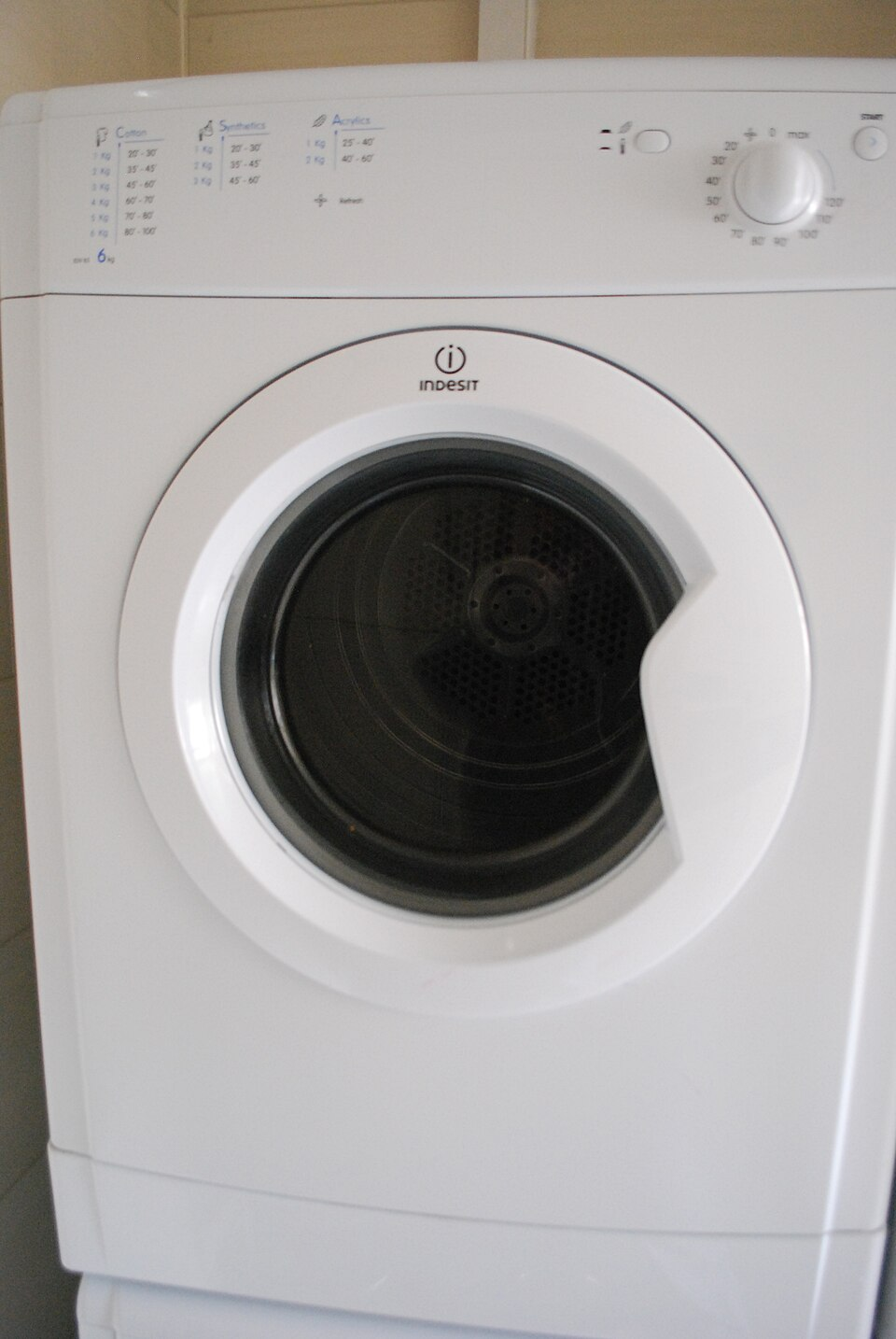
The ceiling rack has had a visible revival, and the reason is arithmetic: a tumble dryer is one of the most energy-hungry appliances in a house and a rack uses none.
For a household watching energy costs, moving a proportion of drying off the dryer and onto a rack is one of the larger savings available for a one-off cost of a few pounds and an afternoon’s work.
That has put a nineteenth-century device back into twenty-first-century kitchens on an economic argument, and the manufacturers are selling it exactly that way. This file gives no figures and makes no claim about any saving, because that depends entirely on tariffs and use.
14. What it says about the house it was in
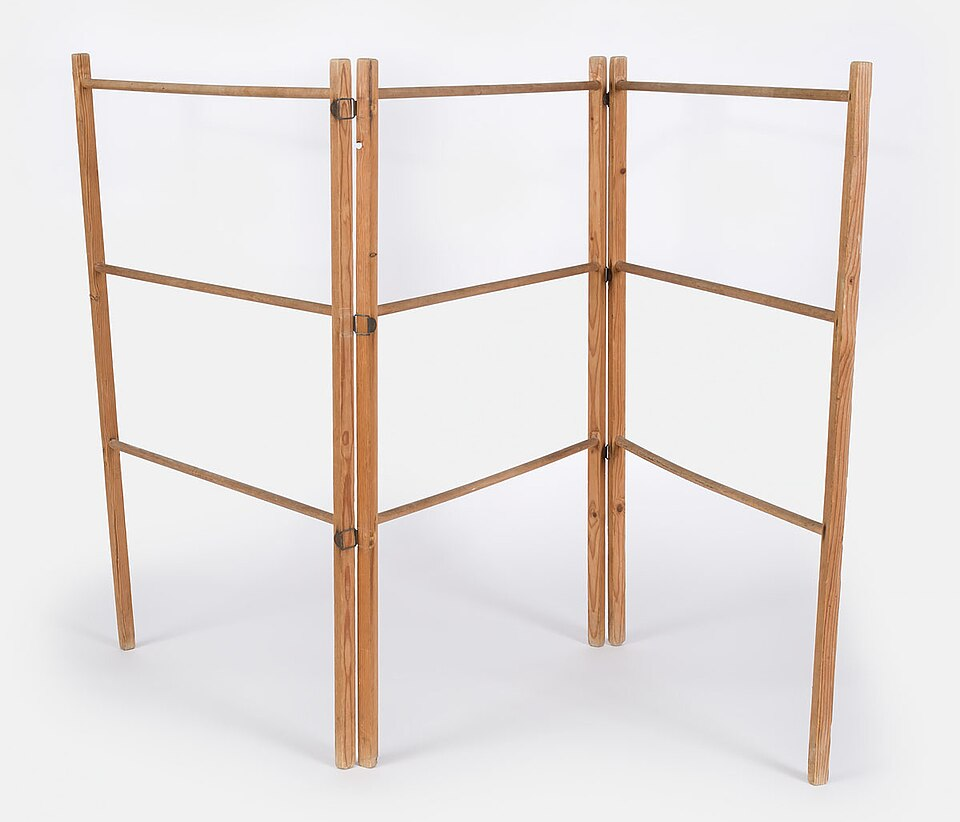
A ceiling pulley tells you three things about a household: the kitchen was the warm room, floor space was scarce, and the weather could not be relied on.
All three were true of a very large proportion of housing for a very long time, which is why the object is so widespread and so strongly remembered, and why it reads as a piece of social history rather than as a gadget.
The summary: the ceiling pulley was a slatted timber rack on cords and pulleys fixed into the kitchen ceiling and tied off at a wall cleat, lowered for loading and hauled up into the warmest air in the only heated room in the house, holding a full wash in no floor space at all, with the outdoor line always preferred and the rack as the fallback; central heating removed the warm room and the fixed drying point before the tumble dryer was common; the one thing that genuinely changed is ventilation, because a 1962 kitchen with a flue and loose windows carried the moisture away and a sealed modern room does not; and energy cost has brought the object back on an argument the people who installed the first ones would have recognised immediately.
The object was always right; the house changed
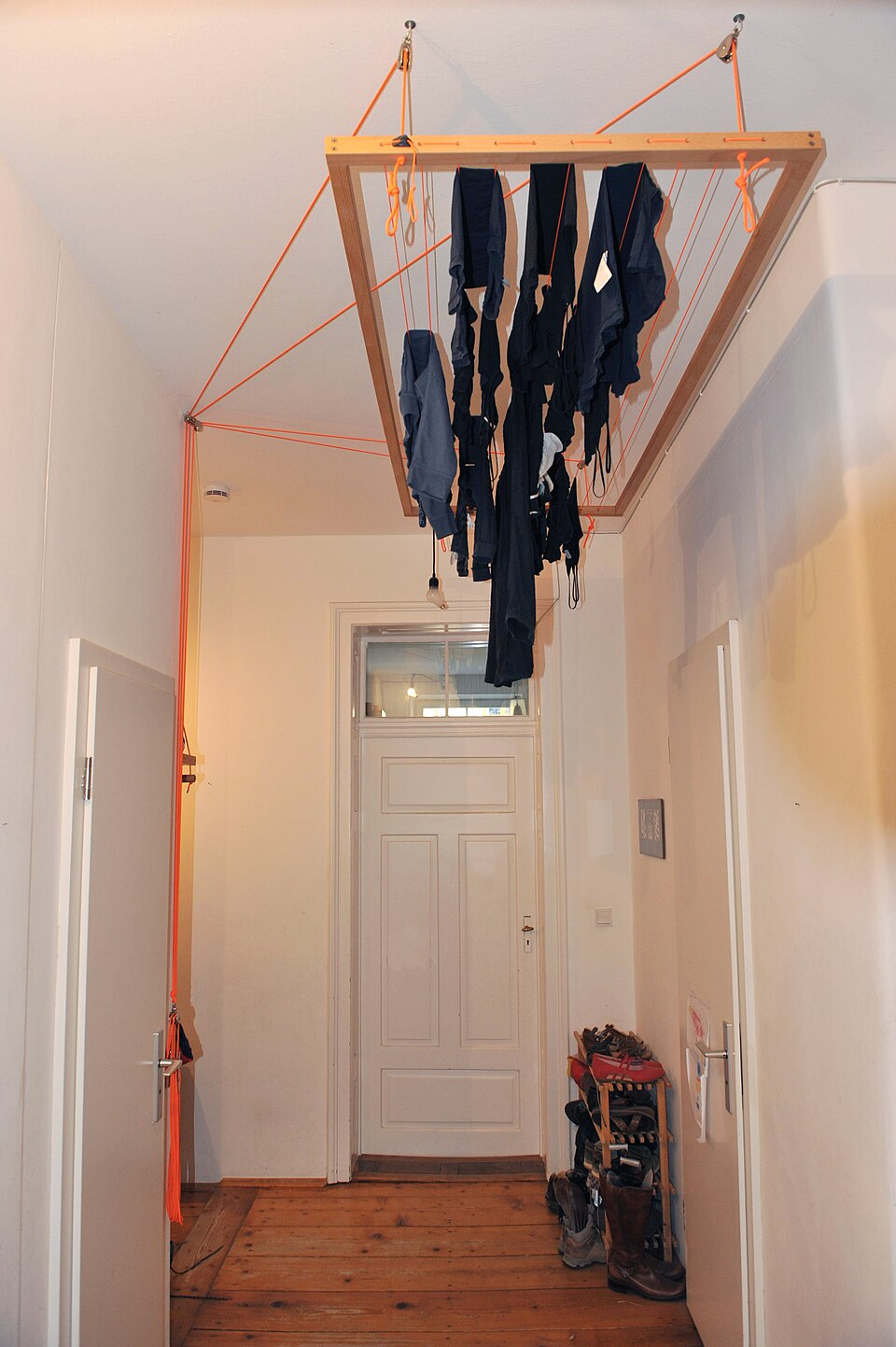
Almost nothing about a ceiling rack has been improved on. It is still made, still sold, and still the highest-capacity, lowest-cost drying method there is, which is why energy costs have brought it back. What changed around it was the building. Central heating removed the single warm room and with it the reason for one fixed drying point, so racks became portable and then unnecessary. And a 1962 kitchen with a working flue and ill-fitting windows was a ventilation system that carried the moisture of a wash away without anybody thinking about it, which a sealed, insulated modern room is not. That single difference is the whole of what a modern installer needs to think about.
The fixing is the part that matters. A loaded rack is heavy and must go into structural timber rather than plasterboard, so follow the manufacturer’s instructions and ask somebody competent if the ceiling structure is uncertain.
Like our content? Follow us for more.