A tray of sand and a tray of water look like the least educational things in an infant classroom and are among the most. Here are fifteen things they taught.
1. They were trays on legs and they stood in the room all year
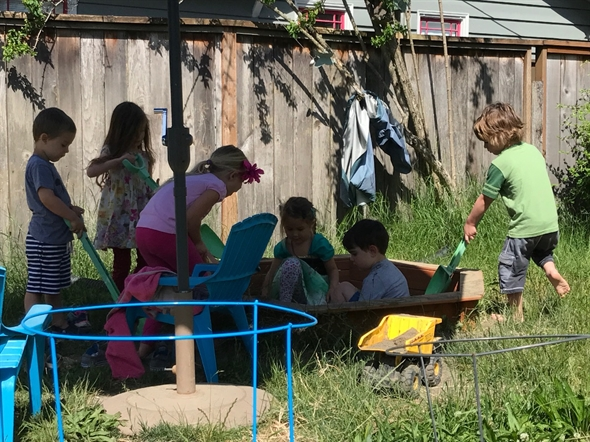
The sand tray and the water tray were shallow containers, frequently zinc-lined timber or later moulded plastic, on a stand at a height a four-year-old could reach over, and they occupied a fixed corner of an infant classroom from September to July.
That permanence is the first thing to notice. They were not an activity that came out; they were furniture, available continuously, which is why children of the period describe them as part of the room rather than as something they did.
Modern early years provision still has both, indoors and increasingly outdoors, and the trays are now lighter, lidded, mobile and frequently at adjustable heights. The permanence has survived and the fixedness has not.
Like our content? Follow us for more.
2. The sand was dry in one tray and wet in the other, and that was the point
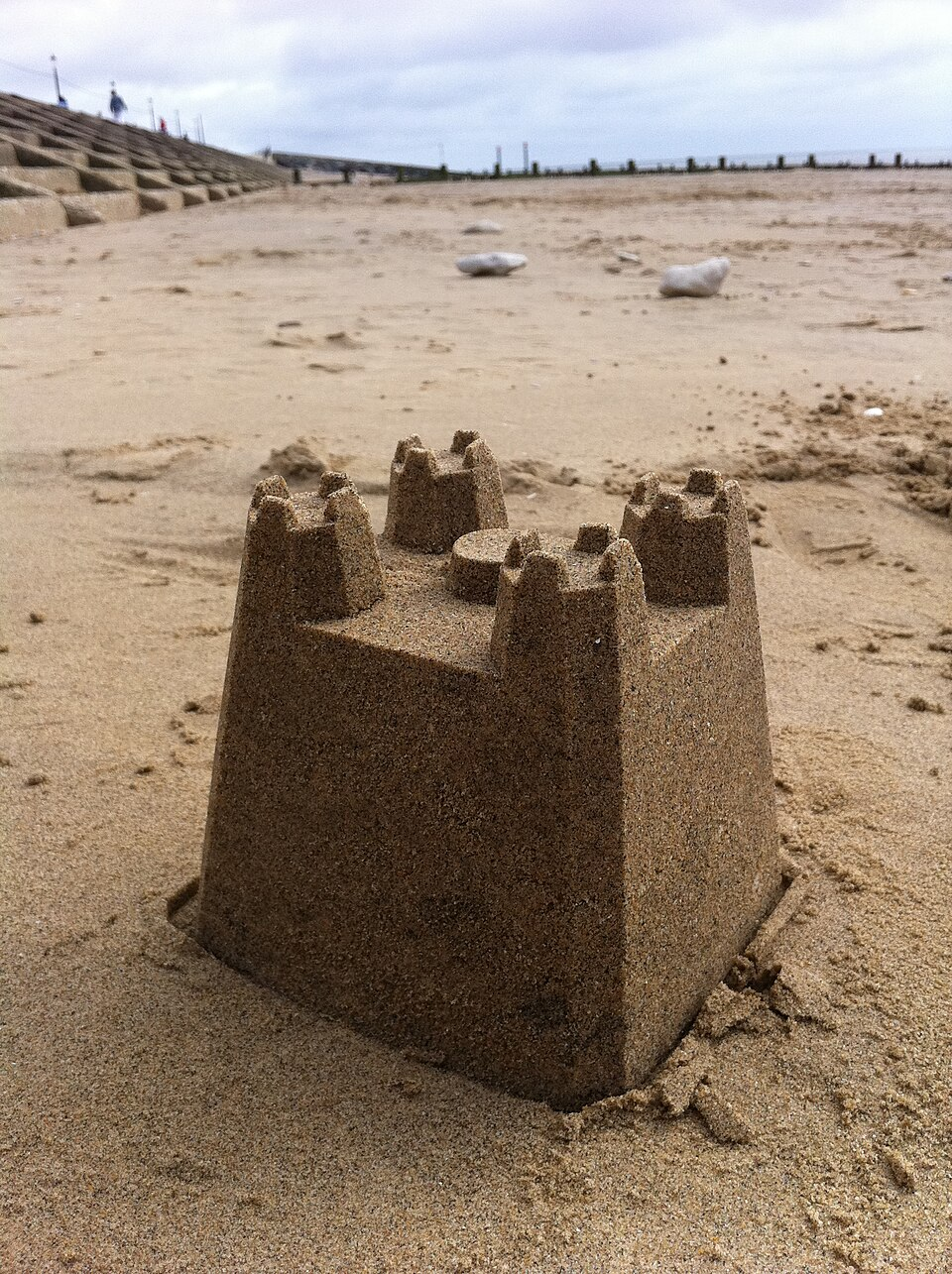
A well-equipped room had both, because dry sand and wet sand behave completely differently: dry sand pours, flows, fills and levels, and wet sand holds a shape, takes an impression and can be built with.
That distinction is the entire educational content of a sand tray, and teachers of the period understood it even where they could not have articulated it in the language now used.
The modern account is explicit: dry sand teaches flow, volume and capacity, wet sand teaches construction, cohesion and moulding, and good provision offers both deliberately rather than whichever the tray happens to contain. The practice was right and the explanation caught up.
3. The water tray came with jugs, funnels, tubes and things that floated
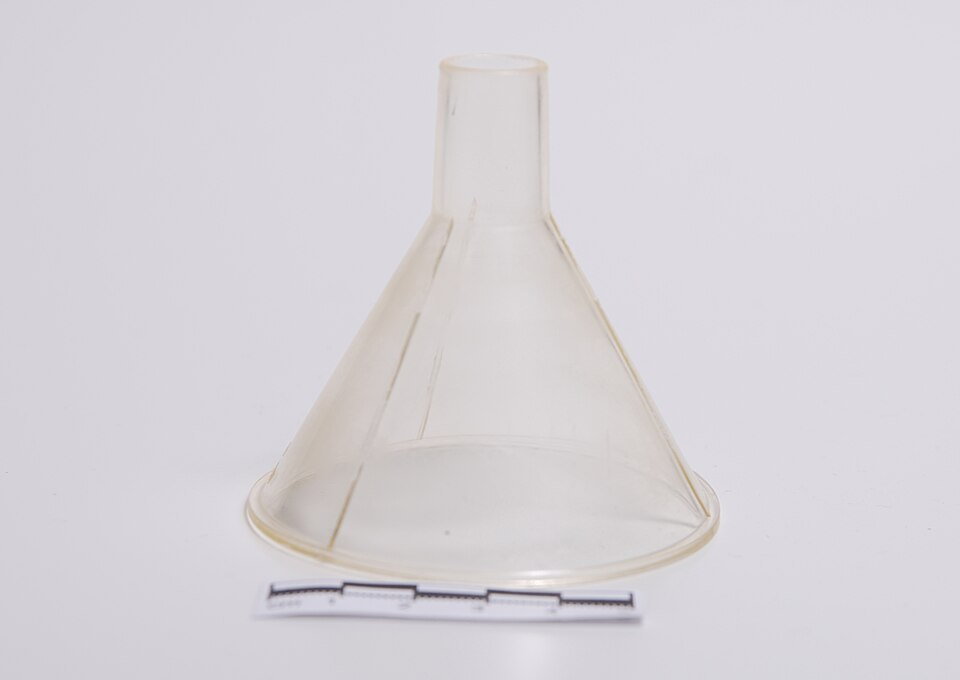
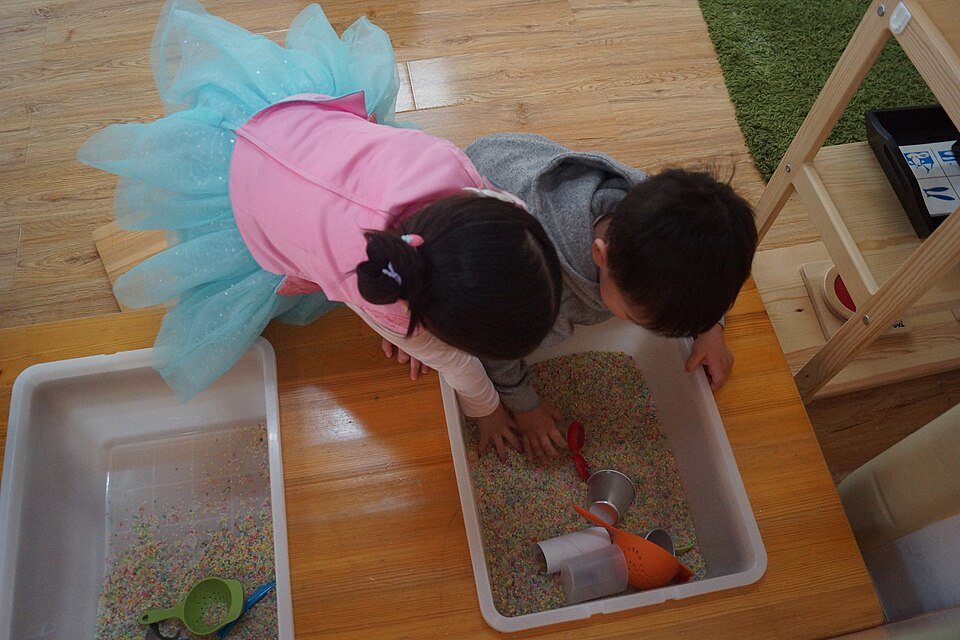
Equipment was a collection of containers of different shapes and capacities, funnels, lengths of tube, a sieve, a waterwheel if the school had one, corks, and objects chosen because some sank and some did not.
That is a physics apparatus assembled for almost nothing, and children used it to discover conservation of volume, flow, displacement and buoyancy by pouring repeatedly and arguing about the results.
The equipment sold for water provision now is recognisably the same, better made and with more thought about the sequence in which items are introduced. It is one of the clearest cases in this batch of provision that was simply correct.
4. Aprons were the whole protective strategy
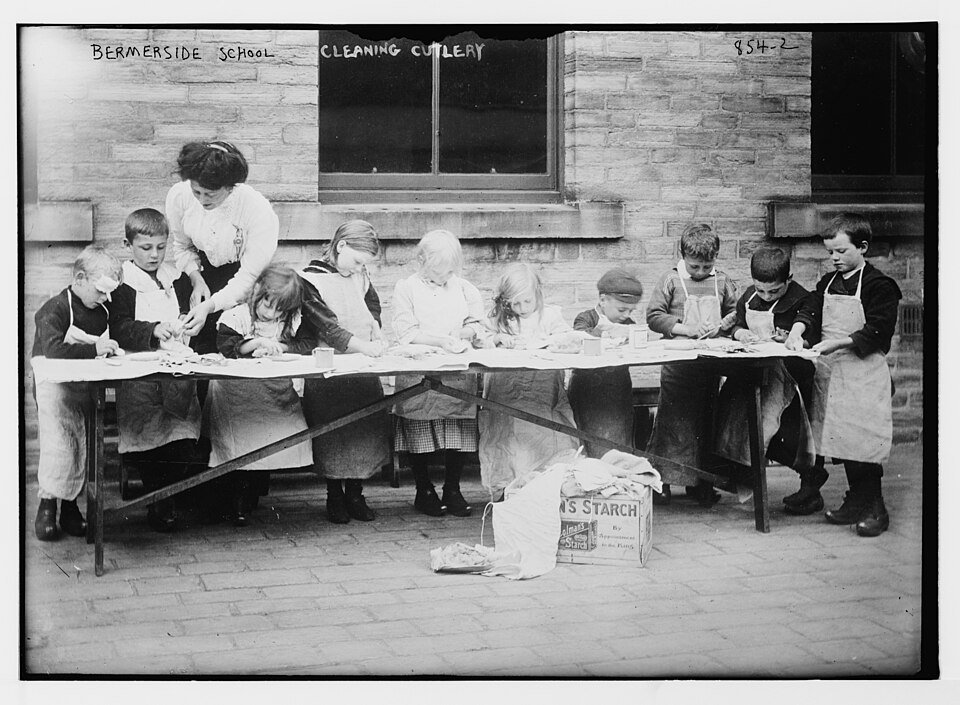
Children wore a plastic or oilcloth apron tied at the back, and that was the arrangement for keeping clothes dry, which worked partially and was understood to work partially.
Wet sleeves and wet shoes were a normal condition of an infant classroom, as was a floor that was damp near the tray, and the response was a towel and a mop rather than a change of practice.
Modern provision adds waterproof sleeves, mats and flooring chosen for the purpose, spare clothing kept at school and in a great many settings the whole activity moved outdoors where water on the ground is not a problem. The apron survives and has been joined by a great deal else.
5. Sand got everywhere and the caretaker’s view was known
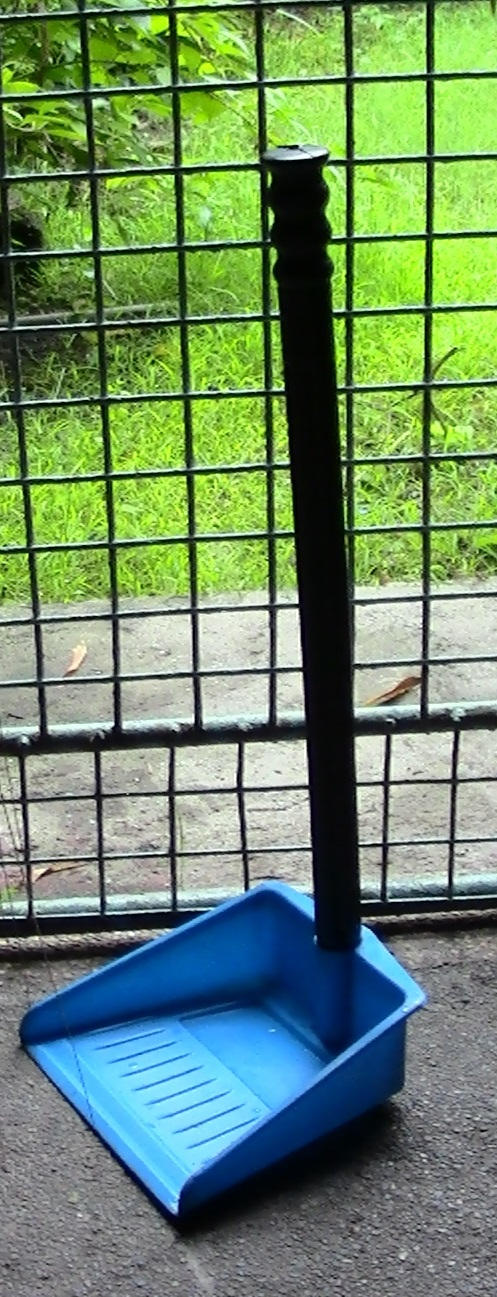
Sand leaves a tray on hands, in shoes, in hair and in pockets, travels across a floor, and ends up in corridors and under furniture, and a school with a sand tray had a continuous low-level cleaning problem.
That tension between provision and maintenance was constant and was negotiated locally, with some rooms having trays and some rooms having been persuaded not to.
Modern settings manage it with trays that have lids, brushes and dustpans kept at the tray as part of the activity, mats to contain spill, and outdoor sand areas that keep the problem outside. Tidying as part of the play is now a deliberate part of the routine rather than a chore afterwards.
6. The sand was changed rarely and nobody recorded when
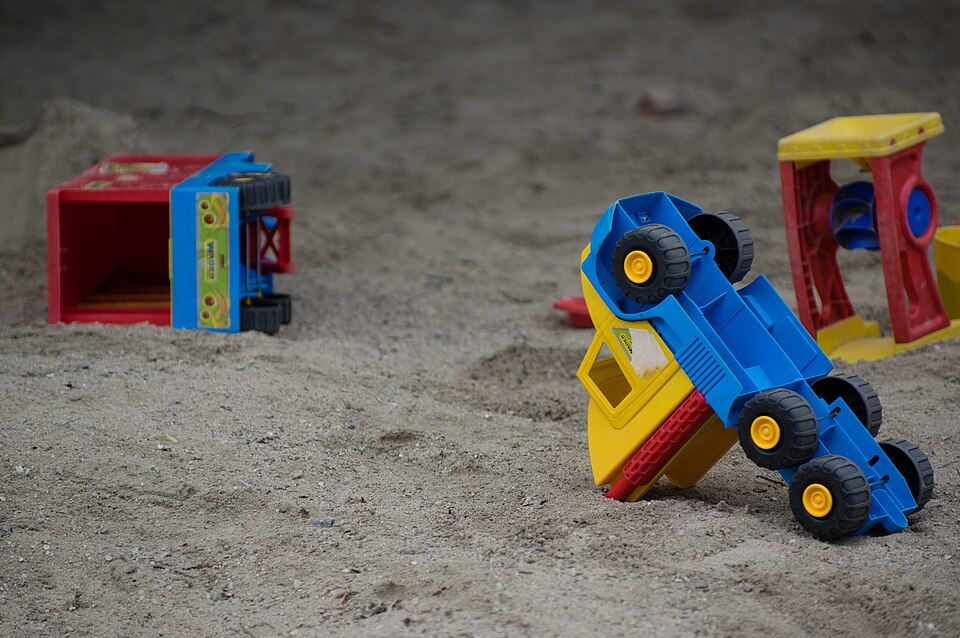
Sand stayed in a tray for a long time, topped up rather than replaced, and the decision to change it was made when it looked or smelled wrong rather than on any schedule.
There was no record, no protocol and no requirement, and what went into the sand over a year in a room of thirty four-year-olds was not considered.
Sand and water provision is now covered by hygiene protocols: specified cleaning and replacement intervals, covering when not in use, immediate action after contamination, and the use of sand supplied for the purpose. This file gives no interval, no method and no product, and names no organism and no illness, because hygiene in a setting is governed by that setting’s own procedures and the relevant public health guidance.
7. Standing water was left in the tray overnight
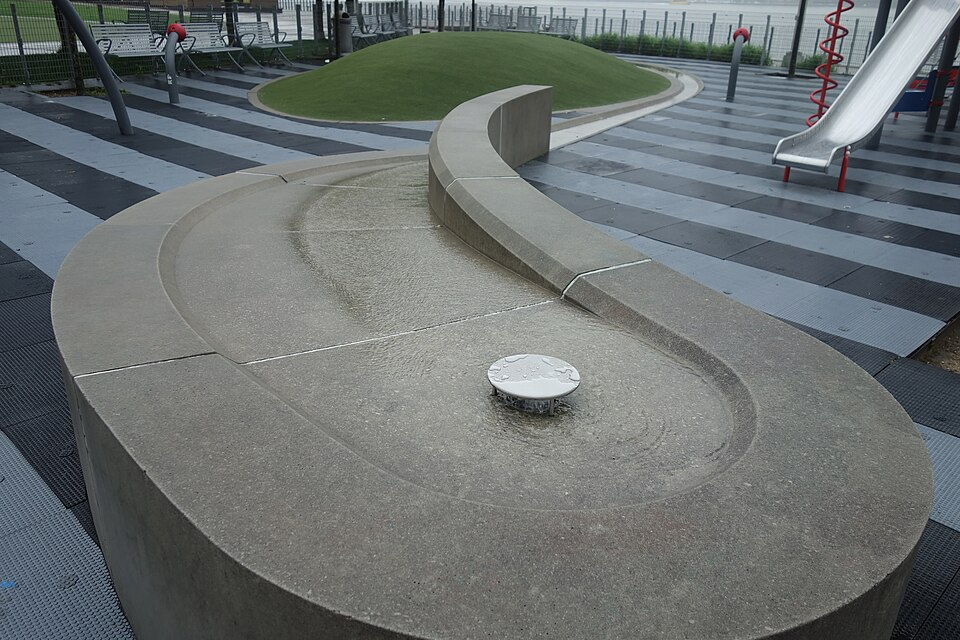
Water was left in the tray between sessions and frequently between days, because emptying and refilling a tray is heavy work and nobody required it.
That is the item on this list that modern practice is most firm about, and the reasoning is straightforward: water standing in a warm room is a different thing from water poured that morning.
The modern position is water emptied and the tray cleaned between uses, filled fresh, and treated as a consumable rather than a fixture. This file names no organism, no illness and no method, and the practical point is that fresh water each session is now the rule rather than the exception.
8. Outdoor sand was a different and bigger problem
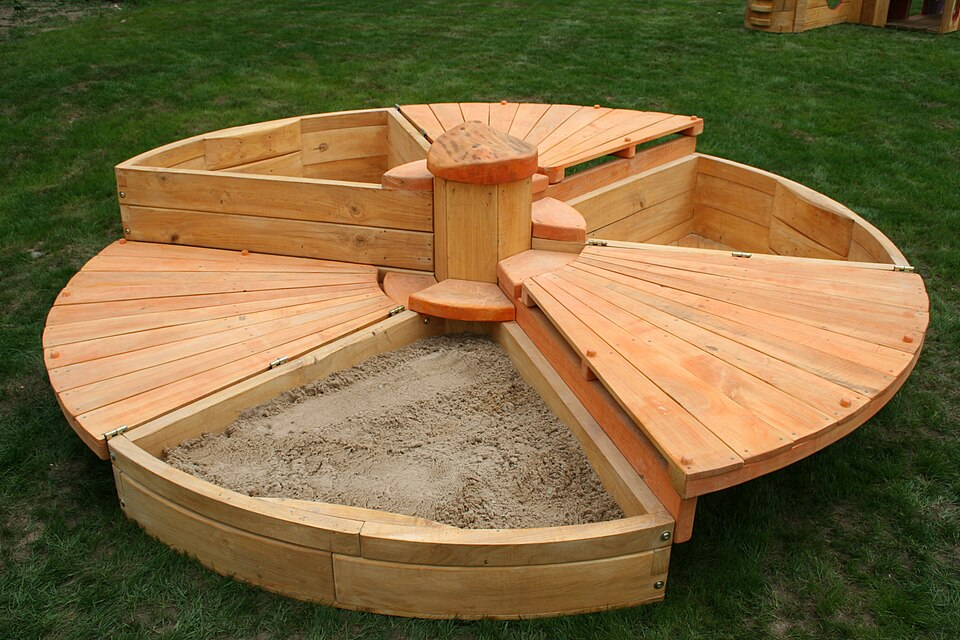
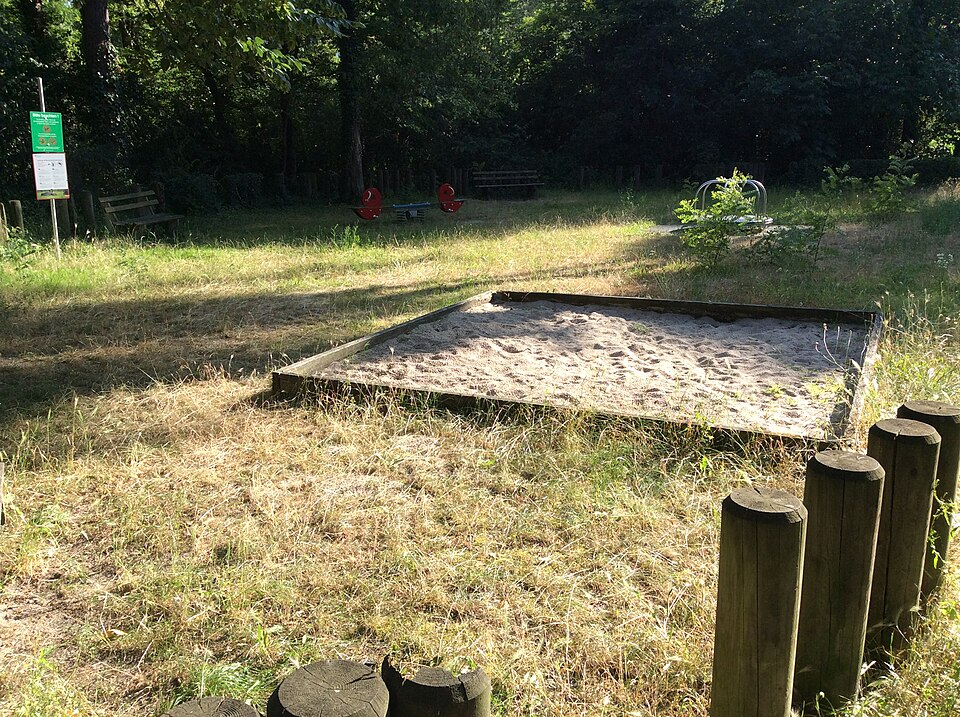
Where a school had an outdoor sandpit, it was open to the weather and to animals, and its condition over a summer was variable in ways that are now specifically addressed.
Covered sandpits, sand supplied to a standard, raking and replacement schedules, and inspection before use are now standard practice for outdoor sand in any setting, for reasons that are well established in public health guidance.
This file names no animal, no organism and no condition, and anybody responsible for an outdoor sand area should work to their national public health or early years guidance rather than to anything in an article. That boundary is deliberate.
9. The sand itself was whatever had been delivered
Builders’ sand, beach sand and bagged silver sand were all used, and which one a school had depended on what somebody had got hold of.
That matters because sands differ in grain, in dust content and in what else is in them, and the fine dust in some sands is the specific reason play sand is now a specified product.
Sand for children’s use is now supplied as play sand, produced and graded for the purpose and labelled accordingly, and general-purpose building sand is not used. This file names no substance, no standard and no supplier, and the modern requirement is simply that sand sold for play is what gets used.
10. Who was allowed in was managed by numbers and a timer
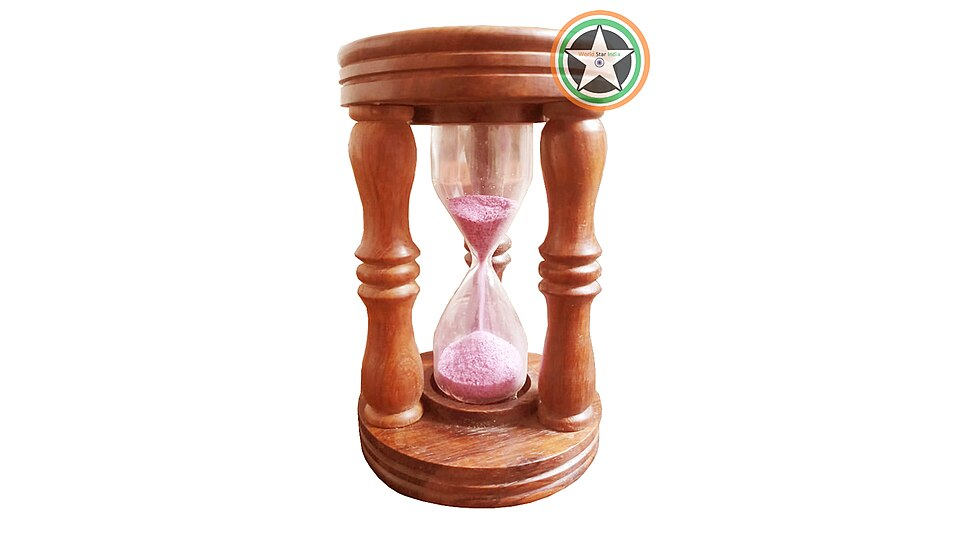
Capacity at a tray was limited, and infant classrooms ran the familiar systems: a fixed number of aprons, pegs by the tray, a sand timer, or a rota chalked up.
That was management and it was also teaching, because waiting, taking a turn and judging when somebody had had long enough is substantial social learning conducted over a tray of water.
The same systems are used now, frequently in exactly the same form, with the addition that the waiting is understood and talked about as a skill rather than treated as a queue. Four aprons on four pegs remains the whole technology.
11. The adult stood back, which was the mistake
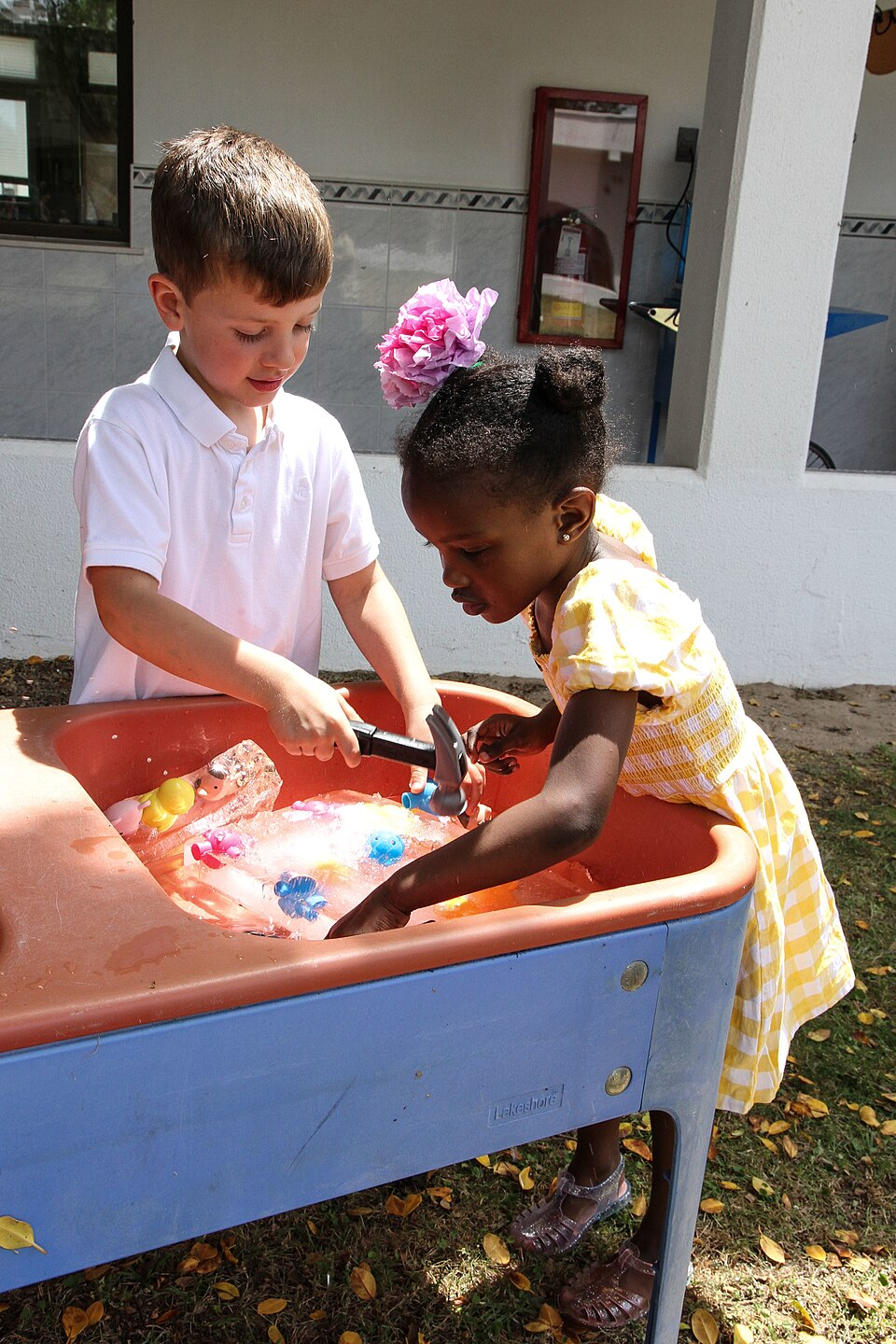
The 1964 practice was broadly to provide the tray and let children get on with it, and intervention was for stopping trouble rather than for extending the play.
That is now understood to leave most of the value on the table. The language a practitioner can supply at a water tray — full, empty, heavier, deeper, the same amount, what do you think will happen — is the thing that converts pouring into mathematics.
Sustained adult interaction inside sand and water play is now a defined part of good practice, with practitioners trained in what to say and when to say nothing. The equipment was always right and the adult’s role was not.
12. It was the activity children chose when they needed to not talk
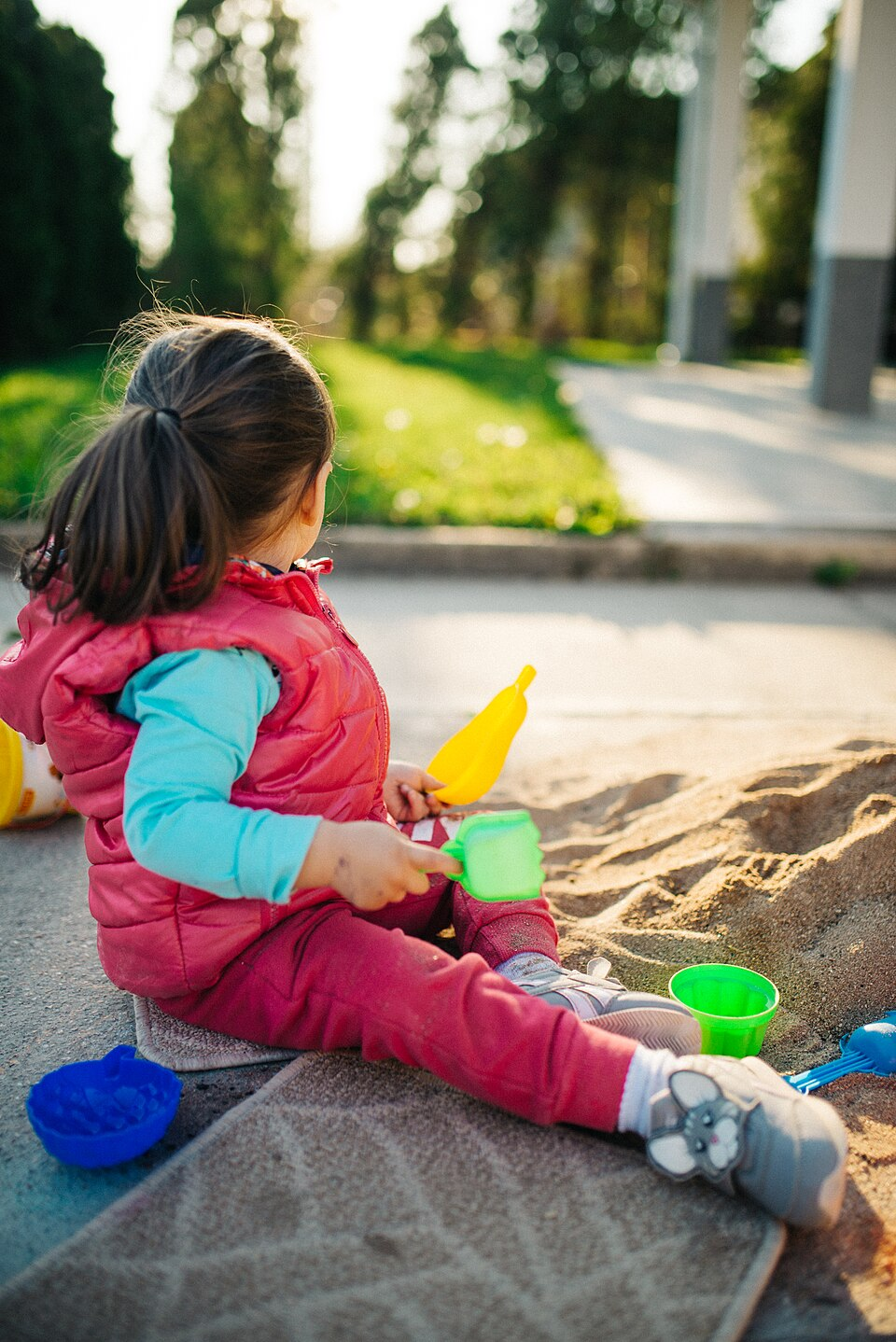
Teachers of the period noticed, without theorising it, that the water tray was where an unsettled child went, and that a few minutes of pouring produced a visibly different child afterwards.
That observation is now part of a developed account of sensory and self-regulating play, and sand and water are provided deliberately for it as well as for the mathematics.
This file names no child and makes no claim about any individual, and the point is that practitioners noticed the effect long before anybody explained it.
13. It was not recorded as learning, so it was invisible
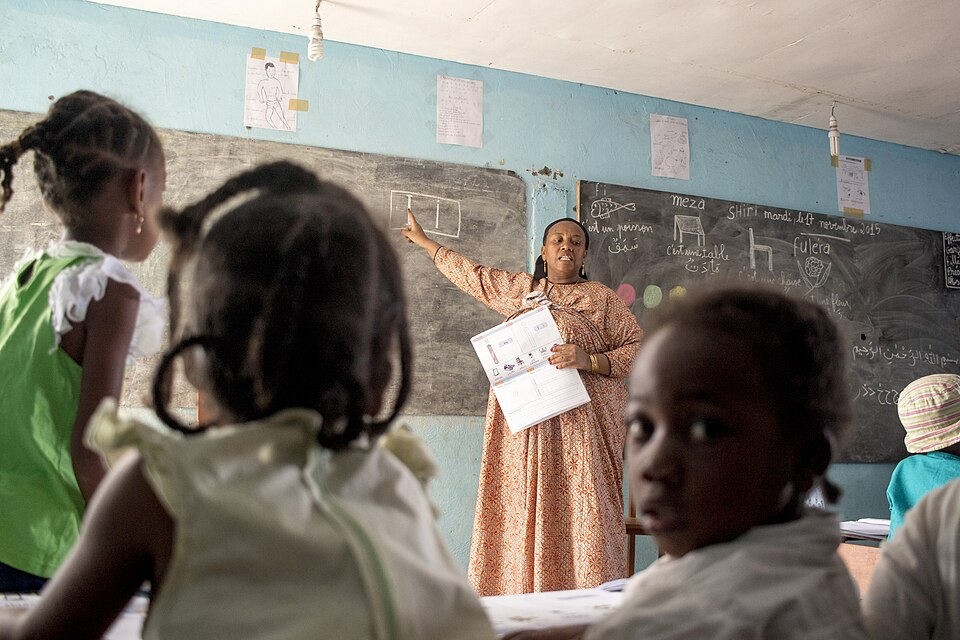
Nothing a child did at a sand tray appeared in any record. The learning was real, unassessed and therefore absent from the school’s account of what it had taught.
That made the provision vulnerable, because an activity with no evidence attached is the first thing squeezed when a timetable tightens, and in a good many schools the trays disappeared as formal expectations moved down into the infant years.
Modern practice observes, records and assesses play, with practitioners noting what a child did and what it showed, which both improves the teaching and protects the provision. Making the learning visible is what saved it.
14. Both trays went outdoors, and that solved most of the problems at once
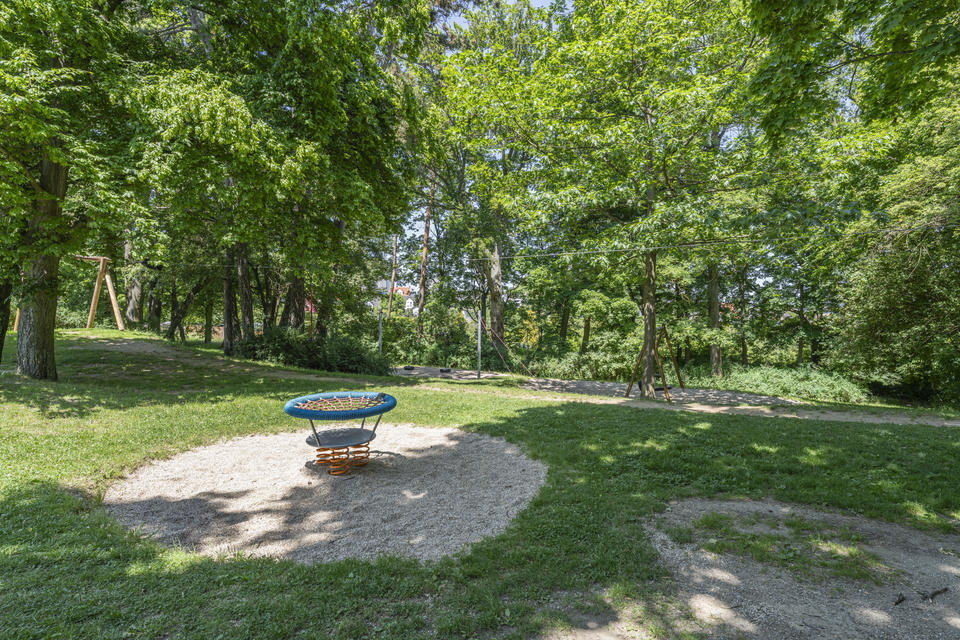
The single biggest change in sand and water provision is that a great deal of it moved outside, into covered sand areas, water walls, guttering, pumps and channels in an outdoor space.
Outdoors the spill does not matter, the scale can be much larger, the equipment can be messier and more ambitious, and the whole activity stops competing with a classroom floor.
That has transformed what is possible and it depends entirely on having an outdoor area that can be used in most weather, which is a question of capital spending and site. Settings without one are running a 1964 arrangement with better hygiene.
15. It is the provision adults most underestimate
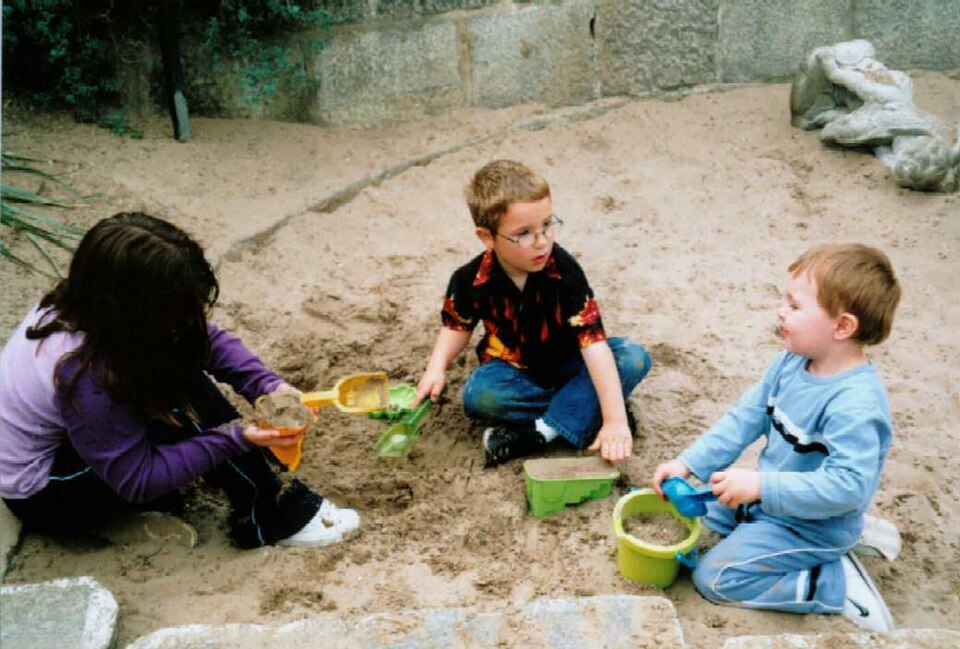
A tray of sand and a tray of water look like the least educational things in an infant classroom and are among the most, which is why they have survived every curriculum change of the past sixty years.
Volume, capacity, conservation, flow, cohesion, buoyancy, cooperation, turn-taking, language and self-regulation, all available continuously, for the price of a tray and a bag of sand.
The summary: the sand tray and the water tray were permanent furniture in an infant classroom, equipped with jugs, funnels, tubes, a sieve and things that floated, protected by an apron and nothing else, with sand topped up rather than changed and water left standing between sessions; the equipment and the pedagogy have survived almost intact and three things changed decisively — hygiene, with specified cleaning and replacement, fresh water each session, covered outdoor sand and play sand supplied for the purpose; the adult’s role, which is now sustained interaction rather than supervision from a distance; and the move outdoors, which removed the floor, the mess and the scale limit all at once.
The equipment was right and three things changed
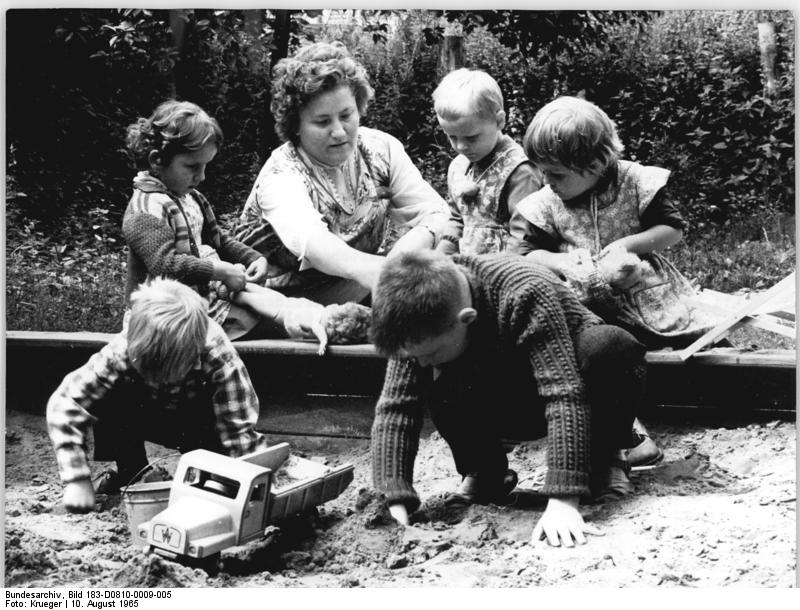
This is one of the few files in the batch where the verdict is overwhelmingly favourable: the trays, the jugs, the funnels, the tubes, the sieve and the things that float are all still in use, and the modern explanation of why they matter arrived after the practice rather than before it. Three things changed decisively. Hygiene, with specified cleaning and replacement intervals, fresh water each session, covered outdoor sand and play sand supplied for the purpose rather than whatever had been delivered. The adult’s role, which is now sustained interaction, saying full, empty, heavier, deeper and what do you think will happen, rather than supervision from a distance. And the move outdoors, which removed the floor, the mess and the limit on scale at a stroke.
Making the learning visible is what saved it. Nothing a child did at a sand tray appeared in any 1964 record, which made it the first thing squeezed when a timetable tightened; modern practice observes and records play, and the provision is safer for it.
Like our content? Follow us for more.