The nature table was stocked by the class from whatever turned up in their pockets, and wildlife law has since removed a good deal of it. Here are sixteen things that sat on it.
1. It was a table by the window and the class filled it
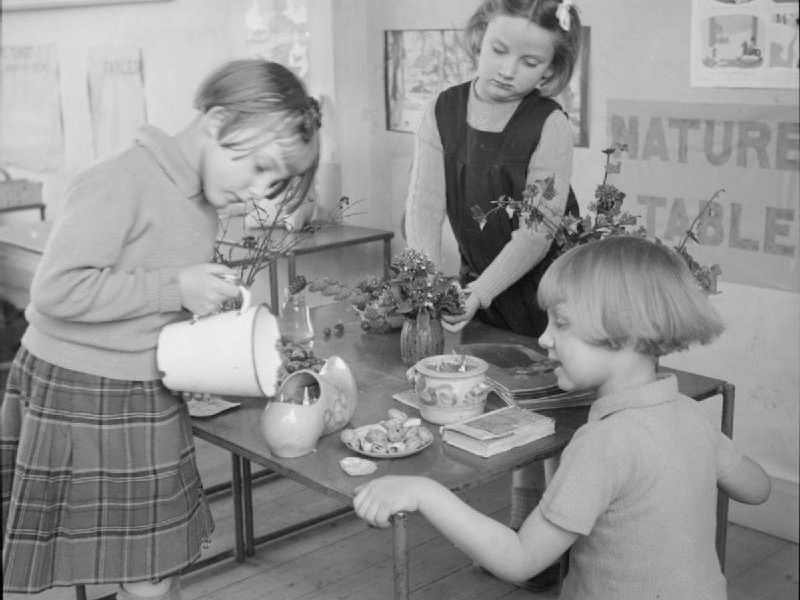
The nature table was a trestle or a side table, usually under a window for the light, on which the class put whatever it had found and brought in, labelled in a child’s handwriting on folded card.
The crucial feature is that the content came from the children. A teacher did not stock it; pupils arrived with things in their pockets and the table accumulated through the term, which made it the one display in the room that the class genuinely owned.
Modern classrooms still have nature and interest displays, and the material on them is now overwhelmingly bought, printed, borrowed from a loan service or photographed, for reasons this file sets out. The idea survives and the sourcing has changed completely.
Like our content? Follow us for more.
2. Several things that sat on it may no longer be taken at all
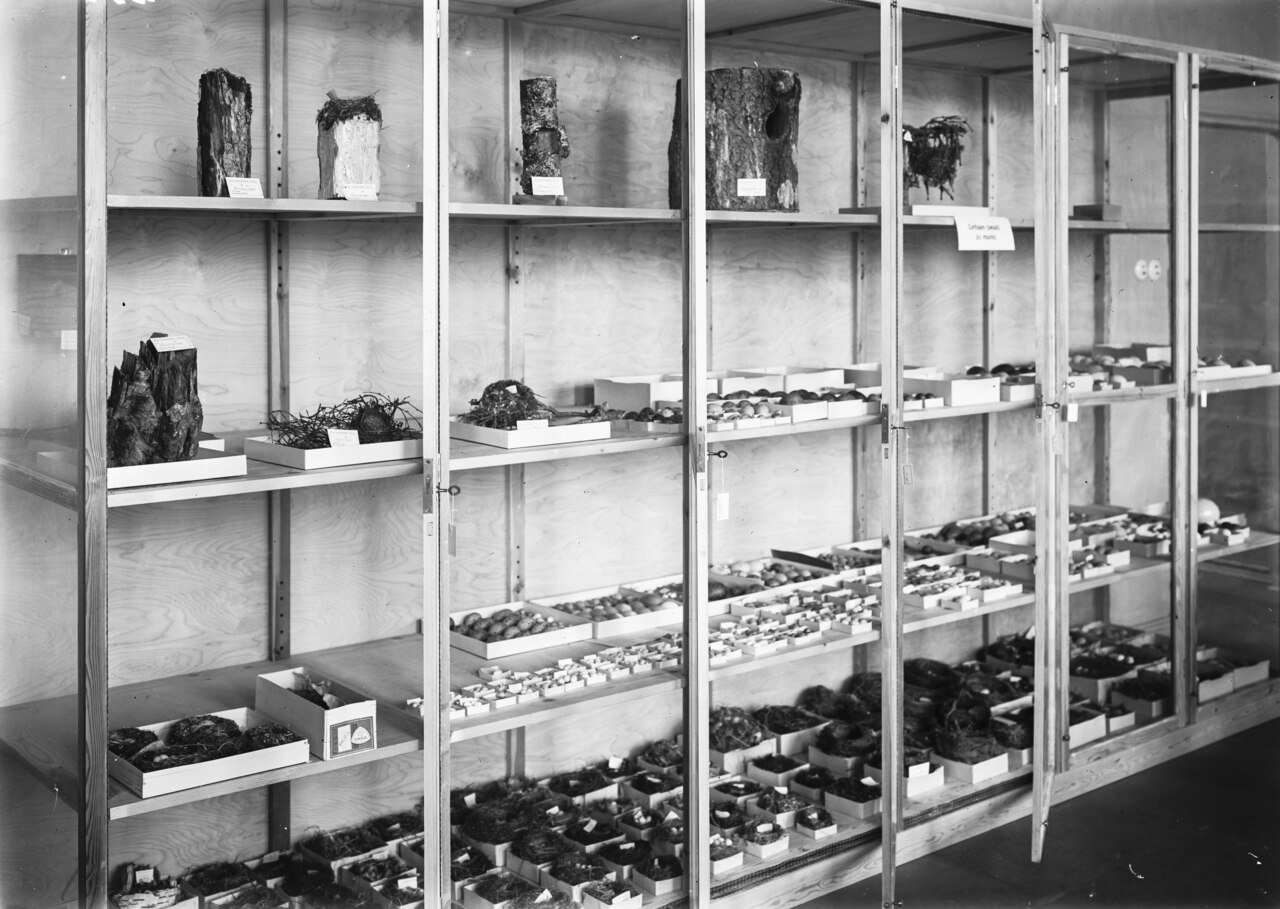
A 1964 nature table commonly held material that it is now an offence to take, including wild birds’ nests and eggs, and specimens of species that have since become protected.
Wildlife protection law in most countries now prohibits taking, possessing or disturbing a wide range of species, their nests, their eggs and in some cases their remains, with specific offences, licensing arrangements and penalties attached.
This file therefore names no species, describes no collecting of any kind and gives no identification, and anybody who finds inherited material of this type — in a school store, an attic or a family collection — should contact the national wildlife or environment authority rather than moving or disposing of it. That boundary is deliberate and absolute.
3. Conkers, acorns and seeds were the reliable autumn stock
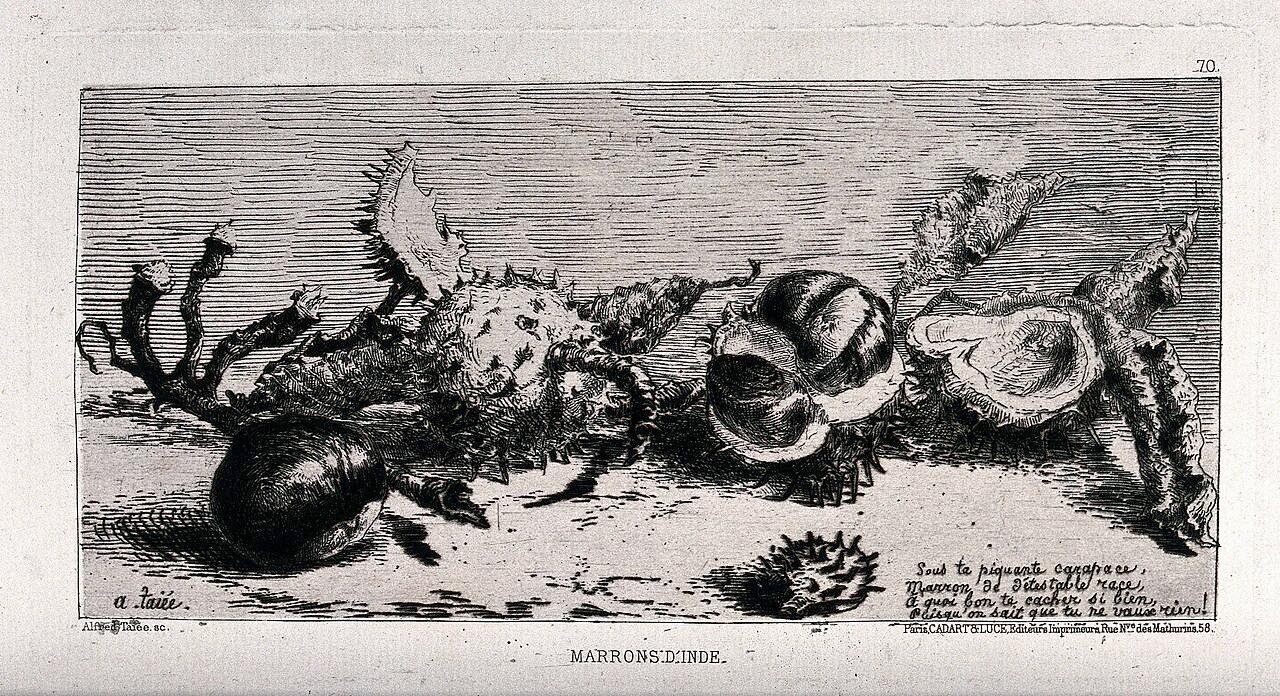
The safe and abundant material was seeds and fruit: conkers, acorns, beech mast, sycamore keys, pine cones, hazelnuts and the pods and heads of garden plants, which arrive in quantity, cost nothing and are nobody’s business but the tree’s.
That is still the core of a school nature display and is still gathered by children, because collecting fallen plant material is lawful, free and harmless, and it teaches sorting, counting, comparison and the whole idea of a seed.
The modern position is unchanged for this category with one addition, which is simple hygiene: wash hands afterwards. It is the one part of the nature table that has needed no reform at all.
4. The jar of tadpoles was a fixture and is now handled differently
A jam jar of water with spawn or tadpoles in it, on the window sill, watched daily, was close to universal in primary schools, and the development from egg to frog was the single most popular thing the table ever did.
That is excellent teaching and the problem was never the teaching. It was the sourcing, the welfare of the animals, the disease risk of moving amphibians between water bodies, and what happened to them at the end of term.
The modern approach is to observe amphibians in a school pond or a local site rather than removing them, to use captive-bred material from a licensed supplier where live observation is needed, and to follow the guidance of the national wildlife authority on whether anything may be taken at all. This file gives no method and no advice and routes the question there.
5. Rocks, fossils and minerals were the uncontroversial half
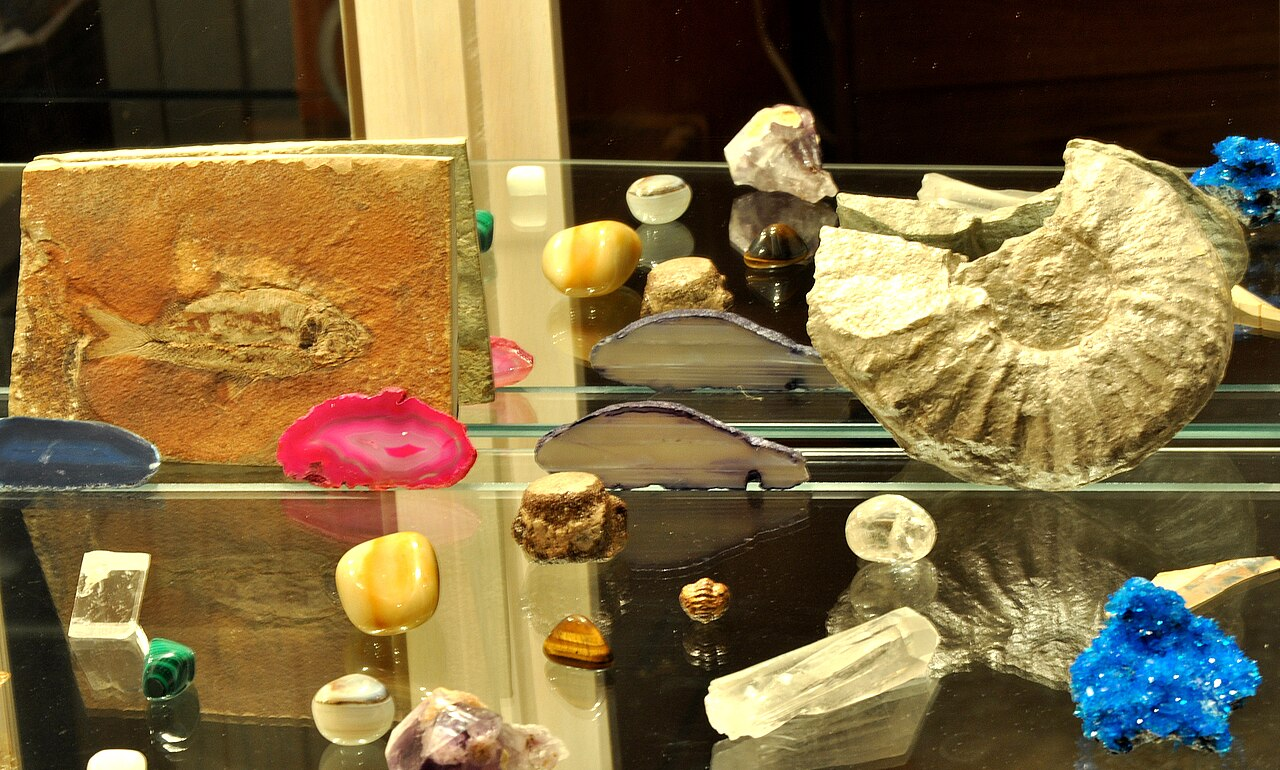
Pebbles, fossils, crystals, lumps of ore and anything brought back from a holiday beach formed a substantial part of the display, with labels of wildly varying accuracy.
Geological material is durable, needs no care, cannot suffer and was genuinely informative, and a child who had found a fossil in a quarry spoil heap had done real science.
Collecting from most sites remains lawful with the landowner’s permission and modern practice adds two things: codes of conduct published by geological bodies about where and how much, and protection for designated sites where collecting is restricted or prohibited. This file names no site and no material and gives no collecting advice.
6. The bird’s nest was the centrepiece and is the clearest example of the change
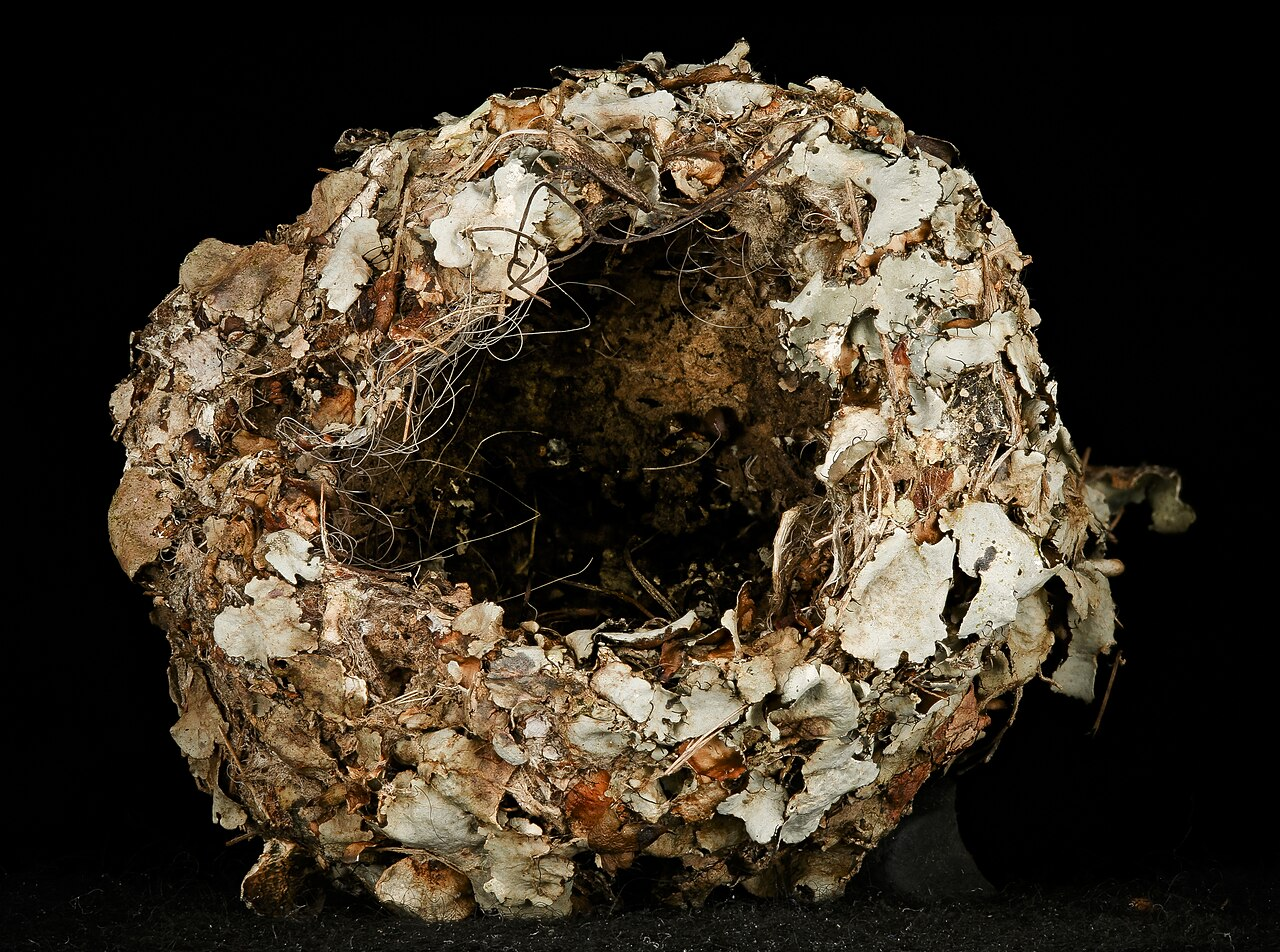
An empty nest, brought in after the season, was a prized object on a nature table, displayed and handled, and in a great many schools there was one every year.
That is now unlawful in most jurisdictions, because protection extends to nests whether or not they are in use, and the reasoning is straightforward: a rule that permits taking empty nests cannot be enforced against anybody who takes an occupied one.
Schools now use photographs, video, nest-box cameras and museum loan material, which show more than an object on a table ever did. This file describes no nest, names no bird and gives no information about finding, identifying or removing anything.
7. Bones and skulls appeared and nobody thought about hygiene
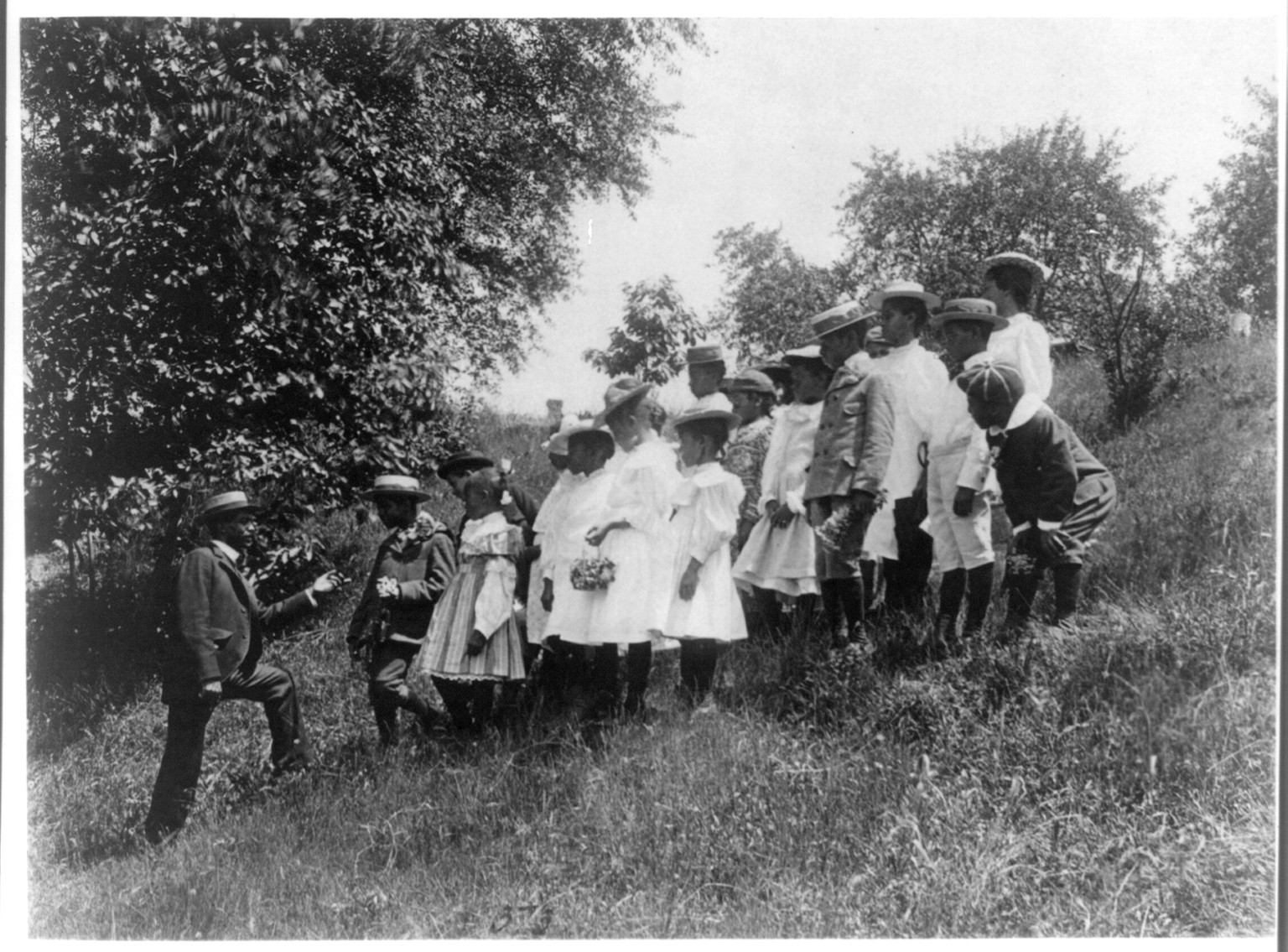
Weathered bones, a sheep’s skull, an owl pellet, a crab shell and similar finds were brought in, handled by a class and kept in a box, with no cleaning, no preparation and no handwashing routine.
Animal material in a school is now subject to practical hygiene requirements, with guidance on what may be brought in, how it is prepared, handwashing after handling and the exclusion of certain categories entirely, and some material is also protected under wildlife law.
This file names no species and no material beyond that sentence, gives no preparation or cleaning method, and describes nothing that could be taken as instruction. Owl pellet work is still done in schools and is now supplied sterilised by educational suppliers, which is a good illustration of how the subject survived by being provisioned properly.
8. Pressed flowers and leaves were a whole craft
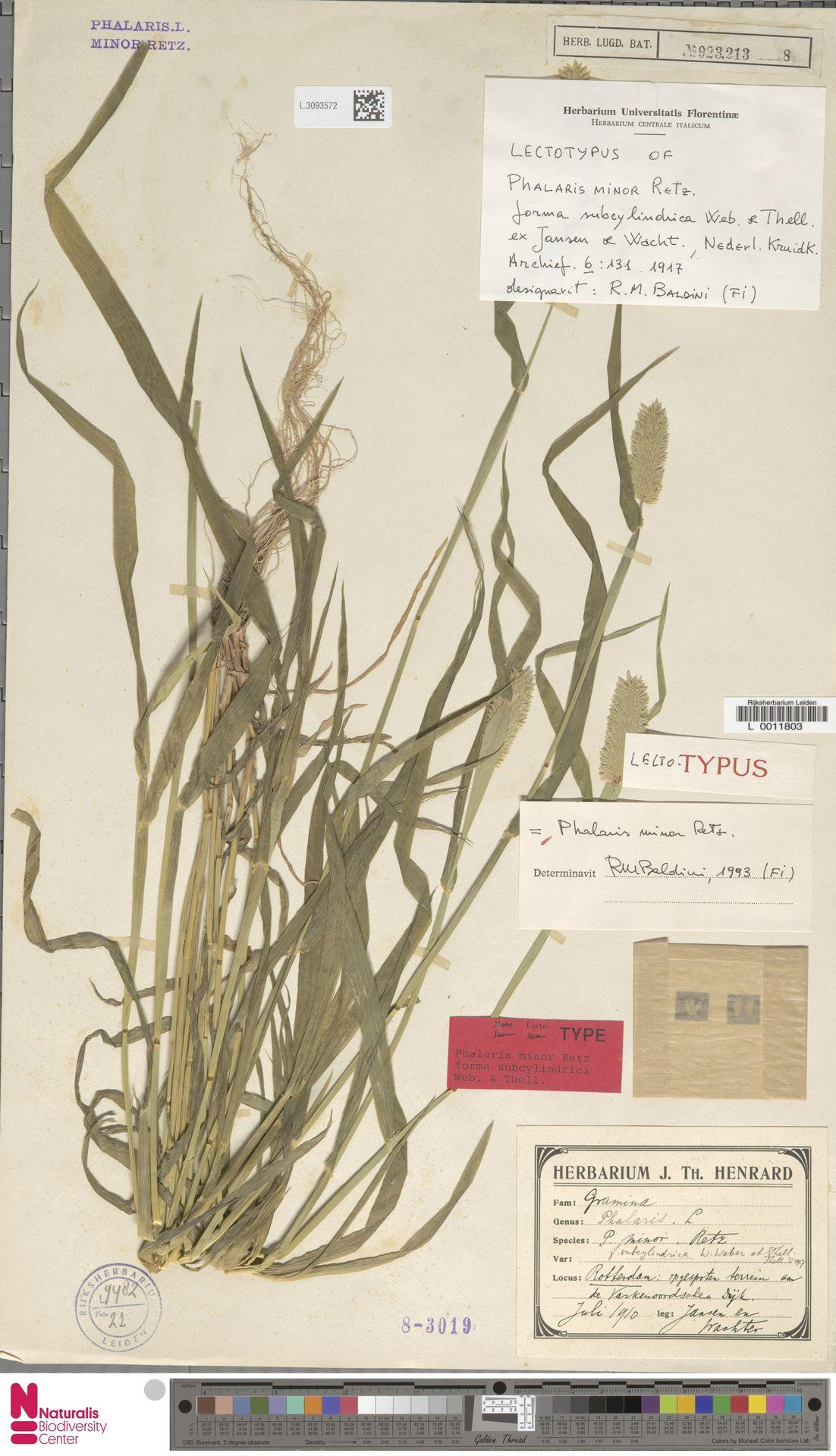
Collecting, pressing, mounting and labelling leaves and flowers was a standard autumn and summer activity, with a flower press or a heavy book, and the results pasted into albums and pinned to the display.
It teaches structure, comparison, classification and careful handling, and the material lasts indefinitely, which is why herbaria exist at all.
The practice continues with one change: picking is now done with an eye to what may be picked, because a number of wild plants are protected and uprooting any wild plant without the landowner’s permission is an offence in many jurisdictions. This file names no plant and gives no picking guidance.
9. A caterpillar in a box was expected to become a butterfly
Rearing an insect through its life cycle, in a jar or a box with leaves, was a common classroom project and the transformation was the point.
That too has been reformed rather than abandoned. The issues are the welfare of the animal, the sourcing, the release of anything into a place it did not come from, and the risk of releasing a species or a parasite where it does not belong.
Modern practice uses captive-bred material from educational suppliers with rearing instructions, keeps or re-homes rather than releasing, and follows wildlife authority guidance about release. This file describes no rearing, names no species and gives no instruction, and the authority on whether anything may be released anywhere is the national wildlife body.
10. The labels were written by children and were frequently wrong
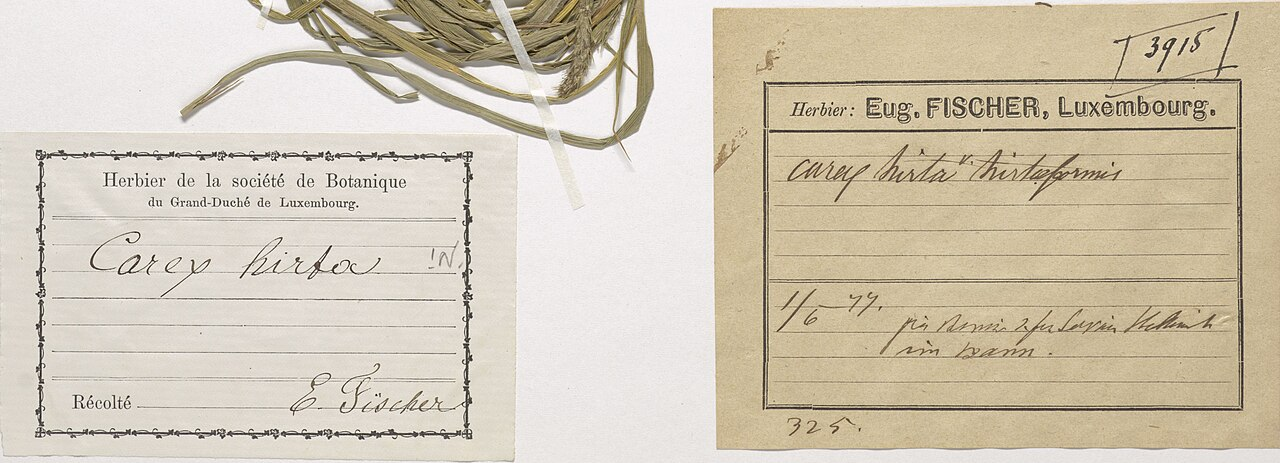
Identification was done by the class with a reference book, and the labels reflected that: confident, handwritten, and in a reasonable proportion of cases simply incorrect.
That was not a flaw so much as the activity. Working out what something is from a book, arguing about it and writing a label is the whole of elementary taxonomy, and being wrong is part of it.
Modern identification uses apps, photographic keys, online verification and in some cases submission to a recording scheme, which is far more accurate and also outsources the argument. Teachers who have used both say the argument was the valuable part.
11. It changed with the seasons, which was the real curriculum
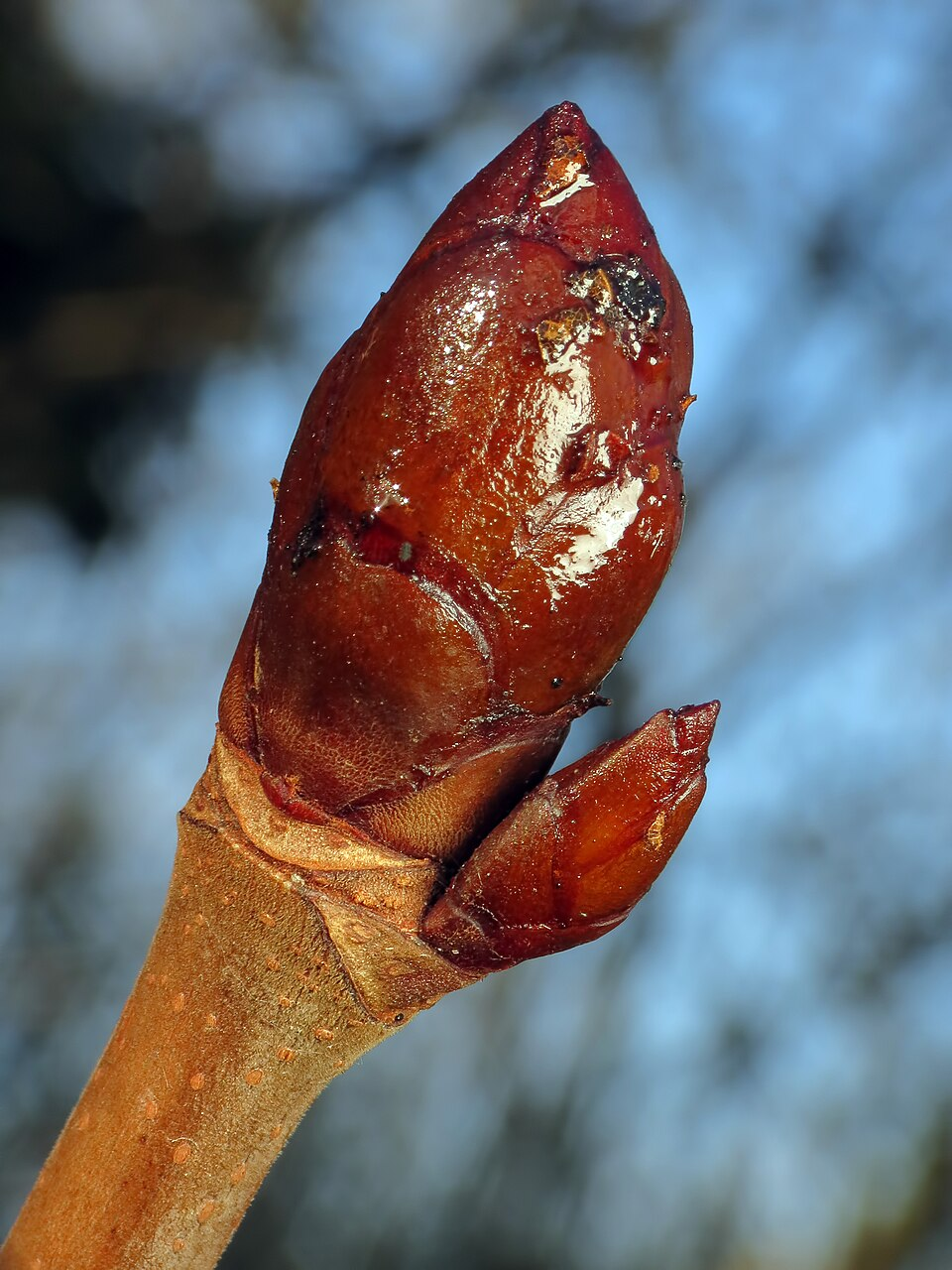
The table’s content turned over through the year — catkins and buds in spring, flowers and insects in summer, seeds and fungi in autumn, bare twigs and bones in winter — and that cycle was visible to a class that watched one table for a year.
That is a genuinely sophisticated piece of science teaching achieved with no resources at all, and it is the single strongest argument for the whole arrangement.
Seasonal observation is now a documented part of primary science curricula in most systems, supported by recording schemes, phenology projects that schools contribute to nationally, and outdoor learning programmes. The table has become a dataset, which is more useful and less tangible.
12. Fungi were brought in and that is now firmly discouraged
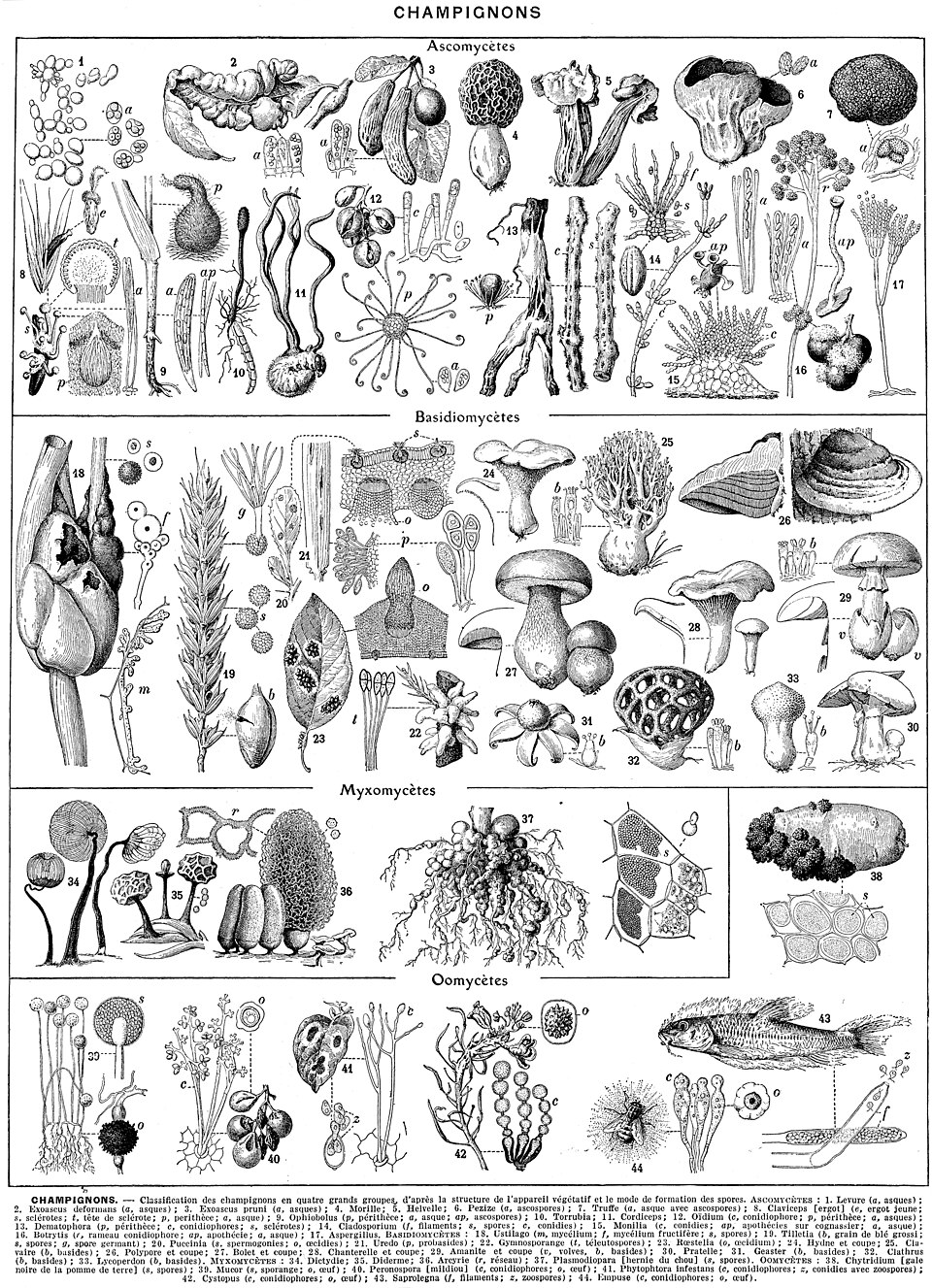
Children brought in fungi from woods, fields and playing fields, and they went on the table, were handled and were identified from a book with the usual accuracy.
Fungi are the clearest case in this file where the practice has simply stopped. Identification is genuinely difficult, some species are dangerous, and a handled or mislabelled specimen in a room of children is a situation nobody now accepts.
The modern position is observation and photography in place, with no collection and no handling, and this file names no species, gives no identification information of any kind and offers no view on any specimen. Anything to do with fungi and children belongs with a mycologist and the school’s own guidance, not with an article.
13. Everything on it was free and that was the point
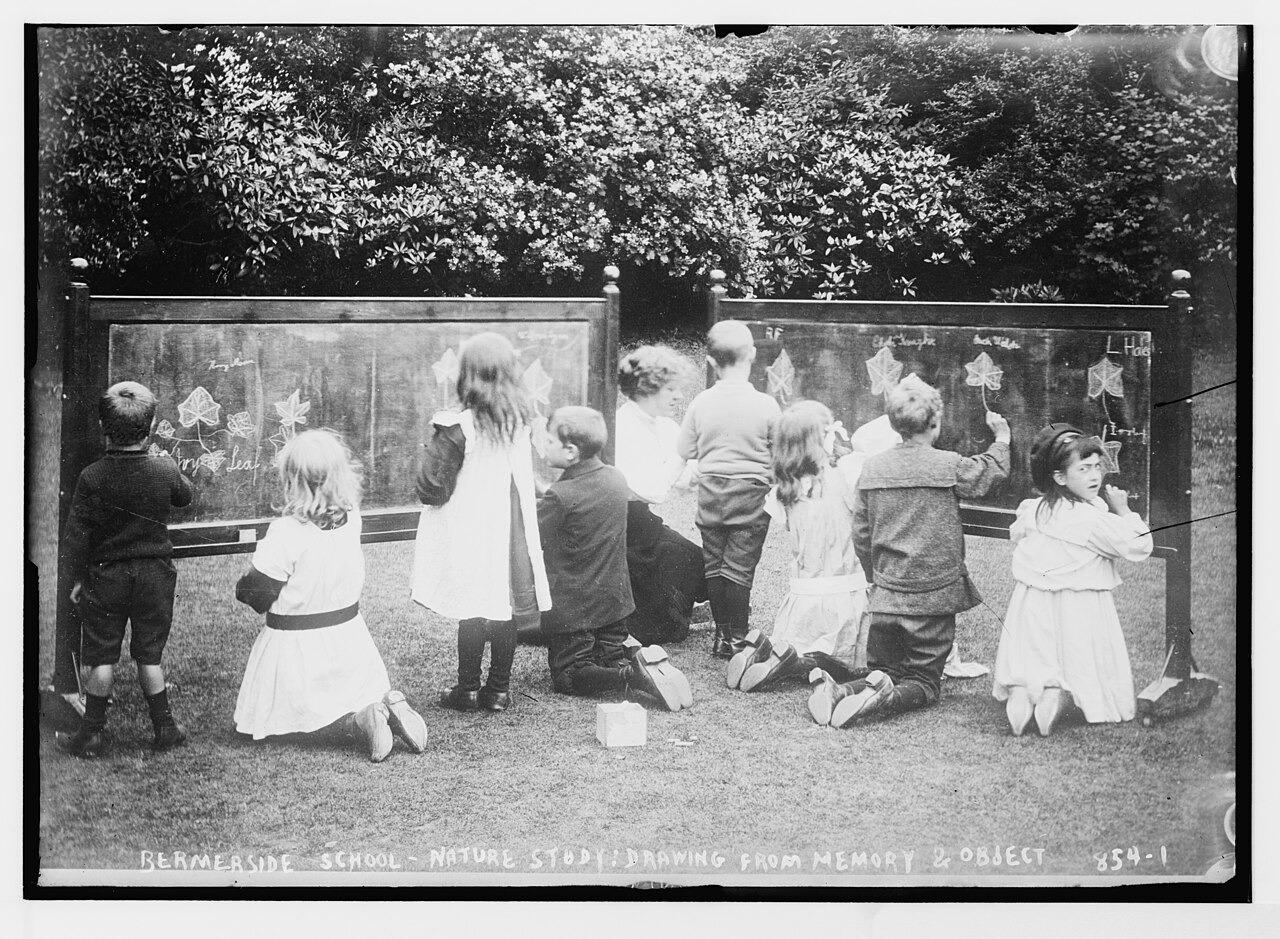
The nature table cost nothing. The entire display was assembled from material the children found, which meant a school with no budget had a science resource and every child could contribute regardless of what their family could spend.
That equality is underrated. A table of found objects does not distinguish between pupils in the way a bought resource does, and the child who brought in the best thing that term had not bought it.
Modern provision is better and is not free: loan boxes from museum services, bought specimens, printed resources, licensed live material and subscriptions. Schools with funding have excellent resources and schools without have a photograph on a screen, which is a different kind of inequality from the one the nature table avoided.
14. The hand lens was the only instrument
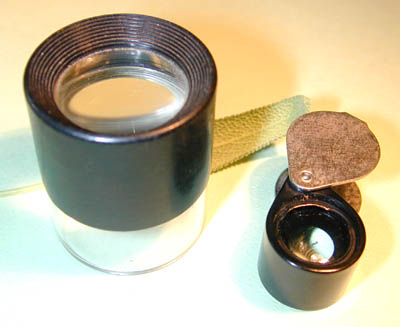
A nature table came with a magnifying glass or a few plastic hand lenses, and that was the entire scientific apparatus. Looking closely at something was the method.
That is still the method and the lens is still the right tool for it, which is why every primary classroom has a tub of them.
What has been added is scale: digital microscopes that project onto a screen so a whole class sees the same thing at once, and photography that lets a detail be kept and compared. The hand lens survived because nothing has improved on holding an object up to your own eye.
15. It was dismantled at the end of term and thrown away
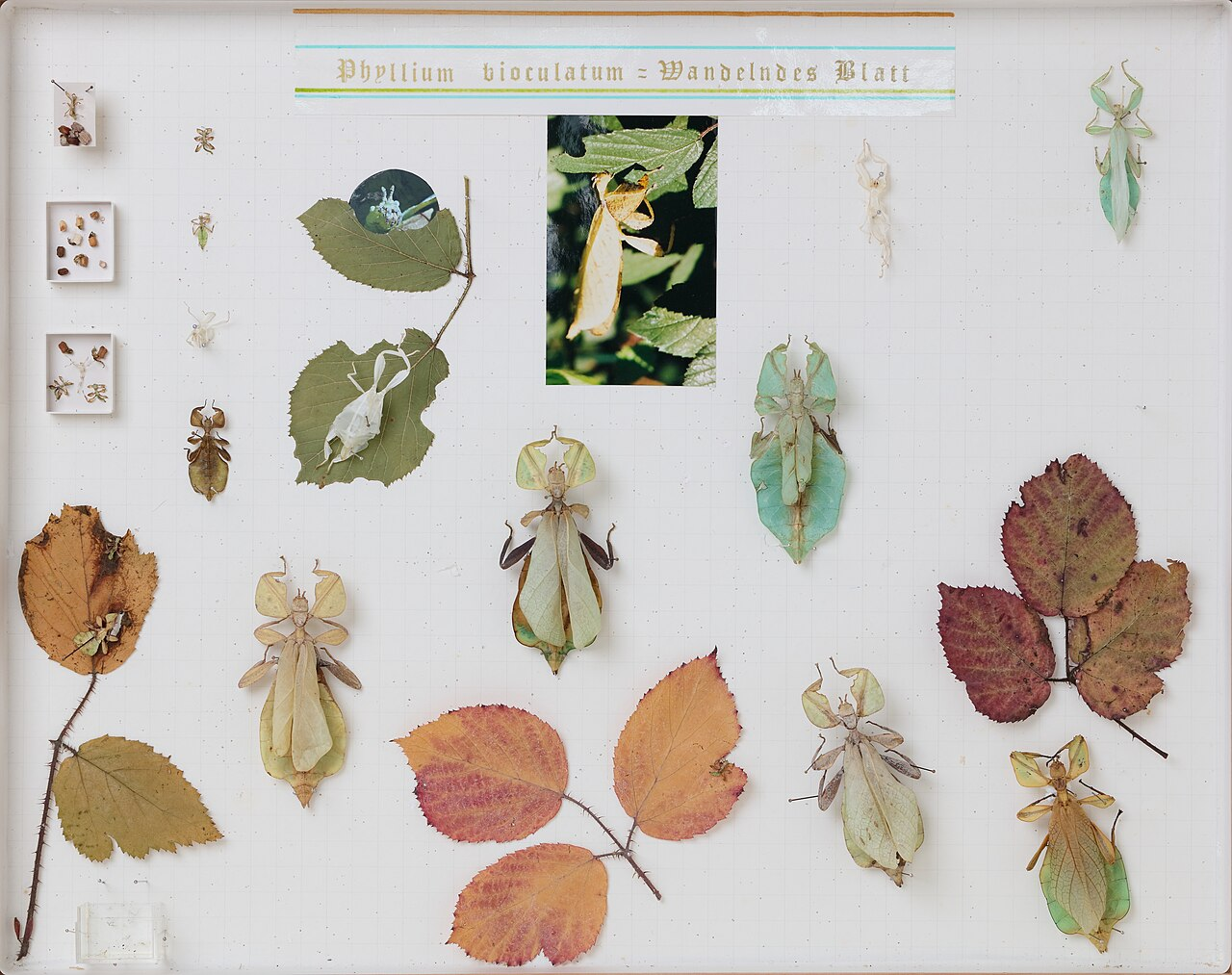
The table was cleared for the holidays and most of its contents went in the bin, which was accepted without comment because everything on it had been free and could be found again.
That is a reasonable approach to seeds and stones and an unacceptable one for anything that had been a living animal, and it is part of why the whole practice was reformed.
Modern displays separate durable material that is kept and catalogued from living or organic material that is handled under a protocol, and disposal of biological material in a school now follows a defined route. The clearing out is still done and it is now a procedure rather than a bin bag.
16. The habit it built was looking at things
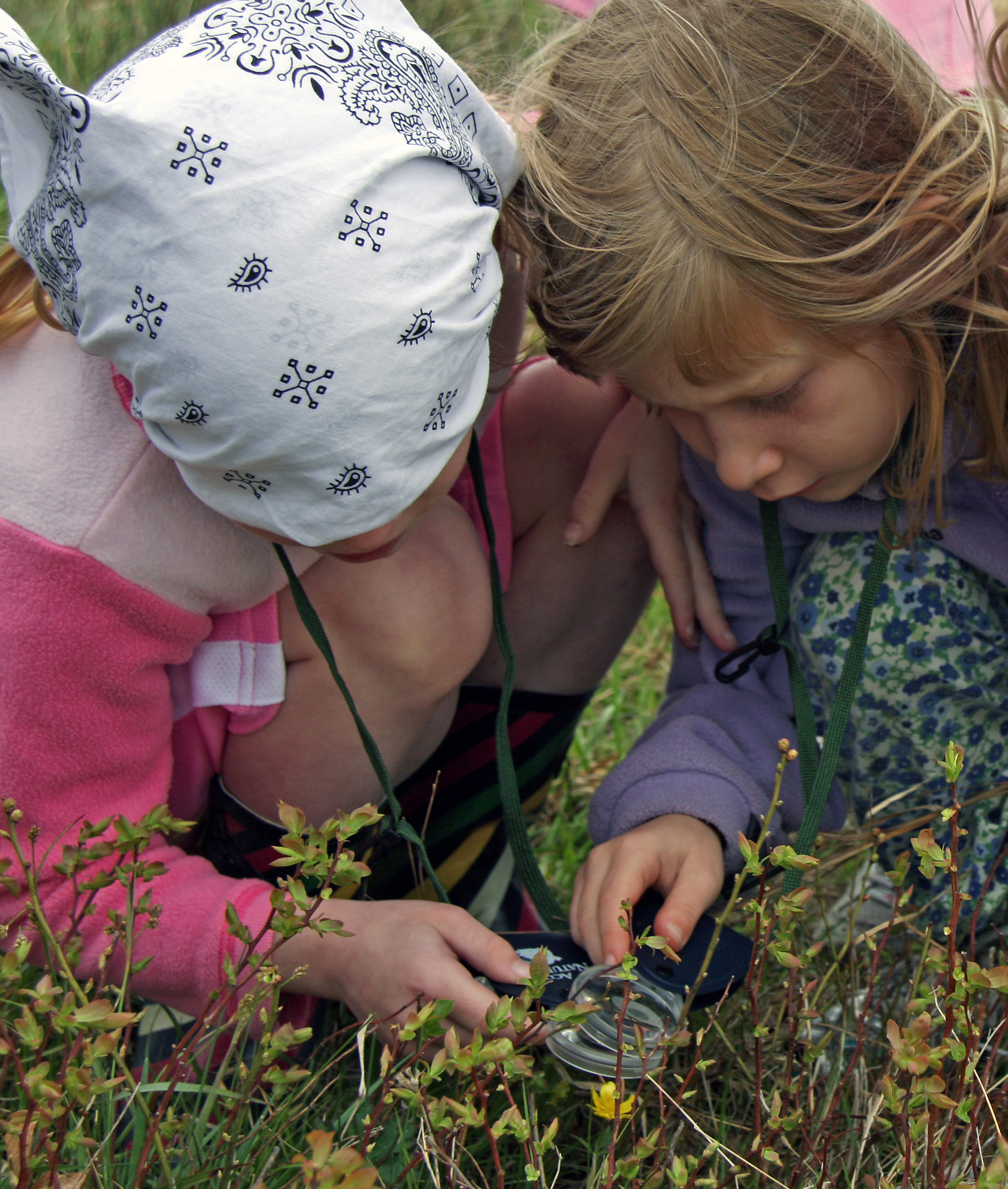
The nature table’s output was not knowledge about any particular object. It was the expectation that a thing found on the way to school was worth bringing in, which is the beginning of every scientific disposition there is.
That is why it is remembered so warmly and why versions of it keep being rebuilt. A classroom that invites children to bring the outside in has changed its relationship with the outside.
The honest summary: the nature table was a table under a window filled entirely by the children with seeds, cones, stones, fossils, pressed leaves, a jar of tadpoles and labels in their own handwriting, cost nothing, turned over with the seasons and was thrown away each term; the parts that have stopped are the ones involving wildlife, because taking nests, eggs, many plants and many specimens is now an offence, because amphibians and insects are sourced from licensed suppliers rather than removed from the wild, and because fungi are not brought into a room of children at all; and the practice survived by being provisioned properly, which costs money the nature table never needed.
Provisioned properly, at a price it never used to need
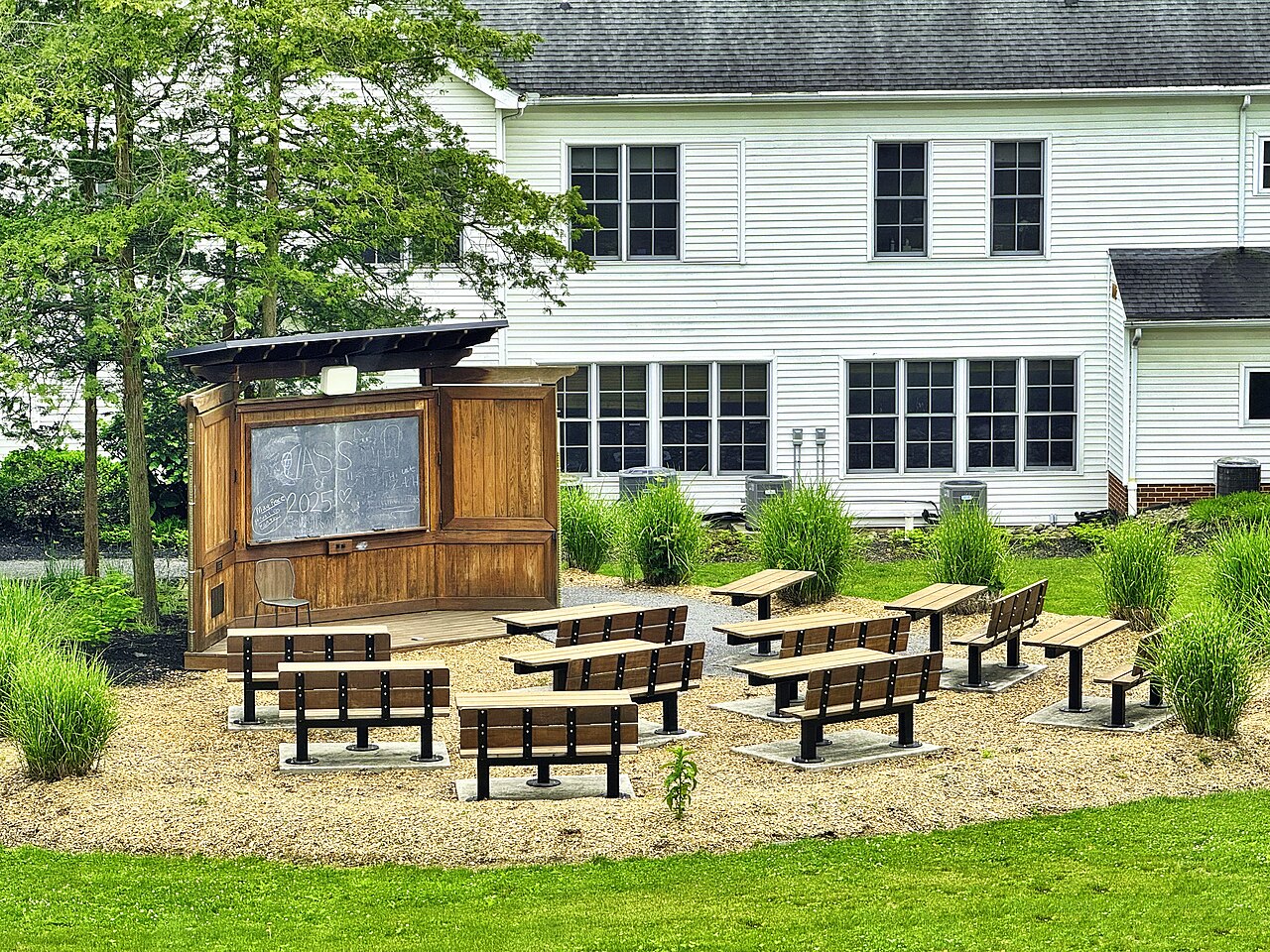
The nature table’s genius was that it cost nothing and belonged to the children, which meant a school with no budget had a working science resource and every pupil could contribute regardless of what their family could spend. Its problem was the wildlife. Taking nests, eggs, many wild plants and many specimens is now an offence; amphibians and insects for classroom observation come from licensed suppliers rather than out of a pond; owl pellets arrive sterilised; and fungi are not brought into a room of children at all. The subject survived by being provisioned properly, through museum loan boxes, bought specimens and licensed live material, and that provisioning costs money the nature table never needed.
If you inherit a school store, an attic box or a family collection containing old natural history material, contact the national wildlife or environment authority before moving or disposing of anything. Possession of some of it is itself regulated.
Like our content? Follow us for more.