

From a Bavarian village in the Cascades to a Dutch town in Iowa with America’s tallest working windmill, these 15 towns offer European charm without the transatlantic flight. Most were built by actual European immigrants. A few were redesigned to look European to save themselves from extinction.
There’s a particular kind of double-take that happens when you drive into one of these towns. You’re in California, or Iowa, or Georgia, and suddenly the architecture, the storefronts, the language on the signs, and even the food smells like you’ve crossed an ocean. Some of these places were founded by actual European immigrants in the 19th century, who built homes that mirrored what they’d left behind. Others were ordinary American towns that, facing economic collapse in the mid-20th century, deliberately rebuilt themselves to look European as a tourism strategy. The strategy worked.
Here are 15 of the most convincing, with the actual stories behind each.
1: Leavenworth, Washington — Bavaria in the Cascade Mountains
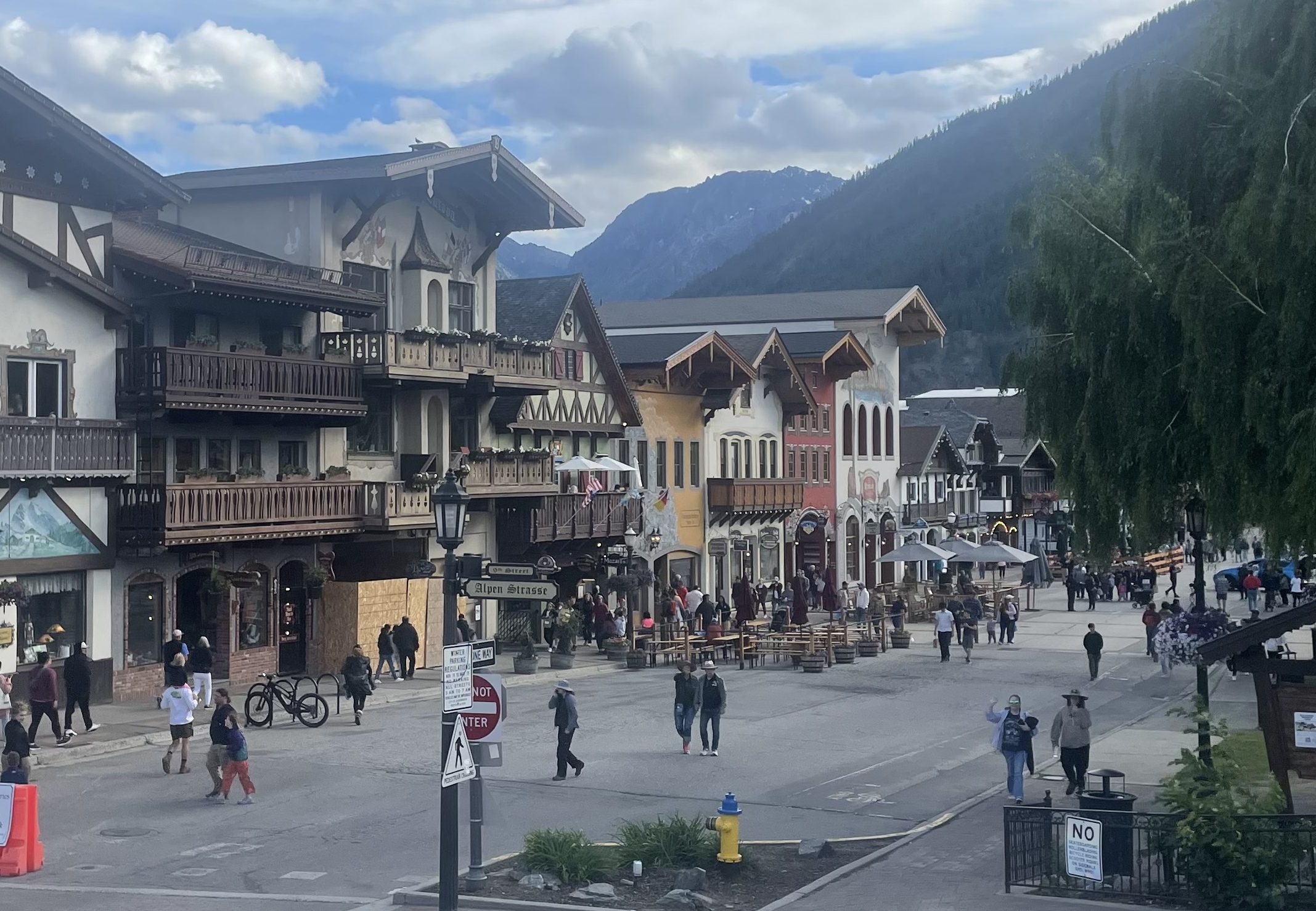
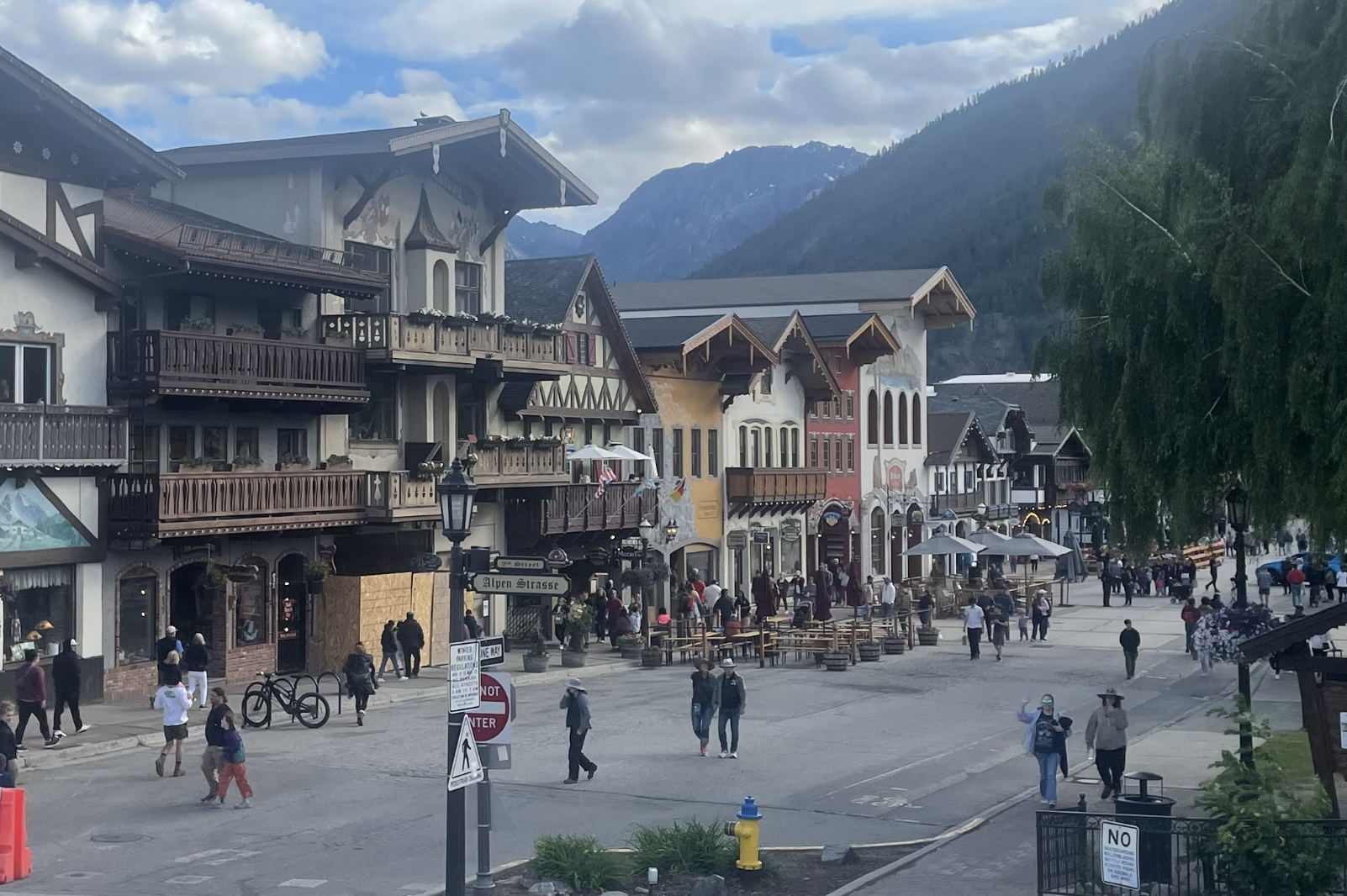
In the 1960s, Leavenworth was nearly a ghost town. The local sawmill industry had collapsed and the Great Northern Railway had rerouted around the city. Town leaders made a desperate decision: completely renovate the downtown to look like a Bavarian alpine village. Today, Leavenworth’s painted wooden facades, sloping roofs, and German-language signage make it one of the most-visited small towns in the Pacific Northwest. The town hosts a major Oktoberfest, a Christmas market, and the unusual Nutcracker Museum (which holds over 5,000 nutcrackers).
2: Solvang, California — Denmark in Santa Ynez Valley
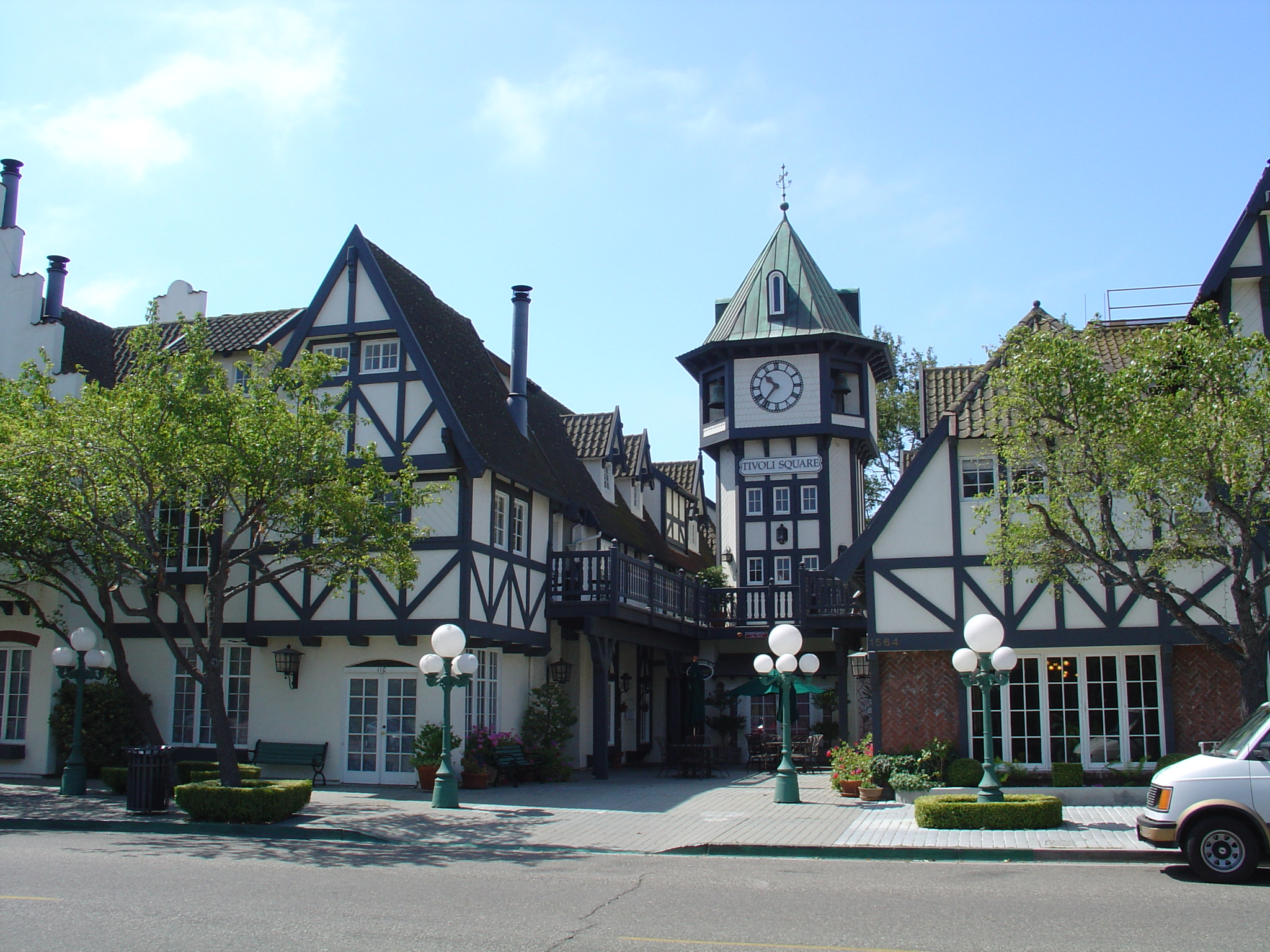
Unlike Leavenworth, Solvang’s Danish character is original. The town was founded in 1911 by Danish-American immigrants from the Midwest who wanted to establish a Danish folk school. Today, Solvang’s half-timbered buildings, traditional windmills, cobblestone streets, and authentic Danish bakeries (the kringle and aebleskiver are genuinely good) preserve a surprisingly faithful Danish village aesthetic. The town’s annual Danish Days festival returns for its 89th year in 2026 — a continuous tradition since 1936.
3: Helen, Georgia — Bavaria in the Blue Ridge Mountains
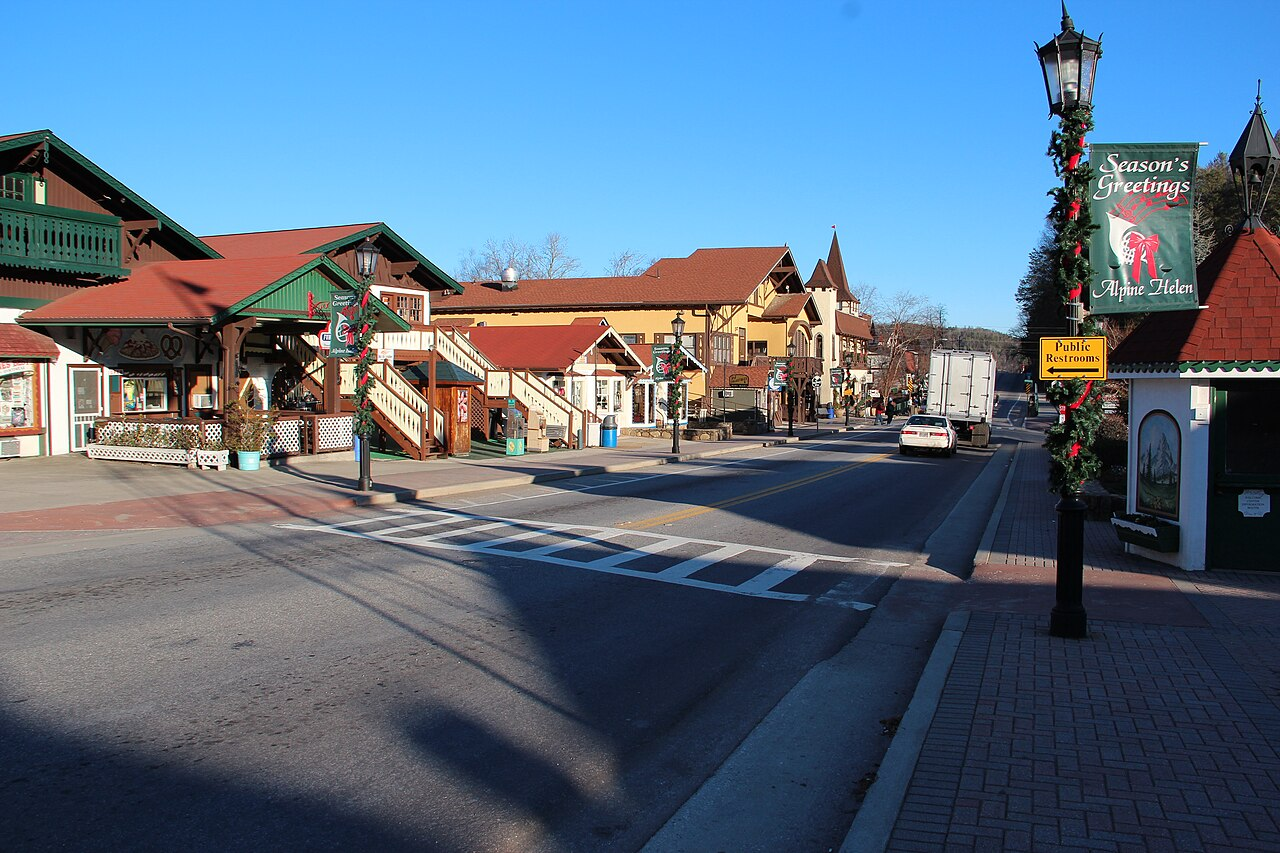
Helen took the Leavenworth approach. In the 1960s, Helen was a struggling logging town facing the same economic decline as many small Southern towns. Local business leaders chose a similar Bavarian transformation, betting that alpine architecture in the Blue Ridge Mountains would attract Atlanta-area weekend tourists. The bet paid off. Today, Helen draws over 1.5 million visitors annually for its year-round Oktoberfest, traditional German food, and tubing on the Chattahoochee River.
4: Pella, Iowa — Dutch Holland in the Midwest
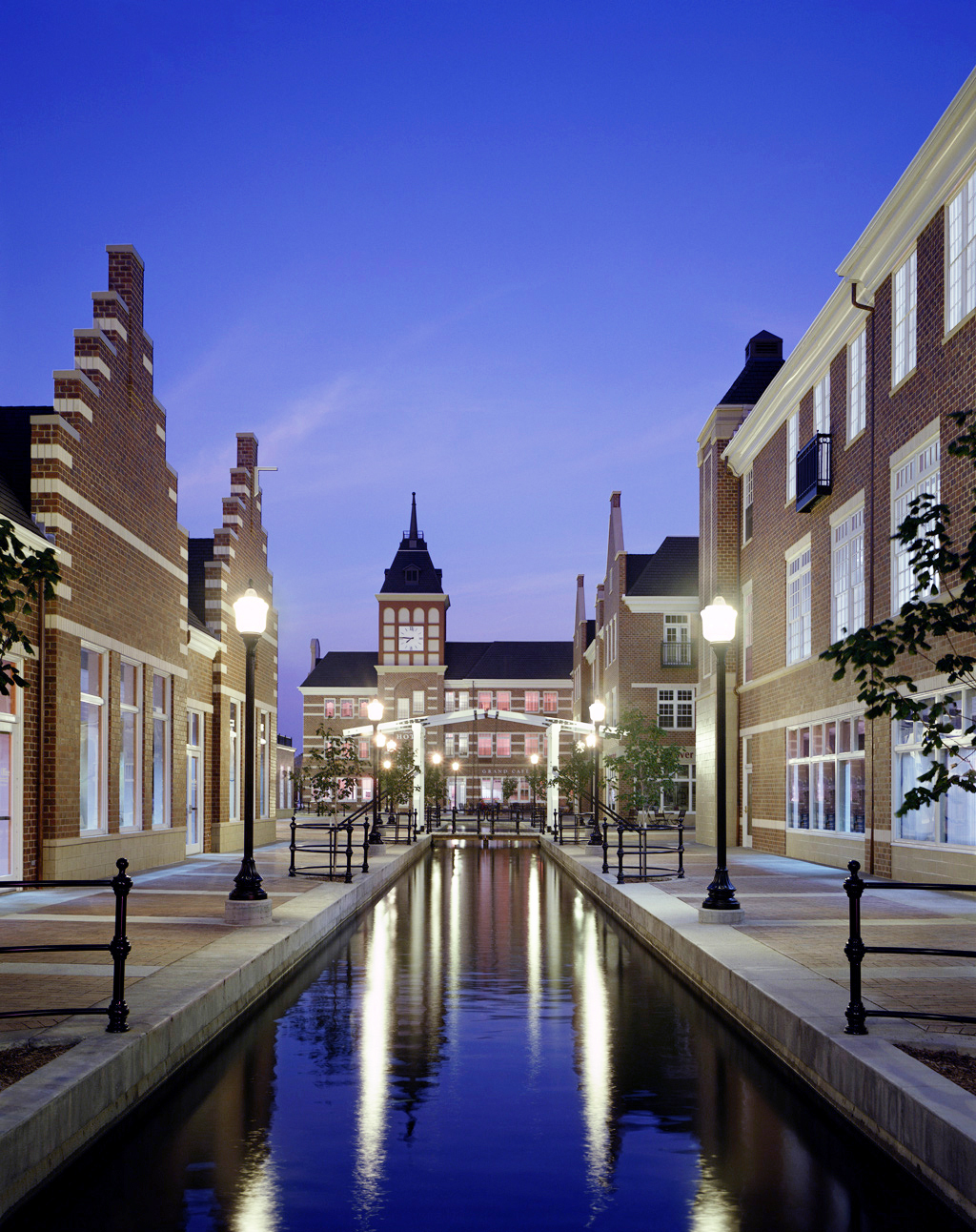
Pella was founded in 1847 by Dutch immigrants led by Pastor Hendrik Scholte, who were fleeing religious persecution in the Netherlands. They named the town “Pella” after a Biblical city of refuge. Today, Pella maintains America’s tallest working Dutch grain windmill — the Vermeer Windmill, which stands 124 feet tall and was actually built in the Netherlands, disassembled, shipped to Iowa, and reassembled in 2002. The town’s annual Tulip Time festival in early May draws roughly 150,000 visitors over three days.
5: Frankenmuth, Michigan — “Michigan’s Little Bavaria”
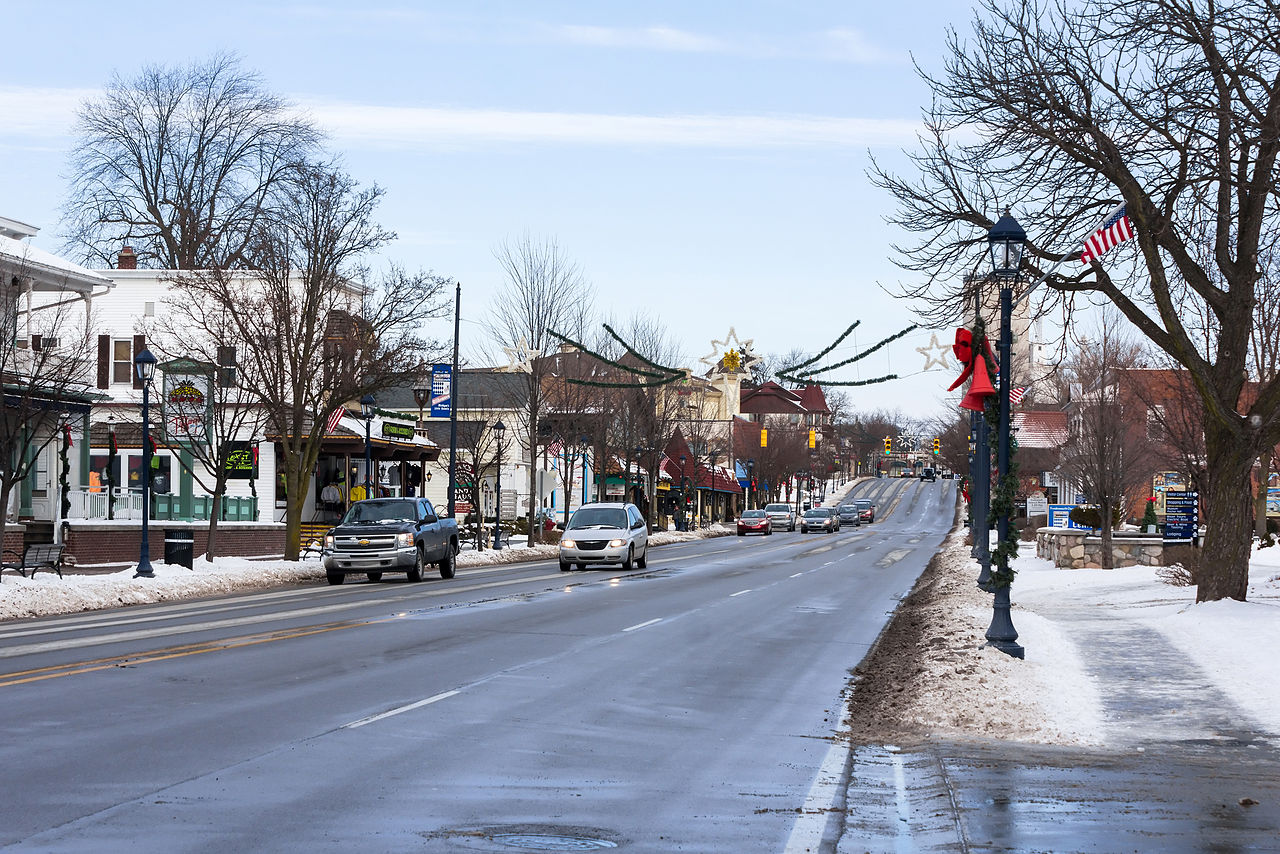
Frankenmuth’s heritage is genuine — 15 German Lutheran missionaries founded the town in 1845, building St. Lorenz Lutheran Church as the community’s foundation. Today, the town is best known for two things: its Bavarian-style architecture (timber-frame buildings, painted facades, German-language signs) and Bronner’s Christmas Wonderland, which calls itself the world’s largest Christmas store and covers an area equivalent to 1.5 football fields.
6: New Glarus, Wisconsin — “America’s Little Switzerland”
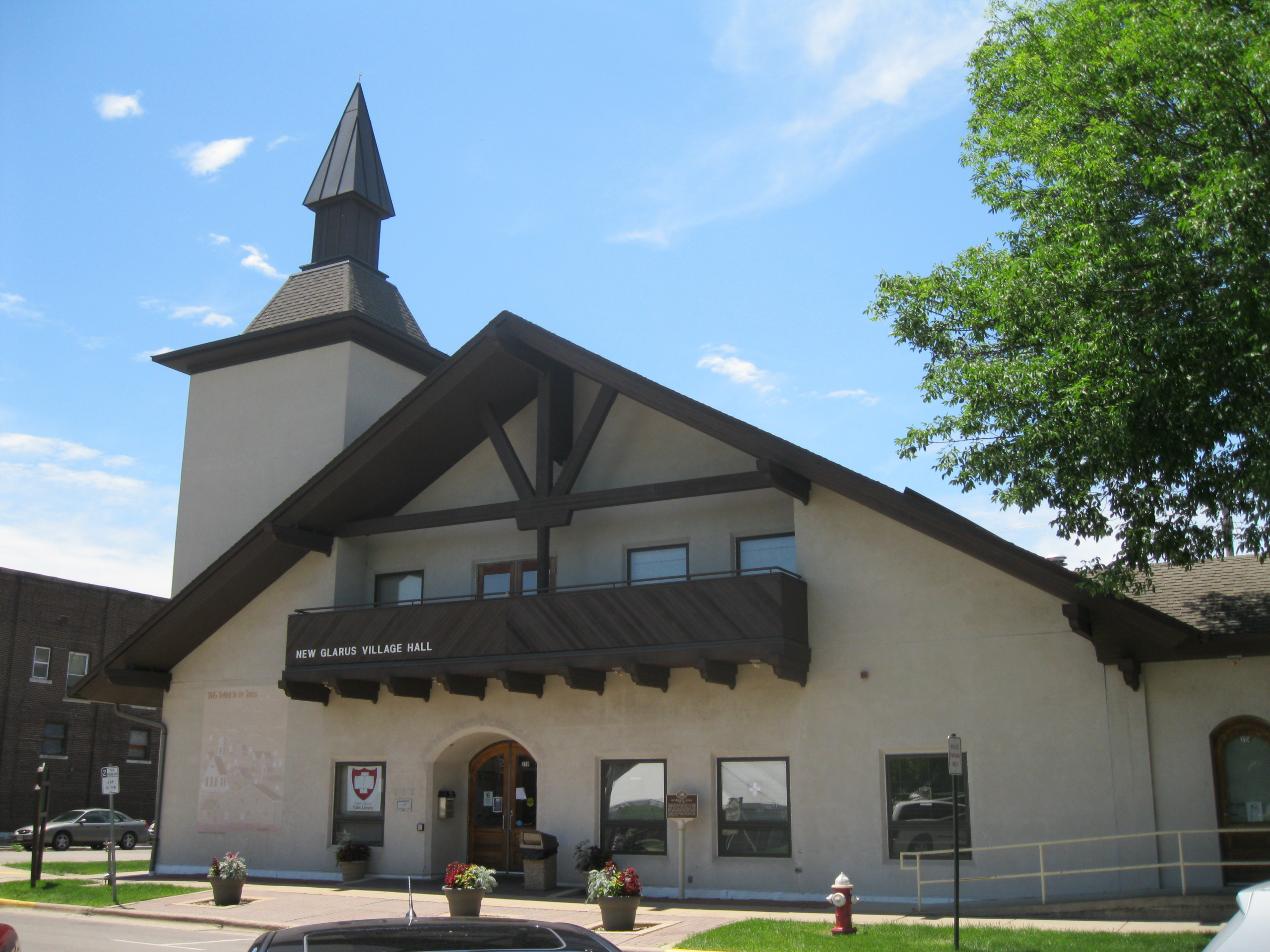
Founded in 1845 by 108 Swiss pioneers from the Canton of Glarus, New Glarus has maintained an unusually intact Swiss cultural identity through 180 years. Today, the town’s Swiss chalets, geranium-filled window boxes, and traditional yodeling festivals make it one of the most genuinely European-feeling small towns in the United States. The local New Glarus Brewing Company crafts beers rooted in Swiss brewing tradition, and the town hosts an annual Heidi Festival celebrating its Swiss heritage.
7: Holland, Michigan — Tulips and Dutch Heritage
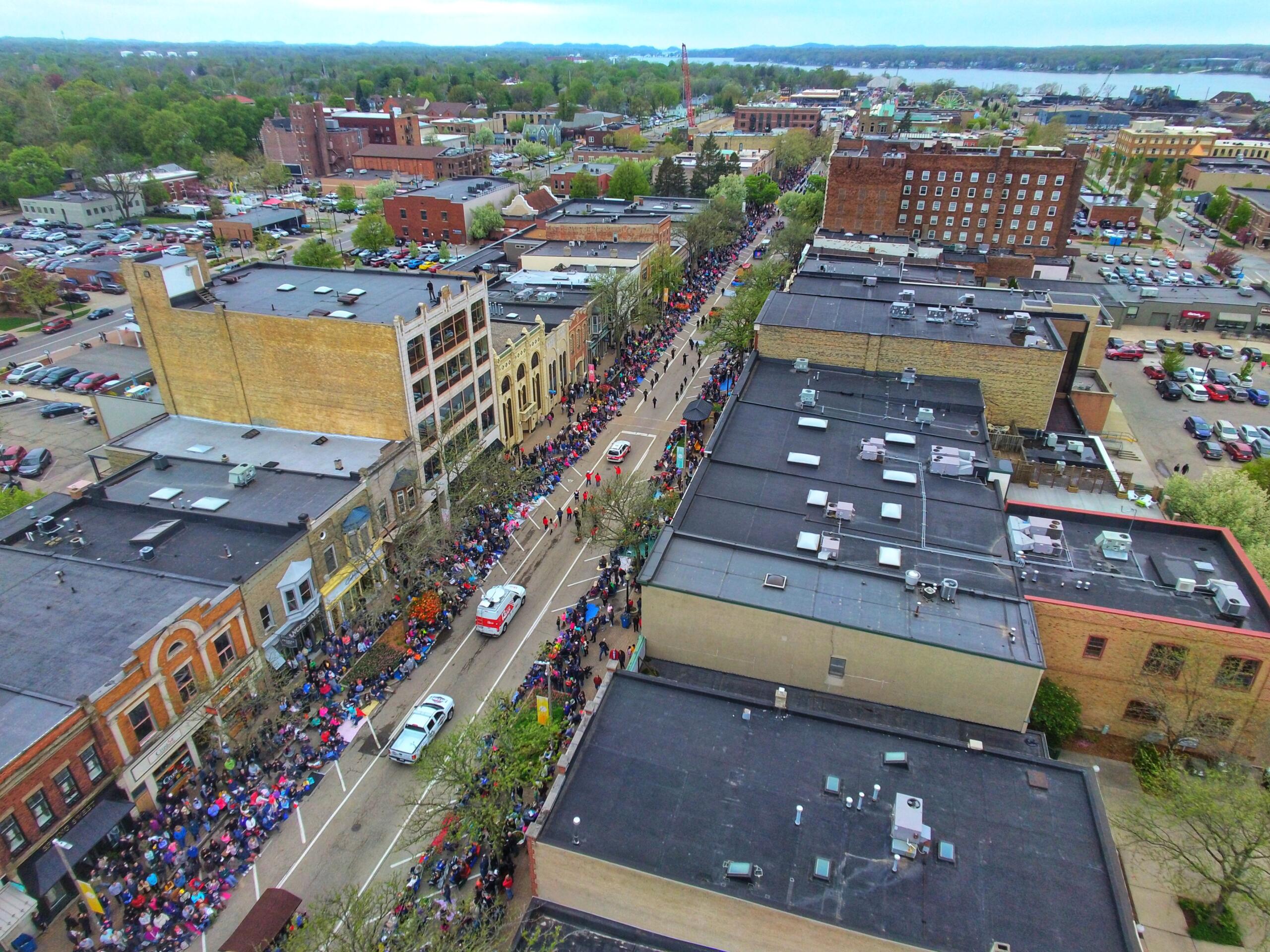
Founded in 1847 by Dutch Calvinist immigrants from the Netherlands, Holland has built its modern identity around its Dutch roots. The annual Tulip Time festival in early May attracts roughly 976,000 visitors over 10 days — making it considerably more crowded than Pella’s similar festival. The town features the De Zwaan windmill (a working 250-year-old windmill brought from the Netherlands in 1964), Dutch-style architecture, and the Holland Museum chronicling Dutch-American culture.
8: Lindsborg, Kansas — “Little Sweden USA”
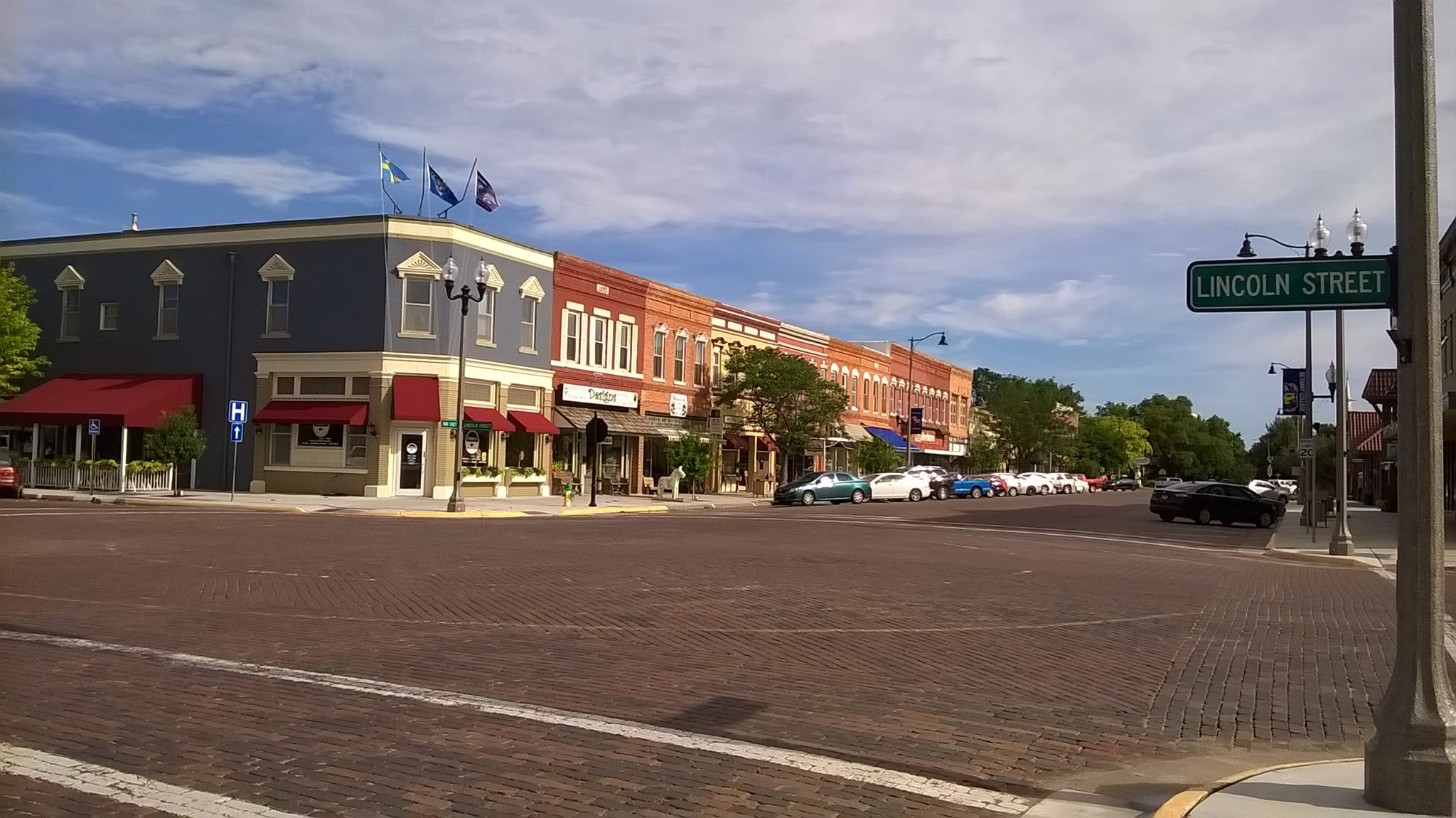
Settled in 1869 by Swedish immigrants from the Värmland province, Lindsborg has preserved its Swedish character with unusual deliberation. Downtown Lindsborg features Swedish-style architecture, brightly painted Dala horses lining the main street (a traditional Swedish wooden horse), and Swedish-language signs. The town hosts Svensk Hyllningsfest every other October — a Swedish heritage festival featuring folk dancing, music, and traditional food. International Waffle Day (Våffeldagen) is also celebrated, with townspeople dressed as waffles.
9: Fredericksburg, Texas — German Hill Country
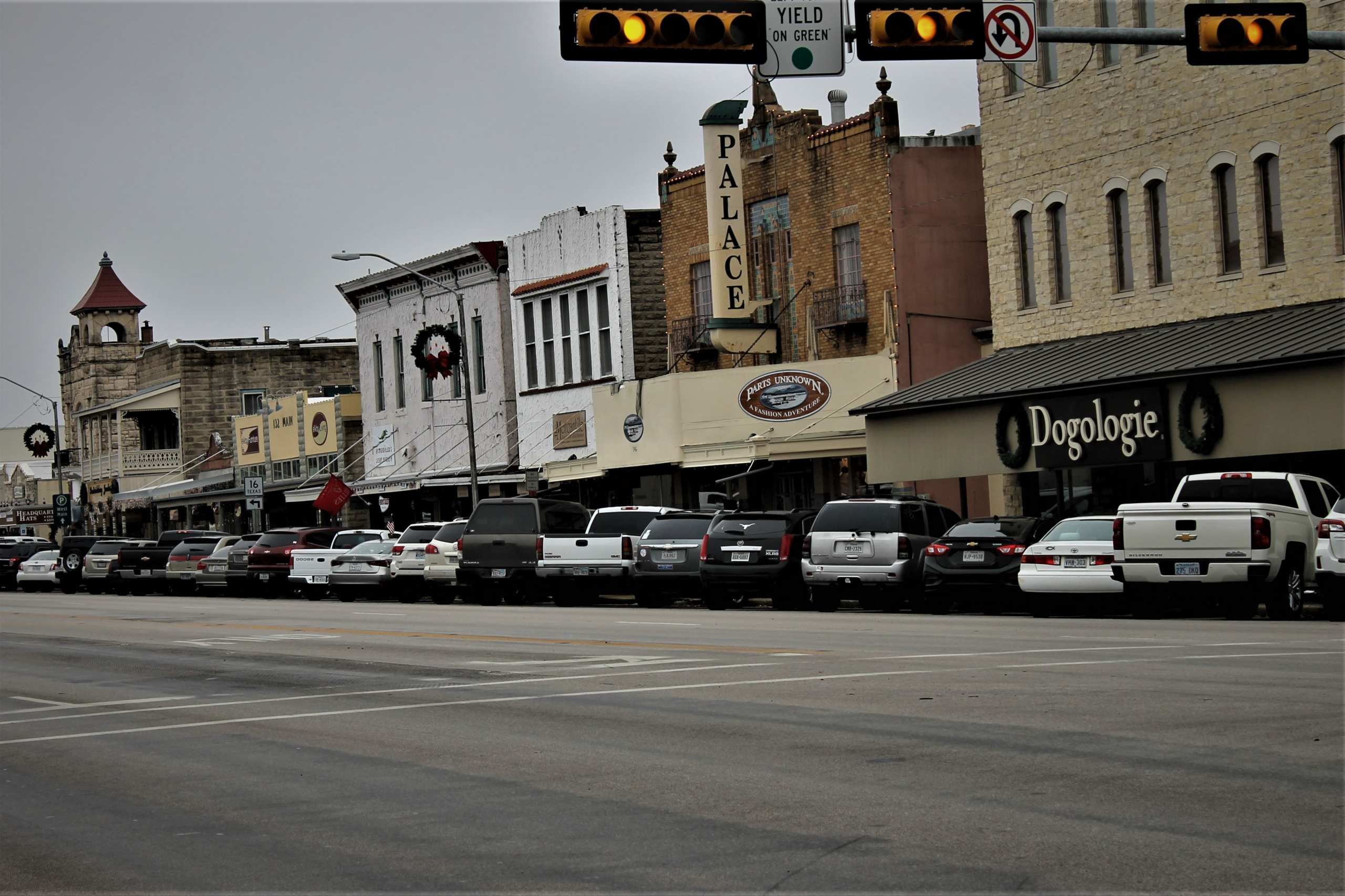
Founded in 1846 by German immigrants from the Hesse and Nassau regions, Fredericksburg is the cultural heart of Texas’s German Hill Country. The town has preserved authentic German architecture, including the unique “Sunday Houses” small dwellings that German farming families built for weekend stays in town. Architectural Digest has called Fredericksburg the prettiest town in Texas. Today, the town is also known for its excellent wine country (over 50 wineries in the surrounding hills), peach orchards, and lavender fields.
10: New Ulm, Minnesota — “The Most German Town in America”
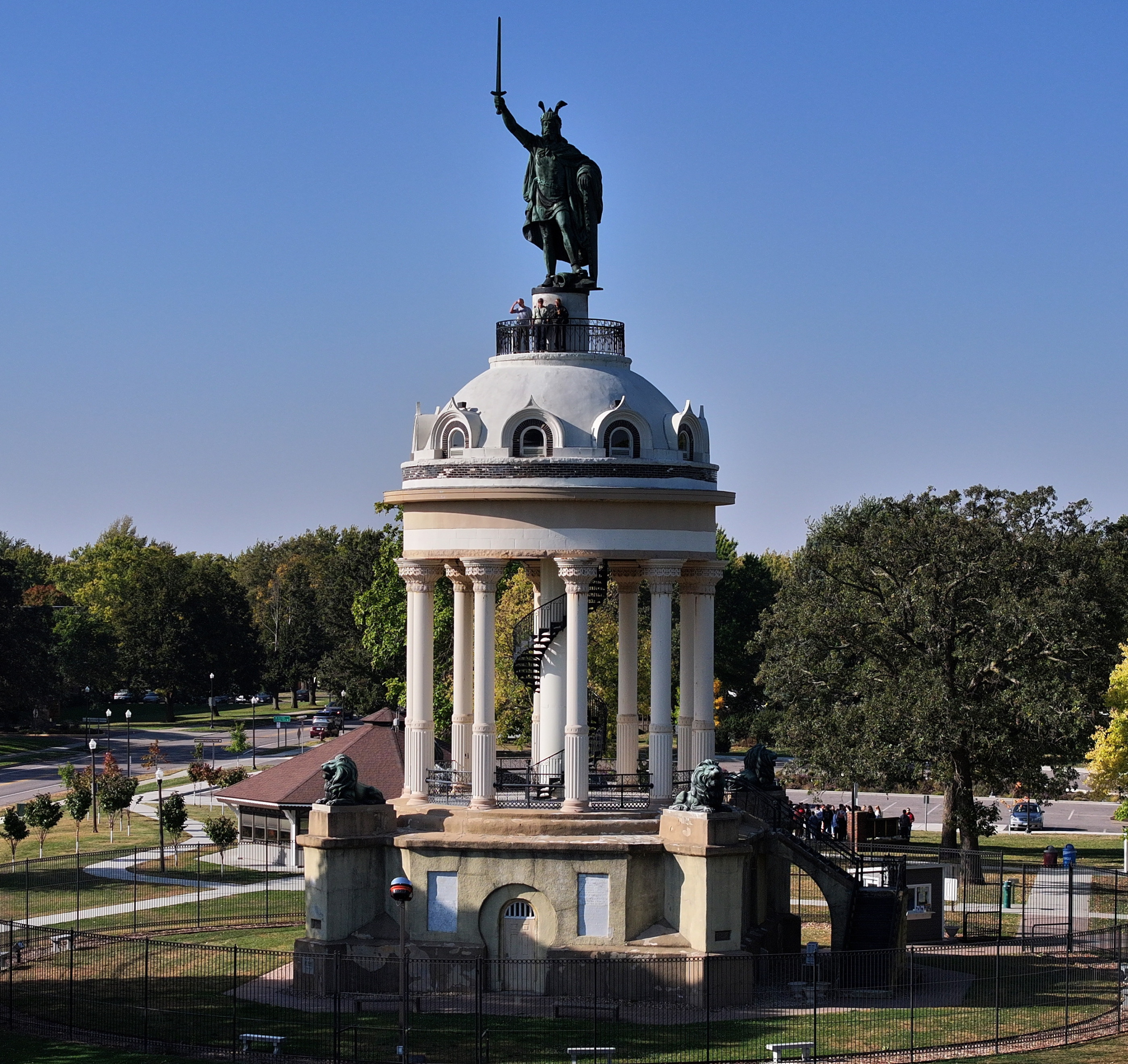
New Ulm was founded in 1854 by the German Land Association of Minnesota, a group of German immigrants who specifically wanted to preserve German culture in America. Today, New Ulm features the 102-foot Hermann Monument (modeled after a famous Bavarian monument), the August Schell Brewing Company (founded 1860, one of the oldest family-owned breweries in the U.S.), and the 45-foot Glockenspiel bell tower with mechanical figures that perform multiple times daily.
11: Poulsbo, Washington — “Little Norway”
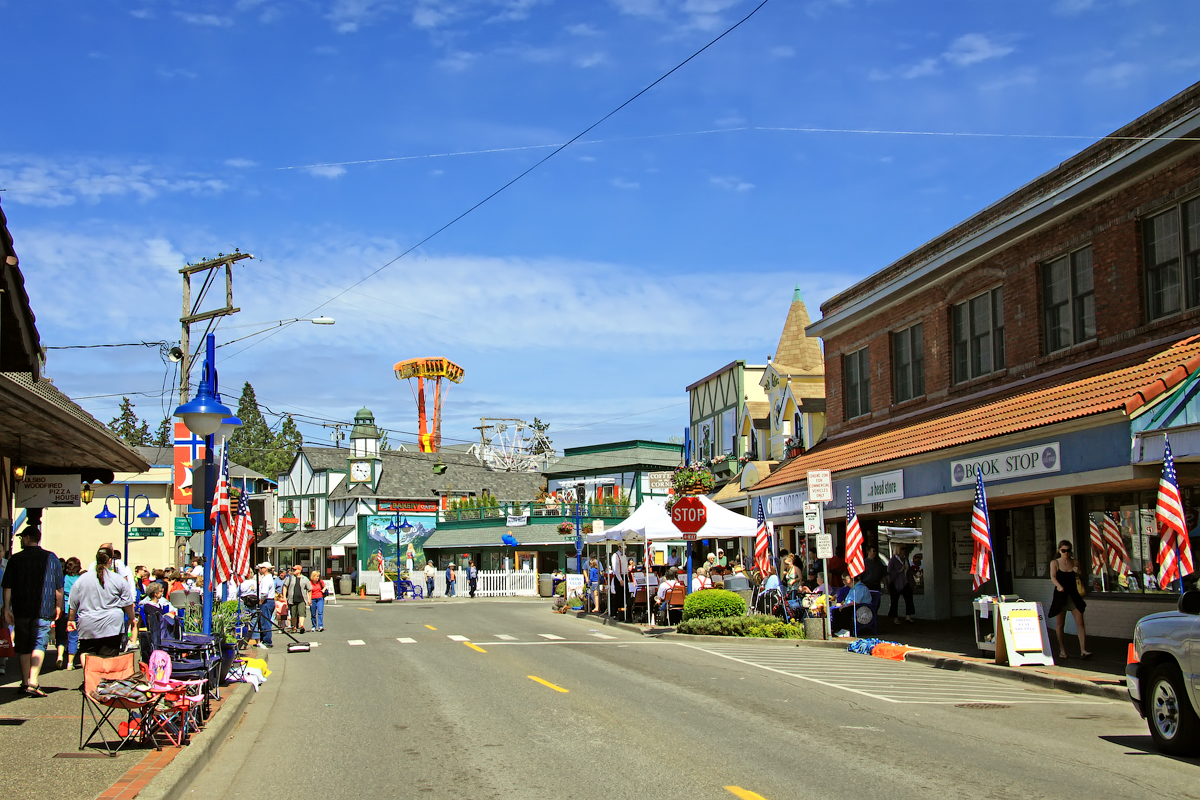
Founded in 1880 by Norwegian immigrants, Poulsbo sits on Liberty Bay in Washington State and has retained much of its Nordic character. The town’s main street features Norwegian-style architecture and Scandinavian shops. Annual events include Viking Fest (mid-May) and the Midsommer Festival with traditional folk dancing, Norwegian food, and bonfires. The Sluys Bakery has been making Norwegian pastries (the Poulsbo bread is famous regionally) since 1966.
12: Tarpon Springs, Florida — Greece on the Gulf Coast
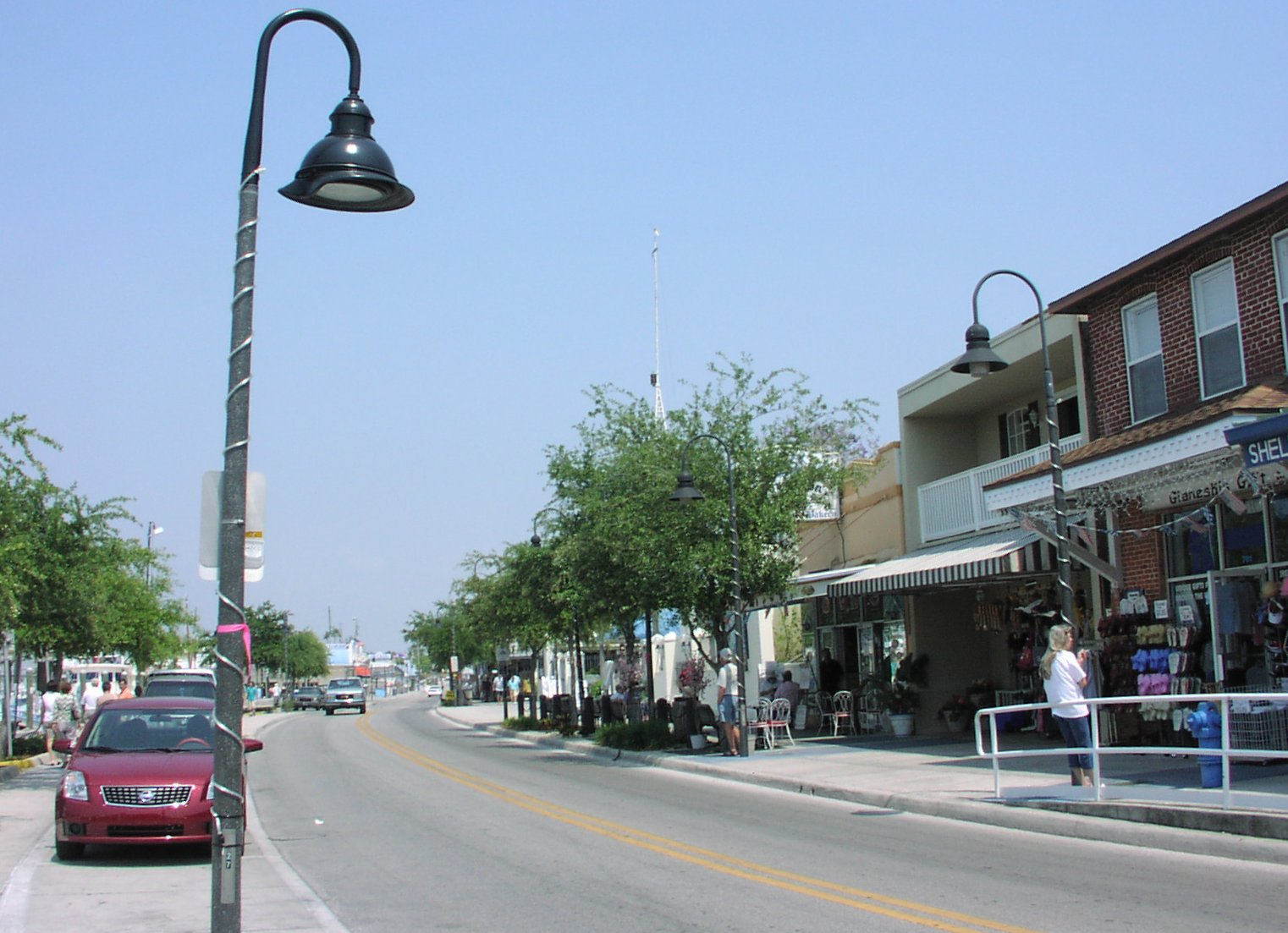
Greek immigrants from the Dodecanese Islands settled Tarpon Springs in the late 1800s and early 1900s to harvest natural sponges in the Gulf of Mexico. By 1908, the town had become America’s largest natural sponge supplier. Today, Tarpon Springs maintains an unusually strong Greek cultural identity — the town has the highest percentage of Greek-American residents of any city in the U.S. The Sponge Docks district features authentic Greek restaurants, Greek Orthodox churches, and ongoing sponge-fishing operations. The annual Epiphany celebration on January 6 brings thousands of visitors.
13: St. Augustine, Florida — Spanish Colonial Architecture
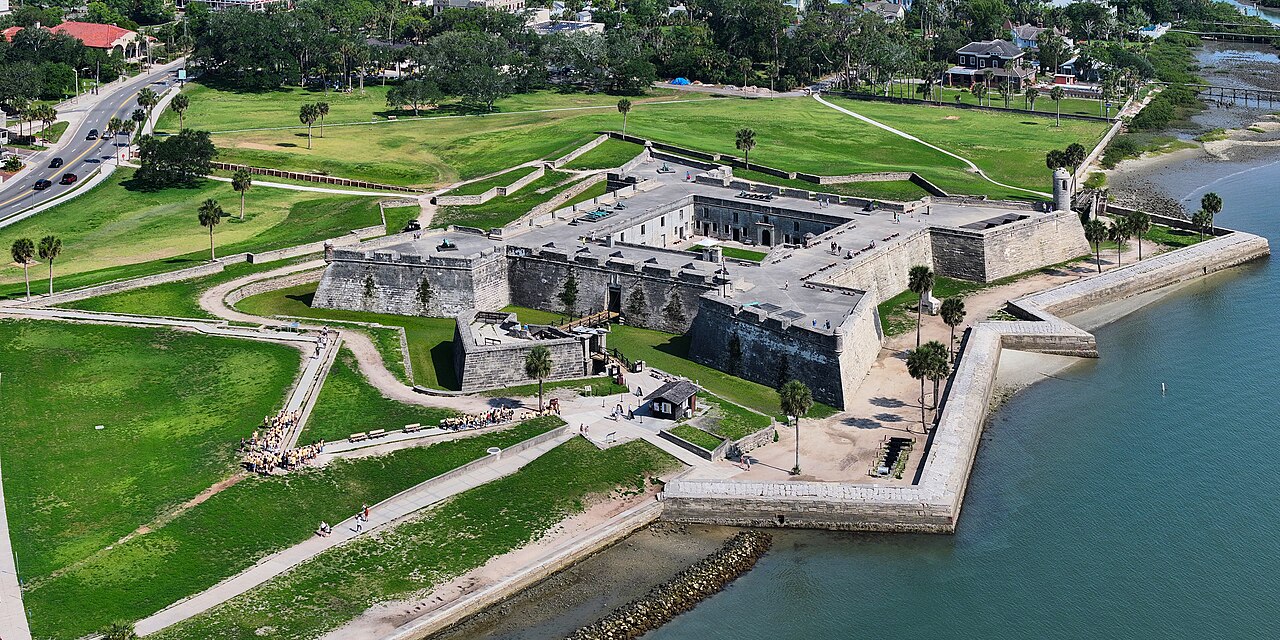
St. Augustine isn’t a “themed” European town — it’s the oldest continuously occupied European-founded settlement in the United States, established by Spanish colonist Pedro Menéndez de Avilés in 1565. The historic district preserves authentic 16th, 17th, and 18th-century Spanish colonial architecture, including the Castillo de San Marcos (a star-shaped fort built between 1672-1695). The National Park Service has officially designated St. Augustine’s town plan as the earliest extant example of a European planned community in the U.S.
14: Cape May, New Jersey — Victorian England in America
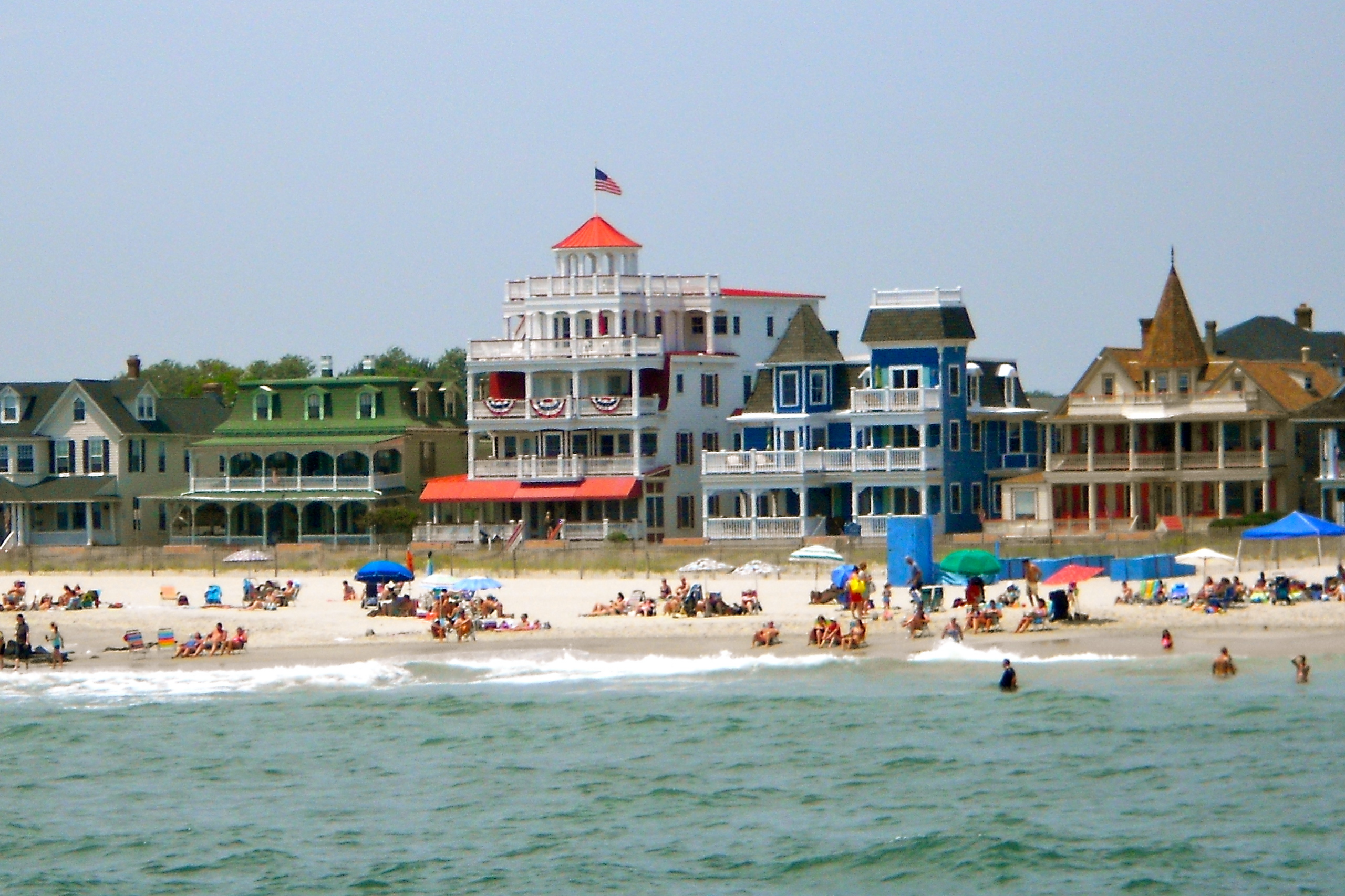
Cape May at the southern tip of New Jersey has the largest collection of Victorian-era buildings in the United States — over 600 well-preserved Victorian structures. The town has been a popular American resort destination since the 1700s and reached its peak Victorian-era prosperity in the late 1800s. Today, Cape May’s Victorian architecture, gas-lit streets, and seaside ambiance feel reminiscent of an English coastal resort town from the period of Queen Victoria’s reign. The entire downtown is a designated National Historic Landmark.
15: Wilber, Nebraska — “The Czech Capital of the USA”
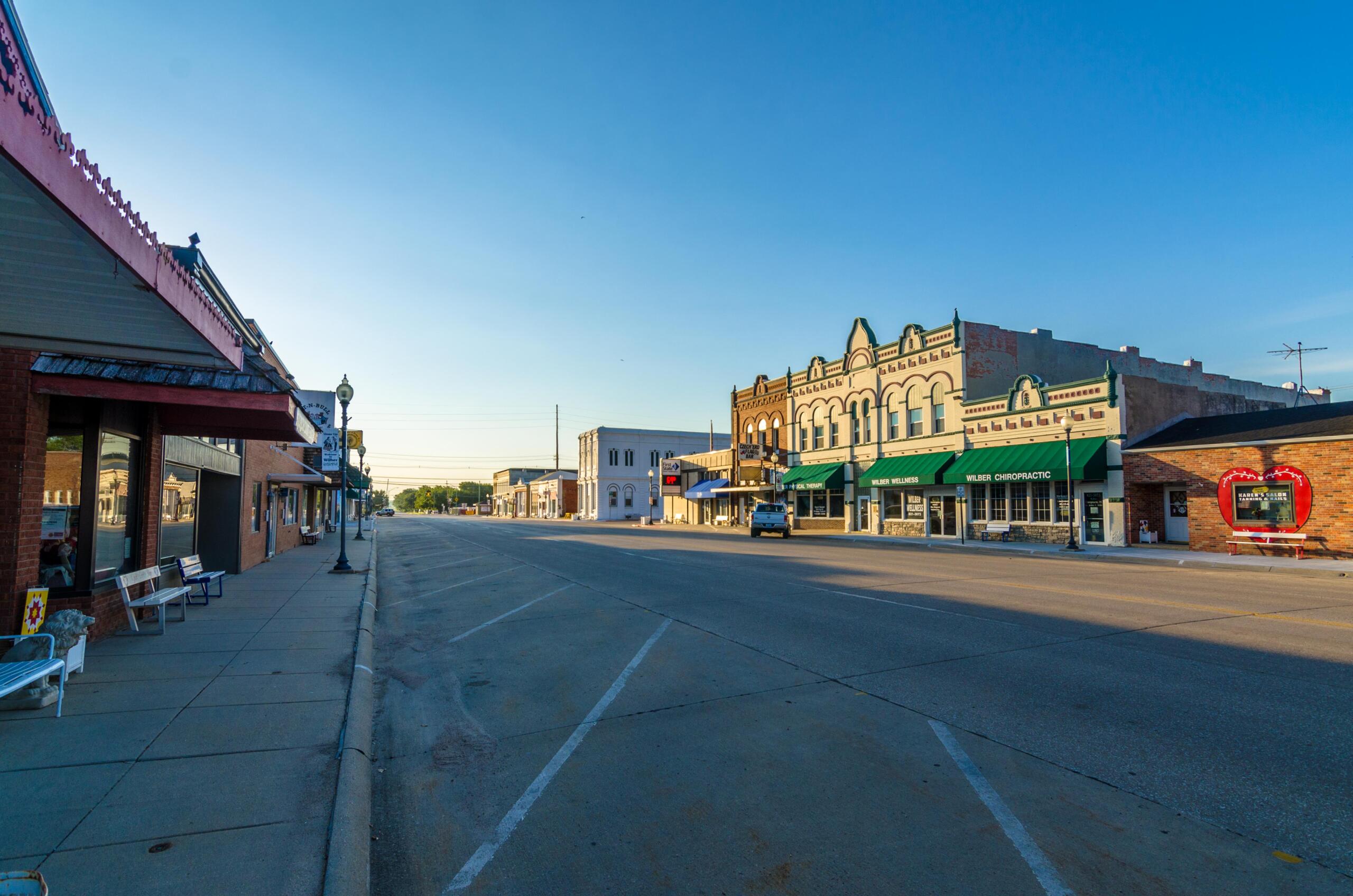
Less famous than the others on this list but officially designated by Congress as the Czech Capital of the USA, Wilber was founded in 1873 by Bohemian immigrants from what is now the Czech Republic. The town’s Czech Festival each August draws thousands and includes a two-hour parade with Czech festival queens from across the Midwest. The Wilber Czech Museum preserves traditional Czech crafts, costumes, and historical artifacts. The town’s downtown architecture has been carefully maintained to reflect its Bohemian heritage.
