

The American cereal industry has launched and killed approximately 200 distinct brands since 1980. Most disappeared without significant public notice. A specific few generated lasting nostalgia campaigns, online petitions, and persistent demand decades after discontinuation. From Sprinkle Spangles to Quisp to Ice Cream Cones cereal, here are the dead American cereals that people still actively ask cereal companies to bring back — and the specific reasons each one was killed in the first place.
The American cereal industry operates on substantially shorter product cycles than most consumers realize. Major manufacturers (General Mills, Kellogg’s, Post, Quaker Oats) launch dozens of new products annually, with most failing within 2-5 years. The cereals that achieve permanent shelf placement (Cheerios, Frosted Flakes, Wheaties) are unusual exceptions. Most cereals come and go quickly, leaving behind specific consumer memories and occasional persistent demand campaigns.
Sprinkle Spangles (1993-1995)
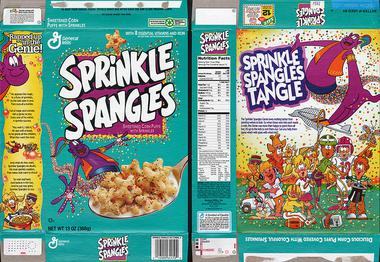
General Mills launched Sprinkle Spangles in 1993 as a sugar-coated cereal with edible “spangles” (sugar decorations). The product had distinctive holographic packaging and aggressive Saturday morning cartoon advertising. Despite passionate fan response, the cereal was discontinued in 1995 — just two years after launch. The short market lifespan made it particularly memorable to specific elementary school cohorts. Online petitions and social media campaigns regularly call for its return. General Mills has never officially explained the discontinuation, though sales likely failed to meet performance targets despite the marketing investment.
Quisp (1965-1972, 1972-2026 limited)

Quaker Oats launched Quisp in 1965 with a famous space alien mascot. The cereal achieved cultural significance through its distinctive mascot and quirky advertising. Quisp was discontinued in 1972 due to declining sales but was revived in 1985 in limited distribution. Modern Quisp exists as a specialty product available primarily through online retailers and select grocery stores rather than mainstream supermarket distribution. The cereal is one of the few discontinued products to maintain continuous brand identity through limited revival rather than complete relaunch.
Ice Cream Cones Cereal (1987-1988)

General Mills launched Ice Cream Cones Cereal in 1987 — a cereal designed to taste like ice cream cones, with cone-shaped pieces and “ice cream” puffs in chocolate and vanilla varieties. The product was discontinued within approximately one year due to disappointing sales. The cereal has substantial nostalgic devotees who remember the specific flavor profile. General Mills has never relaunched it despite multiple petition campaigns. The short market presence made it among the most short-lived cereals to develop persistent fan demand.
Croonchy Stars (1988-1990s)
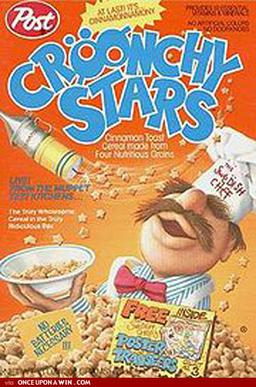
Post Cereals launched Croonchy Stars in 1988 — a Swedish Chef-themed cereal (from “The Muppet Show”) with cinnamon-flavored star-shaped pieces. The Swedish Chef licensing produced distinctive box art and marketing. Croonchy Stars was discontinued by the early 1990s. The cereal occasionally appears in online cereal collector communities and has maintained nostalgic demand among Muppet fans. The combination of Muppet licensing and unusual flavor profile made it particularly memorable. No relaunch has occurred despite ongoing fan interest.
Hidden Treasures (1993-1995)
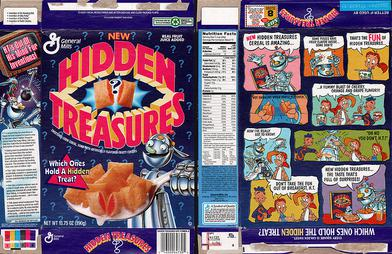
General Mills launched Hidden Treasures in 1993 — square corn cereal pieces filled with one of three “hidden” fruit-flavored fillings (cherry, orange, grape). The “surprise” element was central to marketing. Hidden Treasures was discontinued in 1995 — likely because the manufacturing complexity of the multiple fillings produced unacceptable production costs relative to sales. The cereal generated substantial nostalgia among kids who remember the surprise of cracking open pieces to find different flavors. The specific manufacturing challenge that killed it would still apply to any modern relaunch.
Mr. T Cereal (1984-1993)
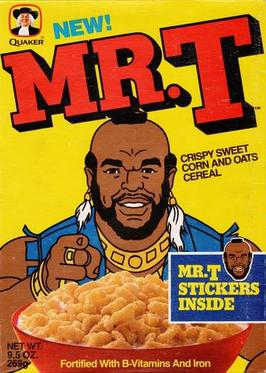
Quaker Oats launched Mr. T Cereal in 1984, capitalizing on the actor’s “A-Team” television show popularity. The cereal featured “T”-shaped corn pieces. Mr. T himself appeared in extensive marketing. The cereal achieved substantial commercial success during the actor’s peak popularity but was discontinued in 1993 as the cultural moment passed. The cereal achieved additional fame through its appearance in the 1985 film “Pee-wee’s Big Adventure.” Despite occasional discussion of relaunch (particularly during nostalgic moments around the show), no return has occurred.
Crispy Critters (1962-1990s)
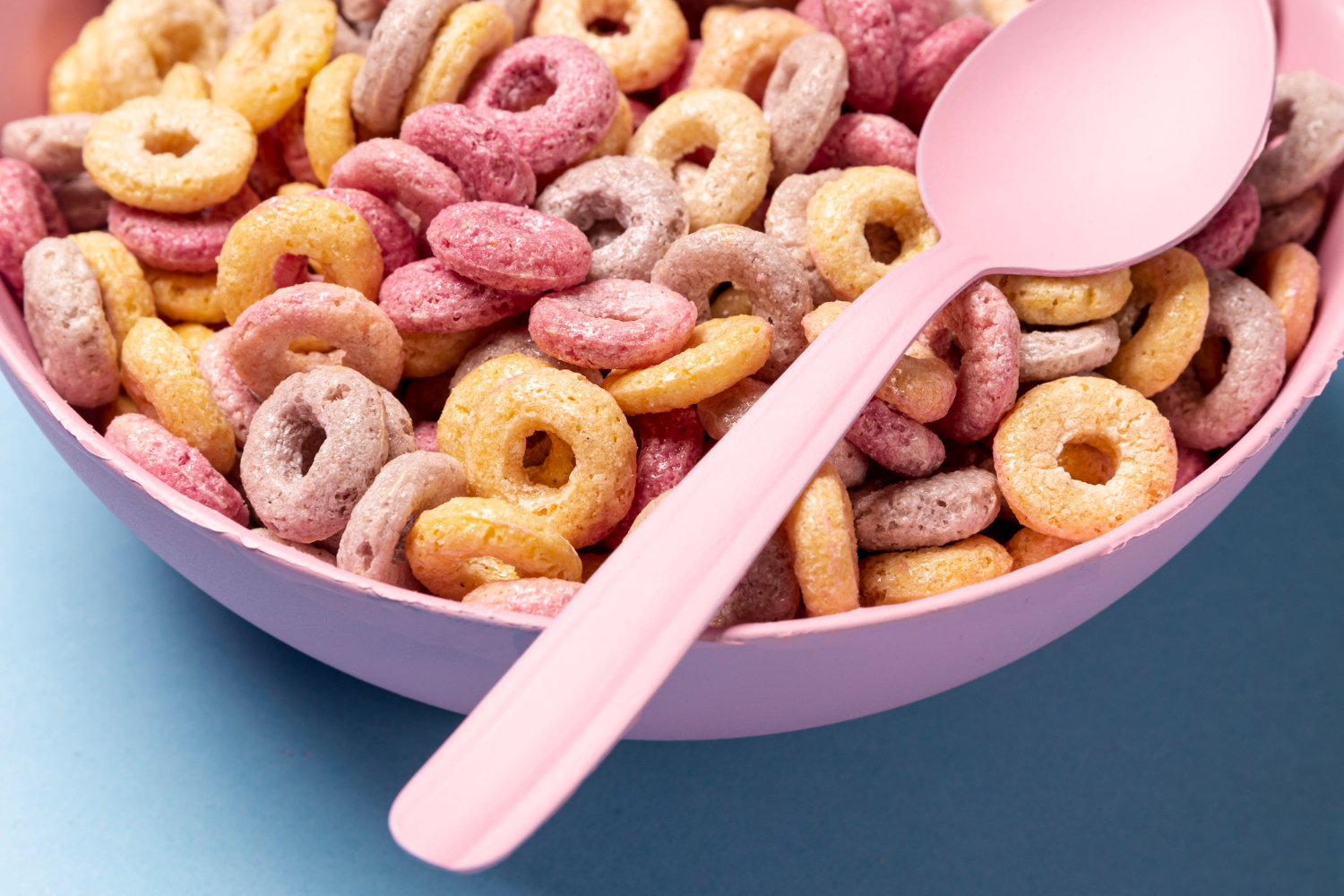
Post Cereals’ Crispy Critters launched in 1962 as one of the original animal-shaped cereals. The cereal featured corn pieces shaped like various zoo animals. Crispy Critters was eventually discontinued in the 1990s as competitors with similar concepts (Trix, Lucky Charms variants) eliminated its market position. The cereal has substantial nostalgic value for older Americans. Post has not relaunched it despite occasional petitions. The basic concept (animal-shaped sweet cereal) has been substantially absorbed by competing products.
Banana Frosted Flakes (1981, multiple revivals)
Kellogg’s launched Banana Frosted Flakes in 1981 as a banana-flavored variant of the classic Frosted Flakes. The product was discontinued multiple times and revived multiple times — a pattern reflecting persistent but inconsistent demand. The most recent versions appeared in limited production runs in 2010 and 2017. The cereal exemplifies a specific pattern: products with consistent demand from a small base of devoted fans but insufficient mainstream sales to justify permanent shelf placement. Kellogg’s continues to occasionally test relaunch viability.
OJ’s (Orange Juice Cereal, 1985-1986)
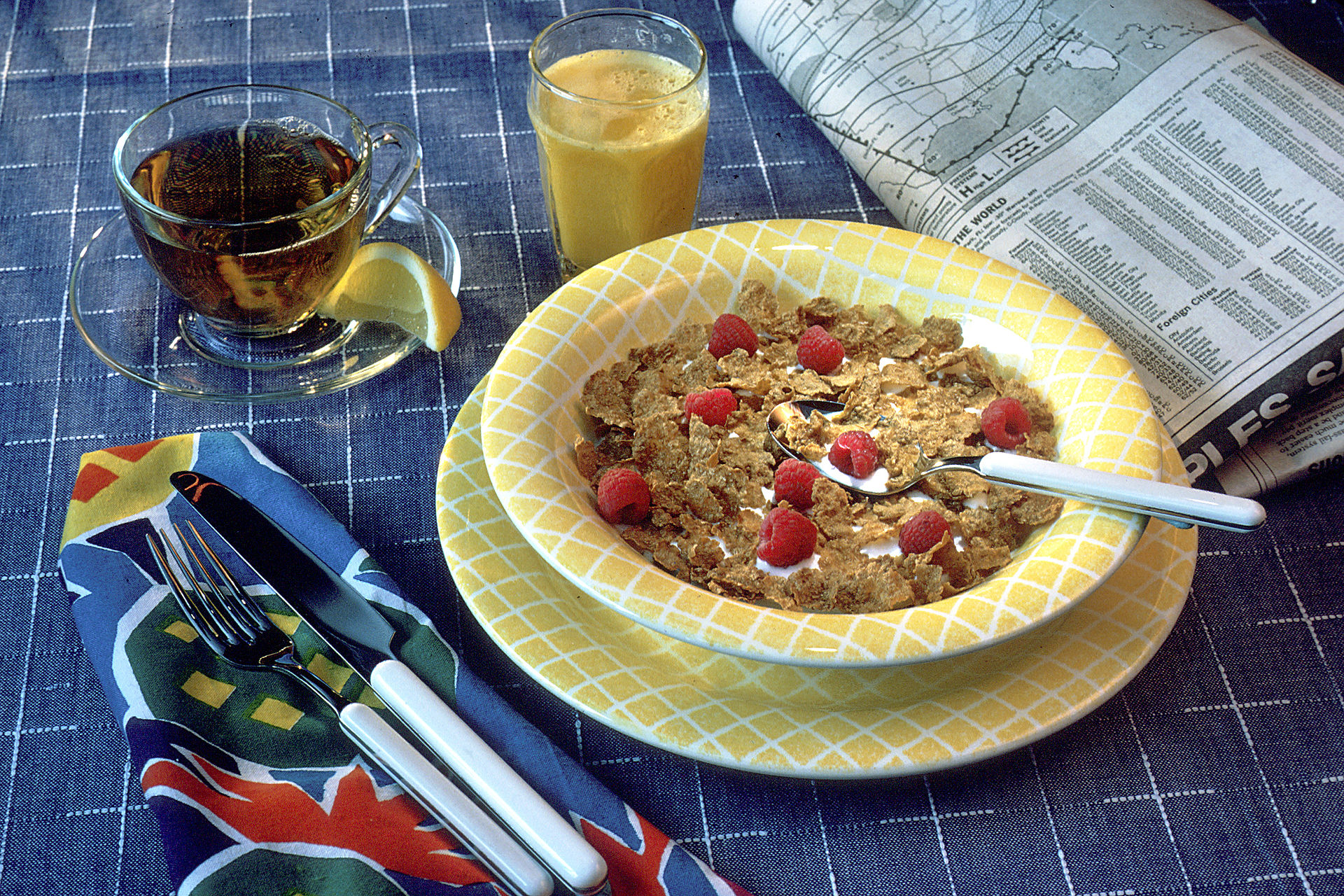
Kellogg’s launched OJ’s in 1985 — a cereal designed to provide an orange juice flavor experience as part of breakfast. The cereal had bright orange color, “orange-flavored” pieces, and specific marketing about providing daily vitamin C. OJ’s was discontinued within approximately one year due to disappointing sales. Consumer reaction was reportedly mixed — the orange flavor was distinctive but didn’t appeal to mass audiences. The cereal has nostalgic devotees but is unlikely to be relaunched given the documented mass market rejection.
Dinky Donuts (1981-1982)
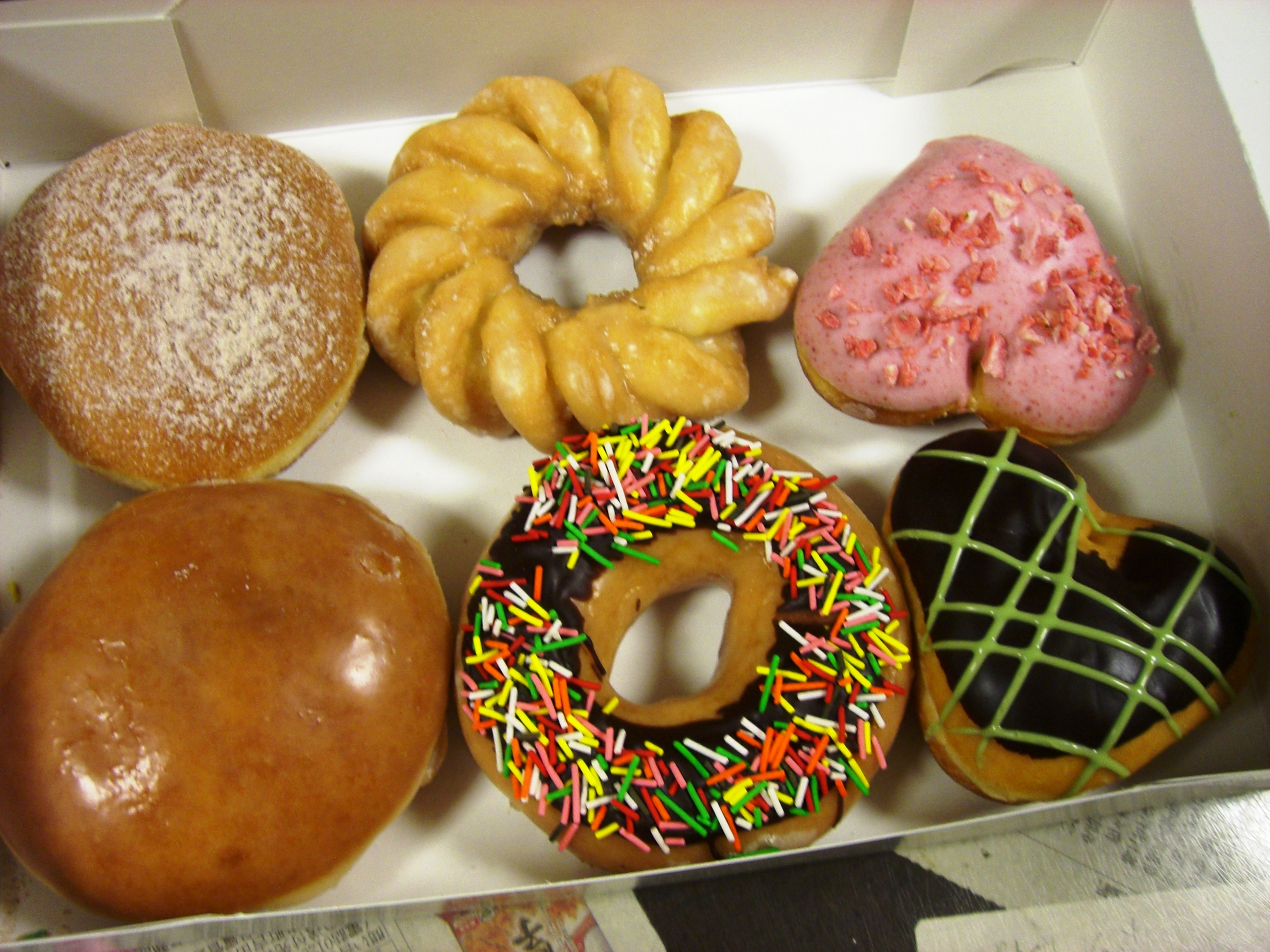
Kellogg’s launched Dinky Donuts in 1981 — donut-shaped cereal pieces with “donut” flavor coatings. The cereal was discontinued within approximately one year. Despite the very short market presence, Dinky Donuts has maintained surprisingly persistent fan demand. The cereal occasionally appears in online cereal collector forums with vintage box prices commanding substantial premiums. The basic concept (donut-shaped cereal) has been revived multiple times by various manufacturers but never with the specific Dinky Donuts branding or formulation.
Why Cereal Brands Die

The pattern across all these discontinued cereals reveals specific industry dynamics. Modern cereal manufacturers launch products with specific 2-5 year sales targets. Products that fail to meet targets are typically eliminated quickly to make shelf space for new launches. Manufacturing complexity (multiple flavors, unusual shapes, specialized ingredients) increases costs and reduces profitability. Cultural moments (TV show tie-ins, movie tie-ins, celebrity endorsements) produce temporary spikes that don’t sustain long-term sales. Health consciousness shifts have eliminated demand for high-sugar children’s cereals as a category. Modern surviving brands tend to be either premium adult-targeted products or perpetually-marketed traditional brands.
What This All Reveals
The 200+ discontinued American cereals from the past 40 years represent something specific: a category that produces strong childhood memories that don’t translate to lasting consumer demand. The cereals that persist in nostalgia rarely persist in actual sales. Manufacturers occasionally test this — Dunkaroos returned successfully in 2020 after persistent fan demand — but most relaunches fail. The products that defined our childhood breakfasts were almost always temporary by design. The nostalgia is real and lasting. The actual market viability that would justify permanent return has rarely materialized when cereals were given the chance.
