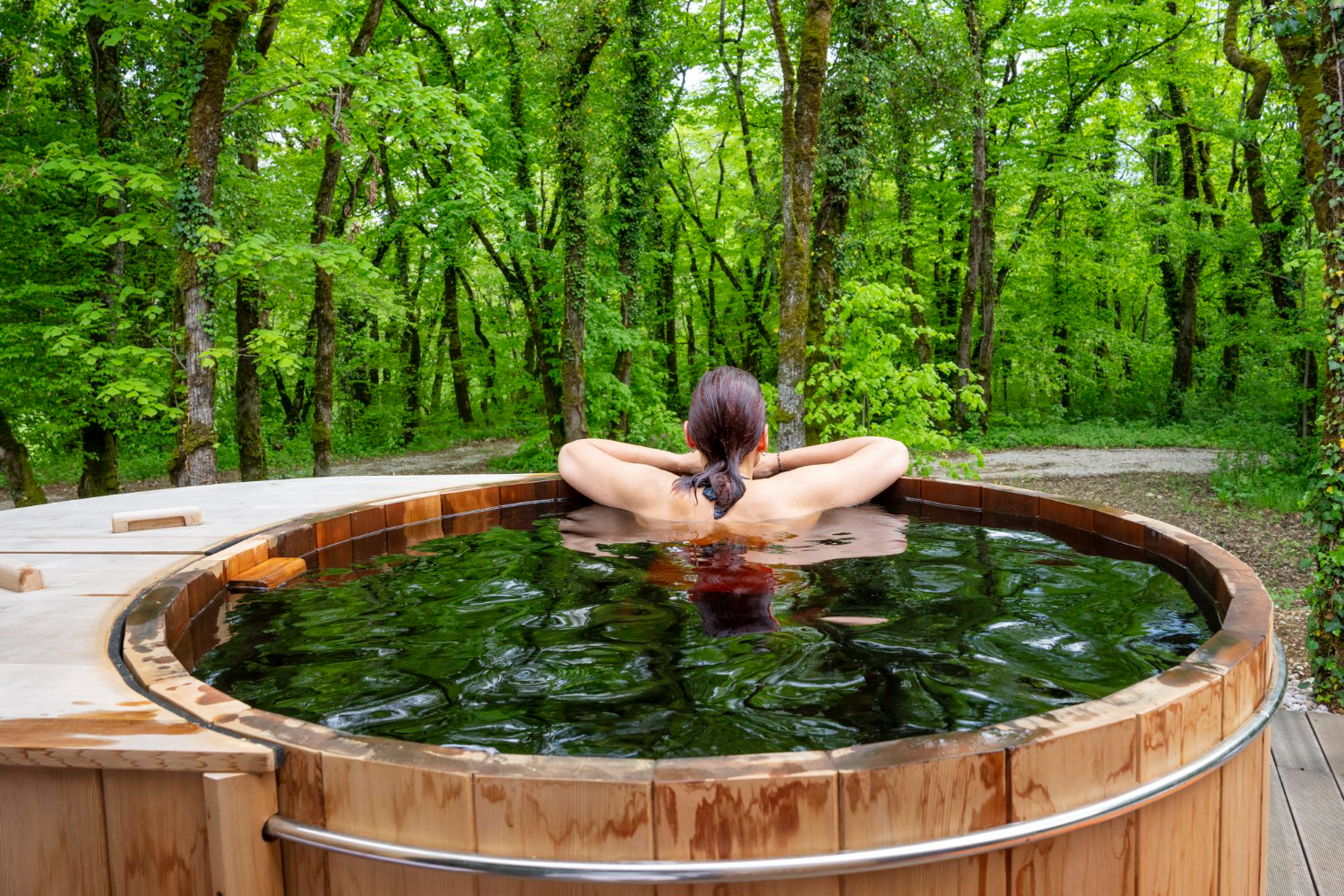
In 1982, an official in the Japanese Forestry Agency proposed a new term for a practice that had no formal name in Japan or anywhere else: shinrin-yoku, or “forest bathing.” The concept was simple. You walk into a forest. You stay there. You pay attention to it — to the light, the smells, the sounds, the texture of the ground. You do not exercise, hike for distance, count steps, or set goals. You are present.
Forty years later, shinrin-yoku has become both a global wellness trend and the subject of dozens of peer-reviewed studies looking at whether the practice produces measurable physiological effects. The research is more interesting and more nuanced than the popular coverage suggests.
The term shinrin-yoku (森林浴) was introduced by Tomohide Akiyama, then-Director General of the Japanese Forestry Agency, in 1982. The agency was looking for ways to promote public use of Japan’s substantial forest holdings and to reframe forests as health resources rather than purely as timber reserves. The term combines shinrin (forest) with yoku (bath), and the concept was that one could “bathe” in the atmosphere of a forest in the same way one might bathe in hot springs.
Editorial note: This article describes research findings about a wellness practice. It does not constitute medical advice. Readers should consult appropriate medical professionals about health decisions.
The Research Protocols
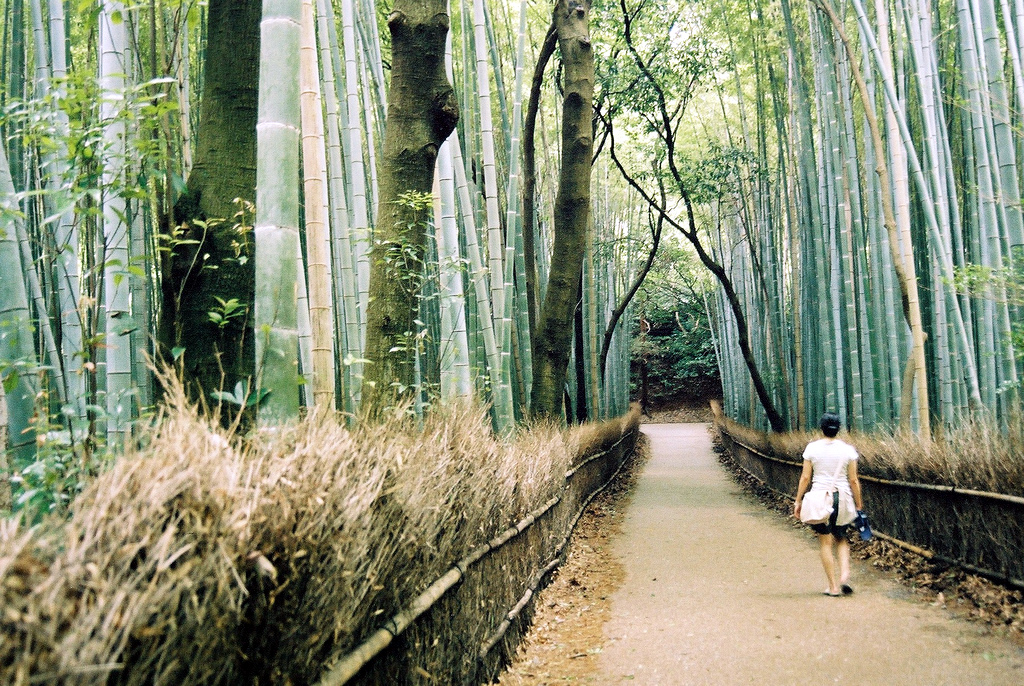
The most-cited shinrin-yoku research has examined several measurable physiological markers in subjects before and after structured forest experiences. The typical experimental protocol involves subjects spending several hours over multiple days in a forest environment, with physiological measurements taken before, during, and after.
The markers most studied include cortisol (a stress-related hormone), blood pressure, heart rate variability, and natural killer (NK) cell activity — a measure of certain immune function. Multiple studies have reported decreases in cortisol levels following forest exposure. Blood pressure decreases were generally observed in forest groups compared to urban-environment controls. Increases in markers associated with parasympathetic (“rest and digest”) activity were typically reported. Some studies, particularly several by Dr. Qing Li and colleagues at Nippon Medical School, reported increased NK cell activity following forest exposure that persisted for days after exposure ended.
The reported effects were generally modest but statistically significant within the studied samples. They were not dramatic clinical interventions; they were observed shifts in measurable markers.
The Phytoncide Hypothesis
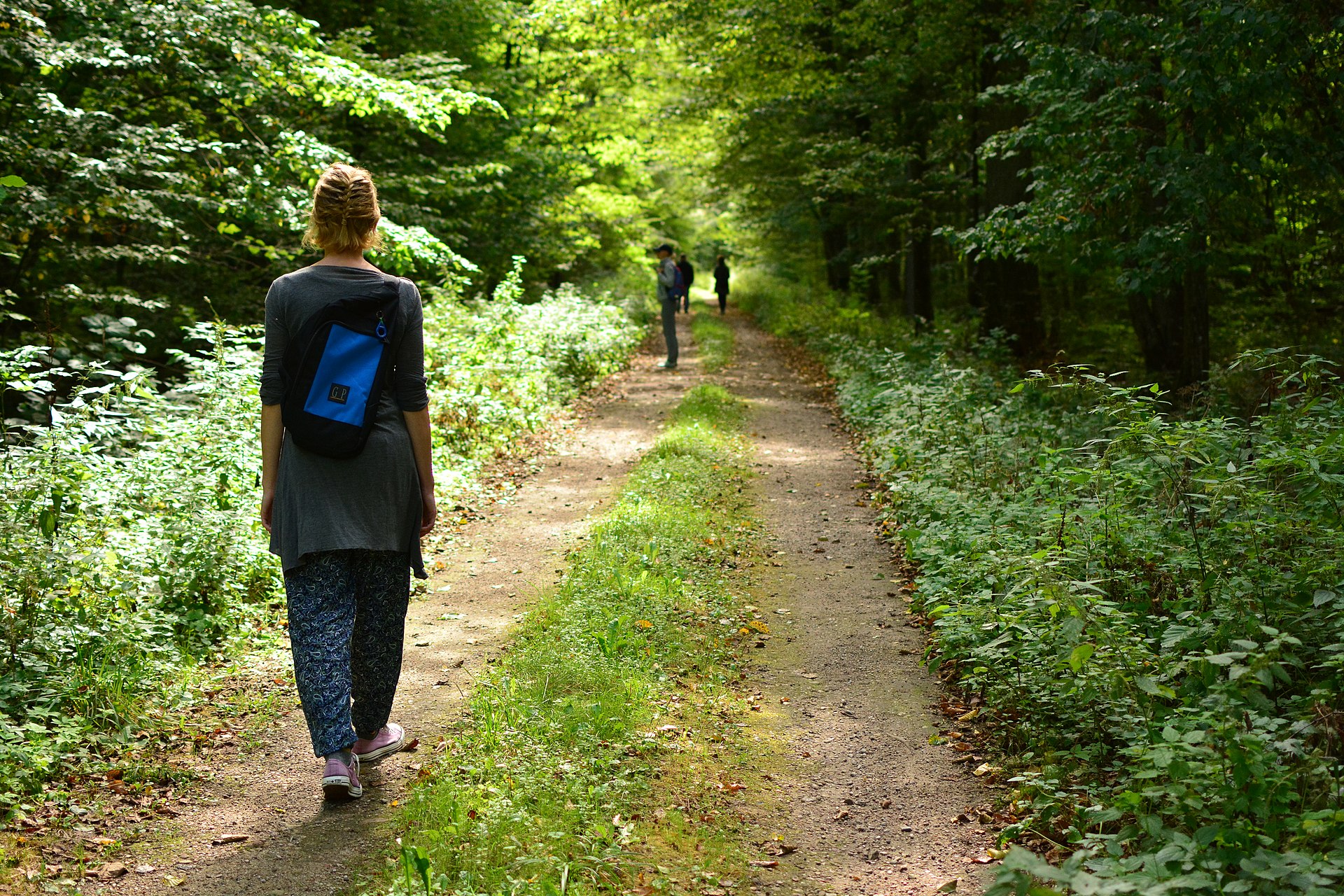
A frequently-cited mechanism involves phytoncides — volatile organic compounds emitted by trees and plants, principally as defenses against pathogens. Phytoncides are abundant in forests, particularly coniferous forests, and are inhalable by forest visitors. Some laboratory research has shown that exposure to specific phytoncides can increase NK cell activity in cultured human cells and animal models. The implied chain of causation is: forest visit → phytoncide inhalation → measurable immune changes.
This hypothesis is well-developed in the Japanese forest medicine literature and has been replicated in multiple laboratory studies. It is less well-established that the effect sizes seen in laboratory phytoncide exposure translate directly to real forest visits, where many other variables are simultaneously different from subjects’ baseline.
What the Research Does and Doesn’t Show
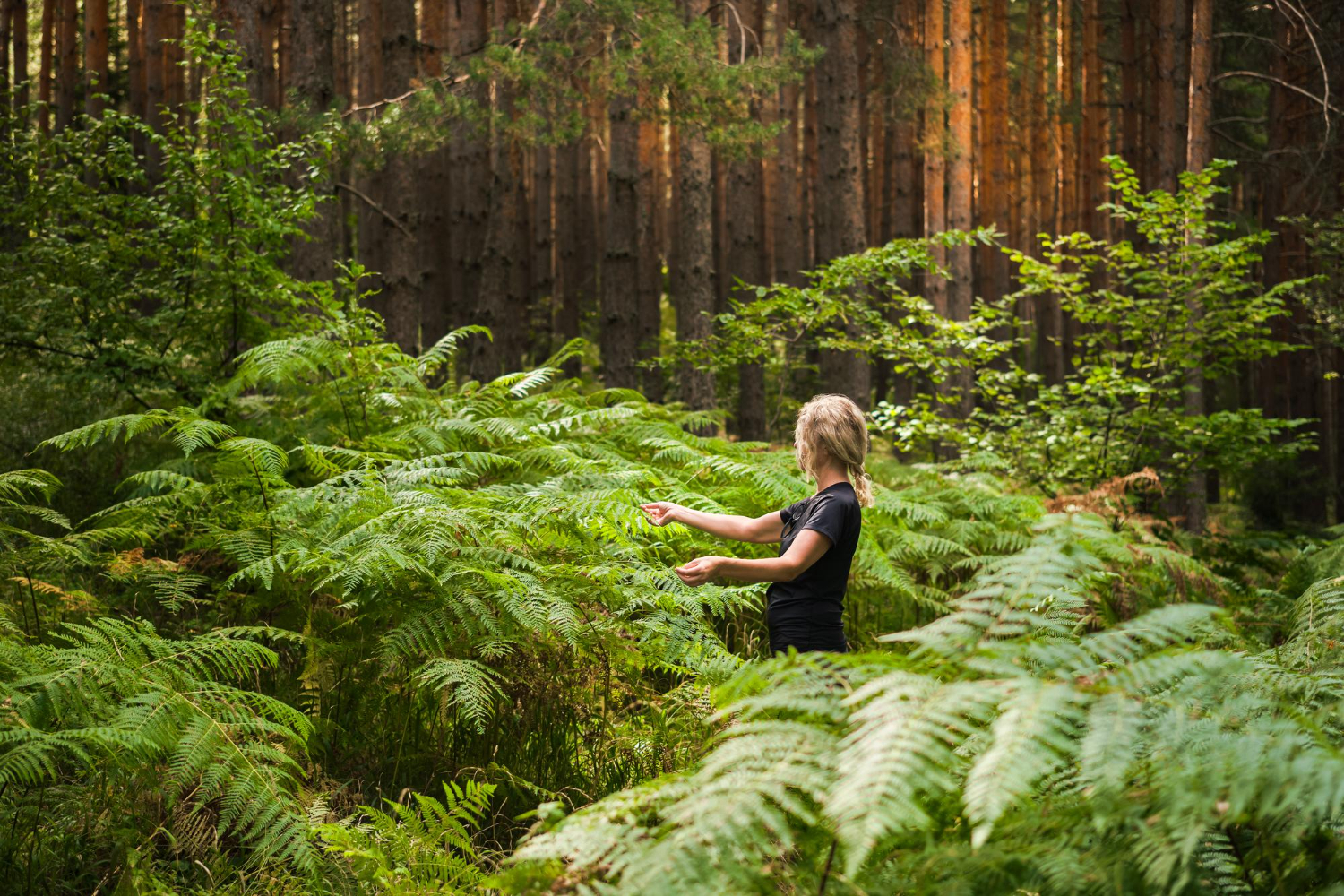
Popular coverage of shinrin-yoku has sometimes presented the research as supporting stronger claims than the studies themselves make. The research does not show that shinrin-yoku treats or cures specific diseases. Studies have measured shifts in physiological markers, not clinical outcomes. The leap from “improved heart rate variability after forest exposure” to “forest bathing cures cardiovascular disease” is not supported by the published research.
The research also does not generally support that brief or casual nature contact produces the effects measured in forest-bathing studies. The typical experimental protocol involves multiple hours per day over several consecutive days. Whether a 30-minute walk in a city park produces comparable benefits has not been demonstrated.
What the research does suggest is that structured, extended time in forest environments produces measurable physiological changes that align in direction with what one would expect from reduced stress and improved autonomic balance.
How Shinrin-Yoku Is Practiced Formally in Japan
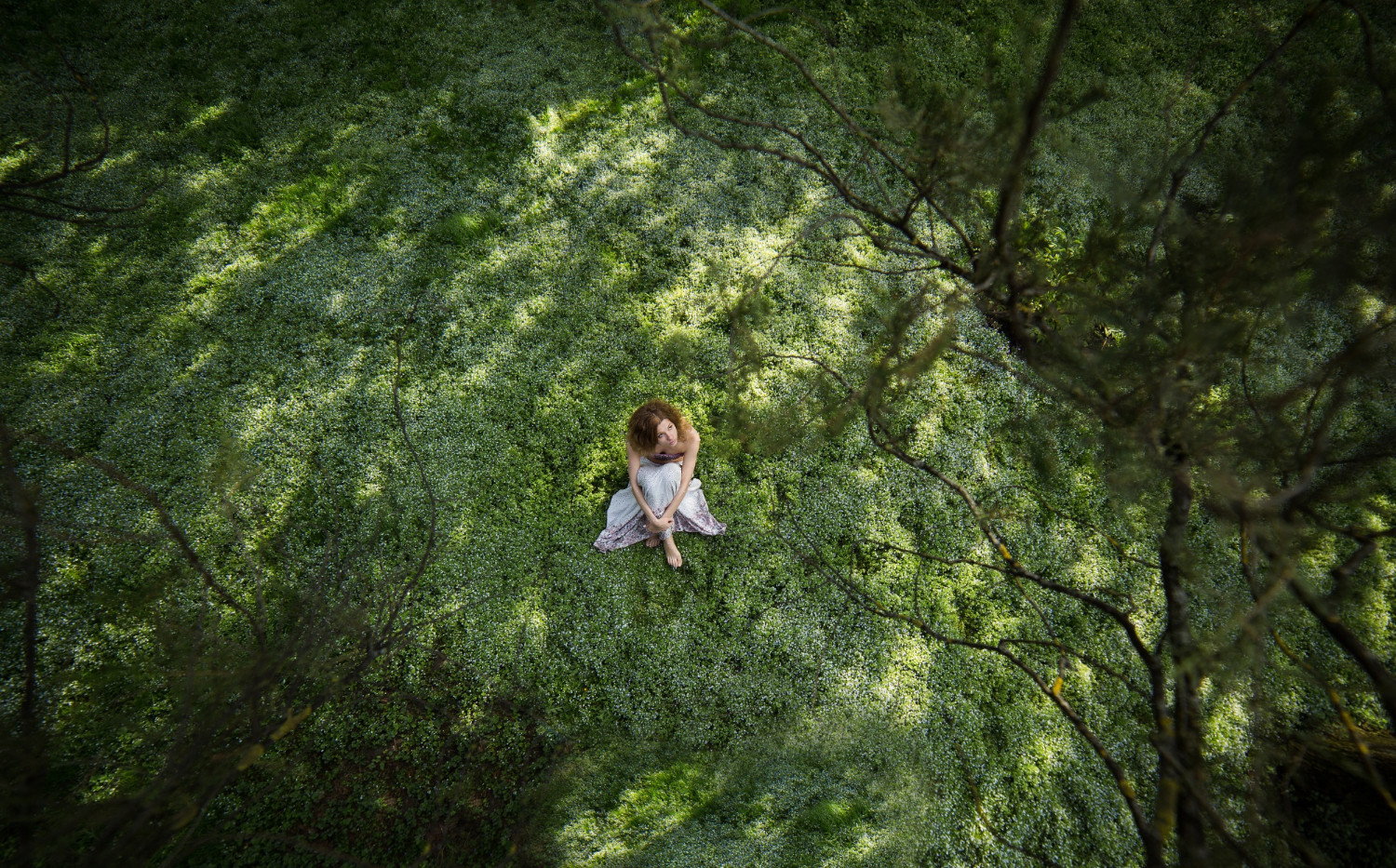
Within Japan, shinrin-yoku has been formalized to a degree unfamiliar in most other countries. Specific forests have been designated as “Forest Therapy Bases” by the Forest Therapy Society — Japanese forests that meet specific criteria for accessibility, environmental quality, and supporting infrastructure. Approximately 60-65 sites have been designated, distributed across most regions of Japan.
Designated forests typically have prepared walking paths, certified forest therapy guides who lead structured sessions, on-site or nearby health facilities for participants who want medical measurements before and after, and partnerships with nearby ryokan (traditional inns) for multi-day stays.
The most common form of practice involves walking slowly through the designated forest for two to four hours, with deliberate attention to sensory experiences and structured breaks for breathing exercises, simple stretching, or quiet sitting. The pacing is deliberately unlike Western hiking — distance is irrelevant, speed is unimportant, and the focus is entirely on present-moment perception of the environment.
The Export to the West

Shinrin-yoku began appearing in Western wellness coverage around 2010-2012 and became substantially more visible after the 2018 publication of Dr. Qing Li’s book Shinrin-Yoku: The Art and Science of Forest Bathing, which received broad coverage in English-language media. The export of the practice to other countries has produced a certified forest therapy guide industry, with multiple organizations offering certifications, Western versions of structured forest walks, and forest-bathing retreats in countries with substantial forest resources.
The translation has been imperfect. The Japanese tradition emphasizes specific forest types, specific protocols, and a level of formality that Western practice often loses.
How to Actually Do It
For readers without access to a designated Forest Therapy Base, the practice can be approximated by following the core elements: choose a forest with diverse plant species and minimal human-environment noise; plan to spend at least two hours; walk slowly, covering minimal distance; pause frequently to attend to sensory experience (smells, sounds, textures, light patterns); avoid technology; and avoid goals.
This is not the protocolized Japanese practice, but it captures most elements that the research has examined. The likely effect is what the research suggests: a modest, measurable reduction in stress markers, with effects lasting hours to days afterward.