

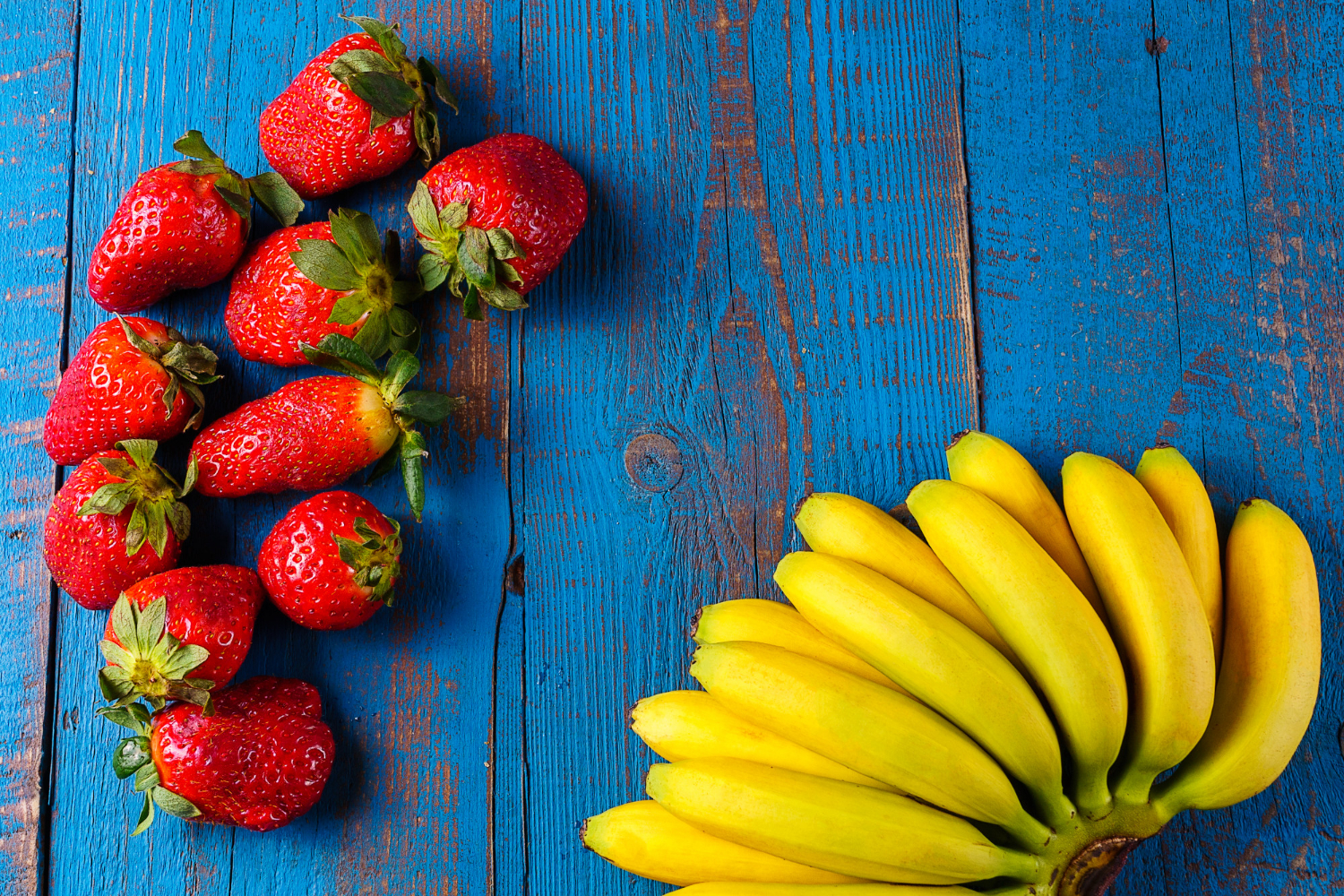
Here is a fact that reliably derails conversations: if you make a berry smoothie with strawberries, raspberries, blackberries and a banana, the only true berry in it is the banana.
This sounds like pedantry, and people usually receive it that way. But it is not an arbitrary reclassification or a case of scientists redefining a common word to be annoying. Botany has a specific, functional definition of “berry” that predates the culinary usage and describes something real about plant reproduction. Under that definition, bananas qualify comfortably and strawberries fail on a structural point.
The confusion arises because two different systems are using the same word for two different purposes, and only one of them is about how the plant works. Here is the rule, why familiar fruits fall where they do, and why the everyday definition is not actually wrong either.
The Actual Definition
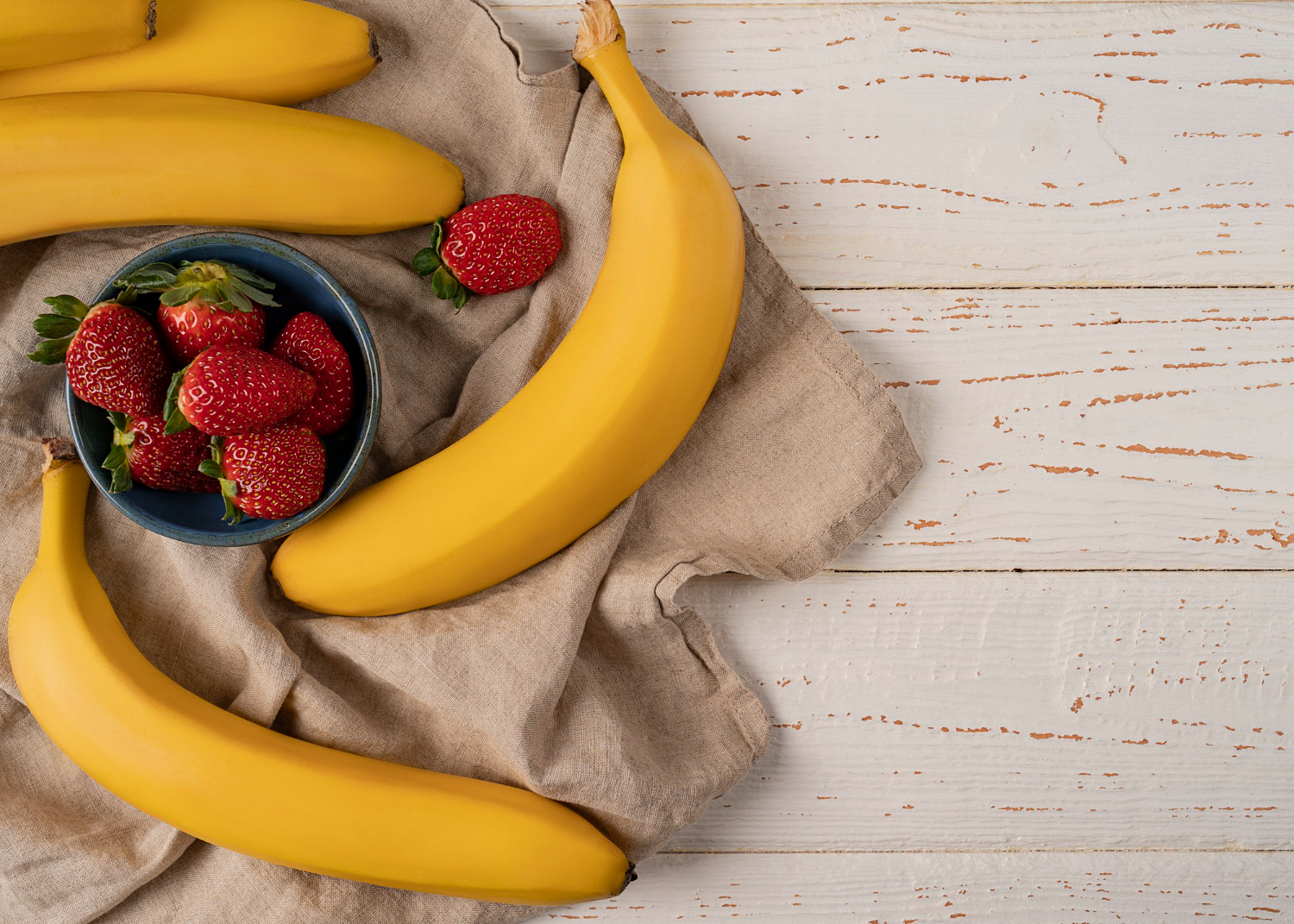
A botanical berry is a fleshy fruit that develops from a single flower with a single ovary, in which the wall of that ovary becomes the fleshy part of the fruit, with the seeds embedded inside the flesh.
Three conditions are doing the work: one flower, one ovary, and seeds inside rather than outside.
It helps to know what a fruit is in botanical terms. A fruit is the mature ovary of a flowering plant — the structure that surrounds and protects the seeds. That is why tomatoes, cucumbers and peppers are all fruits regardless of how they are used in cooking, and why rhubarb is not.
The ovary wall, once it ripens, is called the pericarp, and it has three layers: the exocarp on the outside, the mesocarp in the middle, and the endocarp innermost, closest to the seeds. In a true berry, all three layers are fleshy. In a stone fruit — a drupe — the endocarp hardens into the pit, which is why cherries, plums, peaches and apricots are drupes rather than berries.
Nothing in the definition mentions size, colour, sweetness, or whether you would put it in a crumble. Those are the criteria the kitchen uses, and they are unrelated.
Like our content? Follow us for more.
Why a Banana Qualifies
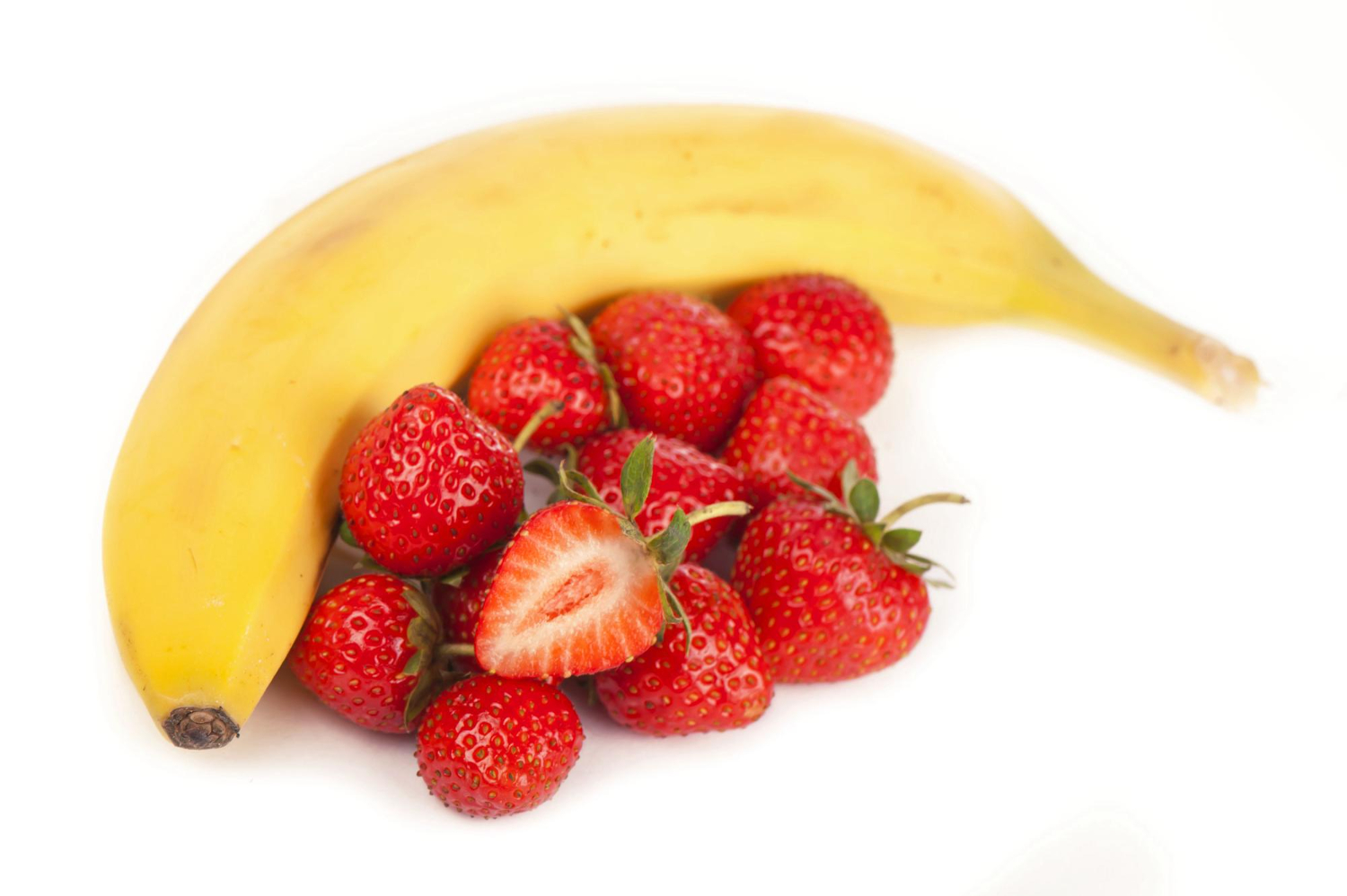
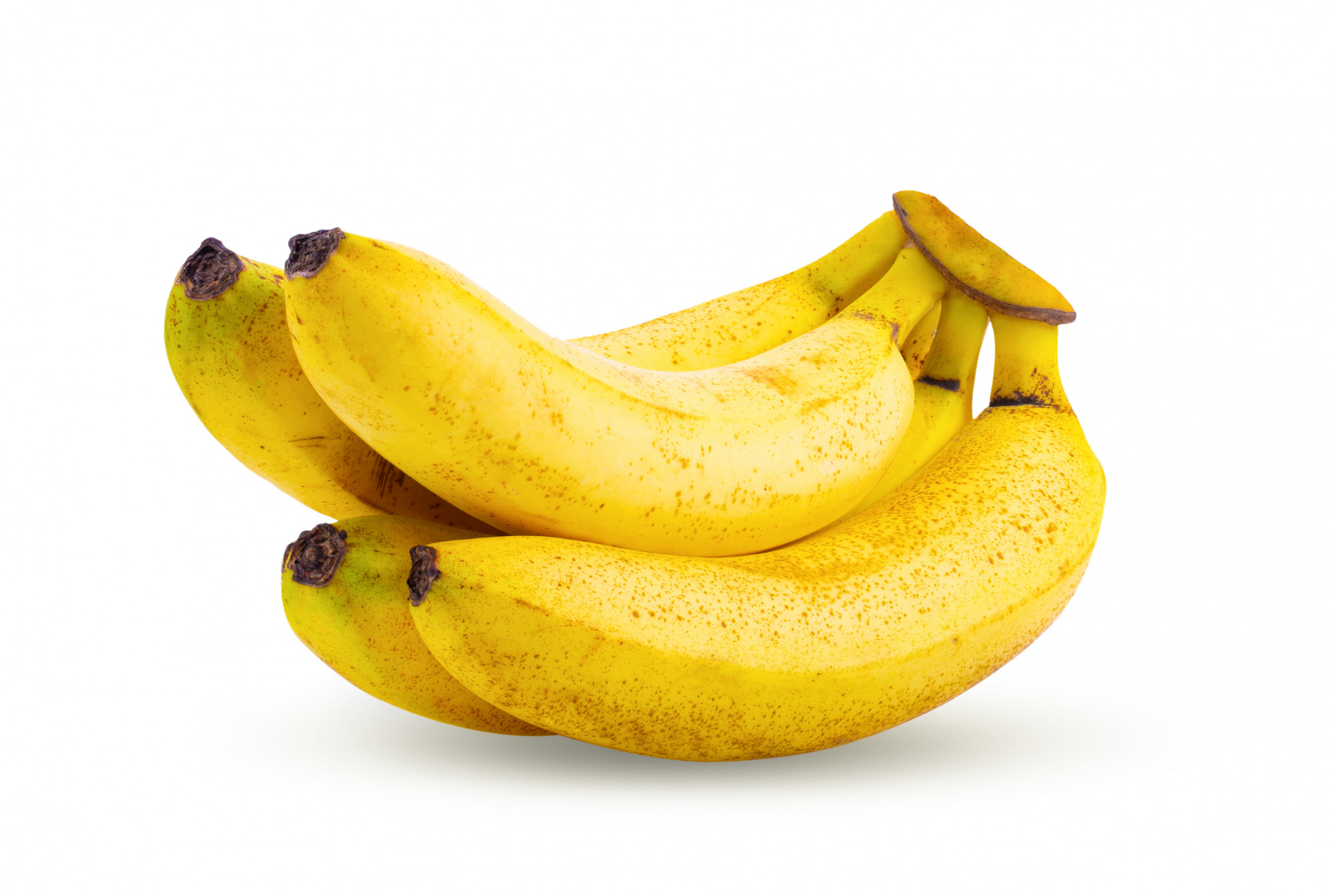
Run a banana through the three conditions and it passes each one.
It develops from a single flower with a single ovary — an inferior ovary, sitting below the other flower parts, but a single one. The entire edible flesh is the ripened ovary wall, all three layers of it soft. And the seeds are embedded within the flesh: those tiny dark specks running down the centre of a ripe banana are vestigial seeds.
The seedlessness raises an obvious objection, and it has a satisfying answer. Wild bananas are full of hard seeds — enough to make them difficult to eat. Cultivated bananas are typically triploid hybrids that set fruit without pollination, a phenomenon called parthenocarpy. The ovary swells and the pericarp ripens, but viable seeds never develop.
That changes how the plant reproduces — growers propagate bananas from suckers off the rhizome or by tissue culture rather than from seed — but it does not change the fruit’s category. Classification depends on how the fruit formed, not on whether the seeds inside it happen to be fertile.
Why a Strawberry Does Not
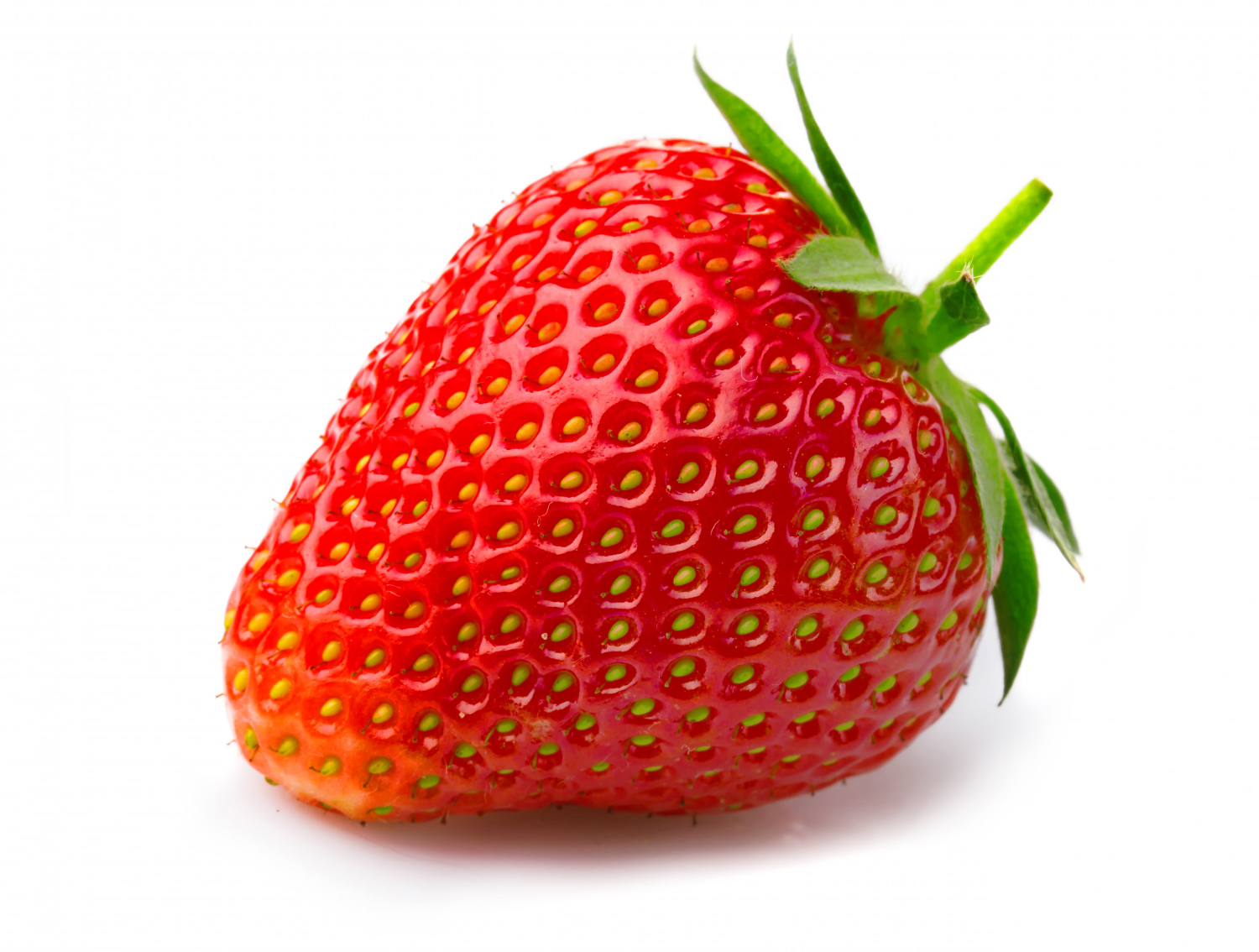
The strawberry fails on the first and most important condition, and it fails in an unexpectedly radical way: the part you eat is not the fruit at all.
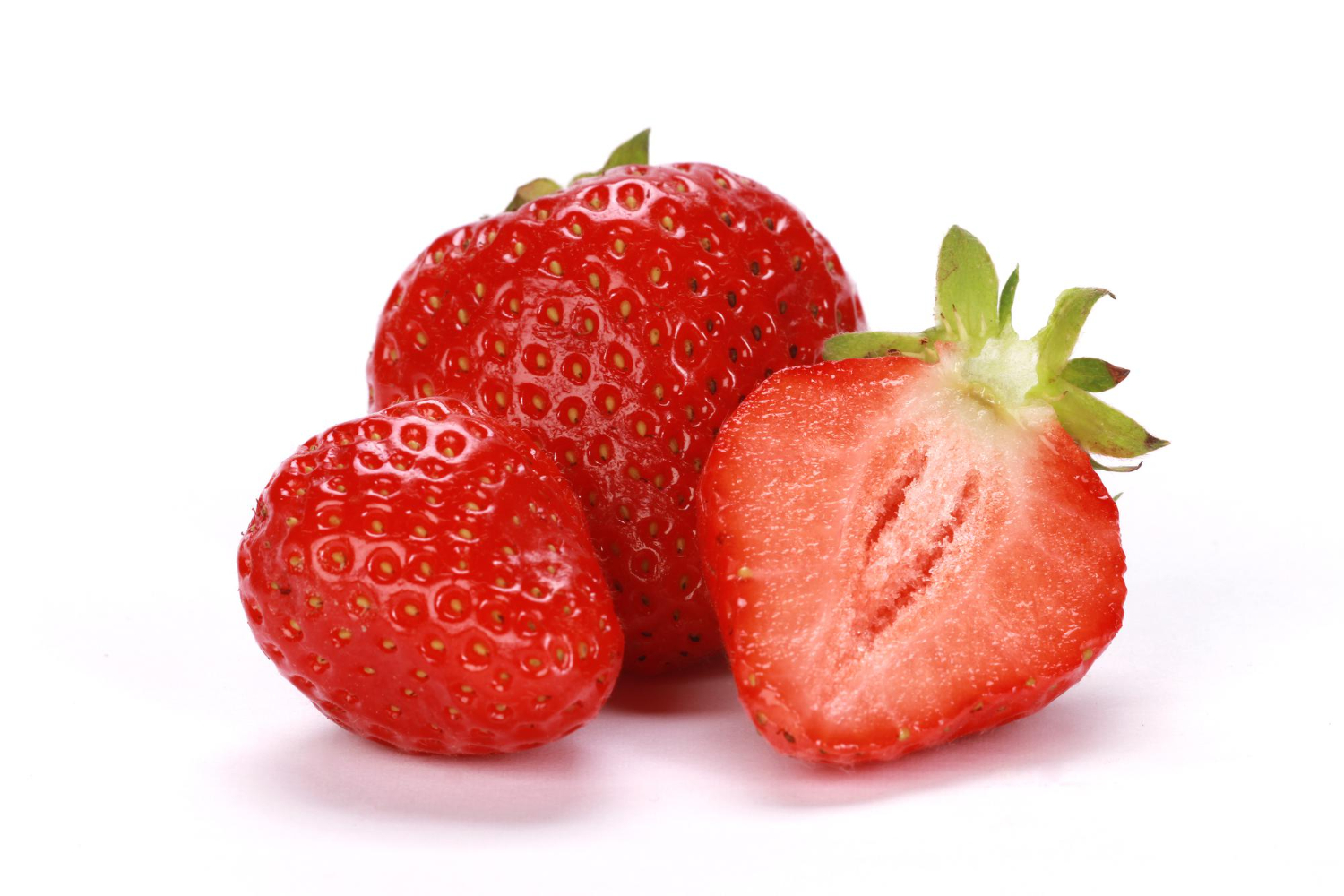
The red flesh of a strawberry is enlarged receptacle tissue — the base of the flower, the platform that held the reproductive parts. It is a structural component of the plant that swelled up, not a ripened ovary.
The actual fruits are the small yellowish specks on the outside, which most people assume are seeds. They are achenes, and each one is a separate tiny fruit containing a seed. A single strawberry is therefore a cluster of dozens of individual fruits sitting on a swollen flower base.
This makes it an aggregate accessory fruit. “Aggregate” because it derives from multiple ovaries within one flower; “accessory” because the edible portion comes from something other than the ovary.
Raspberries and blackberries fail differently. They are aggregate fruits made of many small drupelets — each little bubble is a miniature stone fruit with its own seed inside, which is why wild raspberries and blackberries can feel crunchy. Multiple ovaries, so not a berry.
Pineapples and figs are different again: multiple fruits, formed from a cluster of separate flowers that fuse into one structure.
The List That Surprises People
Applying the rule consistently produces a roster that reads like a prank.
Botanical berries include grapes, tomatoes, eggplants, kiwis, avocados, cucumbers, chili peppers, blueberries, cranberries and gooseberries. Watermelons, pumpkins and other squashes are berries of a subtype called a pepo, distinguished by a hard rind. Oranges and other citrus are berries of a subtype called a hesperidium, distinguished by the leathery rind and the segmented interior.
Not berries: strawberries, raspberries, blackberries, cherries, plums, peaches, apricots, apples, pears, pineapples and figs.
Apples and pears are worth a note, because they fail for the same reason strawberries do. The flesh of an apple develops largely from tissue surrounding the ovary rather than from the ovary itself; the ovary is the core with the pips in it. Apples are accessory fruits, and the part you throw away is closer to the actual fruit than the part you eat.
Among fruits with “berry” in their English name, only a minority — blueberries, cranberries, gooseberries, huckleberries — are botanically berries.
Where the Word Came From
Part of the confusion has a linguistic history worth knowing, because the two definitions did not arrive in the wrong order by accident.
The everyday sense came first. “Berry” is an old word in English, used for centuries to describe any small, round, juicy fruit — the practical category a forager or cook needs. It was descriptive of appearance and use, and it worked perfectly well for everyone who was not classifying plants for a living.
Botanical terminology arrived later, as naturalists built systematic classification from the seventeenth century onward. They needed precise terms for fruit types, and rather than coining new words they borrowed existing ones and gave them technical definitions. “Berry” was assigned to a specific structural category defined by ovary development.
That is a common pattern in scientific vocabulary, and it reliably causes trouble. The technical sense does not replace the everyday one; the two run in parallel, using identical words for different concepts.
The same thing happened with “nut,” which botanically excludes almonds, cashews, pistachios and peanuts, and with “vegetable,” which has no botanical meaning at all. Anyone insisting a tomato cannot be called a vegetable is making the same error in reverse.
The Kitchen Is Not Wrong Either
It is worth being fair to everyday language, because the standard version of this fact is often delivered as though ordinary usage is an error.
It is not. Culinary and botanical classification are answering different questions. Botany asks how the structure developed from the flower, because that reflects the plant’s reproductive biology and its evolutionary relationships. The kitchen asks how something tastes, how sweet or acidic it is, how it behaves when cooked, and how it is served. Those are legitimate questions, and they produce a different and internally consistent grouping.
That is why a tomato is a fruit botanically and a vegetable in cooking, and why both statements are true at once. It is also why a chef grouping strawberries and raspberries together is making a sensible decision — they behave similarly in a tart — while a botanist separating them is also making a sensible decision, because they develop from the flower in truly different ways.
The mistake is not using either definition. It is assuming there is only one, and that whichever you learned first is the real one.
Why the Definition Earns Its Keep
There is a reasonable question lurking here: does this classification actually do anything, or is it just tidy-mindedness?
It does work. Fruit structure reflects how a plant packages and disperses its seeds, which is one of the central problems in plant evolution. Berries, with fleshy walls and embedded seeds, are generally built to be eaten whole by animals that carry the seeds elsewhere. Drupes protect a single seed in a hard shell. Aggregate and accessory fruits solve the same problem by other means. The categories track real differences in reproductive strategy, and knowing which category a plant’s fruit falls into tells a botanist something useful about its relatives and its biology.
It also has practical consequences for growers, breeders and anyone working on crop development, where knowing whether you are dealing with an ovary, a receptacle, or a fused cluster of flowers matters a great deal.
So the banana fact is not merely a conversational grenade. It is a doorway into a classification system built to describe how plants actually reproduce, which happens to cut across our grocery categories at a wildly unhelpful angle.
The next time someone tells you a banana is a berry, the fact is correct and the interesting part is the rule underneath it: one flower, one ovary, seeds inside. Everything else follows, including the strawberry sitting in the fruit bowl, steadily not being a berry at all.
Like our content? Follow us for more.
