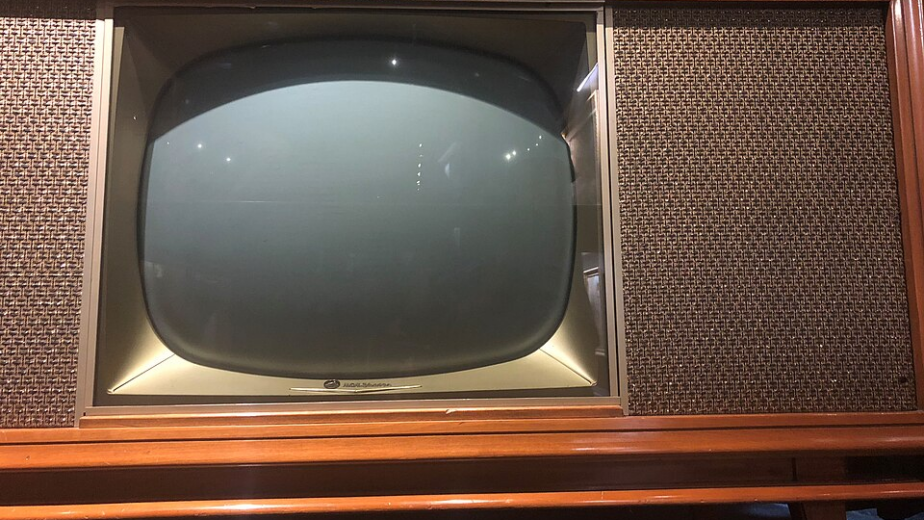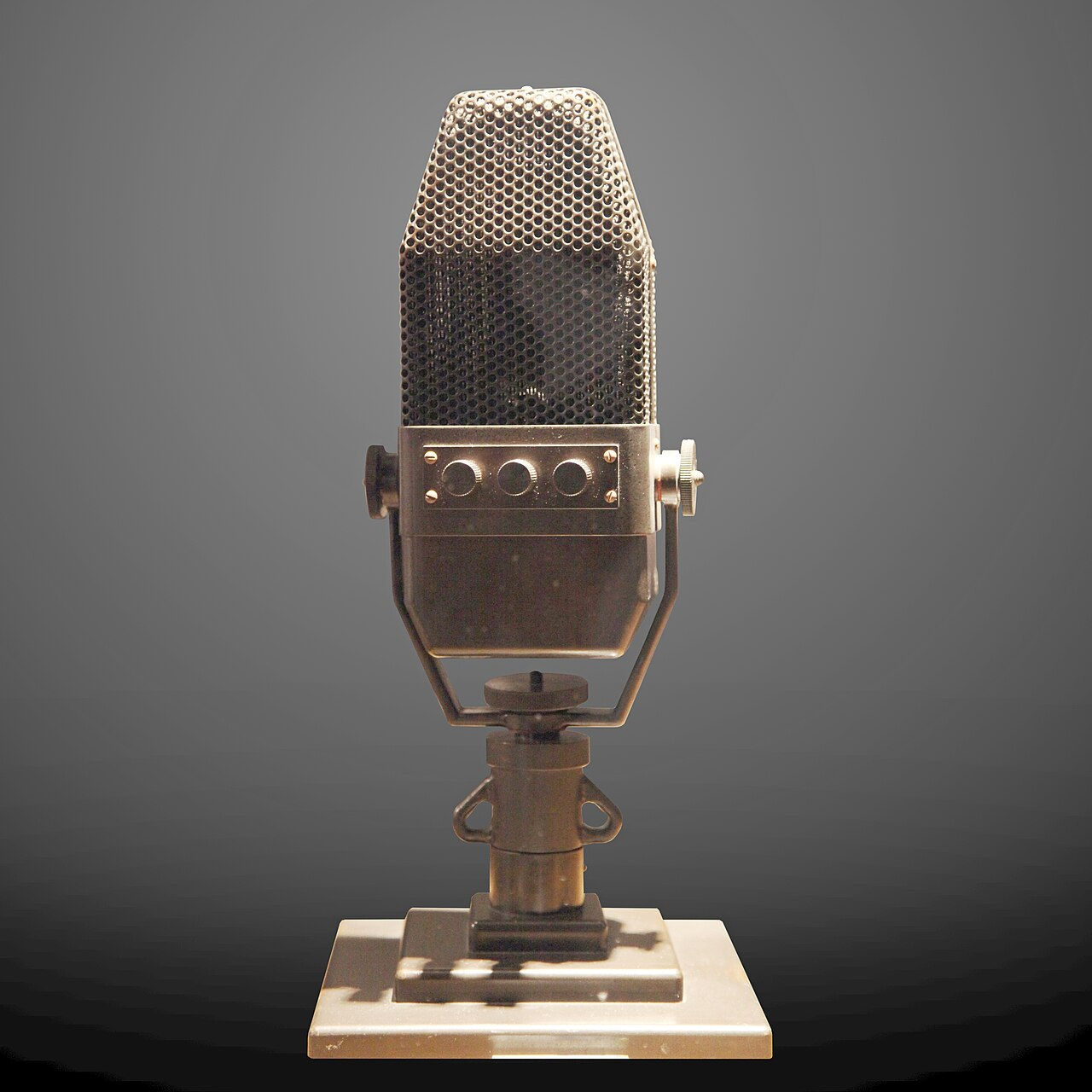
On the night before Halloween in 1938, a young broadcaster and his theater company presented a radio drama that would become legendary. The program was an adaptation of a famous science fiction novel about an invasion of Earth by Martians, and it was cleverly presented in the style of a series of realistic breaking-news bulletins, as though a real alien invasion were unfolding live on the air. According to the story that has been told ever since, the broadcast was so convincing that it sparked mass panic across the United States, with countless listeners believing that Martians were truly attacking and fleeing their homes in terror.
This tale, of a nation thrown into hysteria by a radio show, has become one of the most famous anecdotes in the history of media, endlessly repeated in books, articles, documentaries, and classrooms as a striking example of the power of broadcasting and the gullibility of the public. It’s a great story. But it has one significant flaw: it is, for the most part, not true. The reality of what happened that Halloween eve is very different from the legend, and the truth about the supposed panic is arguably even more interesting than the myth, revealing as much about how media legends are created as about the broadcast itself. Here is the real story behind the infamous Martian invasion broadcast and the “panic” that mostly wasn’t.
The Broadcast
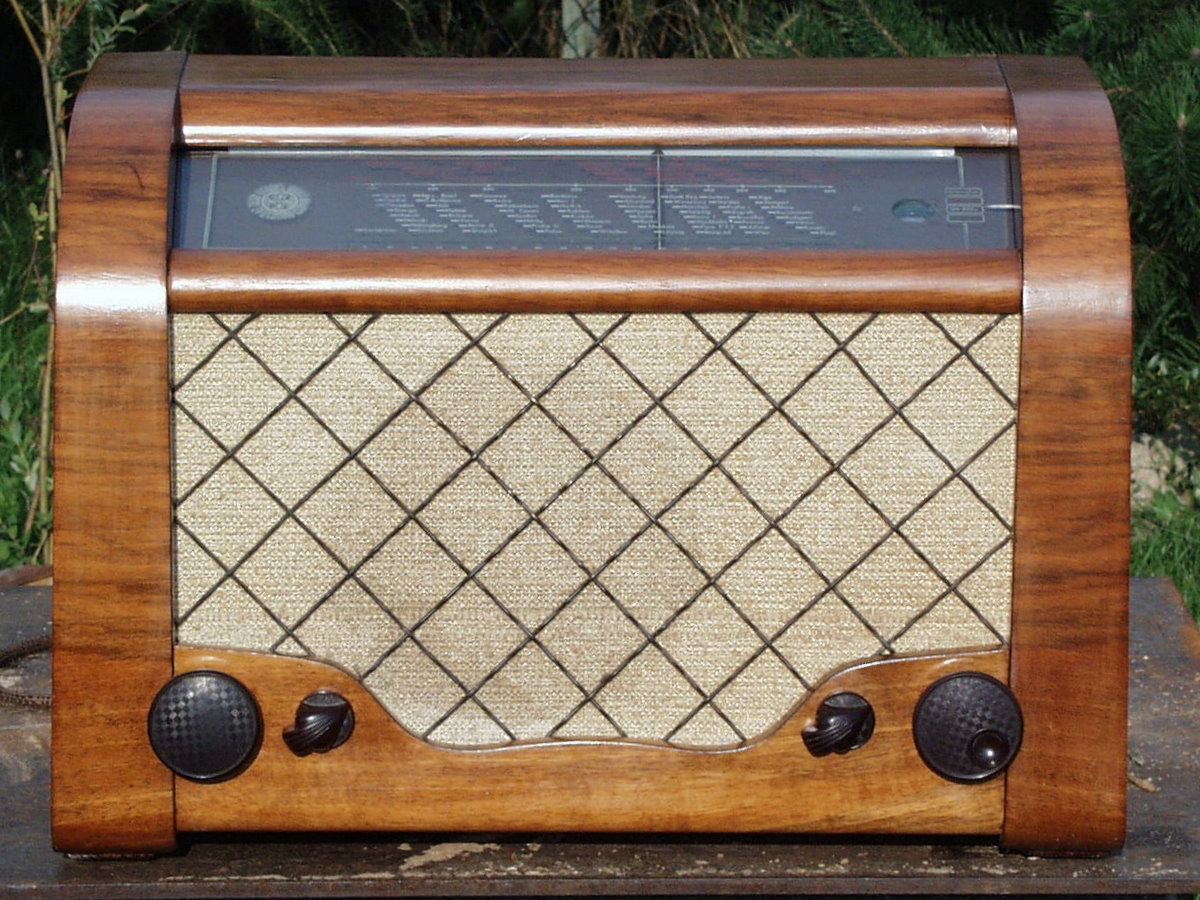
The program at the center of the story was a radio adaptation of a well-known novel about a Martian invasion, performed live by a theater company as part of a regular dramatic series. The creative choice that made the broadcast so memorable was its format: rather than presenting the story in a conventional narrative style, the production framed much of it as a sequence of simulated news bulletins interrupting ordinary programming, complete with on-the-scene reports describing the arrival of the Martians and the chaos they unleashed.
For a listener tuning in partway through, or not paying close attention to the framing, the effect could indeed be startling and realistic. The broadcast mimicked the conventions of real radio news of the era convincingly, and radio audiences of the 1930s were accustomed to programs being interrupted by real news bulletins, especially amid the tense international situation of the time. The program did include clear statements identifying it as a fictional drama, but these came at certain points rather than continuously. It was, by any measure, an inventive and effective piece of radio theater, one that played skillfully on the medium’s power to create a sense of immediacy and reality. And when it was over, its young creator would find himself at the center of a sensation, though the true dimensions of that sensation would turn out to be very different from what the headlines proclaimed.
Like our content? Follow us for more.
The Legend of the Panic
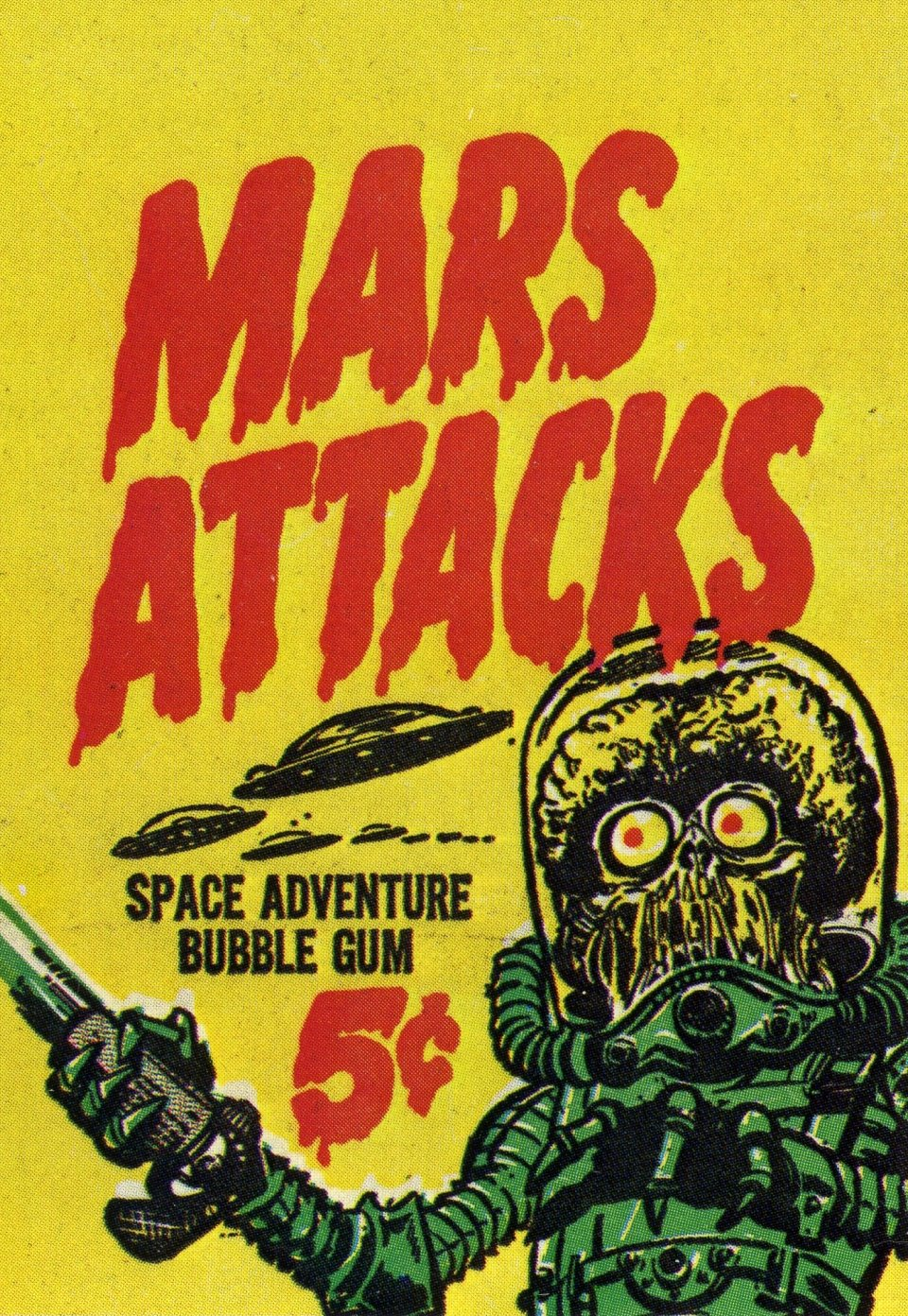
The morning after the broadcast, the story of nationwide panic exploded across the country. Newspapers ran dramatic headlines describing terror and hysteria, telling of listeners who had been convinced the invasion was real and had reacted with fear and desperation. According to these accounts and the legend that grew from them, huge numbers of Americans had been fooled by the broadcast, and many had fled their homes, jammed the roads trying to escape, flooded police stations and newspapers with frantic calls, and otherwise descended into panic at the thought of a Martian attack.
This narrative took hold immediately and never let go. The broadcast became enshrined as the definitive example of the awesome and dangerous power of radio, a cautionary tale about how a realistic broadcast could manipulate a trusting public into mass hysteria. Over the following decades, the story was retold endlessly, cited in academic studies, featured in documentaries, and taught to students as historical fact. The image of a nation panicking over a radio play about Martians became firmly lodged in the popular memory, an irresistible illustration of media power and human credulity. It seemed to be one of those vivid historical episodes that everyone knew about and no one questioned. But that, it turns out, was precisely the problem: the story had been accepted and repeated so uncritically that few people ever stopped to ask whether it was actually true.
What Really Happened
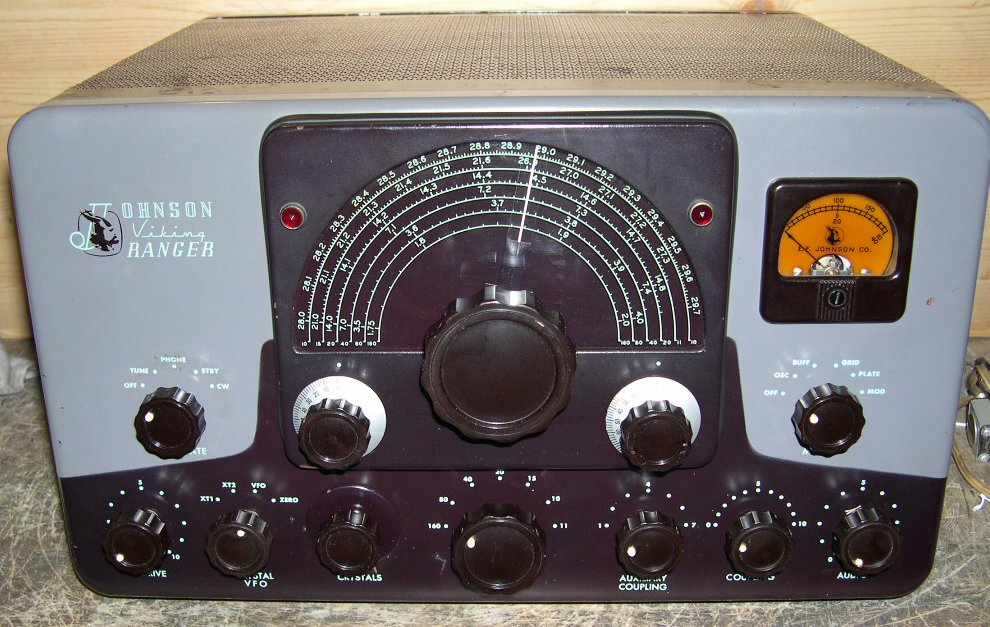
When researchers and historians eventually examined the evidence for the supposed mass panic, they found that it largely evaporated. The dramatic picture of a nation gripped by hysteria simply was not supported by the facts. In reality, the number of people who heard the broadcast, and the number who reacted with anything like real panic, appear to have been far smaller than the legend claims.
A key piece of evidence comes from the audience measurements of the time. On the night of the broadcast, relatively few people were actually listening to the program; the ratings were low, and a far larger audience was tuned to a popular competing show on another network at the same time. Of the modest number who did hear the Martian drama, the great majority understood perfectly well that it was a work of fiction, a radio play, and were not fooled at all. While some listeners were certainly confused or momentarily alarmed, and some did make anxious phone calls, there is little credible evidence of the widespread, dramatic panic, the fleeing crowds and mass hysteria, that the legend describes. Investigations into the sensational anecdotes of terrified listeners often found them to be unverified or exaggerated. The supposed nationwide panic, in short, was largely a myth. A real broadcast had happened, some people had been briefly startled, but the story of a nation plunged into terror was a dramatic distortion of a much more modest reality.
Who Created the Myth
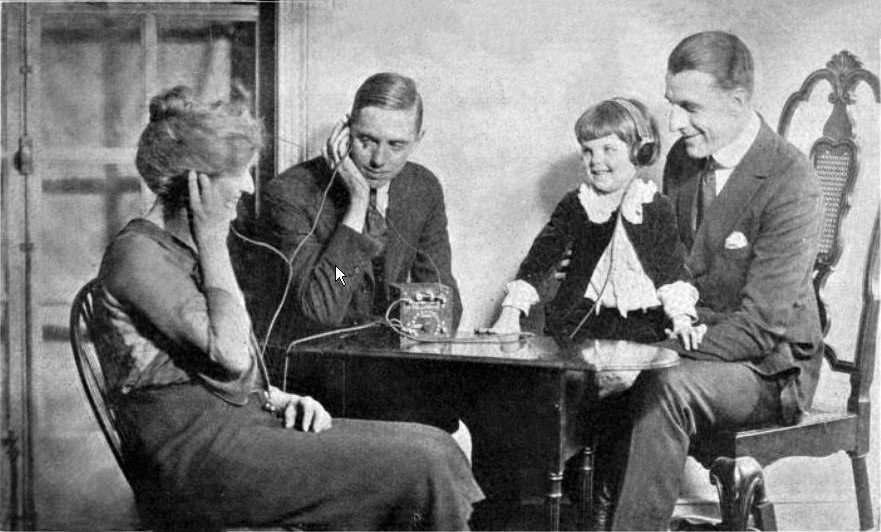
If the panic was largely fictional, then where did the powerful and enduring legend of mass hysteria come from? The answer points to an unexpected culprit: the newspapers of the day. Understanding why the newspaper industry would exaggerate the panic reveals a fascinating story of media rivalry and self-interest.
In the 1930s, radio was a relatively new medium, and it had emerged as a serious competitor to newspapers, particularly in the crucial business of delivering news and, importantly, in attracting the advertising revenue that both industries depended on. During the economic hardship of the era, radio was siphoning off advertising money that had previously gone to newspapers, and the print industry viewed the upstart medium with considerable hostility. The Martian broadcast handed newspapers a golden opportunity. By playing up the story of a public thrown into panic by an irresponsible radio broadcast, newspapers could portray radio as a reckless and untrustworthy medium, unfit to be taken seriously as a source of news and information, in contrast to the supposedly more responsible press. Sensationalizing the panic served the newspapers’ interests, casting doubt on their rival and, in effect, warning the public and advertisers alike that radio could not be trusted. In this way, the very industry that competed with radio had strong motives to exaggerate the broadcast’s effects, and the dramatic headlines they produced helped create and cement the legend of the great panic, a legend that then took on a life of its own, outliving the rivalry that had spawned it and becoming accepted as history.
Why the Myth Endures
One of the most intriguing aspects of the whole affair is why the myth of the panic has proven so remarkably durable, persisting for decades even after historians have thoroughly debunked it. Corrective accounts setting the record straight have been published repeatedly over the years, and yet the legend of mass hysteria stubbornly lives on, still cited and still believed. Why?
Part of the answer is simply that it makes for a wonderful story. The image of a nation panicking over a radio play is dramatic, memorable, and satisfying in a way that the more mundane truth is not, and good stories, once established, are hard to dislodge. The legend also serves as a convenient and vivid illustration of ideas that people find compelling, about the power of media to deceive and the vulnerability of the public to manipulation, and these lessons, whether or not they accurately describe the 1938 event, feel important and true to many people, giving them a reason to keep repeating the tale. There is a certain irony here worth appreciating: a story about how the public was supposedly fooled by the media has itself fooled the public for generations, kept alive by uncritical repetition. In an age increasingly concerned with misinformation and the reliability of what we read and hear, the real lesson of the Martian broadcast may be exactly this: that a compelling but false narrative, once it takes hold, can be extraordinarily difficult to correct, and that we should always be willing to ask whether the stories “everyone knows” are actually supported by the facts.
Separating Legend From Reality
The tale of the 1938 Martian invasion broadcast endures as a fascinating double mystery: the story of the broadcast itself, and the story of the myth that grew up around it. The broadcast was real, an inventive and skillful piece of radio drama that really did startle some listeners. But the mass panic that supposedly followed was largely an invention, a dramatic exaggeration driven in significant part by a rival industry with its own reasons for portraying radio as dangerous, and then perpetuated by decades of uncritical retelling.
The truth, that relatively few people heard the broadcast and fewer still actually panicked, is less sensational than the legend, but it carries a more valuable lesson. It reminds us that even the most widely accepted historical “facts” deserve scrutiny, that dramatic stories can outrun the truth, and that the real workings of media, rivalry, and public perception are often more subtle and interesting than the tidy myths we inherit. So the next time you hear the famous story of the night radio Martians terrified a nation, you’ll know the fuller truth: it’s a legend that reveals less about the gullibility of 1938 listeners than about how myths are made, spread, and stubbornly believed, long after the facts have said otherwise.
Like our content? Follow us for more.