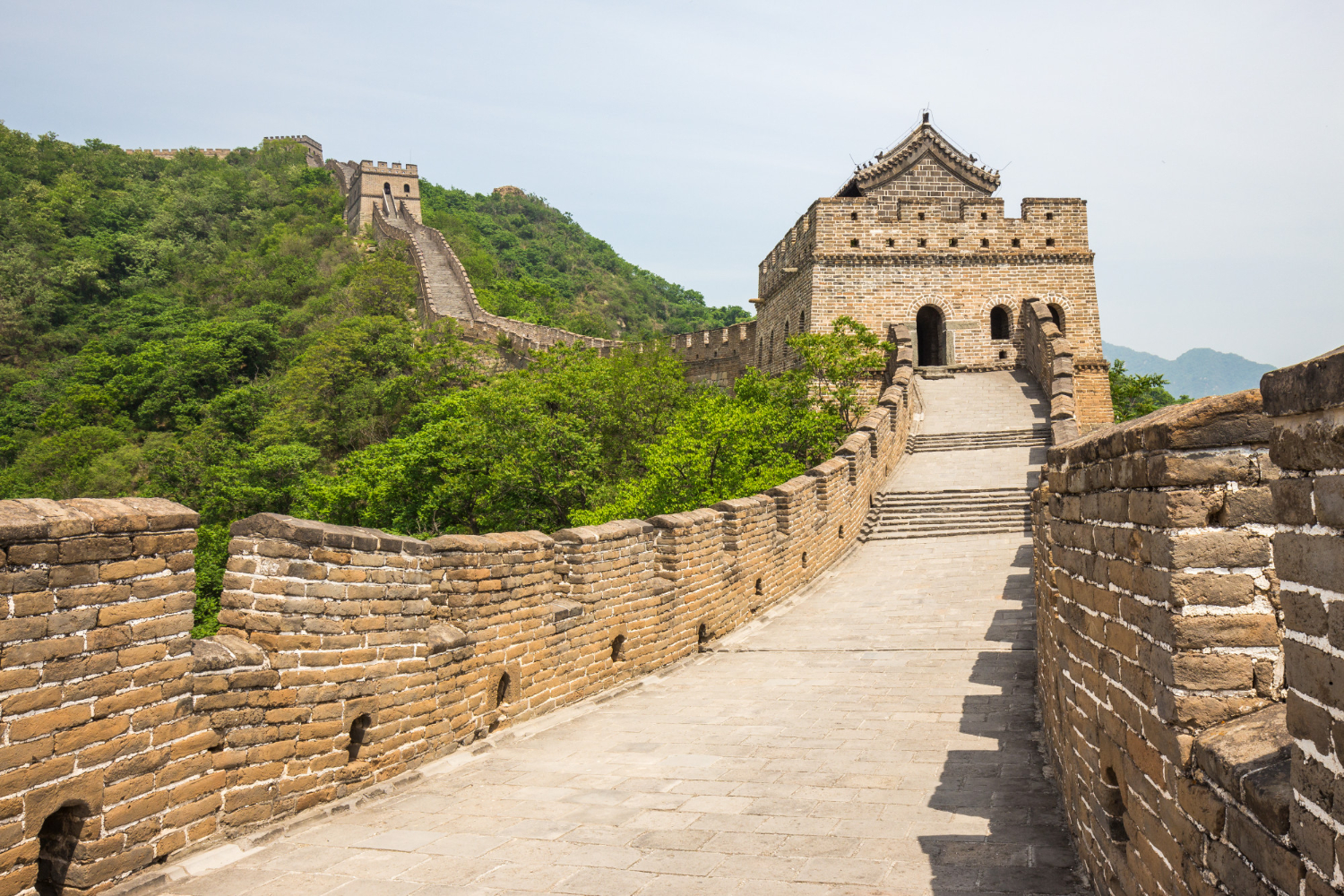
Mortar is the least glamorous part of any building and frequently the part that determines whether it survives. Stone and brick last for millennia on their own; what usually fails is whatever was holding them together.
Which makes a particular Chinese story interesting. For generations it was said that builders during the Ming dynasty added sticky rice to their mortar, producing something extraordinarily durable. It sounded like the kind of tale that accumulates around a famous structure — colourful, memorable and probably invented.
It was not invented. Modern analytical chemistry confirmed it, identified the active ingredient, explained the mechanism, and reproduced the recipe in a laboratory.
Here is what the Ming builders actually did, and why it worked better than the alternative.
The Recipe
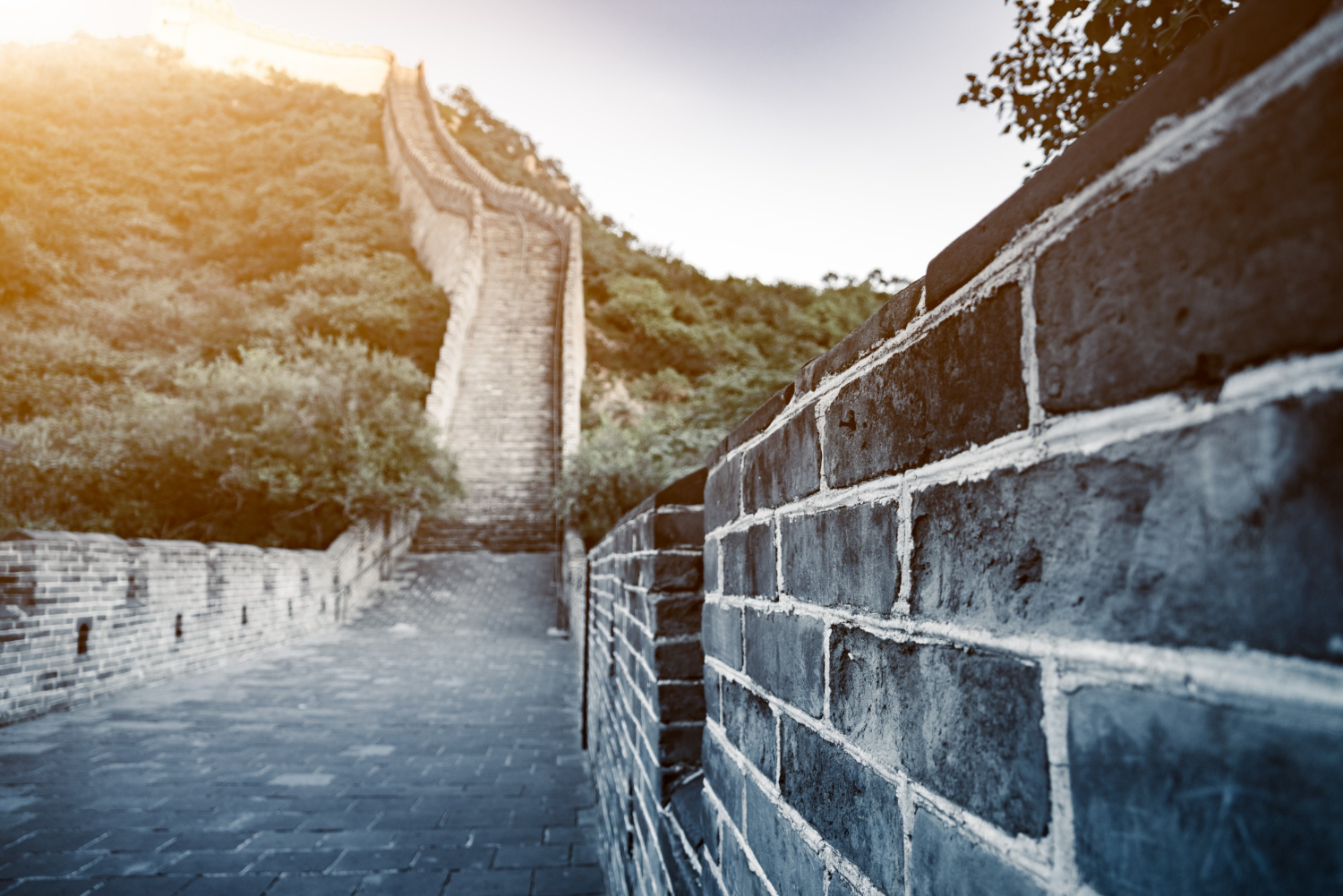
The mixture was straightforward in principle: slaked lime, the standard binding agent in mortar for thousands of years, combined with a soup or porridge made from glutinous rice.
Slaked lime works by absorbing carbon dioxide from the air over time and converting to calcium carbonate, effectively turning back into a form of stone. That process is what gives lime mortar its strength, and it is slow — lime mortar continues hardening for years after it is laid.
Adding rice porridge to that produced what Chinese researchers describe as the first composite mortar in history: a deliberate combination of an inorganic binder with an organic additive.
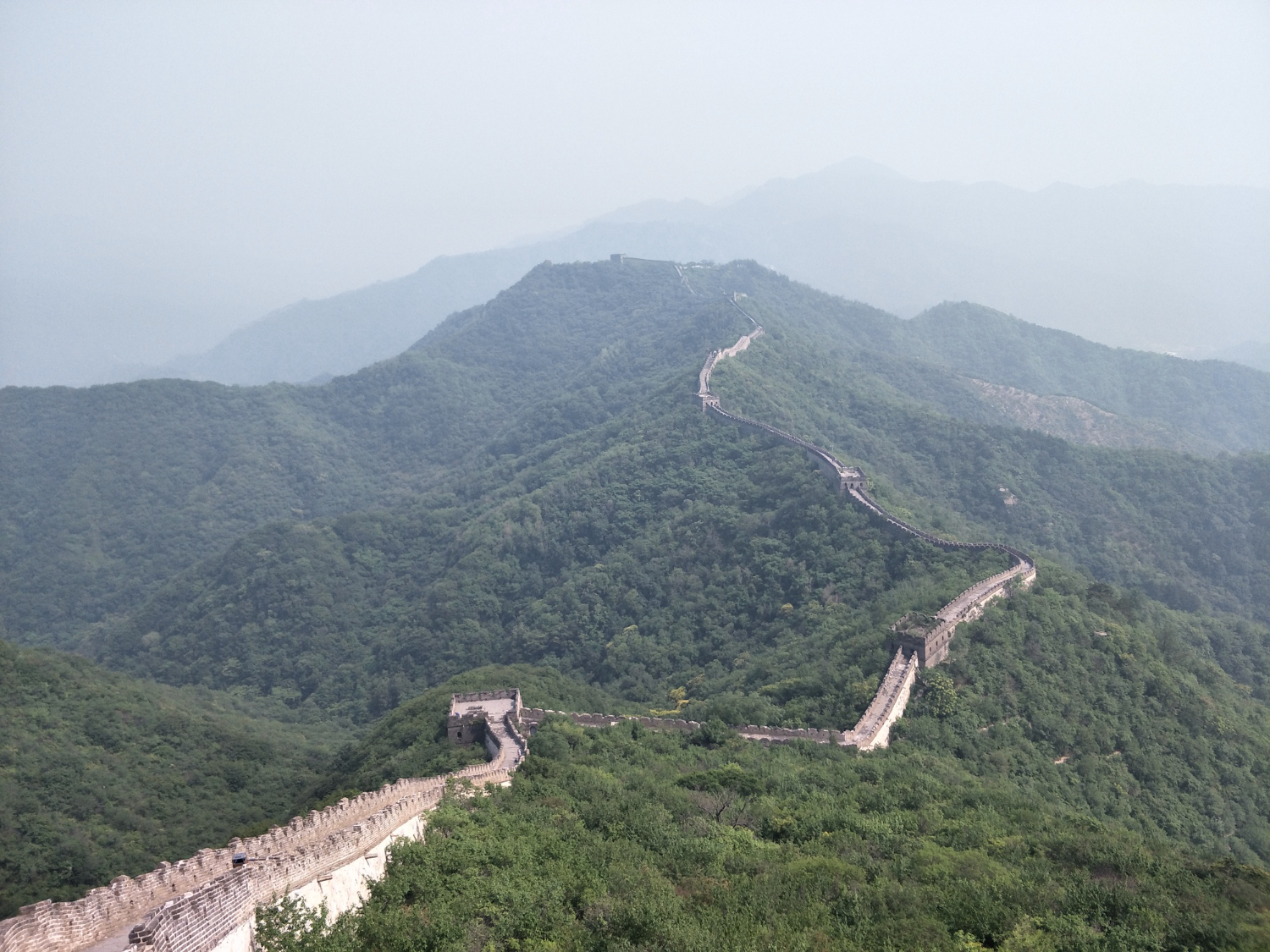
It was not used only on the Great Wall. Ming architects and engineers applied the same recipe to city walls, pagodas and tombs, and a substantial number of those structures are still standing.
Like our content? Follow us for more.
What the Analysis Found
The confirmation came from a team at Zhejiang University led by Dr Bingjian Zhang, whose work was published in the Journal of the American Chemical Society.
The team applied chemical analysis, scanning electron microscopy and Fourier transform infrared spectroscopy to samples of Ming-era mortar. The infrared work provided the chemical fingerprint of amylopectin — a branched polysaccharide found in starchy foods including glutinous rice — establishing that the organic material was present as a deliberate engineering additive rather than as contamination.
The mechanism they described is elegant. Amylopectin acts as an inhibitor on the growth of calcium carbonate crystals. Left alone, those crystals grow relatively large and irregular. With the starch present, growth is controlled, producing a much finer and more tightly packed microstructure.
That denser microstructure is what gives the material its properties, and the team went further by reproducing the recipe in controlled laboratory conditions and testing it against conventional lime-sand mixtures.
Why It Outperformed Plain Lime
Here is where the findings deserve careful reading, because the popular version overstates them.
On raw compressive strength, sticky rice mortar is not exceptional. Compared with mortars used elsewhere in the world, its denser microstructure rates around average.
Its advantages lie elsewhere, and there are three of them.
The first is water resistance. The material is markedly more water-resistant than plain lime mortar, which matters enormously for structures exposed to weather for centuries.
The second is dimensional stability. It shrinks less as it cures and holds its shape better, which reduces the cracking that lets water in and begins the failure cycle.
The third is the most interesting. The key chemical reaction continues over time, so the mortar keeps getting stronger as the years pass rather than reaching a peak and declining.
Those three properties together explain the durability far better than brute strength would. Buildings do not usually fail because their mortar was insufficiently strong on day one. They fail because water got in, because materials moved against each other, and because the binder degraded. Sticky rice mortar addresses all three.
Structures built with it have withstood earthquakes, and reports describe Ming-era tombs resisting attempts at demolition with modern machinery. In places the bond is tight enough that weeds cannot establish themselves in the joints.
An important qualification, because this fact is frequently overstated online.
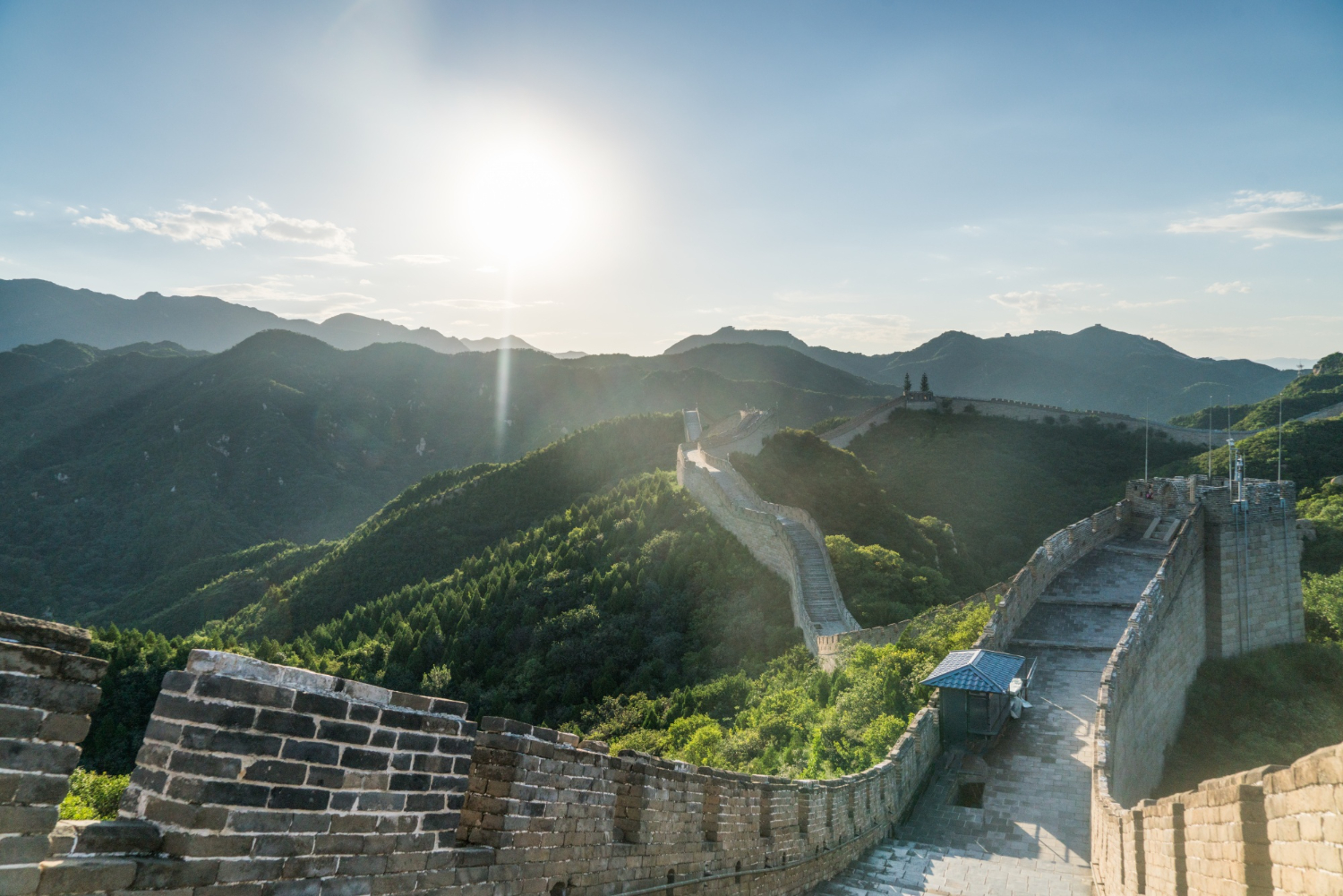
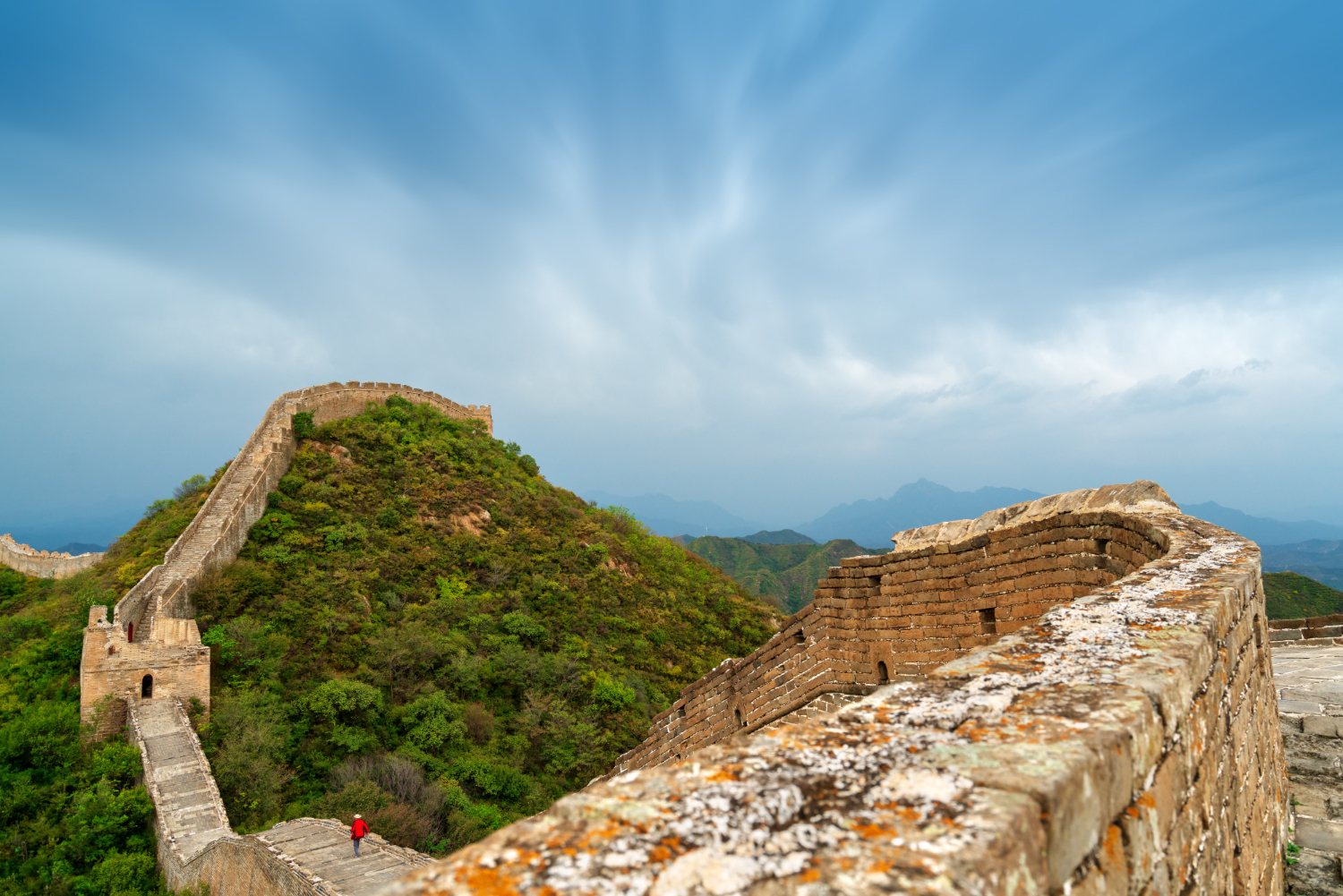
The Great Wall is not a single structure. It is a series of fortifications built, rebuilt, extended and abandoned across many centuries and several dynasties, using whatever materials were locally available — rammed earth in some regions, stone in others, brick in the Ming sections.
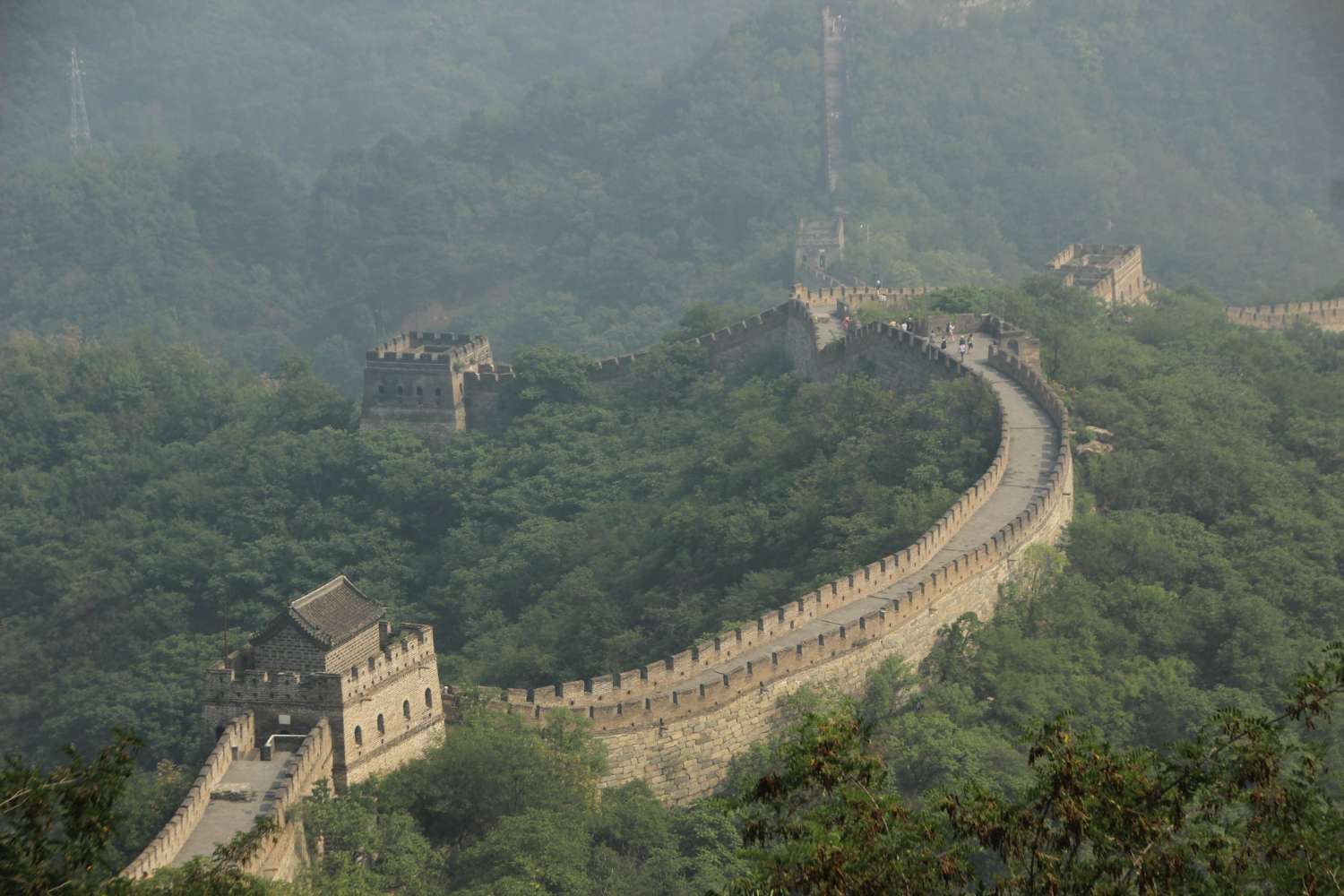
Sticky rice mortar belongs to the Ming period specifically, which is comparatively late in that history and which produced the brick-and-stone sections most visitors photograph. Earlier walls were built quite differently and contain no such additive.
So the accurate statement is that Ming-era builders used sticky rice mortar in the sections they built and repaired, along with other important state structures of the period — not that the Great Wall as a whole was assembled with rice.
Other Things People Put in Mortar
Sticky rice is the best-known organic additive, and it is far from the only one. Builders everywhere added whatever was locally available and appeared to help.
In Europe and around the Mediterranean, animal products were common. Blood, egg white, milk, cheese curds and animal hair all appear in historical mortar recipes, along with beer and urine in some traditions. Each was added on empirical grounds — someone noticed a batch behaved better.
Plant materials were used too, including gums, resins, tree bark extracts and various starches, which is essentially the same principle the Ming builders were applying.
Volcanic ash is the most consequential additive of all. Roman builders mixed it with lime to produce a mortar that sets underwater and has survived two thousand years in marine conditions, and modern analysis has identified mechanisms in that material that continue reacting over centuries.
What all of these have in common is that nobody involved could explain why they worked. The knowledge was procedural — this recipe, these proportions, this order — passed between craftsmen and refined by observing which buildings stood.
Modern materials science has since explained a good number of them, and in several cases found the empirical answer to be better than expected.
Why It Matters Now
The research was not undertaken purely out of curiosity. It has a practical purpose, and it concerns repair rather than new construction.
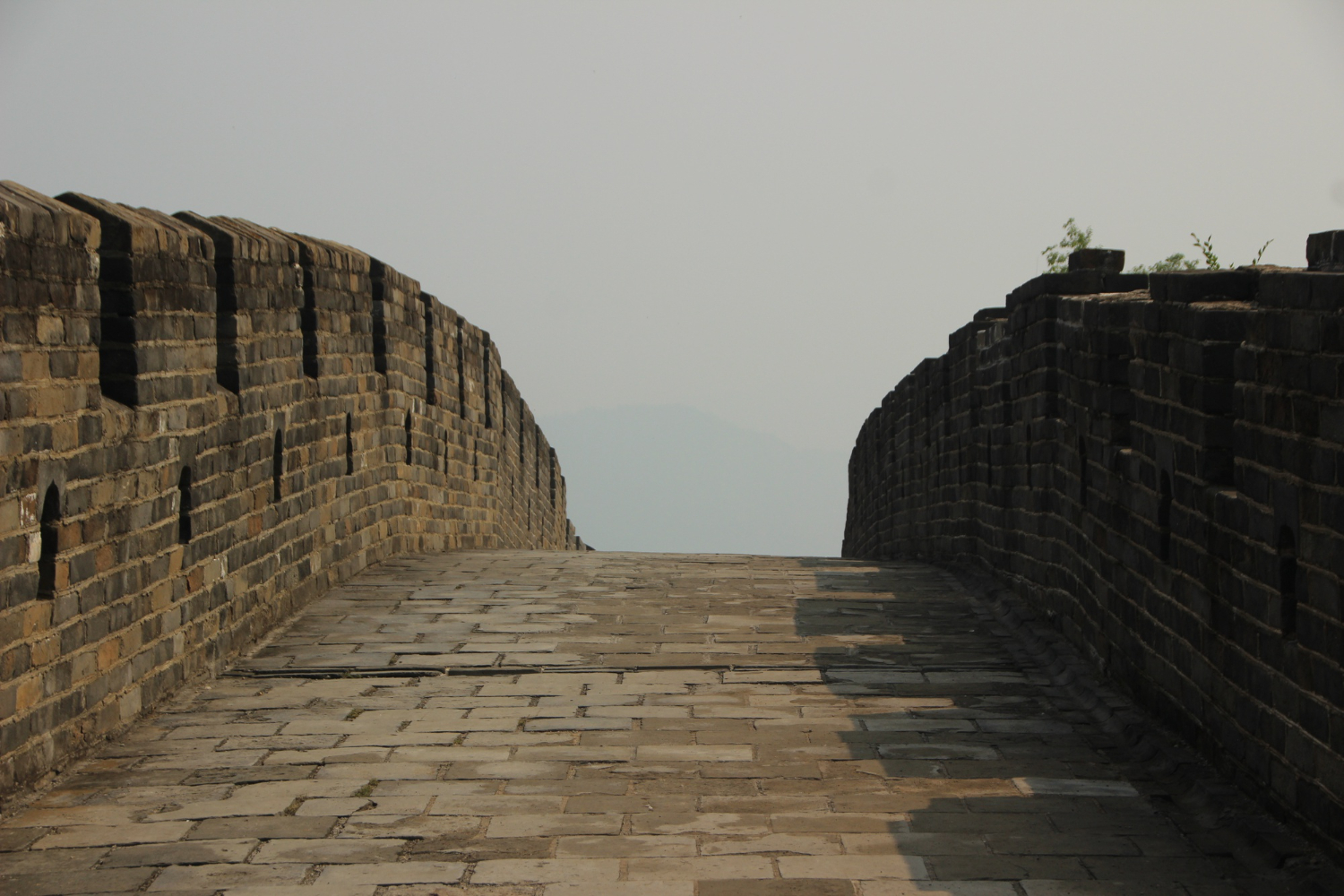
When a historic structure needs restoration, the material used to repair it matters enormously. Modern cement is stronger and much harder than lime-based historic mortars, and using it on old masonry frequently causes damage: it traps moisture, it does not flex with the surrounding material, and stress ends up concentrated in the original stone rather than in the replaceable joint.
Conservators therefore want repair materials compatible with the original. Knowing precisely what the Ming builders used, and being able to reproduce it, allows restoration that behaves like the surrounding fabric instead of fighting it.
Zhang and his colleagues have argued that the recipe deserves to be revived for exactly this reason.
There is also broader interest in what the research represents. Organic-inorganic composite materials are an active field in modern materials science, and this is one of the earliest documented examples of the principle — an engineering approach arrived at empirically several centuries before anyone could explain it.
Why Lime Mortar Beats Cement for Old Buildings
The conservation argument deserves unpacking, because it explains why this research has practical value rather than only historical interest.
Lime mortar is comparatively soft and slightly flexible. In a wall built with it, the mortar is the sacrificial element: when the structure moves, as all structures do, the joints absorb that movement and crack rather than the stone. Repointing a joint is straightforward; replacing cracked stone is not.
Lime also breathes. Moisture that gets into a wall can evaporate out through the joints, which keeps the masonry drying.
Portland cement behaves in the opposite way on both counts. It is harder than much historic stone and brick, so stress concentrates in the masonry rather than the joint, and damage appears in the expensive part. It is also comparatively impermeable, so moisture entering a wall becomes trapped and works on the stone from within, particularly in freezing conditions.
Repairing historic buildings with modern cement therefore tends to cause damage over a period of years, which conservation bodies have understood for decades.
Which is why knowing exactly what the original builders used is worth the laboratory time. A repair mortar that matches the original in hardness, permeability and behaviour will work with the building instead of against it.
An Old Answer to a Modern Question
What makes this story worth knowing is the shape of it.
A piece of traditional knowledge was preserved as a story, dismissed by many as folklore, and turned out to be literally true. The people who developed it could not have described amylopectin or crystal nucleation, and they arrived at the technique anyway, presumably through generations of observing which mixtures lasted and which failed.
Modern chemistry did not overturn that knowledge. It confirmed it, explained the mechanism, quantified the advantages, corrected the exaggerations, and recommended bringing it back.
That is a rather good outcome for a bowl of rice porridge, and a useful reminder that empirical craft knowledge is frequently correct long before anyone can say why.
The next time you see a photograph of the Ming sections of the wall, the joints between those bricks are holding because someone worked out, without any theory to guide them, that adding sticky rice to lime made it last.
Like our content? Follow us for more.