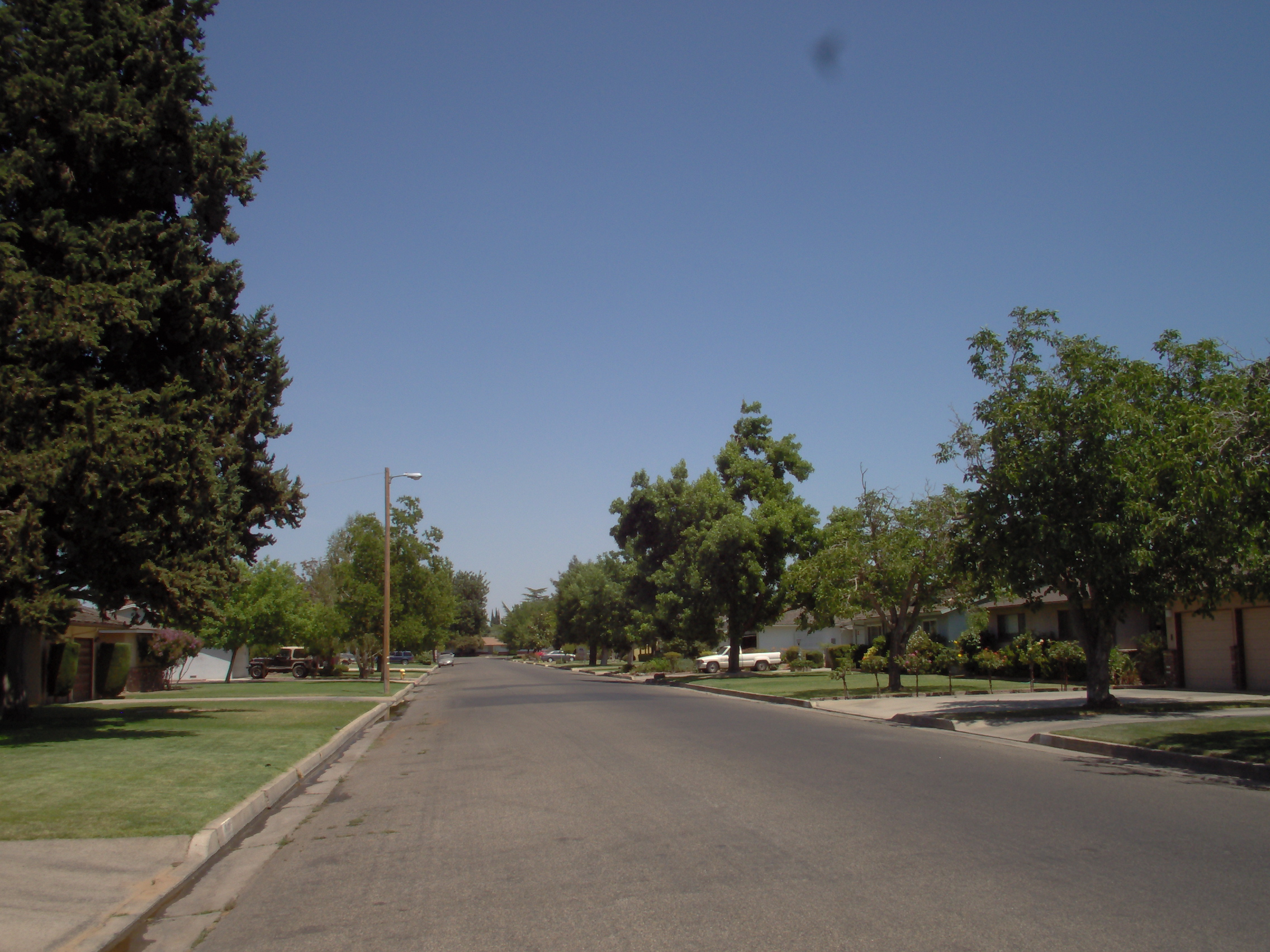
Consider what the front lawn actually is, described without the familiarity. A household takes the most prominent portion of its property, plants a non-native grass on it, prevents that grass from ever completing its life cycle, applies water, fertilizer and herbicide to keep it in a state it would not maintain on its own, and derives from it no food, no shade, no privacy and no habitat.
And then, in a great many American neighborhoods, the household is not permitted to stop.
None of this is natural and none of it is old. The whole arrangement can be traced, decision by decision, and the first decision was made in England by people who were not thinking about America at all.
The Aristocratic Original
The ancestor of the American lawn is the English landscape park of the eighteenth century, and the thing to understand about it is that it was a display of expense.
A sweep of closely cropped grass running right up to a great house was, at that time, an extraordinarily costly thing to maintain. There were no mowers. Grass was kept short by grazing animals, which had to be fenced away from the areas nearest the house, or by scythe, which required skilled labor repeatedly through the growing season. Either way, an expanse of short grass announced that the owner could afford to take productive land out of production and pay people to keep it looking useless.
That was the point. The lawn was legible as wealth precisely because it produced nothing. A tenant farmer’s ground grew food; a gentleman’s ground grew grass.
The fashion crossed the Atlantic with the wealthy Americans who had seen it, and for a century it stayed where it started – on large estates, for the same reason it had been English estates. An ordinary nineteenth-century American front yard was swept dirt, or a kitchen garden, or whatever grew. Grass as an ornament was not within reach.
Like our content? Follow us for more.
The Three Inventions That Democratized It
What moved the lawn from the estate to the subdivision was not a change in taste. It was three pieces of hardware, and the lawn could not have spread without any one of them.
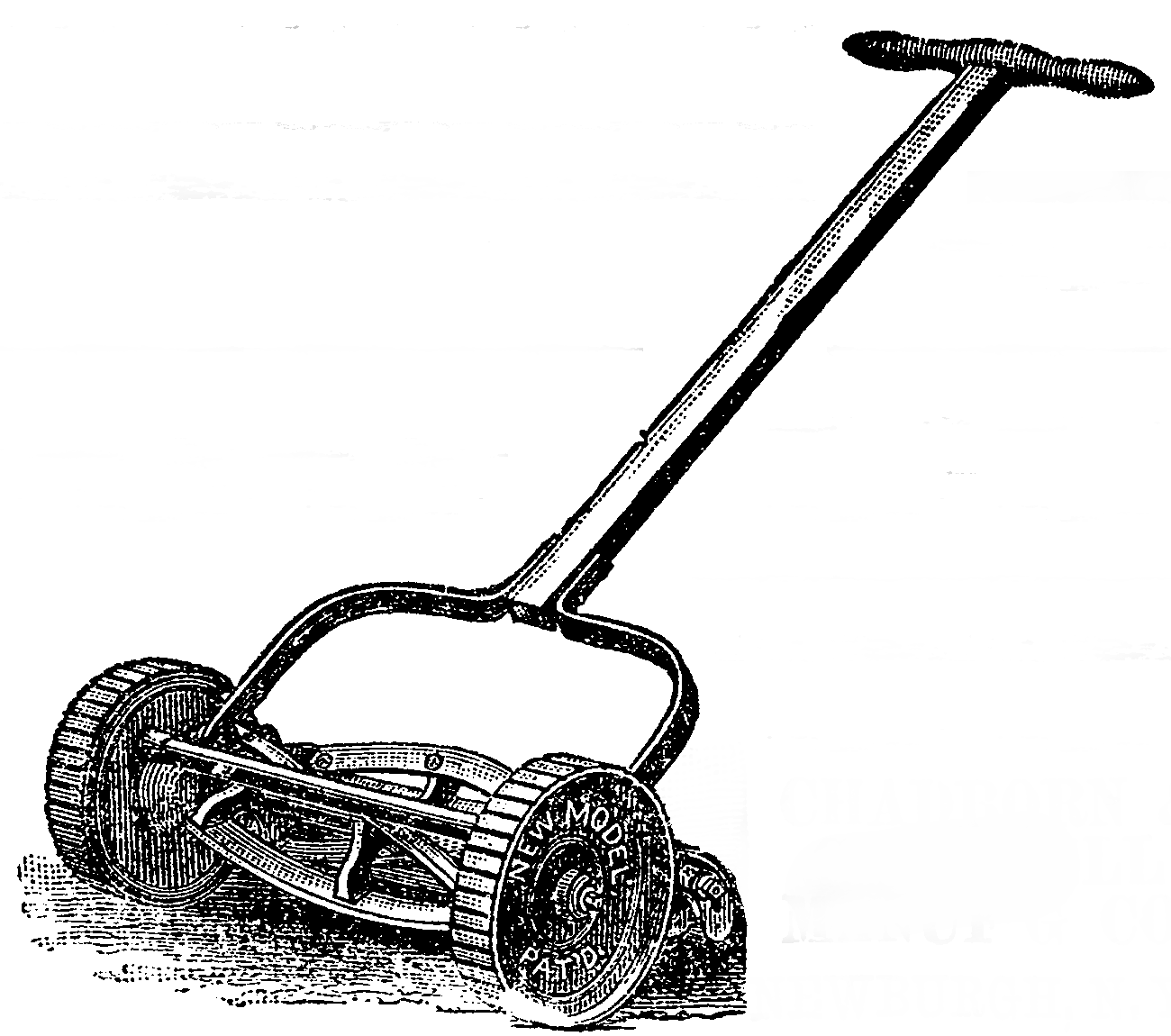
The first is the mechanical mower. A push reel mower turns the maintenance of short grass from skilled seasonal labor into something a household member can do on a Saturday. That single invention collapses the cost of a lawn by an order of magnitude and is the precondition for everything that follows.
The second is the garden hose and municipal pressurized water. A lawn in most of the United States is not a self-sustaining plant community. Many of the grasses used are adapted to cool, moist, temperate conditions, and across much of the country they require irrigation to stay green through a summer. Without a hose on demand, a lawn in a hot or dry region is simply not possible.
The third is seed and chemistry. A uniform single-species turf is an artificial plant community that does not assemble itself and does not persist without intervention. It needs reliable graded seed, it needs fertilizer because mowing continually removes nutrients, and it needs selective herbicide because the thing a monoculture does naturally is get invaded.
Each of those became a mass-market consumer product, and each had an industry behind it with an obvious interest in the lawn being normal.
How It Became Compulsory
Here is the part most people do not know, and it is the reason the lawn is so persistent.
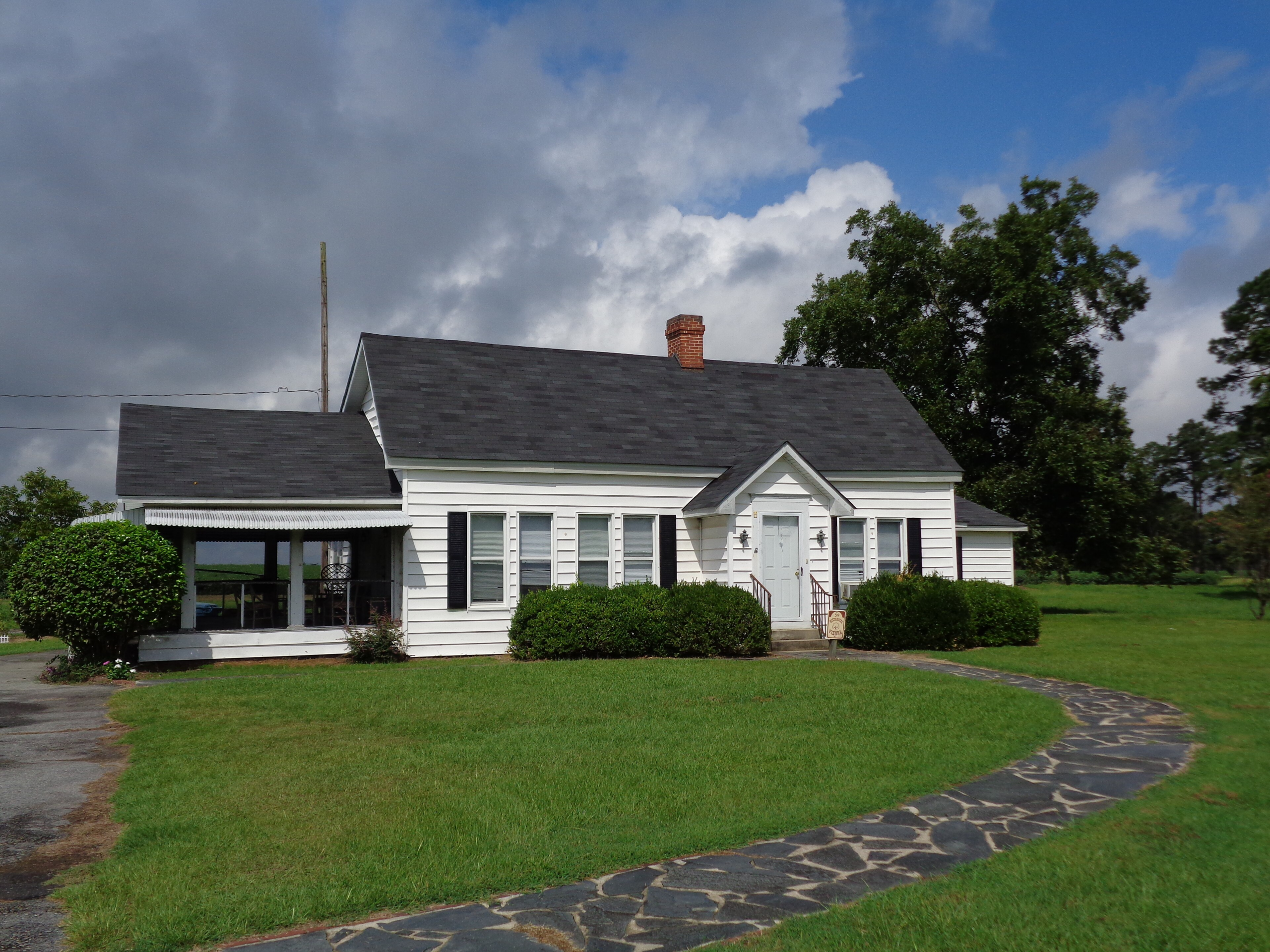
The American front lawn is, across a very large share of residential property, a legal requirement rather than a choice.
It happens through two separate mechanisms. The first is municipal code. Many municipalities have property maintenance ordinances specifying maximum vegetation height, requiring that the area between the sidewalk and the street be maintained, and prohibiting what is variously termed weeds, rank growth or noxious vegetation. These rules are generally written for sound reasons – fire load in dry regions, rodent harborage, sight lines at intersections, visible abandonment of foreclosed property – but their effect on a front yard is a mowing mandate, enforceable by citation and in some places by a municipal crew who mow it and bill the owner.
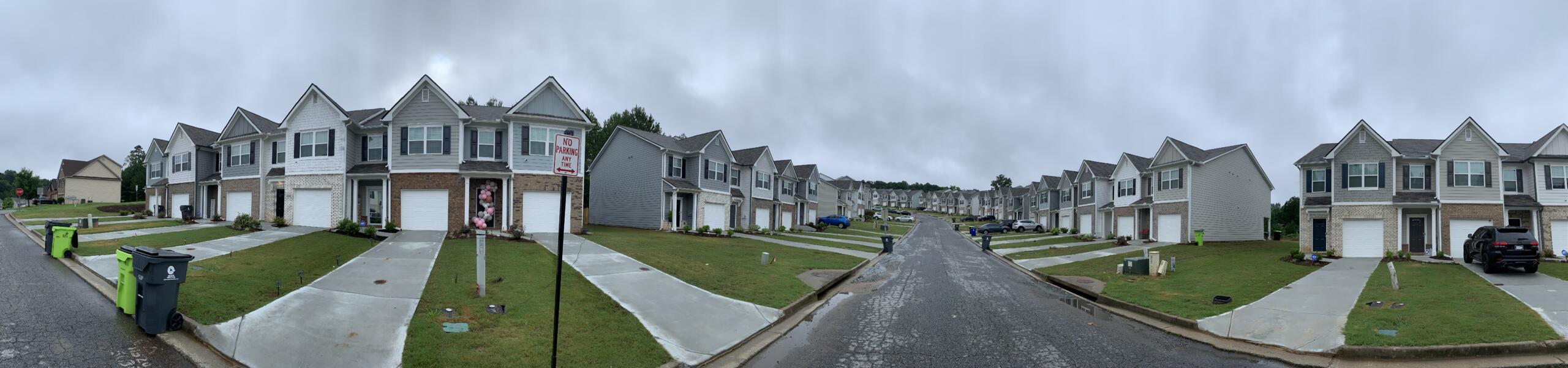
The second, and far stricter, is the private covenant. A property in a community association is subject to recorded restrictions that run with the land, and those restrictions routinely specify the lawn directly: that there shall be one, what proportion of the yard it must cover, what species, how short, how green, and in many cases what may not be planted instead. Enforcement is by fine, and ultimately by lien against the property.
So the household that wants to replace its grass with native planting, a vegetable garden or a meadow is frequently not facing a neighborly disagreement. It is facing a recorded restriction with a penalty attached, and the resolution is a legal process rather than a gardening decision.
The Resource Arithmetic
The scale is the part that changes how the whole thing reads.
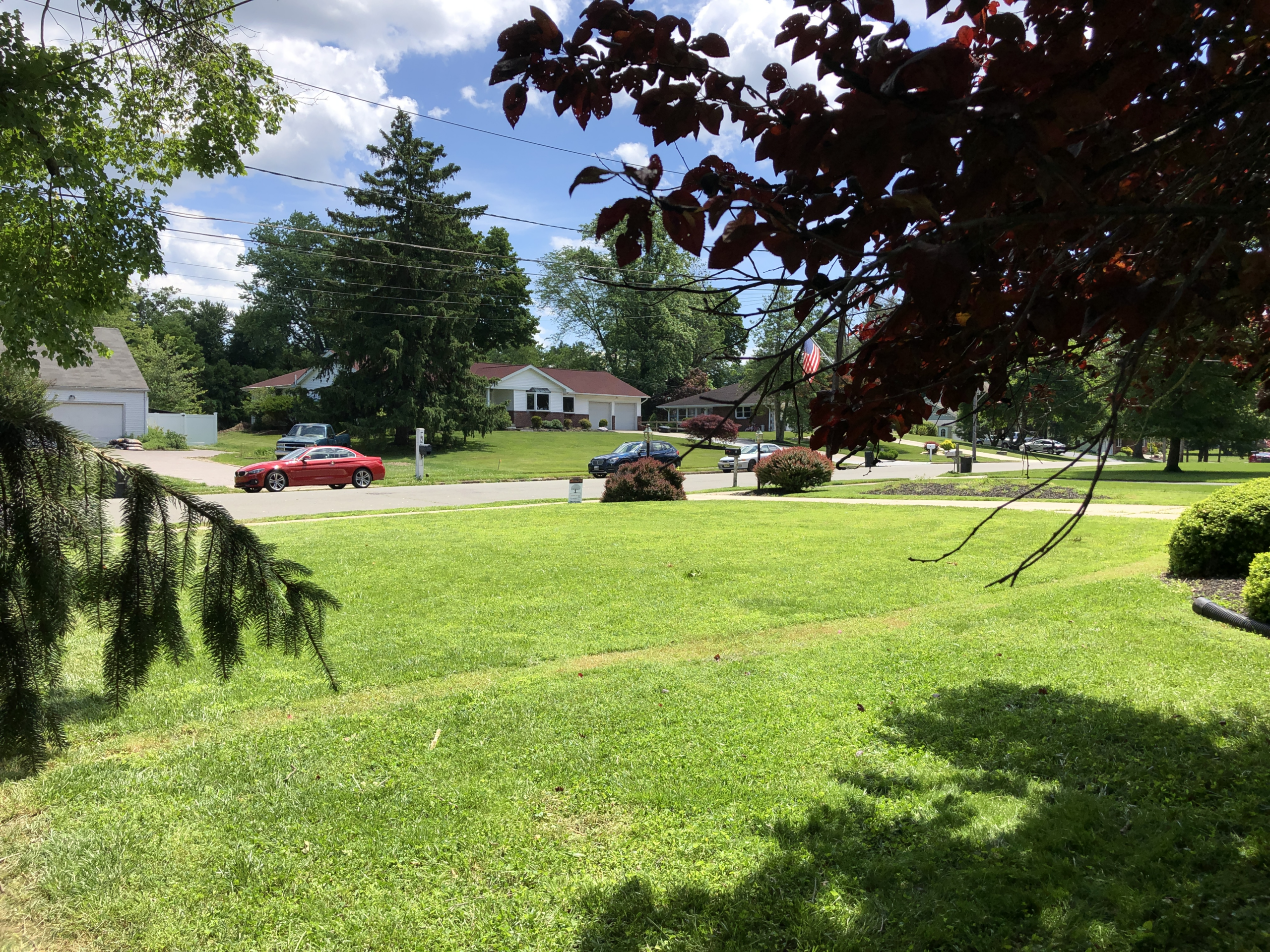
Turf grass is, by area, the most extensively irrigated crop in the United States – larger than any food crop grown under irrigation. That is not a rhetorical comparison; it is simply what the land use adds up to when tens of millions of households each maintain a few thousand square feet.
Residential outdoor water use is a substantial fraction of household consumption in much of the country, and the great majority of it is landscape irrigation. In hot and dry regions in summer, outdoor use can exceed everything that happens inside the house combined. A significant share of what is applied never reaches a root, because it is delivered in the middle of the day by a timer-driven system onto a surface that cannot absorb it that fast.
There is also a fuel and emissions component from small engines, and a chemical component in the fertilizer and herbicide that is applied and then, in a rain event on a compacted suburban slope, partly leaves the property.
None of this makes an individual lawn consequential. It makes the aggregate consequential, which is a different and more awkward kind of fact – the sort that no single household can meaningfully act on and that no single household is responsible for.
The Marketing Layer That Taught People How

The hardware made the lawn possible and the covenants made it compulsory, but something had to happen in between to make it desirable, and that part was done deliberately.
Through the first half of the twentieth century a considerable amount of effort went into teaching Americans that a lawn was a thing a respectable household had and that maintaining one was a skill with correct and incorrect practice. Seed and fertilizer companies produced instructional literature. Agricultural extension services, golf associations and industry groups studied and published on turf management, and that research – which was rigorous and was mostly aimed at playing surfaces – flowed outward into advice for homeowners.
The effect was to establish a standard that had not previously existed. Before this, a yard with grass in it was a yard with grass in it. Afterward there was a correct appearance: a single species, uniform in color and texture, free of any broadleaf plant, cut to a particular height, edged at the margins. That standard is extremely demanding, it is not achievable without sustained input, and it converted the lawn from a surface into an ongoing project with a product attached to every stage.
It also supplied the vocabulary. The word weed, applied to a front yard, does a remarkable amount of work: it reclassifies a plant that is growing well in local conditions as a defect. Clover is the clearest case. It was a normal and valued component of American lawn seed mixtures – it fixes nitrogen, stays green in drought and needs less feeding – and it was reclassified as a weed in the postwar period, at least partly because the selective herbicides that killed broadleaf plants could not spare it. A product that could not accommodate clover was easier to sell once clover was a problem.
Why the Alternatives Keep Stalling
Attempts to replace the lawn have run into a consistent and informative set of obstacles.
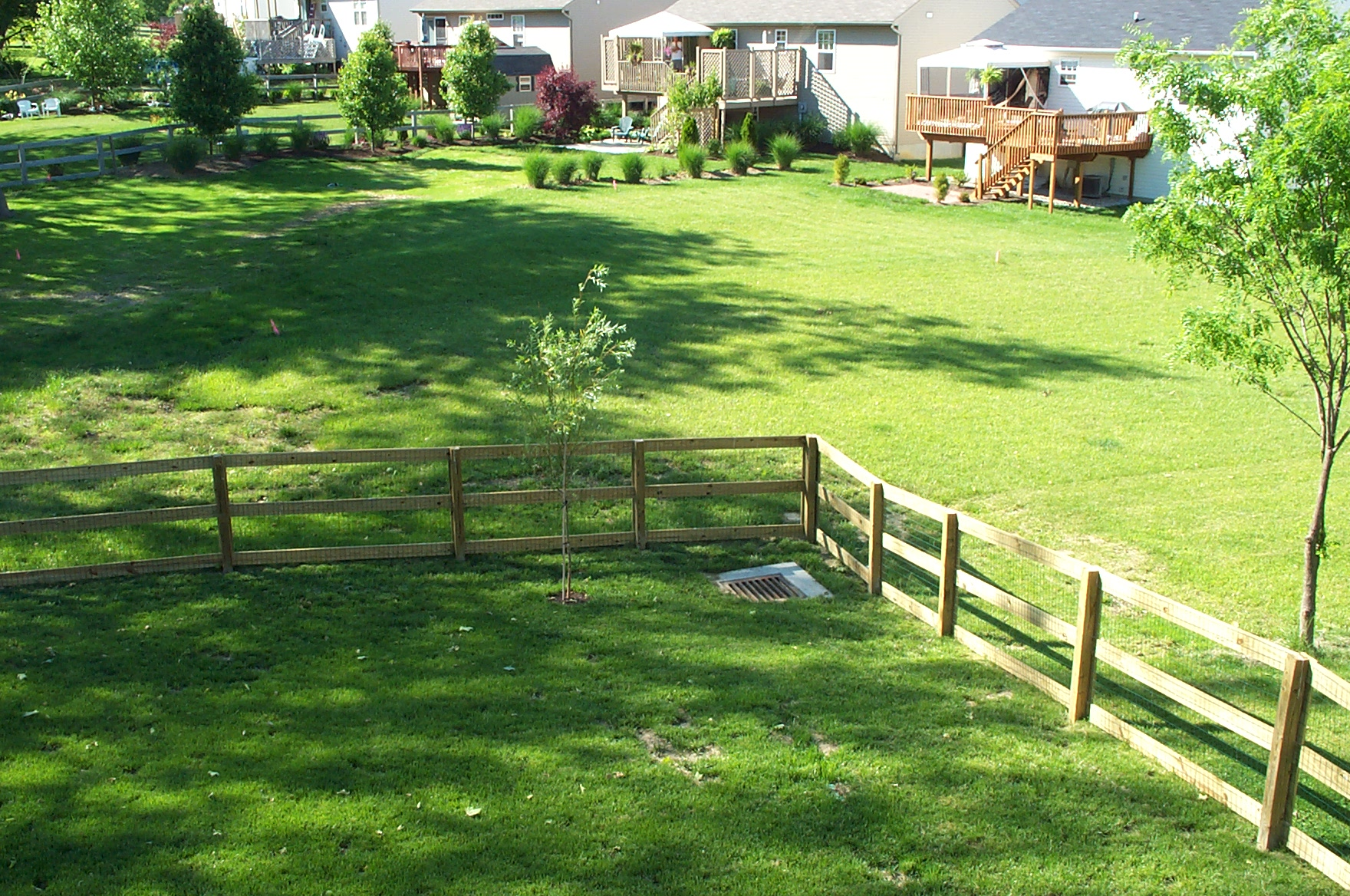
The technical case for alternatives is strong in many regions. Native and drought-adapted plantings, buffalograss and other regionally appropriate turf species, groundcovers, and simply allowing a more mixed sward all require less water and less intervention, and in the right climate they look deliberate rather than neglected.
The obstacles are almost entirely institutional. The covenant problem above is the largest: a restriction recorded decades ago cannot be reasoned with. Several states have passed legislation limiting the enforceability of covenants that prohibit water-conserving landscaping, which is a direct acknowledgment that the private rules were the binding constraint.
The second obstacle is appraisal and resale. A property is valued partly against comparable properties, and a front yard that looks unlike its neighbors is a variable in that comparison regardless of its merits. That makes the individual household’s decision really costly.
The third is simply that a mown lawn reads as maintained and anything else requires explanation. A meadow and a neglected yard look similar to a passer-by for several months of the year, and the social signal the lawn originally carried – this household is in good order – still operates exactly as it did on an English estate.
The Honest Summary
The American front lawn is an eighteenth-century English display of wealth, made affordable by the reel mower, made possible in hot regions by pressurized municipal water, made uniform by commercial seed and chemistry, and then made mandatory by municipal ordinance and private covenant.
At no point in that sequence did anybody decide that this was the best use of the most visible land in the country. It was fashionable, then it was achievable, then it was marketed, then it was required.
And the final step is the one that matters most for anybody who wants to do something different. The lawn is no longer held in place by taste. It is held in place by a recorded document, a property-value comparison and a social signal that has been running continuously since before the United States existed.
Like our content? Follow us for more.