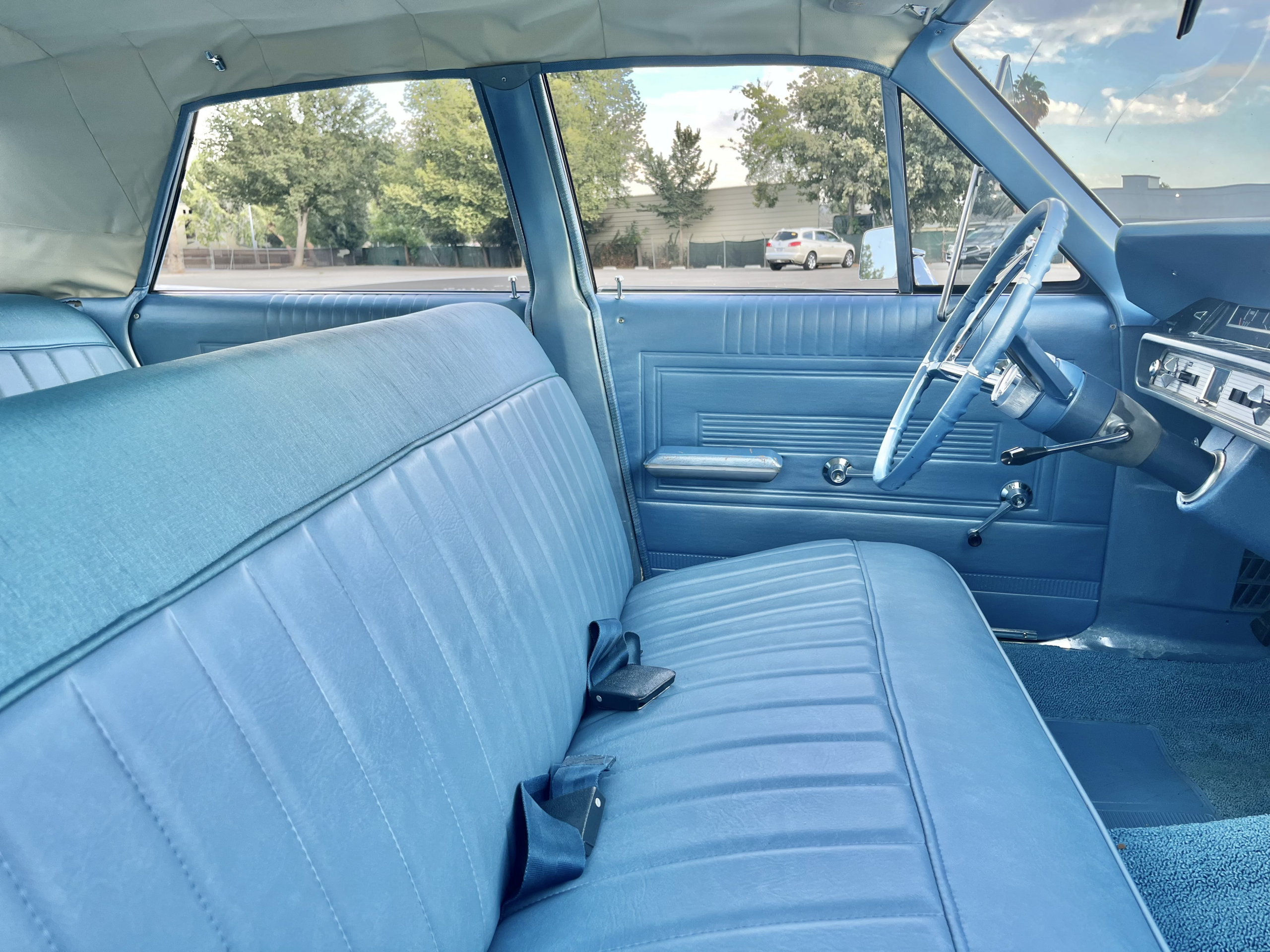
For most of the twentieth century an American car seated three in front. Not uncomfortably and not as an emergency measure – as the design intent. The seat ran the full width of the cabin, there was nothing between the driver and the passenger, and the middle position was a real seat that people really used.
It is gone now, completely, from essentially every passenger car sold. And the reason given is almost always safety, which is wrong in an interesting way: safety regulation certainly affected the middle seat, but the bench was already being eliminated for reasons that had nothing to do with protecting anybody, and the thing that replaced it was not a safety device. It was storage.
What the Bench Actually Was For
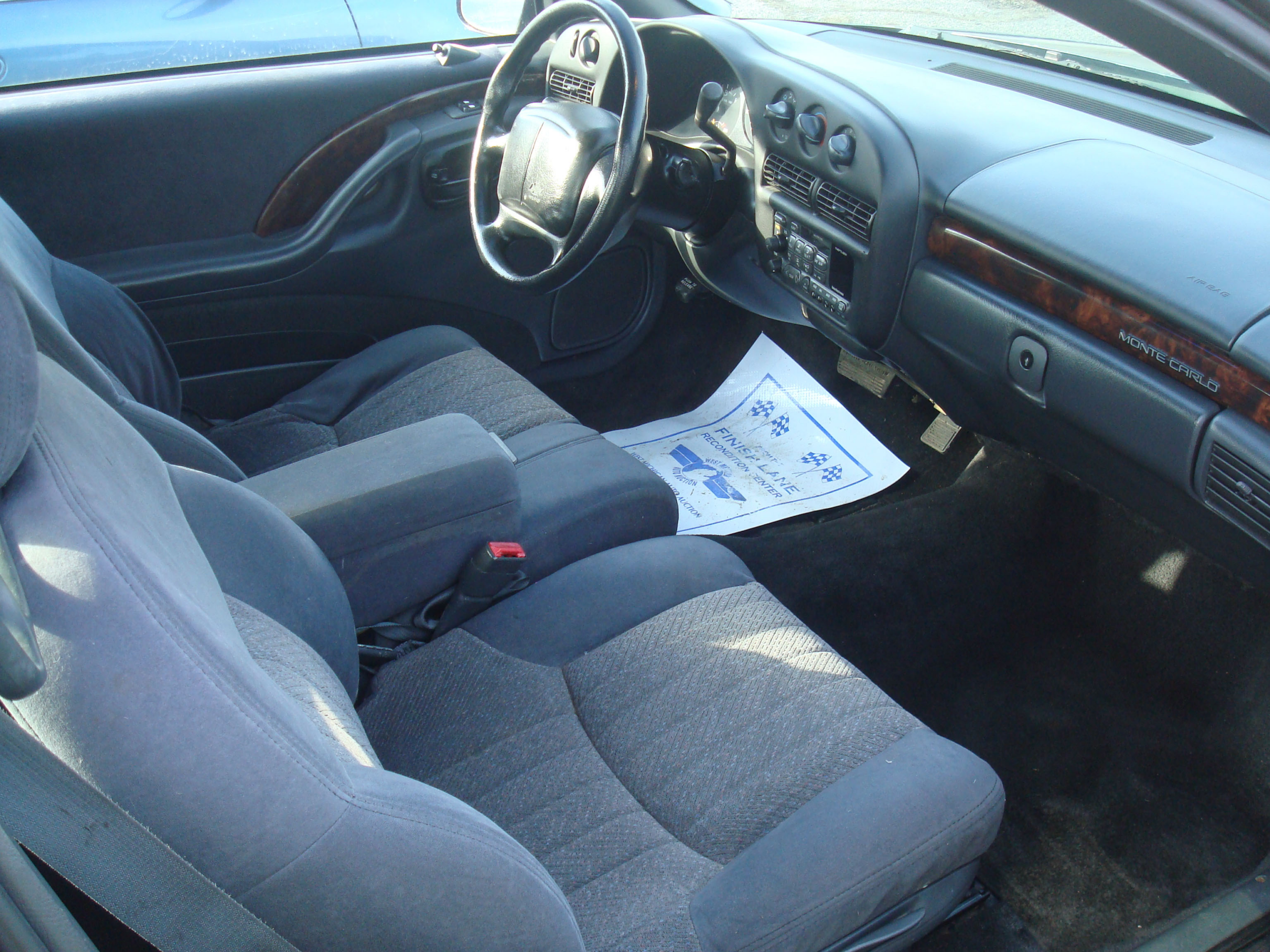
The bench was not a compromise. It was the obvious solution given where the controls were.
In an early automobile the steering column carried almost everything. The transmission was operated by a lever that, once the floor-mounted gate shifter was superseded, moved up onto the column itself. The parking brake was a pull handle under the dash or a pedal. There was no center tunnel obstruction in the front footwell worth mentioning on many designs, and nothing between the seats at all.
Given that layout, a full-width seat is simply the most efficient use of the space. You have a flat platform from door to door and no reason to divide it. Three abreast costs nothing and gains a seat.
It also fitted the market. American cars were large, families were large, and the ability to carry six people in two rows was a real selling point advertised as such. A six-passenger sedan was a category, and the bench was what made it one.
And there was a secondary function that everybody who had one remembers: a bench with no divider means the occupants can sit wherever they like relative to each other, which made the front of an American car a social space rather than two stations.
Like our content? Follow us for more.
The Lever That Took the Space
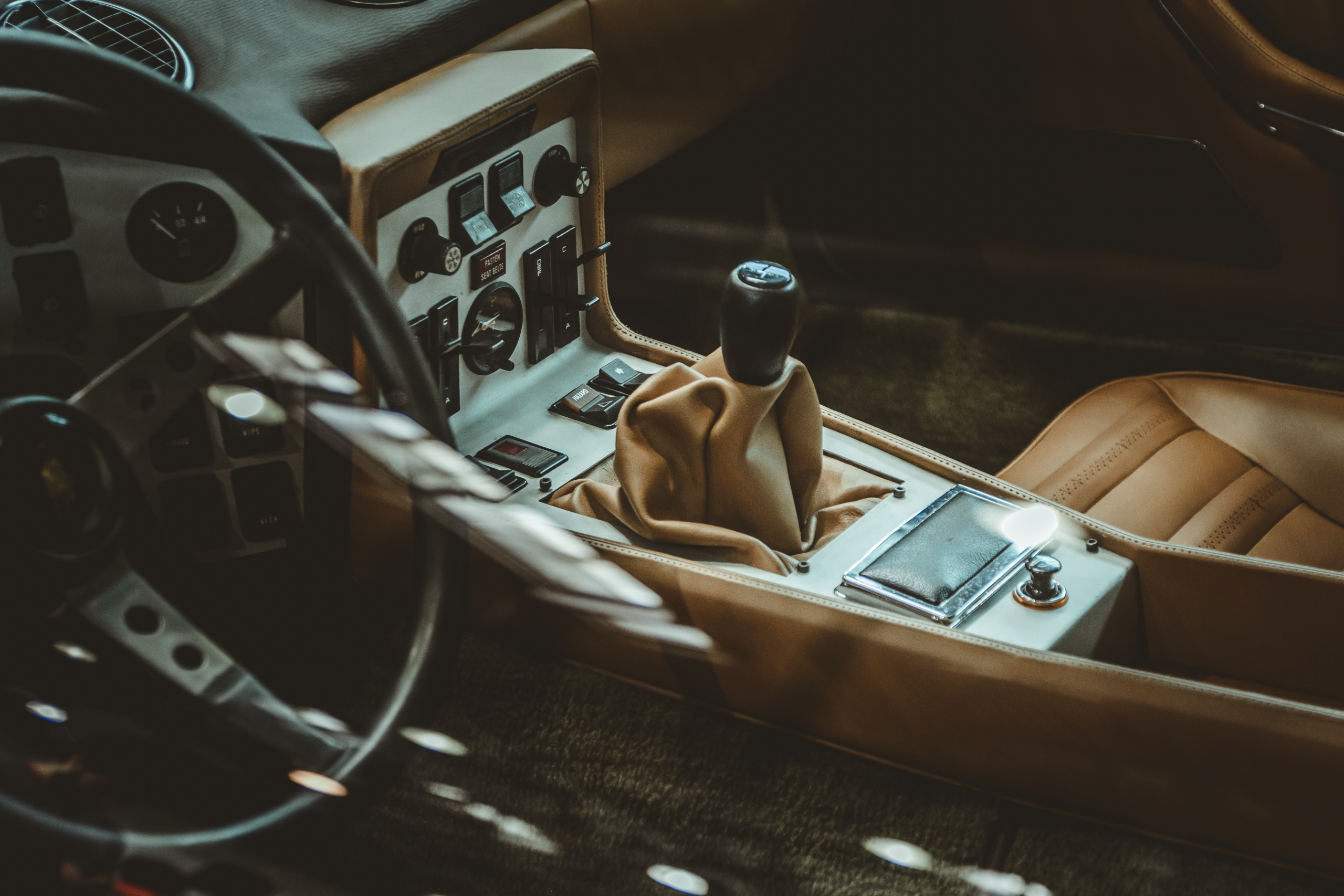
Here is the mechanism, and it is remarkably direct.
As American cars moved toward floor-mounted shifters – initially in performance and sporting models, where a floor shift was both functionally better and a marketing signal, and then increasingly across the range as automatics with floor consoles became the norm – something had to occupy the middle of the front footwell and the space between the seats.
A floor shifter requires a linkage path, a housing and a surround. Once you have put that in the middle of the car, the middle seat is no longer a seat. There is a lever where the occupant’s leg goes.
The console then grew, and this is the part that finished the job. Once a structure exists between the seats, it becomes the natural home for everything that has nowhere else to go: the shifter, the parking brake, the ashtray, the storage bin, the armrest, the audio controls, the climate controls, the power outlets, the cupholders. Each addition is individually reasonable and each one makes the console wider and taller.
The cupholder deserves specific mention, because in the American market it did more to entrench the console than anything else. A buyer who notices nothing else about an interior notices whether there is somewhere to put a drink, and cupholders have to be within reach of both front occupants, which means between them. Once cupholders became non-negotiable, the space between the front seats was permanently allocated.
What Safety Regulation Actually Did
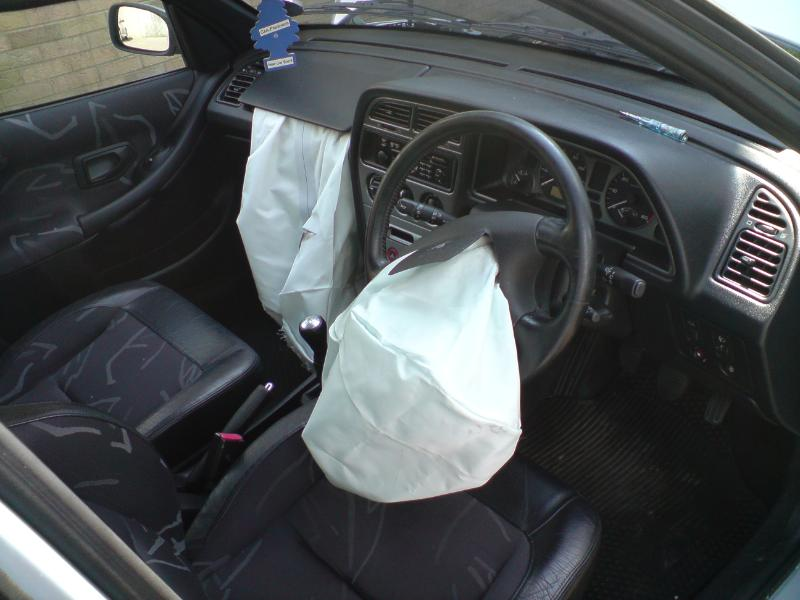
Safety regulation is part of the story, but not the part people think.
What it did was make the middle front position progressively unattractive to engineer. A center front occupant is in the worst available location: there is no door structure beside them, no B-pillar, and historically no place to anchor a shoulder belt, which is why the middle front seat typically had only a lap belt for as long as it existed. As occupant protection requirements grew to cover belt anchorages, head restraints and eventually airbags for each designated seating position, every requirement had to be satisfied for that middle seat too, and satisfying them there was disproportionately difficult.
An engineer facing that has an easy way out: do not designate a middle front seating position, and the requirements do not apply. The bench disappears not because it was banned but because the alternative was cheaper to certify.
Then there is the airbag, which is frequently blamed and is roughly innocent. A passenger airbag is in the dash, not between the seats, and does not occupy the middle. What airbags did do was make seating position matter much more precisely, which argues for individually located and shaped seats – but that is an argument for bucket seats rather than against a bench as such.
The honest accounting is that regulation made the middle front seat expensive, the floor shifter made it physically impossible, and the console made the space valuable for something else. Of those three, only the first is about safety, and it arrived after the others were already underway.
The Seat Itself Also Got Better
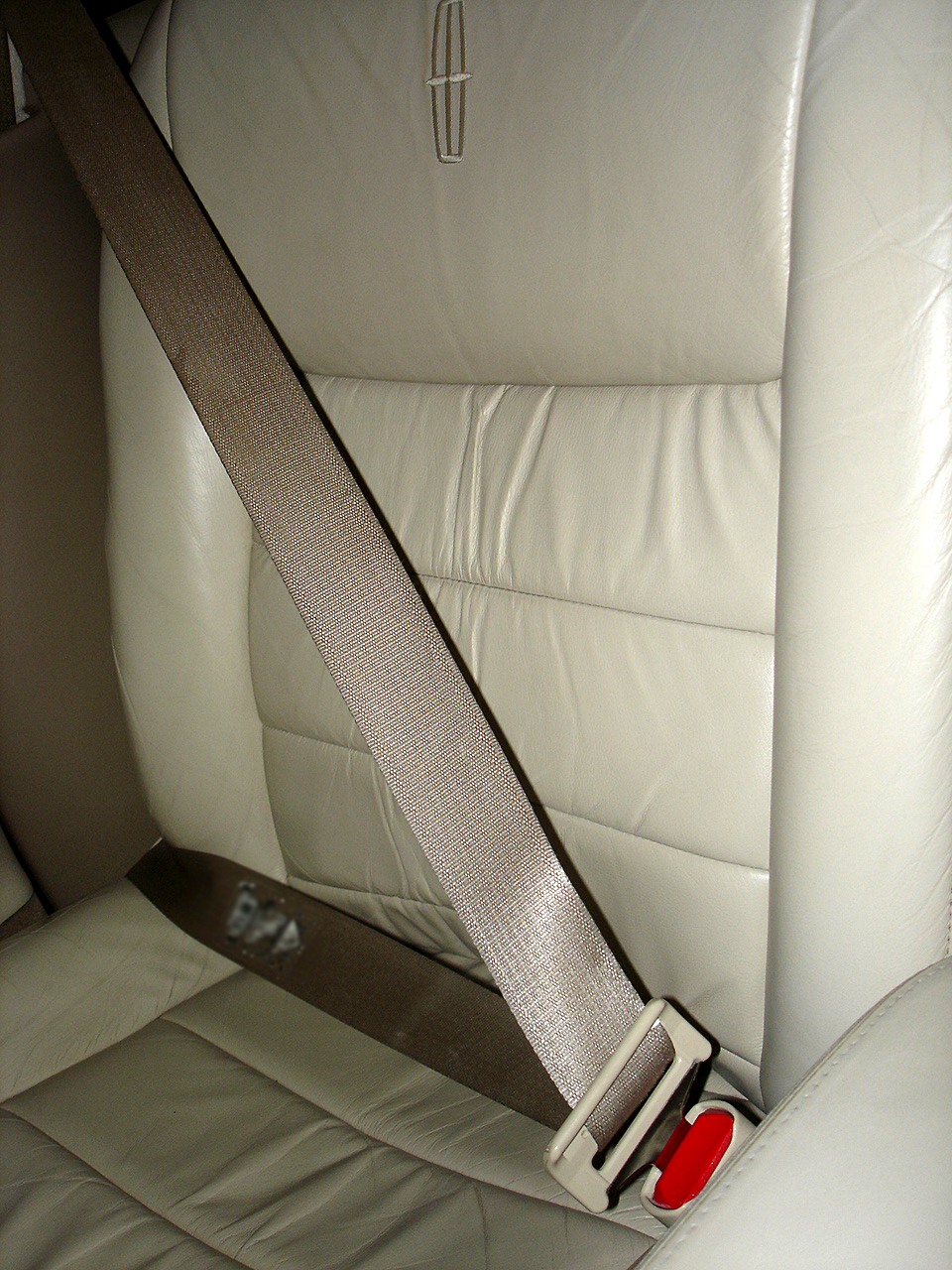
There is a fourth cause that is easy to miss because it is about the seat rather than the car.
A bench cannot be shaped. It has to work for occupants of very different sizes sitting in different positions along its width, which means it has to be essentially flat. A flat seat provides no lateral support at all, and in a car with any cornering ability the occupant slides and braces against the door or the wheel.
As American cars moved toward handling as a selling point and toward higher sustained speeds, the flat bench became a real functional deficit rather than a stylistic one. A shaped individual seat with a bolstered cushion and backrest holds the occupant in place, which is more comfortable over distance and better for control.
The bench also cannot be adjusted independently. Two people of different heights sharing a bench share one fore-aft position, which is a straightforward loss. Separate seats allow separate adjustment, and once seats became powered and then heated, cooled, memorized and lumbar-adjustable, every one of those features was per-seat and none of them worked on a shared bench.
So the bench lost on comfort and function too, independently of where the shifter went.
The Cabin Got Narrower Where It Mattered
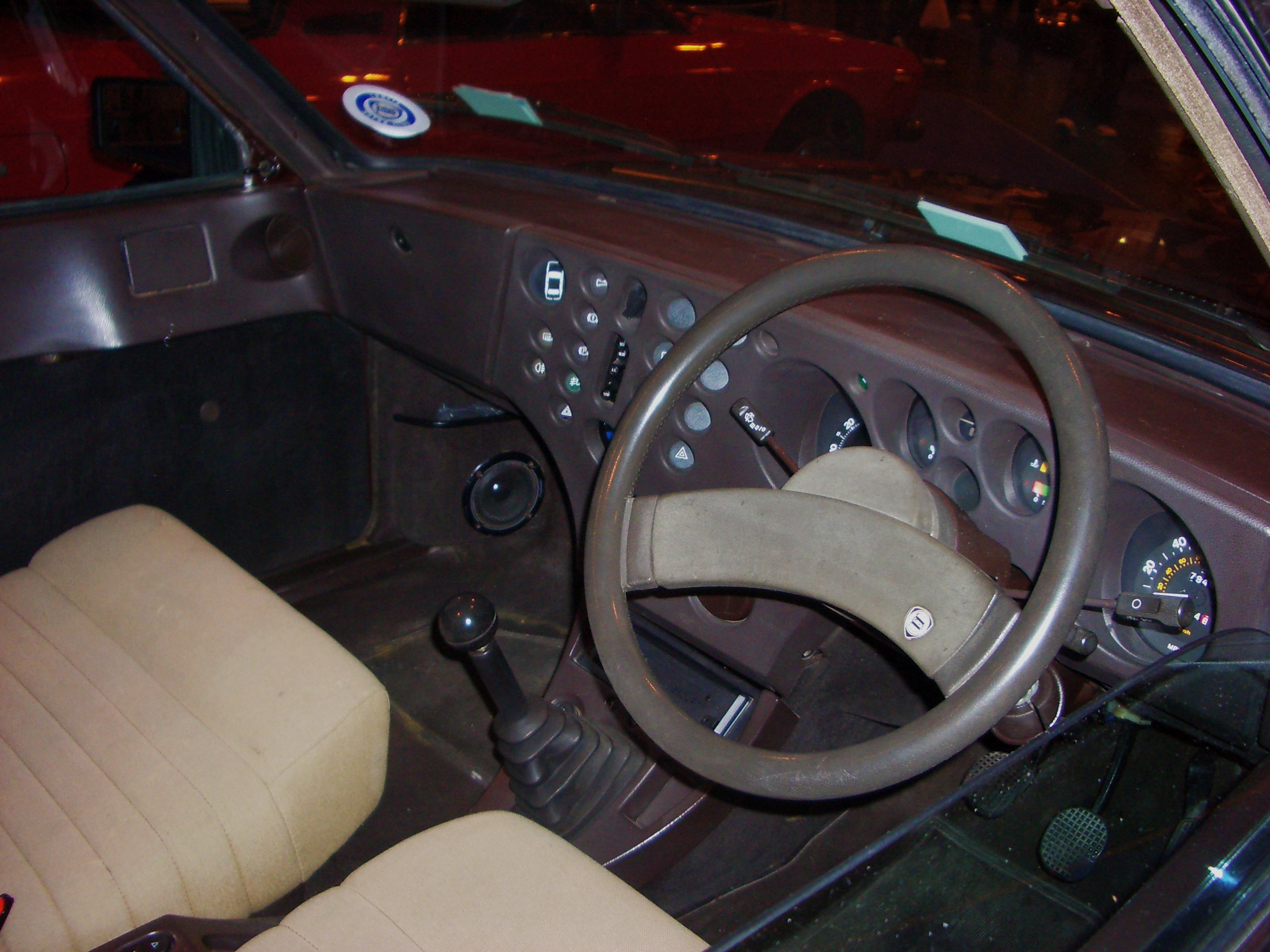
There is a dimensional cause as well, and it is counterintuitive, because American cars did not obviously get smaller.
What changed is where the width went. A mid-century American sedan was wide and its cabin was close to the full width of the car, because the doors were thin, there was very little inside them, and the body sides were nearly vertical. Three abreast worked because the available shoulder room was very large.
Everything that happened to doors afterward took width out of the cabin without taking it off the car. Side-impact protection means a reinforcing beam and energy-absorbing structure inside the door. Side airbags mean a module in the seat or the door and a deployment path. Power windows, power mirrors, speakers, lock mechanisms, wiring and trim all live in the same cavity. Doors that were a few inches thick became considerably thicker, and every inch of that comes out of the space between the occupants.
Body shape did the rest. Curved, tumblehome sides that taper inward toward the roof are better aerodynamically and look better, and they narrow the cabin exactly at shoulder height, which is where three abreast is decided.
The result is that a modern car with the same exterior width as a 1960s sedan has meaningfully less interior shoulder room. Even with no console at all, three adults across the front would be a worse proposition than it was – and once there is a console, the arithmetic is not close.
Where It Survived Longest, and Why
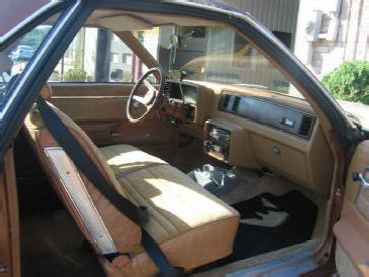
The pattern of survival is the best confirmation of the argument.
The bench lasted longest in exactly two places. The first is full-size American pickup trucks, where it persisted for decades after it vanished from cars and in some configurations still exists. The reason is that a truck is bought partly on seating capacity for work crews, a column shifter or a bench-compatible layout remained common, and the social and practical case for three abreast was never displaced by a console.
The second is full-size body-on-frame sedans in fleet, livery and police use, where the same logic applied: capacity mattered, cost mattered, and the buyer was not choosing on cupholders.
And both of those have now largely gone the same way, for the same reason. Modern trucks are sold heavily as personal vehicles with elaborate interiors, and once that is the market, the console wins there too. The remaining bench configurations are the base work-specification models, which is where the original logic still holds.
That is the cleanest possible test. The bench survived precisely where the console had no value, and it disappeared the moment the console acquired some.
The Honest Summary
So the front bench seat was not legislated out of American cars. It was crowded out.
The floor shifter put hardware in the middle of the footwell. The console grew around that hardware and absorbed the armrest, the storage, the controls and eventually the cupholders that the American market treats as mandatory. Occupant protection requirements made a designated middle front seating position expensive to certify, so engineers stopped designating one. And the individually shaped, individually adjustable seat was simply better at being a seat.
Four causes, one of them about safety, and the decisive one about where to put a drink.
Which means the thing that ended the most sociable piece of furniture in American motoring was not a crash test. It was a lever, and then a cupholder.
Like our content? Follow us for more.