

The Question Nobody Thinks to Ask
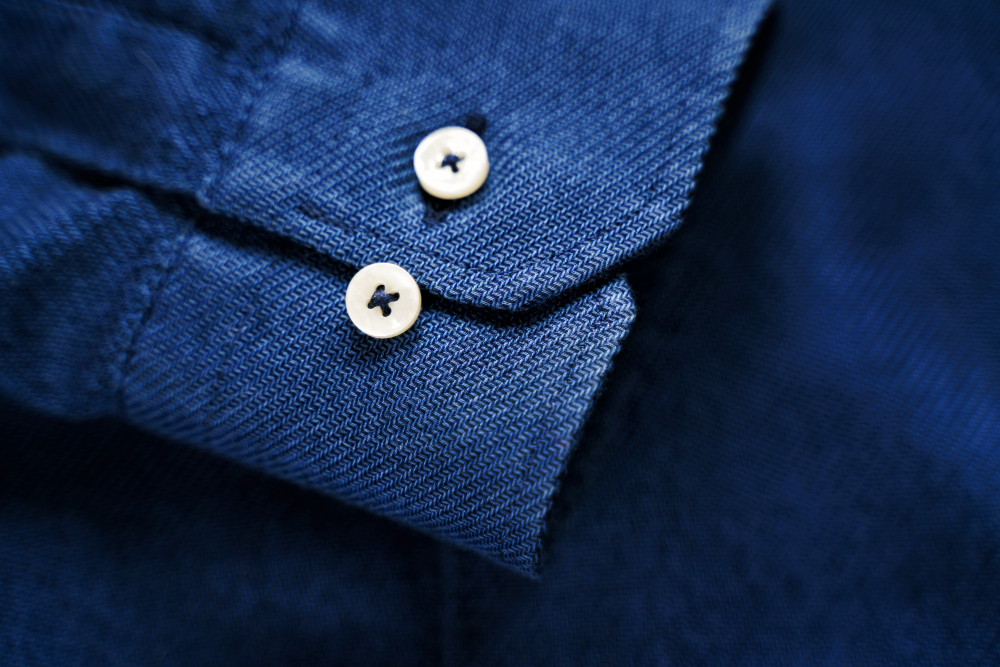
There are two-hole buttons and four-hole buttons, and most people have never wondered why both exist. The reasonable assumption is that it is a style difference, or that four holes are simply better and two holes are a cheaper version.
Neither is right. The hole count is a load-bearing decision, and the trade has clear conventions about which goes where.
A button is a mechanical fastening under repeated strain. It is pulled sideways when the garment is worn, pulled forward when it is strained, twisted when the wearer moves, and dragged through a machine wash and a tumble dryer dozens of times a year. The thread attaching it is the weakest part of the whole arrangement, and the hole pattern determines how that thread is arranged and therefore which directions it can resist.
Two holes give you one line of thread. Four holes let you cross it. That is the entire distinction, and everything else follows from it.
Like our content? Follow us for more.
What the Extra Pair Actually Buys
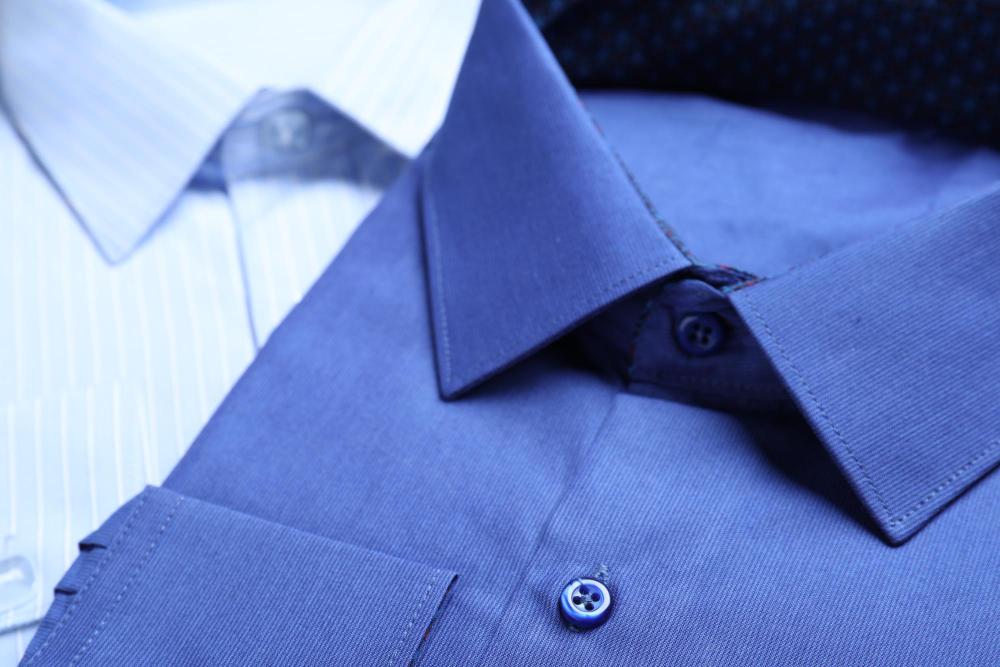
With two holes, every stitch runs along the same axis. The thread resists being pulled along that axis extremely well and resists being pulled across it much less well, because a pull at right angles to the stitches tries to roll the button rather than tension the thread.
With four holes, the stitching can be laid in two directions at once – either as a cross, or as two parallel bars, or as a square. A cross puts thread across both axes, so a pull from any direction tensions some of it. Two parallel bars give you twice the thread in one direction, which is stronger along that line and no better across it.
There is also redundancy. If one pair of stitches fails – abraded by a washing machine drum, caught on something, cut by a sharp edge in the buttonhole – a four-hole button sewn as a cross is still attached by the other pair. A two-hole button with a broken thread is on the floor.
So four holes buy directional strength and a backup. They cost a little more thread and a little more time, which at industrial volumes is not nothing.
Which Garments Get Which, and Why
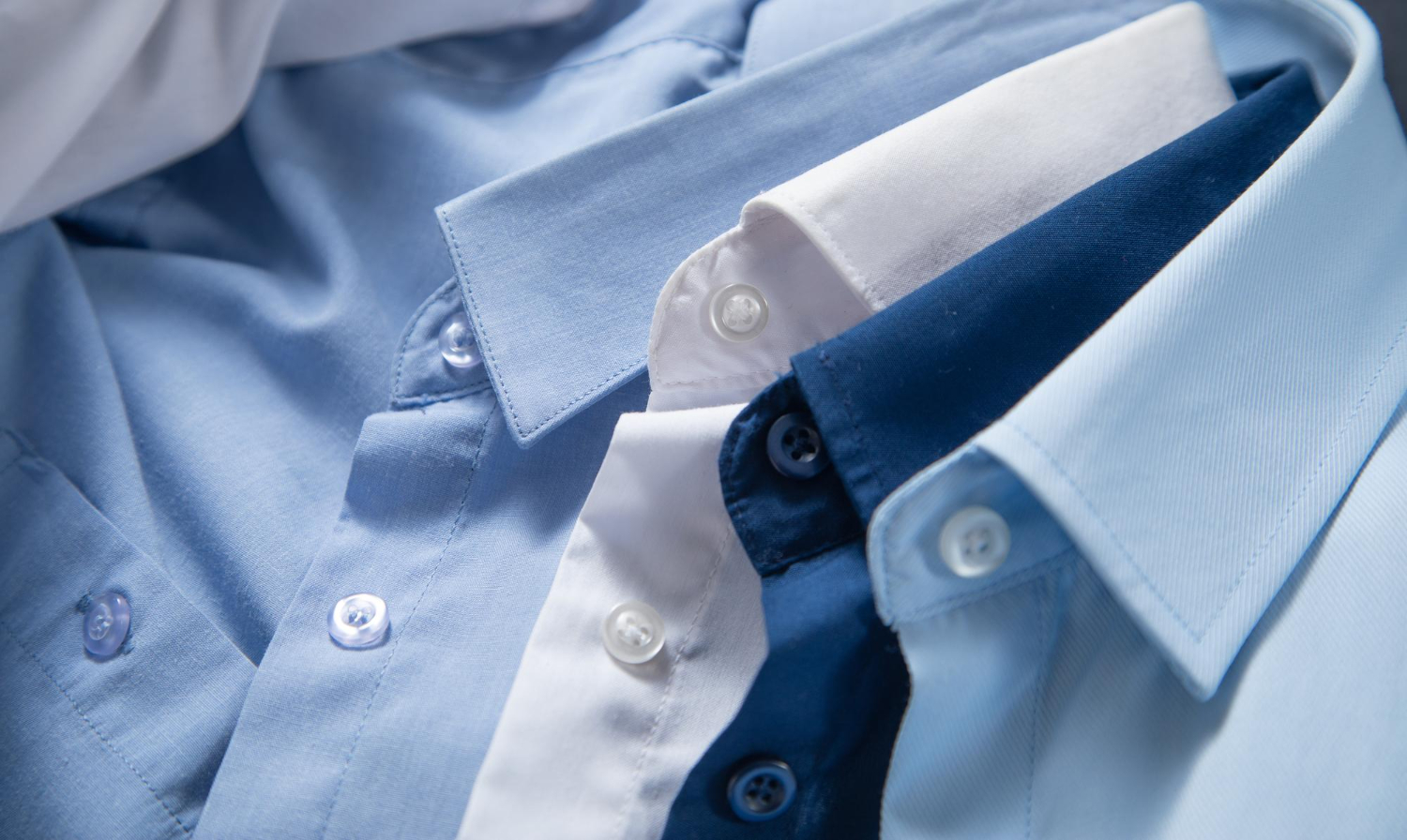
The conventions are consistent enough to be useful.
Shirts, blouses and anything with a front placket that is pulled across the body overwhelmingly use four holes. The strain on a shirt button is sideways – the two front edges are being pulled apart – and it is washed constantly. Four holes and a crossed stitch is the right answer and the trade reached it long ago.
Trousers and skirt waistbands use heavy four-hole buttons or shanked buttons, because the load there is high and concentrated.
Coats, jackets and anything thick tend towards shanked buttons instead, which is the third option: a button with a loop or post on the back rather than holes through the face, sewn through that loop. A shank lifts the button off the fabric, leaving room for the thickness of the material to pass underneath when it is fastened. On a thick coat a flush-sewn button would be pulled tight against the cloth and the buttonhole could not close around it.
Two-hole buttons survive where the load is light and the look matters – lighter garments, decorative fastenings, and anywhere a cleaner face is wanted, since two holes show less thread.
The Shank Is the Part People Forget to Make
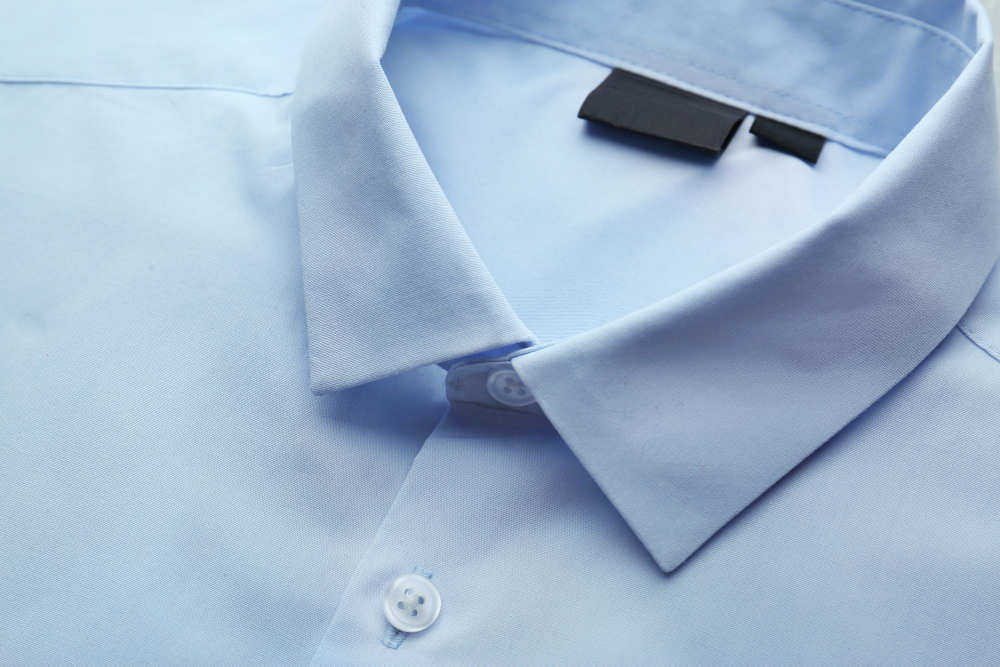
Even a flat button needs a gap behind it, and this is the single most common home-sewing error.
If a button is sewn tight against the fabric, there is nothing for the buttonhole layer to occupy. Fastening it then strains the thread, distorts the hole and puts the button under tension permanently, and it will pull off.
The correct method is to create a thread shank: sew the button over a spacer – a matchstick, a pin, a second needle laid across the holes – then remove the spacer, lift the button away from the cloth and wind the slack thread tightly around the resulting stem before finishing off. That gives a short post of wound thread exactly as thick as the fabric the buttonhole sits in.
Factory-sewn buttons get this automatically, because the machine is set to leave the correct slack for the cloth it is sewing. Hand-sewn replacements usually do not, which is why a button somebody sewed back on tends to come off again faster than the original did – not because the stitching was poor, but because the gap was missing.
The Buttonhole Is Doing Half the Work
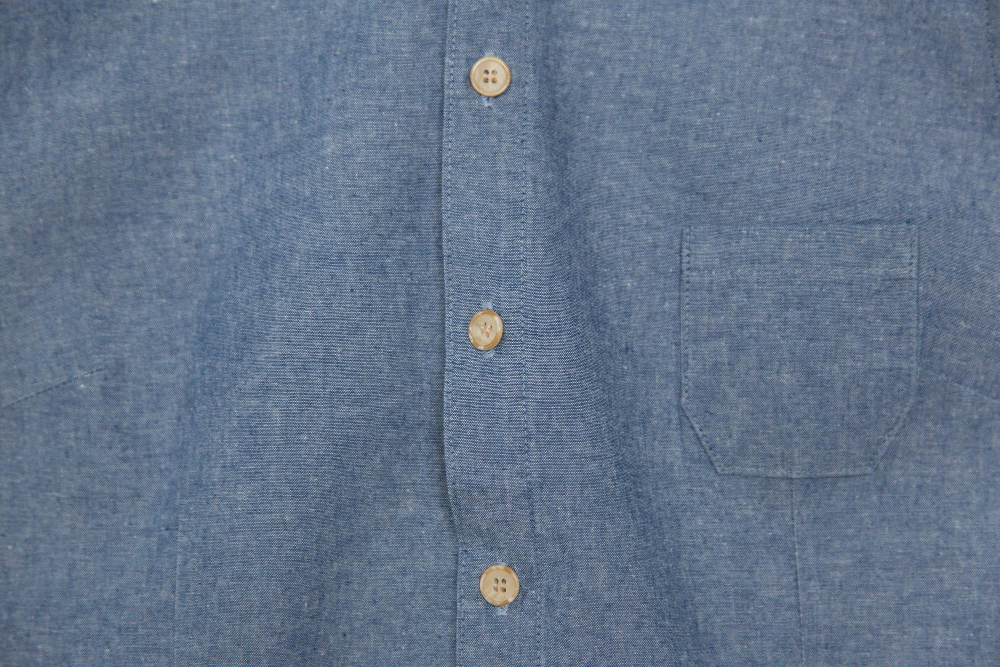
A fastening is two components, and the hole is the one nobody examines.
A buttonhole is a deliberate slit in cloth, which is structurally the worst thing you can do to a woven fabric – it cuts the threads running across it and gives the weave a free edge to unravel from. Everything about how a buttonhole is finished is damage control on that cut.
The stitching around it does three jobs at once: it binds the raw edge so the weave cannot fray, it reinforces the fabric either side so the load spreads into the cloth rather than concentrating at the ends of the slit, and it defines the final size of the opening. The bar of dense stitching across each end – the part that looks like a full stop – is there because the ends of the slit are where a tear would start, and a tear running out of a buttonhole will keep going.
Size is the part that matters in use. A buttonhole has to be slightly longer than the button’s diameter and slightly shorter than its circumference, which is a narrower window than it sounds. Too short and the button is forced through, straining both. Too long and it comes undone on its own. This is why a replacement button needs to match the original’s diameter rather than just its look, and why a button a couple of millimetres larger will not stay done up.
The Orientation of the Hole Is Chosen, Too
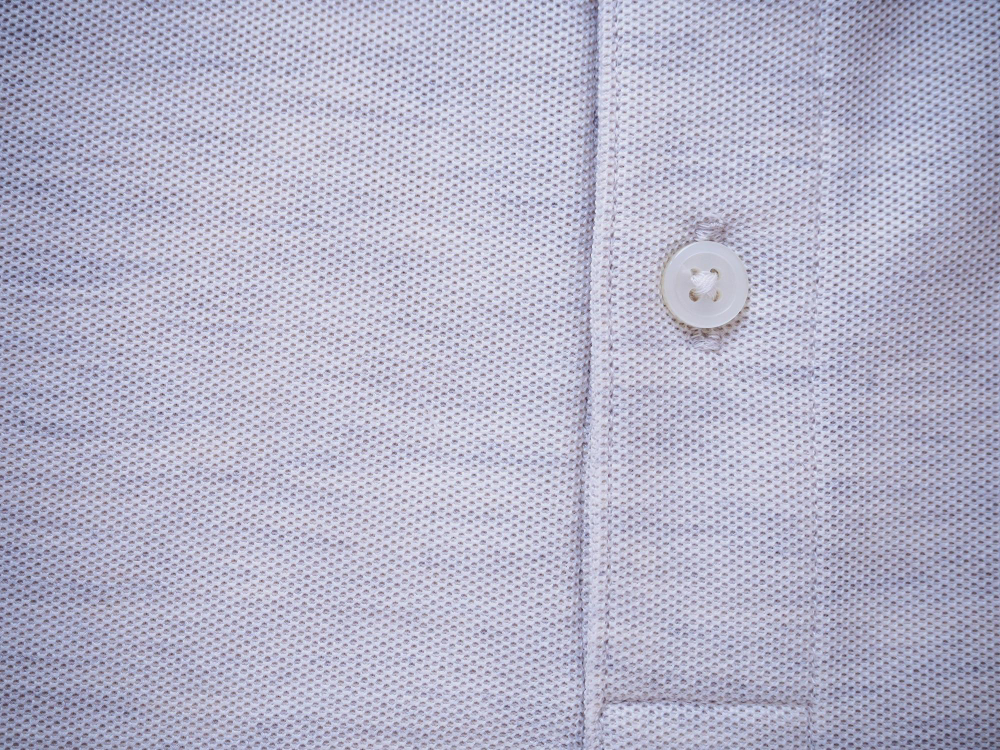
Look at a shirt and the buttonholes on the front placket run vertically, while the one at the collar and the ones on the cuffs run horizontally. That is not inconsistency.
A button sits at whichever end of its buttonhole the strain pulls it towards. In a horizontal hole it is pulled firmly into one end and held there, which keeps the two edges of the garment aligned and stops the button sliding about. In a vertical hole it can travel along the slot, which allows a little give.
So horizontal holes go where the load is high and alignment matters – collars, cuffs, waistbands – and vertical holes go down a front placket, where a column of horizontal holes would make the front edges look uneven as each button settled and where a bit of movement is wanted as the body moves.
It is a small decision, made consistently across the whole clothing trade, and almost nobody has noticed it is being made at all.
Cross or Parallel Is Not Just Decoration Either

The four thread patterns you see on four-hole buttons each do something slightly different, and the choice is sometimes deliberate.
The cross is the default and the strongest in general use, putting thread across both axes.
Two parallel bars – running either along the garment or across it – are used where the strain is reliably in one direction, and some makers use the orientation as a quiet signature. They also lie flatter and look more deliberate, which is why they turn up on tailored clothing.
A square, with thread around all four sides, uses the most thread and resists rotation best, and shows up on heavy work garments.
And the single bar across one pair of holes, ignoring the other two, is sometimes seen on jackets where the button is largely decorative and the maker wanted a specific look.
None of these is wrong on an everyday garment. But if you are replacing a button, copying the pattern the maker used is the safest choice, because it was chosen for the load that garment puts on it and the fabric it is sewn into.
Why Buttons Fall Off Where They Do
Button loss is not random, and the pattern is informative.
The button that goes first on a shirt is usually the one at the point of greatest strain, which depends on fit rather than on position. The thread there has been working hardest.
The second commonest failure is cuff buttons, because they are dragged against desks, doors, bags and sleeves constantly, and because the abrasion is on the thread rather than the button.
And the mechanism in both cases is usually abrasion rather than breakage. The thread is worn through by rubbing – against the buttonhole edge, against the wash drum, against whatever the garment brushes past – which is why a button comes off looking perfectly sound with a short frayed stub of thread still through it.
This is also why the spare button sewn into the inside seam of a garment is an admission rather than a courtesy. The maker knows the thread will go before the cloth does, and that you will not be able to match the button, so they attach one and let you deal with the thread yourself.
Which is the thing to take away: on almost every garment you own, the weakest component is not the fabric, the seams, the zip or the button. It is a few centimetres of thread, and the hole count is the maker’s judgement about how much of it to put in.
Like our content? Follow us for more.

