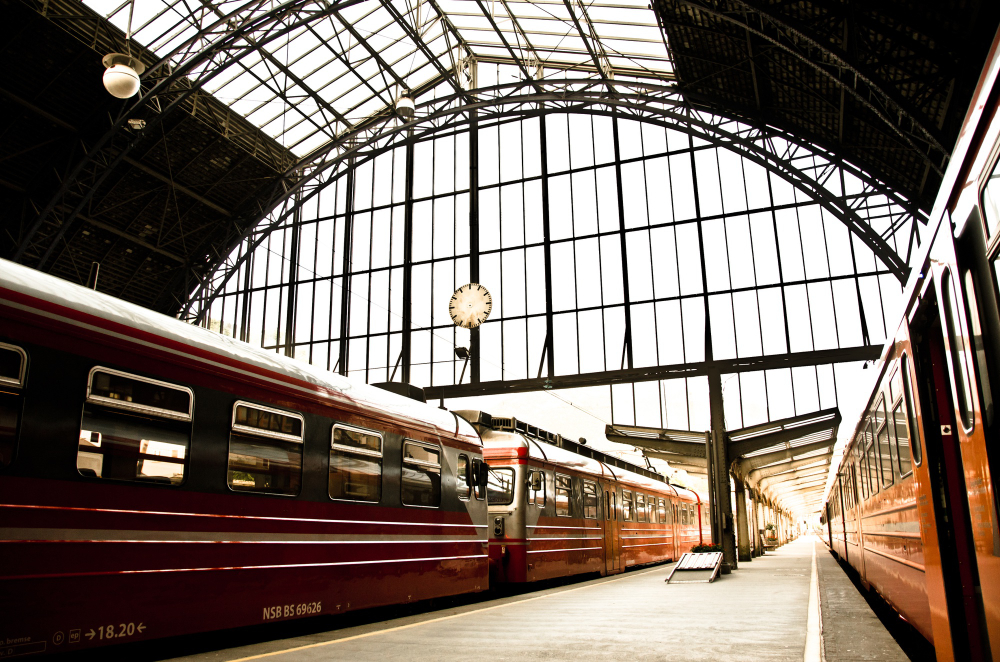
Arriving by train differs from every other mode in one respect: you are deposited in a city centre, on foot, with your luggage, in a building that contains most of what you need. Here are ten ways to use that. Here are ten.
1. Stand Still for Two Minutes
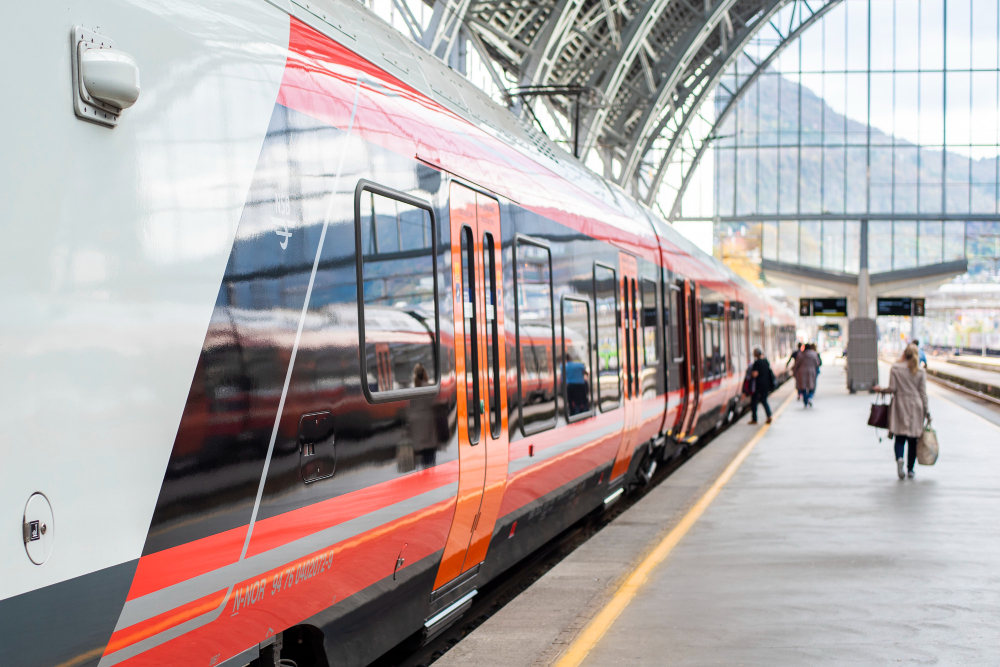
Stepping off a train into a busy concourse with luggage produces a strong impulse to keep moving, and stopping to establish where you are and where the exits go prevents most subsequent errors.
Two minutes of standing beats twenty of walking wrongly. The pause is the step everybody skips and everybody needs.
Like our content? Follow us for more.
2. Work Out Which Exit You Want
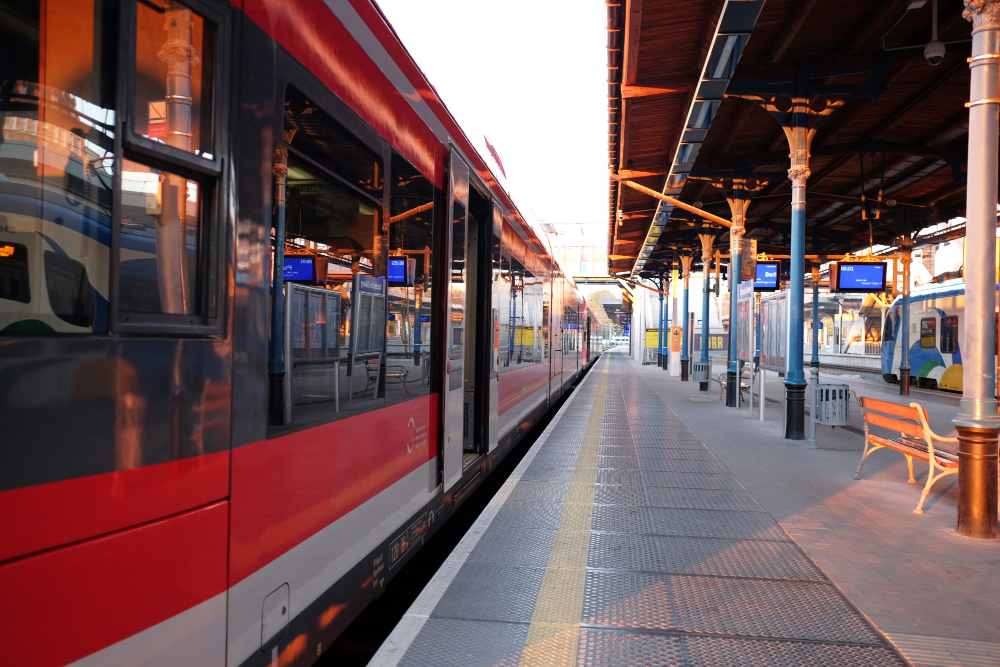
Large stations have several exits opening onto quite different parts of a city, and leaving by the wrong one can put you a substantial walk from where you meant to be.
The signs generally name the streets. Exit choice is the first real decision and it is easy to get wrong.
3. Find Out How the Local Transport Works Here
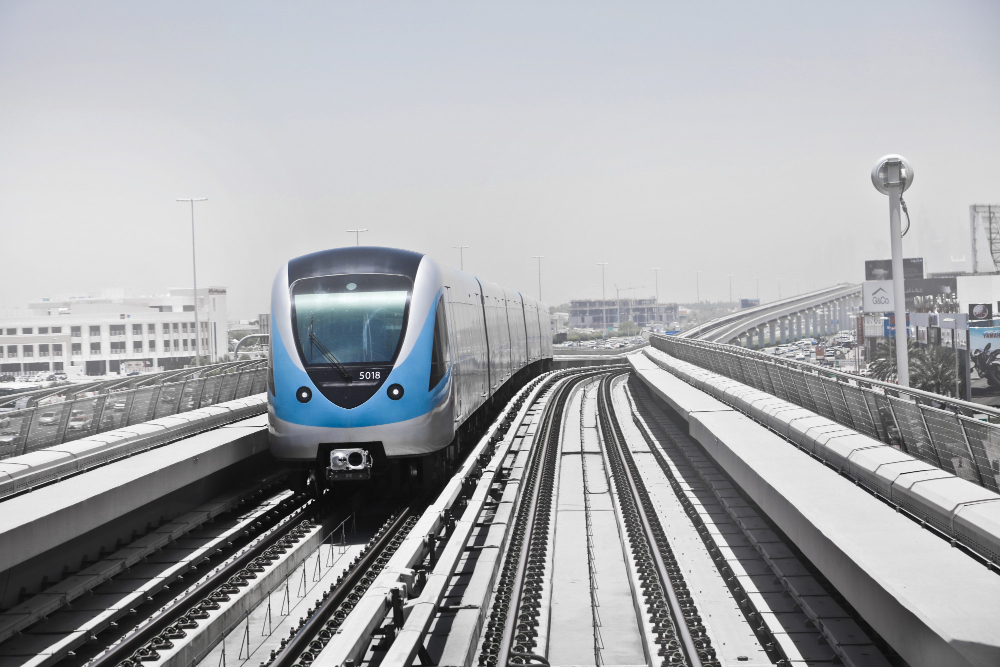
The station is where the local network converges, and the information, the maps and the staff are all in one place – which they will not be once you have left.
Establishing the system now costs ten minutes. Sorting transport at the station is the convenience the location provides.
4. Look at the Departure Board Before You Leave
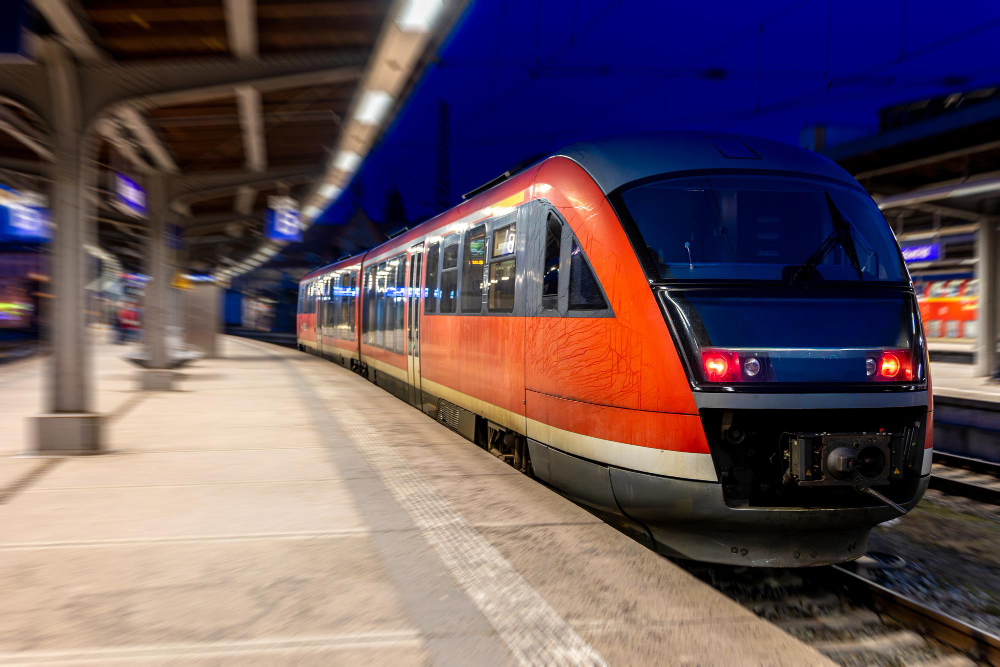
Noting how frequently trains run back the way you came, and when the last one goes, is information you will want later and will be harder to find then.
It takes thirty seconds and shapes what is possible. The return information is the thing nobody checks on arrival.
5. Deal With the Luggage
Everything about the next few hours is different depending on whether you are carrying bags, and stations are generally the best place to resolve that one way or another.
Options vary and the station is where they are. Sorting the bags is the decision that determines the rest of the day.
6. Eat or Drink Something Here or Deliberately Not
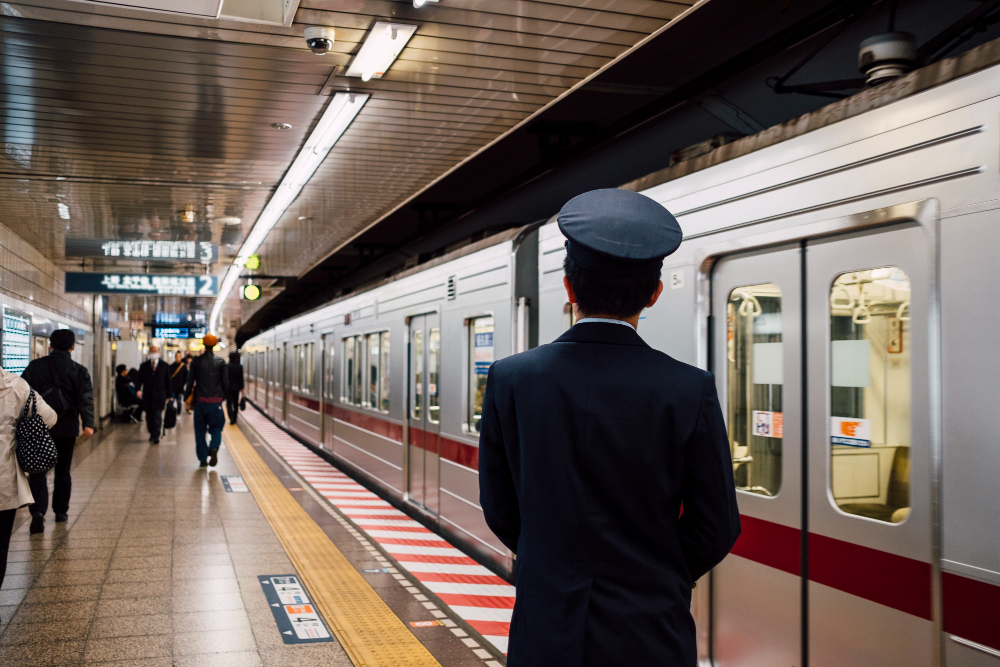
Station food is convenient and rarely the best a place has to offer, so it is worth deciding either to use it as fuel or to wait twenty minutes and eat properly.
Drifting into it by default produces the worst version. The deliberate choice is better than either option taken accidentally.
7. Walk Out Rather Than Ride if You Can
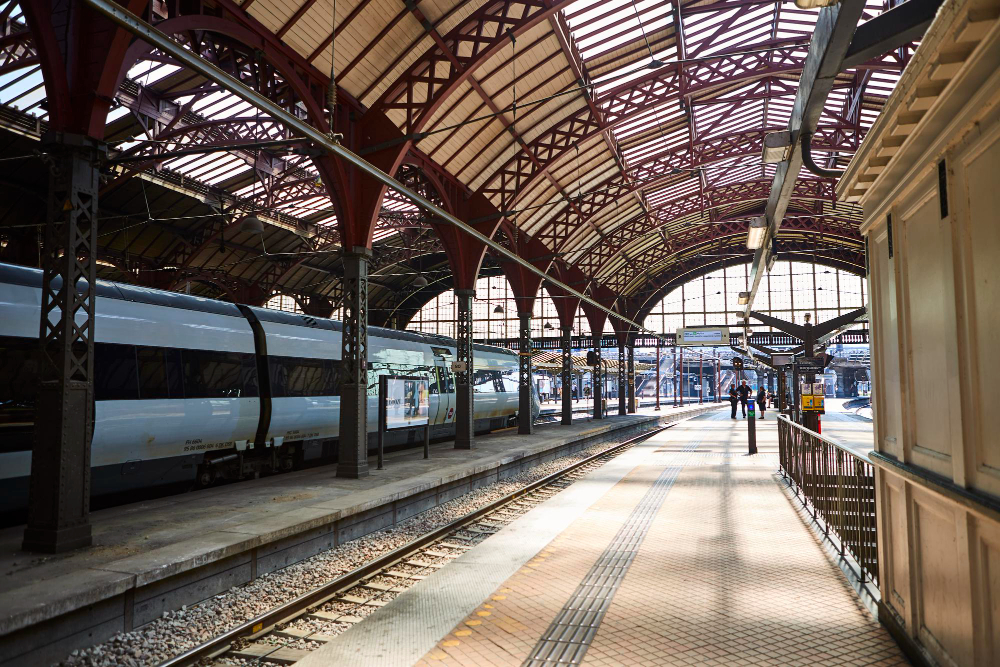
The area around a station is generally central, and walking to your accommodation gives you an immediate sense of the layout that no vehicle journey provides.
It only works if the distance and the luggage allow. Walking out is how you learn the geography for nothing.
8. Notice What the Station Building Is Telling You
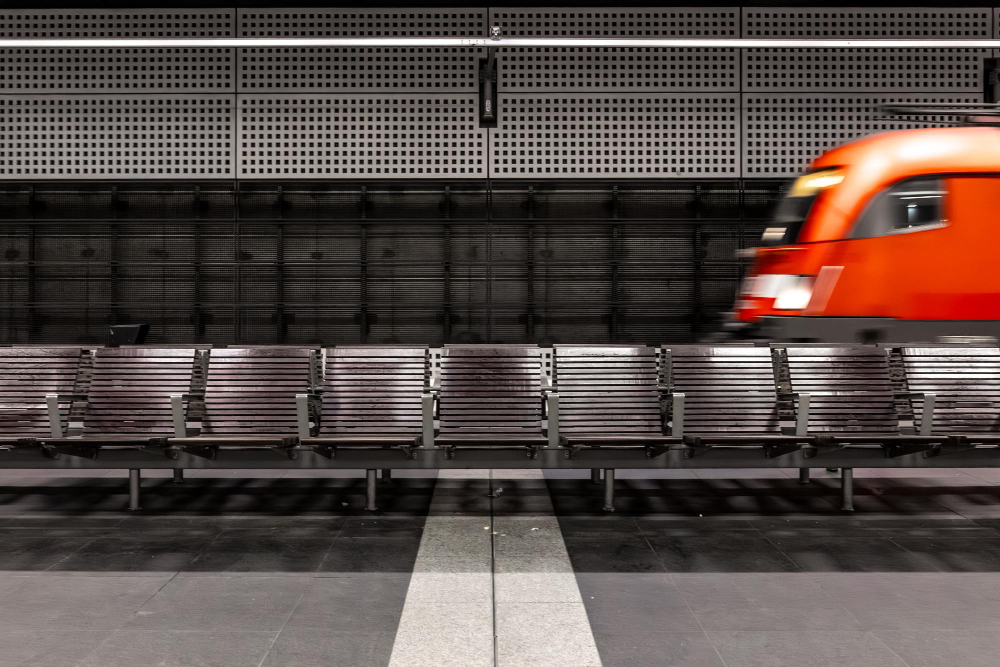
Station architecture indicates when a city grew, how important the railway was to it, and frequently where the old centre lies relative to where you now are.
The grandest frontage generally faces the historic centre. The building itself is the first piece of information about the place.
9. Get Something Physical to Navigate With
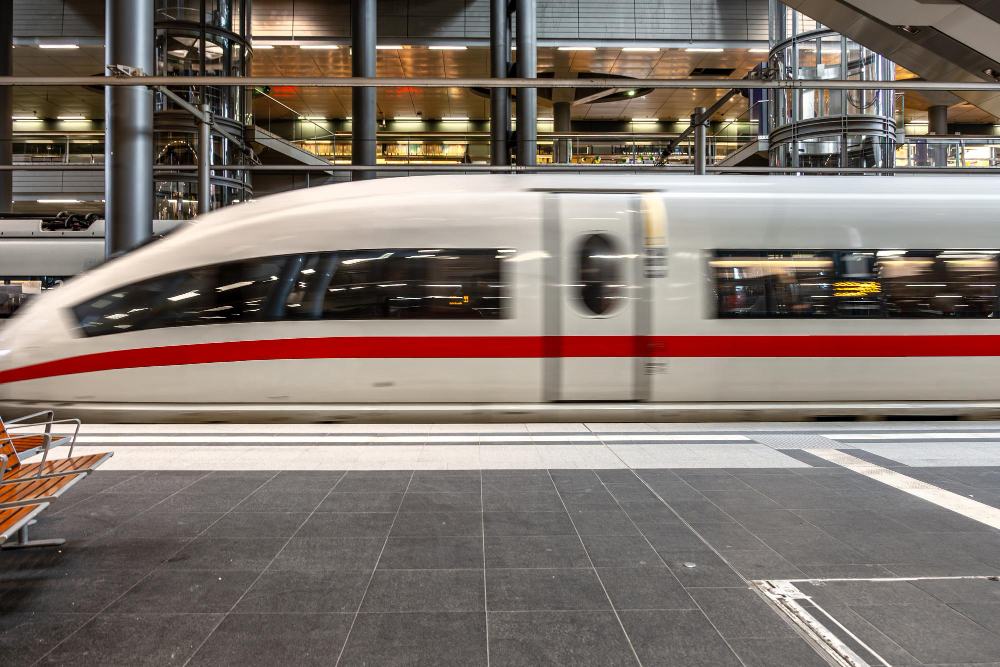
A paper map, a transport diagram or a photograph of the station map gives you something that works without signal, battery or data – which matters more on arrival than at any other point.
Stations hand these out. A physical reference is the redundancy worth acquiring while it is free.
10. Do Not Go Straight to the Room
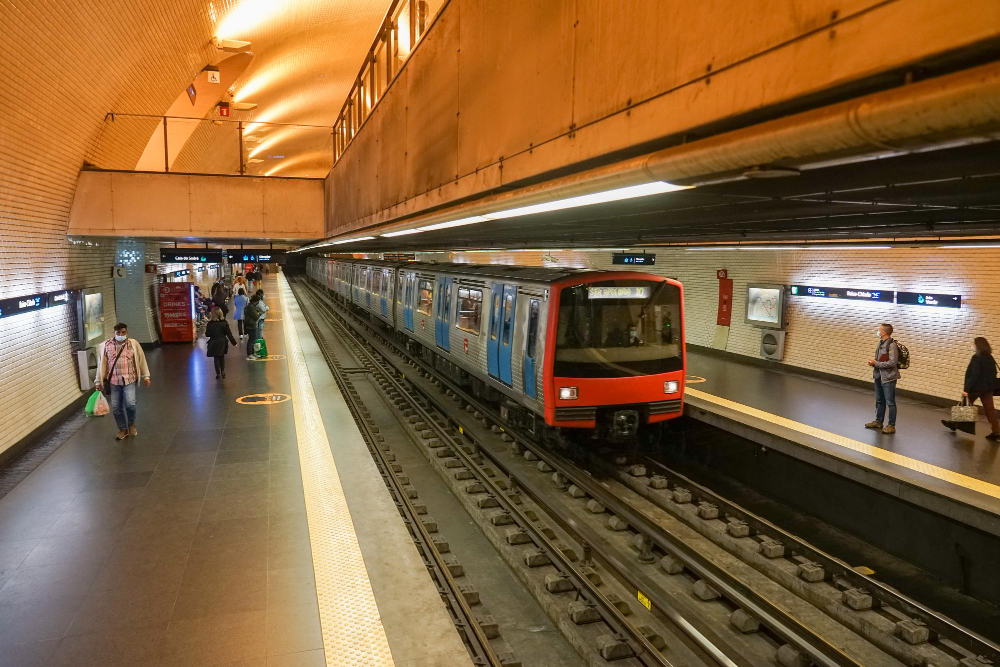
Dropping bags and lying down after a journey converts an afternoon into an evening, and the hour immediately after arriving is the one where a place feels most novel.
You will never see it that way again. Staying out is the choice that uses the arrival rather than recovering from it.
You Are Already in the Middle of It
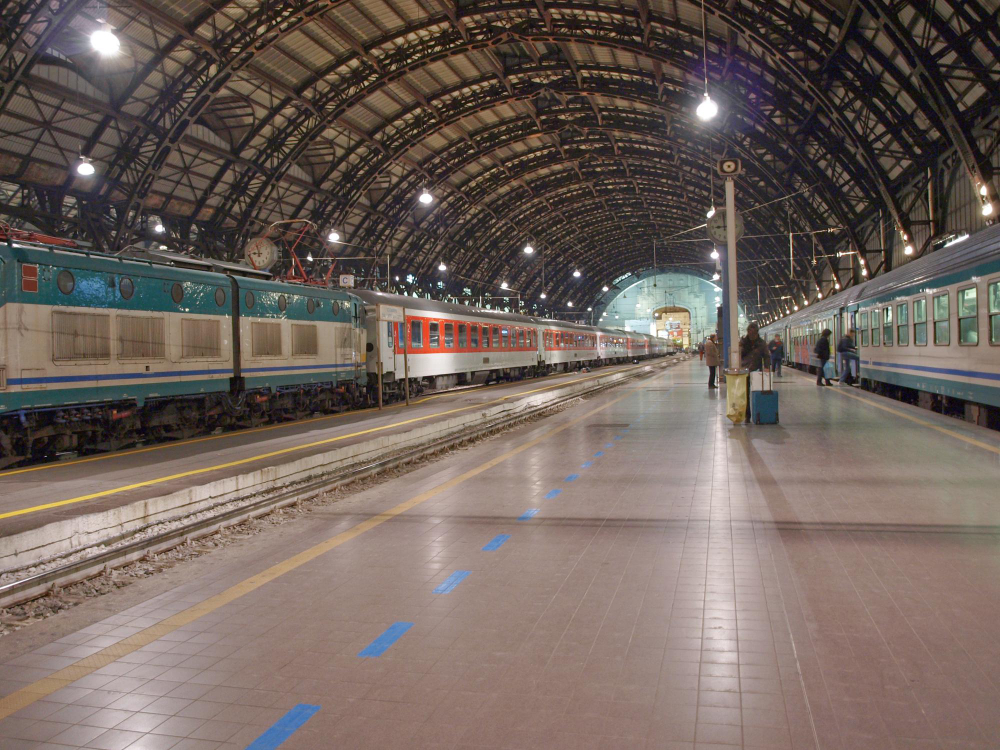
A station puts you centrally, on foot, with the transport network, the information and the food in one building – and the first hour is when all of that is easiest to sort out.
One practical note: station layouts, facilities and services differ enormously between networks and countries, and what is available at one may not exist at another. Posted station information and staff on the ground are the authority for anything specific, and this list is about how to use the arrival rather than what you will find when you make it.
Like our content? Follow us for more.