

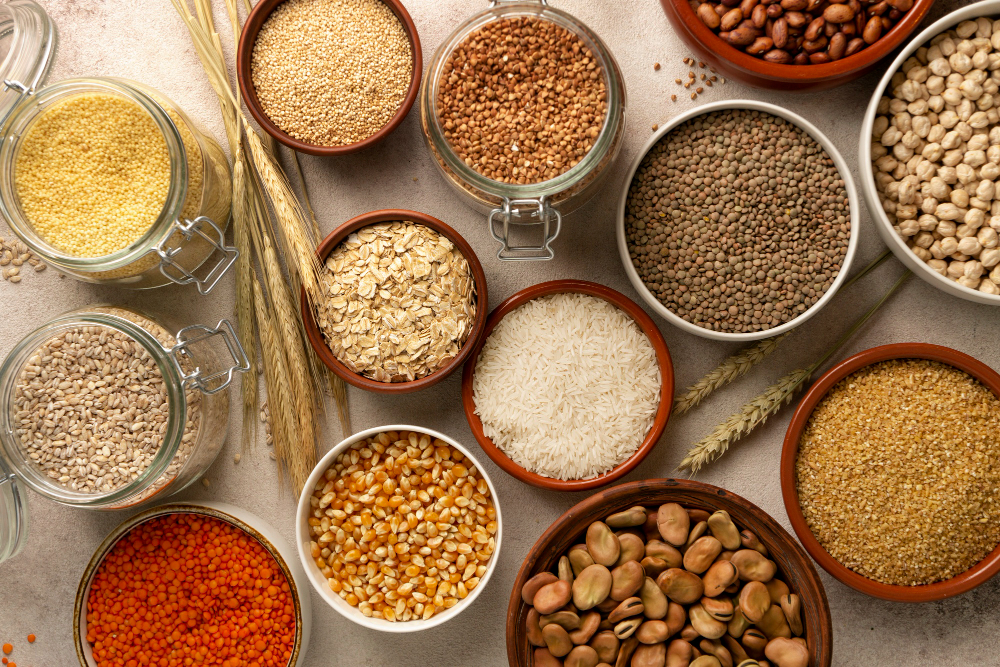
Every grain is built the same way: a protective outer layer, a starchy interior and a small oily part that would have become the plant. Everything below follows from which of those are still present. Here are fifteen.
1. A Grain Has Three Parts
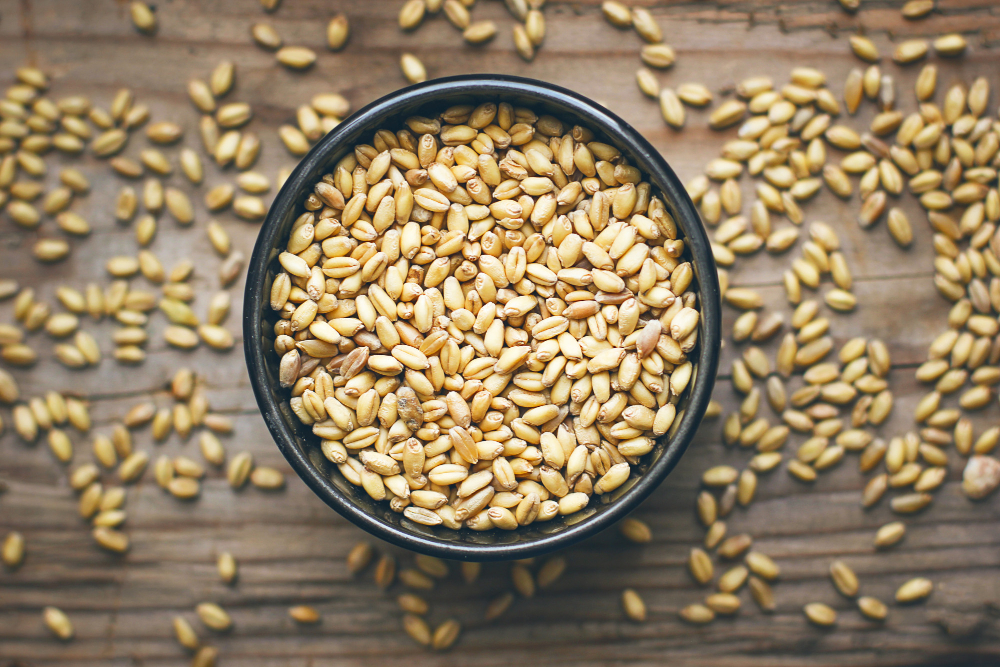
The bran is the outer protective layer, the endosperm is the starchy bulk that would feed a seedling, and the germ is the small oil-rich portion that would have grown.
Processing removes the first and third. Three-part structure is the fact behind every difference between whole and refined.
Like our content? Follow us for more.
2. The Bran Is a Barrier to Water
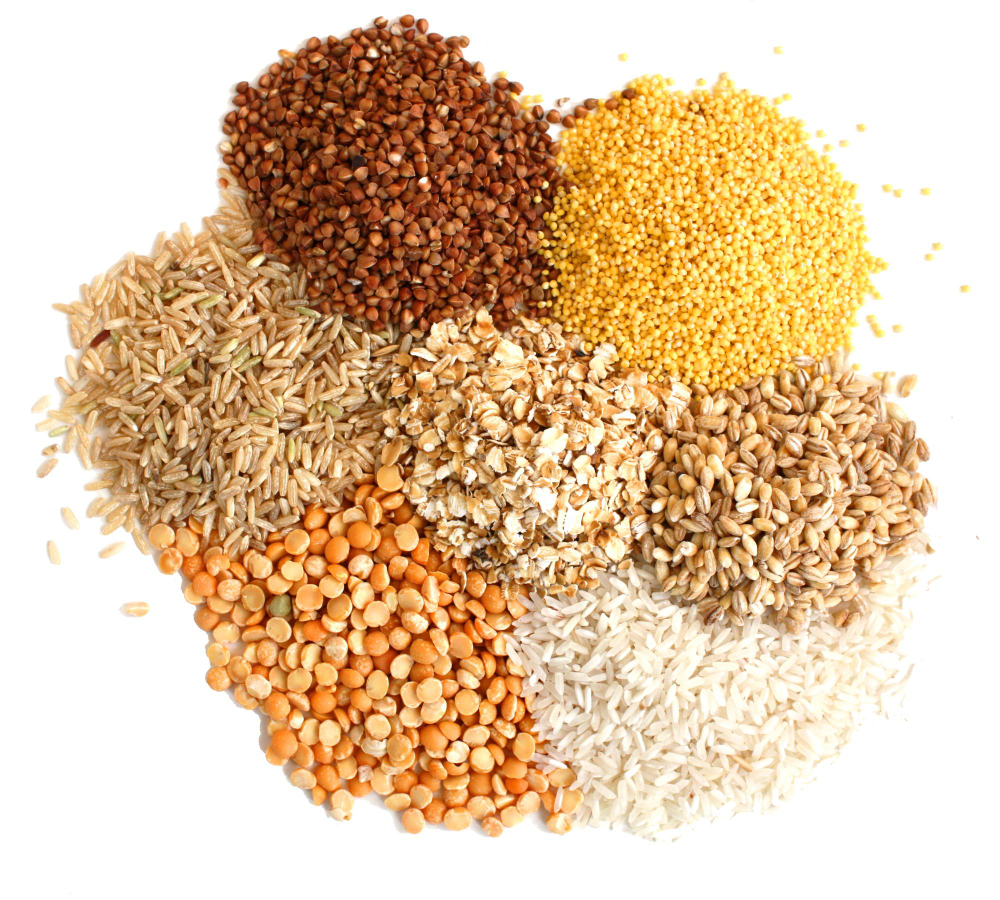
The outer layer evolved to keep moisture out of a dormant seed, and it does that job perfectly well in a pan – which is why an intact grain resists absorbing liquid.
It is doing exactly what it was designed for. Water resistance is why whole grains take so much longer.
3. So Everything Takes Longer and Needs More Liquid
With water having to work through the bran before reaching the starch, cooking times extend substantially and the grain absorbs more liquid overall.
Applying a refined-grain method produces something hard and dry. Extended cooking is the direct consequence of the intact layer.
4. Soaking Does the Waiting in Advance
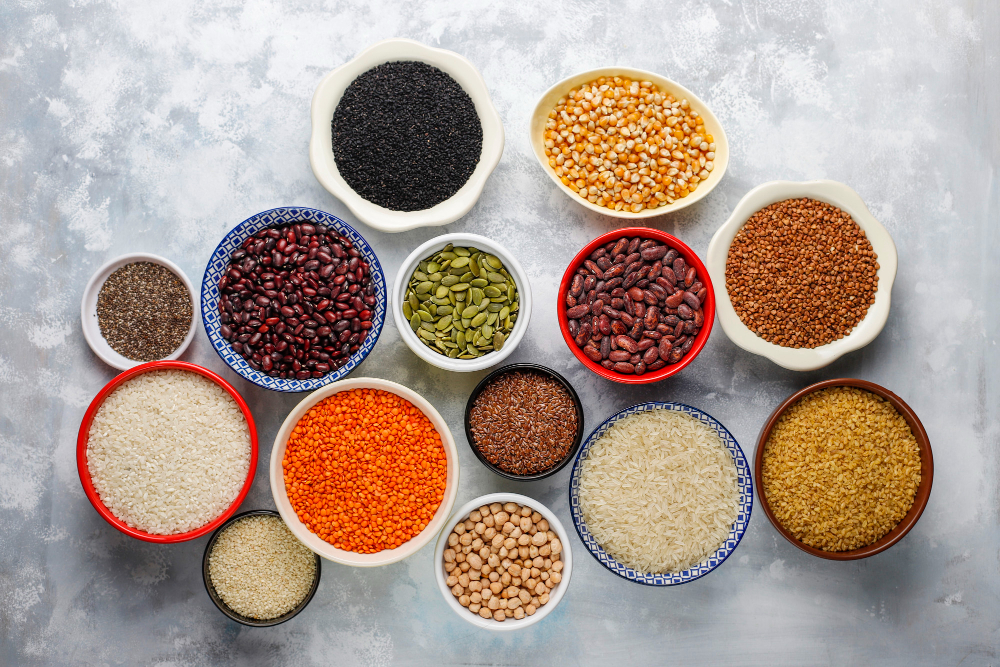
Leaving a grain in water before cooking allows moisture to penetrate the bran slowly at room temperature, so the heat arrives to an already hydrated seed.
It shortens cooking substantially and evens the result. Pre-soaking is the technique that works around the barrier.
5. Cracking It Removes the Problem
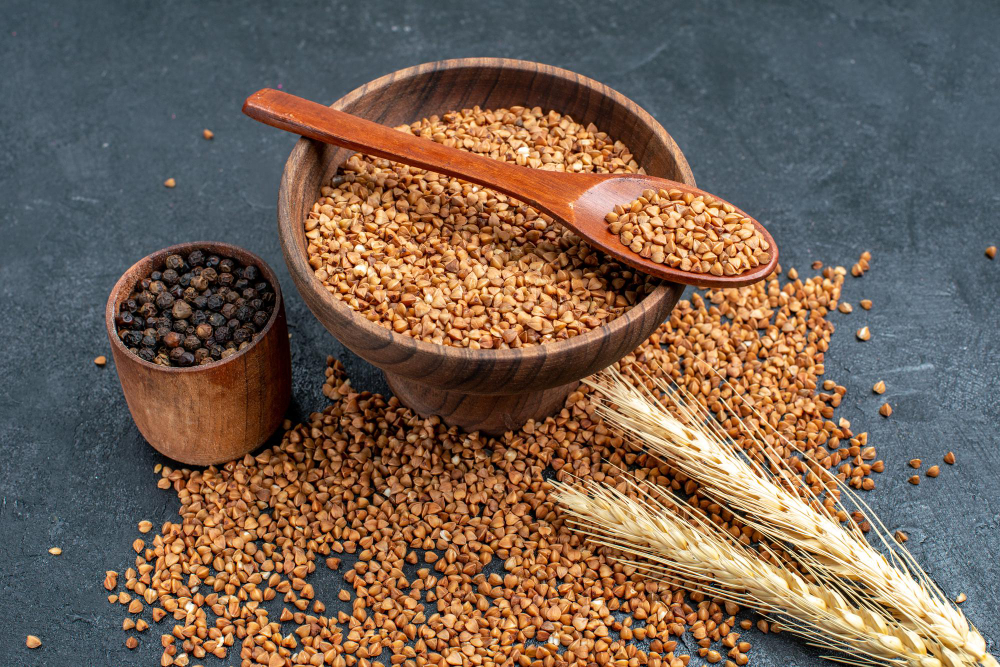
Breaking a grain mechanically opens the bran and exposes the interior directly, which is why cracked and coarsely milled versions cook far faster than whole ones.
The bran is still present and no longer sealing. Mechanical breaching is the middle option between whole and refined.
6. Rolling Does the Same by Flattening
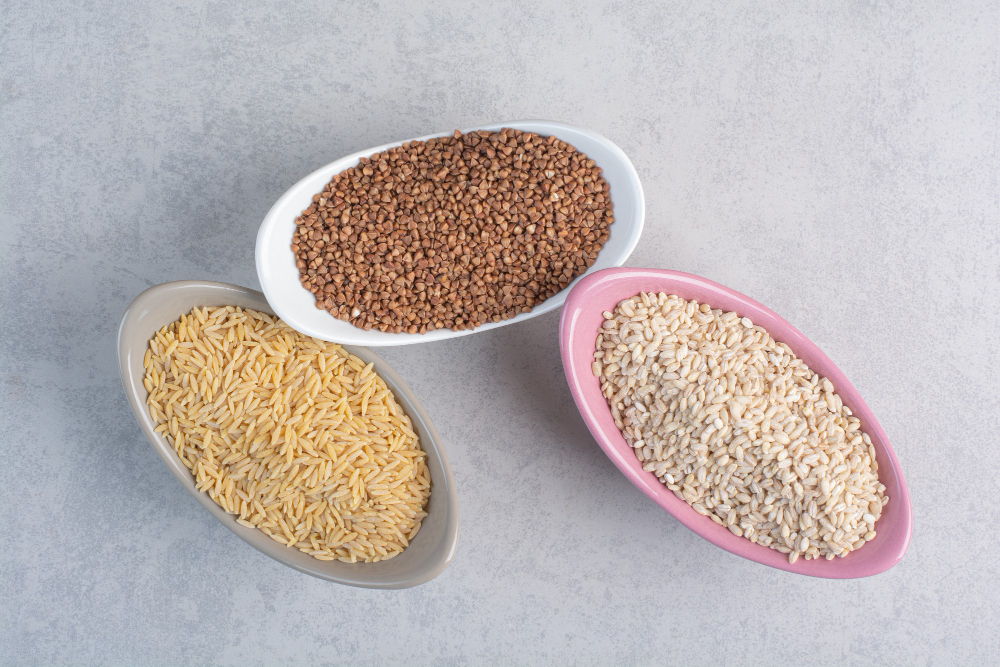
Steaming and pressing a grain flat ruptures the structure and increases surface area enormously, producing something that hydrates in minutes rather than an hour.
It has been partly cooked in the process. Rolling is the treatment that trades structure for speed.
7. Parboiling Changes It Permanently
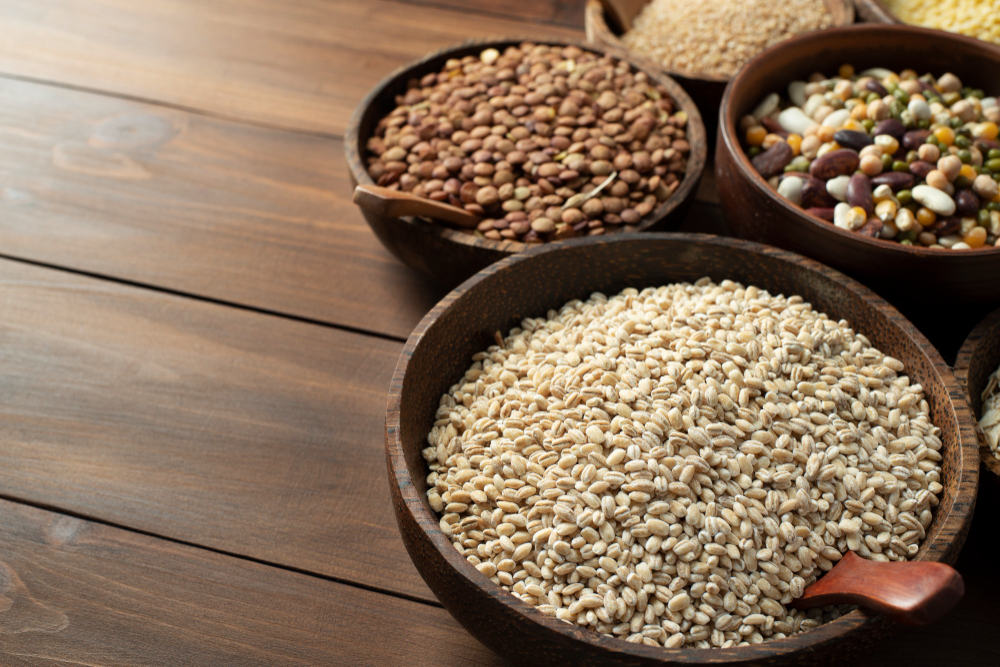
Cooking a grain in its husk and then drying it drives nutrients inward, gelatinises some of the starch and produces a grain that behaves differently from either whole or refined versions.
It is a third category rather than a variation. Pre-treatment is the process that creates a distinct ingredient.
8. The Germ Is Why It Goes Off
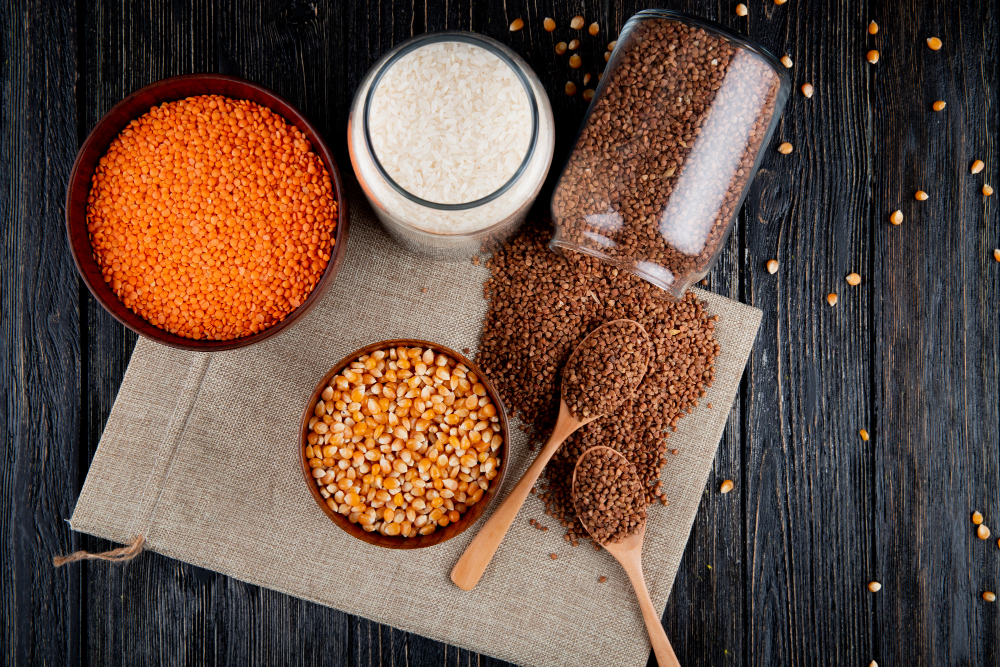
The oil-rich germ oxidises over time and turns rancid, which is why whole grains and wholemeal flour keep for a fraction as long as refined equivalents.
Removing the germ was largely a keeping decision. Oil content is the reason refining happened at all.
9. And Why Flour Was Refined in the First Place
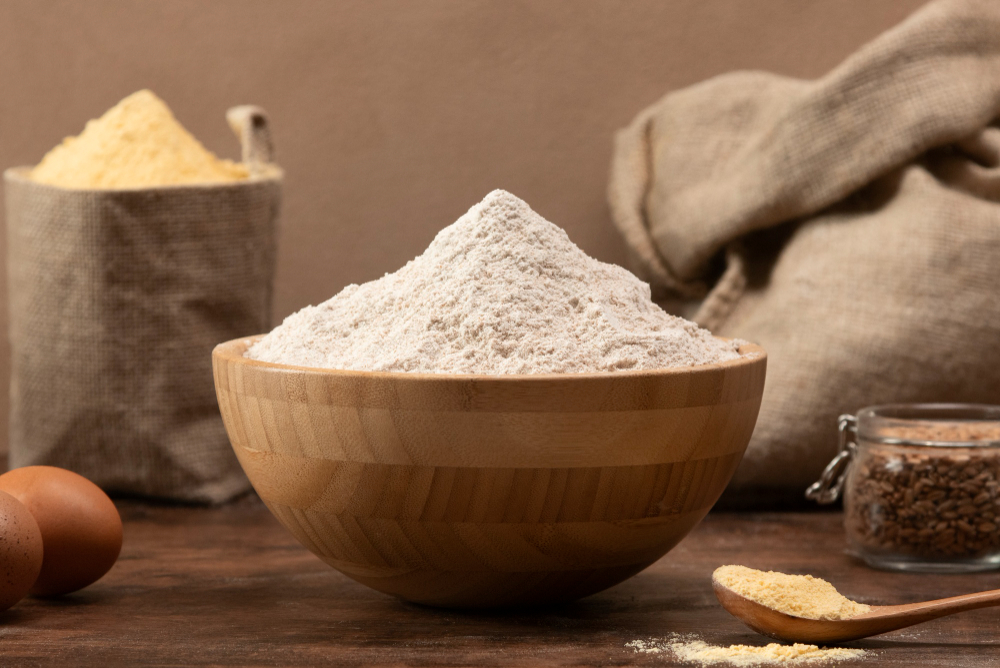
Before refrigeration and rapid distribution, flour containing germ oil spoiled within weeks, which made removing it a practical necessity rather than a preference.
The reasoning was storage rather than taste. Historic necessity is the origin of a decision now made for other reasons.
10. How Much Starch Escapes Decides the Texture
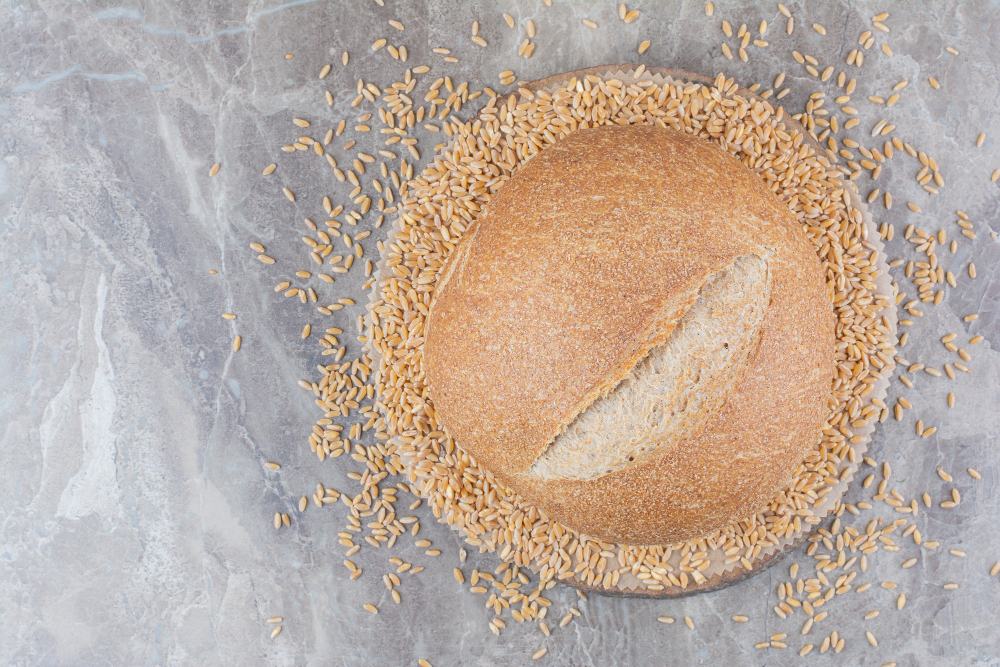
Grains vary enormously in how readily starch leaves the surface into the cooking liquid, which determines whether a finished dish is separate and loose or thick and creamy.
It is a property of the grain rather than the method. Starch release is what makes some grains suit one dish and not another.
11. Toasting First Changes Two Things
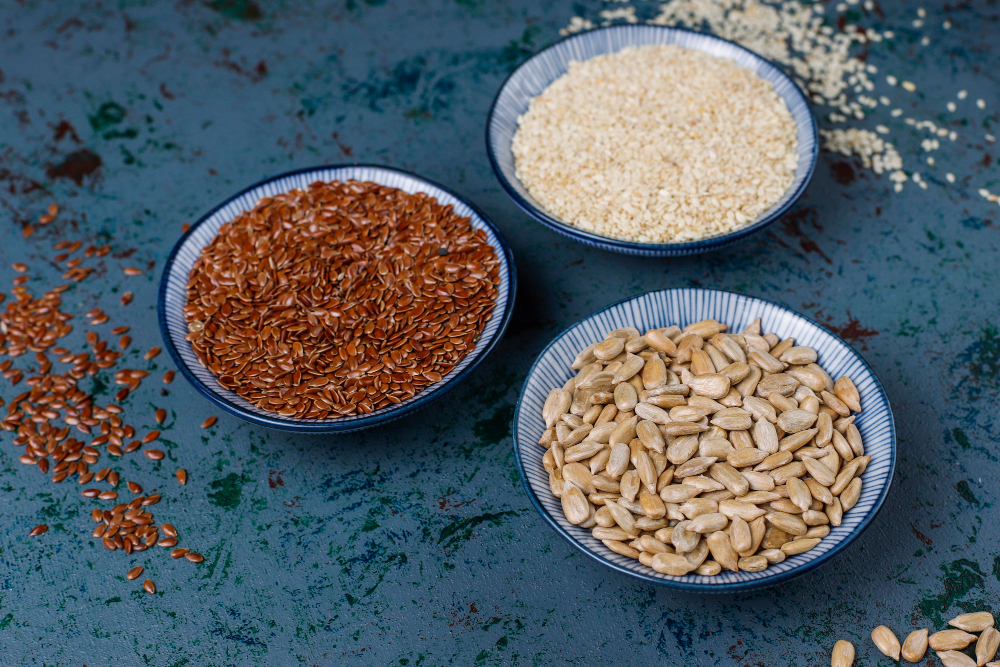
Heating a grain in a dry pan or in fat before adding liquid develops nutty flavour compounds and helps the surface resist releasing starch, keeping the grains separate.
Both effects come from the same step. Pre-toasting is the technique that flavours and firms simultaneously.
12. Grains Absorb a Fixed Multiple
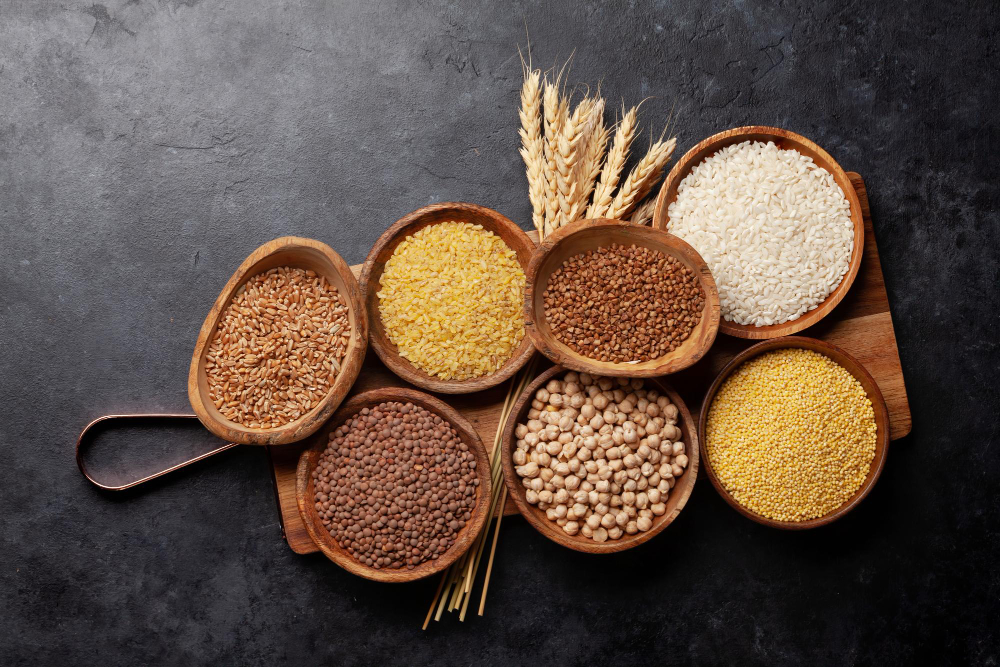
Each grain takes up a characteristic volume of liquid relative to its own, which means the ratio matters more than the timing and excess liquid has to go somewhere.
Draining or absorbing are the only two options. Absorption ratio is the number that determines the method.
13. Salt and Acid Slow the Softening
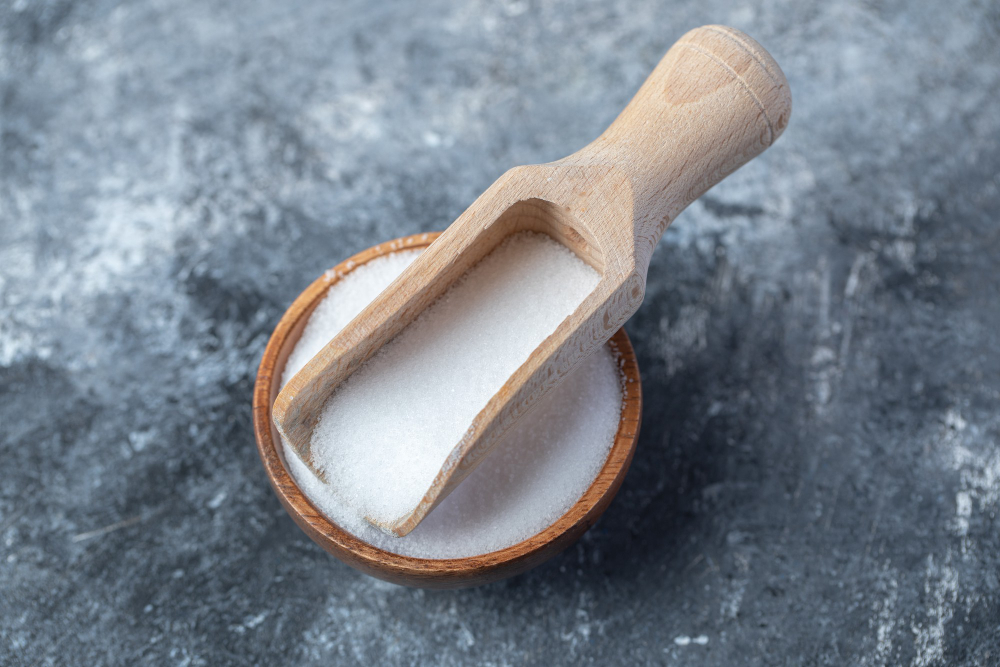
Both interfere with the grain taking up water and breaking down, which is why they are generally added toward the end rather than at the start of a long cook.
It is the same effect that operates with pulses. Delayed addition is the rule that follows from the chemistry.
14. Resting Finishes the Job
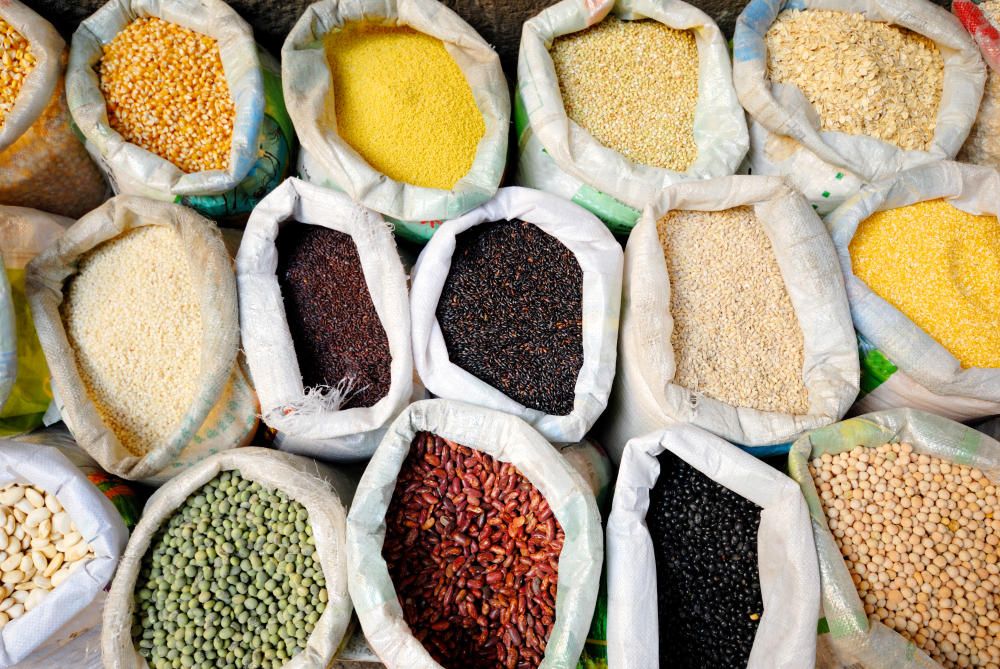
After the liquid is gone, standing covered off the heat allows moisture to distribute from wetter grains to drier ones and from outside to centre.
Serving immediately gives an uneven result. The rest is the stage that happens without any heat.
15. Every Region Kept the Grain That Grew There
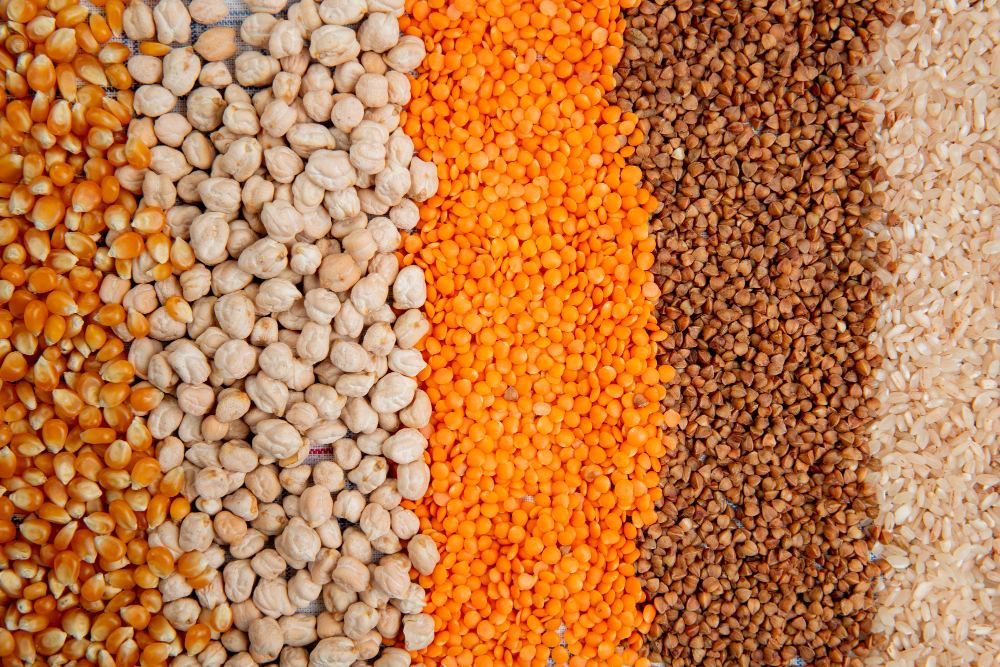
Which grain a cuisine is built on was decided by what tolerated the local climate and soil, and the dishes developed around the properties of that particular seed.
Substituting across traditions rarely works. Local suitability is why the world eats different grains rather than the best one.
Three Parts, and Which Ones Are Left
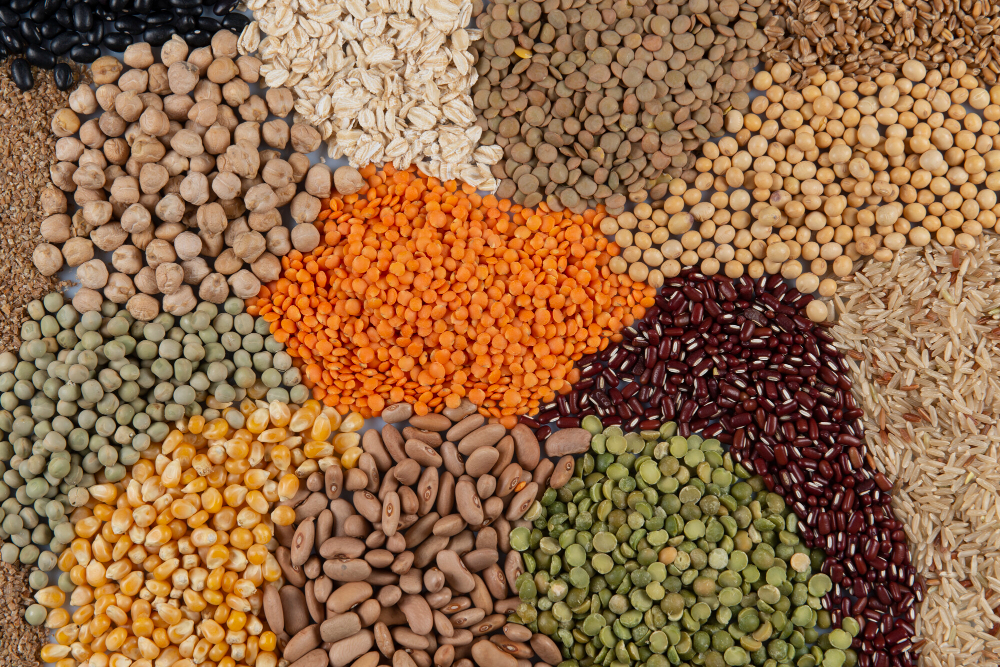
Bran resisting water, germ carrying oil that spoils, endosperm supplying the starch – and every difference in cooking time, liquid, keeping and texture traces to which of the three are still there.
The pairing worth noticing is items eight and nine. Refining grain was originally a storage decision rather than a preference – the oil in the germ spoils and the rest does not – which means a processing choice now discussed in entirely different terms began as a practical answer to the problem of keeping flour through a winter.
Like our content? Follow us for more.

