

The starting point is a discrepancy. Atomic bonds are extremely strong and the materials made of them are not, by a factor of ten or more – and everything below is an explanation of where that strength goes. Here are sixteen.
1. The Theoretical Number Is Never Reached
Working out how much force is needed to pull apart every bond across a plane gives an enormous figure, and no ordinary material achieves anything close to it.
The gap is the subject rather than an embarrassment. Theoretical strength is the benchmark everything falls short of.
Like our content? Follow us for more.
2. Because Nothing Fails All at Once
Breaking a perfect crystal would require separating every bond simultaneously. Real materials contain defects that allow failure to proceed progressively, one region at a time.
Sequential failure needs far less force than simultaneous failure. Progressive breaking is why the theoretical figure is irrelevant.
3. Metals Contain Lines of Missing Order
A dislocation is a line defect where the regular arrangement of atoms is interrupted, and it can move through the crystal by breaking and reforming bonds a few at a time.
It travels like a ruck in a carpet. Dislocation movement is the mechanism that makes metals weak.
4. And That Is Also Why They Bend
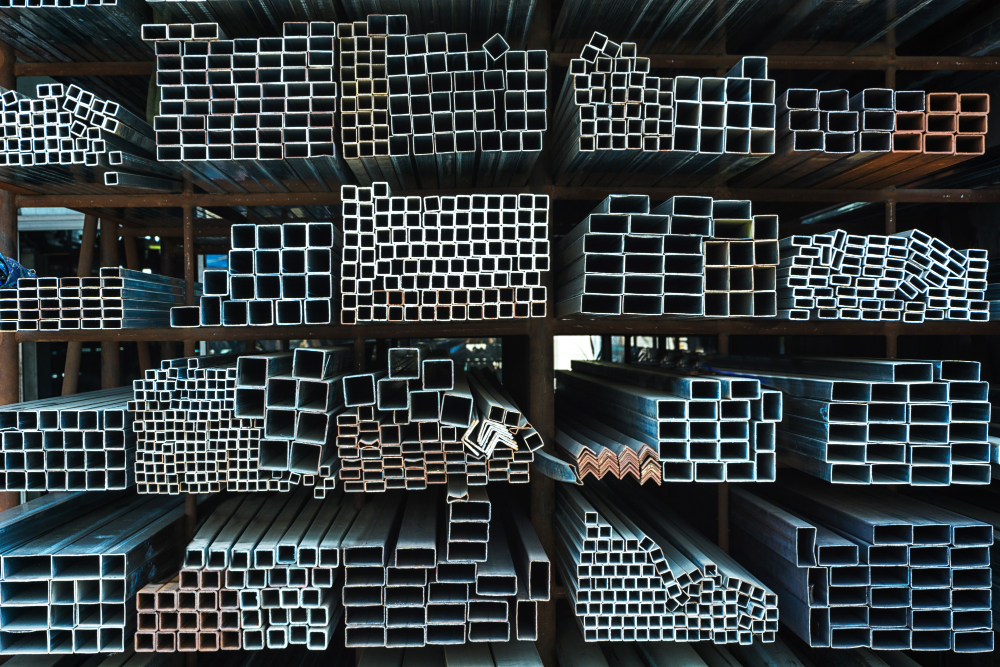
Because dislocations move rather than the material fracturing, metals deform permanently under load instead of shattering, which is the single most useful property they have.
The weakness and the workability are the same phenomenon. Plastic deformation is the benefit of the defect.
5. Strengthening a Metal Means Obstructing Them

Every method of making metal stronger – alloying, working it cold, refining the grain size, adding fine particles – operates by making it harder for dislocations to move.
None of them strengthen the bonds themselves. Obstruction is the entire strategy of metallurgy.
6. Working It Makes It Harder and More Brittle
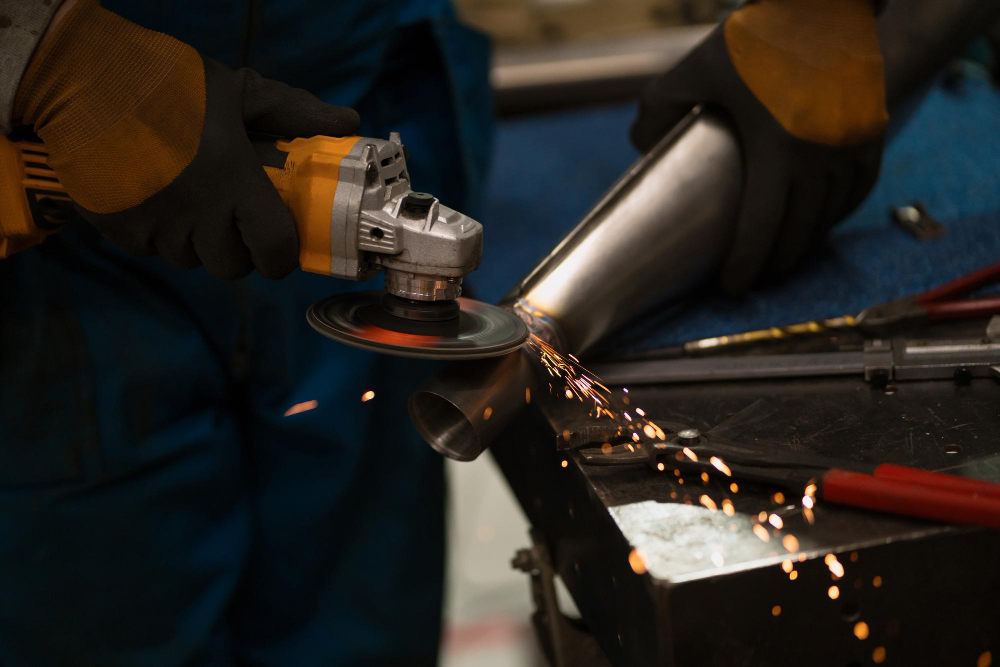
Deforming metal multiplies dislocations until they obstruct one another, which raises strength and reduces the capacity for further deformation.
That is why repeatedly bending wire eventually snaps it. Work hardening is strengthening that consumes its own mechanism.
7. And Heating It Resets That
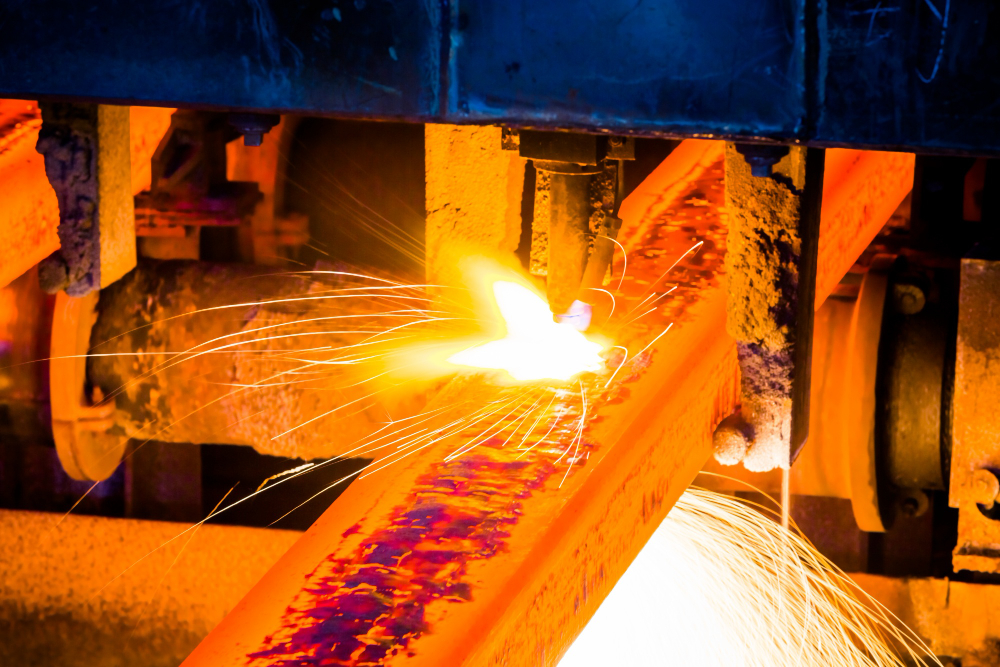
Sufficient heat allows the crystal structure to reorganise, removing accumulated dislocations and restoring softness and workability.
It is the undo operation. Annealing is why metalworking is possible in stages.
8. Brittle Materials Have No Escape Route
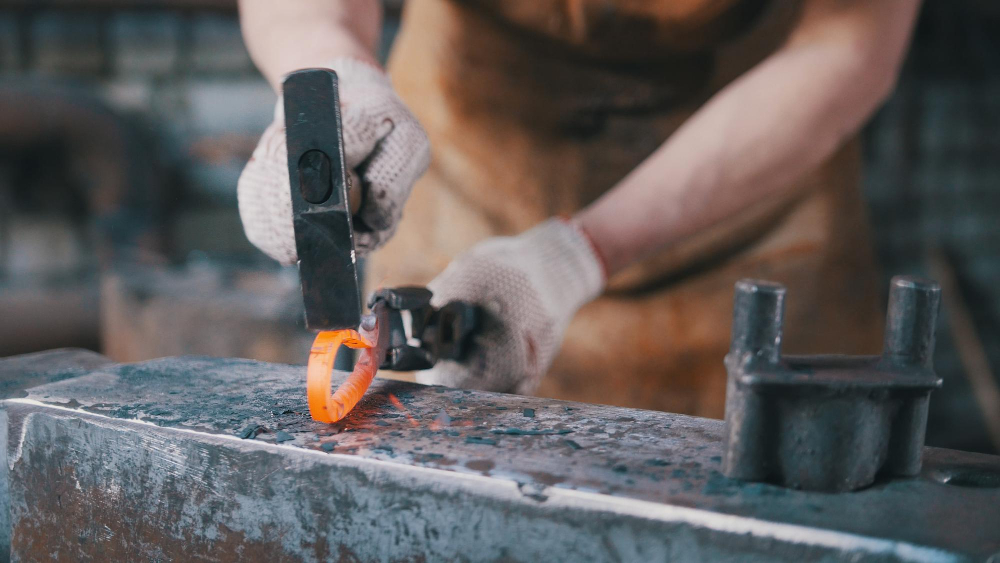
Glass and ceramics have no equivalent mechanism for progressive slip, so applied stress cannot be relieved by deformation and goes instead into breaking bonds at whatever flaw is worst.
There is no bending stage before failure. Absence of plasticity is what makes a material brittle.
9. A Crack Tip Concentrates Stress Enormously
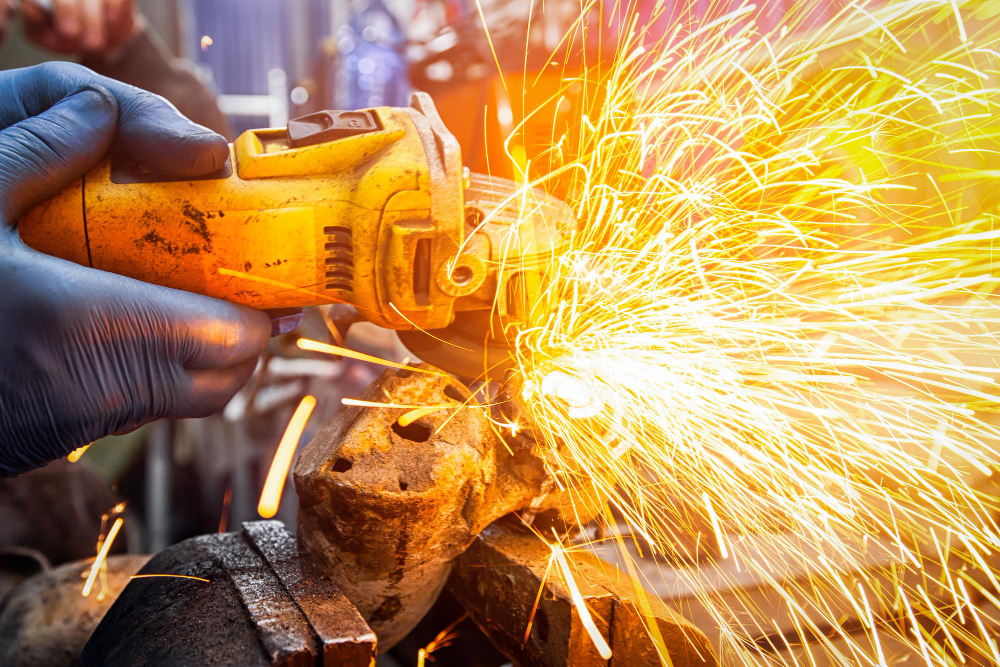
At the end of a crack, the stress is multiplied by a factor depending on how sharp it is, which means a fine crack in a lightly loaded object can experience local stress near the theoretical limit.
Sharpness matters more than length. Stress concentration is why cracks grow rather than sitting still.
10. So the Worst Flaw Sets the Strength
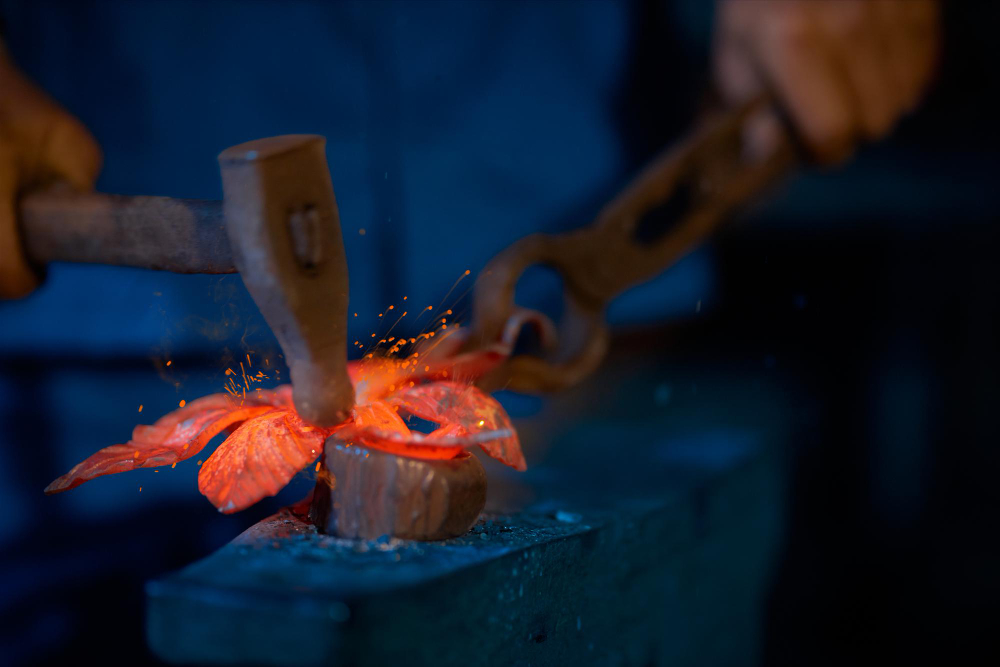
A brittle material fails at its weakest point rather than at some average, which means strength is determined by the largest defect present rather than by the material generally.
Two identical-looking pieces can differ enormously. Flaw dominance is why brittle strength is a statistical quantity.
11. Which Is Why Small Samples Are Stronger
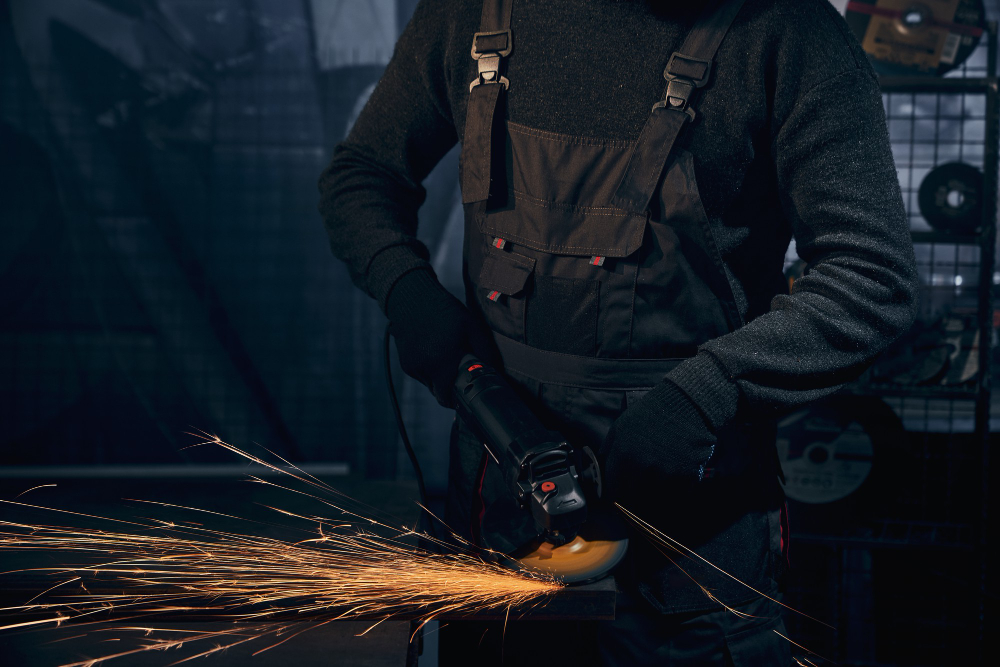
A thin fibre contains a smaller volume and therefore fewer and smaller flaws than a bulk piece, so it achieves a far higher strength for the same material.
The effect is dramatic in glass. Size dependence is the reason fibres outperform blocks.
12. And Why Composites Work
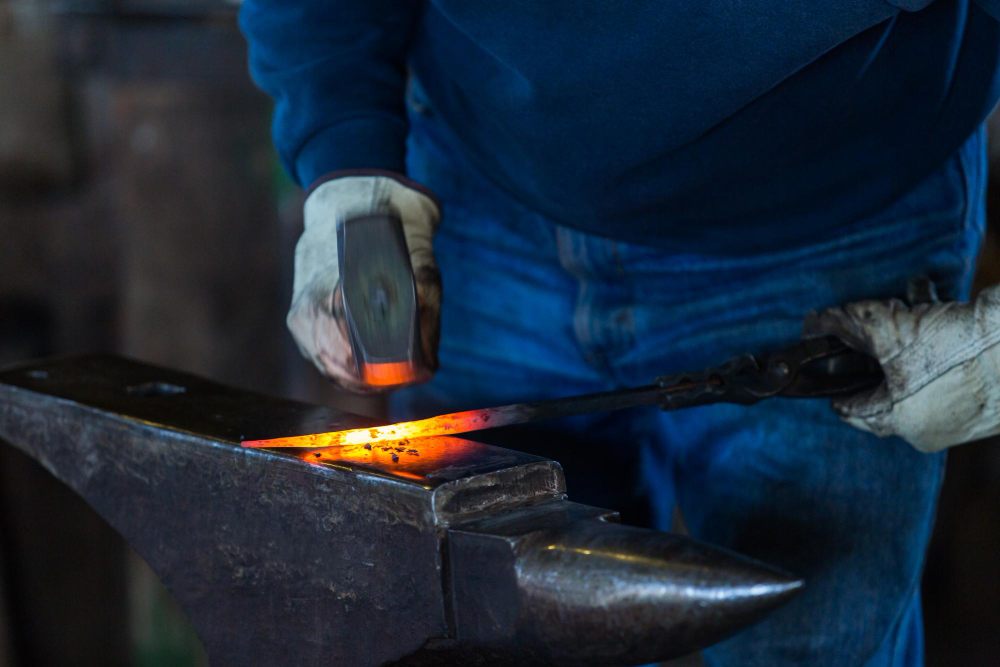
Combining strong fibres with a surrounding matrix means the matrix transfers load between fibres and stops a crack in one from running into the next.
Each fibre fails alone rather than together. Crack arrest is what a composite matrix is actually for.
13. Strength and Toughness Are Different Things
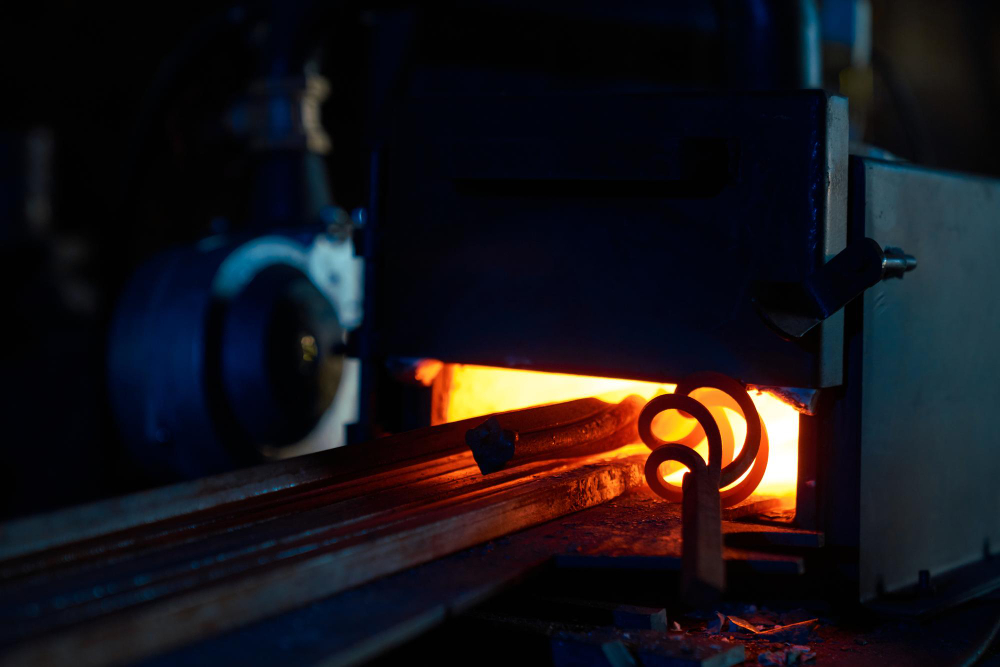
Strength is the load a material bears; toughness is the energy it absorbs before failing. A very strong material that shatters without warning is not tough.
They frequently trade against each other. The strength-toughness distinction is the confusion behind most material choices.
14. Surface Condition Matters More Than It Should
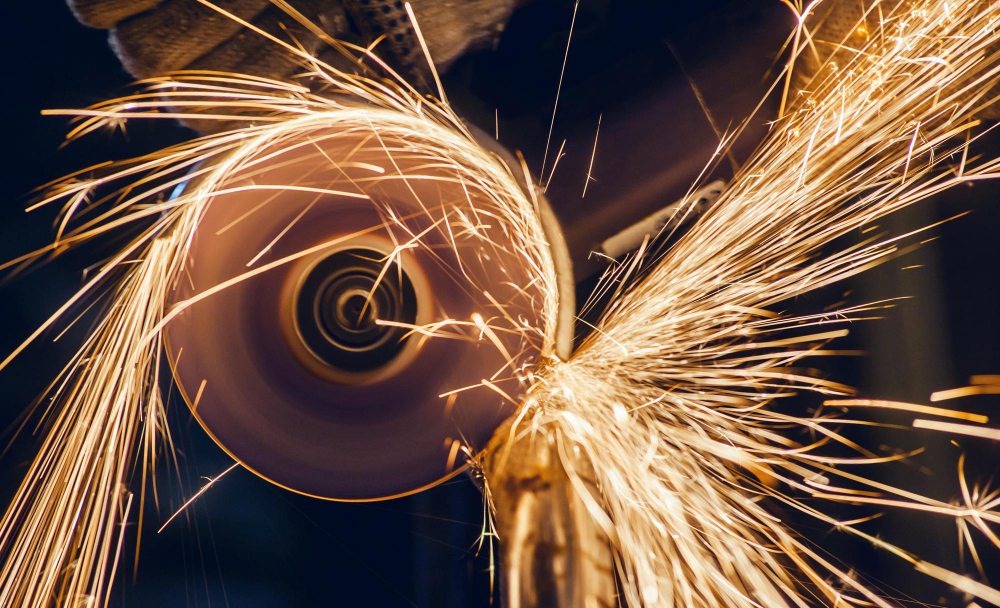
Because cracks start at surfaces, scratches, machining marks and corrosion pits act as ready-made flaw sites, and polishing or treating a surface raises strength measurably.
The interior is generally not the problem. Surface flaws are where failure begins in most components.
15. Repeated Loading Fails Below the Strength
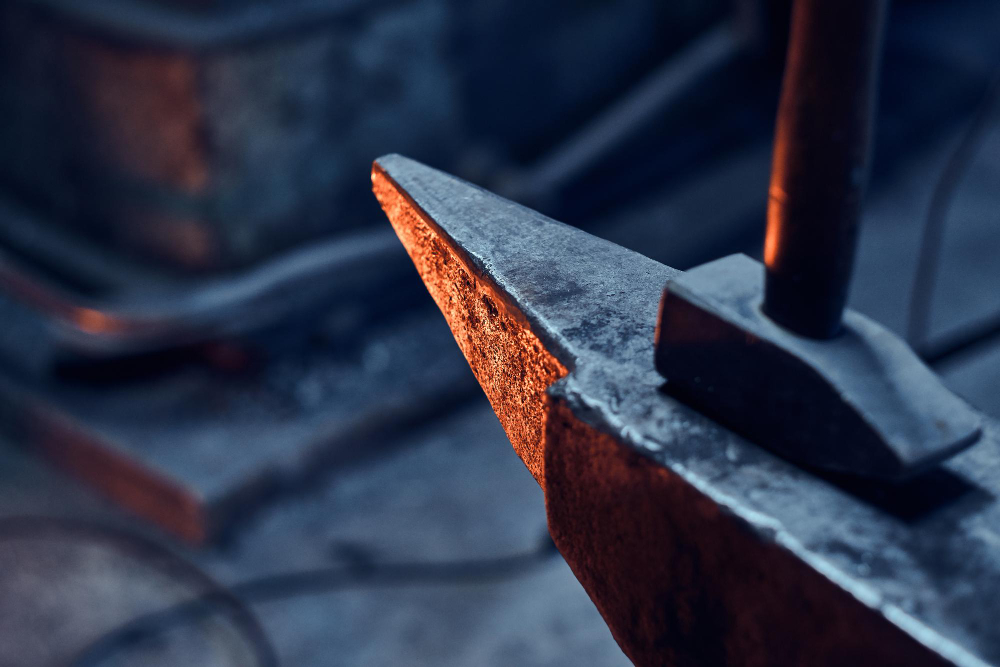
A load far below what a material can bear once will destroy it if applied enough times, because each cycle advances a crack fractionally.
It is the commonest cause of failure in service. Cyclic loading is the mechanism that ignores the static strength entirely.
16. Temperature Changes Everything
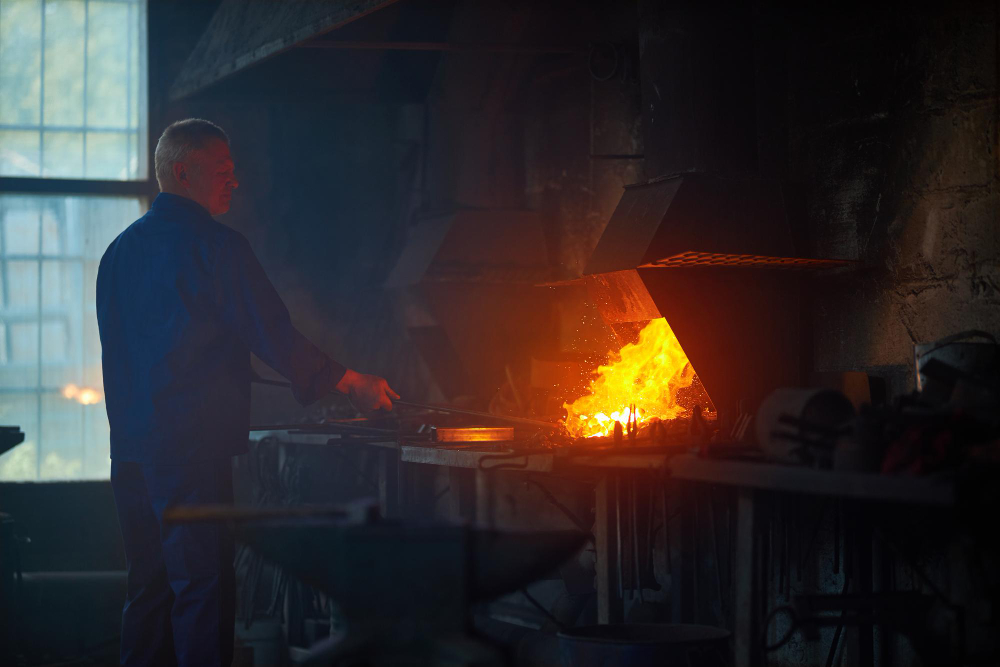
Materials that are tough at ordinary temperatures can become brittle when cold, and metals lose strength and deform slowly under load when hot.
The same material has different properties on different days. Temperature dependence is why strength is a condition rather than a number.
The Gap Between Theory and Reality
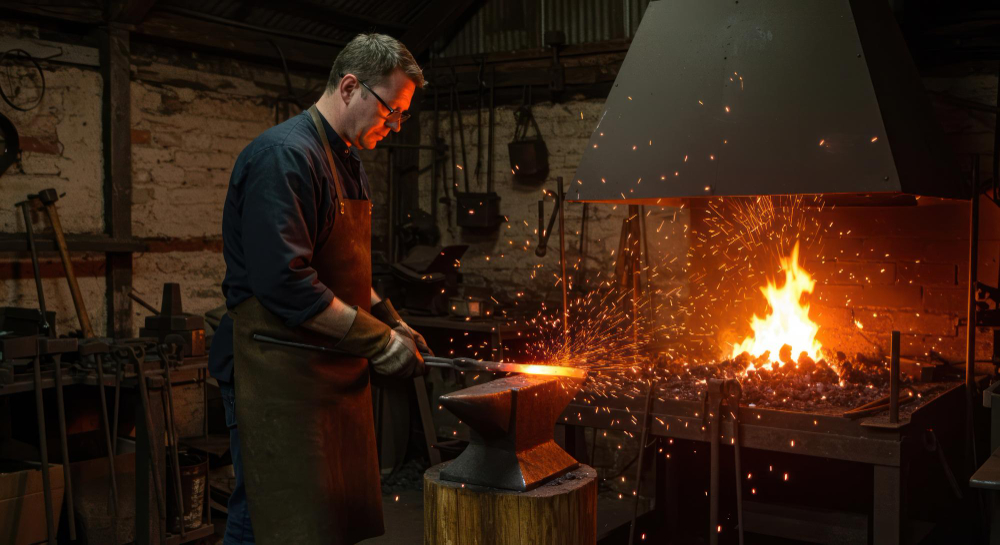
Defects allow progressive failure, cracks concentrate stress at their tips, the worst flaw decides the outcome, and every strengthening method is an attempt to interfere with one of those.
The fourth item is the one worth carrying. The defects that make metal far weaker than theory allows are the same defects that let it bend instead of shattering – which means the most useful property of the most useful class of materials is a direct consequence of their imperfection.
Like our content? Follow us for more.

