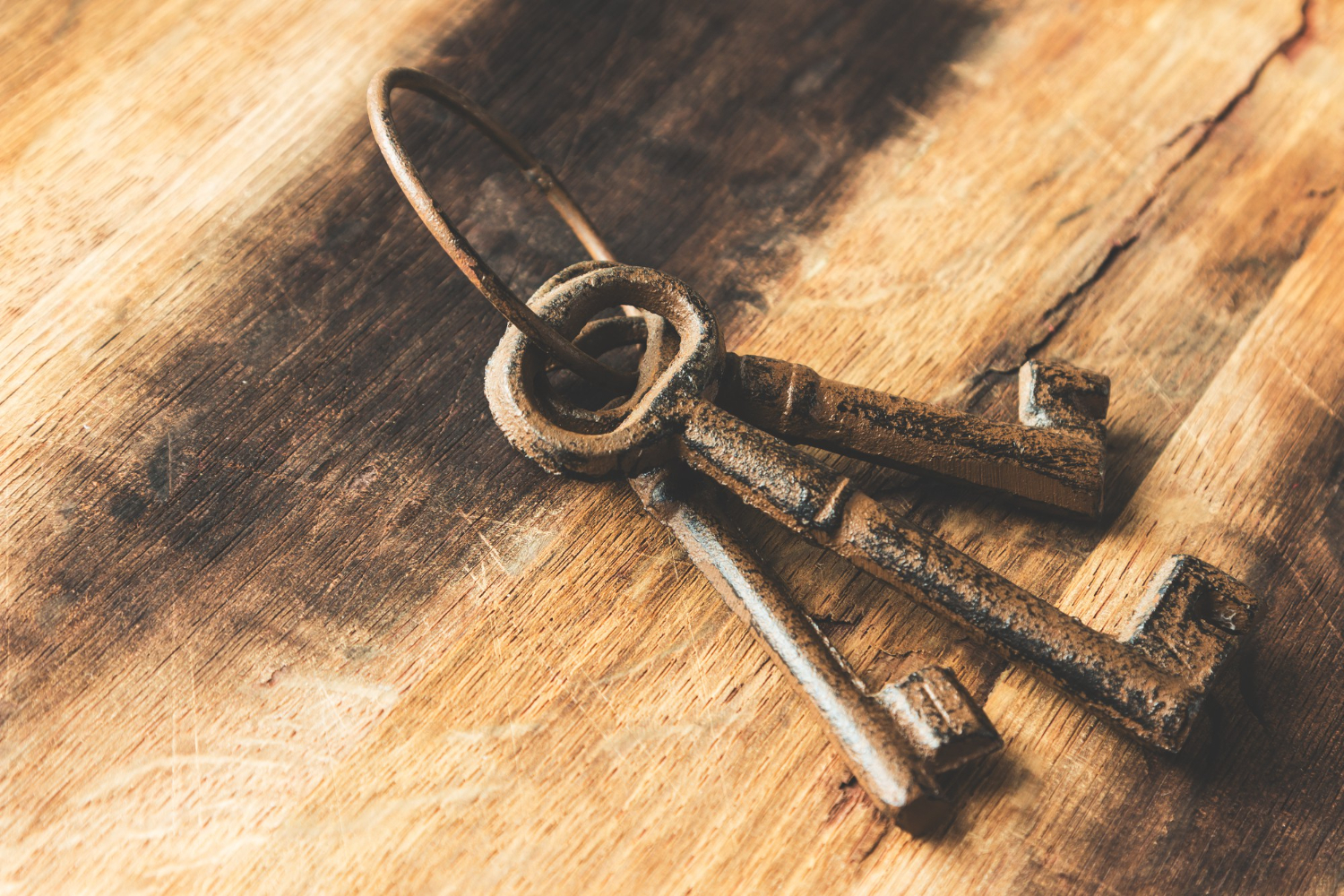
The useful way to read a lock is as a question about what the key is proving. Every mechanism below tests something slightly different, and the differences are the history. Here are eleven.
1. The Wooden Pin Lock
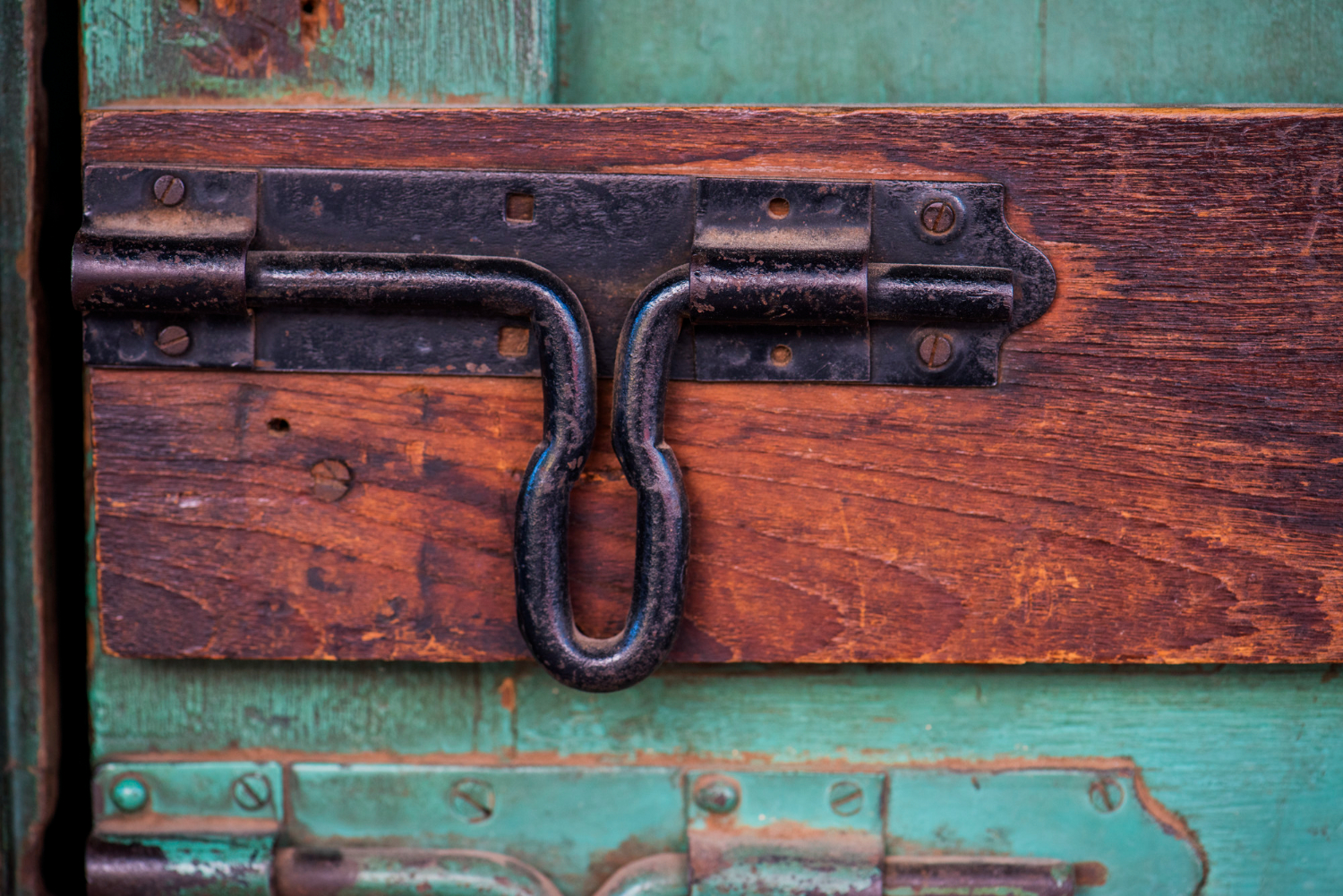
The oldest known mechanism used wooden pins of differing lengths dropping into a bolt, with a key carrying pegs that pushed each one to exactly the right height to release it.
That principle – pins that must all be lifted to a specific position simultaneously – is still the basis of most locks today. The wooden pin lock is the design everything since has been a refinement of.
Like our content? Follow us for more.
2. The Warded Lock
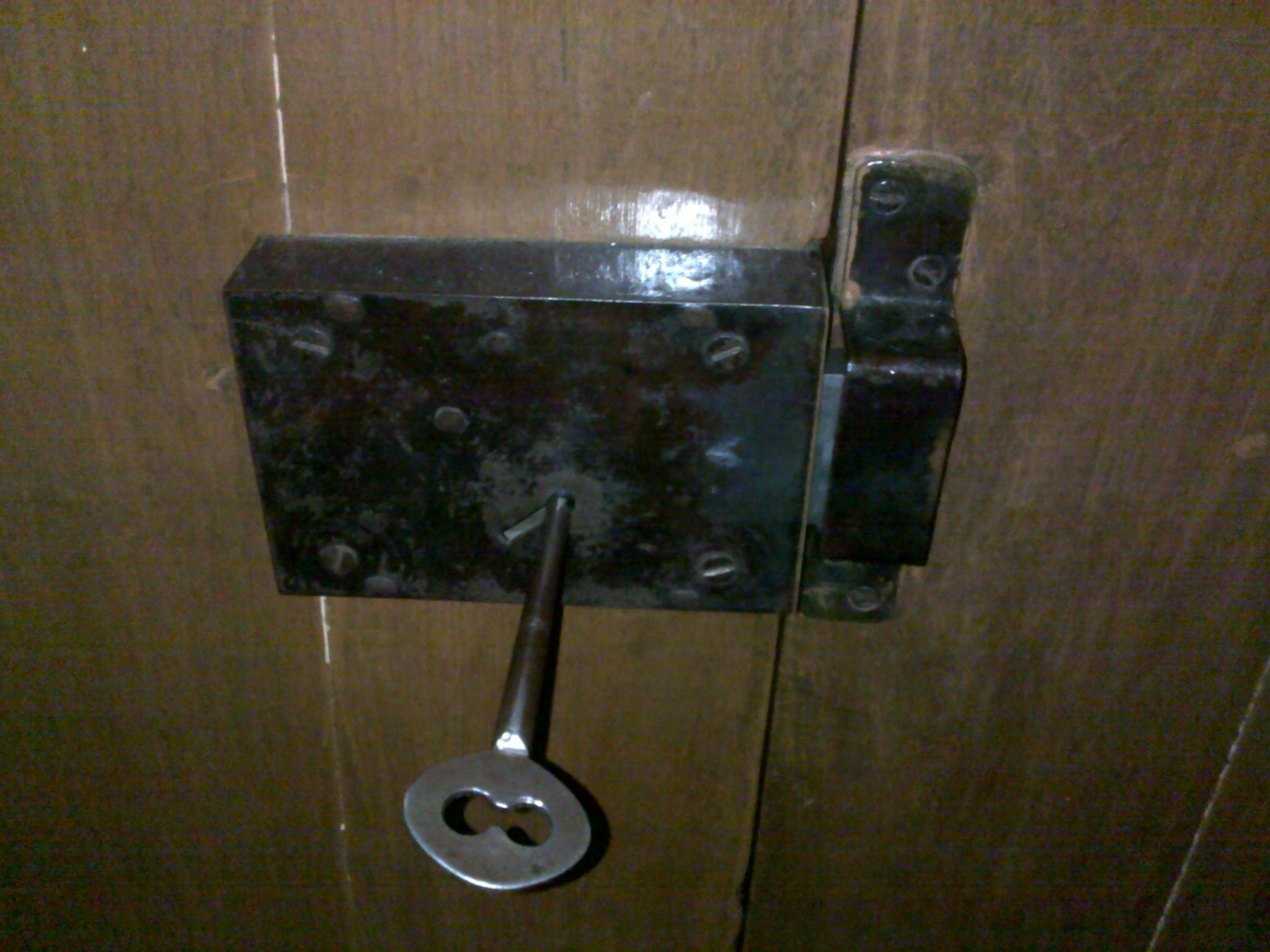
A mechanism using obstructions inside the keyhole, so that only a key cut to avoid them can turn at all, which is where the classic key silhouette comes from.
The distinctive shape of an old key is a map of the obstacles it has to pass. The warded lock is the design that gave the key its recognisable outline.
3. The Pin Tumbler Cylinder
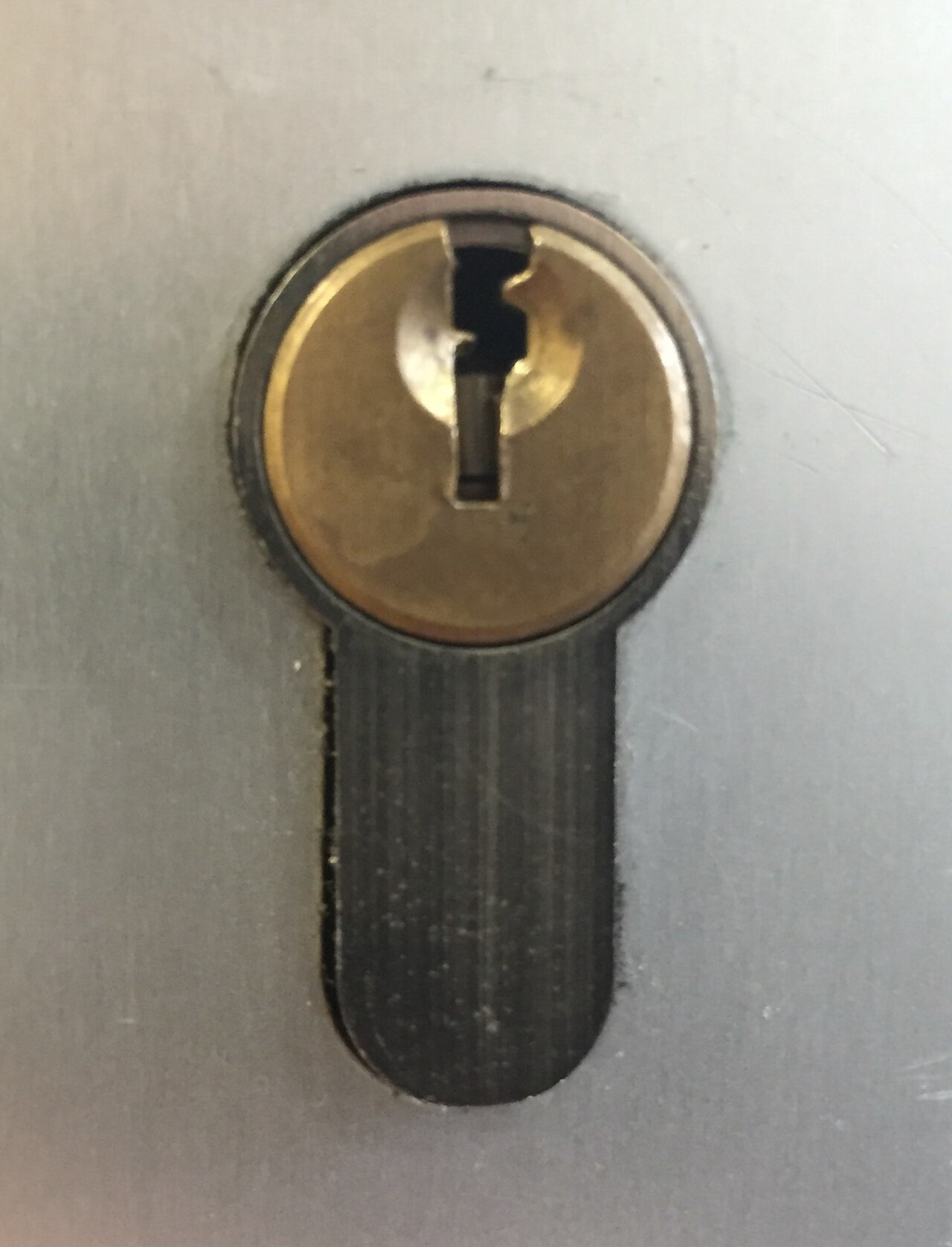
The modern standard: a row of spring-loaded pins of varying lengths that must each be raised to align at a single plane before the cylinder can rotate.
The cuts on a modern key are simply a set of heights. The pin tumbler is the design that turned a key into a physical code.
4. The Lever Lock
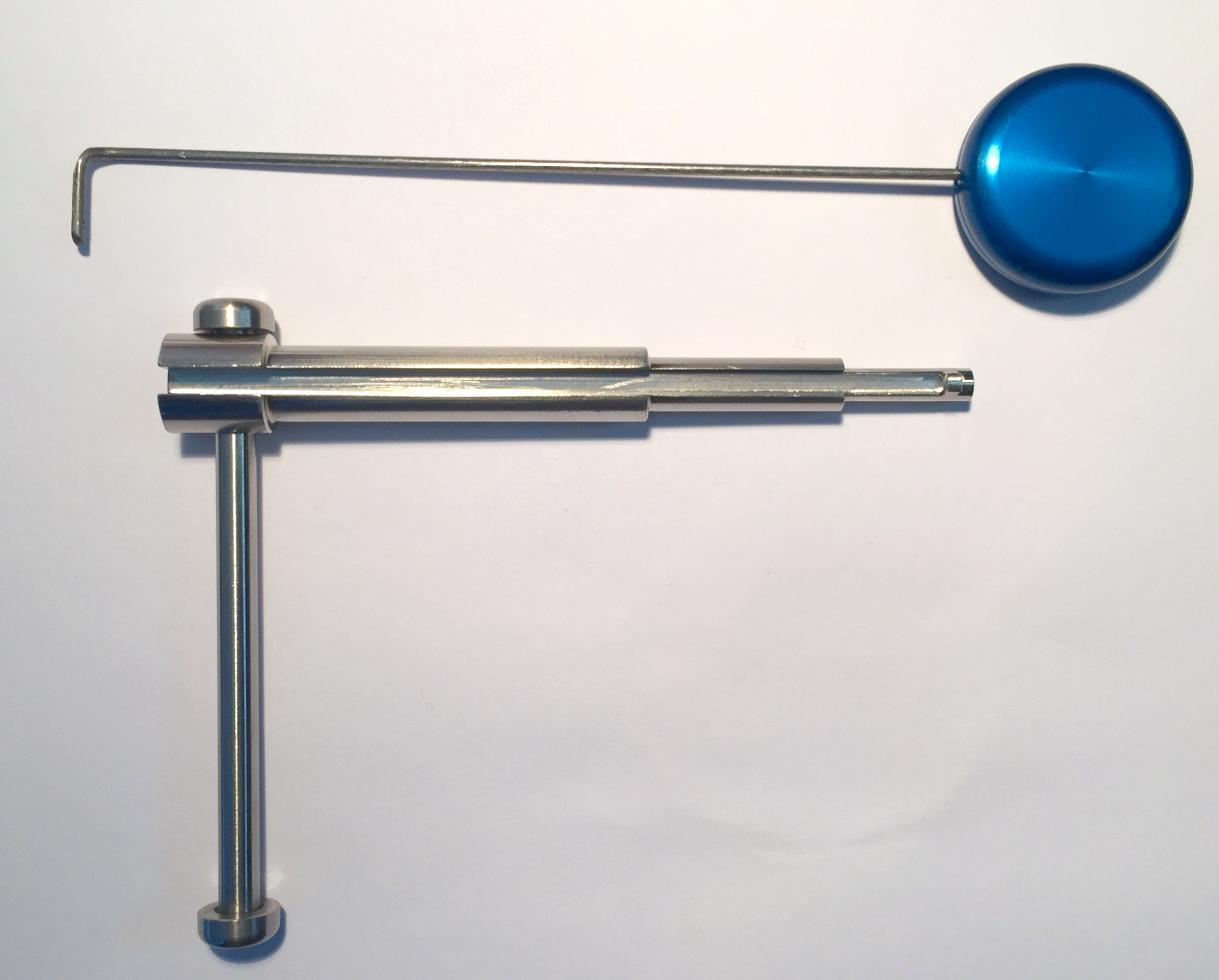
A mechanism using flat levers rather than pins, each of which must be lifted to a different height, common in older doors and in safes.
It produces the heavier, more substantial key associated with old buildings. The lever lock is the design that put the mechanism in the door rather than in a cylinder.
5. The Padlock
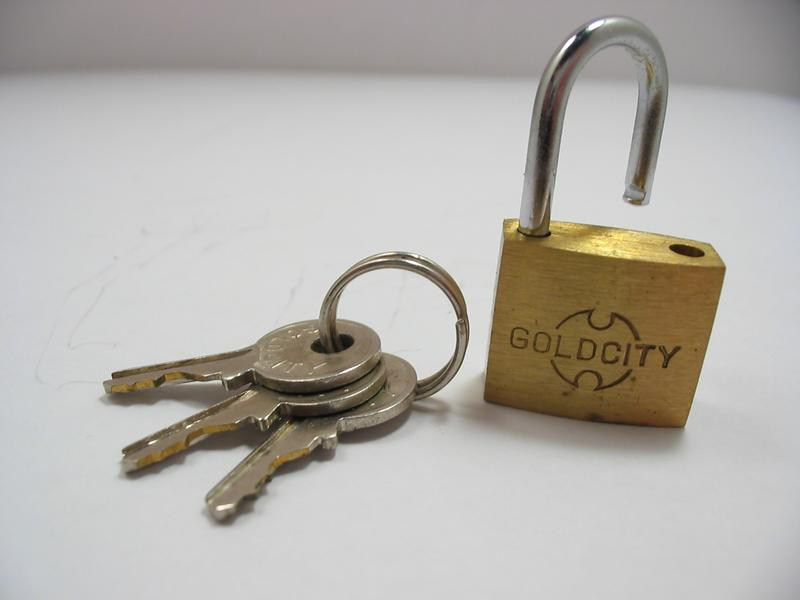
The insight was portability: a lock that is not attached to anything, so the same device can secure a gate, a chest, a chain or a locker.
It moves the security to wherever it is needed rather than requiring a fitted mechanism. The padlock is the design that made security something you could carry.
6. The Combination Lock
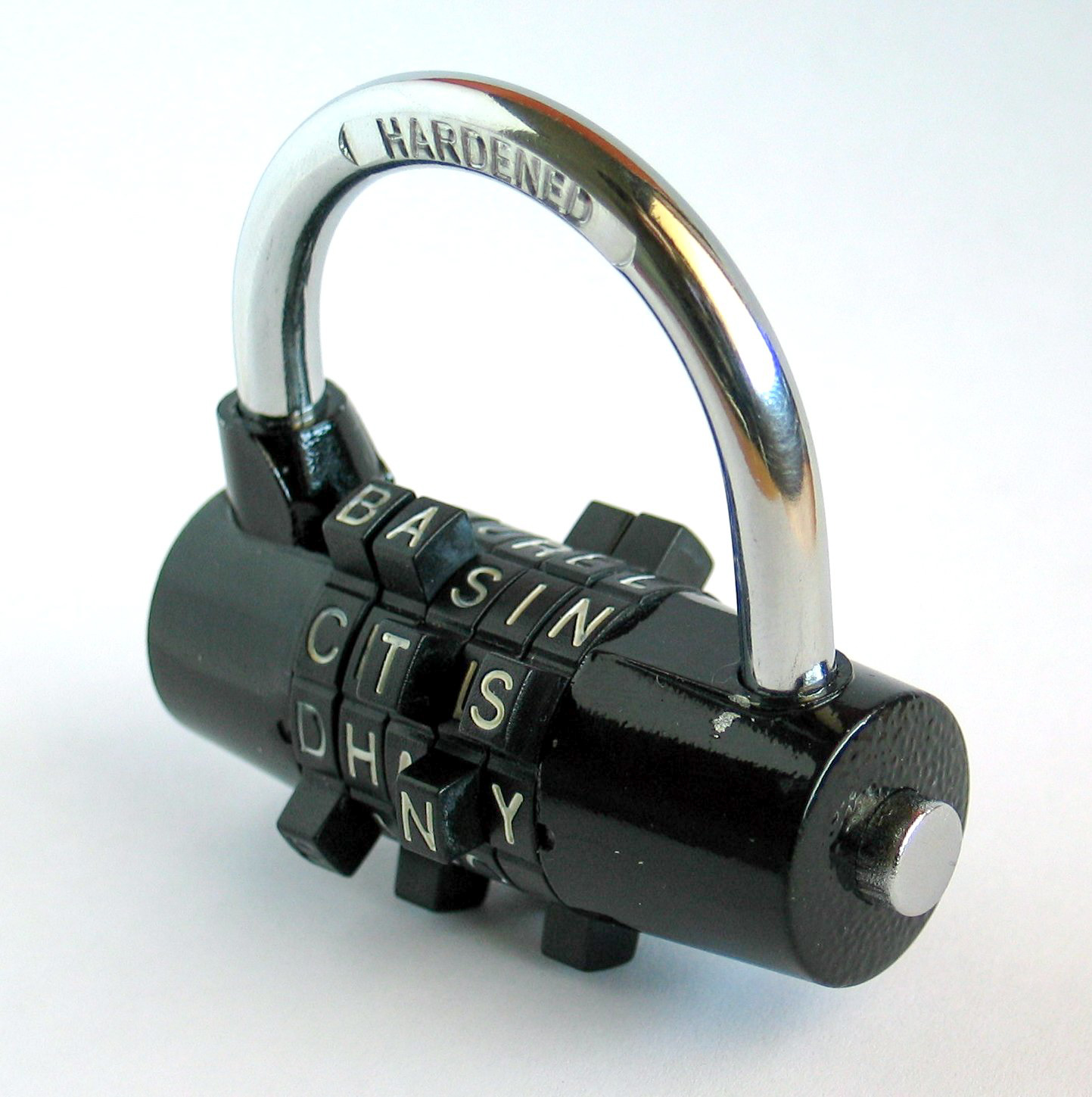
A mechanism with no key at all, where the credential is knowledge rather than an object, using discs that must each be rotated to a specific position.
It solves the problem that a key can be taken, lost or copied. The combination lock is the design where there is nothing physical to steal.
7. The Challenge Lock
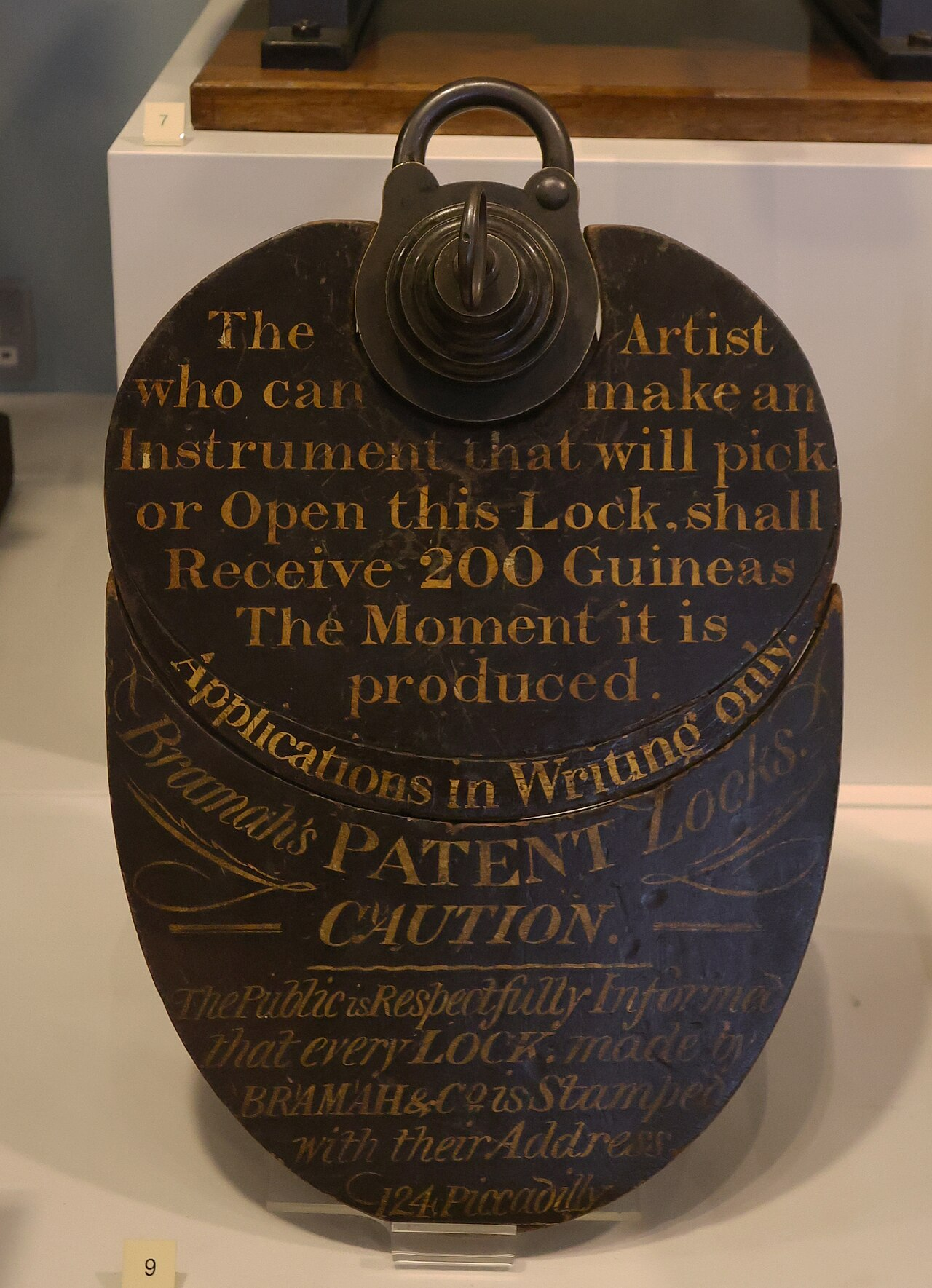
In the early modern period, makers publicly displayed locks with a standing reward for anyone who could open them, as an advertising method and a confidence claim.
Some stood unclaimed for decades. The challenge lock is the design whose selling point was a public wager.
8. The Time Lock
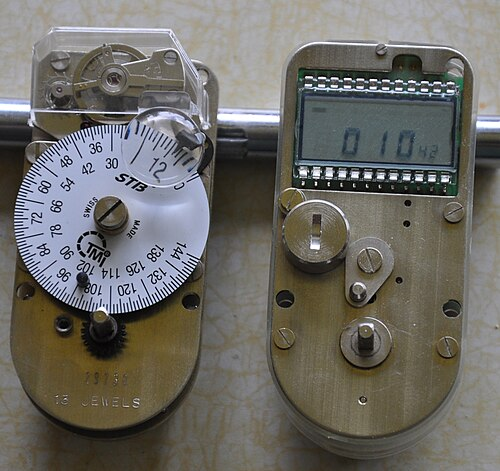
A mechanism that cannot be opened by anybody, including those who know the combination, until a preset moment arrives, using clockwork rather than a credential.
It removes the possibility of anyone being compelled to open it outside those hours. The time lock is the design that protects people rather than only property.
9. The Master Key System
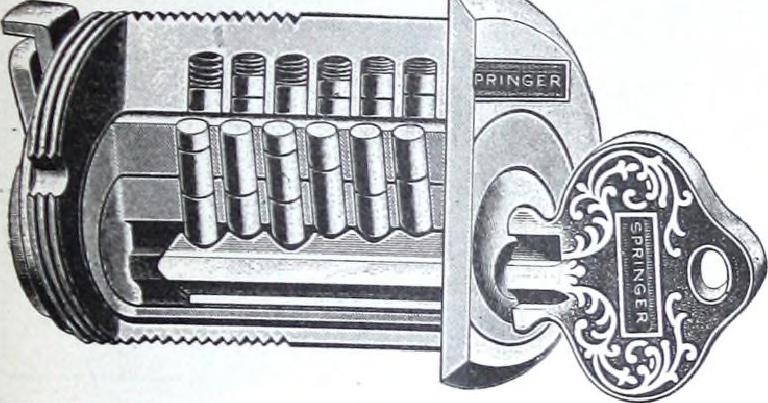
A hierarchy where one key opens many locks and each individual key opens only one, achieved by giving the mechanism more than one valid position.
It solves an organisational problem rather than a security one. The master key system is the design built for buildings with a caretaker.
10. The Multi-Sided Key
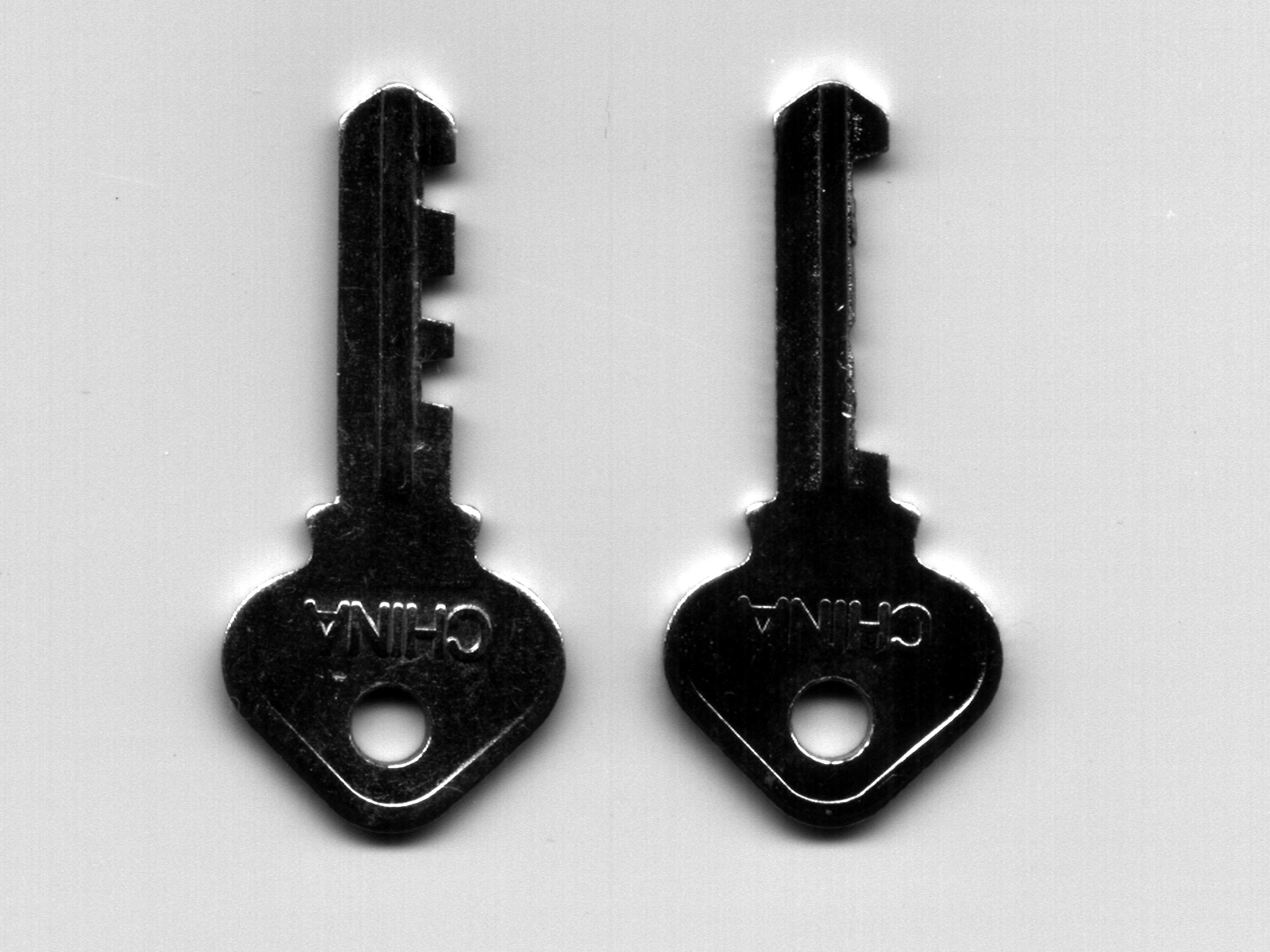
Designs where cuts appear on several faces of the key rather than one edge, multiplying the number of possible combinations substantially.
More faces means more information encoded in the same small object. Multi-sided keys are the design that increased complexity without increasing size.
11. The Electronic and Hybrid Lock
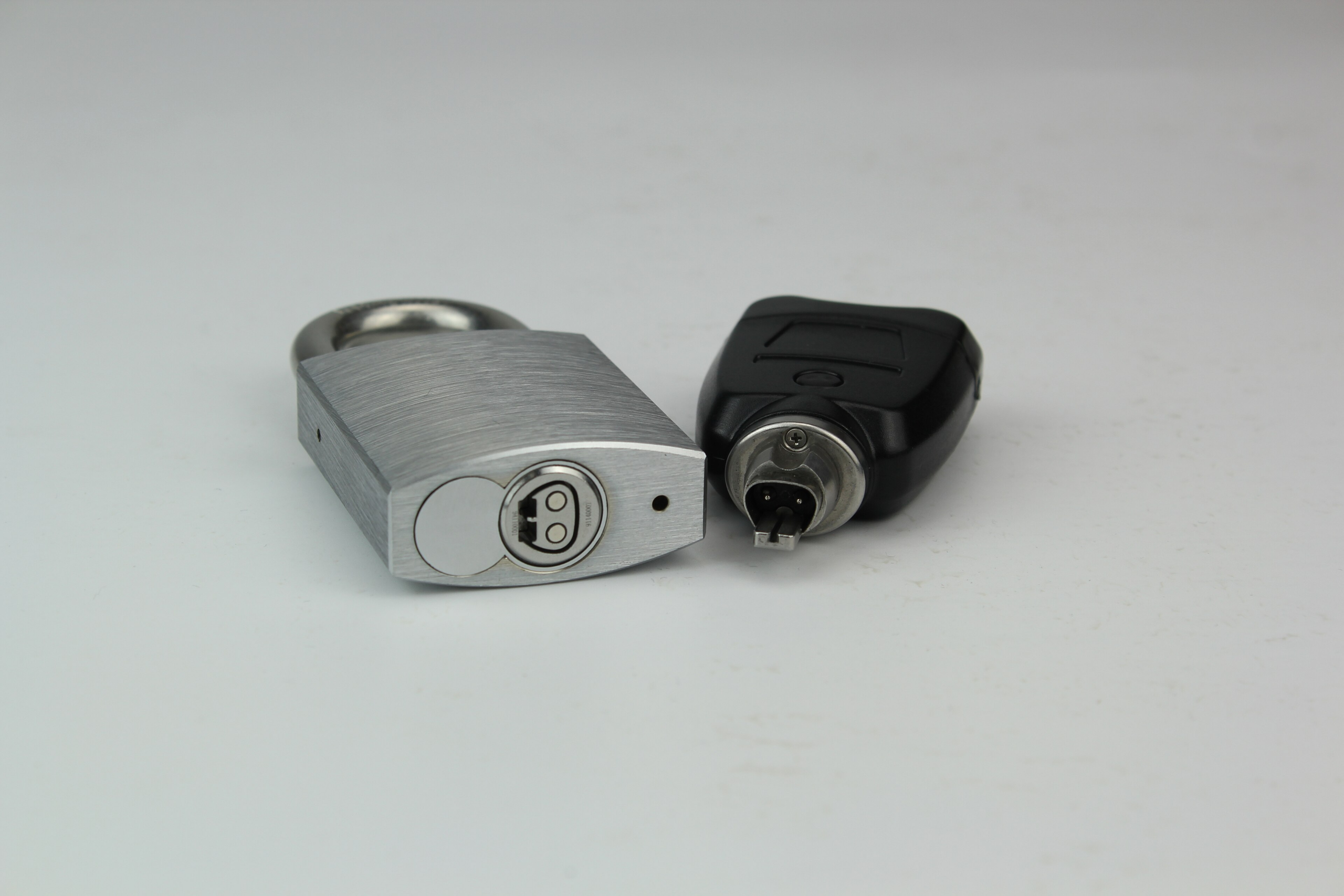
Modern mechanisms where the physical key carries information as well as a shape, or where a credential is presented electronically and the mechanism is released by a motor.
The lock becomes a system that can be reprogrammed rather than an object that must be replaced. Electronic locks are the design where the credential can be changed without changing the door.
A Very Small Machine With One Question

Every mechanism here is asking the same thing in a different way: does whoever is at the door possess the specific piece of information this device requires. The forms differ enormously and the question does not.
What is striking across the whole history is how little the underlying idea has changed. A row of wooden pins dropped into a bolt several thousand years ago, and a modern cylinder does the same thing in brass with springs. The materials improved, the tolerances tightened, the number of possible combinations grew enormously – and the question the machine asks at the door is exactly the one it asked then.
Like our content? Follow us for more.