
Weaving was invented independently in every inhabited part of the world, which is a strong indication that the problem has a limited number of solutions. Here are eleven of the problems and what people did about them.
1. Keeping the Warp Under Tension
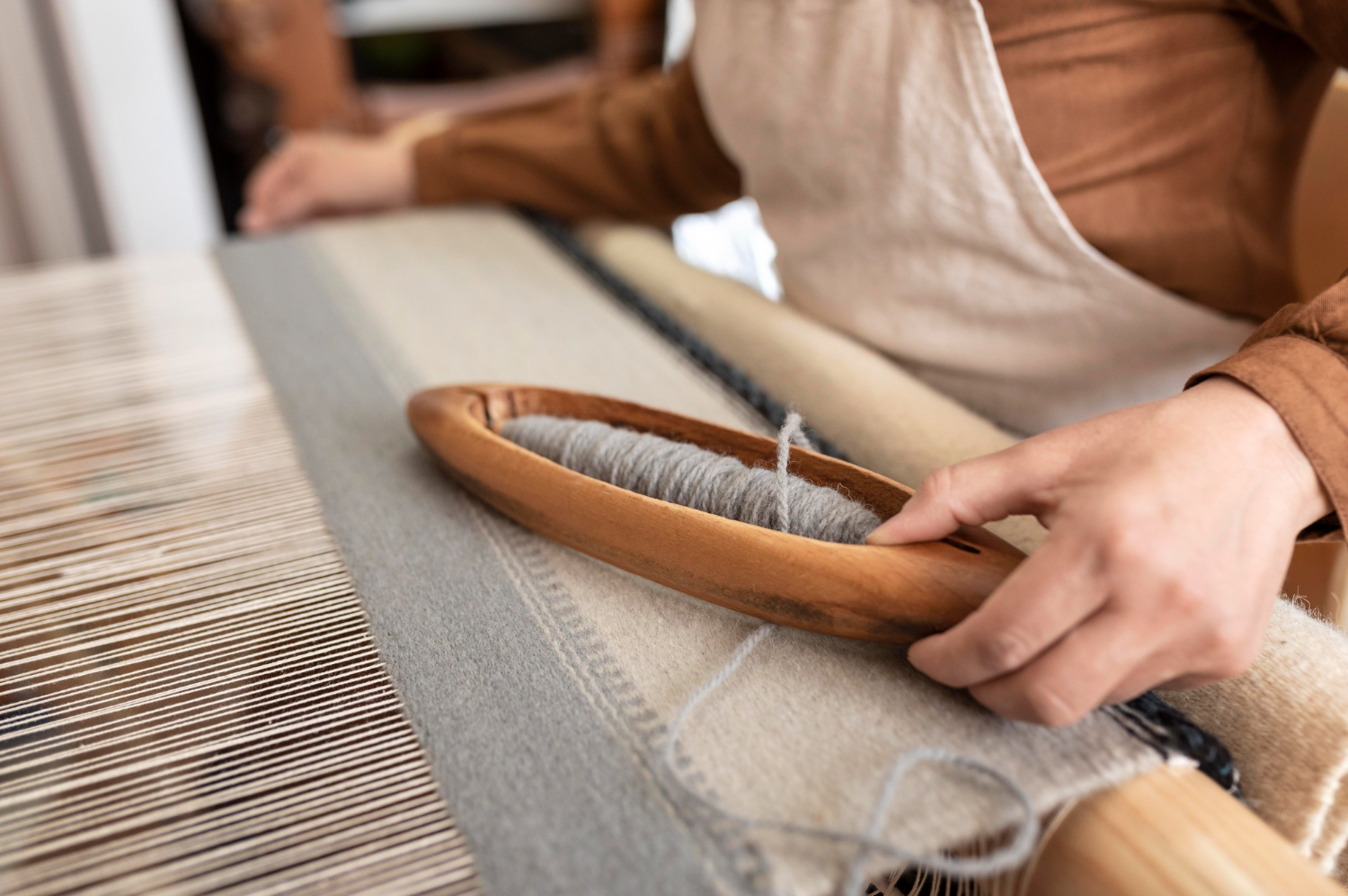
Threads running lengthwise must be held taut and evenly, or the cloth is uneven and the weaving impossible. Every loom in history is fundamentally a tensioning device.
Everything else on a loom is secondary to this. Warp tension is the problem every loom design exists to solve.
Like our content? Follow us for more.
2. Using Your Own Body as the Frame
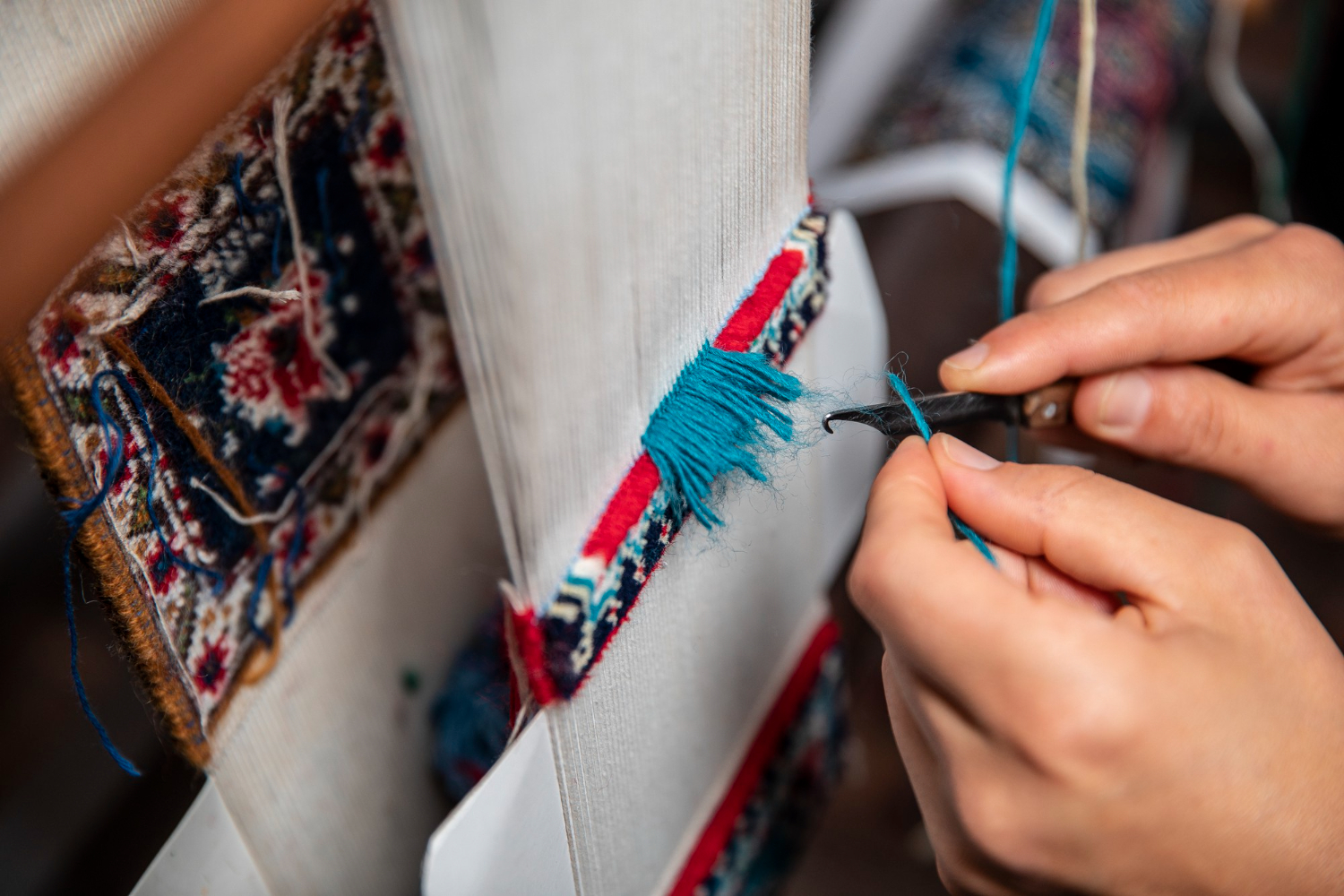
The backstrap loom attaches one end of the warp to a fixed point and the other to a strap around the weaver, so tension is adjusted by leaning back or forward.
It requires almost no equipment and produces extremely fine work. The backstrap loom is the solution where the weaver is part of the machine.
3. Letting Gravity Do It
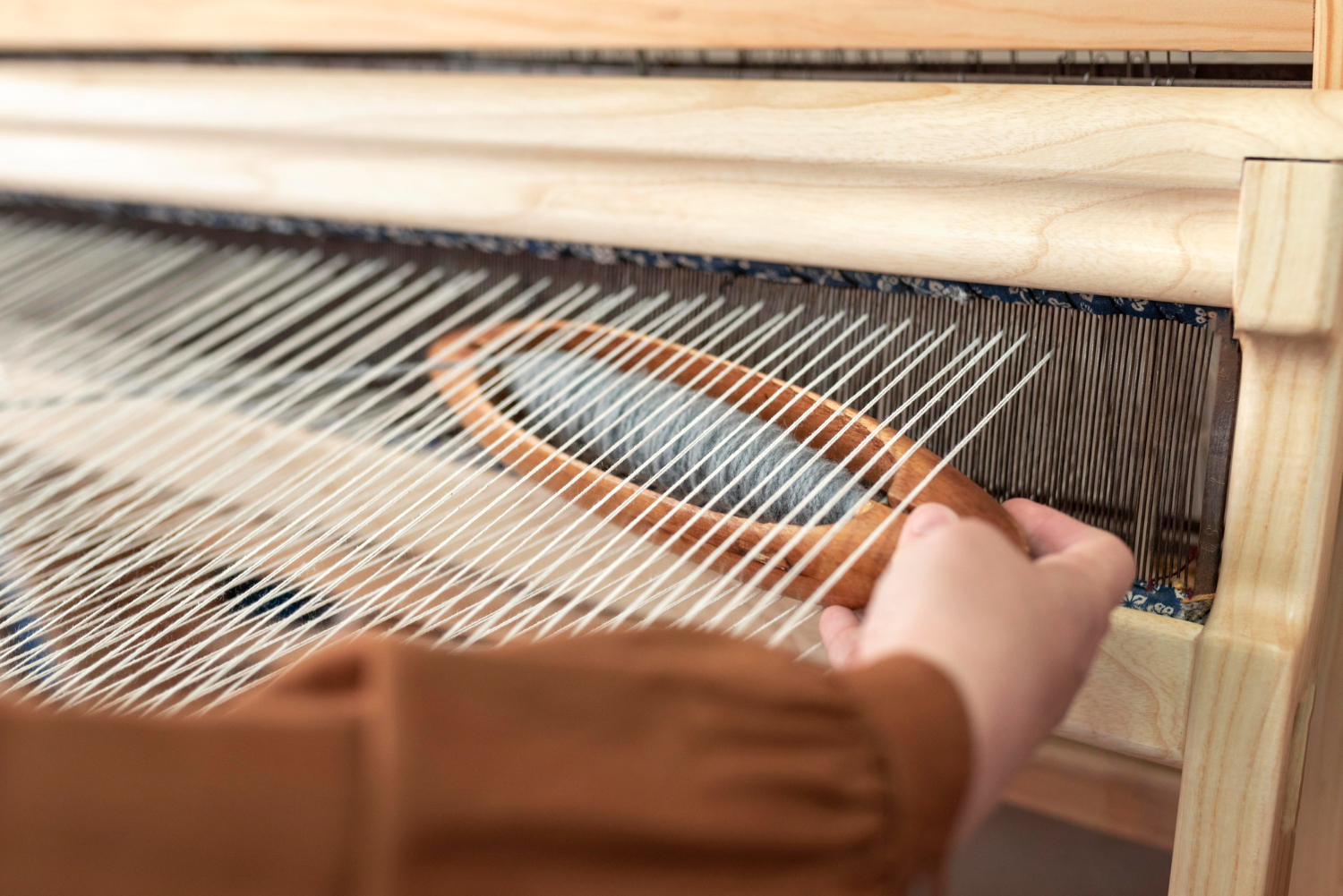
The warp-weighted loom hangs threads vertically with weights tied to the bottom, so tension comes from gravity and requires no frame at all beyond a bar to hang from.
Rows of small stone or clay weights are found at archaeological sites long after the wood has gone. The warp-weighted loom is the solution that leaves evidence behind.
4. Opening a Gap to Pass Through

The weft has to cross the warp, and lifting alternate threads by hand would be impossibly slow, so a mechanism is needed to open a gap in one movement.
That gap is the central mechanical problem of weaving. Opening the gap is the difficulty that separates a loom from a frame with string on it.
5. Controlling Groups of Threads
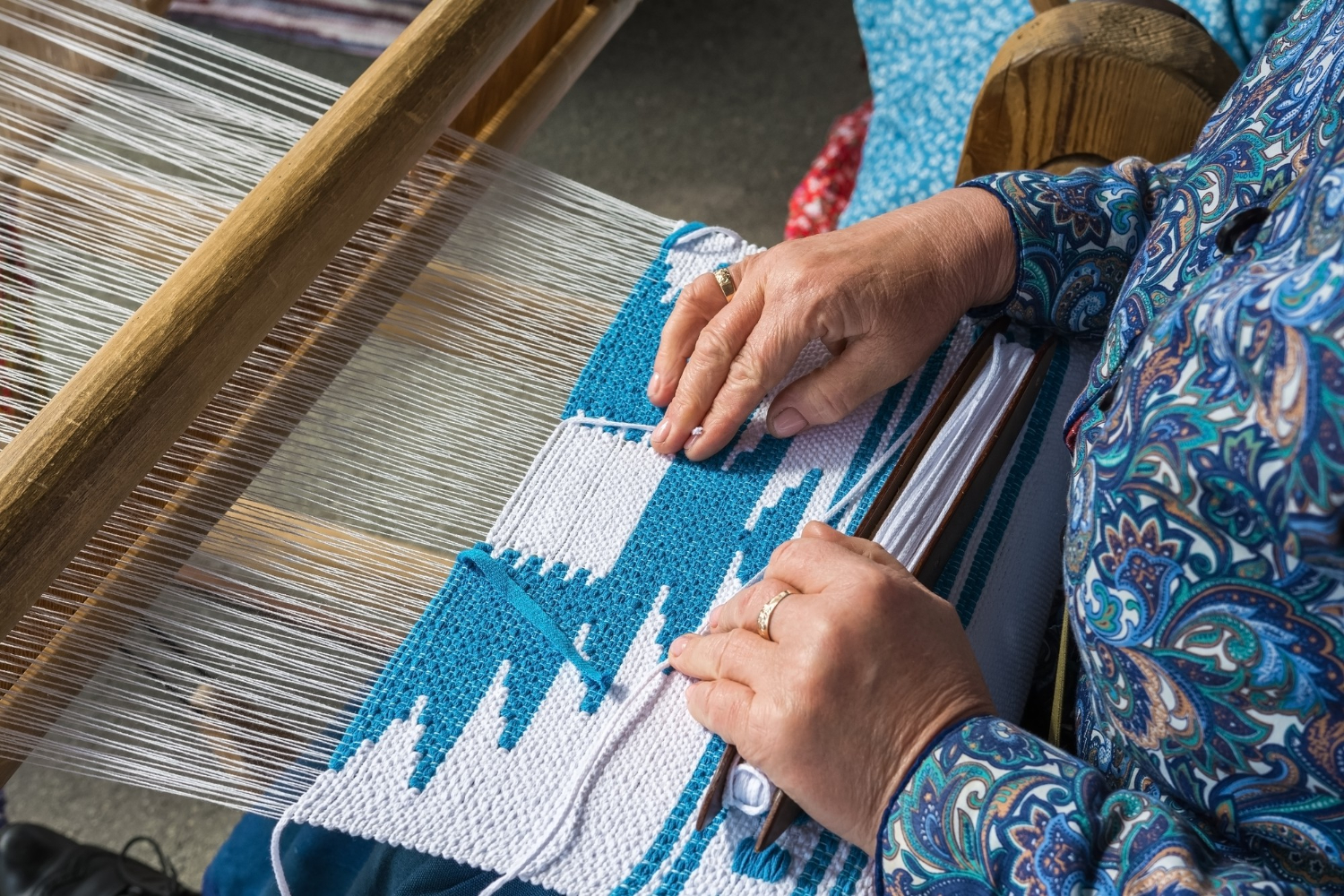
Loops that lift chosen warp threads together allow the weaver to open different gaps in sequence, and the number of separately controllable groups sets the limit on pattern complexity.
Two groups gives plain cloth; more groups gives everything else. Thread grouping is the constraint that determines what can be woven at all.
6. Wanting a Pattern More Complex Than the Loom Allows

Figured weaving with pictorial or elaborate patterns requires controlling threads individually rather than in groups, which mechanical grouping cannot do.
The solution for centuries was a second person sitting above the loom lifting threads by hand to instruction. Individual thread control is the problem solved by employing somebody else.
7. Encoding the Pattern Instead of Remembering It

Replacing the second operator required a way of storing which threads to lift for each row, and the answer was a chain of punched cards read mechanically.
That approach to storing instructions turned out to matter far beyond textiles. Punched pattern control is the weaving solution that became the ancestor of programmable machinery.
8. Turning Loose Fibre Into Thread
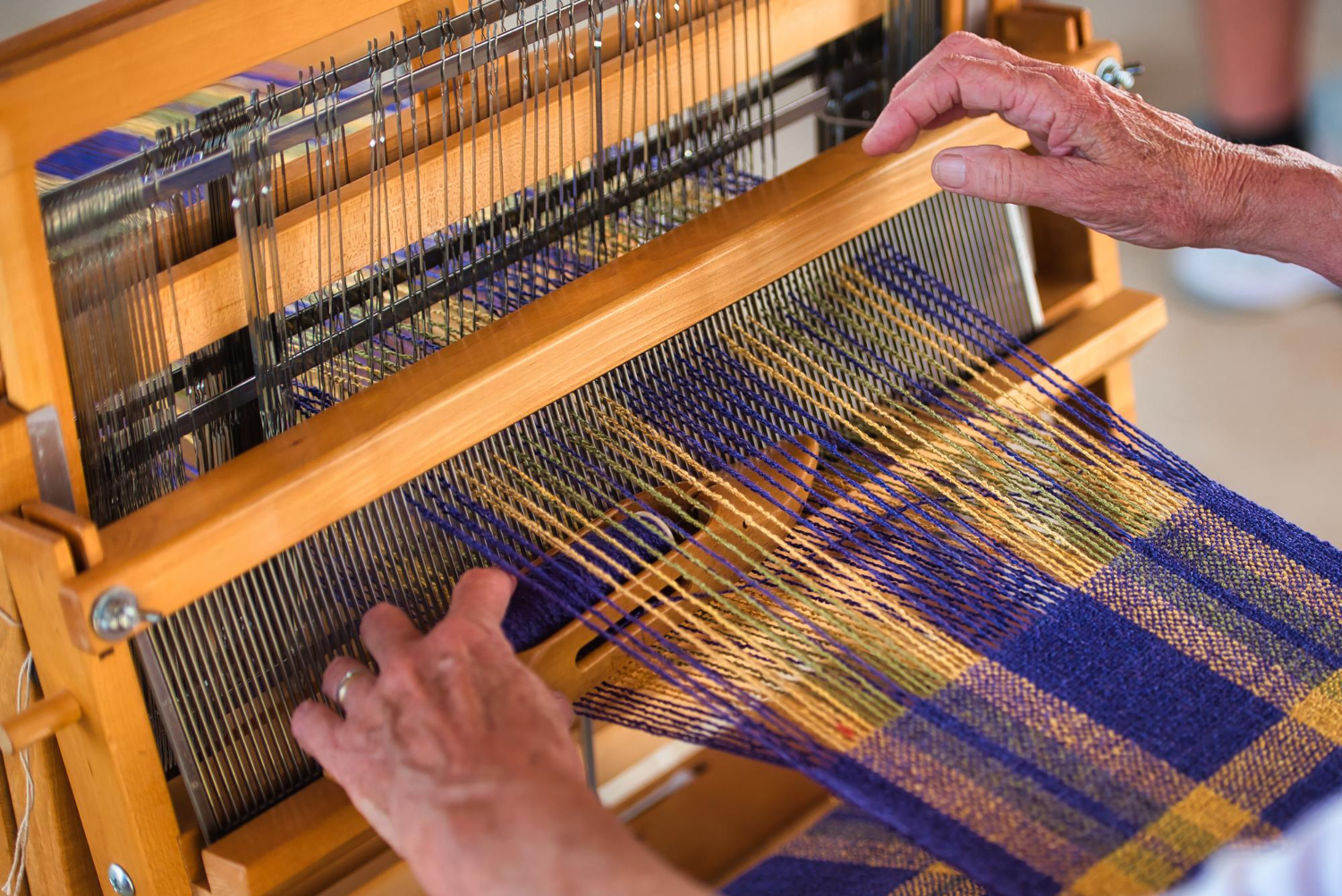
Before any weaving is possible, short fibres have to be drawn out and twisted so they grip one another and form a continuous strand.
Spinning predates weaving and is the more fundamental invention of the two. Making thread is the problem that had to be solved first.
9. Fibres That Are Too Short to Spin Well
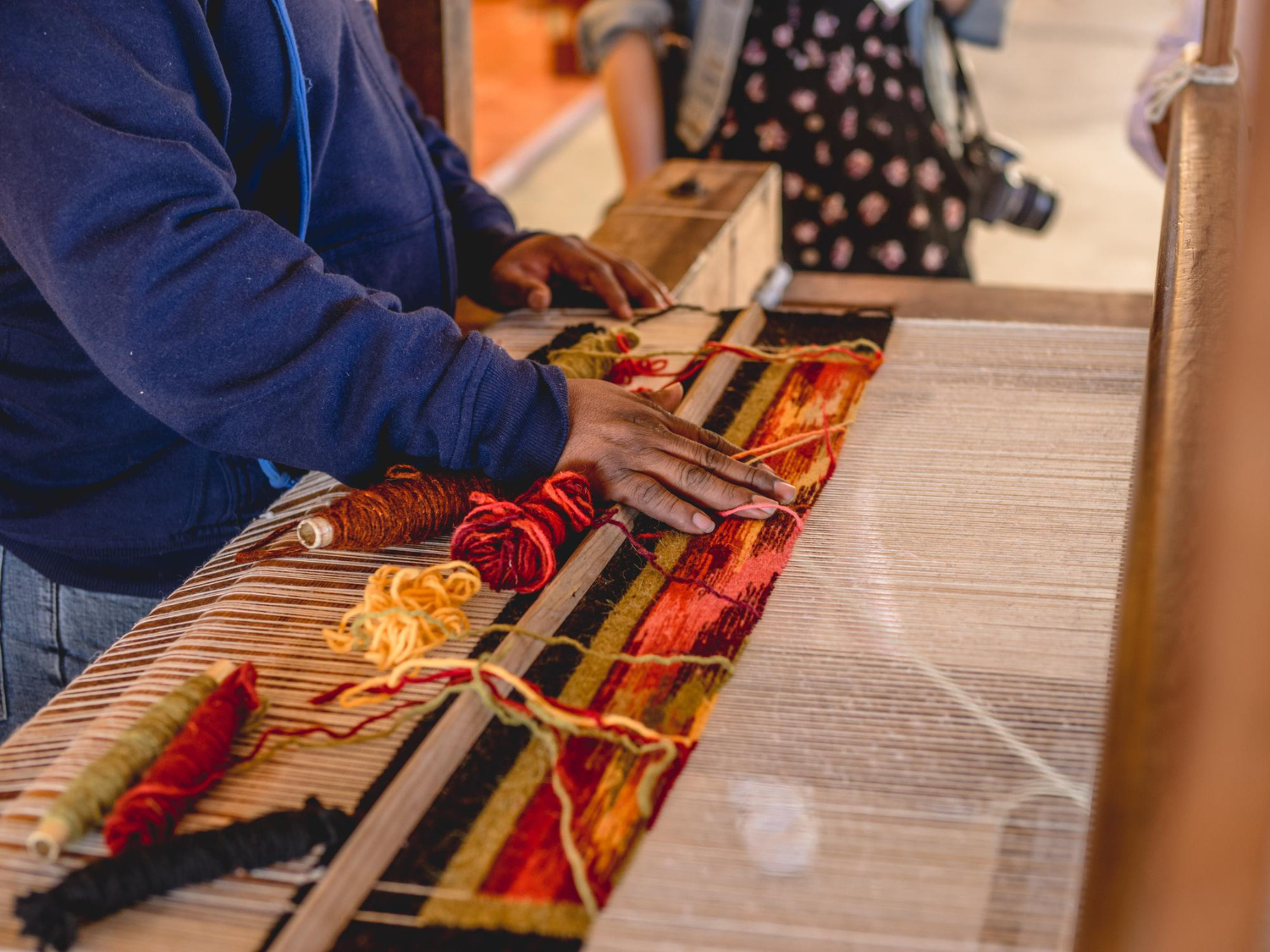
Fibre length determines what can be spun and how, and techniques differ substantially between long smooth fibres and short crimped ones.
The preparation before spinning is largely about getting fibres aligned and consistent. Fibre length is the constraint that shapes the whole process upstream.
10. Making Cloth Without Weaving At All
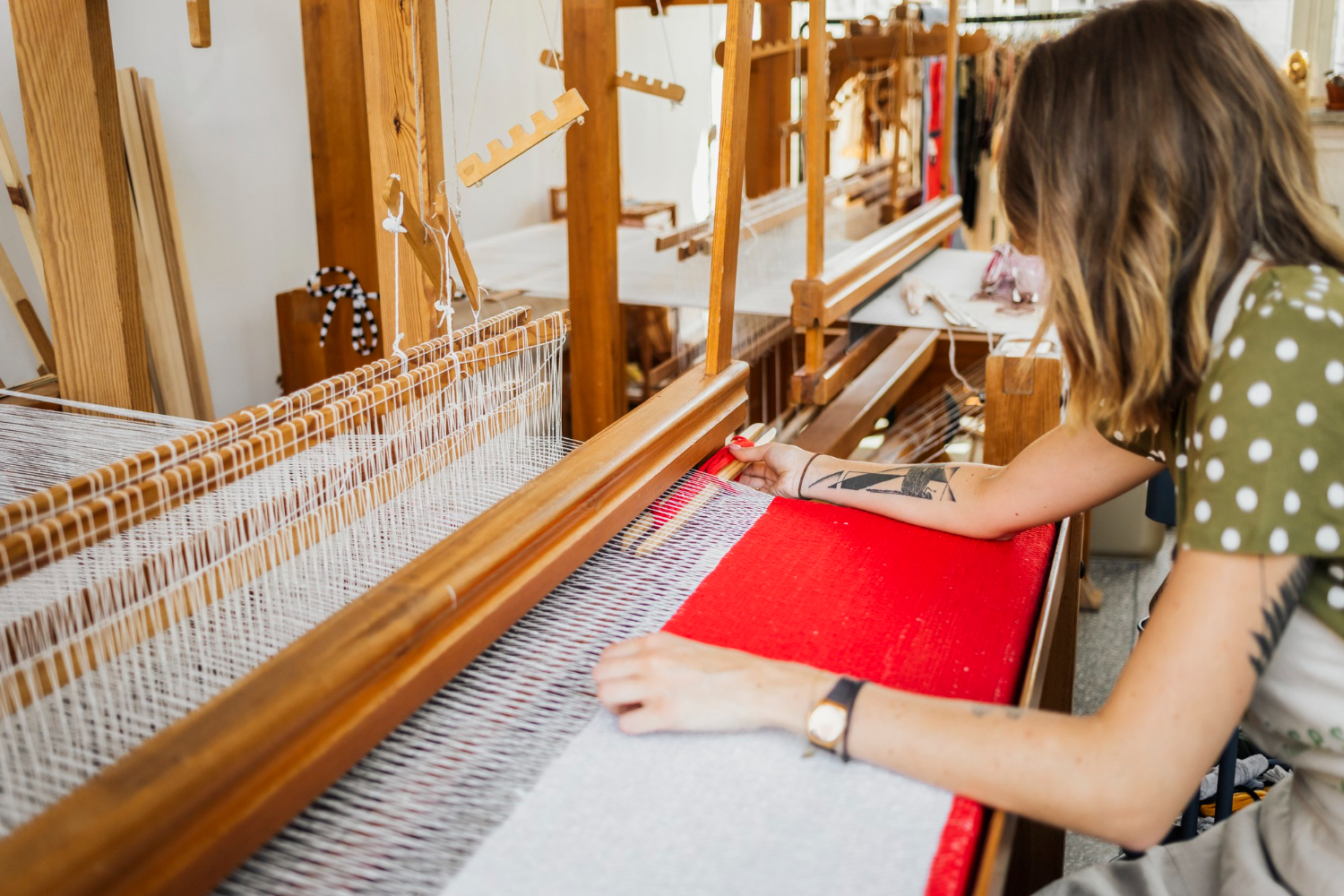
Felt is produced by working fibres together until they interlock permanently, with no spinning and no loom, and is probably older than woven cloth.
It cannot be unravelled because there is no thread to unravel. Felt is the solution that skips both of the other problems.
11. Deciding When to Add the Colour
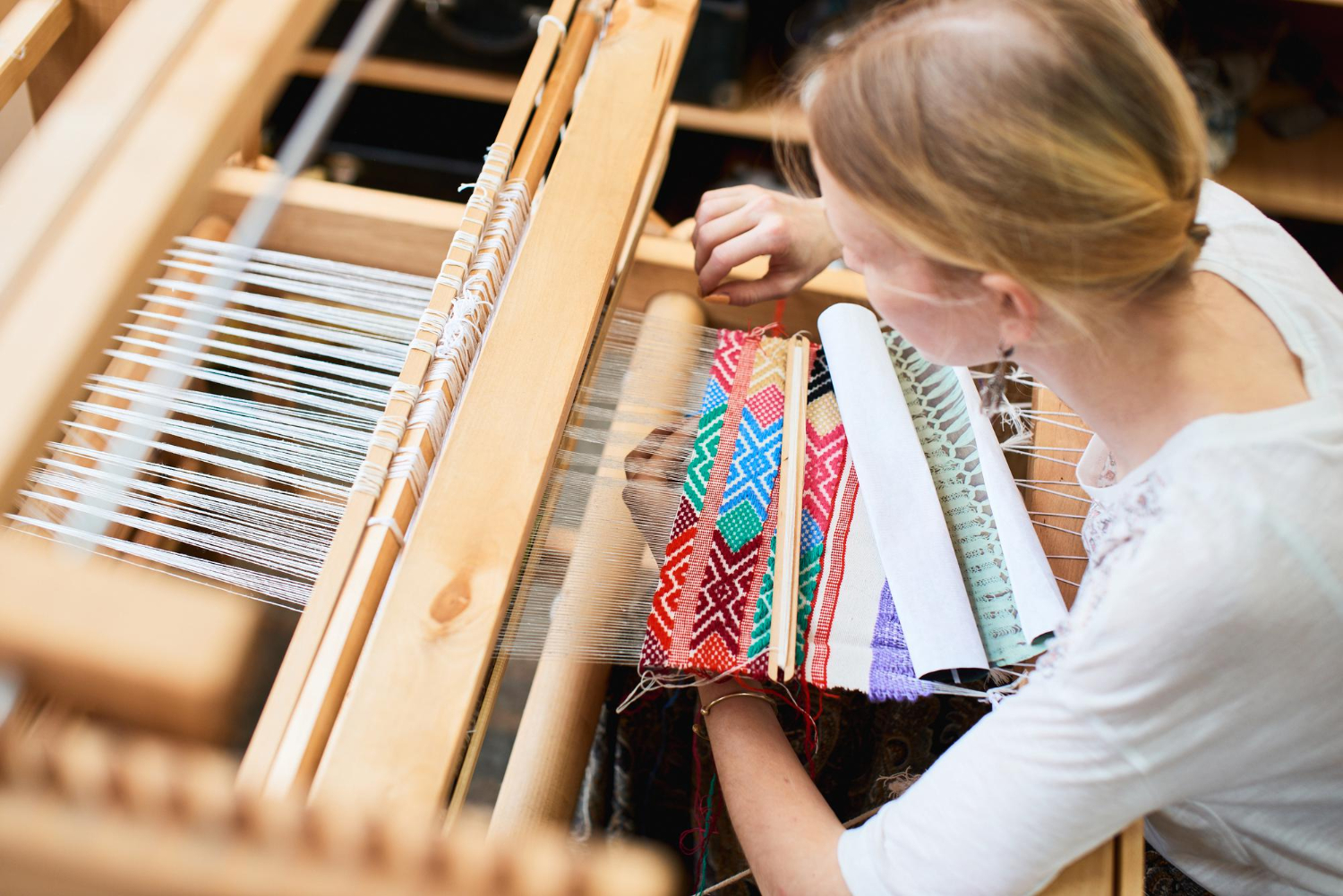
Dyeing the threads before weaving produces patterns built into the structure; dyeing the finished cloth produces patterns on the surface, and the two cannot imitate each other.
Some traditions dye sections of thread in advance so a pattern appears as the cloth is woven. Colour timing is the decision that determines whether a pattern is in the cloth or on it.
One Principle and Eleven Difficulties
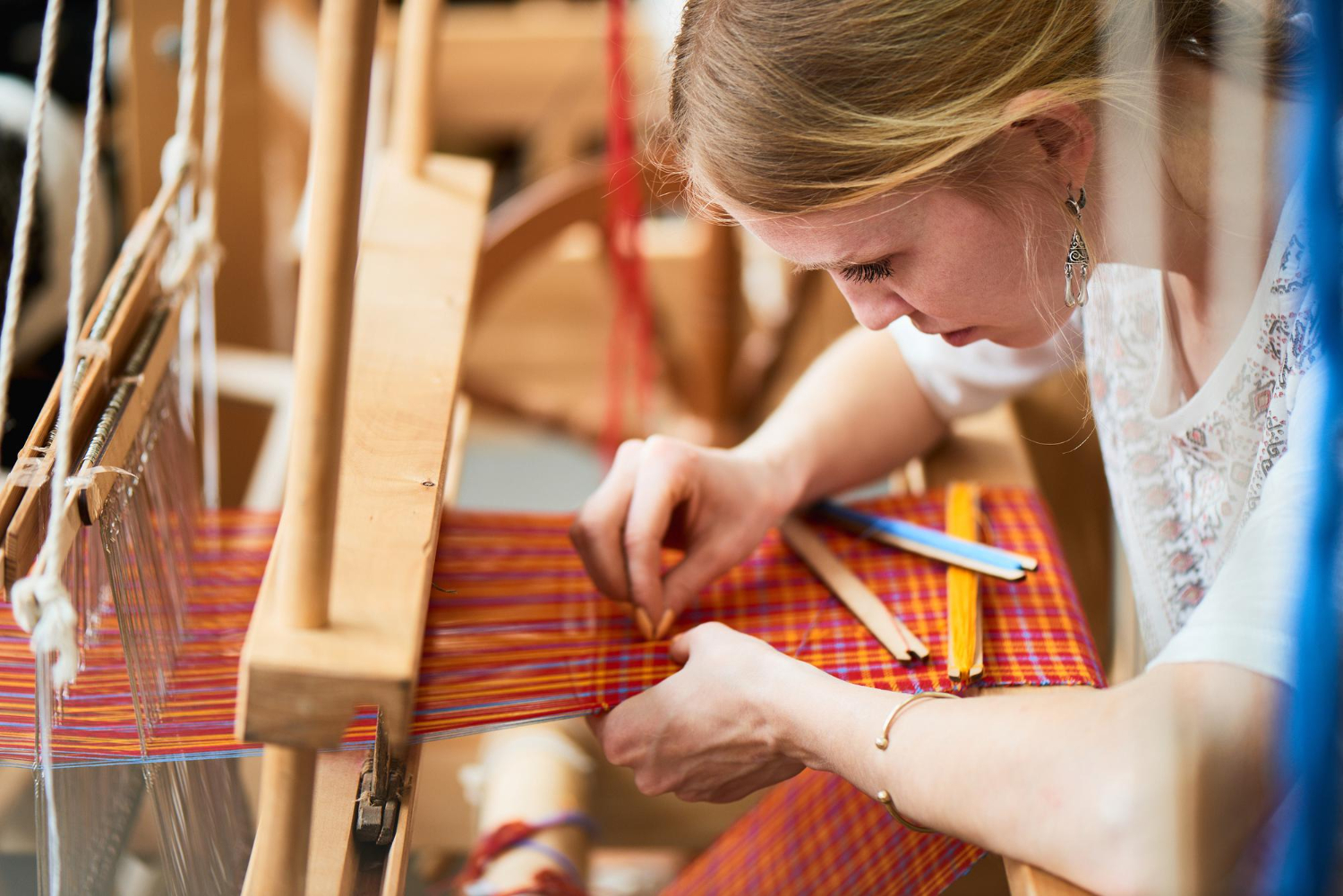
Every loom from a strap around a weaver back to an industrial machine is addressing the same list: hold the warp, open a gap, pass the weft, control which threads lift, and repeat several thousand times.
The detail worth carrying away is the punched cards. A method developed to store weaving patterns – a physical record of which threads to lift, read by a machine, one row at a time – turned out to be a general solution for telling a machine what to do, and the line from that loom to programmable computing is direct. Cloth got there first.
Like our content? Follow us for more.