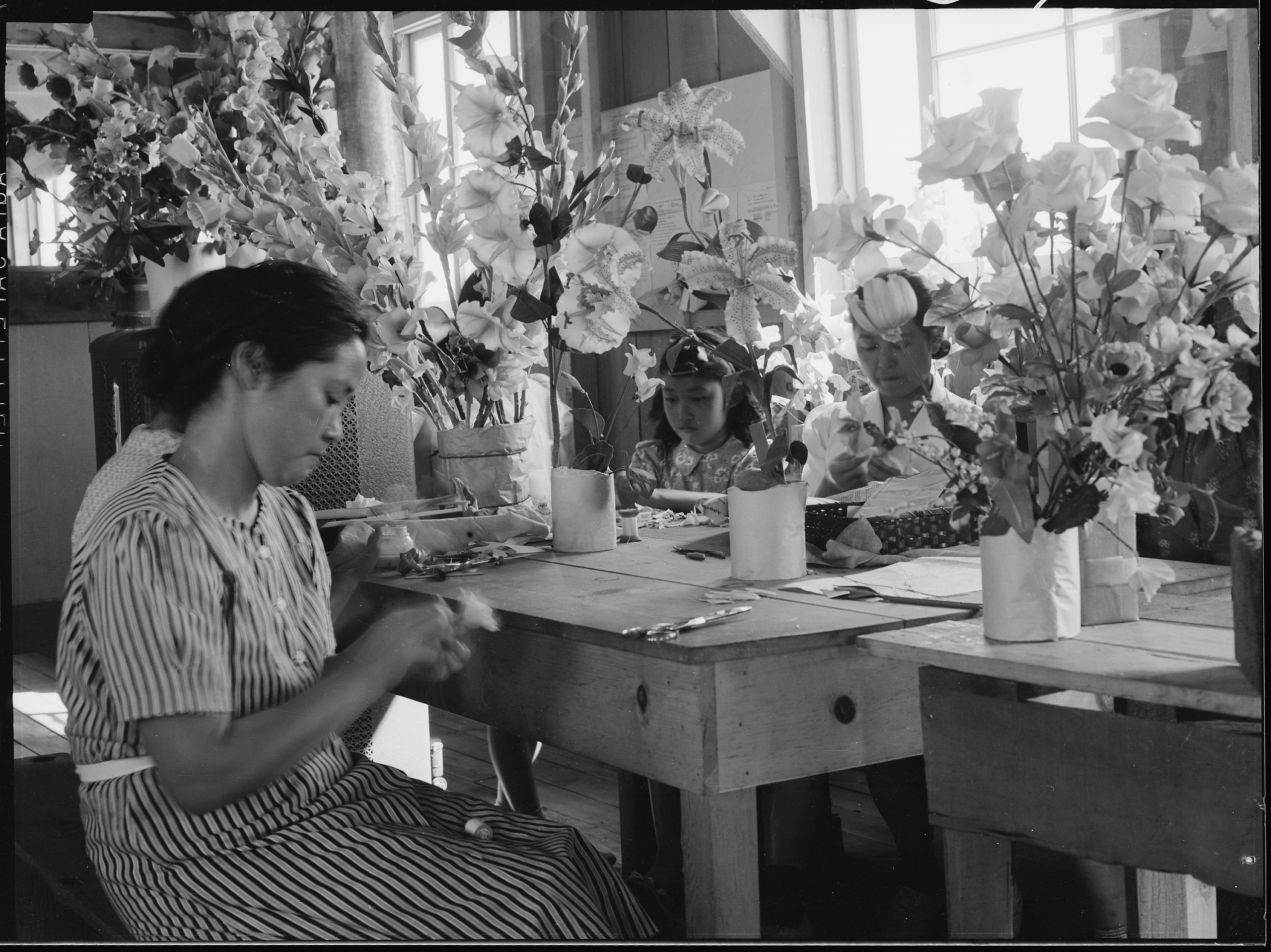
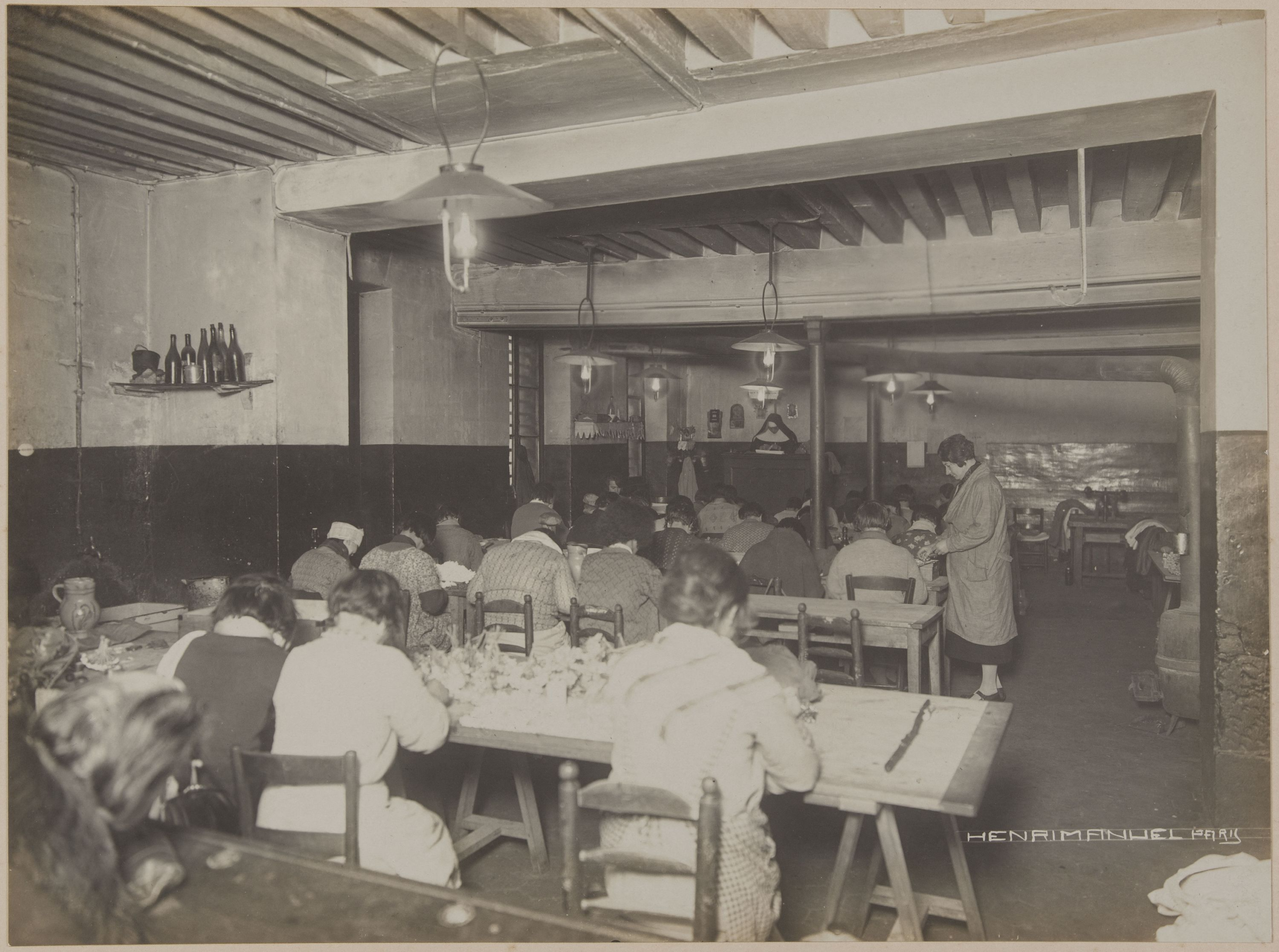
In 1960 a made flower began as fabric stiffened with starch or size, cut many layers deep with a steel die, one die for every petal shape the works produced.
Each petal was then shaped by hand against a heated brass tool – a ball iron, a veiner, a cupping tool – which set the curve permanently. The stamens were dipped threads made in their own department. The shading was painted on with a brush against a real flower. And the whole thing was bound petal by petal onto a wire stem wrapped in paper tape.
Here are eleven things that were normal in an artificial flower works in 1960, and what became of each one.
1. The Petals Were Cut in Thick Stacks With Steel Dies
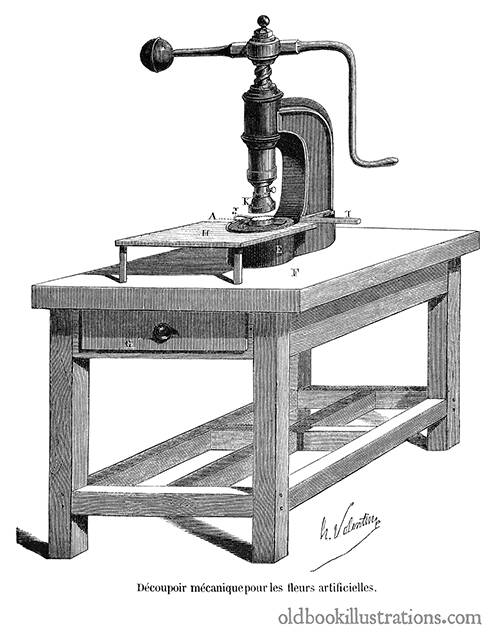
Fabric was laid up many layers deep and cut with sharpened steel dies struck by a press or a mallet, producing hundreds of identical petals, leaves and calyxes at a stroke, each shape requiring its own die.
Automated cutting and injection moulding for volume, with die cutting surviving for fabric work. A works held hundreds or thousands of dies, one for every petal shape of every flower it made, and the die collection was the company’s real inventory – a shape it had no die for was a shape it could not make.
Like our content? Follow us for more.
2. Each Petal Was Shaped by Pressing a Heated Brass Tool Into It
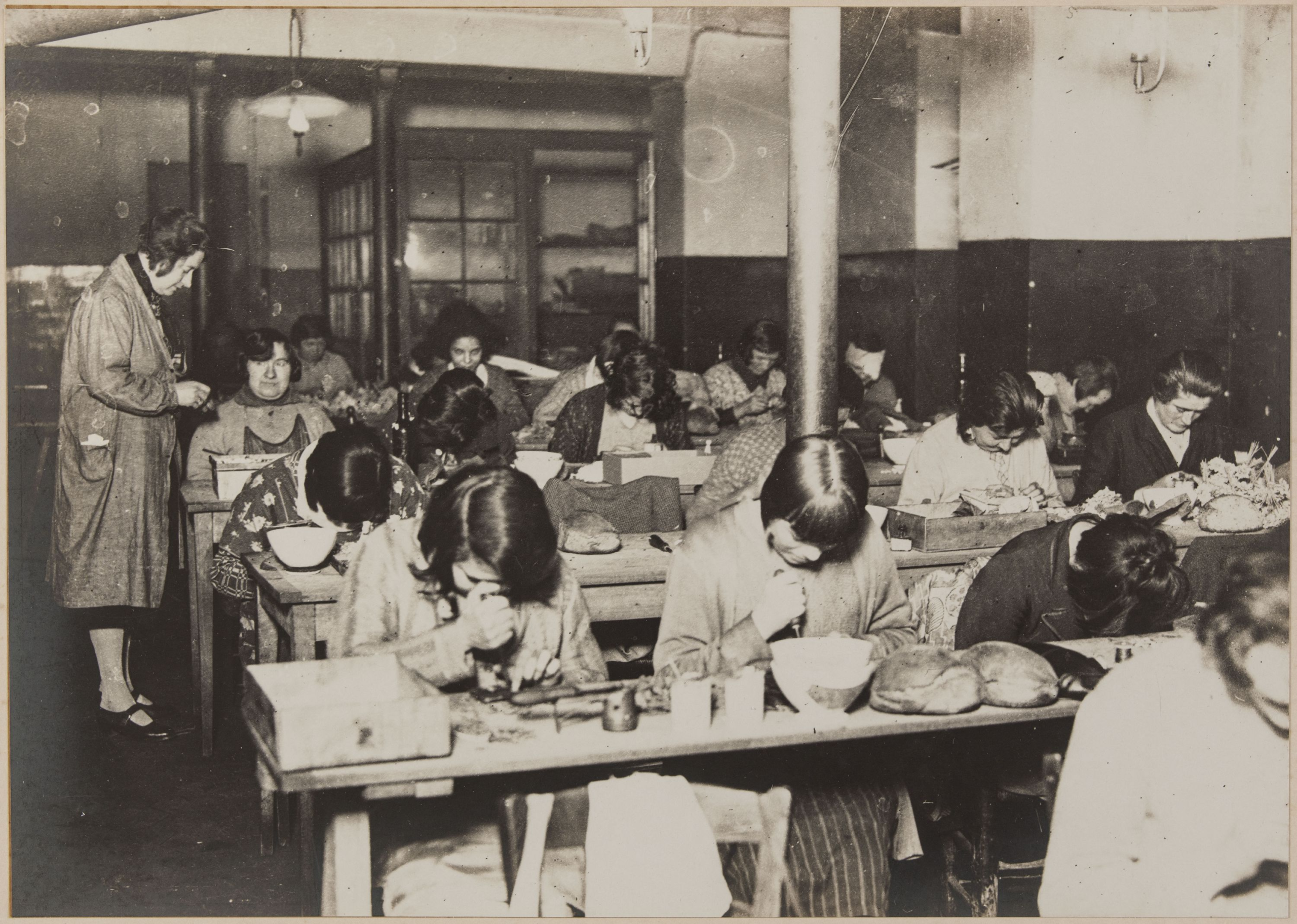
A flat cut petal is not a petal. It was given its curve, cupping and veining by being pressed, one at a time, against or into a heated brass tool shaped to the form of the real flower, which set the fabric permanently.
Heat-formed and moulded in volume, with hand tools still used in couture and millinery. The tools were made in matched pairs and in dozens of sizes and shapes, and a worker could shape a petal in a second or two with a movement that took months to learn and looks like nothing at all.
3. Every Flower Needed Its Own Set of Irons and They Were Named
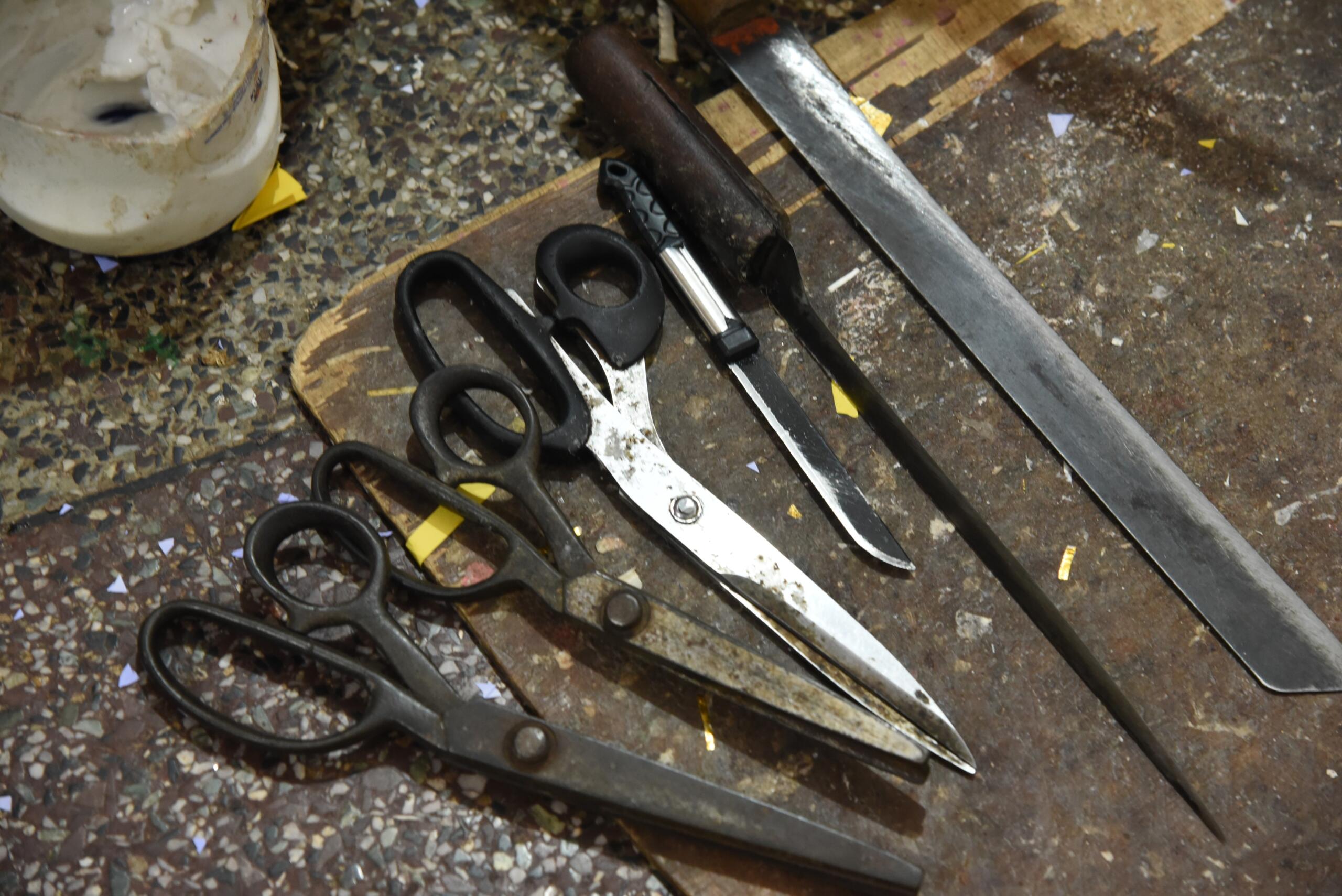
The heated tools – ball irons, veiners, cupping tools, leaf irons – came in named shapes and sizes, and making a convincing rose required a different set from a convincing carnation.
Still made and still sold to a small market of milliners and flower makers. The tools outlive everything: a set bought in 1960 works identically today, because a heated brass ball pressed into sized fabric is not a technology that improves.
4. The Fabric Had to Be Stiffened Before It Would Hold Anything
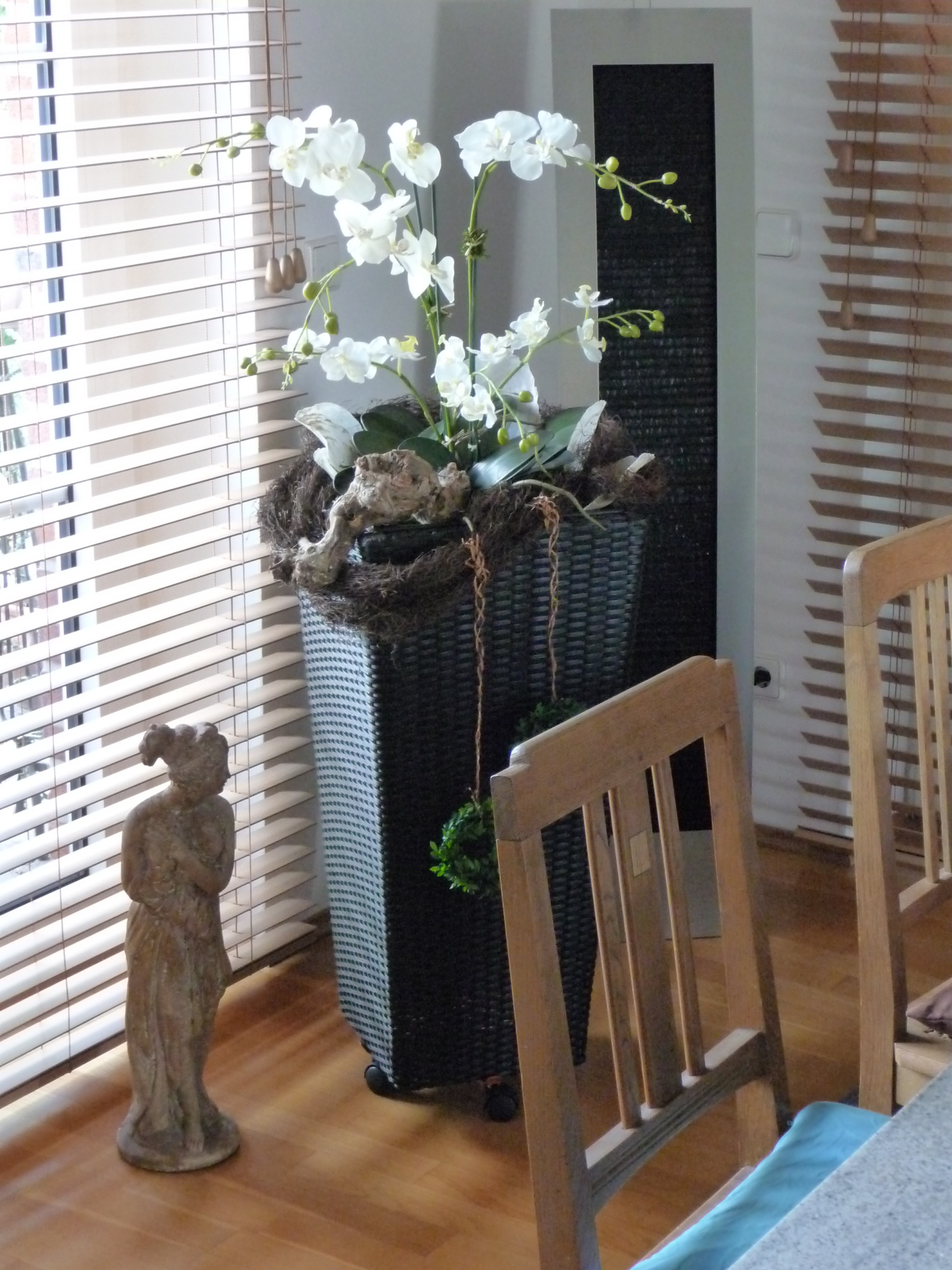
Silk, cotton, velvet and organdie were treated with starch, size or gelatine before cutting, because untreated fabric will not take or keep a shape from a heated tool.
Pre-treated and synthetic fabrics engineered to hold form. The sizing is what makes old fabric flowers feel papery and slightly crisp, and it is also why they are so vulnerable to damp – a well-made silk flower will relax into a limp rag in a humid room and never recover.
5. The Stamens Were Made Separately by Dipping Threads

Stamen centres were made by dipping the ends of fine threads or wires into a coloured paste or wax and letting them set into small heads, then binding bunches of them into the centre of each flower.
Bought in as pre-made components, in enormous variety. The stamens are the detail that decides whether a made flower reads as real at a glance, and they were produced in their own department or bought from specialists who made nothing else.
6. Assembly Was Entirely by Hand Onto Wire Stems
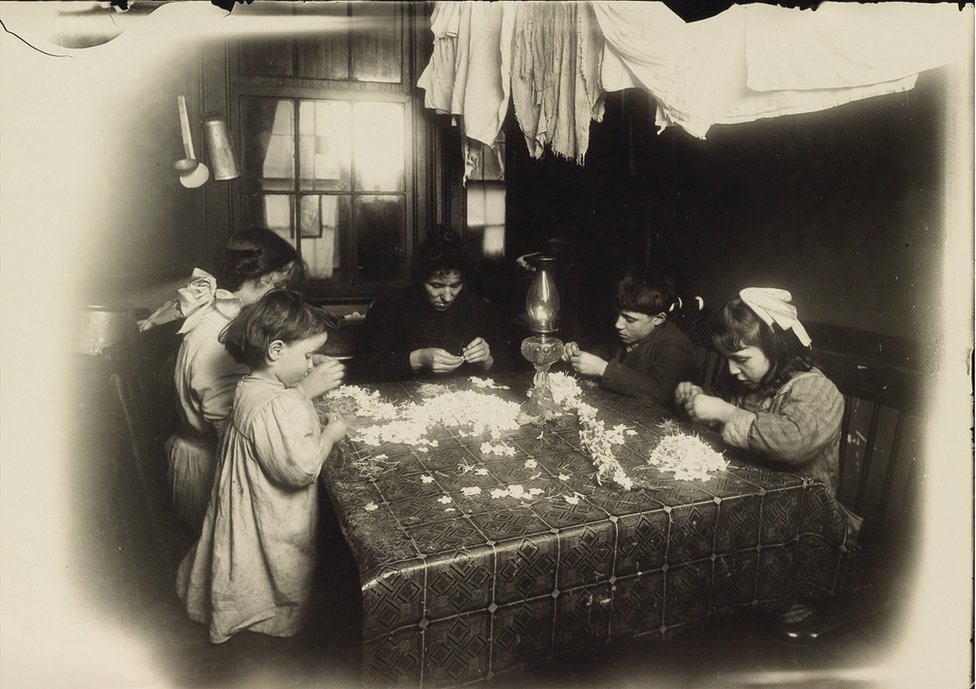
A finished flower was built up petal by petal around the stamen centre, each layer bound to a wire stem with fine thread or glue, the stem then wrapped spirally in green paper tape and the leaves bound on.
Moulded one-piece construction for volume, hand assembly at the top of the market. The wrapped paper stem is the signature of hand-built work, and the reason the spiral is tight and even is that it was applied by somebody rolling the stem between finger and thumb at speed.
7. Shading Was Painted On by Hand, One Flower at a Time

Flowers were dyed by dipping and then shaded – deepened at the base of a petal, tipped at the edges, veined – with a brush by workers who matched real flowers held beside them.
Printed, moulded and sprayed gradients in volume production. Shading is the difference between a flower that looks real and one that looks like coloured fabric, and the people who did it were the highest-paid in the building after the die makers.
8. Millinery Flowers and Funeral Work Were Two Separate Trades
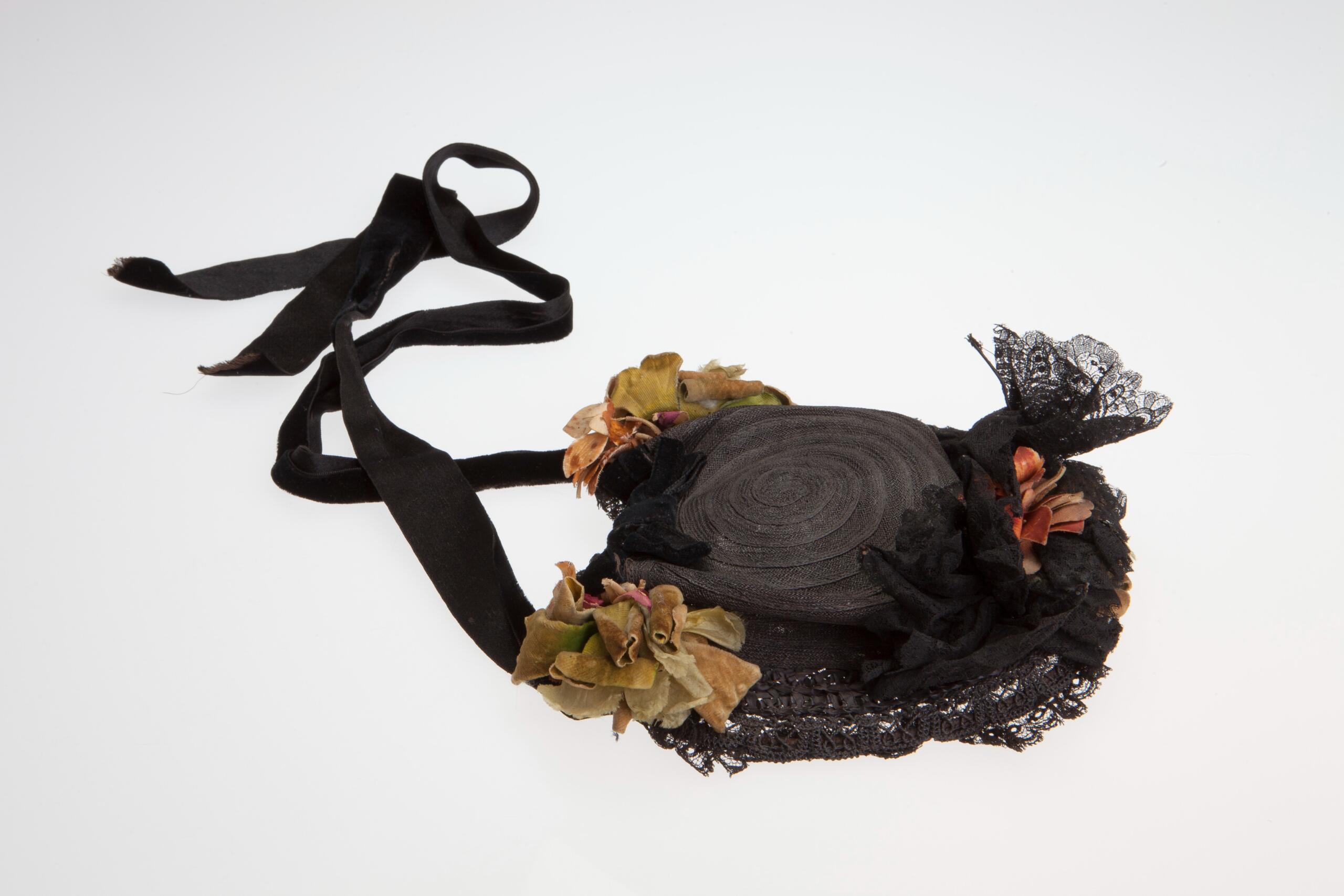
Flowers for hats and dresses were delicate, expensive, silk-based work sold to the fashion trade, while wreath and memorial flowers were a heavier, cheaper, high-volume business with its own materials and its own customers.
Both continue, now largely supplied by moulded plastic and preserved natural flowers. The two halves shared techniques and almost nothing else, and a works generally did one or the other – the skills transferred and the customers did not.
9. A Great Deal of the Work Went Out to People’s Homes
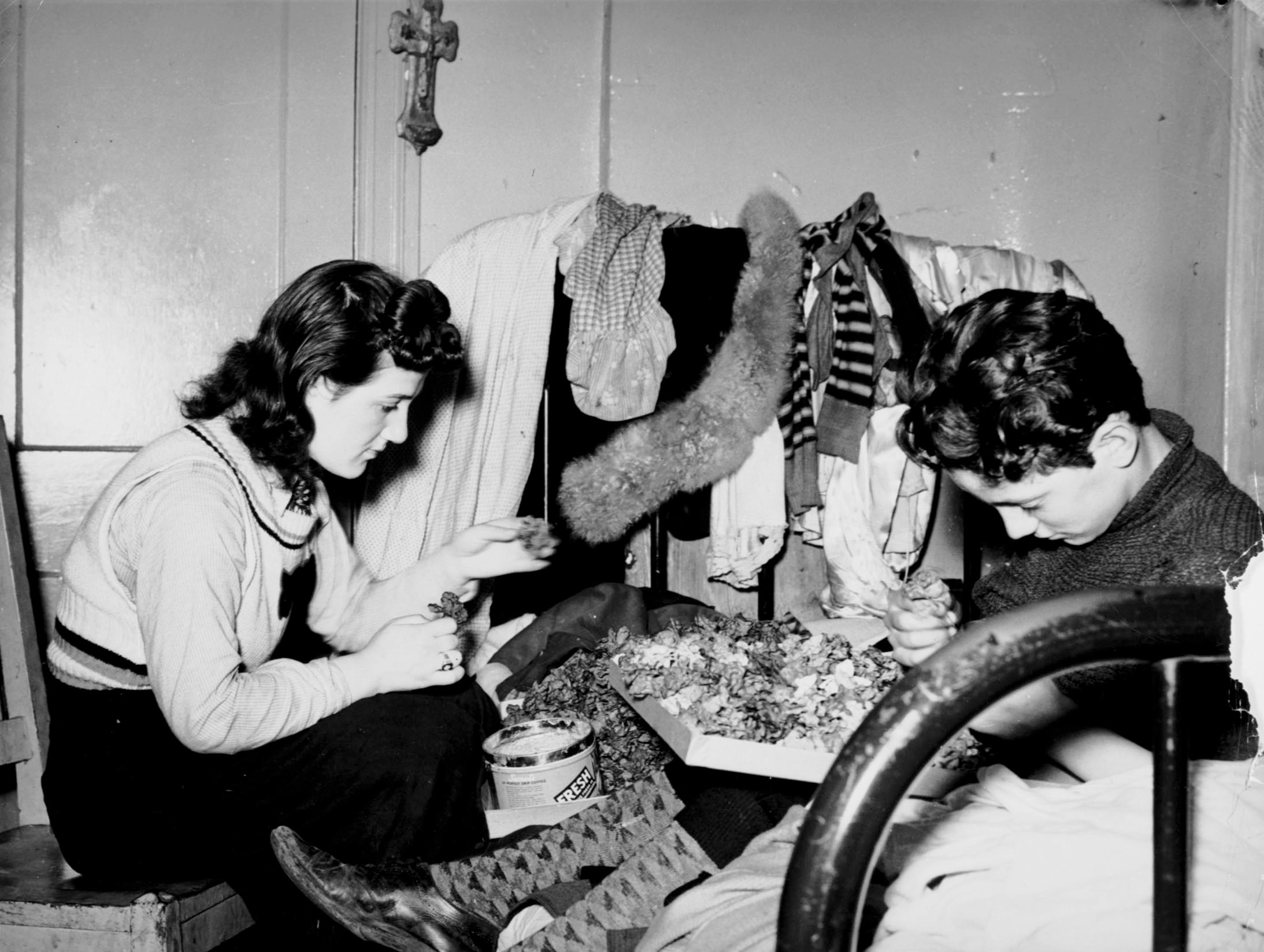
Assembly, binding and stem wrapping were given out to homeworkers, overwhelmingly women, who were paid by the gross and worked at kitchen tables with their own families helping.
Volume assembly is factory or offshore work. Payment by the gross for fine hand assembly set the rate extremely low, the homeworkers supplied their own light, heat and time, and the arrangement was common across several of the trades in this series for exactly that reason.
10. Then Injection Moulding Produced a Flower in One Operation
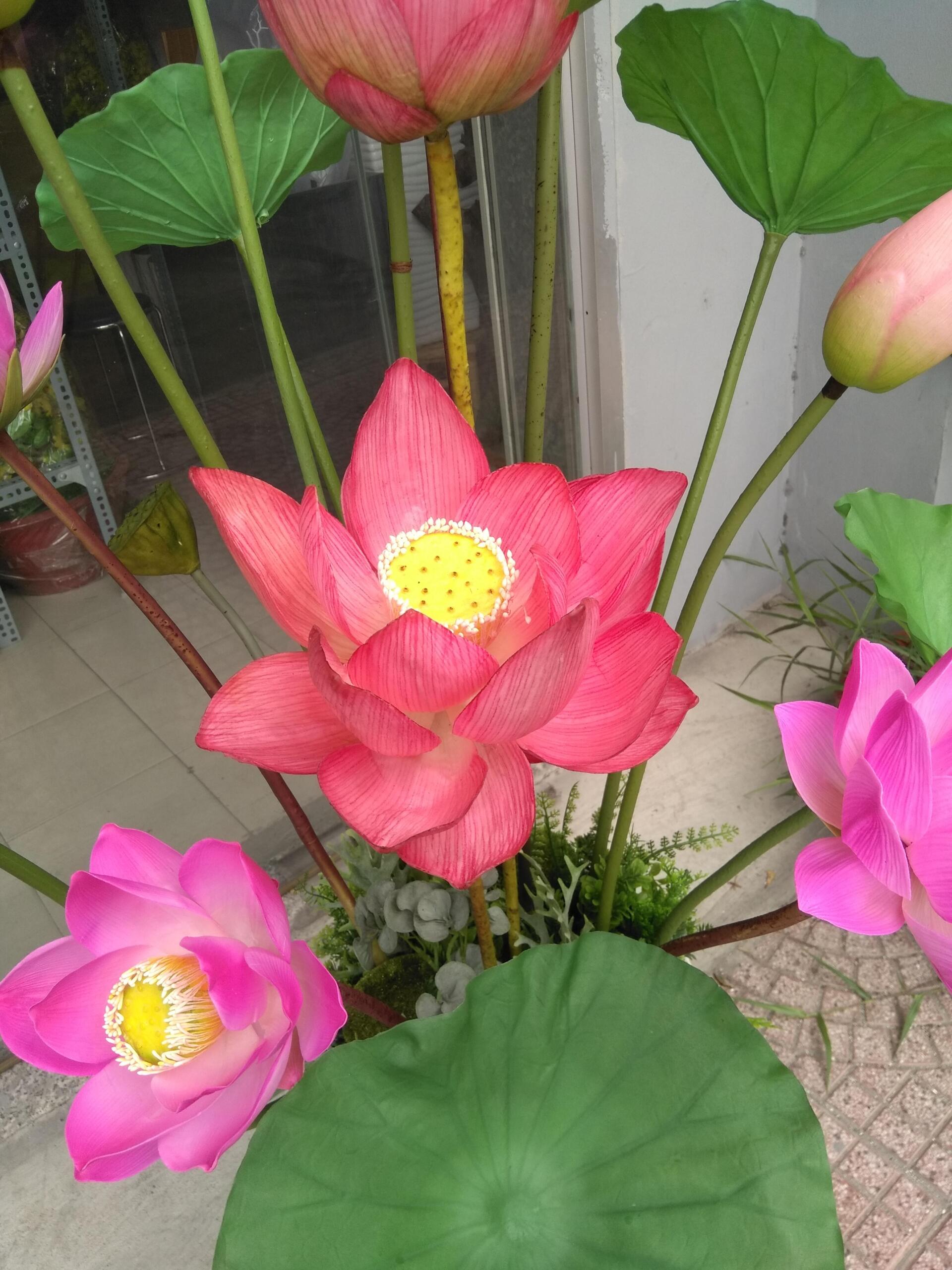
Moulded plastic flowers arrived – the whole head, petals, veining and colour, formed in a single shot from a steel mould with no cutting, no shaping, no stamens to bind and no assembly at all.
Dominant for the volume market. The moulded flower was obviously inferior at first and obviously cheaper, and the cost gap was not close: an operation that had taken several skilled hands and a dozen steps became one machine cycle measured in seconds.
11. The Craft Went Upmarket and Is Still There
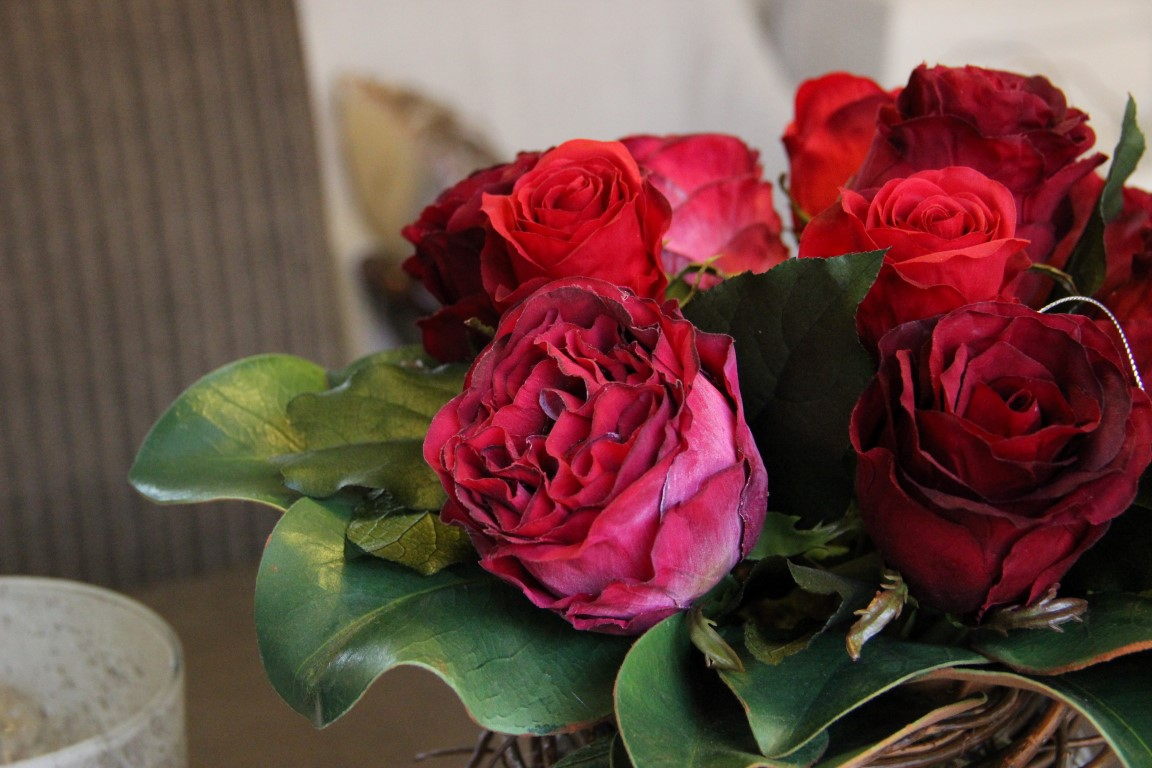
Hand flower making was an industrial occupation employing large numbers of people making an everyday decorative product.
It survives as a specialist craft in millinery, couture, bridal work, theatre and museum conservation, where a hand-shaped silk flower on a hat is a deliberate and expensive choice. The irons, the dies, the sizing and the hand shading are unchanged – the trade did not find a better method, it simply stopped being the only method, and retreated to the places where the difference is still worth paying for.
The Tools Did Not Improve Because There Was Nothing to Improve
Almost everything in this series ends with a process being replaced by a better one. This trade ends differently, and the difference is worth drawing out.
The flower maker’s tools have not been improved on. A set of brass irons from 1960 – ball tools, veiners, cupping irons, leaf tools – does exactly what a set made now does, and a set made now is essentially identical. The dies are the same steel strip sharpened to a shape. The sizing is still starch or gelatine. The shading is still a brush, held by somebody with a real flower beside them.
The reason is that there is no engineering problem left in it. Pressing a heated brass shape into stiffened silk deforms the fibres and sets them, and that happens as well as it is ever going to happen. You cannot make the brass hotter in a useful way or the shape more accurate in a way that matters. The process reached its limit a very long time ago and stopped.
What replaced the trade was not a better way of making a fabric flower. It was a different product: a moulded plastic flower, made in one shot, which nobody claims is as good and which costs so little by comparison that the quality argument never gets made.
So the craft did not lose a technical contest. It lost a price contest to something doing a different job, and it retreated to the places where somebody is still willing to pay the difference – a hat, a wedding, a stage, a museum case.
Which is why the irons are still in production. Not many of them. But the same ones.
If you have an old hat with fabric flowers on it, somebody shaped every one of those petals by hand against a hot tool.
And if the flowers have gone limp, that is the starch, and it will not come back.
Like our content? Follow us for more.