This is the most consequential list in this batch and it needs one thing said at the top. Every instruction below was given in good faith by qualified people drawing on the best evidence available to them, and every mother who followed it was doing precisely what she was told by the authority she was supposed to trust. Nothing here is a criticism of any parent.
That matters most for the first item and for two others, where the reversal concerns an outcome a family may have lived through. The purpose of setting these out is to show how guidance changes and why, which is the only honest reason to revisit them. Nothing in this piece is medical advice, no drug is named and no dose appears anywhere; anything concerning a particular child or pregnancy belongs with a clinician. Here are fourteen things that changed.
1. Put the baby down to sleep face down

Prone sleeping was the standard recommendation given to American mothers for decades, on the reasoning that a baby on its front was less likely to choke and would settle better. It was printed in advice books, taught in hospitals and followed almost universally.
The association between prone sleeping and sudden infant death was established through the 1980s, and American guidance reversed in the early 1990s, with the national public health campaign following in 1994. Recommended practice is now to place a baby on its back to sleep, on a firm flat surface.
The single most important thing to say about this item is that no mother who followed the 1965 advice did anything other than exactly what she was told by the best available authority. The reversal is a finding about a recommendation, not about any parent, and the people who most need to hear that are the ones who lost a child while following it.
Like our content? Follow us for more.
2. A tanned baby is a healthy baby

Sun exposure was actively encouraged. Babies and children were put outside to brown, a tan was read as a sign of health and vigour, and sunlamps were sold for use in winter on exactly that reasoning.
The position reversed completely over the following decades as the relationship between ultraviolet exposure in childhood and later skin cancer risk was established. American guidance now advises keeping infants out of direct sun, with shade, clothing and — for older babies — sunscreen.
The original advice was not arbitrary. It came out of the genuine and correct discovery that sunlight prevents rickets, which was a serious problem in industrial cities. The error was in generalising from a deficiency disease to the conclusion that more exposure was always better.
3. Do not pick him up when he cries
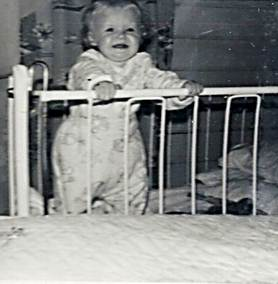
The dominant American advice of the preceding decades was that responding to crying would spoil a baby, that feeding should run to a schedule rather than to the child, and that a baby left to cry was learning self-reliance.
This had already begun to shift by 1965 and the shift took another generation to complete. The research on attachment that reframed it established that responsiveness in infancy supports rather than undermines later independence, which is the reverse of the original claim.
It is worth noting that the sleep question specifically remains genuinely contested, with reasonable clinicians differing on approaches for older infants. What is not contested is the original premise that a young baby could be spoiled by being comforted.
4. Have the tonsils out as a matter of course
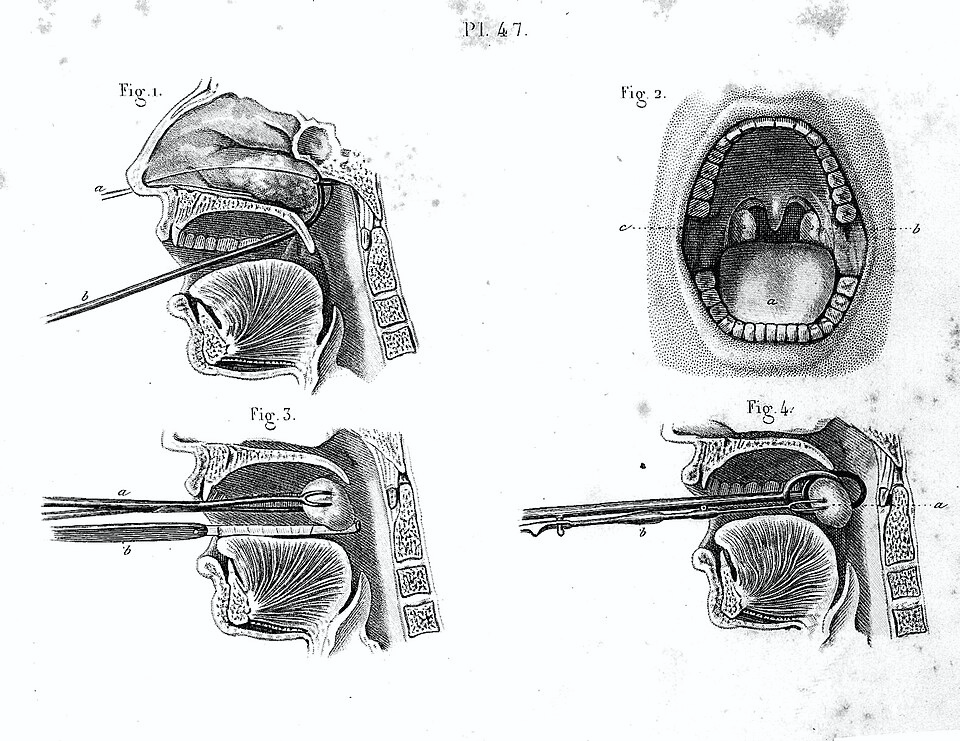
Tonsillectomy was close to a routine childhood event in mid-century America, performed in very large numbers on children with recurrent sore throats and sometimes with no particular indication at all. Whole classrooms had the scar in common.
The indications narrowed substantially as the evidence was examined, and American guidance now reserves the operation for defined circumstances, principally significant obstructive sleep-disordered breathing and tightly specified patterns of recurrent infection.
This is the clearest example in the list of a procedure being reduced rather than a drug being withdrawn. The operation is still performed and is still the right answer for some children. What went was the assumption that it was the right answer for most.
5. A little alcohol in pregnancy does no harm
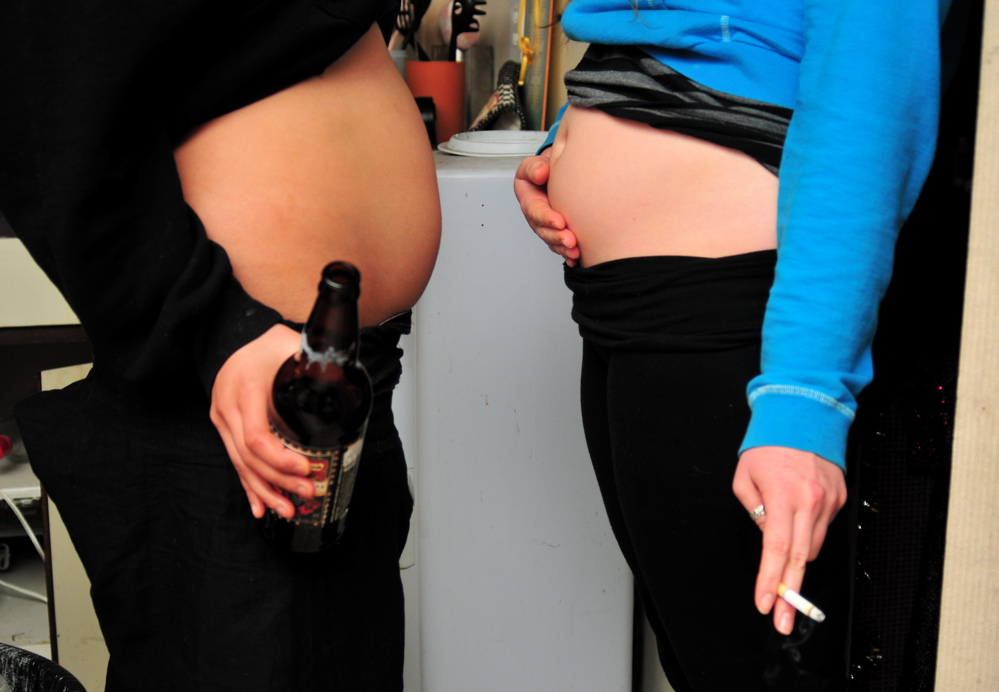
Alcohol in pregnancy was not treated as a concern, and in some settings was positively recommended, including as a relaxant in labour. Advice literature of the period either said nothing about it or treated moderate drinking as unremarkable.
Fetal alcohol syndrome was described in the American medical literature in 1973, and the guidance moved progressively from moderation to the current position that no amount is known to be safe in pregnancy.
As with the sleeping position, the honest framing matters. Mothers in 1965 were not ignoring a warning. There was no warning, because the pattern had not yet been described and named, and the description is only fifty years old.
6. Smoking in pregnancy was not seriously discouraged

The 1964 Surgeon General’s report had established the link between smoking and disease in the smoker, and the implications for pregnancy had not been drawn with any force. Obstetric advice of the period frequently did not mention it at all.
The evidence on smoking in pregnancy, including effects on birth weight and on pregnancy outcomes, accumulated through the following decades, and it is now among the most emphatic pieces of advice in prenatal care.
The domestic side of American smoking in this period is covered separately in this batch. The point here is narrower: the general finding arrived in 1964 and the specific obstetric guidance took considerably longer to follow it.
7. A drug to prevent miscarriage

A synthetic hormone was prescribed to very large numbers of American women from the 1940s onward in the belief that it reduced the risk of miscarriage. It was given on the best clinical judgement of the day, in good faith, in enormous volume.
It was eventually shown not to prevent miscarriage, and subsequently to be associated with a rare cancer in daughters exposed before birth, along with other effects. The Food and Drug Administration advised against its use in pregnancy in 1971 and the indication was withdrawn.
No drug name, dose or detail is given here. This is the most serious reversal in the list and it is included because it is the strongest possible argument for the modern insistence that a treatment must be shown to work, not merely believed to. It was prescribed for thirty years without ever having been shown to do the thing it was prescribed for.
8. Heavy sedation in labour, with the father in the corridor
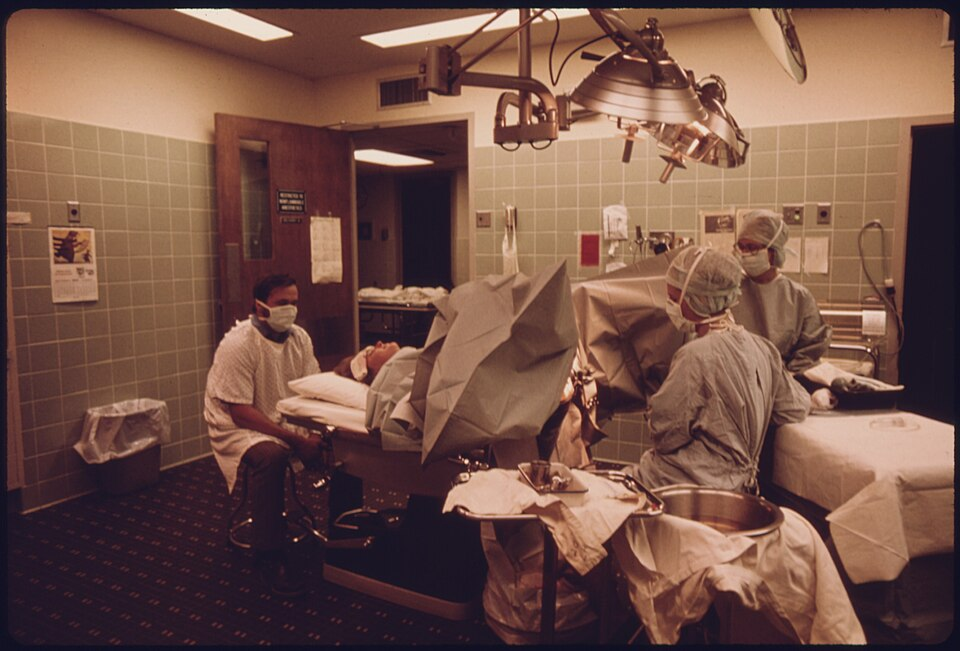
American obstetric practice of the period routinely used substantial sedation and analgesia in labour, with many women having little or no memory of the birth. Fathers were not generally present, episiotomy was close to routine, and the mother was a patient rather than a participant.
Practice changed through the 1970s and 1980s toward informed choice in pain relief, the presence of a partner as standard, and the abandonment of routine episiotomy in favour of restricted use on specific indication.
This change was driven more by women’s own organised insistence than by any single study, which makes it unusual in this list. The research followed the demand rather than producing it.
9. The baby to the nursery and the mother to bed for ten days
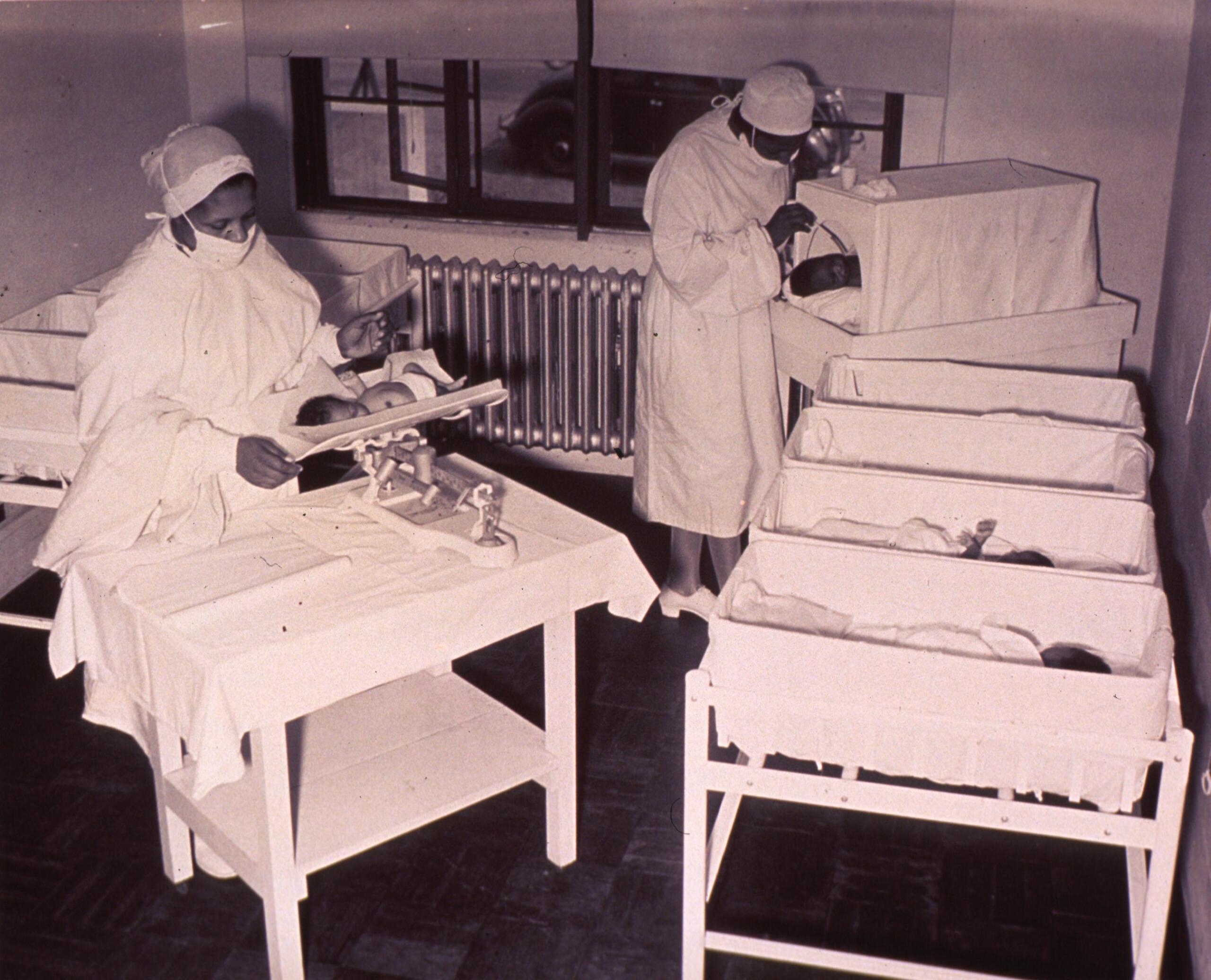
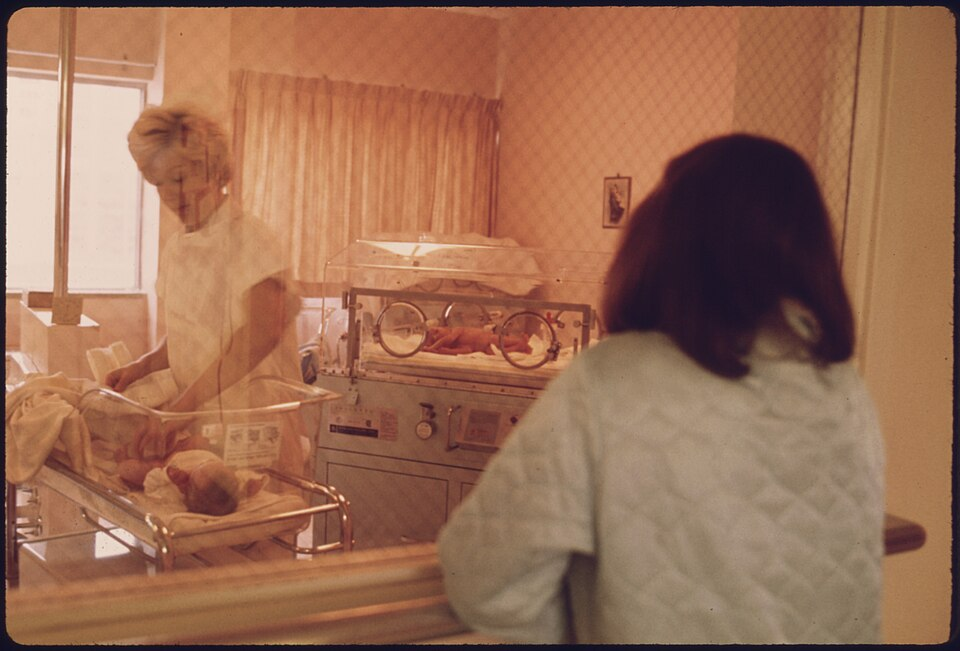
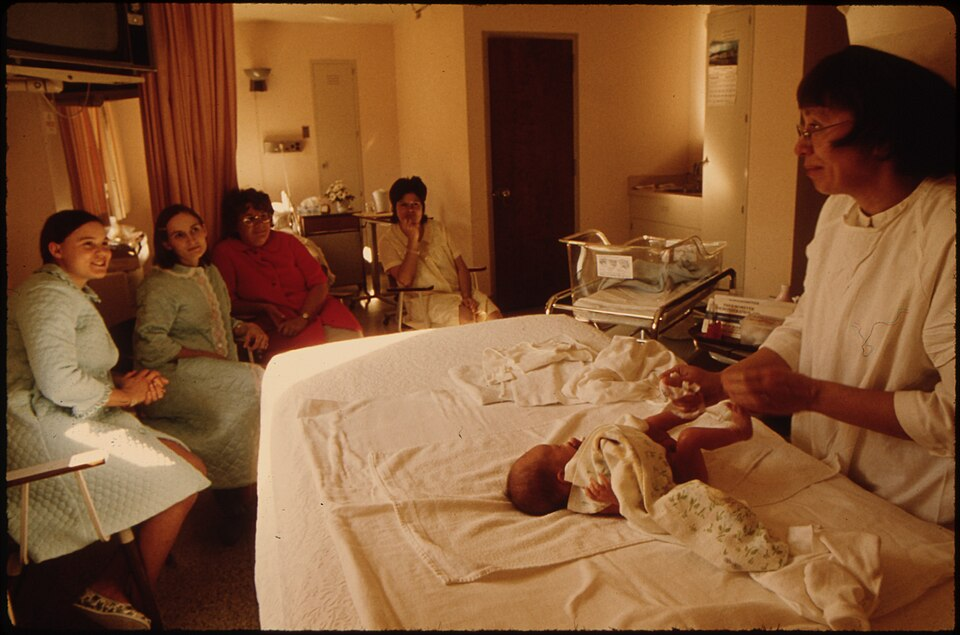
Hospital birth in 1965 meant a stay of a week or more, the baby kept in a central nursery and brought to the mother on a schedule, and the mother kept in bed for an extended period afterwards as a matter of routine.
Both halves reversed. Early mobilisation after birth is now standard, because prolonged bed rest increases rather than reduces risk, and rooming-in — keeping the baby with the mother — is the recommended arrangement and supports feeding and bonding.
The nursery window with rows of cots is one of the most recognisable images of American hospital birth and it describes an arrangement that current practice regards as actively unhelpful.
10. Weeks of bed rest for a difficult pregnancy
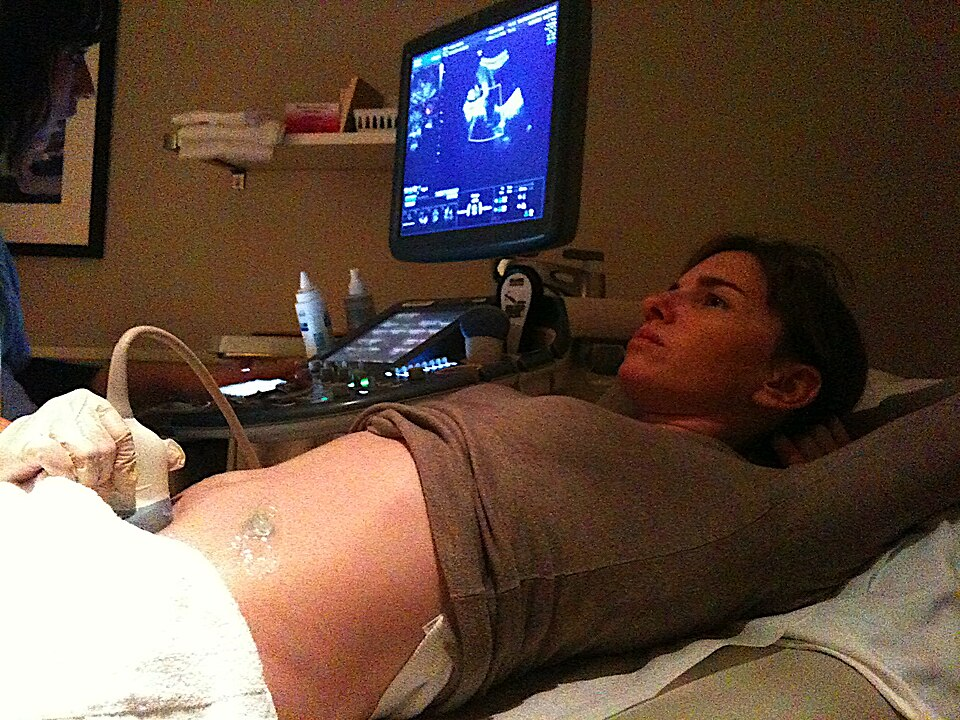
Bed rest was prescribed extensively for threatened miscarriage, hypertension in pregnancy, preterm labour risk and multiple pregnancy. It was intuitive, it was easy to prescribe and it was accepted without question.
The evidence has not supported it. Reviews have repeatedly found no demonstrated benefit for the main indications and documented harms from prolonged immobility, and American professional guidance has moved against routine prescription of bed rest in pregnancy.
This is the item with the clearest lesson. Rest feels like the safe option and immobility is not neutral; it carries its own risks. A great many of the reversals in this list share that shape — an intervention that seemed cautious turning out to be an intervention.
11. Aspirin for a child with a fever
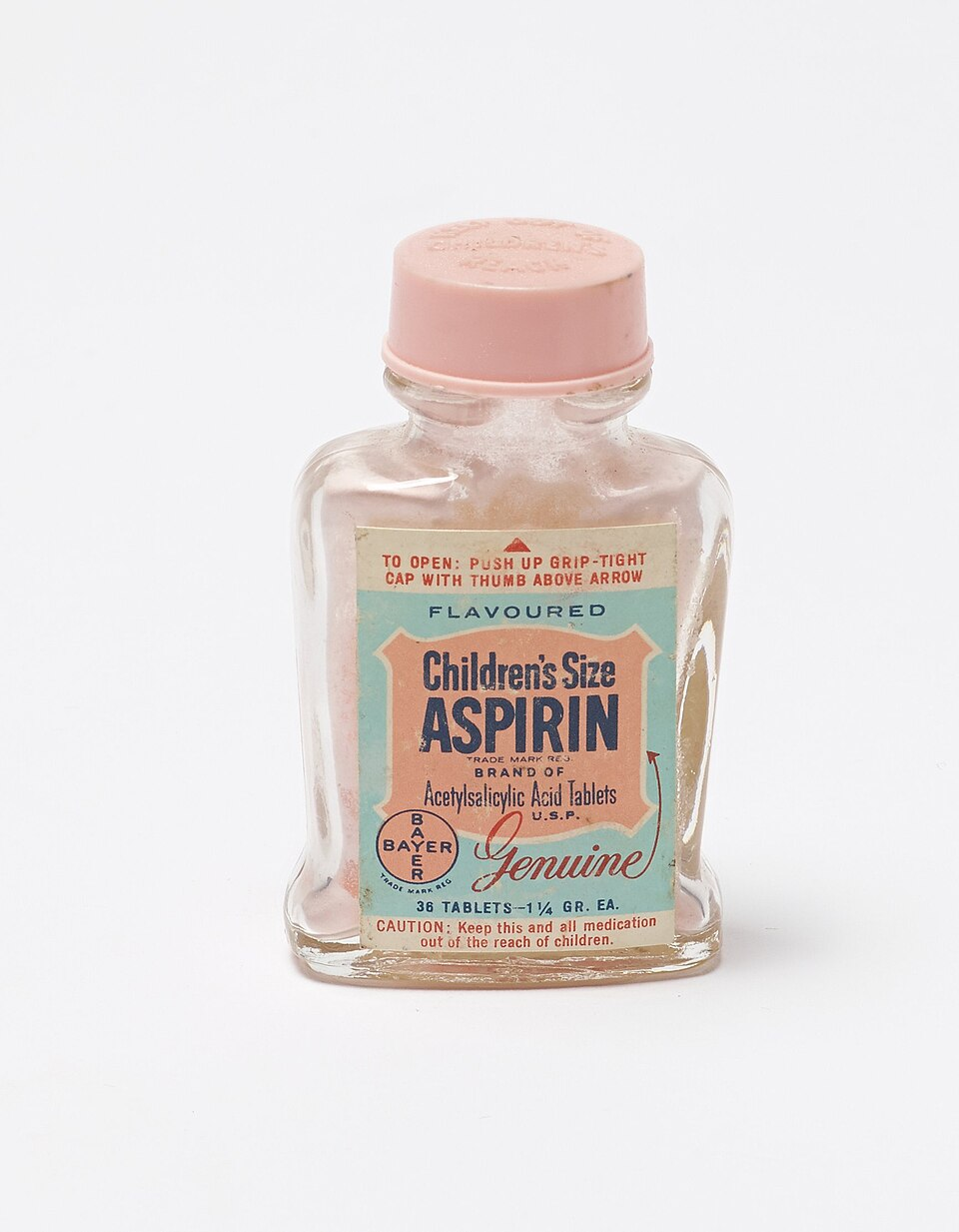
Aspirin was the standard American household treatment for childhood fever, supplied in flavoured tablets made for children, and giving it to a feverish child was the obvious and universal thing to do.
An association between aspirin use in children with viral illness and a serious condition affecting the liver and brain was identified in the late 1970s and early 1980s. American warning labelling followed in 1986, the advice changed, and reported cases fell dramatically.
No dose or alternative is recommended here. This is one of the fastest and most complete behavioural reversals in American domestic medicine: a product in every home, used for one purpose, withdrawn from that purpose within a few years of the finding, with a measurable result.
12. Antibiotics for every earache
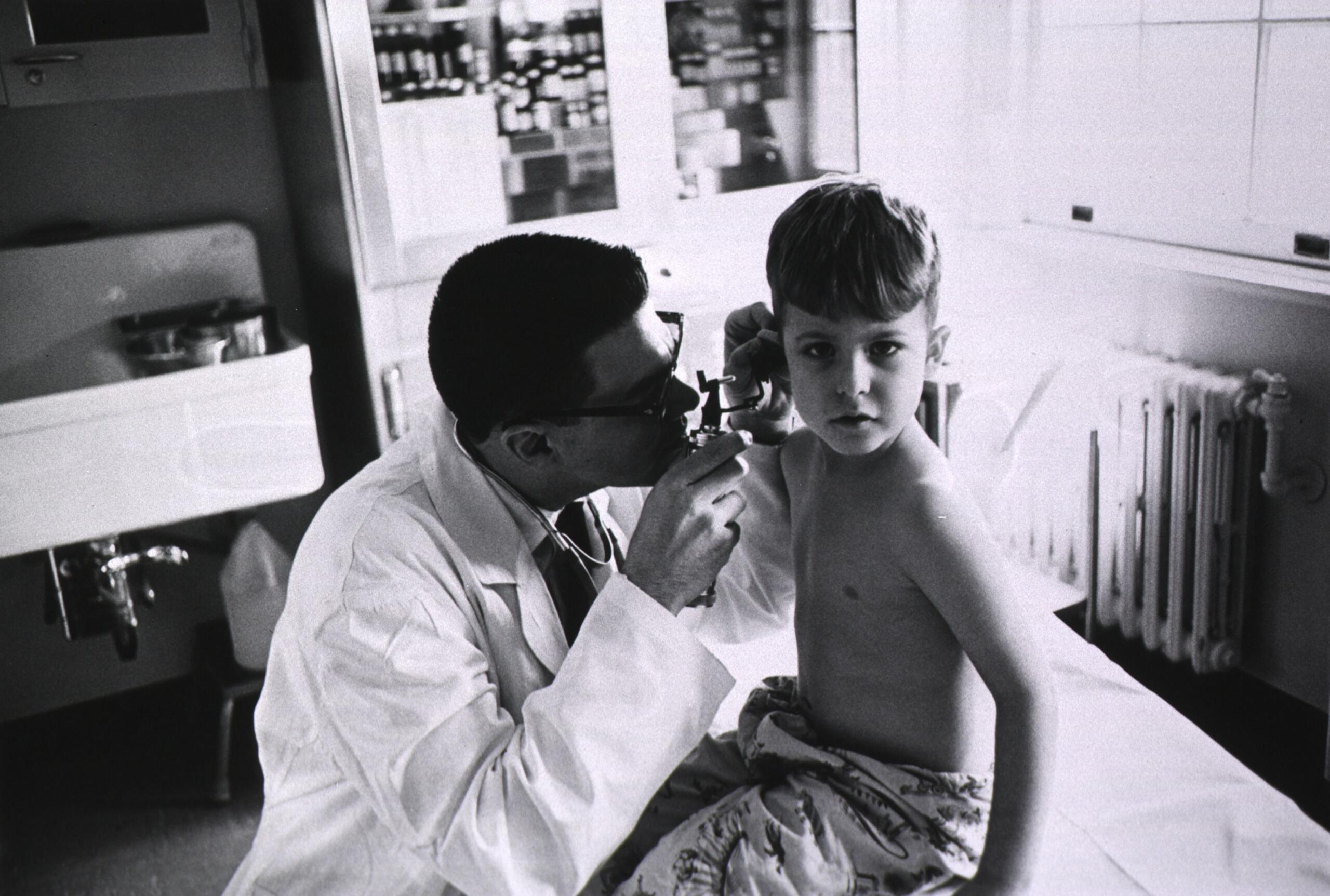
Childhood ear infection meant an antibiotic, immediately and nearly always, for decades. The reasoning was straightforward and the drugs were effective and cheap.
Guidance moved toward observation with analgesia for many children, reserving antibiotics for defined age groups, severity and circumstances, as the evidence on spontaneous resolution and the broader picture of antibiotic resistance both developed.
This reversal is partial and still being argued about at the margins, which is worth saying rather than presenting it as settled. What is settled is that the 1965 default of treating every case was wrong.
13. A baby walker to teach the baby to walk
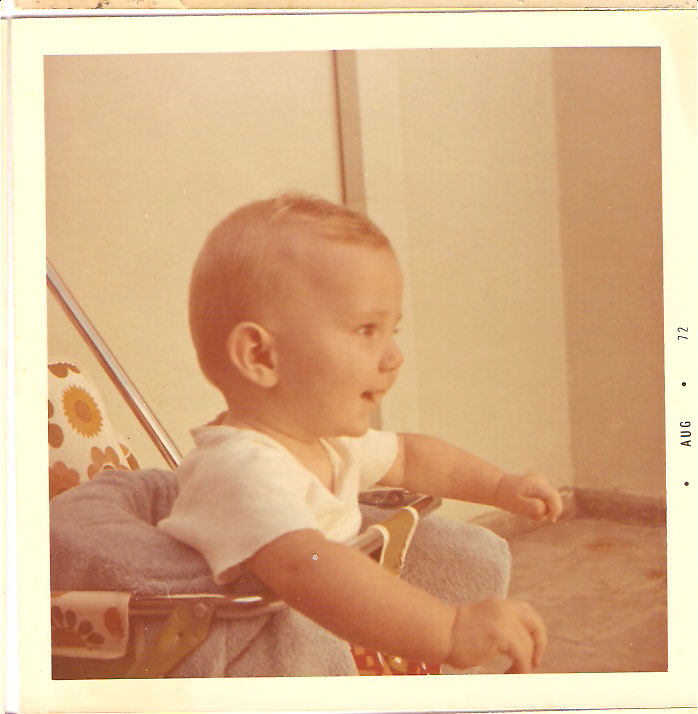
Walkers were standard American nursery equipment and the stated purpose was developmental: the baby would learn to walk sooner and more confidently. They were given as presents and used for long periods.
They do not accelerate walking and may delay it, and they are associated with a substantial number of injuries, principally from falls down stairs. American professional guidance has long recommended against their use and a ban has been called for repeatedly.
This item is the plainest of the set. The device did not do what it was sold as doing, it introduced a hazard, and the stationary activity centre that replaced it does everything parents actually wanted from it.
14. Discourage the thumb and take away the pacifier
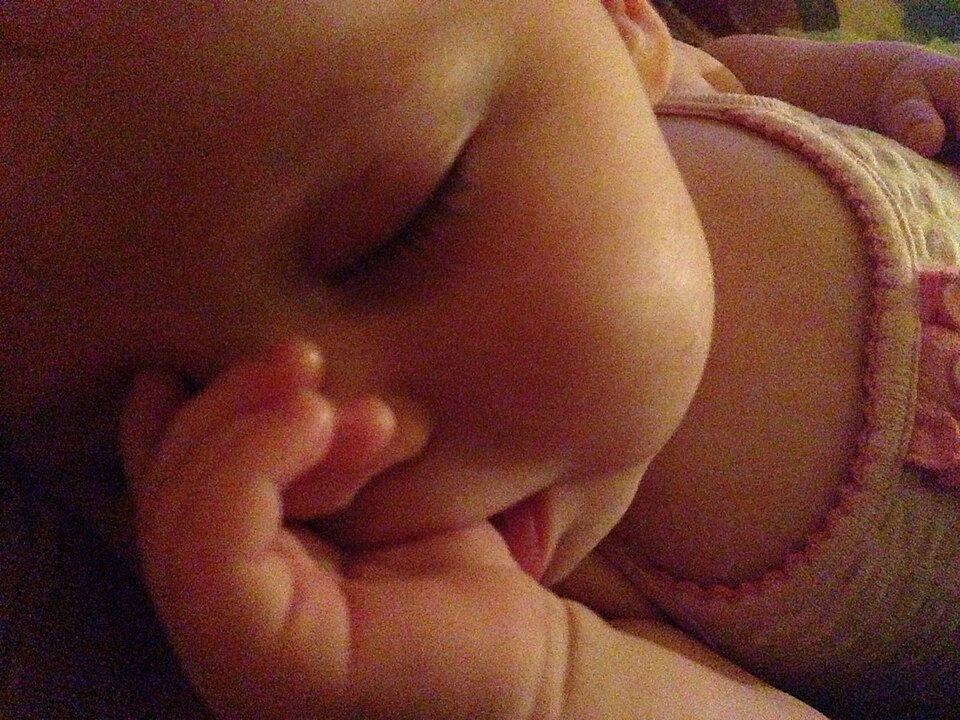
Sucking was treated as a habit to be broken, with bitter preparations, restraints and persistent discouragement, on grounds that ranged from dental concern to character.
The position has moderated considerably. Non-nutritive sucking in infancy is regarded as normal, pacifier use at sleep has been associated with a reduced risk of sudden infant death and is positively suggested in American guidance, and dental concerns are now focused on prolonged sucking in older children rather than on infancy.
It is a small item and it belongs on the list because of the direction of travel. One of the things a 1965 mother was told to fight is now something she would be gently encouraged to allow.
What the reversals have in common
Three patterns run through the list. The first is generalising from a real finding: sunlight genuinely prevents rickets, and the leap from that to a tan being healthy is the error. The second is the intervention that feels like caution — bed rest, the nursery, extended lying-in, taking the thumb away — where doing something restrictive was assumed to be safer than doing nothing, and turned out not to be.
The third and most important is prescribing on plausibility rather than on evidence. The hormone given to prevent miscarriage was never shown to prevent miscarriage. It was given for three decades because the reasoning was sound and nobody had tested the conclusion. That single case did more than any other to establish the modern requirement that a treatment must demonstrate that it works, and it is the reason the standards that now frustrate people exist at all.
The useful question is not which of today’s instructions will be reversed, because nobody can answer it. It is which ones rest on a measured outcome and which rest on a plausible mechanism, because that is the distinction the whole list turns on.
The guidance that has held up best over sixty years is the guidance somebody tested. That is not a reason to distrust advice. It is a reason to ask what kind of advice it is.
Like our content? Follow us for more.