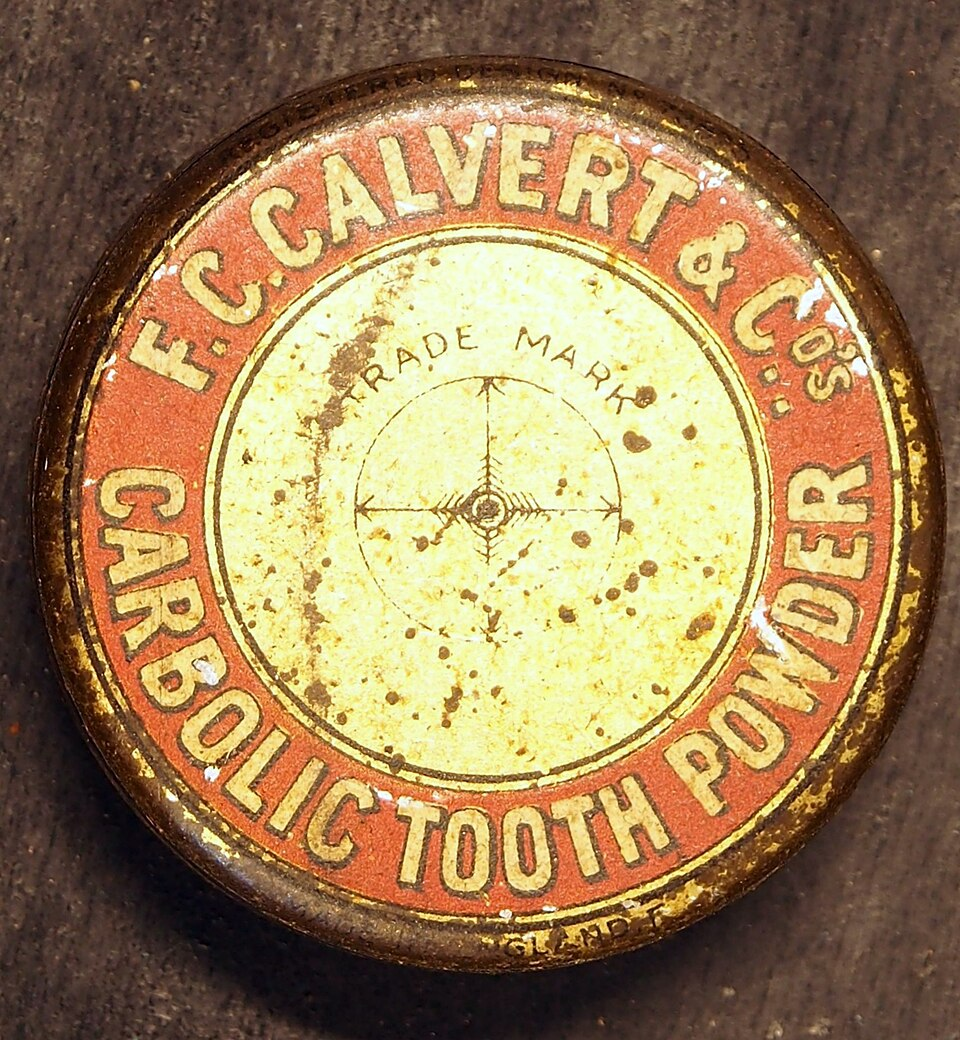
Dental advice is unusual in that it is taught once, in childhood, as a physical technique, and then almost never revisited. An American who learned to brush in 1965 learned four separate instructions — hard brush, horizontal scrub, immediately after eating, rinse thoroughly — and all four have been reversed, and in combination they produce a specific and permanent pattern of wear that dentists can still recognise.
This is a guide to how the advice changed and is not dental advice; anything about a particular mouth belongs with a dentist. One item here is still genuinely contested, one was reversed and then partly un-reversed, and the largest intervention of the period turned out to be right. Here are fourteen things that changed.
1. Brush hard, with a stiff brush

The 1965 instruction was to scrub. Toothbrushes were sold in hard and medium grades, hard was the common choice, and brushing was understood as a cleaning operation in which effort produced results.
Current American dental guidance is a soft-bristled brush and light pressure. Hard bristles and heavy pressure do not remove more plaque, and they abrade enamel at the gum line and drive gum recession, which exposes the softer root surface underneath and causes sensitivity that does not reverse.
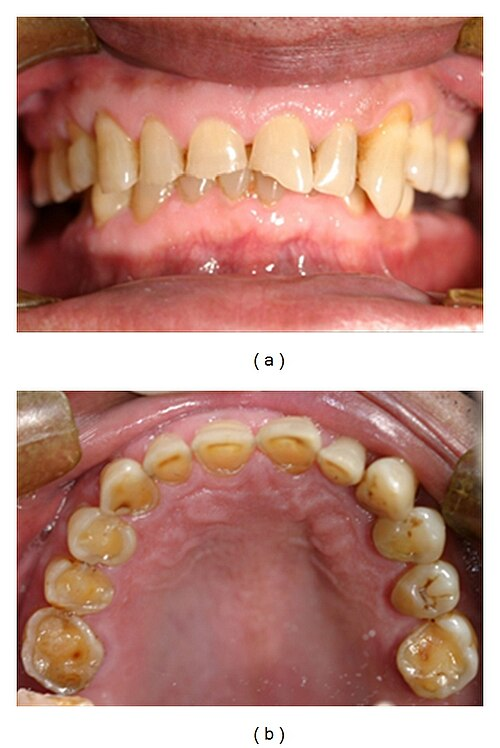
This is the clearest reversal in dentistry and the one most people of that generation are still carrying. Hard brushes are barely sold now, and the damage from decades of them is visible as wedge-shaped notches at the gum line that a dentist can date to the technique.
Like our content? Follow us for more.
2. Scrub side to side
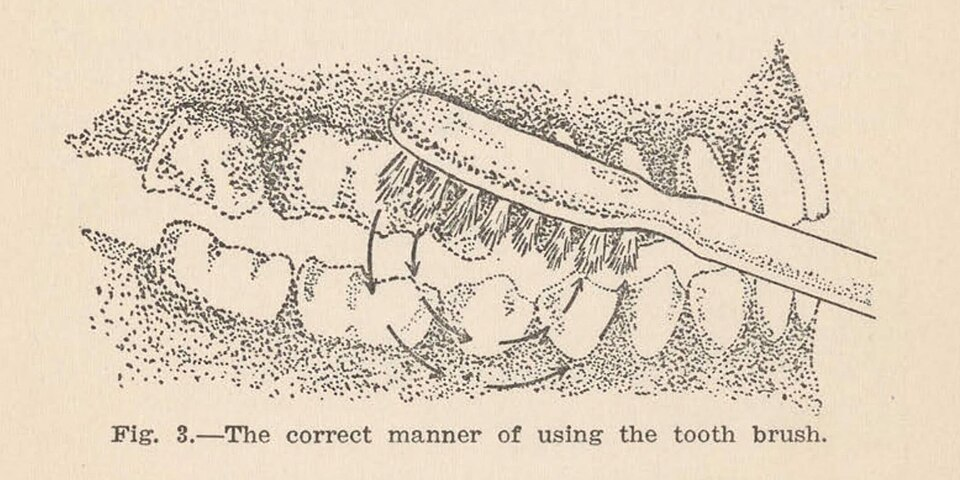
The taught motion was horizontal: back and forth along the row of teeth, briskly, in the same way you would scrub a surface. It is the motion a child adopts naturally and it was not corrected.
Current guidance is small circular or short angled strokes with the brush held at roughly forty-five degrees to the gum line, working the bristles into the margin between tooth and gum rather than across the faces. The point is to reach where plaque actually accumulates.
The horizontal scrub combines badly with the hard brush, because it drags the bristles repeatedly across the most vulnerable part of the tooth. The two 1965 instructions together produced a specific and recognisable pattern of damage.
3. Brush immediately after every meal
Three times a day, straight after eating, was the instruction, and it was tied to the idea that food on teeth was the problem and that removing it promptly was the answer.
Current guidance is twice a day and specifically to wait after anything acidic — fruit, juice, wine, soft drinks — because acid temporarily softens the enamel surface and brushing it while softened removes more mineral than brushing later would. Rinsing with water in the interval is the recommended bridge.
This is a genuine reversal and a narrow one. The advice is not that brushing after meals is harmful in general; it is that the half hour after an acidic exposure is the wrong moment, which is a detail that never reached the generation taught to brush immediately.
4. Rinse your mouth out thoroughly afterwards

Everybody was taught to finish by rinsing: a glass of water, a swill, spit, repeat, until the mouth was clear of toothpaste.
Current guidance is to spit and not to rinse, because rinsing washes away the fluoride that the toothpaste has just deposited on the tooth surface, which is the main thing the toothpaste is for. The fluoride needs to stay in contact to do its work.
This is the single easiest change on the list and the one with the best evidence behind it per unit of effort, and it is still not widely known. The instruction people were given was to remove the active ingredient immediately after applying it.
5. Use a tooth powder with an abrasive in it
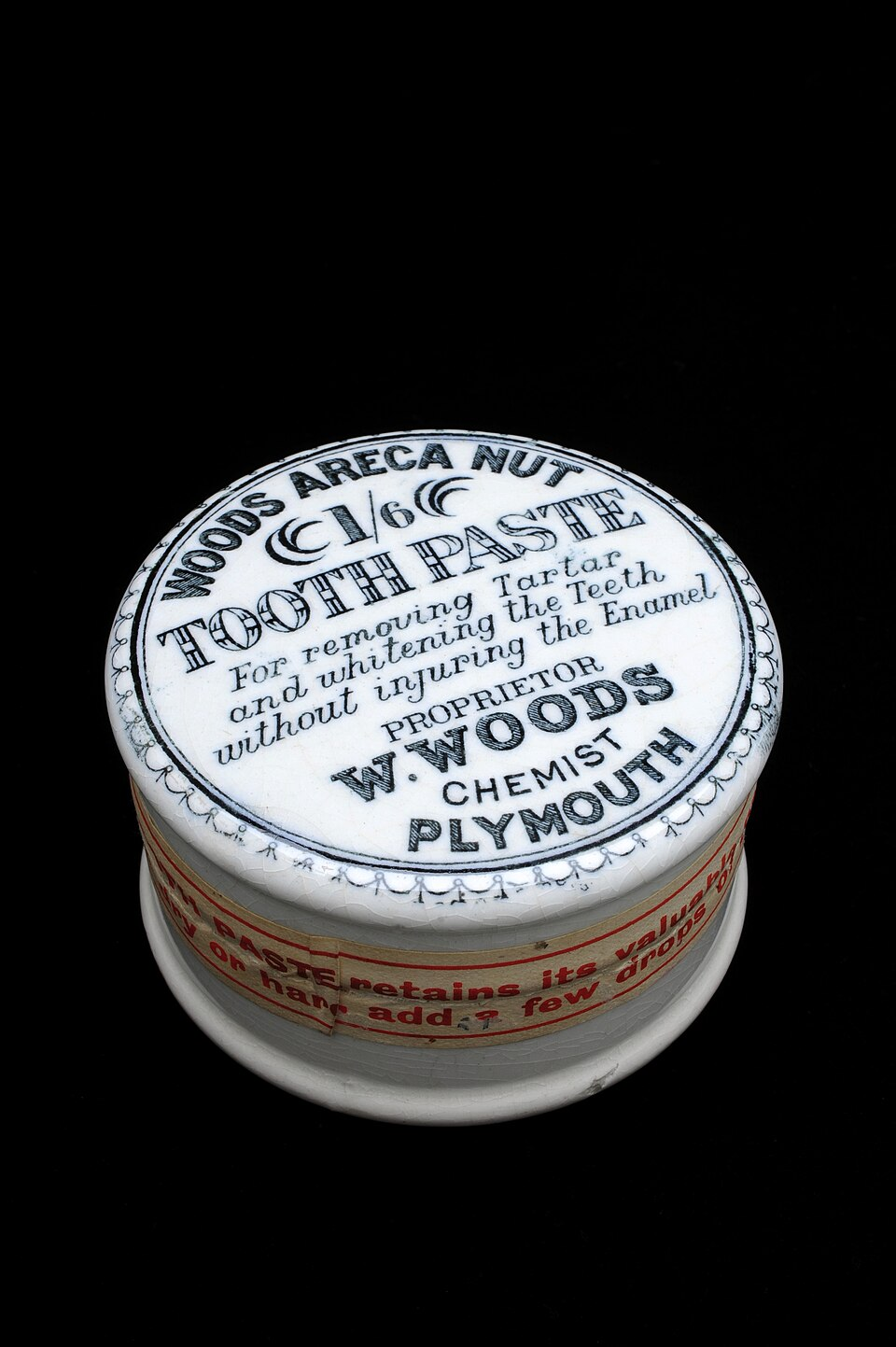
Tooth powders and some pastes of the period contained significant abrasives — chalk, pumice, and in some preparations harsher materials — on the reasoning that polishing produced whiteness and whiteness indicated cleanliness.
Modern toothpaste abrasivity is measured on a standardised scale and products are formulated within it, and dental guidance is against high-abrasive products for routine use, particularly for anybody with exposed root surfaces or existing wear.
The 1965 combination completes the picture: a hard brush, a horizontal scrub, immediately after acidic food, with an abrasive powder. Each element multiplies the others, and the wear patterns from that era are the result of all four.
6. Worry about the amount of sugar
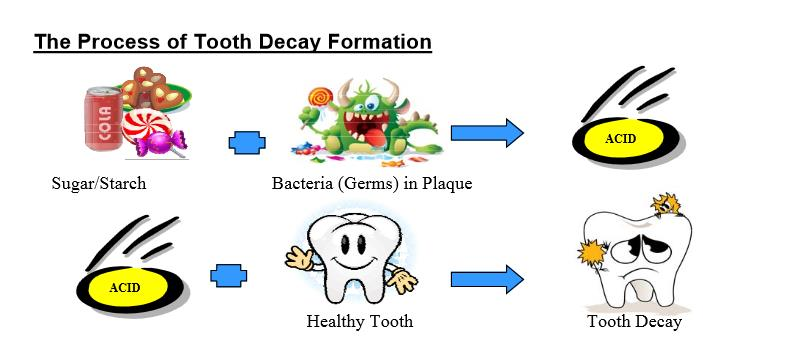
The 1965 message was quantity. Sugar causes decay, so eat less of it, and a child who had sweets once a week was better off than one who had them often — which happens to be right, for a reason nobody was stating.
The finding that reframed it is that frequency matters more than quantity. Each exposure drops the mouth’s pH for a period, and the damage is a function of how much time the teeth spend in that state. One portion eaten at once is substantially less harmful than the same portion taken in small amounts across a day.
This is the most useful single piece of modern dental knowledge and it is almost never stated plainly. A sweetened drink sipped across an afternoon is worse than a chocolate bar eaten in five minutes, and the 1965 framing had no way to express that.
7. Baby teeth do not matter because they fall out
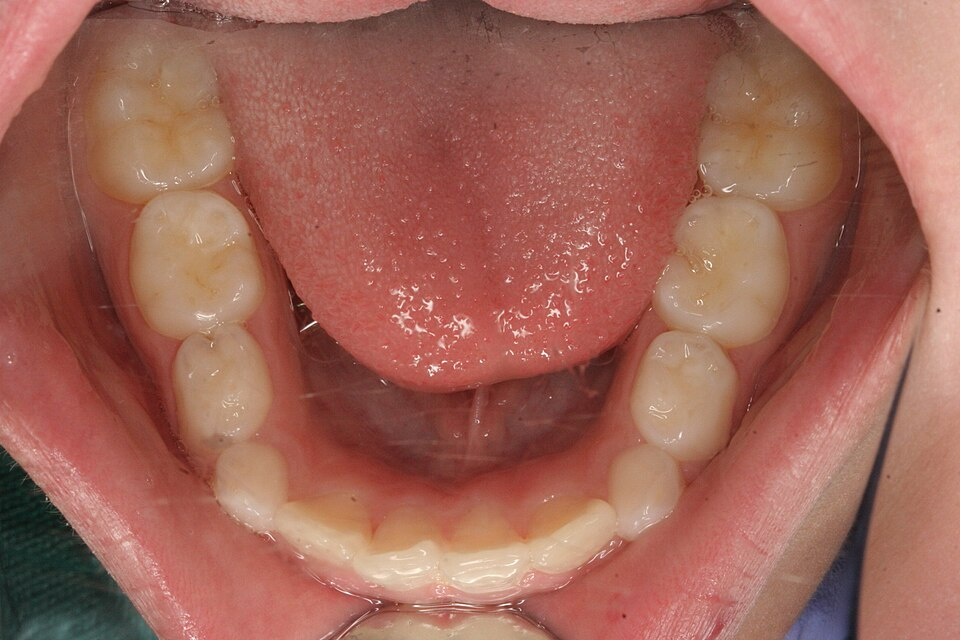
Decay in primary teeth was widely treated as unimportant on the reasoning that the teeth were temporary. Extraction was common and restoration was frequently thought not worth the trouble.
Current guidance treats primary teeth as requiring the same care as permanent ones. Untreated decay causes pain and infection, affects eating and sleeping, can damage the developing permanent tooth beneath, and the early loss of a primary tooth allows the remaining teeth to drift and crowd the space the permanent one needs.
The crowding consequence is the one that costs the most, because it turns a filling that was not done at five into orthodontic work at twelve. American guidance now recommends a first dental visit by around a child’s first birthday.
8. Have all four wisdom teeth out as a matter of course
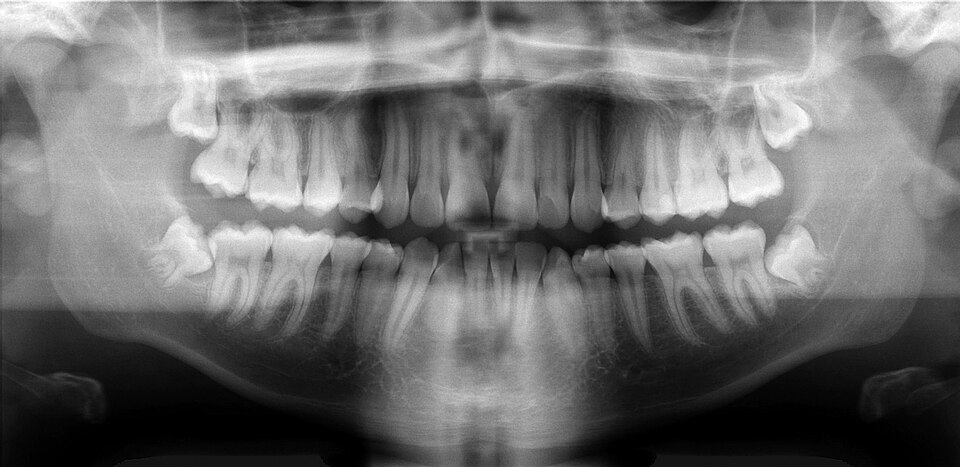
Prophylactic removal of all third molars, whether or not they were causing any problem, was routine for American teenagers, on the reasoning that they would eventually cause trouble and that removal was easier when young.
This is now contested rather than settled. The position in much of the world, and increasingly in American practice, is that asymptomatic impacted third molars without evidence of disease may be monitored rather than removed, and several national bodies have issued guidance against routine prophylactic extraction.
It is the least resolved item on this list and it is honest to say so. There are real arguments for early removal in defined circumstances, and the routine removal of four healthy teeth from every eighteen-year-old is not among them.
9. Losing teeth is part of getting older
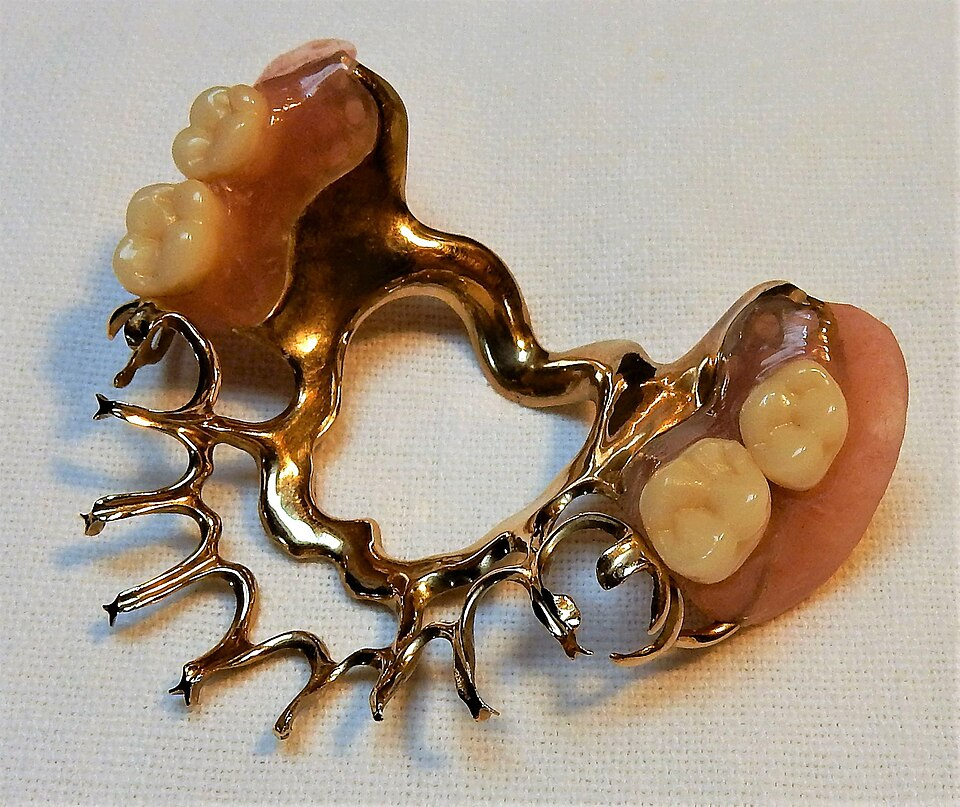
Tooth loss was understood as an age-related inevitability. Dentures were a normal expectation of middle age, were sometimes given as a gift, and full clearance was offered as a sensible long-term solution.
Current understanding is that tooth loss is the result of disease — decay and periodontal disease — rather than of age, that both are largely preventable, and that keeping a functional dentition for life is the normal expectation. An edentulous jaw also resorbs progressively and permanently, which the 1965 framing did not account for.
The clinical side of this period is covered separately in this series. What belongs here is the expectation, which was the thing that did the damage: a patient who believes tooth loss is inevitable has no reason to invest in preventing it.
10. If it does not hurt, there is nothing wrong
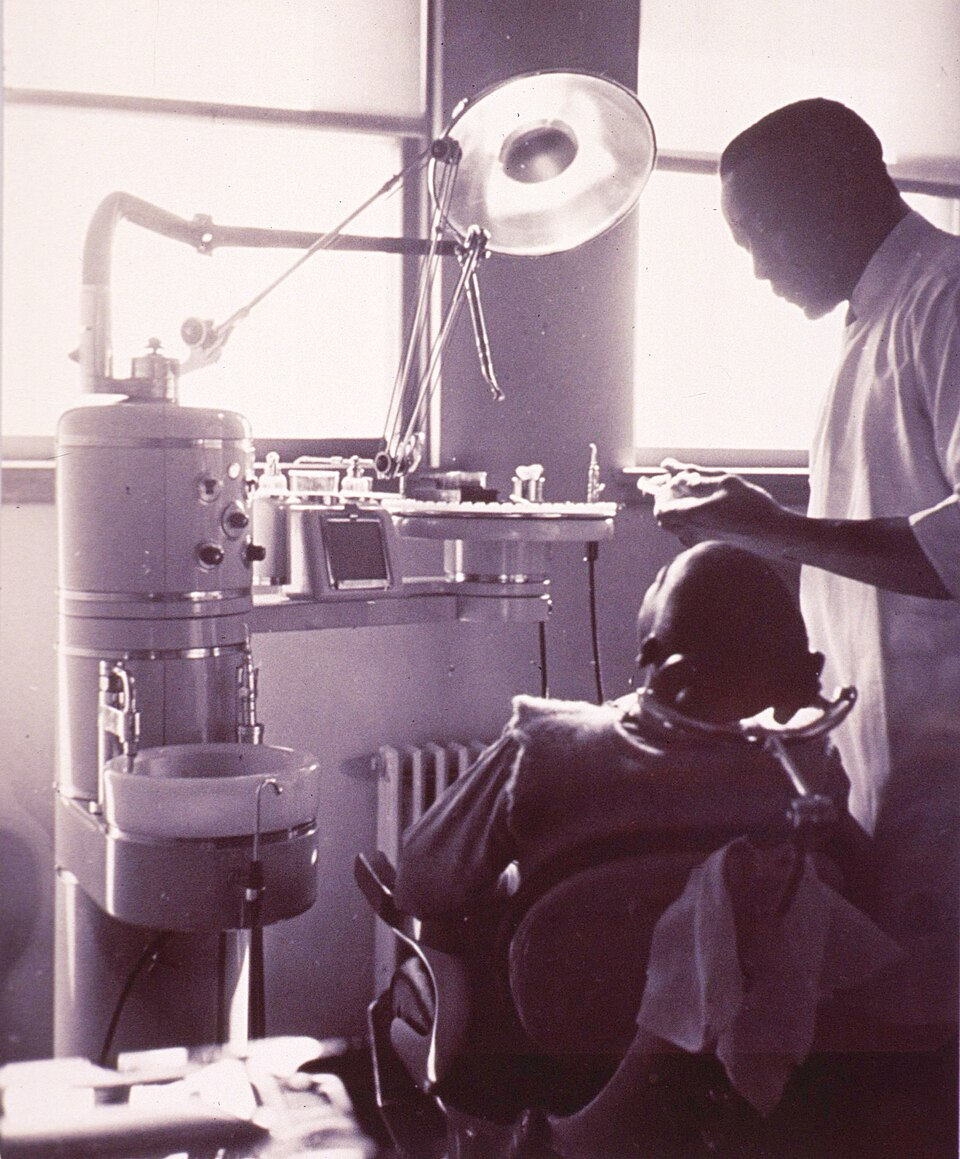
Dental attendance was symptom-driven. People went when something hurt, which meant the first contact with a problem was at the point where it had become painful, and routine examination was uncommon outside the middle class.
Both of the major dental diseases are substantially asymptomatic until advanced. Decay produces no pain until it reaches the pulp, and periodontal disease is characteristically painless while it destroys the supporting bone, which is why examination at intervals determined by individual risk is the basis of modern care.
This is the belief that underpinned all the others. A population that goes to the dentist when it hurts generates a clinical pattern of extraction and restoration rather than prevention, which is exactly what the 1965 surgery looked like.
11. Rub something on a teething baby’s gums
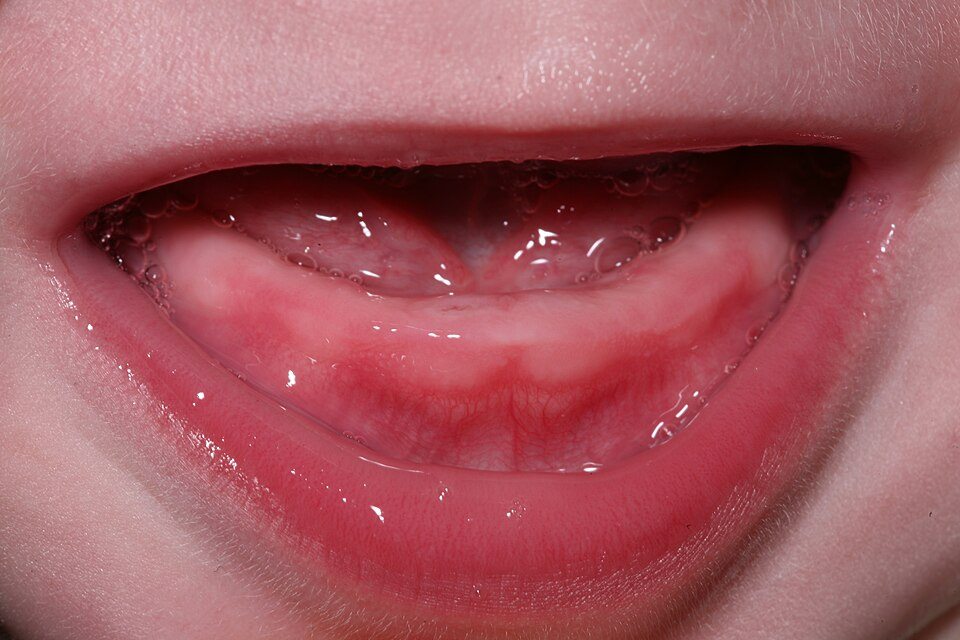
The standard household remedies for teething included rubbing the gums with whisky or other spirits, and over the counter preparations containing topical anaesthetics, both applied directly by a parent.
American guidance is against both. Alcohol should not be given to an infant in any amount or by any route. Topical anaesthetic gels containing benzocaine carry a specific federal warning against use in children under two because of a rare but serious blood disorder, and the recommended measures are a chilled teething ring and a clean finger.
No dose, product or preparation is named here. The relevant point is that the two things most households reached for are the two the guidance now specifically names, and both were recommended in print in 1965.
12. Floss every day, and then the review that caused an argument
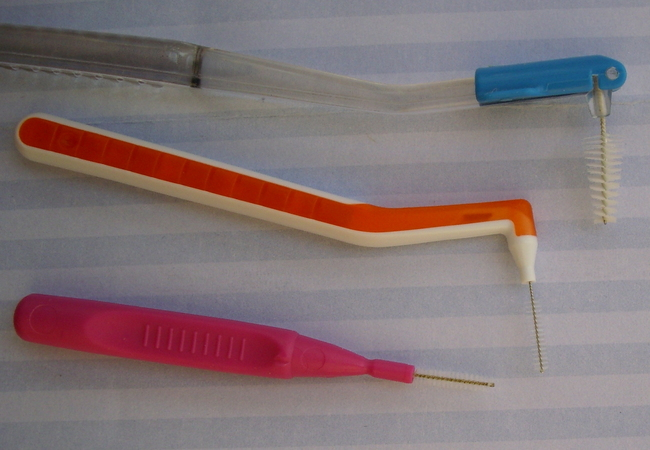
Daily flossing was taught as essential and non-negotiable. It was the second half of the brushing instruction and it carried the same moral weight.
In 2016 a review of the evidence concluded that the trials supporting flossing for the prevention of decay were weak and short, and a federal dietary guidance document dropped its reference to it, which was widely reported as flossing having been debunked. Dental bodies responded that the evidence for interdental cleaning in preventing gum disease is better than the evidence for decay, and that absence of strong trial evidence is not evidence of no effect.
The honest position is that interdental cleaning remains recommended, that the trial base is genuinely thinner than people assumed, and that interdental brushes have better evidence than string floss for many people. It is included because it is the one item here where the reversal was itself reversed.
13. A full set of X-rays every year
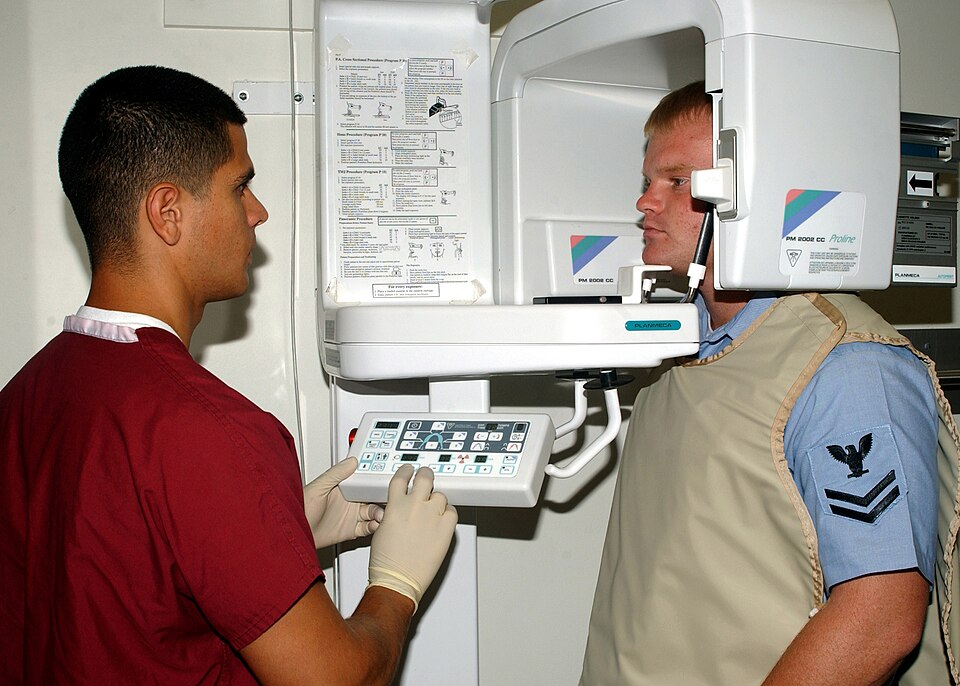
Annual full-mouth radiographic surveys were routine, taken as a matter of schedule rather than of need, in an era of long exposures, slow film and no collimation.
American guidance is now risk-based: radiographs are prescribed according to the individual patient’s clinical findings and caries risk rather than on a calendar, using the fastest available receptors, rectangular collimation and thyroid protection, with the principle being the lowest dose consistent with diagnosis.
The change is as much about the instruction as the equipment. A dose that was acceptable annually with modern digital sensors is not the question; the question is whether the image will change what the dentist does, and if not it is not taken.
14. Fluoride, which is the one thing that held up
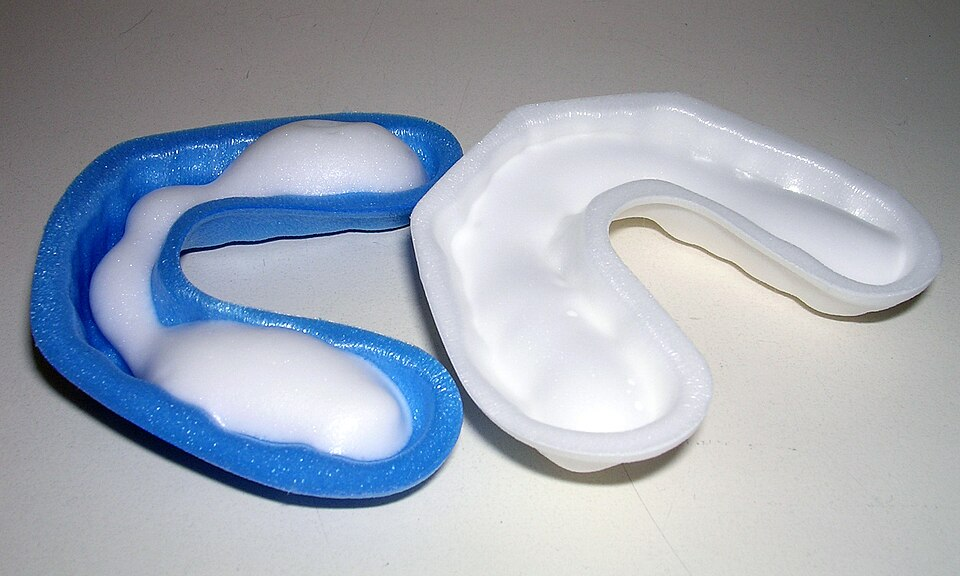
Community water fluoridation began in the United States in the 1940s, fluoride toothpaste became general in the 1960s, and both were contested at the time, sometimes fiercely.
Both have held up. Fluoride’s effect on decay in populations is among the better-evidenced findings in public health, the mechanism is understood as remineralisation of the enamel surface rather than a systemic effect, and the principal modern refinements have been about optimal concentration and about advising a smear rather than a full brush of paste for very young children to limit swallowing.
This is the right note to end on. A list of reversals creates the impression that the whole field is unreliable, and the single largest intervention of the period was correct, was argued about, and was confirmed. The advice that got overturned was the brushing technique. The chemistry was right.
Four instructions that compounded
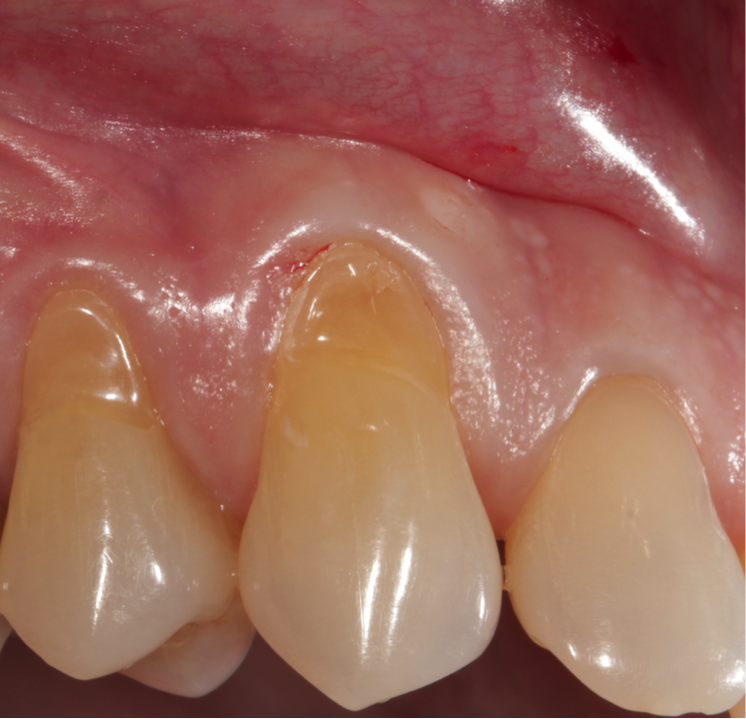
The reason this list matters more than it looks is that the first five items multiply. A hard brush is tolerable. A horizontal scrub is tolerable. Brushing in the half hour after acidic food is tolerable. An abrasive powder is tolerable. All four together, three times a day for forty years, produce the wedge-shaped notches at the gum line and the recession that a dentist sees in that generation and can attribute directly to the technique they were taught.
The modern instruction is almost the inverse in every particular: a soft brush, small angled strokes at the gum margin, twice a day, waiting after anything acidic, a standard-abrasivity paste, and spitting rather than rinsing. None of it is harder and most of it is less effort, which is the unusual thing about this reversal. The 1965 advice asked people to do more work and did more damage.
The single change worth acting on today is the rinse, because it takes no effort at all and it is the one almost nobody knows. Spit the toothpaste out and leave it; the fluoride needs to stay on the teeth, and a glass of water removes it.
The second is the frequency point. It is not how much sugar but how often, which means the sweetened drink sipped across an afternoon is the thing to change rather than the portion size.
Like our content? Follow us for more.