In 1964 an American who needed to say something urgently went to a counter, or telephoned one, and dictated it to a clerk who typed it and read it back.
It was charged by the word. Punctuation counted as words, which is why people wrote STOP. The address counted too, so you abbreviated that as well. For common occasions you could quote a catalogue number and send a message somebody else had written, cheaply.
Then a teenager in a uniform brought it to the door on a bicycle, and everybody on the street watched him come, because a telegram was almost never good news. Here are fifteen things every American knew about it.
1. You Went to an Office or Telephoned One and Dictated It
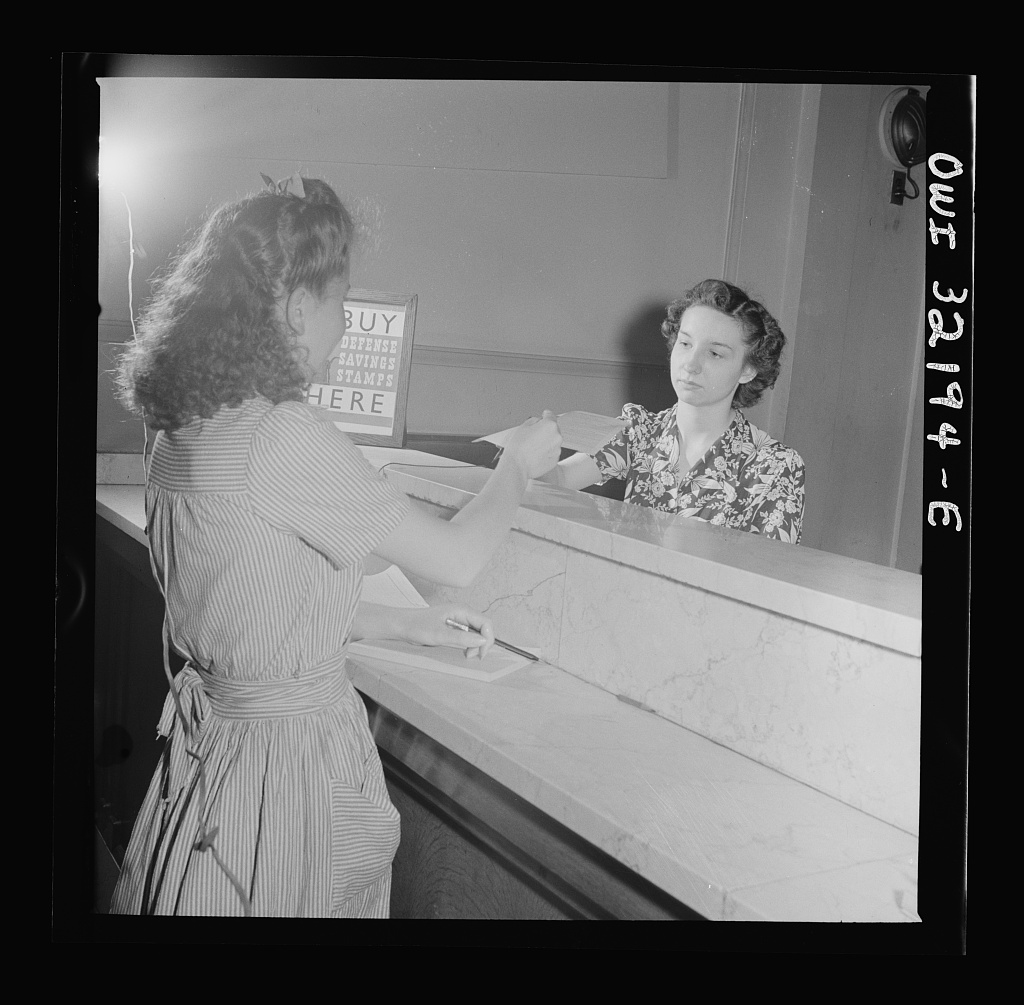
Sending a message meant going to a telegraph office counter and writing it on a blank, or telephoning the office and reading it aloud to a clerk who typed it and read it back to you.
Typing a message yourself on a device you own, which is sent in full, instantly, by you, with nobody transcribing anything.
Having a clerk in the loop changed what people wrote. Somebody else was going to read your words aloud back to you, and then a second person would read them at the other end before they were delivered – which made a telegram a semi-public document and kept the language of them notably formal.
Like our content? Follow us for more.
2. You Paid by the Word
The charge was calculated per word, with a minimum of around ten words and an additional charge for each word beyond it, varying by distance and by the class of service chosen.
Messages that cost nothing per word, of effectively unlimited length, with no price attached to how much you say.
This single fact produced the entire style. If every word costs money, you remove every word you can – articles, pronouns, connectives, courtesies – and you learn to compress a sentence down to its load-bearing nouns and verbs. Nobody taught that compression. The price schedule taught it, to everybody, at once.
3. Punctuation Cost Money, Which Is Where STOP Came From
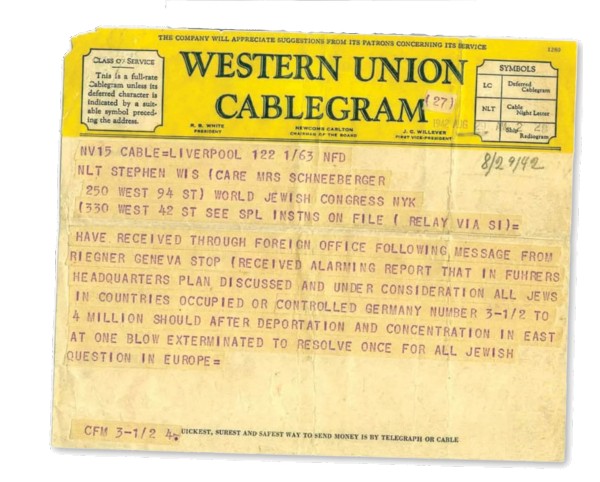
Punctuation marks were charged as words in many tariffs, so senders used the word for a full stop instead – because a four-letter word and a single period cost the same, and the word could not be mistaken for a smudge.
Punctuation that is free, invisible in cost terms, and used without any thought at all.
The reason is not quaintness, it is reliability. A telegram was transcribed, transmitted, received and typed again by hand, and a small mark survives that chain badly while a capitalised word survives it perfectly – so the convention existed to prevent a sentence breaking in a way that changed its meaning.
4. There Were Numbered Fixed-Price Greetings
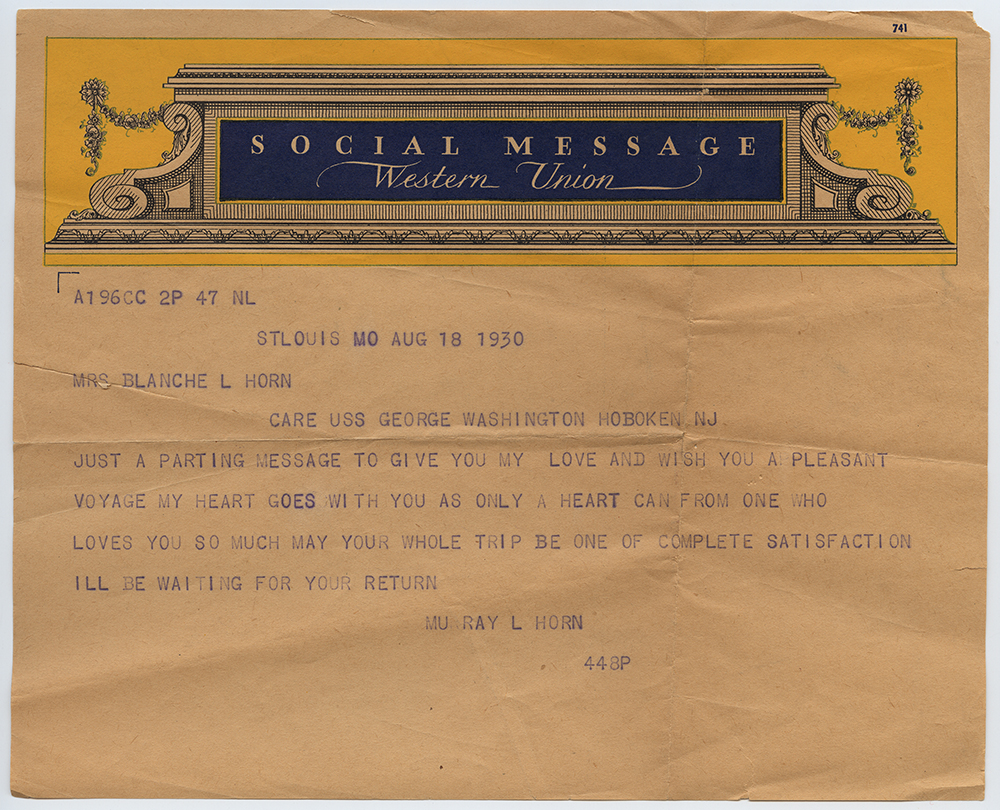
For common occasions the company published lists of pre-written messages identified by number – congratulations, condolences, birthday and holiday wishes – sent at a flat low rate by quoting the number rather than composing anything.
Pre-written messages in cards, applications and platforms, selected from a list, which is the identical idea with no price advantage attached.
The numbered greeting is a genuinely odd artefact of per-word pricing. If composing your own words costs more than selecting somebody else’s, a market appears for standard sentiments – so a very large number of American families received, on significant days, a message their sender had chosen off a list by its catalogue number.
5. The Address Counted Too, So You Abbreviated That
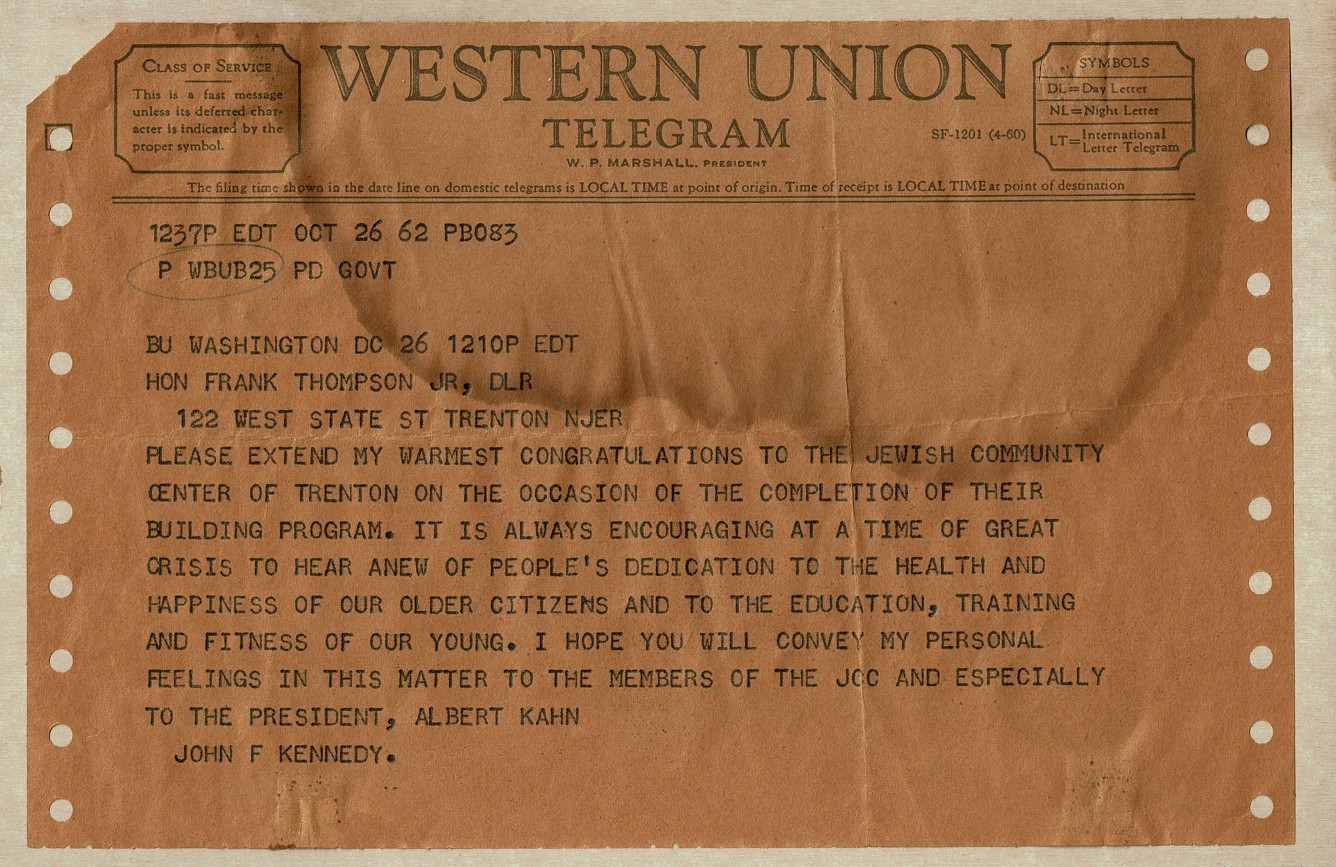
The recipient’s name, street and city were charged in many services as part of the message, which meant senders compressed addresses as hard as they compressed text and relied on the delivering office to work it out.
Addresses that are either not required at all or are a single stored contact, with no cost attached to their length.
It worked because delivery was local and human. An office in a small city had a messenger who knew the streets, so an address that would defeat an automated system today was perfectly deliverable – and senders took advantage of that to shave the charge.
6. A Messenger Brought It to the Door
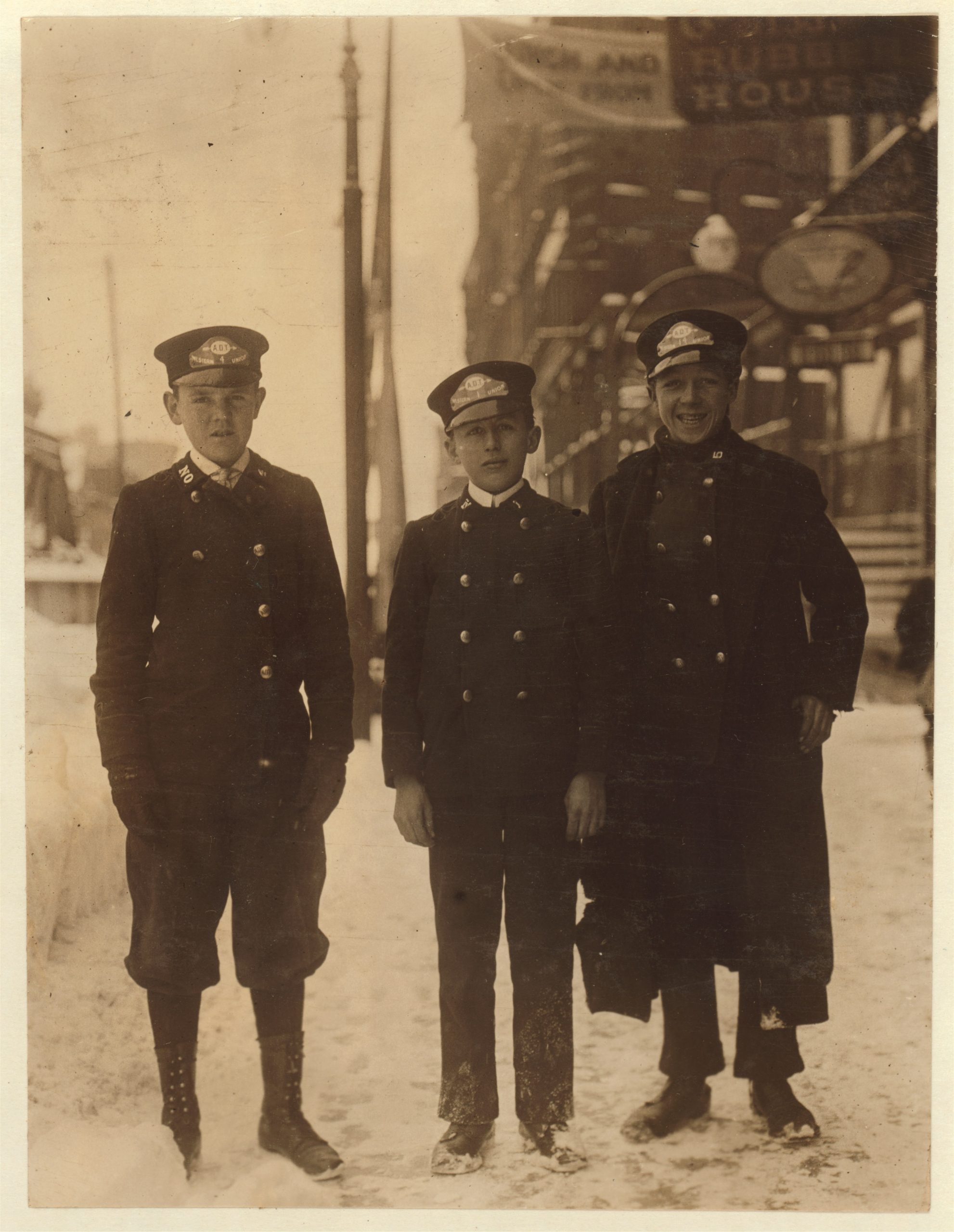
Delivery was by hand. A uniformed messenger – frequently a teenage boy on a bicycle or a motor scooter – carried the envelope to the address and handed it over, or read it aloud if the recipient asked.
Electronic delivery to a device in a pocket, instant, with no person involved and nothing handed to anybody.
The messenger job is one of the period’s characteristic first employments and it was genuinely demanding. A boy on a bicycle had to find addresses from compressed instructions, in any weather, at any hour, and hand over documents whose contents he frequently knew.
7. The Uniform at the Door Meant Something and People Dreaded It
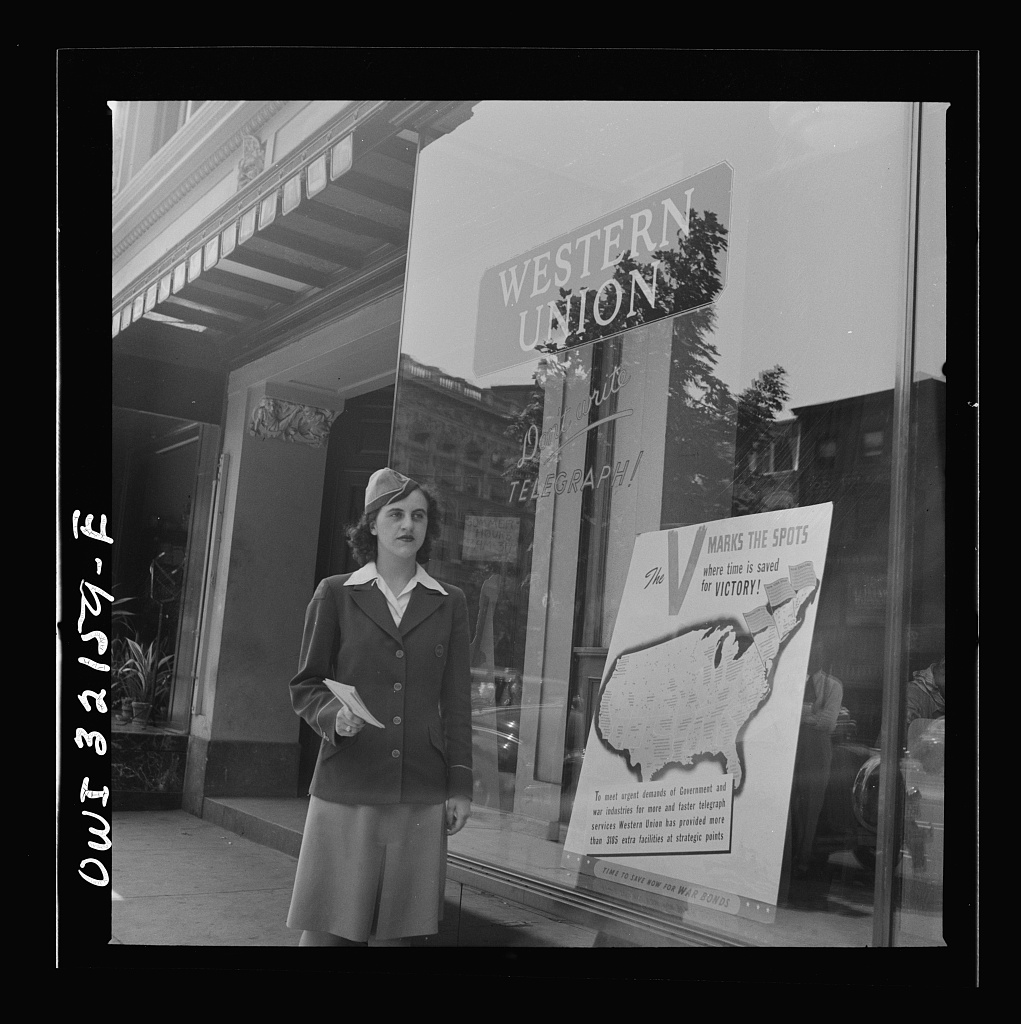
Because the service was used for urgent news, the sight of a messenger approaching a house produced immediate apprehension – and households watched them come up the street with real fear.
No equivalent whatsoever. There is no visible signal that arriving information is serious, and no object whose appearance at a door means anything at all.
The apprehension is in every account of the period and it was rational, because the medium was reserved by cost for things that could not wait. A knock from somebody in that uniform was, statistically, far more likely to be grave than cheerful – and neighbours watched too.
8. Official Notifications of Death in Service Arrived This Way
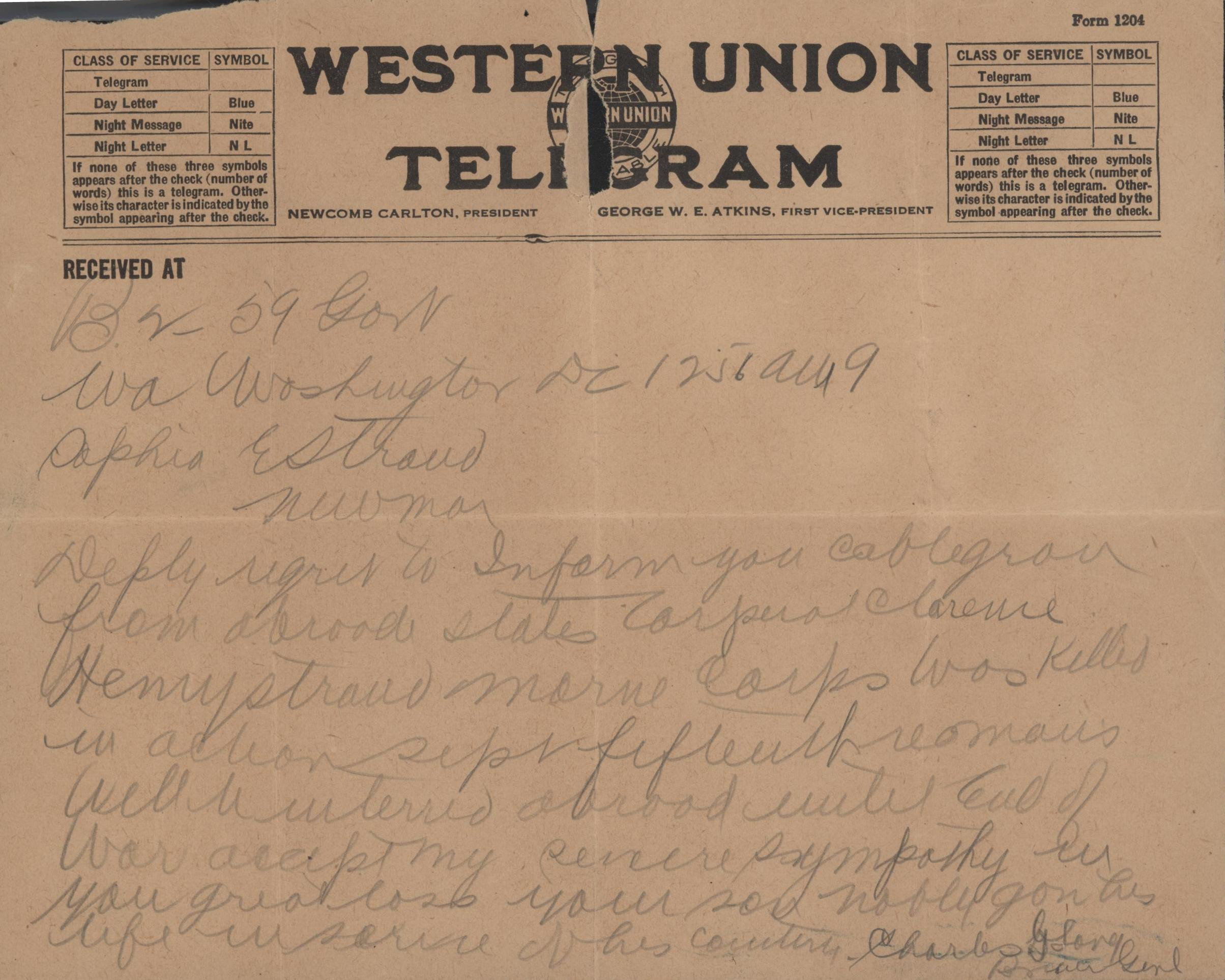
For a long period the United States notified families of a serviceman’s death, wounding or missing status by telegram, delivered to the door in the ordinary way by the ordinary messenger.
In-person notification by uniformed officers trained for the task, which is the practice now and has been for decades.
This has to be stated because it explains the dread, and the change away from it is unambiguously a reform. Delivering that news as a typed message handed over by a teenager at a front door was recognised as unacceptable, and the shift to notification by trained personnel in person is one of the clearer improvements in how the country treats its bereaved families. No account of the telegram is honest without it.
9. The Form Was a Printed Blank With the Message Pasted On
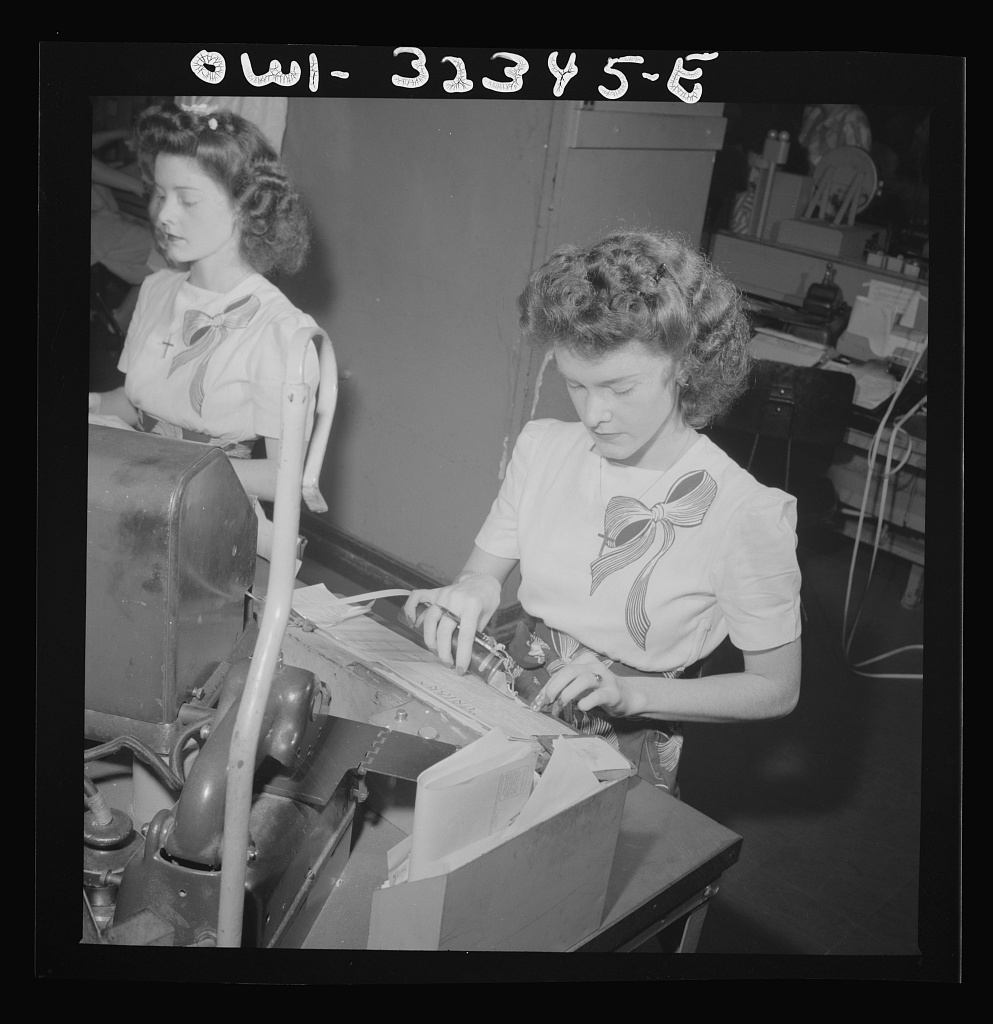
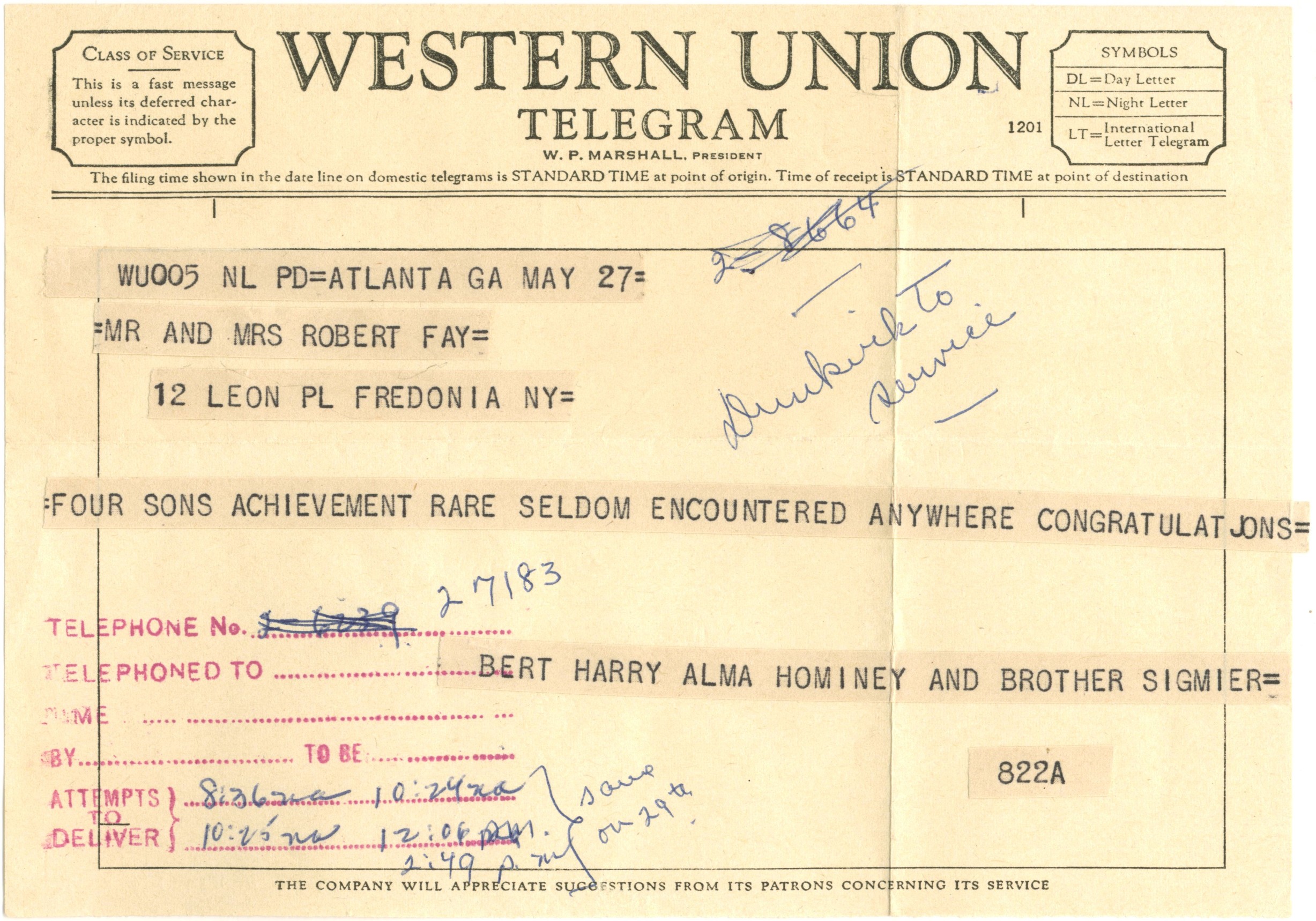
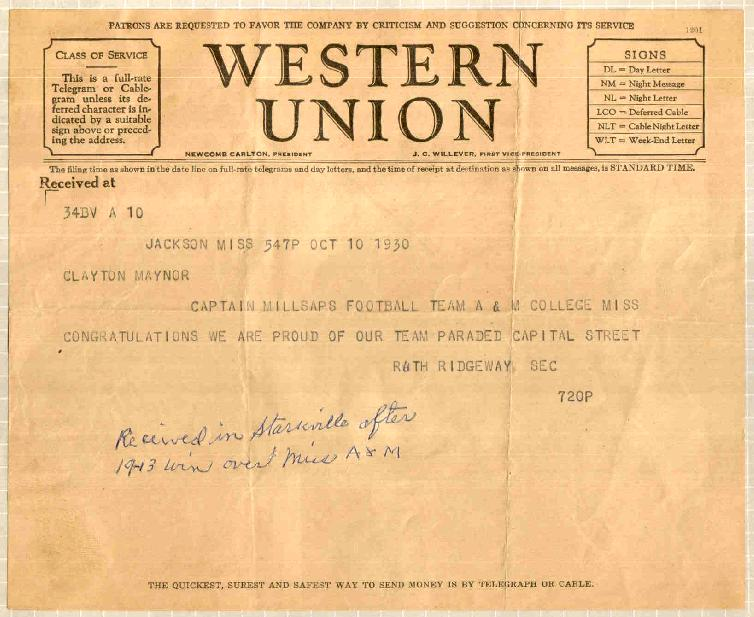
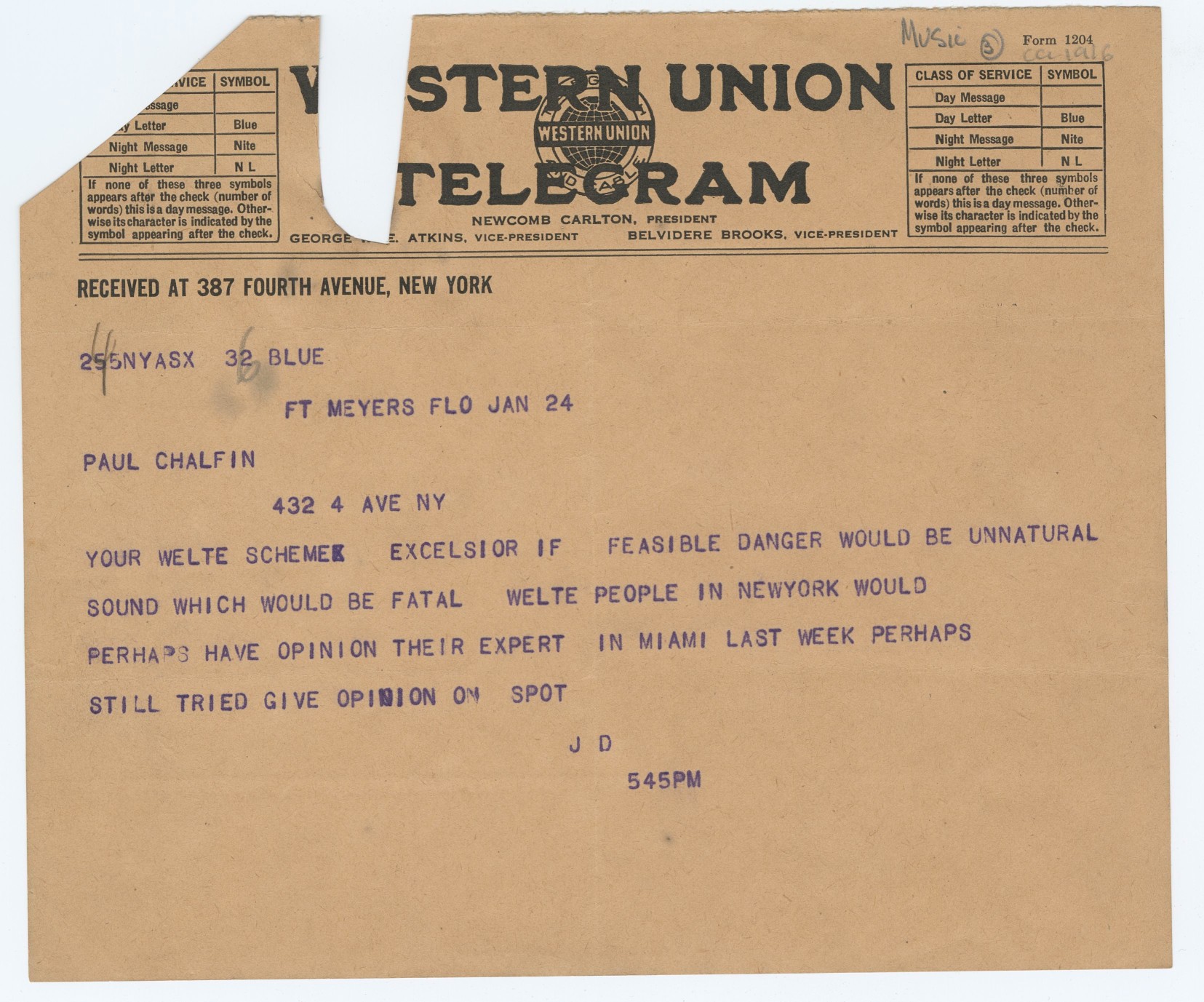
The delivered document was a printed company form onto which the operator’s typed or printed message had been cut into strips and glued line by line, under the letterhead, with the sending point and time printed above.
A screen of text in a thread, with no document, no letterhead, no physical artefact and nothing to keep.
The pasted strips are why telegrams look the way they do and why they survive in family papers. The result is an object: a dated, sourced, officially headed piece of paper carrying a few words – which is exactly the sort of thing a household kept, and a great many scrapbooks have one in them.
10. Night Letters Were Cheaper and Arrived in the Morning
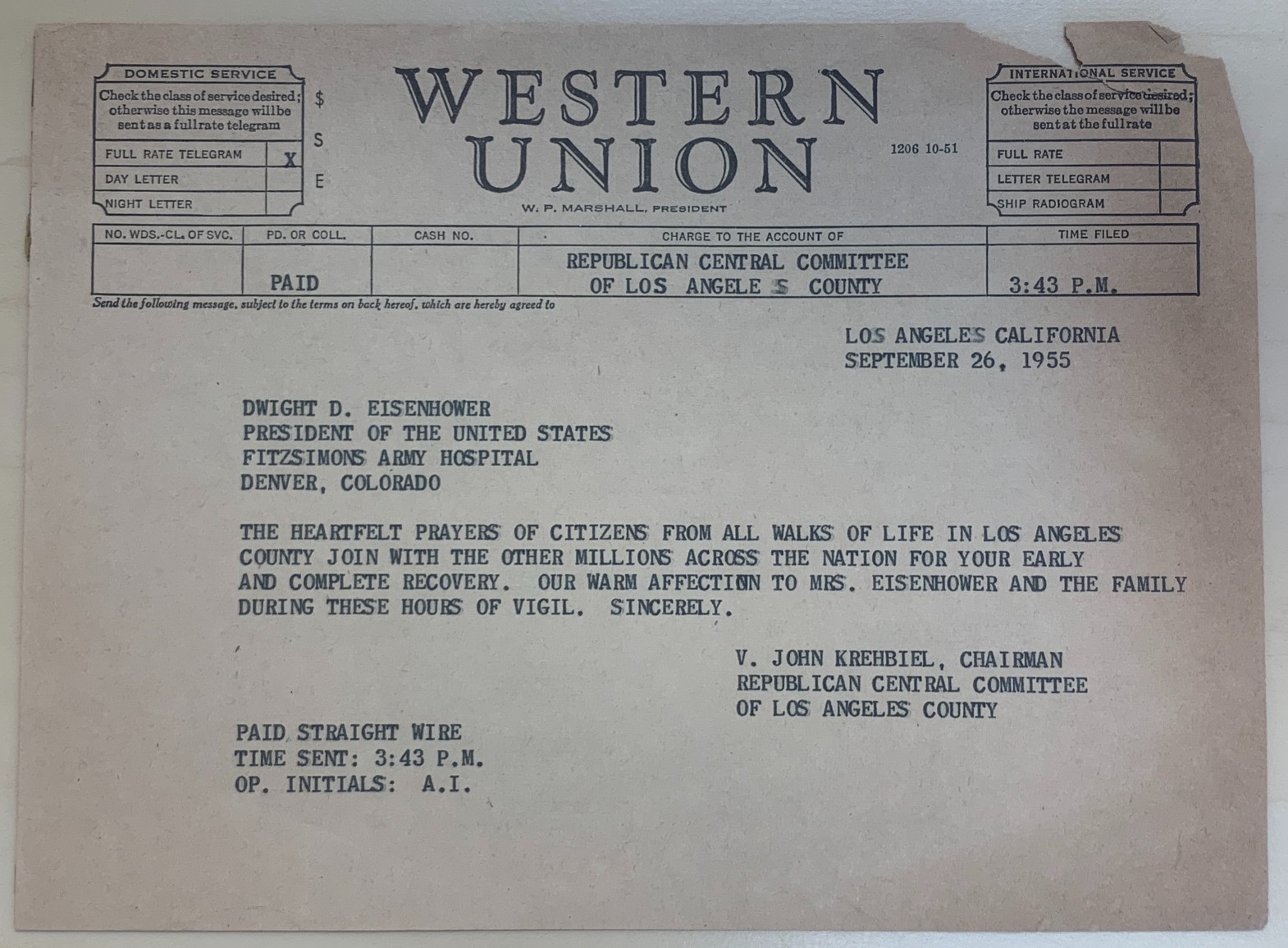
The service came in classes. A full-rate message went immediately at the highest price; a day letter was slower and cheaper with a longer minimum; a night letter was sent overnight for delivery next morning at the lowest rate of all.
One speed – immediate – with no cheaper option because there is no cost to trade against and nothing to be gained by waiting.
Tiered pricing by urgency is the thing people find hardest to imagine now and it was entirely rational. Overnight capacity on the wires was idle, so selling it cheaply for non-urgent traffic filled it – and a household with news that could wait until morning saved real money by letting it.
11. Money Could Be Sent by Wire and That Was a Separate Business
The same offices transferred money: cash paid in at one counter was paid out at another within hours, against identification, for a fee – a service that for many people had no alternative at all.
Electronic transfer between accounts, card payments and application-based transfers, alongside the same wire-transfer service still operating for people without bank accounts.
The money service outlived the messages by decades and for a reason worth naming. Transferring cash quickly over distance to somebody with no bank account is a genuine need that electronic banking did not solve for everybody – which is why that counter is still there long after the telegram counter closed.
12. It Was the Fastest Thing Available and Everybody Knew the Price
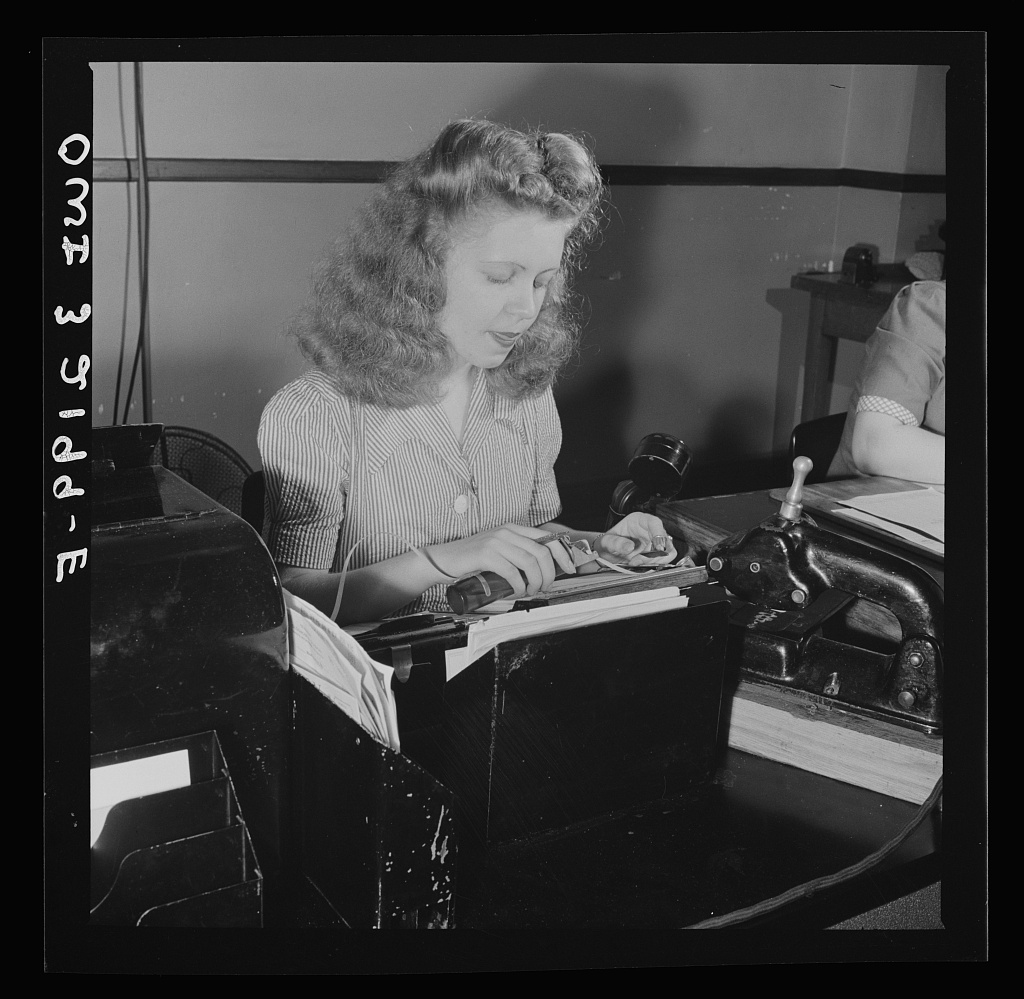
A telegram crossed the country in minutes at a time when a letter took days and a long-distance telephone call was expensive, operator-placed and not always available – so speed had a published price and people weighed it deliberately.
Instant communication at effectively zero marginal cost, with no decision to make and no price to weigh.
Weighing the cost of speed is a mental habit that has disappeared entirely. A household in 1964 would genuinely sit and decide whether news warranted a telegram, a long-distance call, or a letter that would arrive Thursday – and that calculation was part of how seriously a piece of news was treated.
13. Business Ran on It, With Codes to Compress It Further
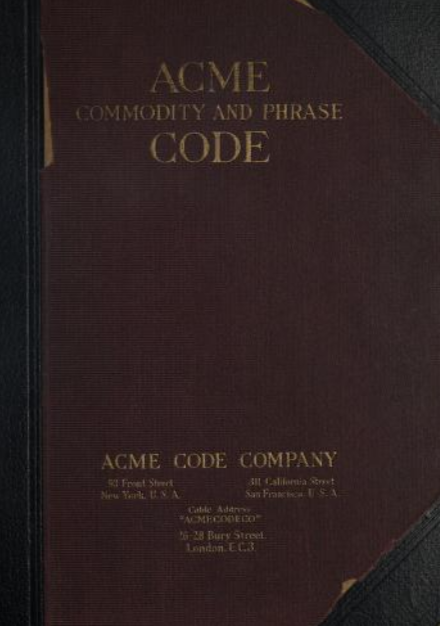
Commercial users sent enormous volumes and reduced costs further by using published code books in which a single invented word stood for a whole sentence – shipping instructions, prices, confirmations – agreed in advance between the parties.
Structured electronic messaging between systems, in which the compression is performed by protocol and nobody reads it.
The code books are a direct ancestor of data compression as a commercial practice. If transmission is charged by the word, then replacing a sentence with one agreed token is money saved on every message – and entire industries published and maintained their own code vocabularies for exactly that purpose.
14. You Could Prepay the Reply
A sender could pay in advance for the recipient’s answer, so that the reply form arrived with the message and the response cost the recipient nothing.
Nothing comparable, since replying is free, which removes both the courtesy and the slight pressure it carried.
The prepaid reply was a small social instrument. Paying for somebody’s answer was generous and it also made declining to answer conspicuous – so a sender who wanted a response and knew the recipient could not comfortably afford one had a way to ensure it that was both kind and faintly insistent.
15. Then the Price Per Word Went to Zero and Came Back Anyway
The message was composed at a counter, charged by the word with punctuation counted, compressed to its load-bearing words, graded by urgency, transcribed twice by hand, pasted onto a printed form and carried to a door by a boy in a uniform that frightened people.
Free, instant, unlimited, self-sent electronic messages that cost nothing per word and arrive on the same device as everything else.
And here is what makes the telegram worth more than nostalgia. Its famous compressed prose was not a style anybody chose – it was a price schedule expressed as grammar. Remove the price and the compression should have vanished, and for a while it did. But it came back, almost exactly, as soon as something else began charging for length: character limits on short messages, the few words of a subject line, the truncated preview on a notification, the headline that must work in forty characters. The constraint returned as attention rather than money, and the prose it produces is the telegram’s prose – no articles, no connectives, load-bearing words only. What has not come back is the other half, and it is the half that mattered most. A telegram was the only message that arrived in a stranger’s hand, at your door, as an object, visibly serious – which meant the medium itself carried the weight of the news. Grave information now arrives on the same device, in the same font, with the same notification sound as everything else, and nothing whatsoever tells you in advance that you should sit down.
The Price Schedule Was a Grammar
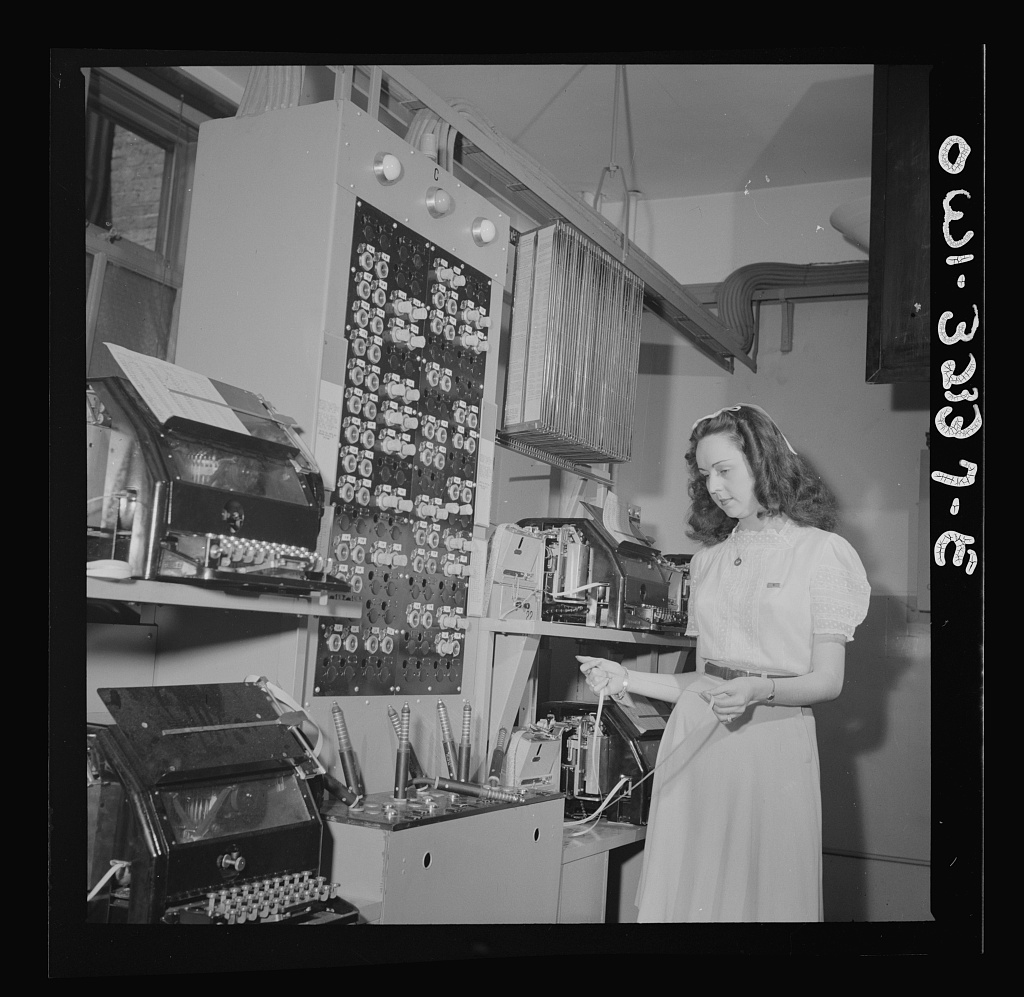
The telegram is remembered for a style: clipped, compressed, no articles, no connectives, STOP instead of a period. It reads as a period voice, like something out of a film.
It was not a style. It was a tariff.
Every word cost money. Punctuation was charged as a word in many schedules. The address was counted in many services too. So the economics of a message were brutally simple – say it in fewer words and pay less – and millions of people, none of them taught anything about prose, independently arrived at the same solution. Strip the articles. Drop the pronouns. Remove the courtesies. Keep the nouns and the verbs that carry the load. Write STOP because a word survives being transcribed by hand four times and a small mark does not.
That is a grammar generated by a price list, and it was universal because the price list was universal.
Which suggests an obvious prediction: remove the price and the compression disappears. And for a while, it did. Email cost nothing per word, had no length limit, and people wrote long, loose, unedited messages in enormous volume.
Then it came back, and it came back almost exactly.
Short messages arrived with a hard character limit, and the prose that filled them was telegram prose. Subject lines gave you a few words to carry a whole message. Notification previews truncate after a line, so the useful content has to be at the front. A headline has to work in forty characters. A push alert has to say the thing before it runs out of room.
The constraint returned – not as money, but as attention, which is now the scarce resource being charged for. And the writing it produces has the same shape as the writing a per-word tariff produced in 1964, because it is solving the identical problem under a different currency.
So the telegram’s style is not extinct. Most people reading this wrote something in it today.
What has gone is the other half, and it is the part that actually mattered.
A telegram was an object. It was a printed form with a letterhead, a sending point, a time, and a few words pasted onto it in strips. It was carried to your house by a person, handed over, and frequently read aloud. It cost enough that nobody sent one casually, which meant the medium itself was a signal: the appearance of that uniform at the end of the street told a household, before a single word was read, that something had happened.
And the country eventually recognised that this was the wrong way to deliver the worst news. Notifying a family of a death in service by handing a typed form to somebody at a front door was abandoned in favour of notification in person by trained officers – which is unambiguously better and is not a loss of anything.
But the general principle went with it. Grave news now arrives on the same device as a delivery notification, in the same typeface, with the same sound.
There is no longer any way for information to announce its own weight before you read it.
If you ever received one, you remember the paper and the strips of message glued across it.
And if you grew up in a house that got one, you remember what happened in the room.
Like our content? Follow us for more.