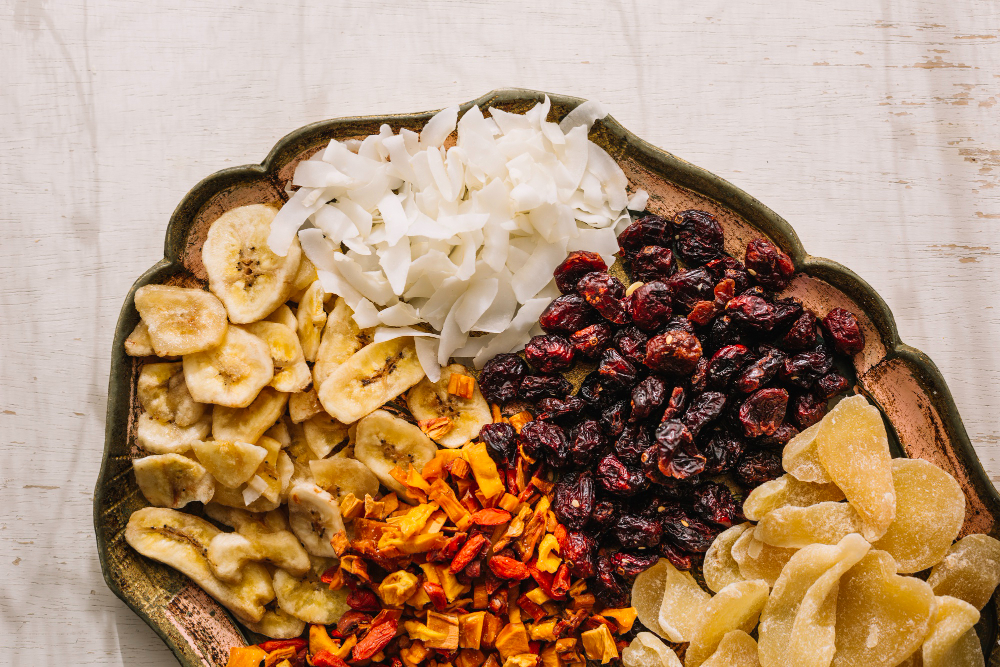
The principle is simple: spoilage organisms need water, and removing it stops them. Everything interesting about drying is what else happens while the water is leaving. Here are sixteen.
1. It Removes What the Organisms Need
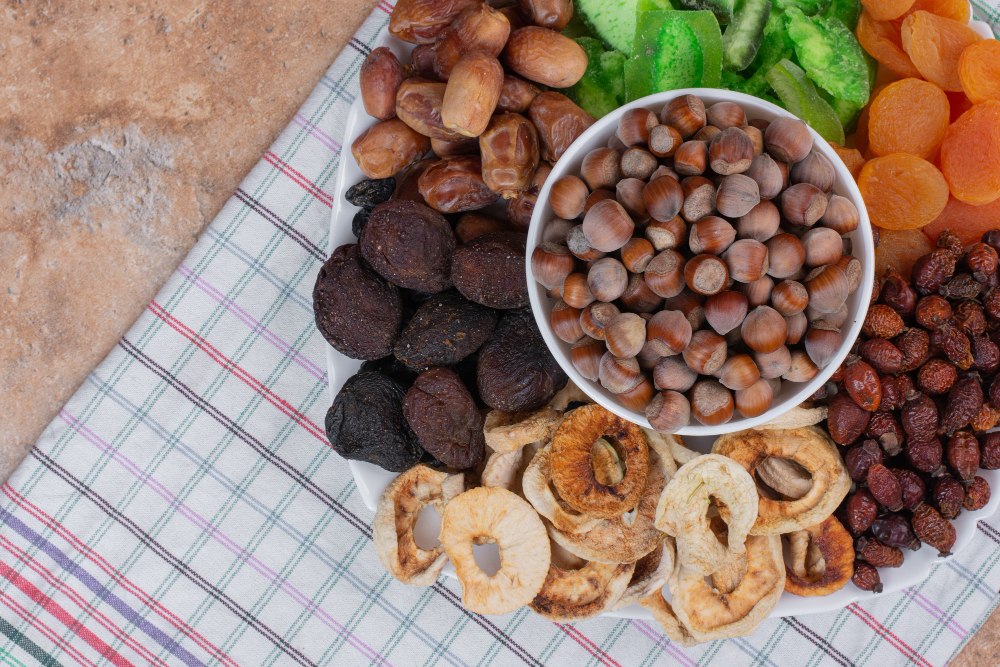
Bacteria, yeasts and moulds all require available water to function, so reducing the water content below a threshold stops them without killing anything.
Nothing is added and nothing is heated to destruction. Water removal is preservation by making the environment impossible.
Like our content? Follow us for more.
2. It Is the Oldest Method There Is
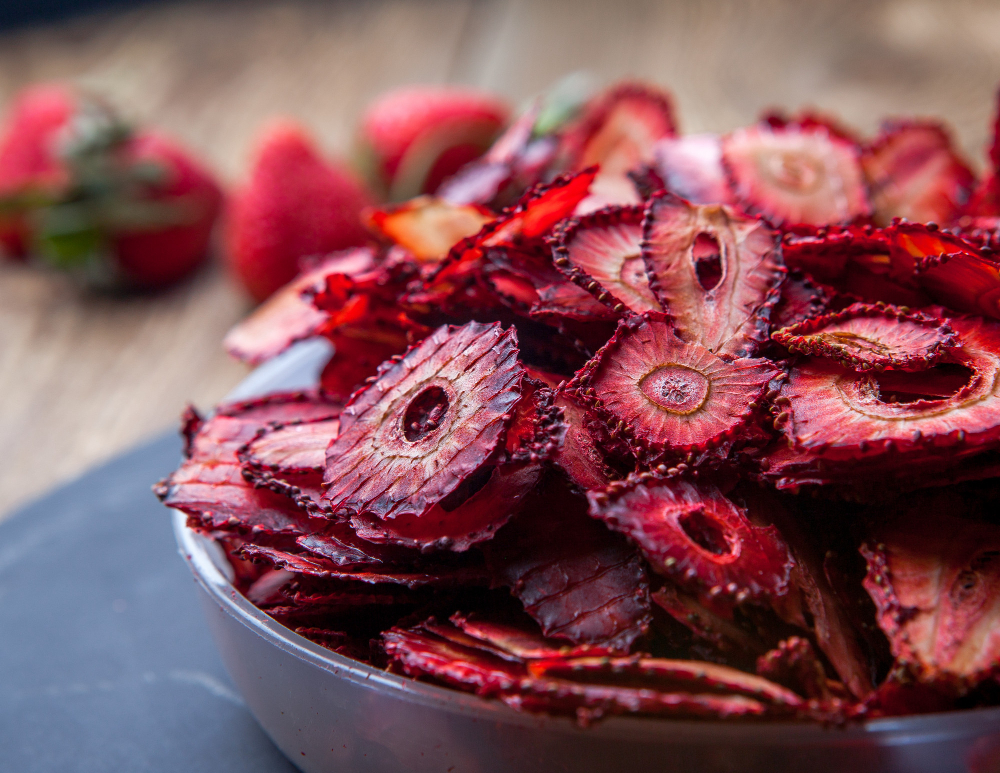
Drying requires no equipment, no additives and no container – only suitable weather – which is why it predates every other preservation technique by a considerable margin.
Every inhabited region developed a version. Universal availability is why drying appears everywhere.
3. The Climate Decides the Method
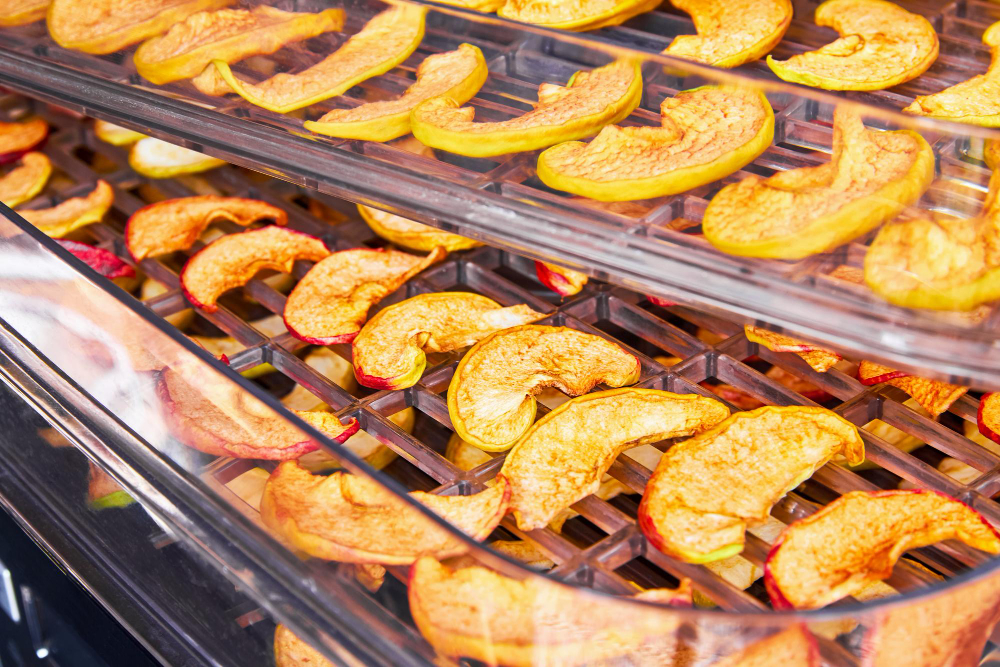
Sun drying needs warmth and low humidity; wind drying works in cold dry air; and in humid conditions neither works and other methods had to be developed instead.
The local weather determined the local cuisine. Climatic dependence is why preserved foods differ so sharply by region.
4. Cold Air Dries as Effectively as Warm
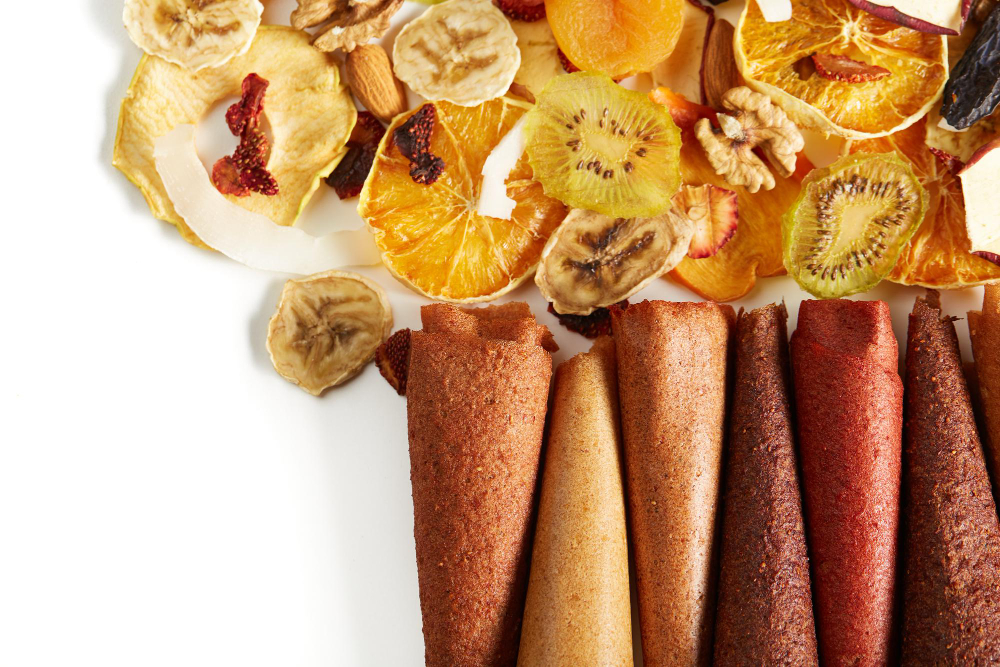
Freezing air holds very little moisture, so food exposed to cold dry wind loses water rapidly even while frozen, with ice converting directly to vapour.
No warmth is involved at any stage. Cold drying is the method that looks like it should not work.
5. And Altitude Does It Faster
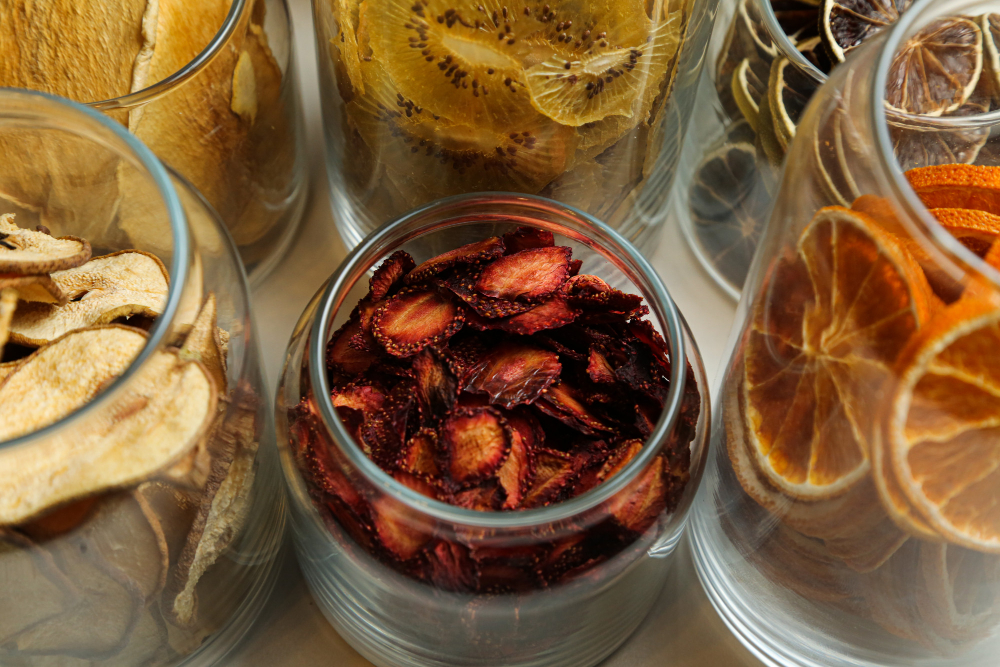
Repeated freezing overnight and thawing by day physically ruptures cells and expels water, which combined with low pressure and dry air produces very effective drying.
It is a traditional technique in high dry regions. Freeze-thaw drying is the method the geography supplies.
6. Ice Can Leave Without Melting
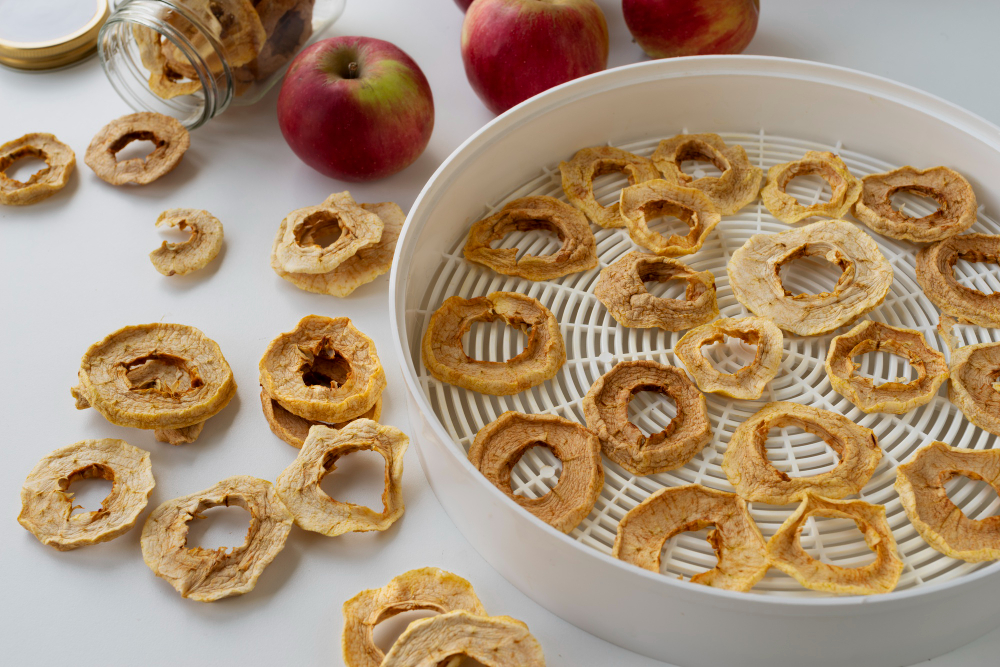
Frozen water converts straight to vapour without becoming liquid, which is what makes cold drying work and is the same process that dehydrates frozen food in storage.
One is deliberate and one is a fault. Sublimation is the same mechanism producing opposite outcomes.
7. Salt Pulls the Water Out First
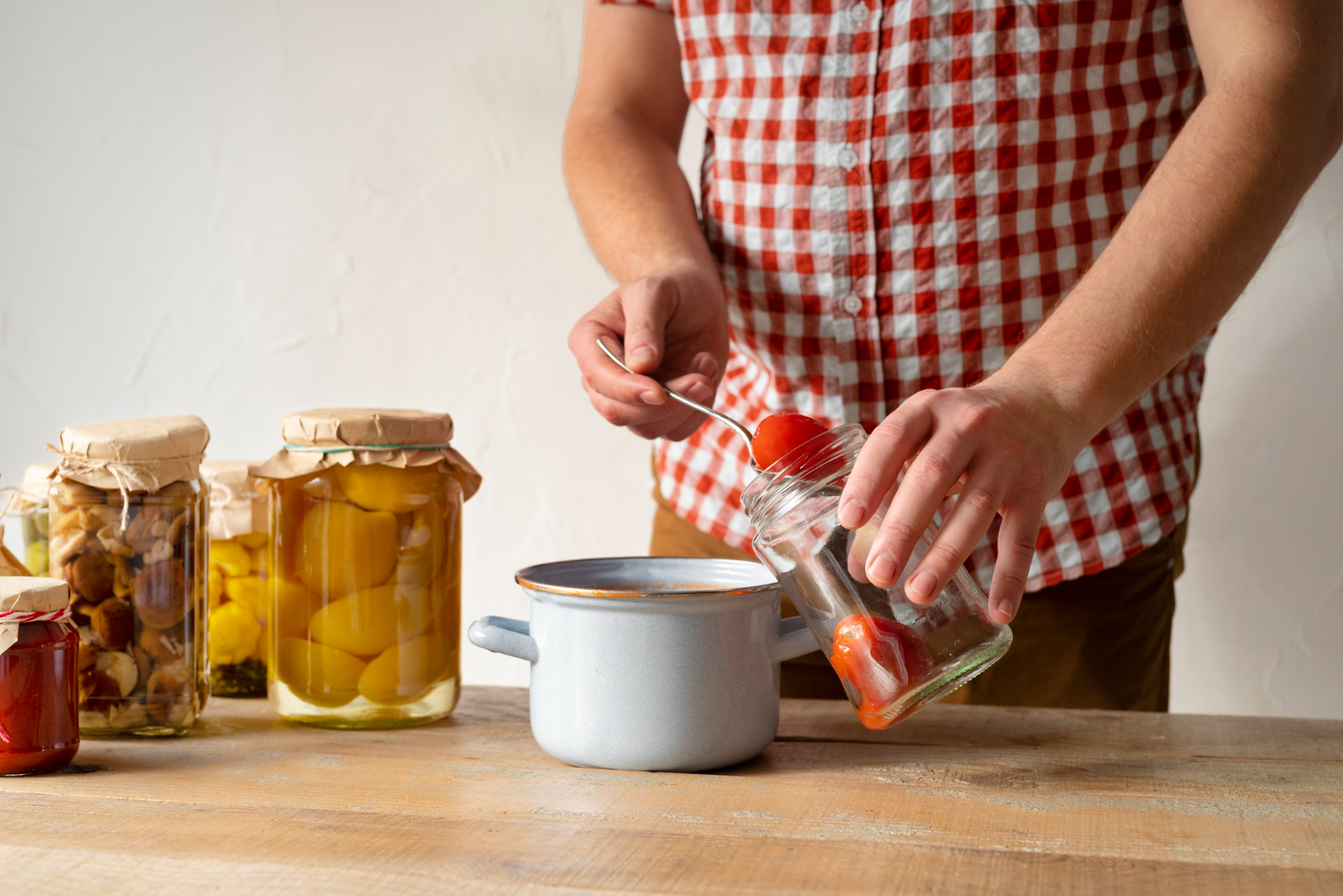
Salting before drying draws moisture from the tissue by osmosis, which starts the process, reduces the time required and lowers the water content further than air alone would.
The two methods reinforce each other. Combined salting is why so many traditions do both.
8. Drying the Outside Too Fast Traps the Inside
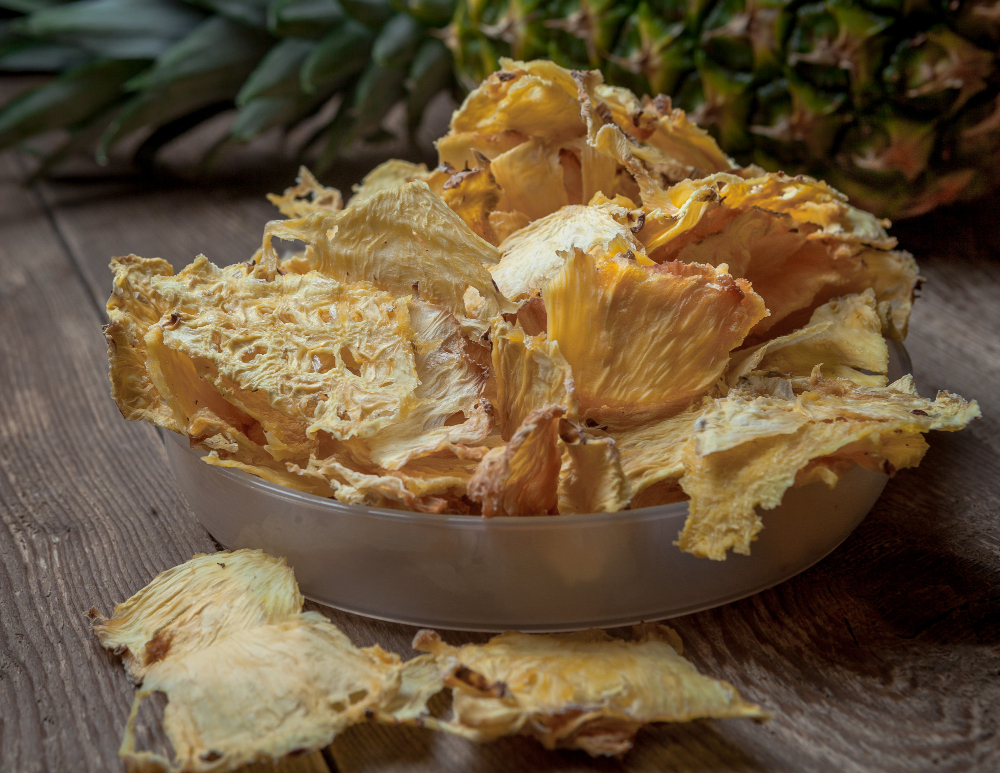
If the surface dries much faster than moisture can travel from within, it forms a hardened layer that seals the interior, which then spoils inside an apparently dry exterior.
It is a common and serious failure. Case hardening is the reason drying cannot simply be accelerated.
9. Flavour Concentrates Enormously
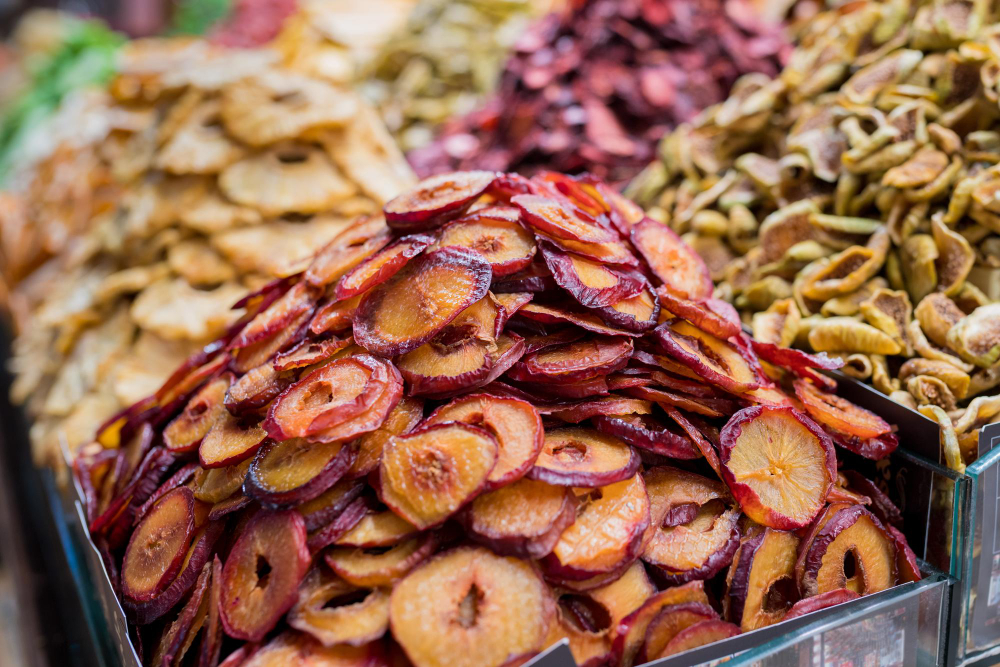
Removing water concentrates everything remaining – sugars, acids, salts and flavour compounds – which is why dried fruit is intensely sweet and dried tomatoes taste nothing like fresh ones.
The intensity is arithmetic rather than transformation. Concentration is what makes dried food a different ingredient.
10. And Some Flavours Are Created
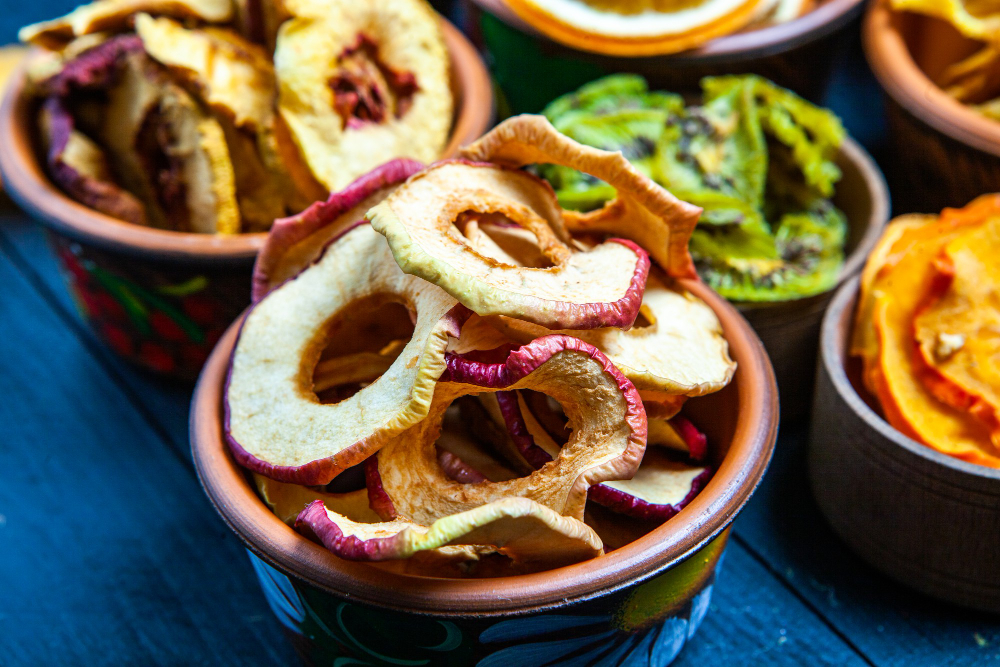
Extended drying allows enzymatic and chemical changes to proceed slowly, producing compounds absent from the fresh material entirely.
That is why some dried foods have no fresh equivalent in taste. Slow chemistry is the transformation that happens while the water leaves.
11. While Others Are Lost
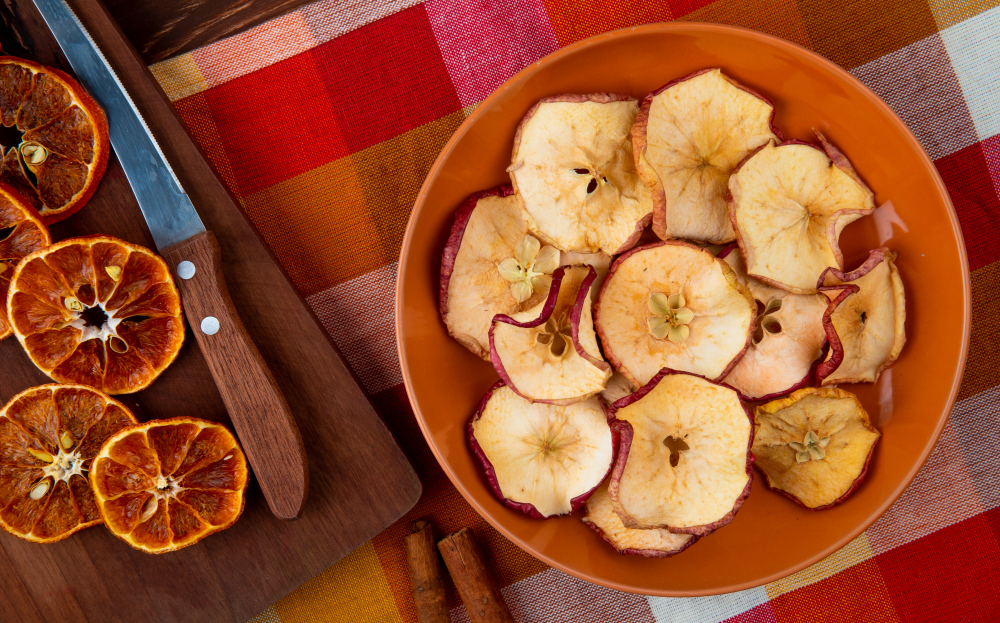
Volatile aromatic compounds evaporate along with the water, so the most delicate elements of a fresh ingredient are the first things to go.
That is why some things dry well and others should not be dried at all. Volatile loss is the cost the concentration is paid for with.
12. Texture Changes Permanently
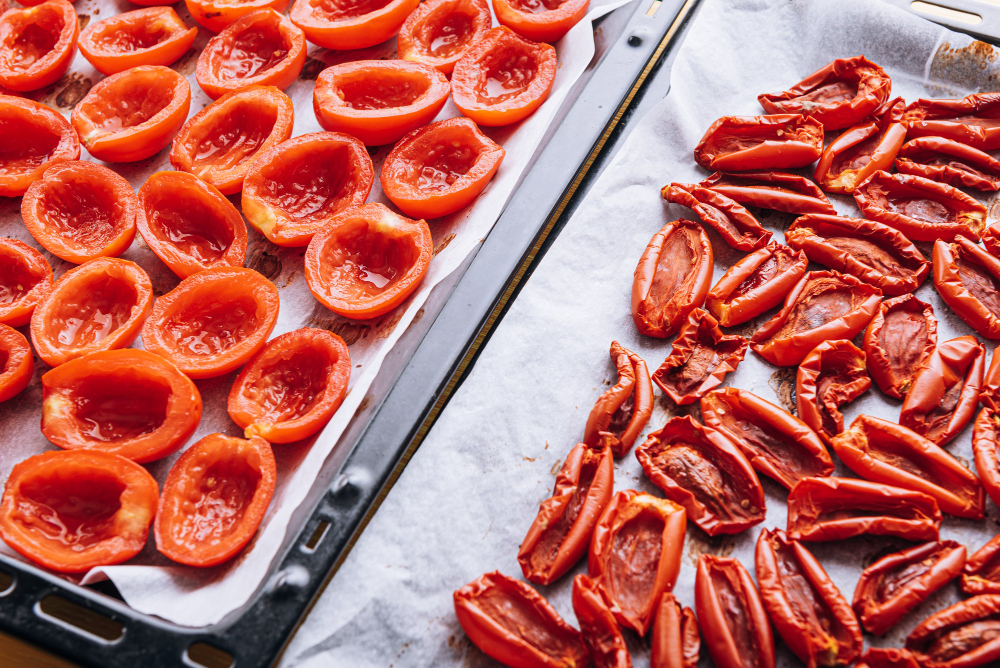
As water leaves, cell walls collapse and structures compress, and rehydrating restores the water without restoring the arrangement it was held in.
Nothing returns to its original state. Structural collapse is why rehydrated food is never fresh food.
13. So It Cooks Differently
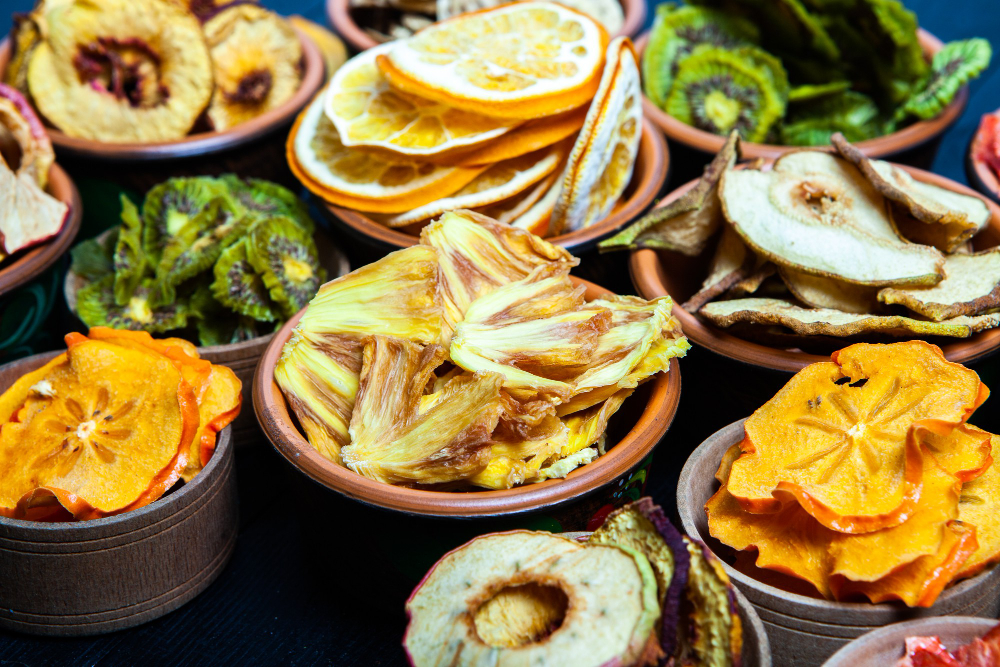
Dried ingredients absorb liquid from a dish, take longer to soften and release their concentrated flavour gradually rather than immediately.
Substituting dried for fresh by weight produces the wrong result twice over. Different cooking behaviour is why the two are separate ingredients.
14. Grinding Accelerates Everything
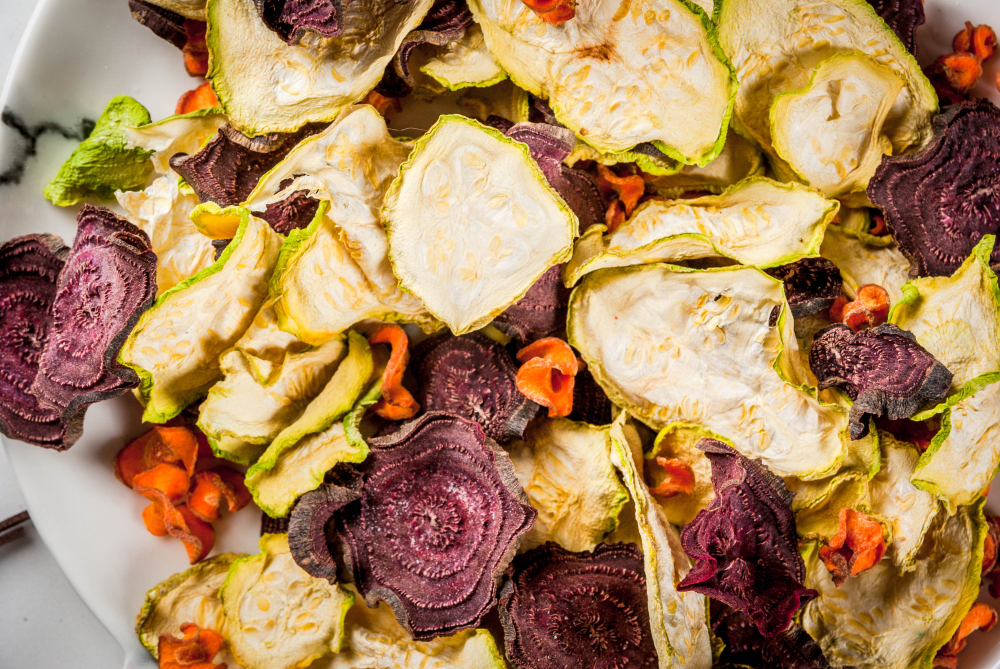
Reducing dried material to powder multiplies its surface area, which releases flavour faster and also loses it far faster in storage.
Whole keeps and ground fades. Surface area is the trade between convenience and keeping.
15. It Made Food Portable
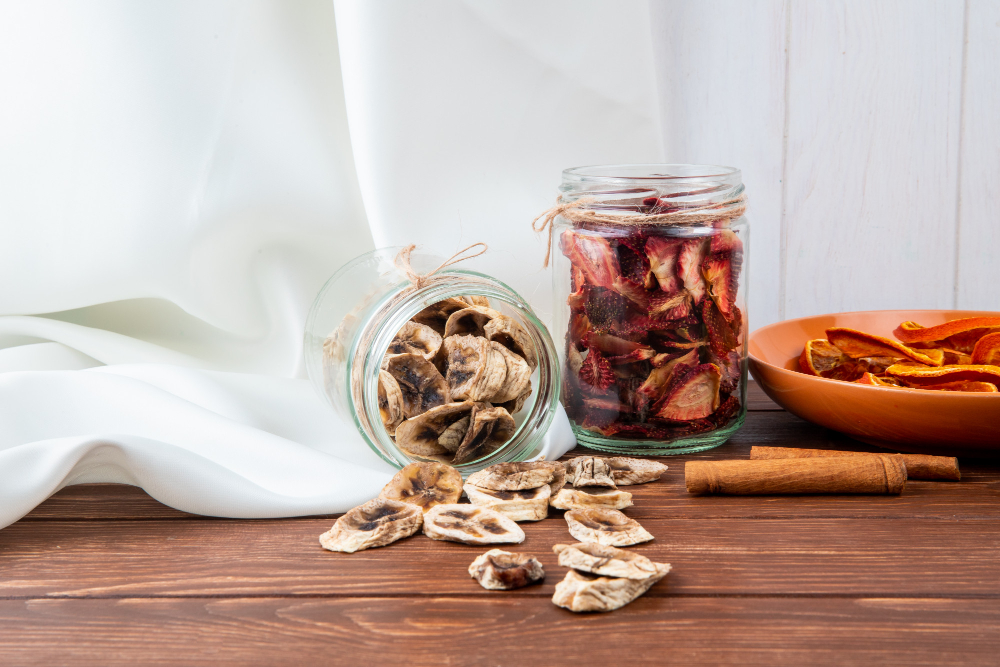
Dried food weighs a fraction of fresh, needs no container and keeps indefinitely, which is why every long journey, expedition and trade route in history ran on it.
Trade over distance was not otherwise possible. Portability is the consequence that shaped commerce.
16. The Water Has to Stay Away
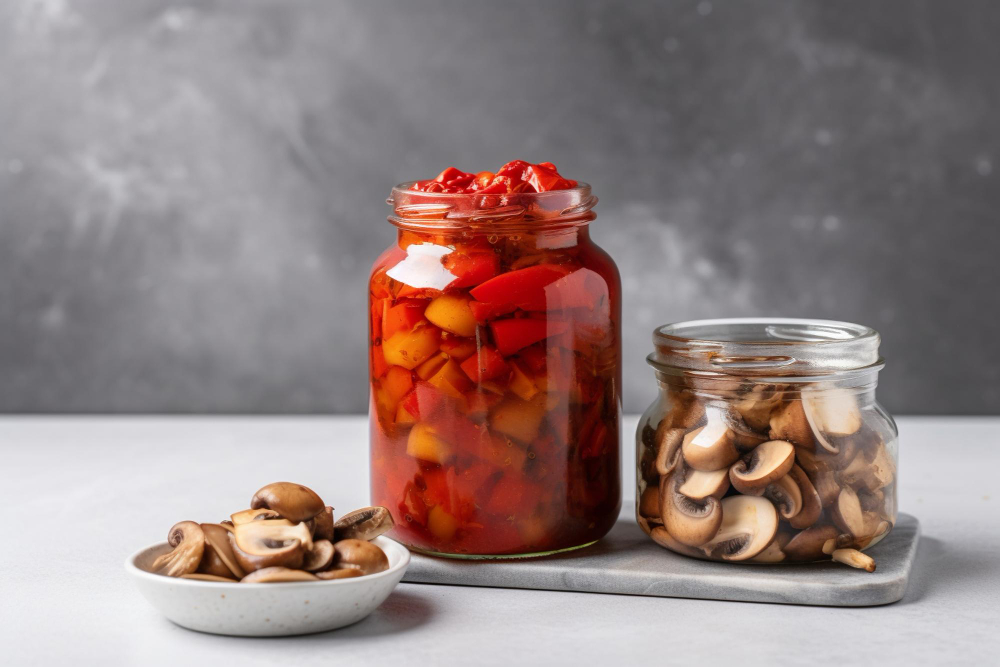
A dried food will spoil the moment it takes moisture back up, which means storage matters as much as the drying and humidity is the enemy throughout.
Airtight and dry is the entire requirement. Rehydration risk is why the method preserves nothing on its own.
Take the Water Out and Everything Changes
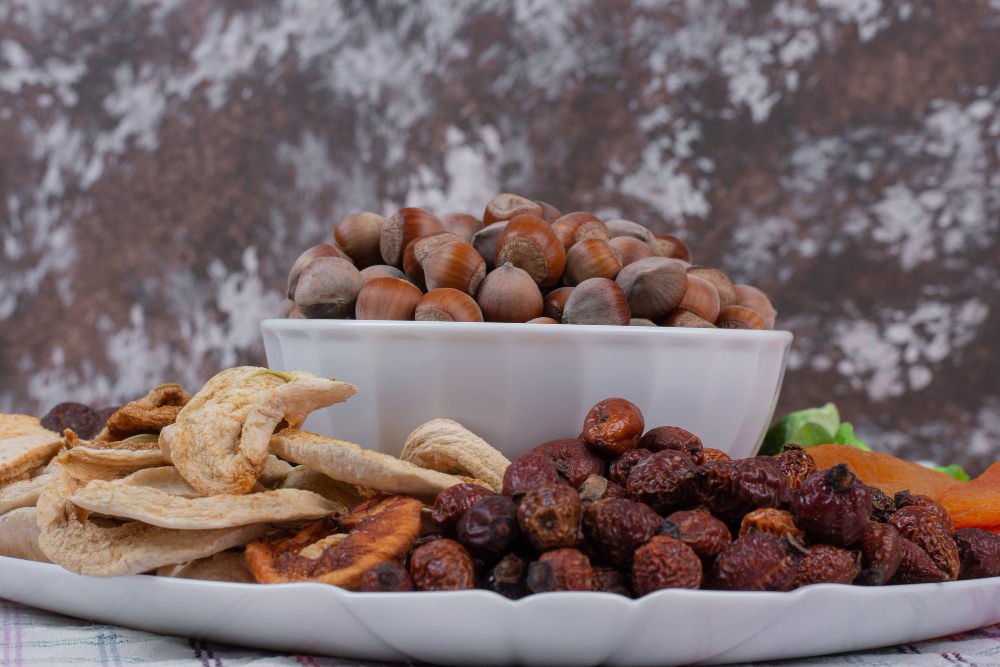
Preservation, concentration, transformation, textural collapse and portability – all consequences of removing the same substance, and all reasons dried food is an ingredient rather than a stored version of a fresh one.
One necessary note: drying food safely depends on getting the moisture low enough throughout, and the case-hardening failure described above is exactly why home drying is not simply a matter of leaving something out. Anybody actually preserving food should follow a tested procedure from a recognised authority rather than working from principles.
Like our content? Follow us for more.