The chocolate chip cookie went national so completely that it flattened the map behind it — but drive around the country with an appetite and you’ll find whole cookie traditions that never left home: state cookies enshrined in law, church-sale staples with disputed birthplaces, and recipes that tell you exactly where you’re standing. Here are eight of them.
1. The Toll House Original: Massachusetts Starts the Story
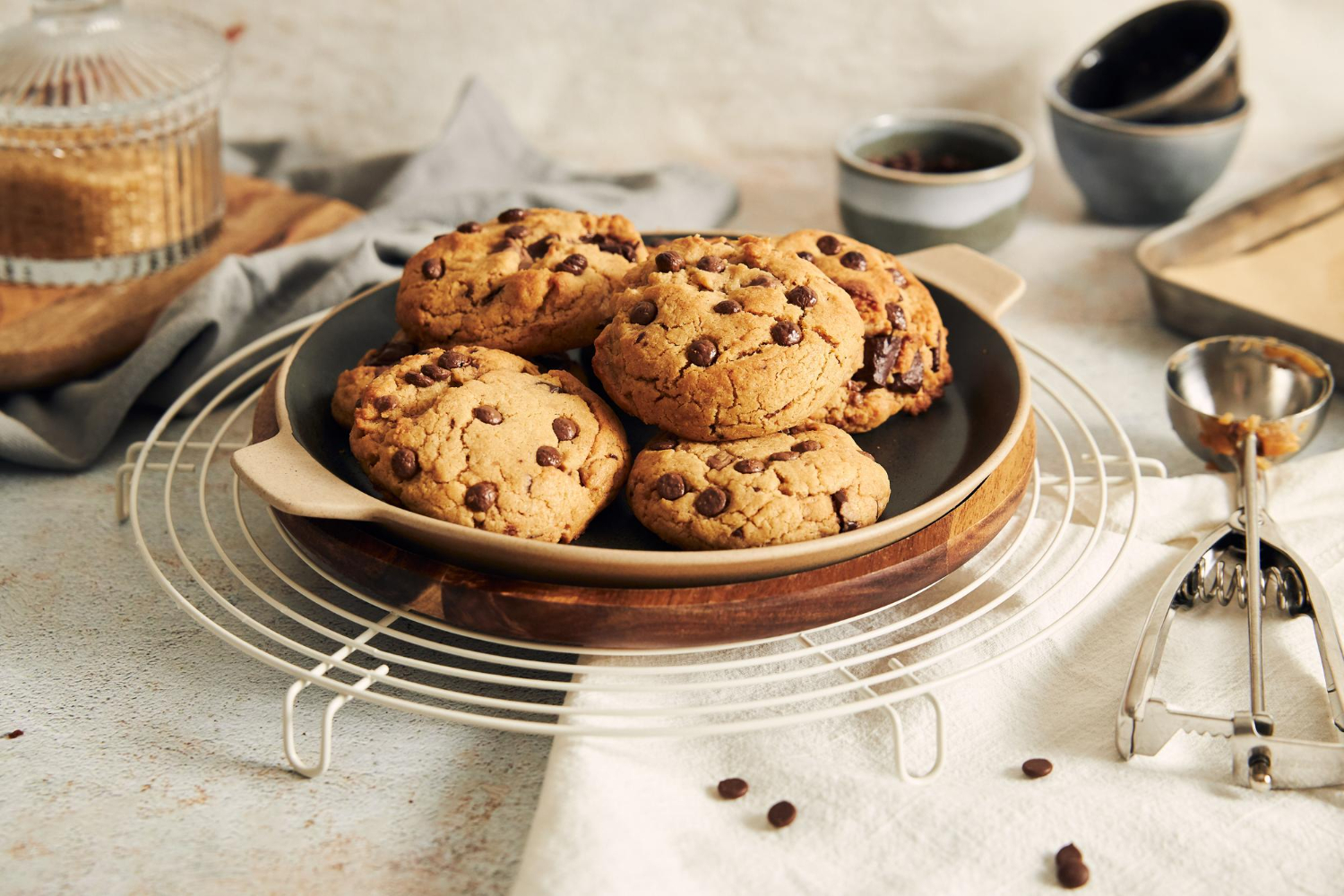
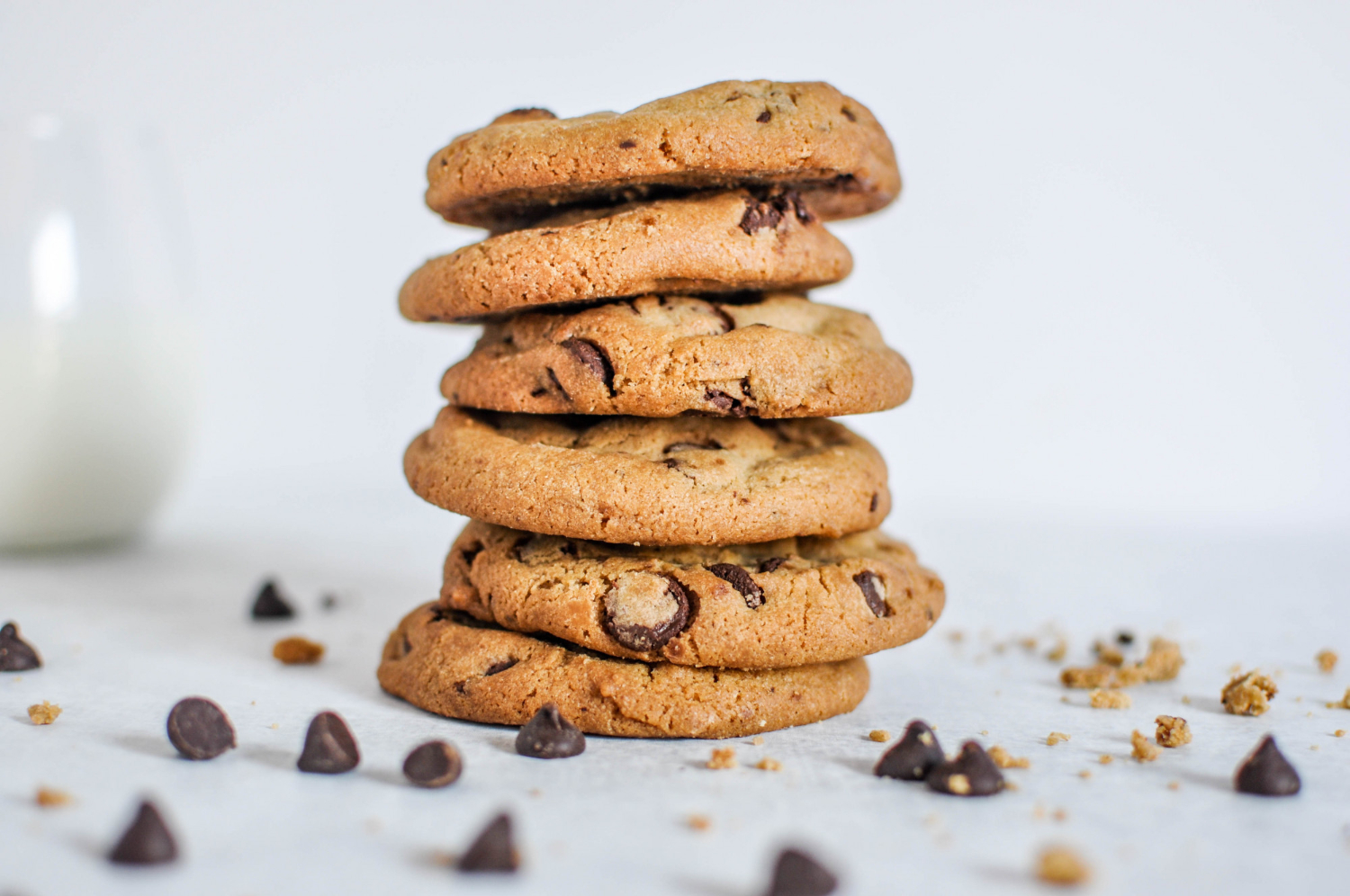
The chocolate chip cookie was invented at a Massachusetts inn in the 1930s. Everything else on this list survived it.
Fair is fair: the national cookie has a hometown too. Ruth Wakefield created the chocolate chip cookie at her Toll House Inn in Whitman, Massachusetts, in the 1930s, and it spread by way of a chocolate company’s wrapper recipe until it became simply “cookies” to most of the country. Massachusetts made it the official state cookie in 1997 — nominated by a third-grade class — and the rest of this list is, in a sense, the regional resistance that held its ground.
Like our content? Follow us for more.
2. The Biscochito: New Mexico Writes Its Cookie Into Law
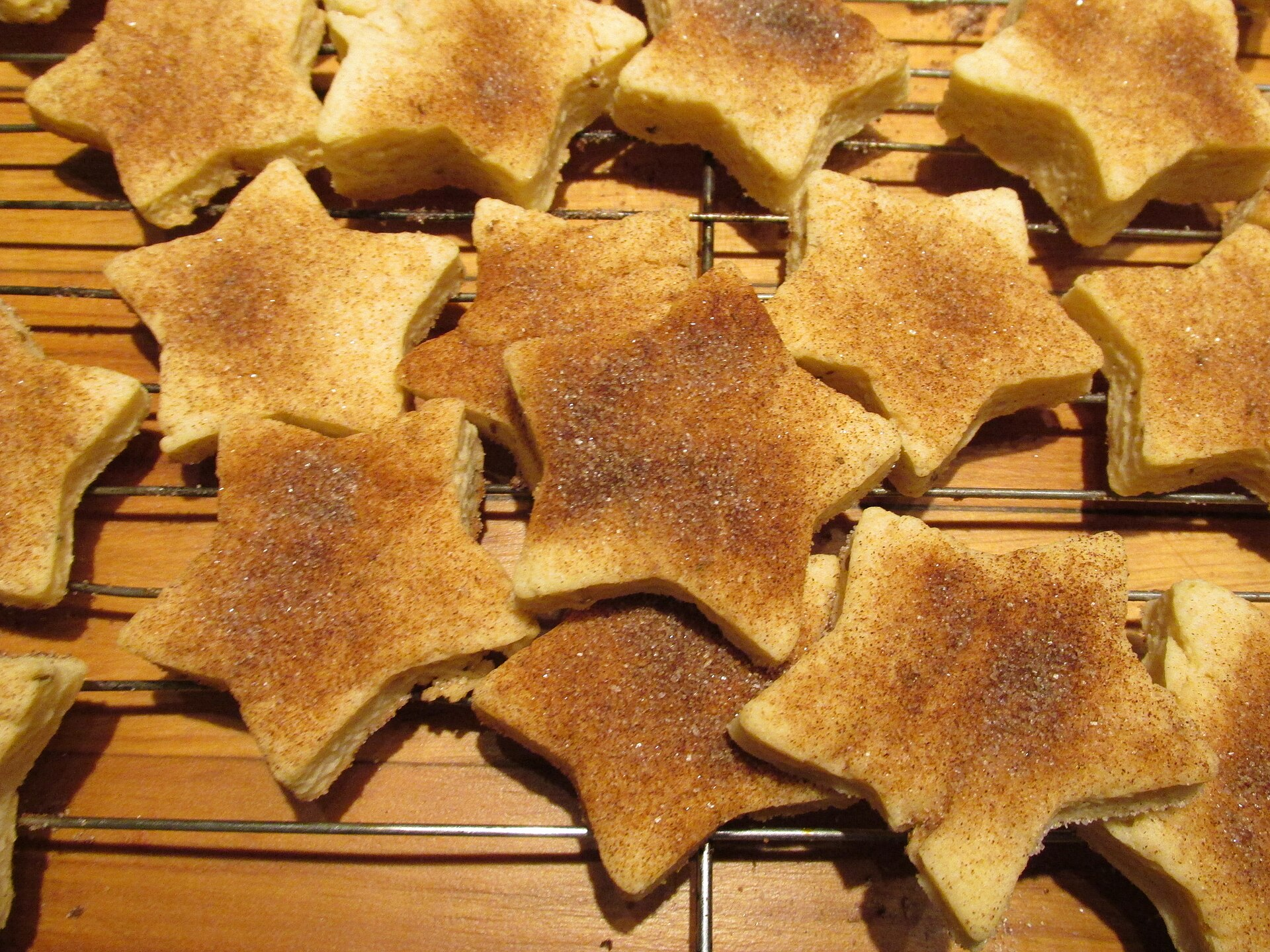
Anise and cinnamon flavor the official state cookie. Christmas and weddings in New Mexico run on it.
New Mexico became the first state to name an official cookie in 1989, and it chose its own: the biscochito, a crumbly, lard-based shortbread scented with anise and dusted in cinnamon sugar, descended from Spanish colonial baking and made by the hundred for Christmas, weddings, and quinceañeras. Families guard their recipes, bakeries sell them by the box at the holidays, and no cookie in America is more tightly wound into one state’s identity.
3. The Whoopie Pie: Maine and Pennsylvania Refuse to Share
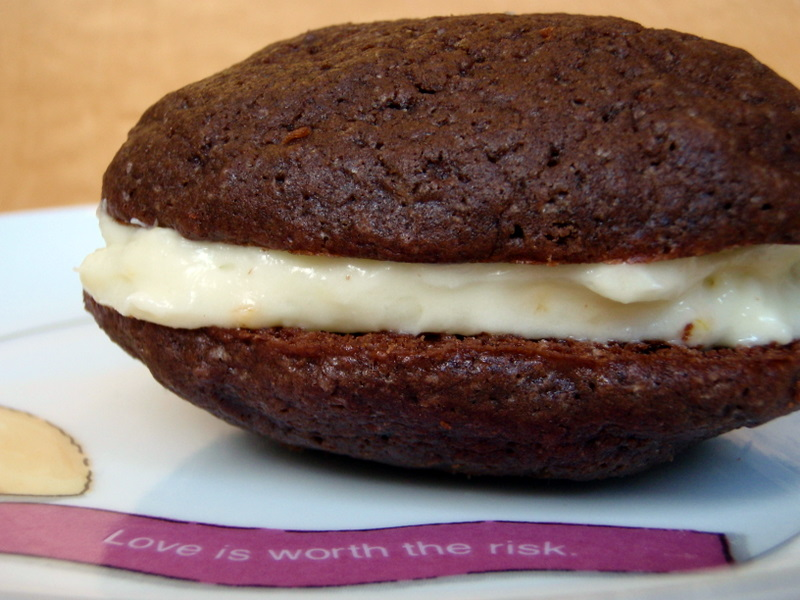
Two regions claim the cream-filled classic. Maine made it the official state treat anyway.
Two soft chocolate cakes around a haystack of cream filling — cookie, pie, or sandwich, depending on your politics — the whoopie pie is claimed with equal ferocity by Maine and by Pennsylvania Dutch country, where lore says farmers finding one in a lunch pail shouted “whoopie!” Maine escalated in 2011 by declaring it the official state treat; Amish country bakeries responded by continuing to sell approximately all of them. The dispute has no referee and needs none. Everyone wins.
4. The Benne Wafer: Charleston’s Thin, Toasty Heirloom
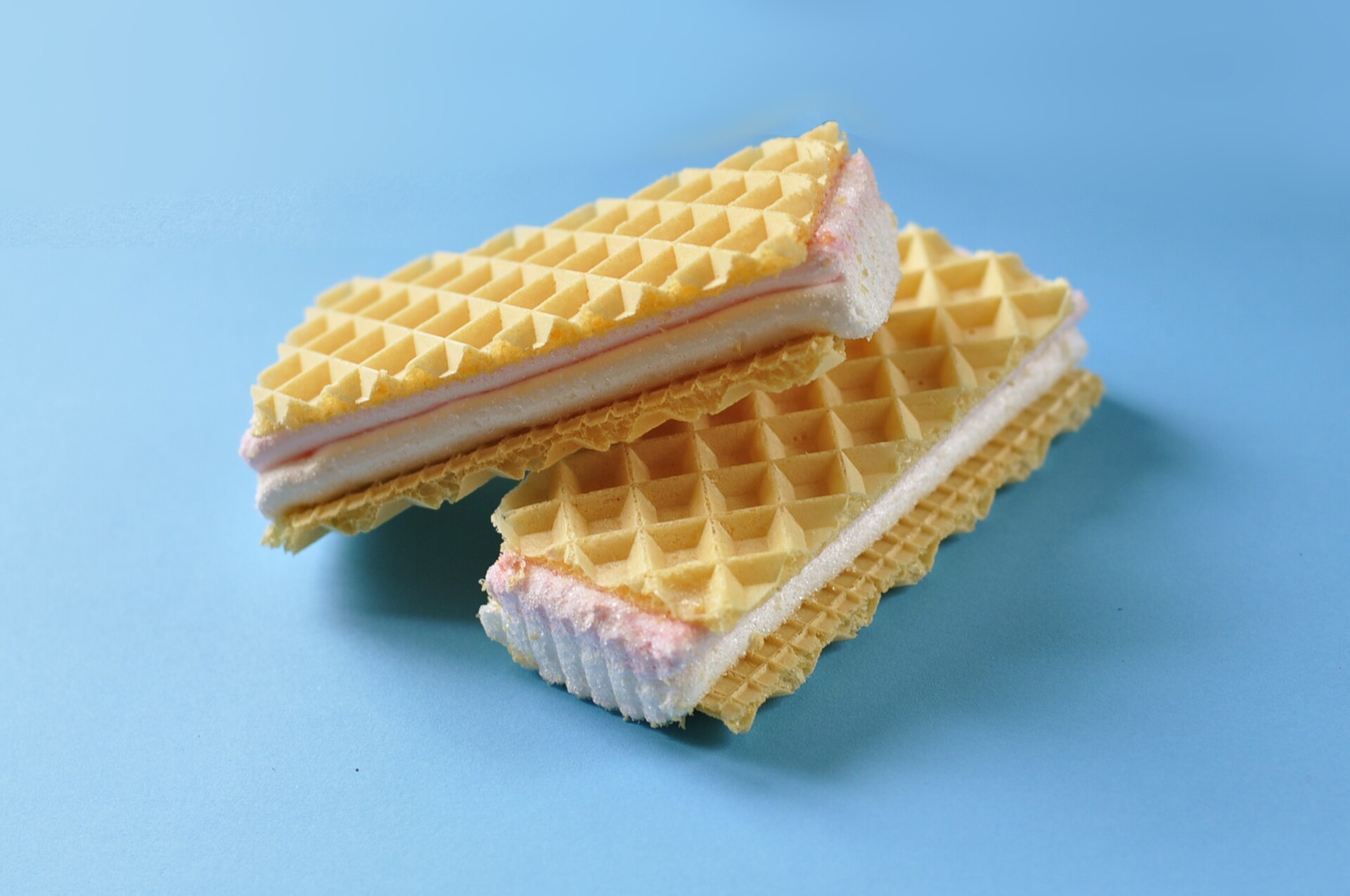
Sesame seeds came to the Lowcountry through the slave trade. The crisp little wafer built on them is Charleston’s signature.
Charleston’s benne wafer is barely bigger than a half dollar — a thin, toasty crisp of caramelized sugar and benne (sesame) seeds, which arrived in the Lowcountry with enslaved West Africans and became central to the region’s Gullah Geechee foodways. Eaten for good luck and sold in tins across the historic district, the little wafer carries more history per bite than anything else in the American cookie jar, and Charleston knows it.
5. The Black-and-White: New York’s Half-Frosted Institution
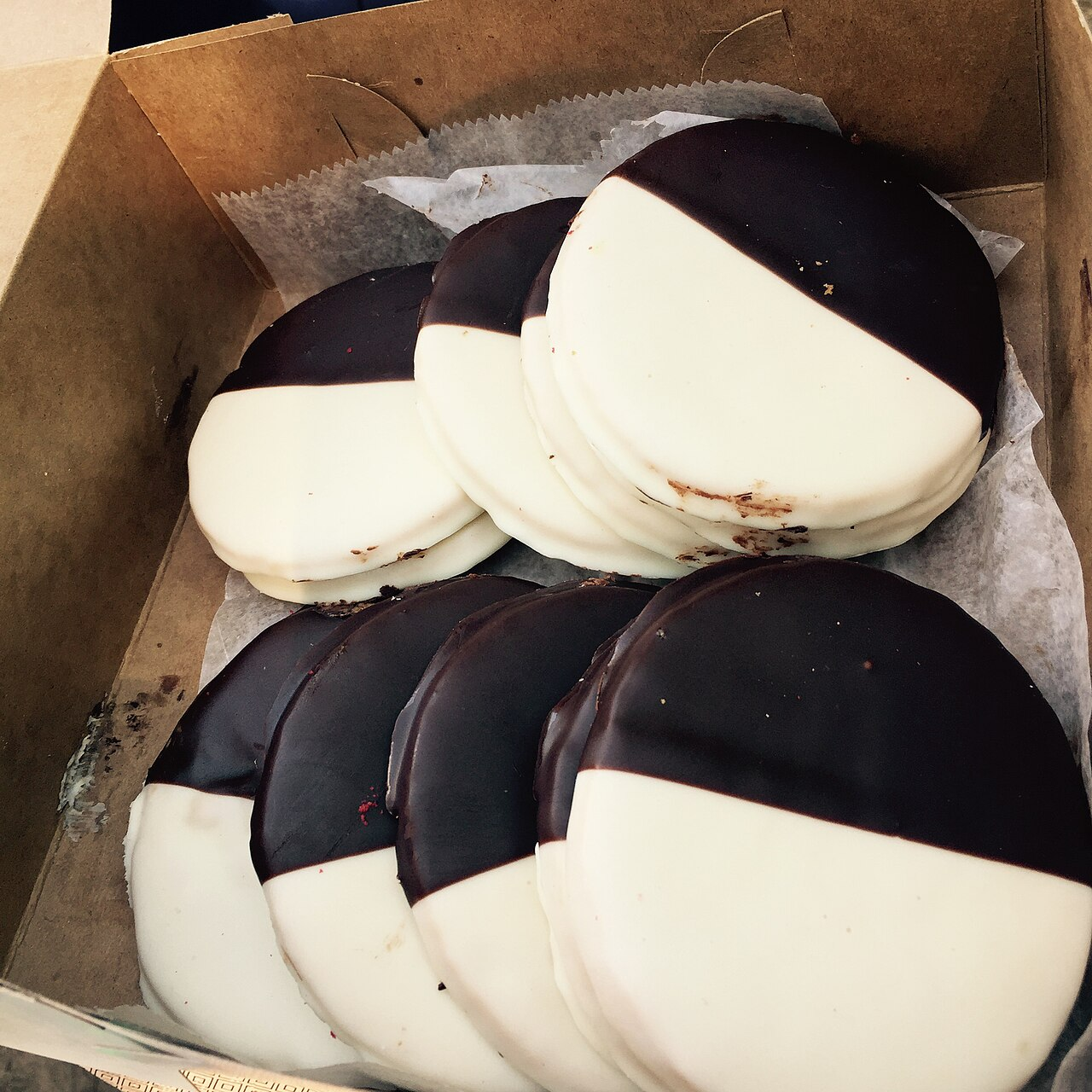
Half vanilla, half chocolate, all deli counter. It’s technically a cake and nobody cares.
Every New York deli and bakery case holds a stack of black-and-whites: soft, cakey rounds iced half in vanilla fondant, half in chocolate, eaten (correctly) one hemisphere at a time. Purists note it’s really a drop cake; New Yorkers note that nobody asked. The black-and-white has anchored the city’s bakery culture for over a century, starred in its sitcoms, and resisted every attempt to improve, shrink, or nationalize it.
6. The Snickerdoodle: The Cinnamon Classic of the Church Bake Sale
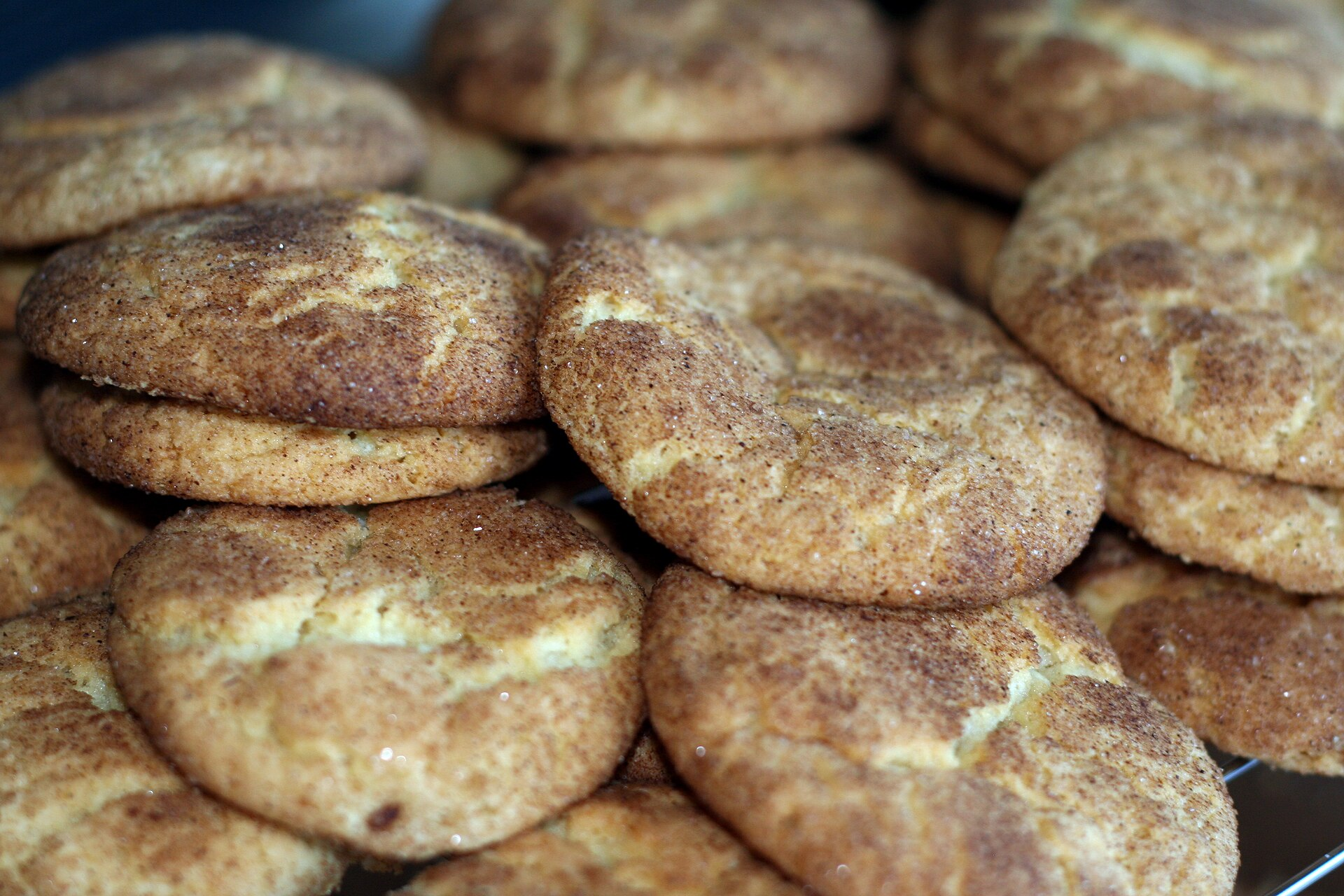
Cream of tartar gives it the signature tang. New England and the Midwest both call it heritage.
With its cracked cinnamon-sugar top and the faint tang that cream of tartar leaves behind, the snickerdoodle is the great cookie of the American church basement and school bake sale — a recipe of likely German origin (the name may riff on Schneckennudeln) that New England cookbooks were printing by the 1890s and Midwestern grandmothers perfected by repetition. It’s the cookie most Americans over fifty can taste on command, usually alongside weak coffee in a fellowship hall.
7. The Ranger Cookie: The Everything-in-the-Pantry West
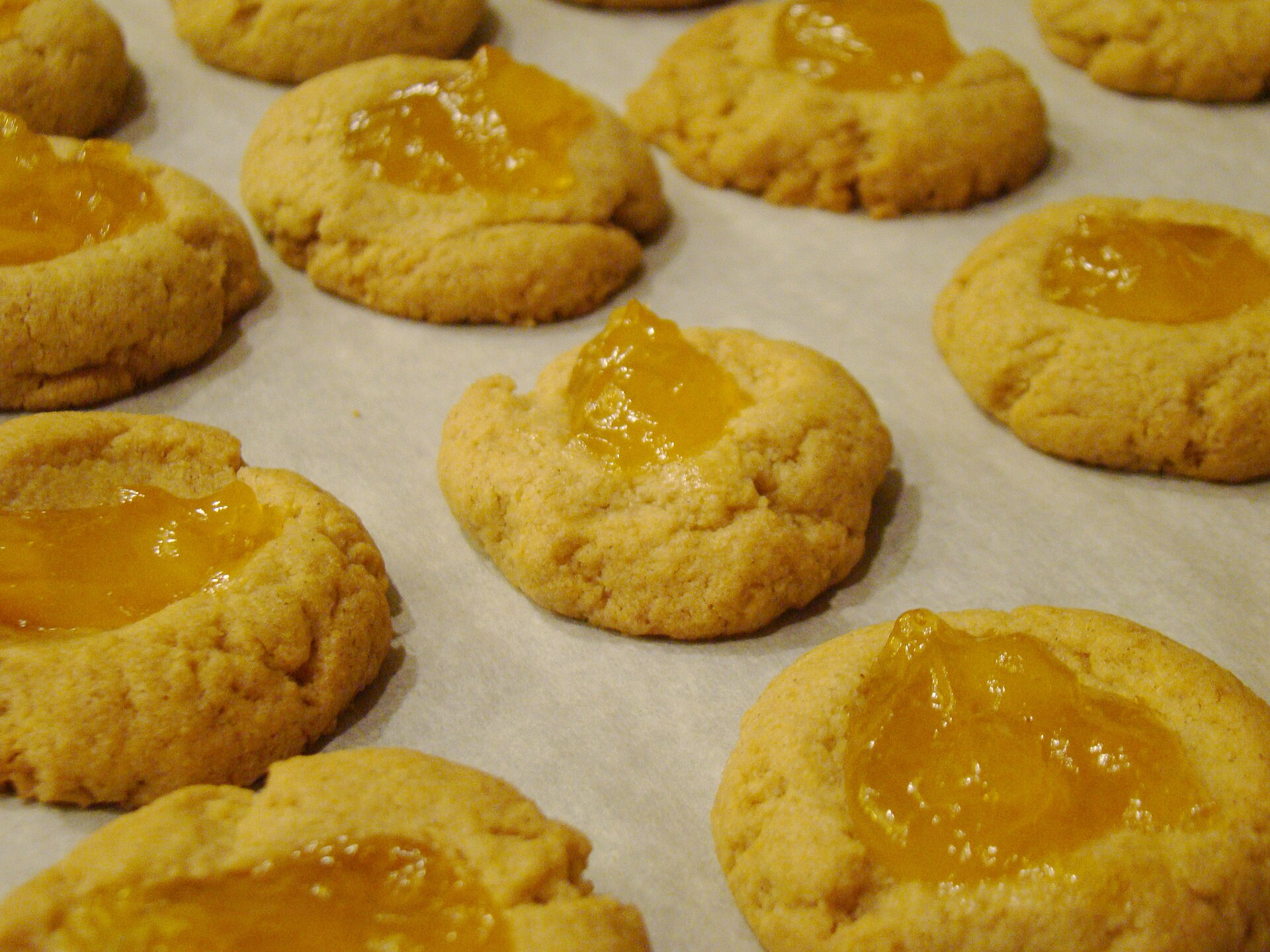
Oats, cereal, coconut, and whatever else was on hand. The West’s kitchen-sink cookie fed ranch country.
Out West the signature cookie is the ranger — sometimes “cowboy cookie” — a rugged everything-drop of oats, crisped rice cereal, coconut, and whatever the pantry offered, built dense enough to survive a saddlebag or a lunch pail. Its recipes trace through mid-century community cookbooks from Texas to Montana, and its whole philosophy is Western: use what you have, make it filling, and bake enough for the hands.
8. The Peanut Butter Blossom: Ohio’s Gift to Every Cookie Tray
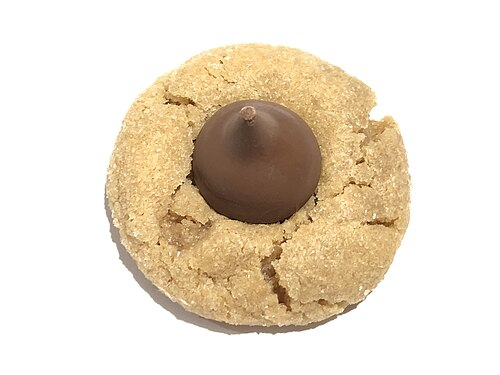
A peanut butter cookie crowned with a chocolate kiss. It was born in an Ohio kitchen and conquered Christmas.
The peanut butter blossom — that crackled peanut butter round with a chocolate drop pressed into its warm center — came from an Ohio home baker’s 1957 contest entry, and though it didn’t win, it out-survived every cookie that beat it, becoming a non-negotiable presence on Midwestern Christmas trays from that decade forward. December cookie exchanges from Cleveland to Kansas City are legally incomplete without it. That’s not a real law, but try skipping it and see.
One Country, Eight Cookie Jars
From a wafer with four centuries of Lowcountry history to a state cookie written into New Mexico statute, the American cookie map is proof that the chocolate chip never fully won — it just moved in alongside traditions that were already home. Every one of these travels well, and every one tastes best where it comes from.
Cookies keep regional lines better than most foods because they’re handed down rather than ordered out — recipe cards, church cookbooks, holiday trays assembled the way grandma assembled them. The result is a country where “bring cookies” means eight different things depending on the zip code, all of them correct. If your travels put you near any of these in their home territory, buy the tin, take the box, say yes to the tray. The regional cookie is America at its most generous, one dozen at a time.
Like our content? Follow us for more.