


The 1975 Sears Wish Book was 605 pages thick, and most American kids spent November circling the toys they wanted to find under the tree. Pet Rocks. Big Wheels. Mood Rings. Cap guns. Stretch Armstrong. Some of those toys went on to sell hundreds of millions of units. Others were quietly pulled from store shelves after children were maimed or killed, the Consumer Product Safety Commission imposed bans, or class-action lawsuits made manufacturers walk away. Here are ten toys that defined Christmas morning 1975 — and which of them you can’t legally buy in the United States today.
1. The Pet Rock
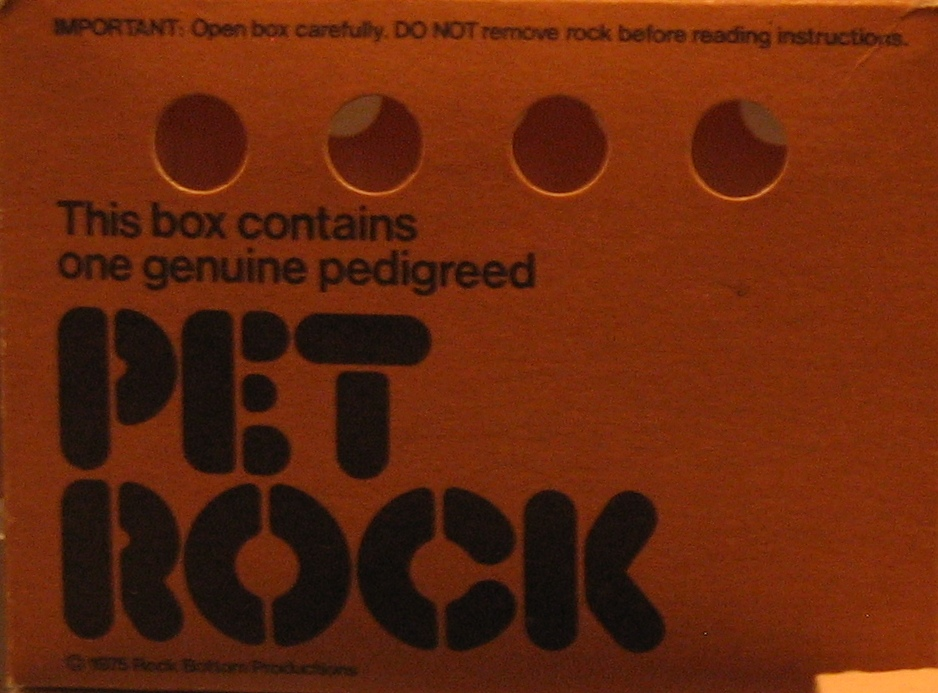
Gary Dahl’s Pet Rock launched in August 1975 and became the runaway Christmas hit of the year. A smooth Rosarita Beach river stone, packed in a cardboard carrier with breathing holes, sold with a 32-page training manual, for $3.95. Dahl sold roughly 1.5 million Pet Rocks during the 1975 holiday season and became a millionaire by Christmas Eve, with Time Magazine covering the phenomenon as the bizarre marketing story of the decade. The Pet Rock is not banned today. It is, however, no longer manufactured at the original scale. Dahl died in March 2015 at age 78, and a small operation owned by his family continues to produce the rocks as a novelty item. The original 1975 packaging now sells on eBay for $40 to $100 in unopened condition, and complete sets with the manual have reached $300 at auction.
2. The Big Wheel
Louis Marx and Company introduced the Big Wheel in 1969, and by 1975 it was the dominant ride-on toy in American suburbia, with roughly 9 million units sold across the early 1970s. Three plastic wheels, low-slung seat, hand brake on the right rear, the iconic red, yellow, and blue color scheme. The original Big Wheel is still legal and still manufactured today by Empire Industries after Marx folded in 1980. But the early 1970s models drew years of CPSC complaints over the front axle, which could shear off at speed and send a child face-first onto the asphalt. According to CPSC injury data, Big Wheels and similar low-rider tricycles have caused thousands of pediatric ER visits over the decades. Modern reissues use redesigned axles, larger pedal cranks, and added safety reflectors. The original 1970s axle assembly would not pass current CPSC structural standards for ride-on toys.
3. The Easy-Bake Oven
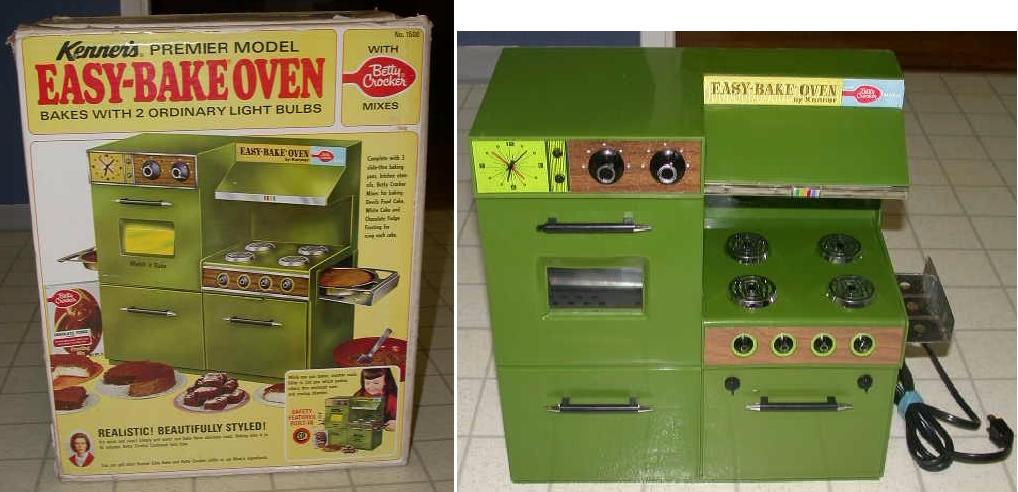
Hasbro’s Easy-Bake Oven, originally introduced in 1963, was the most-requested girls’ toy of Christmas 1975. The 1975 model used a 100-watt incandescent light bulb to bake miniature cakes at temperatures up to 350 degrees. In 2007, Hasbro recalled nearly 1 million Easy-Bake Ovens after reports of severe burns and partial finger amputations on a redesigned front-loading model. The original 1975 light-bulb version is no longer manufactured and would not pass current CPSC safety standards. Modern Easy-Bake Ovens use a real low-temperature heating element with safety lockouts.
4. Clackers (Klick-Klack Balls)
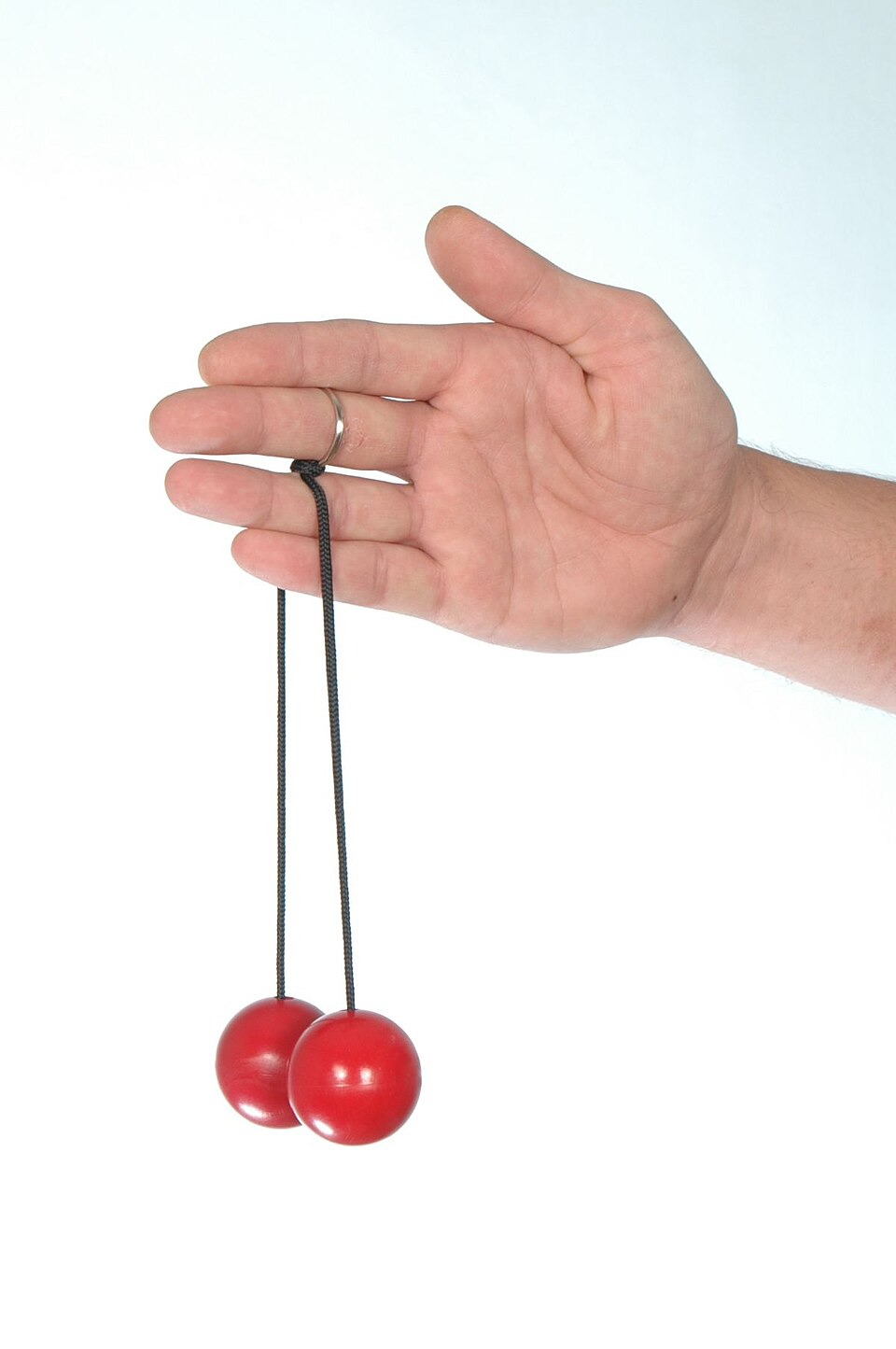
Two acrylic balls on a string, swung up and down until they smashed together at the apex with a sharp report. Clackers were the noise-toy hit of the early 1970s, with multiple brands competing — Click-Clacks, Knockers, Whippers. The FDA banned the original acrylic version in 1971 after the balls shattered on impact and sent acrylic shards into kids’ faces and eyes. The agency classified them as a “mechanical hazard” under the Hazardous Substances Act. The plastic reformulation that replaced them — softer polymer — was still on toy shelves in 1975 but the original acrylic version had been federally banned four years earlier. Today’s modern clackers, marketed as “tap balls” or “lato-lato,” use polyurethane or rubber and have made periodic comebacks driven by viral TikTok videos. The original acrylic version remains federally illegal to manufacture or import.
5. Creepy Crawlers and the Thingmaker
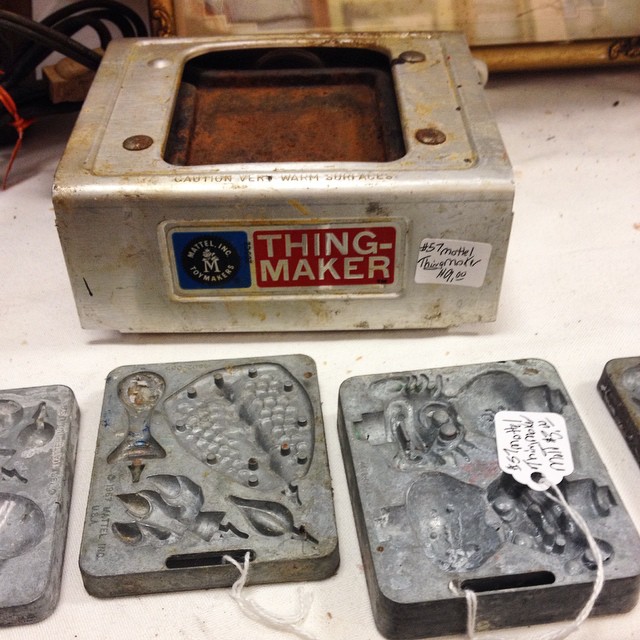
Mattel’s Thingmaker, which produced rubber Creepy Crawlers from poured Plastigoop in metal molds, was a staple of the 1975 Christmas list. The toy heated the molds to 390 degrees on an exposed metal hot plate, with the molds picked up by tongs. According to Consumer Reports, the original Thingmaker caused hundreds of severe burns through the 1960s and 1970s, and many kids reported melted Plastigoop sticking to their skin after improper cooling. The original 1964-design Thingmaker was discontinued by Mattel in 1978 after a series of recalls and CPSC pressure. Modern reissues, including the 1992 ToyMax version and later editions, use enclosed heating units, automatic shutoff after the heating cycle, and protected molds with low-temperature operation. The original is not federally banned outright but is not legally importable under modern children’s product safety standards.
6. Lawn Darts (Jarts)
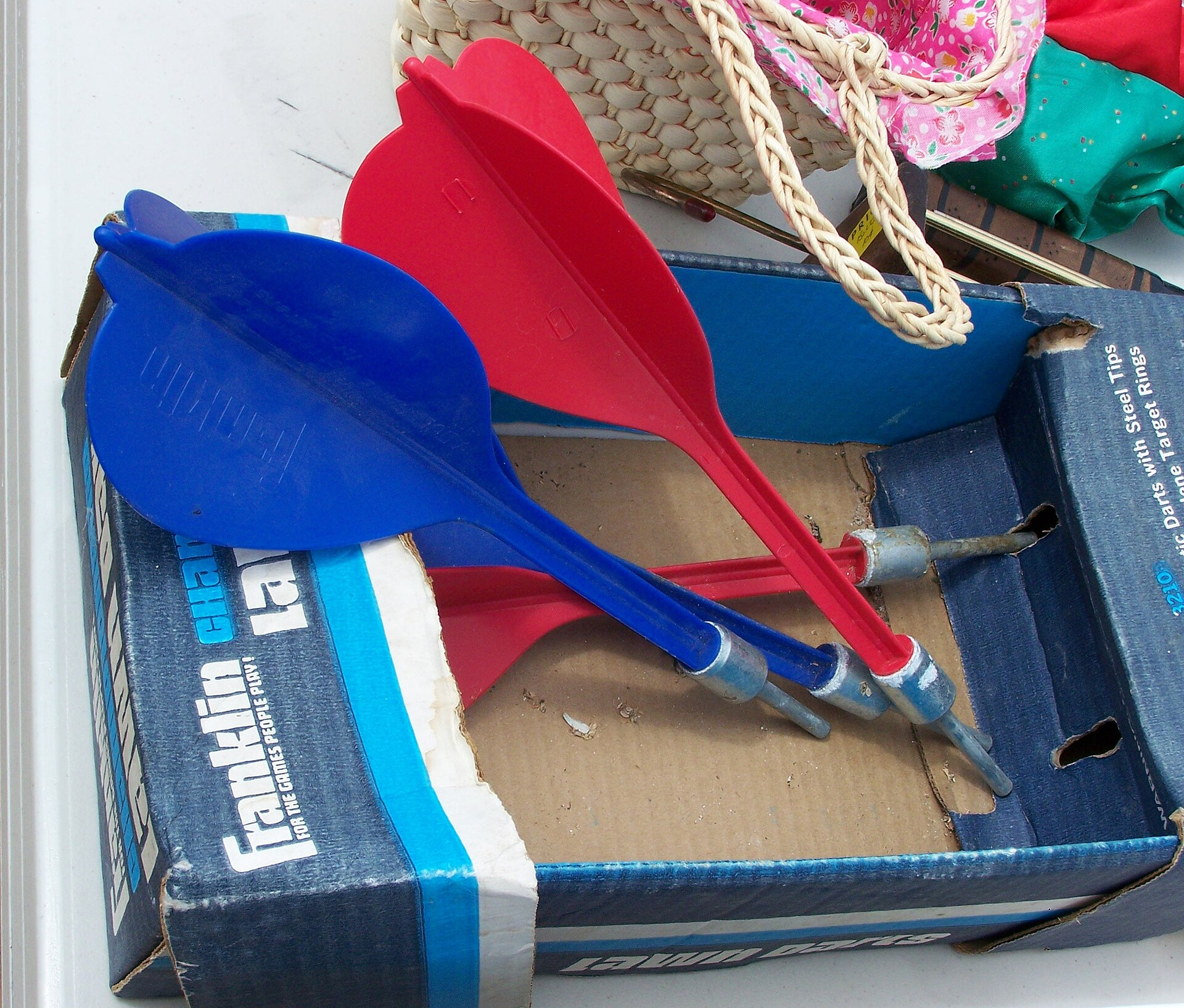
Three-quarter-pound metal-tipped projectiles, packaged as a family lawn game. Lawn darts were a frequent 1975 Christmas gift, advertised in Sears and JCPenney catalogs as a “fun outdoor activity.” The CPSC banned the sale of lawn darts in December 1988 after documenting an estimated 6,100 injuries and at least three child deaths. The 1987 death of seven-year-old Michelle Snow of Riverside, California was the tipping point that finally moved federal regulators to act. Selling lawn darts in the United States today remains a federal violation, even at yard sales, estate auctions, and online marketplaces. eBay listings are pulled within hours.
7. The Daisy Red Ryder BB Gun
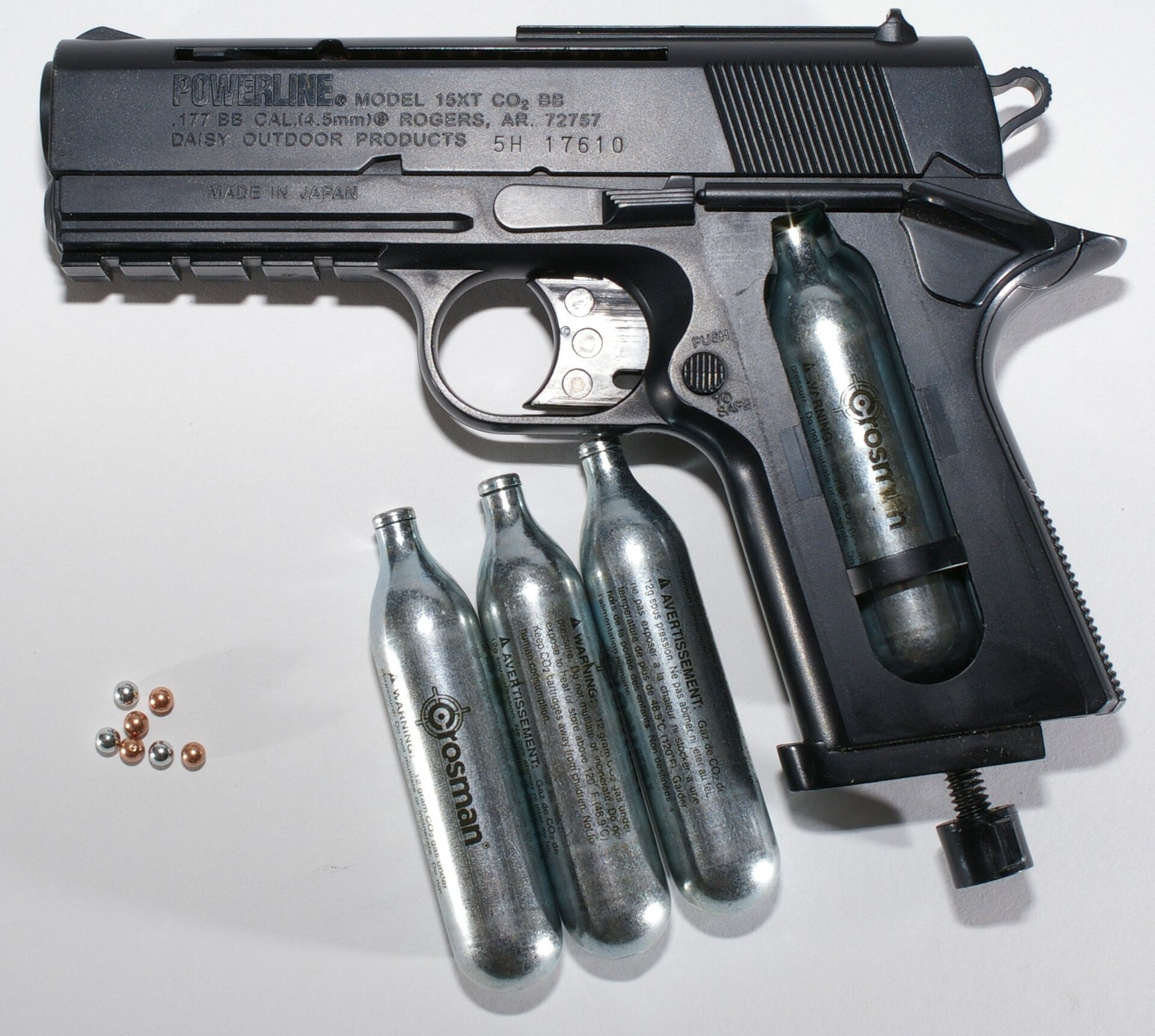
Daisy Manufacturing’s Red Ryder model BB gun was the defining boys’ Christmas gift from the 1940s through the 1980s. By 1975, Daisy had sold over 9 million units of the Red Ryder alone. The gun fires copper-plated steel BBs at about 350 feet per second. The Red Ryder is still legal and still manufactured today, but many states and most municipalities have age restrictions on purchase and possession. The CPSC has issued repeated non-powder firearm safety warnings noting that BB and pellet guns cause an average of 16,000 ER visits per year in the U.S., with most injuries occurring in children under 14.
8. The Stretch Armstrong
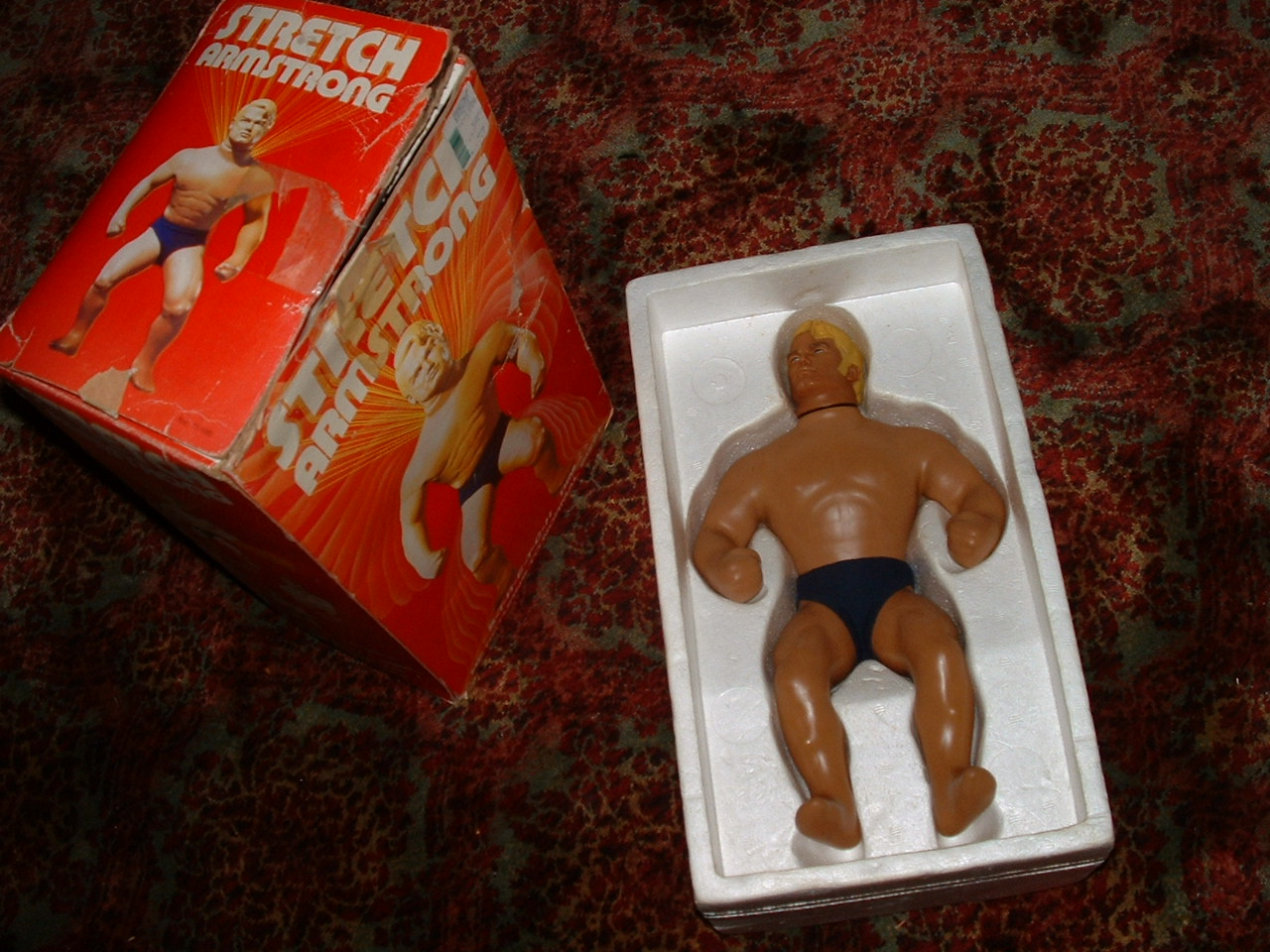
Hasbro’s Stretch Armstrong, a 14-inch latex-rubber action figure filled with corn-syrup gel, hit American Christmas shelves in 1976 — just past 1975 but on the wish list a year early as the prototype circulated. The original 1976 Stretch could be stretched to about four feet long without tearing. Hasbro discontinued the original mid-1980s due to manufacturing costs and latex allergy concerns. The original is not federally banned. It is, however, regulated under modern CPSC chemical limits for latex toys, and modern reissues use safer fillers and lower-allergen latex blends. The original gel formula contained corn syrup and small amounts of preservatives.
9. Cap Guns and Cap Roll Caps
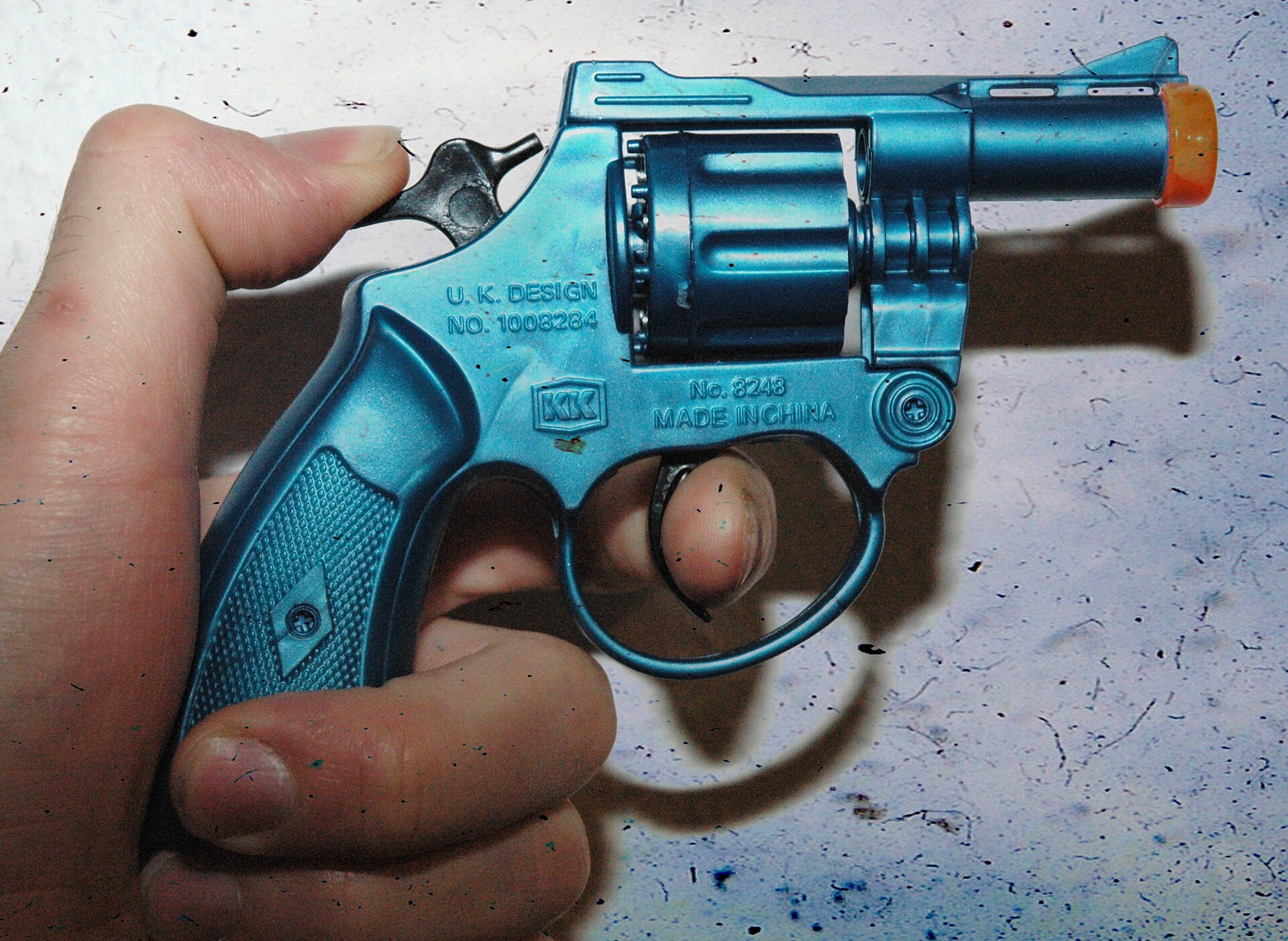
Realistic metal cap pistols and paper roll caps were standard 1975 Christmas gifts for boys. Hubley, Daisy, and Mattel sold replica revolvers and rifles made of chromed metal that looked nearly indistinguishable from real firearms. The Federal Toy Gun Marking Act of 1988 required orange tips on all toy guns sold in the United States after multiple police shootings of children holding lookalikes. Today, many school districts will suspend a student for bringing any toy gun, even a water pistol painted bright pink. The 1975 metal cap pistol is not technically illegal to own but cannot be sold without the orange tip.
10. Slip ‘N Slide (the Driveway Version)
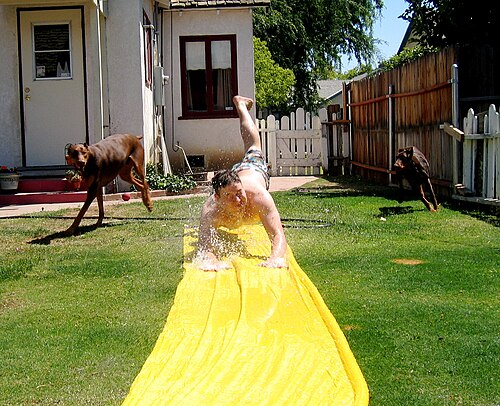
Wham-O’s Slip ‘N Slide, introduced in 1961, was on many 1975 Christmas wish lists despite the original packaging carrying no warnings whatsoever. Kids ran it across concrete driveways, gravel paths, and paved cul-de-sacs. According to the CPSC injury database, the Slip ‘N Slide caused at least seven documented adult spinal-cord injuries in the 1990s when grown adults tried it. Wham-O eventually added a warning that the product is for children twelve and under only — adults can land headfirst on hard ground. The product was never formally recalled, but the original 1961-formula driveway version with no warnings would not pass modern CPSC labeling rules.
